 Cykeo RFID IoT Solution Products R&D Manufacturer
RFID vs. NFC: Which Is Better for Inventory Tracking?
1040Compare RFID and NFC for inventory tracking. Learn the pros, cons, and best use cases for each technology in retail, manufacturing, and small businesses.
MoreAll RFID Product
how far away can an RFID tag be read depends on its frequency, tag design, reader power, antenna, orientation, and surrounding materials. Passive UHF RFID tags typically read several meters, with GS1 citing ranges up to 10 meters in normal deployments and up to 15 meters in special cases.
In field testing, “maximum range” is rarely the number that matters.
A tag may respond at 10 meters during an open-air bench test and become unreliable at 4 meters once it is attached to a liquid-filled container, placed behind another product, or rotated away from the antenna.
GS1 makes the same distinction: passive UHF RFID read range is influenced by reader power, interference, antenna characteristics, polarization, tag orientation, and the surrounding environment. GS1 gives up to 10 meters as a typical UHF range, while noting that the distance can be substantially reduced or extended by absorbing or shielding materials.
That is why an RFID specification should not be reduced to a single line such as “15-meter reading distance.”
The frequency band changes the practical reading distance considerably.
| RFID Type | Typical Read Range | Common Applications |
|---|---|---|
| LF RFID | 10–50 cm | Access control, animal identification |
| HF RFID | 10 cm–1 m | Tickets, cards, documents |
| Passive UHF / RAIN RFID | Up to about 10 m depending on environment | Inventory, logistics, asset tracking |
| Active RFID | 100 m or more can be possible | Long-range asset tracking |
These are technology-level ranges, not guaranteed distances for every tag or reader. GS1 specifically identifies 860–930 MHz as the operating band for UHF/RAIN RFID and notes that environmental conditions strongly affect actual performance.
More RF power can increase the energy available to a passive tag, but simply turning power up is not a complete solution.
Higher output can also enlarge the interrogation area and increase the possibility of unintended reads.
Antenna design determines where the RF energy is concentrated.
A focused directional antenna may provide a longer usable distance in a warehouse aisle, while a near-field or short-range antenna may deliberately restrict the reading area around a workstation.
Two tags using the same RFID chip can behave very differently.
A larger, properly tuned tag antenna generally has more usable RF coupling than a tiny tag designed for a restricted installation space. RFID Journal has documented passive UHF tags with practical ranges varying from only a few feet to considerably farther depending on tag and reader configuration.
This is one of the details that often gets missed in product demonstrations.
Turn a tag 90 degrees relative to a linearly polarized antenna and the read performance can change dramatically.
GS1 specifically identifies antenna polarization and tag orientation as major factors affecting the volume in which tags can be read.
A passive UHF RFID tag does not normally transmit using its own battery.
The reader sends RF energy toward the tag. The tag harvests energy from that field, then communicates by changing the reflection characteristics of its antenna—known as backscatter.
GS1 describes this reader-to-tag energy transfer and tag backscatter mechanism as the foundation of EPC/RFID operation.
That distinction matters when evaluating distance.
The reader must first deliver enough energy to activate the tag. The tag must then return a signal strong enough for the reader to decode.
The path works both ways.
Reader → RF energy → Tag → Backscatter → Reader
This is also why a passive RFID tag cannot simply be treated like a small radio transmitter.

Consider a retail stockroom.
A worker wants to read the ten tagged cartons on one pallet.
A 12-meter reading field might sound impressive.
But if the antenna also captures cartons on the adjacent pallet, the system has created a data-quality problem.
For warehouse portals, smart shelves, retail checkout stations, and library security gates, the better engineering question is often:
“How large should the reliable reading zone be?”
rather than:
“What is the maximum distance?”
GS1 explicitly notes that the shape of the volume in which tags can be read can be more important than raw distance.
For Cykeo RFID deployments, this principle is particularly relevant when selecting between fixed readers, integrated antennas, desktop systems, and gate-style installations.
The target is not the biggest RF field.
It is the right RF field.
For most commercial passive UHF RFID deployments, several meters is a realistic working range, while 10 meters is a useful industry reference point rather than a universal guarantee. GS1 currently states that passive UHF/RAIN RFID is typically readable over several meters, with up to 15 meters possible in very special cases; some highly optimized phased-array systems can reach farther.
That difference matters when specifying equipment.
A warehouse portal, for example, may need a controlled 3–6 m interrogation zone. An open yard may justify a much longer field. A desktop registration station may intentionally work at less than 30 cm.
The “best” range depends on the job.
Reader transmit power directly affects how much RF energy reaches a passive tag. But maximum power is not automatically the best configuration.
In a retail security gate, excessive range can cause tags from nearby merchandise to enter the interrogation zone. In a warehouse dock door, insufficient range can leave tags unread as pallets move through the portal.
Cykeo fixed UHF readers can be configured with adjustable output power, allowing the reading field to be tuned around the installation rather than treating maximum RF output as the target.
The antenna is effectively the shape of the reader’s RF field.
A high-gain directional antenna can concentrate energy into a particular area. Circular polarization can provide better tolerance when tag orientation varies, while linear polarization can offer stronger performance when tag orientation is predictable.
RAIN RFID documentation notes that far-field antennas can achieve ranges of 15 meters or more depending on reader output power and antenna gain, while antenna radiation patterns determine the three-dimensional reading area.
This is one of the easiest things to underestimate during a demonstration.
A tag lying flat may perform very differently from the same tag rotated sideways. If the tag antenna and reader antenna are poorly aligned, polarization mismatch can reduce the available RF link.
GS1 specifically identifies antenna directivity, gain, polarization and tag orientation as factors that determine the interrogation volume.
Metal and liquids can change the result dramatically.
Metal may reflect or detune RF energy. Water and other liquids can absorb RF energy. A tag that performs well on a cardboard carton can therefore behave very differently when placed directly against a metal container.
GS1 notes that absorbing or shielding materials can substantially reduce RFID read distance.
For industrial deployments, tag selection should therefore happen with the actual product, not only with a loose RFID inlay on a test bench.

A useful deployment test should reproduce the environment as closely as possible.
For example, when evaluating a warehouse RFID portal, I would not start by asking, “How far can this reader see?”
I would ask:
These questions reveal the actual engineering requirement.
GS1’s RFID guidance makes a similar point: the shape and volume of the interrogation zone can matter more than maximum read distance.
| Application | Typical Design Priority | Practical Range Consideration |
|---|---|---|
| Apparel checkout | Tight reading zone | Short, controlled |
| Desktop tag encoding | Very short range | Centimeters to tens of centimeters |
| Library security gate | Defined passage | Controlled gate width |
| Warehouse shelf | Selective coverage | Short to medium |
| Dock-door portal | Wide coverage | Several meters |
| Forklift tracking | Directional coverage | Several meters |
| Yard asset tracking | Long coverage | Longer-range UHF configuration |
| Handheld inventory | Flexible coverage | Operator-dependent |
The table should be read as a design guide, not as a promise of a particular distance.
For a fixed UHF RFID installation, Cykeo’s architecture combines several elements that determine practical reading performance.
The reader supplies RF energy and manages communication with passive UHF tags.
The antenna determines how that energy is distributed through the physical environment.
The tag converts incoming RF energy into operating power and responds through backscatter. GS1’s current EPC Gen2 specification defines this passive-backscatter architecture for UHF RFID systems operating in the 860–930 MHz range.
The application determines which tag events matter.
A reader may technically detect a tag, but the software still needs to determine whether that event represents:
This is where RFID hardware becomes an operational system.
Long distance is only useful when the tag can be read consistently.
GS1 documentation reports that RFID deployments commonly achieve read rates in the 95–99% range, with well-engineered systems capable of higher performance over repeated reads. It also emphasizes distance, tag material, orientation and tag design as important variables.
In practical testing, I would therefore record more than maximum range.
A useful test sheet includes:
| Test Parameter | Measurement |
|---|---|
| Distance | 1 m / 3 m / 5 m / 8 m / 10 m |
| Tag orientation | 0° / 45° / 90° |
| Product material | Cardboard / plastic / metal / liquid |
| Antenna type | Linear / circular |
| Reader power | Configured dBm |
| Tag quantity | 1 / 10 / 50 / 100+ |
| Read rate | Successful reads / total reads |
| False reads | Tags outside target zone |
| Movement | Static / walking / forklift |
| Environmental condition | Open space / rack / dock |
This produces information that can actually guide a deployment.
Yes. Passive UHF/RAIN RFID tags can typically be read several meters away, and GS1 cites up to 10 meters as a typical reference while noting that special configurations can reach approximately 15 meters or more.
There is no universal maximum. GS1 notes that passive UHF systems can reach 15 meters in special cases, while some phased-array configurations can reach approximately 20 meters. Active RFID can exceed 100 meters because the tag has its own power source.
RFID performance through walls depends heavily on wall construction and materials. Metal, dense construction materials and other RF-absorbing or shielding structures can substantially reduce the usable reading distance.
Often, a larger and appropriately tuned antenna can improve performance, but physical size alone does not determine range. Chip sensitivity, antenna design, matching, orientation, reader configuration and environment all matter.
Higher output power can extend the interrogation zone, but it can also increase unwanted reads. The correct power level should be selected according to the required reading zone and regulatory limits.
The surrounding environment may be changing the RF field. Metal racks, liquids, tag orientation, antenna polarization, reader placement and interference can all affect performance. GS1 recommends evaluating RFID in the actual operating environment rather than relying solely on theoretical range.
Cykeo deployments can be optimized through reader output configuration, antenna selection, antenna positioning, suitable tag selection and software-level read-zone control. The goal is a reliable interrogation area suited to the application—not simply the longest possible distance.
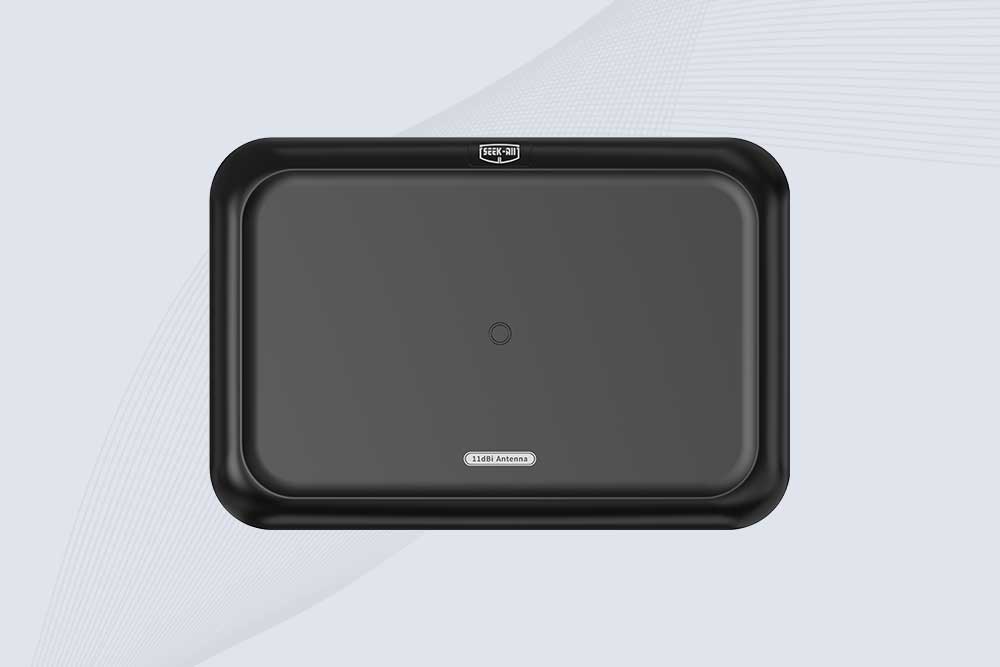
SSD-A11 UHF RFID antenna features 840–960 MHz adjustable frequency, ≥10.5 dBi gain, circular polarization and 50Ω impedance for fixed RFID systems.
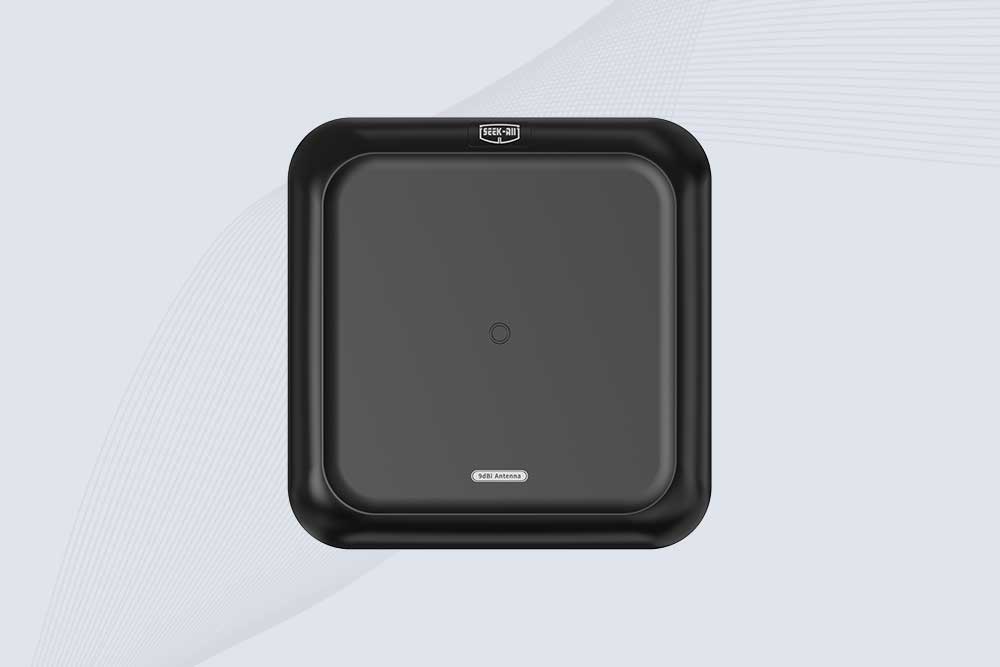
SSD-A09 is a 9 dBi UHF RFID antenna with 840–960 MHz adjustable frequency, circular polarization, 50Ω impedance and directional 60° × 60° coverage.
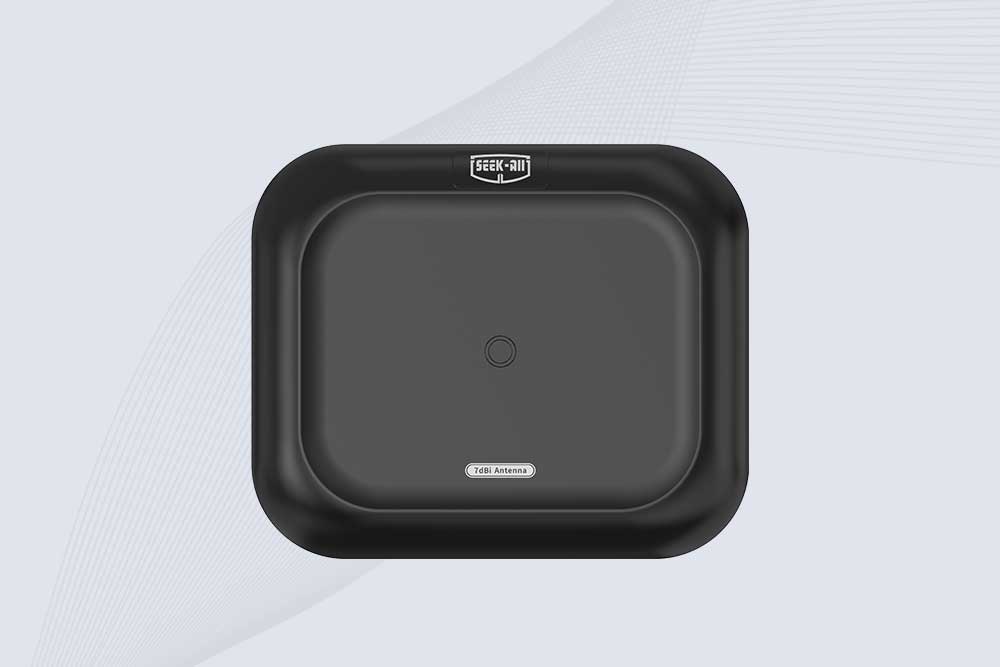
Explore the SSD-A07 UHF RFID antenna with 7 dBi gain, circular polarization, adjustable 840–960 MHz frequency, and 60°/75° beamwidth for stable RFID read/write performance.

SSD-A06 UHF RFID antenna with circular polarization, adjustable 840–960 MHz frequency, ≥4.5 dBi gain, and a compact directional design for RFID systems.

Discover SSD-D4AL, a USB-HID UHF RFID reader with 4/8/16 antenna options, Impinj E710/X3M1 chipset, plug-and-play USB power, and OEM customization.
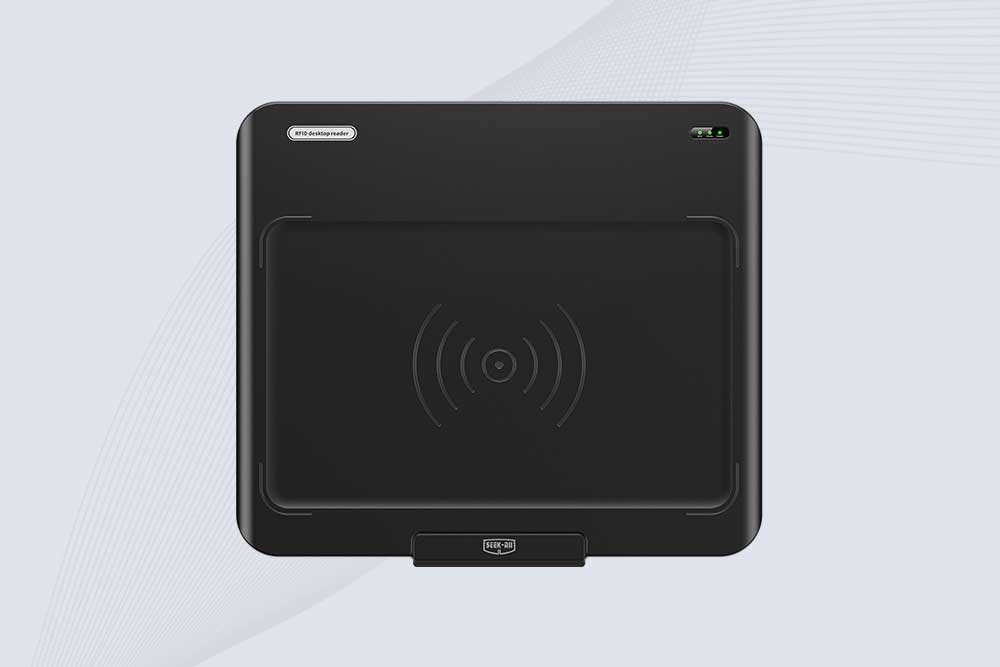
SSD-D3AL is a USB-HID UHF RFID reader with 0–30 cm reading, 0–15 cm writing, over 600 tags/s recognition, USB plug-and-play operation and OEM Logo customization.
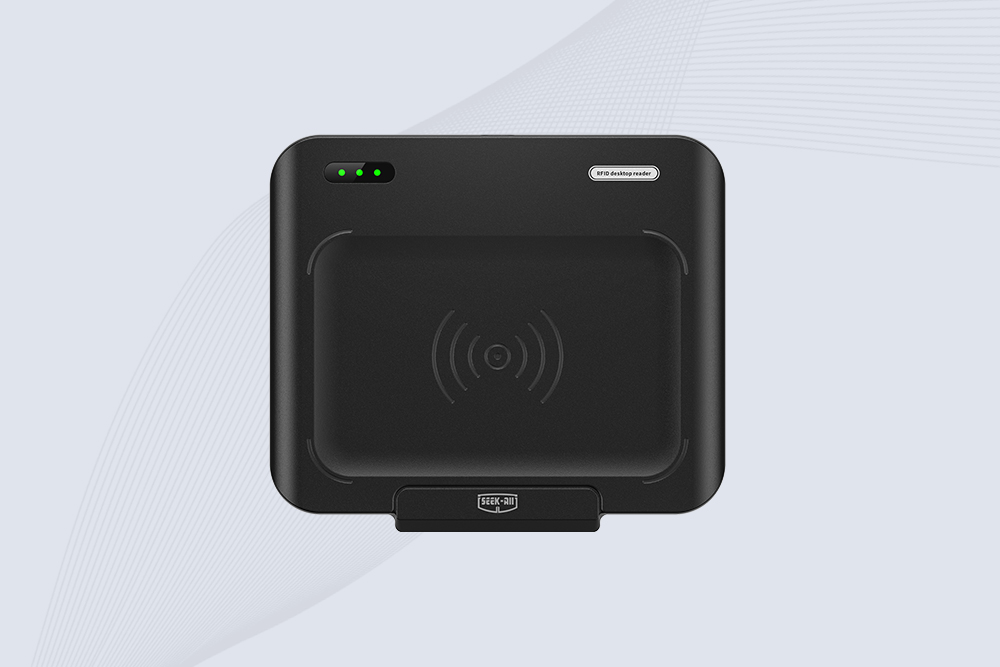
SSD-D1AL is a compact USB UHF RFID reader with Impinj E710/X3M1 chipset, USB-HID, 600+ tags/s recognition, 4/8/16 antenna support and plug-and-play USB power.

SSD-R16L Multi-Channel RFID Infrastructure for Automated Inventory Management ✔️ 16-Port High-Density RFID Reading Equipped with 16 SMA antenna ports, SSD-R16L supports multi-antenna deployment for warehouses, retail stores, logistics, production lines, and large-area RFID identification. ✔️ High-Speed & Long-Range Performance With up to 33…
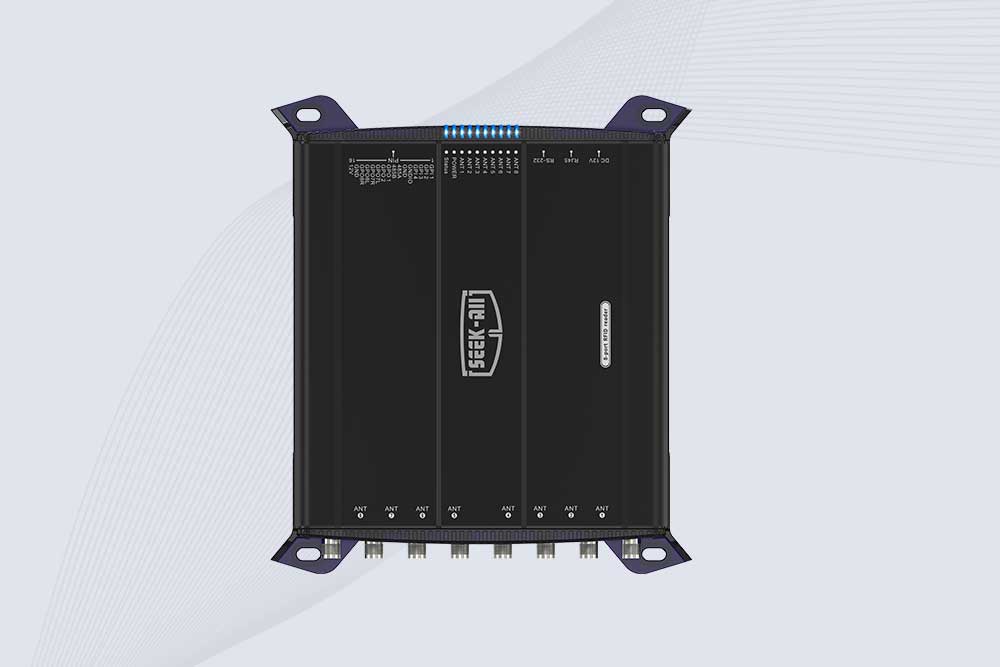
SSD-R8L 8-port UHF RFID reader with 33dBm output, up to 20m reading range and 600+ tags/s recognition. Ideal for warehouse, logistics, retail and asset tracking.
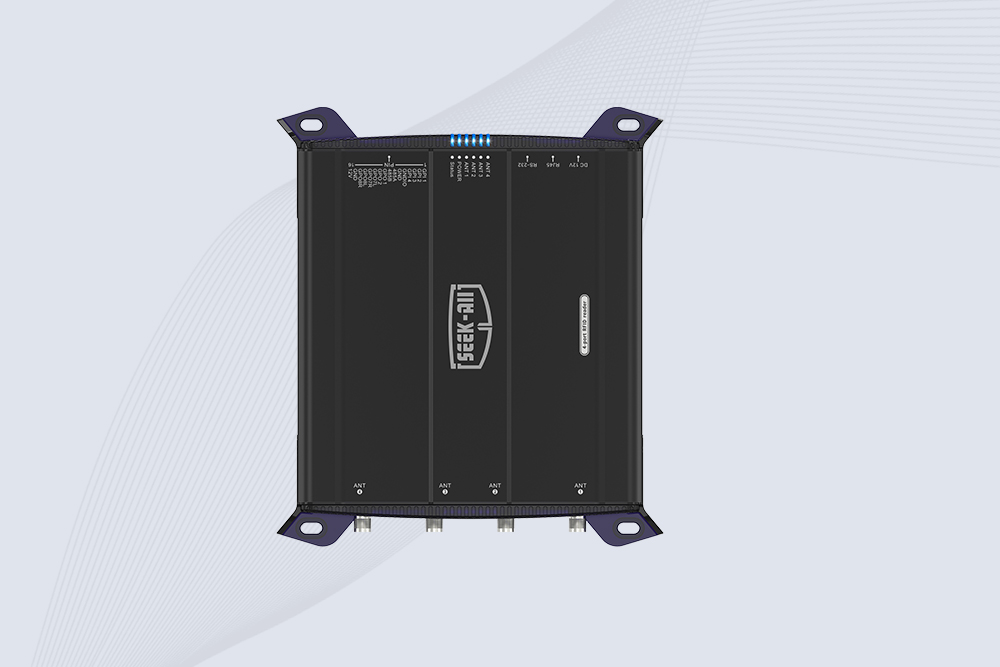
SSD-R4L is a 4-port UHF RFID fixed reader with 33dBm output power, up to 20m reading range, EPC C1G2 support and 600+ tags/s reading speed.

CYKEO CYKEO-D1LA USB RFID Reader is a compact desktop solution with near-field control for precise tag reading and encoding. Powered by USB, supporting ISO 18000-6C, and built for stable batch writing, this usb rfid tag reader fits retail, libraries, offices, and controlled RFID encoding tasks.
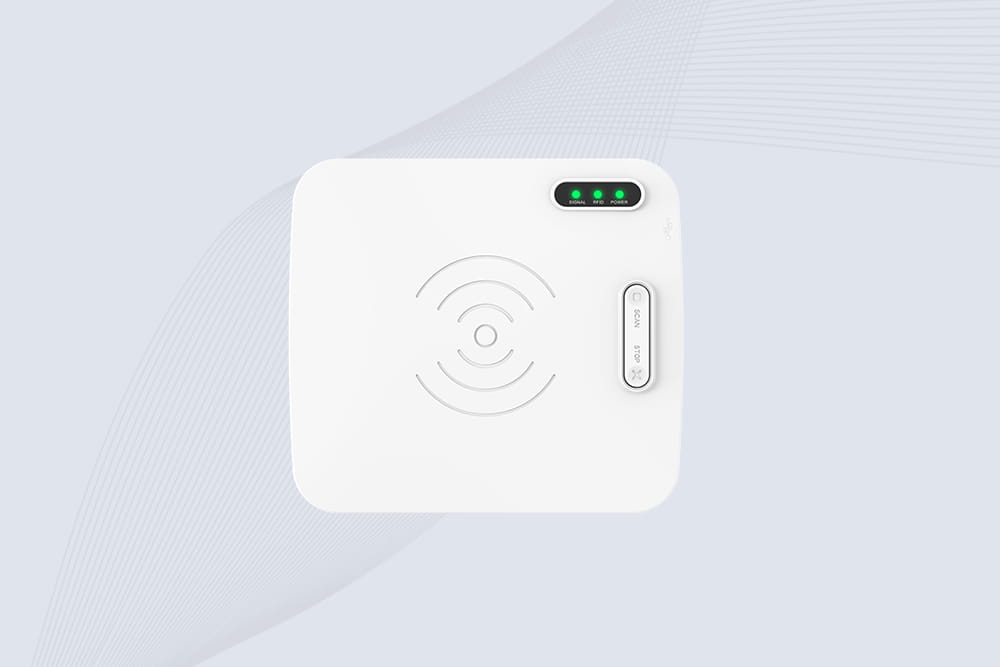
CYKEO CYKEO-D1L RFID scanner USB is a compact desktop UHF RFID scanner designed for short-range tag writing and verification. This usb rfid scanner supports batch encoding, stable 0–26 dBm output, and works across Windows, Linux, and Android systems.
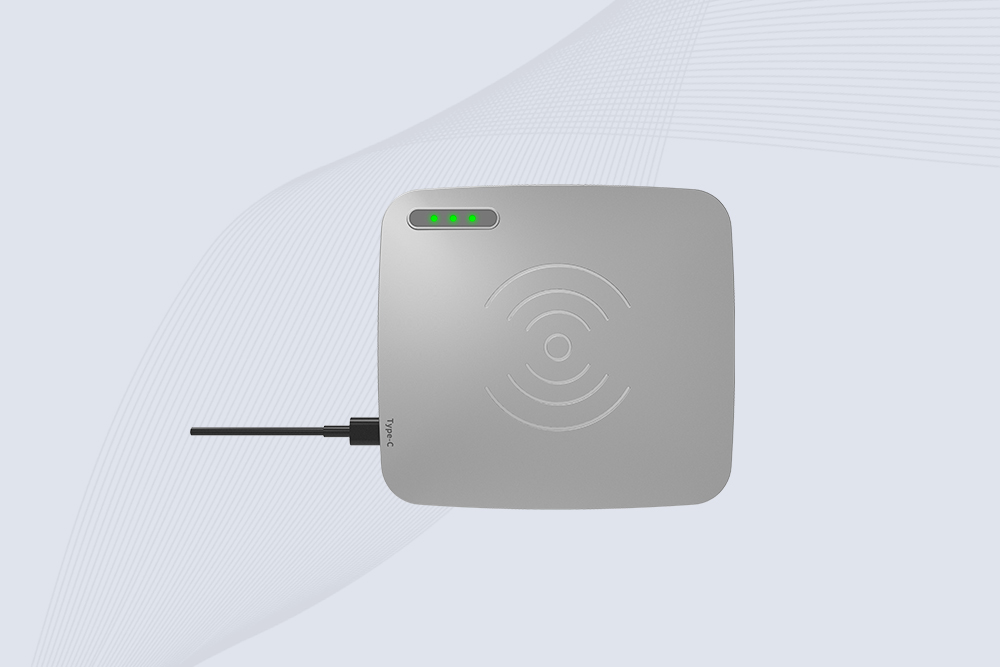
CYKEO CYKEO-D1C USB RFID Card Reader is a near-field UHF desktop writer designed for secure, short-range tag encoding. With USB-C connectivity and stable 26 dBm output, this rfid reader usb c is ideal for badge issuance, label encoding, and controlled desktop RFID workflows.
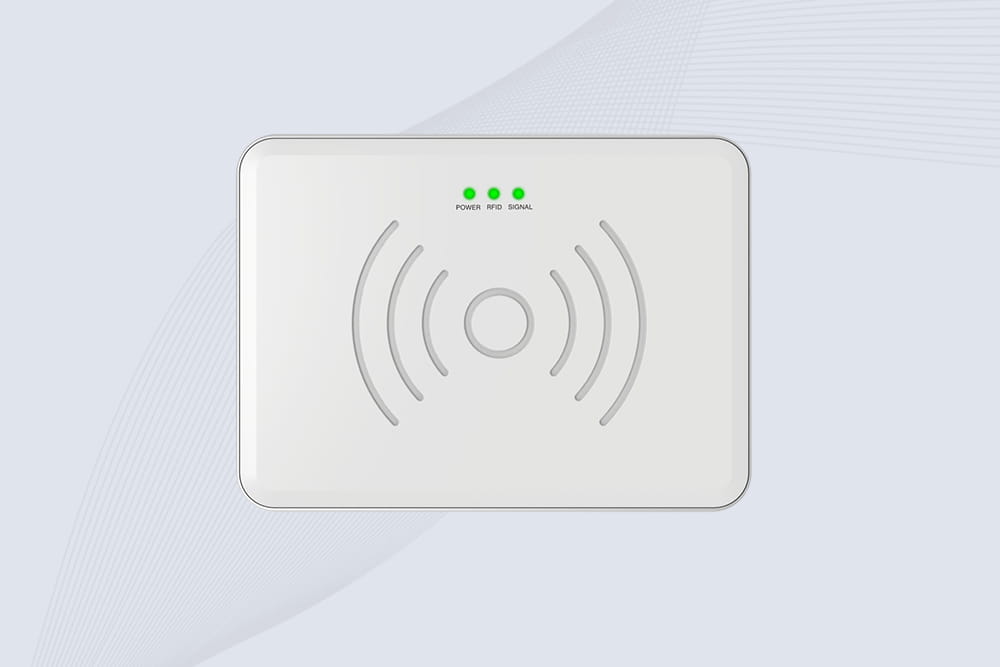
CYKEO CYKEO-D2L RFID Reader USB is a compact desktop encoder built on the Impinj R500 chip. With near-field control and stable USB power, this usb rfid card reader delivers precise tag writing for offices, retail counters, and small-scale logistics encoding tasks.
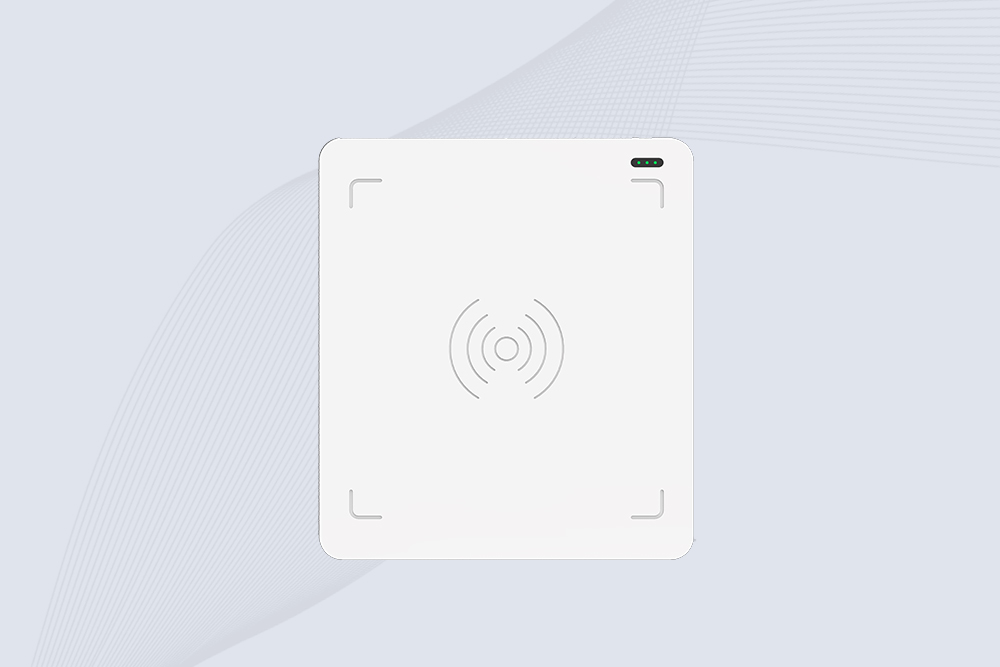
CYKEO CYKEO-D3L USB RFID Tag Reader delivers stable UHF tag reading and writing for daily desktop and light industrial tasks. Designed for controlled short-range operation, this USB RFID Tag Reader works reliably with rfid tag and reader systems in libraries, tool tracking, and inventory registration.
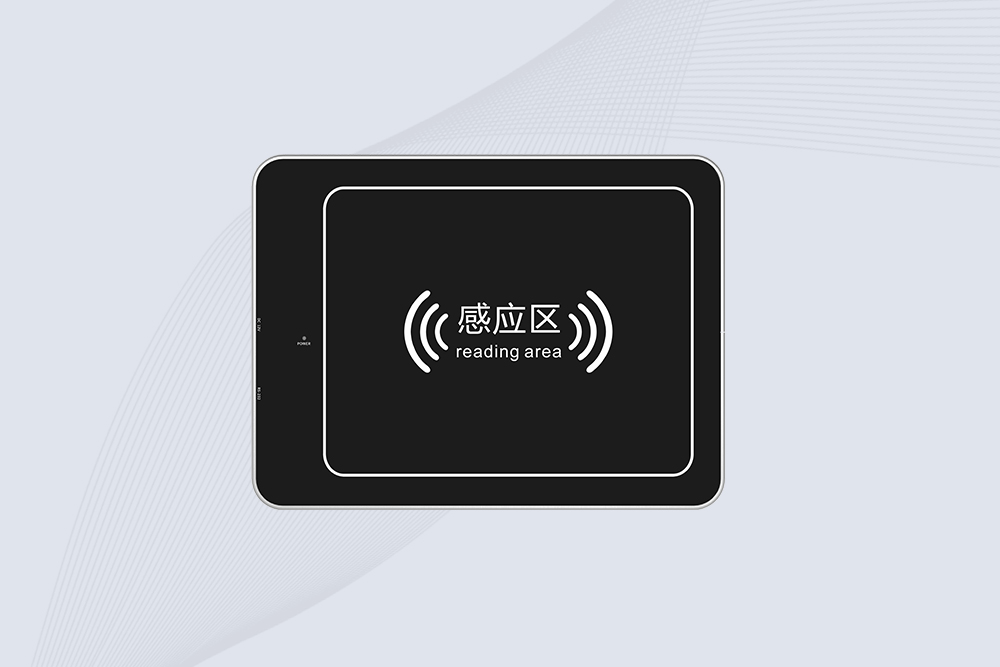
The CYKEO CYKEO-D4L UHF RFID Tag Reader is a stable Desktop RFID Reader designed for accurate tag registration, borrowing, and return workflows. Built with the Impinj R2000 chip, this UHF RFID Tag Reader delivers controlled short-range reads for libraries, asset tracking, and inventory management environments.
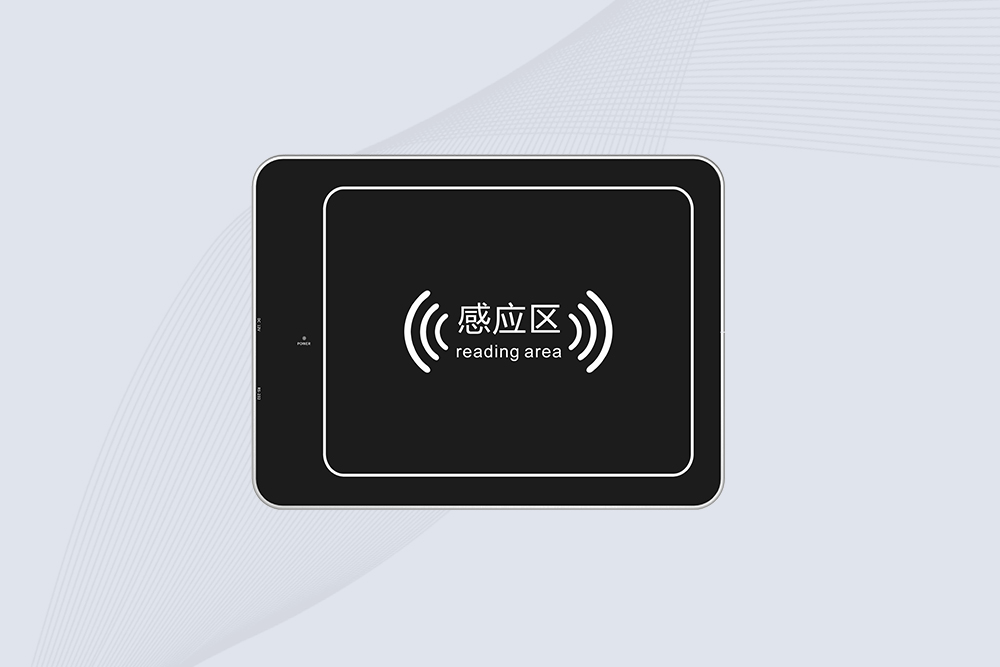
The CYKEO CYKEO-D5L Desktop RFID Card Reader is a stable UHF RFID Card Reader designed for controlled short-range reading and writing. Built for libraries, tool rooms, and asset desks, this UHF RFID Card Reader supports dense tag handling, secure data processing, and easy USB integration.
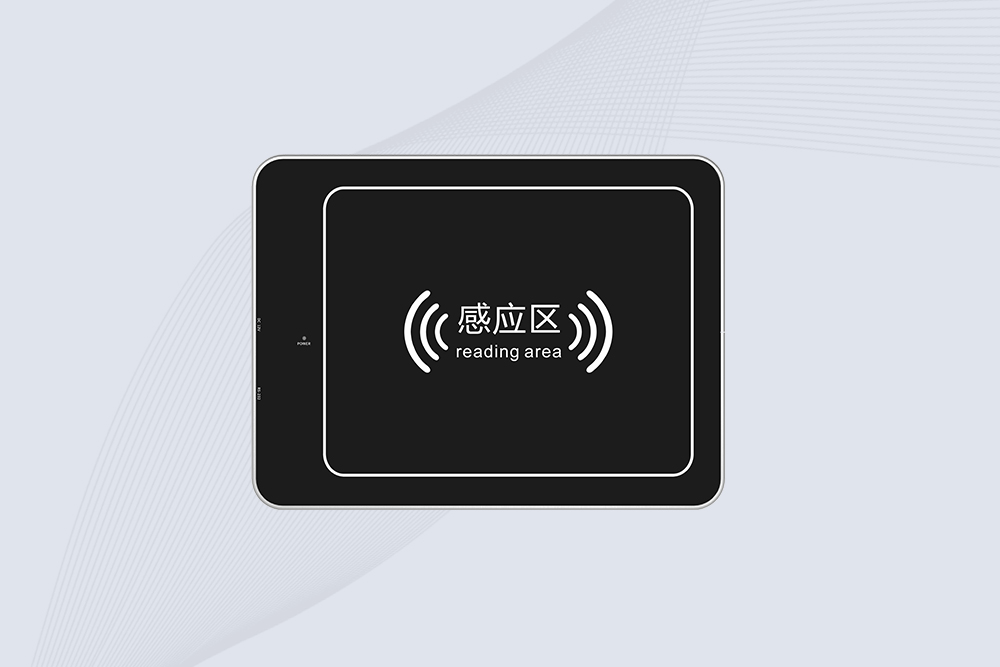
The CYKEO CYKEO-D6L RFID Reader Writer is a heavy-duty Desktop RFID Reader designed for short-range, high-accuracy tag programming. Built for libraries, labs, and asset desks, this RFID Reader Writer supports batch processing, stable 33dBm output, and seamless integration with existing management systems.
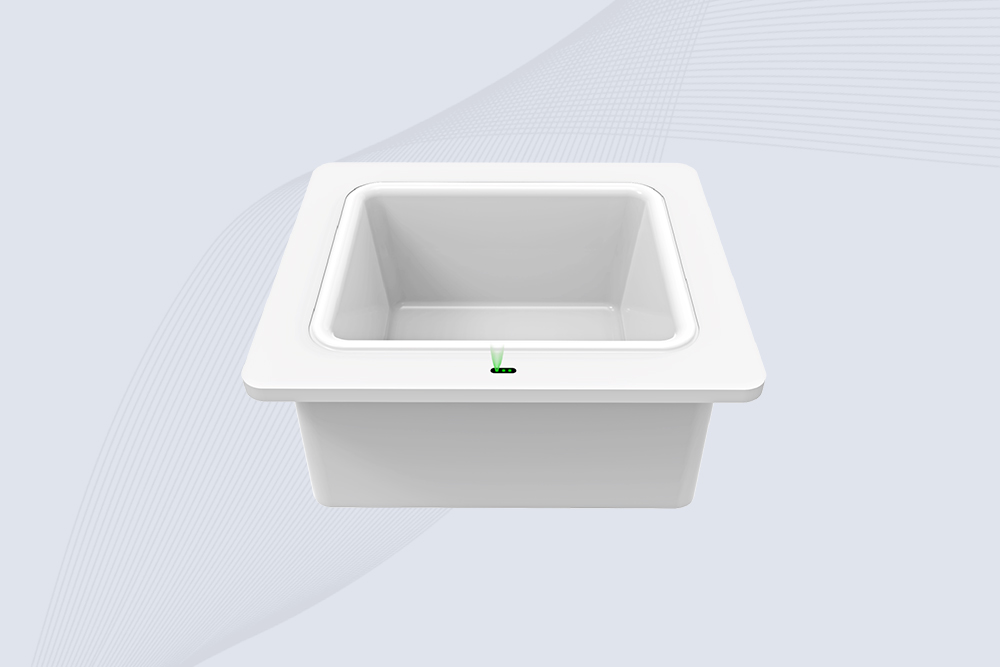
Cykeo CYKEO-D8B UHF RFID tunnel and RFID Desktop Reader features 30+ items batch reading,
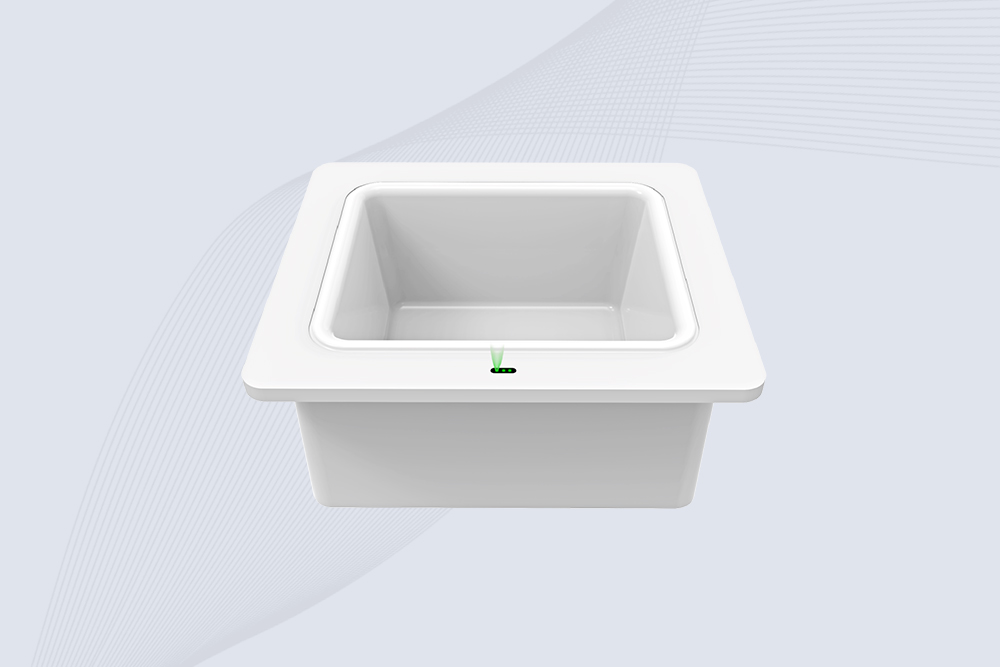
Cykeo CYKEO-D8A embedded RFID badge reader offers 30+ tags/sec scanning, 20cm anti-crosstalk precision, and DC 12V power for unmanned stores, warehouses, and smart inventory systems.
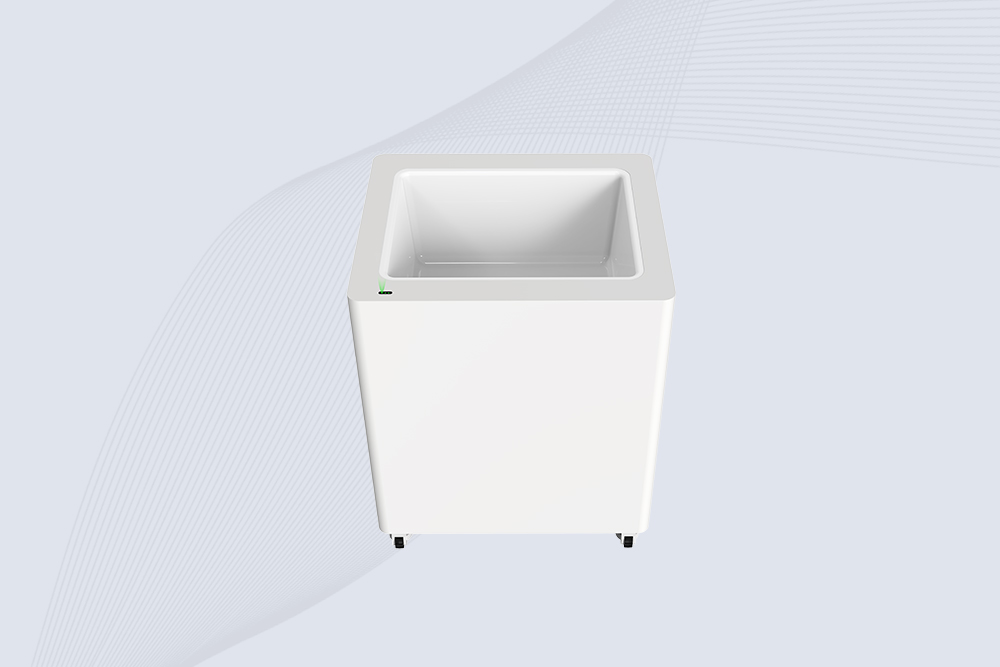
Cykeo’s CYKEO-D8C UHF RFID gate reader achieves 200-tag/batch scanning with adjustable power control, ideal for retail inventory and smart warehouse management.
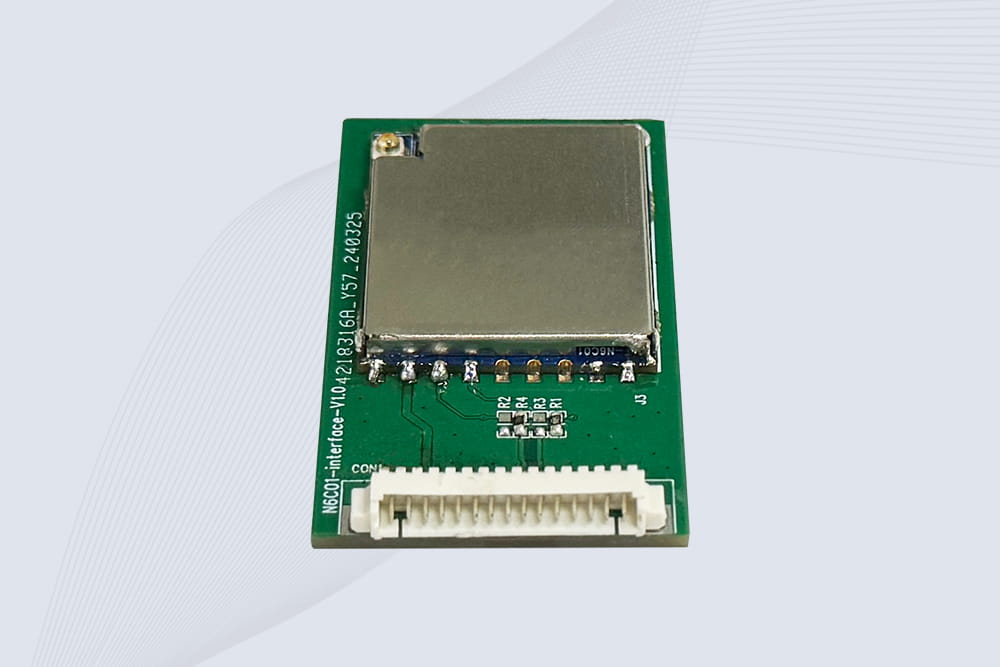
CYKEO Embedded RFID Modules are designed for compact industrial and IoT devices that require stable UHF performance. These UHF RFID Modules support global protocols, flexible power control, and reliable multi-tag reading for smart cabinets, production lines, and asset tracking systems.
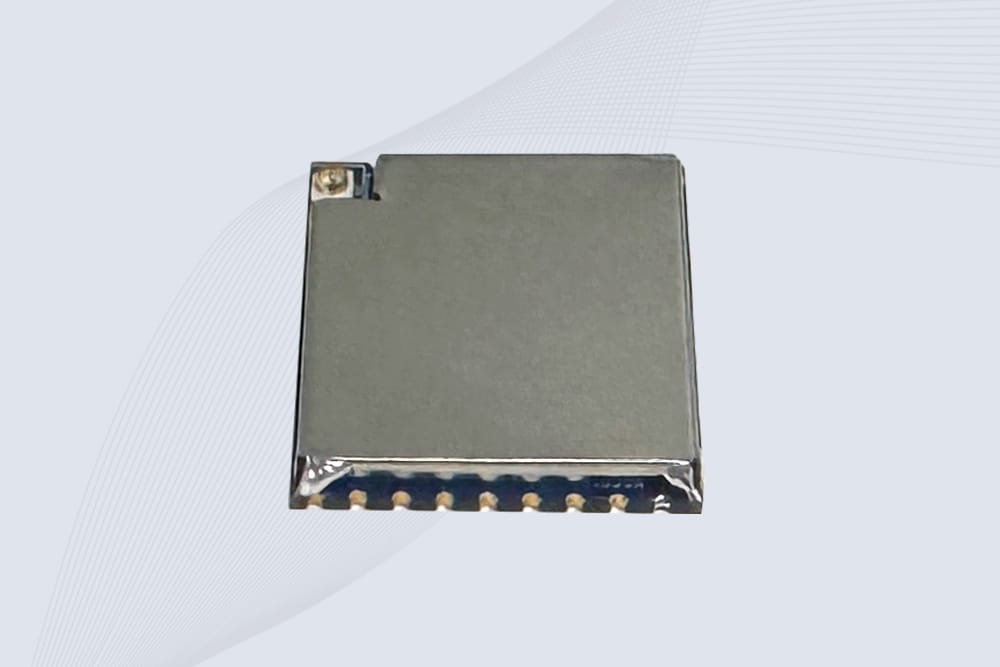
CYKEO Embedded RFID Module is built for compact IoT and industrial devices that need stable UHF performance. This UHF module supports global protocols, low power operation, and reliable multi-tag reading for smart lockers, production lines, and always-on RFID systems.
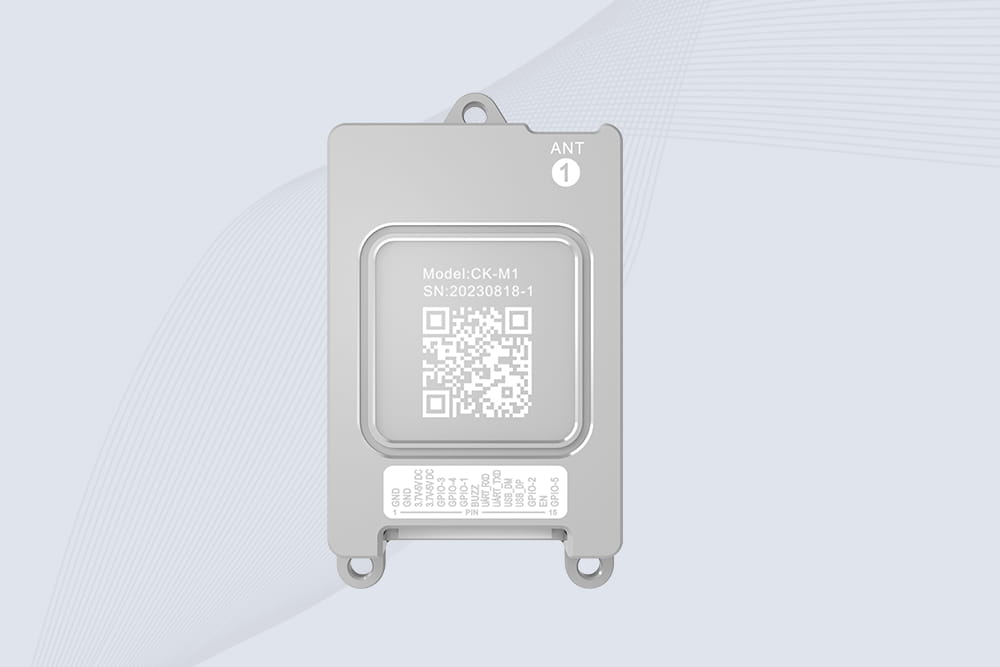
CYKEO CYKEO-M1 drone rfid module is a compact UHF RFID reader module designed for drones and UAV platforms. It supports long-range aerial scanning, fast multi-tag reading, and stable performance in wind, vibration, and outdoor environments.
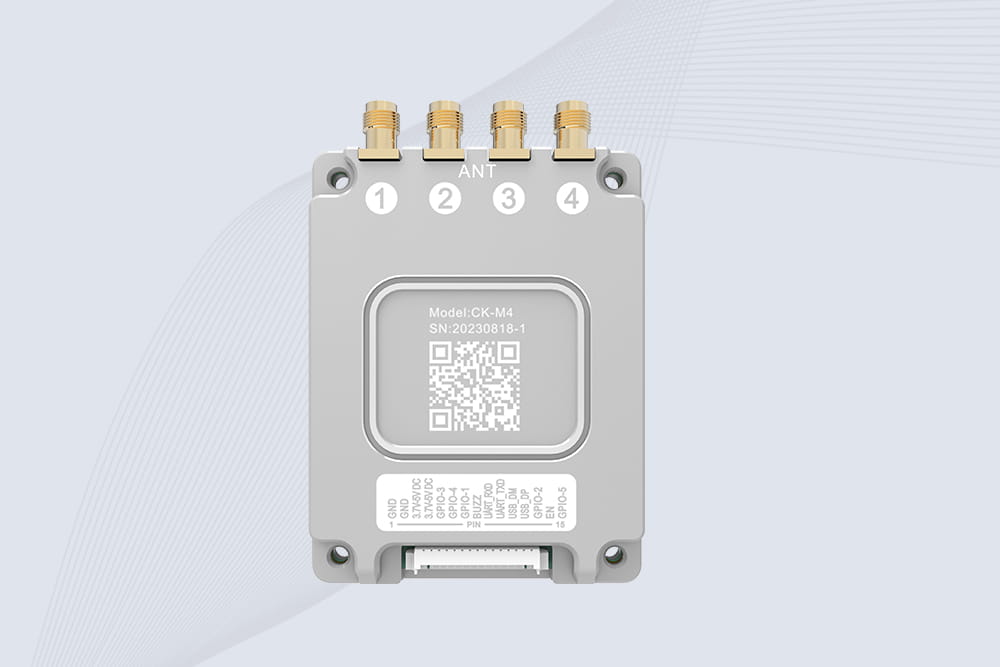
CYKEO CYKEO-M4 RC522 RFID Module is an industrial-grade UHF RFID reader with 4 ports, supporting ISO, EPC, and GB protocols. High-speed, accurate reading for IoT, automation, and warehouse applications.
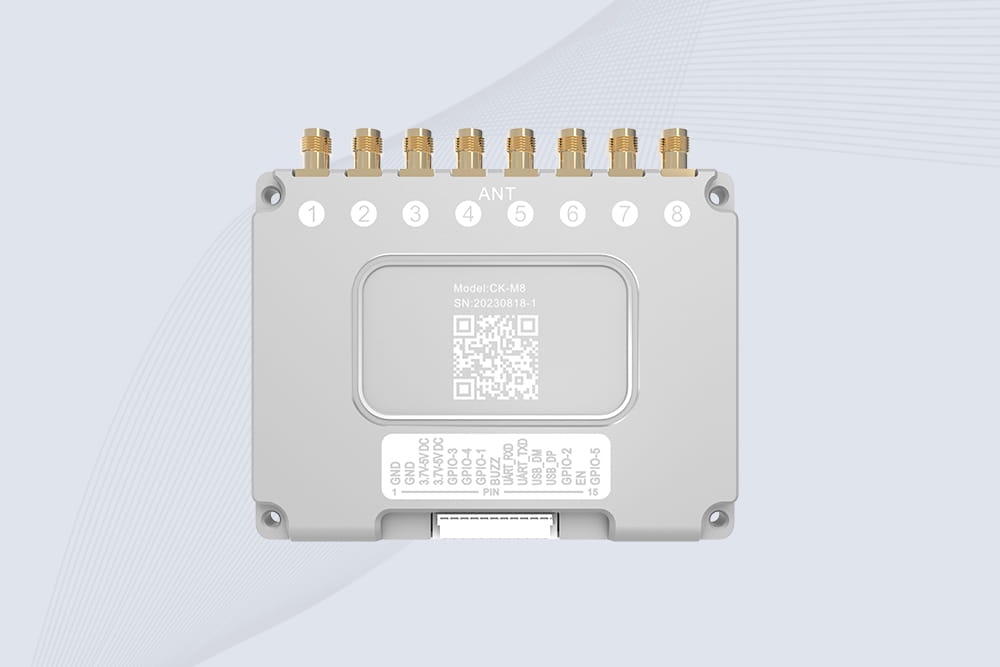
CYKEO CYKEO-M8 Module RFID is an 8-port UHF R2000 RFID Module designed for high-density, multi-tag environments. Stable 33dBm output, ISO & GB protocol support, ideal for warehouses, factories, and automated systems.
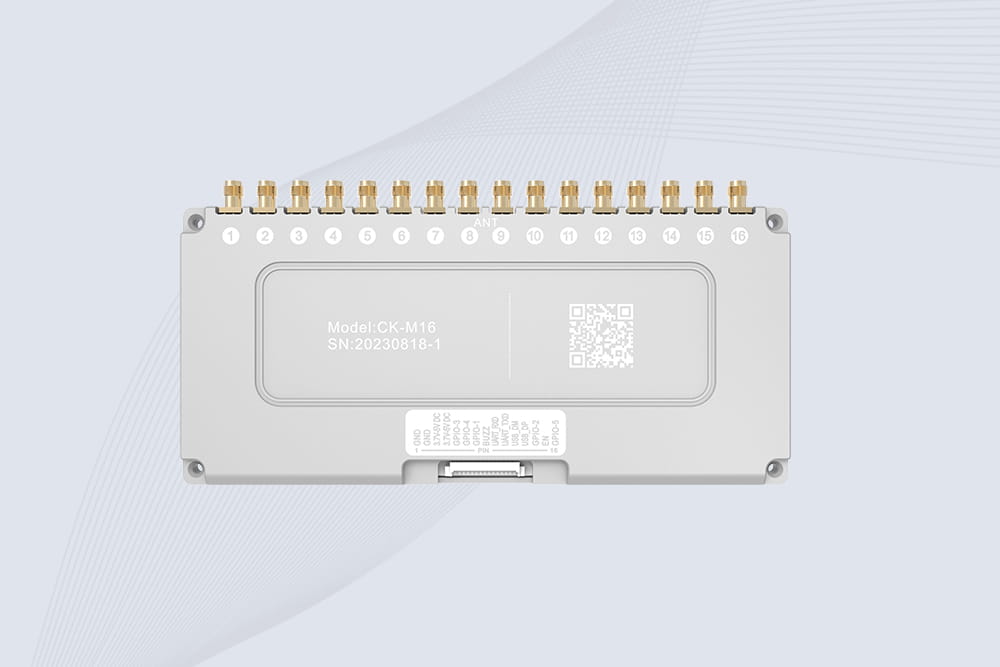
CYKEO CYKEO-M16 RFID Module is a 16-port UHF RFID reader module based on the R2000 chipset. Designed for dense tag environments, it supports ISO and GB standards and delivers stable multi-antenna control for industrial automation.
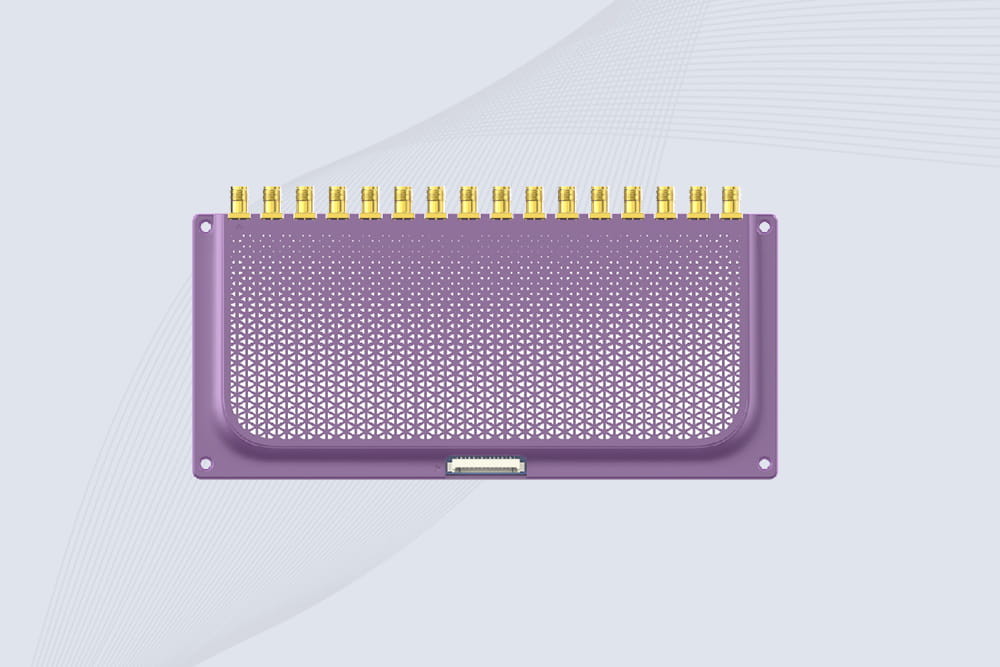
The CYKEO CYKEO-M16L RFID Reader Module is a 16-channel UHF RFID core designed for dense tag environments. With adjustable 33dBm output, multi-protocol support, and stable multi-antenna control, this RFID Tag Reader Module fits industrial automation, warehouse systems, and large-scale IoT deployments.
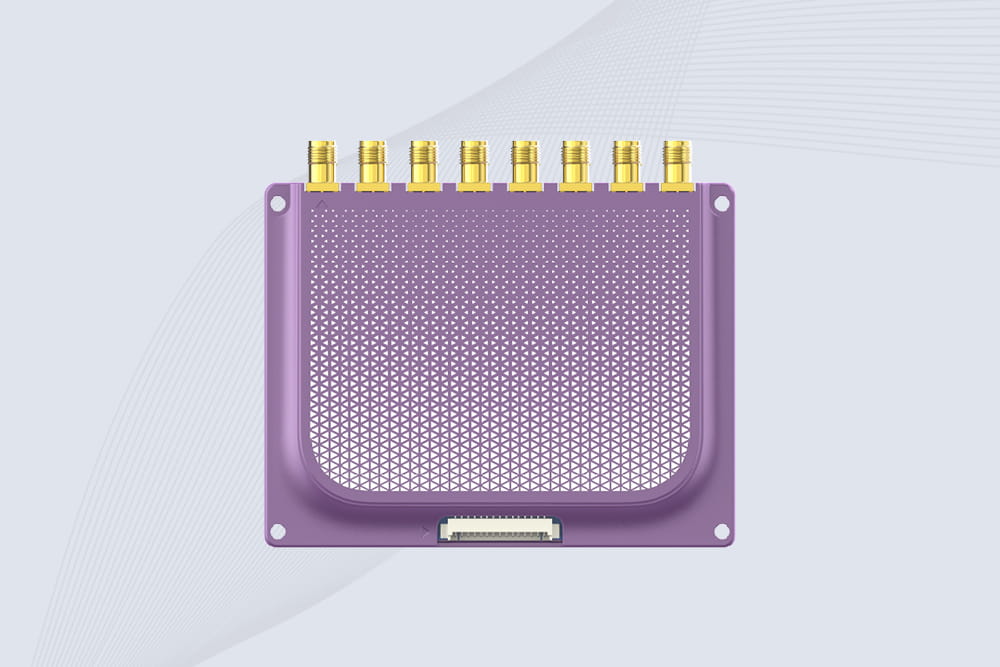
CYKEO CYKEO-M8L module RFID is a compact industrial UHF module built for dense tag and multi-antenna environments. With 8 RF ports, adjustable 33 dBm output, and ISO & GB protocol support, it is widely used in factories, warehouses, and automated tracking systems.
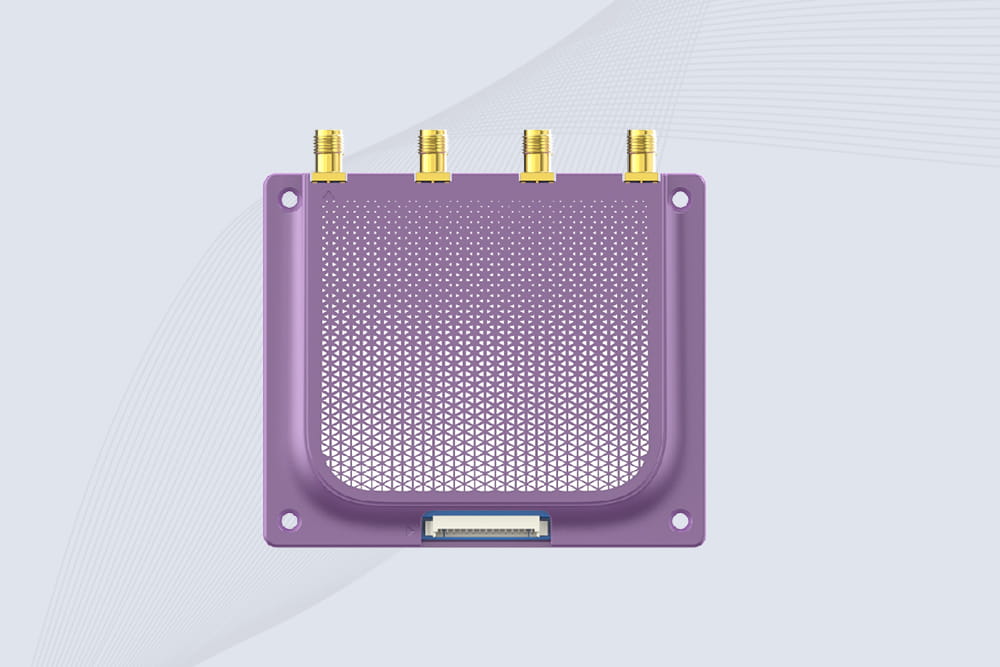
CYKEOCYKEO-M4L UHF RFID Module is a compact 4-channel RFID tag reader module designed for dense tag environments. Supporting ISO and GB protocols, it delivers stable reads up to 10 meters for industrial and IoT systems.

Cykeo CYKEO-A11 UHF RFID reader antenna delivers 11dBi gain, 840-960MHz frequency range, and IP65 ruggedness for retail, logistics, and industrial RFID systems. Features low VSWR and easy installation.

CYKEO Antenna RFID Reader delivers stable long-range UHF performance with a 10.5dBi directional design, built for warehouses, conveyor portals, and industrial RFID systems. This rfid reader antenna provides 20m+ read distance and rugged IP67 protection.

Cykeo CYKEO-PHF3 industrial HF RFID Antenna offers 24-point dynamic tracking, ISO 14443A/15693 protocols, metal-environment stability for archives/libraries/manufacturing.

Cykeo CYKEO-A5B industrial Linear RFID Antenna delivers 5dBi gain, ≤1.5:1 VSWR, and IP65 rugged design for warehouse, production line, and logistics UHF systems.

Cykeo’s CYKEO-B12 Long Range RFID Antenna delivers 15m+ read range with 12dBi gain, IP65 rugged design, and global 840-960MHz UHF support. Ideal for warehouse/logistics asset tracking.

Cykeo CYKEO-B10 Long Distance RFID Antenna offers 10dBi gain, 840-960MHz frequency range, IP65 rating, and 20m+ coverage for logistics/warehousing/ETC systems. Low VSWR ensures stable signal transmission.

Cykeo CYKEO-A6 UHF RFID panel antenna features 6dBi gain, 840-960MHz broadband, IP65 metal-ready housing for logistics/smart retail. 18mm ultra-thin design with tool-free mounting.

Cykeo CK-A3 industrial antenna RFID UHF offers 5m+ tag detection, ≤1.3:1 VSWR, IP65 rugged design, and global UHF spectrum compatibility (840-960MHz) for warehouses, factories, and retail.

Cykeo CYKEO-B5 directional RFID antenna provides 5dBi gain with 60° narrow beamwidth for precise inventory tracking. IP65-rated, global UHF frequency support, and low VSWR.

Create your own high-performance DIY RFID antenna! 5dBi gain, 840-960MHz tunable, step-by-step guides. Compatible with Arduino, Raspberry Pi, and commercial UHF readers.

Cykeo CYKEO-A7 Flexible RFID Antenna features 840-960MHz wideband tuning, 7dBi gain, and IP68 rating for medical/retail/industrial curved surface deployments. 98% read accuracy with peel-and-stick installation.

Cykeo CYKEO-B5A industrial Passive RFID Antenna delivers 5dBi gain, 70° beamwidth, and -40°C~55°C operation for warehouses/smart cabinets. Compatible with Zebra/Impinj readers.

Cykeo’s CYKEO-A9B High Gain RFID Antenna delivers 15m+ read range with 9dBi amplification. Features IP54 rugged design, 840-960MHz bandwidth, and 80° beamwidth for warehouse/manufacturing RFID systems.

Cykeo’s enterprise-grade 8dbi Impinj RFID Antenna 10m+ read range with 840-960MHz tuning. Features IP65 housing, 1.4 VSWR, 35° beamwidth for retail/warehouse RFID systems.

Cykeo CYKEO-A9 industrial UHF RFID antenna delivers 9dBi gain, 840-960MHz frequency range, and IP65 protection for warehouse/logistics/retail RFID systems. Features N-type connector and ≤1.3:1 VSWR.

CYKEO UHF RFID Antenna built for long-distance and industrial applications. This antenna rfid uhf delivers strong gain, outdoor durability, and reliable tag performance in warehouses, yards, and vehicle ID systems.

CYKEO Antenna RFID delivers reliable long-range UHF performance in warehouses, retail shelves, and cold-chain environments. This compact uhf rfid antenna provides stable reads with circular polarization and ultra-wide 840–960 MHz support, ideal for industrial tracking, smart shelves, and asset monitoring.

Cykeo’s CYKEO-C8 UHF RFID antennas delivers 8dBi gain, 840-960MHz full-band coverage, and IP65 ruggedness for manufacturing/warehouse RFID systems. Industrial RFID Antennas Features

Cykeo’s 8dBi UHF RFID antenna and reader kit delivers 10m+ range, 840-960MHz broadband, and IP65 ruggedness for factories, warehouses, and logistics. ISO 18000-6C & EPC Gen2 certified.

Cykeo CYKEO-A9A industrial UHF RFID reader and antenna kit delivers 10m range, 500 tags/sec, IP65 ruggedness for manufacturing/logistics. Supports EPC Gen2, ISO18000-6C.

Compare RFID and NFC for inventory tracking. Learn the pros, cons, and best use cases for each technology in retail, manufacturing, and small businesses.
More
Discover how armoire RFID smart cabinets integrate with ERP, WMS, and custom platforms. Learn why RFID cabinets are ideal for system integrators, retrofit projects, and secondary development.
More
RFID motherboard is what turns RFID readers and antennas into a real smart cabinet. Learn how it controls inventory, access, sensors, and system integration inside RFID cabinets.
More
RFID plate solutions improve industrial asset tracking, warehouse visibility, and equipment identification with durable UHF RFID technology from Cykeo.
More