RFID plate technology uses durable UHF RFID identification plates to track industrial assets, equipment, containers, and tools automatically, improving inventory visibility, reducing manual work, and supporting long-term traceability in demanding environments.
The first damaged barcode I saw inside a heavy-equipment warehouse looked almost insignificant.
Grease on the surface. Scratches across the label. Forklift contact near the corner.
But that small unreadable code forced workers to stop an outbound shipment for nearly twenty minutes while searching spreadsheets and confirming serial numbers manually.
That is usually how industrial RFID projects begin — not with futuristic automation, but with ordinary operational friction repeated thousands of times.
At Cykeo, we have worked with UHF RFID identification systems across manufacturing plants, warehouse facilities, tool rooms, and logistics operations. In harsh environments, standard labels often fail long before the equipment itself does. RFID plates exist because industrial tracking requires something more durable.
Why RFID Plate Technology Matters in Industrial Tracking
Traditional labels struggle in industrial environments.
Heat, oil, moisture, vibration, abrasion, and metal interference gradually destroy conventional identification methods. RFID plates are designed to survive those conditions while maintaining stable long-range UHF recognition.
A properly deployed RFID plate system allows companies to:
Track fixed assets automatically
Reduce manual inventory work
Improve maintenance visibility
Monitor tool movement
Accelerate warehouse audits
That sounds simple on paper.
Inside a busy warehouse filled with metal racks, moving carts, forklifts, and stacked containers, reliable identification becomes surprisingly difficult.
This is where industrial-grade UHF RFID plates outperform paper labels and standard barcode systems.
According to research published by RFID Journal, industrial RFID adoption continues growing because automated identification significantly improves operational visibility and reduces manual tracking errors.
Meanwhile, a Deloitte manufacturing study found that connected industrial technologies improve operational responsiveness and asset utilization across warehouse and production environments.
What Makes an RFID Plate Different From Standard RFID Labels
An RFID plate is typically built using more durable materials than ordinary adhesive RFID stickers.
Many industrial RFID plates include:
Feature
Operational Benefit
Metal-resistant design
Stable reading on equipment surfaces
Durable casing
Protection from impact and abrasion
Long-term EPC retention
Reliable asset traceability
UHF RFID protocol support
Fast long-range identification
Fixed mounting options
Better installation stability
In real industrial deployments, durability matters more than appearance.
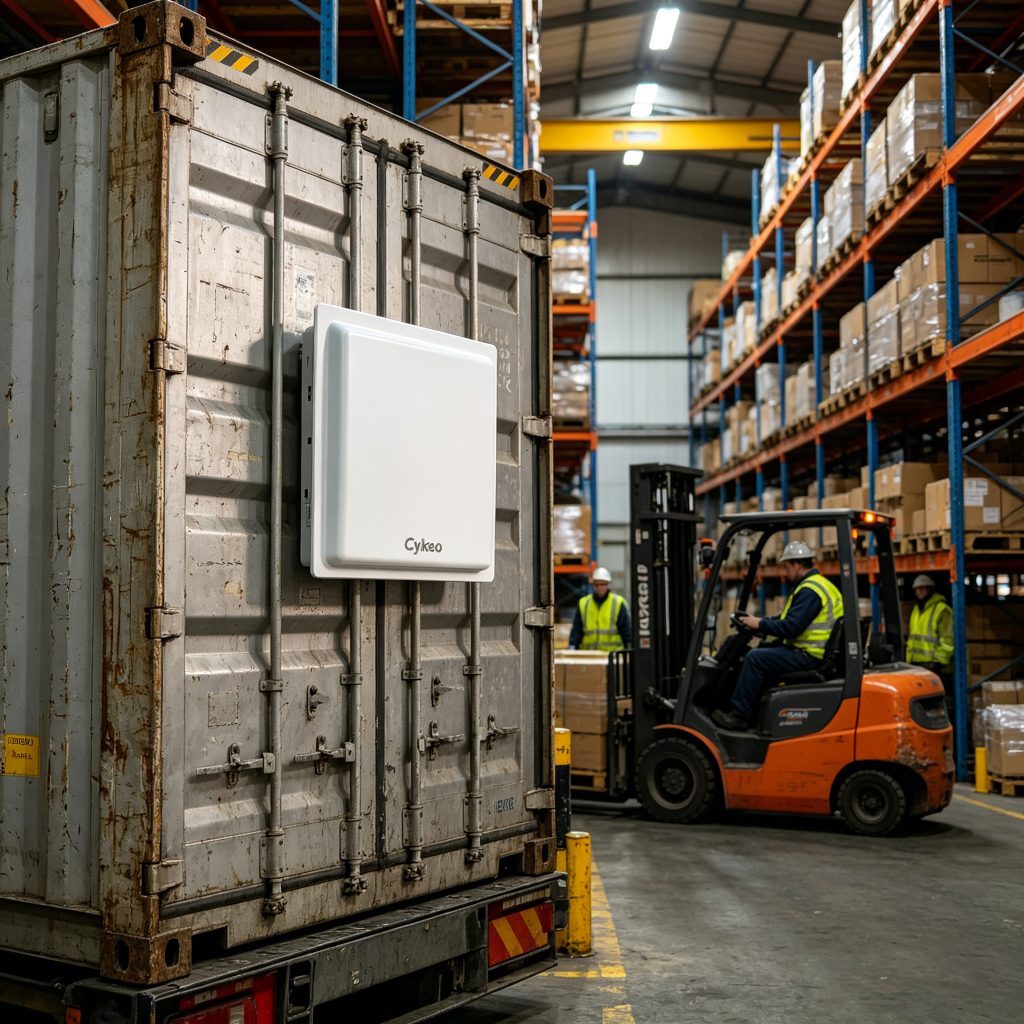
We once visited a logistics yard where ordinary barcode stickers lasted less than three months outdoors. After switching to rugged RFID plates mounted directly onto metal containers, asset scanning reliability improved dramatically even during rainy conditions.
No dramatic software upgrade. No expensive infrastructure change.
Just better identification hardware.
Real RFID Plate Deployment Experience
One of the more interesting projects involved tracking reusable metal transport cages inside a manufacturing facility.
Workers originally counted cages manually at shift changes. The numbers were rarely accurate.
Some cages remained inside loading areas. Others moved into production. Several simply disappeared temporarily into maintenance zones without documentation.
After deploying UHF RFID plates attached directly to each cage:
Movement history became visible
Search time decreased
Inventory disputes dropped
Shipping verification accelerated
The surprising part was worker acceptance.
Unlike barcode scanning, RFID required almost no behavioral adjustment. Operators simply continued moving equipment normally while fixed RFID readers captured movement automatically.
That operational invisibility is often what makes RFID successful.
Durable UHF RFID plates improve industrial equipment identification and warehouse visibility.
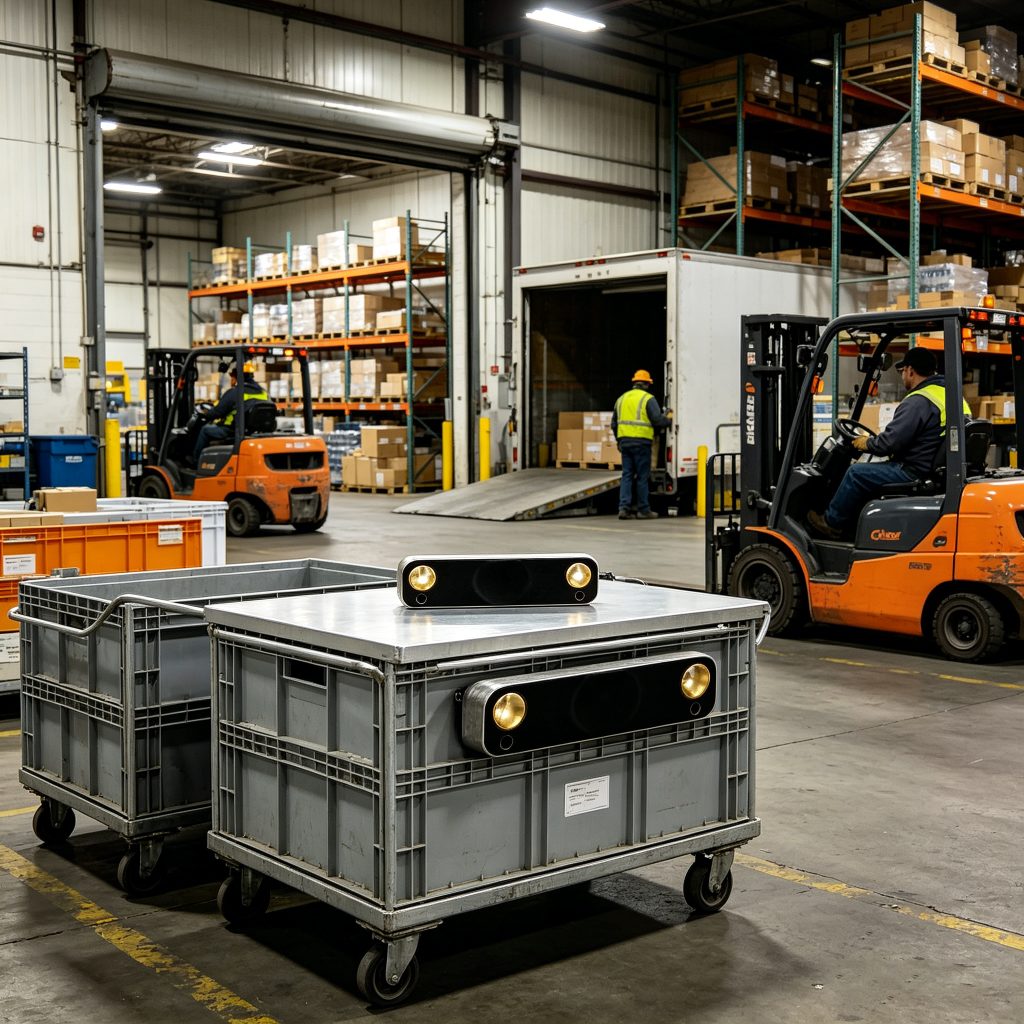
RFID plates help warehouses monitor reusable containers, metal racks, transport cages, and high-value tools automatically.
Manufacturing Equipment Management
Factories use RFID plates to identify machines, maintenance tools, and production fixtures in real time.
Outdoor Industrial Environments
Unlike paper labels, rugged RFID plates tolerate:
rain
dust
vibration
sunlight
heavy handling
Logistics and Returnable Packaging
Returnable transport items often move continuously between suppliers, warehouses, and production facilities. RFID plates create reliable movement visibility without requiring direct scanning.
Why UHF RFID Plates Perform Well Around Metal
Metal normally creates challenges for standard RFID labels because radio waves reflect unpredictably near conductive surfaces.
Industrial RFID plates solve this through specialized antenna structures and isolation materials designed specifically for metal mounting.
That difference matters enormously in:
automotive plants
warehouse shelving
industrial carts
machinery tracking
steel container management
Without proper anti-metal RFID design, read consistency drops sharply.
Experienced RFID integrators usually learn this lesson quickly during pilot testing.
RFID plate technology supports automated logistics visibility in industrial warehouses.
FAQ – rfid plate
What is an RFID plate?
An RFID plate is a durable RFID identification device designed for industrial asset tracking, equipment management, and long-term identification in harsh environments.
Are RFID plates suitable for metal surfaces?
Yes. Industrial RFID plates are specifically designed for stable operation on metal equipment, containers, tools, and machinery.
What frequency do RFID plates use?
Most industrial RFID plates use UHF RFID technology compliant with ISO18000-6C (EPC C1G2) standards.
Where are RFID plates commonly used?
Warehouses, factories, logistics centers, tool management systems, and industrial asset tracking environments commonly use RFID plates.
Final Thoughts on rfid plate
Industrial visibility rarely fails because companies lack software.
Most failures begin with unreliable identification.
An unreadable label. A missing asset. A delayed inventory update.
RFID plate systems solve those problems quietly in the background by creating stable, automatic identification that survives real industrial conditions.
Inside modern warehouses and manufacturing environments, that reliability compounds every day.
And once operations teams stop chasing missing equipment manually, productivity tends to improve faster than expected.
Explore how RFID solution providers and system integrators select and deploy RFID tags for garments. Learn about material compatibility, attachment methods, and system integration for reliable apparel management.
Wondering how many tags can RFID read at once? In bulk, UHF systems can handle hundreds simultaneously. We explain real-world anti-collision limits, not just lab specs.
Discover how IoT-enabled RFID readers are revolutionizing smart factories in 2024. Enhance efficiency, reduce downtime, and optimize workflows with Cykeo’s advanced RFID solutions.
 Cykeo RFID IoT Solution Products R&D Manufacturer