 Cykeo RFID IoT Solution Products R&D Manufacturer

How to Check RFID Card Frequency
641Wondering how to check RFID card frequency? Learn simple methods to identify LF, HF, and UHF RFID cards, understand common frequencies, and choose the right reader for your application.
MoreAll RFID Product
how far away can rfid be detected depends on RFID frequency, tag type, reader power, antenna design, tag orientation, and the surrounding environment. Passive UHF RFID can typically be detected several meters away, with GS1 citing ranges up to 10 meters for typical applications and approximately 15 meters in special cases.
RFID does not have one universal detection distance.
A tag sitting on a cardboard carton in an open warehouse may be detected from several meters away. Put that same tag against metal, rotate it relative to the antenna, or place it beside liquid-filled products, and the usable distance can change considerably.
GS1 identifies reader power, antenna characteristics, polarization, tag orientation, interference, and the physical environment as important factors affecting RFID read range. Its guidance gives up to 10 meters as a typical reference for passive UHF RFID and notes that special configurations can reach farther.
This is the first point I check when evaluating an RFID installation: the required detection zone comes before the advertised maximum range.
A warehouse receiving door may need a broad field.
A retail checkout station may need a deliberately narrow one.
Those are completely different RF problems.
Frequency has a major influence on how far an RFID system can detect a tag.
| RFID Technology | Typical Detection Distance | Common Use |
|---|---|---|
| LF RFID | Short range | Animal identification, access systems |
| HF RFID | Short to medium range | Cards, tickets, documents |
| Passive UHF RFID | Several meters | Inventory, logistics, retail |
| Active RFID | Potentially tens to hundreds of meters | Asset and location tracking |
These ranges are broad technology references rather than guaranteed specifications.
GS1 identifies UHF RFID as operating around 860–930 MHz, depending on the applicable regional frequency allocation, and explains that UHF is particularly suitable for longer-range item identification.
For most warehouse and retail questions, therefore, “How far away can RFID be detected?” usually means passive UHF RFID.
A passive UHF tag does not normally contain a battery.
The reader transmits RF energy through its antenna. The tag captures enough energy to power its chip and responds by modulating the reflected RF signal. The reader receives and decodes that backscattered response.
The basic communication path is:
Reader → RF energy → RFID tag → backscatter → reader
GS1’s EPC/RFID architecture describes this passive-tag operating principle and the role of the reader, antenna, tag, and RF environment.
This explains something important about detection distance.
The reader is not merely “looking” for a tag like a camera looking across a room.
The RF link must work in both directions.
The reader must provide sufficient energy for the passive tag to respond, and the returned signal must remain strong and clean enough for the reader to decode.
That is why a theoretical antenna specification does not automatically translate into the same distance on a factory floor.
Reader transmit power determines how much RF energy enters the operating environment.
Increasing power can extend the interrogation zone, but it can also create unwanted reads. In a warehouse aisle, that may mean detecting tags on the wrong pallet. At a retail security gate, it could mean picking up merchandise that is still on a nearby display.
Cykeo UHF RFID readers can use adjustable output power so the RF field can be configured around the application rather than simply operated at maximum power.
The antenna decides where the RF energy goes.
A directional antenna concentrates coverage toward a particular area. A different antenna configuration may create wider coverage around a portal or workstation.
RAIN RFID technical guidance notes that far-field UHF RFID antennas can support ranges of 15 meters or more under suitable conditions, with reader power and antenna gain among the important variables.
But the longer distance is useful only when the reading area remains controlled.
The RFID chip is only part of the tag.
The antenna geometry, substrate, matching characteristics, physical size, and intended mounting surface all affect performance.
A small RFID tag optimized for apparel may not behave like a larger logistics tag. An on-metal tag is specifically engineered for a different installation environment.
This is why professional RFID testing uses the actual tag on the actual product, rather than testing an isolated inlay and assuming the result will transfer directly to production.
Orientation can be surprisingly influential.
If the tag antenna and reader antenna are poorly aligned, polarization mismatch can reduce the available RF link.
GS1 explicitly identifies tag orientation and antenna polarization as factors affecting the volume in which RFID tags can be successfully read.
In a warehouse, cartons do not always arrive in the same orientation.
That small detail becomes a major system-design consideration when hundreds of pallets pass through a portal every day.
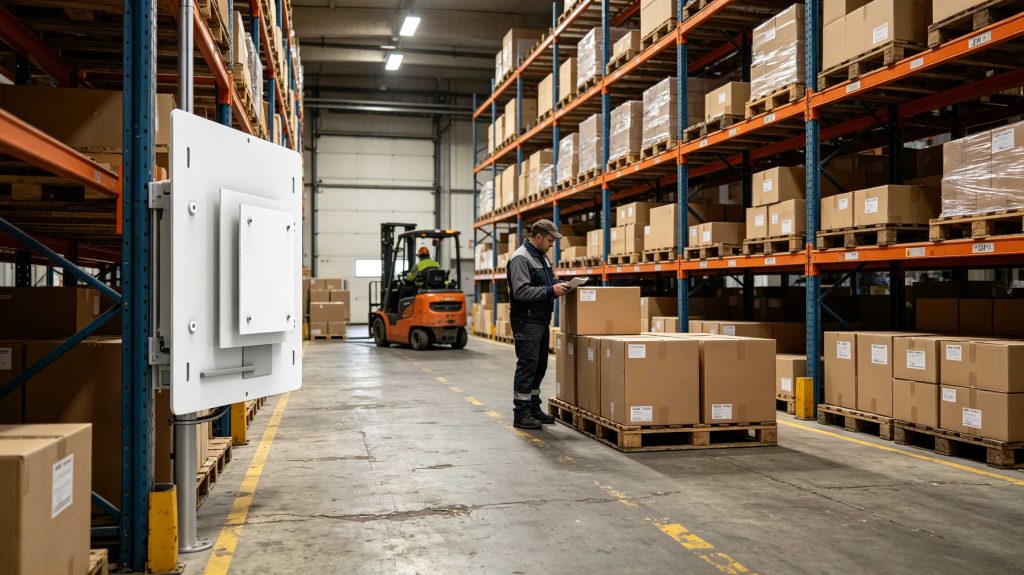
One of the most useful distinctions in RFID engineering is the difference between maximum detection distance and usable reading zone.
Imagine a fixed reader installed beside a loading dock.
The specification says the system can detect a suitable tag at 10 meters.
That sounds excellent.
But if the reader also detects a pallet sitting eight meters away in the adjacent lane, the long range has become a problem.
The installation may need:
GS1’s RFID guidance emphasizes that the shape and volume of the interrogation zone can be more important than maximum read distance.
This is one of the practical differences between an RFID demonstration and a production deployment.
Metal and liquid deserve special attention.
Metal can reflect RF energy and interfere with the intended antenna behavior. Water and other liquids can absorb UHF energy.
A cardboard box is relatively friendly to passive UHF RFID.
A metal tool case is not.
A pallet of bottled liquid is another challenge.
The tag may need to be moved away from the problematic surface or replaced with a tag specifically designed for that material.
GS1 specifically notes that absorbing and shielding materials can reduce RFID range and affect tag performance.
This is why experienced RFID deployment work involves walking the site.
You inspect the racks.
You look at the product.
You check where the tag will actually be attached.
Then you measure.
Not the other way around.
Longer range is not always better. A controlled RFID field is usually more valuable than the largest number printed on a datasheet.
For a fixed UHF installation, I would evaluate the following before changing reader power:
| Factor | What to Check | Typical Effect |
|---|---|---|
| Reader power | Regulatory limit and required field strength | Extends or reduces coverage |
| Antenna gain | Direction and beam width | Shapes the detection zone |
| Tag orientation | Tag-to-antenna alignment | Can strongly affect read reliability |
| Tag placement | Distance from metal/liquid | Can improve RF coupling |
| Product density | Stacked cartons or bundled goods | May create shielding |
| Interference | Other readers and RF equipment | Can reduce stability |
| Reader sensitivity | Ability to decode weak backscatter | Helps at longer distances |
GS1 reports that passive UHF RFID normally operates over several meters, with up to 15 meters in very special cases; it also notes that antenna directivity, gain, polarization, and tag orientation influence the actual readable volume.
The distinction matters.
A reader that reaches 15 meters in an open test environment does not mean every tagged item in a warehouse will be reliably detected at 15 meters.
Warehouse applications are where UHF RFID’s distance becomes particularly useful.
A fixed reader can be installed at:
GS1 states that RAIN RFID can capture EPC identifiers at distances well in excess of 10 meters without line-of-sight contact in suitable implementations.
That last point is important. RFID does not require the optical visibility demanded by a conventional barcode scan.
A carton can pass with its label facing away from the operator. Multiple tagged items can enter the RF field together. The reader can collect their identifiers without requiring someone to point a scanner at each label individually.
For warehouse operations, that changes the physical workflow—not simply the scanning method.
Cykeo designs UHF RFID equipment around the complete RF path rather than treating the reader as an isolated component.
A practical deployment can include:
RFID tag → rfid antenna → fixed rfid reader → communication interface → middleware → WMS/ERP
Cykeo UHF readers can support ISO 18000-6C / EPC Class 1 Gen 2, multi-tag identification, adjustable transmit power, and interfaces such as Ethernet or serial communication depending on the model.
For an industrial portal, the important engineering question is not simply:
“Can the reader reach 15 meters?”
It is:
“Can the reader reliably identify the intended tags while rejecting tags outside the required zone?”
That is the measurement that survives production.
In a professional installation, range testing should use the production tag and the real product.
A useful test sequence includes:
This last test is often neglected.
Suppose a loading door is designed to identify a pallet crossing the threshold. If the reader also sees inventory stored on the neighboring rack, the system may generate technically correct but operationally incorrect events.
The RF system has not failed.
The reading zone has been designed incorrectly.
A published maximum is usually a condition-dependent engineering value.
Research has demonstrated passive UHF RFID tag designs achieving measured read ranges of 17.5 meters under specific frequency, antenna, tag, and power conditions.
That is useful technical evidence, but it should not be converted into a blanket promise that every commercial RFID tag will work at 17.5 meters.
The tag itself matters.
The product matters.
The reader matters.
The antenna matters.
And the regulatory environment matters. GS1 documentation, for example, specifies different maximum transmit-power conditions for different regulatory regions.
For this reason, Cykeo recommends validating the complete reader–antenna–tag–product combination before finalizing antenna locations or portal dimensions.

The same RF principles can be configured for very different operating environments.
A fixed reader identifies tagged cartons or pallets as goods enter the receiving area. Operators can receive multiple tagged items without individually presenting every label to a scanner.
A handheld or fixed UHF reader can collect multiple tag IDs during an inventory pass. This is particularly useful when the objective is to establish which items are present, rather than visually inspect each barcode.
UHF RFID can support item-level inventory and checkout processes. The reading distance can be deliberately constrained at a workstation so merchandise outside the transaction area is less likely to be included.
Tags can identify work-in-process items as they move between stations. The reader configuration can be adjusted according to conveyor speed, product size, and required read zone.
For tools, containers, equipment, and returnable transport items, the appropriate range depends heavily on where the tag is mounted and whether the asset contains metal.
Passive LF and HF RFID generally operate over shorter distances, while passive UHF/RAIN RFID typically reaches several meters. GS1 reports up to 15 meters in special UHF cases.
Yes. UHF RFID can generally be read through cardboard packaging because the material is relatively favorable to RF transmission. However, the tag’s position and the contents of the package still matter.
Yes. Passive UHF RFID is specifically useful for applications where the tag does not have to be optically visible to the reader. GS1 notes that RAIN RFID can identify tags at distances well beyond 10 meters in suitable conditions without line-of-sight contact.
No. Higher power can expand the RF field, but it can also increase unwanted reads. Antenna configuration, tag sensitivity, orientation, interference, and regulatory limits must be considered together.
It can be technically possible with specialized equipment and favorable conditions. GS1 notes that very high-sensitivity readers with phased-array antennas can reach up to 20 meters, but this should not be treated as a normal passive RFID expectation.
Conventional passive UHF tags can experience significant performance changes near metal. On-metal RFID tags use specialized antenna structures to work more effectively on metallic surfaces.
There is no universal best distance. The correct range is the distance that covers the intended reading zone while minimizing unwanted reads. For many warehouse portals, a stable several-meter UHF field is more useful than an uncontrolled maximum-distance field.
The answer to how far away can rfid be detected is not a single number.
For passive UHF RFID, several meters is a realistic operating range, while specially optimized systems can go substantially farther. The better engineering target is a predictable RF zone that matches the movement of goods, the tag orientation, the antenna pattern, and the physical environment.
For Cykeo RFID deployments, that means testing the complete system under real operating conditions—not selecting equipment from maximum-range numbers alone.
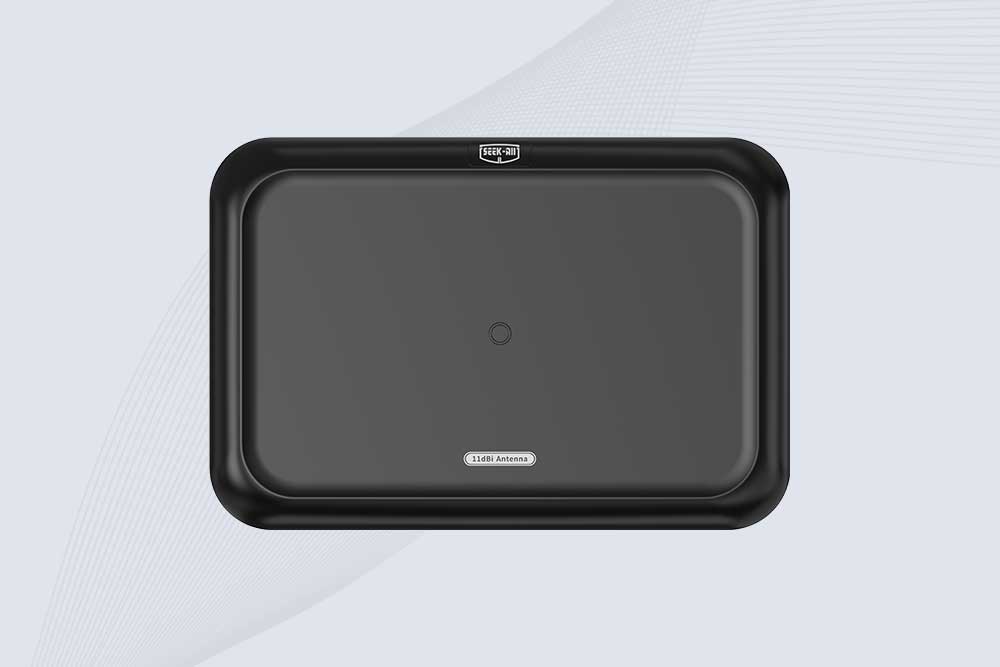
SSD-A11 UHF RFID antenna features 840–960 MHz adjustable frequency, ≥10.5 dBi gain, circular polarization and 50Ω impedance for fixed RFID systems.
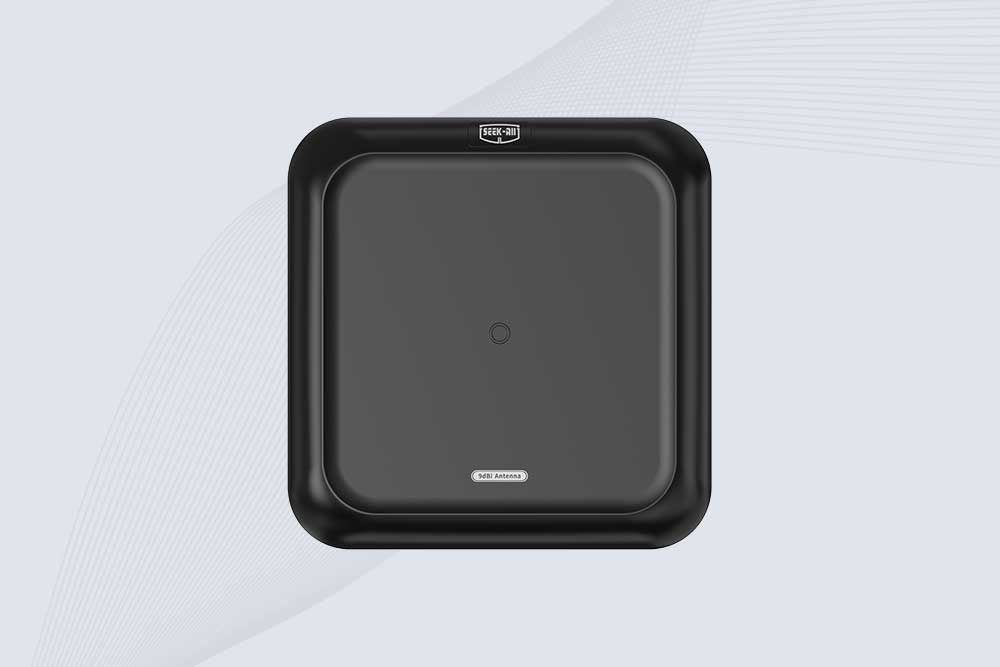
SSD-A09 is a 9 dBi UHF RFID antenna with 840–960 MHz adjustable frequency, circular polarization, 50Ω impedance and directional 60° × 60° coverage.
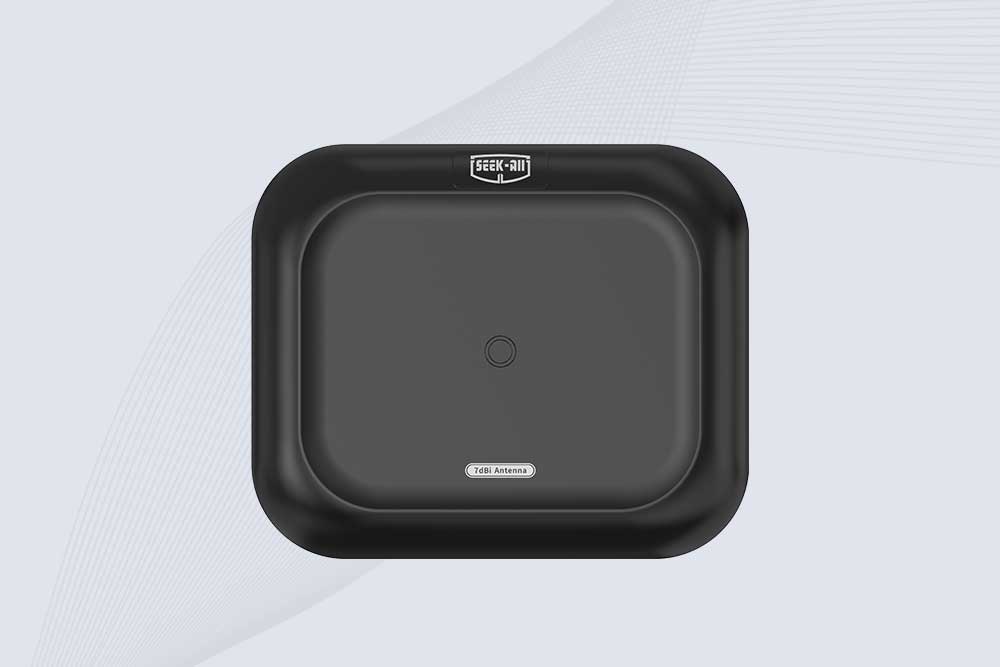
Explore the SSD-A07 UHF RFID antenna with 7 dBi gain, circular polarization, adjustable 840–960 MHz frequency, and 60°/75° beamwidth for stable RFID read/write performance.

SSD-A06 UHF RFID antenna with circular polarization, adjustable 840–960 MHz frequency, ≥4.5 dBi gain, and a compact directional design for RFID systems.

Discover SSD-D4AL, a USB-HID UHF RFID reader with 4/8/16 antenna options, Impinj E710/X3M1 chipset, plug-and-play USB power, and OEM customization.
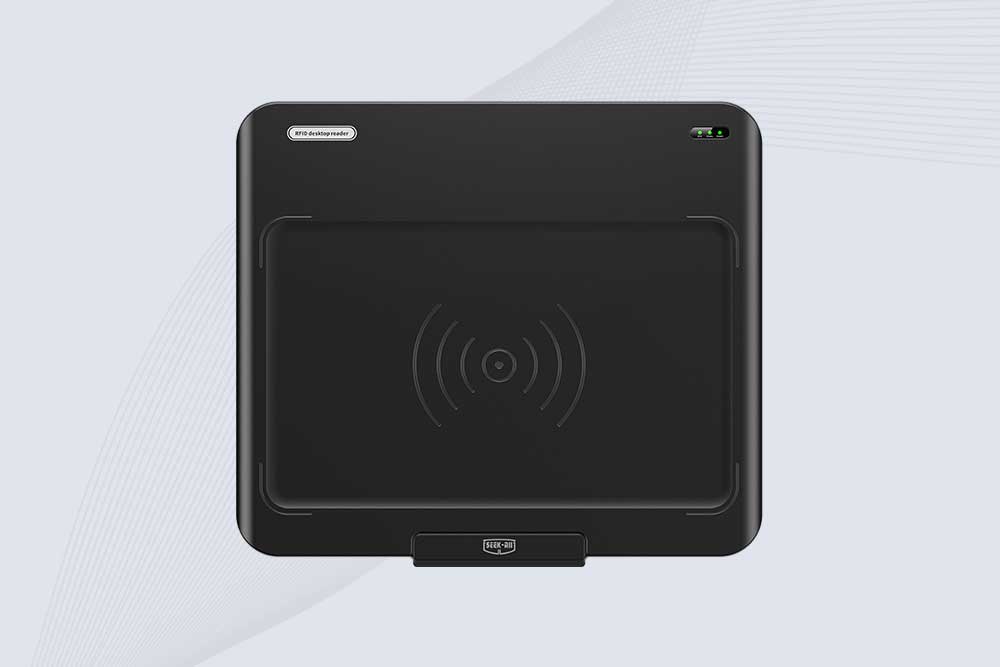
SSD-D3AL is a USB-HID UHF RFID reader with 0–30 cm reading, 0–15 cm writing, over 600 tags/s recognition, USB plug-and-play operation and OEM Logo customization.
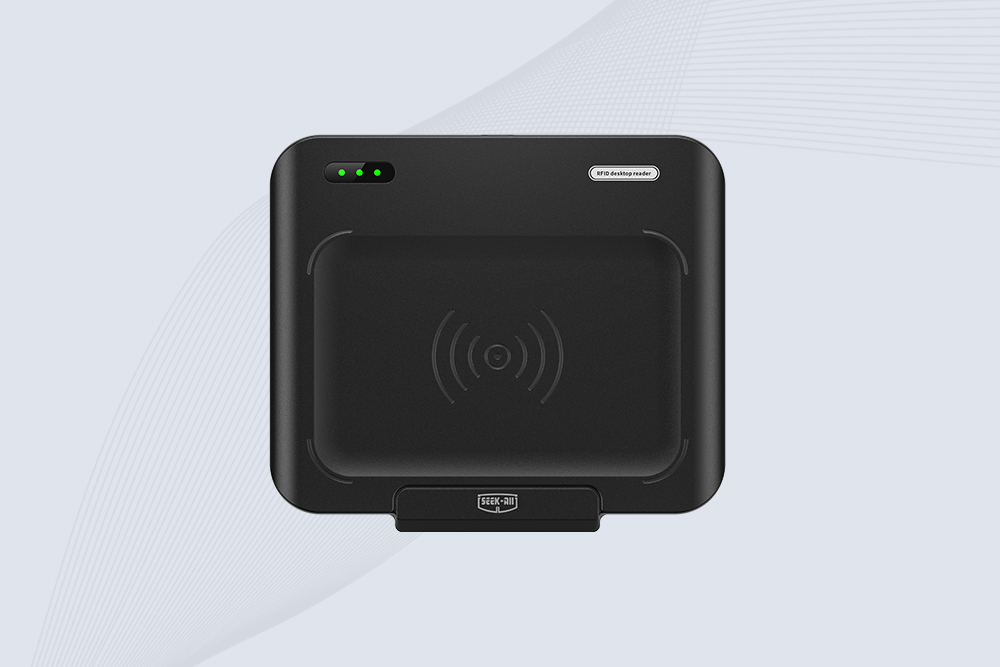
SSD-D1AL is a compact USB UHF RFID reader with Impinj E710/X3M1 chipset, USB-HID, 600+ tags/s recognition, 4/8/16 antenna support and plug-and-play USB power.

SSD-R16L Multi-Channel RFID Infrastructure for Automated Inventory Management ✔️ 16-Port High-Density RFID Reading Equipped with 16 SMA antenna ports, SSD-R16L supports multi-antenna deployment for warehouses, retail stores, logistics, production lines, and large-area RFID identification. ✔️ High-Speed & Long-Range Performance With up to 33…

SSD-R8L 8-port UHF RFID reader with 33dBm output, up to 20m reading range and 600+ tags/s recognition. Ideal for warehouse, logistics, retail and asset tracking.

SSD-R4L is a 4-port UHF RFID fixed reader with 33dBm output power, up to 20m reading range, EPC C1G2 support and 600+ tags/s reading speed.

CYKEO CYKEO-D1LA USB RFID Reader is a compact desktop solution with near-field control for precise tag reading and encoding. Powered by USB, supporting ISO 18000-6C, and built for stable batch writing, this usb rfid tag reader fits retail, libraries, offices, and controlled RFID encoding tasks.
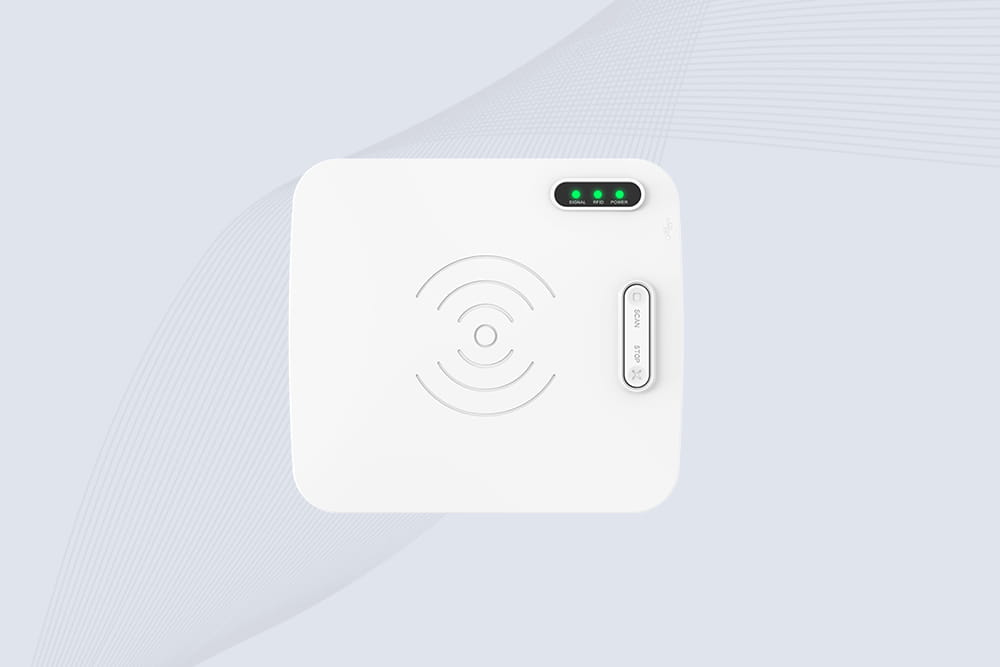
CYKEO CYKEO-D1L RFID scanner USB is a compact desktop UHF RFID scanner designed for short-range tag writing and verification. This usb rfid scanner supports batch encoding, stable 0–26 dBm output, and works across Windows, Linux, and Android systems.
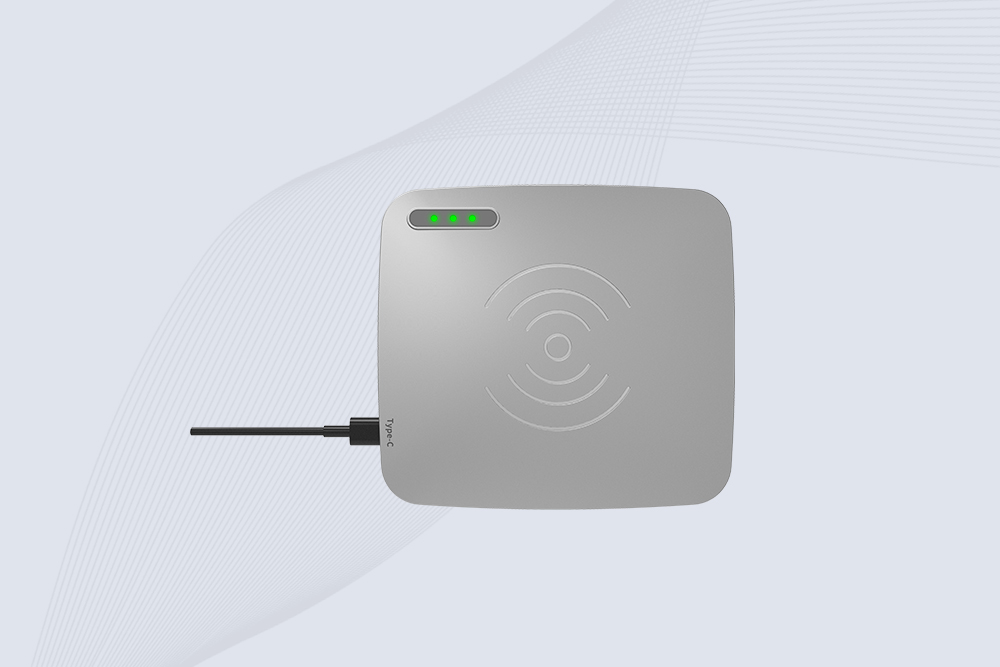
CYKEO CYKEO-D1C USB RFID Card Reader is a near-field UHF desktop writer designed for secure, short-range tag encoding. With USB-C connectivity and stable 26 dBm output, this rfid reader usb c is ideal for badge issuance, label encoding, and controlled desktop RFID workflows.
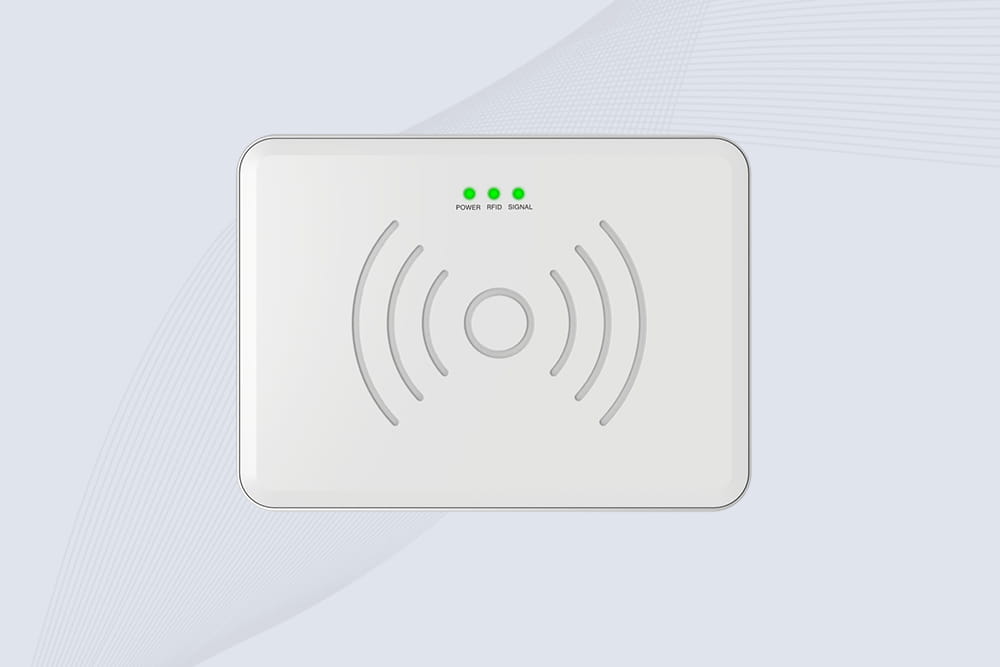
CYKEO CYKEO-D2L RFID Reader USB is a compact desktop encoder built on the Impinj R500 chip. With near-field control and stable USB power, this usb rfid card reader delivers precise tag writing for offices, retail counters, and small-scale logistics encoding tasks.
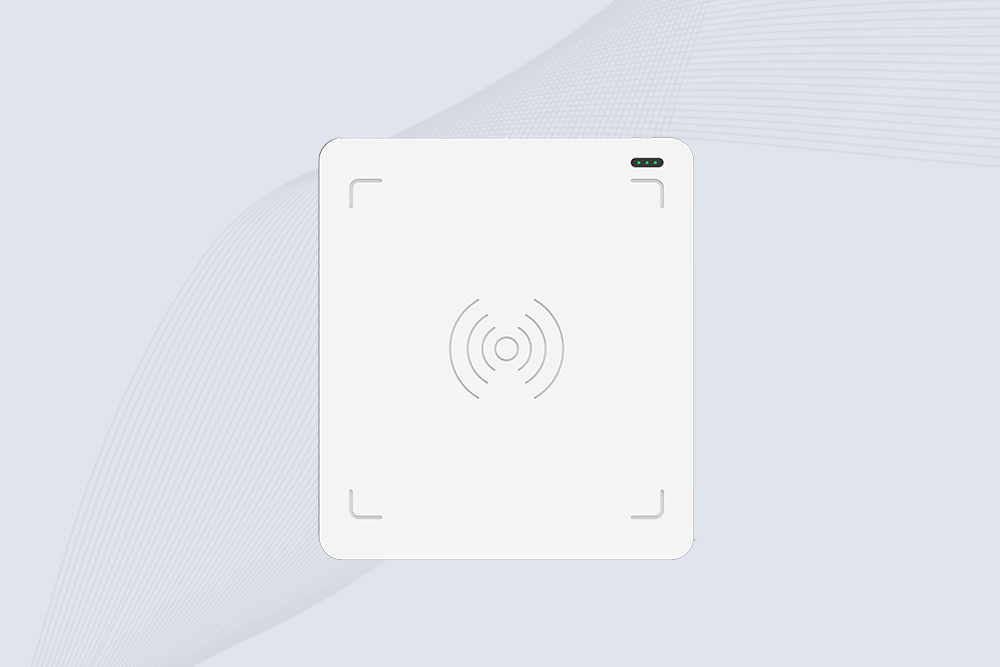
CYKEO CYKEO-D3L USB RFID Tag Reader delivers stable UHF tag reading and writing for daily desktop and light industrial tasks. Designed for controlled short-range operation, this USB RFID Tag Reader works reliably with rfid tag and reader systems in libraries, tool tracking, and inventory registration.
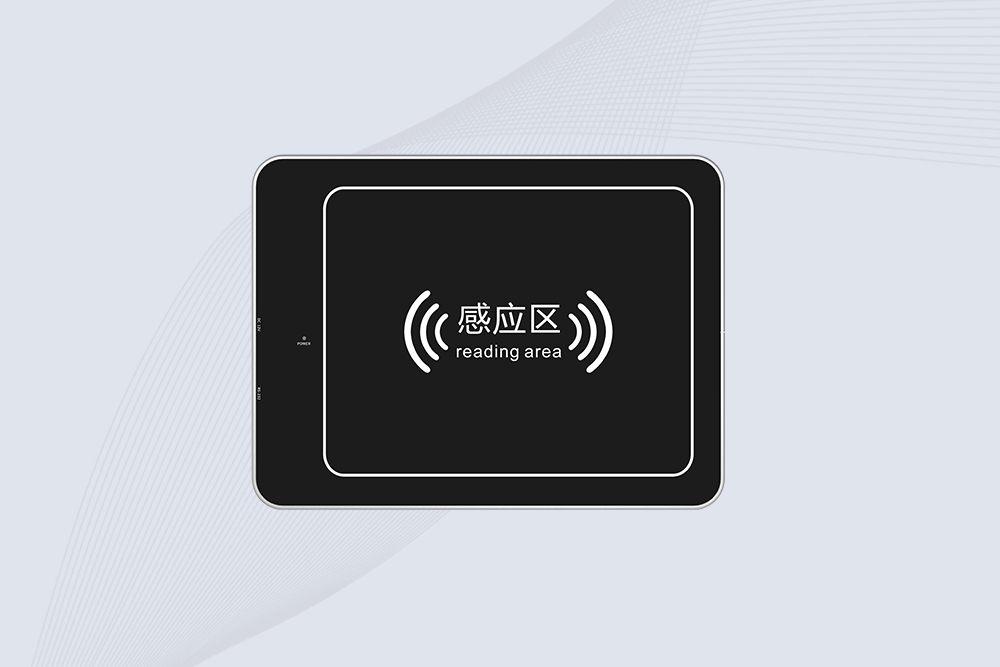
The CYKEO CYKEO-D4L UHF RFID Tag Reader is a stable Desktop RFID Reader designed for accurate tag registration, borrowing, and return workflows. Built with the Impinj R2000 chip, this UHF RFID Tag Reader delivers controlled short-range reads for libraries, asset tracking, and inventory management environments.
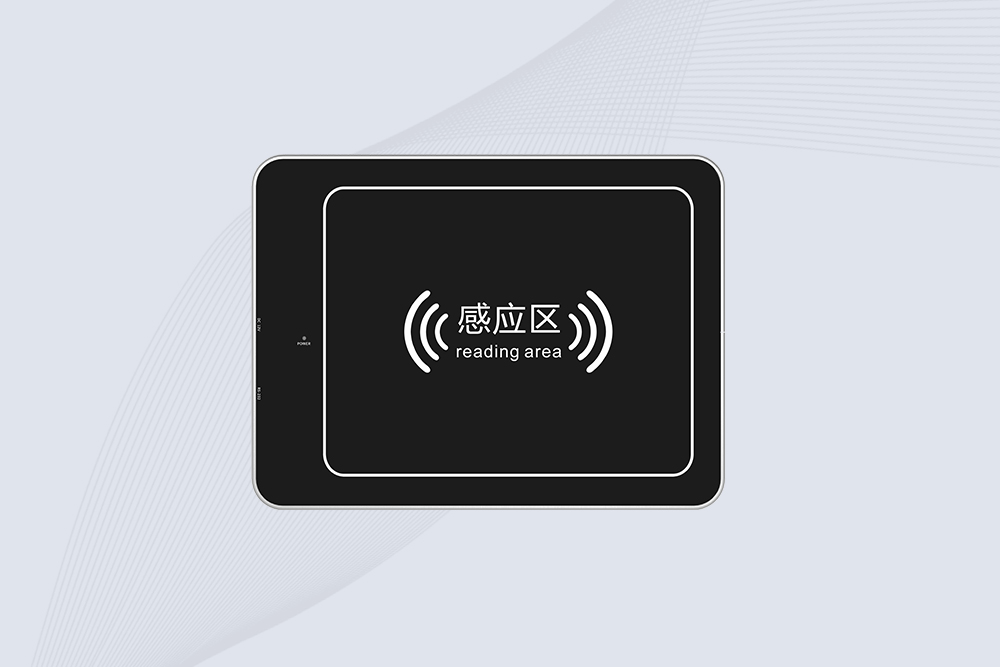
The CYKEO CYKEO-D5L Desktop RFID Card Reader is a stable UHF RFID Card Reader designed for controlled short-range reading and writing. Built for libraries, tool rooms, and asset desks, this UHF RFID Card Reader supports dense tag handling, secure data processing, and easy USB integration.
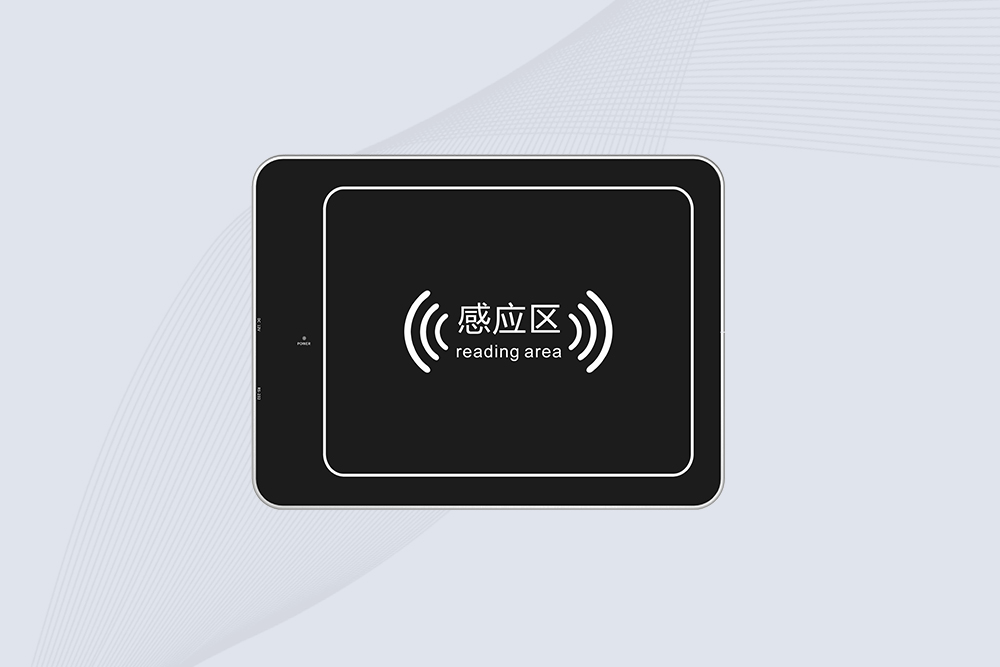
The CYKEO CYKEO-D6L RFID Reader Writer is a heavy-duty Desktop RFID Reader designed for short-range, high-accuracy tag programming. Built for libraries, labs, and asset desks, this RFID Reader Writer supports batch processing, stable 33dBm output, and seamless integration with existing management systems.
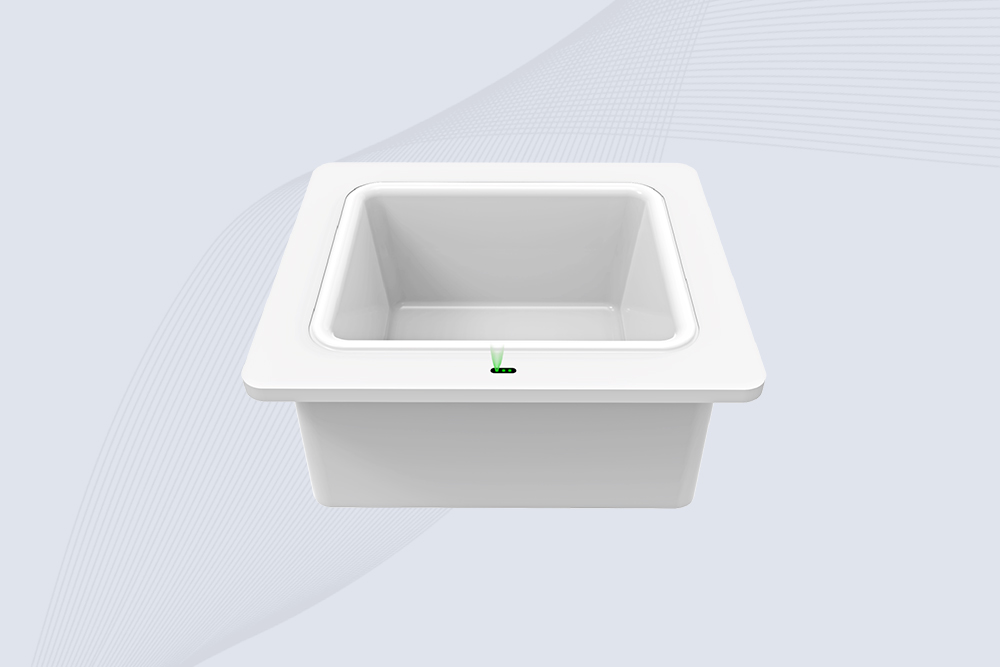
Cykeo CYKEO-D8B UHF RFID tunnel and RFID Desktop Reader features 30+ items batch reading,
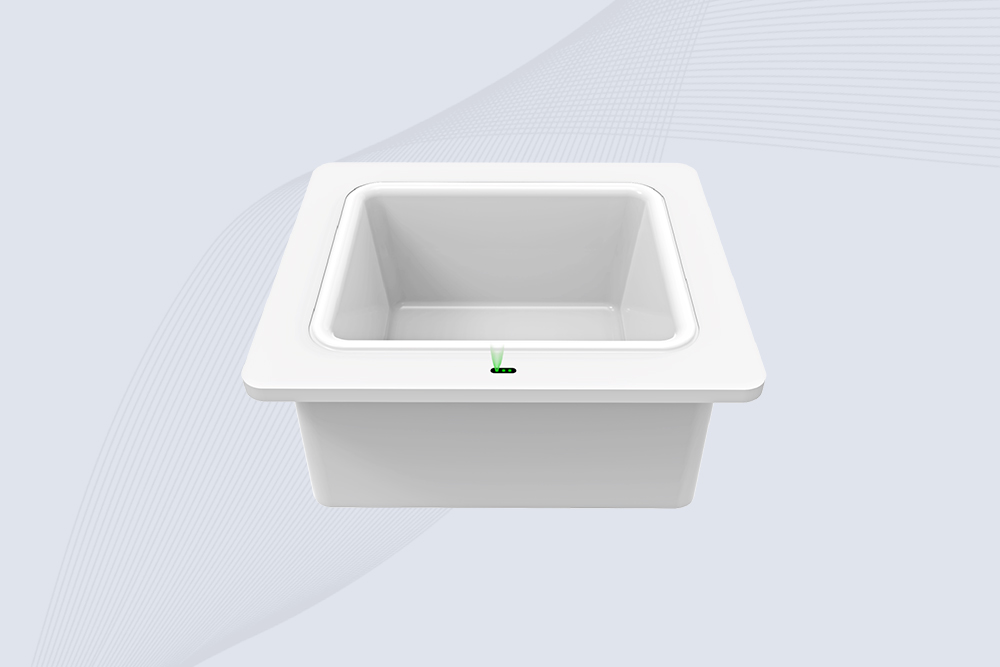
Cykeo CYKEO-D8A embedded RFID badge reader offers 30+ tags/sec scanning, 20cm anti-crosstalk precision, and DC 12V power for unmanned stores, warehouses, and smart inventory systems.
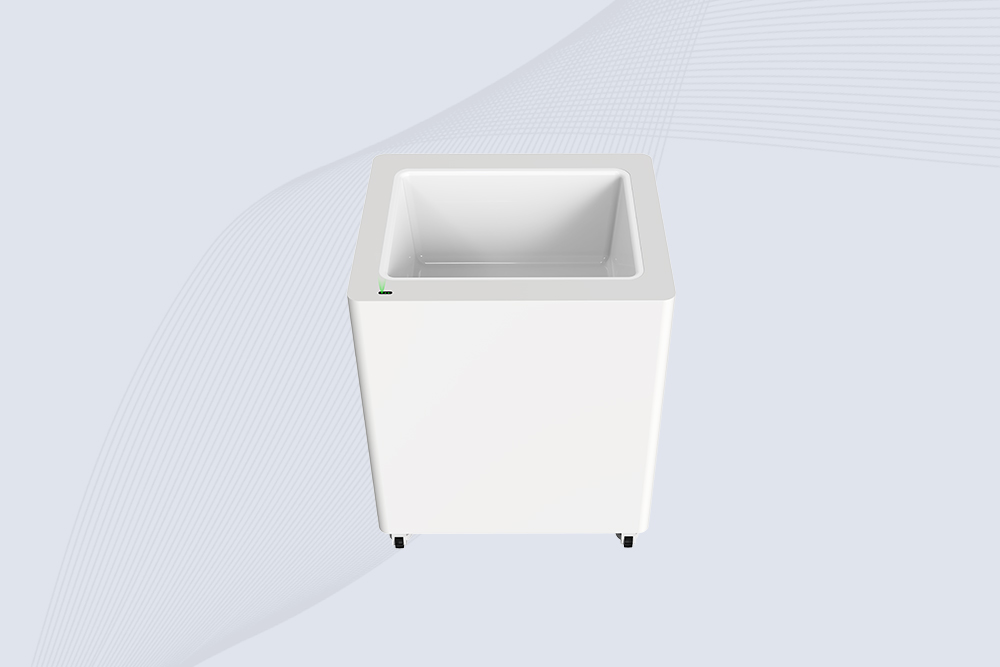
Cykeo’s CYKEO-D8C UHF RFID gate reader achieves 200-tag/batch scanning with adjustable power control, ideal for retail inventory and smart warehouse management.
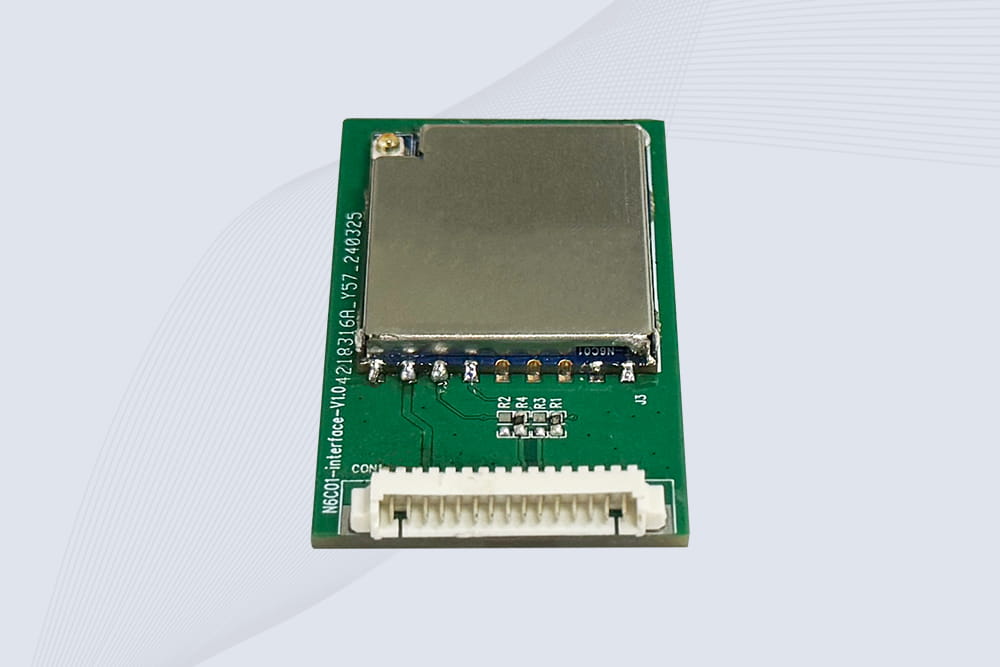
CYKEO Embedded RFID Modules are designed for compact industrial and IoT devices that require stable UHF performance. These UHF RFID Modules support global protocols, flexible power control, and reliable multi-tag reading for smart cabinets, production lines, and asset tracking systems.
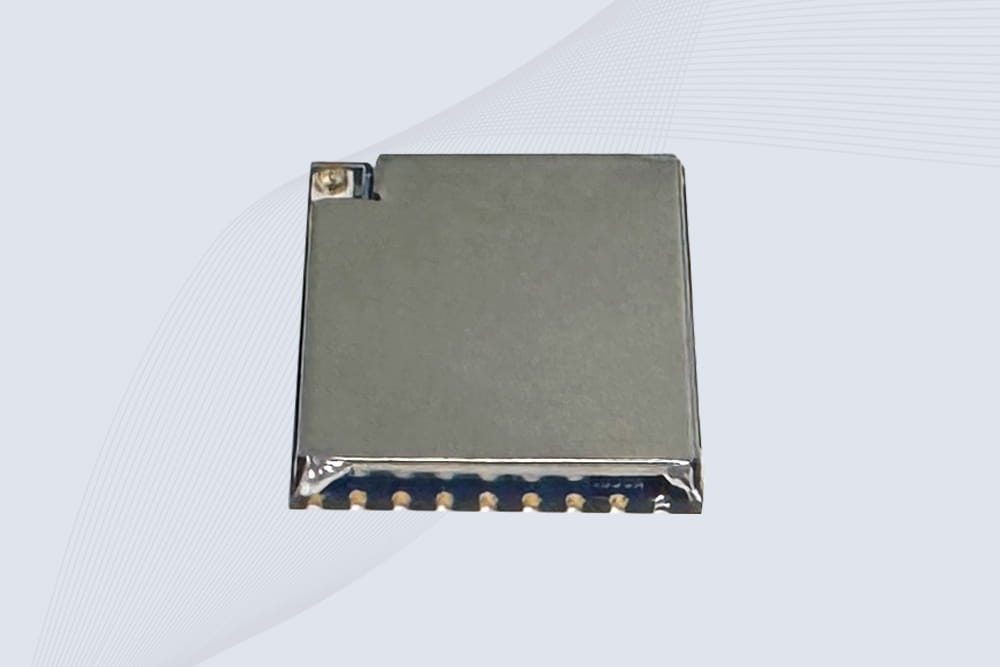
CYKEO Embedded RFID Module is built for compact IoT and industrial devices that need stable UHF performance. This UHF module supports global protocols, low power operation, and reliable multi-tag reading for smart lockers, production lines, and always-on RFID systems.
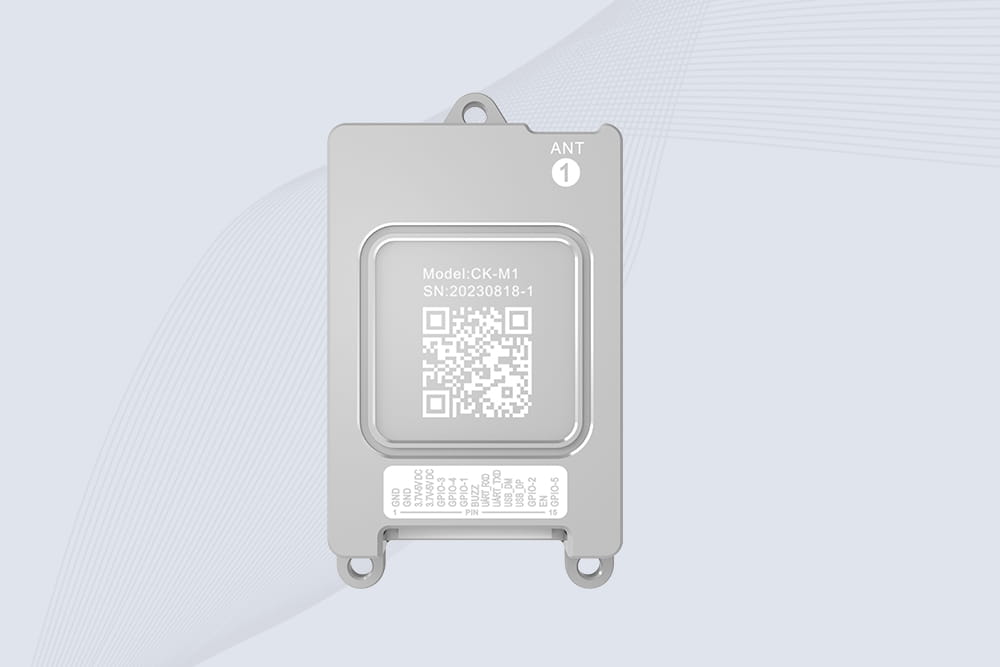
CYKEO CYKEO-M1 drone rfid module is a compact UHF RFID reader module designed for drones and UAV platforms. It supports long-range aerial scanning, fast multi-tag reading, and stable performance in wind, vibration, and outdoor environments.
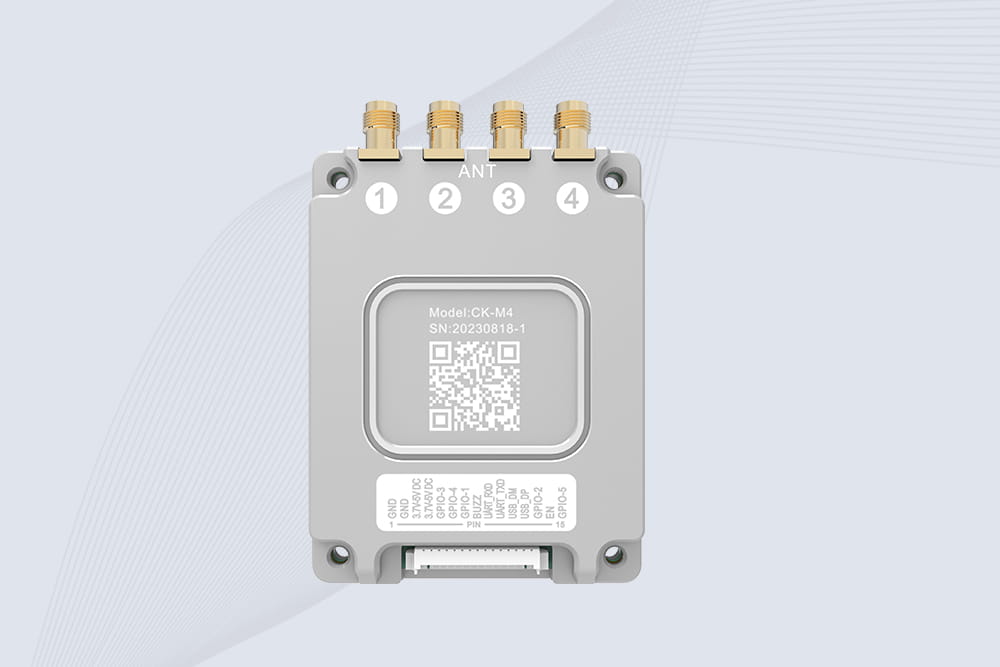
CYKEO CYKEO-M4 RC522 RFID Module is an industrial-grade UHF RFID reader with 4 ports, supporting ISO, EPC, and GB protocols. High-speed, accurate reading for IoT, automation, and warehouse applications.
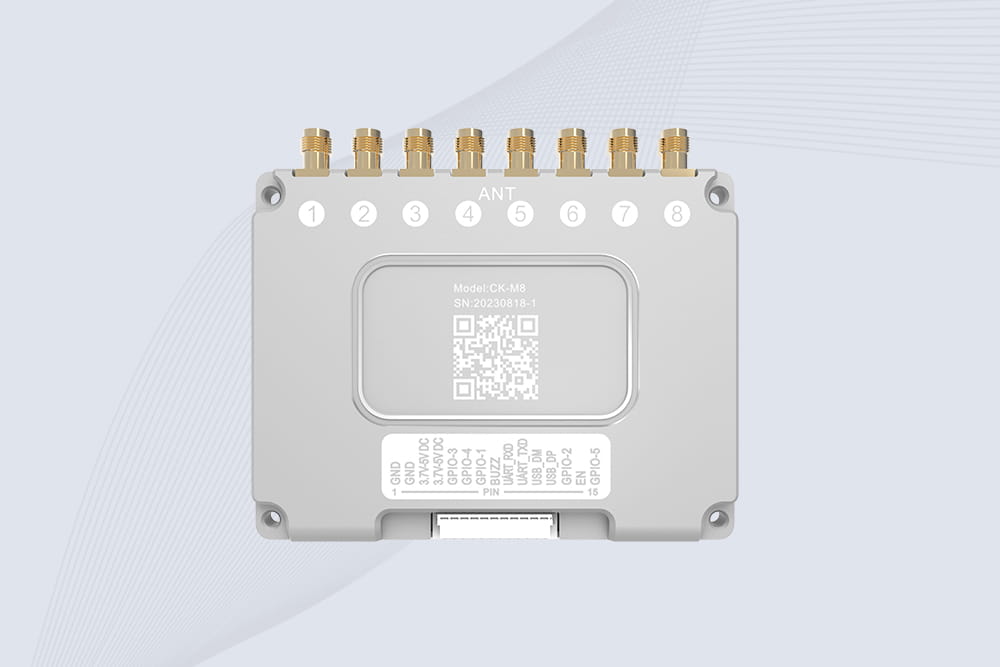
CYKEO CYKEO-M8 Module RFID is an 8-port UHF R2000 RFID Module designed for high-density, multi-tag environments. Stable 33dBm output, ISO & GB protocol support, ideal for warehouses, factories, and automated systems.
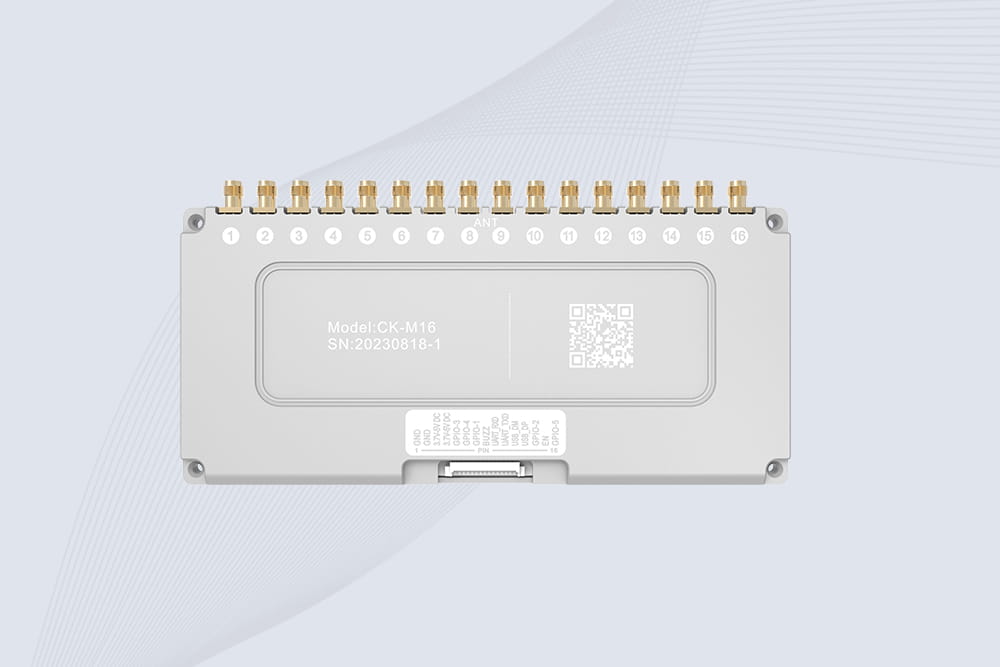
CYKEO CYKEO-M16 RFID Module is a 16-port UHF RFID reader module based on the R2000 chipset. Designed for dense tag environments, it supports ISO and GB standards and delivers stable multi-antenna control for industrial automation.
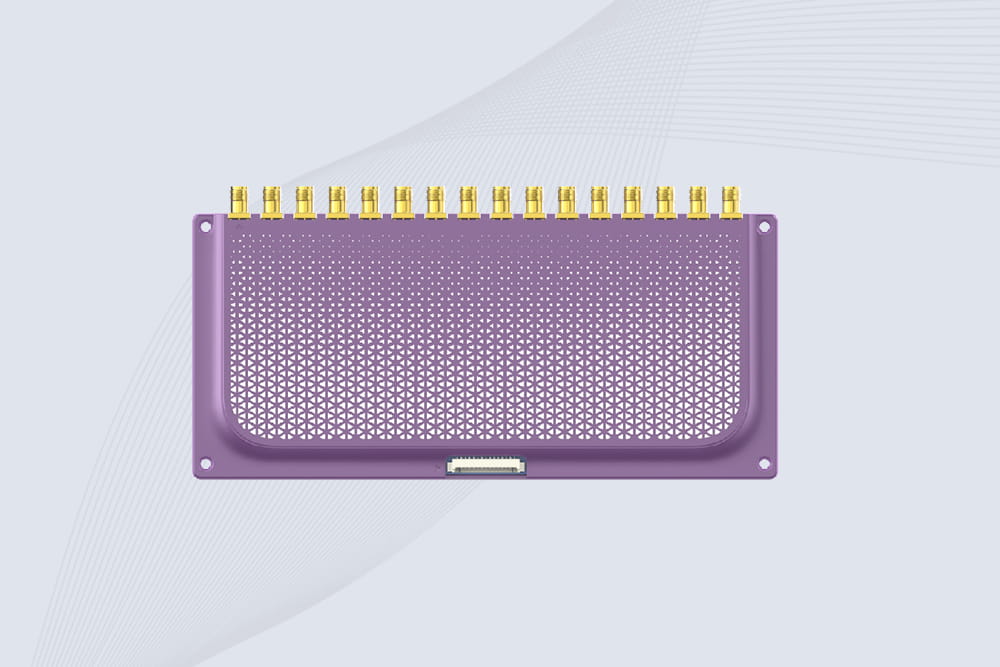
The CYKEO CYKEO-M16L RFID Reader Module is a 16-channel UHF RFID core designed for dense tag environments. With adjustable 33dBm output, multi-protocol support, and stable multi-antenna control, this RFID Tag Reader Module fits industrial automation, warehouse systems, and large-scale IoT deployments.
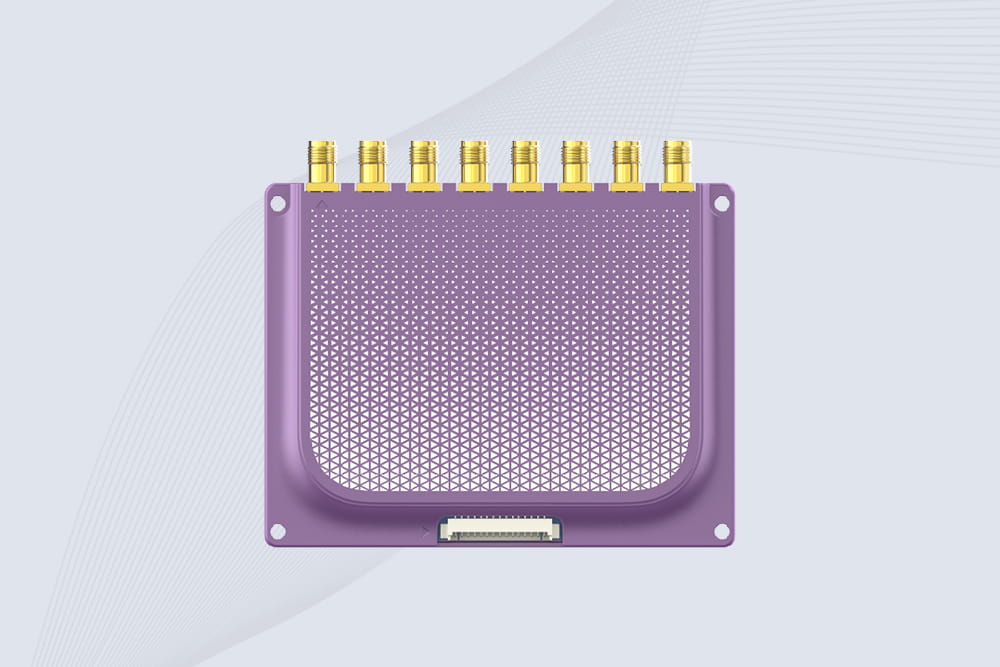
CYKEO CYKEO-M8L module RFID is a compact industrial UHF module built for dense tag and multi-antenna environments. With 8 RF ports, adjustable 33 dBm output, and ISO & GB protocol support, it is widely used in factories, warehouses, and automated tracking systems.
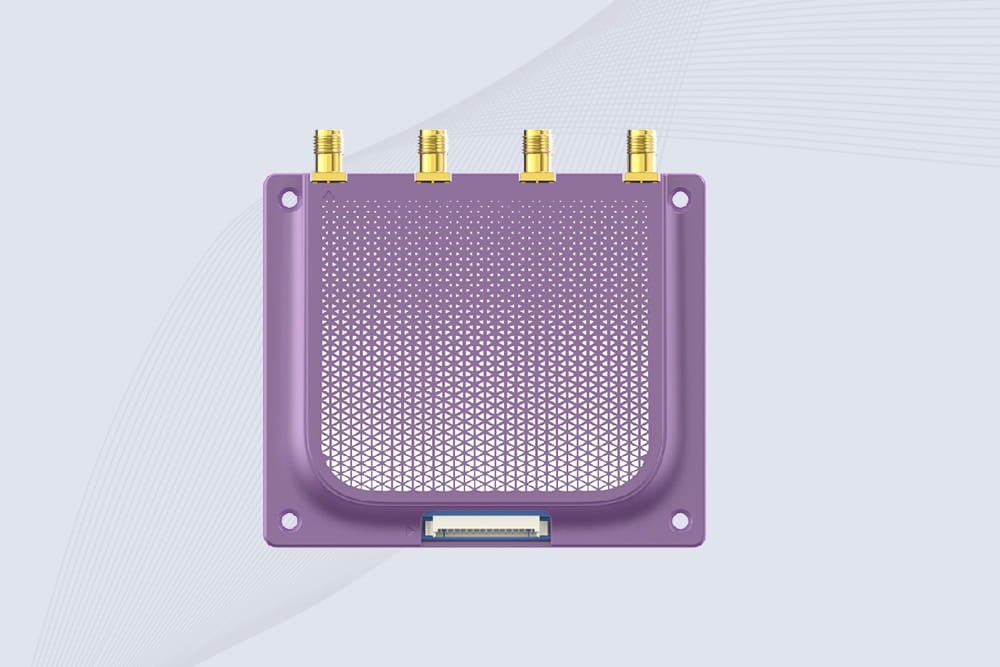
CYKEOCYKEO-M4L UHF RFID Module is a compact 4-channel RFID tag reader module designed for dense tag environments. Supporting ISO and GB protocols, it delivers stable reads up to 10 meters for industrial and IoT systems.
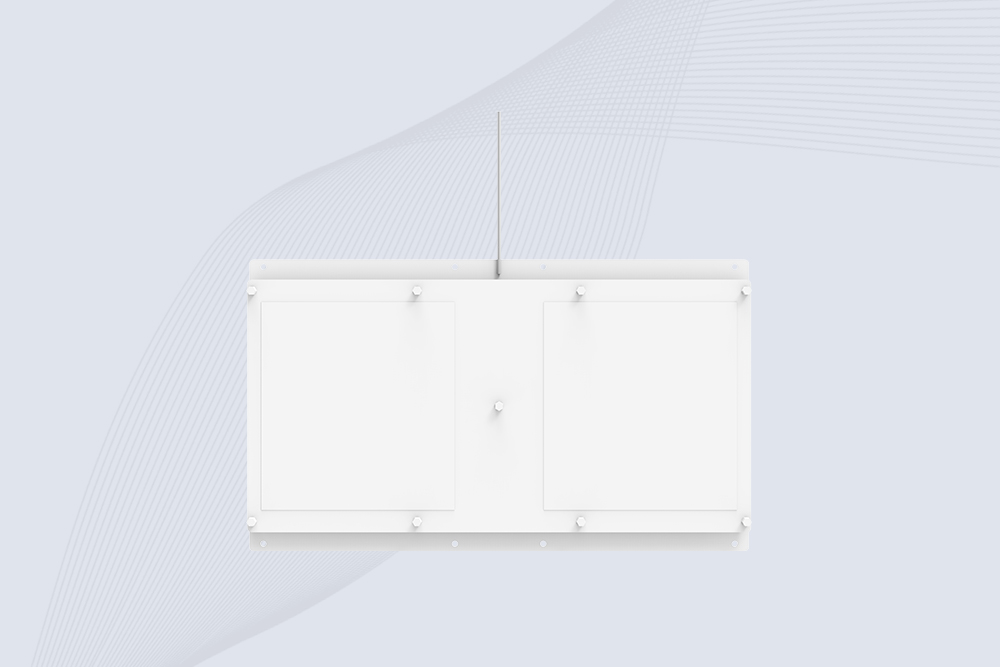
Cykeo CYKEO-A11 UHF RFID reader antenna delivers 11dBi gain, 840-960MHz frequency range, and IP65 ruggedness for retail, logistics, and industrial RFID systems. Features low VSWR and easy installation.
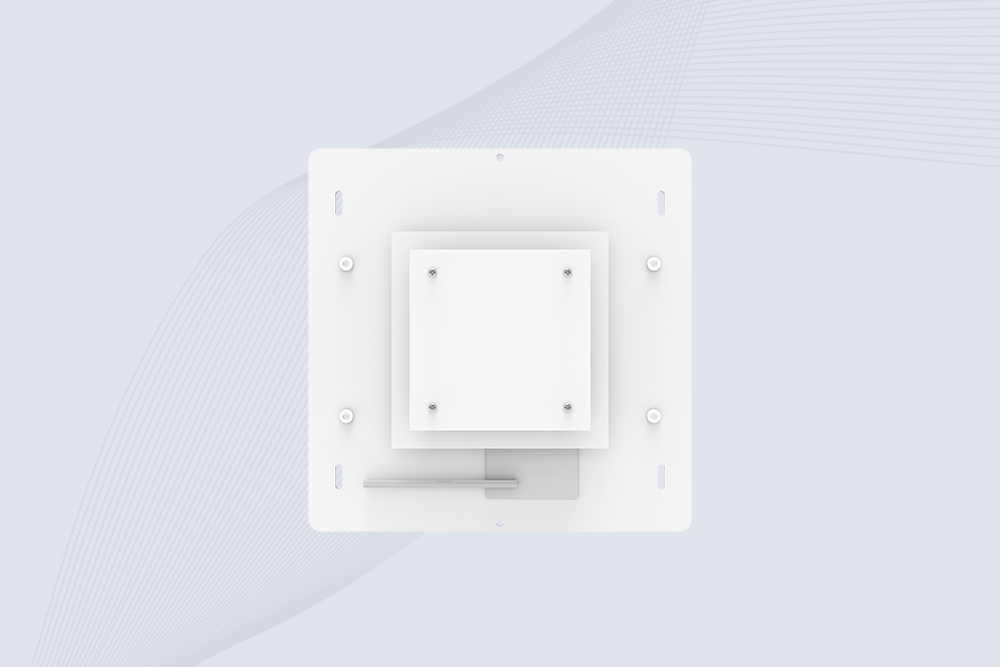
CYKEO Antenna RFID Reader delivers stable long-range UHF performance with a 10.5dBi directional design, built for warehouses, conveyor portals, and industrial RFID systems. This rfid reader antenna provides 20m+ read distance and rugged IP67 protection.

Cykeo CYKEO-PHF3 industrial HF RFID Antenna offers 24-point dynamic tracking, ISO 14443A/15693 protocols, metal-environment stability for archives/libraries/manufacturing.

Cykeo CYKEO-A5B industrial Linear RFID Antenna delivers 5dBi gain, ≤1.5:1 VSWR, and IP65 rugged design for warehouse, production line, and logistics UHF systems.

Cykeo’s CYKEO-B12 Long Range RFID Antenna delivers 15m+ read range with 12dBi gain, IP65 rugged design, and global 840-960MHz UHF support. Ideal for warehouse/logistics asset tracking.
Cykeo CYKEO-B10 Long Distance RFID Antenna offers 10dBi gain, 840-960MHz frequency range, IP65 rating, and 20m+ coverage for logistics/warehousing/ETC systems. Low VSWR ensures stable signal transmission.
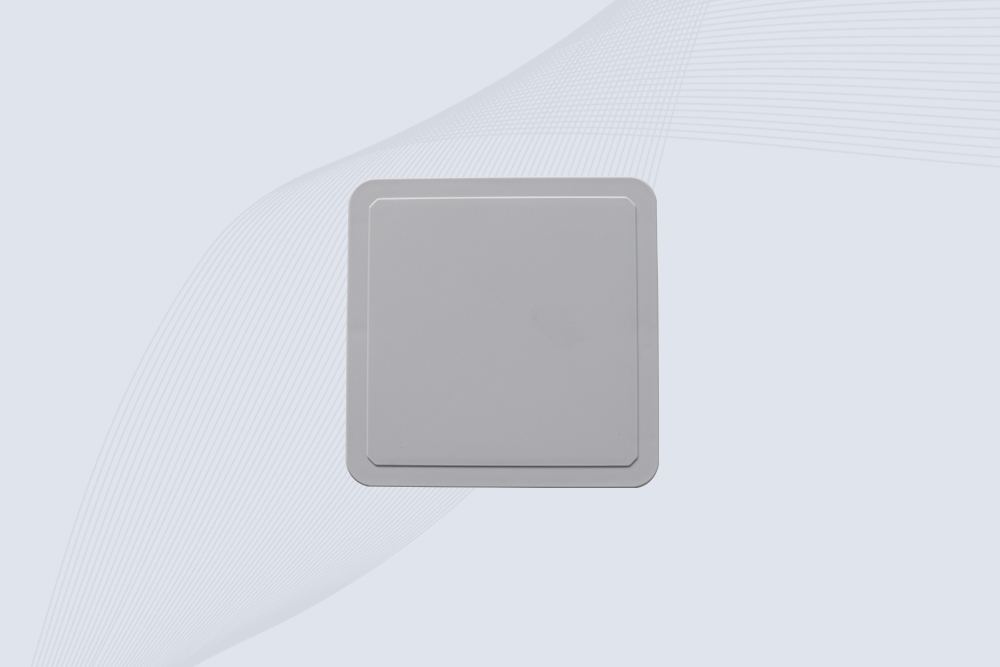
Cykeo CYKEO-A6 UHF RFID panel antenna features 6dBi gain, 840-960MHz broadband, IP65 metal-ready housing for logistics/smart retail. 18mm ultra-thin design with tool-free mounting.

Cykeo CK-A3 industrial antenna RFID UHF offers 5m+ tag detection, ≤1.3:1 VSWR, IP65 rugged design, and global UHF spectrum compatibility (840-960MHz) for warehouses, factories, and retail.
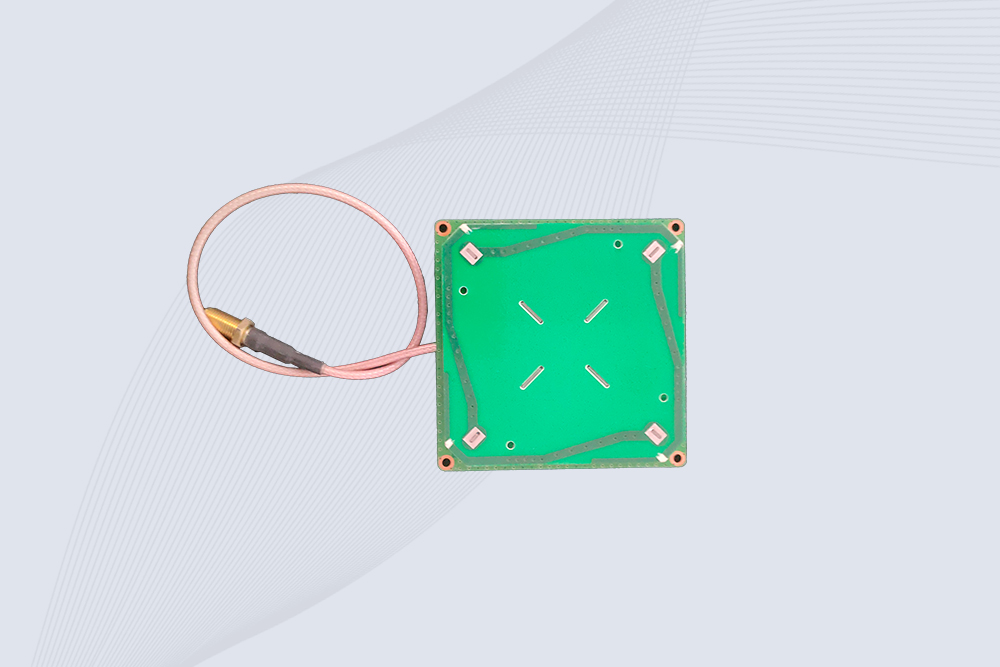
Cykeo CYKEO-B5 directional RFID antenna provides 5dBi gain with 60° narrow beamwidth for precise inventory tracking. IP65-rated, global UHF frequency support, and low VSWR.
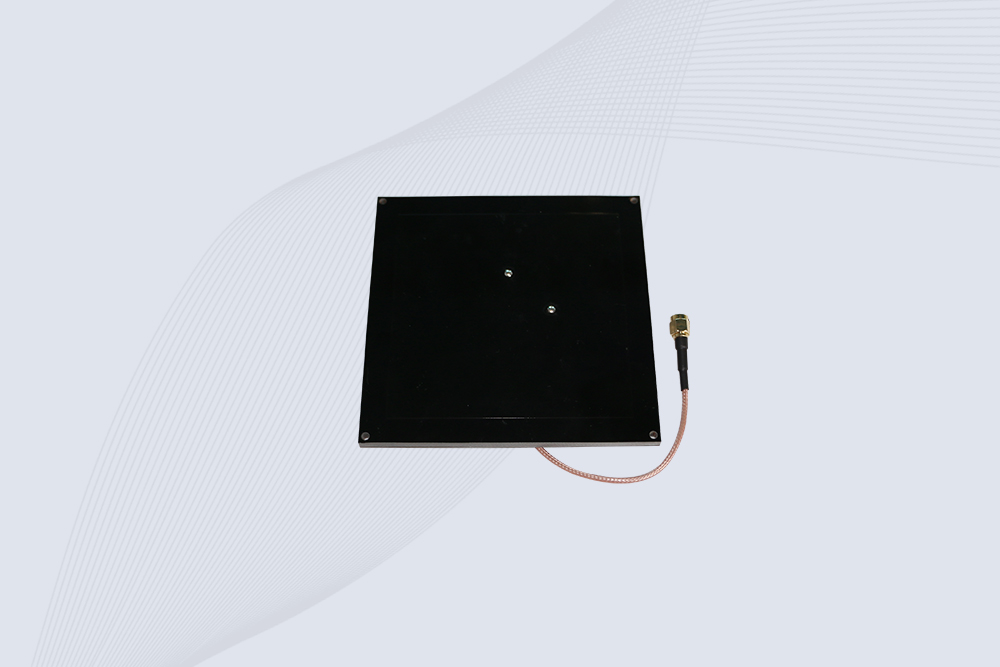
Create your own high-performance DIY RFID antenna! 5dBi gain, 840-960MHz tunable, step-by-step guides. Compatible with Arduino, Raspberry Pi, and commercial UHF readers.
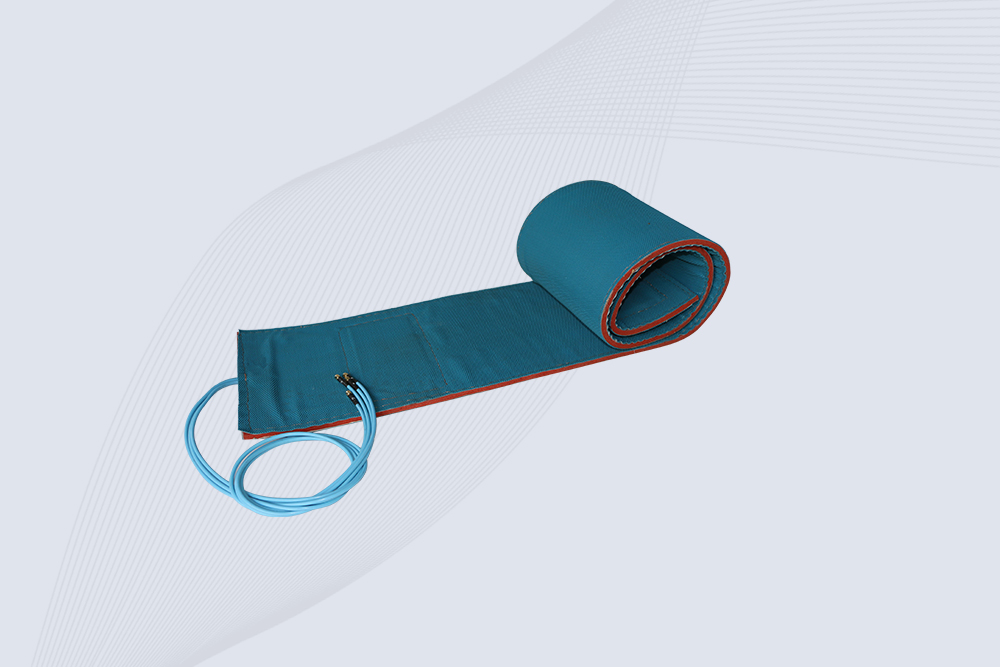
Cykeo CYKEO-A7 Flexible RFID Antenna features 840-960MHz wideband tuning, 7dBi gain, and IP68 rating for medical/retail/industrial curved surface deployments. 98% read accuracy with peel-and-stick installation.
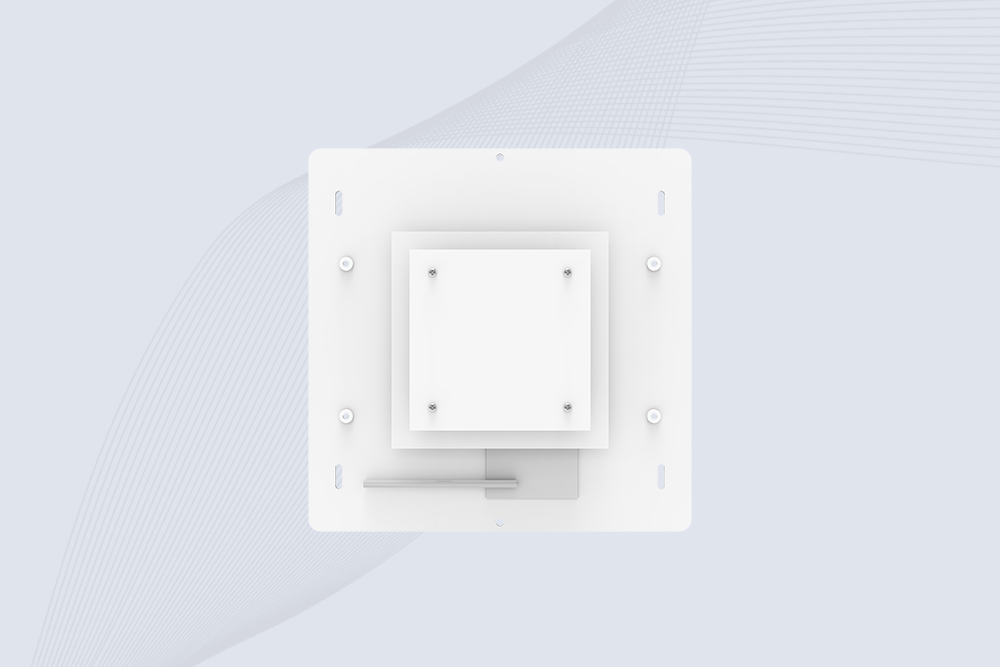
Cykeo CYKEO-B5A industrial Passive RFID Antenna delivers 5dBi gain, 70° beamwidth, and -40°C~55°C operation for warehouses/smart cabinets. Compatible with Zebra/Impinj readers.
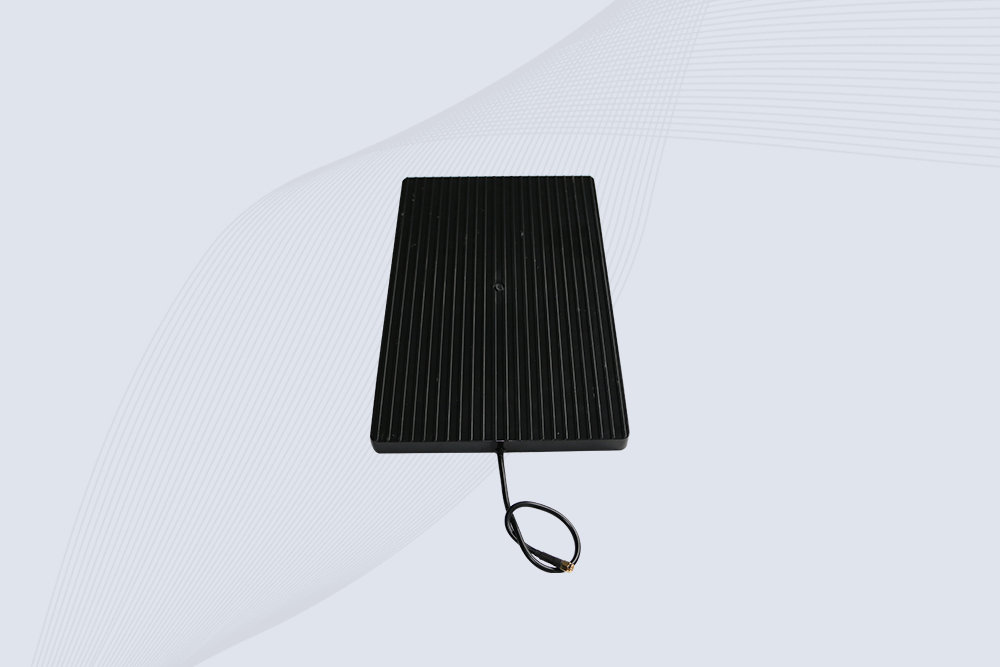
Cykeo’s CYKEO-A9B High Gain RFID Antenna delivers 15m+ read range with 9dBi amplification. Features IP54 rugged design, 840-960MHz bandwidth, and 80° beamwidth for warehouse/manufacturing RFID systems.

Cykeo’s enterprise-grade 8dbi Impinj RFID Antenna 10m+ read range with 840-960MHz tuning. Features IP65 housing, 1.4 VSWR, 35° beamwidth for retail/warehouse RFID systems.
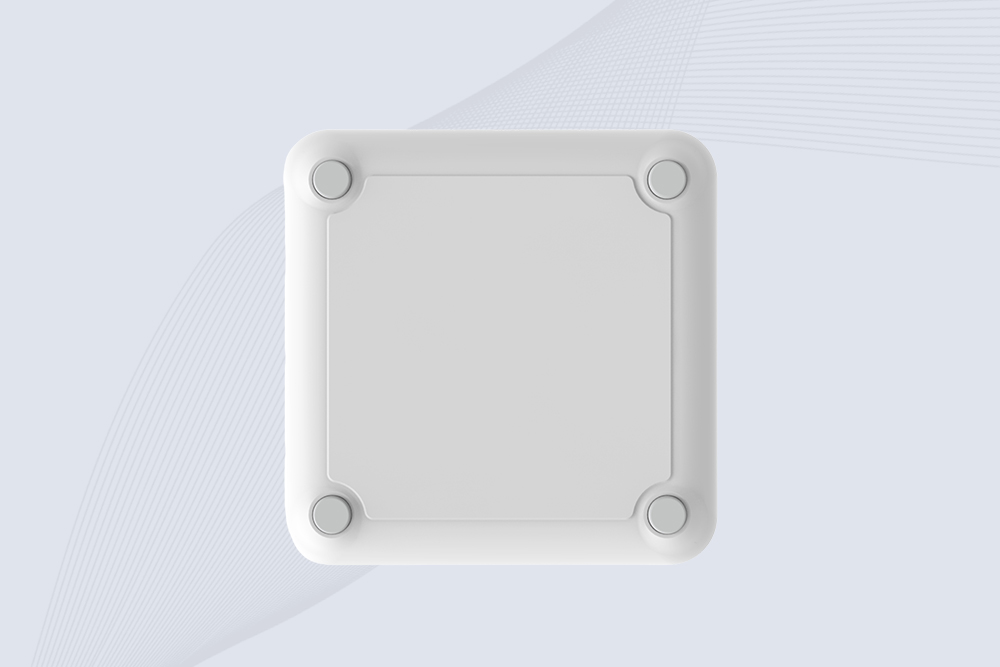
Cykeo CYKEO-A9 industrial UHF RFID antenna delivers 9dBi gain, 840-960MHz frequency range, and IP65 protection for warehouse/logistics/retail RFID systems. Features N-type connector and ≤1.3:1 VSWR.
CYKEO UHF RFID Antenna built for long-distance and industrial applications. This antenna rfid uhf delivers strong gain, outdoor durability, and reliable tag performance in warehouses, yards, and vehicle ID systems.
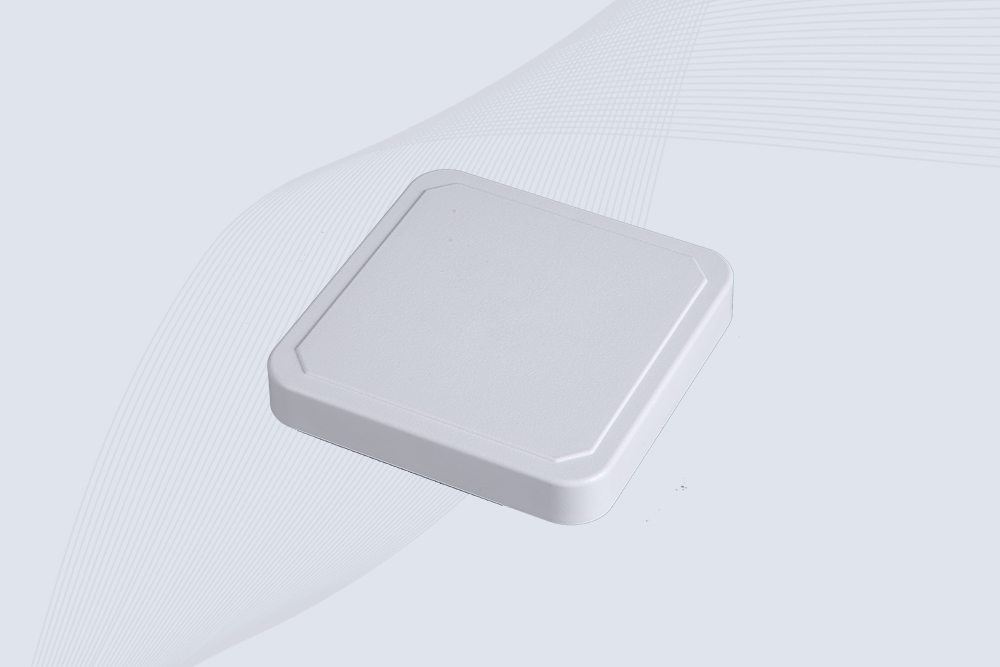
CYKEO Antenna RFID delivers reliable long-range UHF performance in warehouses, retail shelves, and cold-chain environments. This compact uhf rfid antenna provides stable reads with circular polarization and ultra-wide 840–960 MHz support, ideal for industrial tracking, smart shelves, and asset monitoring.
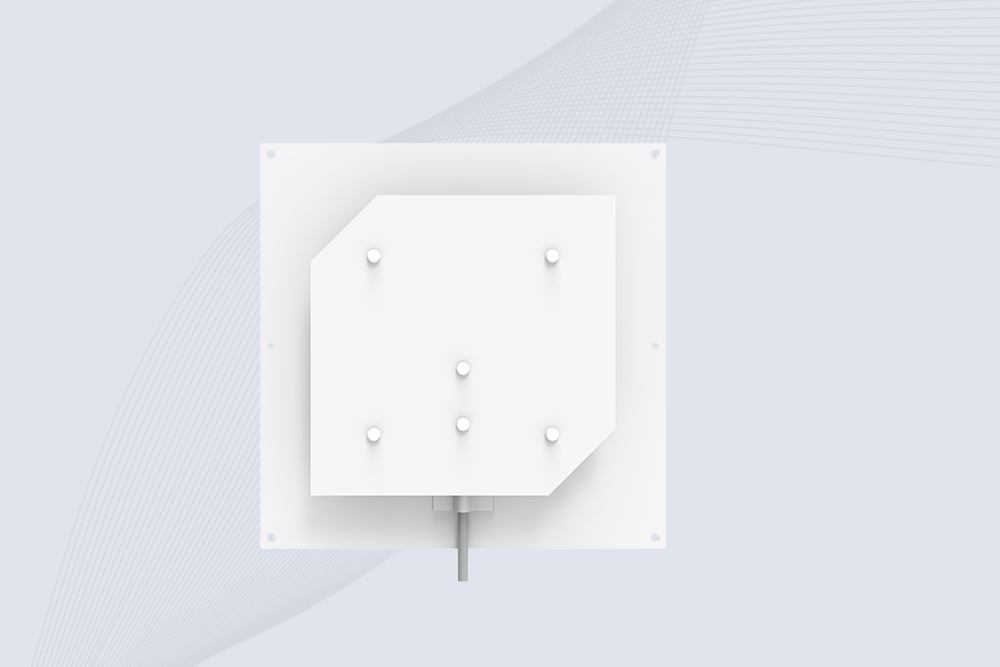
Cykeo’s CYKEO-C8 UHF RFID antennas delivers 8dBi gain, 840-960MHz full-band coverage, and IP65 ruggedness for manufacturing/warehouse RFID systems. Industrial RFID Antennas Features
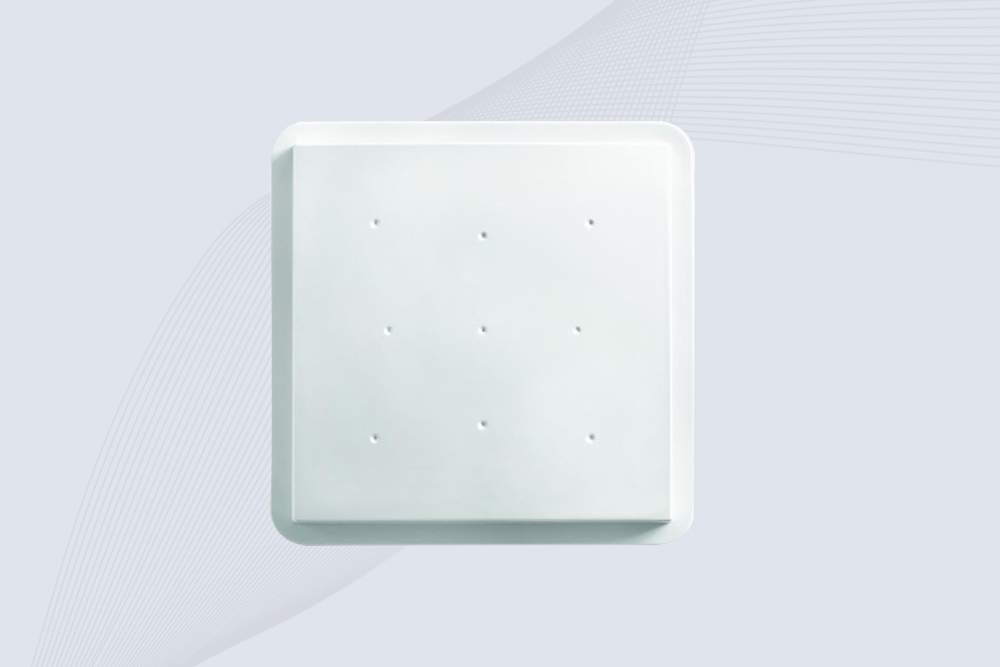
Cykeo’s 8dBi UHF RFID antenna and reader kit delivers 10m+ range, 840-960MHz broadband, and IP65 ruggedness for factories, warehouses, and logistics. ISO 18000-6C & EPC Gen2 certified.
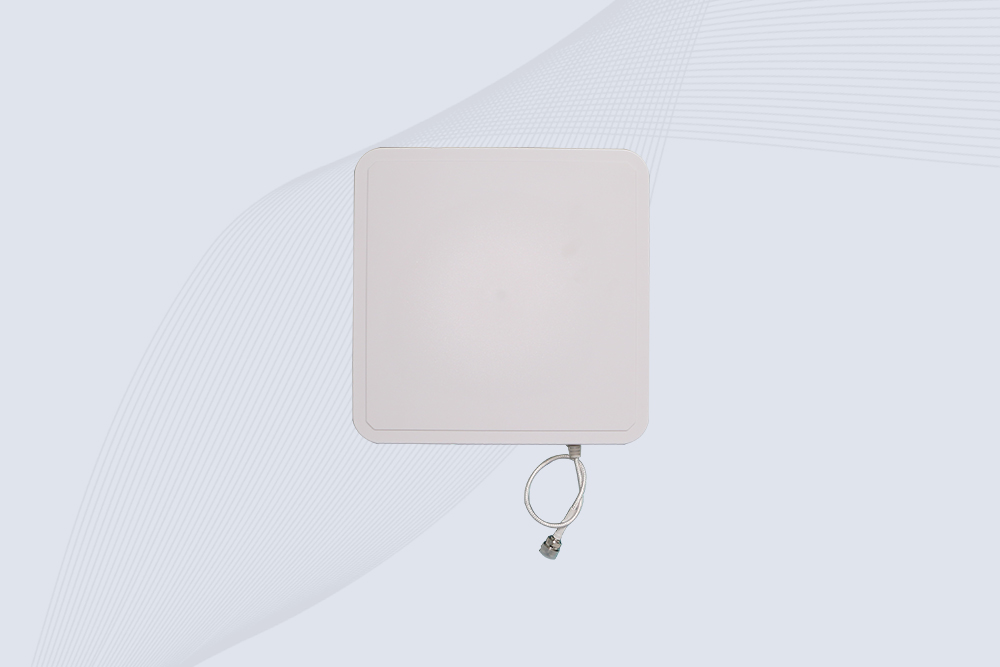
Cykeo CYKEO-A9A industrial UHF RFID reader and antenna kit delivers 10m range, 500 tags/sec, IP65 ruggedness for manufacturing/logistics. Supports EPC Gen2, ISO18000-6C.

Wondering how to check RFID card frequency? Learn simple methods to identify LF, HF, and UHF RFID cards, understand common frequencies, and choose the right reader for your application.
More
Struggling with HF RFID interference in your library? Learn how to reduce signal issues, improve scan accuracy, and keep your inventory system running smoothly.
More
As technology advances rapidly, the concept of smart cities has garnered increasing attention. Among the key technologies enabling smart city development, Radio Frequency Identification (RFID) plays a pivotal role in boosting urban efficiency and ...
More
Discover the key differences between HF and UHF RFID, their real-world applications in warehousing and logistics, and why UHF devices like the CK‑D8C are ideal for fast, accurate inventory management.
More