 Cykeo RFID IoT Solution Products R&D Manufacturer
RFID Tool Cabinet Installation Guide: How to Set Up RFID Tool Storage System
131RFID tool cabinet installation requires more than mounting hardware. This guide explains how to prepare tools and tags, configure the cabinet, install RFID r...
MoreAll RFID Product
how far can rfid chips be read depends on the RFID frequency, tag design, reader power, antenna, orientation, and surrounding materials. Passive UHF RFID chips are commonly read several meters away, while optimized systems can reach about 10–15 meters under suitable conditions.
That range is not a fixed specification of the chip itself. The chip is only one part of the radio link.
In practical RFID deployments, the antenna and installation geometry often determine whether a tag is reliably captured at 6 meters—or disappears at 2 meters.
For passive RFID, frequency makes a substantial difference.
| RFID technology | Typical reading distance | Common applications |
|---|---|---|
| LF RFID | 10–50 cm | Access control, animal identification |
| HF RFID | 10 cm–1 m | Tickets, cards, document tracking |
| UHF / RAIN RFID | Up to about 10 m | Inventory, logistics, retail |
| Optimized UHF installations | Around 10–15 m or more in special cases | Portals, asset tracking, vehicle identification |
GS1 states that LF RFID commonly operates around 125/134 kHz with a 10–50 cm range, while HF systems at 13.56 MHz typically operate from 10 cm to 1 m. For passive UHF/RAIN RFID, GS1 gives ranges up to approximately 10 m depending on the environment.
GS1 also notes that UHF passive tags can reach up to 15 meters in special cases, with highly sensitive readers and suitable antenna configurations capable of reaching farther under controlled conditions.
So when someone asks for “the RFID chip’s maximum distance,” I would not start with a number.
I start with the installation.
A warehouse test bench can look perfect. Move the same equipment beside a steel rack, add densely packed cartons, rotate the tag 90 degrees, and the result can change immediately.
The main variables are:
GS1 specifically identifies antenna directivity and gain, electromagnetic polarization, and tag orientation as important factors affecting UHF RFID read volume and range.
Metal is not automatically an RFID blocker. Modern on-metal tags are specifically engineered for metallic surfaces.
Liquids are more complicated. GS1 notes that water and other liquids absorb electromagnetic energy and can detune RFID antennas, potentially reducing RAIN RFID performance significantly. Dedicated antenna designs can mitigate part of this effect.
That distinction matters in warehouses handling beverages, chemicals, cosmetics, food, or medical supplies.
A passive UHF RFID chip does not normally transmit like a battery-powered radio.
The reader generates the RF field. The passive tag harvests energy from that field, activates its circuitry, and changes the reflection characteristics of its antenna. The reader detects this backscattered signal and decodes the tag information.
This is why distance eventually becomes a hard engineering problem.
As the tag moves farther away, the available energy falls, while the reader must still distinguish the extremely weak returned signal from environmental noise and reflections.
For a warehouse portal, therefore, “15 meters” is less useful than knowing the reliable read zone. <h2>Field insight: design the read zone, not the maximum distance</h2>
During RFID deployment, one mistake appears repeatedly: increasing reader power simply because the desired tag is not being captured.
That can make the situation worse.
A high-power reader may begin detecting tags outside the intended portal, creating unwanted reads from adjacent pallets or nearby inventory. GS1 describes this as a problem of unwanted or “tag clutter,” particularly as RAIN RFID deployments become larger and more autonomous.
A better deployment approach is to tune:
The target is not the longest possible range. It is stable identification inside the correct zone and minimal reading outside it.
For Cykeo UHF RFID equipment, read-distance evaluation should be treated as an application-level measurement rather than a single headline specification.
A fixed reader installation, for example, may require different tuning from a handheld inventory application. A dock door needs controlled coverage across a passage, while a shelf-level application may deliberately require a much smaller reading area.
Cykeo’s UHF RFID solutions can be configured around factors such as reader power, antenna arrangement, tag density, communication interface, and application environment. This makes the practical question less about chasing a maximum number and more about creating a predictable RF operating zone.
That is particularly important when RFID is being used for inventory control, warehouse receiving, retail checkout, asset tracking, or automated portals.
Scenario 1 — Open warehouse pallet
A passive UHF tag mounted on a cardboard carton, positioned correctly toward a fixed reader antenna, can operate across several meters. GS1 describes approximately 10 meters as a typical upper range for UHF RFID depending on conditions.
Scenario 2 — Dense metal environment
The same tag specification may perform substantially worse when surrounded by steel shelving or metallic equipment. In that situation, changing tag construction and antenna placement can be more effective than simply increasing reader power.
This is why serious RFID projects validate the complete tag + reader + antenna + object + environment combination.
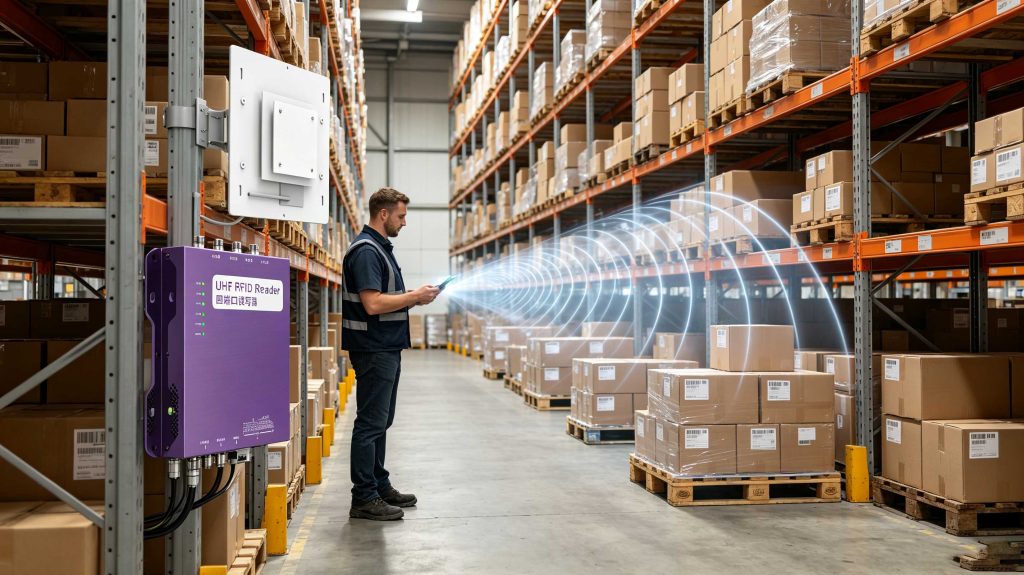
For an actual installation, I recommend recording:
| Measurement | Why it matters |
|---|---|
| Maximum detected distance | Shows the theoretical operating boundary |
| Reliable read distance | Shows where reads remain consistent |
| Read-rate at target distance | Indicates practical performance |
| Missed reads | Reveals coverage problems |
| Unwanted reads | Detects excessive RF coverage |
| Tag orientation | Identifies polarization sensitivity |
| Performance with loaded goods | Tests the real operating condition |
GS1’s RFID guidance emphasizes testing the complete RFID solution because readability depends on the chip, rfid antenna, encapsulation, and surrounding environment.
For that reason, a laboratory distance number should never be treated as a guaranteed warehouse distance.
The useful answer to “how far can RFID chips be read” is the distance at which the complete RFID system continues to identify the intended tags accurately and consistently.
A reliable RFID range test should measure read consistency, not simply the farthest point where a reader detects a tag once.
For a warehouse, retail portal, conveyor, or asset-tracking project, the practical test should include:
| Test item | What to measure | Why it matters |
|---|---|---|
| Maximum range | Farthest successful read | Establishes the RF boundary |
| Reliable range | Repeated successful reads | Defines the usable operating zone |
| Read rate | Successful reads versus attempts | Reveals intermittent performance |
| Tag orientation | Multiple tag angles | Exposes polarization sensitivity |
| Product loading | Empty vs. fully loaded cartons | Shows the effect of real inventory |
| Adjacent tags | Tags outside the target zone | Detects stray reads |
| Environmental interference | Metal, liquid, machinery | Reproduces actual site conditions |
GS1 specifically recommends testing the complete RFID solution because readability is affected by the chip, antenna, tag construction, and surrounding environment. Its guidance also notes that metal objects can create reflections that make reading more difficult or cause the wrong object to be read.
That is the distinction between a laboratory specification and a deployment specification.
A loose RFID label on a workbench tells you very little about how the same tag will behave after it is attached to a pallet, garment, plastic container, metal tool, or liquid-filled product.
For long-range UHF RFID, tag sensitivity is particularly important. Impinj’s deployment guidance identifies tag sensitivity as a major contributor to read range and notes that it depends on the IC, inlay design, and the interaction between the tag and the material carrying it.
This is why two tags using similar RFID chips can produce noticeably different results.
For Cykeo UHF RFID deployments, the emphasis should be on controlled coverage, stable multi-tag identification, and application-specific RF tuning rather than simply advertising the largest possible distance.
Key technical considerations include:
For example, Cykeo’s CYKEO-M4L UHF RFID reader/writer module supports ISO 18000-6C / EPC C1G2 and provides adjustable output power up to 33 dBm, with multi-tag recognition exceeding 400 tags per second under specified conditions.
The important engineering point is not to interpret that processing figure as a guaranteed field read rate. Actual throughput depends on tag population, protocol settings, RF environment, tag sensitivity, and antenna configuratio
Different applications require very different RF zones.
A pallet portal normally needs a broad three-dimensional read zone. Tags may face different directions, and several dozen or hundreds of tags can be present simultaneously.
The objective is not maximum distance. It is to capture the intended pallet contents while avoiding tags on neighboring pallets.
Retail stores often need controlled rather than extreme range.
A long-range reader positioned near a sales floor can accidentally capture merchandise outside the intended area. Lower power, antenna placement, shielding, and software filtering may therefore be more useful than maximum transmitter power.
On a conveyor, the physical movement of the item is predictable. Antennas can be positioned around a relatively narrow passage, allowing the read zone to follow the product path.
Asset tracking may require a compromise between coverage and location precision. If the RF zone is too large, the system knows an item exists but becomes less certain about which area it occupies.
That is a recurring lesson in RFID engineering: more range does not automatically mean better tracking.
UHF passive RFID tags receive energy from the reader’s electromagnetic field and return information through backscatter. This allows the reader to identify tags without the optical line of sight required by conventional barcode scanning.
GS1 describes EPC Gen2 as the established UHF passive RFID air-interface standard, operating in the 860–930 MHz range.
Impinj describes RAIN RFID systems as capable of reading tags from a few centimeters to around 10 meters, depending on the application and installation. It also notes that readers can identify large numbers of tagged items without direct line of sight.
GS1’s RFID guidance gives an important additional perspective: tested EPC Gen2V2 UHF solutions have demonstrated reading distances reaching 20 meters under suitable conditions.
So a useful specification should always state under what conditions the distance was obtained.
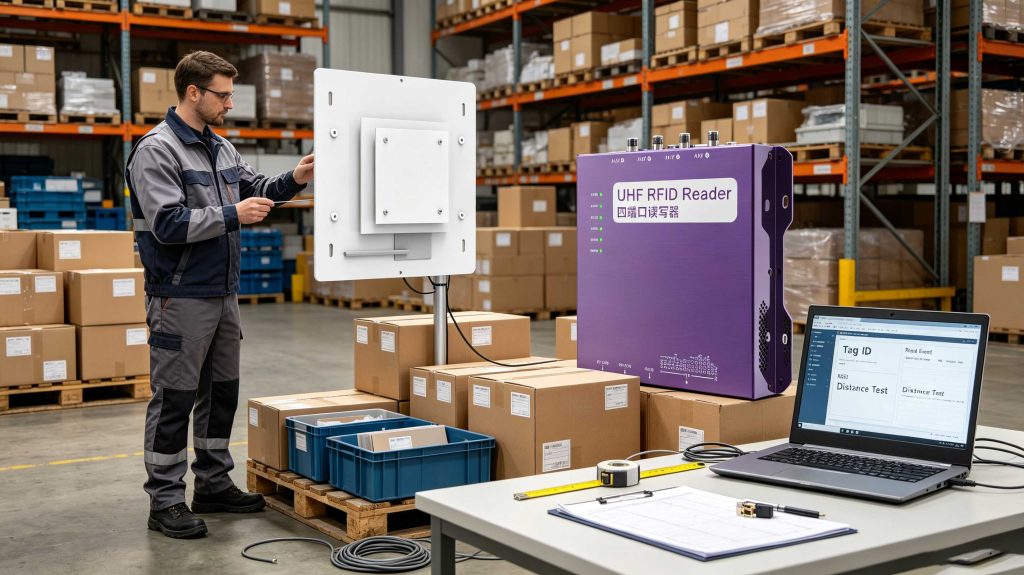
Passive UHF RFID tags are commonly read several meters away. GS1 identifies up to about 15 meters in very special cases, while other optimized systems can reach farther under suitable conditions.
Not automatically. Antenna gain, radiation pattern, polarization, installation height, tag orientation, and regulatory power limits all influence the usable read zone.
Yes. UHF RFID does not require optical line of sight, so tags can often be read through cartons and containers. However, the contents can alter performance, particularly when metal or liquids are involved.
The warehouse introduces variables absent from a bench test: steel racks, liquid products, tag orientation, reflections, neighboring readers, dense tag populations, and different mounting surfaces. GS1 recommends testing the complete solution in its intended environment.
Sometimes, but not reliably. Higher power can also expand the unwanted read zone. In portal applications, reader power should be tuned to capture the intended tags while minimizing stray reads.
No. The complete tag—including the IC, antenna, inlay, and attachment material—matters. Reader sensitivity, antenna configuration, power, orientation, and the surrounding environment matter as well.
For most commercial systems, consistent read performance inside the intended zone is more valuable than maximum distance. A controlled 6-meter portal can be more useful than an uncontrolled 15-meter field that captures adjacent inventory.
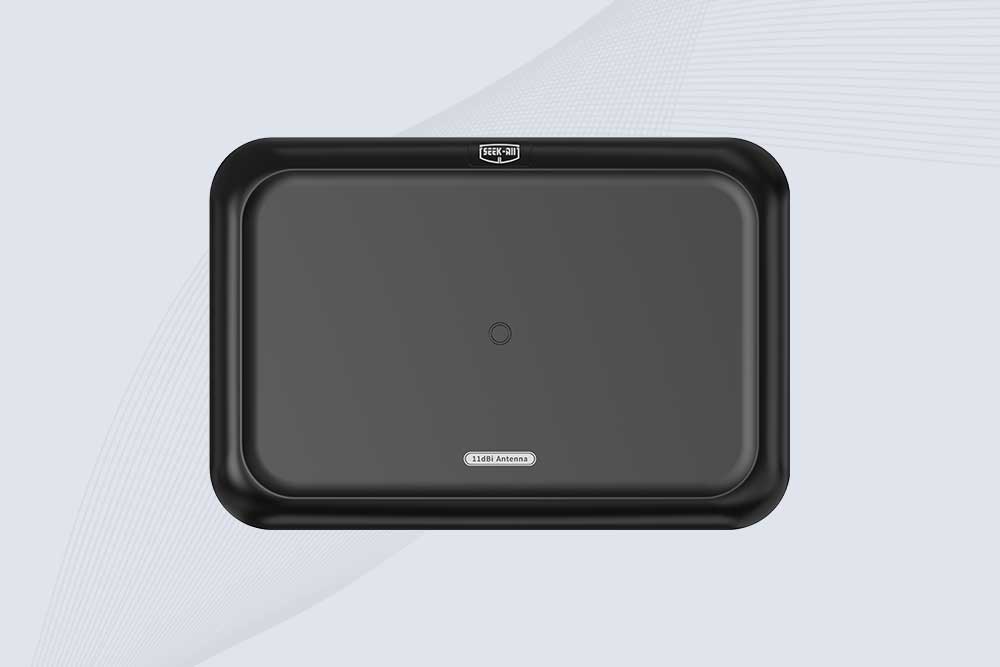
SSD-A11 UHF RFID antenna features 840–960 MHz adjustable frequency, ≥10.5 dBi gain, circular polarization and 50Ω impedance for fixed RFID systems.
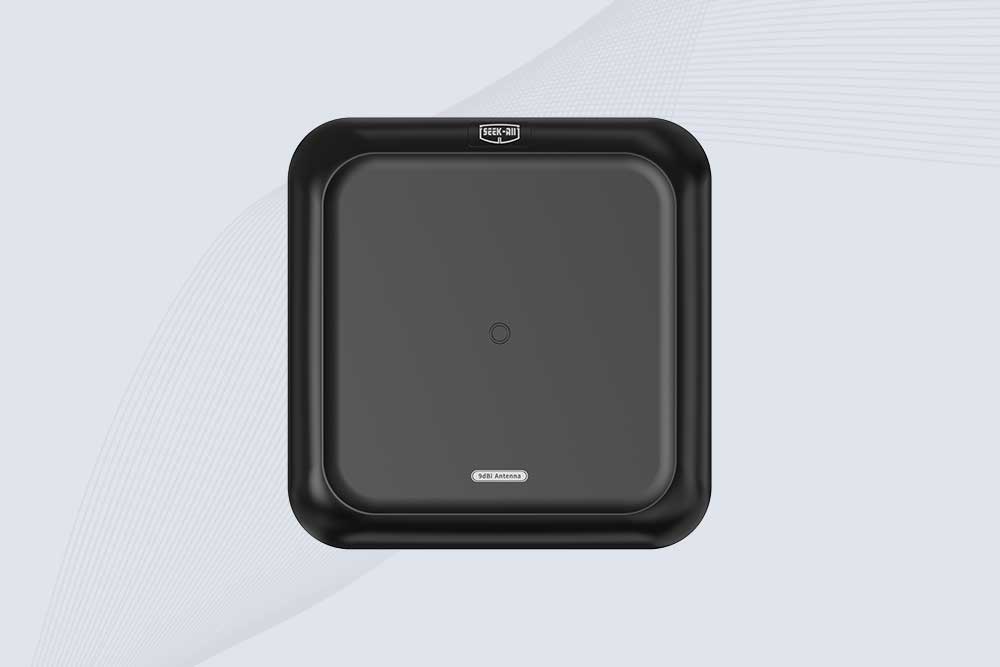
SSD-A09 is a 9 dBi UHF RFID antenna with 840–960 MHz adjustable frequency, circular polarization, 50Ω impedance and directional 60° × 60° coverage.
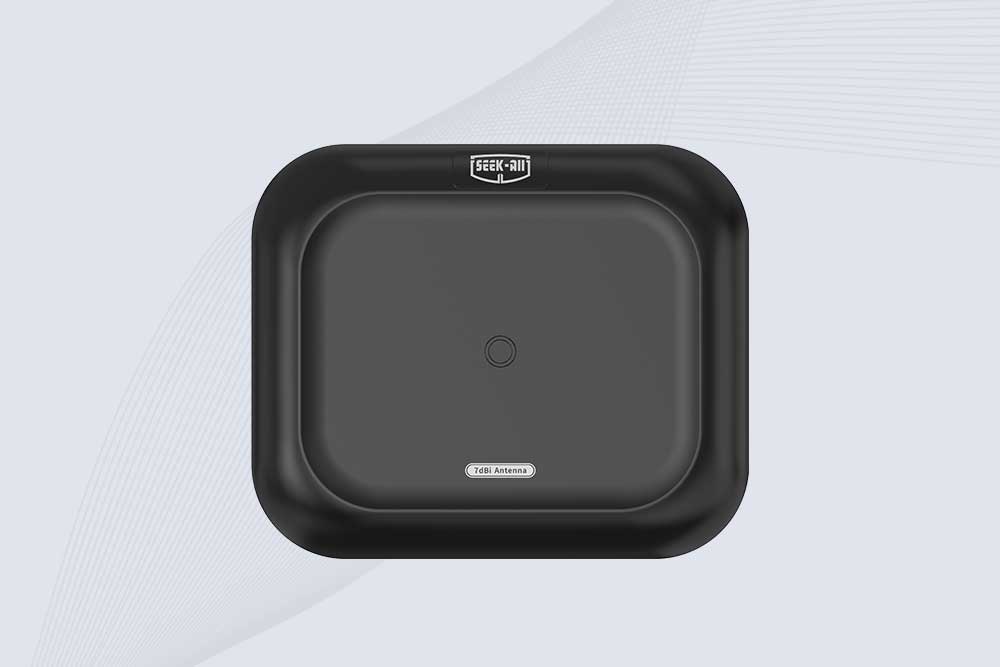
Explore the SSD-A07 UHF RFID antenna with 7 dBi gain, circular polarization, adjustable 840–960 MHz frequency, and 60°/75° beamwidth for stable RFID read/write performance.

SSD-A06 UHF RFID antenna with circular polarization, adjustable 840–960 MHz frequency, ≥4.5 dBi gain, and a compact directional design for RFID systems.

Discover SSD-D4AL, a USB-HID UHF RFID reader with 4/8/16 antenna options, Impinj E710/X3M1 chipset, plug-and-play USB power, and OEM customization.
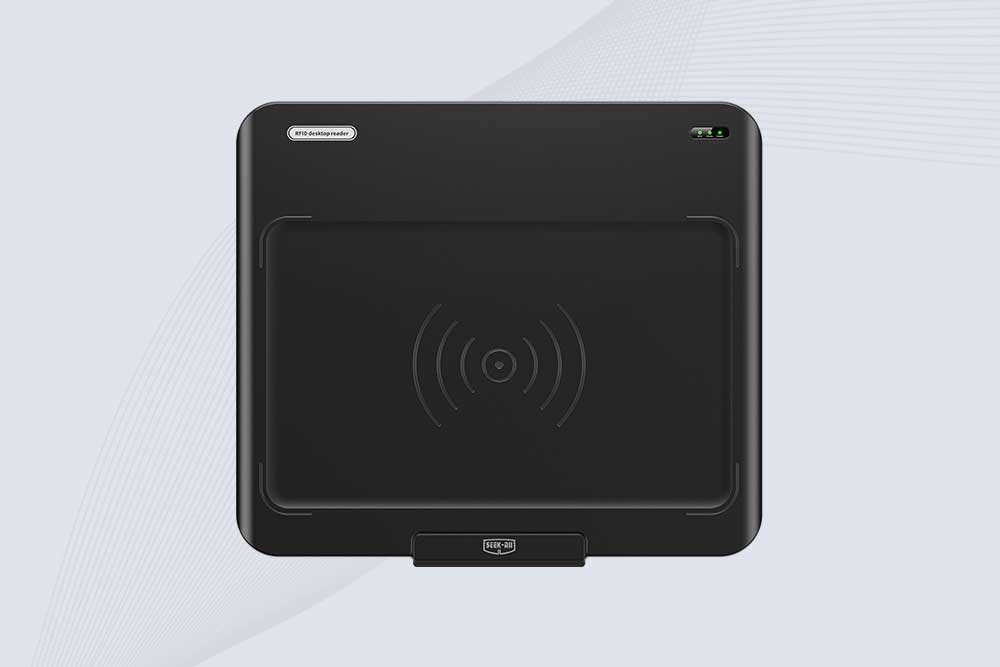
SSD-D3AL is a USB-HID UHF RFID reader with 0–30 cm reading, 0–15 cm writing, over 600 tags/s recognition, USB plug-and-play operation and OEM Logo customization.
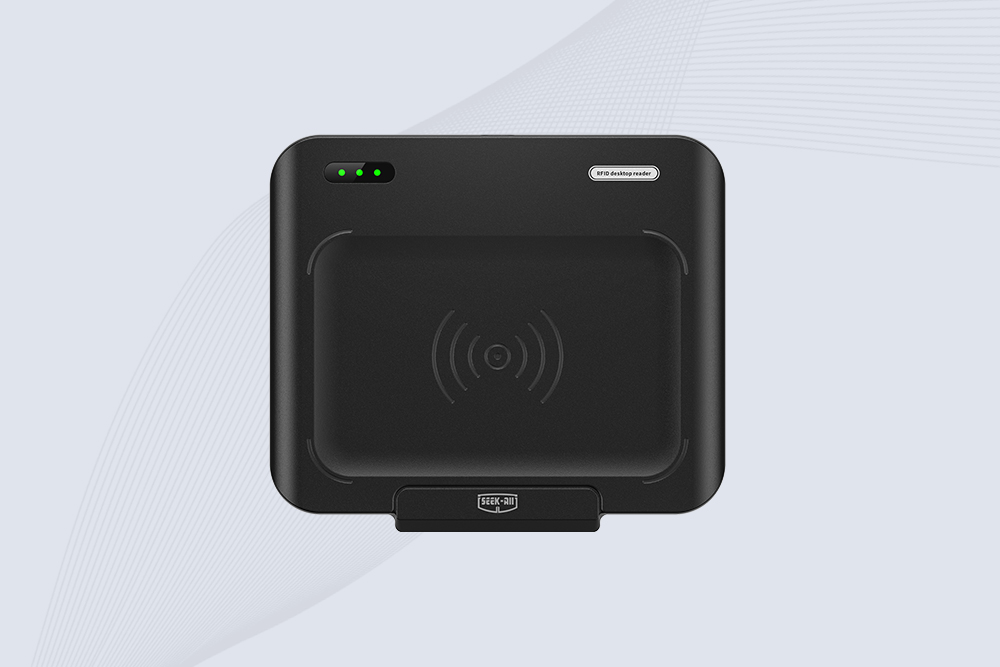
SSD-D1AL is a compact USB UHF RFID reader with Impinj E710/X3M1 chipset, USB-HID, 600+ tags/s recognition, 4/8/16 antenna support and plug-and-play USB power.
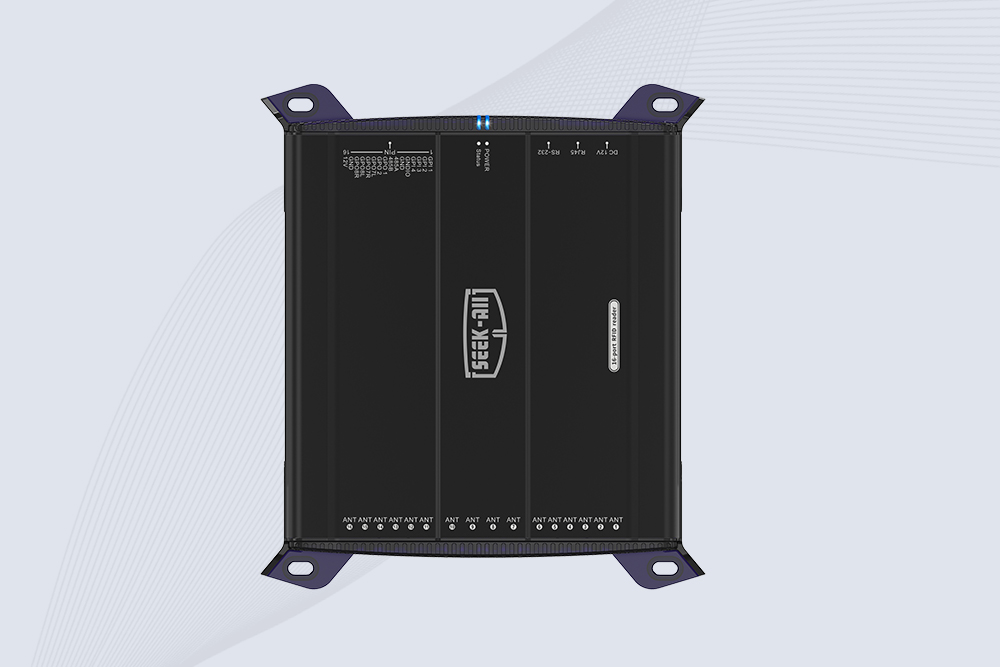
SSD-R16L Multi-Channel RFID Infrastructure for Automated Inventory Management ✔️ 16-Port High-Density RFID Reading Equipped with 16 SMA antenna ports, SSD-R16L supports multi-antenna deployment for warehouses, retail stores, logistics, production lines, and large-area RFID identification. ✔️ High-Speed & Long-Range Performance With up to 33…
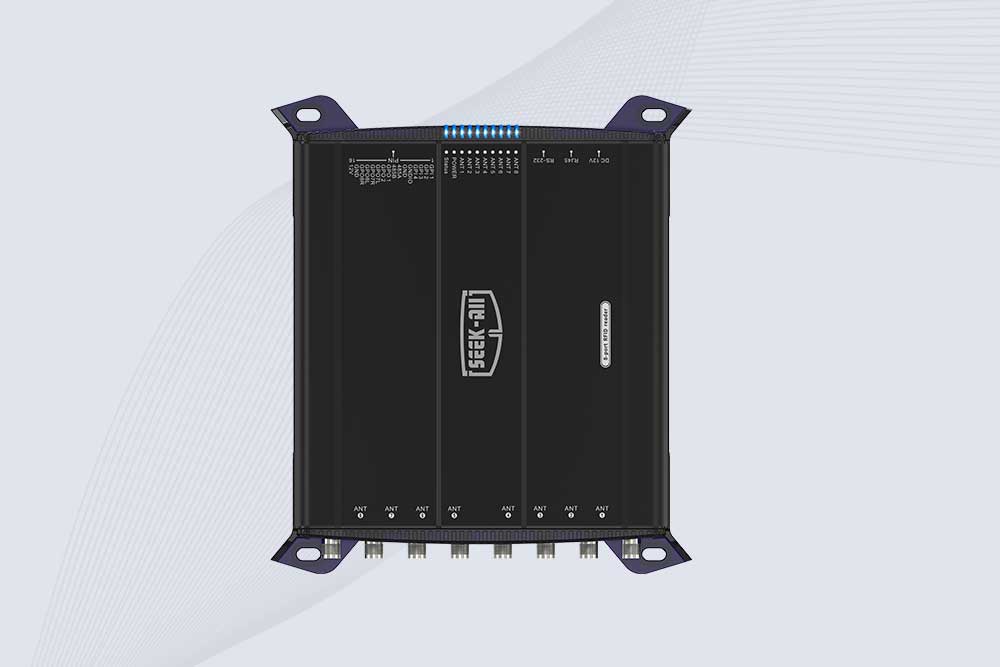
SSD-R8L 8-port UHF RFID reader with 33dBm output, up to 20m reading range and 600+ tags/s recognition. Ideal for warehouse, logistics, retail and asset tracking.
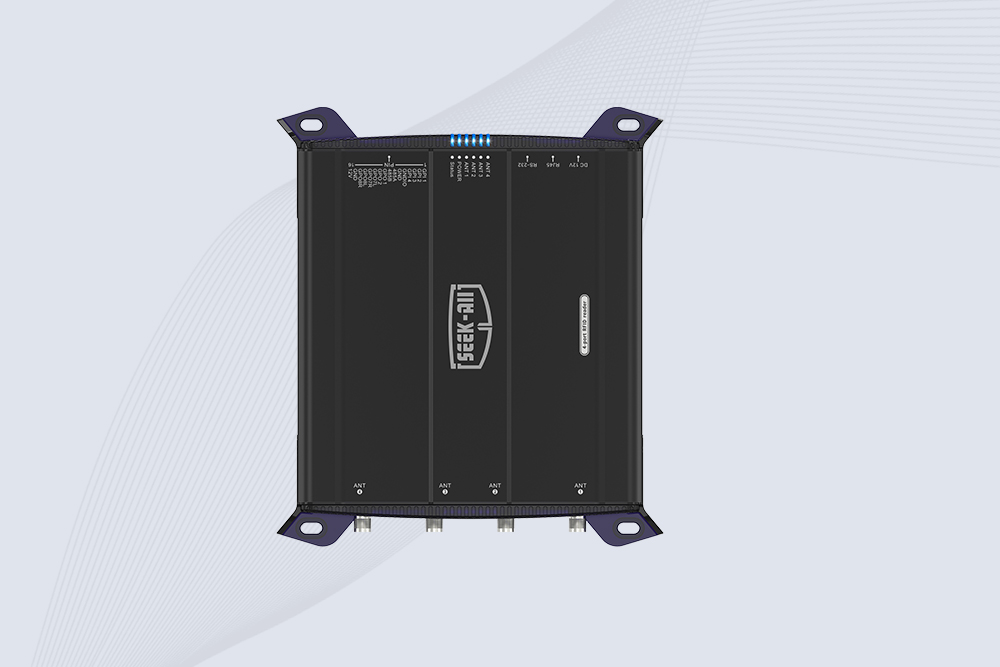
SSD-R4L is a 4-port UHF RFID fixed reader with 33dBm output power, up to 20m reading range, EPC C1G2 support and 600+ tags/s reading speed.

CYKEO CYKEO-D1LA USB RFID Reader is a compact desktop solution with near-field control for precise tag reading and encoding. Powered by USB, supporting ISO 18000-6C, and built for stable batch writing, this usb rfid tag reader fits retail, libraries, offices, and controlled RFID encoding tasks.
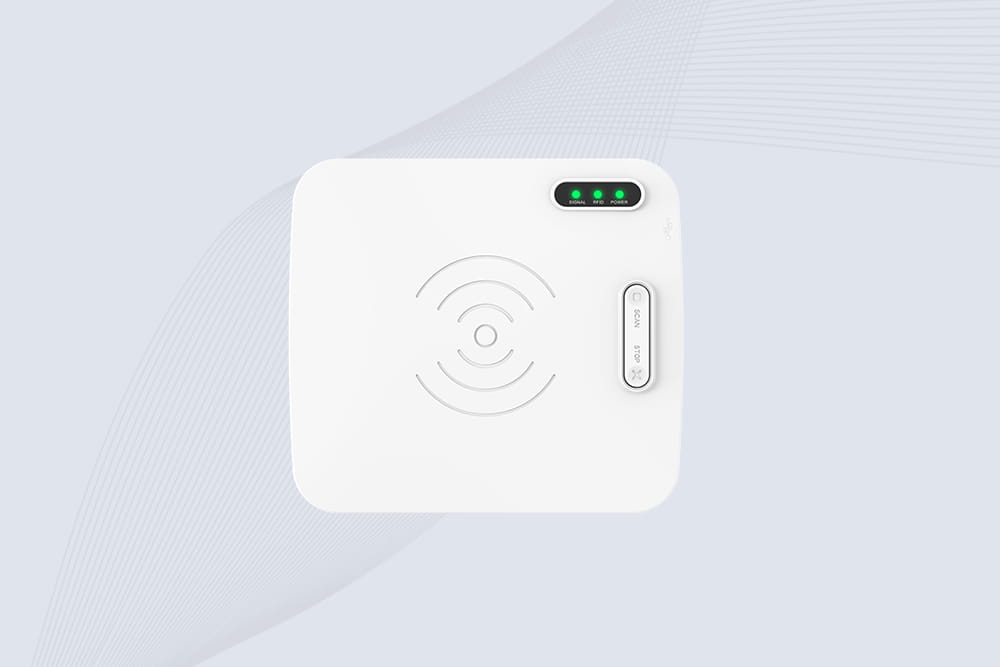
CYKEO CYKEO-D1L RFID scanner USB is a compact desktop UHF RFID scanner designed for short-range tag writing and verification. This usb rfid scanner supports batch encoding, stable 0–26 dBm output, and works across Windows, Linux, and Android systems.
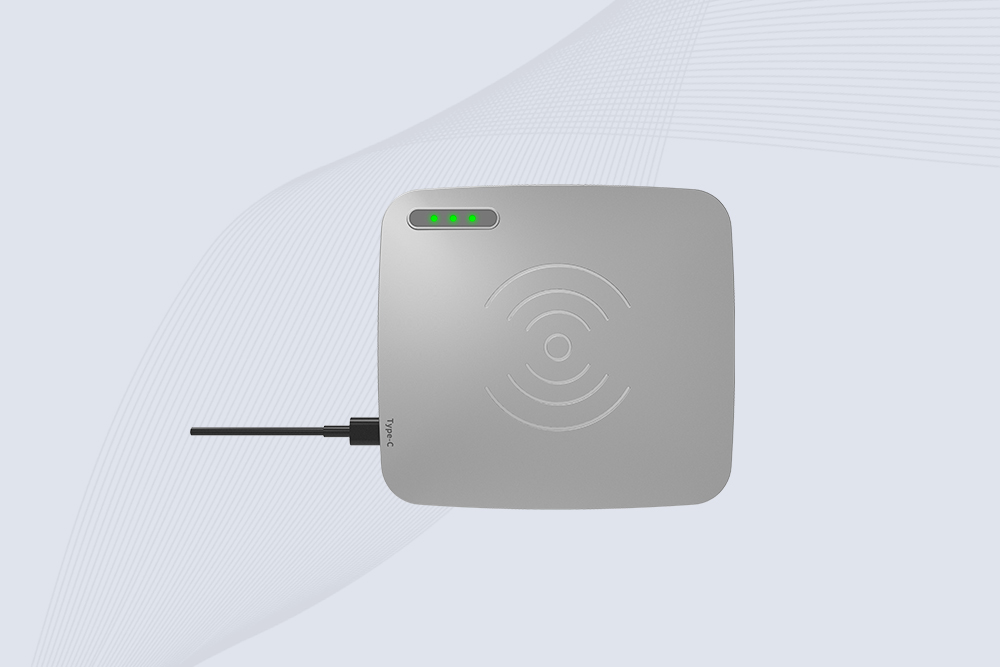
CYKEO CYKEO-D1C USB RFID Card Reader is a near-field UHF desktop writer designed for secure, short-range tag encoding. With USB-C connectivity and stable 26 dBm output, this rfid reader usb c is ideal for badge issuance, label encoding, and controlled desktop RFID workflows.
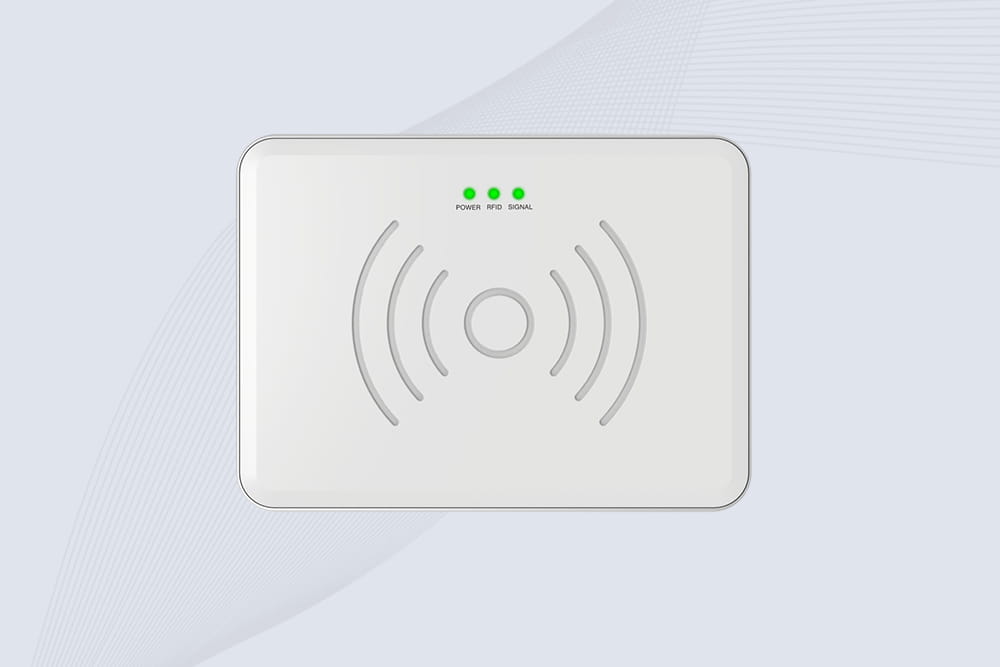
CYKEO CYKEO-D2L RFID Reader USB is a compact desktop encoder built on the Impinj R500 chip. With near-field control and stable USB power, this usb rfid card reader delivers precise tag writing for offices, retail counters, and small-scale logistics encoding tasks.
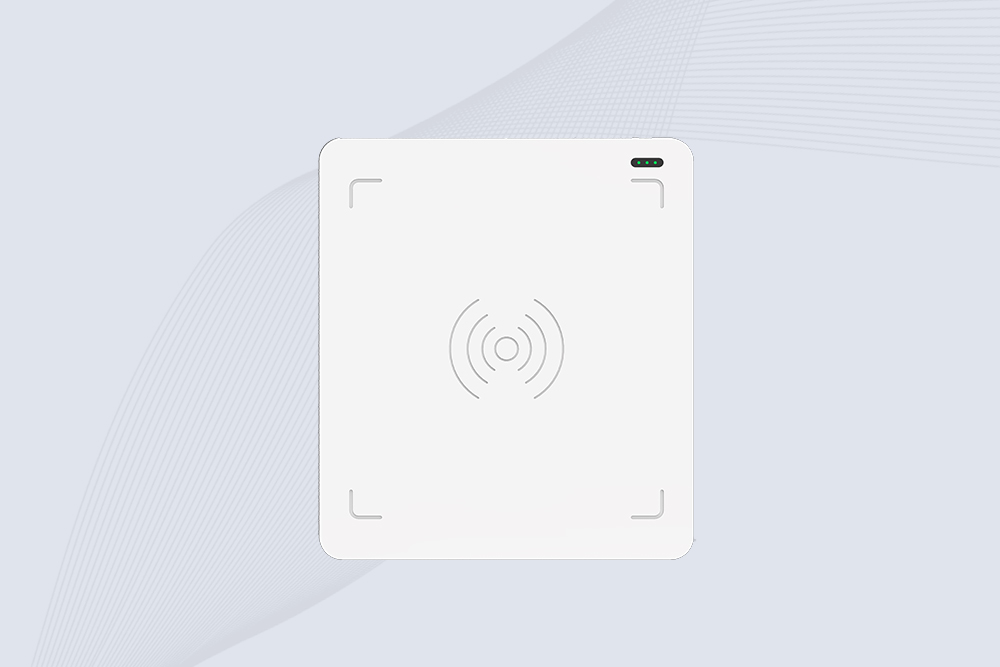
CYKEO CYKEO-D3L USB RFID Tag Reader delivers stable UHF tag reading and writing for daily desktop and light industrial tasks. Designed for controlled short-range operation, this USB RFID Tag Reader works reliably with rfid tag and reader systems in libraries, tool tracking, and inventory registration.
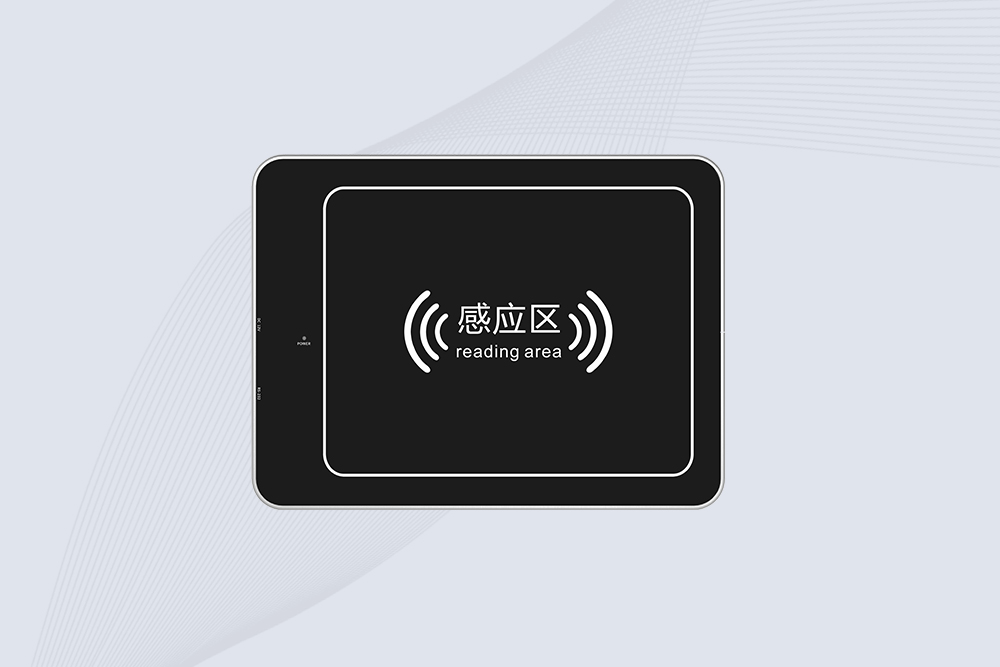
The CYKEO CYKEO-D4L UHF RFID Tag Reader is a stable Desktop RFID Reader designed for accurate tag registration, borrowing, and return workflows. Built with the Impinj R2000 chip, this UHF RFID Tag Reader delivers controlled short-range reads for libraries, asset tracking, and inventory management environments.
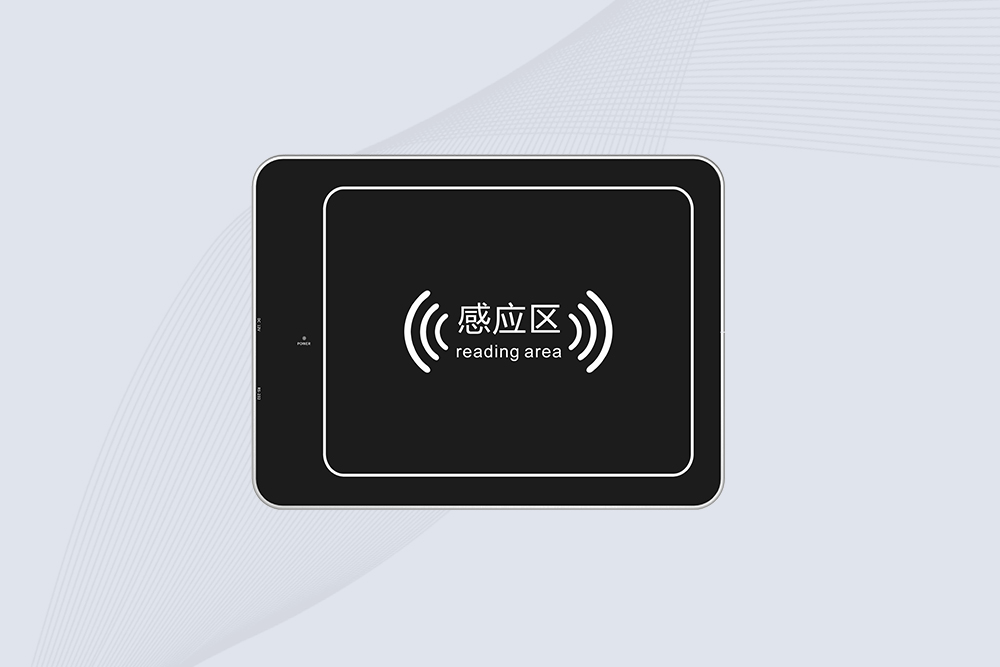
The CYKEO CYKEO-D5L Desktop RFID Card Reader is a stable UHF RFID Card Reader designed for controlled short-range reading and writing. Built for libraries, tool rooms, and asset desks, this UHF RFID Card Reader supports dense tag handling, secure data processing, and easy USB integration.
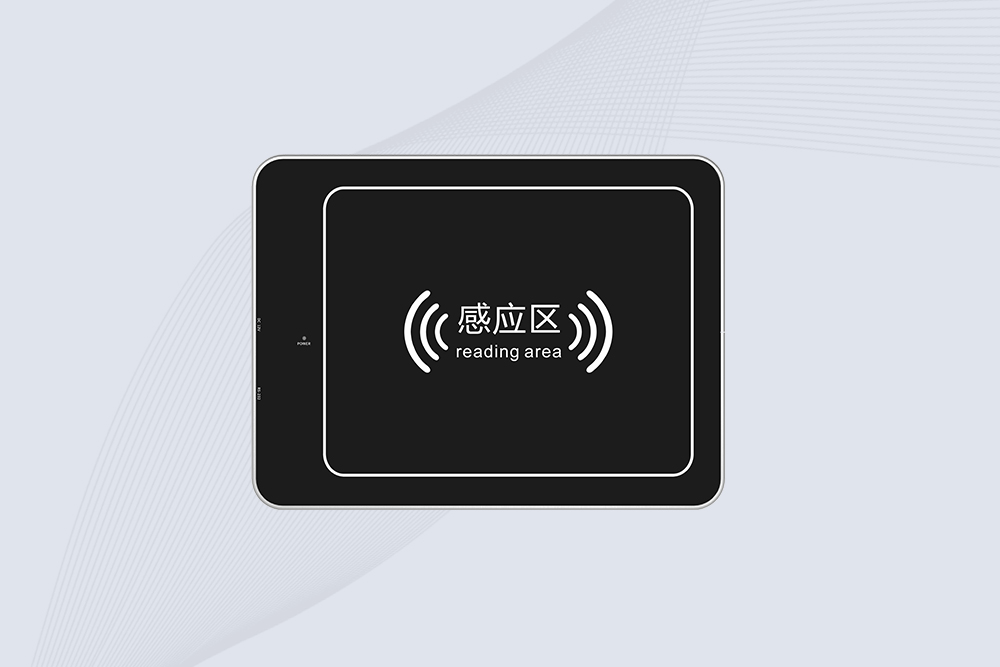
The CYKEO CYKEO-D6L RFID Reader Writer is a heavy-duty Desktop RFID Reader designed for short-range, high-accuracy tag programming. Built for libraries, labs, and asset desks, this RFID Reader Writer supports batch processing, stable 33dBm output, and seamless integration with existing management systems.
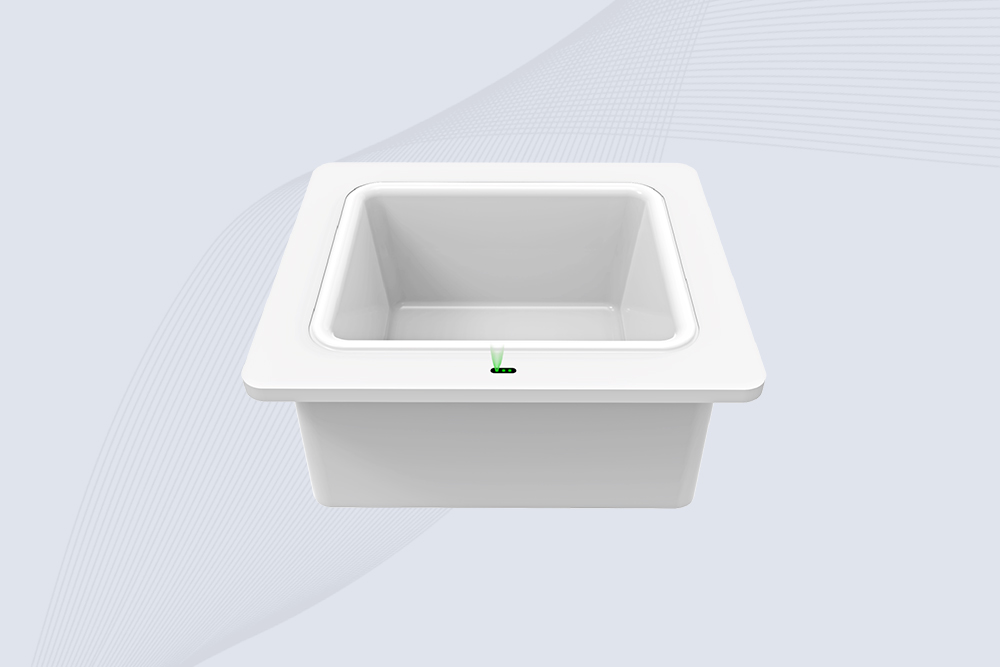
Cykeo CYKEO-D8B UHF RFID tunnel and RFID Desktop Reader features 30+ items batch reading,
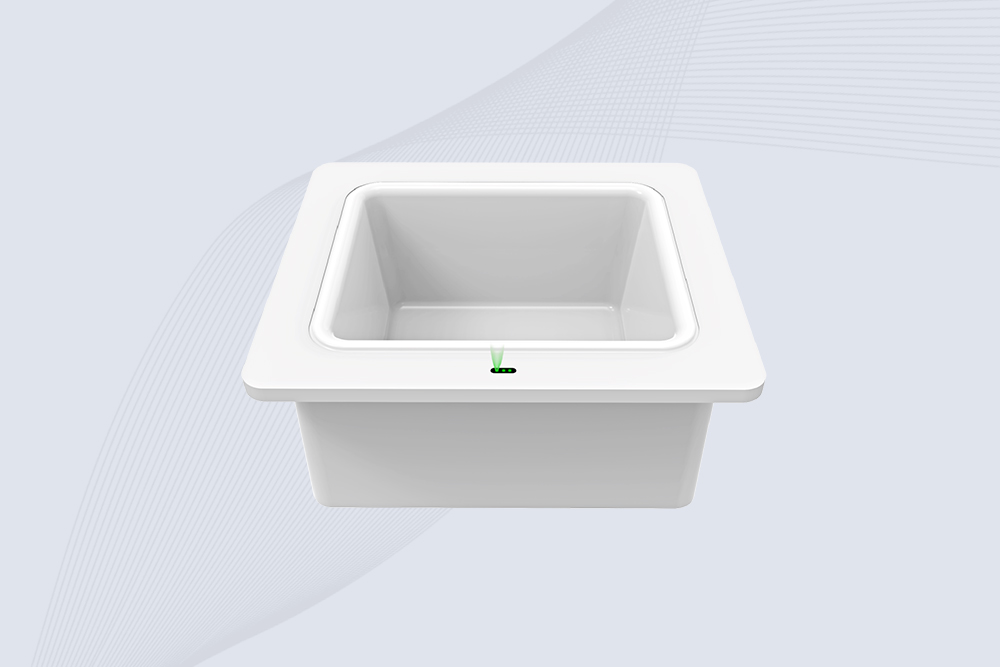
Cykeo CYKEO-D8A embedded RFID badge reader offers 30+ tags/sec scanning, 20cm anti-crosstalk precision, and DC 12V power for unmanned stores, warehouses, and smart inventory systems.
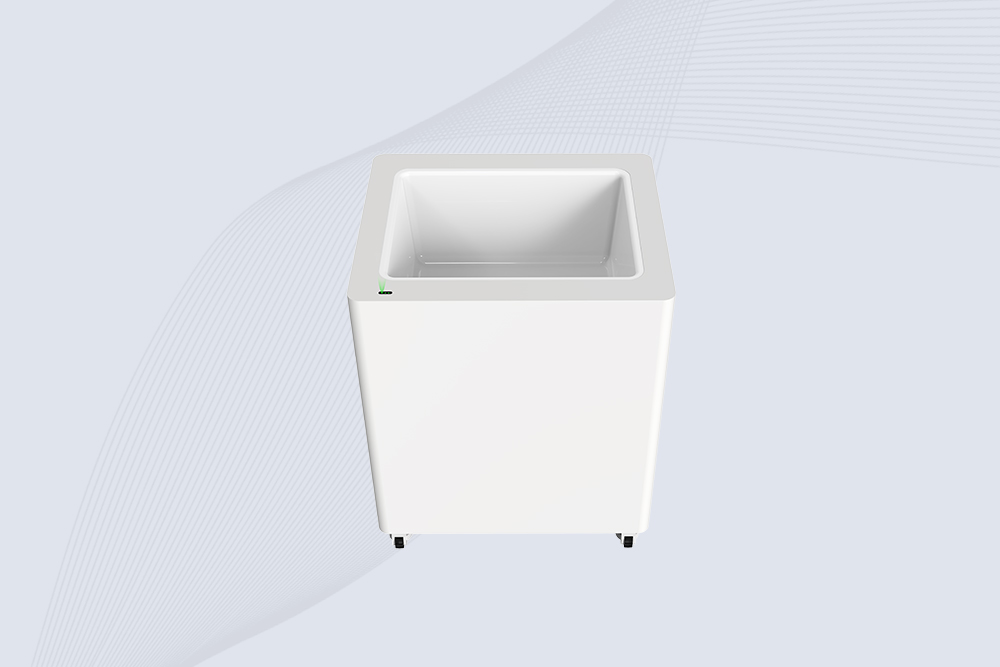
Cykeo’s CYKEO-D8C UHF RFID gate reader achieves 200-tag/batch scanning with adjustable power control, ideal for retail inventory and smart warehouse management.
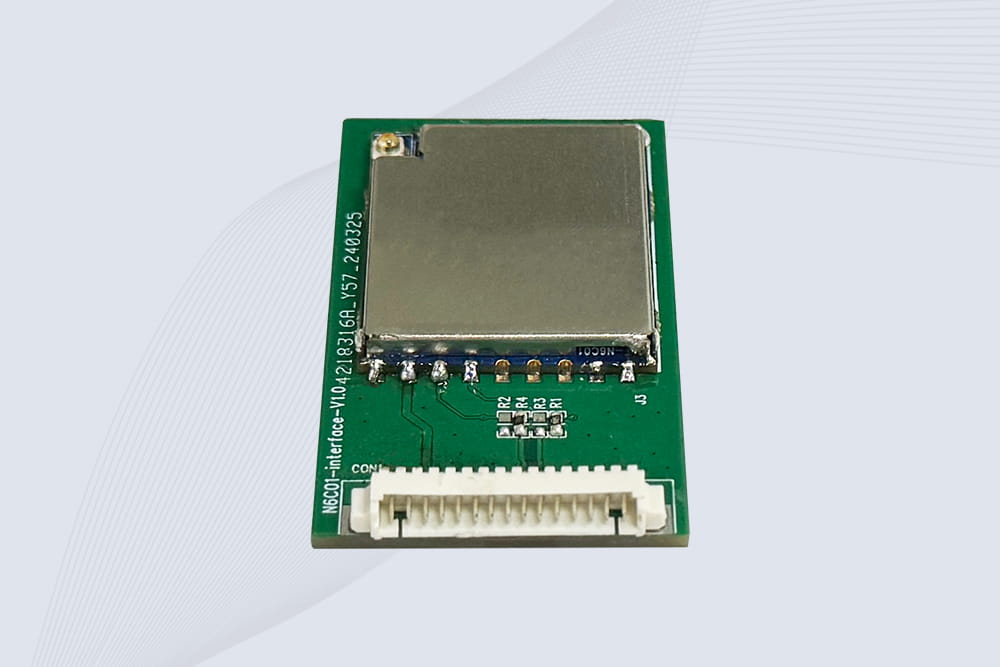
CYKEO Embedded RFID Modules are designed for compact industrial and IoT devices that require stable UHF performance. These UHF RFID Modules support global protocols, flexible power control, and reliable multi-tag reading for smart cabinets, production lines, and asset tracking systems.
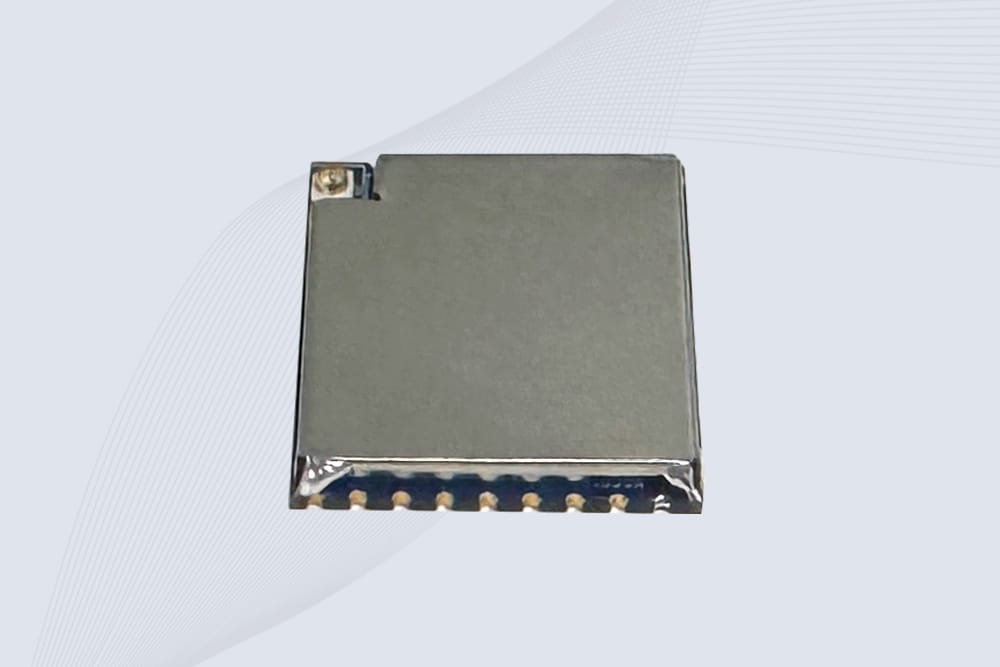
CYKEO Embedded RFID Module is built for compact IoT and industrial devices that need stable UHF performance. This UHF module supports global protocols, low power operation, and reliable multi-tag reading for smart lockers, production lines, and always-on RFID systems.
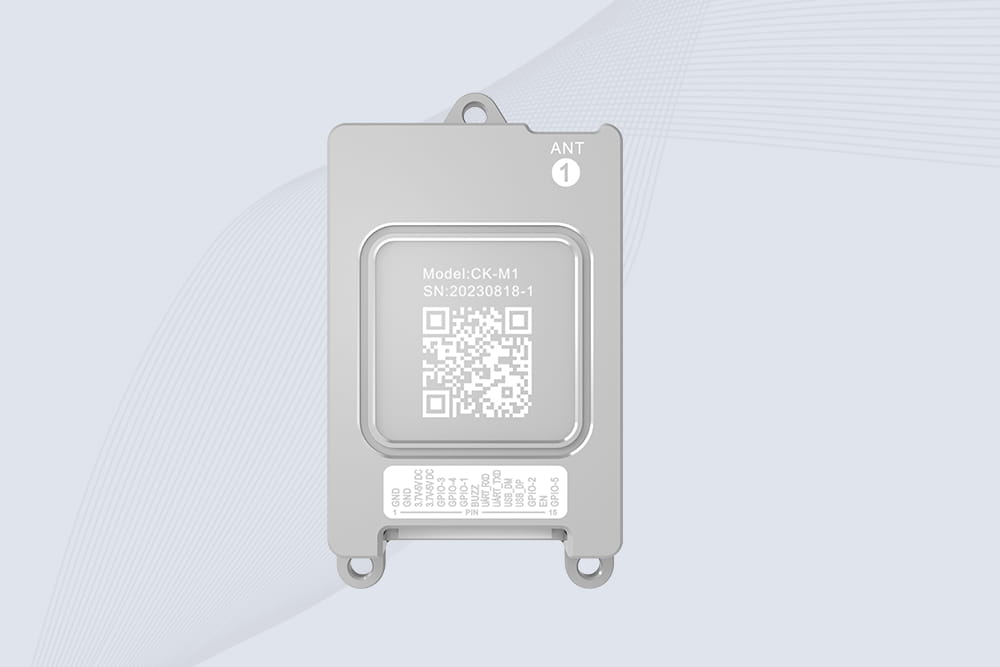
CYKEO CYKEO-M1 drone rfid module is a compact UHF RFID reader module designed for drones and UAV platforms. It supports long-range aerial scanning, fast multi-tag reading, and stable performance in wind, vibration, and outdoor environments.
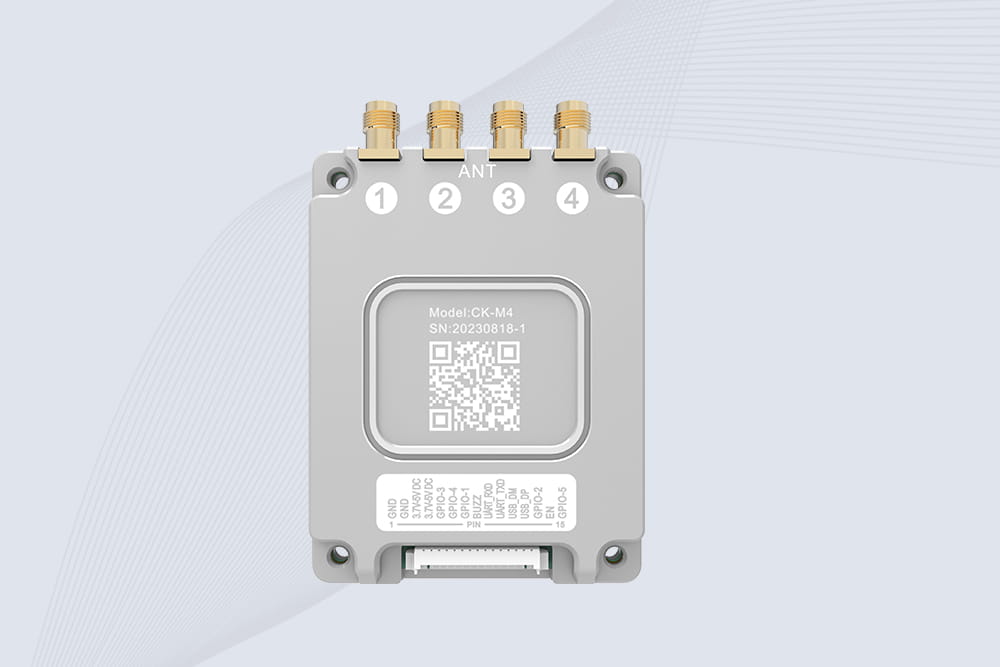
CYKEO CYKEO-M4 RC522 RFID Module is an industrial-grade UHF RFID reader with 4 ports, supporting ISO, EPC, and GB protocols. High-speed, accurate reading for IoT, automation, and warehouse applications.
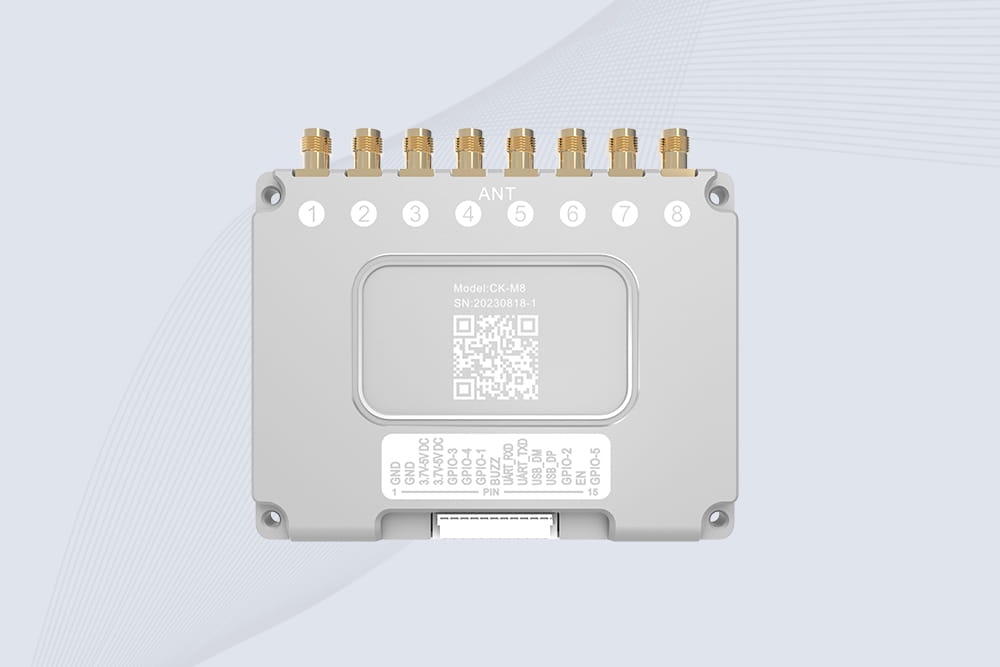
CYKEO CYKEO-M8 Module RFID is an 8-port UHF R2000 RFID Module designed for high-density, multi-tag environments. Stable 33dBm output, ISO & GB protocol support, ideal for warehouses, factories, and automated systems.
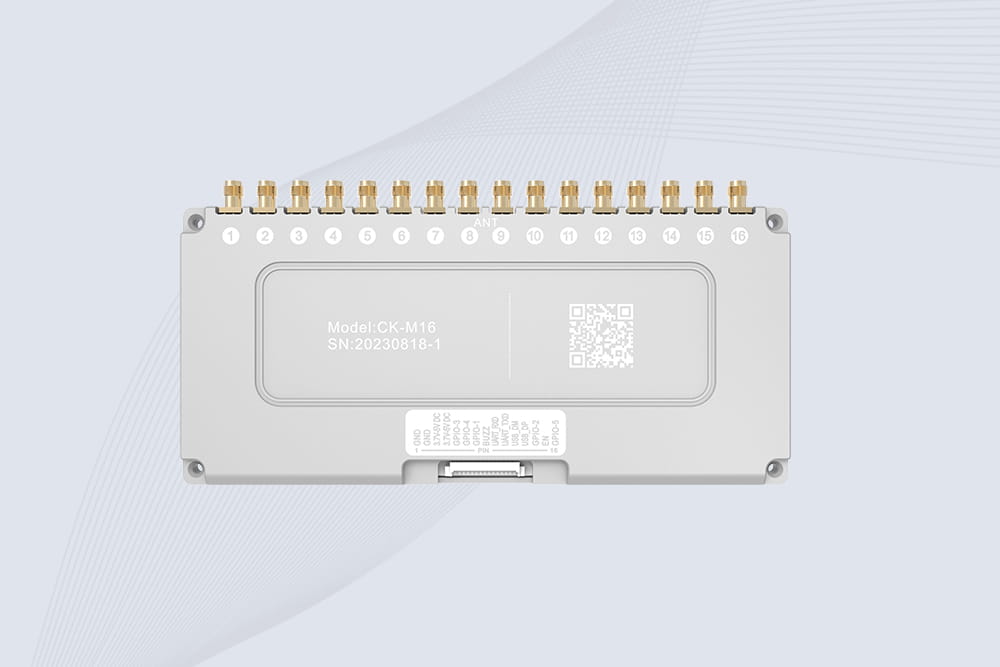
CYKEO CYKEO-M16 RFID Module is a 16-port UHF RFID reader module based on the R2000 chipset. Designed for dense tag environments, it supports ISO and GB standards and delivers stable multi-antenna control for industrial automation.
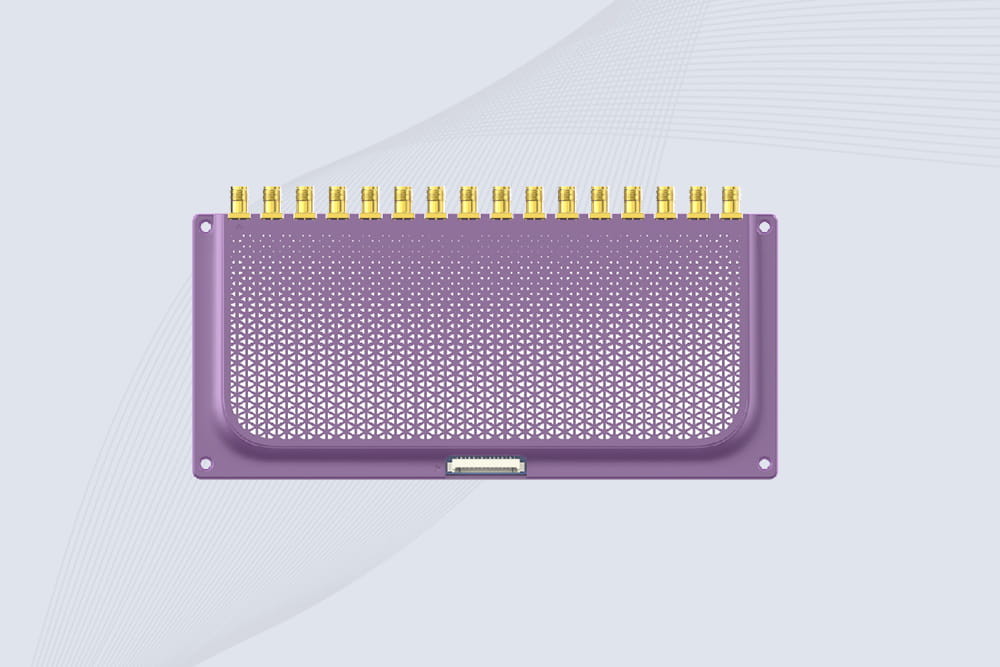
The CYKEO CYKEO-M16L RFID Reader Module is a 16-channel UHF RFID core designed for dense tag environments. With adjustable 33dBm output, multi-protocol support, and stable multi-antenna control, this RFID Tag Reader Module fits industrial automation, warehouse systems, and large-scale IoT deployments.
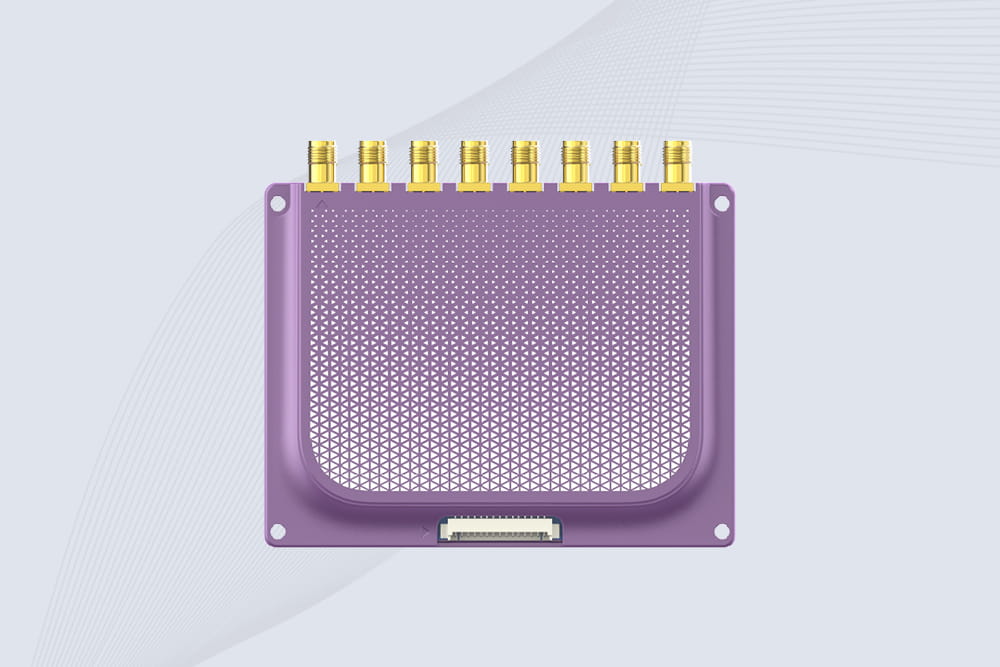
CYKEO CYKEO-M8L module RFID is a compact industrial UHF module built for dense tag and multi-antenna environments. With 8 RF ports, adjustable 33 dBm output, and ISO & GB protocol support, it is widely used in factories, warehouses, and automated tracking systems.
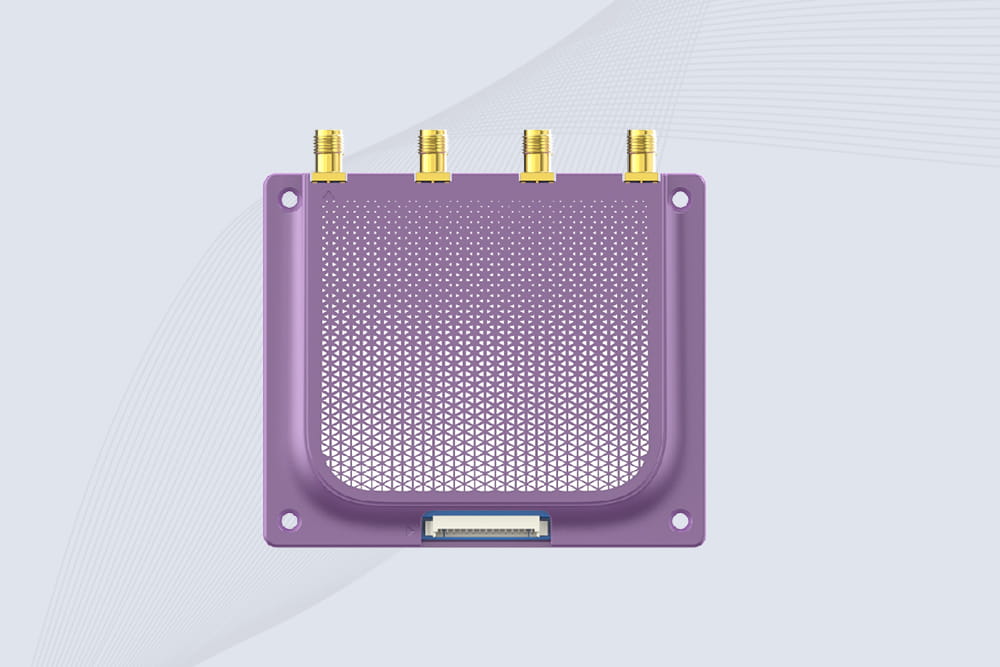
CYKEOCYKEO-M4L UHF RFID Module is a compact 4-channel RFID tag reader module designed for dense tag environments. Supporting ISO and GB protocols, it delivers stable reads up to 10 meters for industrial and IoT systems.
Cykeo CYKEO-A11 UHF RFID reader antenna delivers 11dBi gain, 840-960MHz frequency range, and IP65 ruggedness for retail, logistics, and industrial RFID systems. Features low VSWR and easy installation.
CYKEO Antenna RFID Reader delivers stable long-range UHF performance with a 10.5dBi directional design, built for warehouses, conveyor portals, and industrial RFID systems. This rfid reader antenna provides 20m+ read distance and rugged IP67 protection.

Cykeo CYKEO-PHF3 industrial HF RFID Antenna offers 24-point dynamic tracking, ISO 14443A/15693 protocols, metal-environment stability for archives/libraries/manufacturing.

Cykeo CYKEO-A5B industrial Linear RFID Antenna delivers 5dBi gain, ≤1.5:1 VSWR, and IP65 rugged design for warehouse, production line, and logistics UHF systems.

Cykeo’s CYKEO-B12 Long Range RFID Antenna delivers 15m+ read range with 12dBi gain, IP65 rugged design, and global 840-960MHz UHF support. Ideal for warehouse/logistics asset tracking.
Cykeo CYKEO-B10 Long Distance RFID Antenna offers 10dBi gain, 840-960MHz frequency range, IP65 rating, and 20m+ coverage for logistics/warehousing/ETC systems. Low VSWR ensures stable signal transmission.
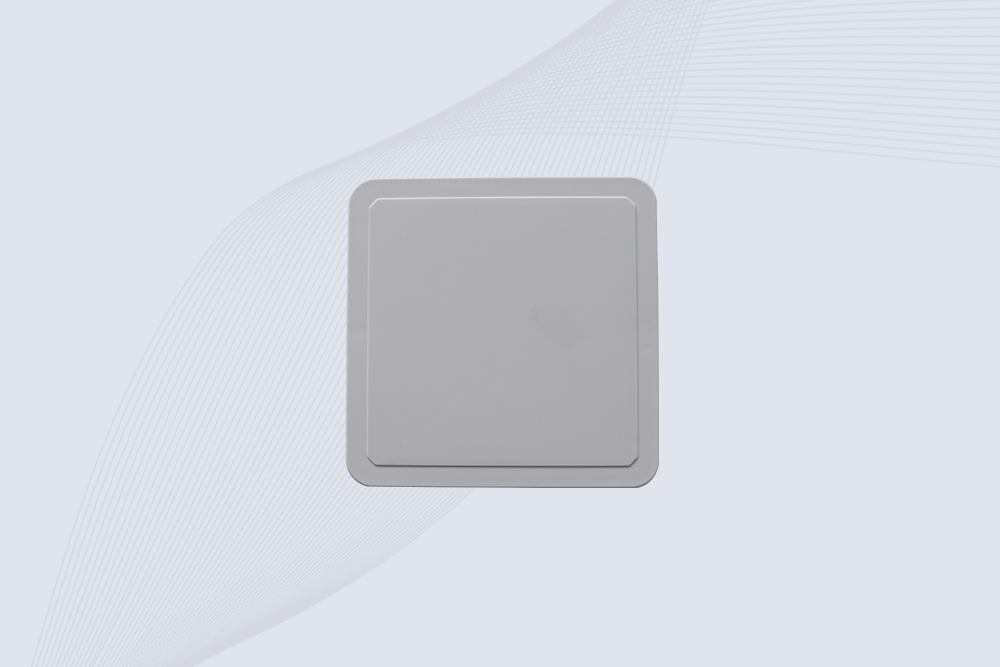
Cykeo CYKEO-A6 UHF RFID panel antenna features 6dBi gain, 840-960MHz broadband, IP65 metal-ready housing for logistics/smart retail. 18mm ultra-thin design with tool-free mounting.

Cykeo CK-A3 industrial antenna RFID UHF offers 5m+ tag detection, ≤1.3:1 VSWR, IP65 rugged design, and global UHF spectrum compatibility (840-960MHz) for warehouses, factories, and retail.
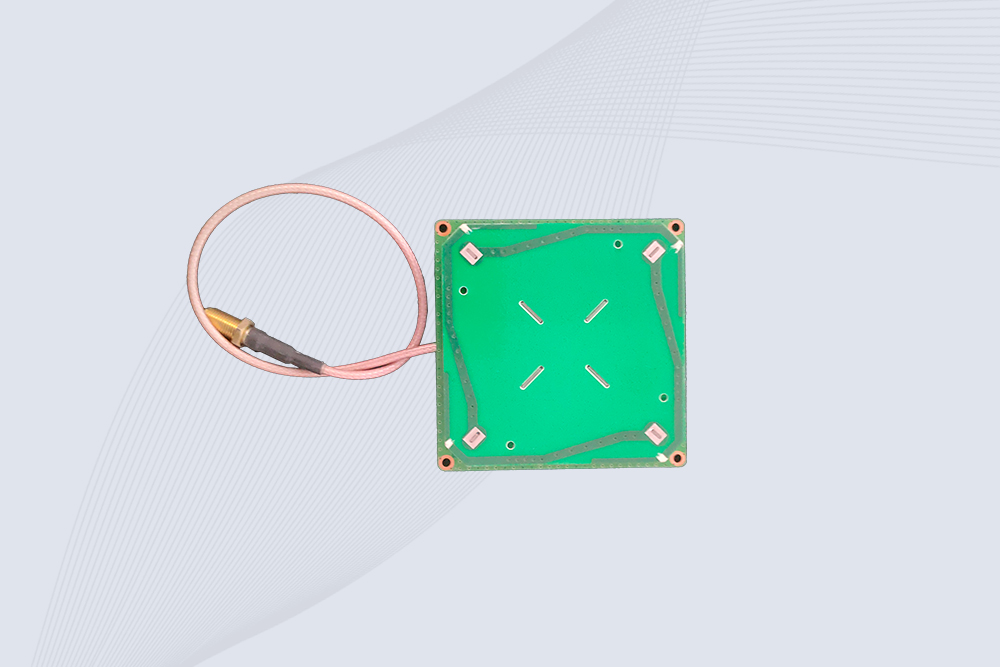
Cykeo CYKEO-B5 directional RFID antenna provides 5dBi gain with 60° narrow beamwidth for precise inventory tracking. IP65-rated, global UHF frequency support, and low VSWR.
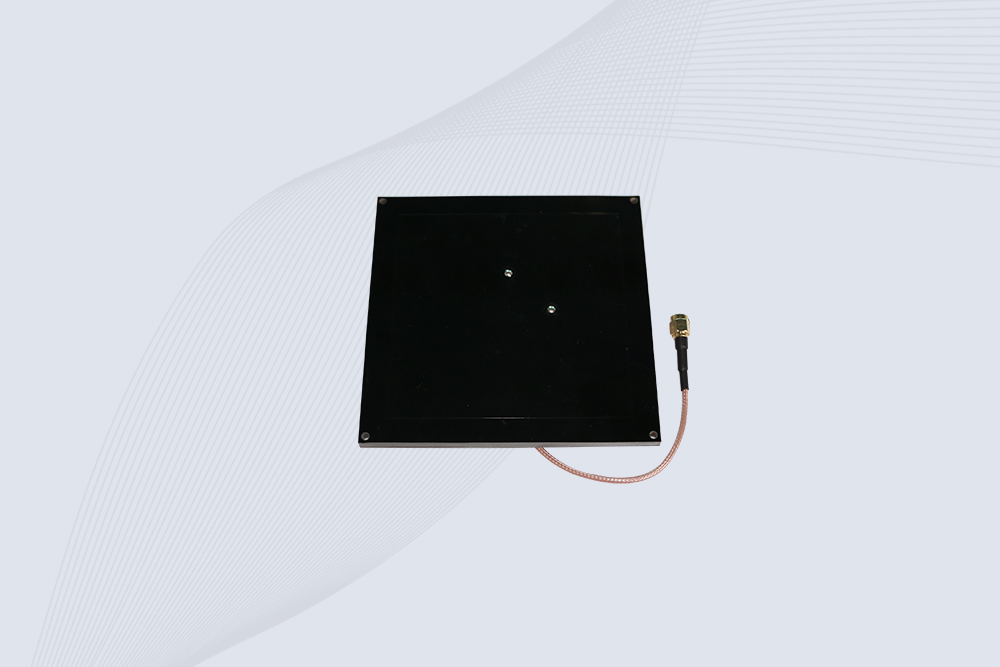
Create your own high-performance DIY RFID antenna! 5dBi gain, 840-960MHz tunable, step-by-step guides. Compatible with Arduino, Raspberry Pi, and commercial UHF readers.
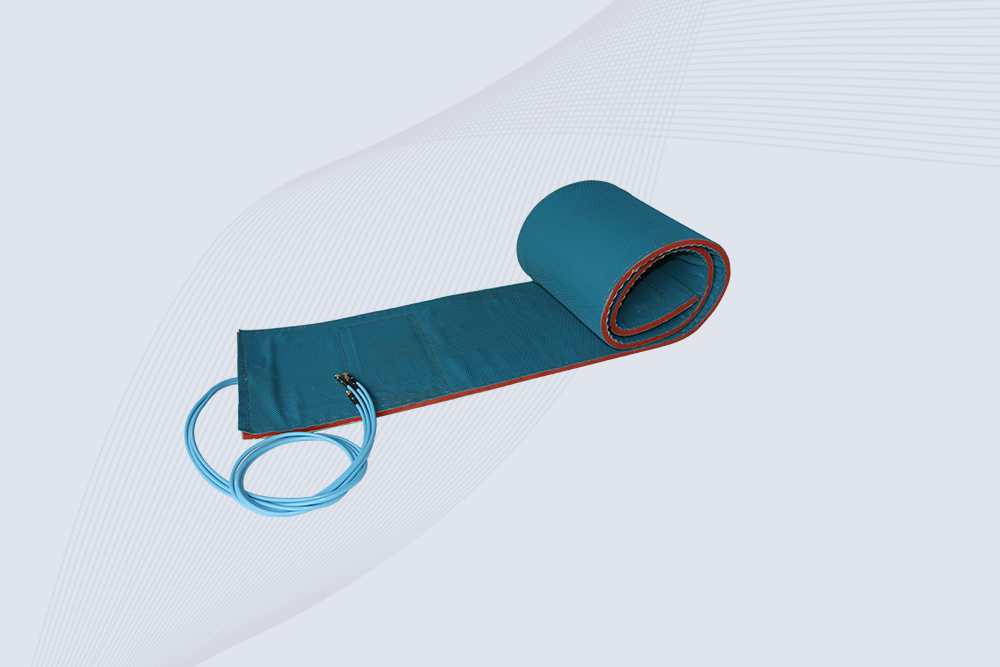
Cykeo CYKEO-A7 Flexible RFID Antenna features 840-960MHz wideband tuning, 7dBi gain, and IP68 rating for medical/retail/industrial curved surface deployments. 98% read accuracy with peel-and-stick installation.
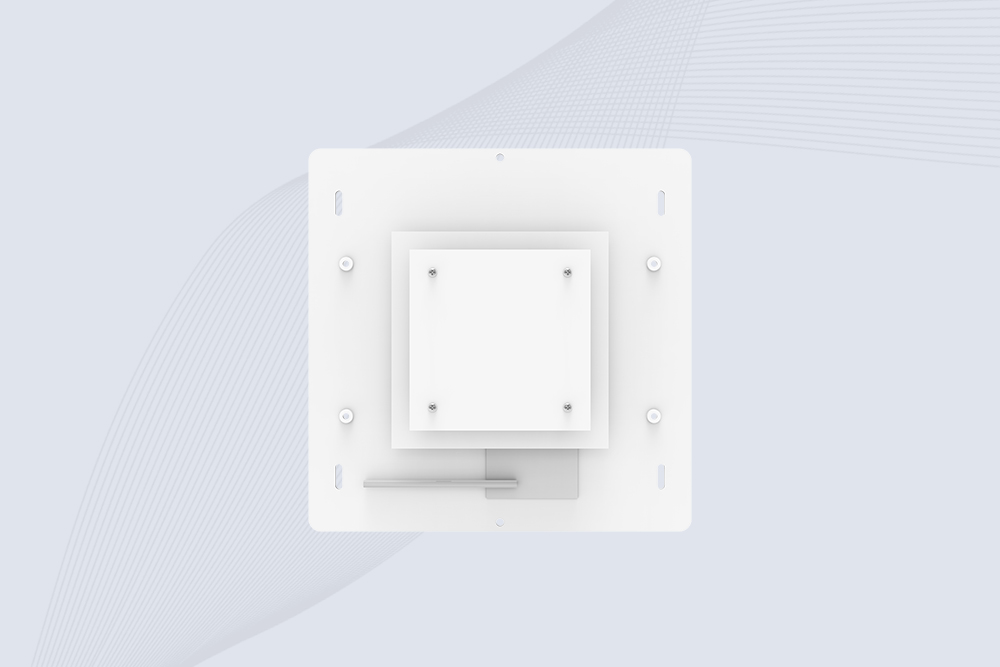
Cykeo CYKEO-B5A industrial Passive RFID Antenna delivers 5dBi gain, 70° beamwidth, and -40°C~55°C operation for warehouses/smart cabinets. Compatible with Zebra/Impinj readers.
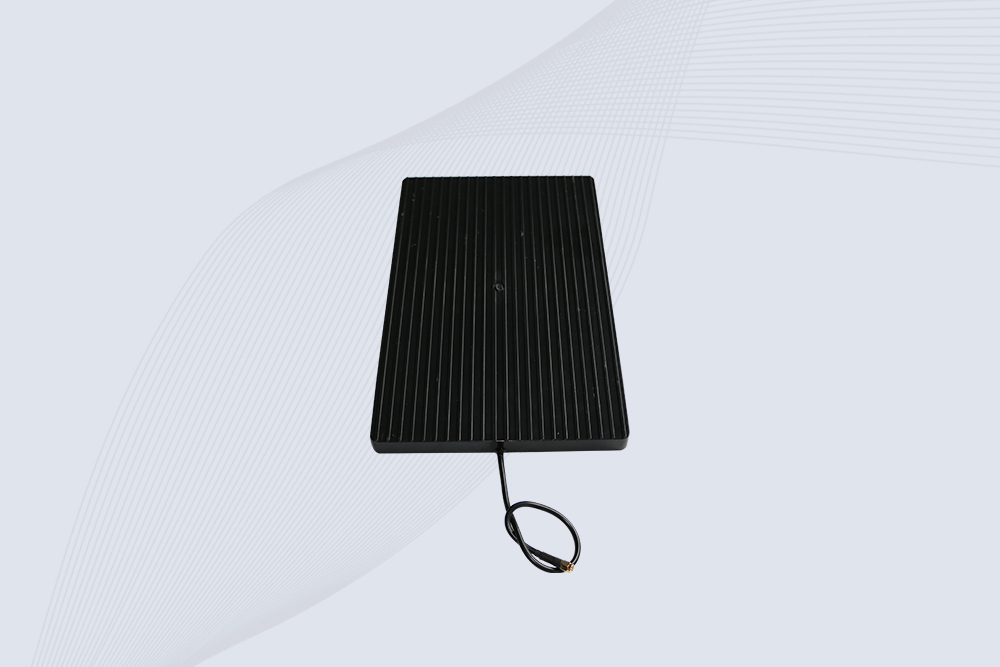
Cykeo’s CYKEO-A9B High Gain RFID Antenna delivers 15m+ read range with 9dBi amplification. Features IP54 rugged design, 840-960MHz bandwidth, and 80° beamwidth for warehouse/manufacturing RFID systems.

Cykeo’s enterprise-grade 8dbi Impinj RFID Antenna 10m+ read range with 840-960MHz tuning. Features IP65 housing, 1.4 VSWR, 35° beamwidth for retail/warehouse RFID systems.
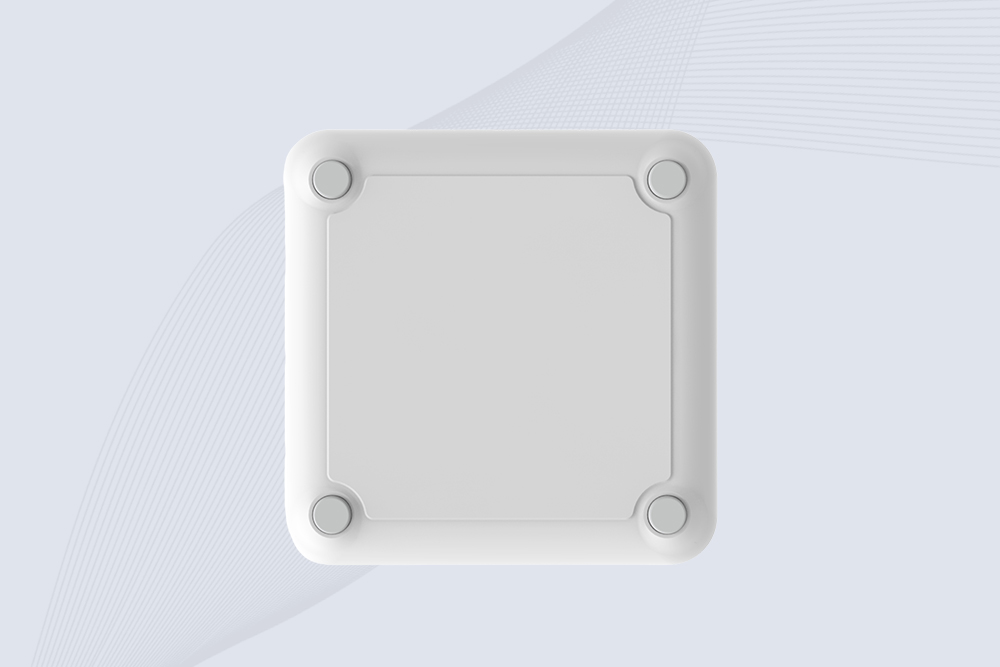
Cykeo CYKEO-A9 industrial UHF RFID antenna delivers 9dBi gain, 840-960MHz frequency range, and IP65 protection for warehouse/logistics/retail RFID systems. Features N-type connector and ≤1.3:1 VSWR.
CYKEO UHF RFID Antenna built for long-distance and industrial applications. This antenna rfid uhf delivers strong gain, outdoor durability, and reliable tag performance in warehouses, yards, and vehicle ID systems.
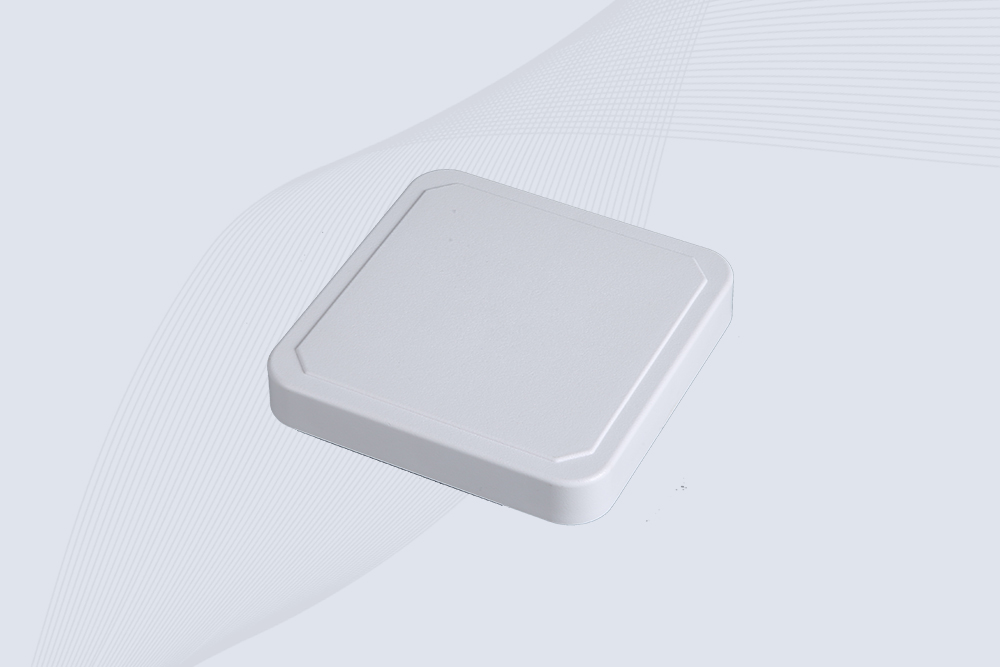
CYKEO Antenna RFID delivers reliable long-range UHF performance in warehouses, retail shelves, and cold-chain environments. This compact uhf rfid antenna provides stable reads with circular polarization and ultra-wide 840–960 MHz support, ideal for industrial tracking, smart shelves, and asset monitoring.
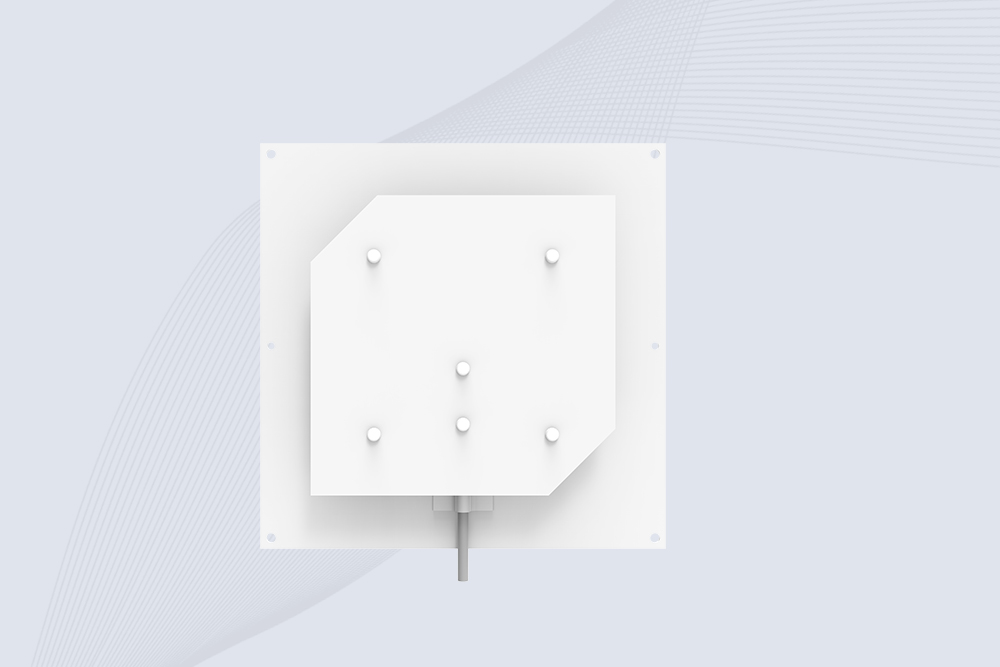
Cykeo’s CYKEO-C8 UHF RFID antennas delivers 8dBi gain, 840-960MHz full-band coverage, and IP65 ruggedness for manufacturing/warehouse RFID systems. Industrial RFID Antennas Features
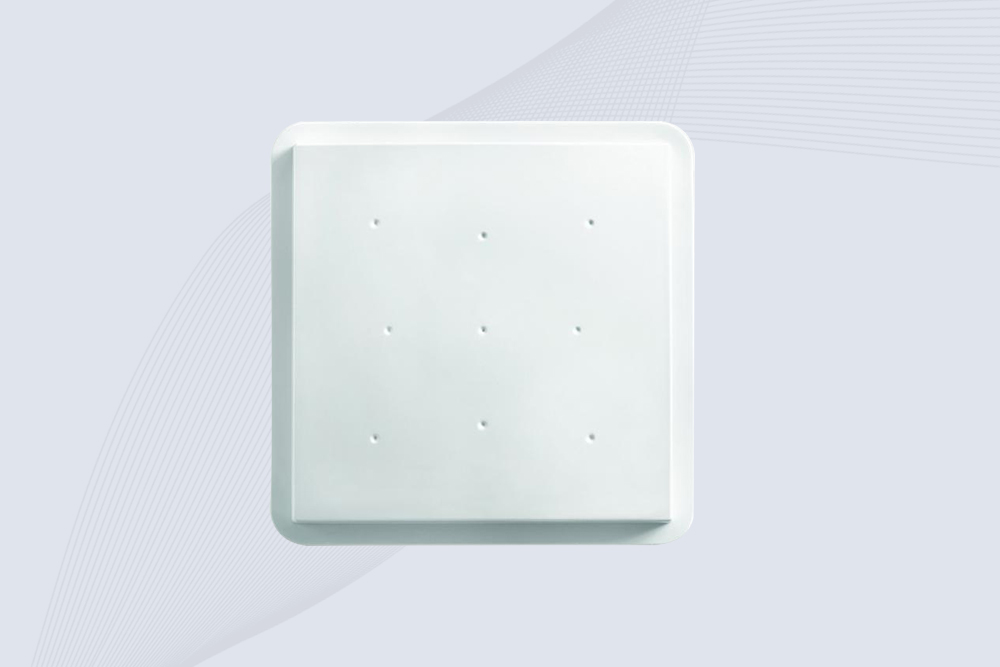
Cykeo’s 8dBi UHF RFID antenna and reader kit delivers 10m+ range, 840-960MHz broadband, and IP65 ruggedness for factories, warehouses, and logistics. ISO 18000-6C & EPC Gen2 certified.
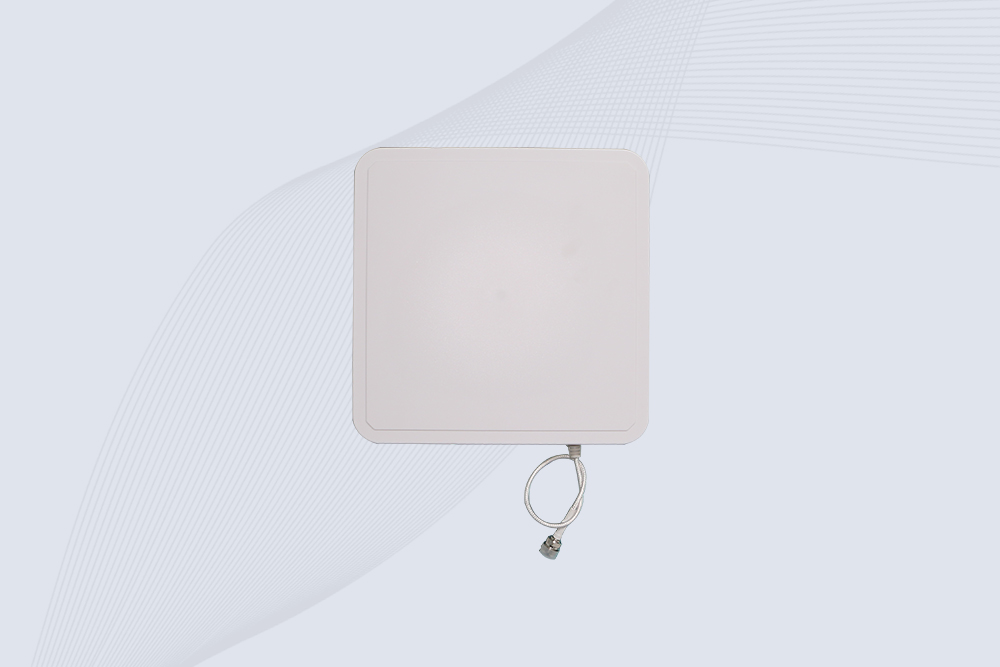
Cykeo CYKEO-A9A industrial UHF RFID reader and antenna kit delivers 10m range, 500 tags/sec, IP65 ruggedness for manufacturing/logistics. Supports EPC Gen2, ISO18000-6C.

RFID tool cabinet installation requires more than mounting hardware. This guide explains how to prepare tools and tags, configure the cabinet, install RFID r...
More
Learn how to select the right RFID antenna for warehouse inventory systems. Compare types, range, and installation tips to optimize RFID accuracy and efficiency.
More
Can a passive RFID reader work with active RFID? The short answer is no. Here’s why these two technologies speak different languages and how to bridge them when needed.
More
Looking for a UHF RFID antenna for your project? Learn how to choose the right antenna for warehouse, logistics, and industrial applications based on range, gain, polarization, environment, and system requirements.
More