 Cykeo RFID IoT Solution Products R&D Manufacturer
RFID Tag Key Fob: What Is It and How Is It Really Used?
361RFID tag key fob explained from real access control use. See how key fob RFID works, where it fails, and why it’s still widely used today.
MoreAll RFID Product
UNIQLO uses RFID tags attached to individual merchandise so readers can identify multiple garments electronically during warehouse handling, store inventory, and checkout. The approach connects item identification with automated retail processes, reducing repetitive scanning and giving staff faster access to product-level inventory information. Fast Retailing has publicly stated that RFID tags are attached to UNIQLO, GU, and other Group-brand products worldwide.
UNIQLO’s RFID implementation is more than an electronic replacement for the barcode.
The important point is where the tag travels.
A small RFID inlay is incorporated into or attached to the product label. The garment then carries a machine-readable identity through different stages of its commercial life:
Factory → Distribution Center → Store → Sales Floor → Checkout → Inventory System
Fast Retailing reported that RFID had been applied to all UNIQLO and GU products and other Group-brand products worldwide, with the technology improving store operating efficiency and supporting the introduction of self-checkout machines.
That creates an interesting retail architecture.
The same physical garment can be identified without requiring a worker to find and align a visible barcode each time the product needs to be recognized.
A conventional clothing label communicates information visually.
An RFID tag adds another layer.
The tag contains an RFID chip and antenna. When a compatible reader generates an RF field, the tag responds with its stored identifier. A reader can therefore recognize several tagged garments within its operating zone.
For apparel, this is particularly useful because a store may handle large numbers of combinations:
| Product Attribute | Example |
|---|---|
| Style | T-shirt |
| Size | S / M / L / XL |
| Color | Black / White / Blue |
| Location | Sales floor / Stockroom |
| Status | Available / Sold / Returned |
| RFID Identity | Individual electronic identifier |
The result is not simply “there are 20 shirts.”
A properly integrated system can determine which tagged items were observed.
That difference becomes valuable when inventory accuracy matters.
Fast Retailing’s Ariake warehouse has been one of the company’s most frequently cited examples of retail automation.
The company described RFID-enabled merchandise moving through automated processes including stock receipt, sorting, picking, and inspection.
That is a very different use of RFID from a single checkout station.
At a warehouse checkpoint, several products may be moving together. Requiring an employee to scan every barcode individually would introduce friction into the flow.
RFID allows the reader to identify multiple tagged products while they remain physically together.
The warehouse application then decides what the observation means.
For example:
RFID detected → receiving area → shipment ID → inventory update
The radio system provides the identification event.
The warehouse software provides the business meaning.
Walk into a large apparel store near closing time and the inventory problem becomes obvious.
Garments are folded.
Some are hanging.
Some have just been returned to the sales floor.
Others are in fitting rooms or waiting in the stockroom.
A barcode-based count requires repeated visual alignment.
RFID changes that physical interaction.
A worker equipped with an RFID reader can move through a rack or stockroom and capture multiple tag identities within the reader’s effective field.
That does not eliminate every inventory exception. It does, however, reduce the amount of manual product handling required to establish what is physically present.
McKinsey’s retail RFID research reports demonstrated improvements of more than 25% in inventory accuracy, 10–15% reductions in inventory-related labor hours, and 1–3.5% increases in full-price sell-through across relevant RFID retail implementations. These are industry findings, not UNIQLO-specific performance figures.
That distinction is important.
UNIQLO’s own disclosures establish the deployment.
Independent retail research helps explain why the architecture is commercially attractive.
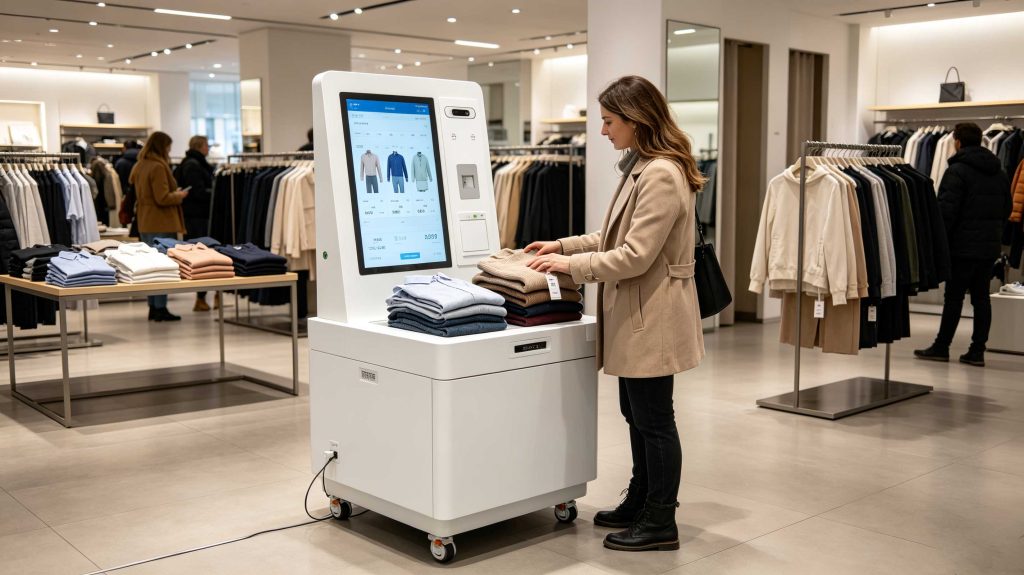
A traditional barcode checkout generally requires the product to be presented to the scanner one at a time.
RFID can take a different approach.
If several tagged garments are placed inside a properly designed RFID reading zone, the system can attempt to identify them together.
For the Cykeo-style RFID apparel self-checkout architecture described for this application, the reading platform is designed to identify at least 20 garments in one operation.
That specification is application-specific and should not be interpreted as a universal RFID standard.
The more important engineering requirement is range control.
A checkout station should read the garments being purchased—not the clothing still sitting on the neighboring display table.
This is one of the details that is often overlooked in retail RFID projects.
A powerful reader is not automatically a better reader.
At a checkout counter, excessive RF coverage can create unwanted reads from nearby products.
Suppose a customer places six shirts on the counter.
There are another forty garments on a rack two meters away.
If the reading field is poorly controlled, those surrounding garments can potentially become part of the transaction.
The solution is not simply reducing reader power.
It can involve:
The physical design of the checkout surface therefore matters just as much as the reader electronics.
A simplified transaction looks like this:
1. Customer places garments on the RFID station
↓
2. RFID reader activates the reading field
↓
3. Multiple garment tags respond
↓
4. Reader decodes individual tag identities
↓
5. Software associates tag IDs with product records
↓
6. Touchscreen displays the detected merchandise
↓
7. Customer confirms the purchase
↓
8. POS system processes payment
↓
9. Inventory status is updated
The RFID reader does not determine the price by itself.
The product database does.
The reader provides the identity.
That separation makes the system easier to integrate with existing retail software.
Fast Retailing has explicitly connected its RFID deployment with store efficiency and self-checkout. Its annual-report disclosure states that RFID tags were already attached to UNIQLO, GU, and other Group-brand products worldwide and that self-checkout machines were being introduced to further improve store efficiency.
The company’s current scale makes this operational context significant. Fast Retailing reported 2,519 UNIQLO stores worldwide at the end of FY2025, including 794 in Japan and 1,725 internationally.
That is a large physical network in which even small improvements in repetitive store processes can matter.
RFID does not need to make every store completely autonomous.
Removing one repetitive identification step from thousands of daily transactions can already be meaningful.
The strongest case for RFID is not simply faster checkout.
It is the combination of several connected improvements:
McKinsey identifies inventory tracking, store operations, and customer experience as three major retail RFID use-case categories. Its research also notes that RFID can support contactless checkout and improve the accuracy of in-store inventory information used for omnichannel fulfillment.
This is why the UNIQLO example is useful for understanding RFID.
The technology is not isolated at the cash register.
It becomes part of the store’s information infrastructure.
For a Cykeo RFID clothing self-checkout platform, the hardware architecture can be viewed as five practical layers:
| Layer | Function |
|---|---|
| RFID Tags | Provide individual garment identification |
| RFID Reader | Generates RF field and captures tag responses |
| Controlled Antenna | Defines the intended checkout reading zone |
| 21.5-inch Touchscreen | Provides customer interaction |
| Ethernet / Software Interface | Transfers product and transaction information |
The 21.5-inch high-definition touchscreen provides a straightforward customer interface.
The Ethernet connection allows the station to exchange information with the store’s backend system.
The RFID reading platform handles the physical identification task.
The software determines what happens next.
This modular separation is useful when integrating an RFID self-checkout station into an existing POS environment rather than replacing the entire retail IT stack.
When evaluating an RFID clothing self-checkout station, I would test one issue before discussing headline reading speed:
Can the system reliably distinguish the customer’s purchase from nearby merchandise?
That is where a retail prototype either becomes a usable product—or becomes a source of false transactions.
In a real apparel store, garments are rarely arranged with laboratory precision. Customers move them. Employees restock racks. Folded items overlap. A shirt may be partially inside another garment. The neighboring display is only a short distance away.
So the reading field has to be deliberately shaped.
The best station is not necessarily the one that reads the greatest number of tags from the greatest distance.
It is the one that reads the right products at the right moment.
That principle is central to understanding how does uniqlo rfid work and to designing a reliable RFID self-checkout solution for modern apparel stores.
A UNIQLO-style RFID checkout is best understood as a controlled item-identification system, not simply a touchscreen with an RFID reader underneath.
The hardware stack typically contains:
| Component | Role in the Checkout Process |
|---|---|
| RFID clothing tag | Stores the electronic product identity |
| UHF RFID reader | Sends RF commands and receives tag responses |
| RFID Antenna / reading surface | Creates the controlled identification zone |
| Touchscreen | Displays detected products and transaction information |
| POS / backend system | Matches tag IDs with prices, SKUs, promotions, and inventory |
| Network interface | Transfers transaction and product data |
The commercial logic is simple:
Tag identity → Product database → Shopping cart → Payment → Inventory update
McKinsey describes the modern retail RFID ecosystem in essentially the same architectural terms: tags hold product information, readers communicate with tags, antennas provide the RF interface, and supporting software processes the collected data.
Clothing is one of the easier retail categories in which to deploy UHF RFID.
Most garments are not electrically conductive, and RFID labels can be incorporated into existing product labels without changing the appearance of the merchandise.
The customer does not need to see the RFID antenna.
They simply place the clothes on the checkout station.
The system reads the tags.
This becomes particularly valuable when a customer buys several pieces at once.
The reader can attempt to identify the entire group instead of forcing the customer or cashier to present every item individually.
McKinsey reports that RFID-based retail systems can provide more than 25% improvement in inventory accuracy and 10–15% reduction in inventory-related labor hours in demonstrated implementations.
Those figures are industry-level results, not a claimed UNIQLO performance metric.
That distinction should remain clear when discussing RFID ROI.
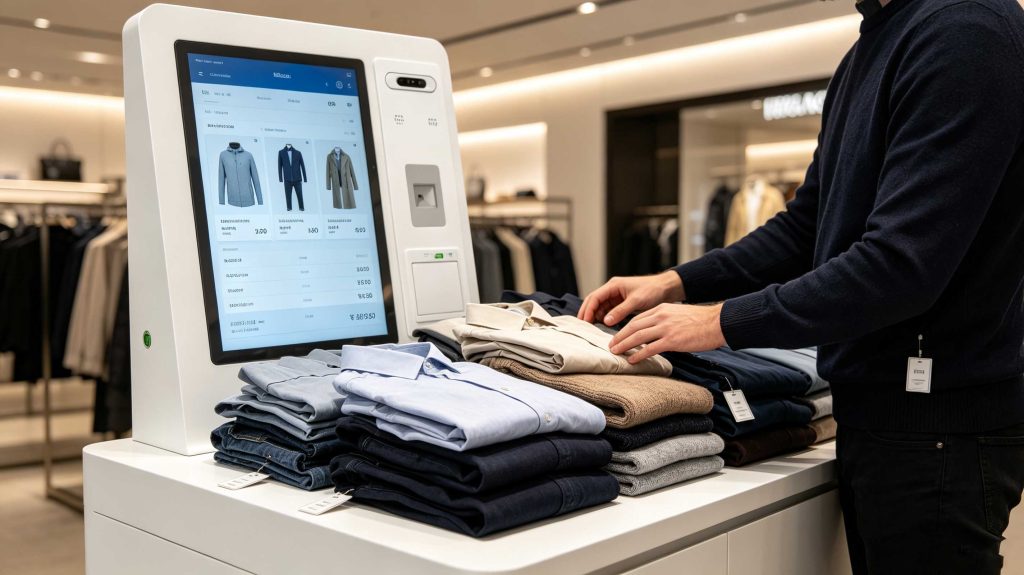
This is where the engineering becomes less visible to the shopper.
A self-checkout station needs a small and predictable reading area.
If the reader sees merchandise several meters away, that is usually a defect rather than an advantage.
Consider a store layout:
Checkout station
1 m — adjacent display
2 m — clothing rack
3 m — fitting-room entrance
A customer places five shirts on the checkout surface.
The system should identify those five shirts.
It should not accidentally add products sitting on the neighboring rack.
The Cykeo RFID apparel self-checkout concept therefore emphasizes range control as part of the station design. The objective is to reduce stray reads from merchandise that has not been presented for payment.
This requires coordinated engineering across:
The reader alone cannot solve the problem.
From the customer’s perspective, the process can be extremely short.
The shopper puts the selected clothing into the designated RFID basket or checkout area.
The RFID system reads the tags without requiring the shopper to align individual barcodes.
The touchscreen displays the detected products and quantities.
The shopper checks the displayed items and proceeds with payment.
The POS system records the purchase and updates the corresponding inventory information.
Fast Retailing has publicly documented the connection between RFID tagging and self-checkout. Its annual report states that RFID tags were attached to UNIQLO, GU, and other Group-brand products worldwide and that self-checkout was being introduced to further improve store efficiency.
More recent industry research provides another useful data point: McKinsey’s State of Fashion 2025 reported that UNIQLO’s RFID-enabled self-checkout was being used for 70–90% of transactions across markets and was credited with cutting transaction times in half.
That is a particularly useful example of how RFID moves beyond inventory counting and becomes part of the customer-facing transaction.
One common misunderstanding is that the RFID reader somehow knows the selling price.
It does not.
The tag supplies an identifier.
For example:
EPC → Product ID 483920
The retail database can then associate that identifier with:
The RFID reader is therefore an identification device, while the POS remains the commercial transaction engine.
This separation is important when integrating Cykeo hardware into an existing apparel retailer’s software environment.
For a Cykeo RFID clothing self-checkout platform, the architecture can be organized into four functional layers.
The UHF RFID reader detects multiple EPC C1G2 / ISO 18000-6C tags positioned inside the reading zone.
The system is designed for batch identification rather than one-item-at-a-time scanning.
The antenna and enclosure determine where tags can be detected.
This is particularly important in open retail environments.
The reading zone needs to be wide enough for a customer’s clothing pile but narrow enough to reduce accidental reads from surrounding merchandise.
A 21.5-inch high-definition touchscreen provides the main interaction surface.
The interface can display:
The objective is not to reproduce a conventional cashier screen.
It is to reduce the number of physical actions required from the shopper.
The station can use Ethernet connectivity to exchange information with the store’s backend system.
This allows the RFID station to become part of a larger retail architecture rather than functioning as an isolated terminal.
A typical data path is:
RFID Station → Ethernet → Retail Middleware → POS / ERP → Inventory Database
The real value of RFID appears when checkout data and inventory data remain connected.
Imagine a customer purchases a medium-sized black jacket.
The transaction does more than record revenue.
The system can associate the RFID identity with the completed sale and remove that unit from available inventory.
Now the store has a more current view of what remains.
This matters for:
McKinsey identifies accurate product-location information as a foundation for omnichannel fulfillment and notes that RFID can provide item-level visibility across stores and supply chains.
The store checkout is only one visible part of the architecture.
Fast Retailing reported that its Ariake warehouse used RFID tags on products to automate stock receipt, sorting, picking, and inspection. The company also described around-the-clock operation designed to reduce delivery delays associated with labor shortages during peak periods.
That makes the UNIQLO example particularly useful.
The same basic product identity can support different operational tasks:
| Location | RFID Role |
|---|---|
| Factory | Product identification |
| Distribution center | Receiving and sorting |
| Warehouse | Picking and inspection |
| Store back room | Inventory checking |
| Sales floor | Stock visibility |
| Checkout | Batch product identification |
| Returns desk | Product verification |
The technology is the same.
The business event changes.
| Capability | Barcode | RFID |
|---|---|---|
| Direct line of sight | Usually required | Not normally required |
| One-at-a-time scanning | Common | Multiple tags can be read |
| Visual alignment | Required | Not necessarily |
| Batch apparel identification | Limited | Strong use case |
| Self-checkout integration | Possible | Particularly suitable |
| Item-level identification | Yes | Yes |
| Reading zone control | Scanner field | RF field / antenna design |
RFID does not make barcodes obsolete.
Barcodes remain inexpensive, familiar, and useful for many retail tasks.
The advantage of RFID becomes clearer when many physical items must be identified quickly without individually presenting each one to a scanner.
Yes. Fast Retailing has publicly stated that RFID tags are attached to UNIQLO, GU, and other Group-brand products worldwide.
Yes. UHF RFID supports multi-tag identification, allowing several tagged garments within a controlled reading area to be identified without scanning each barcode individually.
RFID can substantially improve retail inventory accuracy. McKinsey reports demonstrated improvements of more than 25% in relevant retail implementations, although this figure should not be attributed directly to UNIQLO.
Yes. Fast Retailing has connected its RFID deployment with self-checkout, and recent McKinsey reporting describes RFID-enabled UNIQLO self-checkout being used across markets.
A well-designed system should control the reading zone to minimize unintended reads. Antenna design, RF power, enclosure construction, tag position, and software filtering all contribute to this control.
No. RFID identifies products. The POS and retail software handle pricing, promotions, payment, inventory transactions, and other business logic.
Cykeo’s RFID technology can support this type of architecture through UHF RFID readers, controlled reading zones, touchscreen interaction, Ethernet communication, and software integration. The exact reader, antenna, enclosure, and application configuration should be selected according to the store layout and transaction requirements.
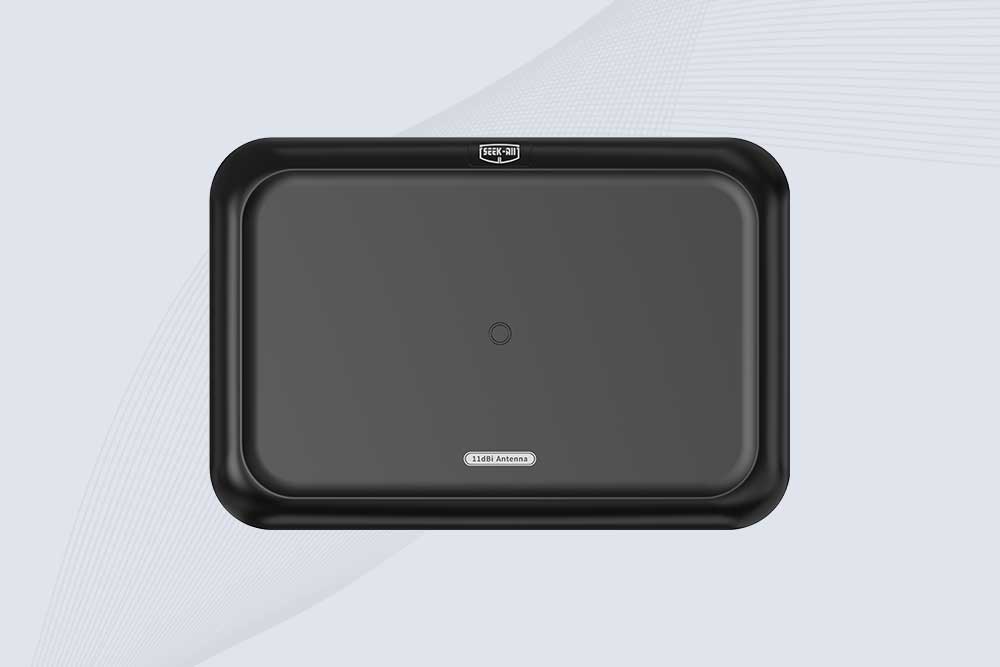
SSD-A11 UHF RFID antenna features 840–960 MHz adjustable frequency, ≥10.5 dBi gain, circular polarization and 50Ω impedance for fixed RFID systems.
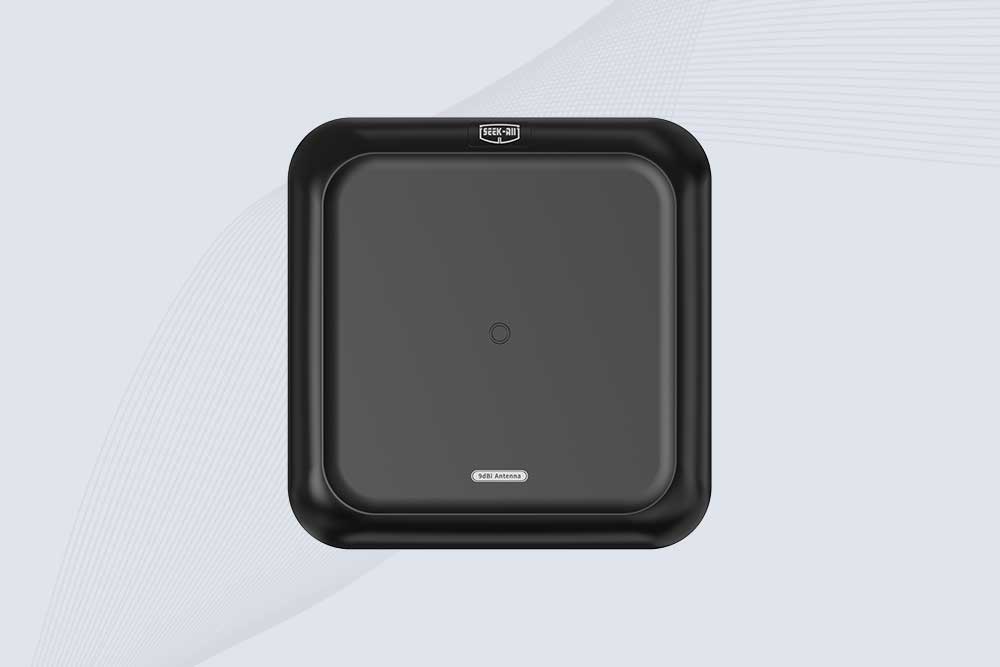
SSD-A09 is a 9 dBi UHF RFID antenna with 840–960 MHz adjustable frequency, circular polarization, 50Ω impedance and directional 60° × 60° coverage.
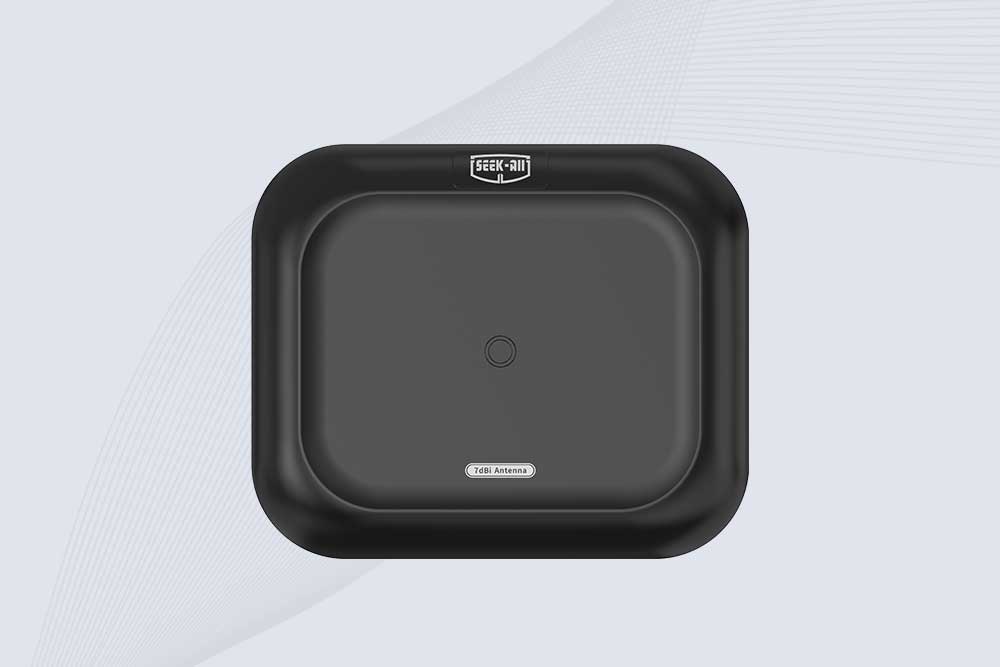
Explore the SSD-A07 UHF RFID antenna with 7 dBi gain, circular polarization, adjustable 840–960 MHz frequency, and 60°/75° beamwidth for stable RFID read/write performance.

SSD-A06 UHF RFID antenna with circular polarization, adjustable 840–960 MHz frequency, ≥4.5 dBi gain, and a compact directional design for RFID systems.

Discover SSD-D4AL, a USB-HID UHF RFID reader with 4/8/16 antenna options, Impinj E710/X3M1 chipset, plug-and-play USB power, and OEM customization.
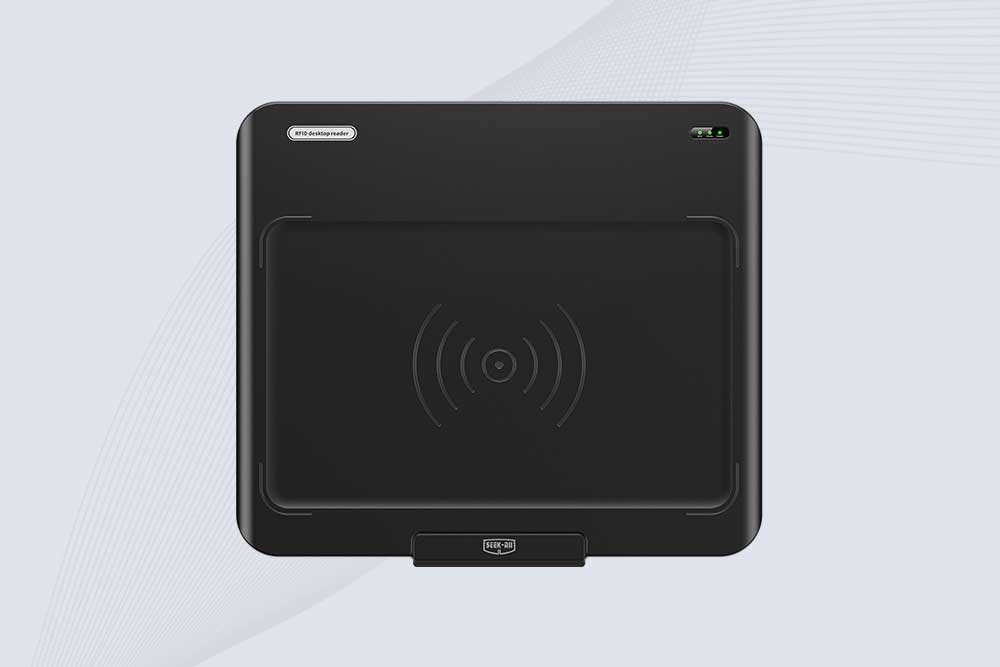
SSD-D3AL is a USB-HID UHF RFID reader with 0–30 cm reading, 0–15 cm writing, over 600 tags/s recognition, USB plug-and-play operation and OEM Logo customization.
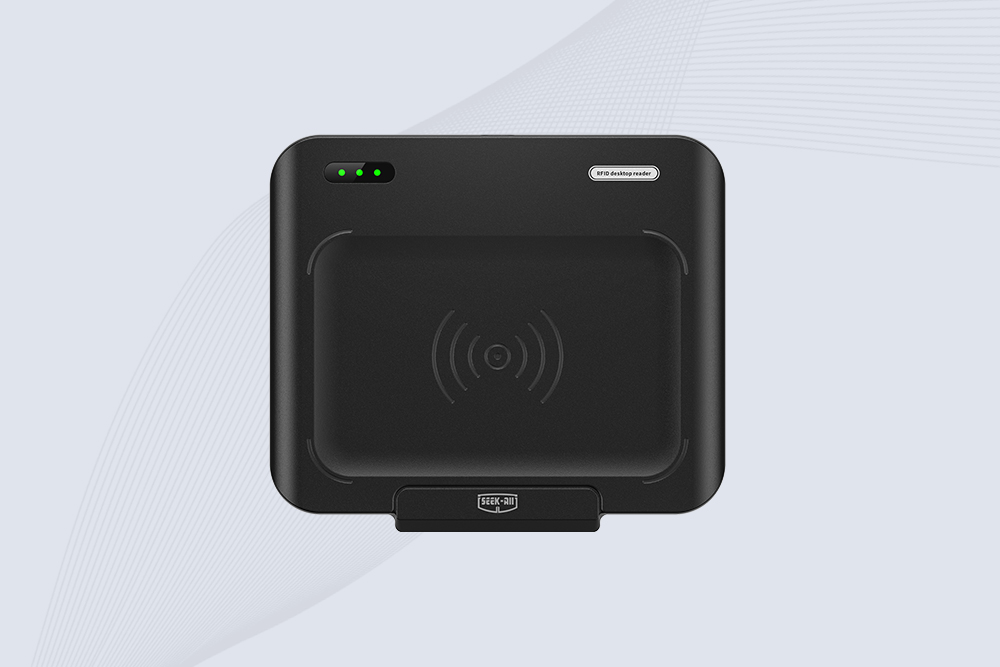
SSD-D1AL is a compact USB UHF RFID reader with Impinj E710/X3M1 chipset, USB-HID, 600+ tags/s recognition, 4/8/16 antenna support and plug-and-play USB power.
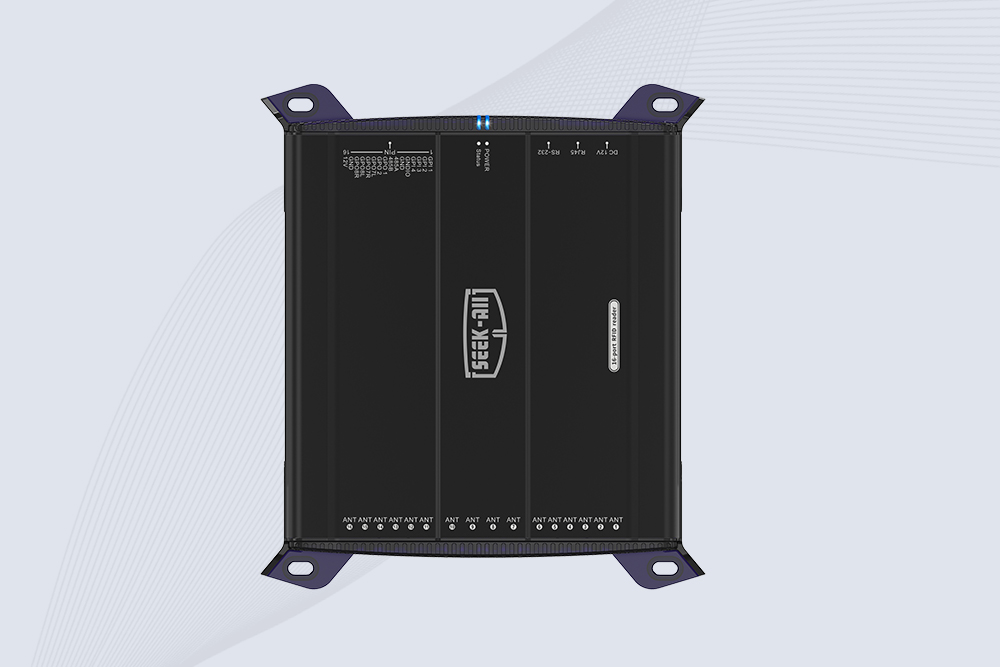
SSD-R16L Multi-Channel RFID Infrastructure for Automated Inventory Management ✔️ 16-Port High-Density RFID Reading Equipped with 16 SMA antenna ports, SSD-R16L supports multi-antenna deployment for warehouses, retail stores, logistics, production lines, and large-area RFID identification. ✔️ High-Speed & Long-Range Performance With up to 33…
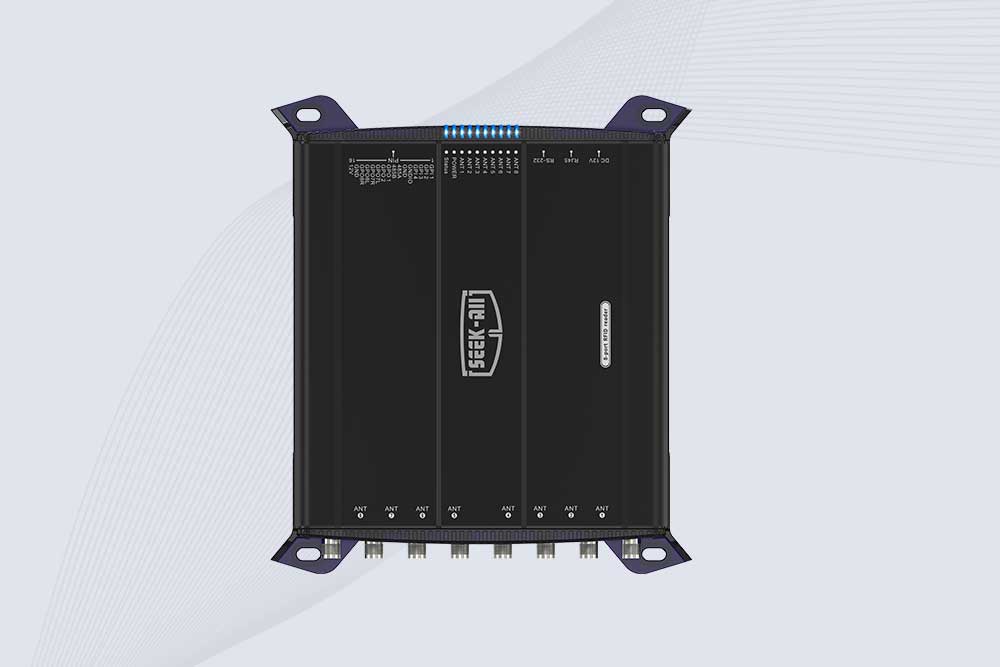
SSD-R8L 8-port UHF RFID reader with 33dBm output, up to 20m reading range and 600+ tags/s recognition. Ideal for warehouse, logistics, retail and asset tracking.
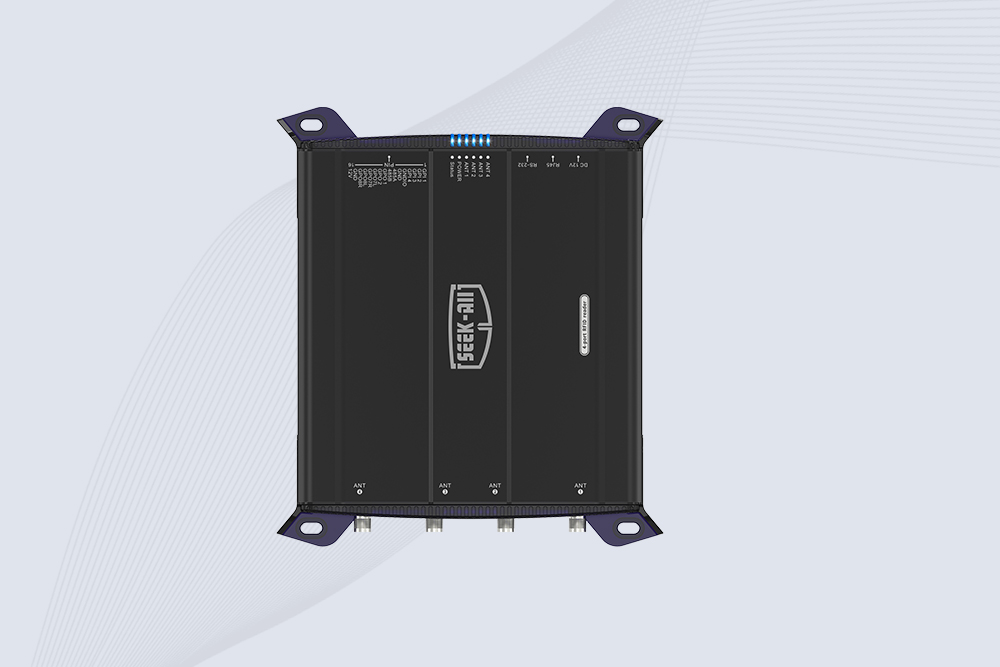
SSD-R4L is a 4-port UHF RFID fixed reader with 33dBm output power, up to 20m reading range, EPC C1G2 support and 600+ tags/s reading speed.

CYKEO CYKEO-D1LA USB RFID Reader is a compact desktop solution with near-field control for precise tag reading and encoding. Powered by USB, supporting ISO 18000-6C, and built for stable batch writing, this usb rfid tag reader fits retail, libraries, offices, and controlled RFID encoding tasks.
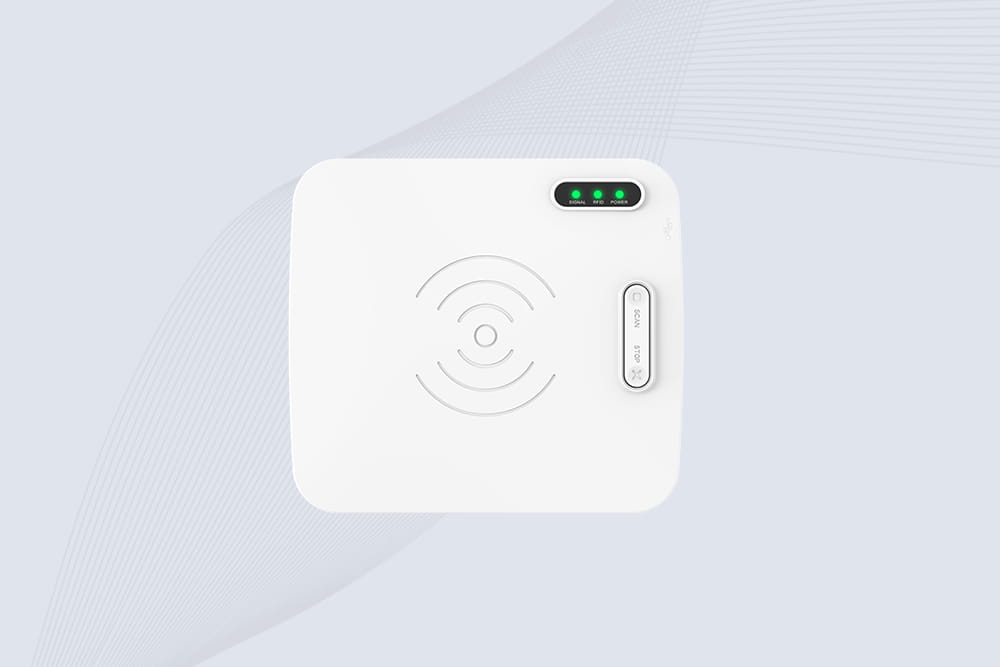
CYKEO CYKEO-D1L RFID scanner USB is a compact desktop UHF RFID scanner designed for short-range tag writing and verification. This usb rfid scanner supports batch encoding, stable 0–26 dBm output, and works across Windows, Linux, and Android systems.
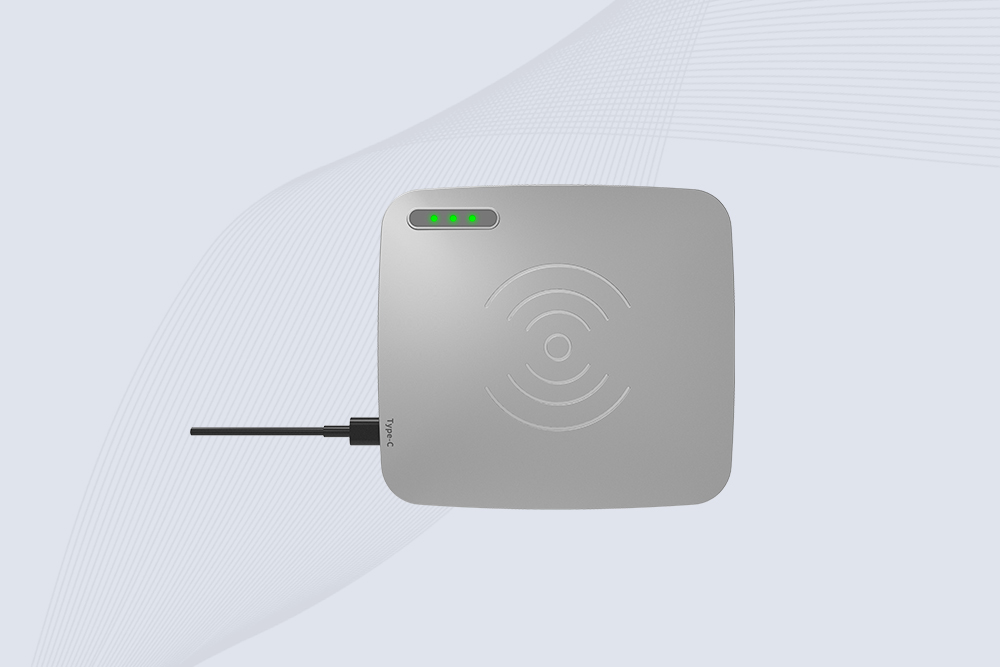
CYKEO CYKEO-D1C USB RFID Card Reader is a near-field UHF desktop writer designed for secure, short-range tag encoding. With USB-C connectivity and stable 26 dBm output, this rfid reader usb c is ideal for badge issuance, label encoding, and controlled desktop RFID workflows.
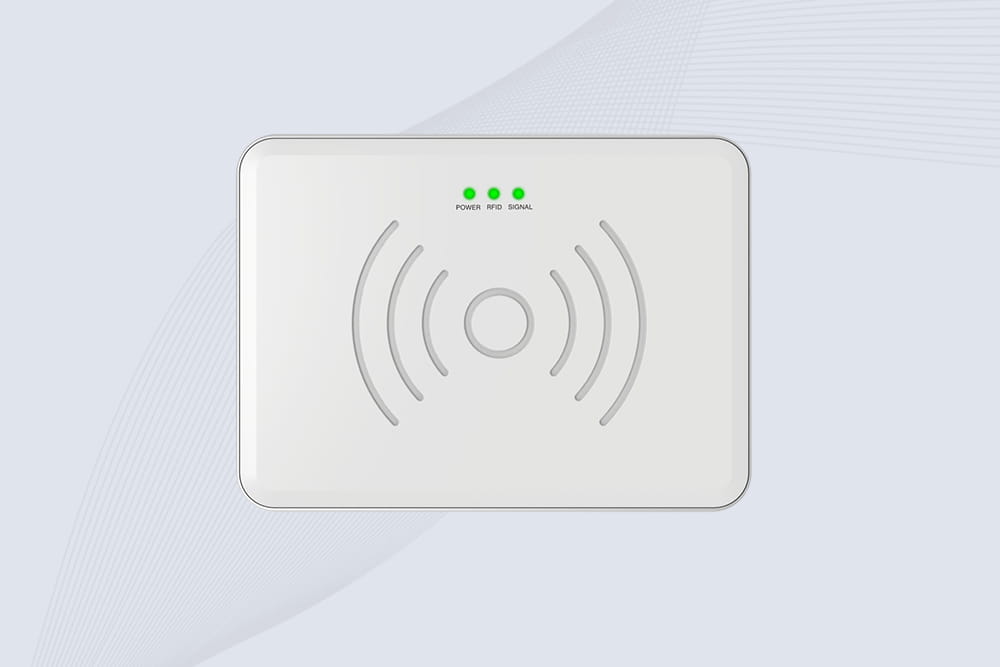
CYKEO CYKEO-D2L RFID Reader USB is a compact desktop encoder built on the Impinj R500 chip. With near-field control and stable USB power, this usb rfid card reader delivers precise tag writing for offices, retail counters, and small-scale logistics encoding tasks.
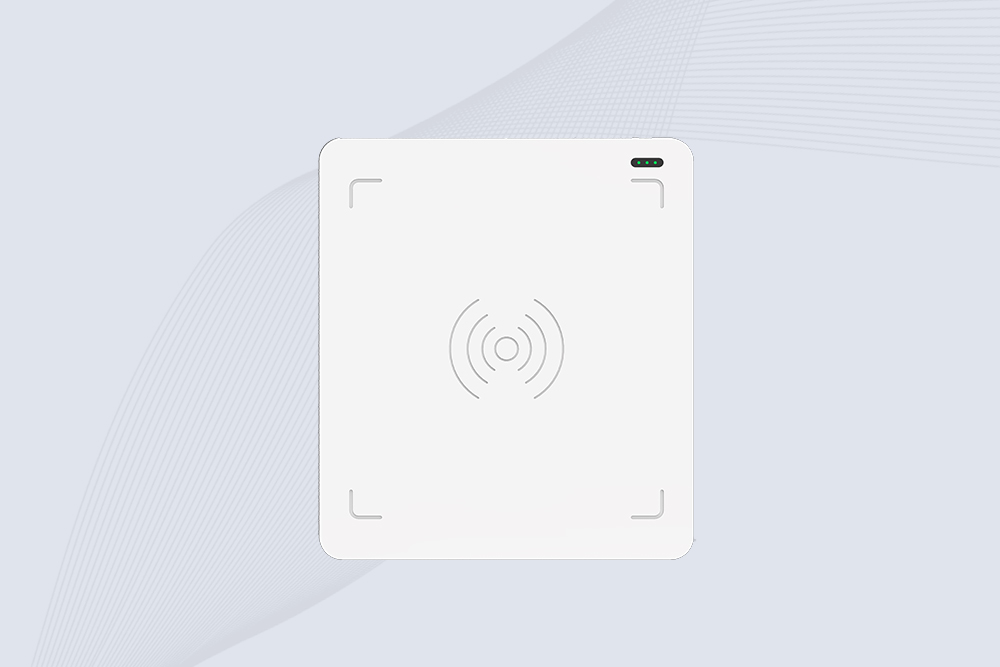
CYKEO CYKEO-D3L USB RFID Tag Reader delivers stable UHF tag reading and writing for daily desktop and light industrial tasks. Designed for controlled short-range operation, this USB RFID Tag Reader works reliably with rfid tag and reader systems in libraries, tool tracking, and inventory registration.
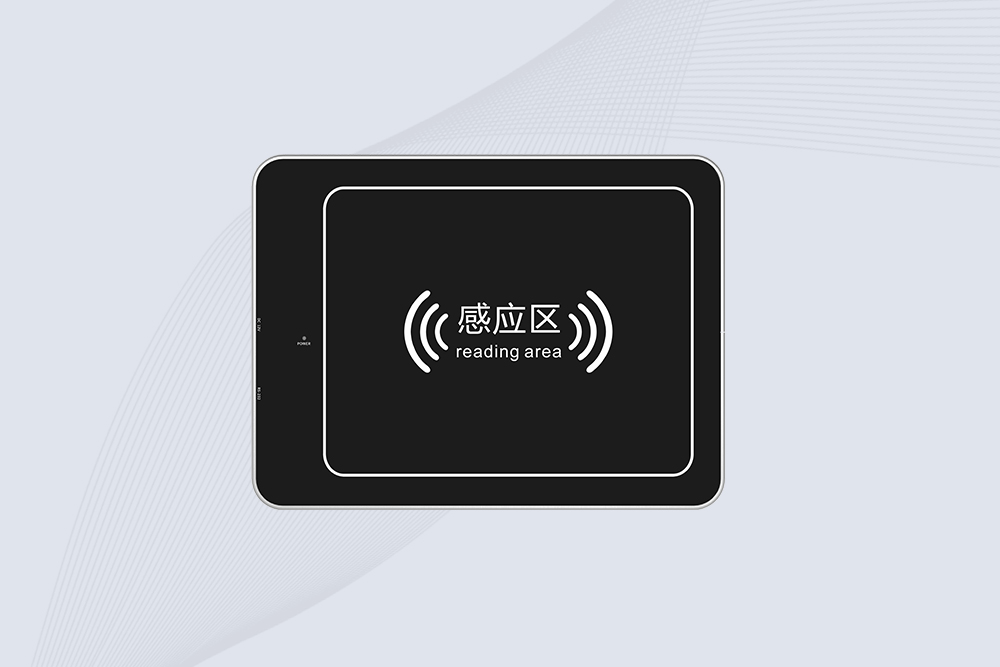
The CYKEO CYKEO-D4L UHF RFID Tag Reader is a stable Desktop RFID Reader designed for accurate tag registration, borrowing, and return workflows. Built with the Impinj R2000 chip, this UHF RFID Tag Reader delivers controlled short-range reads for libraries, asset tracking, and inventory management environments.
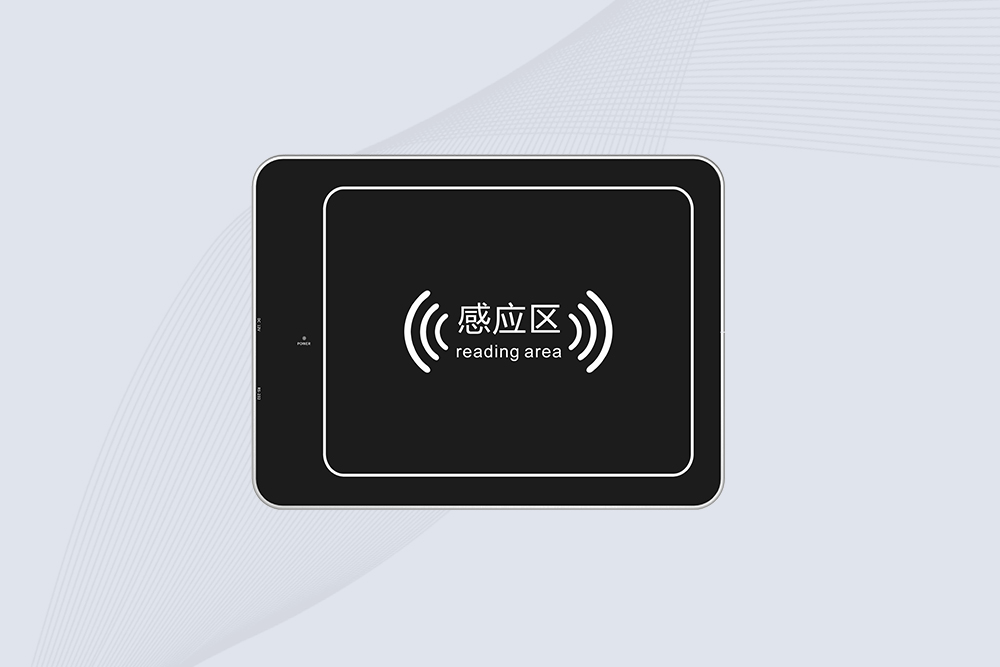
The CYKEO CYKEO-D5L Desktop RFID Card Reader is a stable UHF RFID Card Reader designed for controlled short-range reading and writing. Built for libraries, tool rooms, and asset desks, this UHF RFID Card Reader supports dense tag handling, secure data processing, and easy USB integration.
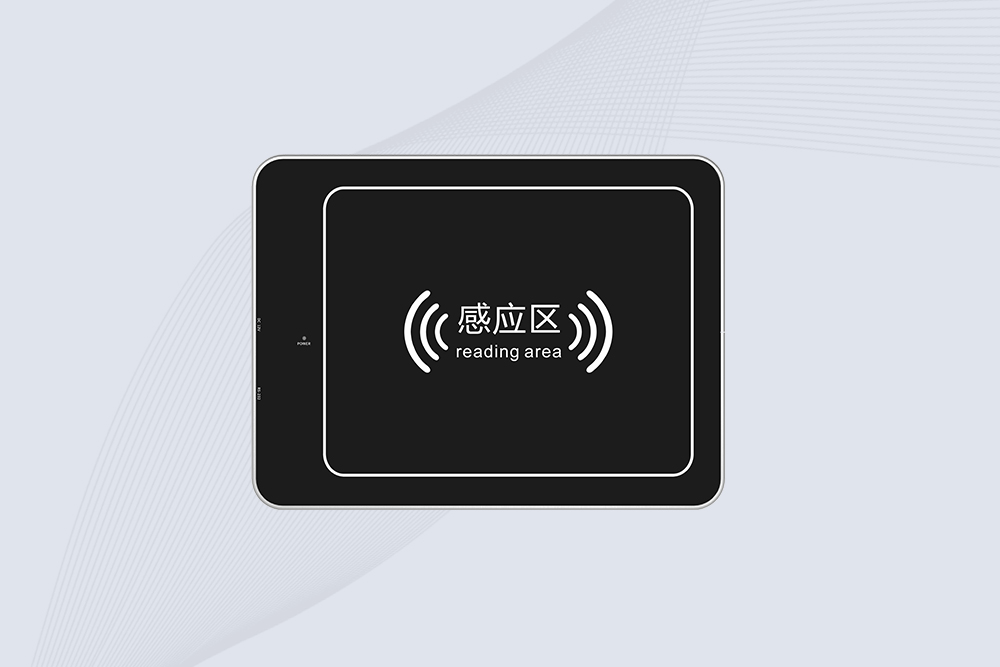
The CYKEO CYKEO-D6L RFID Reader Writer is a heavy-duty Desktop RFID Reader designed for short-range, high-accuracy tag programming. Built for libraries, labs, and asset desks, this RFID Reader Writer supports batch processing, stable 33dBm output, and seamless integration with existing management systems.
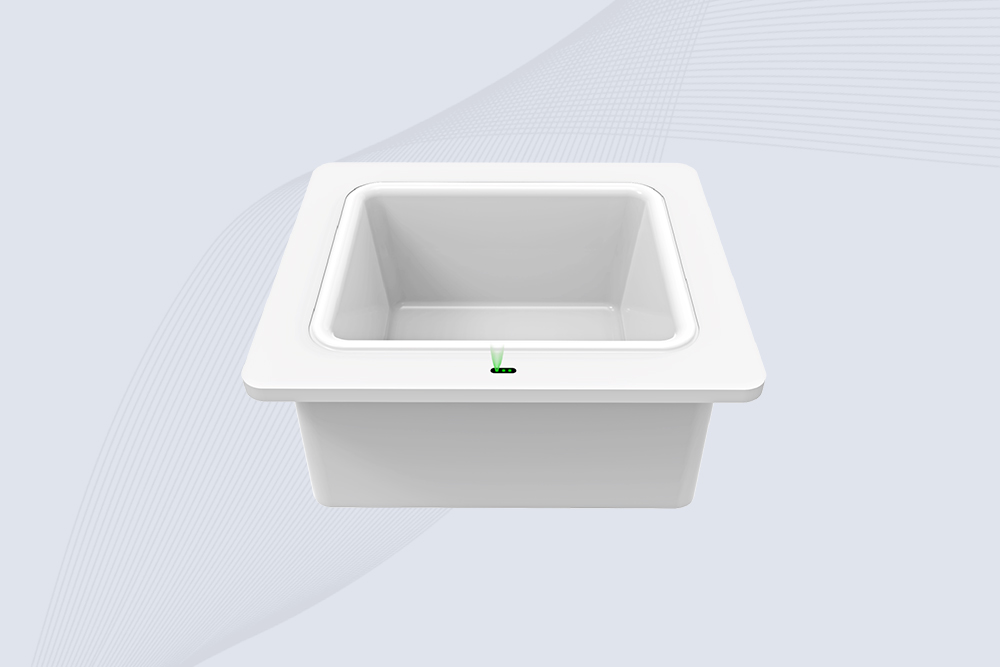
Cykeo CYKEO-D8B UHF RFID tunnel and RFID Desktop Reader features 30+ items batch reading,
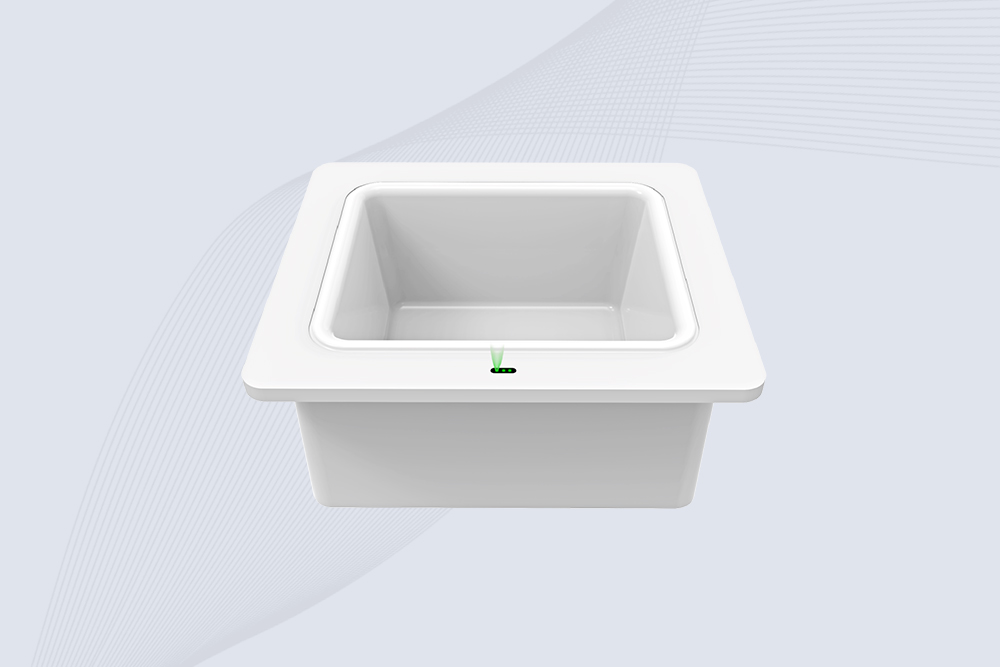
Cykeo CYKEO-D8A embedded RFID badge reader offers 30+ tags/sec scanning, 20cm anti-crosstalk precision, and DC 12V power for unmanned stores, warehouses, and smart inventory systems.
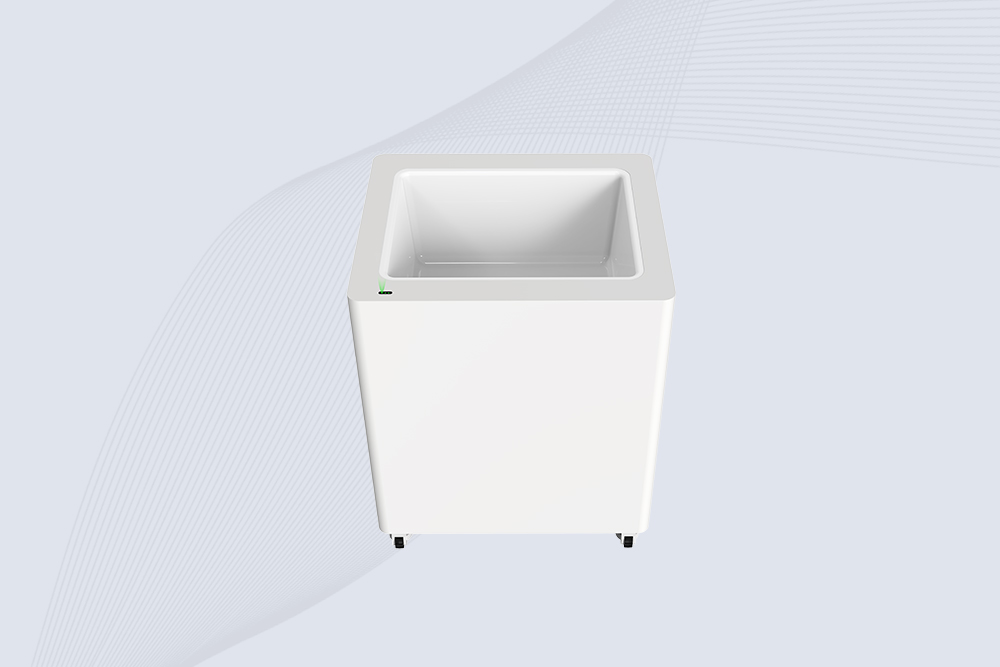
Cykeo’s CYKEO-D8C UHF RFID gate reader achieves 200-tag/batch scanning with adjustable power control, ideal for retail inventory and smart warehouse management.
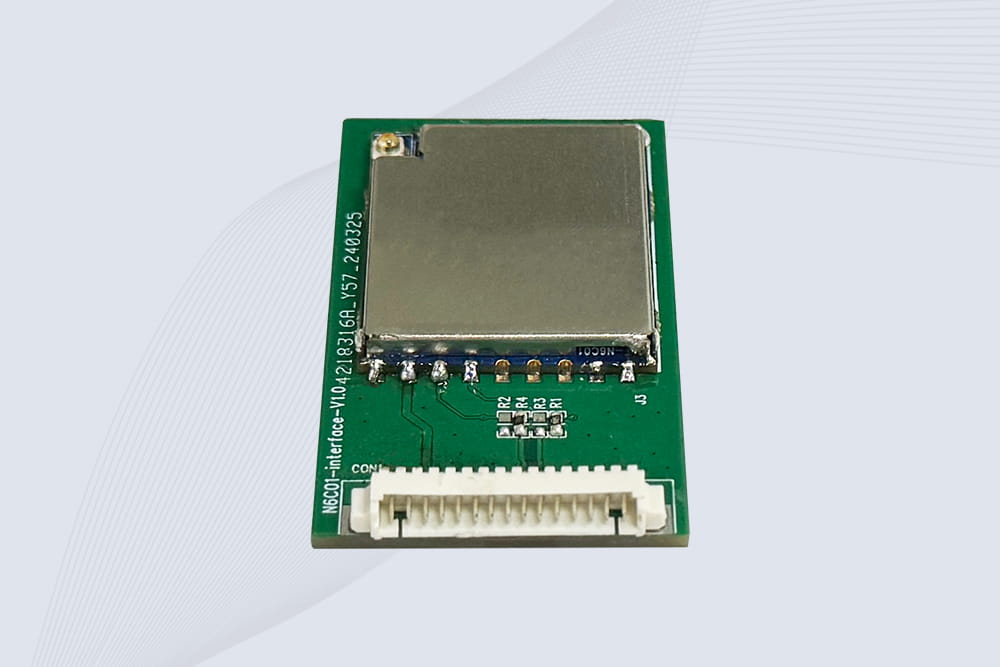
CYKEO Embedded RFID Modules are designed for compact industrial and IoT devices that require stable UHF performance. These UHF RFID Modules support global protocols, flexible power control, and reliable multi-tag reading for smart cabinets, production lines, and asset tracking systems.
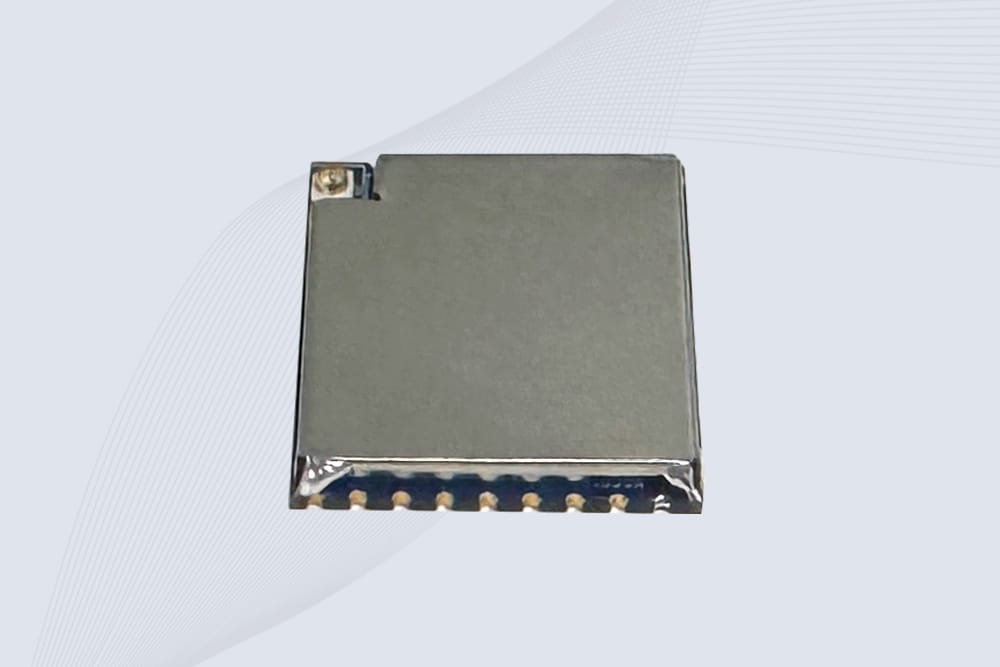
CYKEO Embedded RFID Module is built for compact IoT and industrial devices that need stable UHF performance. This UHF module supports global protocols, low power operation, and reliable multi-tag reading for smart lockers, production lines, and always-on RFID systems.
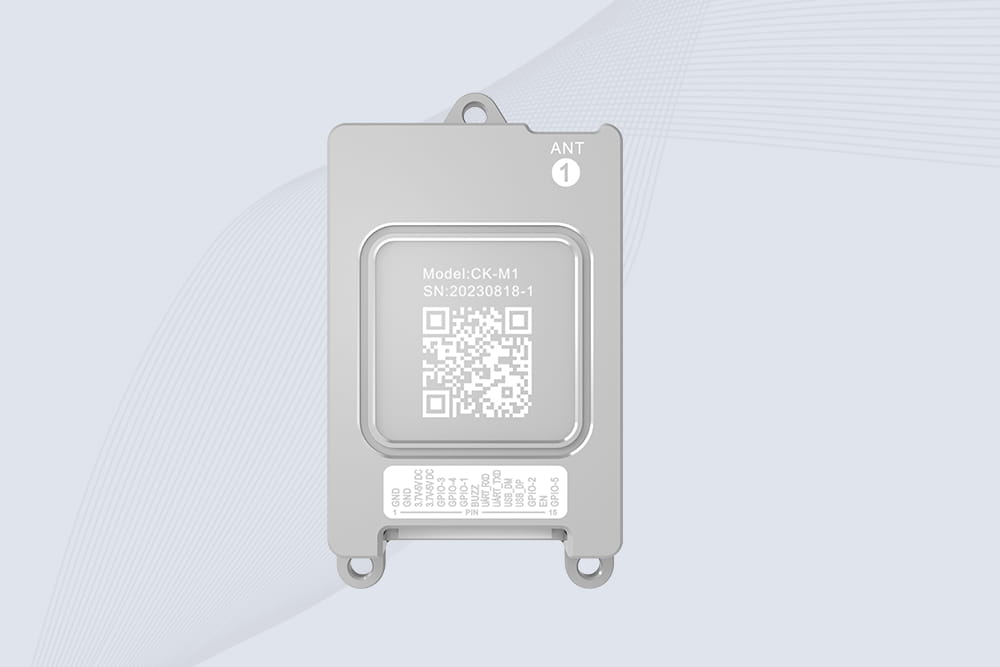
CYKEO CYKEO-M1 drone rfid module is a compact UHF RFID reader module designed for drones and UAV platforms. It supports long-range aerial scanning, fast multi-tag reading, and stable performance in wind, vibration, and outdoor environments.
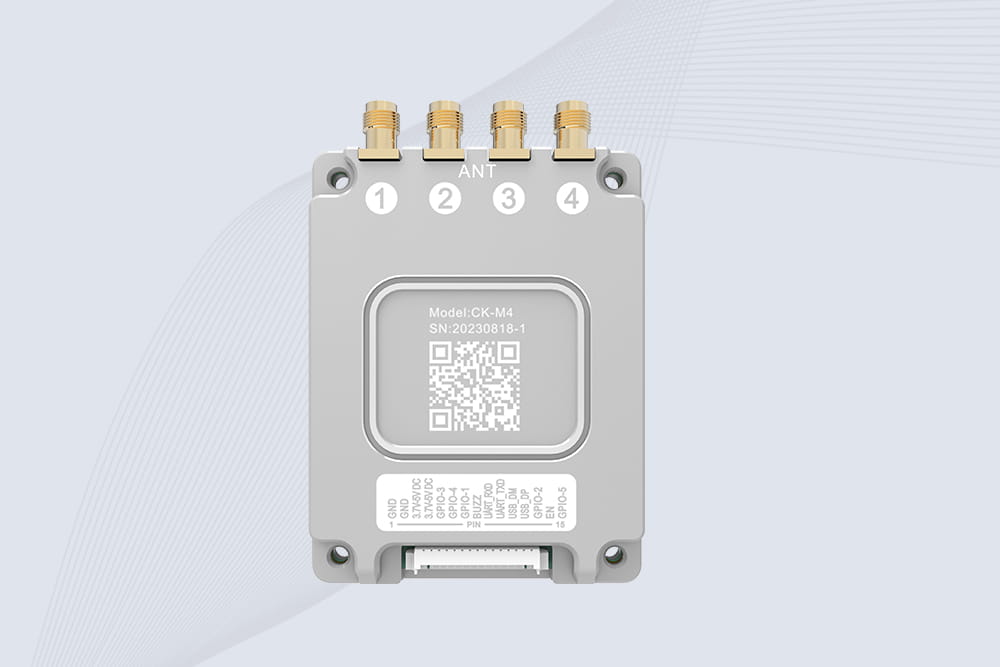
CYKEO CYKEO-M4 RC522 RFID Module is an industrial-grade UHF RFID reader with 4 ports, supporting ISO, EPC, and GB protocols. High-speed, accurate reading for IoT, automation, and warehouse applications.
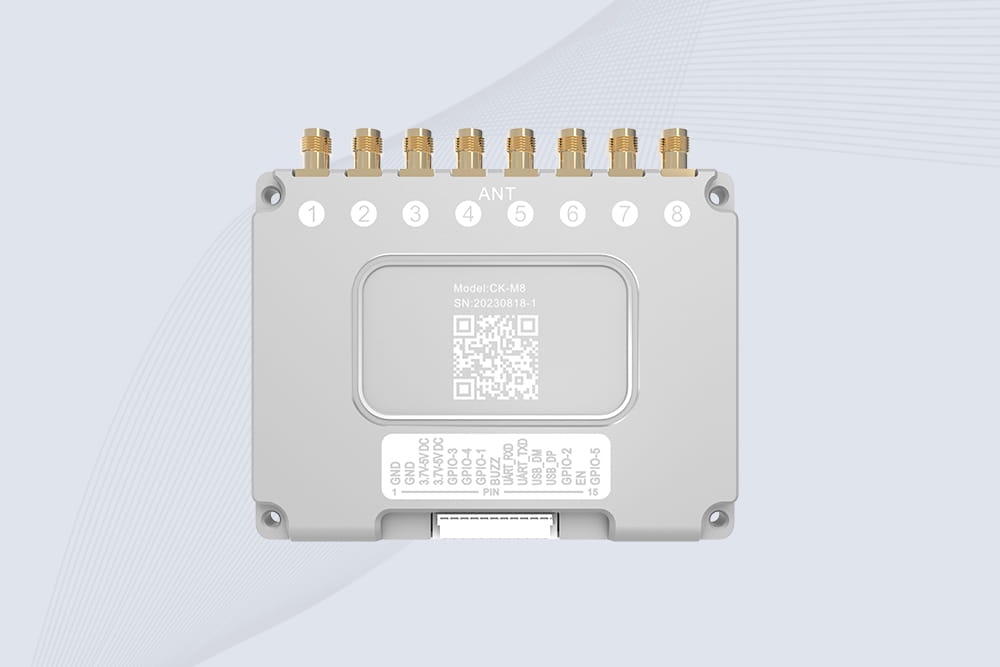
CYKEO CYKEO-M8 Module RFID is an 8-port UHF R2000 RFID Module designed for high-density, multi-tag environments. Stable 33dBm output, ISO & GB protocol support, ideal for warehouses, factories, and automated systems.
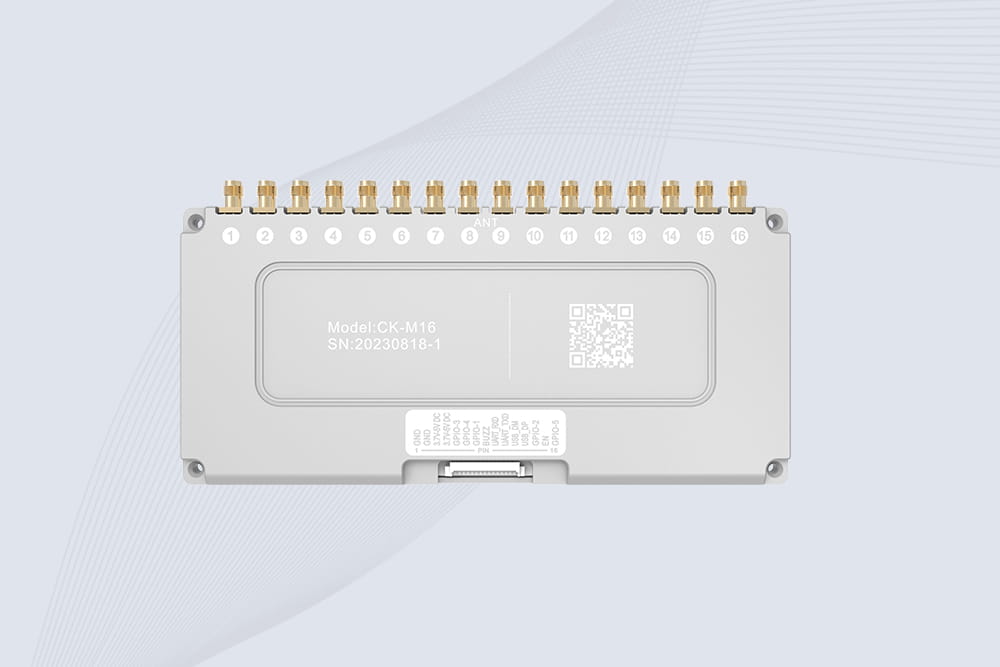
CYKEO CYKEO-M16 RFID Module is a 16-port UHF RFID reader module based on the R2000 chipset. Designed for dense tag environments, it supports ISO and GB standards and delivers stable multi-antenna control for industrial automation.
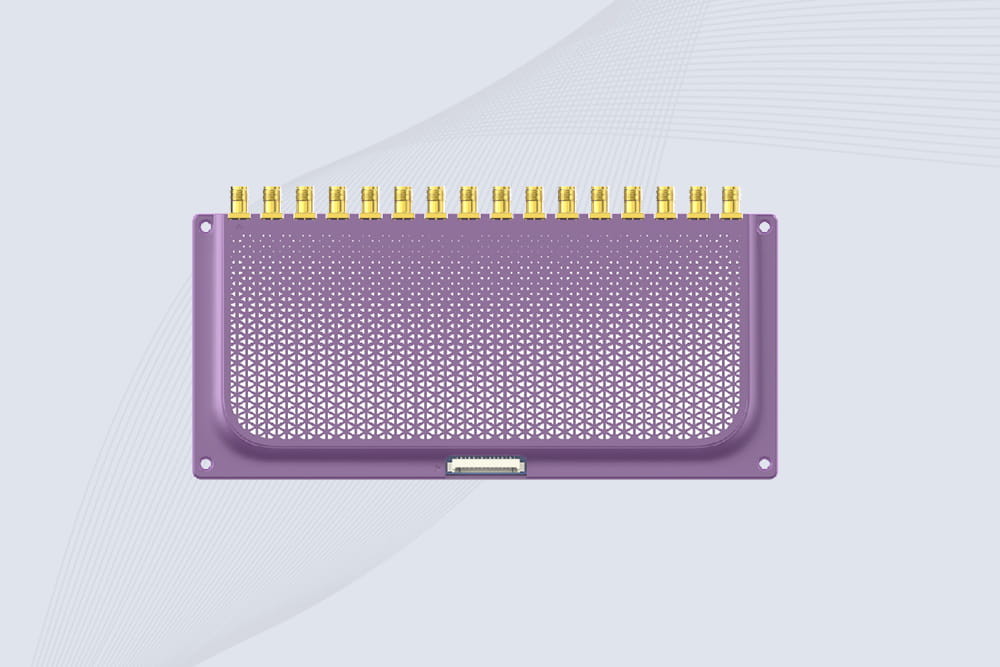
The CYKEO CYKEO-M16L RFID Reader Module is a 16-channel UHF RFID core designed for dense tag environments. With adjustable 33dBm output, multi-protocol support, and stable multi-antenna control, this RFID Tag Reader Module fits industrial automation, warehouse systems, and large-scale IoT deployments.
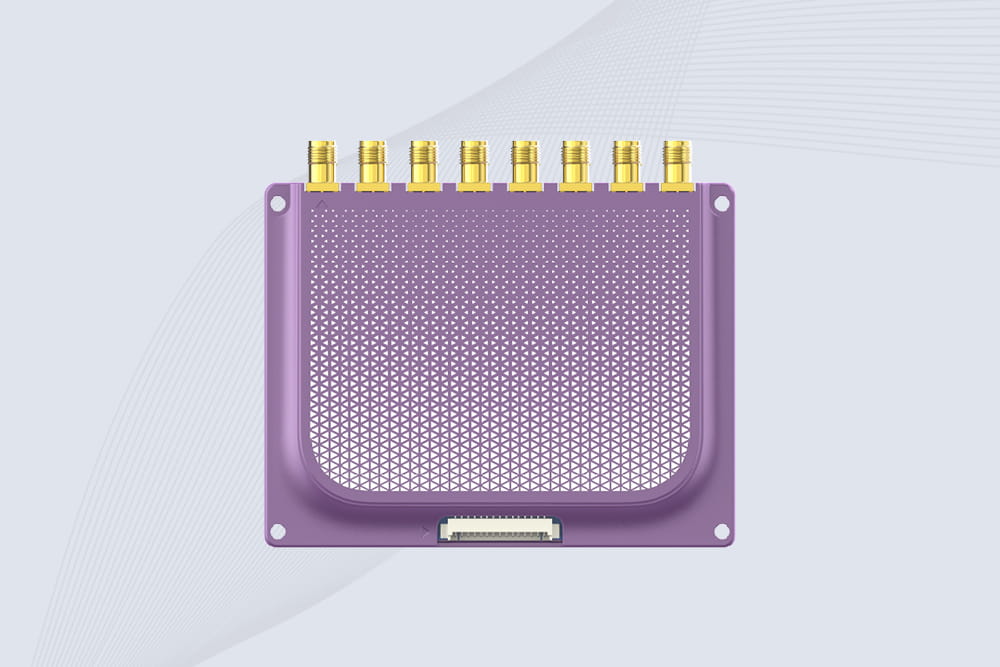
CYKEO CYKEO-M8L module RFID is a compact industrial UHF module built for dense tag and multi-antenna environments. With 8 RF ports, adjustable 33 dBm output, and ISO & GB protocol support, it is widely used in factories, warehouses, and automated tracking systems.
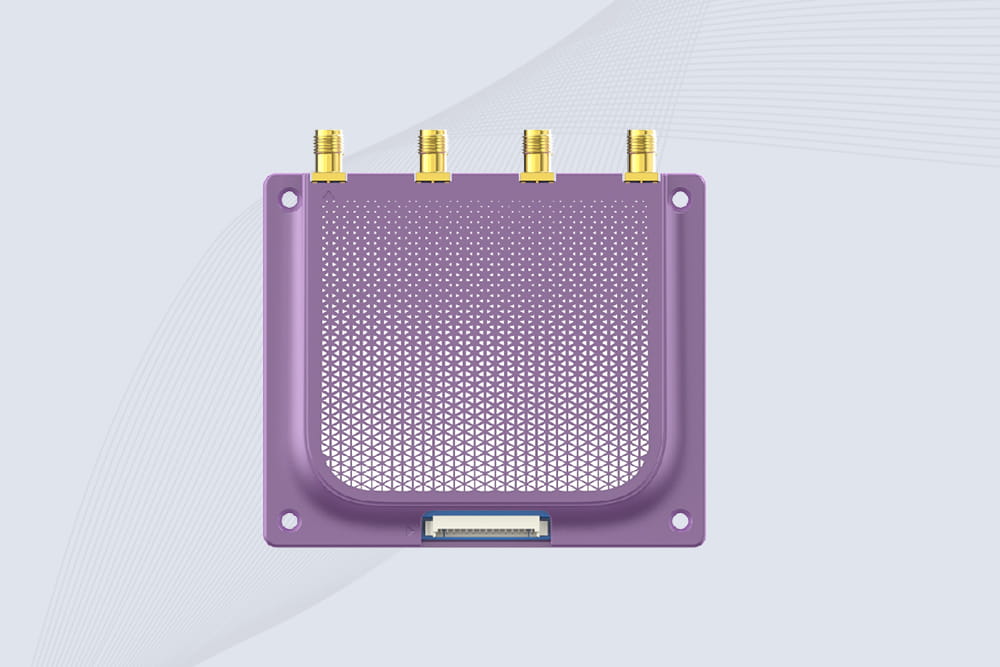
CYKEOCYKEO-M4L UHF RFID Module is a compact 4-channel RFID tag reader module designed for dense tag environments. Supporting ISO and GB protocols, it delivers stable reads up to 10 meters for industrial and IoT systems.
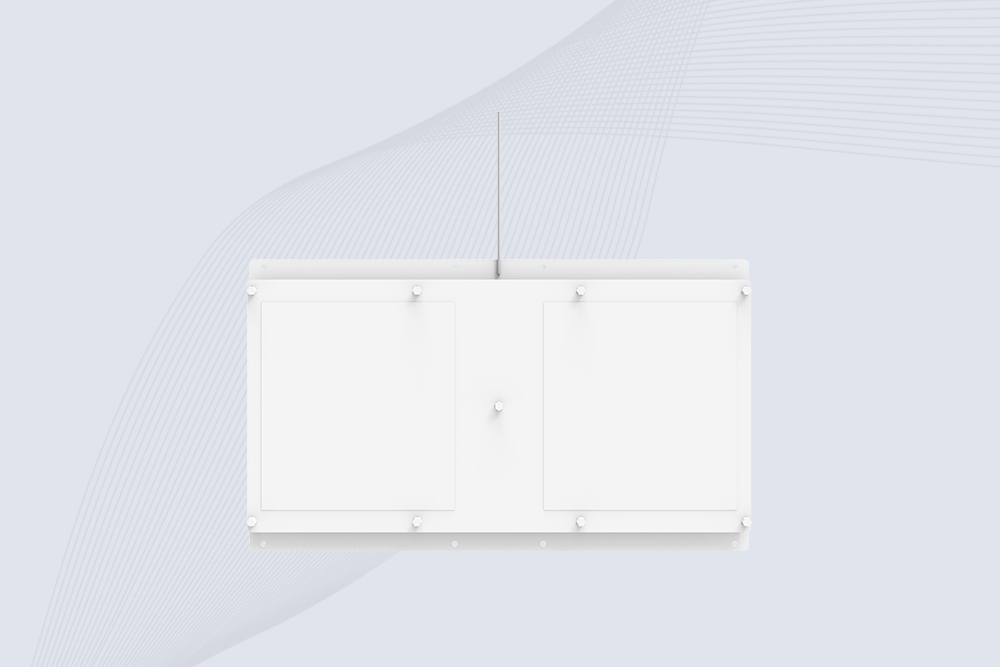
Cykeo CYKEO-A11 UHF RFID reader antenna delivers 11dBi gain, 840-960MHz frequency range, and IP65 ruggedness for retail, logistics, and industrial RFID systems. Features low VSWR and easy installation.
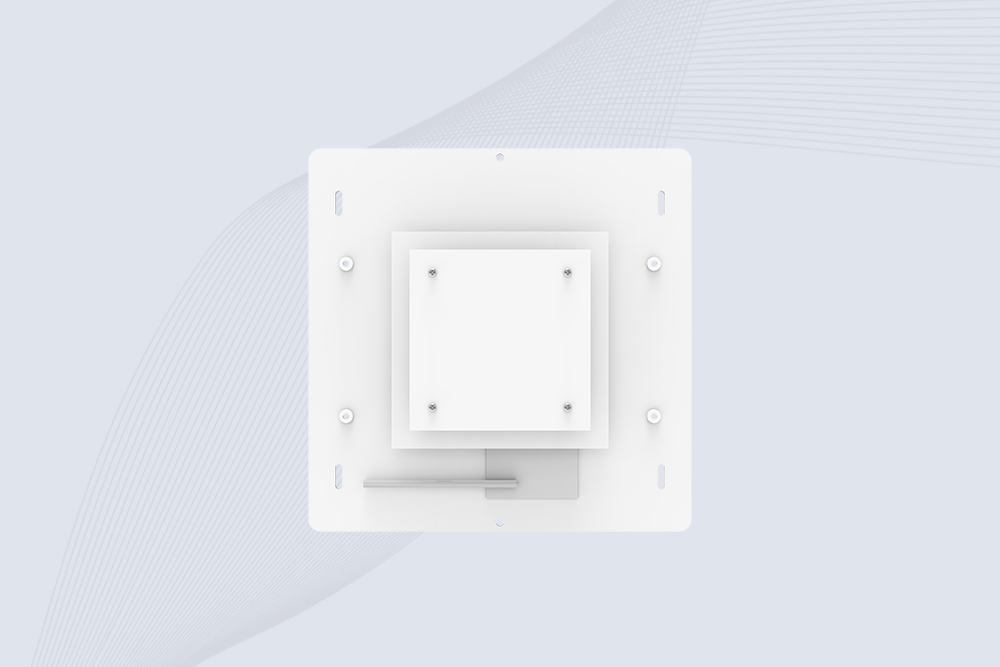
CYKEO Antenna RFID Reader delivers stable long-range UHF performance with a 10.5dBi directional design, built for warehouses, conveyor portals, and industrial RFID systems. This rfid reader antenna provides 20m+ read distance and rugged IP67 protection.

Cykeo CYKEO-PHF3 industrial HF RFID Antenna offers 24-point dynamic tracking, ISO 14443A/15693 protocols, metal-environment stability for archives/libraries/manufacturing.

Cykeo CYKEO-A5B industrial Linear RFID Antenna delivers 5dBi gain, ≤1.5:1 VSWR, and IP65 rugged design for warehouse, production line, and logistics UHF systems.

Cykeo’s CYKEO-B12 Long Range RFID Antenna delivers 15m+ read range with 12dBi gain, IP65 rugged design, and global 840-960MHz UHF support. Ideal for warehouse/logistics asset tracking.
Cykeo CYKEO-B10 Long Distance RFID Antenna offers 10dBi gain, 840-960MHz frequency range, IP65 rating, and 20m+ coverage for logistics/warehousing/ETC systems. Low VSWR ensures stable signal transmission.
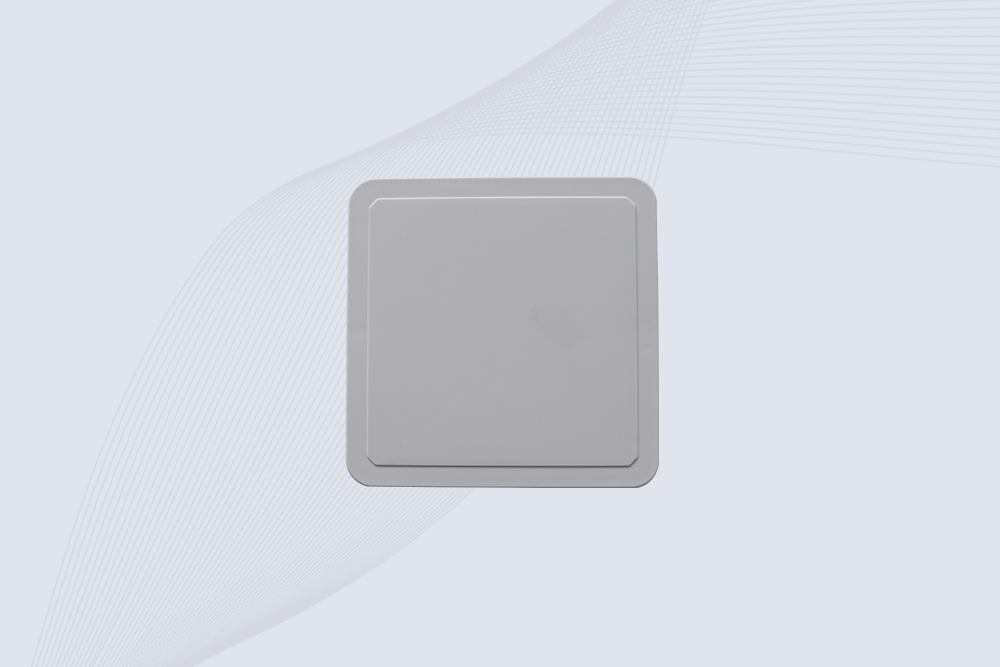
Cykeo CYKEO-A6 UHF RFID panel antenna features 6dBi gain, 840-960MHz broadband, IP65 metal-ready housing for logistics/smart retail. 18mm ultra-thin design with tool-free mounting.

Cykeo CK-A3 industrial antenna RFID UHF offers 5m+ tag detection, ≤1.3:1 VSWR, IP65 rugged design, and global UHF spectrum compatibility (840-960MHz) for warehouses, factories, and retail.
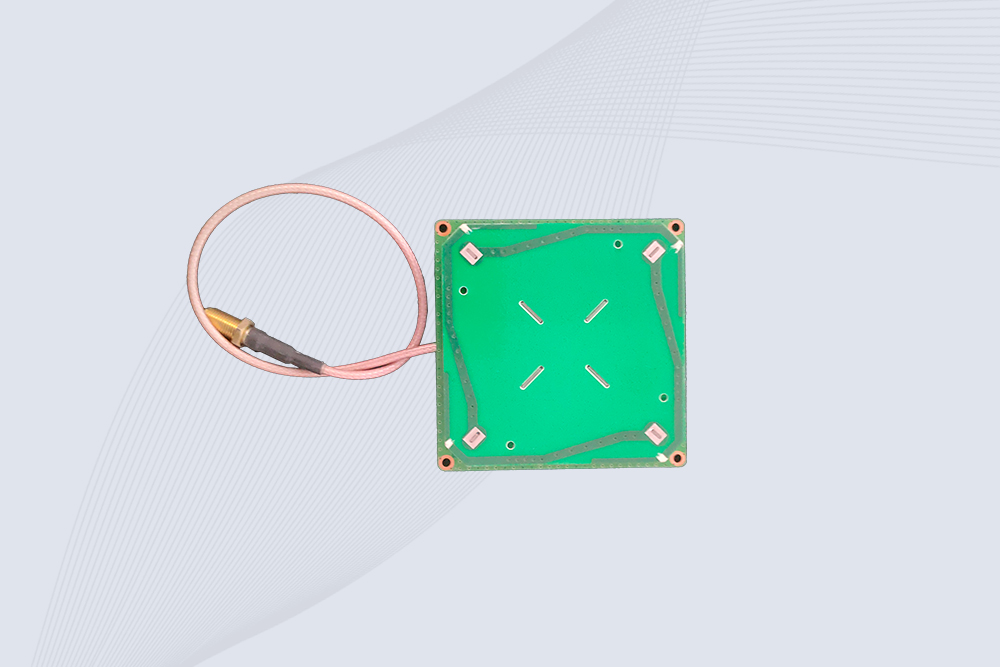
Cykeo CYKEO-B5 directional RFID antenna provides 5dBi gain with 60° narrow beamwidth for precise inventory tracking. IP65-rated, global UHF frequency support, and low VSWR.
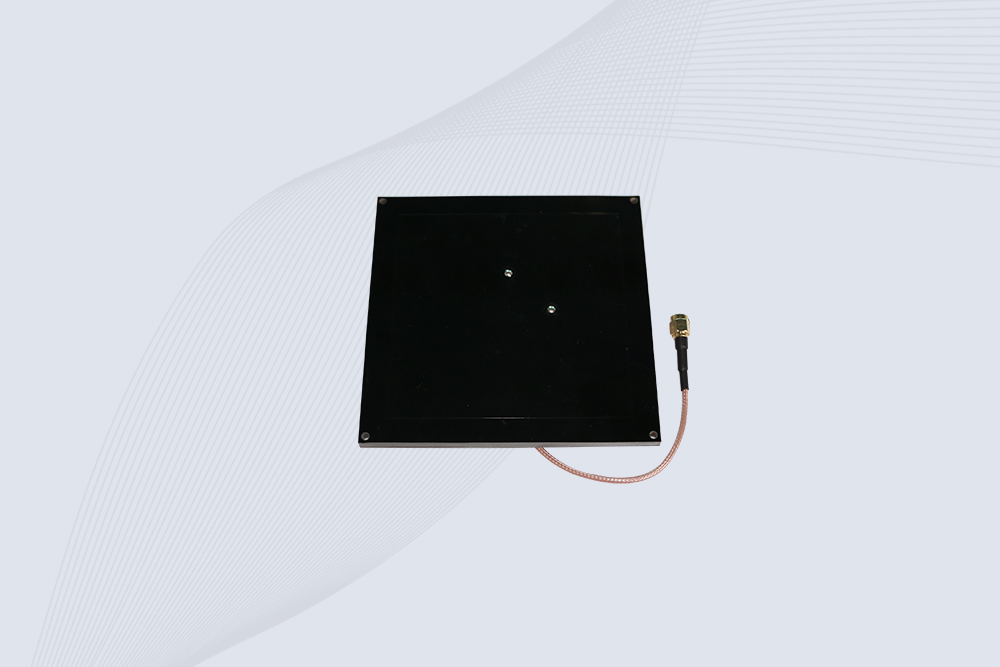
Create your own high-performance DIY RFID antenna! 5dBi gain, 840-960MHz tunable, step-by-step guides. Compatible with Arduino, Raspberry Pi, and commercial UHF readers.
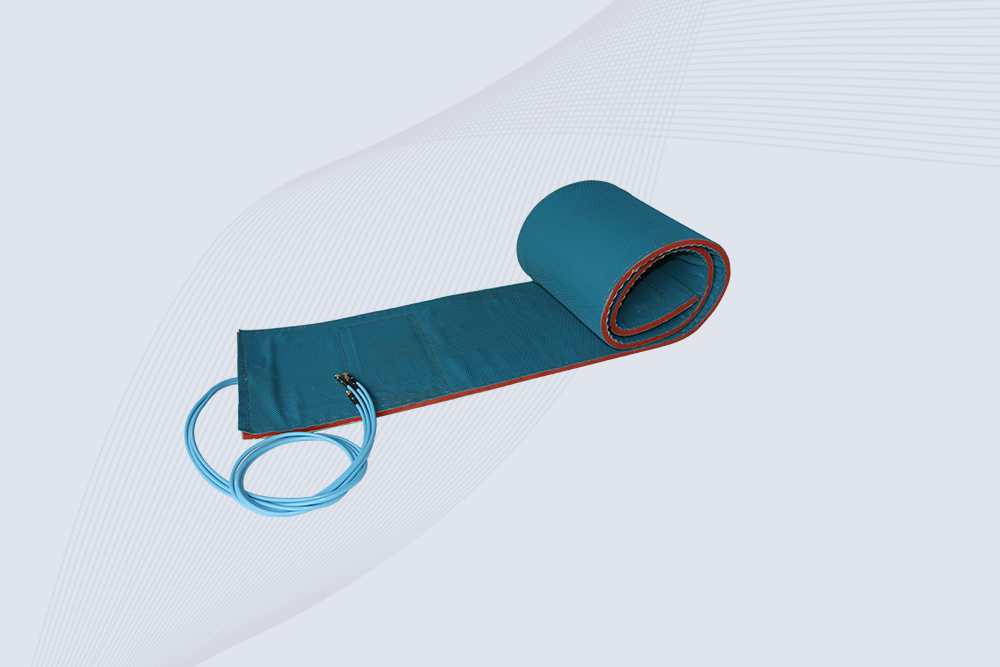
Cykeo CYKEO-A7 Flexible RFID Antenna features 840-960MHz wideband tuning, 7dBi gain, and IP68 rating for medical/retail/industrial curved surface deployments. 98% read accuracy with peel-and-stick installation.
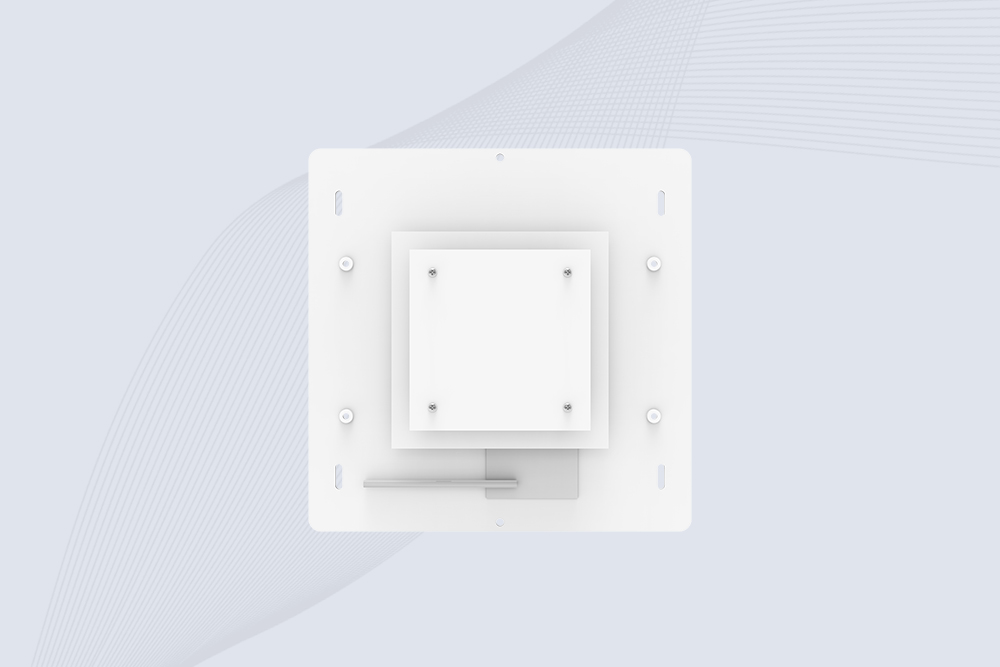
Cykeo CYKEO-B5A industrial Passive RFID Antenna delivers 5dBi gain, 70° beamwidth, and -40°C~55°C operation for warehouses/smart cabinets. Compatible with Zebra/Impinj readers.
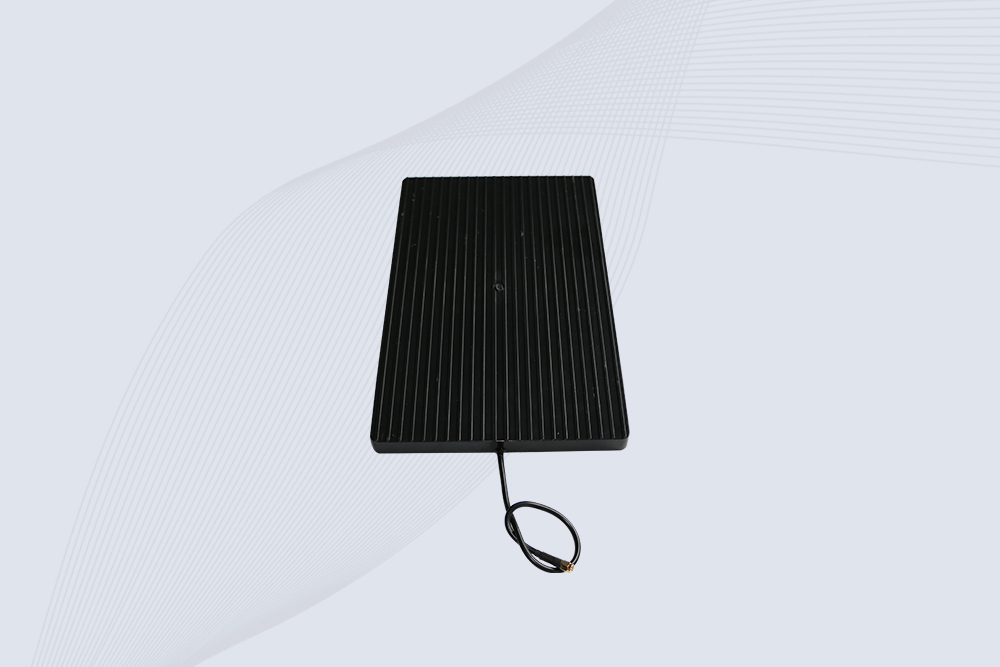
Cykeo’s CYKEO-A9B High Gain RFID Antenna delivers 15m+ read range with 9dBi amplification. Features IP54 rugged design, 840-960MHz bandwidth, and 80° beamwidth for warehouse/manufacturing RFID systems.

Cykeo’s enterprise-grade 8dbi Impinj RFID Antenna 10m+ read range with 840-960MHz tuning. Features IP65 housing, 1.4 VSWR, 35° beamwidth for retail/warehouse RFID systems.
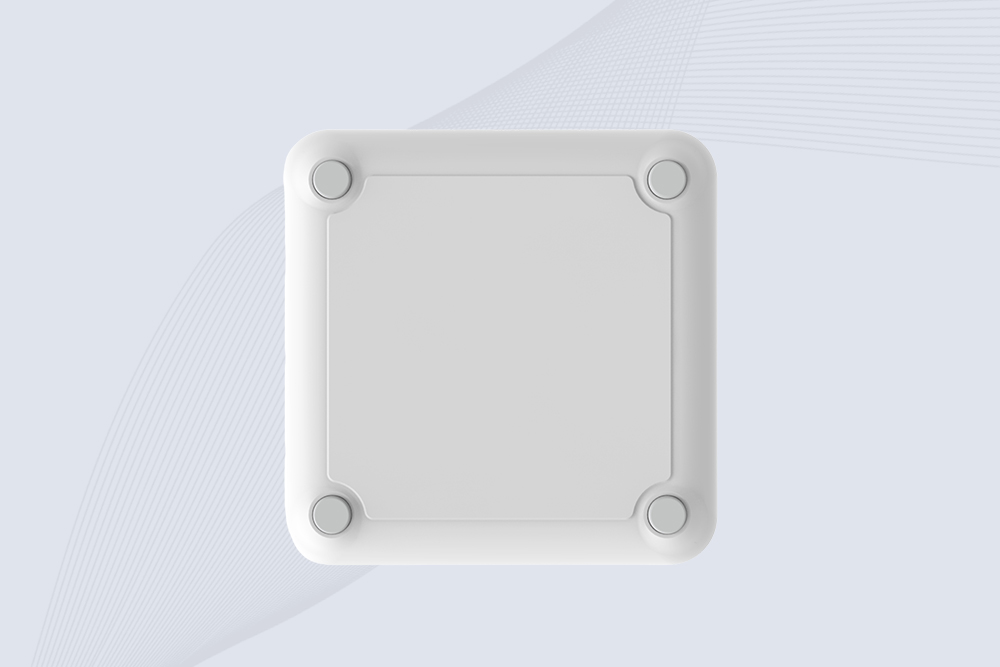
Cykeo CYKEO-A9 industrial UHF RFID antenna delivers 9dBi gain, 840-960MHz frequency range, and IP65 protection for warehouse/logistics/retail RFID systems. Features N-type connector and ≤1.3:1 VSWR.
CYKEO UHF RFID Antenna built for long-distance and industrial applications. This antenna rfid uhf delivers strong gain, outdoor durability, and reliable tag performance in warehouses, yards, and vehicle ID systems.
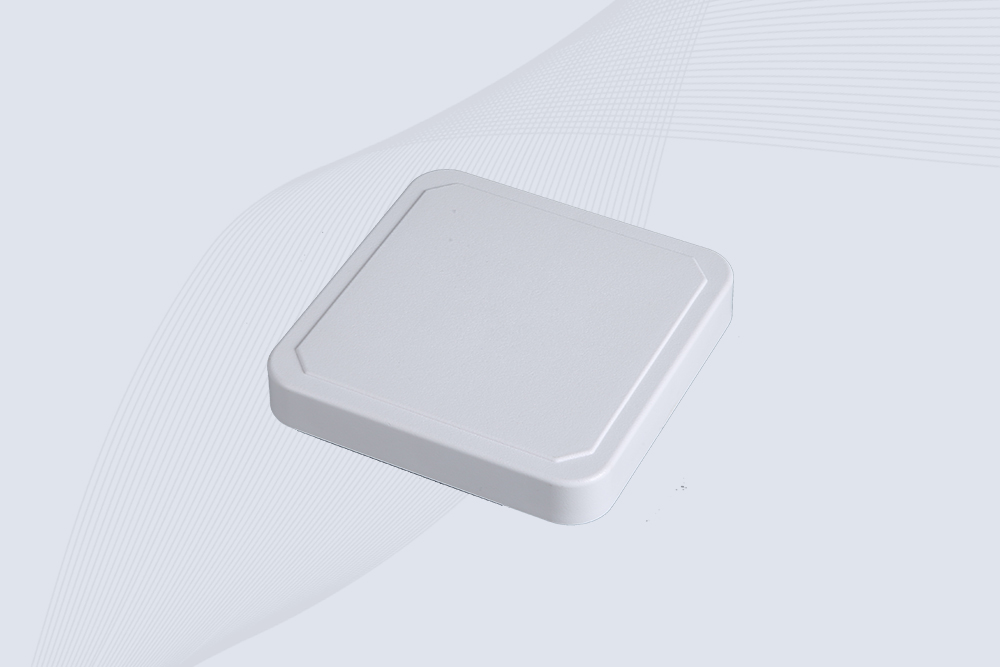
CYKEO Antenna RFID delivers reliable long-range UHF performance in warehouses, retail shelves, and cold-chain environments. This compact uhf rfid antenna provides stable reads with circular polarization and ultra-wide 840–960 MHz support, ideal for industrial tracking, smart shelves, and asset monitoring.
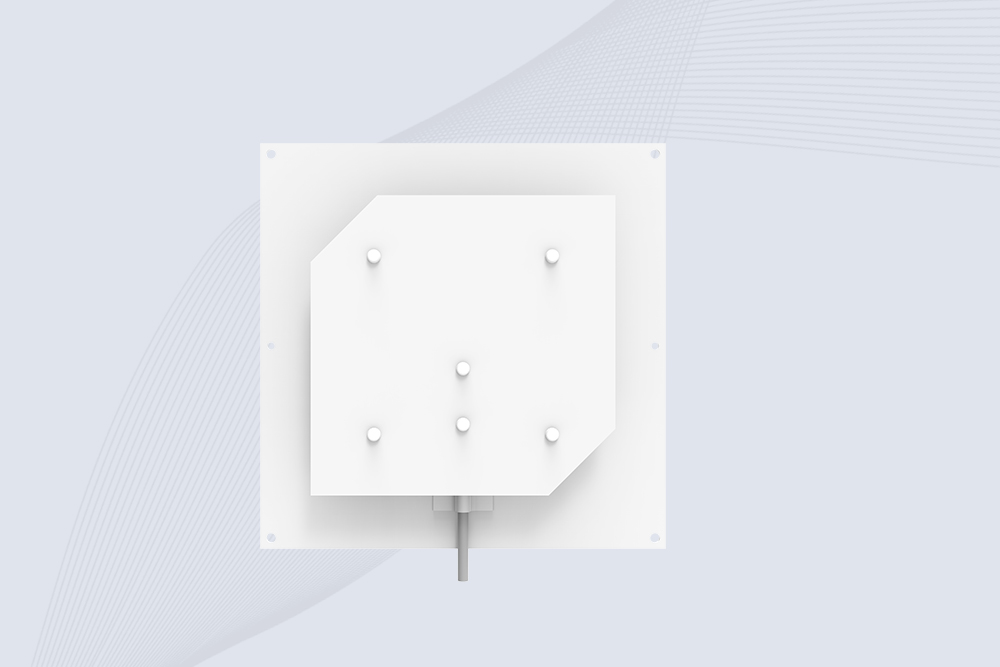
Cykeo’s CYKEO-C8 UHF RFID antennas delivers 8dBi gain, 840-960MHz full-band coverage, and IP65 ruggedness for manufacturing/warehouse RFID systems. Industrial RFID Antennas Features
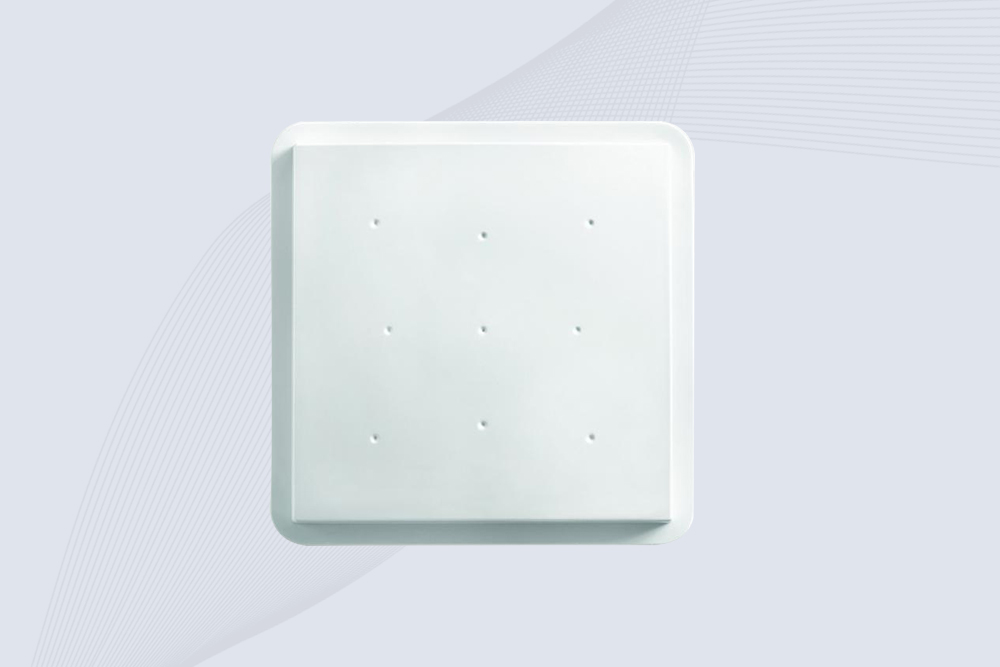
Cykeo’s 8dBi UHF RFID antenna and reader kit delivers 10m+ range, 840-960MHz broadband, and IP65 ruggedness for factories, warehouses, and logistics. ISO 18000-6C & EPC Gen2 certified.
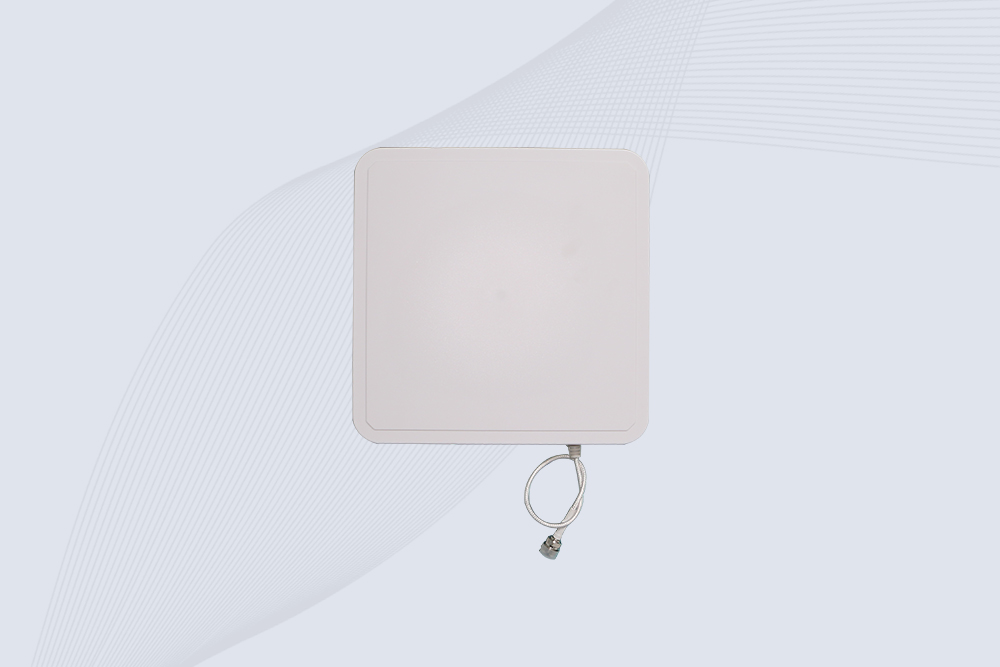
Cykeo CYKEO-A9A industrial UHF RFID reader and antenna kit delivers 10m range, 500 tags/sec, IP65 ruggedness for manufacturing/logistics. Supports EPC Gen2, ISO18000-6C.

RFID tag key fob explained from real access control use. See how key fob RFID works, where it fails, and why it’s still widely used today.
More
Learn about UHF RFID technology—how it works, key advantages over LF/HF, real-world applications in warehousing and retail, and how to choose the right UHF RFID reader. Expert guidance from CYKEO engineers.
More
Wondering how many tags can RFID read at once? In bulk, UHF systems can handle hundreds simultaneously. We explain real-world anti-collision limits, not just lab specs.
More
How do RFID tags work? Discover RFID tag technology, communication principles, applications, and expert insights from Cykeo RFID engineers today.
More