 Cykeo RFID IoT Solution Products R&D Manufacturer

How to Make RFID Tag and Reader: What You Can Actually Pull Off
470Wondering how to make RFID tag and reader yourself? We break down what's actually possible: from encoding tags to building readers from modules, and when to just buy.
MoreAll RFID Product
In a busy warehouse, the most expensive problems are not always obvious.
A missing pallet, an incorrect inventory record, or a delayed shipment may look like a small issue at first. But when these problems happen every day across thousands of products, the cost quickly becomes difficult to ignore.
Many warehouse operators are now moving away from manual inventory checking and barcode-only systems. The reason is simple: warehouses are becoming faster, larger, and more complex.
A worker walking through a warehouse aisle with a handheld scanner can only check items one by one. This works for smaller operations, but it becomes difficult when managing large distribution centers, manufacturing warehouses, or automated storage areas.
This is where a Long Range RFID Scanner for Warehouse starts to show its value.
A properly installed UHF RFID system can automatically identify tagged items from several meters away, helping warehouses track movement, improve inventory accuracy, and reduce unnecessary manual work.
However, choosing the best RFID scanner is not only about choosing the longest reading distance. In real warehouse projects, antenna design, installation position, and software integration often decide whether the system works well or creates new problems.
Traditional barcode systems require direct scanning.
A worker needs to:
For a small warehouse, this process may be acceptable.
But imagine a distribution center receiving hundreds of pallets every morning. Products move quickly from unloading areas to storage racks and then to shipping zones.
At this point, manual scanning becomes a bottleneck.
A long range RFID reader allows warehouses to automatically capture information when products pass through a specific area.
For example:
A pallet enters the warehouse through a gate equipped with RFID readers. The system identifies all tagged items, records the entry time, and updates the inventory database without requiring workers to scan each box.
This is one of the reasons RFID is becoming an important technology for smart warehouse automation.
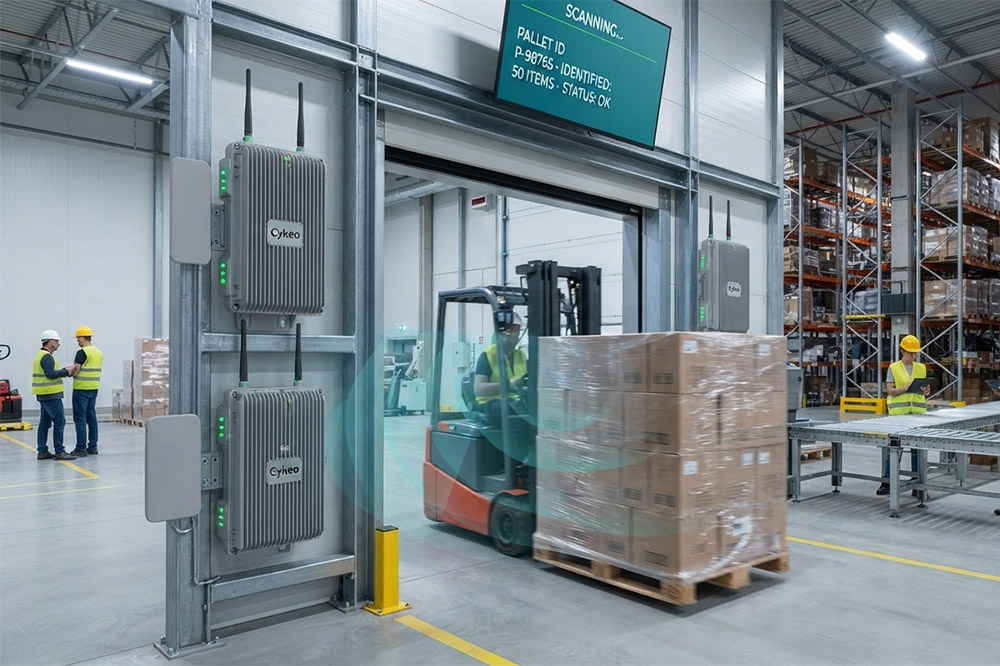
A typical RFID warehouse solution includes several components:
RFID Tags
Attached to products, pallets, tools, or containers.
↓
Long Range RFID Scanner
Reads multiple RFID tags within the coverage area.
↓
RFID Software Platform
Processes the collected data.
↓
WMS / ERP System
Updates inventory information.
The advantage is that the warehouse can create a real-time view of product movement.
Instead of asking:
“Where is this item?”
The system can provide information such as:
This is one of the most common applications.
RFID readers installed at warehouse doors can monitor incoming and outgoing goods.
When pallets pass through the RFID detection area, the system automatically records:
For companies handling large volumes of goods, this reduces the workload on warehouse employees.
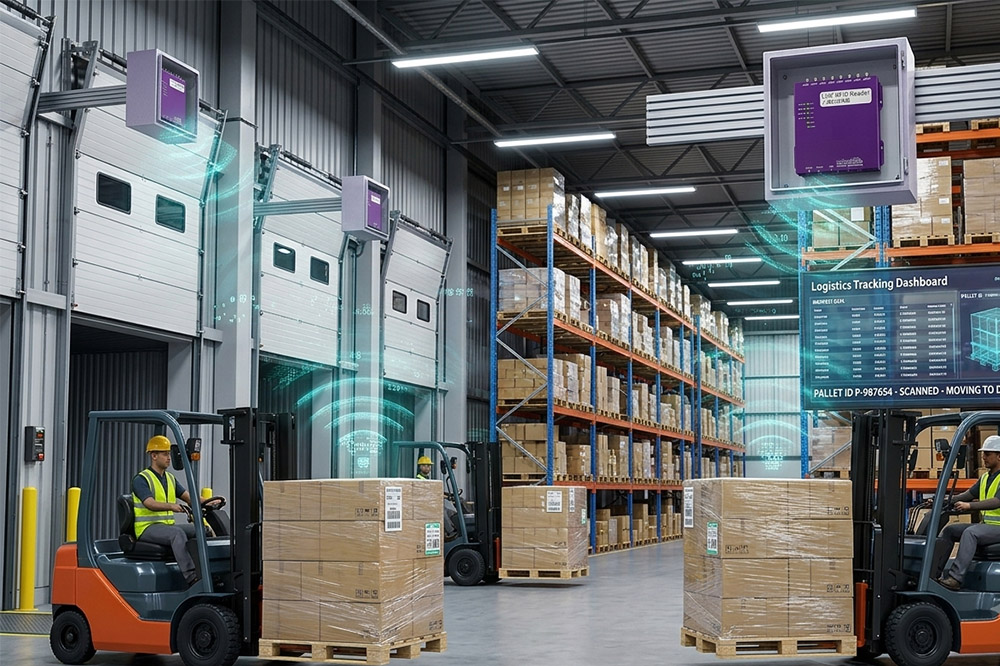
Many warehouses lose efficiency because pallets and reusable containers are difficult to track.
A pallet may move between:
Without accurate tracking, employees often spend time searching for materials.
By attaching RFID tags to pallets, companies can monitor movement automatically.
This is especially useful in:
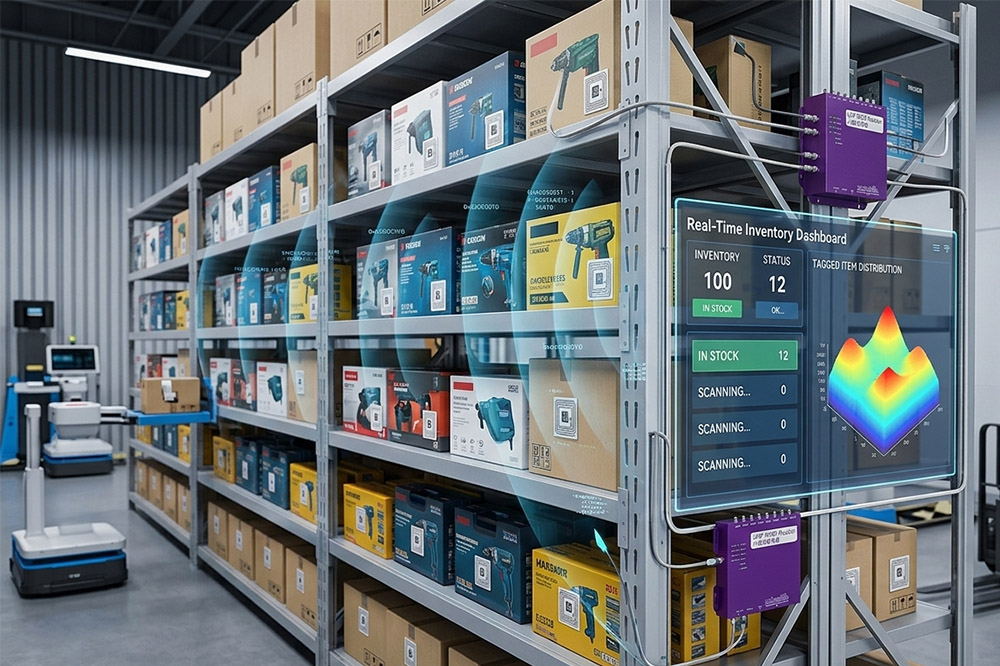
Some warehouses are moving toward RFID smart shelves.
Instead of manually checking inventory levels, RFID readers can continuously collect product information.
Typical applications include:
The system can help identify missing items, incorrect placement, or low stock situations.
Different warehouses have different requirements. A cold storage warehouse, electronics factory, and logistics center may not need the same RFID solution.
Several factors usually matter.
A longer reading range sounds better, but more distance is not always the best choice.
A warehouse gate may need a 10-meter reading range.
A small storage room may only need several meters.
If the range is too wide, the reader may capture unwanted RFID tags from nearby areas.
The goal is controlled reading, not simply maximum distance.
Warehouses rarely deal with one item at a time.
A pallet may contain dozens or hundreds of tagged products.
A good industrial RFID reader should handle multiple tags quickly and maintain stable performance.
This is where RFID has a clear advantage compared with traditional barcode scanning.
Many RFID deployment problems are related to antennas.
For example:
A warehouse gate may require a directional antenna to focus the reading area.
An open storage area may need wider coverage.
The RFID reader and antenna should be considered as one solution, not separate products.
For warehouse automation companies and system integrators, hardware compatibility is critical.
A professional RFID solution should support integration with:
Common interfaces include:
Without proper integration, even good RFID hardware cannot deliver the expected results.
Barcode technology is still widely used, and it is not disappearing soon.
For many small warehouses, barcode scanners remain a practical choice.
But when the operation becomes larger, RFID provides different advantages.
| Feature | Long Range RFID Scanner | Barcode Scanner |
|---|---|---|
| Reading distance | Several meters | Short distance |
| Multiple item reading | Yes | Usually one by one |
| Line of sight | Not required | Required |
| Automation level | Higher | Lower |
| Inventory speed | Faster | More manual |
The right choice depends on the warehouse workflow.
RFID projects sometimes fail because the technology is installed without enough testing.
Common issues include:
A powerful reader may detect tags outside the required zone.
Solutions include:
Warehouses often contain:
These materials can affect RFID signals.
Choosing suitable RFID tags and adjusting installation methods are important.
For distributors and warehouse automation companies, the supplier is as important as the product.
A reliable manufacturer should provide:
In many warehouse projects, customers do not only need a reader. They need a complete solution that fits their workflow.
A supplier with engineering experience can help reduce testing time and avoid deployment problems.
A warehouse becomes smarter when hardware, software, and daily operations work together.
The best Long Range RFID Scanner for Warehouse is not always the one with the highest specifications. It is the one that matches the actual environment, reading requirements, and management system.
For RFID distributors, warehouse automation companies, and system integrators, long range RFID technology creates opportunities to build faster and more accurate inventory solutions.
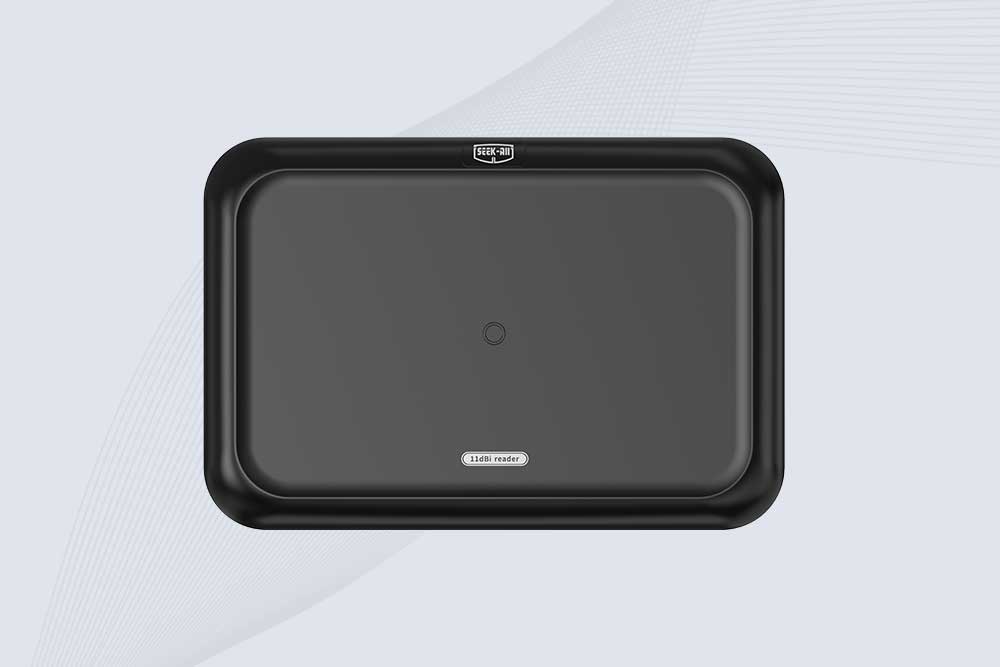
SSD-RA11L is an 11 dBi UHF RFID reader with up to 15m reading distance, 600+ tags/s speed, integrated antenna and flexible connectivity.
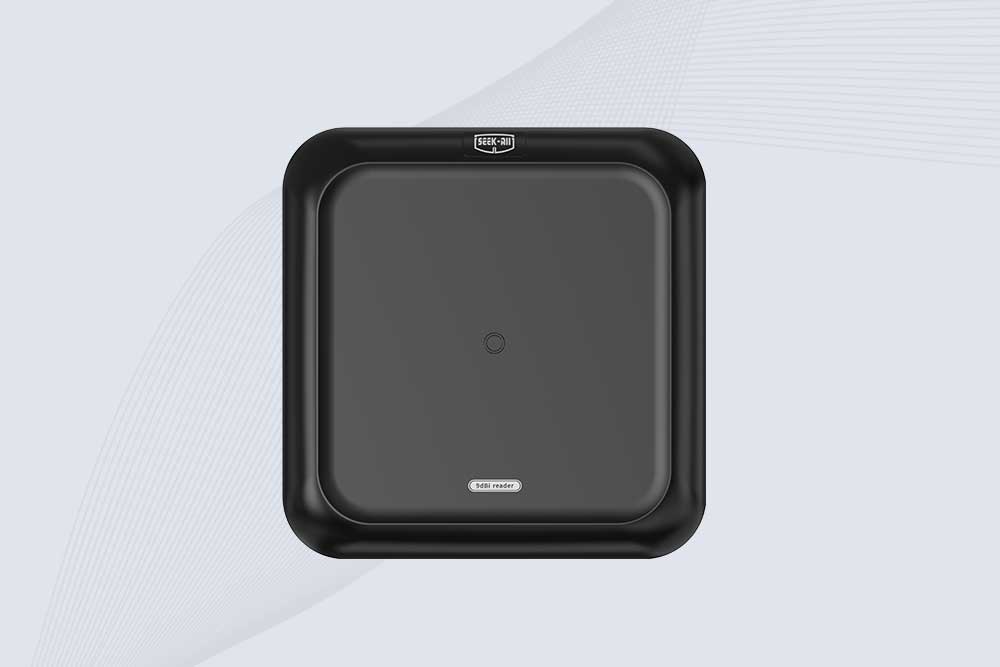
SSD-RA09L is a long range UHF RFID reader with a built-in 9 dBi antenna, 10m reading range, 600+ tags/s speed and flexible interfaces.
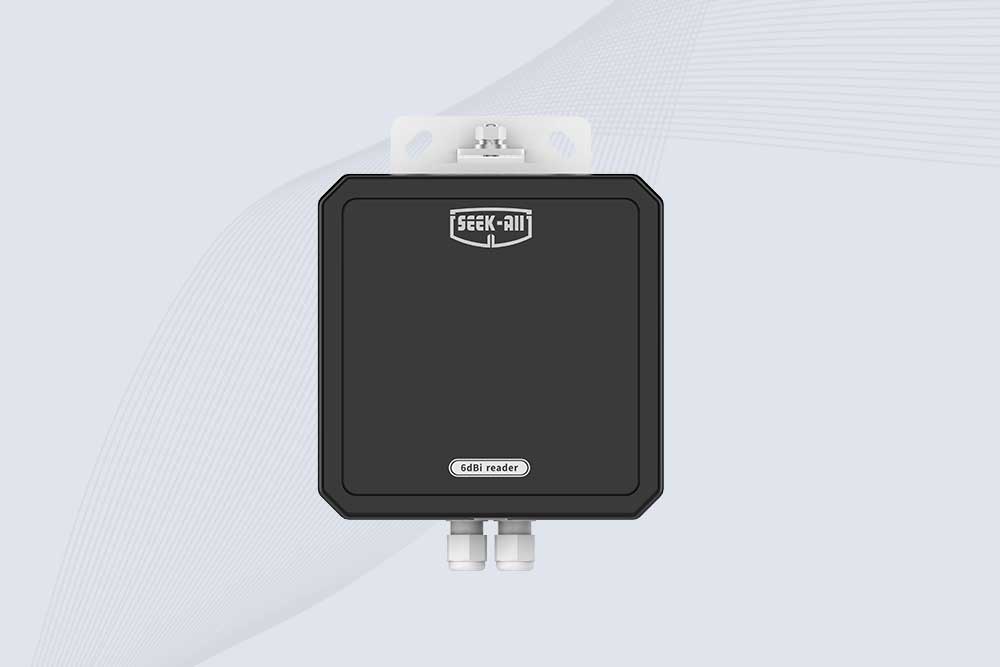
SSD-RA06L is an industrial UHF RFID reader with a built-in 6 dBi antenna, 3 m read range, 600+ tags/s, Ethernet, RS232, and optional Wi-Fi, 4G, and PoE.
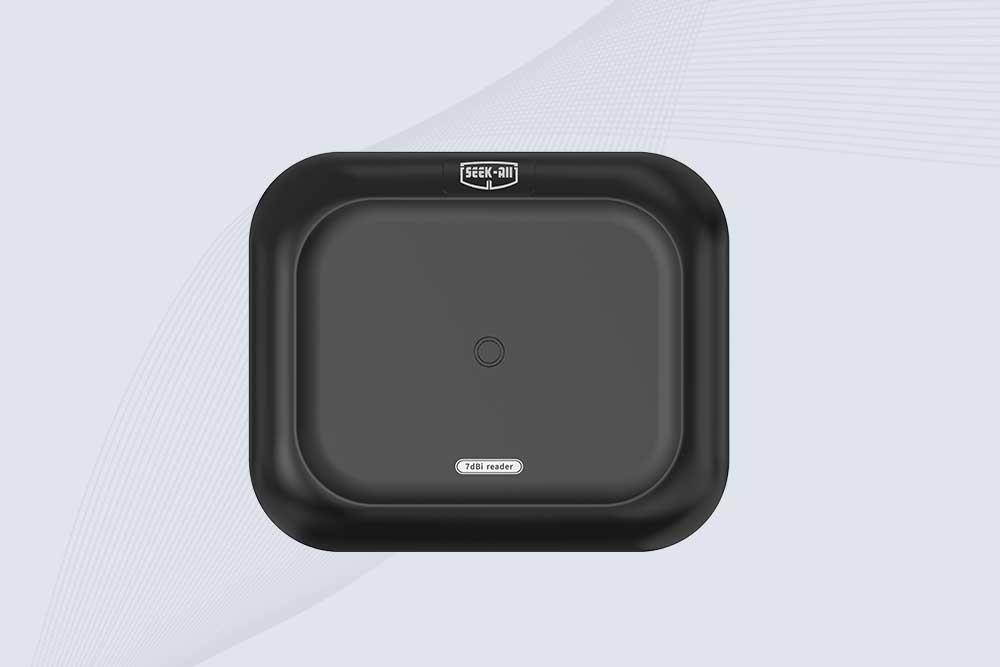
SSD-RA07L industrial UHF RFID reader with integrated 7 dBi antenna, up to 6 m reading distance, over 600 tags/s, Ethernet, RS232, and optional Wi-Fi, 4G, and PoE.
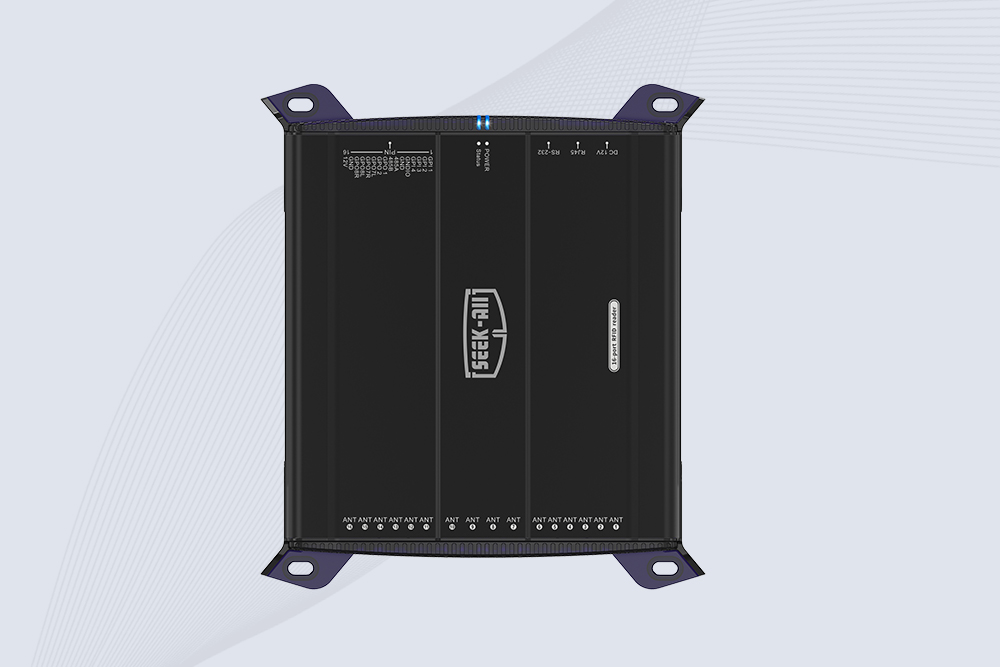
SSD-R16L Multi-Channel RFID Infrastructure for Automated Inventory Management ✔️ 16-Port High-Density RFID Reading Equipped with 16 SMA antenna ports, SSD-R16L supports multi-antenna deployment for warehouses, retail stores, logistics, production lines, and large-area RFID identification. ✔️ High-Speed & Long-Range Performance With up to 33…
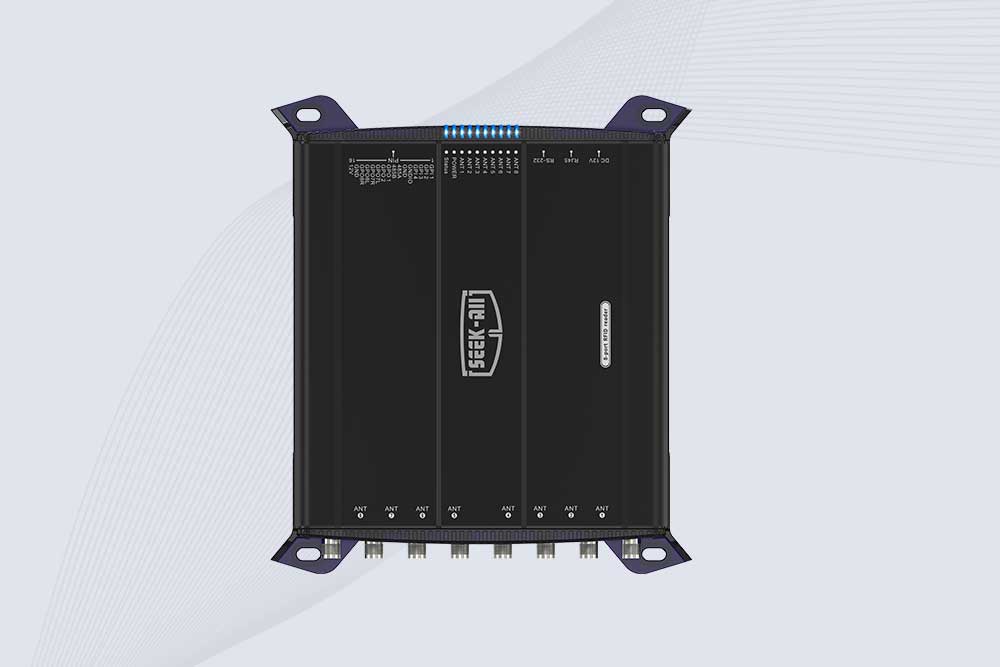
SSD-R8L 8-port UHF RFID reader with 33dBm output, up to 20m reading range and 600+ tags/s recognition. Ideal for warehouse, logistics, retail and asset tracking.
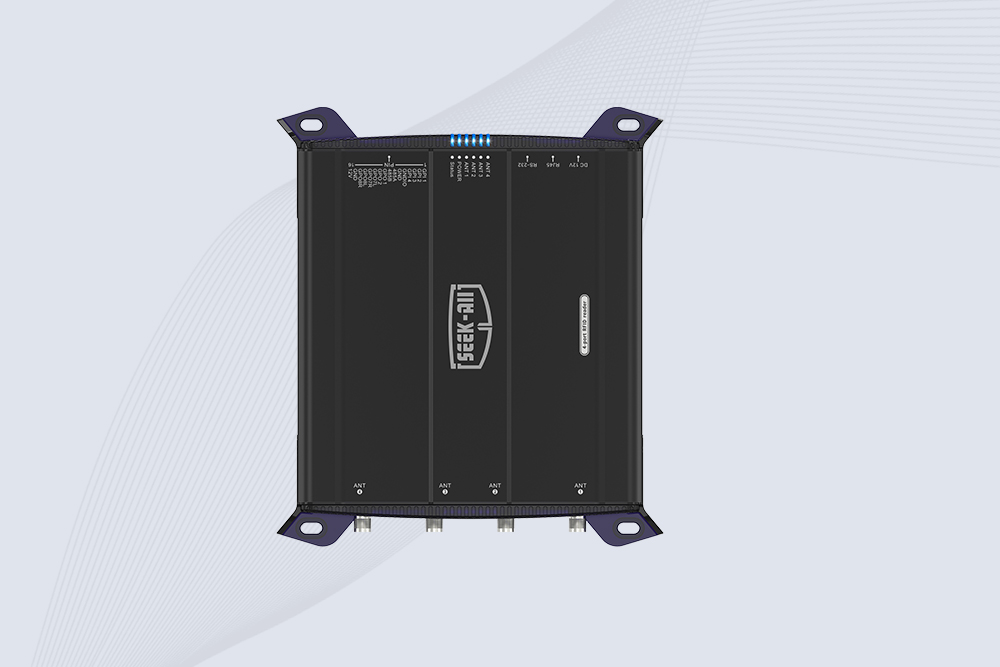
SSD-R4L is a 4-port UHF RFID fixed reader with 33dBm output power, up to 20m reading range, EPC C1G2 support and 600+ tags/s reading speed.
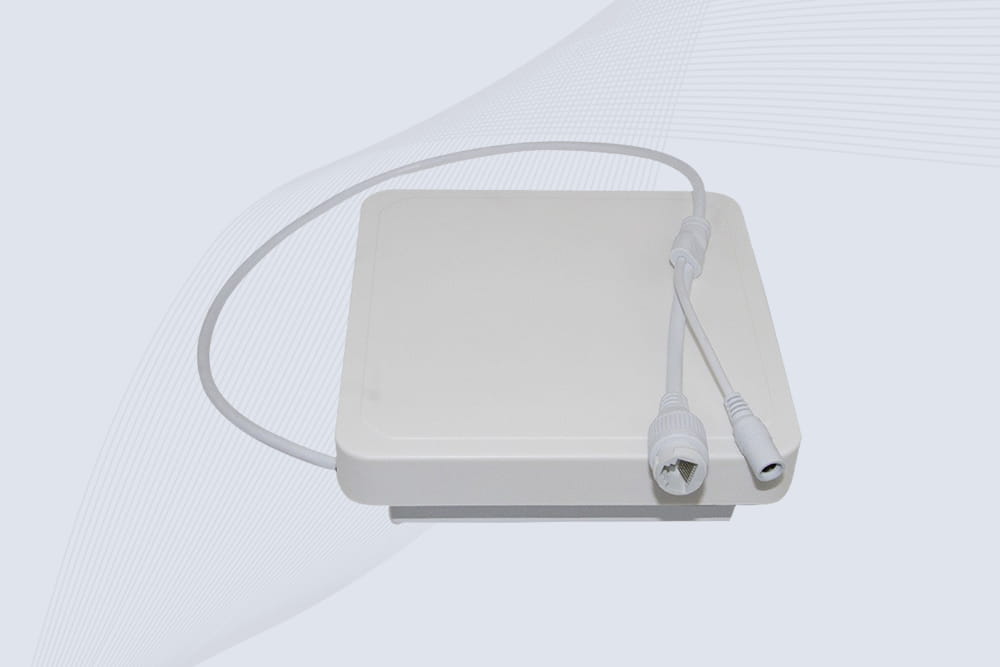
Cykeo’s industrial long range RFID reader delivers 20-meter scanning, 500+ tags/sec speed, and IP67 waterproof design for automated warehouses, logistics, and harsh environment applications.
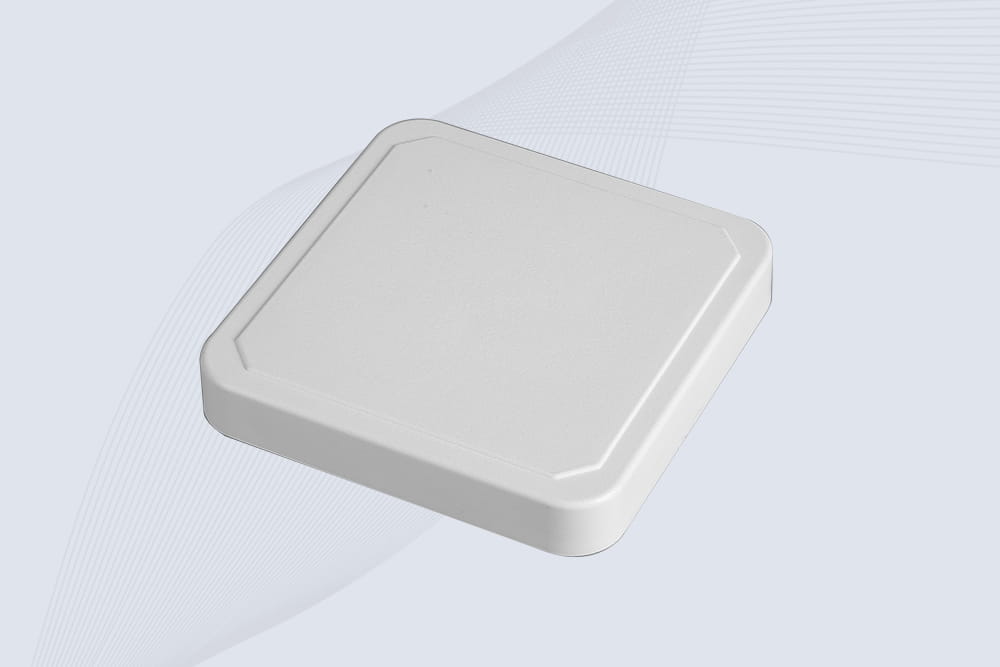
Cykeo’s CYKEO-RA6L industrial RFID long range reader features 20m read distance, 500 tags/sec speed, and IP67 protection. Ideal for warehouse automation, manufacturing WIP tracking, and smart logistics. Supports ISO 18000-6C/6B protocols.
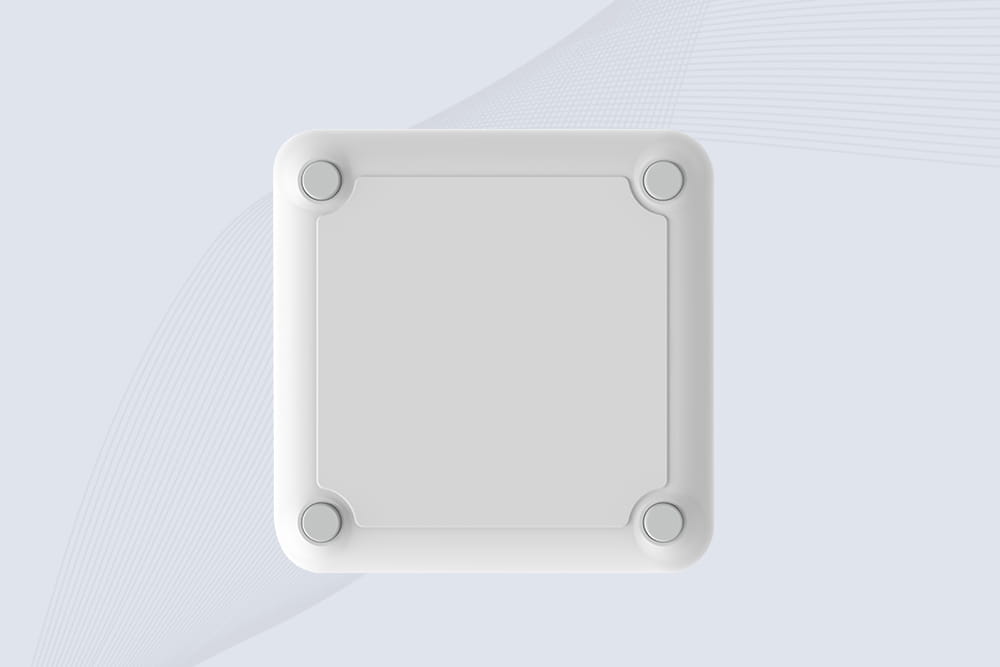
CYKEO Long Range RFID Tag Reader built for outdoor and industrial operations. This Outdoor RFID Reader delivers 20m read distance, fast tag processing, and IP67 durability for wide-area tracking.
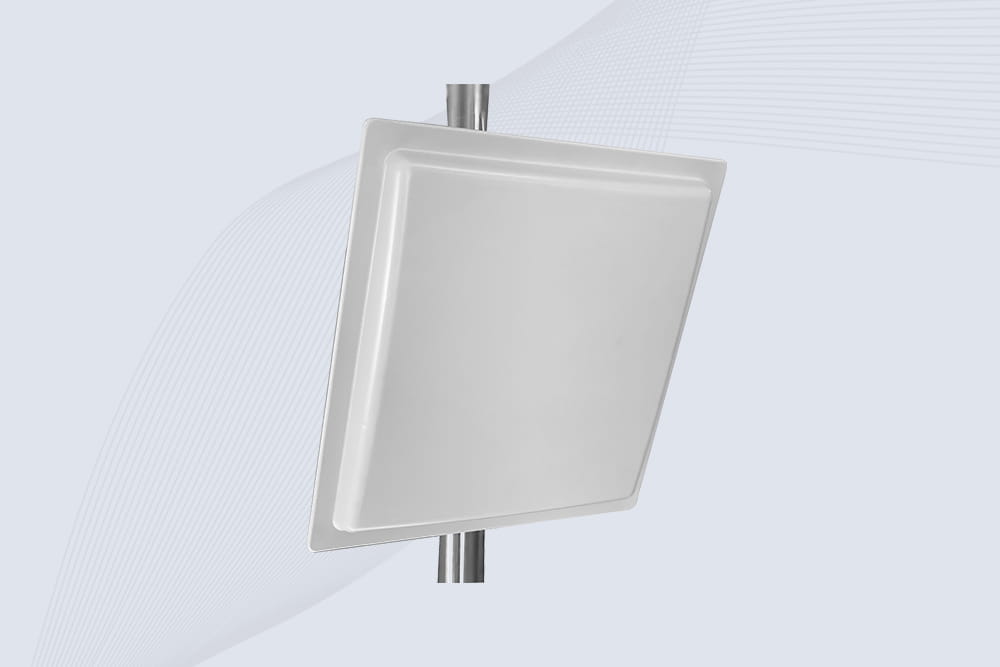
Cykeo CYKEO-RA12L industrial Long Range RFID Reader delivers 20m read range, 200+ tags/sec scanning, and IP67 protection for manufacturing/logistics applications. Supports ISO 18000-6C/GB protocols.
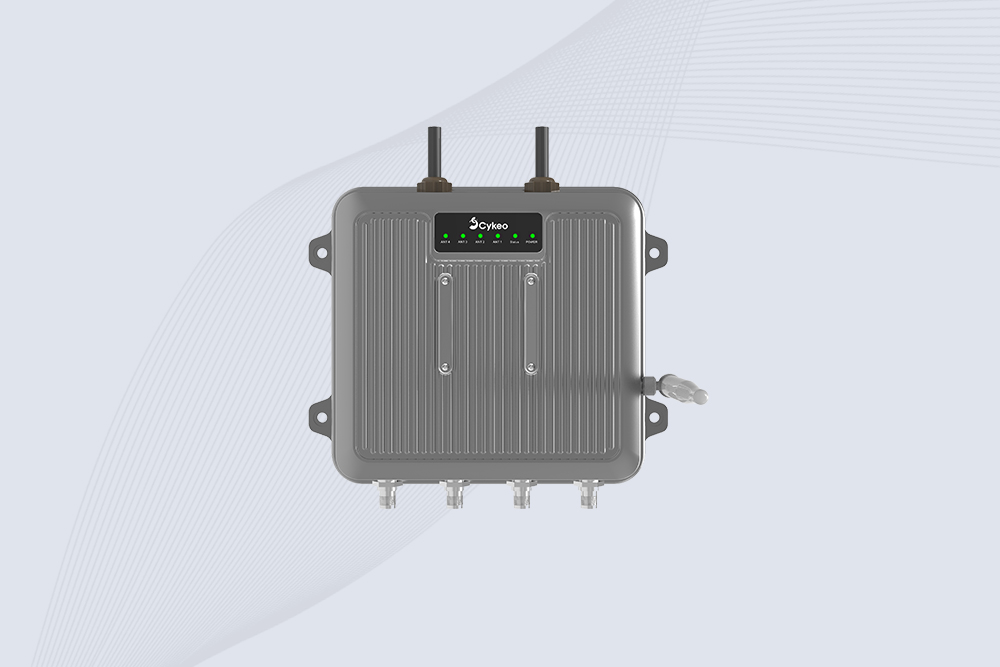
Cykeo CYKEO-C1 industrial Forklift RFID Reader features 20m read range, 600 tags/sec scanning, Impinj R2000 chipset, and IP67 rugged design. Ideal for warehouse logistics and manufacturing. Supports ISO 18000-6C/6B protocols.
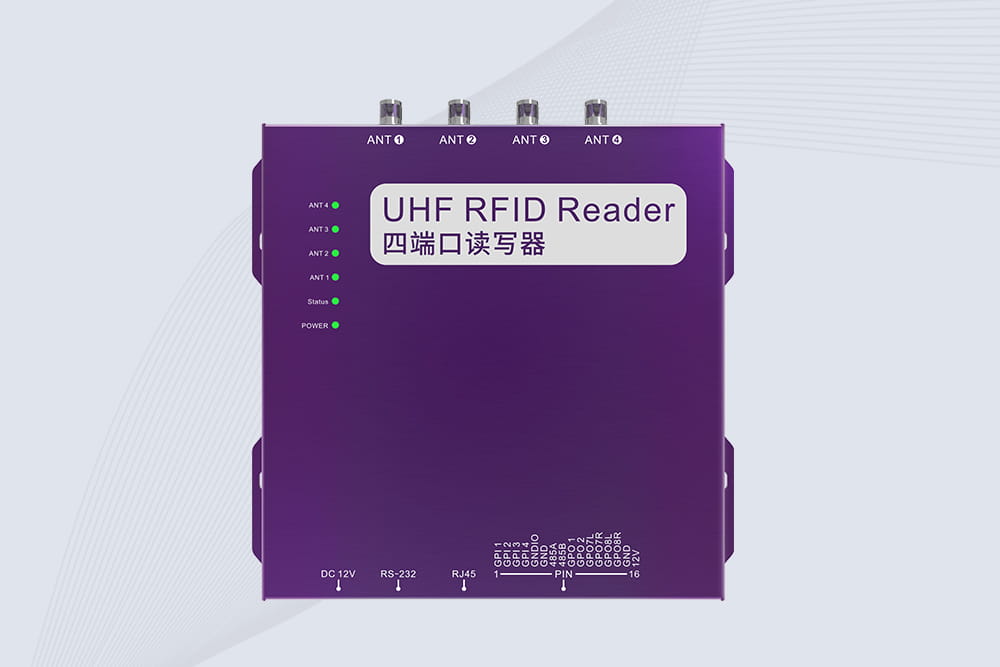
Cykeo CYKEO-R4 industrial UHF RFID Fixed Reader features 4 TNC ports, 400+ tags/sec speed, IP67 housing, and global frequency compliance for vehicle inspection, smart warehouse, and asset management systems.
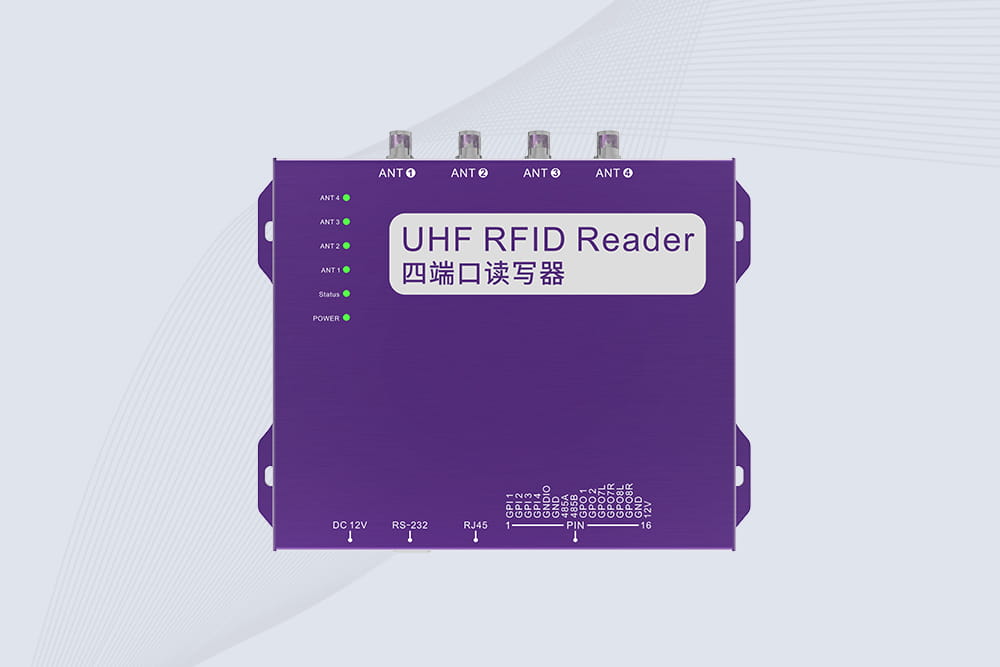
Cykeo’s CYKEO-R4L 4-port Fixed UHF RFID Reader delivers 400 tags/sec scanning, ISO 18000-6C compliance, and IP65 protection. Ideal for warehouse automation, manufacturing WIP tracking, and logistics management.
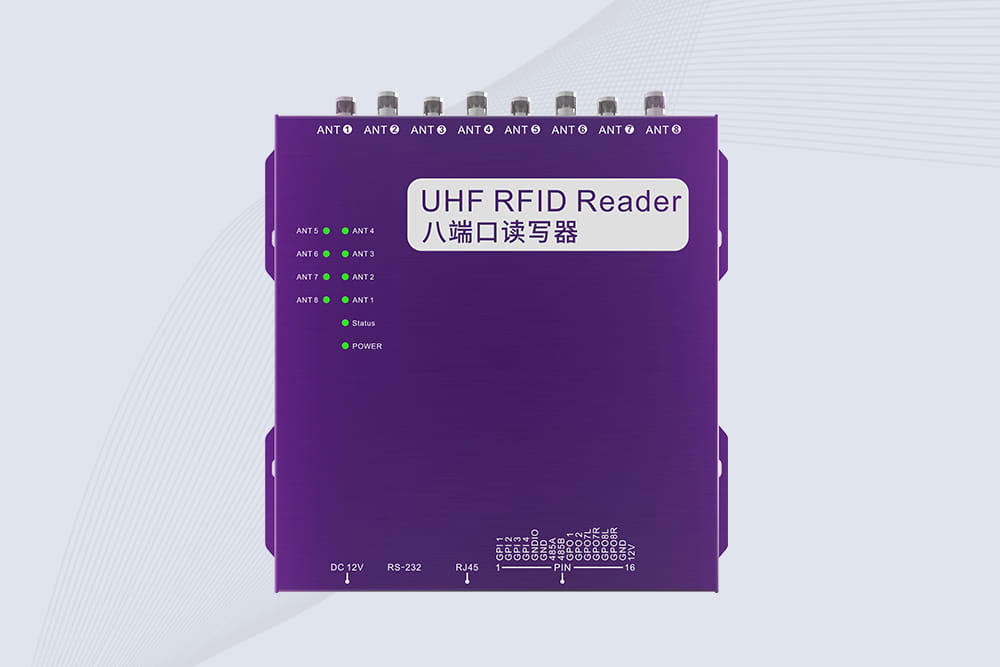
CYKEO CYKEO-R8L Fixed RFID Reader with 8-port UHF design, Impinj-based RF core and up to 20m read range. An industrial Fixed RFID Reader for vehicle inspection, warehouse portals, smart manufacturing lines and secure access checkpoints.
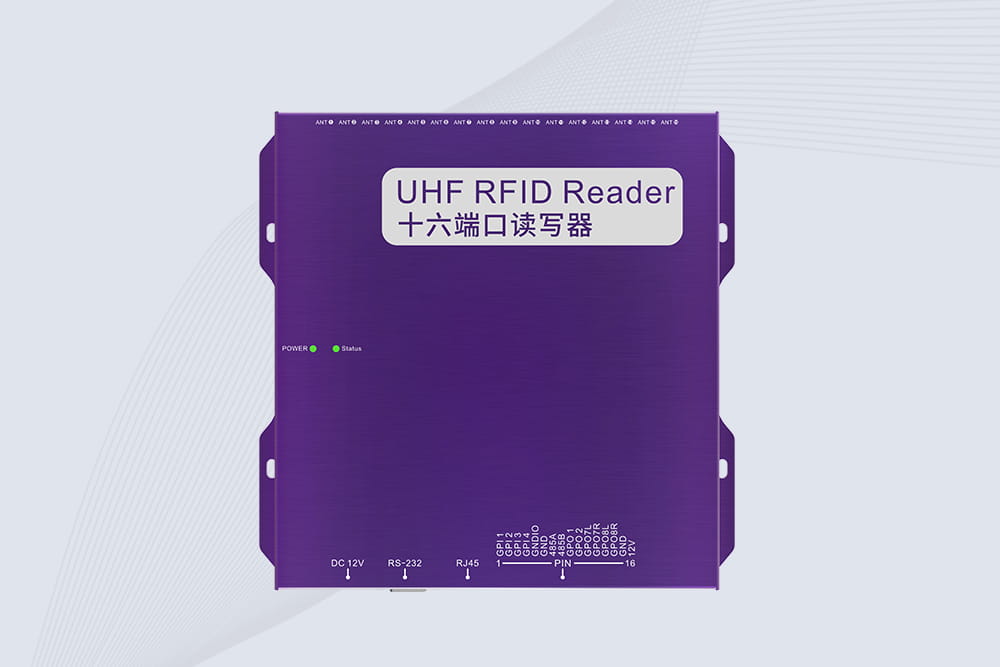
RFID Fixed Reader from CYKEO – the CYKEO-R16L 16-port UHF fixed reader for warehouses, smart cabinets, and production lines. Long-range, multi-tag reading, stable performance for 24/7 industrial use.
RFID Industry Writer | IoT & Asset Tracking Analyst
James writes about RFID technology, asset tracking, and the practical challenges of digital transformation across warehousing, retail, manufacturing, and logistics.
His work focuses on how RFID is applied in real-world operations—improving inventory visibility, automating workflows, and helping businesses manage assets with greater accuracy and efficiency.
He regularly covers topics including UHF RFID, smart cabinets, RFID portals, tool tracking, warehouse automation, and industrial IoT trends..

Wondering how to make RFID tag and reader yourself? We break down what's actually possible: from encoding tags to building readers from modules, and when to just buy.
More
in-depth look at RFID bank card readers, from commercial applications to the controversy around RFID-blocking wallets. Drawing from real-world cases and industry experience, this article unpacks the tension between payment convenience and security...
More
This article explains what a rugged RFID tag is, how it handles tough environments, tips for choosing and maintaining them, plus some hands-on experience for better performance in industrial or outdoor use.
More
A long range RFID scanner helps data centers identify and track servers, network devices, racks, tools, and spare parts across receiving, staging, installati...
More