 Cykeo RFID IoT Solution Products R&D Manufacturer
Can Aluminum Foil Block RFID: How Metal Shielding Affects RFID Signals
293Can aluminum foil block RFID? Learn how metal shielding affects RFID signals, protection methods, and professional RFID insights from Cykeo engineers.
MoreAll RFID Product
An RFID card is a smart identification device containing an RFID chip and antenna that communicates wirelessly with readers to exchange stored data. It is widely used for access control, asset management, payment, transportation, and enterprise automation because it provides fast, contactless identification.
During more than ten years working with RFID deployment projects, I have tested RFID cards in environments ranging from European libraries and manufacturing plants to hospital supply rooms. One detail repeatedly appears during installation: the card itself is rarely the challenge. The real engineering work is matching the RFID frequency, reader performance, data structure, and application workflow.
At Cykeo, our RFID engineers frequently evaluate card performance together with RFID readers, software platforms, and database systems. A successful RFID card project is not simply about reading a serial number; it is about creating a reliable connection between a physical object and digital information.
An RFID card is a thin identification device that integrates three basic components:
| Component | Function |
|---|---|
| RFID Chip | Stores unique identification data and user information |
| RFID Antenna | Receives energy and communicates with RFID readers |
| Card Material | Protects electronic components and provides physical durability |
Unlike traditional magnetic stripe cards, RFID cards do not require direct contact with a reader. When the card enters the reader’s electromagnetic field, the chip responds by transmitting stored information.
The communication process usually includes:
For enterprise applications, this process happens within milliseconds. In practical deployments, the difference between a basic RFID card system and an industrial-grade RFID solution often comes from reading stability, interference resistance, and database integration.
According to GS1 RFID Standards, EPC-based RFID systems are designed to provide unique identification for physical items across supply chains, helping organizations improve visibility and traceability.
The question “what is an rfid card” is often followed by another question: “Where is it actually useful?”
From our project experience, RFID cards are most valuable when organizations need faster identification and fewer manual records.
RFID cards are commonly used for:
Compared with traditional keys, RFID cards allow administrators to manage permissions digitally. Lost cards can be disabled immediately, reducing security risks.
Modern libraries use RFID cards together with RFID tags and workstations to manage:
A typical RFID library workstation can process multiple tagged items simultaneously, reducing manual scanning time.
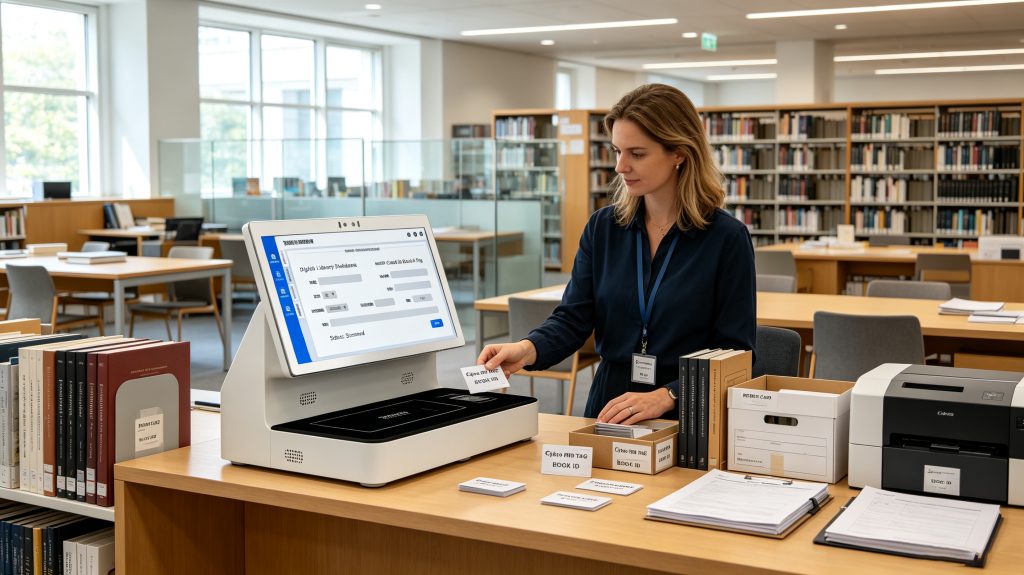
RFID cards are also used beyond personal identification.
| Industry | RFID Card Application |
|---|---|
| Healthcare | Patient identification, medical equipment tracking |
| Manufacturing | Employee access, production process control |
| Banking | Secure identification systems |
| Transportation | Contactless ticketing |
| Energy | Worker authentication and inspection management |
| Archives | Document tracking and permission control |
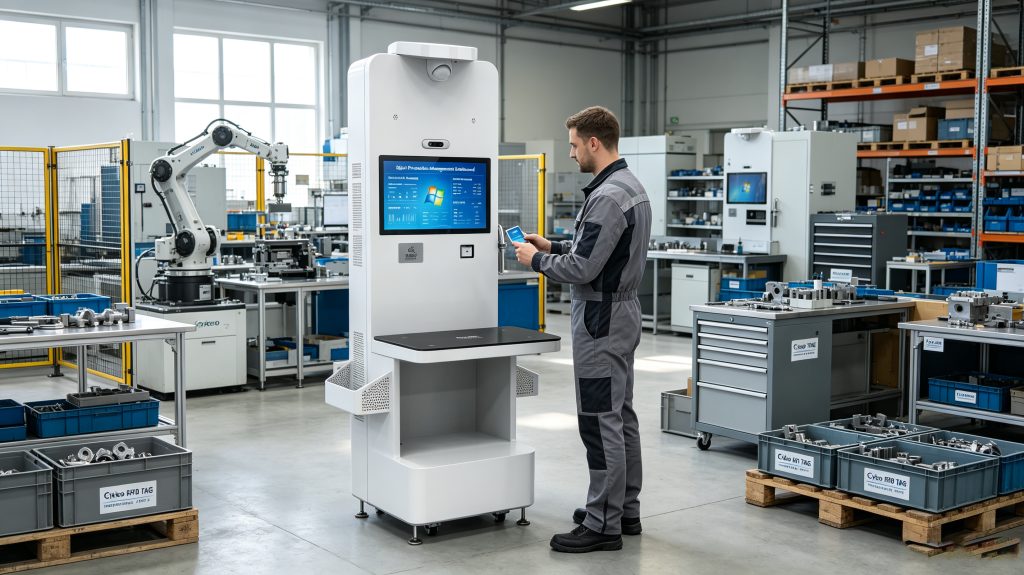
In manufacturing projects, I have seen RFID identification reduce manual recording errors significantly. A production line that previously relied on handwritten tracking sheets can use RFID cards and tags to create automatic digital records.
The key advantage is not only speed. It is data accuracy.
The RFID Journal RFID Industry Resources has reported that RFID adoption continues expanding across logistics, healthcare, retail, and manufacturing because organizations increasingly require real-time visibility of physical assets.
Different applications require different RFID card technologies.
| RFID Type | Frequency | Typical Usage |
|---|---|---|
| LF RFID Card | 125 kHz | Animal identification, basic access systems |
| HF RFID Card | 13.56 MHz | Smart cards, libraries, NFC applications |
| UHF RFID Card | 860–960 MHz | Long-range identification, asset tracking |
For example:
Cykeo often recommends selecting RFID cards together with readers rather than separately. A card’s performance depends heavily on reader antenna design, output power, environment, and software architecture.
| Feature | RFID Card | Traditional Card |
|---|---|---|
| Contactless Reading | Yes | Usually No |
| Multiple Card Reading | Supported | Limited |
| Digital Data Storage | Supported | Limited |
| Automation Integration | Excellent | Low |
| Wear Resistance | High | Medium |
In field tests, one practical advantage stands out: RFID cards continue working in situations where barcode labels or magnetic cards become inconvenient. Dust, repeated handling, and fast movement are common in industrial environments.
Cykeo develops RFID identification systems combining RFID cards, readers, workstations, and software platforms.
Our engineering teams focus on details often overlooked during early planning:
For example, Cykeo RFID smart workstations support RFID card and tag registration workflows. With controlled reading areas, operators can bind RFID EPC information with corresponding assets, documents, or equipment records.
This approach is commonly used in:
The result is a smoother transition from physical management to digital asset visibility.
Not exactly. NFC is based on HF RFID technology, but NFC devices usually support closer communication and smartphone interaction. RFID cards can include LF, HF, or UHF technologies depending on application requirements.
Yes. RFID cards can store identification numbers, encrypted data, or application-specific information. Many enterprise systems store only a unique ID and keep detailed information inside secure databases.
Most RFID cards can operate for many years because they have no internal battery and rely on reader-generated energy.
Understanding what is an rfid card means looking beyond the physical card. It is a bridge between people, products, and digital systems. From access control to industrial asset management, RFID cards provide reliable identification where speed, accuracy, and automation matter.
With practical deployment experience, Cykeo continues developing RFID solutions that help organizations transform manual identification processes into intelligent management systems.
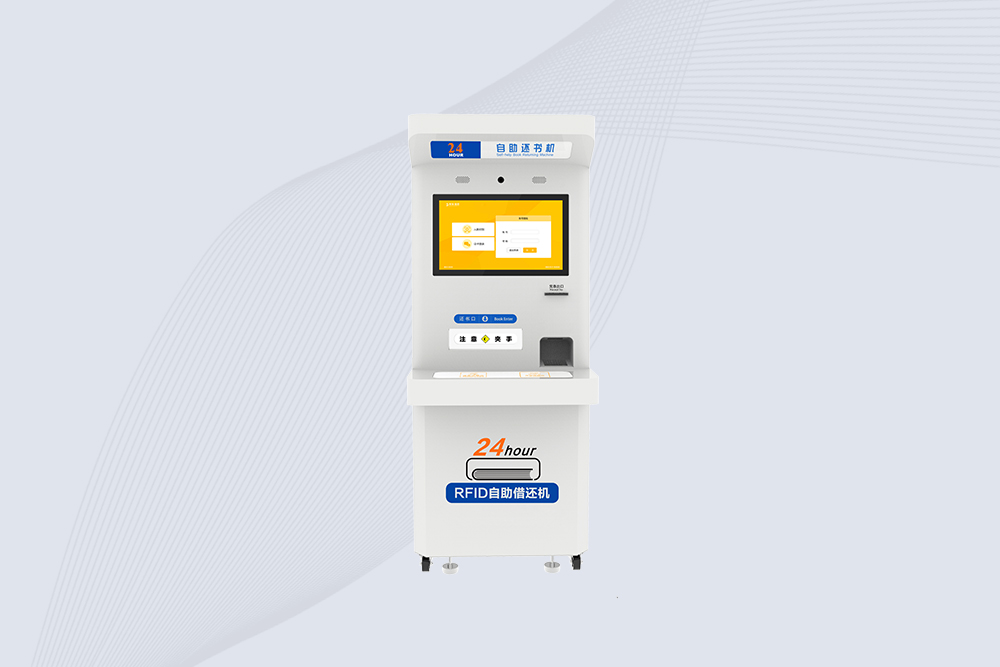
Cykeo’s CYKEO-DP10 library RFID Writer Reader terminal features HF/UHF dual-frequency, 10-channel scanning, automatic book sorting, and self-service payment. Ideal for 24/7 unmanned library operations.
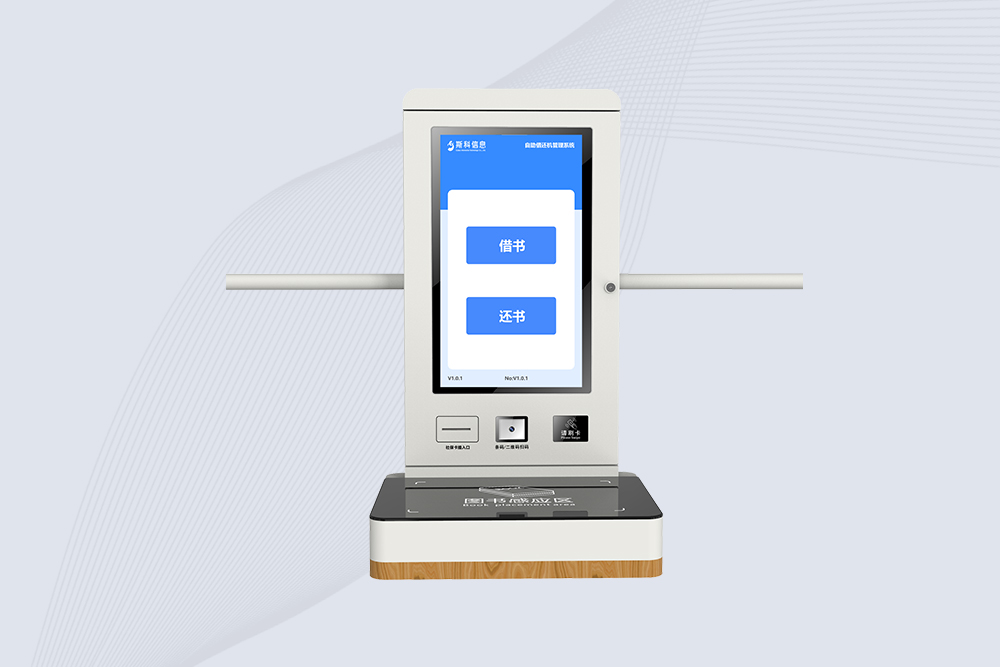
Cykeo’s CYKEO-DP4B RFID chip scanner kiosk offers 60+ tags/sec scanning, 21.5″ touchscreen, and wall-mounted design for libraries, warehouses, and retail. Supports ISO 18000-6C and customizable protocols.
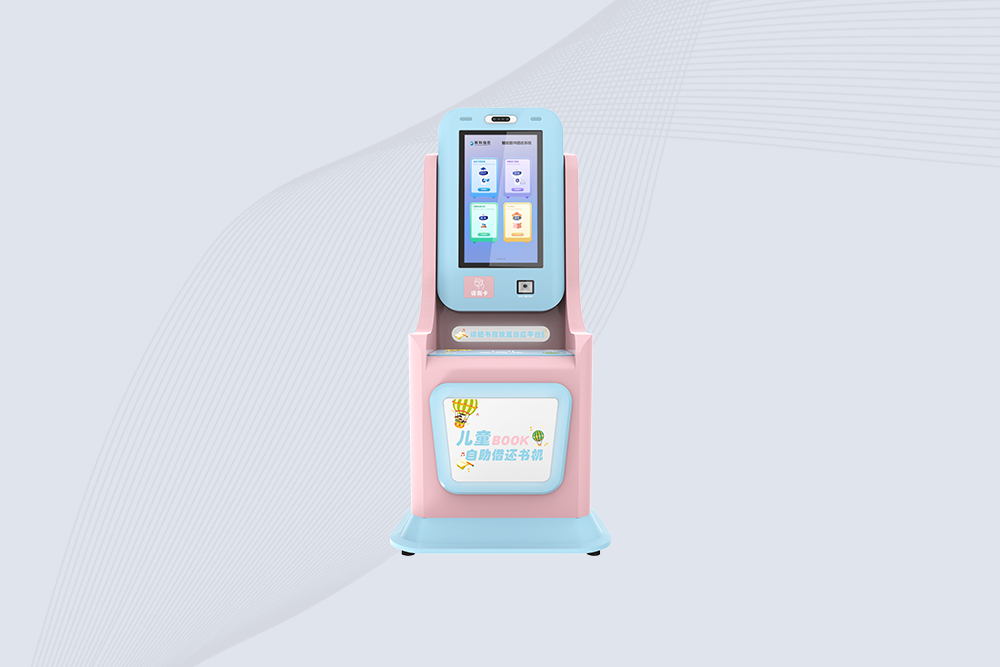
Cykeo CYKEO-DP5A passive RFID tag reader offers 10-tag/sec batch scanning, 840–960MHz frequency, and Windows/Android OS for libraries/archives. Features 4G/WiFi, self-service kiosk, and carbon steel housing.
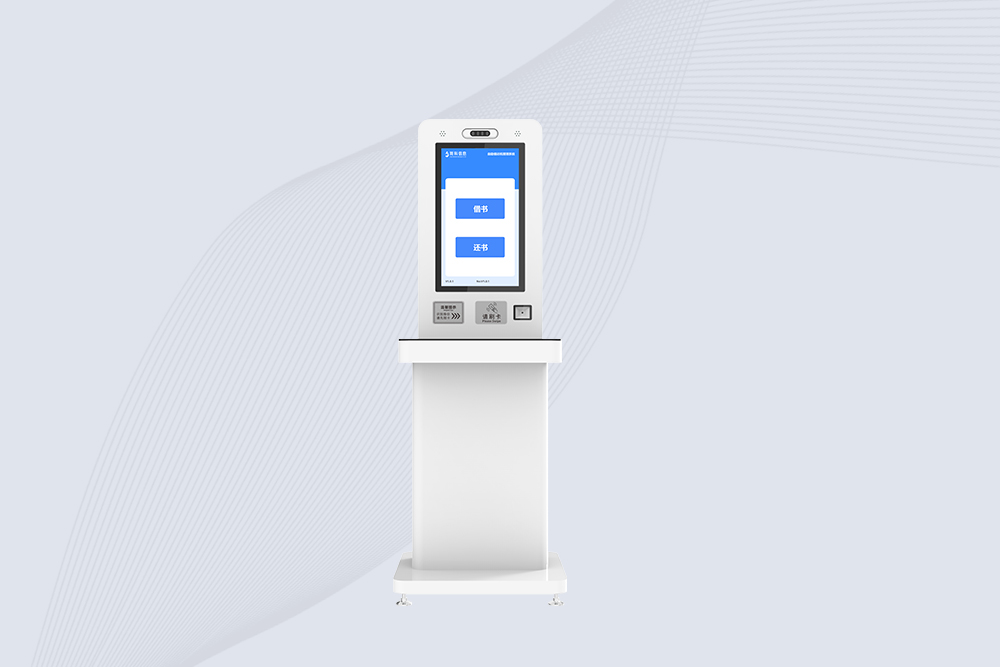
Cykeo CYKEO-DP6 vertical RFID Card and Reader terminal combines HF/UHF technology, 22″ touchscreen, and Windows/Android OS for libraries, archives, and retail. Features multi-protocol support, rugged design, and global certifications.
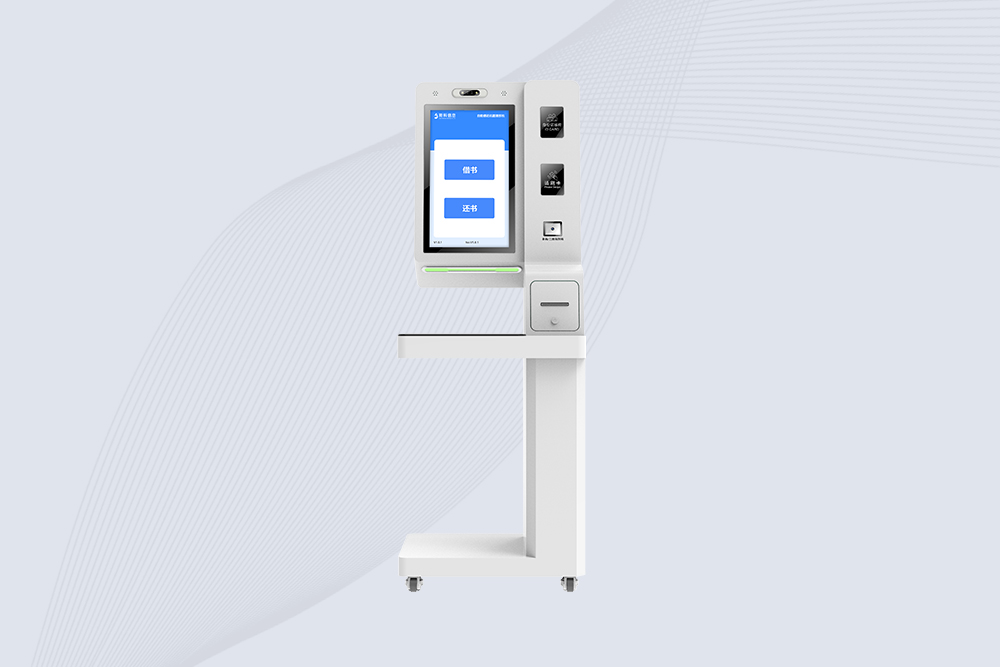
Cykeo’s CYKEO-DP6A library kiosk features UHF RFID tags reader technology, 21.5″ touchscreen, and Windows/Android OS for 24/7 book circulation. Achieves 99.9% inventory accuracy with ISO 18000-6C compliance.
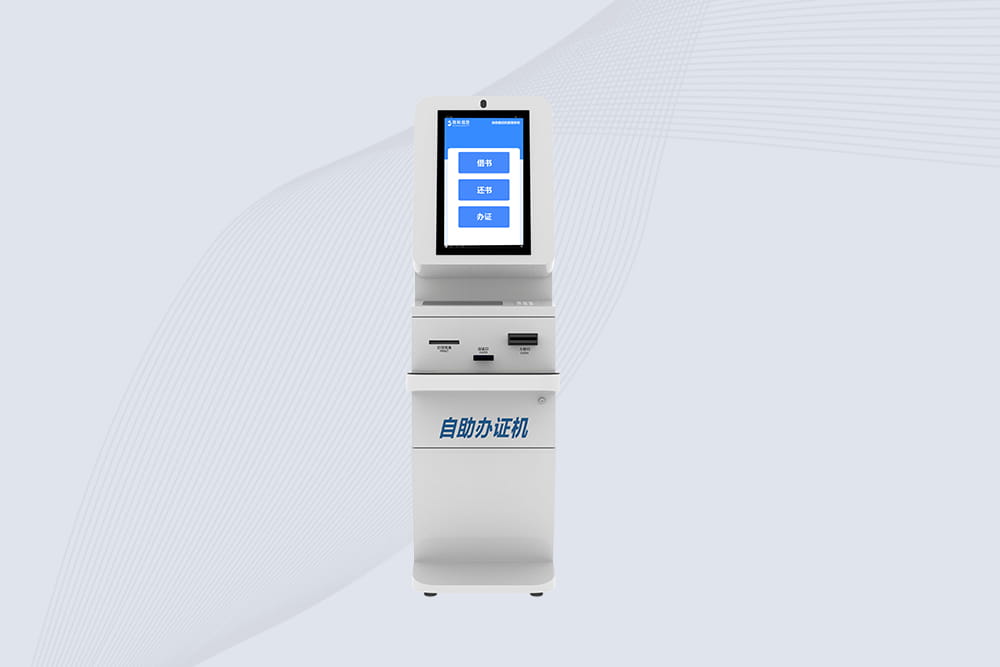
Cykeo’s CYKEO-DP9 card reader RFID kiosk enables 50-card issuance, book loans, and cash handling. Features ISO 18000-6C RFID, Windows/Android OS, 24/7 operation.
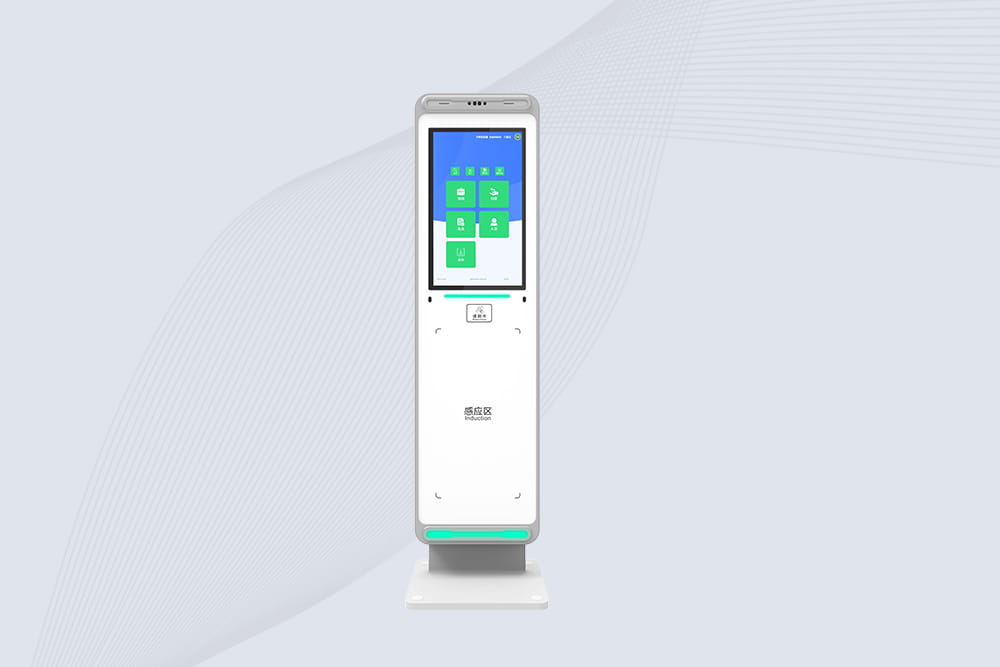
Cykeo’s medical-grade RFID scanner station features bulk UHF RFID scanning, anti-crosstalk technology, and dual OS compatibility for hospital inventory management and smart warehouses.
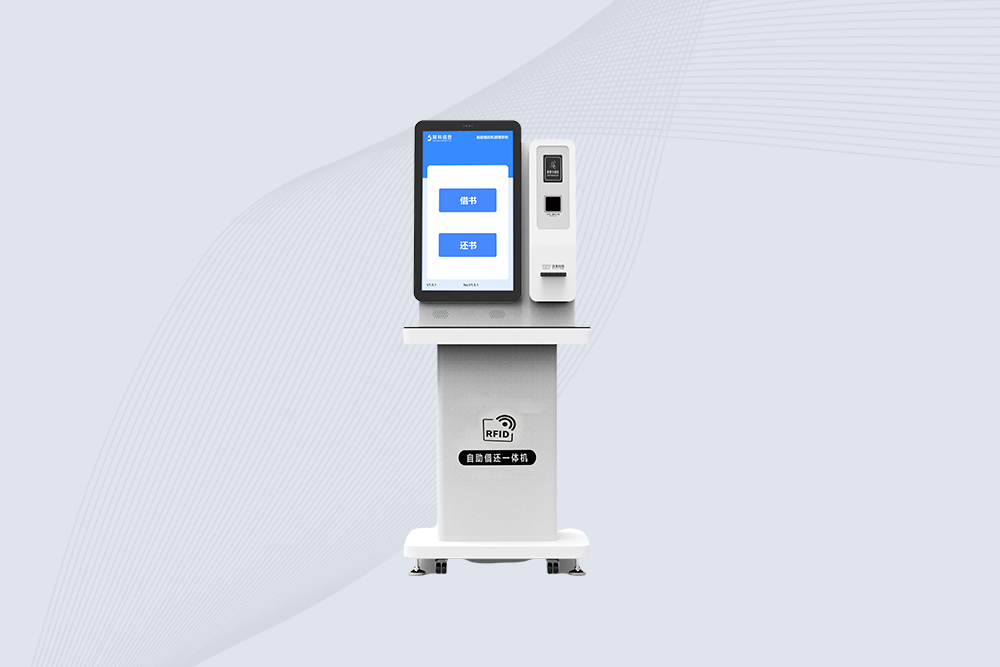
Cykeo CYKEO-DP7 UHF RFID scanner features 27″ touchscreen, 10-book simultaneous scanning, and ISO 18000-6C protocol for libraries. Supports receipt printing and SAP/Oracle integration.

Cykeo’s CYKEO-DP8 professional RFID card reader writer features dual-band operation, 300 cards/min encoding speed, and military-grade encryption. Ideal for library systems/access control.
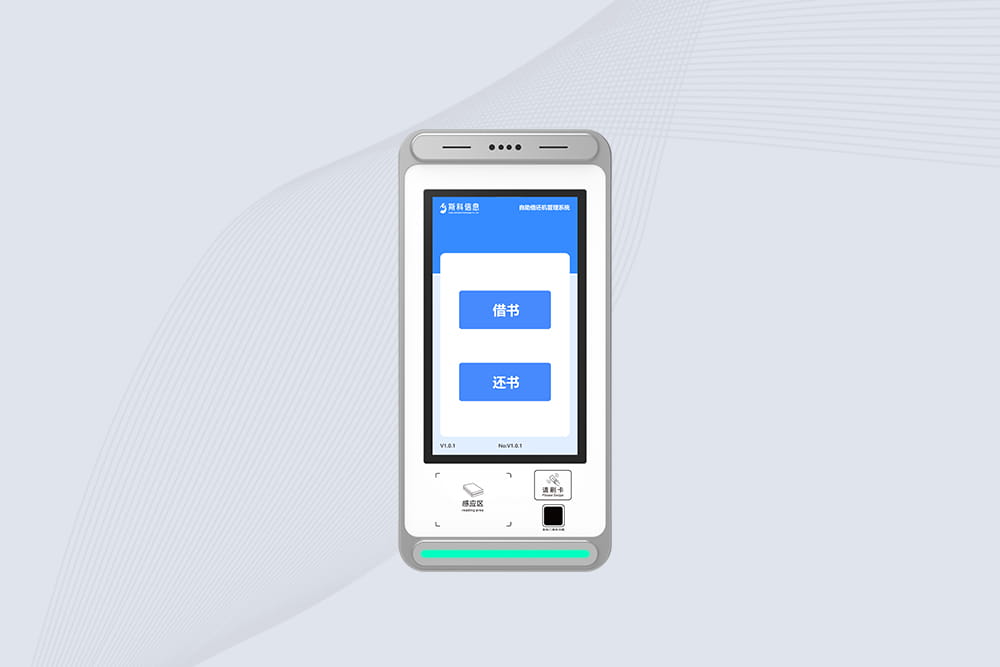
Cykeo CYKEO-DP4 wall-mounted RFID card scanner features 21.5″ touchscreen, 100+ tags/sec scanning, dual authentication (card/face), perfect for libraries/archives. IP54 rated with -20℃~60℃ operation.

Cykeo’s UHF reader RFID weighing scales combine 840-960MHz RFID scanning, 30kg/±1g precision, and SAP connectivity for chemical/pharma inventory. IP65 rated with biometric login.
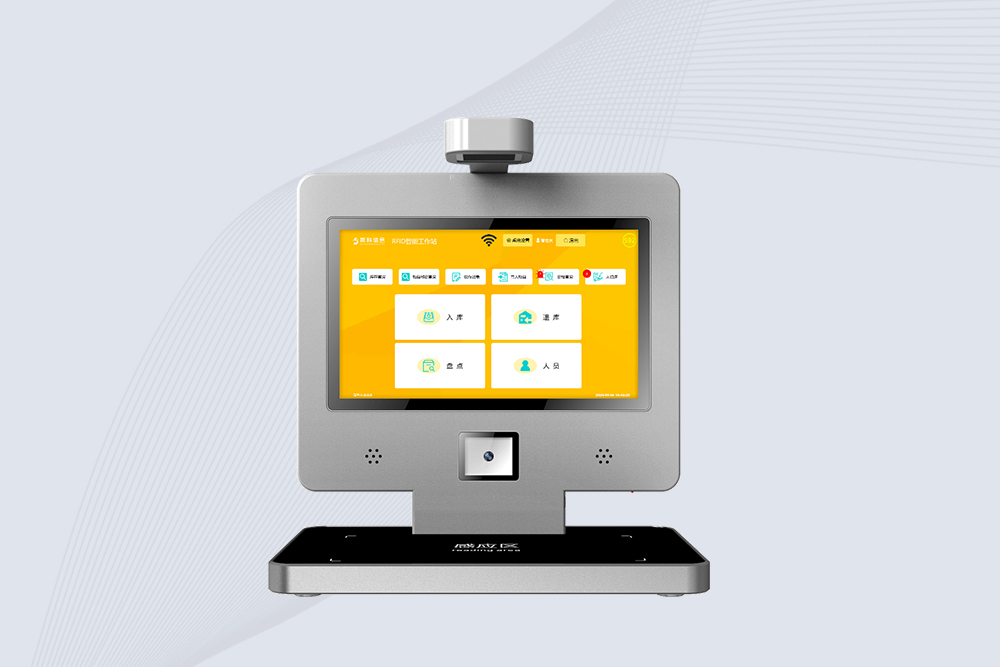
Cykeo CYKEO-DPA Desktop Reader RFID Workstation features 50+ tags/sec batch processing, IP65 rugged design, and Windows IoT for manufacturing/warehouse RFID operations. Supports ISO 18000-6C.
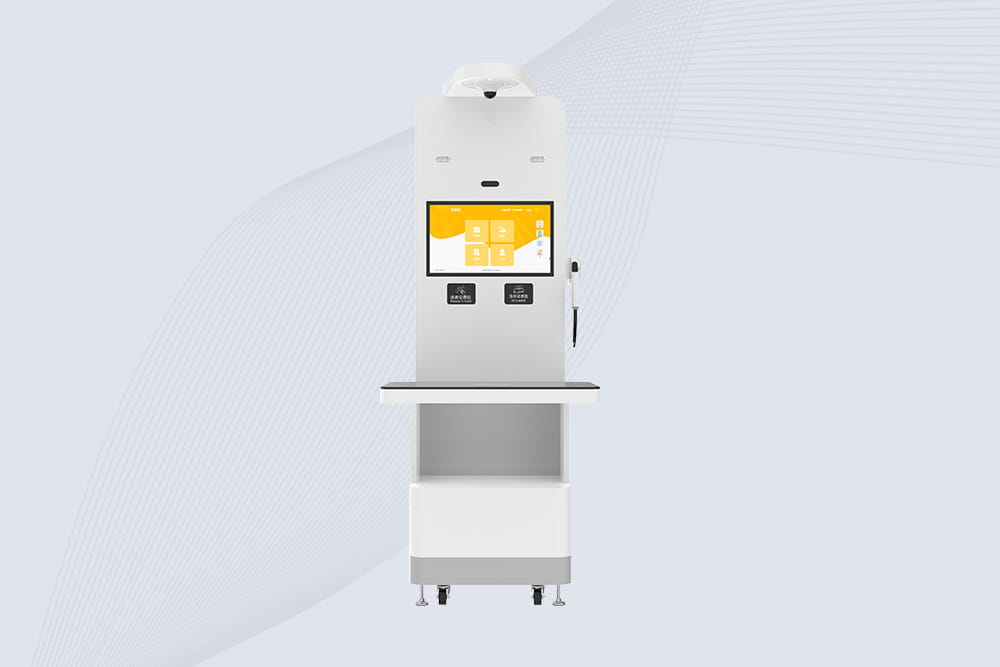
Cykeo CYKEO-DP12 vertical RFID workstation features 21.5″ touchscreen, 30-tool simultaneous tracking, and military-grade -20℃~70℃ operation for manufacturing/aviation/automotive sectors. Supports Windows & Android OS.
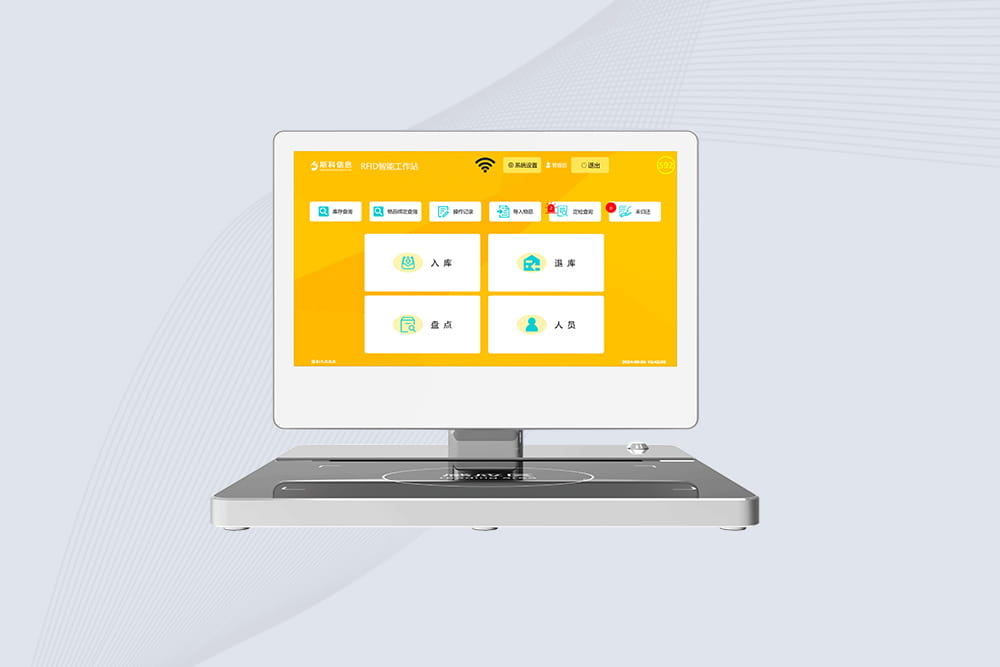
Cykeo’s professional RFID workstation features controlled 50cm encoding field, 50+ tags/batch processing, and integrated 12MP camera. Ideal for medical/library/archival asset registration.

Cykeo’s CYKEO-DP13 industrial RFID Smart workstation features 24″ touchscreen, UHF/HF dual-frequency scanning, military-grade durability for manufacturing/pharma/logistics. Supports batch-tagging of 200+ items with ERP integration.
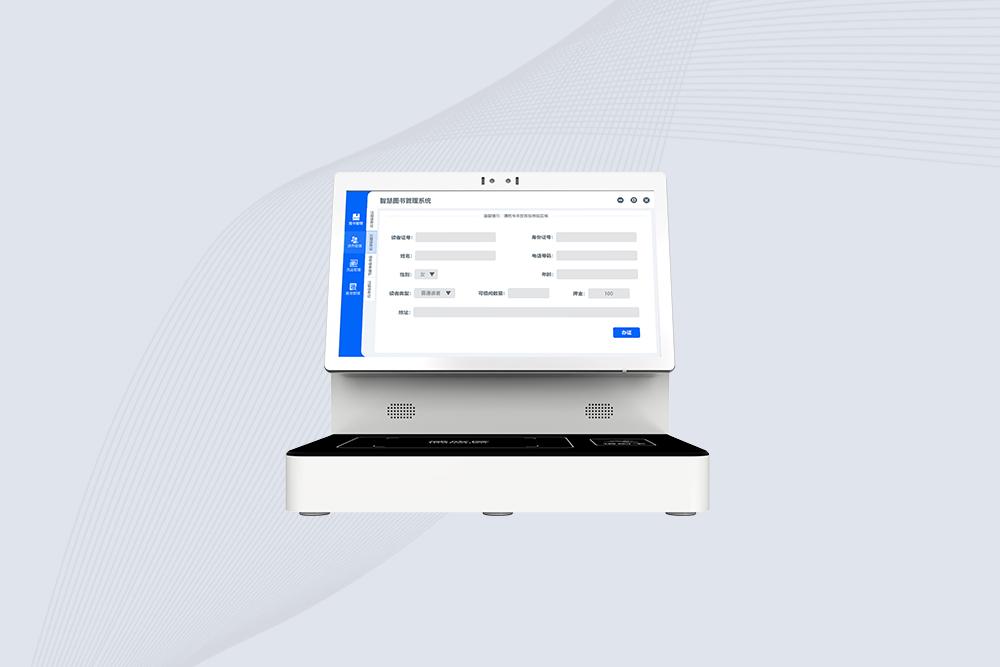
Cykeo’sCYKEO-DP3 RFID desktop reader workstation features 22″ touchscreen, multi-protocol UHF RFID, dual OS, and industrial connectivity for libraries, retail, and healthcare. Supports 10-tag simultaneous reading.

Cykeo CYKEO-DP2 Desktop RFID Reader workstation features 22″ touchscreen, 15+ tags/sec scanning, Windows/Android OS, and customizable protocols for libraries/archives. Supports face recognition and anti-theft integration.
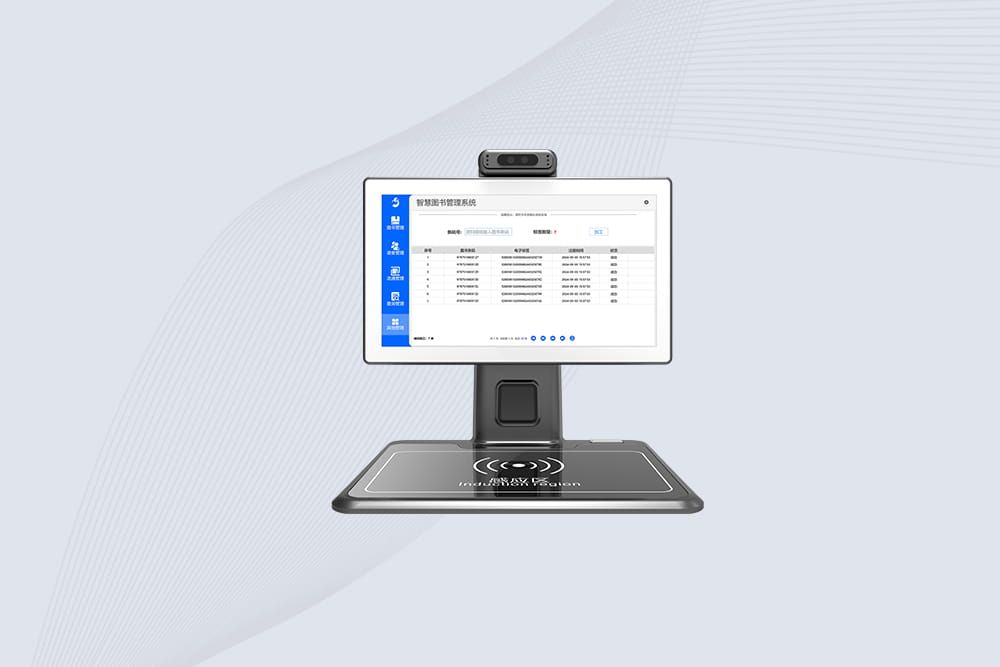
Cykeo CYKEO-DP2A Desktop UHF RFID Reader Workstation offers precision batch encoding of 50+ tags, 21.5″ touch interface, and ISO 18000-6C compliance. Ideal for libraries/archives with metal-environment adaptability.
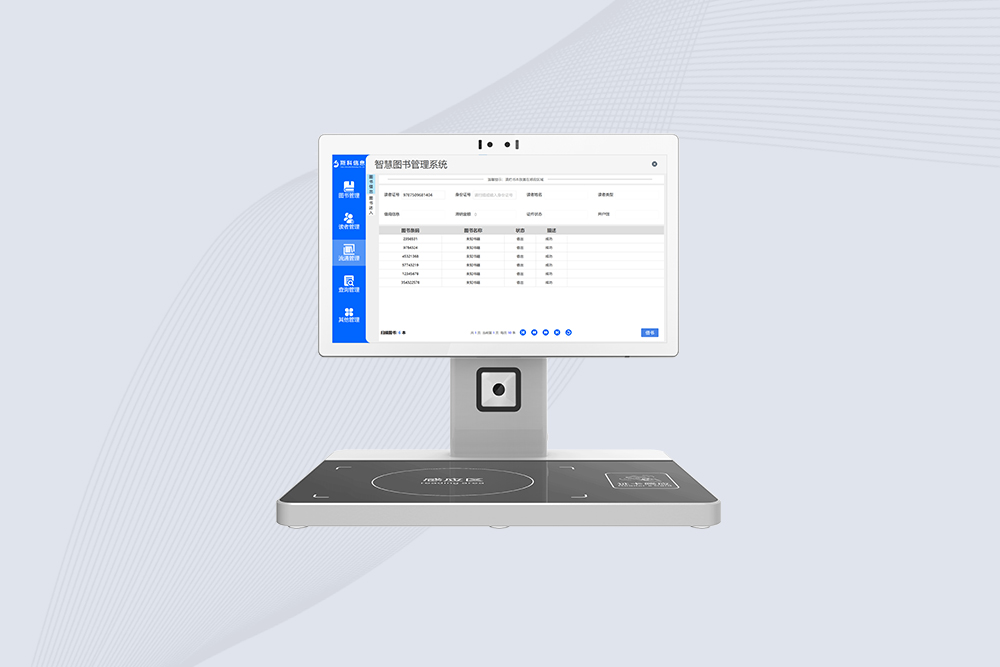
Cykeo CYKEO-DP2B industrial UHF RFID desktop Reader workstation features 15+ tag reading, 2m UHF range, Windows/Android OS, and IP54 design for libraries/warehouses. Supports ISO 18000-6B/6C protocols.
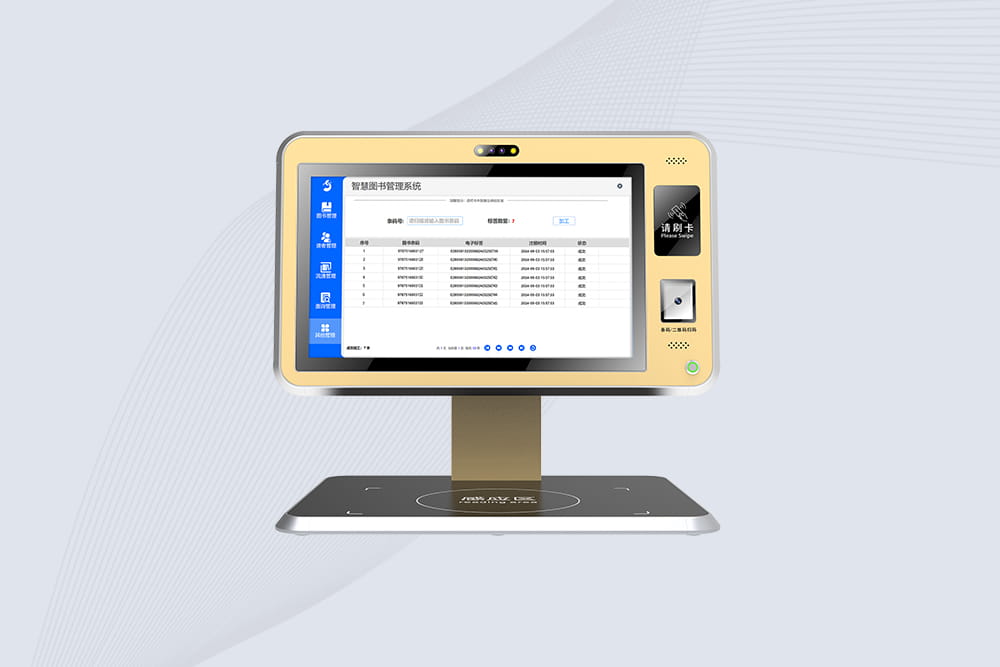
Cykeo CYKEO-DP3B industrial UHF RFID Desktop Reader Writer workstation features 15-tag batch processing, 840-960MHz frequency range, payment/voucher printing for libraries/hospitals/retail. Supports ISO 18000-6B/C protocols.
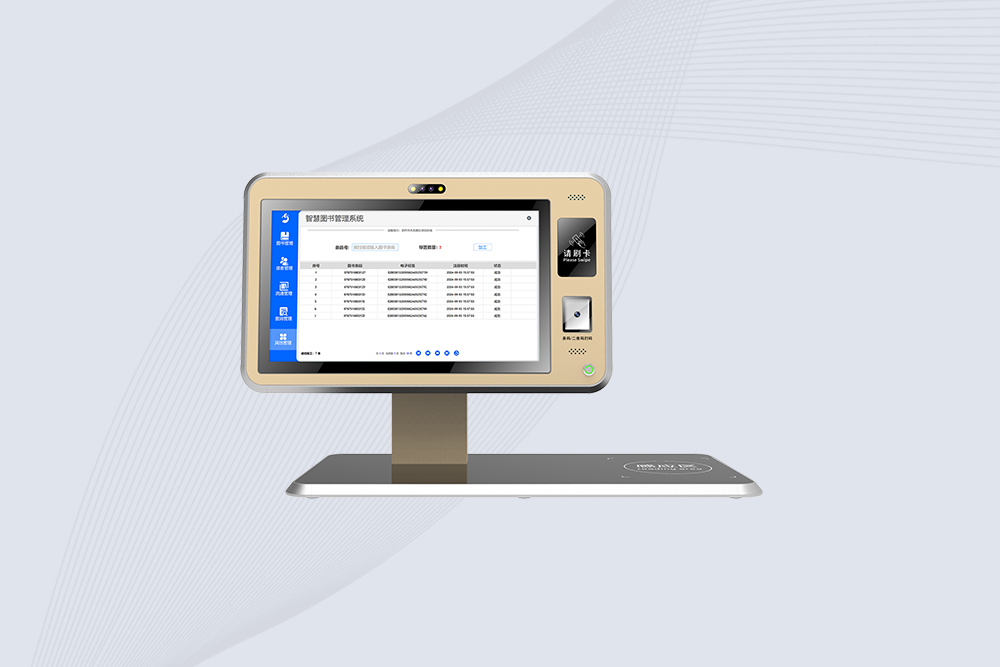
Cykeo CYKEO-DP3A library Desktop RFID Card Reader workstation features 21.5″ dual touchscreens, 10-item batch processing, and Windows/Android OS for archival/library asset management. UHF RFID card reader with ISO 18000-6C/B compliance.
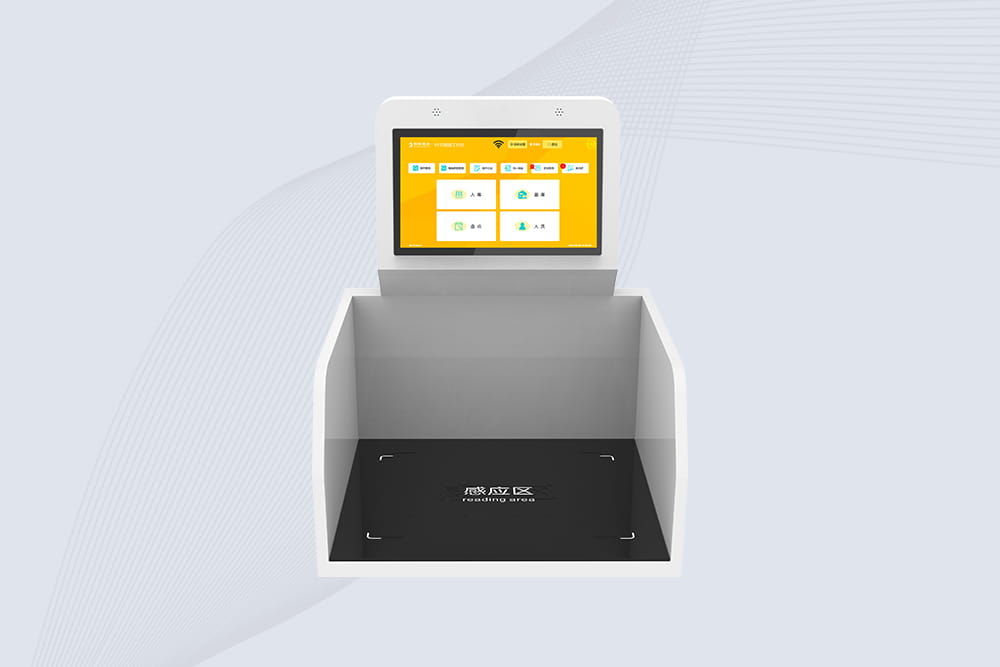
Cykeo’s industrial UHF Reader RFID Workstation features 40+ tags/sec RFID processing, Windows/Android OS, and bulk scanning for apparel/logistics operations.
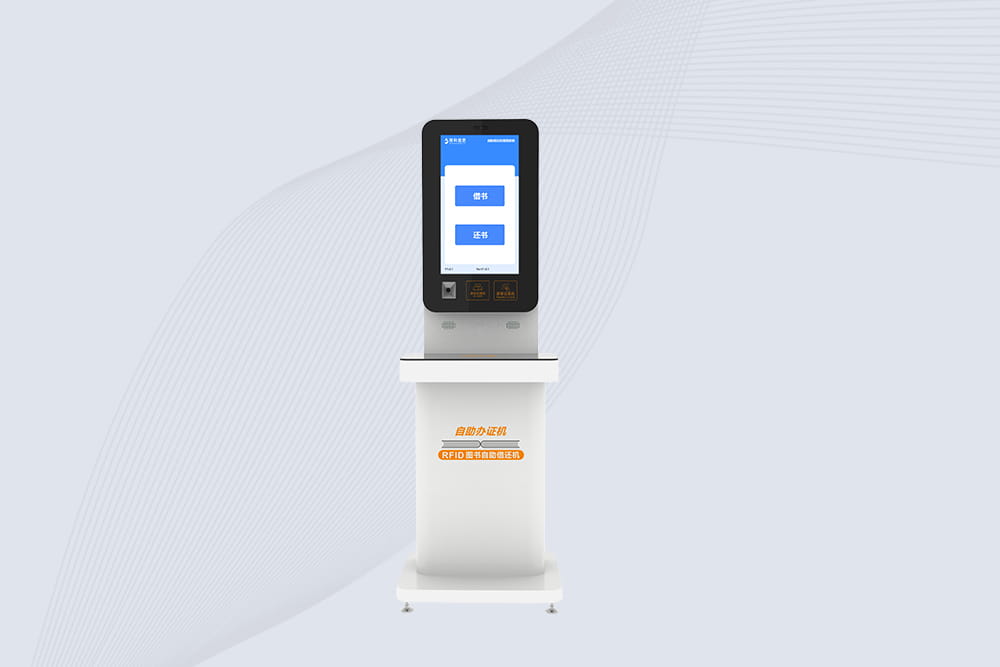
Cykeo CYKEO-DP6 Pro industrial RFID card reader offers dual-frequency scanning, MIL-STD ruggedness, and smart card compatibility for access control and payment systems.
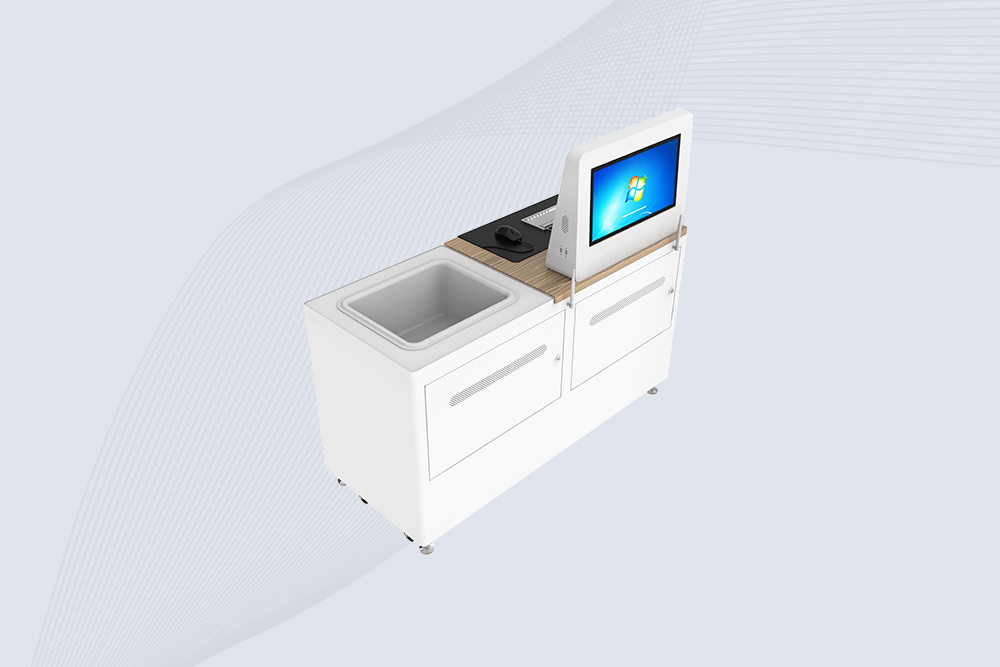
Cykeo CYKEO-DP13B dual-screen RFID workstation features dual 21.5″ touchscreens, 100-tag capacity, and integrated camera system for comprehensive asset tracking and management.
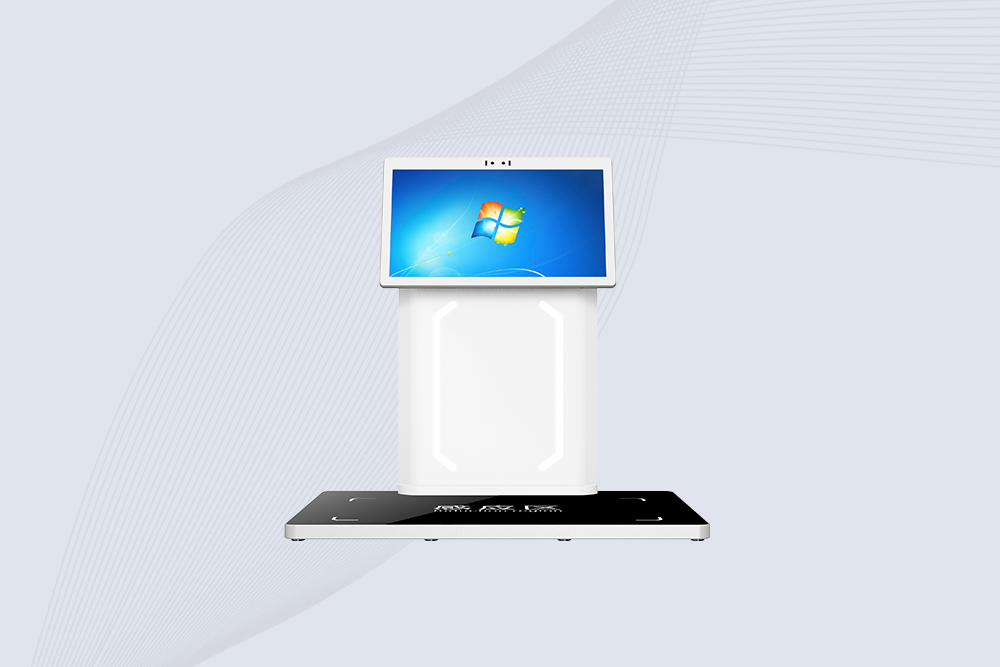
Cykeo CYKEO-DP14B desktop RFID workstation manages 200+ assets per scan. Features a 21.5″ touchscreen, UHF RFID, HF access control, and Windows/Android OS for secure tool tracking in police, medical, and bank environments.
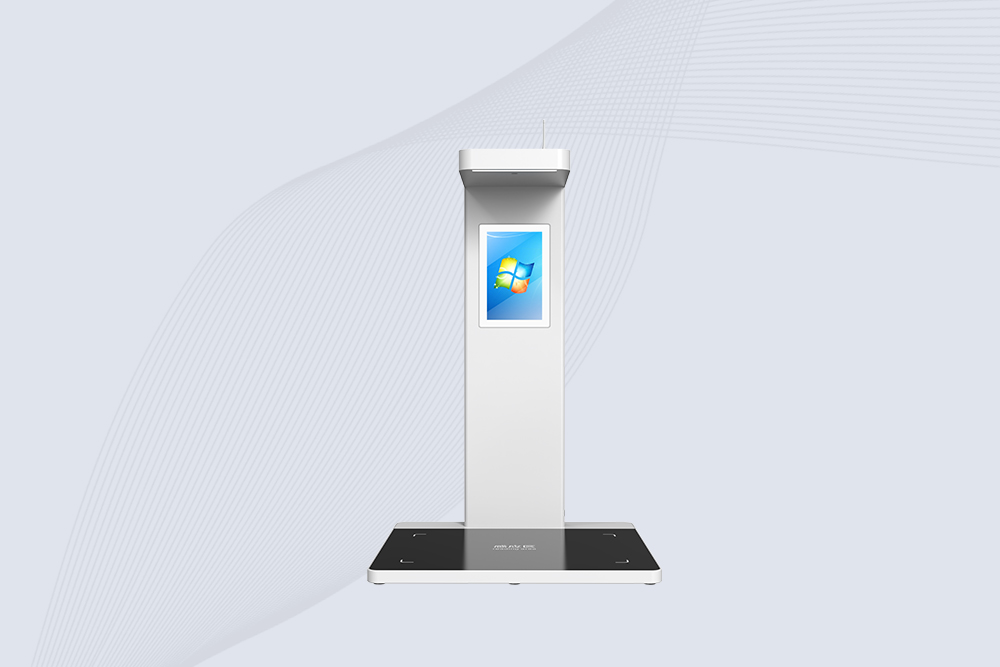
Cykeo CYKEO-DP1 RFID settlement station enables bulk UHF RFID and barcode verification for warehouse shipping. Features 10.1″ touchscreen, automatic data binding, and supports Windows/Android OS for seamless WMS integration. Ideal for inventory management and logistics.

Can aluminum foil block RFID? Learn how metal shielding affects RFID signals, protection methods, and professional RFID insights from Cykeo engineers.
More
Compare QR codes and NFC/RFID tags for your business. Discover their pros and cons in cost, security, and usability to choose the right identification technology.
More
Discover why UHF fixed RFID readers are ideal for logistics tracking. Learn about long-range scanning, high-speed data capture, and warehouse automation benefits.
More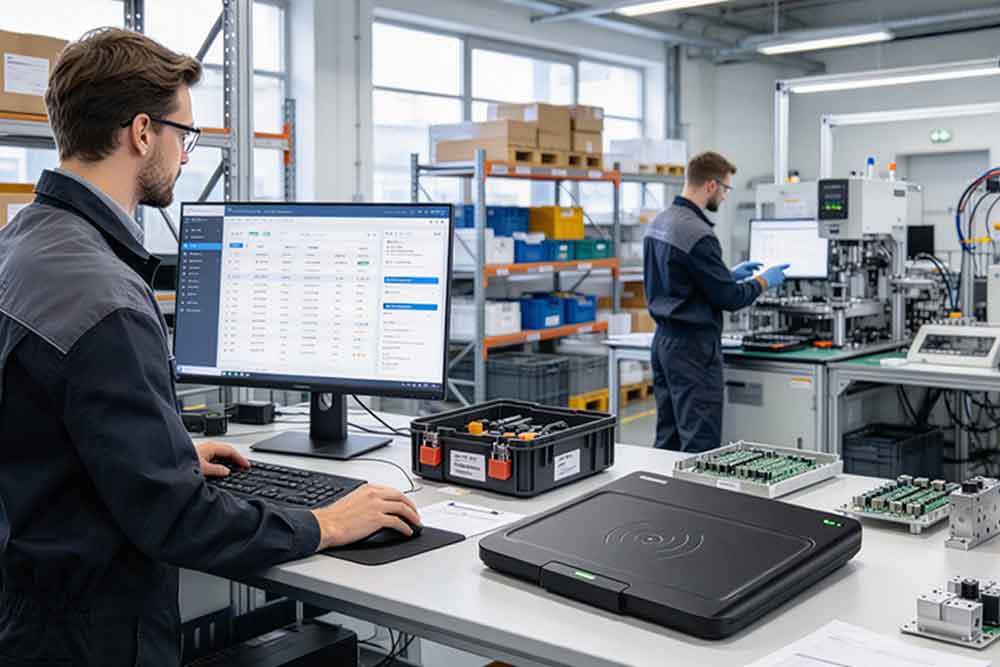
What does a rfid reader do? Discover how RFID readers identify, write, and manage tagged items with expert insights and industrial applications from Cykeo.
More