 Cykeo RFID IoT Solution Products R&D Manufacturer

how does rfid work
138Learn how RFID works with real-world data, UHF reader performance, and deployment insights. Discover how Cykeo improves tracking efficiency and accuracy.
MoreAll RFID Product
Many customers who are new to RFID have the same question:
“Can I test an RFID tag using my phone without buying an expensive scanner?”
The short answer is yes, but there are some limitations.
A smartphone can help check certain RFID tags, especially NFC tags, but it cannot replace a professional RFID reader for every application.
This is something we often explain to customers who are preparing RFID projects. A phone is convenient for quick checking, sample verification, and basic testing. However, when a project involves warehouse tracking, logistics, or hundreds of thousands of tags, a proper RFID testing process is still necessary.
Before opening your phone and trying to scan the tag, check the RFID frequency.
Not all RFID tags can be tested with smartphones.
Most smartphones support:
They normally do not support:
For example, an NFC sticker used for access control or smart packaging may be detected by a phone.
But a UHF RFID label designed for warehouse inventory usually requires a UHF RFID reader.
This is one of the most common misunderstandings when customers first evaluate RFID samples.
If your RFID tag is NFC compatible, the testing process is quite simple.
Go to your phone settings and enable NFC.
Most Android phones have NFC options in:
For iPhone users, NFC functions are usually built into newer models.

You can use an NFC reader application to check whether the tag responds.
Place the phone close to the RFID tag.
Usually, the phone should detect:
If information appears on the screen, the tag is responding normally.
Sometimes users think the RFID tag is broken because the phone cannot read it immediately.
Actually, phone NFC antennas are usually located in specific areas.
Try moving the tag around:
The reading distance is normally only a few centimeters, so position matters.
This is where many online explanations become confusing.
People often say “use your phone to test RFID”, but they do not mention that RFID is a large category.
A smartphone is not a universal RFID scanner.
For example:
A warehouse uses UHF RFID tags attached to cartons.
A worker tries scanning these tags with a smartphone.
Nothing happens.
The tag is not necessarily damaged.
The phone simply does not have a UHF RFID module.
For these applications, companies normally use:

A customer developing a retail inventory system once tested RFID samples using only a smartphone.
The NFC test worked perfectly, so they expected the same result after ordering inventory tags.
Later, they found the final application required reading hundreds of items from several meters away.
The issue was not tag quality.
The selected RFID technology was wrong for the application.
This is why RFID suppliers usually ask several questions before recommending tags:
For small projects, smartphone testing is useful.
It helps check:
But for commercial RFID projects, additional testing is needed:
Check how far the RFID reader can detect the tag.
Test the tag on the real product surface.
Check multiple samples from production batches.
Make sure the RFID tag works with the customer’s hardware and software.
For RFID distributors and system integrators, these tests can prevent expensive replacement costs later.

When buying RFID tags wholesale, price is not the only factor.
A cheaper tag that fails in the final environment usually costs more because of:
Before placing a large order, it is better to request samples and test them with the actual system.
Important points include:
A reliable RFID manufacturer should be able to provide testing support before mass production.
Need RFID tags for your inventory, retail, warehouse, or industrial project?
We provide customized RFID solutions including NFC tags, UHF RFID labels, anti-metal RFID tags, and OEM RFID products for distributors and system integrators.
Contact us for RFID samples, testing support, and bulk pricing.
A smartphone test can confirm whether some NFC RFID tags respond, but it does not always show the complete condition of an RFID tag. If you need to check whether an RFID tag is actually working, including possible reading problems and compatibility issues, our guide on how to check if an RFID tag is working explains more practical testing methods.
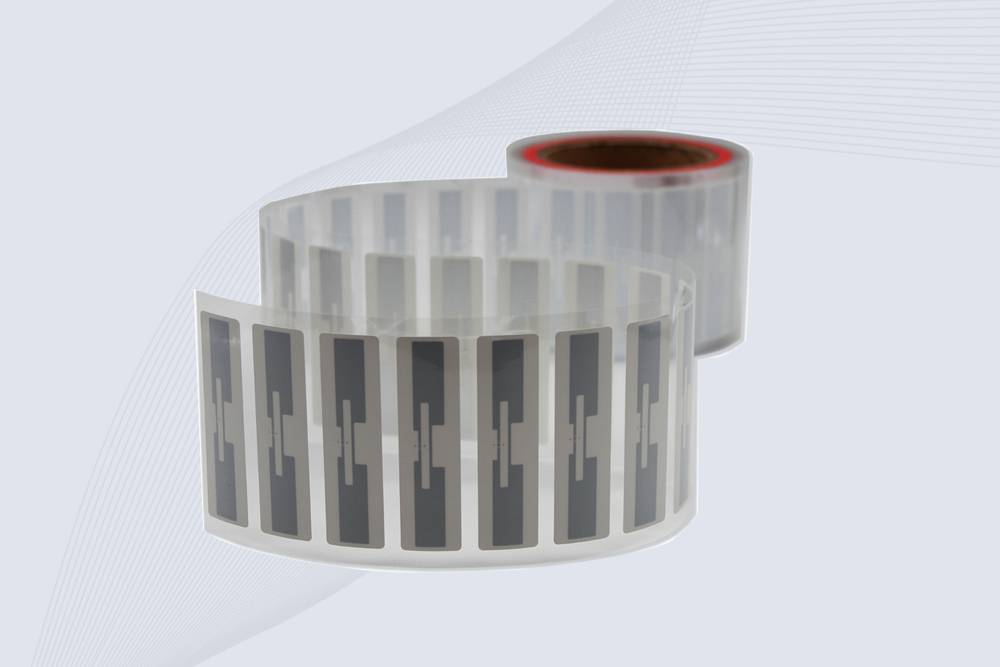
CYKEO Passive RFID Tags are made for wet and high-humidity environments where standard labels do not last. This rfid passive tag is often used around liquids, chemicals and temperature changes, providing stable reading distance and long data life for industrial tracking.
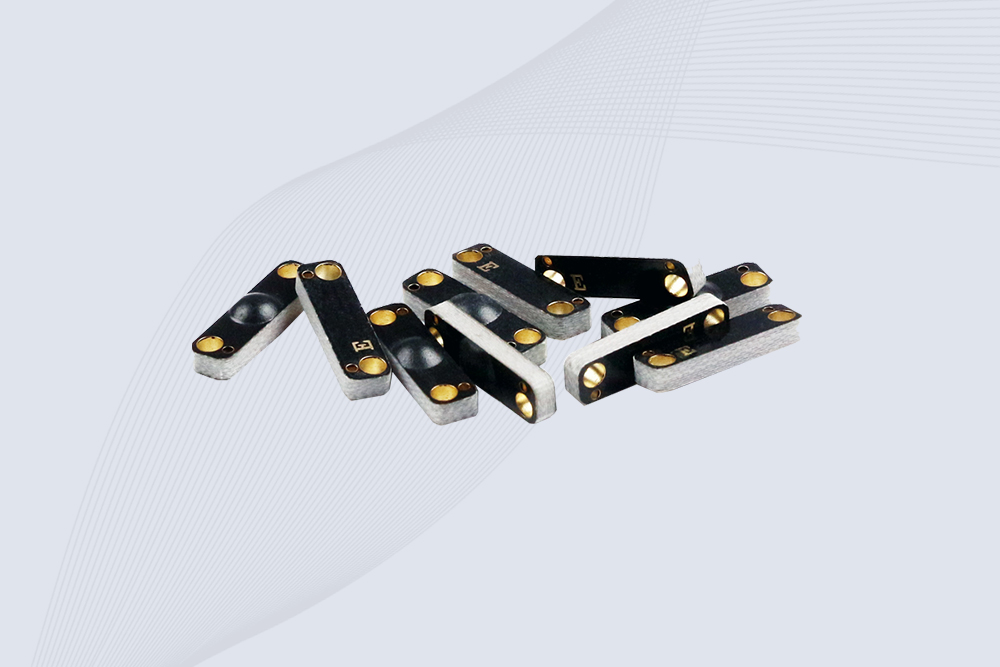
CYKEO CYKEO-PCB1504 Metal RFID Tags is a compact anti-metal UHF RFID solution built for direct mounting on metal surfaces. With stable 8-meter read range, Ucode-8 chip, and long data retention, this rfid metal tag fits tools, containers, automotive parts, and industrial asset tracking.
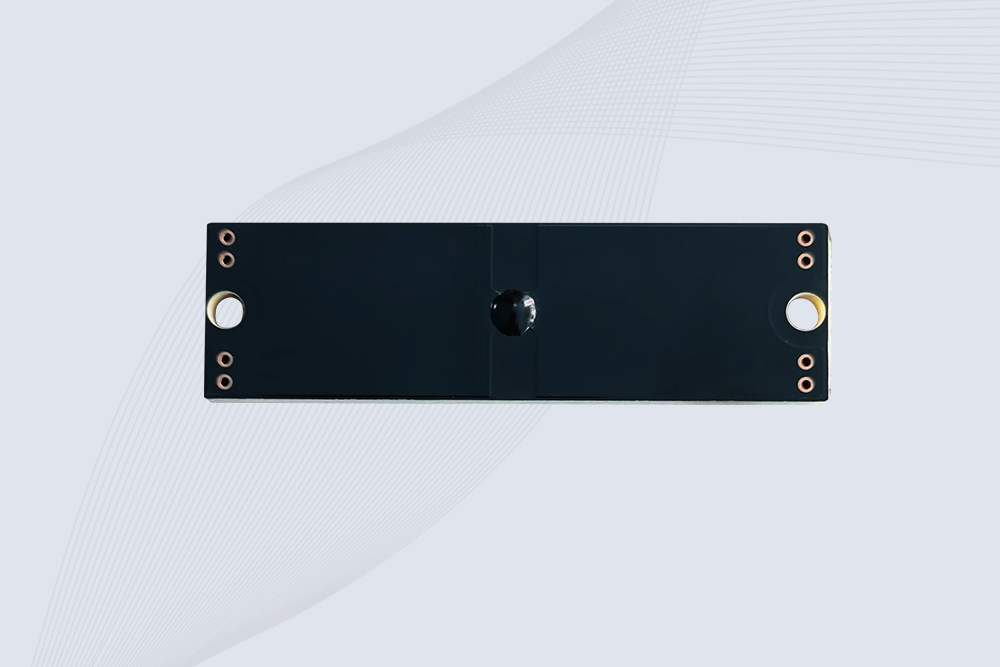
CYKEO CYKEO-PCB7020 On-Metal RFID Tags are designed for reliable tracking on steel and metal surfaces. Built with an FR4 epoxy body and industrial-grade chips, these On-Metal RFID Tags deliver stable performance, long data life, and chemical resistance, making them a dependable RFID anti-metal tag for harsh environments.
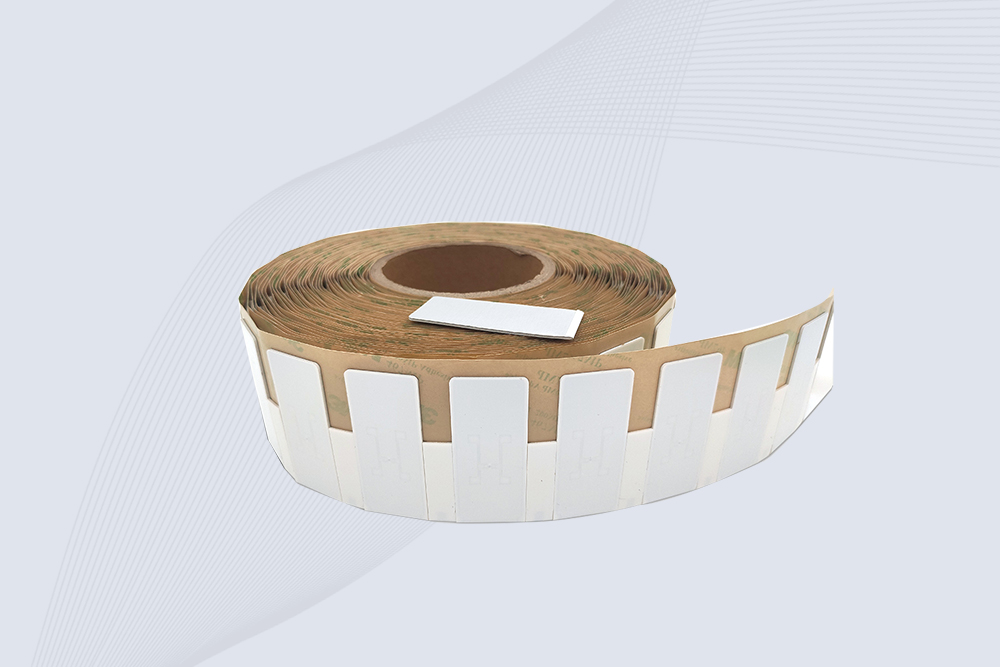
The CYKEO CYKEO-60-25 Anti-Metal RFID Tag is built for metal surfaces where standard tags fail. Designed for long-range performance, harsh environments, and stable data retention, this Anti-Metal RFID Tag is ideal for industrial assets, containers, and equipment tracking using on metal RFID tags.
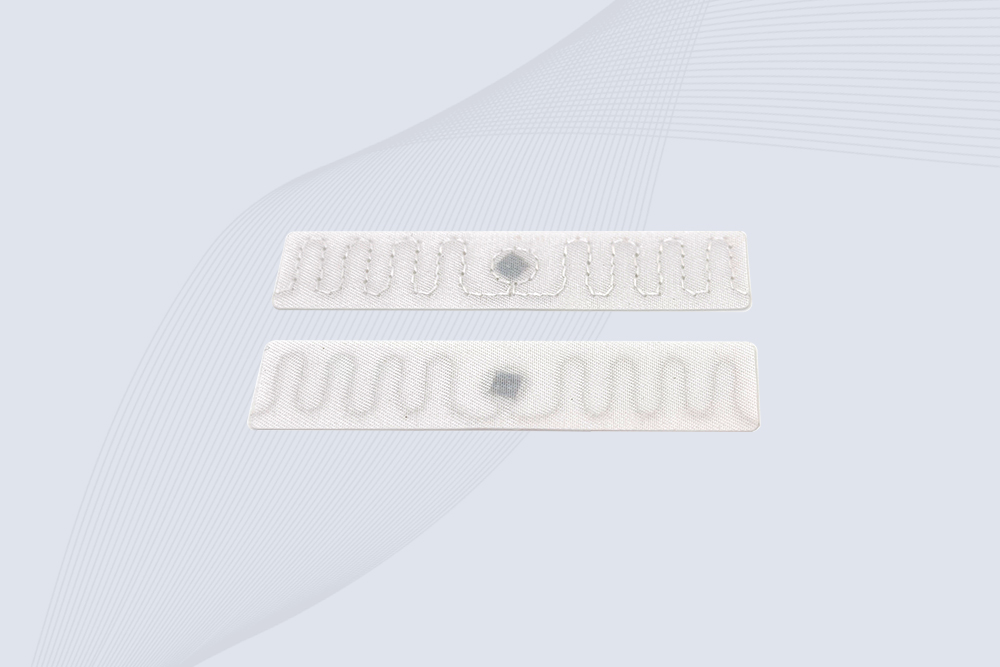
The CYKEO RFID Laundry Tag is designed for long-term textile identification in harsh laundry environments. Built to withstand high heat, chemicals, and repeated washing, this RFID Laundry Tag delivers stable performance for hotels, hospitals, and industrial laundry operations using laundry rfid tags at scale.
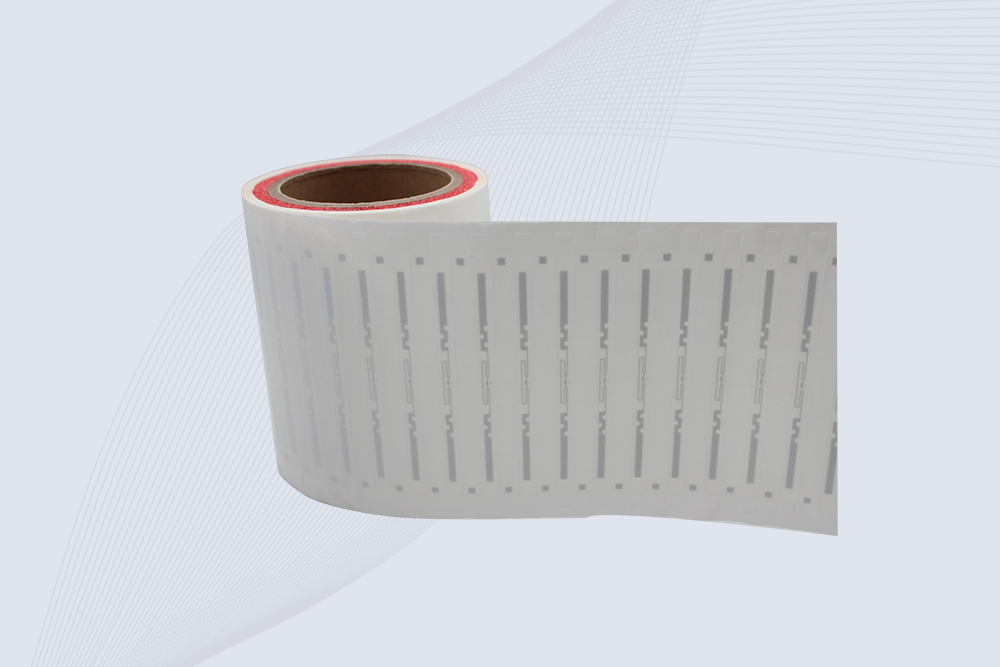
The CYKEO CYKEO-125-7 RFID Book Tag is designed for reliable book and document tracking in libraries and archives. This RFID Book Tag delivers long read range, dense placement support, and stable performance on shelves, making it a practical rfid tag on books for library automation, file management, and archival systems.
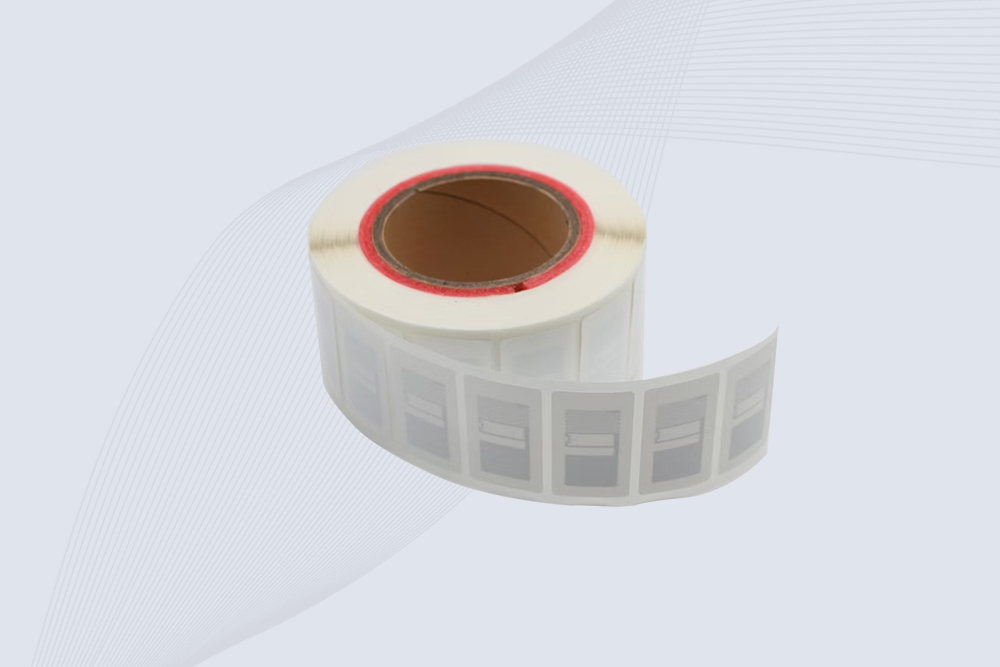
CYKEO RFID tags in hospitals are designed for sterile environments where accuracy matters. These autoclavable RFID tags support long-term tracking of surgical tools, implants, and medications, helping hospitals improve visibility, compliance, and patient safety.

CYKEO RFID Cable Tie Tag is built for reliable identification on metal surfaces. This UHF RFID Cable Tie Tag is widely used in rfid tags for inventory systems, industrial asset management and Hospital RFID Tags, offering stable read performance, long service life and global EPC Gen2 compatibility.
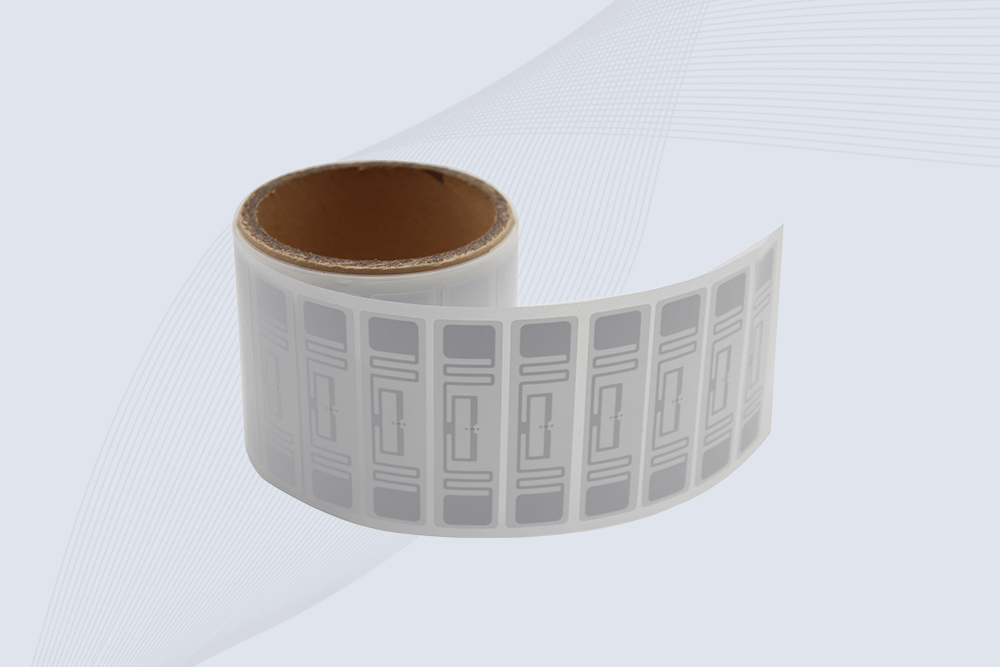
CYKEO RFID Asset Tag is designed for stable identification of metal assets in industrial environments. This UHF RFID Asset Tag is commonly used for rfid tag asset tracking on equipment, tools and containers, providing reliable reads, long service life and ISO/IEC 18000-6C support.

CYKEO UHF RFID Card is designed for fast identification and long-term use in industrial and commercial systems. Supporting ISO 18000-6C, this UHF RFID Card works at 860–960 MHz and is suitable for custom RFID cards used in asset tracking, access control and inventory management.
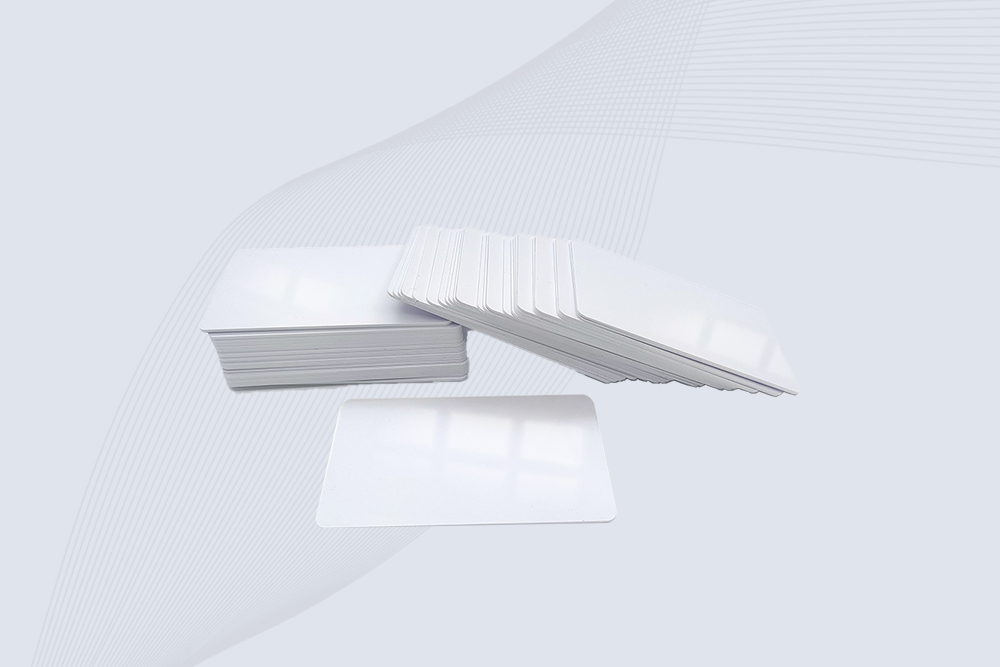
CYKEO HF RFID Cards are designed for secure and stable access control systems. These 13.56 MHz RFID key cards support ISO 14443-A, reliable rewriting and long service life, making HF RFID Cards suitable for offices, campuses, events and membership management.
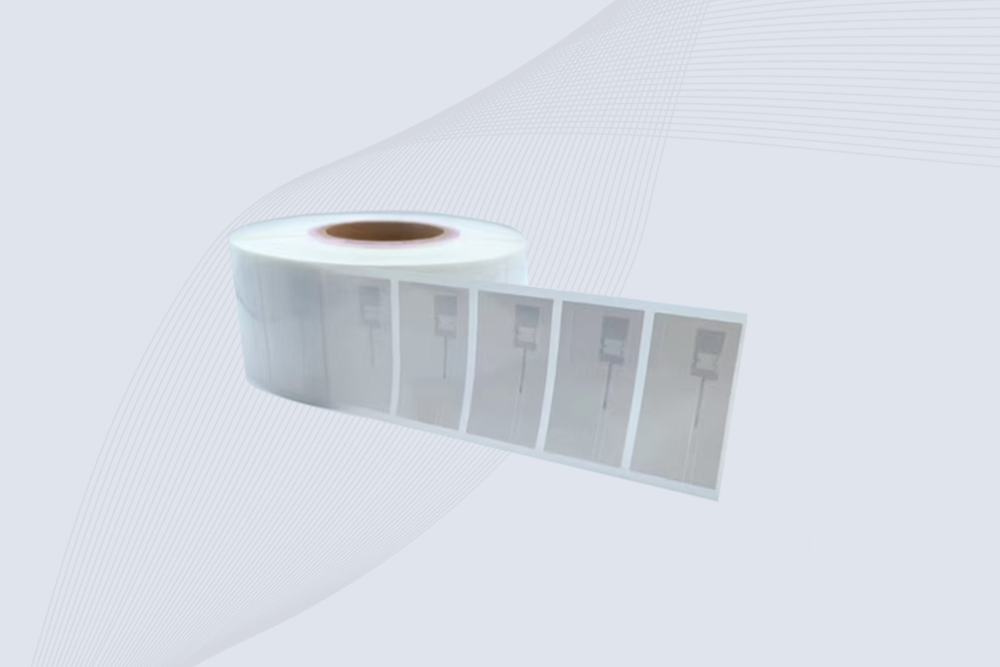
CYKEO UHF RFID Tag is designed for reliable tracking of metal jewelry and high-value items. This Jewelry RFID Tag supports long-range reading up to 8 meters, anti-counterfeit protection and stable performance on metal, making it suitable for retail, inventory control and asset management.
RFID Industry Writer | IoT & Asset Tracking Analyst
James writes about RFID technology, asset tracking, and the practical challenges of digital transformation across warehousing, retail, manufacturing, and logistics.
His work focuses on how RFID is applied in real-world operations—improving inventory visibility, automating workflows, and helping businesses manage assets with greater accuracy and efficiency.
He regularly covers topics including UHF RFID, smart cabinets, RFID portals, tool tracking, warehouse automation, and industrial IoT trends..
Learn how RFID works with real-world data, UHF reader performance, and deployment insights. Discover how Cykeo improves tracking efficiency and accuracy.
More
Can RFID modules bridge physical and virtual worlds? Explore how they track metaverse assets, enhance NFTs, and Cykeo’s role in Web3-ready solutions.
More
Wondering "how hard is it to read RFID signals"? Discover real challenges like interference from metal, water, and noise. Learn how to overcome them with CYKEO.
More
UHF tag technology enables fast RFID identification, asset tracking, and inventory management. Learn how Cykeo solutions improve tag encoding accuracy and operational efficiency.
More