 Cykeo RFID IoT Solution Products R&D Manufacturer
How Can RFID Technology Manage Inventory: Smart Inventory Control with RFID
142How can rfid technology manage inventory? Discover how RFID improves stock accuracy, automated tracking, and warehouse visibility with Cykeo RFID solutions.
MoreAll RFID Product
An RFID reader identifies, reads, and communicates with RFID tags through radio frequency signals. It collects stored tag data, supports information writing in compatible systems, and helps businesses automate tracking, registration, inventory, and asset management processes.
When people search what does a rfid reader do, they often expect a simple explanation: an RFID reader reads RFID tags. However, in real projects, an RFID reader is much more than a scanning device. It is the communication center connecting physical items with digital management systems.
An RFID reader sends radio frequency signals to RFID tags, receives the returned information, processes identification data, and transfers the information to software platforms. Depending on the model, it can support reading, writing, filtering, multi-tag recognition, and data management functions.
From my experience working with RFID deployment projects, the biggest misunderstanding is treating RFID readers like advanced barcode scanners. A barcode scanner captures one visible code at a time. An RFID reader works differently because it communicates wirelessly with multiple tags, even when tags are not directly visible.
During equipment testing in warehouses, libraries, and industrial management areas, I have seen that the real challenge is not simply achieving the longest reading distance. The important question is whether the reader can accurately identify required tags while avoiding unnecessary reads.
A professional RFID reader must balance:
This is why RFID reader selection requires understanding the actual workflow instead of only comparing hardware specifications.
An RFID reader communicates with tags through electromagnetic waves. The reader contains an RF module, antenna system, signal processing unit, and communication interface.
The typical working process includes:
For passive RFID tags, the reader provides the energy required for communication. This allows small RFID tags without batteries to exchange information with the reader.
According to GS1, EPC-based RFID technology provides standardized identification methods that support supply chain visibility and product tracking worldwide. These standards allow RFID systems from different manufacturers to communicate using common protocols.
The primary function of an RFID reader is identifying tagged objects.
Common applications include:
Unlike manual identification methods, RFID readers can automatically capture tag information and reduce repetitive human operations.
Some RFID readers also support tag writing functions. These devices allow administrators to create or update information stored inside RFID tags.
Typical operations include:
| Function | Application Example |
|---|---|
| Tag registration | Creating new item records |
| Data writing | Updating RFID tag information |
| Tag conversion | Changing tag usage information |
| Data verification | Confirming written content |
For example, in a library environment, an RFID reader can help register books, associate RFID labels with database records, and support borrowing and returning operations.
In tool management systems, the same principle allows administrators to register equipment, track borrowing history, and check usage records.
One of the biggest advantages of RFID technology is its ability to identify multiple tags.
However, when many tags respond simultaneously, signal collisions may occur. Advanced RFID readers use anti-collision algorithms to separate tag responses and maintain stable identification performance.
This feature is especially important in:
A reader designed only for single-tag identification may struggle in real operational environments.
For RFID writing applications, stability is as important as reading speed.
Cykeo RFID desktop reading platforms use proprietary high-efficiency signal processing algorithms to maintain high recognition performance while supporting fast tag read/write operations.
Key technical features include:
| Feature | Description |
|---|---|
| USB Interface | Simple connection with computers |
| Output Power | Up to 33dBm maximum output |
| Antenna Design | Near-field antenna control |
| Reading Distance | Within 30cm |
| Writing Distance | Within 10cm |
| Development Support | C# and Java resources |
The controlled reading range is especially useful for desktop applications because it prevents unintended tag detection from surrounding areas.
Libraries are one of the classic RFID reader applications.
A desktop RFID reader can support:
Instead of manually scanning every barcode, administrators can process RFID-tagged books more efficiently.
Industrial companies often need accurate records of tools and equipment.
RFID readers help administrators manage:
The value is not only knowing where an item is located but also maintaining a complete digital history.

An RFID reader becomes more valuable when it is connected with daily management processes. In many organizations, the purpose of RFID is not only identifying objects but also creating a complete digital record of each item’s lifecycle.
For example, a tag administrator managing hundreds or thousands of tagged items may need to complete different tasks every day:
A professional RFID reader platform combines these functions into a practical workflow instead of acting as an isolated hardware device.
At Cykeo, RFID application development focuses on solving these operational details. A desktop RFID reading platform is designed for administrators who need stable tag processing in controlled environments such as libraries, tool rooms, textile management centers, and asset registration stations.
In libraries, equipment rooms, and company asset centers, RFID readers simplify borrowing and returning processes.
A typical workflow includes:
Compared with manual recording, RFID-based management reduces repetitive data entry and creates clearer tracking records.
One important function of an RFID reader is helping administrators register new tags.
During registration, the system can associate:
Some management environments also require tag conversion, where existing RFID tags need to be rewritten or reassigned for new applications.
For example, a reusable textile management company may need to update tag information after cleaning cycles. A tool management department may need to reassign equipment after organizational changes.
The RFID reader provides the connection between the physical tag and the digital database.
Desktop RFID readers usually do not require long-distance reading capability. Instead, they focus on precise and controlled identification.
Cykeo’s desktop RFID reading platform uses a near-field antenna design, controlling the reading range within approximately 30 cm and writing range within approximately 10 cm.
This design provides several practical advantages:
| Advantage | Business Benefit |
|---|---|
| Limited reading area | Prevents accidental reading of nearby tags |
| Stable writing distance | Improves tag programming accuracy |
| Controlled operation | Suitable for administrator workflows |
| Compact installation | Fits desks and registration stations |
In a library or tool management environment, reading every nearby tag can create incorrect records. A controlled near-field area ensures that only the intended item is processed.
A professional RFID reader needs stable performance when handling large numbers of tags.
Cykeo desktop RFID reading platforms include several technologies designed for practical operations:
The platform uses independent signal processing algorithms to maintain efficient tag identification while supporting fast reading and writing operations.
When multiple tags are detected simultaneously, collision processing algorithms help maintain reliable identification.
This is useful for environments such as:
Advanced RFID readers can support:
RSSI information helps users understand signal conditions and improve system configuration during deployment.
Hardware alone is only part of an RFID system. Business applications require communication between the reader and software platforms.
Cykeo RFID desktop readers provide development resources including:
This allows companies to connect RFID readers with customized management systems.
Common integration examples include:
| Industry | Integrated Function |
|---|---|
| Libraries | Borrowing and return management |
| Factories | Tool registration and tracking |
| Textile companies | Laundry and circulation management |
| Enterprises | Asset management |
The goal of RFID integration is creating a smooth connection between physical items and digital records.
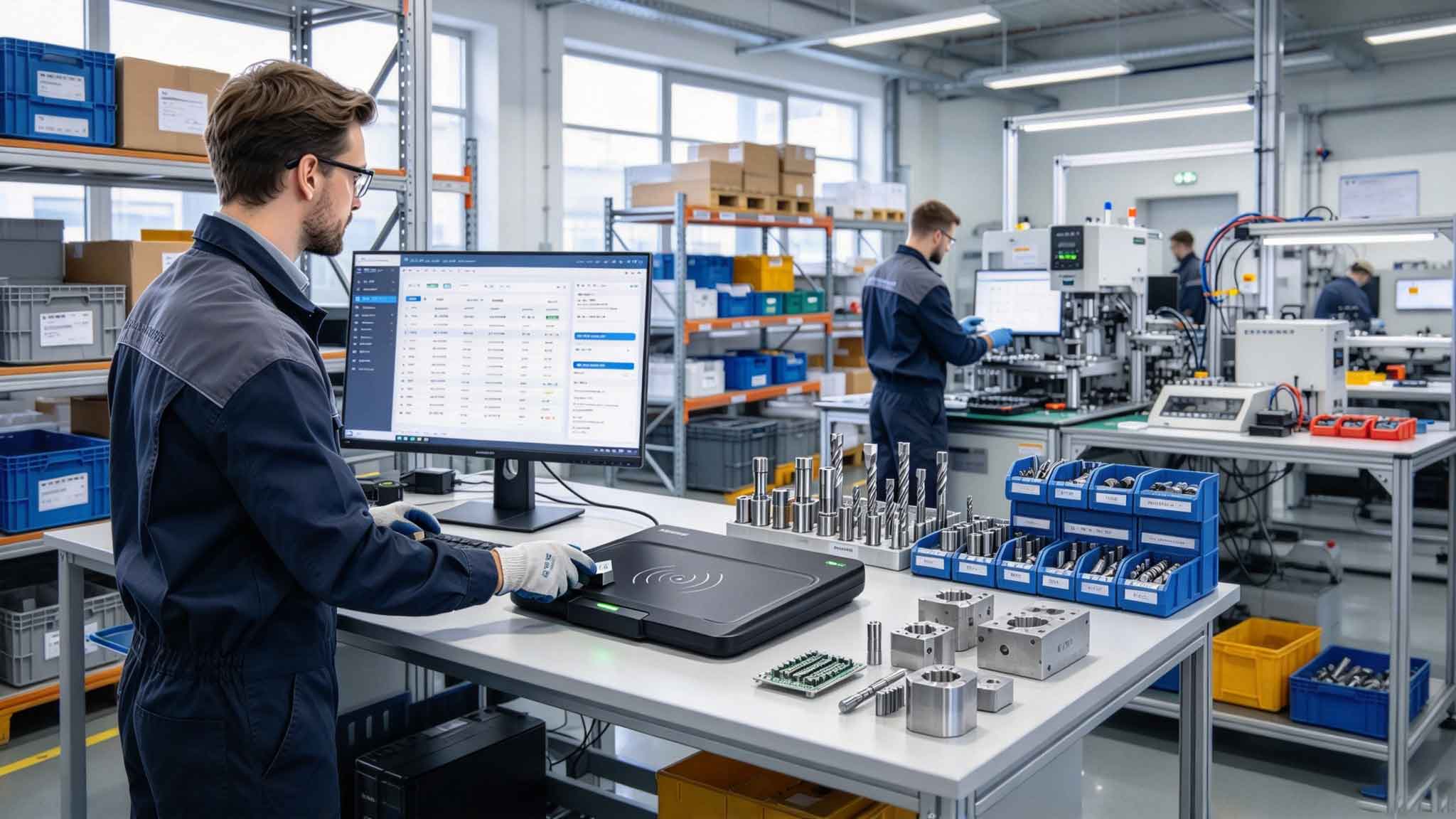
Although RFID readers and barcode scanners both identify products, their working methods are different.
| Feature | RFID Reader | Barcode Scanner |
|---|---|---|
| Communication Method | Radio frequency | Optical scanning |
| Direct Line of Sight | Not required | Usually required |
| Multiple Item Reading | Supported | Usually one by one |
| Tag Data Writing | Supported by compatible models | Not available |
| Environmental Flexibility | Suitable for automated tracking | Depends on visibility |
RFID readers are selected when businesses require automated identification, faster processing, or digital tracking of large numbers of items.
A RFID reader communicates with RFID tags through radio frequency signals to collect identification data. Depending on the model, it can also write information, manage tag data, and support automated tracking systems for assets, inventory, and products.
Some RFID readers support both reading and writing functions. These devices can program compatible RFID tags, update stored information, and verify written data for applications such as asset registration and inventory management.
The reading distance depends on frequency, antenna design, reader power, tag type, and environment. Desktop RFID readers usually use shorter controlled ranges, while UHF fixed readers can support longer-distance identification.
RFID readers are used in logistics, manufacturing, libraries, healthcare, retail, textile management, and asset tracking. Any organization requiring automatic identification and digital record management can use RFID technology.
A desktop RFID reader is designed for fixed workstations such as registration desks and encoding stations. A handheld RFID reader provides mobility for field inventory, warehouse operations, and equipment inspection.
Anti-collision technology allows RFID readers to identify multiple tags efficiently when several tags respond at the same time. It improves reading stability in environments with dense tag usage.
When exploring what does a rfid reader do, the answer extends beyond simply reading electronic tags. An RFID reader acts as the communication bridge between physical objects and digital management systems.
From library registration to industrial tool tracking, RFID readers help organizations collect accurate information, reduce manual operations, and improve asset visibility.
Cykeo develops RFID reader solutions based on practical application requirements, including stable tag recognition, controlled reading areas, reliable writing performance, and flexible software integration.
A well-designed RFID reader is not only a hardware device. It is a key component that transforms physical items into manageable digital information.
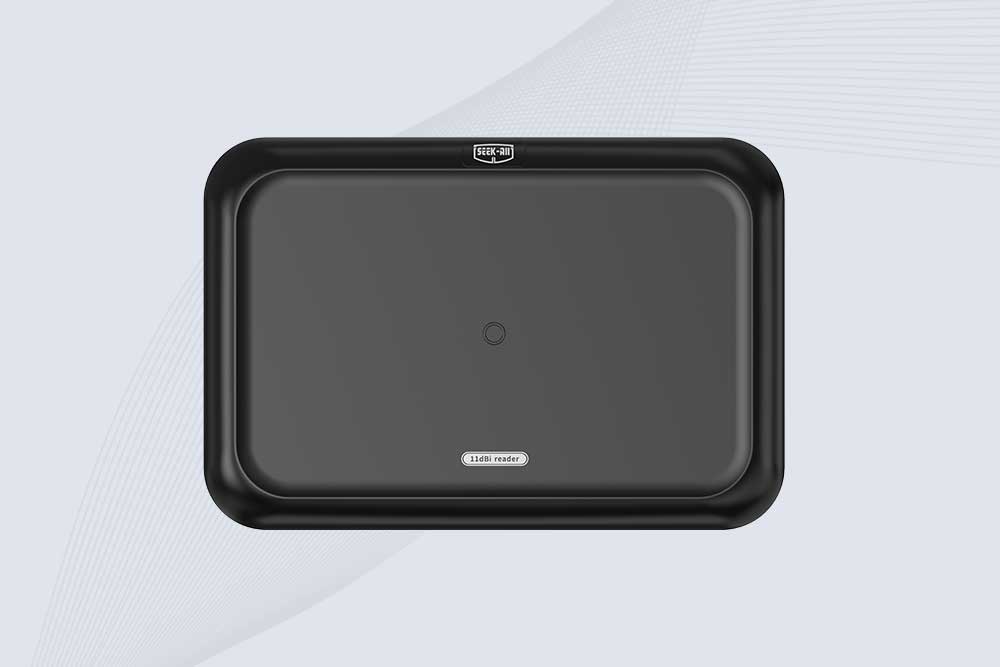
SSD-RA11L is an 11 dBi UHF RFID reader with up to 15m reading distance, 600+ tags/s speed, integrated antenna and flexible connectivity.
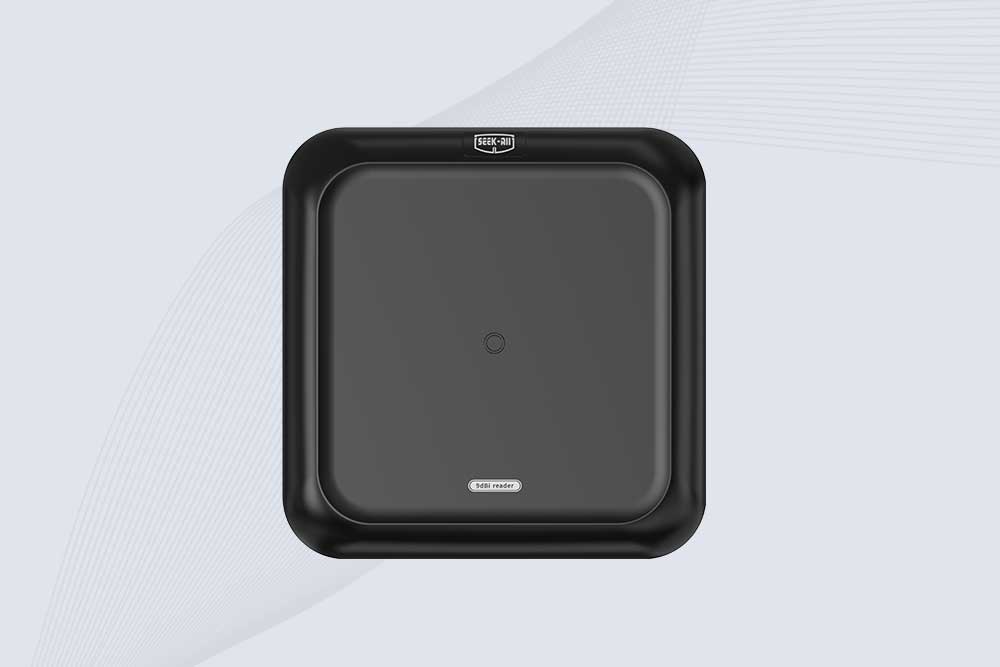
SSD-RA09L is a long range UHF RFID reader with a built-in 9 dBi antenna, 10m reading range, 600+ tags/s speed and flexible interfaces.
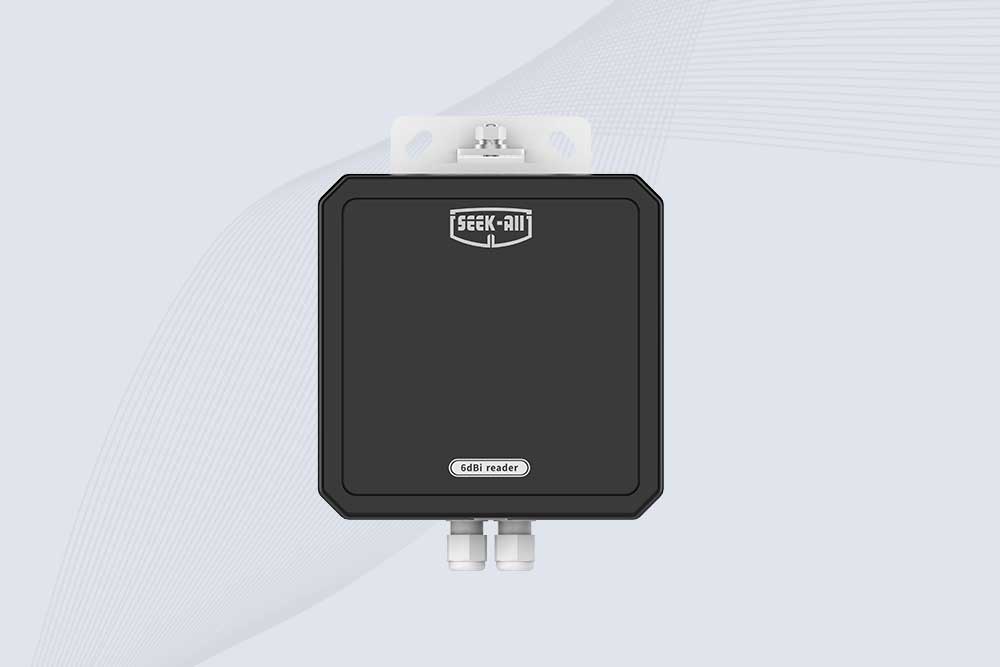
SSD-RA06L is an industrial UHF RFID reader with a built-in 6 dBi antenna, 3 m read range, 600+ tags/s, Ethernet, RS232, and optional Wi-Fi, 4G, and PoE.
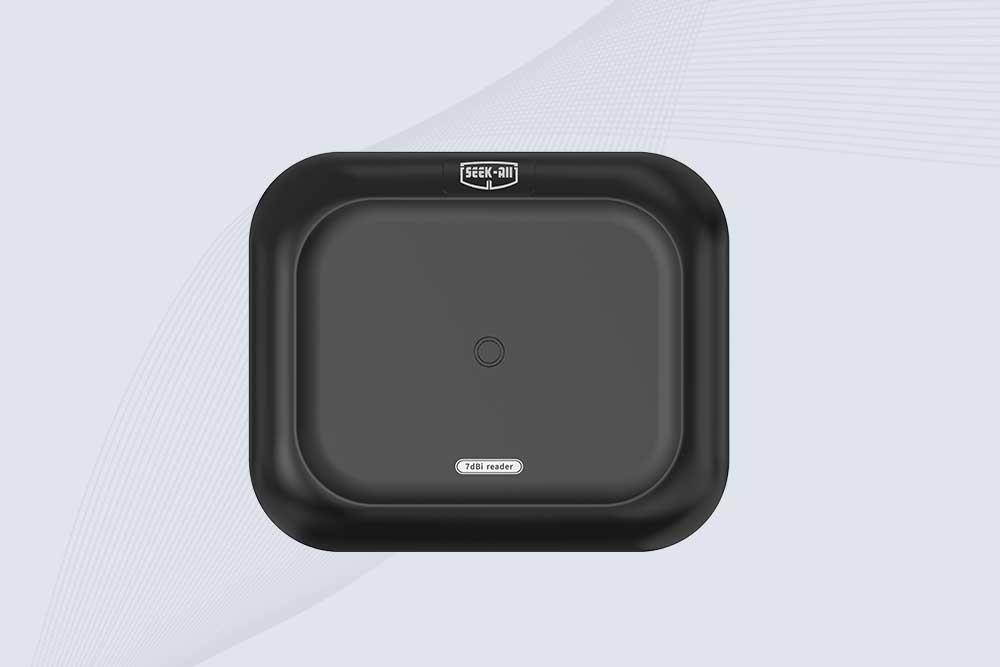
SSD-RA07L industrial UHF RFID reader with integrated 7 dBi antenna, up to 6 m reading distance, over 600 tags/s, Ethernet, RS232, and optional Wi-Fi, 4G, and PoE.
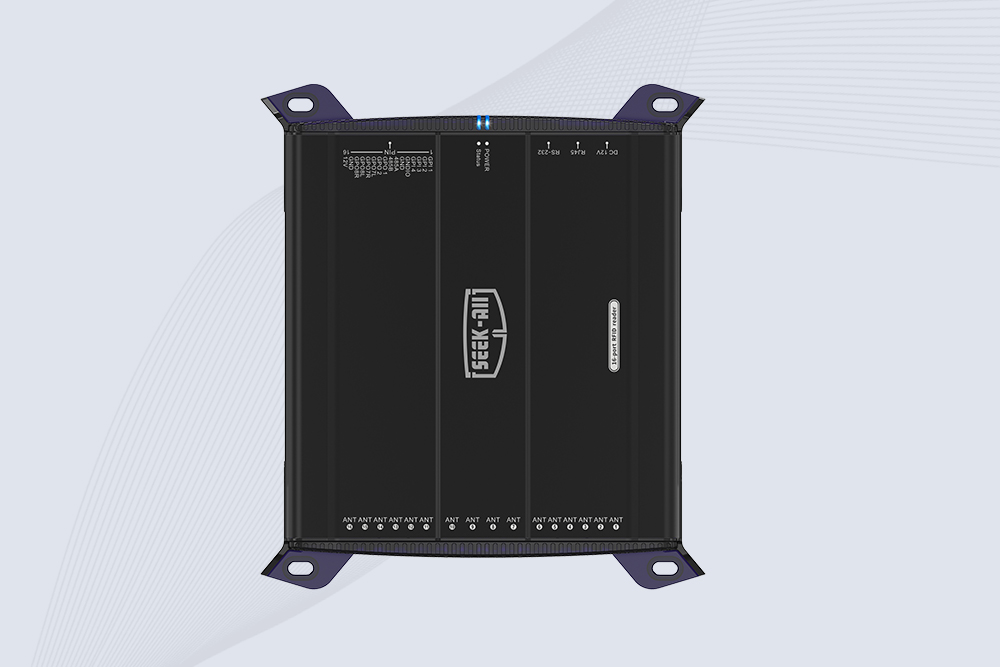
SSD-R16L Multi-Channel RFID Infrastructure for Automated Inventory Management ✔️ 16-Port High-Density RFID Reading Equipped with 16 SMA antenna ports, SSD-R16L supports multi-antenna deployment for warehouses, retail stores, logistics, production lines, and large-area RFID identification. ✔️ High-Speed & Long-Range Performance With up to 33…
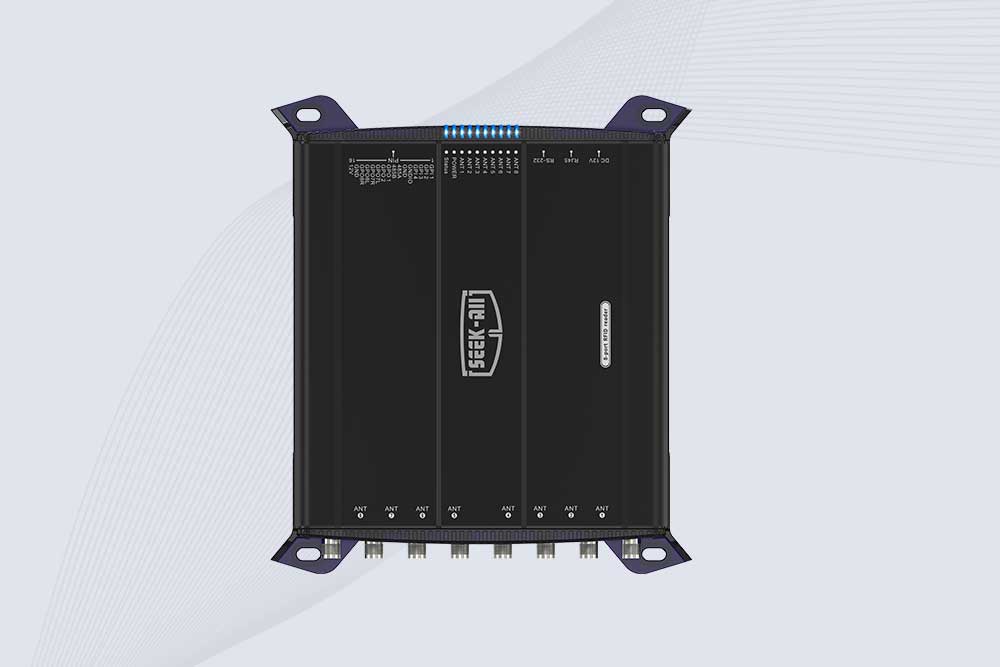
SSD-R8L 8-port UHF RFID reader with 33dBm output, up to 20m reading range and 600+ tags/s recognition. Ideal for warehouse, logistics, retail and asset tracking.
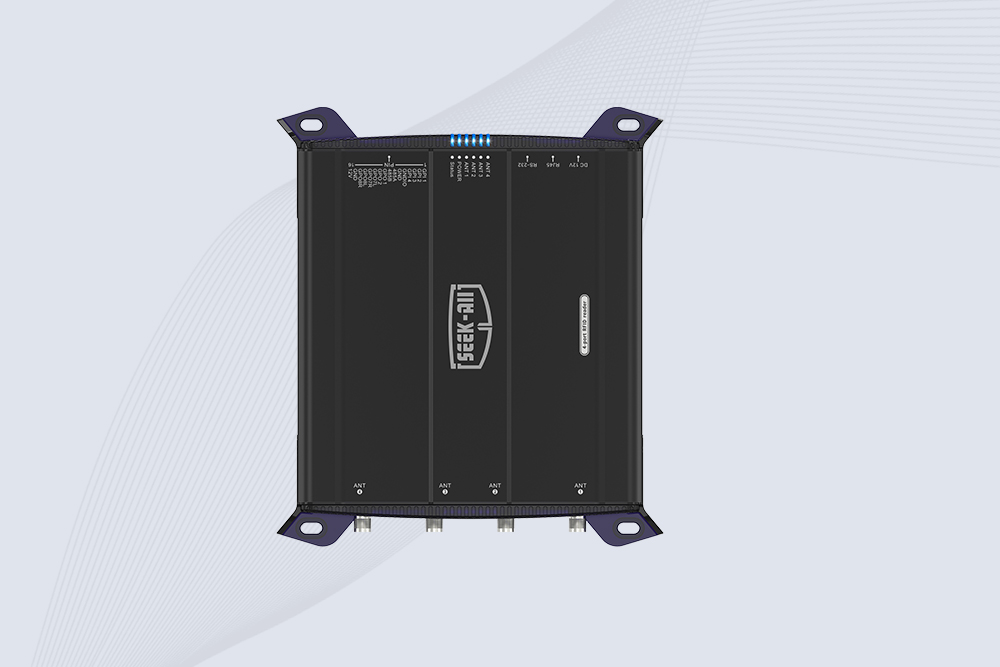
SSD-R4L is a 4-port UHF RFID fixed reader with 33dBm output power, up to 20m reading range, EPC C1G2 support and 600+ tags/s reading speed.
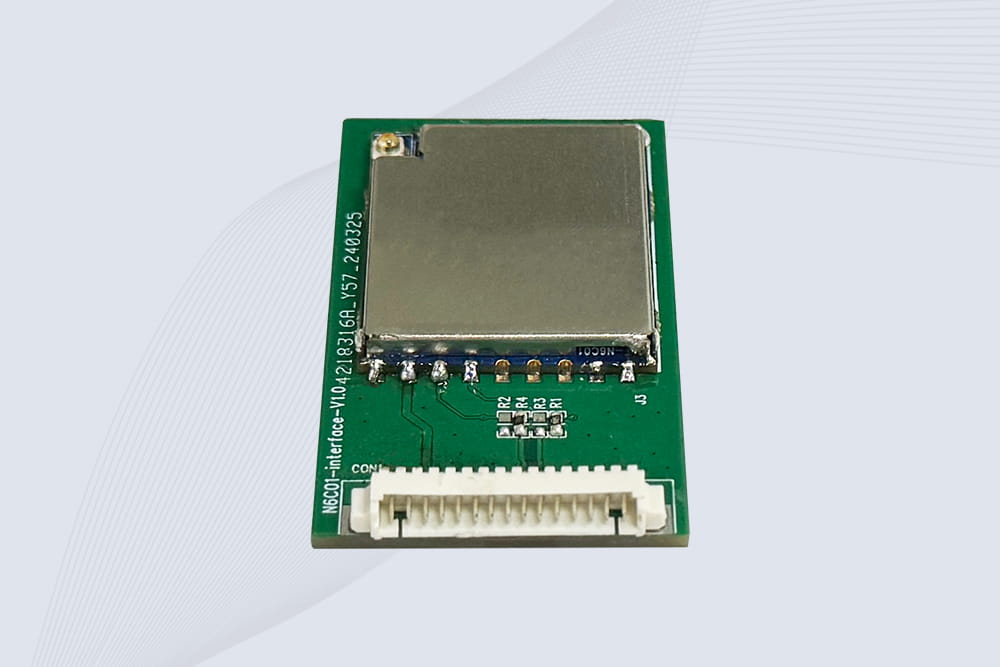
CYKEO Embedded RFID Modules are designed for compact industrial and IoT devices that require stable UHF performance. These UHF RFID Modules support global protocols, flexible power control, and reliable multi-tag reading for smart cabinets, production lines, and asset tracking systems.
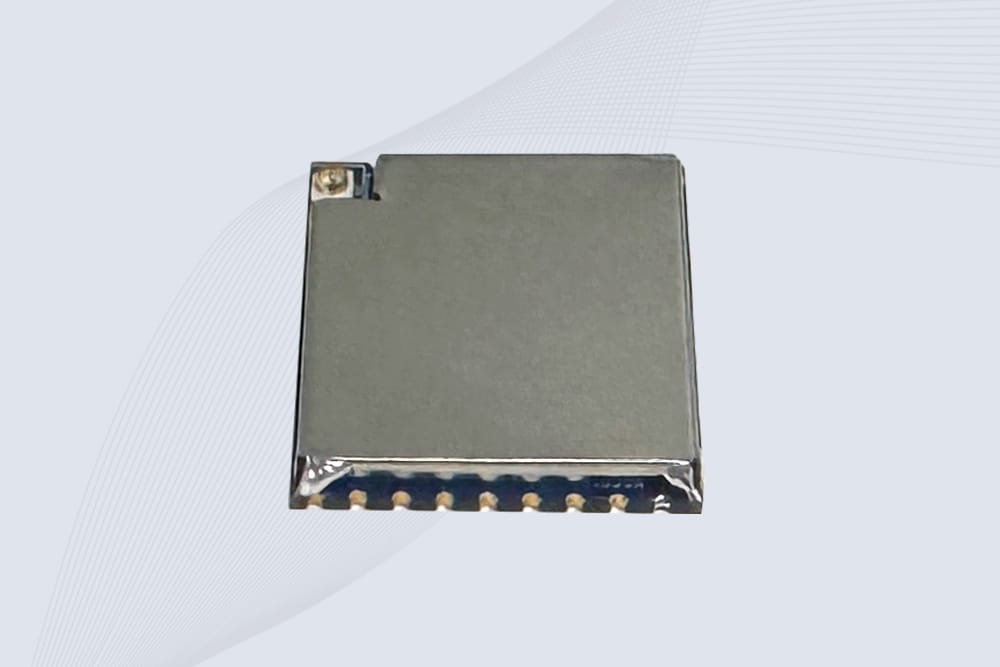
CYKEO Embedded RFID Module is built for compact IoT and industrial devices that need stable UHF performance. This UHF module supports global protocols, low power operation, and reliable multi-tag reading for smart lockers, production lines, and always-on RFID systems.
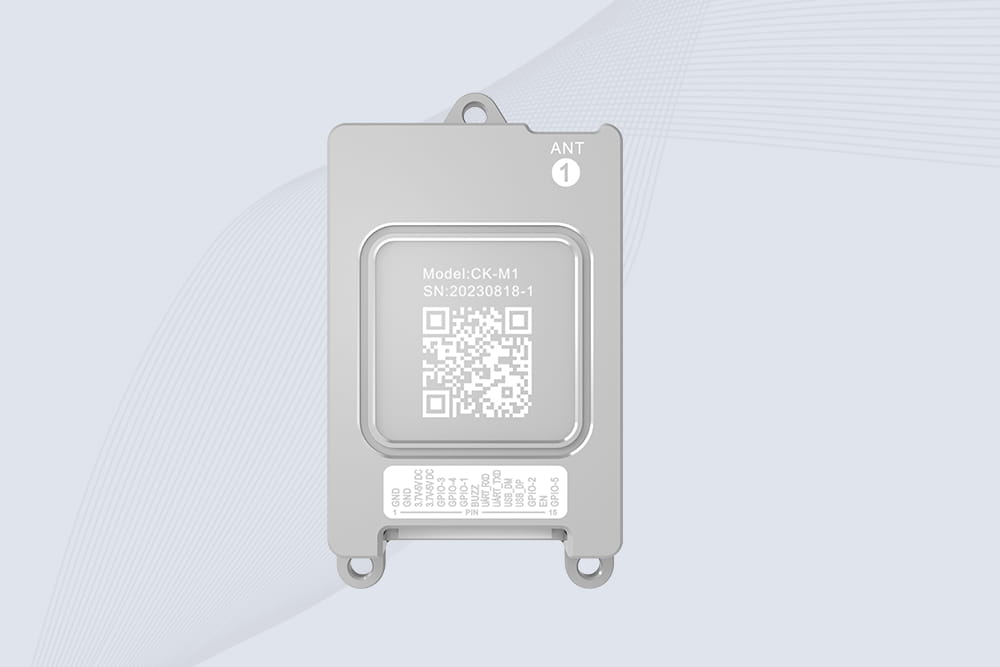
CYKEO CYKEO-M1 drone rfid module is a compact UHF RFID reader module designed for drones and UAV platforms. It supports long-range aerial scanning, fast multi-tag reading, and stable performance in wind, vibration, and outdoor environments.
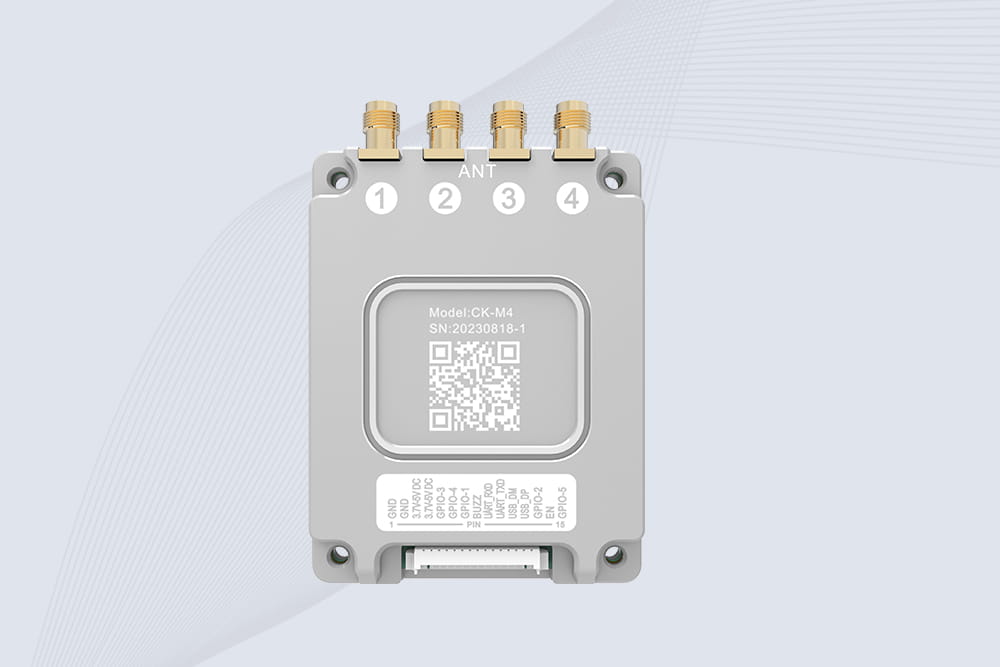
CYKEO CYKEO-M4 RC522 RFID Module is an industrial-grade UHF RFID reader with 4 ports, supporting ISO, EPC, and GB protocols. High-speed, accurate reading for IoT, automation, and warehouse applications.
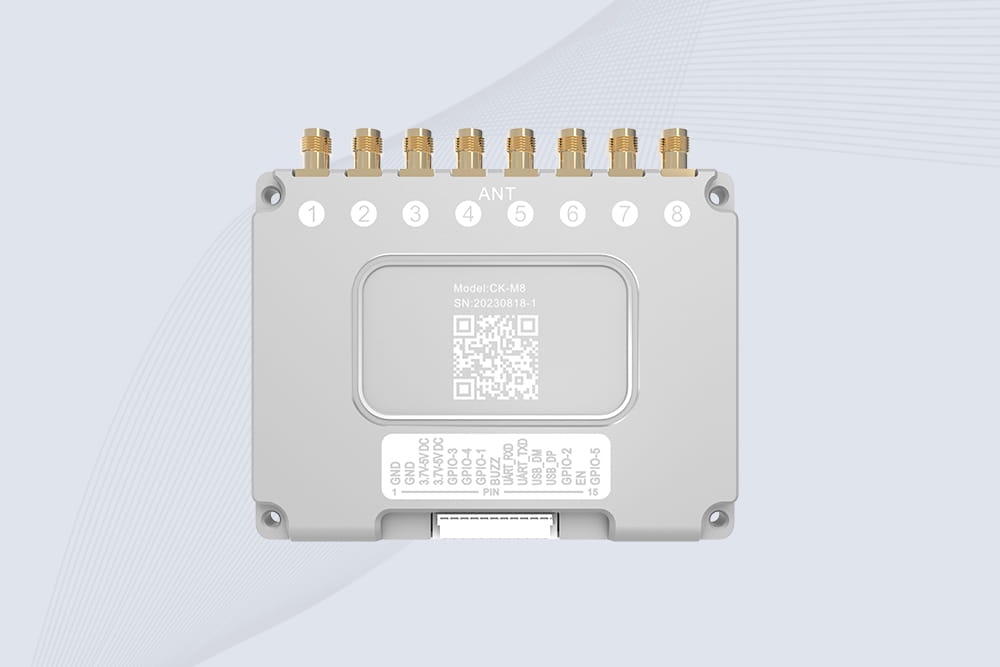
CYKEO CYKEO-M8 Module RFID is an 8-port UHF R2000 RFID Module designed for high-density, multi-tag environments. Stable 33dBm output, ISO & GB protocol support, ideal for warehouses, factories, and automated systems.
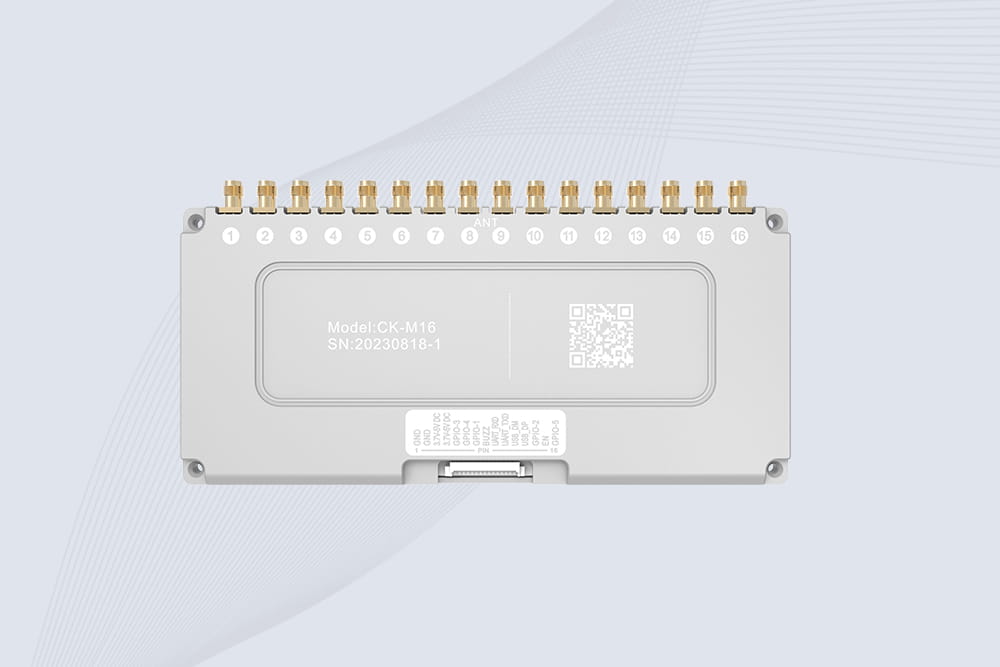
CYKEO CYKEO-M16 RFID Module is a 16-port UHF RFID reader module based on the R2000 chipset. Designed for dense tag environments, it supports ISO and GB standards and delivers stable multi-antenna control for industrial automation.
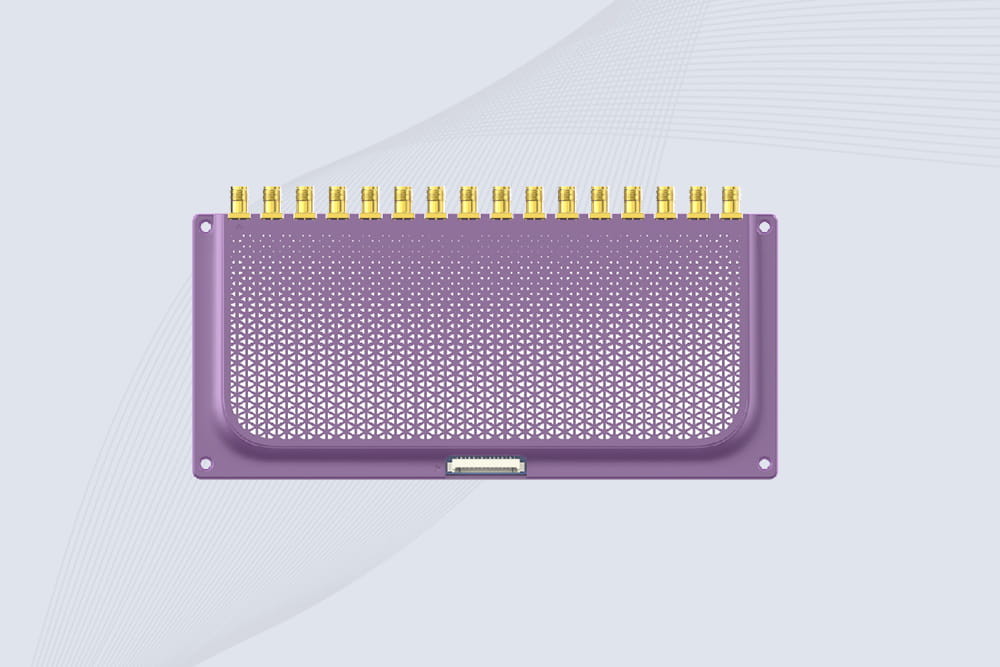
The CYKEO CYKEO-M16L RFID Reader Module is a 16-channel UHF RFID core designed for dense tag environments. With adjustable 33dBm output, multi-protocol support, and stable multi-antenna control, this RFID Tag Reader Module fits industrial automation, warehouse systems, and large-scale IoT deployments.
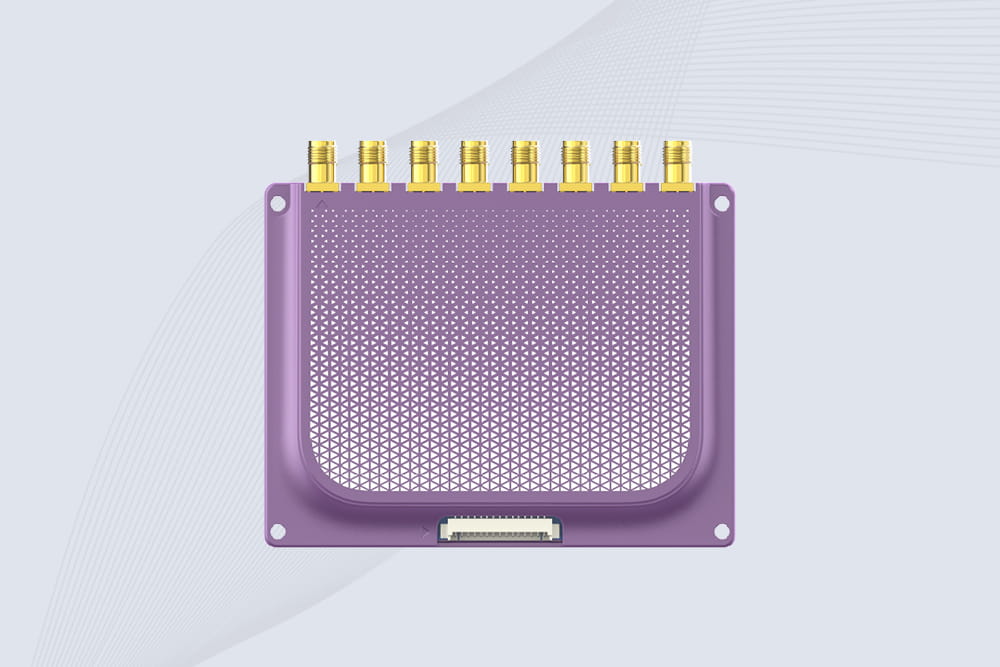
CYKEO CYKEO-M8L module RFID is a compact industrial UHF module built for dense tag and multi-antenna environments. With 8 RF ports, adjustable 33 dBm output, and ISO & GB protocol support, it is widely used in factories, warehouses, and automated tracking systems.
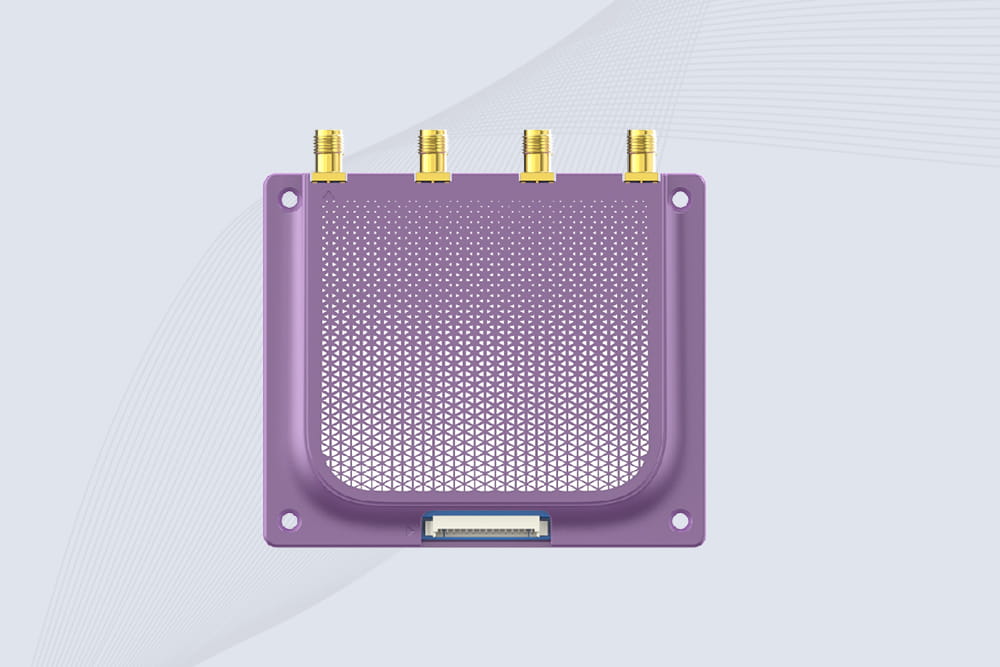
CYKEOCYKEO-M4L UHF RFID Module is a compact 4-channel RFID tag reader module designed for dense tag environments. Supporting ISO and GB protocols, it delivers stable reads up to 10 meters for industrial and IoT systems.
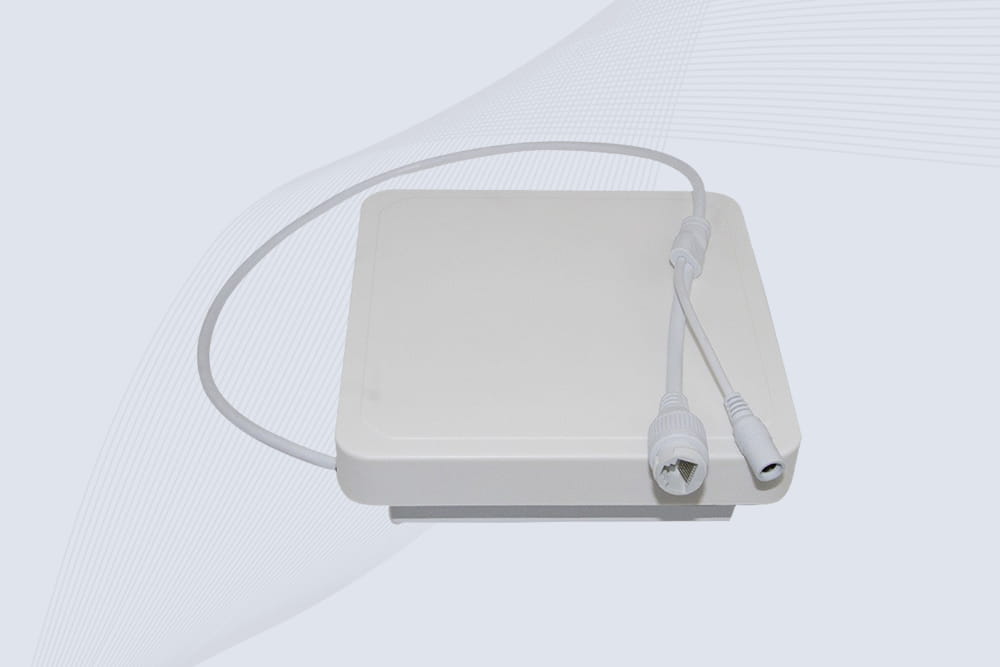
Cykeo’s industrial long range RFID reader delivers 20-meter scanning, 500+ tags/sec speed, and IP67 waterproof design for automated warehouses, logistics, and harsh environment applications.
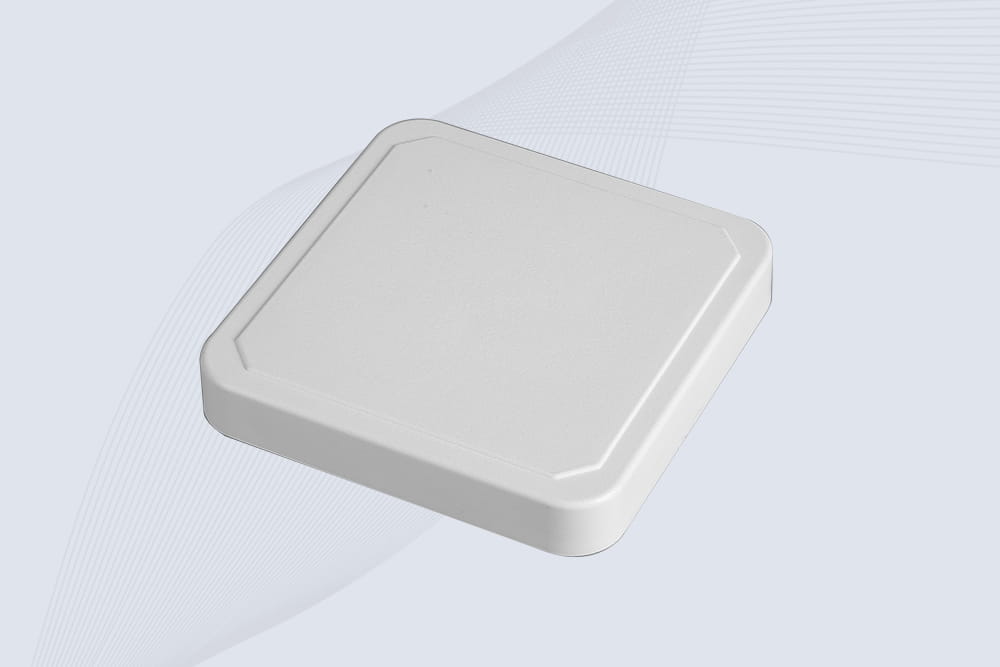
Cykeo’s CYKEO-RA6L industrial RFID long range reader features 20m read distance, 500 tags/sec speed, and IP67 protection. Ideal for warehouse automation, manufacturing WIP tracking, and smart logistics. Supports ISO 18000-6C/6B protocols.
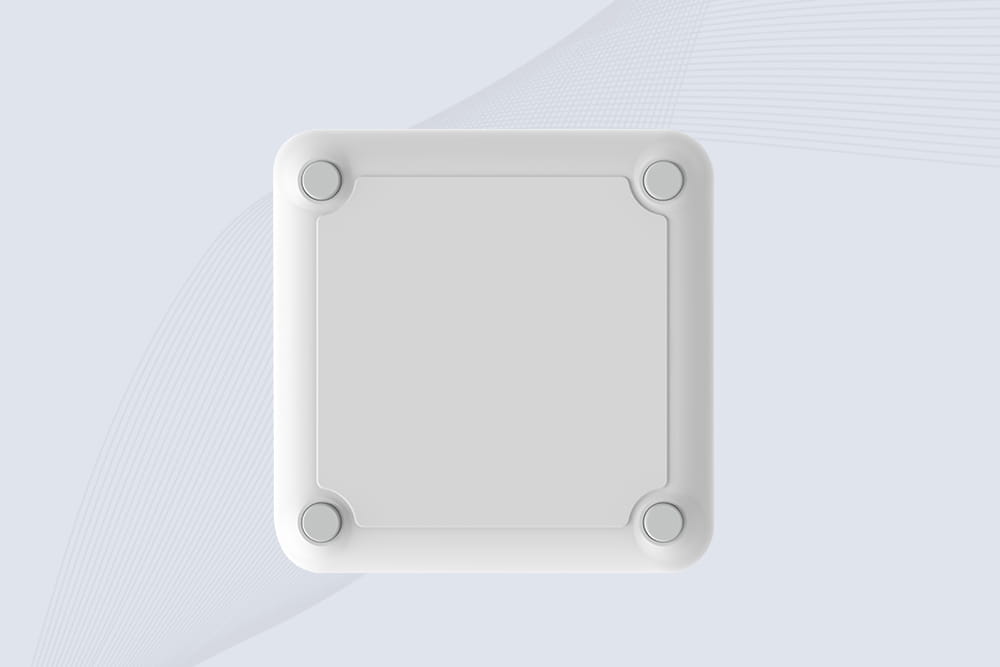
CYKEO Long Range RFID Tag Reader built for outdoor and industrial operations. This Outdoor RFID Reader delivers 20m read distance, fast tag processing, and IP67 durability for wide-area tracking.
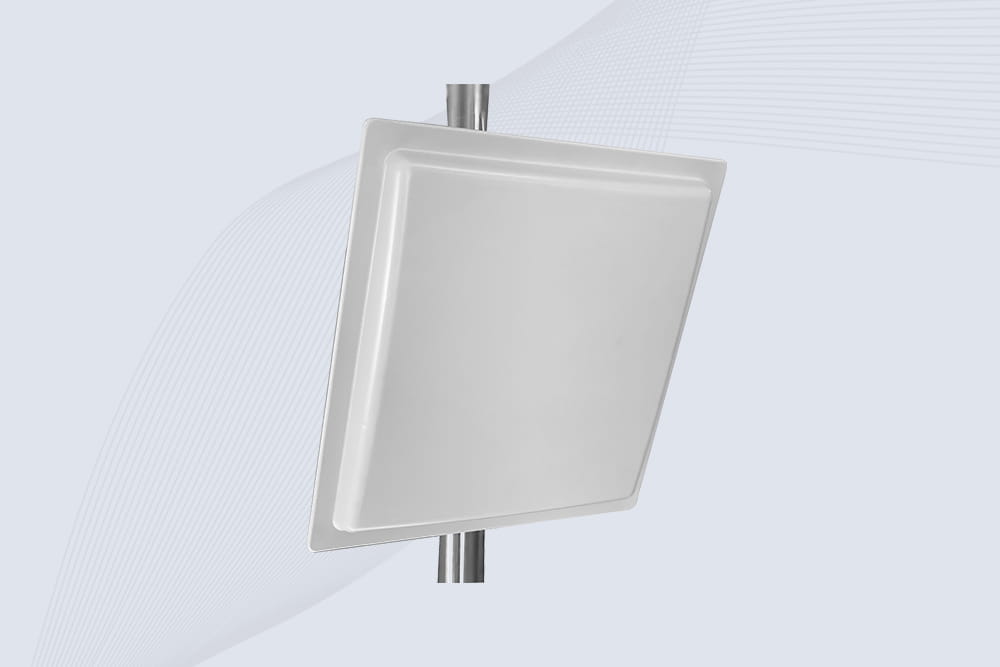
Cykeo CYKEO-RA12L industrial Long Range RFID Reader delivers 20m read range, 200+ tags/sec scanning, and IP67 protection for manufacturing/logistics applications. Supports ISO 18000-6C/GB protocols.
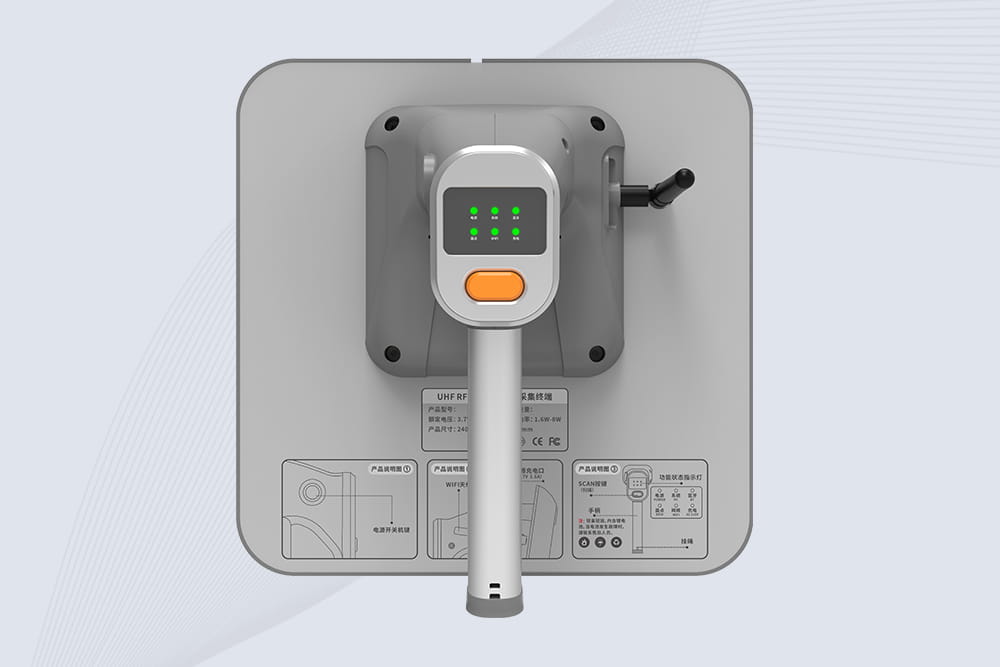
Cykeo CYKEO-B9 UHF Bluetooth handheld RFID scanner features 12m UHF range, 200+ tags/sec scanning, IP67 rugged design for retail/warehouse/pharma. Supports Android SDK & real-time Bluetooth 5.0 transmission.
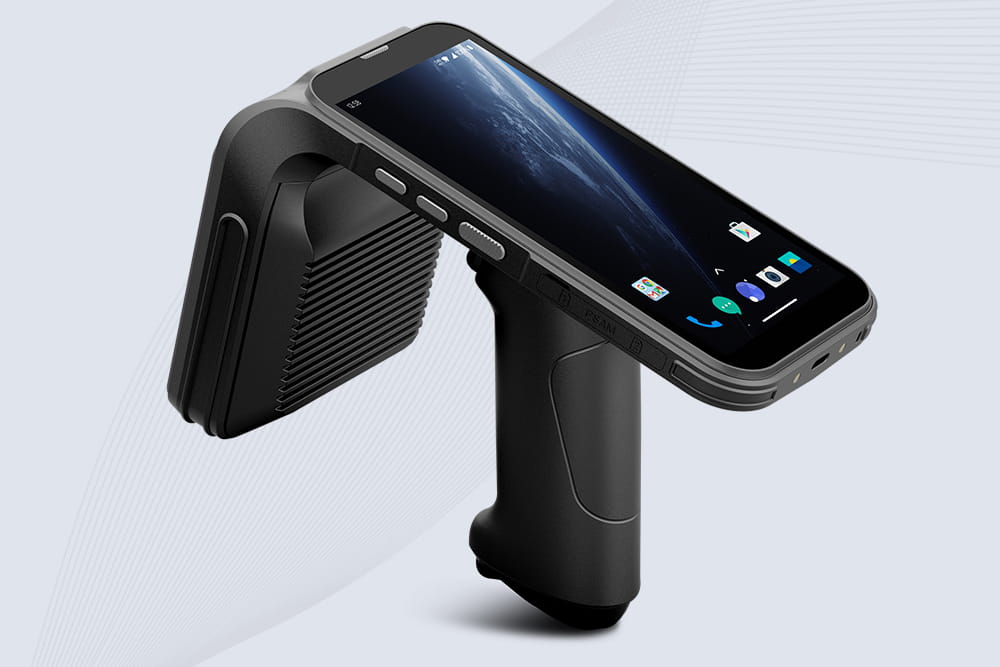
Cykeo CYKEO-B4 UHF Handheld RFID Reader scanner delivers 1300 tags/sec reading, 30m UHF range, and 12-hour battery life. IP65 rugged design with barcode/NFC/ID scanning for retail/manufacturing/logistics.
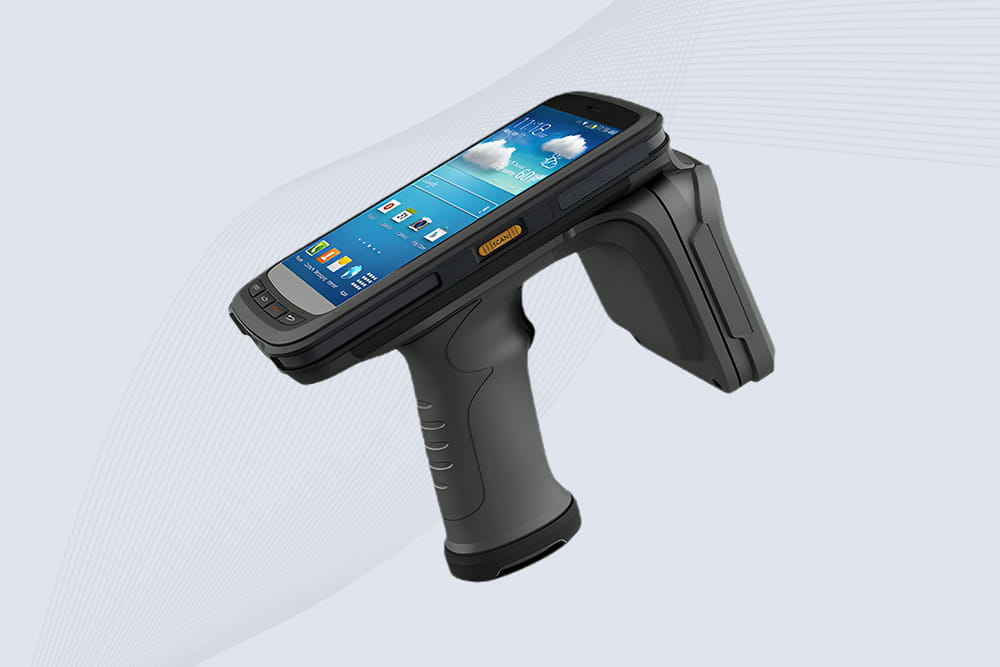
Cykeo CYKEO-B2 industrial UHF RFID handheld Scanner offers 10m range, 500 tags/sec scanning, Android 11 OS, and IP65 rugged design for retail/warehouse/manufacturing.
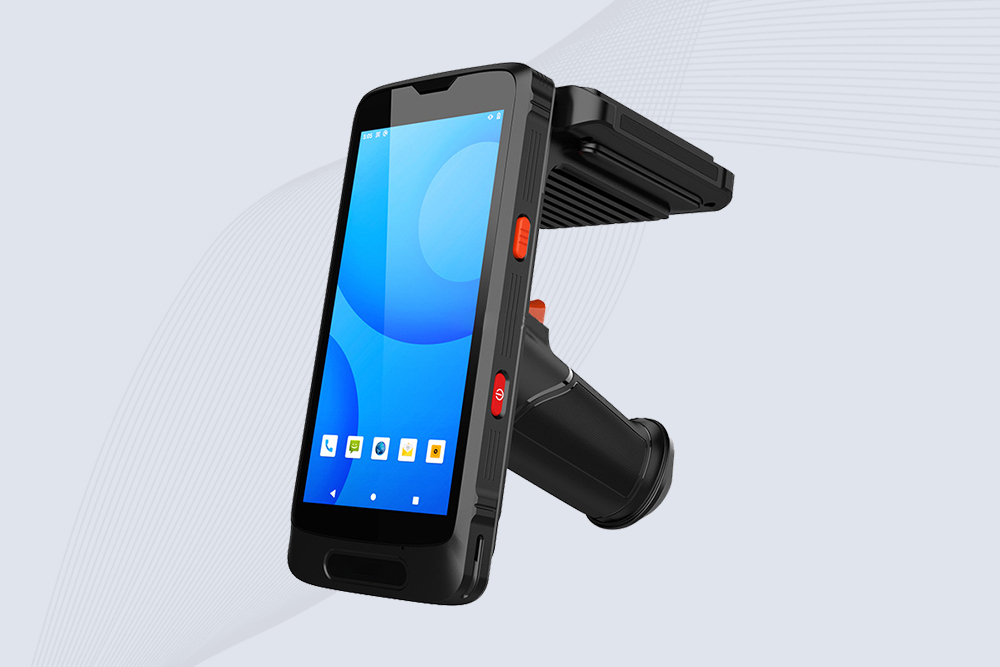
Cykeo CYKEO-B3 industrial RFID Reader Handheld, terminal offers 2m read range, multi-protocol scanning (NFC/barcode/ID), Android 10 OS, and IP65 ruggedness for logistics/retail/manufacturing.
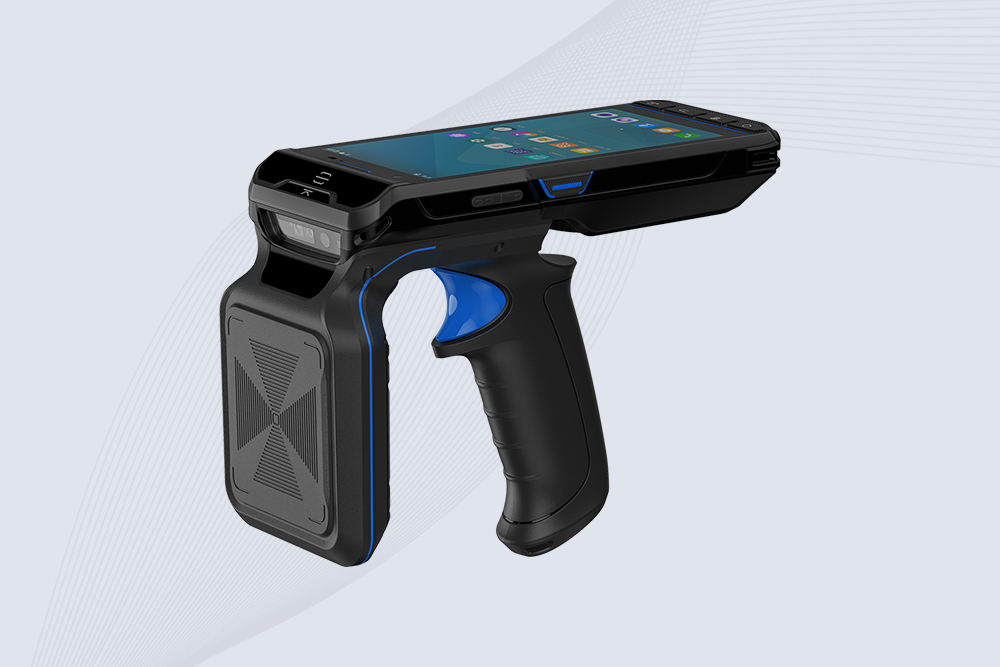
Cykeo CYKEO-B3L industrial handheld UHF RFID Reader terminal features 20m read range, 500 tags/sec scanning, Android 13 OS, 12-hour battery for logistics/retail/manufacturing. Supports barcode/NFC/ID reading.
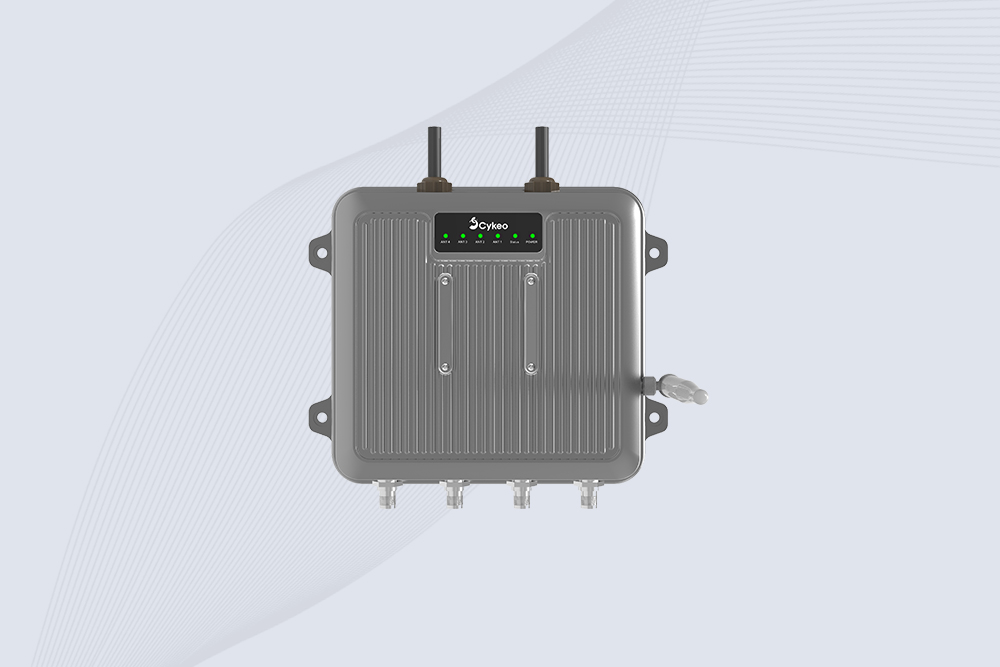
Cykeo CYKEO-C1 industrial Forklift RFID Reader features 20m read range, 600 tags/sec scanning, Impinj R2000 chipset, and IP67 rugged design. Ideal for warehouse logistics and manufacturing. Supports ISO 18000-6C/6B protocols.
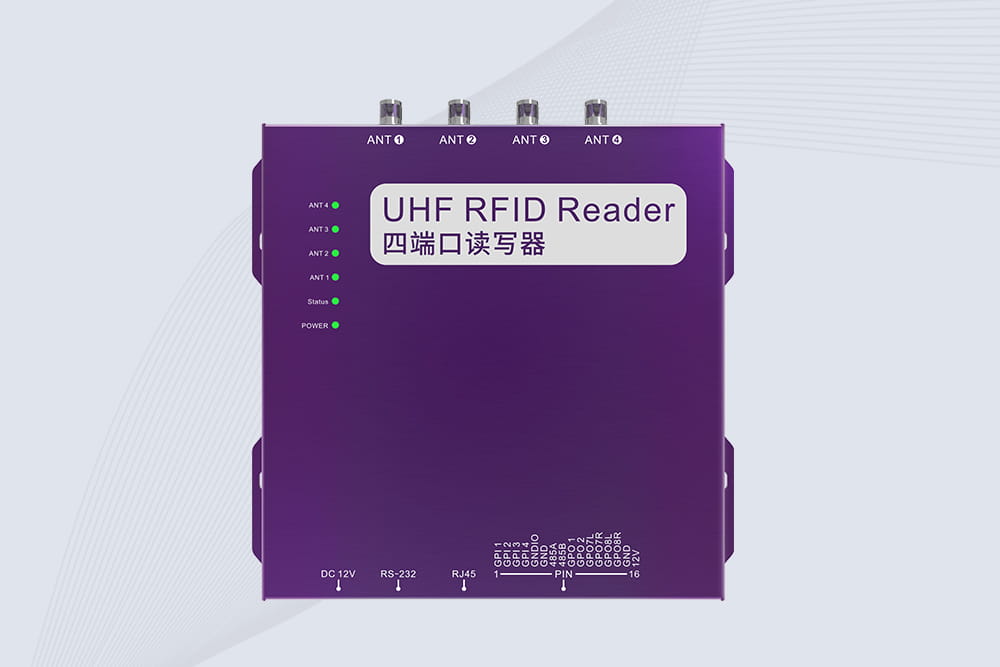
Cykeo CYKEO-R4 industrial UHF RFID Fixed Reader features 4 TNC ports, 400+ tags/sec speed, IP67 housing, and global frequency compliance for vehicle inspection, smart warehouse, and asset management systems.
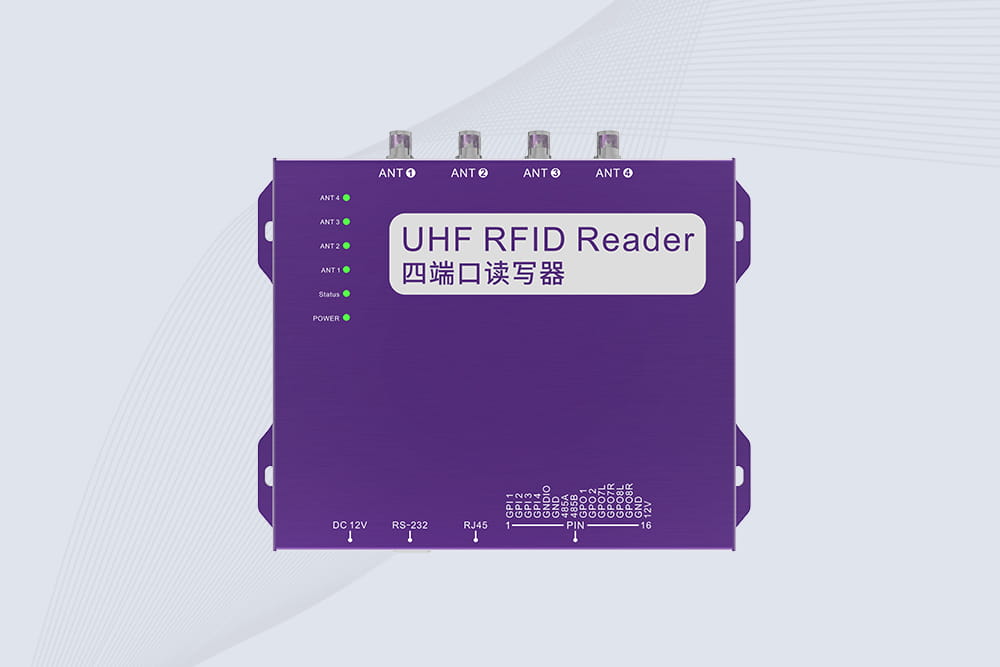
Cykeo’s CYKEO-R4L 4-port Fixed UHF RFID Reader delivers 400 tags/sec scanning, ISO 18000-6C compliance, and IP65 protection. Ideal for warehouse automation, manufacturing WIP tracking, and logistics management.
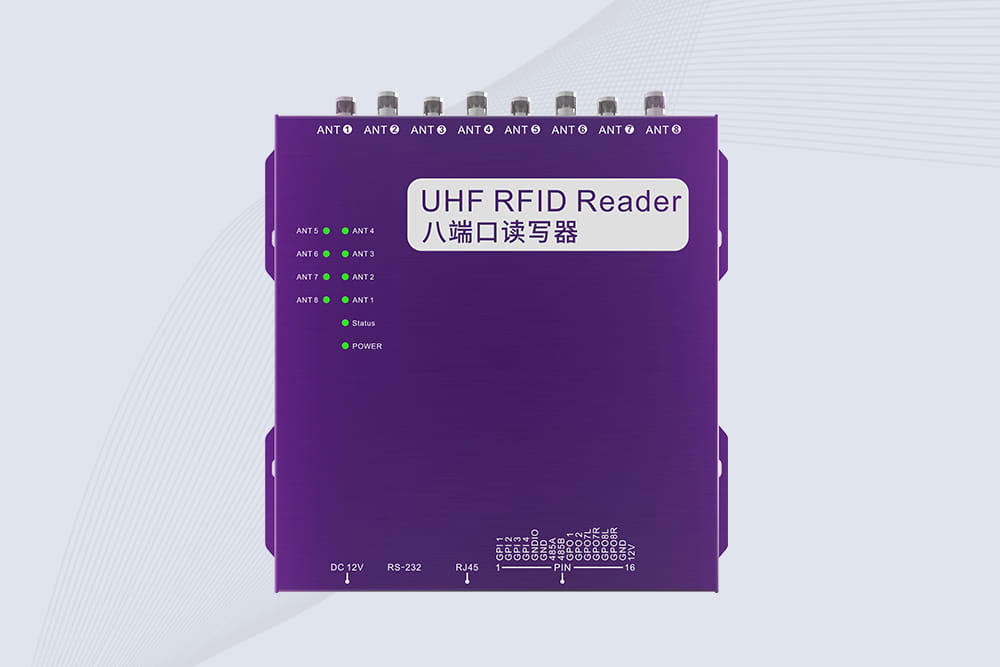
CYKEO CYKEO-R8L Fixed RFID Reader with 8-port UHF design, Impinj-based RF core and up to 20m read range. An industrial Fixed RFID Reader for vehicle inspection, warehouse portals, smart manufacturing lines and secure access checkpoints.
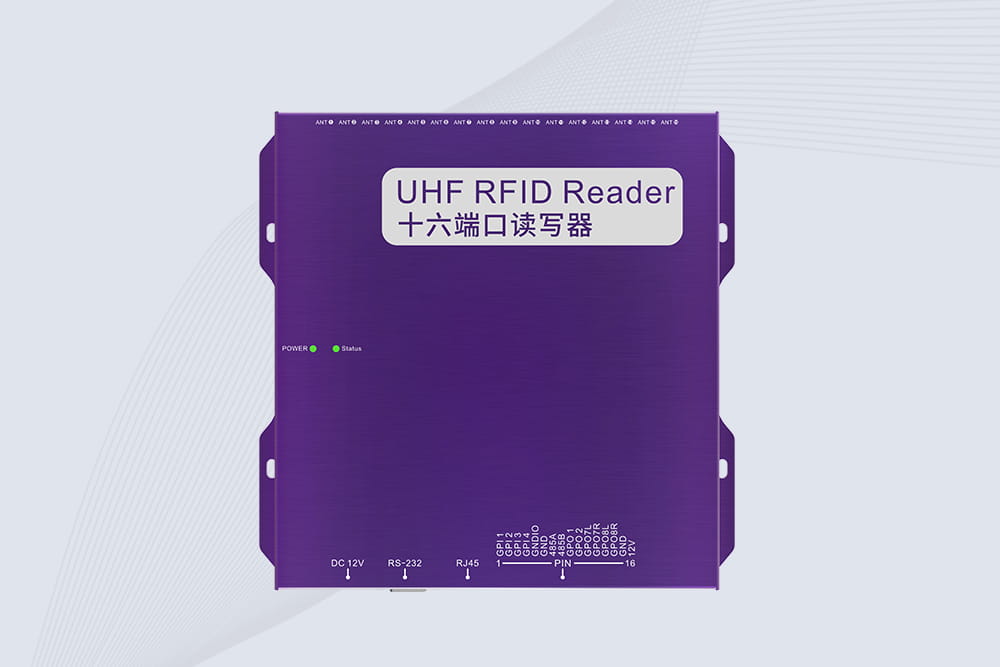
RFID Fixed Reader from CYKEO – the CYKEO-R16L 16-port UHF fixed reader for warehouses, smart cabinets, and production lines. Long-range, multi-tag reading, stable performance for 24/7 industrial use.

How can rfid technology manage inventory? Discover how RFID improves stock accuracy, automated tracking, and warehouse visibility with Cykeo RFID solutions.
More
Discover how equipment tags metal improve industrial asset tracking, maintenance visibility, and inventory accuracy. Learn RFID metal tag best practices from Cykeo experts.
More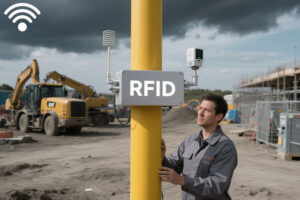
Discover proven strategies to reduce interference in outdoor long-range RFID systems. Learn how Cykeo’s rugged solutions maintain accuracy in challenging environments.
More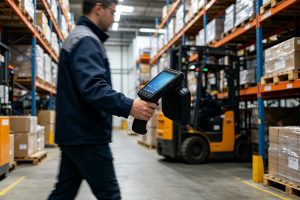
handheld uhf rfid reader devices improve inventory accuracy, warehouse tracking, and industrial asset visibility with Cykeo ultra high frequency RFID technology.
More