 Cykeo RFID IoT Solution Products R&D Manufacturer

RFID Proximity Alarm: The Precision Guardian for Smart Security
922explore the working principle, application scenarios, core advantages, and key purchasing considerations of RFID proximity alarm systems
MoreAll RFID Product
An RFID label sticker is a self-adhesive identification label containing a small RFID chip and antenna. It attaches directly to products, cartons, equipment, or packaging and communicates with a compatible RFID reader through radio waves. Unlike a conventional barcode sticker, it can be read without direct visual contact and can support multiple-item identification.
An RFID label sticker looks simple from the outside. It may resemble a printed product label, shipping sticker, or asset tag. The important difference is hidden beneath its printable surface: a thin RFID inlay containing an integrated circuit and antenna.
That small electronic structure changes how an organization identifies physical items. Instead of pointing a barcode scanner at each visible code, staff or automated equipment can use radio-frequency readers to capture data from compatible stickers within a configured read zone. Depending on the system, multiple tagged items can be identified in one reading operation.
The term is sometimes used interchangeably with RFID label, RFID sticker, or RFID adhesive tag. In practical purchasing, however, the exact construction matters. A paper UHF sticker for a cardboard carton is not the same product as a rugged RFID tag designed for a metal tool or a washable label intended for reusable garments.
This guide explains what an RFID label sticker contains, how it works, which types are available, and how to choose one for a real identification workflow.
An RFID label sticker is usually made from a printable face material, an RFID inlay, an adhesive layer, and a release liner. The inlay is the electronic part: a microchip connected to an antenna.
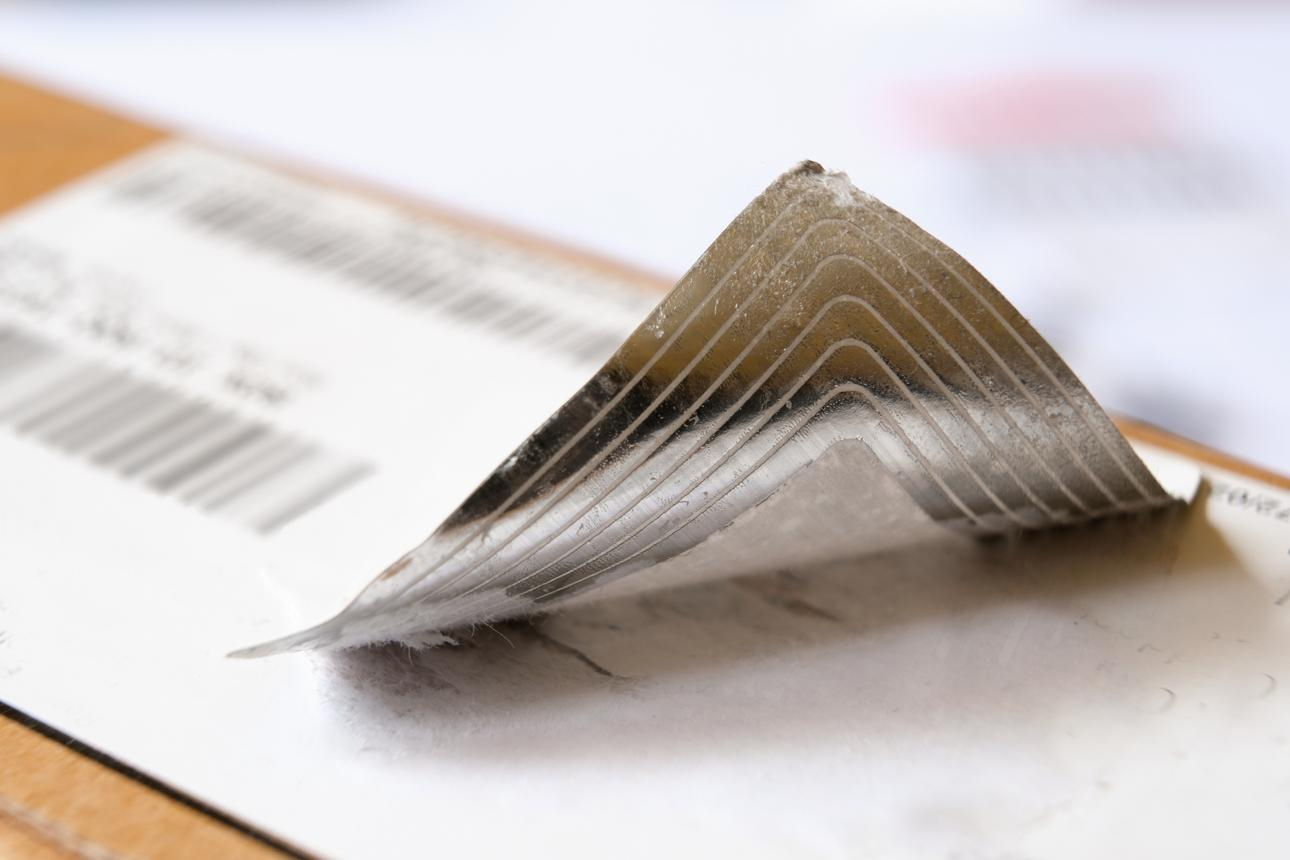
The microchip stores and processes the information supported by the tag. In many product and logistics applications, the most important information is an identifier used by business software to look up the item’s record.
The memory structure depends on the chip. A passive UHF chip may provide several memory banks, such as:
Not every RFID sticker provides the same memory capacity or writing permissions. Buyers should check the actual chip datasheet instead of assuming that all RFID stickers can store the same amount of information.
The antenna receives radio-frequency energy from the reader and enables communication between the reader and chip. Its shape, size, material, and electrical characteristics influence how the sticker performs.
A label designed for a paper carton may use a different antenna layout from one intended for a plastic container or metal-mounted application. Even when two stickers use the same chip family, their antenna designs can produce different results in a particular installation.
The face material is the visible outer layer. It may be paper or synthetic film, depending on printing needs and the operating environment.
Paper labels are often suitable for ordinary packaging and short-term identification. Synthetic materials may be preferred when labels face moisture, friction, or more demanding handling conditions. The choice should reflect the product’s actual life cycle, not just its appearance when first applied.
The adhesive holds the sticker against the item or packaging. The release liner protects the adhesive before application and is removed during labeling.
Adhesive selection is easy to overlook. A sticker that works well on a flat cardboard box may peel away from a curved plastic container, a dusty surface, or a reusable asset exposed to cleaning. For long-term applications, confirm the adhesive’s compatibility with the actual surface and environmental conditions.
A passive RFID label sticker communicates with a reader through radio-frequency signals. It does not need an internal battery. The reader transmits energy, the sticker receives that energy through its antenna, and the chip responds with its stored information.
For a typical passive UHF RFID system, the sequence looks like this:
The radio response is not the same thing as a completed business transaction. Reading a sticker does not automatically confirm that a product has been shipped, sold, received, or approved. Those actions depend on application rules and the data exchanged with the business system.
The difference becomes clear at a busy receiving station.
With a barcode process, an operator usually needs to position each code in the scanner’s field of view. If cartons are stacked, labels are turned away, or a code is damaged, the operator may need to move the package or scan it again.
An RFID reader can identify compatible stickers without directly seeing their printed surfaces. In a properly configured system, it may read multiple tags in the same zone. But radio communication introduces its own engineering considerations: orientation, nearby materials, antenna coverage, tag density, and unwanted reads.
| Feature | RFID label sticker | Barcode sticker |
|---|---|---|
| Identification method | Radio-frequency communication | Optical scanning |
| Direct line of sight | Usually not required | Required |
| Multiple-item capture | Possible with suitable reader and configuration | Usually one code at a time |
| Data carrier | Electronic chip and antenna | Printed bars or 2D code |
| Power | Passive versions use reader energy | No power required |
| Surface damage | Radio function may remain usable if the inlay is intact, depending on damage | A damaged or obscured code may be unreadable |
| Equipment | RFID reader and antenna | Barcode scanner or camera |
| Typical strength | Bulk identification and automated checkpoints | Low-cost, direct visual identification |
RFID does not make barcode technology obsolete. Many organizations use both. A printed barcode can provide a visible backup for staff, while the RFID inlay supports automated identification.
Not every RFID label sticker uses the same radio frequency or construction. The best choice depends on the reader, the object being labeled, the required reading distance, and the environment in which the sticker will operate.
Passive RFID stickers do not contain an internal battery. They draw the energy required for communication from the reader’s radio signal.
This is the most common format for adhesive RFID labels used in product identification, retail, warehousing, and logistics. Because the label does not need a battery, it can be made relatively thin and lightweight.
Typical applications include:
A passive sticker may store a simple identifier or additional data, depending on the chip. The actual memory capacity varies significantly between products.
Active RFID devices use an internal battery to power their communication. They are generally larger and more expensive than passive adhesive stickers, but can support longer communication distances and additional functions.
They are more commonly used for tracking vehicles, large assets, equipment, and containers than for disposable product labeling. In supplier catalogs, the term active RFID sticker may be used loosely. Check the product’s construction and power source rather than relying on the name alone.
Battery-assisted passive tags use a battery to power the chip or additional functions, while communicating with the reader through backscatter. Some specialized designs support sensing applications, such as monitoring temperature or other environmental conditions.
These devices are not equivalent to ordinary passive UHF stickers. Their physical size, battery life, sensor capability, and maintenance requirements should be considered before selection.
Frequency determines which reader can communicate with a sticker and influences the typical operating range and application.
| Frequency type | Common frequency | Typical applications | General characteristics |
|---|---|---|---|
| LF | 125–134.2 kHz | Animal identification, specialized access systems | Short-range communication; often used for close identification |
| HF | 13.56 MHz | Library systems, smart cards, tickets, document identification | Short-range applications; established standards for different use cases |
| UHF | Commonly within 860–960 MHz, depending on regional allocation | Retail, warehousing, logistics, asset tracking | Supports multi-tag reading and longer read ranges in suitable conditions |
For supply-chain and retail applications, passive UHF RFID is particularly relevant. GS1 identifies passive UHF RFID, also known as RAIN RFID, with the GS1/EPC Gen2 and ISO/IEC 18000-63 standards. GS1 describes operating frequencies in the 860–930 MHz range and read distances of up to 10 metres depending on the environment.
That distance should not be treated as a guaranteed result for every sticker. A label on a well-positioned cardboard carton may read at a different distance from the same label placed close to liquid or metal. The reader antenna and tag orientation also matter.
A simple starting point:
Do not order labels before confirming the reader’s frequency and protocol. A UHF sticker will not become readable by an HF reader simply because both products are described as RFID.
Retailers use RFID label stickers to identify individual garments, footwear, accessories, and packaged goods. The label can carry an item identifier that links to the retailer’s product database.
At store level, handheld readers can support cycle counting and stock checks. Fixed readers may be used at selected transition points, depending on the store’s design and workflow.
An important distinction: the sticker identifies the product; it does not independently determine the product’s location. Location information is inferred from where and when a reader captures the tag, together with the software’s event logic.
For apparel, label construction deserves particular attention. The sticker must fit the garment’s packaging or ticketing format, remain attached through handling, and avoid interfering with the product’s presentation. Some garment programs use RFID-enabled hang tags rather than conventional adhesive stickers.
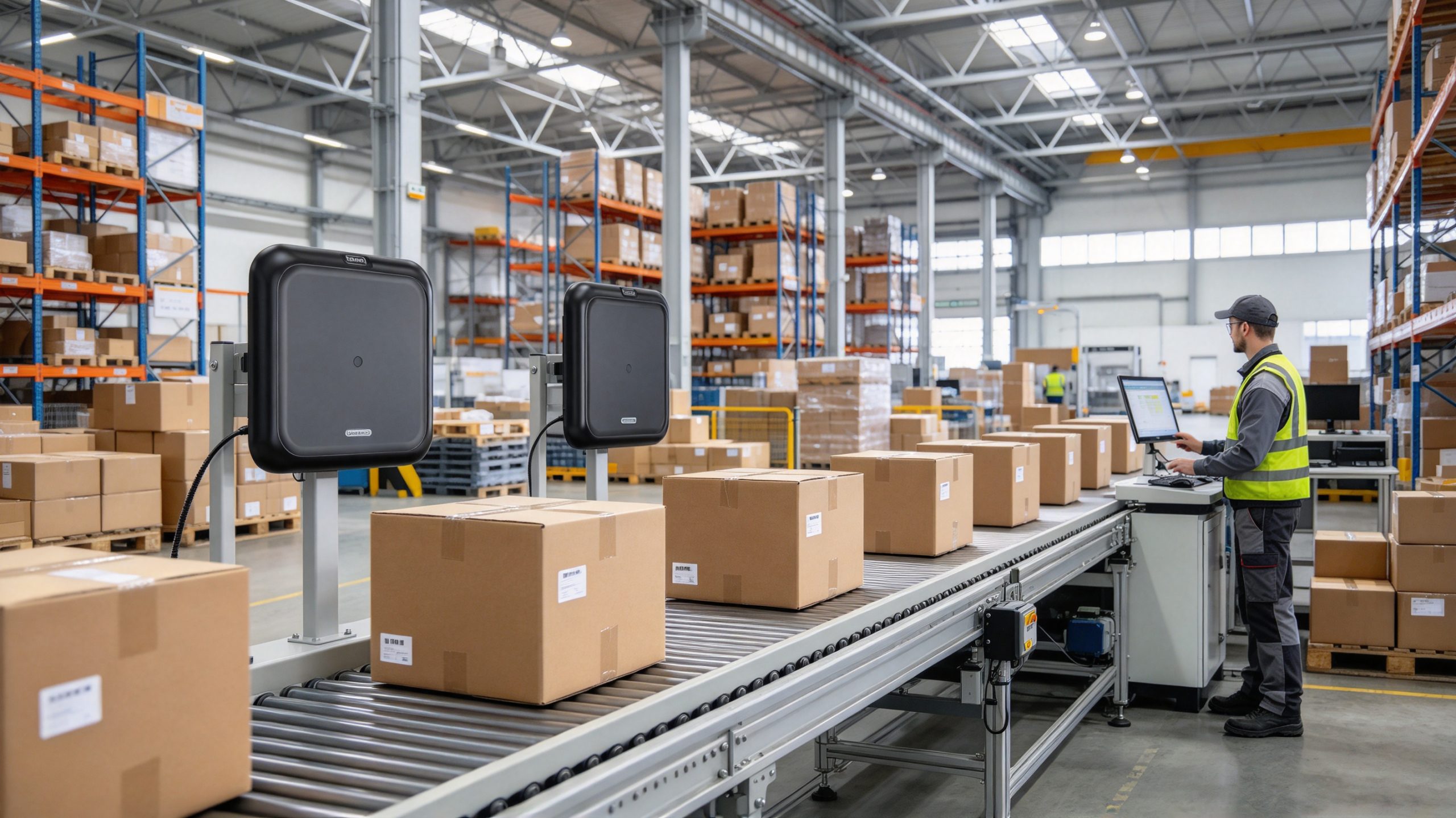
In logistics, RFID label stickers can be applied to cartons, cases, pallets, or reusable containers. Fixed readers can be installed at receiving doors, conveyor lines, packing stations, and dispatch lanes.
For example, a warehouse may expect 40 cartons on an outbound shipment. When the tagged cartons pass through a configured read zone, the system compares the captured identifiers against the shipment manifest. Missing or unexpected identifiers can be flagged for investigation.
This process depends on more than the sticker. The reader must capture the tags reliably, middleware must filter repeated reads, and the warehouse system must associate each identifier with the correct shipment. Without those steps, a large volume of tag data may create little operational value.
Manufacturers can use RFID stickers to identify components, work-in-process containers, packaging, and finished goods. When a tagged item passes a reader checkpoint, the system can associate the read event with a production or handling stage.
For reusable tools and equipment, ordinary paper adhesive stickers may not last long enough. A durable RFID tag or a specialized industrial label may be more appropriate where surfaces are oily, exposed to chemicals, repeatedly cleaned, or subject to abrasion.
Libraries use RFID labels or tags to identify books and other circulating materials. Compatible systems can support self-checkout, returns, inventory checks, and security functions.
The label must match the library’s reader frequency, data format, and system requirements. A tag that can be detected by a general-purpose reader is not automatically compatible with the library’s circulation workflow.
The selection process should begin with the item and the operating environment, not the supplier’s maximum read-distance claim.
| Selection factor | What to check |
|---|---|
| Frequency | LF, HF, or UHF compatibility with the reader |
| Protocol | Required air-interface standard and reader support |
| Chip | Chip model, sensitivity, memory capacity, and supported functions |
| Antenna | Size, design, and suitability for the item’s surface |
| Label material | Paper or synthetic face material |
| Adhesive | Permanent, removable, temperature-resistant, or surface-specific |
| Printing | Compatibility with the intended barcode or RFID printer-encoder |
| Environment | Exposure to moisture, heat, friction, chemicals, metal, or liquids |
| Application | Individual item tracking, carton identification, asset management, or encoding |
A sample test should use the real item, not just a loose label on a desk.
For example, a UHF sticker that performs well on an empty cardboard carton may behave differently when attached to a package containing liquid or metal components. GS1’s implementation guidance specifically warns that metals and liquids can affect RFID tag performance and recommends considering tag placement and packaging characteristics. documents.gs1us.org+1
Before approving a label for bulk production, test:
For products with metallic surfaces, consider a purpose-designed on-metal RFID label. For liquid-filled products, test label placement and antenna performance under actual operating conditions
An RFID label sticker does not necessarily need to store a complete product description. In many commercial applications, it carries a unique identifier that allows business software to retrieve the item’s information from a database.
For example, a UHF RFID sticker attached to a carton may contain an EPC identifier. When a reader captures that identifier, the warehouse application can associate it with the product, shipment, supplier, destination, or inventory record.
GS1 explains that RAIN RFID tags use separate memory banks for different data purposes. The EPC memory bank stores the Electronic Product Code, while optional user memory can hold additional application information. The amount of available memory depends on the chip.
Common data elements associated with RFID label applications include:
Some RFID label stickers support writing and rewriting, but the available functions depend on the chip and its memory configuration.
For a typical UHF Gen2 tag, the EPC memory can hold an identifier, while optional user memory may hold additional information. Certain memory areas can be protected against further writing through supported lock functions. The TID memory identifies characteristics of the chip and is generally not intended to be rewritten by ordinary end users.
Before starting a label-encoding project, confirm:
For batch encoding, a controlled desktop reading and writing area is preferable to an open workspace containing many nearby RFID tags. This makes it easier to select the intended sticker, reduce unintended reads, and verify that the encoded identifier matches the correct product record.
A sticker’s reading performance is the result of the complete RFID setup. A high-quality chip cannot compensate for an unsuitable antenna position or a label placed directly against a surface that interferes with radio communication.
The main factors are:
The angle between the label antenna and reader antenna can affect the strength of the received signal. If cartons are stacked in different directions, some labels may be easier to read than others.
Metal can reflect radio waves and detune an ordinary RFID antenna. A conventional UHF sticker should not be assumed to work reliably when attached directly to metal. Purpose-designed on-metal labels use different construction to address this problem.
Water and other liquids can absorb radio-frequency energy and reduce the power available to a passive tag. The position of the sticker on a bottle or liquid-filled container may therefore make a noticeable difference.
The antenna determines the effective reading area. A reader with a high output power does not automatically provide complete coverage. Poor antenna positioning can create blind spots or read tags outside the intended zone.
When many RFID stickers are close together, the reader needs to manage multiple tag responses. Compatible UHF systems use anti-collision procedures to identify tags efficiently, but the application must still filter repeated reads and interpret the captured data correctly.
A folded, creased, torn, or incorrectly applied label may not perform as intended. Adhesive quality also matters: a sticker that detaches during transport can become an identification problem even if its electronic inlay is functioning properly.
GS1 notes that passive UHF RFID tags can typically be read several metres away, with longer distances possible in special conditions. It also emphasizes that the shape of the reading volume depends on antenna characteristics, polarization, and tag orientation.
For an actual project, the useful question is not simply, “How far can this sticker be read?”
It is:
Can the system consistently identify the intended items while avoiding tags outside the process being monitored?
A receiving station may need to capture every carton passing through a doorway without reading cartons waiting nearby. A handheld stocktaking workflow may need a controlled range so that an operator can count one shelf or storage section without unintentionally collecting data from adjacent areas.
Those are different engineering requirements. They should be tested separately.
RFID label stickers can contribute to better inventory accuracy by making item identification and stock checks more efficient. However, the improvement depends on how the organization uses the captured information.
A relevant study by Bill C. Hardgrave, John A. Aloysius, and Sandeep Goyal, published in Production and Operations Management in 2013, examined RFID-enabled inventory visibility through two retail field experiments.
These are measured results from specific retail experiments, not a universal performance promise for RFID stickers.
The important insight is that the value of a sticker is not limited to its ability to respond to a reader. It comes from connecting reliable identification events to inventory records and operational decisions. If the system captures the same tag repeatedly but does not filter duplicate events, the database may become harder to manage rather than more accurate.
For a Cykeo RFID project, this distinction should influence both the label specification and reader selection. The team should evaluate the inlay, reader, antenna coverage, encoding process, and application workflow together.
RFID label stickers require compatible readers and software to turn radio responses into usable business information. The right equipment depends on whether the operation involves encoding, desktop verification, handheld inventory checks, or automated reading at a fixed location.
For example:
Cykeo’s SSD-D1AL desktop reader-writer is one option for compatible UHF card and tag reading and writing workflows. Its supplied specifications include an Impinj R500 platform, a near-field antenna, a maximum port output of 33 dBm, and stated reading and writing distances of up to 30 cm and 10 cm respectively. Actual performance depends on the tag, configuration, and operating environment.
For fixed installations, the CYKEO-RA9L / CK-D9L industrial UHF reader family provides an integrated reader and antenna design, with 9 dBi antenna gain, communication options including RS-232 and Ethernet, and support for compatible UHF tag protocols. It is intended for fixed identification applications rather than replacing a desktop encoding station.
These products serve different roles. A desktop reader-writer is not a substitute for a warehouse portal, and a fixed reader is not necessarily the most convenient tool for encoding individual labels. Select equipment according to the actual reading and data-management process.
An RFID label sticker is used to identify and track products, cartons, packages, equipment, and other physical items through radio-frequency communication. Common applications include retail inventory, warehouse receiving, shipment tracking, manufacturing, library management, and asset identification. A compatible reader captures the sticker’s identifier and sends it to connected software.
An RFID tag is the general term for an electronic identification device containing a chip and antenna. An RFID label sticker is a particular type of tag built into a thin, usually adhesive format. Other RFID tags may use rigid plastic housings or specialized constructions for metal surfaces, outdoor use, or repeated handling.
Most RFID label stickers used in retail and logistics are passive. They do not contain an internal battery; instead, they receive energy from the reader’s radio signal and respond through backscatter communication. Active RFID devices use a battery, while battery-assisted passive designs use a battery for internal circuitry but still communicate through backscatter.
Reading distance depends on frequency, chip sensitivity, antenna design, reader output, label orientation, and surrounding materials. Passive UHF labels can often be read over several metres in suitable installations, while HF and LF labels are generally used for shorter-range applications. A supplier’s maximum-distance figure should be verified using the actual product and reader configuration.
Yes. Many RFID label stickers have a printable face material and can be printed with product numbers, barcodes, logos, or other visible information. RFID printer-encoders can also encode compatible chips during the label-printing process. The printer must support the specific label size, inlay position, and RFID frequency.
Ordinary RFID label stickers may perform poorly when attached directly to metal because the metal can interfere with the antenna. For these applications, choose a purpose-designed on-metal RFID label and test it on the actual surface. The result depends on the label construction, mounting position, reader, and antenna arrangement.
Some RFID chips support rewriting permitted memory areas, but that does not automatically make the physical sticker reusable. The adhesive may lose its bonding strength when removed, and the label material may tear. If the application requires repeated attachment and removal, consider a reusable RFID tag or a purpose-built durable label.
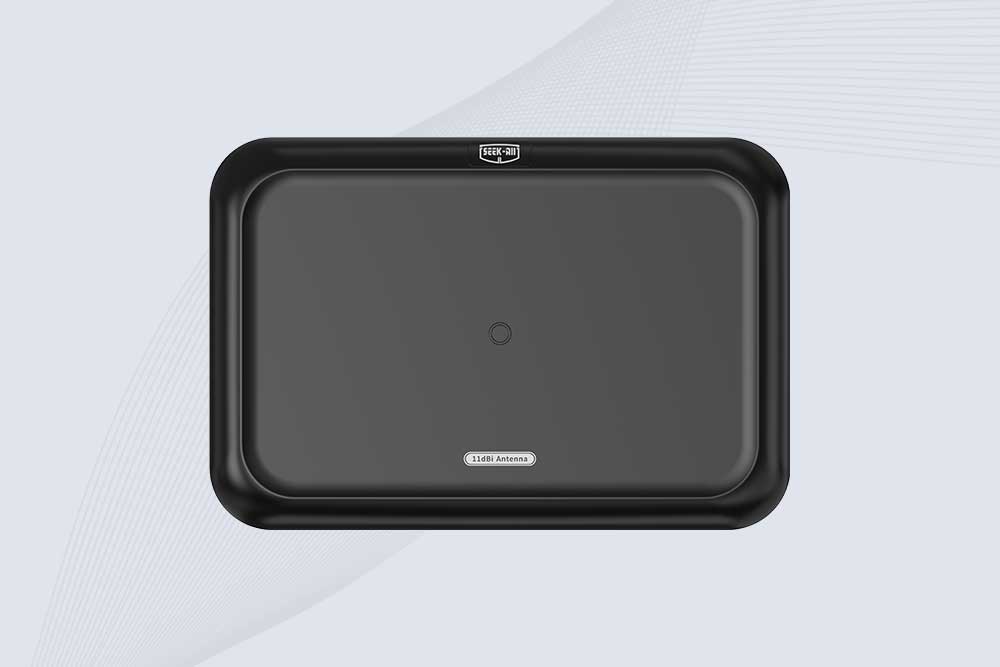
SSD-A11 UHF RFID antenna features 840–960 MHz adjustable frequency, ≥10.5 dBi gain, circular polarization and 50Ω impedance for fixed RFID systems.
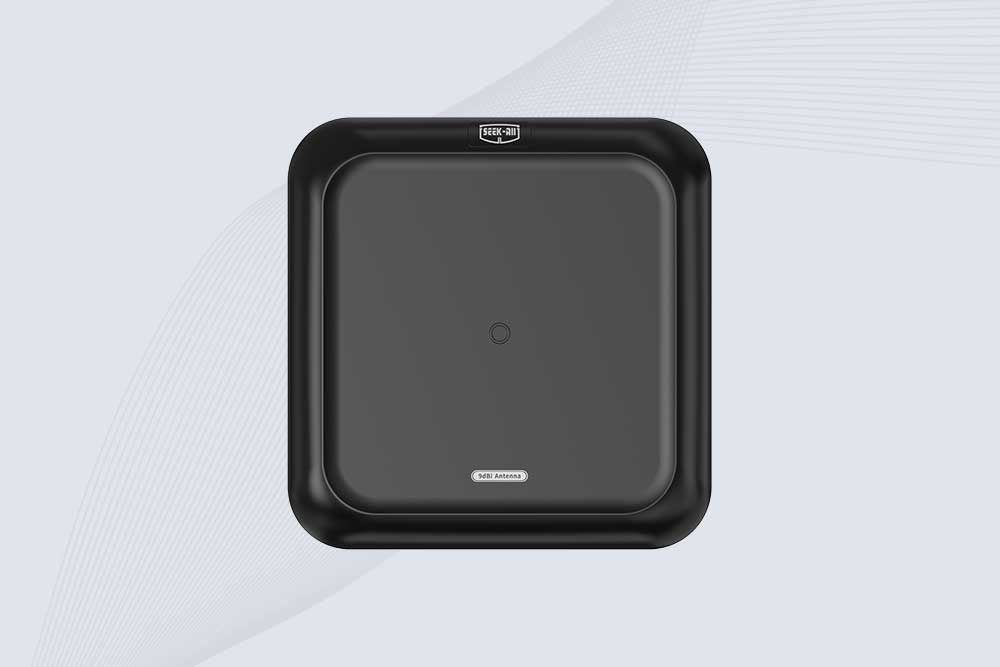
SSD-A09 is a 9 dBi UHF RFID antenna with 840–960 MHz adjustable frequency, circular polarization, 50Ω impedance and directional 60° × 60° coverage.
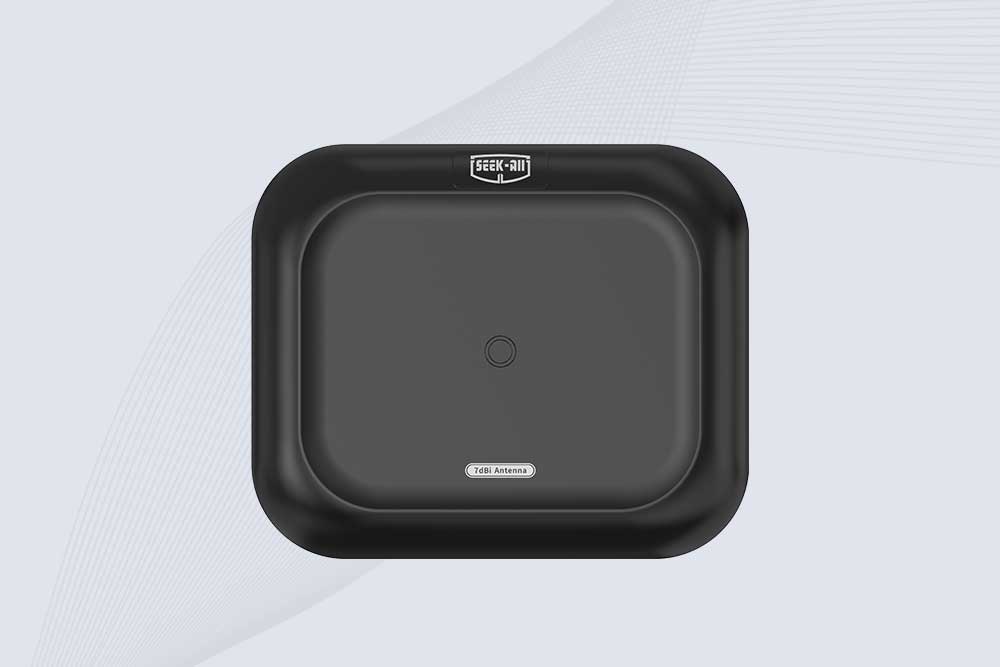
Explore the SSD-A07 UHF RFID antenna with 7 dBi gain, circular polarization, adjustable 840–960 MHz frequency, and 60°/75° beamwidth for stable RFID read/write performance.

SSD-A06 UHF RFID antenna with circular polarization, adjustable 840–960 MHz frequency, ≥4.5 dBi gain, and a compact directional design for RFID systems.
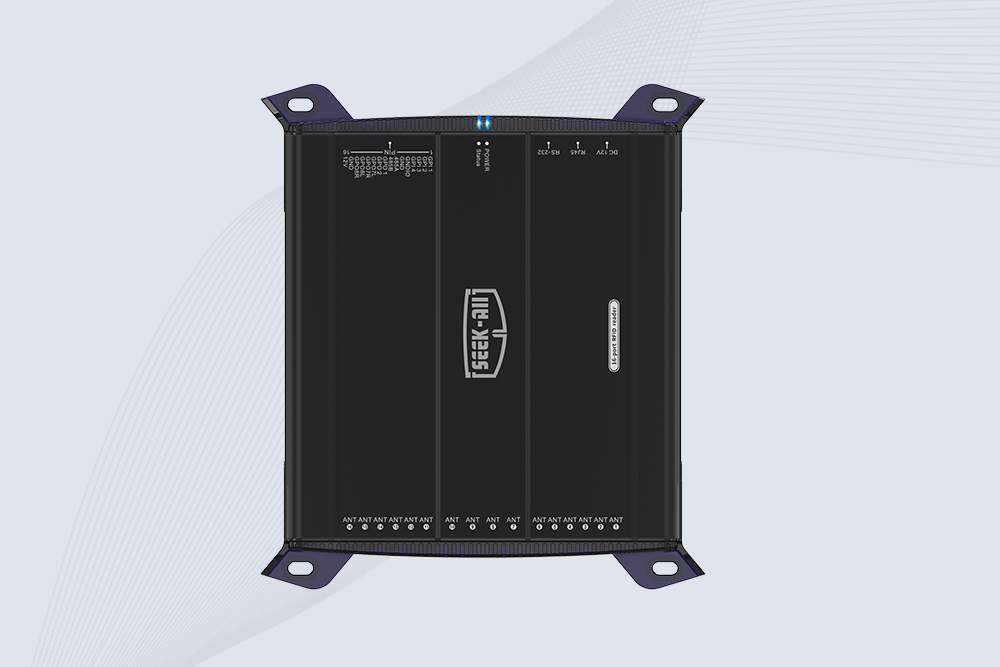
SSD-R16L Multi-Channel RFID Infrastructure for Automated Inventory Management ✔️ 16-Port High-Density RFID Reading Equipped with 16 SMA antenna ports, SSD-R16L supports multi-antenna deployment for warehouses, retail stores, logistics, production lines, and large-area RFID identification. ✔️ High-Speed & Long-Range Performance With up to 33…
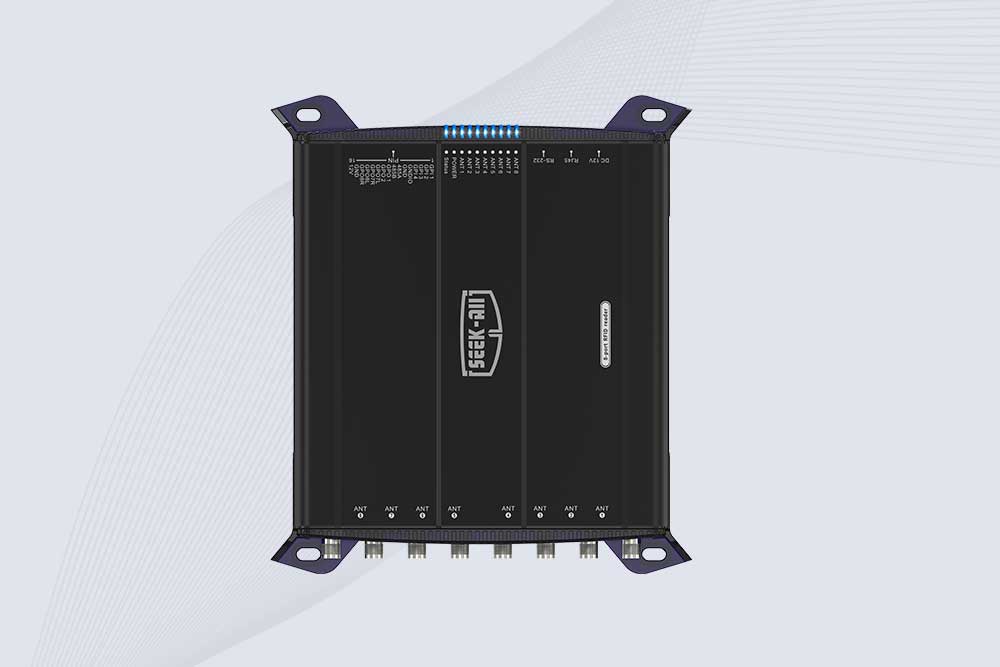
SSD-R8L 8-port UHF RFID reader with 33dBm output, up to 20m reading range and 600+ tags/s recognition. Ideal for warehouse, logistics, retail and asset tracking.
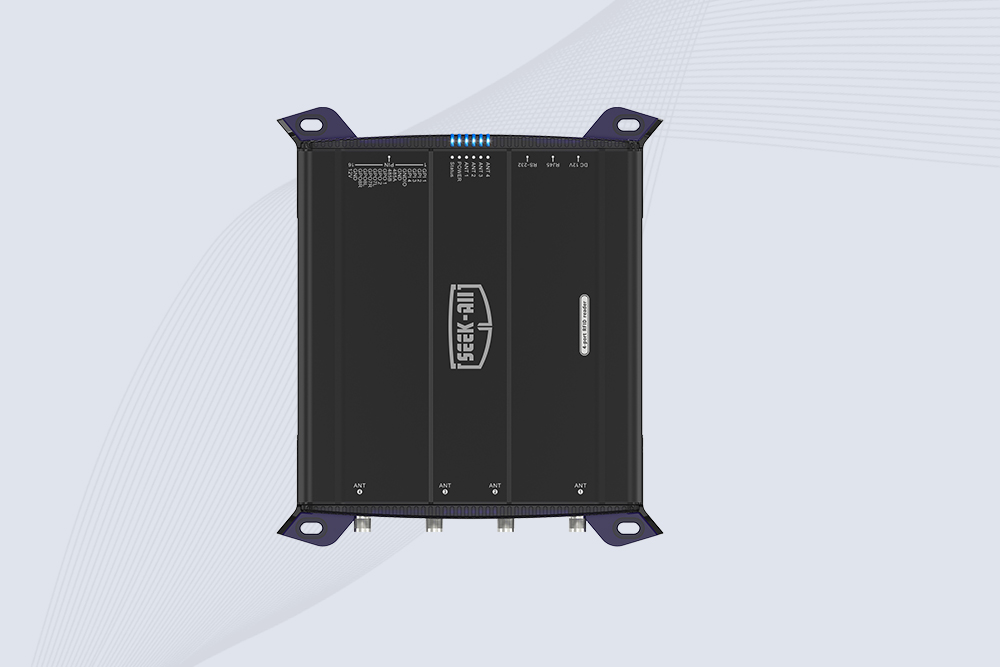
SSD-R4L is a 4-port UHF RFID fixed reader with 33dBm output power, up to 20m reading range, EPC C1G2 support and 600+ tags/s reading speed.
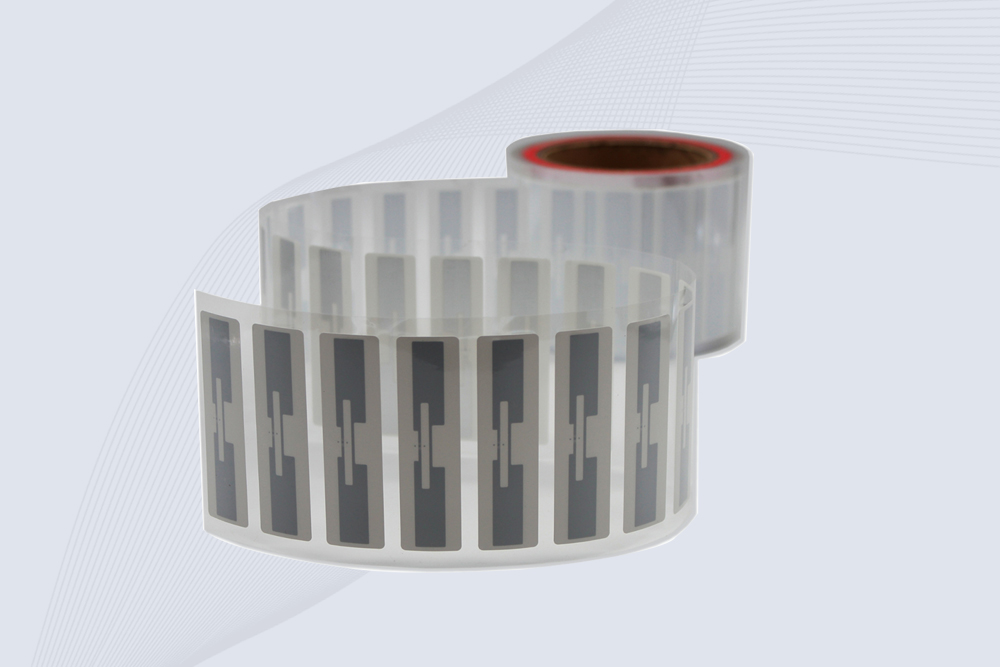
CYKEO Passive RFID Tags are made for wet and high-humidity environments where standard labels do not last. This rfid passive tag is often used around liquids, chemicals and temperature changes, providing stable reading distance and long data life for industrial tracking.
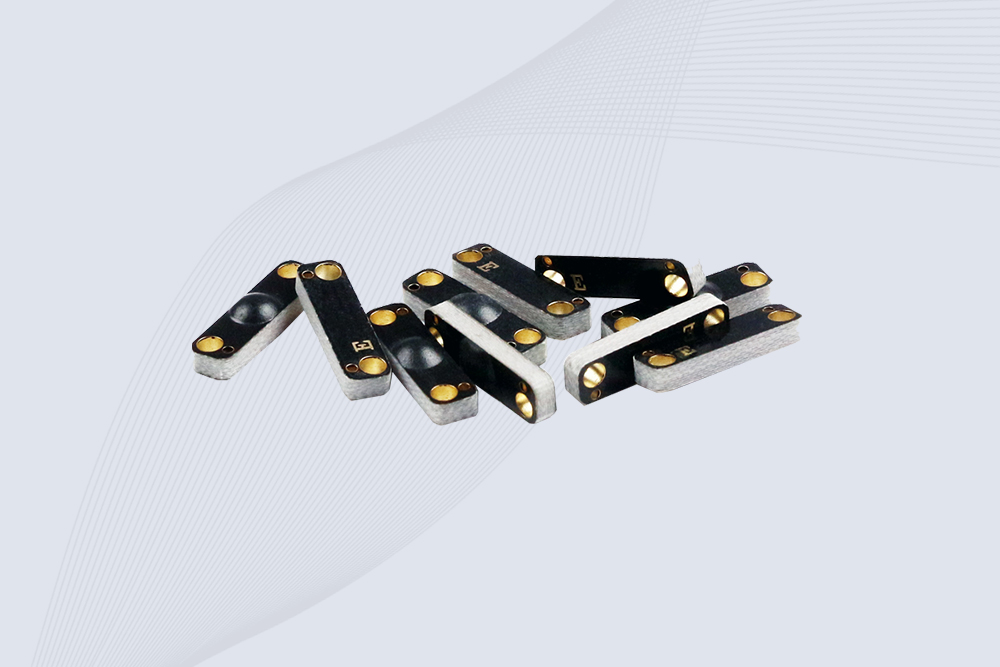
CYKEO CYKEO-PCB1504 Metal RFID Tags is a compact anti-metal UHF RFID solution built for direct mounting on metal surfaces. With stable 8-meter read range, Ucode-8 chip, and long data retention, this rfid metal tag fits tools, containers, automotive parts, and industrial asset tracking.
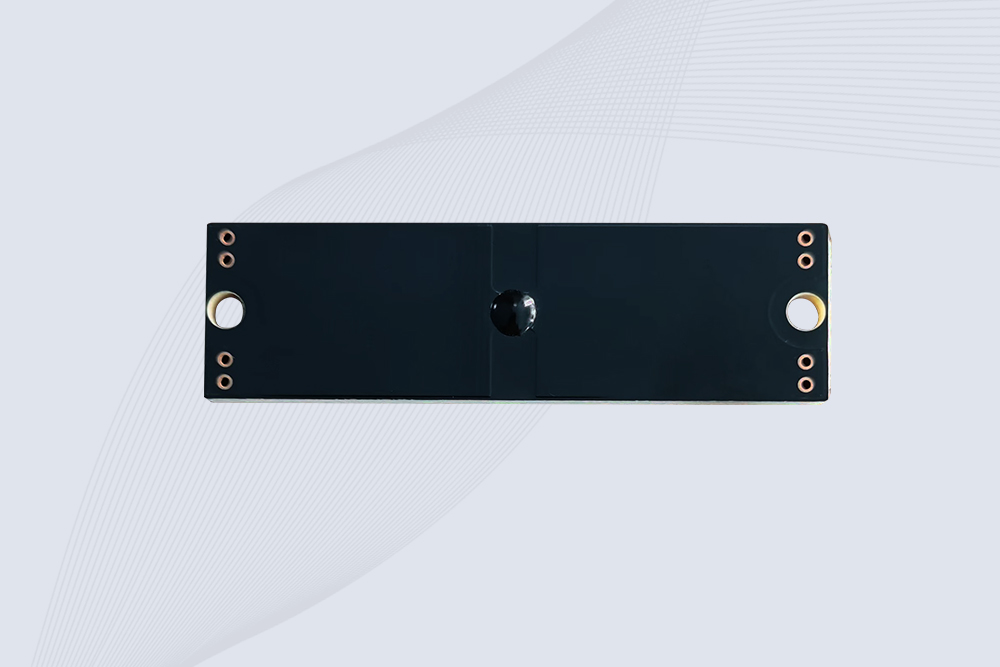
CYKEO CYKEO-PCB7020 On-Metal RFID Tags are designed for reliable tracking on steel and metal surfaces. Built with an FR4 epoxy body and industrial-grade chips, these On-Metal RFID Tags deliver stable performance, long data life, and chemical resistance, making them a dependable RFID anti-metal tag for harsh environments.
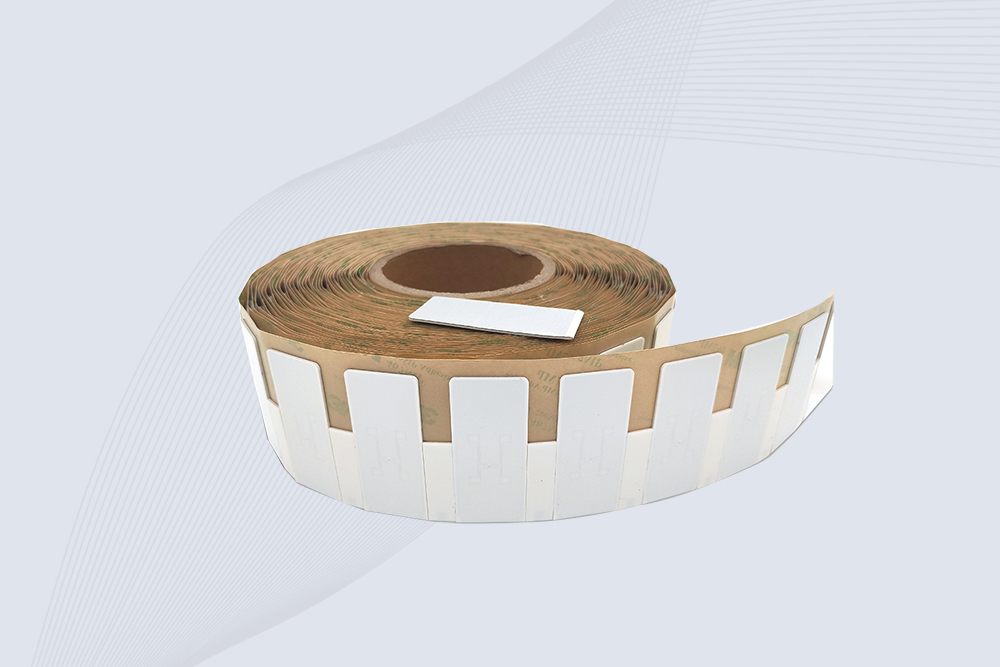
The CYKEO CYKEO-60-25 Anti-Metal RFID Tag is built for metal surfaces where standard tags fail. Designed for long-range performance, harsh environments, and stable data retention, this Anti-Metal RFID Tag is ideal for industrial assets, containers, and equipment tracking using on metal RFID tags.
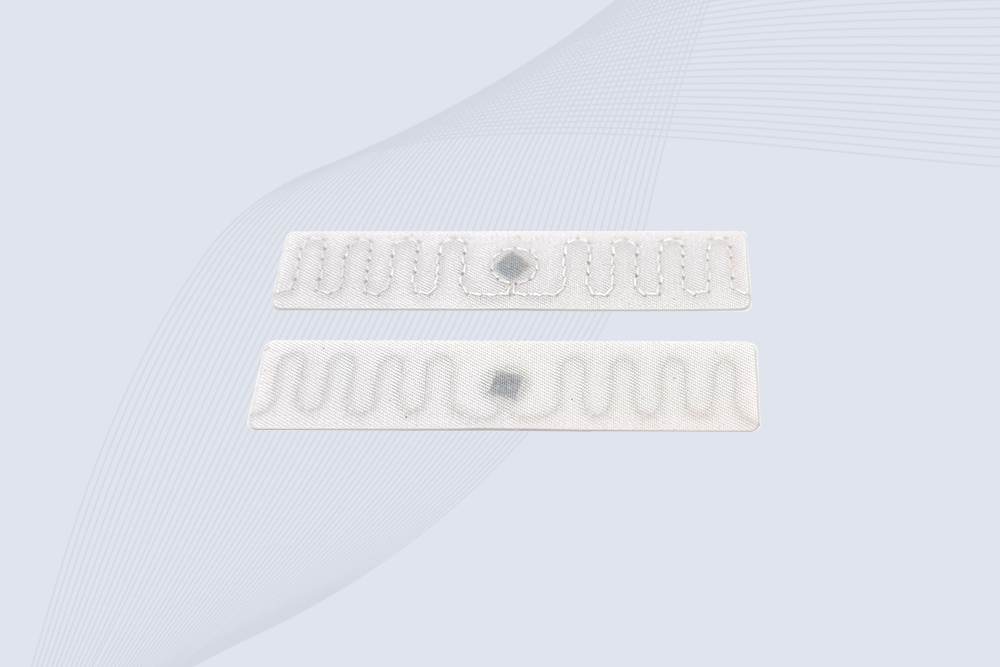
The CYKEO RFID Laundry Tag is designed for long-term textile identification in harsh laundry environments. Built to withstand high heat, chemicals, and repeated washing, this RFID Laundry Tag delivers stable performance for hotels, hospitals, and industrial laundry operations using laundry rfid tags at scale.
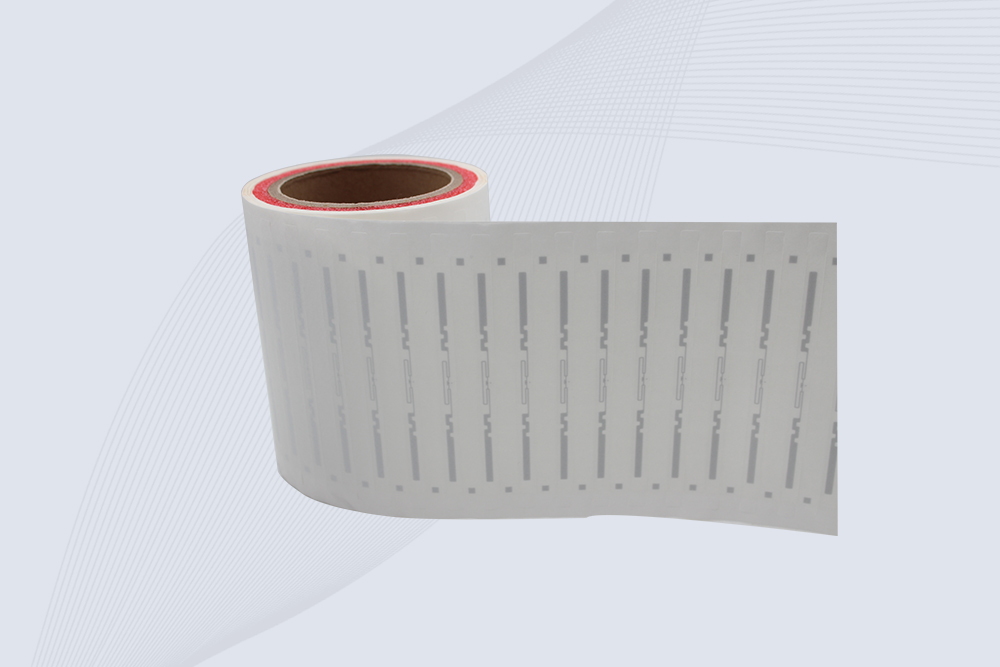
The CYKEO CYKEO-125-7 RFID Book Tag is designed for reliable book and document tracking in libraries and archives. This RFID Book Tag delivers long read range, dense placement support, and stable performance on shelves, making it a practical rfid tag on books for library automation, file management, and archival systems.
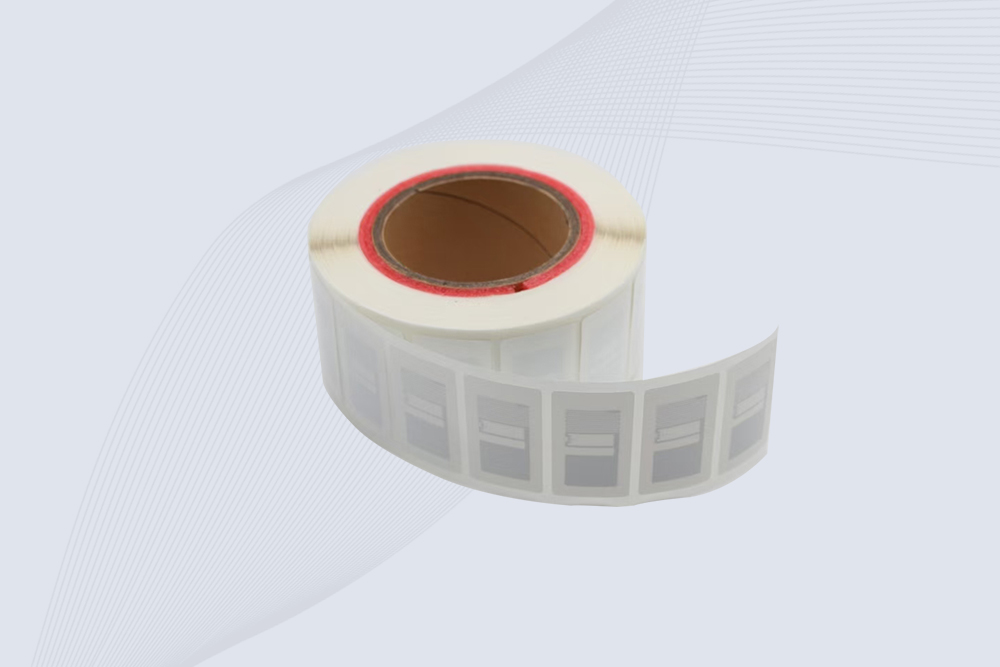
CYKEO RFID tags in hospitals are designed for sterile environments where accuracy matters. These autoclavable RFID tags support long-term tracking of surgical tools, implants, and medications, helping hospitals improve visibility, compliance, and patient safety.

CYKEO RFID Cable Tie Tag is built for reliable identification on metal surfaces. This UHF RFID Cable Tie Tag is widely used in rfid tags for inventory systems, industrial asset management and Hospital RFID Tags, offering stable read performance, long service life and global EPC Gen2 compatibility.
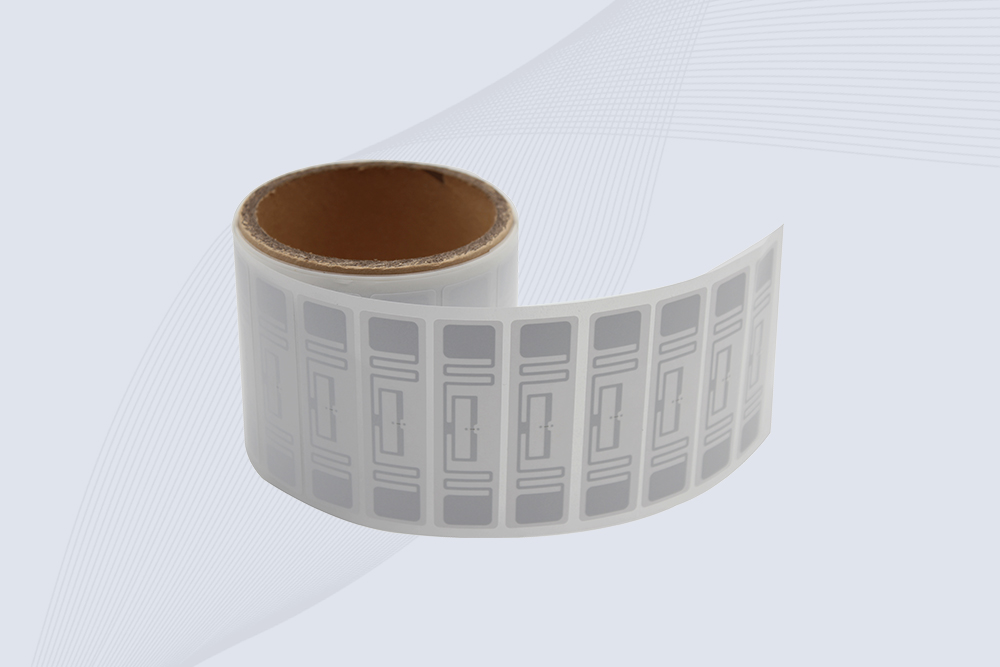
CYKEO RFID Asset Tag is designed for stable identification of metal assets in industrial environments. This UHF RFID Asset Tag is commonly used for rfid tag asset tracking on equipment, tools and containers, providing reliable reads, long service life and ISO/IEC 18000-6C support.

CYKEO UHF RFID Card is designed for fast identification and long-term use in industrial and commercial systems. Supporting ISO 18000-6C, this UHF RFID Card works at 860–960 MHz and is suitable for custom RFID cards used in asset tracking, access control and inventory management.
CYKEO HF RFID Cards are designed for secure and stable access control systems. These 13.56 MHz RFID key cards support ISO 14443-A, reliable rewriting and long service life, making HF RFID Cards suitable for offices, campuses, events and membership management.
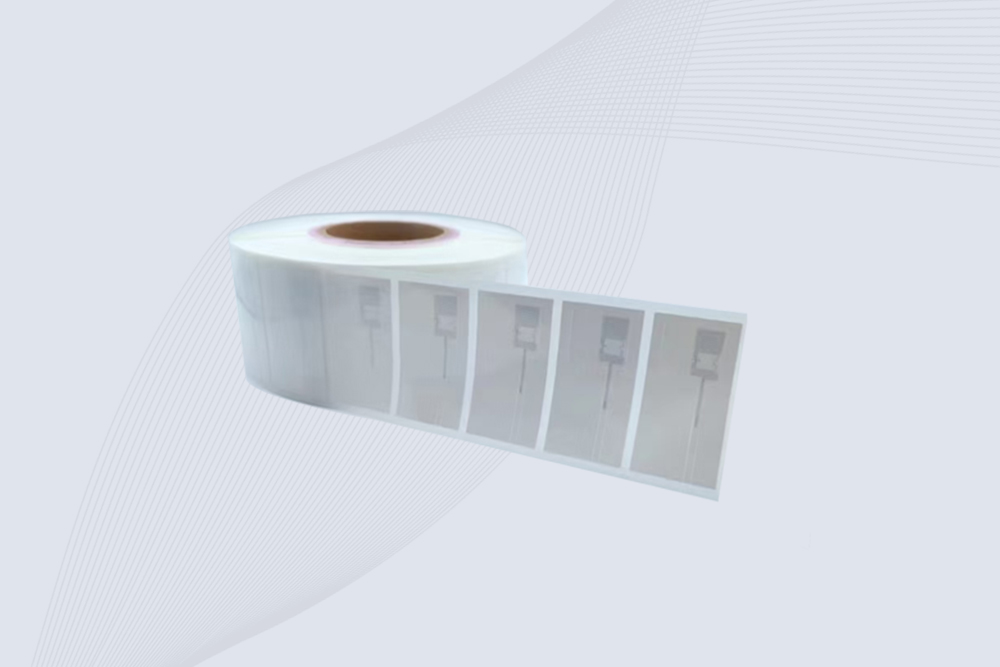
CYKEO UHF RFID Tag is designed for reliable tracking of metal jewelry and high-value items. This Jewelry RFID Tag supports long-range reading up to 8 meters, anti-counterfeit protection and stable performance on metal, making it suitable for retail, inventory control and asset management.
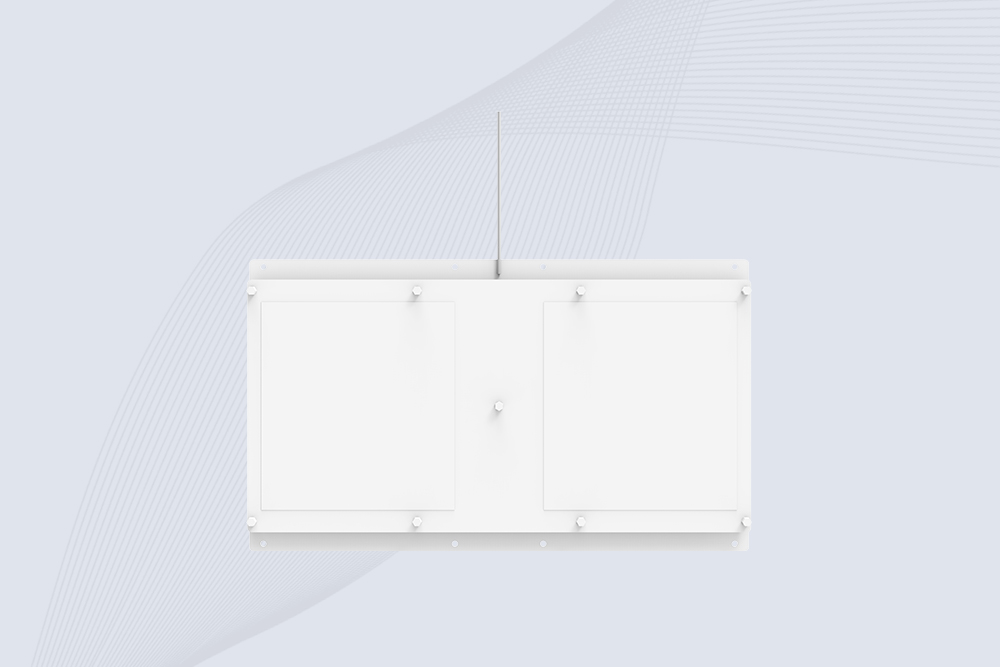
Cykeo CYKEO-A11 UHF RFID reader antenna delivers 11dBi gain, 840-960MHz frequency range, and IP65 ruggedness for retail, logistics, and industrial RFID systems. Features low VSWR and easy installation.

CYKEO Antenna RFID Reader delivers stable long-range UHF performance with a 10.5dBi directional design, built for warehouses, conveyor portals, and industrial RFID systems. This rfid reader antenna provides 20m+ read distance and rugged IP67 protection.

Cykeo CYKEO-PHF3 industrial HF RFID Antenna offers 24-point dynamic tracking, ISO 14443A/15693 protocols, metal-environment stability for archives/libraries/manufacturing.

Cykeo CYKEO-A5B industrial Linear RFID Antenna delivers 5dBi gain, ≤1.5:1 VSWR, and IP65 rugged design for warehouse, production line, and logistics UHF systems.

Cykeo’s CYKEO-B12 Long Range RFID Antenna delivers 15m+ read range with 12dBi gain, IP65 rugged design, and global 840-960MHz UHF support. Ideal for warehouse/logistics asset tracking.
Cykeo CYKEO-B10 Long Distance RFID Antenna offers 10dBi gain, 840-960MHz frequency range, IP65 rating, and 20m+ coverage for logistics/warehousing/ETC systems. Low VSWR ensures stable signal transmission.
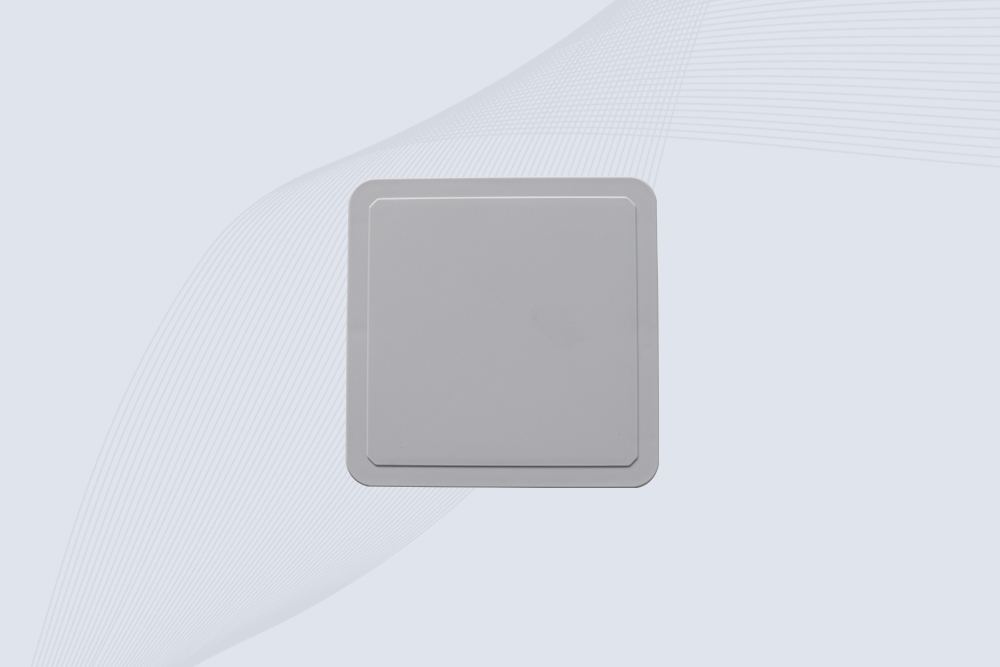
Cykeo CYKEO-A6 UHF RFID panel antenna features 6dBi gain, 840-960MHz broadband, IP65 metal-ready housing for logistics/smart retail. 18mm ultra-thin design with tool-free mounting.

Cykeo CK-A3 industrial antenna RFID UHF offers 5m+ tag detection, ≤1.3:1 VSWR, IP65 rugged design, and global UHF spectrum compatibility (840-960MHz) for warehouses, factories, and retail.
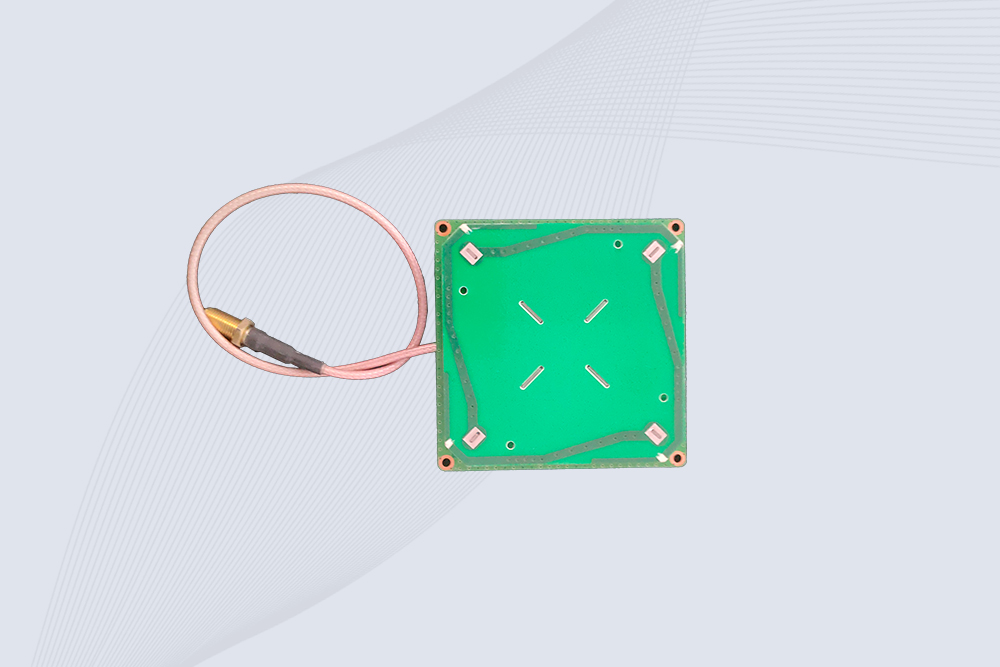
Cykeo CYKEO-B5 directional RFID antenna provides 5dBi gain with 60° narrow beamwidth for precise inventory tracking. IP65-rated, global UHF frequency support, and low VSWR.
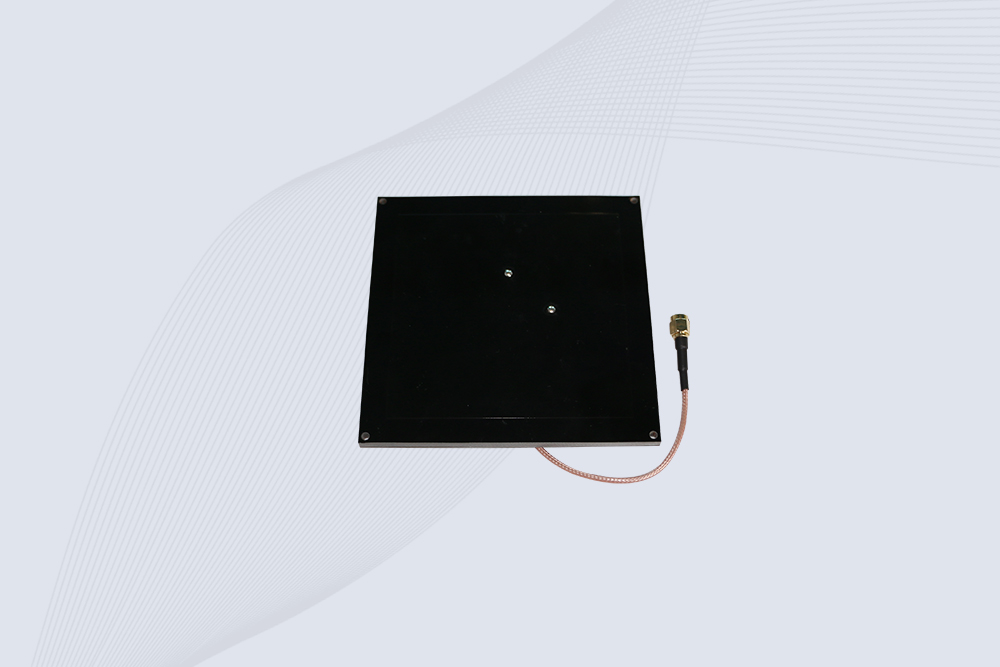
Create your own high-performance DIY RFID antenna! 5dBi gain, 840-960MHz tunable, step-by-step guides. Compatible with Arduino, Raspberry Pi, and commercial UHF readers.
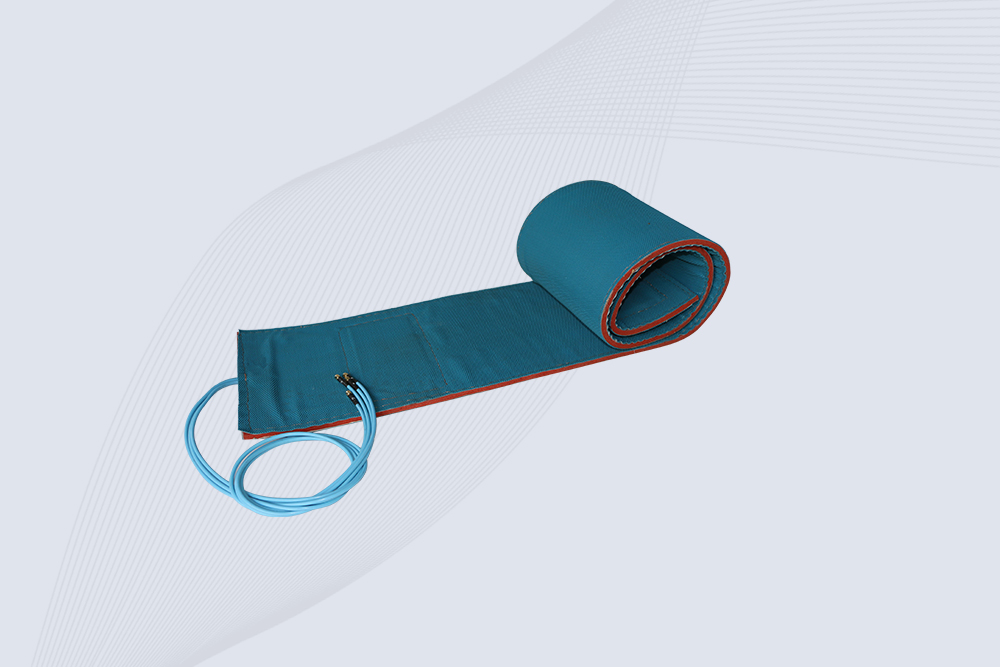
Cykeo CYKEO-A7 Flexible RFID Antenna features 840-960MHz wideband tuning, 7dBi gain, and IP68 rating for medical/retail/industrial curved surface deployments. 98% read accuracy with peel-and-stick installation.

Cykeo CYKEO-B5A industrial Passive RFID Antenna delivers 5dBi gain, 70° beamwidth, and -40°C~55°C operation for warehouses/smart cabinets. Compatible with Zebra/Impinj readers.
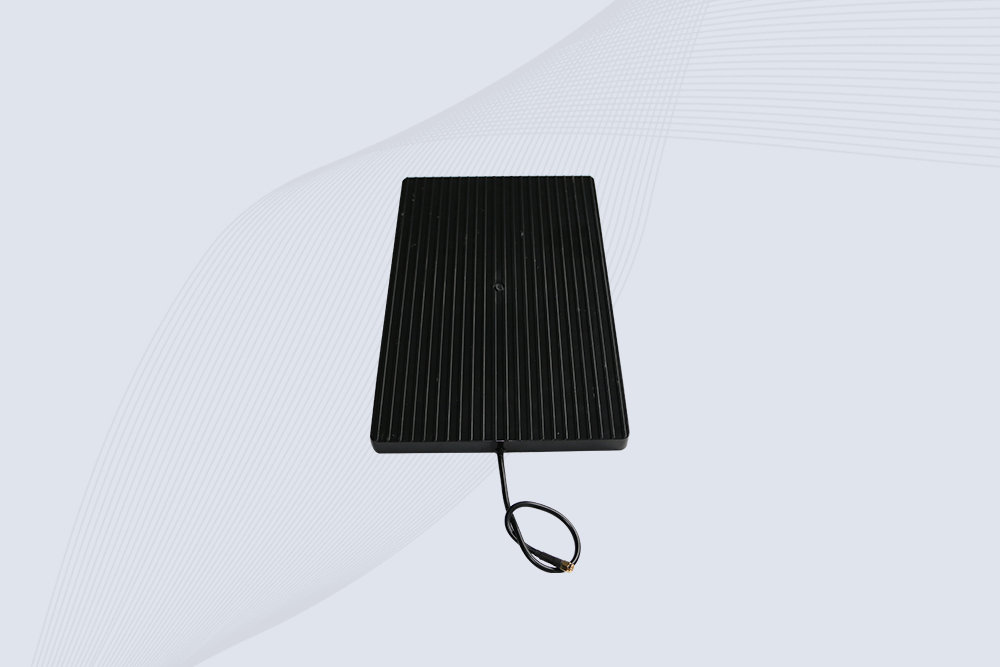
Cykeo’s CYKEO-A9B High Gain RFID Antenna delivers 15m+ read range with 9dBi amplification. Features IP54 rugged design, 840-960MHz bandwidth, and 80° beamwidth for warehouse/manufacturing RFID systems.

Cykeo’s enterprise-grade 8dbi Impinj RFID Antenna 10m+ read range with 840-960MHz tuning. Features IP65 housing, 1.4 VSWR, 35° beamwidth for retail/warehouse RFID systems.
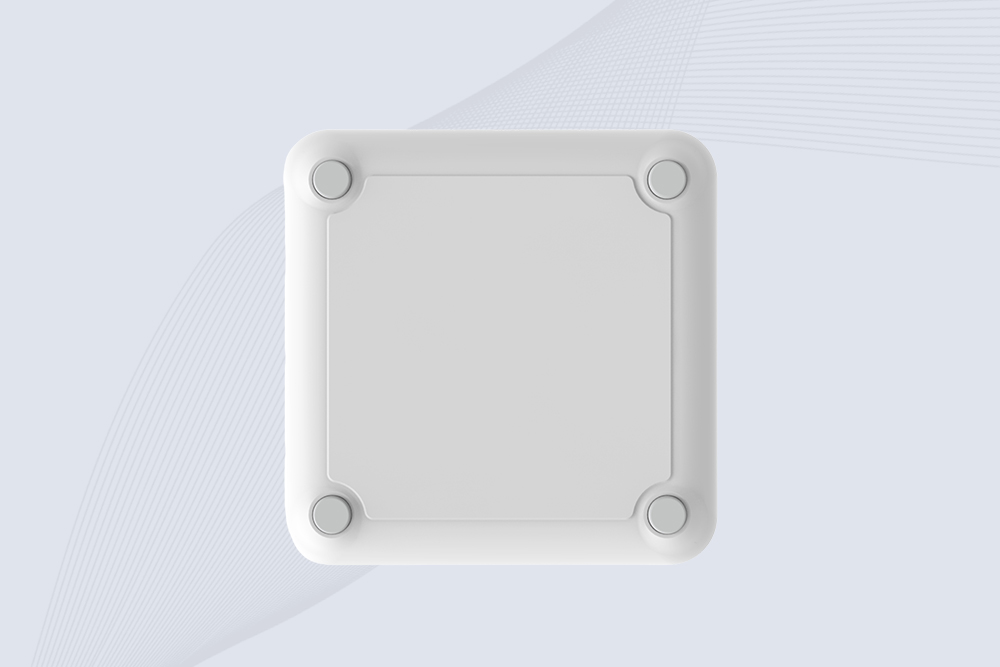
Cykeo CYKEO-A9 industrial UHF RFID antenna delivers 9dBi gain, 840-960MHz frequency range, and IP65 protection for warehouse/logistics/retail RFID systems. Features N-type connector and ≤1.3:1 VSWR.
CYKEO UHF RFID Antenna built for long-distance and industrial applications. This antenna rfid uhf delivers strong gain, outdoor durability, and reliable tag performance in warehouses, yards, and vehicle ID systems.
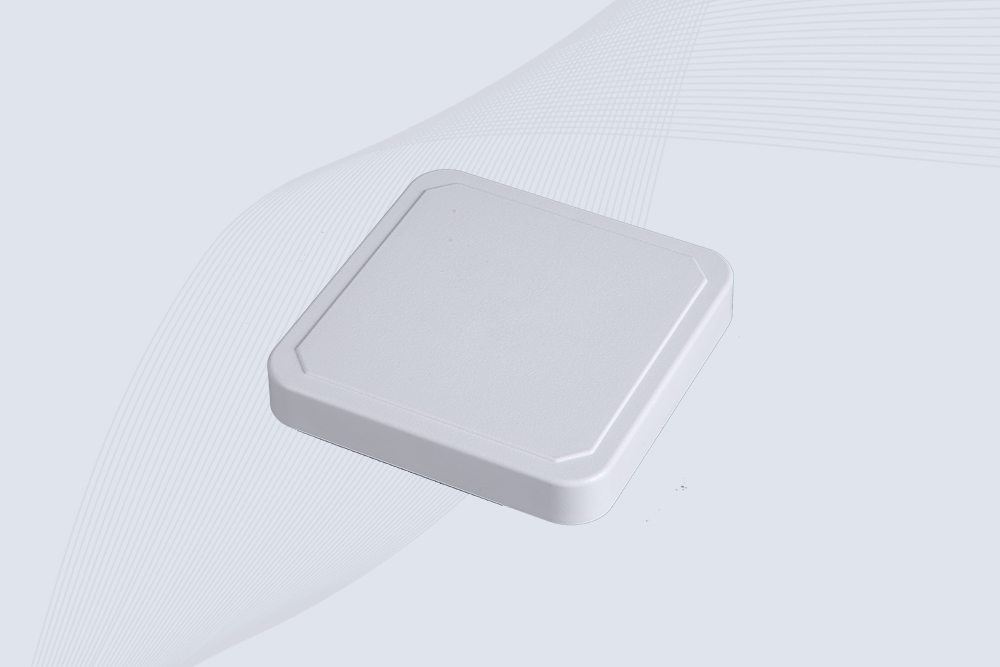
CYKEO Antenna RFID delivers reliable long-range UHF performance in warehouses, retail shelves, and cold-chain environments. This compact uhf rfid antenna provides stable reads with circular polarization and ultra-wide 840–960 MHz support, ideal for industrial tracking, smart shelves, and asset monitoring.
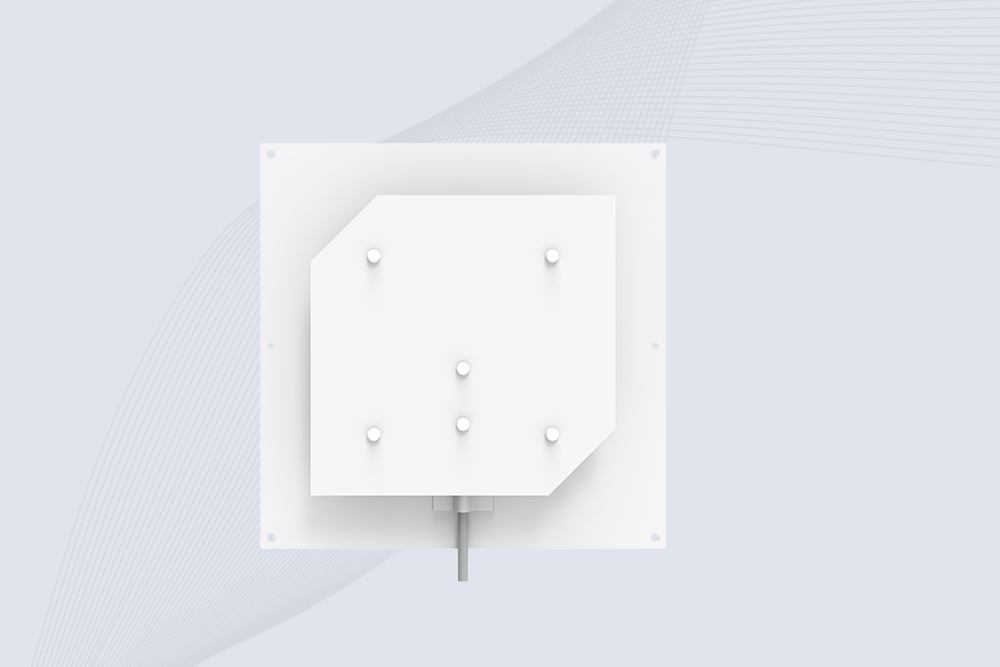
Cykeo’s CYKEO-C8 UHF RFID antennas delivers 8dBi gain, 840-960MHz full-band coverage, and IP65 ruggedness for manufacturing/warehouse RFID systems. Industrial RFID Antennas Features
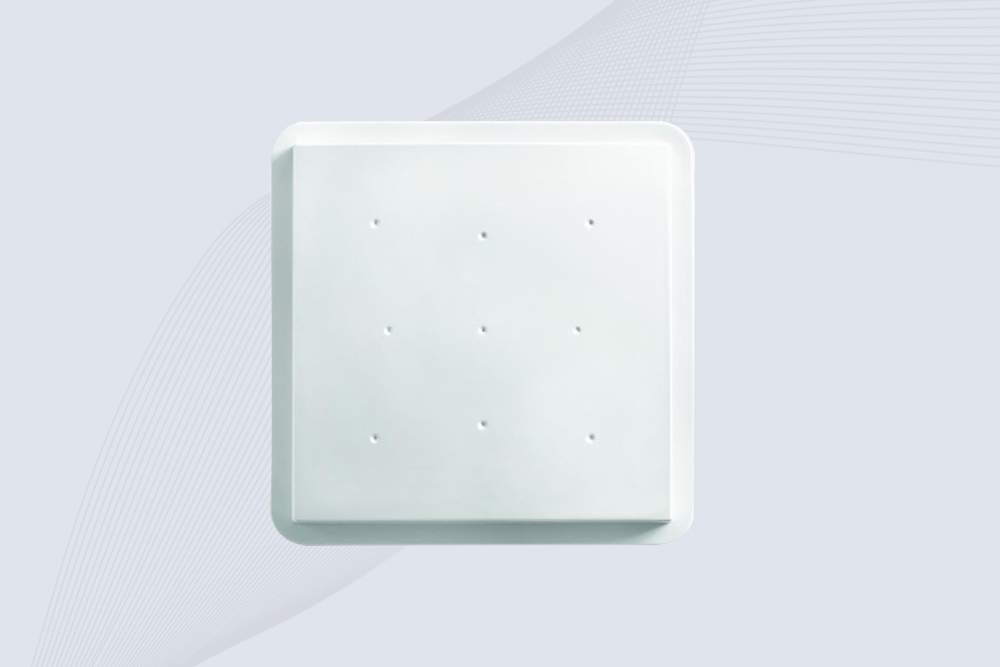
Cykeo’s 8dBi UHF RFID antenna and reader kit delivers 10m+ range, 840-960MHz broadband, and IP65 ruggedness for factories, warehouses, and logistics. ISO 18000-6C & EPC Gen2 certified.
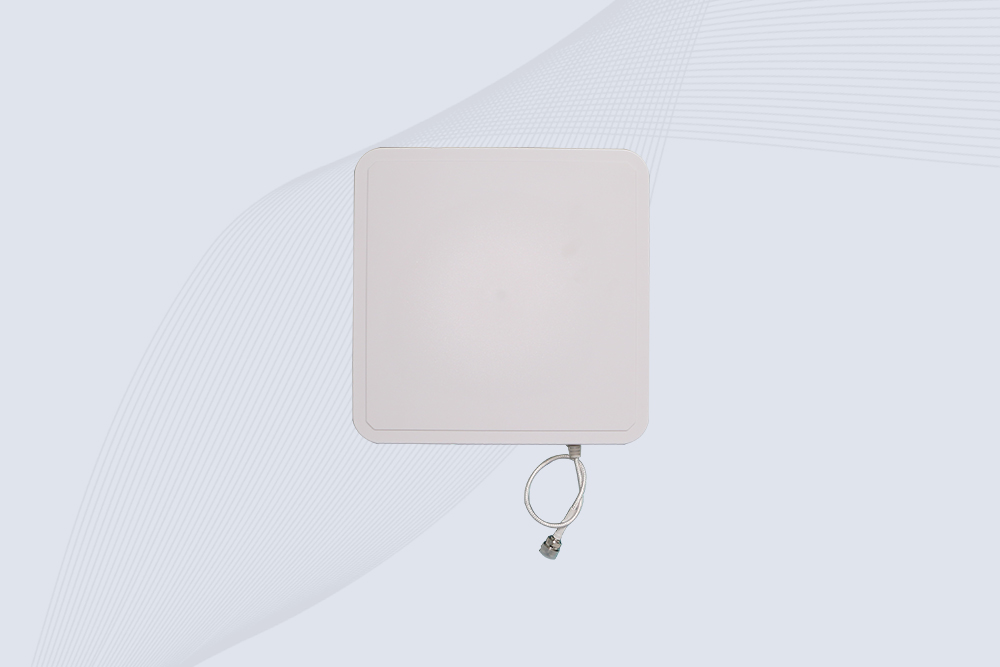
Cykeo CYKEO-A9A industrial UHF RFID reader and antenna kit delivers 10m range, 500 tags/sec, IP65 ruggedness for manufacturing/logistics. Supports EPC Gen2, ISO18000-6C.
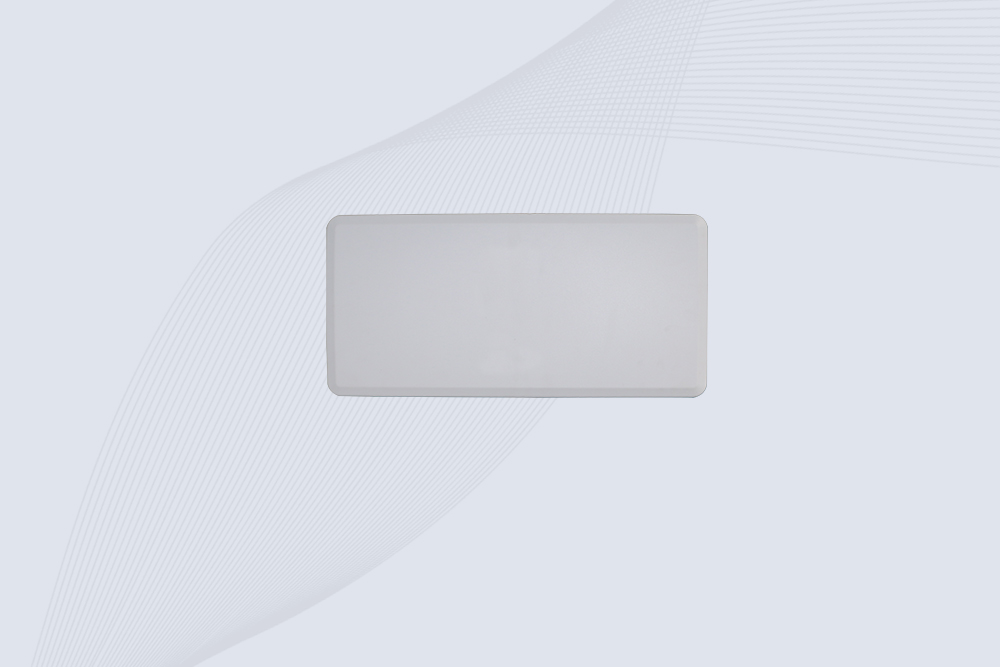
Cykeo’s CYKEO-A12C UHF Large RFID Antenna delivers 12dBi gain, 840-960MHz global frequency, IP65 ruggedness for logistics/warehousing/automotive. 40° beamwidth ensures stable 15m+ tag reads.

CYKEO Near Field RFID Antenna provides precise 5–30 cm reading for shelves, cabinets, and workstations. This compact rfid shelf antenna delivers stable short-range performance around metal and clutter, ideal for pharmacies, libraries, and electronics sorting.
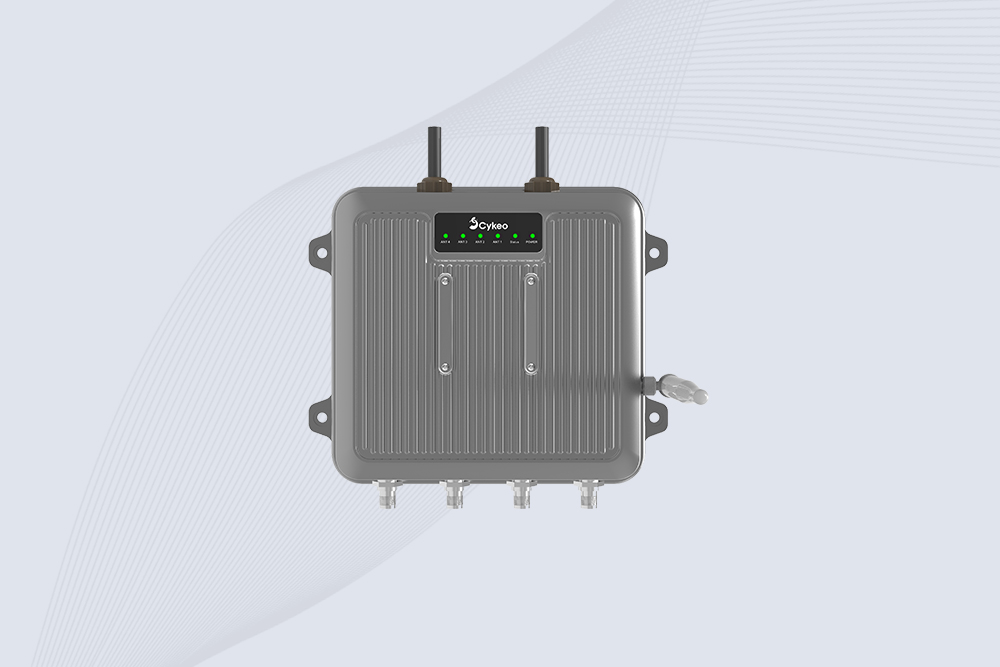
Cykeo CYKEO-C1 industrial Forklift RFID Reader features 20m read range, 600 tags/sec scanning, Impinj R2000 chipset, and IP67 rugged design. Ideal for warehouse logistics and manufacturing. Supports ISO 18000-6C/6B protocols.
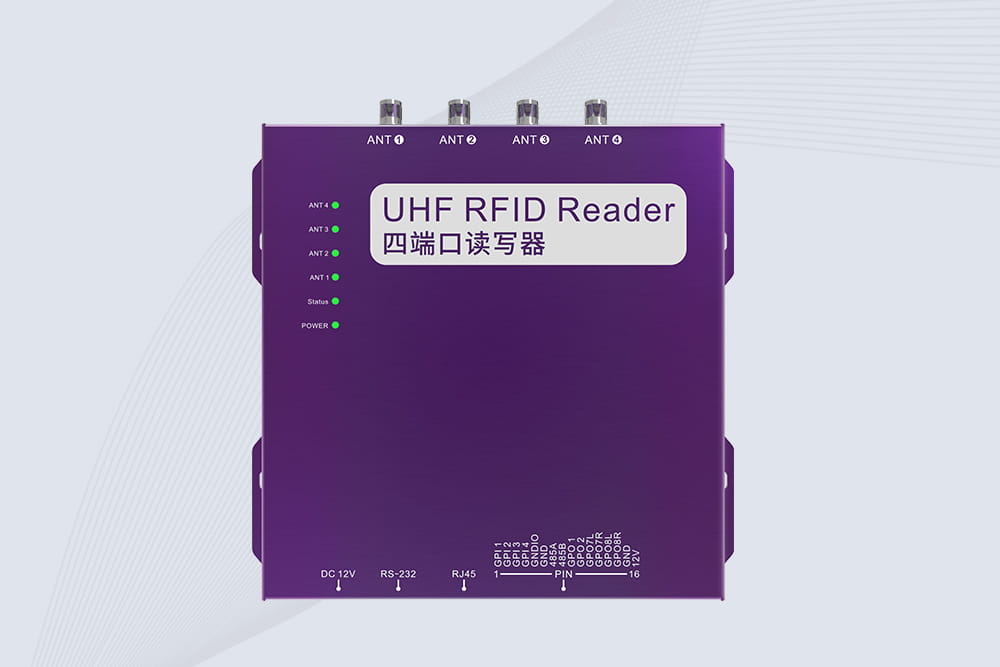
Cykeo CYKEO-R4 industrial UHF RFID Fixed Reader features 4 TNC ports, 400+ tags/sec speed, IP67 housing, and global frequency compliance for vehicle inspection, smart warehouse, and asset management systems.
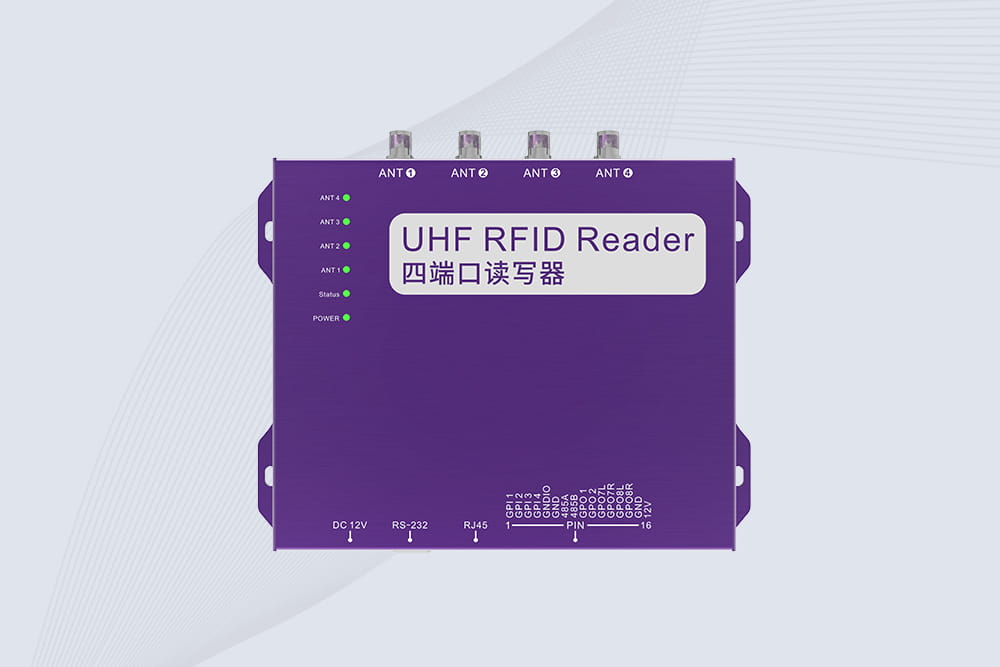
Cykeo’s CYKEO-R4L 4-port Fixed UHF RFID Reader delivers 400 tags/sec scanning, ISO 18000-6C compliance, and IP65 protection. Ideal for warehouse automation, manufacturing WIP tracking, and logistics management.
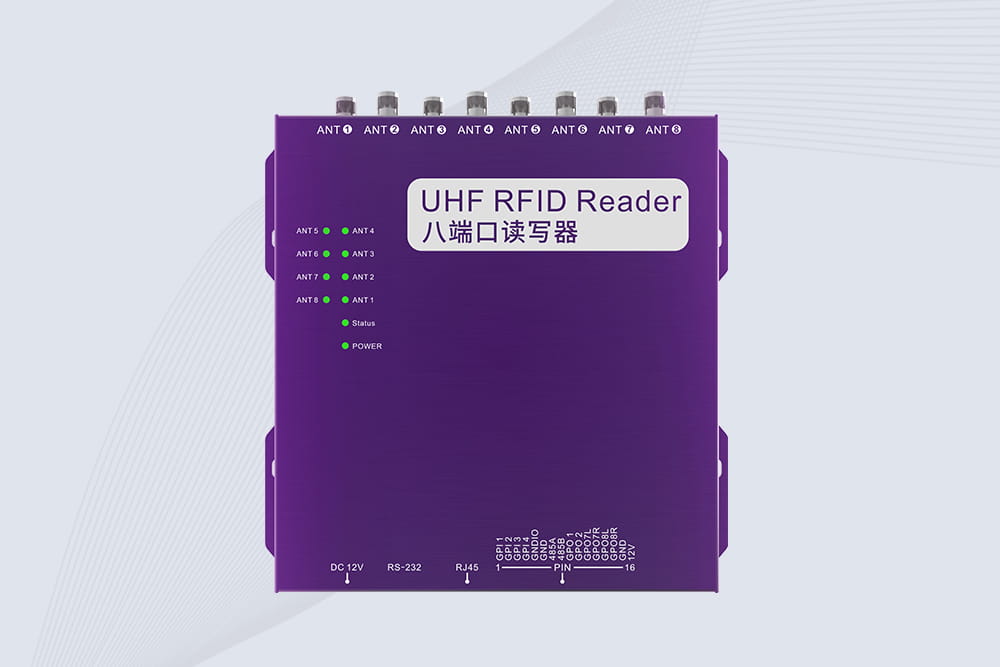
CYKEO CYKEO-R8L Fixed RFID Reader with 8-port UHF design, Impinj-based RF core and up to 20m read range. An industrial Fixed RFID Reader for vehicle inspection, warehouse portals, smart manufacturing lines and secure access checkpoints.
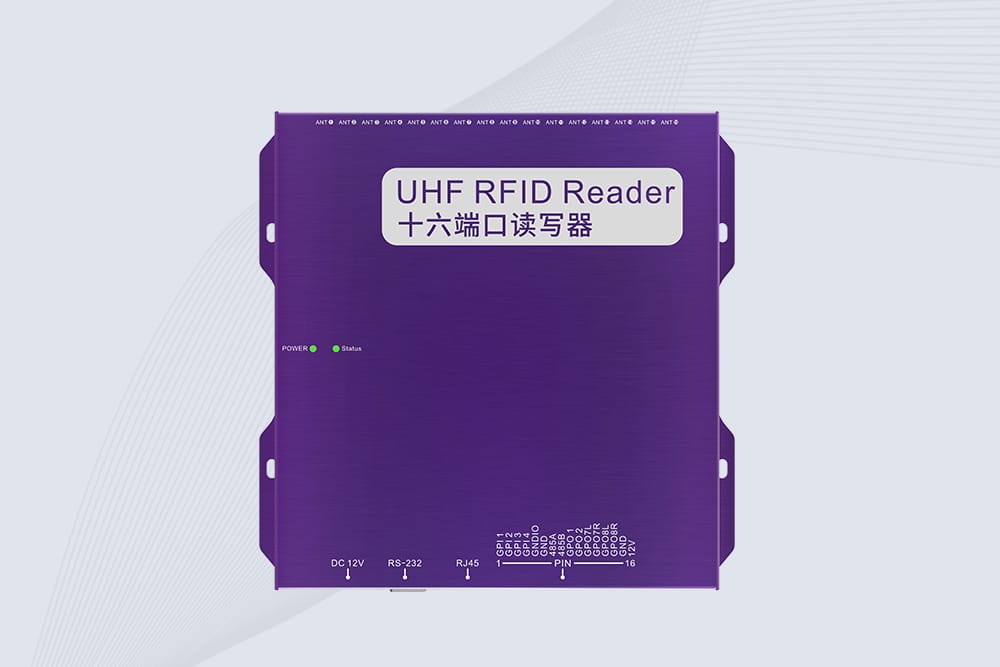
RFID Fixed Reader from CYKEO – the CYKEO-R16L 16-port UHF fixed reader for warehouses, smart cabinets, and production lines. Long-range, multi-tag reading, stable performance for 24/7 industrial use.
explore the working principle, application scenarios, core advantages, and key purchasing considerations of RFID proximity alarm systems
More
Discover what does rfid do and how RFID technology improves asset tracking, inventory accuracy, and automation with Cykeo professional RFID solutions.
More
RFID self-checkout kiosk designed for unmanned stores, apparel shops, and mall checkout points. Fast multi-item reading, RESTful API, and SDK for integration.
More
A field-based look at UHF RFID readers in industrial tool management systems. Covers real deployment issues, installation mistakes, system integration challenges, and wholesale procurement considerations for RFID solution providers.
More