 Cykeo RFID IoT Solution Products R&D Manufacturer

how far can an rfid chip transmit
296how far can an rfid chip transmit? Learn what determines RFID range, why UHF reaches several meters, and how tag, reader, antenna, and environment affect real results.
MoreAll RFID Product
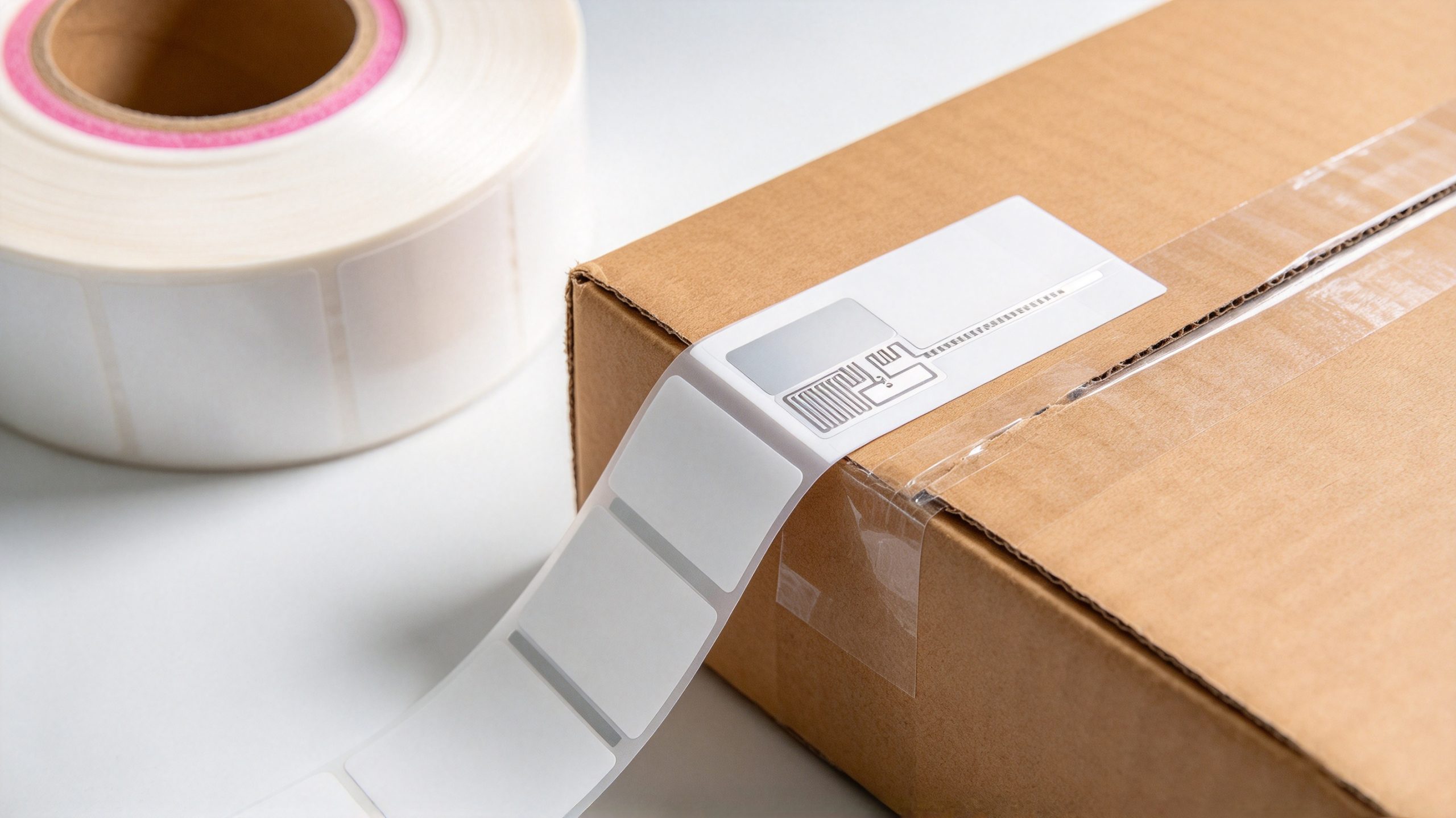
RFID labels are adhesive identification labels that contain a small RFID chip and antenna, allowing tagged items to be identified by radio waves rather than direct visual scanning. A reader can capture the label’s stored data without line of sight, making RFID labels useful for inventory control, product tracking, logistics, retail, and asset management.
An RFID label may look like an ordinary printed barcode label, but its function is different. The printed surface can display a product name, SKU, barcode, batch number, or other human-readable information. Embedded inside the label is an RFID inlay: a microchip connected to a thin antenna. That combination allows a compatible reader to communicate with the label.
The distinction matters in real operations. A barcode scanner generally needs to see and read a barcode one item at a time. An RFID system can identify multiple compatible tags within its read zone, depending on the reader, antenna arrangement, tag design, radio environment, and software configuration. It is not simply a barcode with a radio chip attached; it is part of a different identification workflow.
This article examines RFID labels from the perspective of system selection and deployment: how they are constructed, how they communicate, which types are available, what affects reading performance, and where they make practical sense.
An RFID label works through communication between its embedded chip and an RFID reader. The reader sends out a radio-frequency signal. When a compatible label enters the reader’s effective field, the chip responds using the radio protocol supported by that system. The reader receives the response and passes the decoded information to connected software.
For a typical passive UHF RFID label, the process has four main stages:
The label does not need its own battery in a passive RFID system. This helps keep the label thin, lightweight, and suitable for high-volume item identification.
However, a successful read is not determined by the chip alone. The reader’s output power, antenna polarization, tag orientation, mounting material, frequency region, nearby metal or liquid, and reader settings all influence performance. A label that reads reliably on a cardboard carton may behave very differently when attached directly to a metal tool or a liquid-filled container.
An RFID label usually consists of several functional layers. Their exact construction varies by manufacturer, frequency, adhesive, printing requirements, and intended application.
| Component | Function |
|---|---|
| RFID microchip | Stores an identifier and, depending on the chip, additional user data; handles communication with the reader |
| Antenna | Receives radio-frequency energy and enables the chip to communicate |
| Substrate or face material | Provides the printable outer surface, commonly paper or synthetic film |
| Adhesive | Attaches the label to a product, package, carton, or asset |
| Release liner | Protects the adhesive before application and is removed when the label is applied |
The chip and antenna together are commonly called an RFID inlay. The inlay is the core electronic part of the label. The surrounding label materials make it printable, attachable, and suitable for a particular operating environment.
A useful purchasing detail: two RFID labels can look almost identical but perform differently. Their inlays may use different chips, antenna geometries, sensitivity levels, or frequency specifications. Adhesive and face material also matter. For example, a label intended for a paper carton is not automatically suitable for a reusable plastic tote exposed to moisture, abrasion, or repeated handling.
The most important difference is how the identification data is captured.
| Comparison | RFID label | Barcode label |
|---|---|---|
| Reading method | Radio-frequency communication | Optical scanning |
| Line of sight | Not normally required | Required |
| Multiple-item reading | Possible within a suitable read zone | Usually scanned individually |
| Surface condition | Can work without a visible printed code, but radio performance may be affected by materials | Damaged, dirty, or obscured codes may be difficult to scan |
| Data | Chip memory can store an identifier and, depending on the tag, additional information | Encoded optical pattern represents data |
| Equipment | RFID reader and antenna | Barcode scanner or camera |
| Typical use | Bulk inventory, item tracking, automated checkpoints | Point-of-sale scanning, document tracking, simple identification |
RFID is not automatically better for every operation. A small shop with a low number of products and an established barcode process may not gain enough from adding RFID infrastructure. A distribution center that needs to identify many tagged cartons as they pass through a controlled portal may benefit much more.
The correct comparison is not just the price of one RFID label against one barcode label. It is the total cost and performance of the identification process: labor, scan time, missed reads, inventory accuracy, equipment, software integration, and the cost of correcting errors.
RFID labels are commonly classified by their operating frequency, power source, and physical construction. These categories are important because a label designed for a retail garment may not be suitable for a metal tool, a reusable logistics container, or a library book.
Passive RFID labels have no internal battery. They obtain the energy needed to communicate from the reader’s radio-frequency field.
They are widely used for item-level identification because they can be manufactured in thin, lightweight formats and applied to products or packaging. Passive labels are available in LF, HF, and UHF versions, although UHF is particularly common in retail inventory and logistics applications.
Typical uses include:
Active RFID devices use an internal battery to power their communication. They are generally larger and more expensive than passive labels, but can support longer communication ranges and additional functions, depending on the design.
In practice, active devices are more often used for tracking high-value assets, vehicles, equipment, or containers than for labeling individual low-cost retail products. The term active RFID label is sometimes used loosely in marketing, so buyers should check whether a product is actually a thin adhesive label or a battery-powered tracking device.
Semi-passive tags contain a battery to power internal circuitry or sensors, but use backscatter to communicate with the reader. They can be useful where a tag needs to monitor conditions such as temperature while still relying on a reader for communication.
They are not interchangeable with ordinary passive adhesive labels. Their battery, sensor functions, physical size, and operating life need to be considered as part of the application design.
Frequency is one of the first technical details to confirm before ordering RFID labels. A reader and label must operate in compatible frequency bands and use compatible communication protocols.
| RFID frequency | Common frequency range | Typical applications | Practical characteristics |
|---|---|---|---|
| LF (Low Frequency) | 125–134.2 kHz | Animal identification, industrial access and specialized identification | Short read range; generally less affected by water than UHF |
| HF (High Frequency) | 13.56 MHz | Smart cards, library systems, NFC-related applications | Short-range communication; widely used for cards and document-oriented applications |
| UHF (Ultra-High Frequency) | Regional bands, commonly around 860–960 MHz | Retail, logistics, warehouse and supply-chain identification | Supports longer read ranges and rapid identification of multiple tags |
For passive UHF systems, RAIN RFID is an important industry term. The RAIN Alliance describes RAIN as passive UHF RFID technology based on the ISO/IEC 18000-63 air-interface standard, also known as GS1 UHF Gen2. GS1 GO Customer Service Portal+1
A frequent procurement mistake is to select a UHF label based only on a quoted maximum reading distance. The operating region matters: UHF frequency allocations and permitted reader settings differ by country or region. A label and reader that work together in one market should not be assumed to have identical performance or regulatory suitability everywhere.

Retailers can attach RFID labels to individual products, garments, footwear, or packaging. Each encoded label can provide a unique item-level identifier, allowing compatible readers to count and identify many tagged products without scanning every barcode individually.
This can support stocktaking, replenishment, stockroom-to-sales-floor transfers, and item-location workflows. It does not mean every label automatically knows where a product is. Location information comes from the reader infrastructure and the software interpreting read events.
A useful distinction is between identifying an item and locating it. A handheld reader may confirm that a tagged product is somewhere within its effective read zone. A more precise location workflow requires a suitable reader arrangement, antenna coverage, and application logic.
In a warehouse, RFID labels can be attached to cartons, totes, pallets, or individual products. Fixed readers can be installed at receiving doors, conveyor points, packing stations, and dispatch lanes. Handheld readers can support cycle counts and exception checks.
The operational value comes from capturing identification events at meaningful checkpoints. For example, a receiving system can compare the EPCs read from incoming cartons with the expected shipment data. If a carton is missing or an unexpected tag is detected, staff can investigate before the shipment is put away.
The label itself does not perform shipment reconciliation. That function depends on the reader, data exchange, business rules, and inventory or warehouse software.
Libraries may use RFID labels embedded in or attached to books, DVDs, and other circulating materials. A compatible system can support self-checkout, returns, inventory checks, and security workflows.
The label must be selected for the library’s reader frequency and system requirements. Encoding also needs to follow the library’s data model and applicable standards. A label that can be read by a generic UHF reader is not necessarily ready to work correctly with a particular library management system.
Manufacturers can use RFID labels to identify work-in-process items, components, containers, and finished goods. When a tagged item passes a reader checkpoint, the system can record an event associated with its production or handling stage.
For tools and reusable assets, a conventional paper label may not survive abrasion, oil, cleaning, or repeated handling. A rugged RFID tag or a purpose-built on-metal label may be more appropriate. The right choice depends on the asset surface and the expected service conditions, not simply on the desired read distance.
An RFID label’s performance is a system result. A high-quality inlay cannot compensate for poor antenna placement, unsuitable reader settings, or an installation that ignores the physical environment.
Consider these factors before deployment:
A practical test should use the actual product, label position, packaging, reader, and antenna arrangement. Testing a loose label on a desk is useful for checking basic compatibility, but it does not reproduce a loaded pallet, stacked cartons, or a moving conveyor.
RFID labels can support more reliable inventory records, but the benefit depends on how consistently the system captures and uses tag data.
A field study by Hardgrave, Aloysius, and Goyal, published in Production and Operations Management, examined RFID-enabled inventory visibility in two retail experiments. In the first study, researchers tracked one product category across 13 stores over 23 weeks and reported an approximately 26% decrease in inventory record inaccuracy. In the second study, involving 62 stores and five categories, the effect varied by category, ranging from no statistically significant improvement to 81%. Sage Journals+1
Those findings are useful, but they should not be presented as a guaranteed result for every RFID label project. The study evaluated RFID-enabled visibility and inventory processes in specific retail settings; it did not establish a universal improvement percentage for all industries, label types, or deployments.
The practical lesson is more specific: labels create the possibility of better item visibility. The business result comes when the organization uses reliable reads to update inventory records, investigate exceptions, and improve operational decisions.
Choosing an RFID label should start with the item being identified and the process in which it will be read. Starting with a preferred chip or a supplier’s maximum-range claim can lead to an unsuitable specification.
Before requesting samples, define the following:
| Selection factor | Questions to confirm |
|---|---|
| Application | Is the label for retail products, cartons, pallets, books, tools, or reusable assets? |
| Frequency | Does the existing reader use LF, HF, or UHF? |
| Protocol | Does the label support the reader’s required air-interface protocol? |
| Chip and memory | Is a unique identifier sufficient, or does the application require additional user memory? |
| Mounting surface | Will the label be attached to paper, plastic, glass, metal, or a liquid container? |
| Label material | Is paper suitable, or is a synthetic, washable, or more durable material needed? |
| Adhesive | Must it be removable, permanent, heat-resistant, or suitable for curved surfaces? |
| Printing | Does the label need a printed barcode, human-readable number, logo, or other variable information? |
| Reading environment | Will it be read by a handheld reader, desktop device, fixed reader, or RFID portal? |
A label should be tested with the actual reader model and application before a large purchase. Confirm the frequency, protocol, chip type, encoding format, and regional requirements. If the system uses EPC data, make sure the label is encoded according to the data structure expected by the application.
For a UHF deployment, ask the supplier for the chip datasheet and inlay specification rather than relying on the generic description “UHF RFID label.” Two products with the same frequency may have different antenna designs and chip sensitivities.
It is also worth testing labels on the final packaging. If the label will be placed on a metal surface, request a label specifically designed for on-metal use. If it will be applied to liquid-filled products, test the proposed position and reader configuration with the actual container. A small change in label placement can make a meaningful difference.
Many RFID applications do not need the complete product record written into the tag. A unique identifier can be enough when the business system uses that identifier to retrieve product details from a database.
For example, a UHF label may carry an Electronic Product Code (EPC) that identifies an individual item. The inventory application can associate that EPC with a product record, SKU, batch, location, or transaction history. This approach keeps the tag data relatively compact while allowing business information to be maintained centrally.
The data structure should be decided before encoding begins. If different suppliers or departments encode identifiers inconsistently, the reader may successfully capture the tags while the business application still fails to interpret them correctly.
Many RFID labels support reading, and some support writing or rewriting data, but the available operations depend on the chip and its memory configuration.
For example, a passive UHF tag may provide an EPC memory bank, a TID memory bank, and optional user memory. The EPC is commonly used as the item identifier. TID information is associated with the chip itself, while user memory availability and capacity vary by chip.
Some memory areas can be locked or protected using the chip’s supported access controls. A label should not be assumed to have unlimited rewritable memory, and a successful read does not mean every memory area can be changed.
For a label-encoding workflow, confirm:
For large batches, a controlled encoding station is generally easier to manage than writing labels in an uncontrolled area. It reduces the chance of selecting an unintended nearby tag and makes it easier to associate each encoded identifier with the correct product record.
Several problems that appear to be reader failures are actually caused by label selection or deployment assumptions.
Choosing a label by read distance alone. A quoted maximum distance is not a guarantee under every mounting condition. Ask how the label was tested and whether the test reflects your material and operating environment.
Using an ordinary UHF label on metal. Standard labels are not automatically suitable for metal surfaces. Use an appropriate on-metal design and verify it in the intended position.
Ignoring encoding requirements. A reader can detect a tag even when its identifier does not match the format expected by the inventory system. Confirm the encoding structure before production.
Assuming every RFID label is universal. LF, HF, and UHF labels are not interchangeable. Even within UHF, protocol and regional configuration matter.
Testing only a single label. A successful single-tag read does not prove that a system can handle a dense group of labels on a moving carton or pallet. Test the real operating scenario, including tag orientation, speed, spacing, and nearby materials.
For a Cykeo RFID project, label selection should be considered alongside the reader architecture. A desktop reader-writer may suit controlled encoding and verification tasks, while a fixed UHF reader with external or integrated antennas may be more appropriate for warehouse checkpoints and automated identification.
The key is to define the required workflow before selecting hardware. A desktop encoding station, for example, needs a controlled read area and a reliable way to verify written data. A warehouse portal needs suitable antenna coverage, read-zone control, and software that can interpret tag events. The label must work within that complete arrangement.
Cykeo’s RFID equipment range includes desktop and fixed-reader options for different identification workflows. The appropriate configuration depends on the label’s frequency and protocol, the material it is attached to, the read environment, and the application’s data requirements. Product specifications and compatibility should be checked against the actual project before deployment.
An RFID label is used to identify and track products, packages, assets, or other items through radio-frequency communication. Common applications include retail inventory management, warehouse operations, shipment tracking, library circulation, manufacturing, and asset identification. A compatible reader captures the label’s stored identifier and sends it to connected software for processing.
Most adhesive RFID labels used in retail and logistics are passive and do not require an internal battery. They receive energy from the radio signal transmitted by an RFID reader and respond through backscatter communication. Active RFID devices use a power source, usually a battery, while battery-assisted passive tags use a battery for internal circuitry but still communicate through backscatter.
The reading distance depends on the label frequency, chip sensitivity, reader power, antenna design, label orientation, and surrounding materials. Passive UHF RFID can reach several metres in suitable conditions, and GS1 describes potential read ranges of up to 10 metres depending on the environment. HF and LF applications are generally designed for shorter distances. These figures are not guaranteed operating distances for every label.
Yes. Many RFID labels combine an electronic inlay with a printable surface. A printer-encoder can print a barcode, product number, SKU, or other human-readable information while encoding the RFID chip, provided the printer supports the label construction and RFID frequency. This allows staff to use barcode scanning where appropriate while RFID readers handle radio-based identification.
Ordinary RFID labels may perform poorly when attached directly to metal because the metal surface can interfere with the antenna’s operation. For these applications, choose an RFID label specifically designed for metal mounting. Test the label on the actual product because surface shape, spacing, material, and reader configuration can all affect performance.
Reusability depends on the label construction, adhesive, chip memory, and application. Some RFID chips support rewriting permitted memory areas, but that does not make a disposable adhesive label physically reusable. If labels must survive repeated handling or be transferred between assets, consider a durable RFID tag or reusable label product instead.
An RFID tag is the broader term for an electronic identification device containing an RFID chip and antenna. An RFID label is generally a tag built into a printable adhesive label format. RFID labels are convenient for product packaging and cartons, while other RFID tags may use rigid plastic, ruggedized housings, or specialized mounting designs for industrial environments.
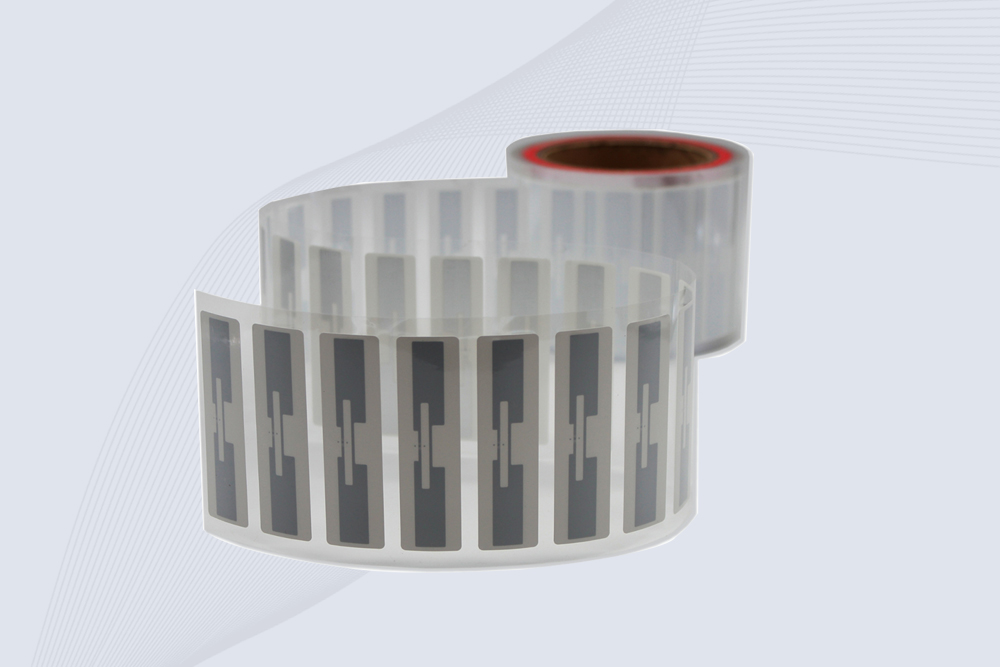
CYKEO Passive RFID Tags are made for wet and high-humidity environments where standard labels do not last. This rfid passive tag is often used around liquids, chemicals and temperature changes, providing stable reading distance and long data life for industrial tracking.
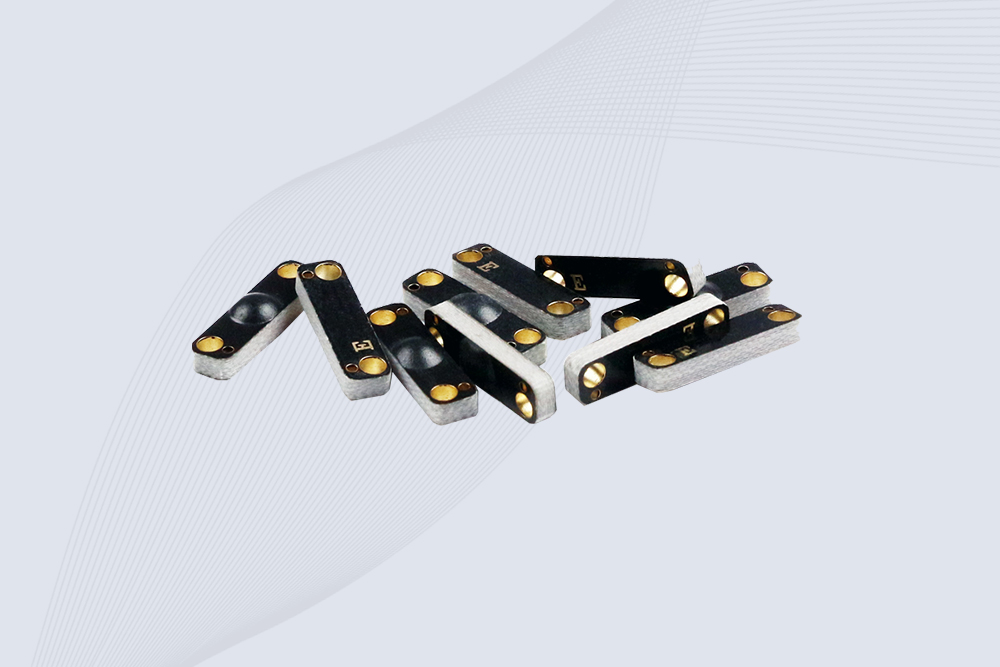
CYKEO CYKEO-PCB1504 Metal RFID Tags is a compact anti-metal UHF RFID solution built for direct mounting on metal surfaces. With stable 8-meter read range, Ucode-8 chip, and long data retention, this rfid metal tag fits tools, containers, automotive parts, and industrial asset tracking.
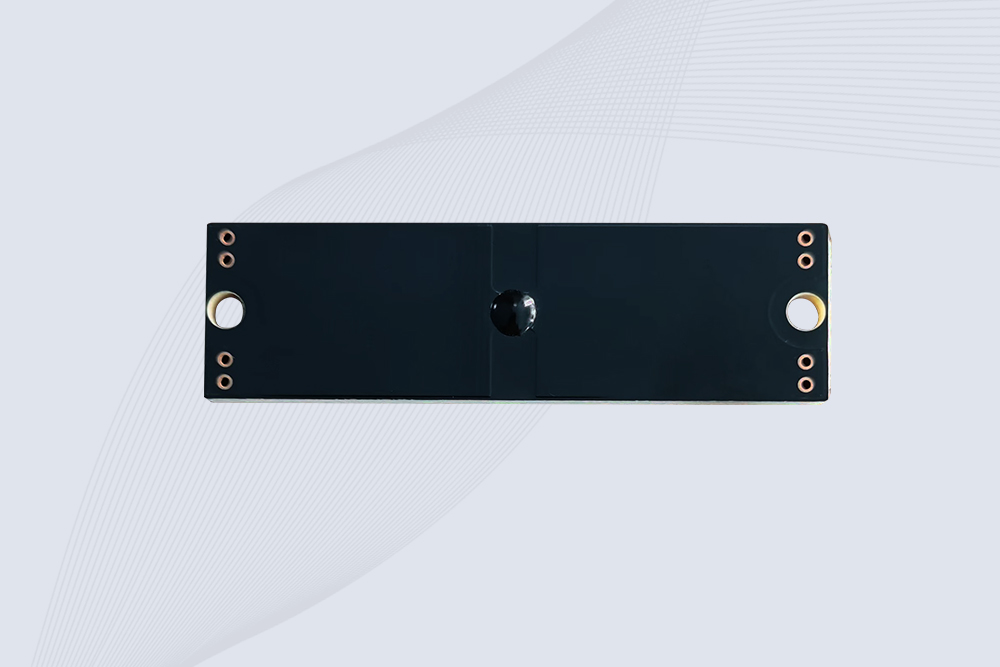
CYKEO CYKEO-PCB7020 On-Metal RFID Tags are designed for reliable tracking on steel and metal surfaces. Built with an FR4 epoxy body and industrial-grade chips, these On-Metal RFID Tags deliver stable performance, long data life, and chemical resistance, making them a dependable RFID anti-metal tag for harsh environments.
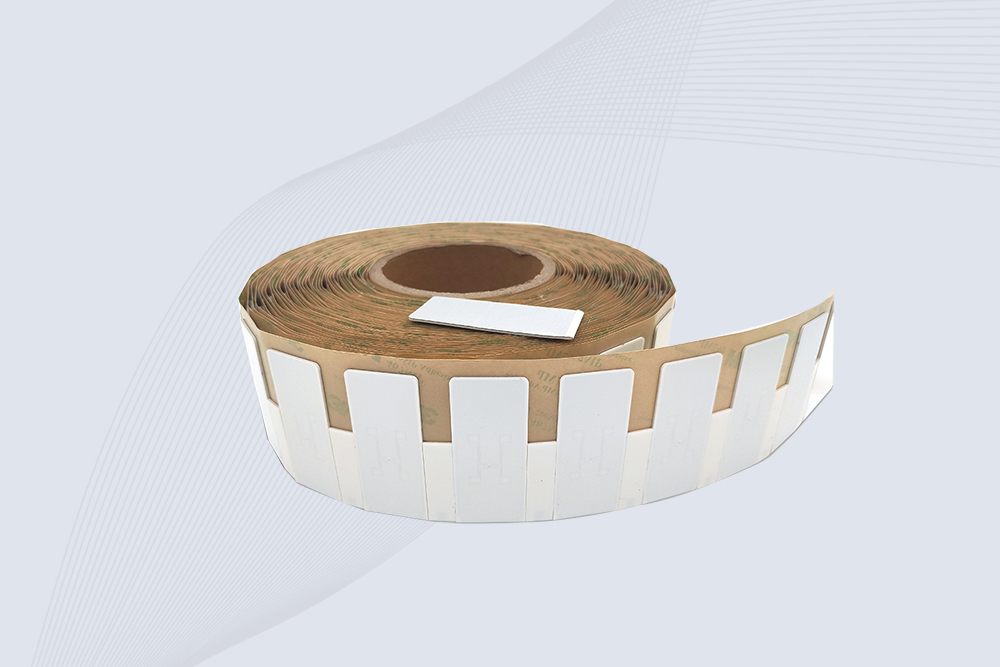
The CYKEO CYKEO-60-25 Anti-Metal RFID Tag is built for metal surfaces where standard tags fail. Designed for long-range performance, harsh environments, and stable data retention, this Anti-Metal RFID Tag is ideal for industrial assets, containers, and equipment tracking using on metal RFID tags.
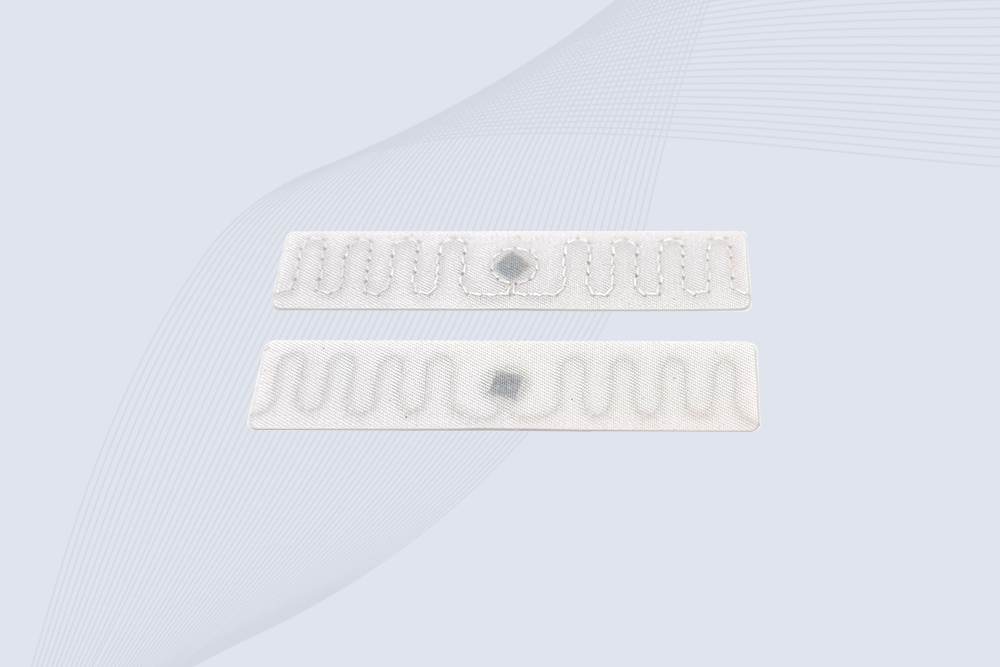
The CYKEO RFID Laundry Tag is designed for long-term textile identification in harsh laundry environments. Built to withstand high heat, chemicals, and repeated washing, this RFID Laundry Tag delivers stable performance for hotels, hospitals, and industrial laundry operations using laundry rfid tags at scale.
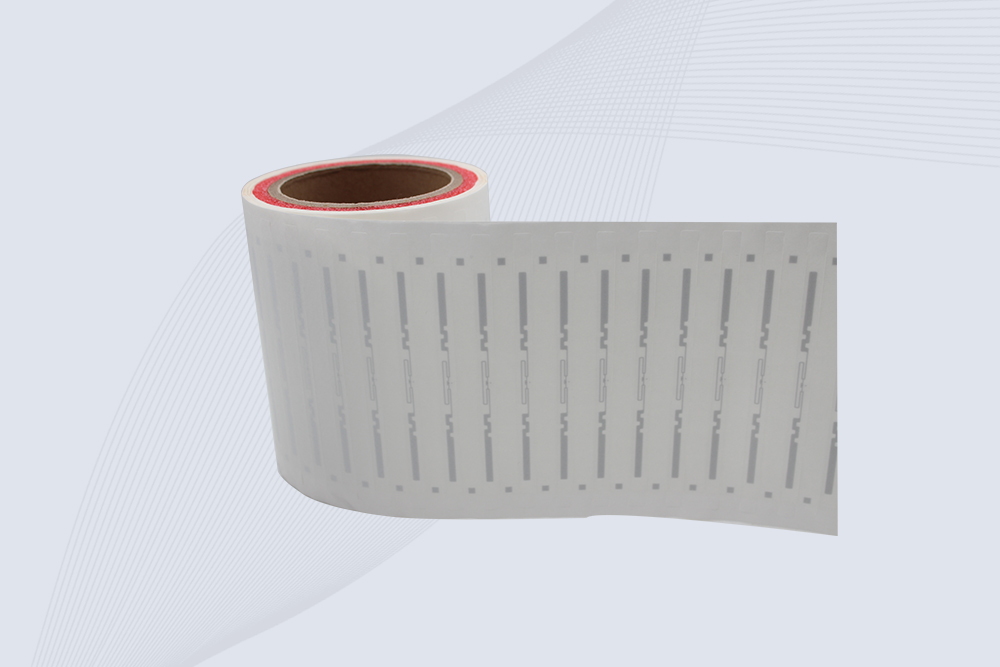
The CYKEO CYKEO-125-7 RFID Book Tag is designed for reliable book and document tracking in libraries and archives. This RFID Book Tag delivers long read range, dense placement support, and stable performance on shelves, making it a practical rfid tag on books for library automation, file management, and archival systems.
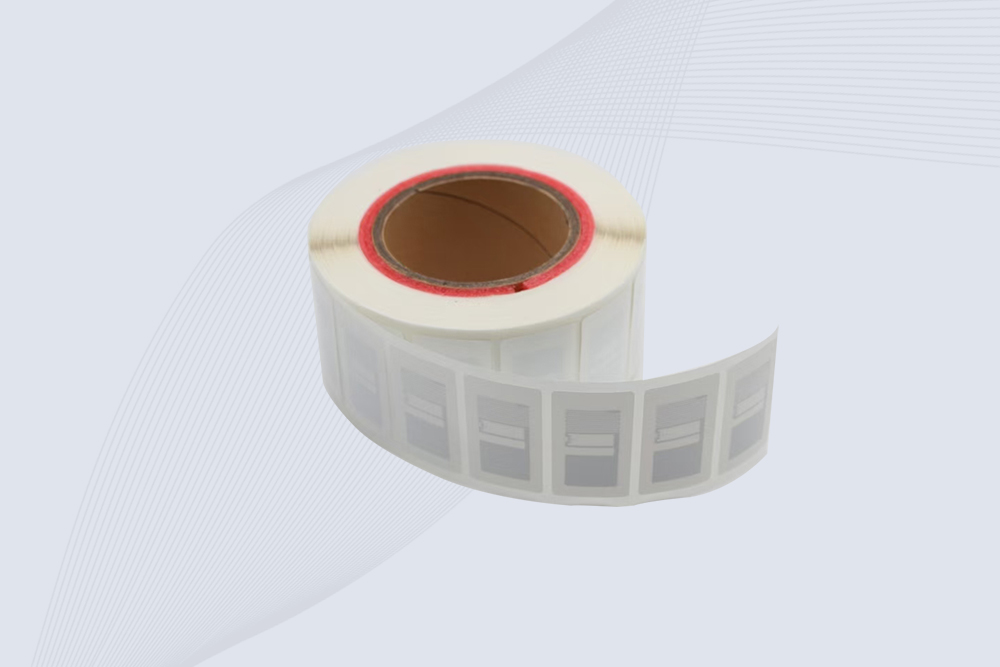
CYKEO RFID tags in hospitals are designed for sterile environments where accuracy matters. These autoclavable RFID tags support long-term tracking of surgical tools, implants, and medications, helping hospitals improve visibility, compliance, and patient safety.

CYKEO RFID Cable Tie Tag is built for reliable identification on metal surfaces. This UHF RFID Cable Tie Tag is widely used in rfid tags for inventory systems, industrial asset management and Hospital RFID Tags, offering stable read performance, long service life and global EPC Gen2 compatibility.
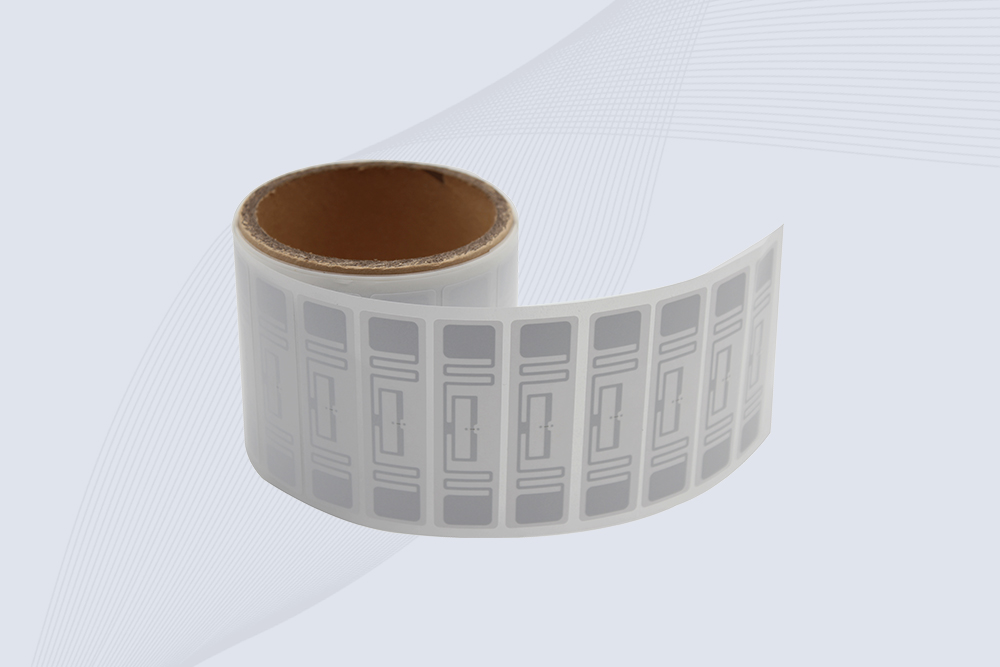
CYKEO RFID Asset Tag is designed for stable identification of metal assets in industrial environments. This UHF RFID Asset Tag is commonly used for rfid tag asset tracking on equipment, tools and containers, providing reliable reads, long service life and ISO/IEC 18000-6C support.

CYKEO UHF RFID Card is designed for fast identification and long-term use in industrial and commercial systems. Supporting ISO 18000-6C, this UHF RFID Card works at 860–960 MHz and is suitable for custom RFID cards used in asset tracking, access control and inventory management.
CYKEO HF RFID Cards are designed for secure and stable access control systems. These 13.56 MHz RFID key cards support ISO 14443-A, reliable rewriting and long service life, making HF RFID Cards suitable for offices, campuses, events and membership management.
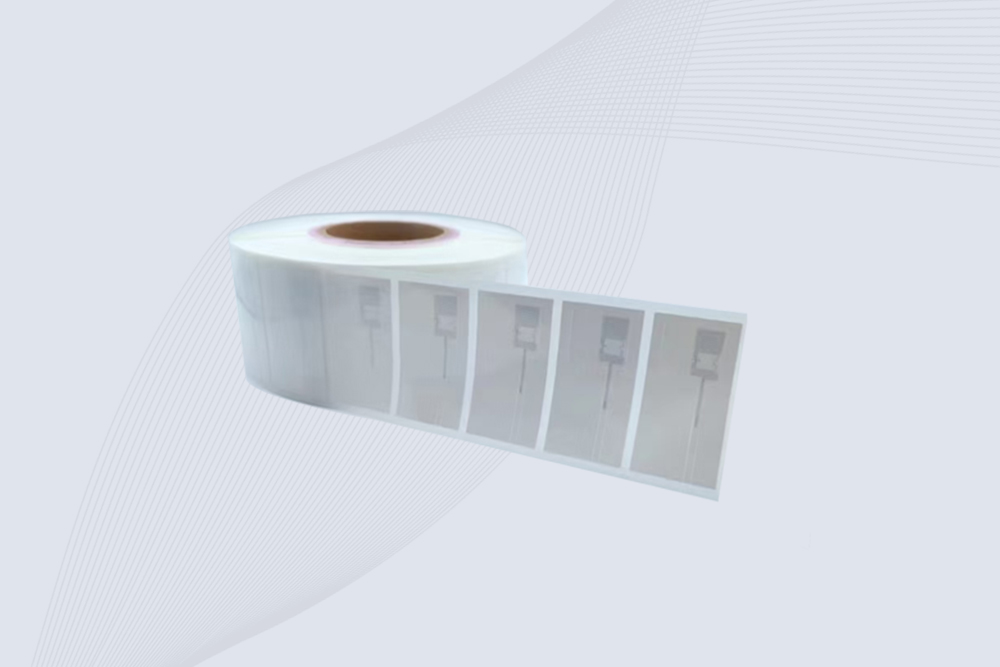
CYKEO UHF RFID Tag is designed for reliable tracking of metal jewelry and high-value items. This Jewelry RFID Tag supports long-range reading up to 8 meters, anti-counterfeit protection and stable performance on metal, making it suitable for retail, inventory control and asset management.

how far can an rfid chip transmit? Learn what determines RFID range, why UHF reaches several meters, and how tag, reader, antenna, and environment affect real results.
More
Can you read RFID with NFC? We explain the technical relationship between these technologies and when NFC is sufficient versus when you need dedicated RFID systems.
More
CYKEO CK-B5L is a RFID Tag Reader iPhone, ideal for software developers integrating logistics, healthcare, or manufacturing apps. Connect via Bluetooth or Type-C for real-time tag reading.
More
Discover what rfid means and how RFID technology enables automatic identification, smart inventory, and real-time tracking with Cykeo industrial RFID solutions.
More