 Cykeo RFID IoT Solution Products R&D Manufacturer


Can I obtain data from RFID via Bluetooth?
1231Learn how to obtain data from RFID tags via Bluetooth for seamless wireless workflows. Discover compatible devices, setup steps, and Cykeo’s Bluetooth-enabled RFID solutions.
MoreAll RFID Product
A few years ago, RFID felt like enterprise territory: pallets in distribution centers, hospital supply rooms, six-figure software contracts. That has changed. Tags now cost pennies, and the reading hardware has come down with them. The catch is that “cheap” means different things depending on where the reader will sit and what it has to do all day. This guide breaks down the realistic options for a small business budget, what each one handles well, and where buyers usually get burned.
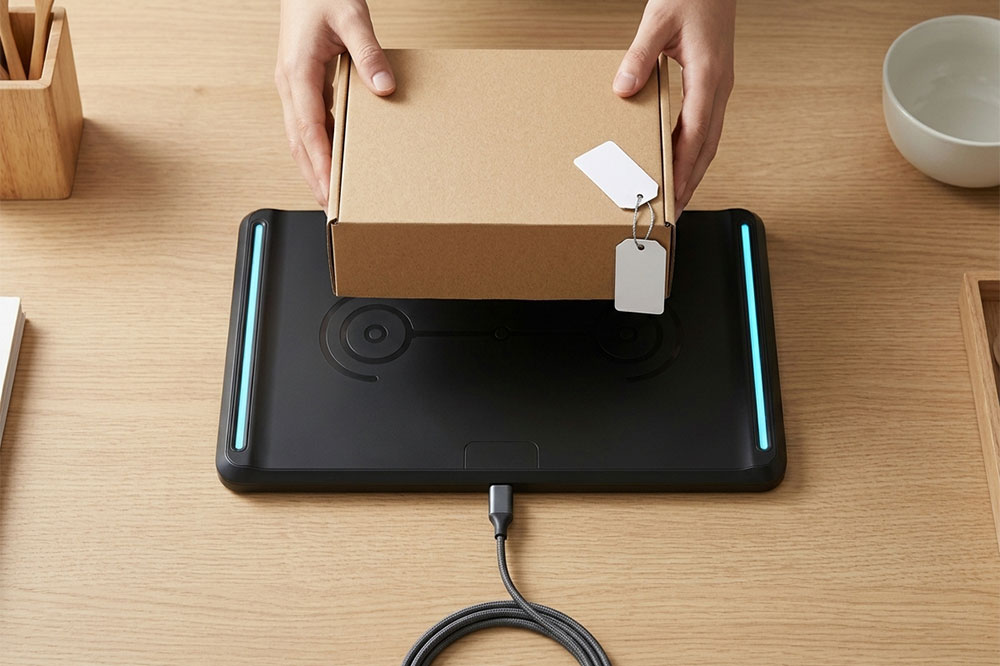
Nobody buys a reader for fun. They buy it because a manual process is failing. Counting 400 items by hand takes an afternoon and still produces errors; the same count with RFID tags and a reader takes minutes. Tool rooms lose equipment because a paper sign-out sheet lives next to the equipment. Libraries queue at the desk because every book is scanned one barcode at a time.
The pattern across all of these: the pain is repetitive, close-range, and item-based. That is exactly the profile RFID solves cheapest, and it is why a modest reader purchase often pays for itself within a season.
Here is the honest version: the sticker price is the smallest number in the calculation. A genuinely cheap RFID reader for small business use is one with a low total cost of ownership — hardware price, plus software integration effort, plus support quality, multiplied by how long it lasts.
Three things decide whether a cheap reader stays cheap:
If you want a deeper pre-purchase checklist, our earlier post on what to check before buying a cheap USB RFID reader covers firmware, output power, and sample testing in detail.
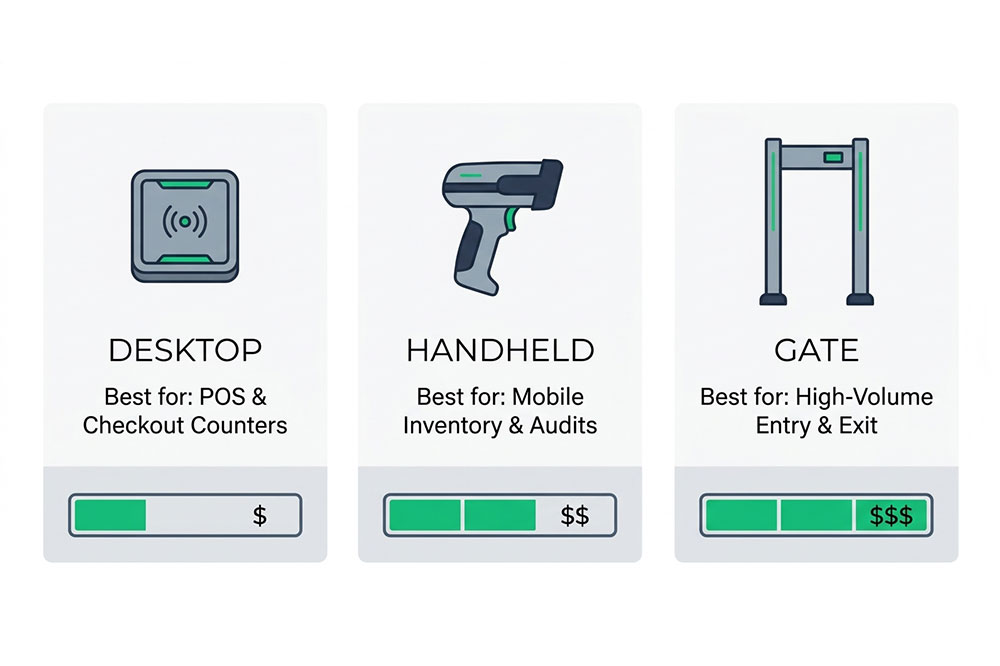
This is where most small businesses should start, and it is the category behind the Cykeo USB RFID reader collection. A desktop reader is a palm-sized unit that plugs into a PC or Android terminal over USB, draws power from the same cable, and reads or writes tags placed on or near it.
Best for: checkout counters, library desks, tag encoding stations, office asset registration, repair-shop intake.
Why it wins on cost:
A typical workflow: staff tap tagged items on the reader, your existing software logs each EPC code, and the inventory record updates itself. For a concrete setup walkthrough, see our guide to the best affordable USB RFID reader for PC-based applications.
One thing to know: desktop readers read what is presented to them. They do not scan a whole shelf across the room. If your process needs floor-wide bulk scanning, that is the next option.
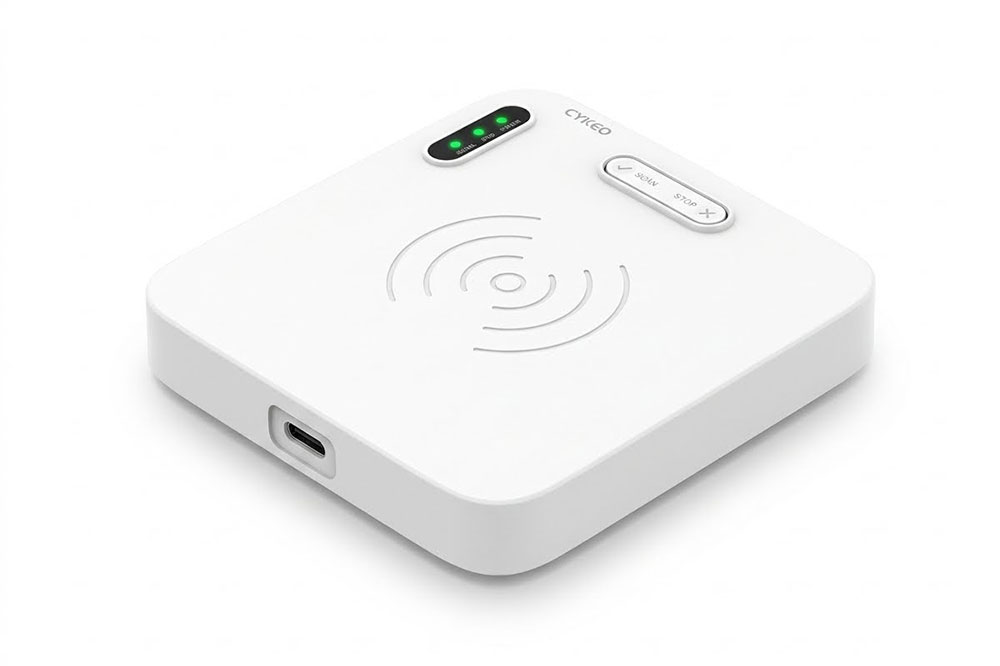
Handhelds look like thick smartphones with a scan trigger. You walk the floor and sweep shelves, racks, or equipment cases; the device reads dozens of tags per second as you pass.
Best for: stocktaking across a store or small warehouse, equipment audits, finding a specific tagged asset among many.
Trade-offs: handhelds cost more than desktop units and add battery management to your day. They earn that premium only when items physically cannot come to a desk. If 80% of your tagging happens at one counter, a handheld is a nice-to-have, not a need-to-have. Browse what that tier looks like in the handheld RFID reader category.
Fixed readers mount permanently at a doorway, a stockroom entrance, or a return chute. When tagged items pass through, the system registers them with no human action at all.
Best for: theft deterrence at shop exits, automatic check-in of returned items, tunnel-style batch intake.
Trade-offs: this is the most expensive option once you include installation and tuning, and for many small businesses it solves a problem they do not yet have. Start with a desktop reader, prove the workflow, and add a fixed installation only if volume justifies it. See the RFID gate reader category to understand the hardware involved.
Run this quick decision sequence before spending anything:
Rather than quoting prices that shift, here is how the tiers relate: a desktop USB reader is typically the cheapest complete setup — hardware plus free demo software gets you operational. A handheld generally costs several times a desktop unit. A fixed gate installation costs more again once mounting and tuning are counted, and tags themselves (usually a few cents each at volume) are a rounding error by comparison.
For most businesses under 2,000 tracked items, the answer is one desktop reader and a spreadsheet-or-lightweight-software workflow. That entire investment is smaller than a single afternoon of wasted manual counting per month.
If your situation is “a counter, a PC, and a desire to stop counting things by hand,” the straightforward pick is a compact UHF desktop unit such as the CYKEO-D1L RFID scanner USB. It reads and writes ISO 18000-6C tags, runs on USB power alone across Windows, Linux, and Android, supports batch encoding for preparing tag rolls in advance, and keeps output in a controlled short range so counter-side reads stay deliberate. For slightly heavier encoding duty — higher throughput or OEM customization — the SSD-D3AL USB RFID reader is the step-up model with 600+ tags/second recognition and logo customization for resellers.
Both sit inside the wider USB RFID reader collection, which is worth browsing simply to see how narrow the real differences between desktop models are: interface, output power, chip grade. Once you see the spread, choosing gets easier — and cheaper — than most buyers expect.
How much does a cheap RFID reader for small business use actually cost? A plug-and-play USB desktop reader is the cheapest complete entry point, and the total launch cost — hardware plus free demo software plus a pack of tags — usually lands below the cost of a few lost tools or one bad stock count. Handhelds and fixed readers sit in higher tiers. Contact Cykeo’s sales team for current B2B pricing, which varies with order volume and customization.
Do I need special software to use a USB RFID reader? Not to start. Most desktop readers appear to the computer as a keyboard device, so every tag read appears as text wherever your cursor is — a spreadsheet is enough for day one. For real workflows, SDKs and APIs let you connect the reader to inventory or asset software; Cykeo supplies demo programs and integration support with its desktop readers.
What frequency should a small business RFID reader use? UHF (860–960 MHz, ISO 18000-6C) is the standard for retail inventory, asset tracking, and tool management — it has the largest tag ecosystem and matches the Cykeo desktop and handheld ranges. HF/NFC only makes sense for payment-style cards or phone interaction.
Can one cheap reader handle both reading and writing tags? Yes, if you choose a desktop reader-writer. Models like the CYKEO-D1L encode EPC data onto blank tags and read existing ones, which matters if you print and prepare your own tag rolls before items reach the shelf.
Will RFID tags work through plastic and cardboard? UHF tags read fine through most non-metallic materials, which is why boxed goods and hanging garments scan without unpacking. Metal and liquid interfere with standard tags — those cases need specialized on-metal tags or adjusted placement, so test your real products during a sample run.
Ready to try one on your own counter? Request a sample or quote for the CYKEO-D1L USB RFID reader and test it against your real tags before committing to a rollout.

Discover SSD-D4AL, a USB-HID UHF RFID reader with 4/8/16 antenna options, Impinj E710/X3M1 chipset, plug-and-play USB power, and OEM customization.
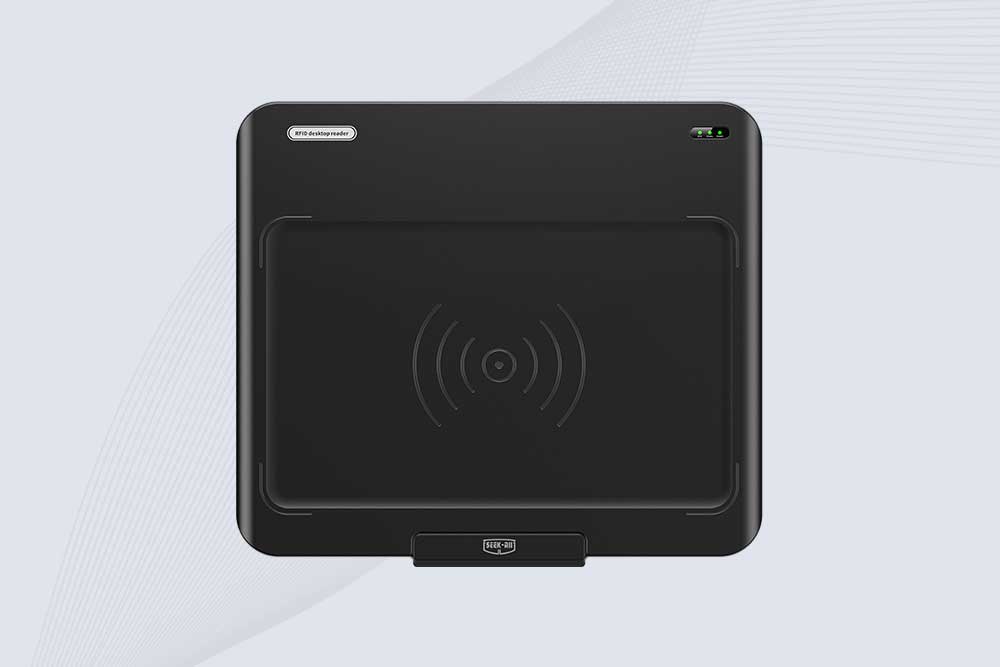
SSD-D3AL is a USB-HID UHF RFID reader with 0–30 cm reading, 0–15 cm writing, over 600 tags/s recognition, USB plug-and-play operation and OEM Logo customization.
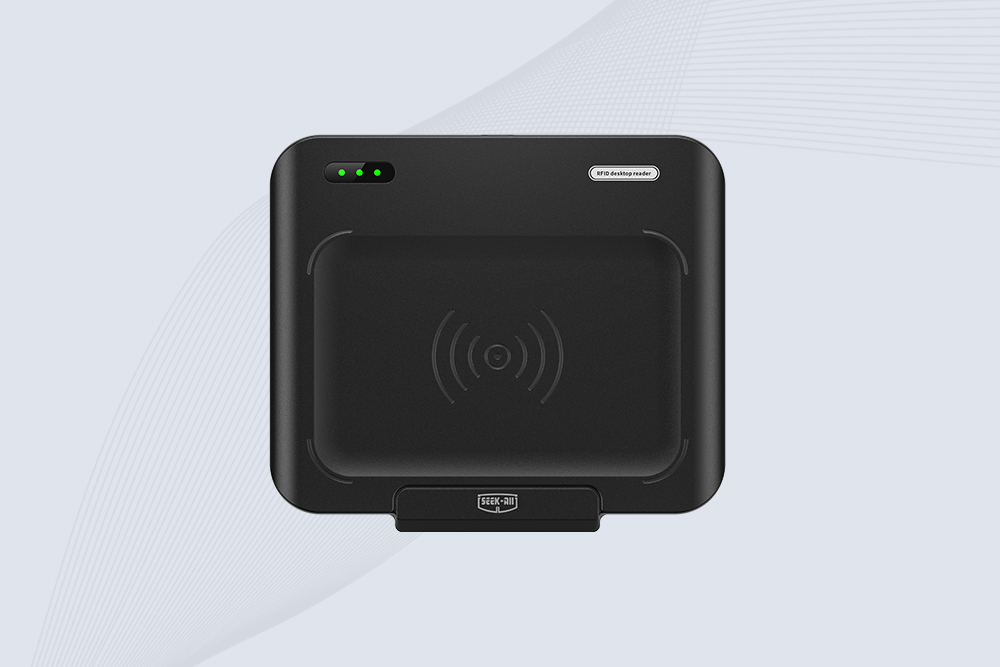
SSD-D1AL is a compact USB UHF RFID reader with Impinj E710/X3M1 chipset, USB-HID, 600+ tags/s recognition, 4/8/16 antenna support and plug-and-play USB power.

SSD-R16L Multi-Channel RFID Infrastructure for Automated Inventory Management ✔️ 16-Port High-Density RFID Reading Equipped with 16 SMA antenna ports, SSD-R16L supports multi-antenna deployment for warehouses, retail stores, logistics, production lines, and large-area RFID identification. ✔️ High-Speed & Long-Range Performance With up to 33…

SSD-R8L 8-port UHF RFID reader with 33dBm output, up to 20m reading range and 600+ tags/s recognition. Ideal for warehouse, logistics, retail and asset tracking.

SSD-R4L is a 4-port UHF RFID fixed reader with 33dBm output power, up to 20m reading range, EPC C1G2 support and 600+ tags/s reading speed.

CYKEO CYKEO-D1LA USB RFID Reader is a compact desktop solution with near-field control for precise tag reading and encoding. Powered by USB, supporting ISO 18000-6C, and built for stable batch writing, this usb rfid tag reader fits retail, libraries, offices, and controlled RFID encoding tasks.
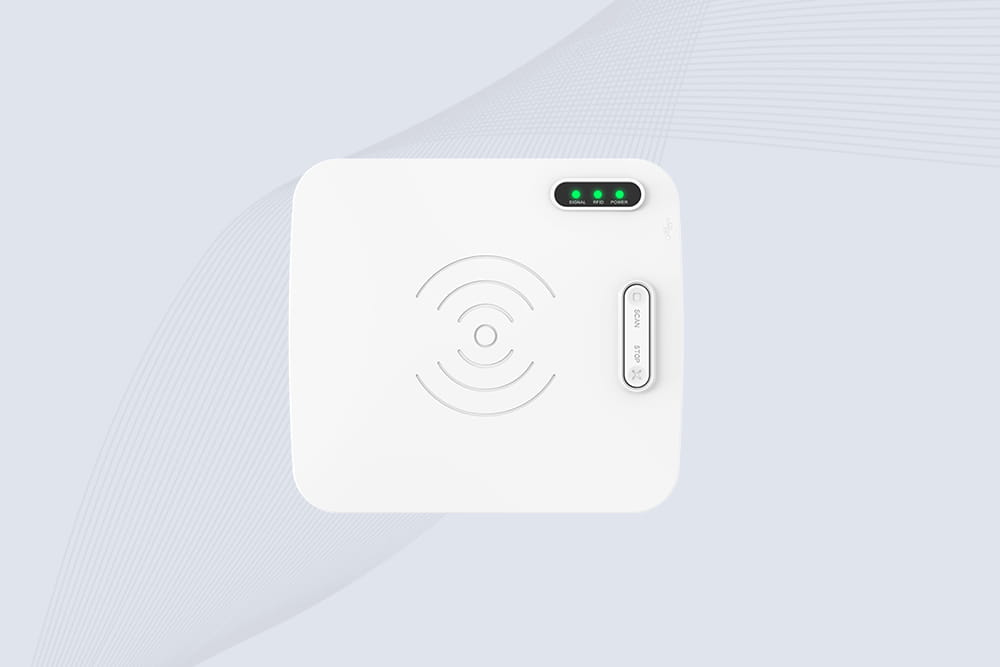
CYKEO CYKEO-D1L RFID scanner USB is a compact desktop UHF RFID scanner designed for short-range tag writing and verification. This usb rfid scanner supports batch encoding, stable 0–26 dBm output, and works across Windows, Linux, and Android systems.
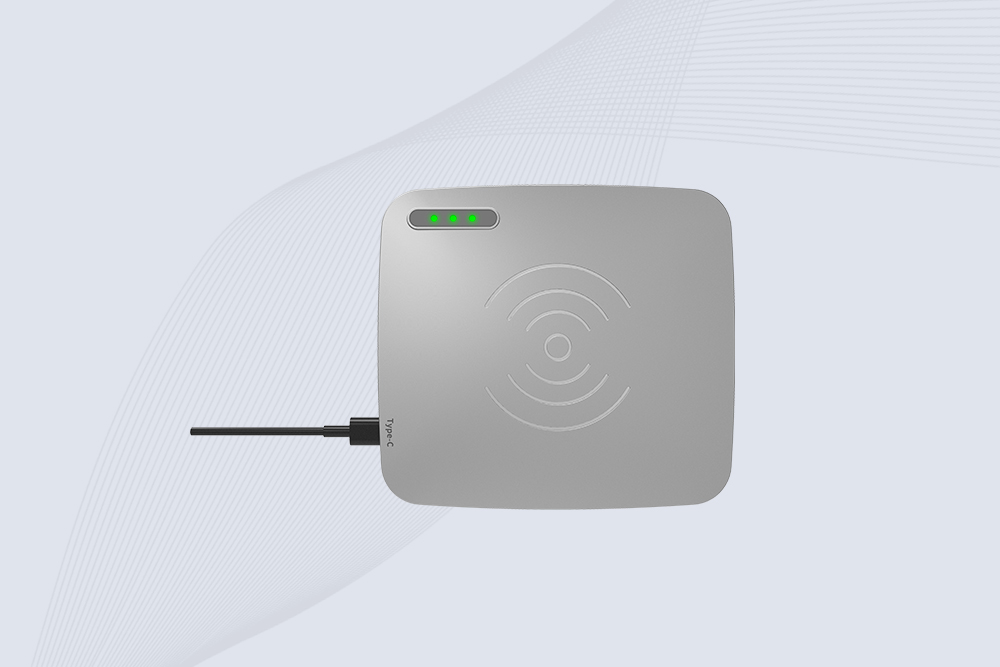
CYKEO CYKEO-D1C USB RFID Card Reader is a near-field UHF desktop writer designed for secure, short-range tag encoding. With USB-C connectivity and stable 26 dBm output, this rfid reader usb c is ideal for badge issuance, label encoding, and controlled desktop RFID workflows.
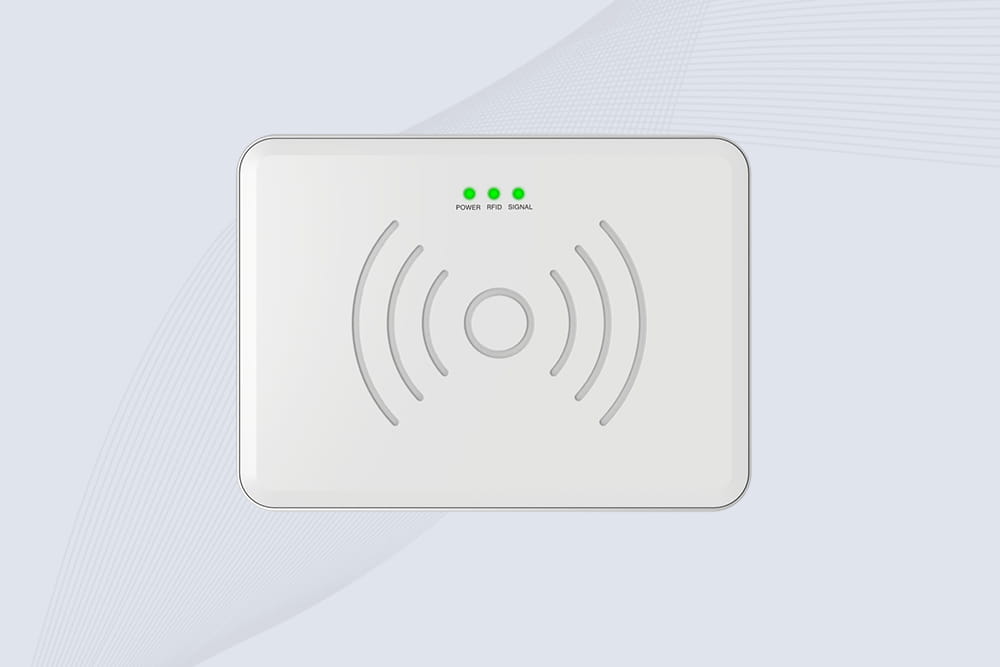
CYKEO CYKEO-D2L RFID Reader USB is a compact desktop encoder built on the Impinj R500 chip. With near-field control and stable USB power, this usb rfid card reader delivers precise tag writing for offices, retail counters, and small-scale logistics encoding tasks.
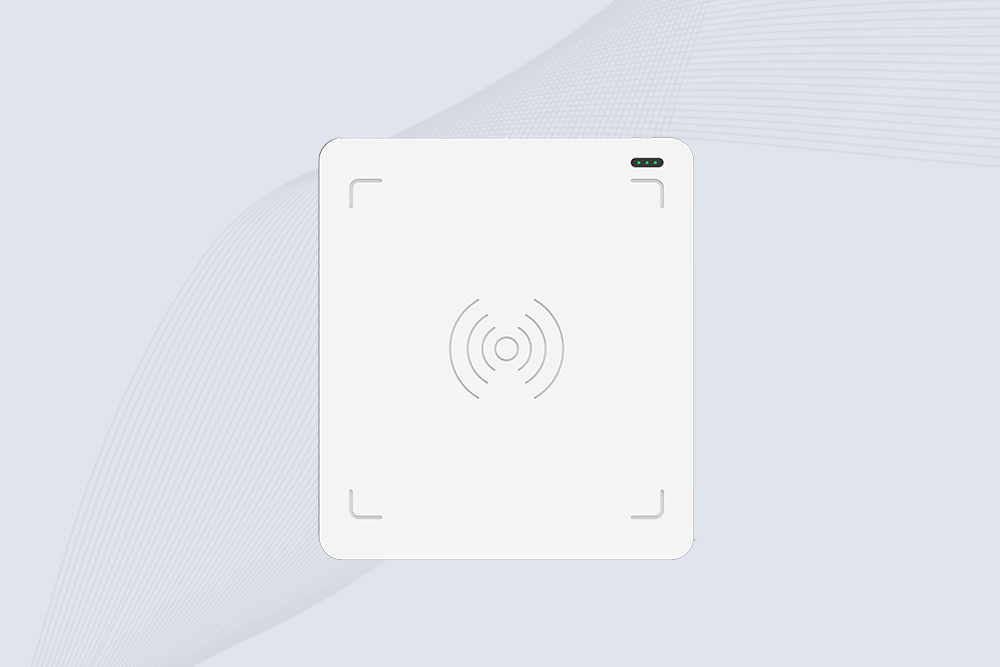
CYKEO CYKEO-D3L USB RFID Tag Reader delivers stable UHF tag reading and writing for daily desktop and light industrial tasks. Designed for controlled short-range operation, this USB RFID Tag Reader works reliably with rfid tag and reader systems in libraries, tool tracking, and inventory registration.
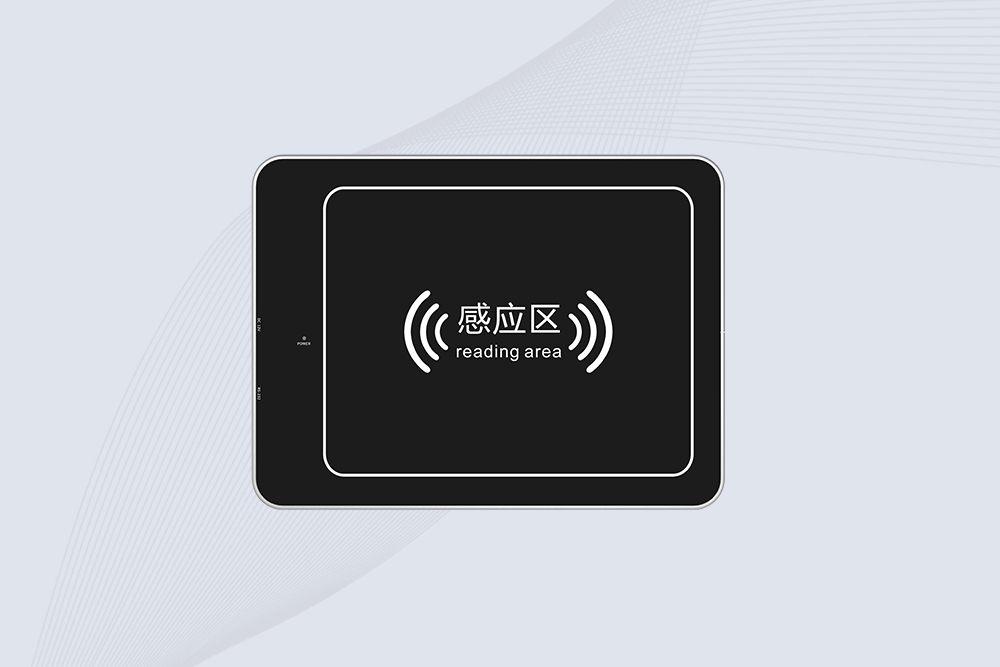
The CYKEO CYKEO-D4L UHF RFID Tag Reader is a stable Desktop RFID Reader designed for accurate tag registration, borrowing, and return workflows. Built with the Impinj R2000 chip, this UHF RFID Tag Reader delivers controlled short-range reads for libraries, asset tracking, and inventory management environments.
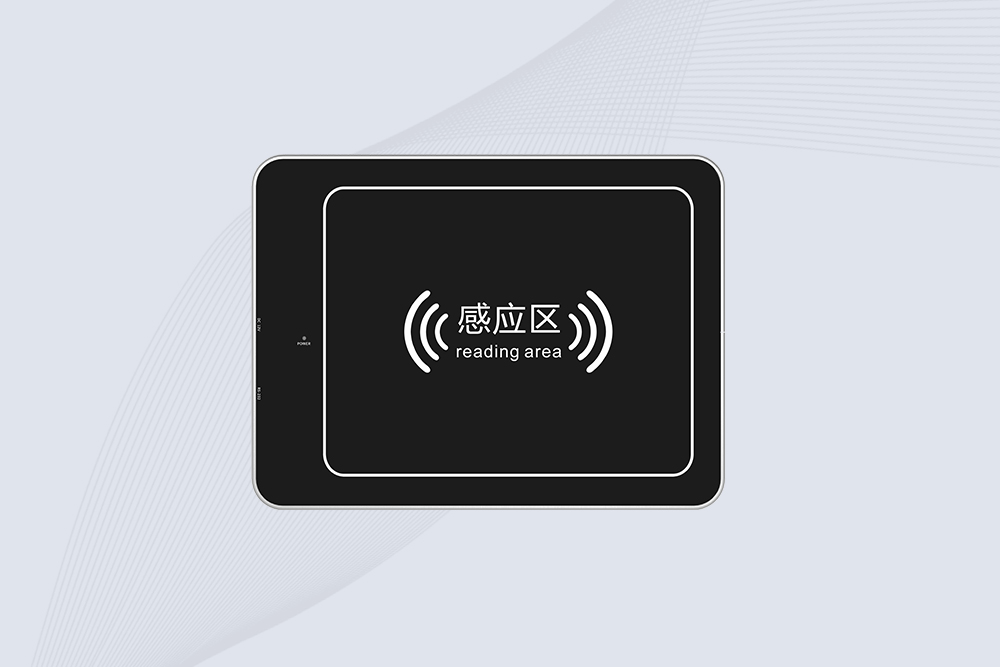
The CYKEO CYKEO-D5L Desktop RFID Card Reader is a stable UHF RFID Card Reader designed for controlled short-range reading and writing. Built for libraries, tool rooms, and asset desks, this UHF RFID Card Reader supports dense tag handling, secure data processing, and easy USB integration.
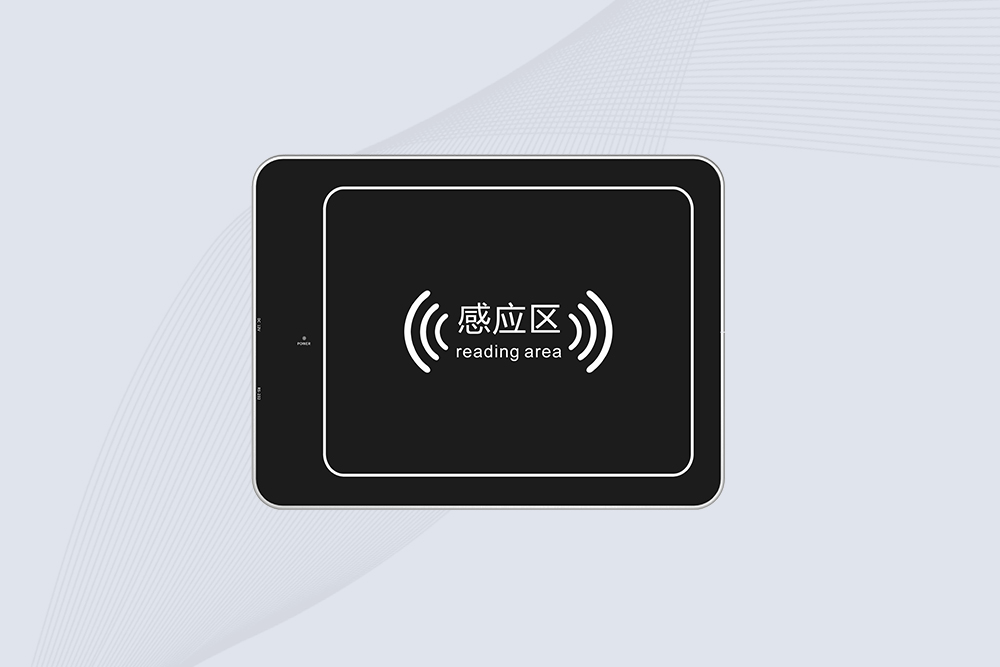
The CYKEO CYKEO-D6L RFID Reader Writer is a heavy-duty Desktop RFID Reader designed for short-range, high-accuracy tag programming. Built for libraries, labs, and asset desks, this RFID Reader Writer supports batch processing, stable 33dBm output, and seamless integration with existing management systems.
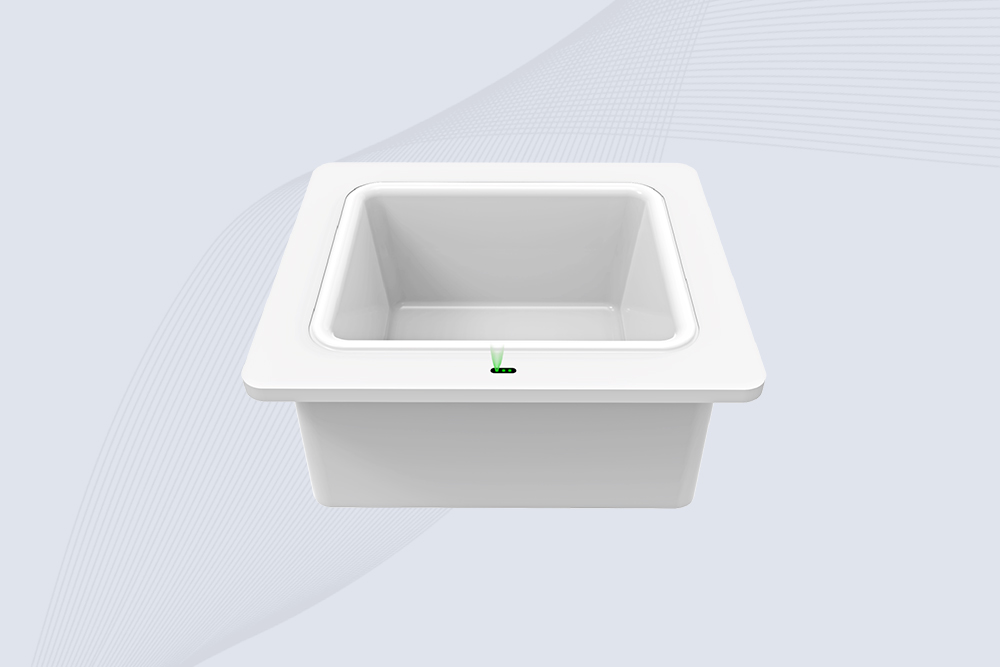
Cykeo CYKEO-D8B UHF RFID tunnel and RFID Desktop Reader features 30+ items batch reading,
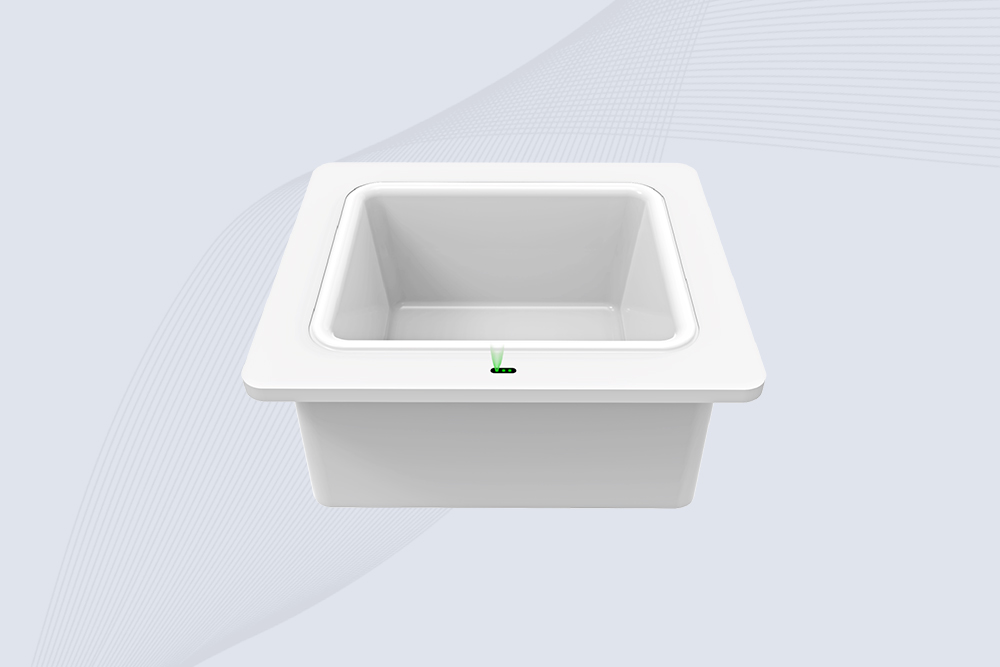
Cykeo CYKEO-D8A embedded RFID badge reader offers 30+ tags/sec scanning, 20cm anti-crosstalk precision, and DC 12V power for unmanned stores, warehouses, and smart inventory systems.
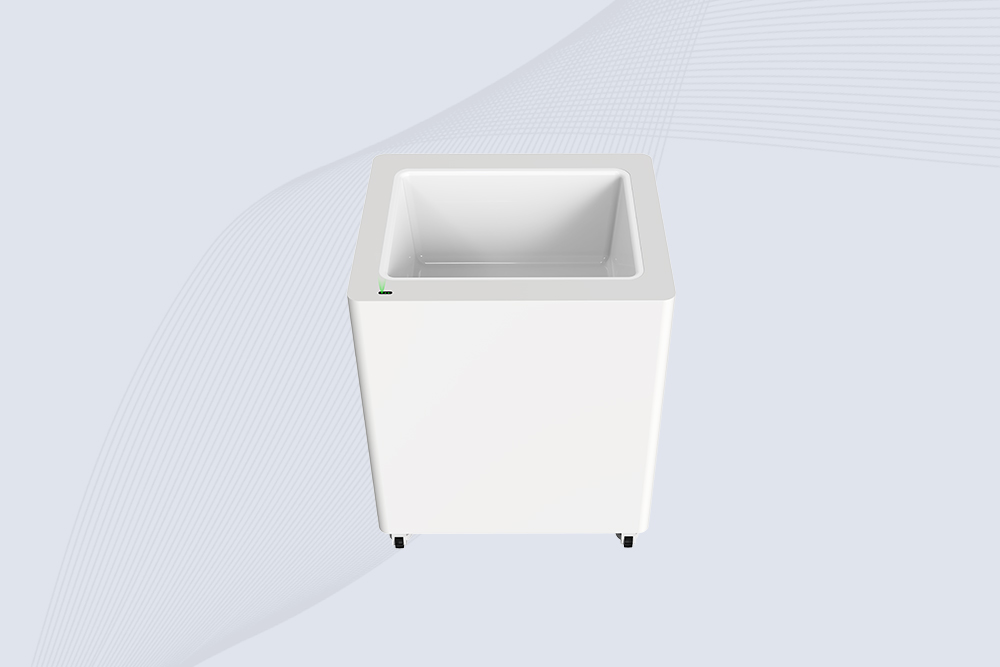
Cykeo’s CYKEO-D8C UHF RFID gate reader achieves 200-tag/batch scanning with adjustable power control, ideal for retail inventory and smart warehouse management.
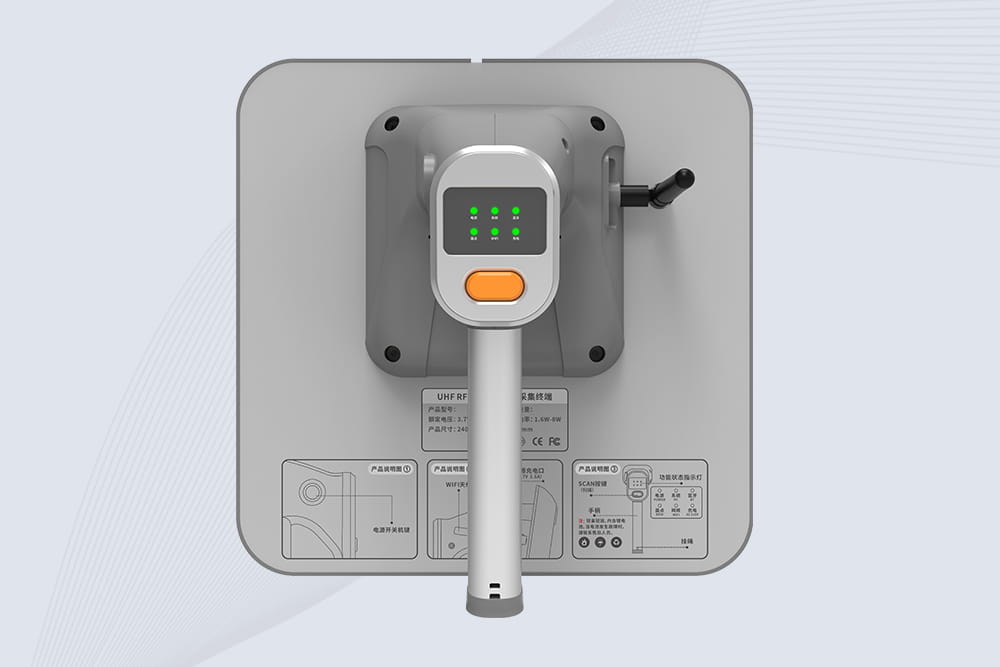
Cykeo CYKEO-B9 UHF Bluetooth handheld RFID scanner features 12m UHF range, 200+ tags/sec scanning, IP67 rugged design for retail/warehouse/pharma. Supports Android SDK & real-time Bluetooth 5.0 transmission.
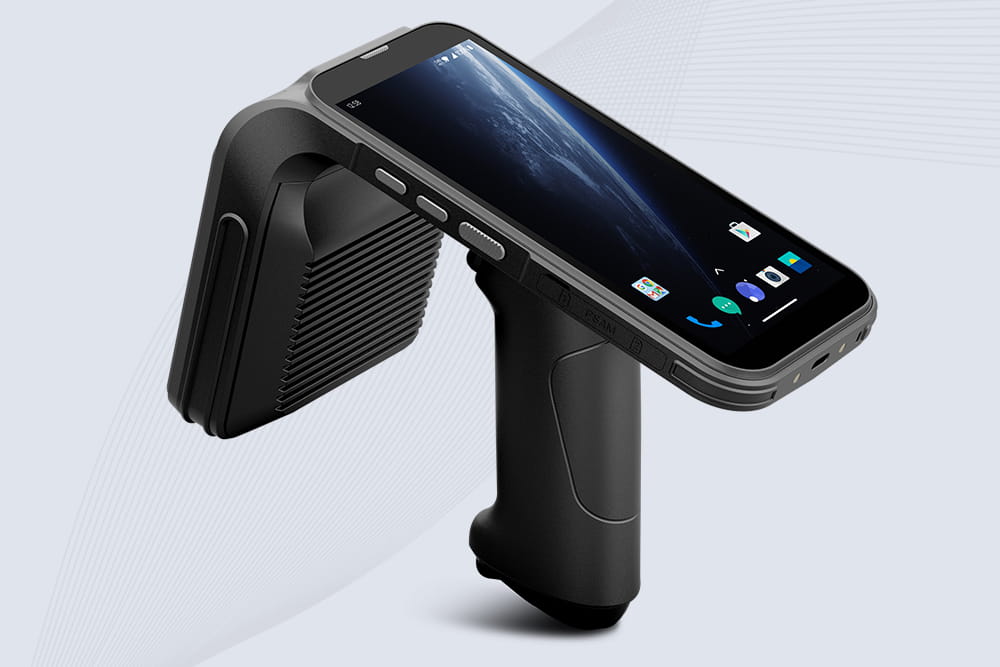
Cykeo CYKEO-B4 UHF Handheld RFID Reader scanner delivers 1300 tags/sec reading, 30m UHF range, and 12-hour battery life. IP65 rugged design with barcode/NFC/ID scanning for retail/manufacturing/logistics.
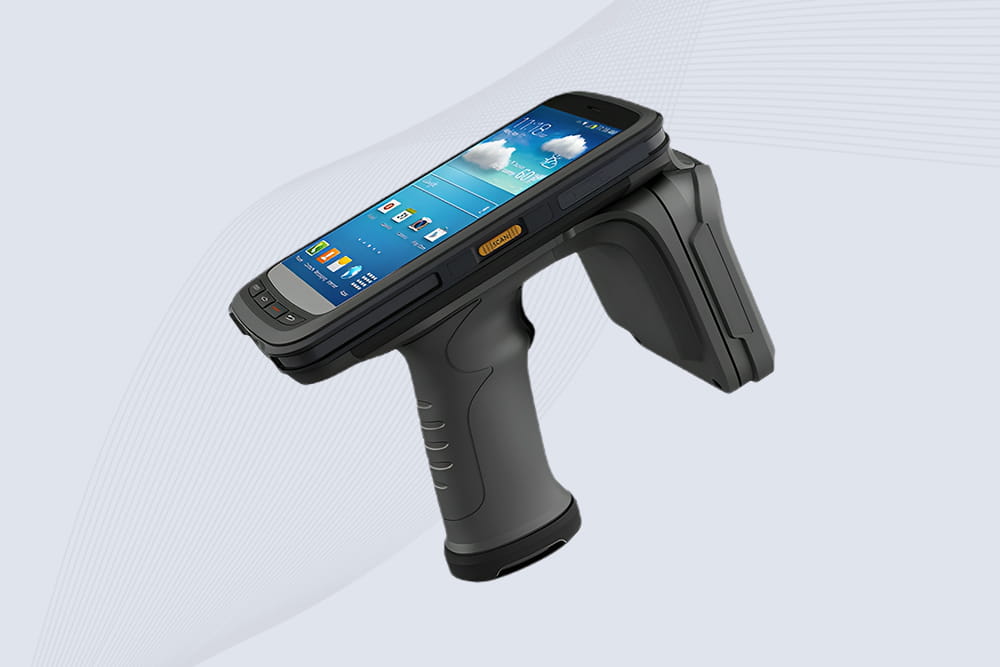
Cykeo CYKEO-B2 industrial UHF RFID handheld Scanner offers 10m range, 500 tags/sec scanning, Android 11 OS, and IP65 rugged design for retail/warehouse/manufacturing.
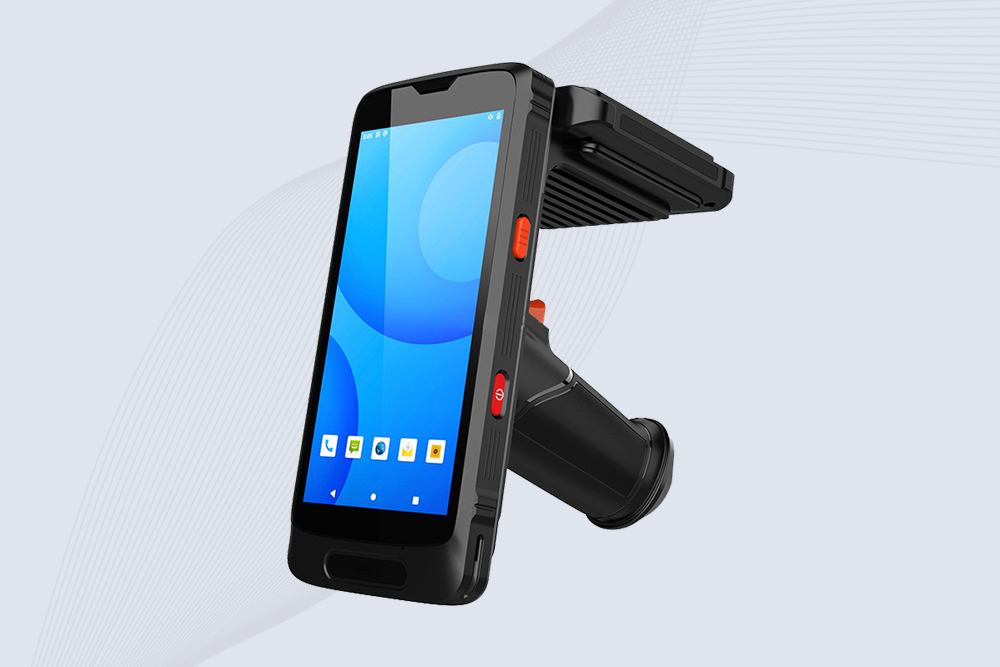
Cykeo CYKEO-B3 industrial RFID Reader Handheld, terminal offers 2m read range, multi-protocol scanning (NFC/barcode/ID), Android 10 OS, and IP65 ruggedness for logistics/retail/manufacturing.
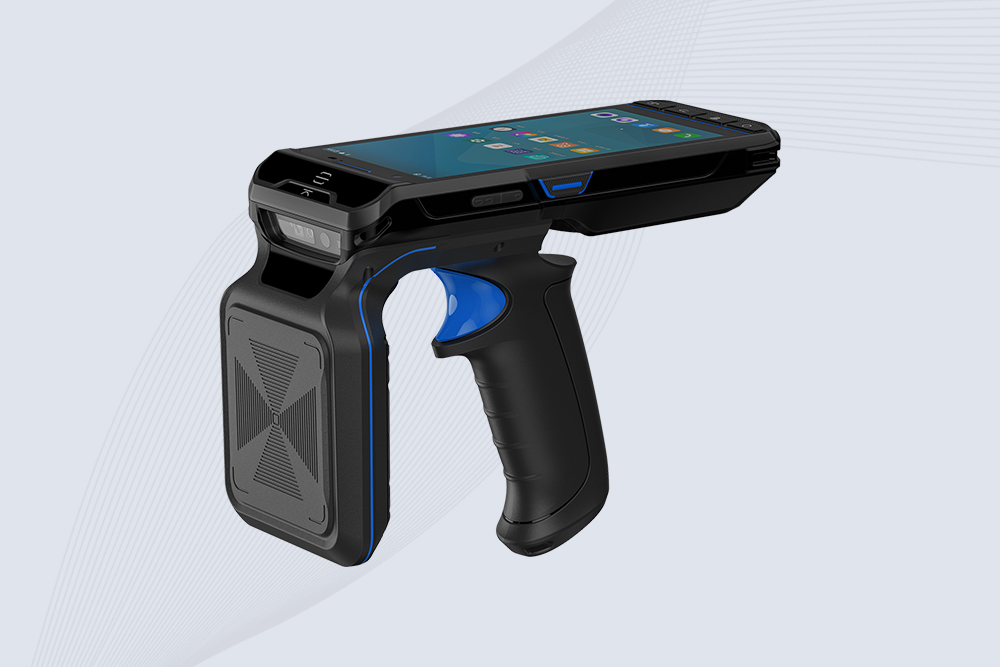
Cykeo CYKEO-B3L industrial handheld UHF RFID Reader terminal features 20m read range, 500 tags/sec scanning, Android 13 OS, 12-hour battery for logistics/retail/manufacturing. Supports barcode/NFC/ID reading.
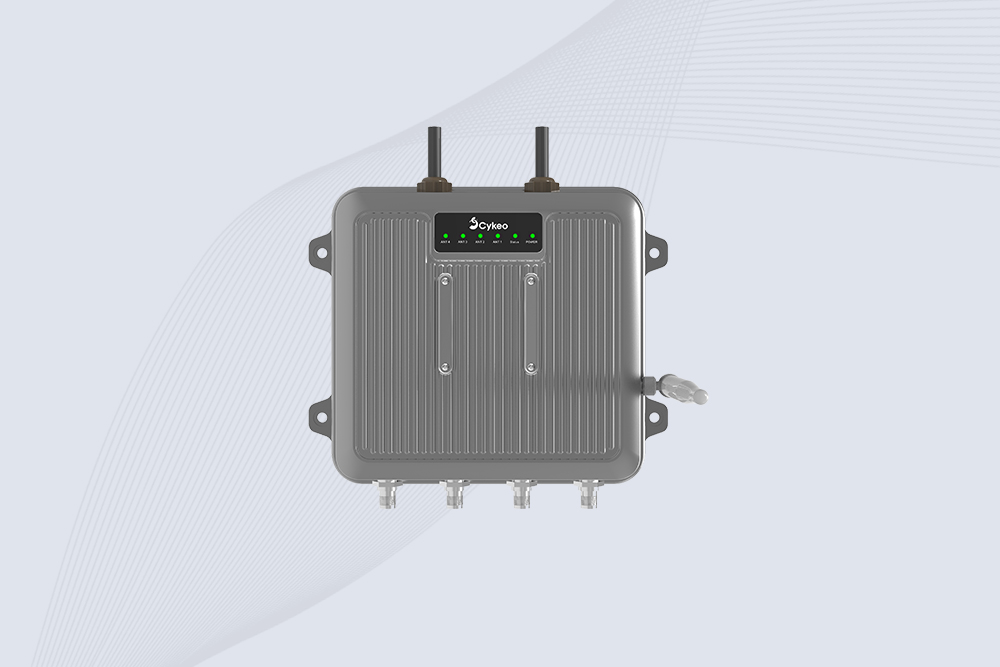
Cykeo CYKEO-C1 industrial Forklift RFID Reader features 20m read range, 600 tags/sec scanning, Impinj R2000 chipset, and IP67 rugged design. Ideal for warehouse logistics and manufacturing. Supports ISO 18000-6C/6B protocols.
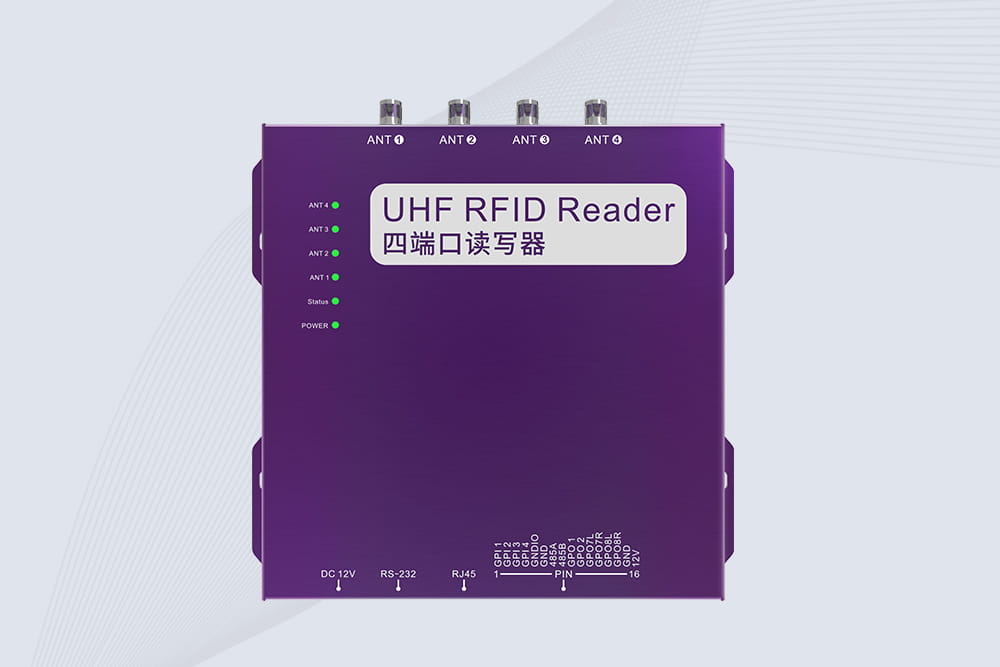
Cykeo CYKEO-R4 industrial UHF RFID Fixed Reader features 4 TNC ports, 400+ tags/sec speed, IP67 housing, and global frequency compliance for vehicle inspection, smart warehouse, and asset management systems.
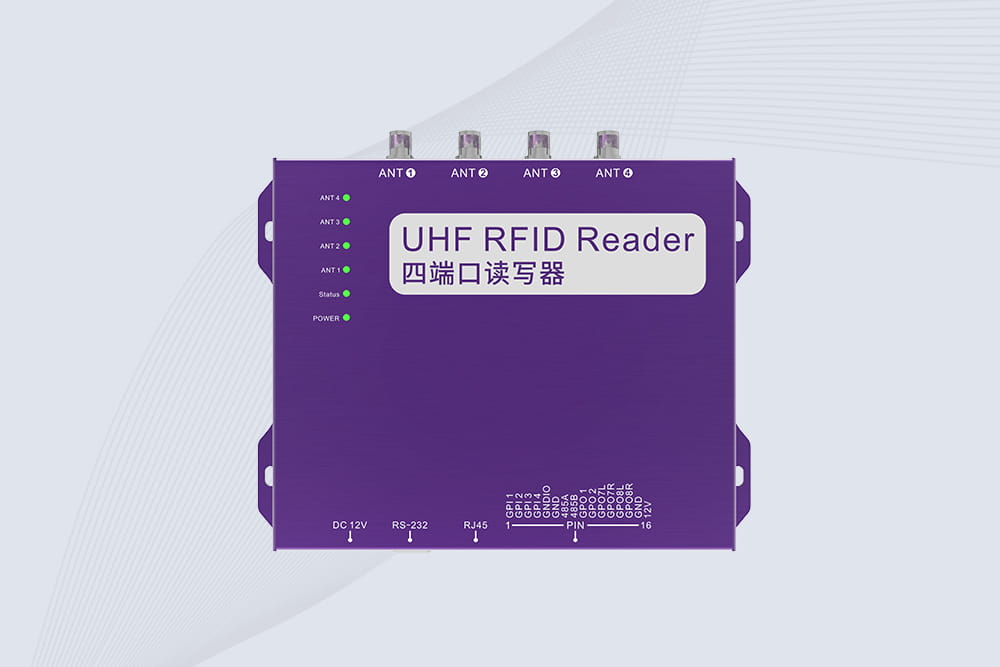
Cykeo’s CYKEO-R4L 4-port Fixed UHF RFID Reader delivers 400 tags/sec scanning, ISO 18000-6C compliance, and IP65 protection. Ideal for warehouse automation, manufacturing WIP tracking, and logistics management.
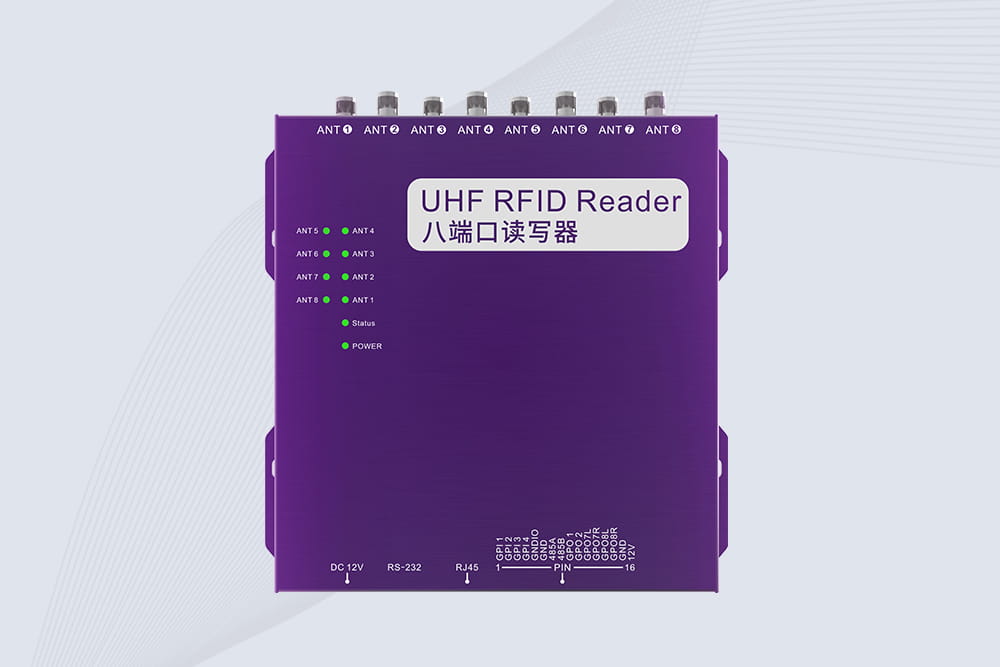
CYKEO CYKEO-R8L Fixed RFID Reader with 8-port UHF design, Impinj-based RF core and up to 20m read range. An industrial Fixed RFID Reader for vehicle inspection, warehouse portals, smart manufacturing lines and secure access checkpoints.
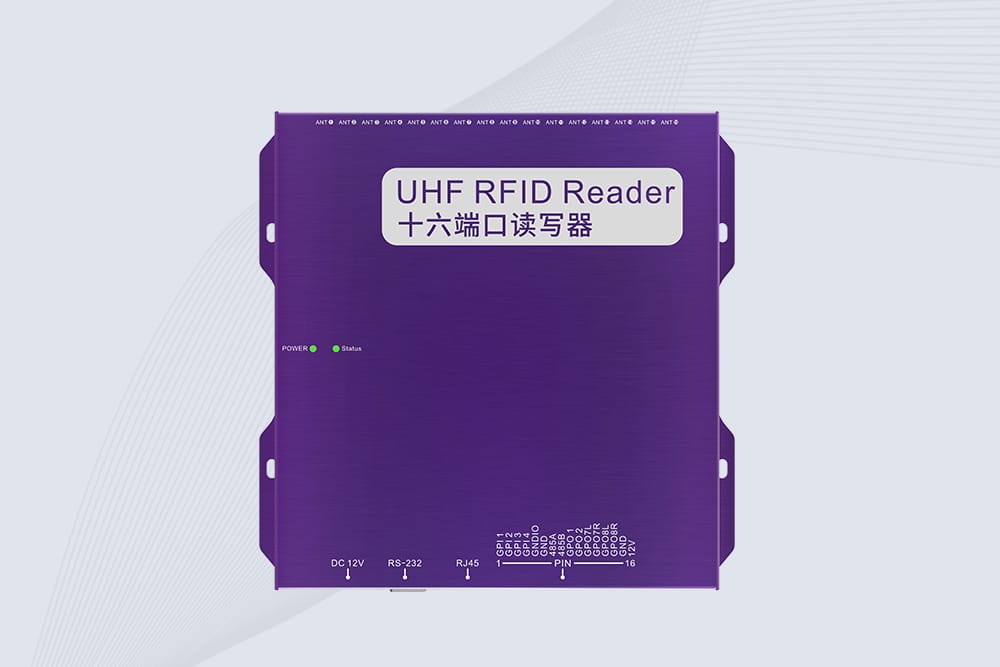
RFID Fixed Reader from CYKEO – the CYKEO-R16L 16-port UHF fixed reader for warehouses, smart cabinets, and production lines. Long-range, multi-tag reading, stable performance for 24/7 industrial use.
RFID Industry Writer | IoT & Asset Tracking Analyst
James writes about RFID technology, asset tracking, and the practical challenges of digital transformation across warehousing, retail, manufacturing, and logistics.
His work focuses on how RFID is applied in real-world operations—improving inventory visibility, automating workflows, and helping businesses manage assets with greater accuracy and efficiency.
He regularly covers topics including UHF RFID, smart cabinets, RFID portals, tool tracking, warehouse automation, and industrial IoT trends..
Learn how to obtain data from RFID tags via Bluetooth for seamless wireless workflows. Discover compatible devices, setup steps, and Cykeo’s Bluetooth-enabled RFID solutions.
More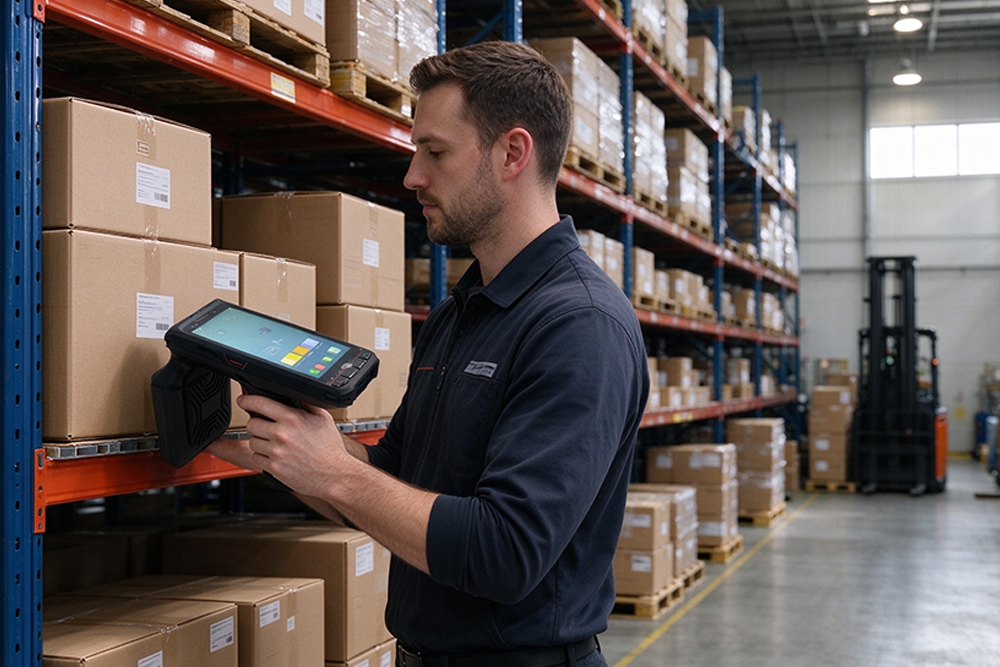
RFID tags improve inventory accuracy by identifying multiple tagged items without individual barcode scans. When integrated with inventory software and relia...
More
Learn how does rfid work without battery using passive RFID technology. Discover energy harvesting, real-world performance, and deployment insights with Cykeo solutions.
More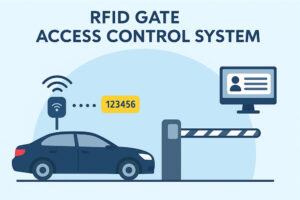
Discover how RFID gate access control systems enhance security and streamline vehicle or personnel entry. Learn practical setup tips, real-world cases, and integration ideas.
More