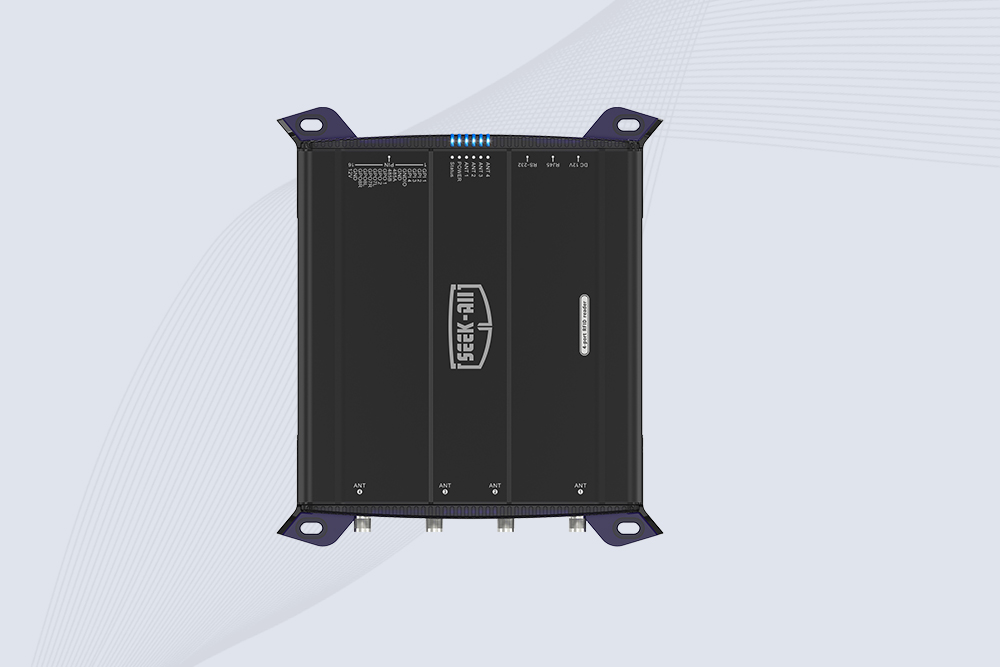
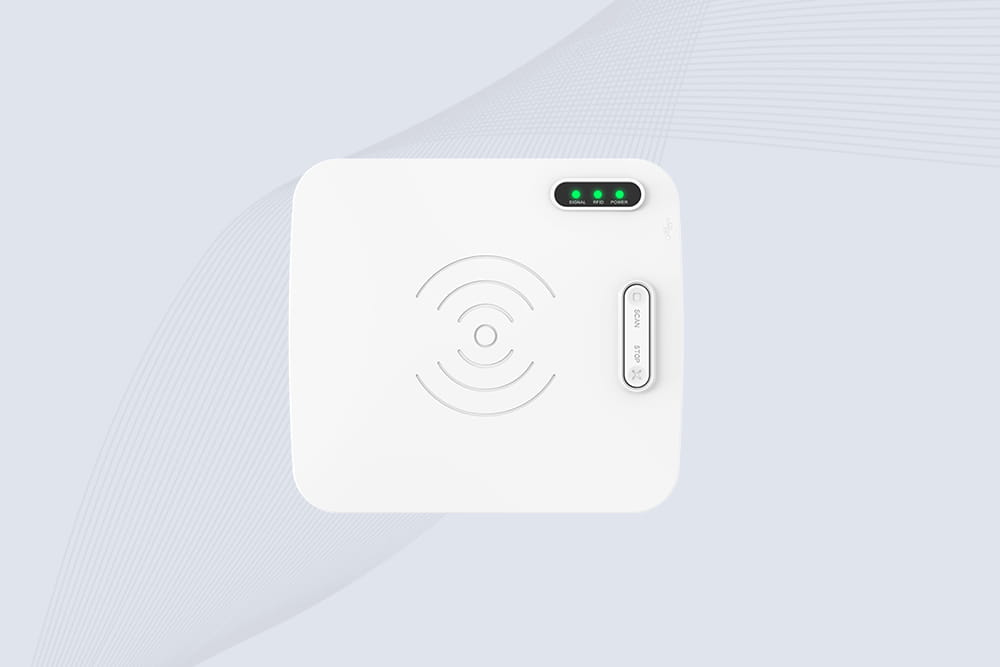
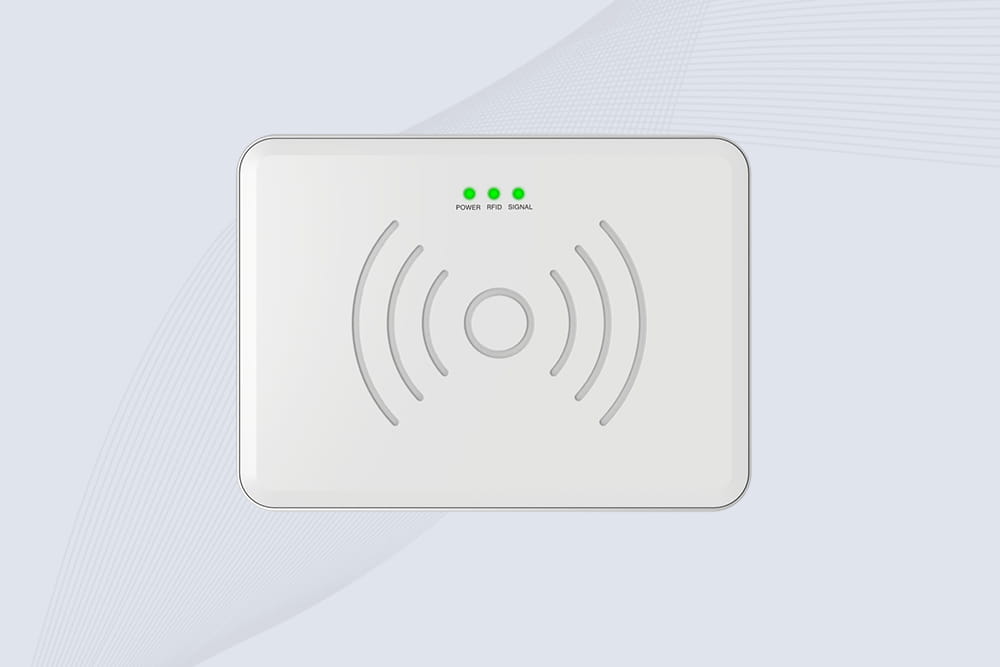
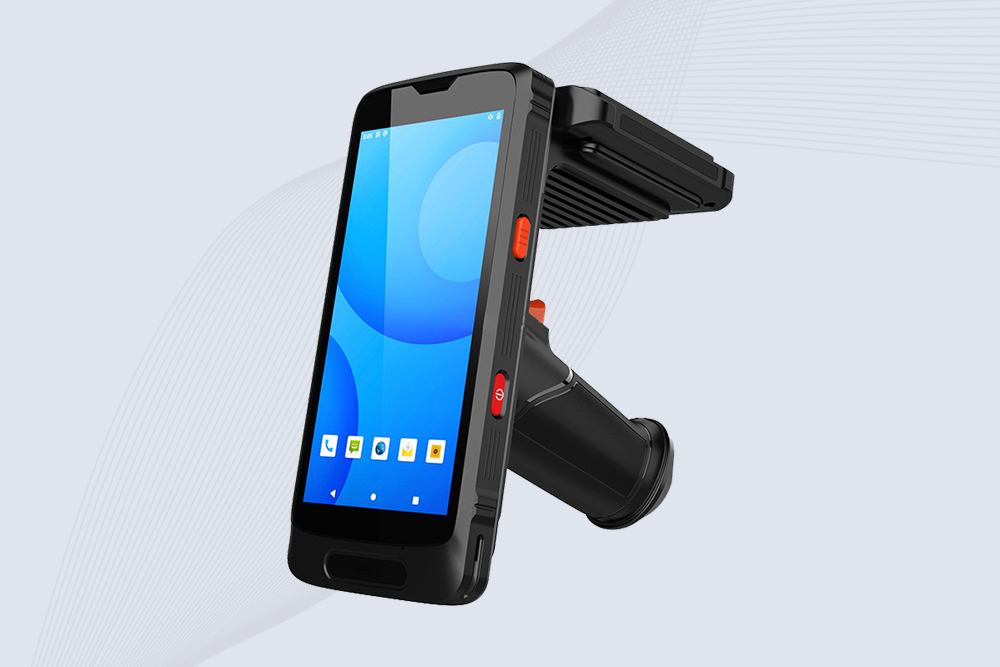
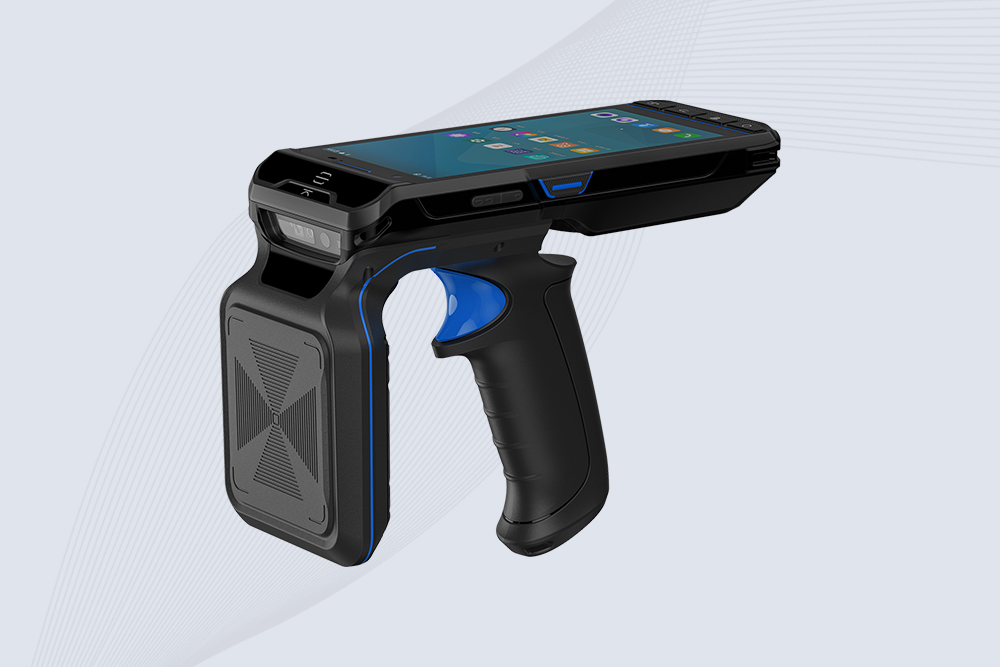
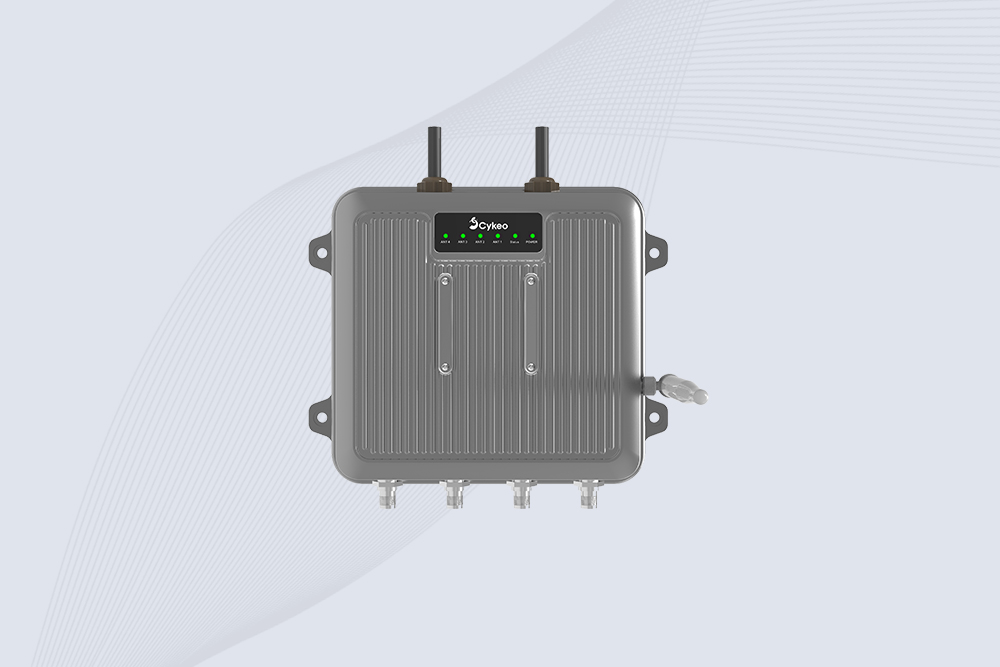
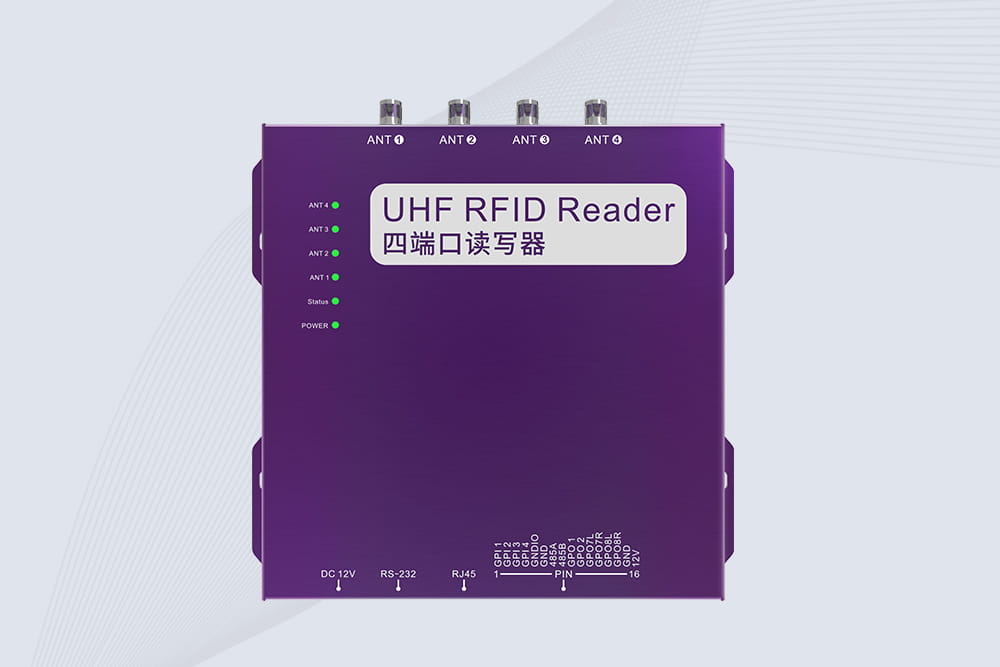
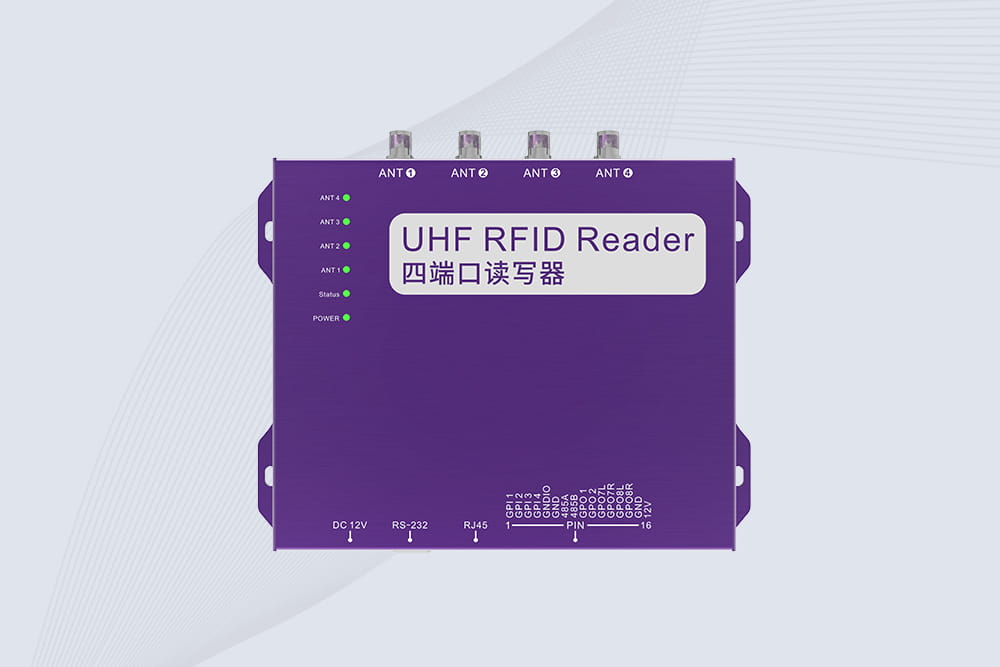
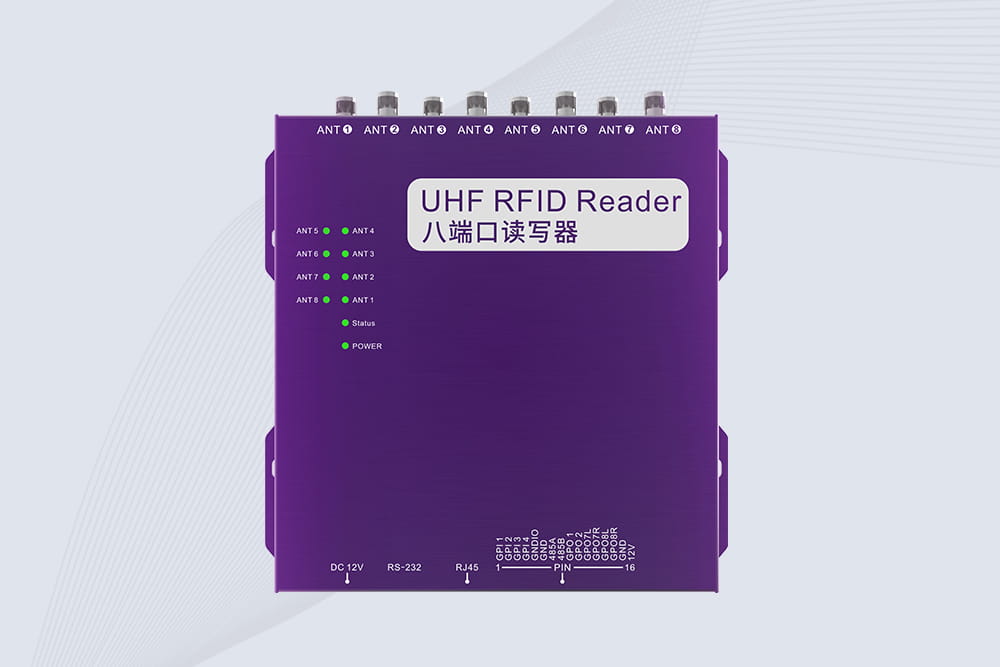
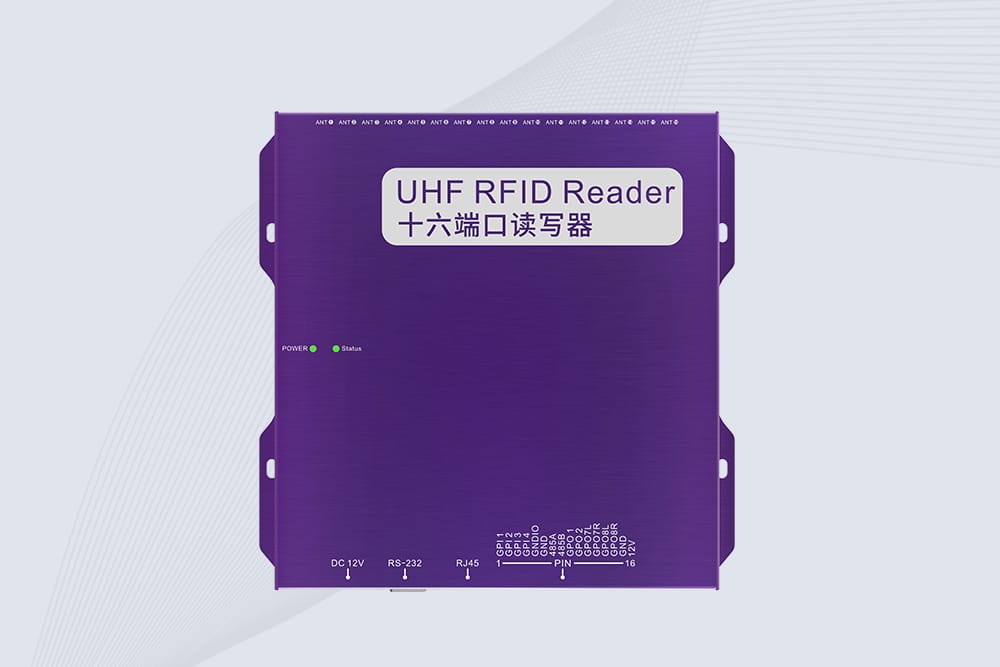
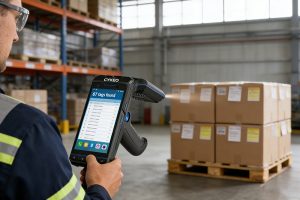
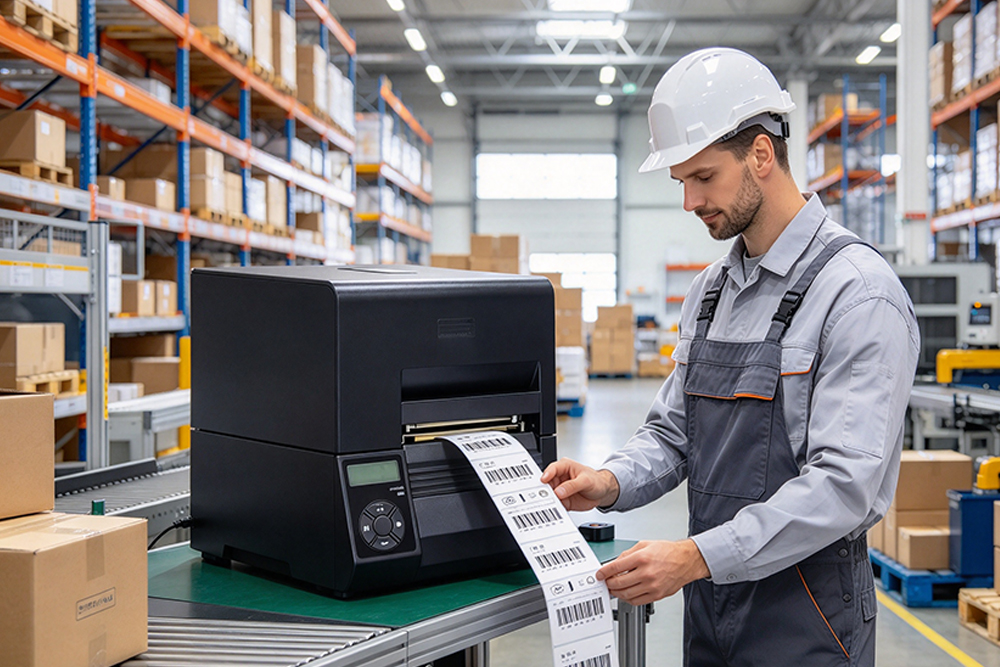
Searching for a cheap RFID reader usually means one of two things: you want to test RFID on a small project before committing real budget, or you genuinely need working hardware at the lowest possible price. Both are reasonable — and both are easier today than five years ago, when entry-level readers still cost hundreds of dollars.
But “cheap” is also where most RFID projects go wrong. A $35 reader that can’t read your tags, can’t connect to your software, or dies in a dusty stockroom will cost you far more than a $90 model that works on day one. This guide breaks down what cheap RFID readers actually cost in 2026, which scenarios they fit, which mistakes to avoid, and exactly how to test one before you scale up.
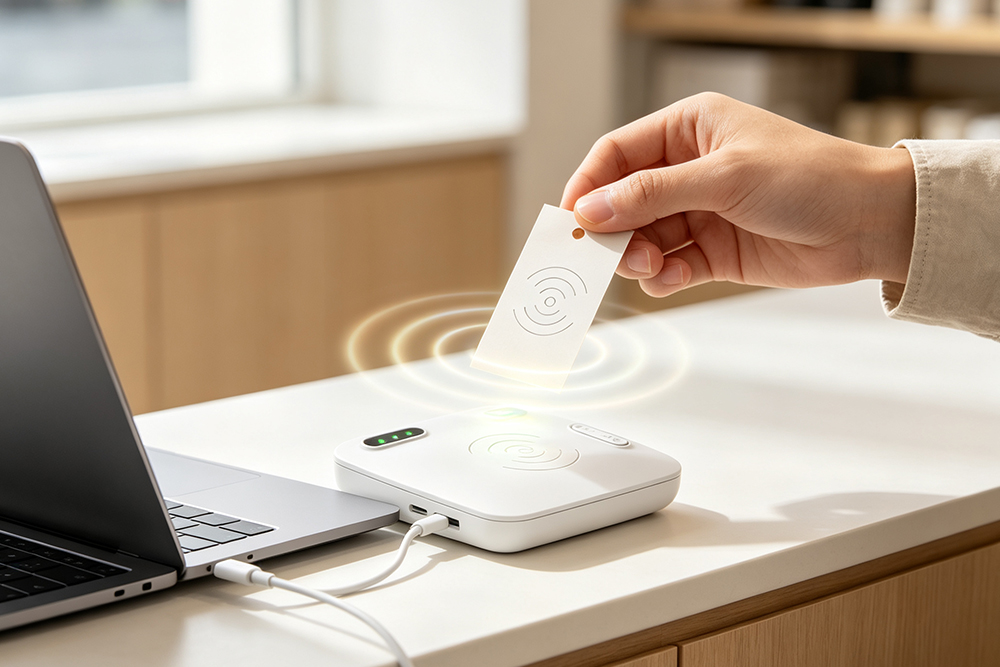
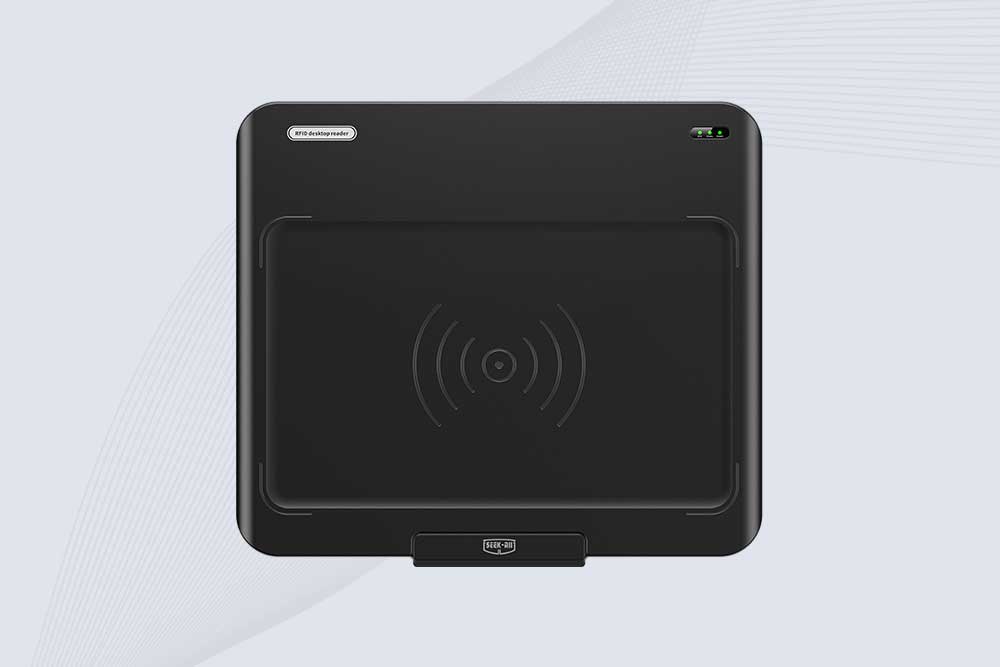
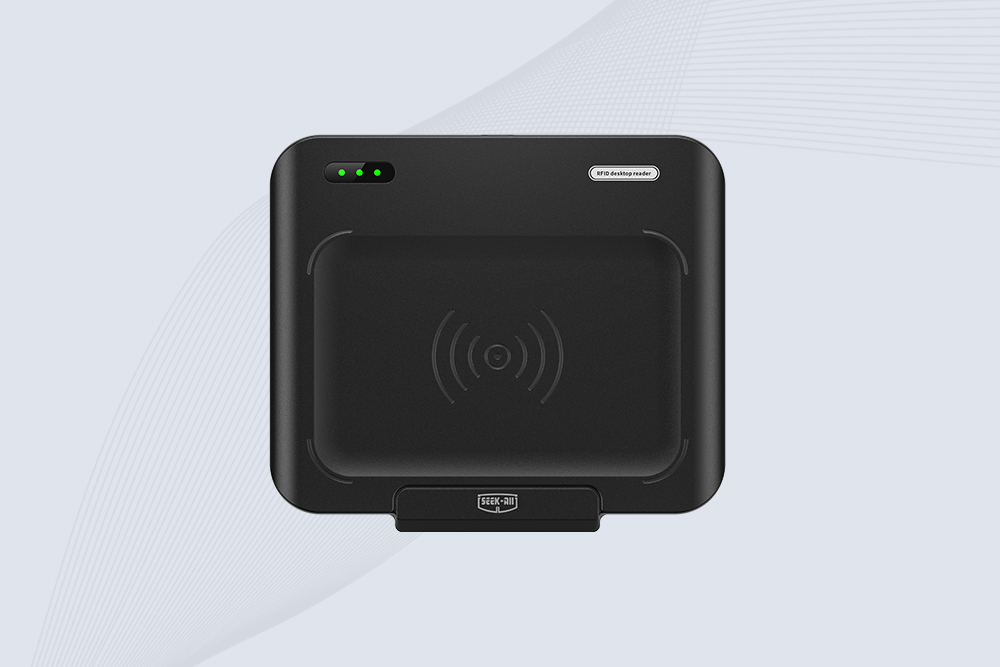
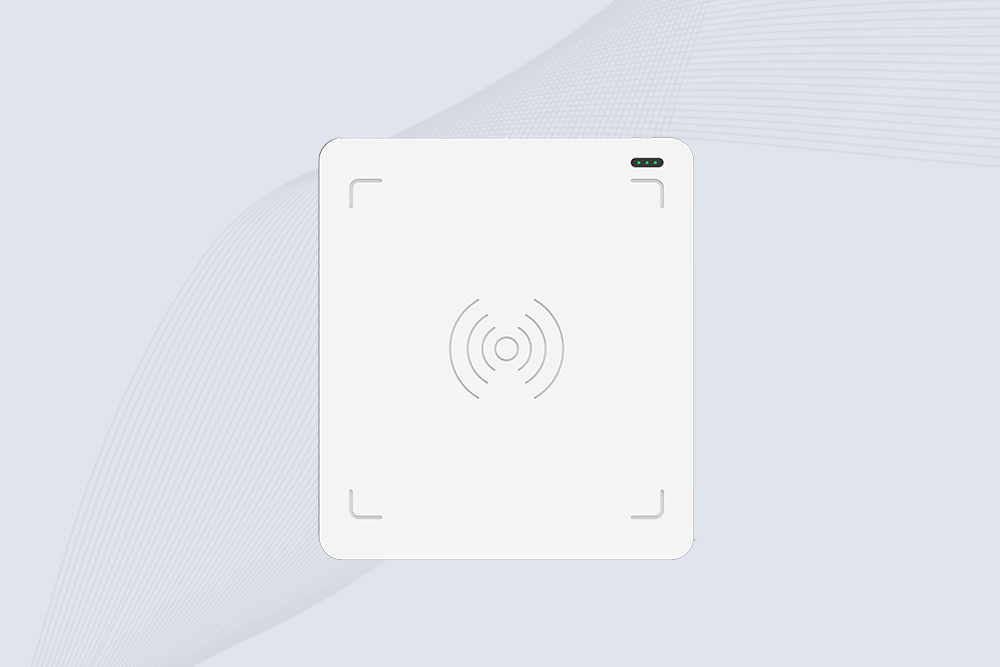
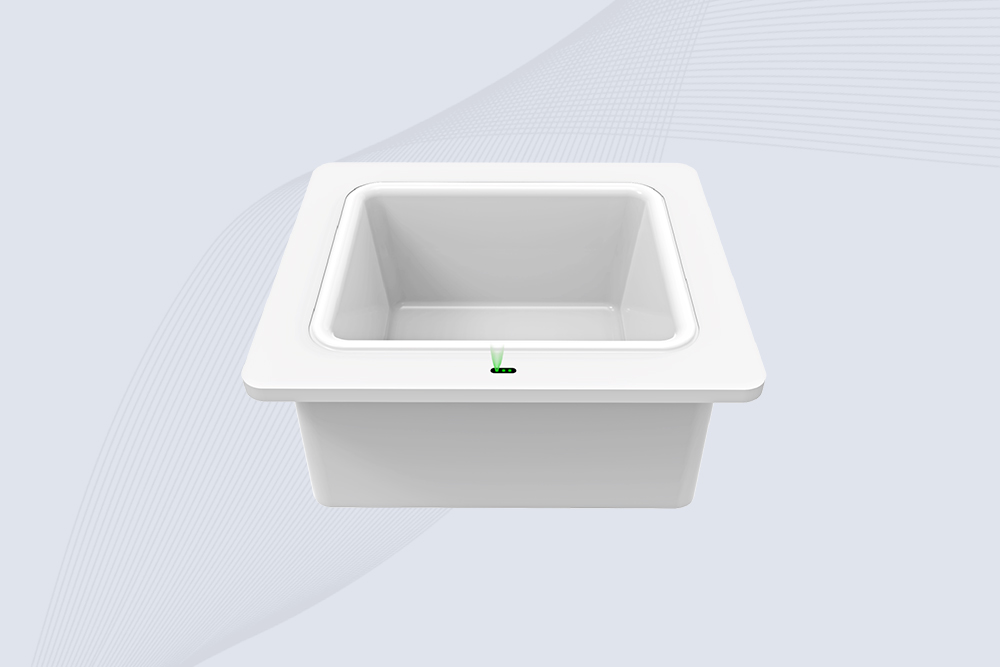
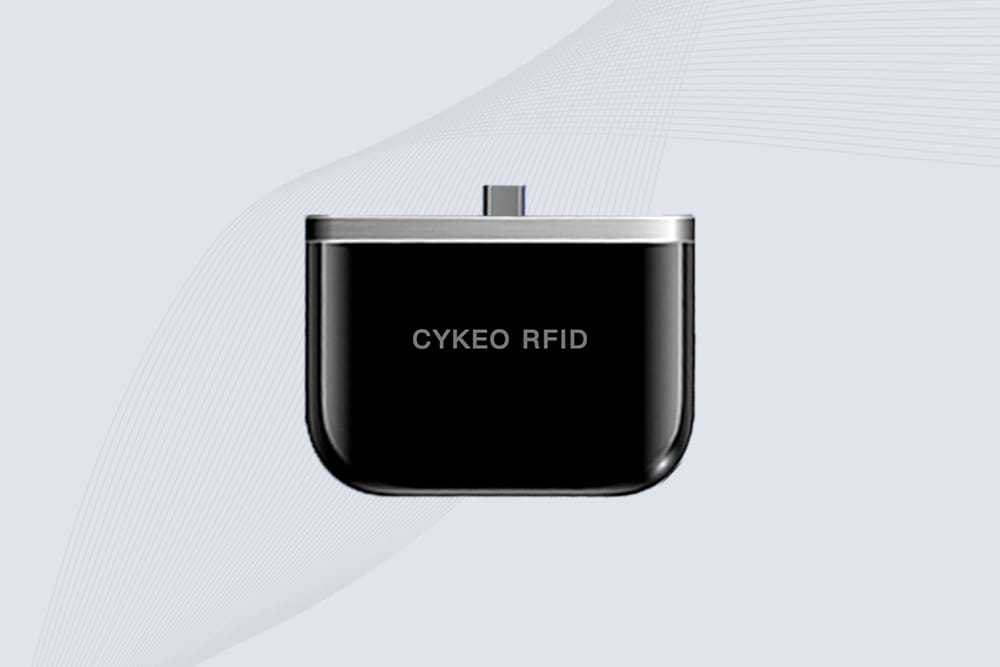
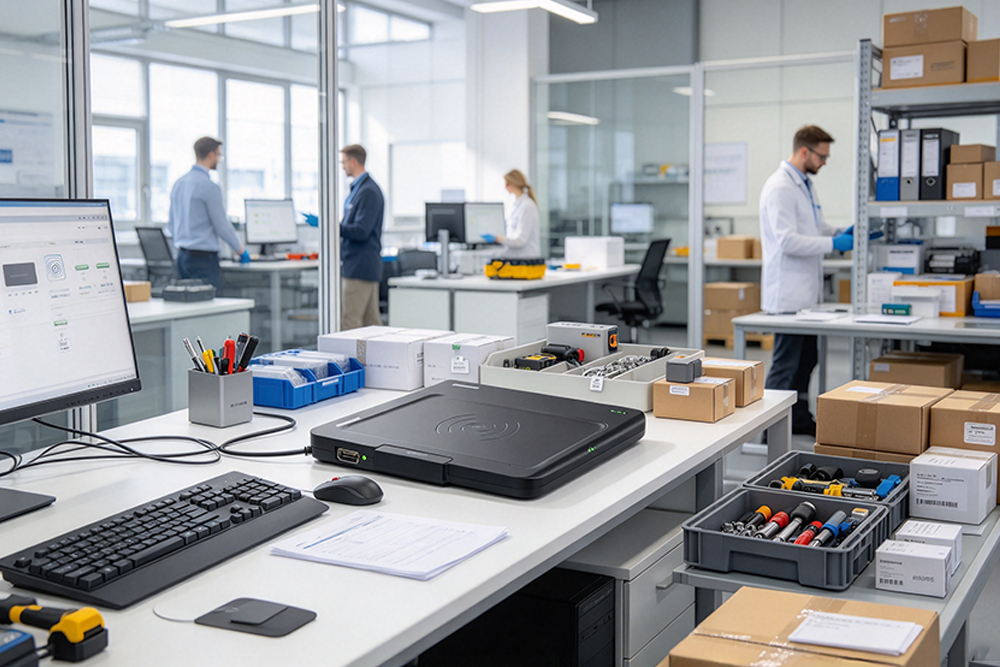
A budget desktop RFID reader is often all a small business needs to start automating inventory.
What Does a “Cheap” RFID Reader Actually Cost in 2026?
“Cheap” means different things depending on the reader type. Before comparing prices, it helps to understand what an RFID reader is and how it works — because the price difference between a $50 and a $900 reader is mostly about read range, tag volume, and software integration, not about “quality” alone.
Price ranges for cheap RFID readers by category. Desktop USB readers are the true “cheap RFID reader” entry point.
For most small businesses, “cheap” realistically means a USB desktop reader under $100** or **a portable Bluetooth reader under $400. Everything above that is better described as mid-range than cheap.
When a Cheap RFID Reader Is a Smart Buy
A low-cost RFID reader is not a compromise — in the right workflow it is simply the correct tool. Cheap readers make sense when:
Your workflow happens at a desk or counter. Tag registration, library check-in/out, badge encoding, and item labeling only need 10–30 cm of read range — exactly what a cheap USB reader delivers.
You’re running a pilot. Tagging 100–500 items to prove ROI before buying fixed readers is the smartest way to enter RFID. A starter setup with a cheap reader plus paper UHF tags (from about $0.10 each) keeps the pilot under a few hundred dollars.
Your operation is seasonal or mobile. Farmers’ markets, craft fairs, and pop-up shops don’t justify installed hardware.
You tag high-value items only. Prioritizing items worth $20+ avoids over-tagging low-value stock.
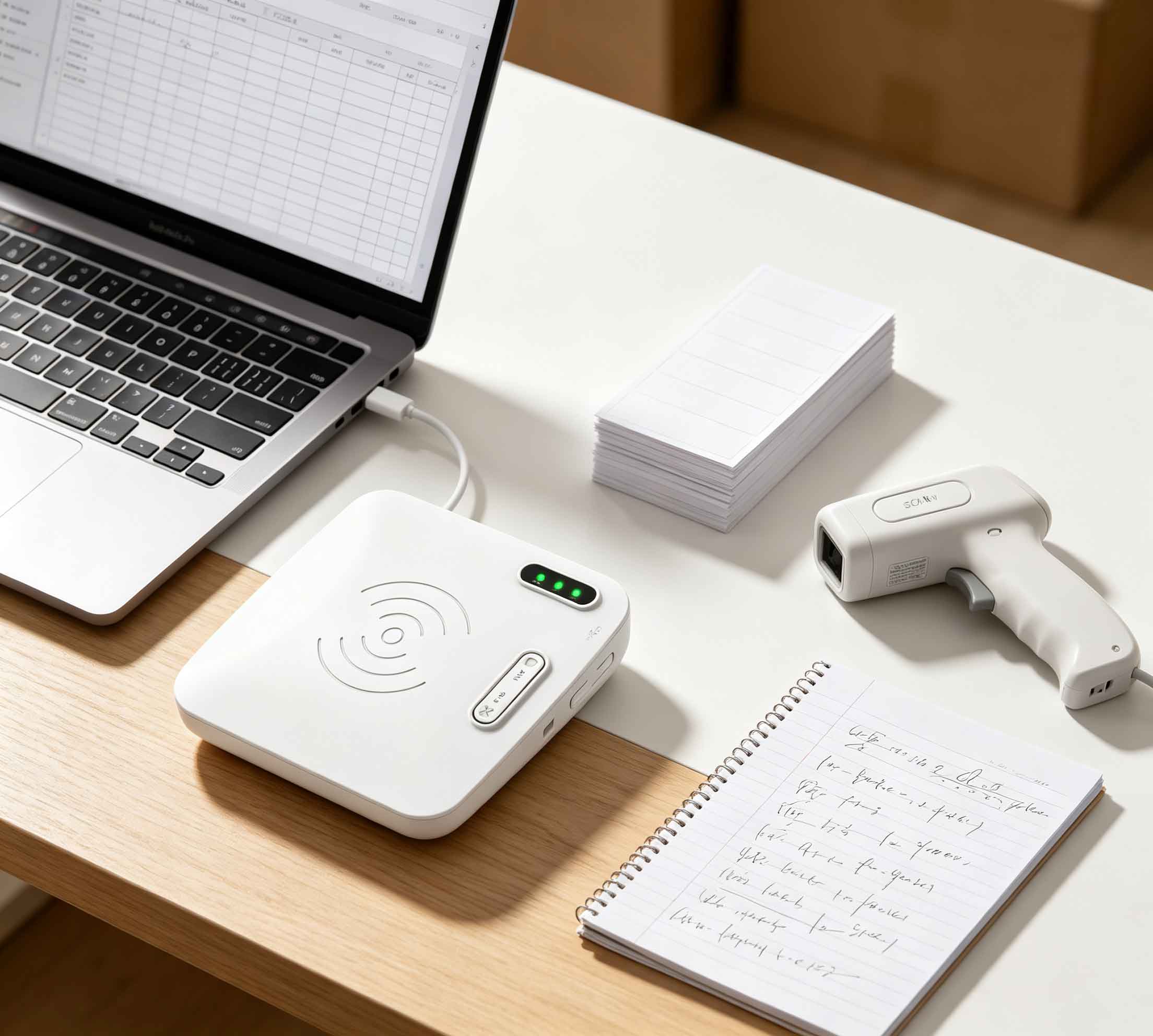
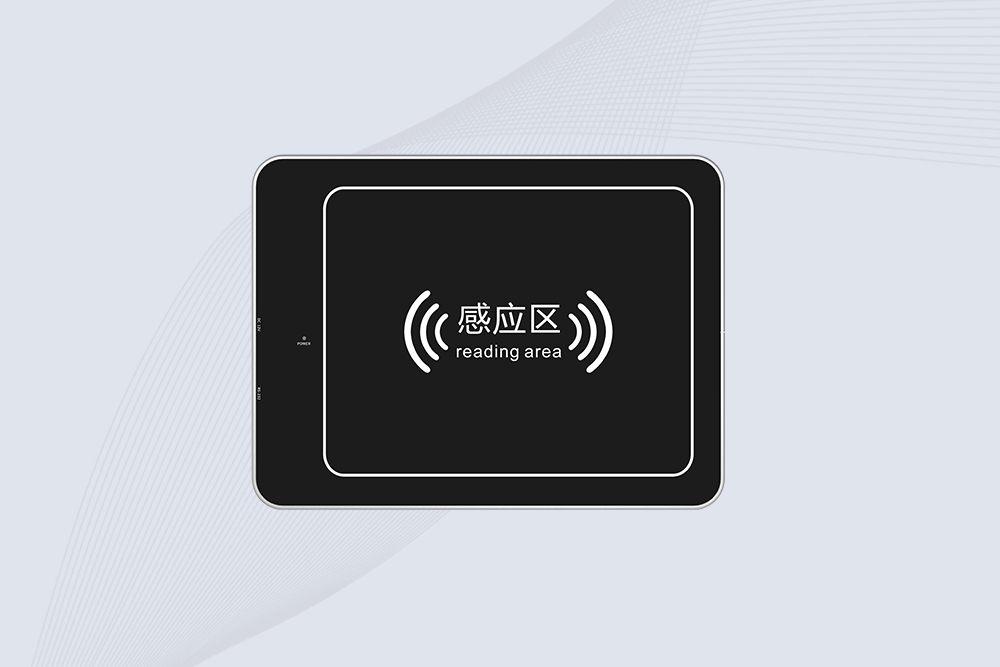
Desk-side workflows — tag registration, encoding, check-in — are where cheap USB RFID readers shine.
When “Cheap” Turns Expensive: 5 Mistakes to Avoid
This is the part most “cheap RFID reader” listicles skip. A reader is cheap only if it works for your tags, in your environment, with your software. Watch for these five traps:
Frequency mismatch. A 13.56 MHz HF reader cannot read UHF (860–960 MHz) supply-chain tags. Buying the wrong frequency is the single most common way buyers waste a “cheap” purchase — the hardware works, just never with your tags.
Believing advertised read range. A “6 ft” specification usually assumes a perfect tag in open air. Near metal shelving, stacked goods, or angled tags, real range can drop by half or more. Describe your actual reading zone before you buy.
No SDK or API. If the reader can’t output data to your inventory software, POS, or a simple Excel/Google Sheets workflow, you’ve bought a paperweight. Always confirm SDK/API support and demo software before ordering.
Zero durability margin. A reader that fails in a dusty stockroom in month three costs more than a sealed, rugged model. For anything beyond a clean desk, look for IP54 or better.
No firmware updates or support. Ultra-cheap no-name readers often have no update path. When a protocol quirk appears, your only option is replacement.
If you’re unsure which of these applies to your project, our practical guide on how to choose the right RFID reader for your application walks through the questions to answer before requesting a quotation.
5 Cheap RFID Readers Worth Buying (By Use Case)
Instead of a raw list, here are budget picks matched to real small-business scenarios. Pricing varies by configuration and quantity — contact us for current quotes.
1. Best Cheap RFID Reader Under $100: CYKEO-D1C USB RFID Card Reader
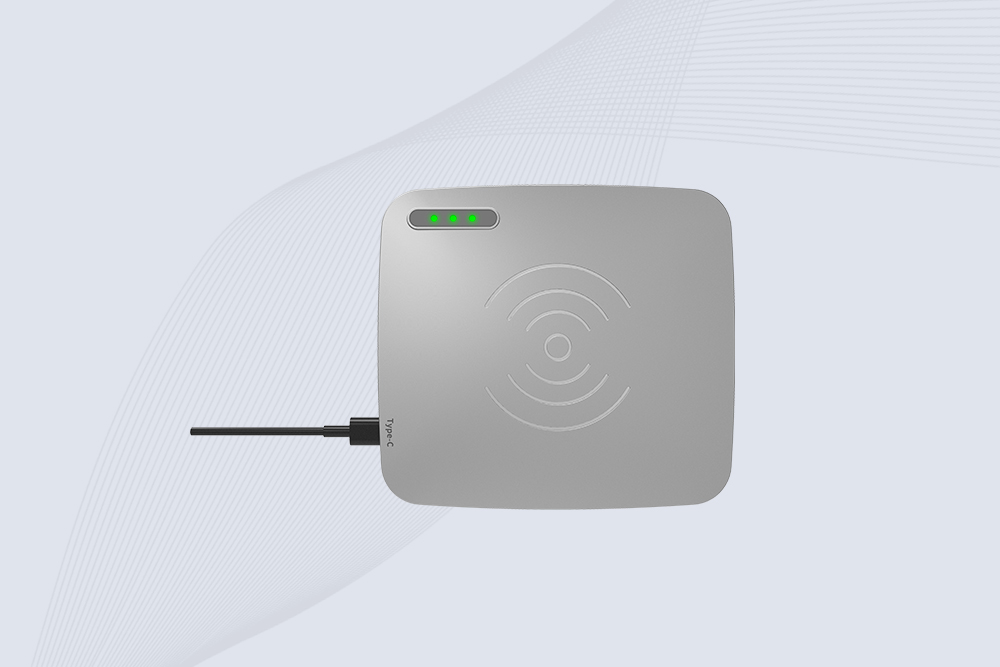
A USB-C near-field desktop reader for badge issuance and label encoding. It’s the classic “cheap RFID reader” done right: stable 26 dBm output, plug-and-play, no separate power supply, and SDK support for custom software. Best for reception desks, membership check-in, and controlled encoding tasks.
2. Best for Tag Registration & Writing: CYKEO-D3L USB RFID Tag Reader
Reads 40+ tags per second in dense environments with an intentionally limited ~30 cm range that keeps tag selection clean and predictable. Ideal for library book labeling, tool ID entry, and item relabeling at a workstation. For a deeper comparison at this price point, see our test-backed roundup of the best budget USB RFID readers under $100.
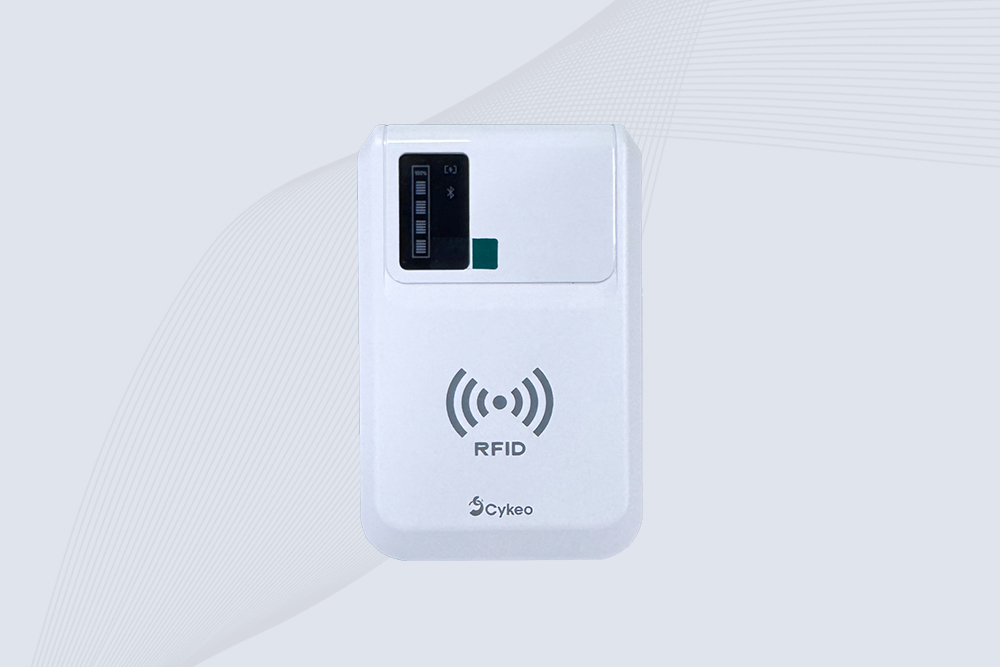
3. Best Budget Handheld for Retail Stocktakes: CYKEO-B9 Bluetooth Handheld Scanner
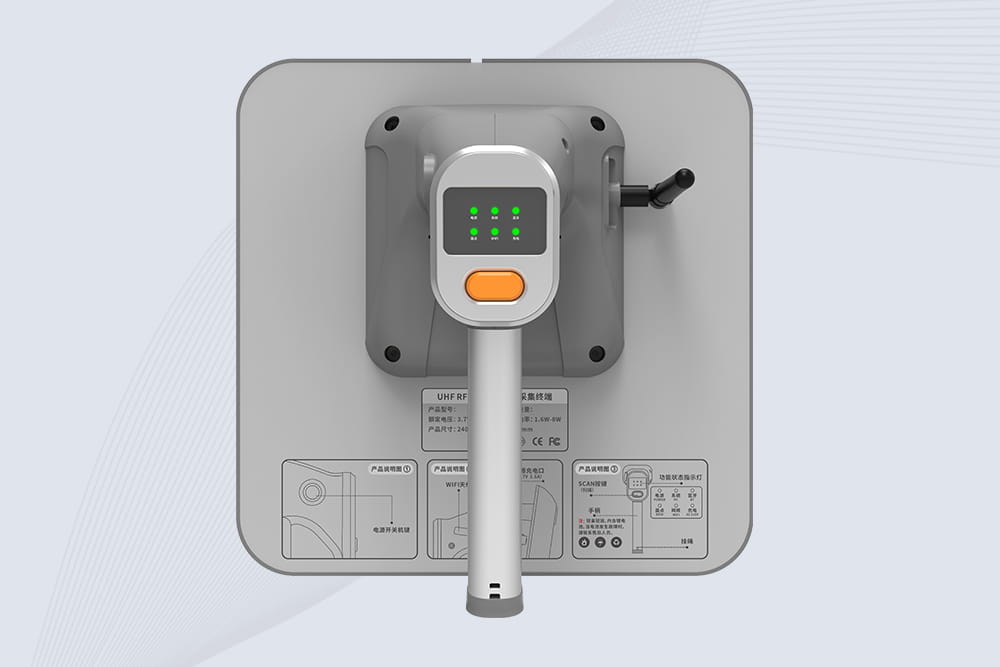
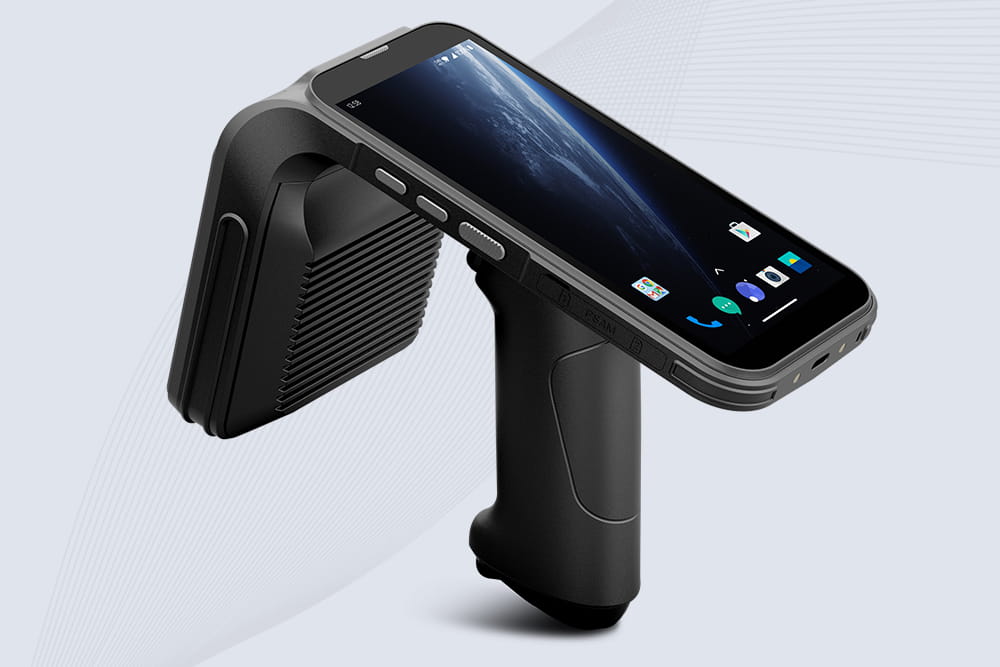
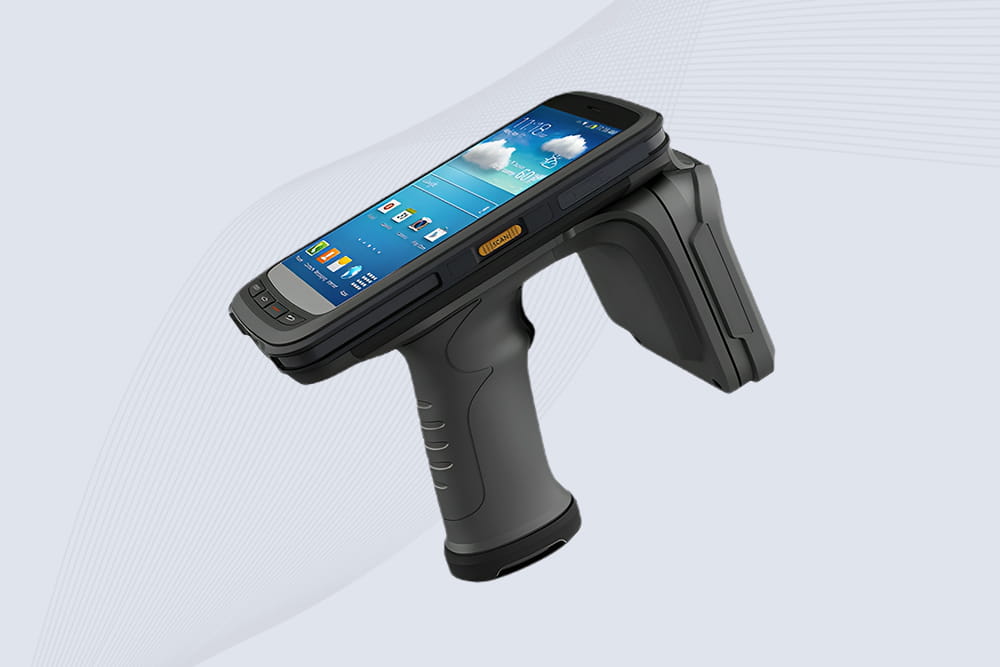
When scanning has to leave the desk, a Bluetooth handheld that turns your smartphone or tablet into the display terminal is the cheapest mobile option — typically several hundred dollars rather than the $2,000+ of enterprise handhelds. It covers the gap between desk-bound USB readers and full Android handhelds. If you need screen, camera, and barcode hybrid scanning, compare models in our guide to the best handheld RFID readers for small business inventory.
4. Best Cheap RFID Scanner for Shopify Sellers
Online sellers managing 1,000–10,000 SKUs need scanning that syncs directly with Shopify. A USB or Bluetooth reader paired with a free mobile app covers cycle counts without any server cost. We break down the setup and compatible devices in our article on affordable RFID scanners compatible with Shopify.
5. Best Cheap Starter: Plug-and-Play Pilot Kit
A handheld or USB reader plus 200–500 paper UHF tags and free cloud software is enough to automate counts for a small store. One craft brewery running this setup automated keg tracking and cut unaccounted stock by 80%. Understand the reader categories first — our overview of RFID reader types (fixed, handheld, USB and portable) explains which type fits which workflow.
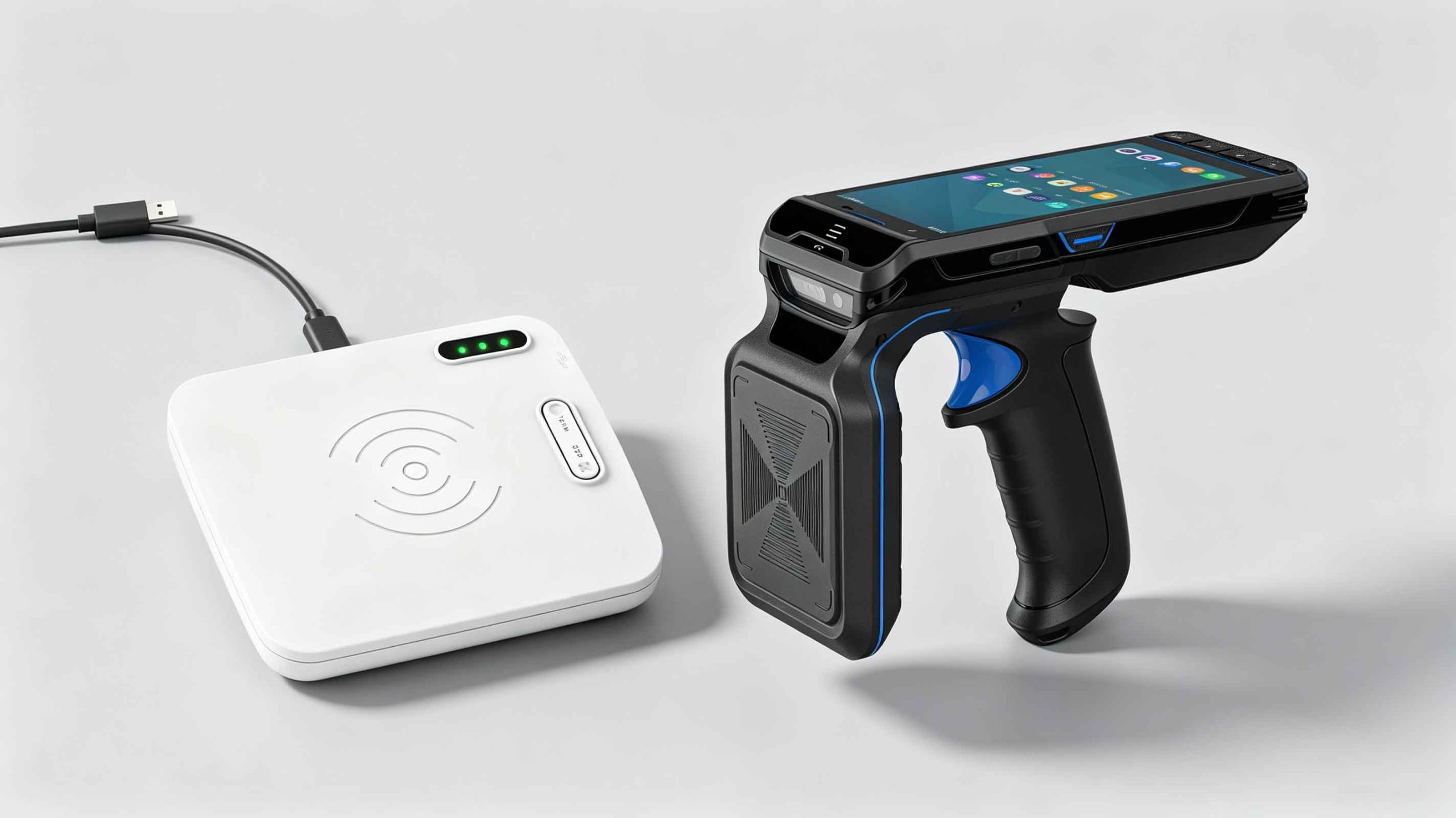
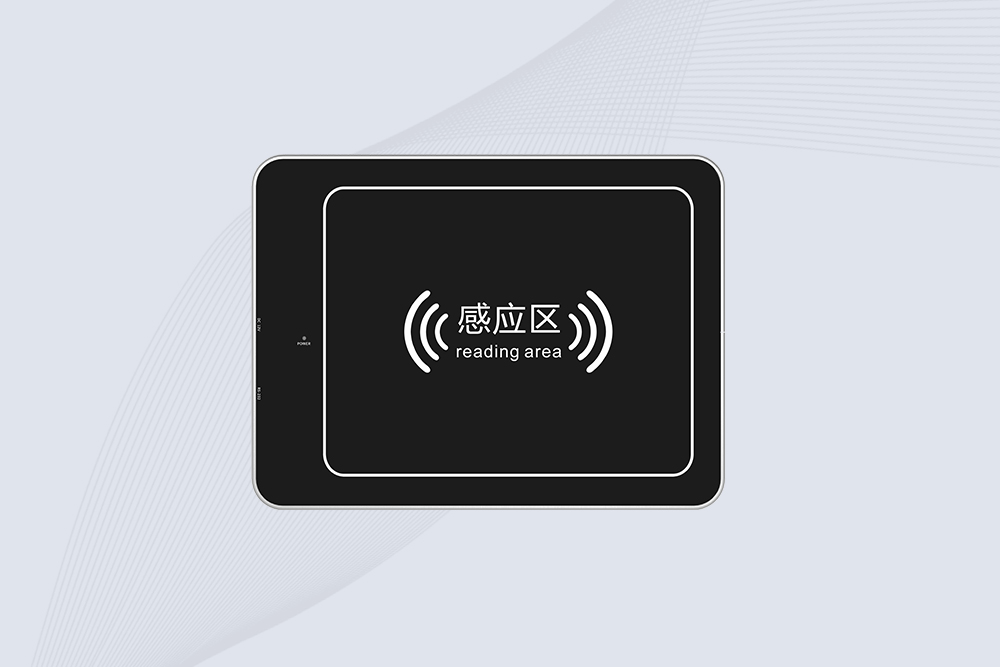
USB desktop readers are the cheapest entry point; Bluetooth handhelds add mobility for a few hundred dollars more.
Cheap vs. Expensive RFID Readers: What the Extra Money Actually Buys
Factor
Cheap (USB, under $100)
Mid-range (400–900 handheld)
Enterprise ($2,000+)
Read range
0–30 cm
3–7 m
10–20 m with antenna arrays
Tags per second
1 tag at a time (or ~40/s desktop batch)
200–700 tags/min
600+ tags/s
Multi-tag anti-collision
Limited
Yes
Yes, high-density
Durability
Indoor desk use
IP54, drop-resistant
IP65–IP67, industrial
Software integration
USB-HID / SDK
Bluetooth, app ecosystems
SDK, API, ERP/MES/WMS
Best fit
Encoding, registration, pilots
Retail stocktakes, asset checks
Warehouse portals, production lines
The price ladder maps directly to range, tag volume, and integration depth — match it to your workflow, not your budget.
How to Test a Cheap RFID Reader Before You Scale Up
Never judge a cheap reader from a spec sheet — judge it from a 30-day pilot:
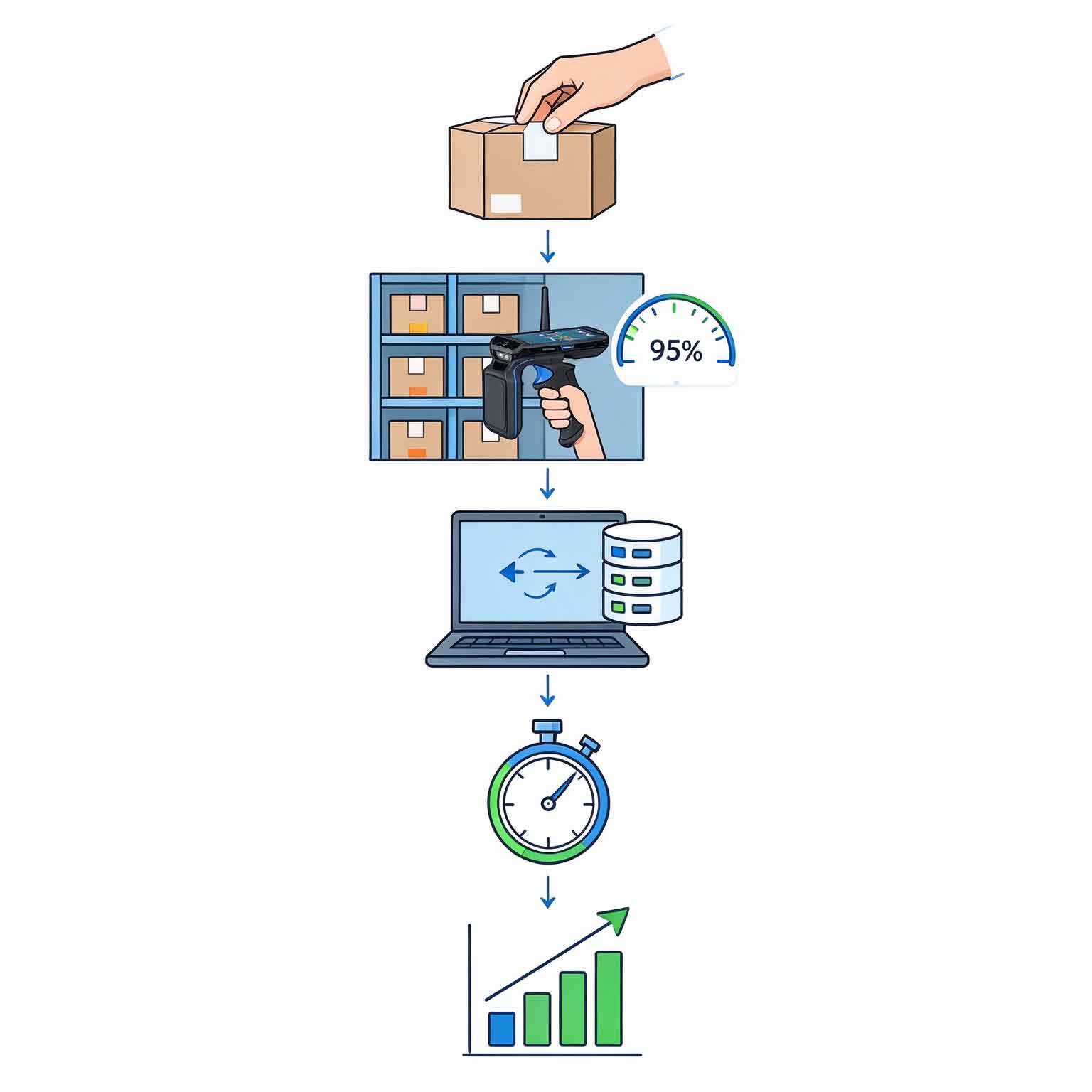
Tag 50–100 real items — not sample tags. Include worst cases: items near metal, crumpled labels, stacked boxes.
Measure read rate in your real environment. Aim for 95%+ read accuracy in the actual location, not on a desk.
Test the full data path. Reader → app/software → inventory record. If data doesn’t land where staff can use it, the reader isn’t “working.”
Time a full count. Compare against your manual process. A pilot that cuts a 6-hour weekly count to under an hour pays for the hardware within weeks.
Keep the return window in mind. Buy from a supplier with demo software and support — and test hard within the first 30 days.
One real-world example: a Brooklyn boutique used a budget USB reader plus free software to cut weekly inventory time from 6 hours to 45 minutes — with hardware that cost less than one wasted staff afternoon per month.
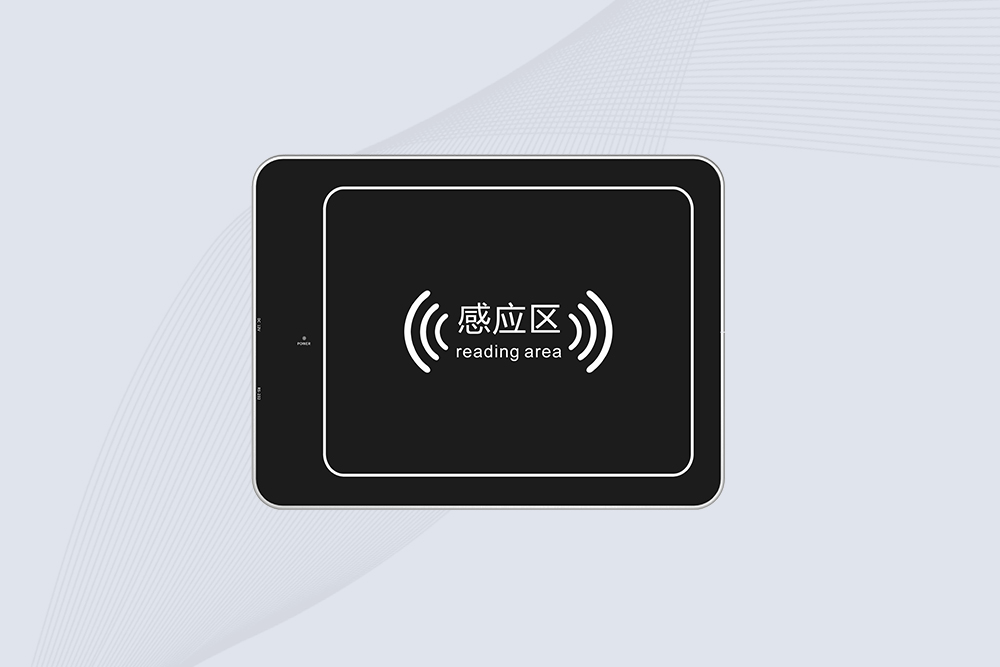
A 30-day pilot with 100 tags is the cheapest way to prove a cheap RFID reader works for your business.
FAQ: Cheap RFID Reader Questions, Answered
What is the cheapest RFID reader?
Basic 125 kHz or 13.56 MHz USB readers sell for 10–30, and entry UHF desktop readers start around 30–90. At those prices you get close-range, single-tag reading — fine for desk workflows, not for warehouse scanning.
Are cheap RFID readers any good?
Yes — if matched to the right job. A 60–90 USB reader from a manufacturer with SDK support will outperform a $2,000 fixed reader for desk-side tag encoding. Problems arise when buyers expect long range, high tag volume, or rugged durability from hardware not designed for it.
Can a cheap RFID reader read NFC cards?
Only if it supports 13.56 MHz HF. UHF readers cannot read NFC payment or transit cards, and vice versa. Always match the reader frequency to your tag type before buying.
How much does a complete cheap RFID system cost?
A pilot-level setup — cheap USB reader (50–90), 500 paper UHF tags (~$50), and free software — lands around $100–$200. Adding a Bluetooth handheld moves the total to roughly $300–$700.
The Bottom Line
A cheap RFID reader is a smart investment when it matches your workflow — desk-side encoding, small pilots, counter check-in. It’s a waste of money when you buy it for the wrong frequency, expect desktop range to cover a warehouse, or skip the SDK check. Start small, test for 30 days with real items, and scale only what proves itself.
Looking for hardware that’s affordable and supported? Browse Cykeo’s RFID reader range — every model ships with free SDK, demo software, and technical support, from $30-class USB desktop readers to industrial fixed readers. Contact our team for a quote matched to your tag type and workflow.
SSD-D3AL is a USB-HID UHF RFID reader with 0–30 cm reading, 0–15 cm writing, over 600 tags/s recognition, USB plug-and-play operation and OEM Logo customization.
SSD-D1AL is a compact USB UHF RFID reader with Impinj E710/X3M1 chipset, USB-HID, 600+ tags/s recognition, 4/8/16 antenna support and plug-and-play USB power.
SSD-R16L Multi-Channel RFID Infrastructure for Automated Inventory Management ✔️ 16-Port High-Density RFID Reading Equipped with 16 SMA antenna ports, SSD-R16L supports multi-antenna deployment for warehouses, retail stores, logistics, production lines, and large-area RFID identification. ✔️ High-Speed & Long-Range Performance With up to 33…
SSD-R8L 8-port UHF RFID reader with 33dBm output, up to 20m reading range and 600+ tags/s recognition. Ideal for warehouse, logistics, retail and asset tracking.
CYKEO CYKEO-D1LA USB RFID Reader is a compact desktop solution with near-field control for precise tag reading and encoding. Powered by USB, supporting ISO 18000-6C, and built for stable batch writing, this usb rfid tag reader fits retail, libraries, offices, and controlled RFID encoding tasks.
CYKEO CYKEO-D1L RFID scanner USB is a compact desktop UHF RFID scanner designed for short-range tag writing and verification. This usb rfid scanner supports batch encoding, stable 0–26 dBm output, and works across Windows, Linux, and Android systems.
CYKEO CYKEO-D1C USB RFID Card Reader is a near-field UHF desktop writer designed for secure, short-range tag encoding. With USB-C connectivity and stable 26 dBm output, this rfid reader usb c is ideal for badge issuance, label encoding, and controlled desktop RFID workflows.
CYKEO CYKEO-D2L RFID Reader USB is a compact desktop encoder built on the Impinj R500 chip. With near-field control and stable USB power, this usb rfid card reader delivers precise tag writing for offices, retail counters, and small-scale logistics encoding tasks.
CYKEO CYKEO-D3L USB RFID Tag Reader delivers stable UHF tag reading and writing for daily desktop and light industrial tasks. Designed for controlled short-range operation, this USB RFID Tag Reader works reliably with rfid tag and reader systems in libraries, tool tracking, and inventory registration.
The CYKEO CYKEO-D4L UHF RFID Tag Reader is a stable Desktop RFID Reader designed for accurate tag registration, borrowing, and return workflows. Built with the Impinj R2000 chip, this UHF RFID Tag Reader delivers controlled short-range reads for libraries, asset tracking, and inventory management environments.
The CYKEO CYKEO-D5L Desktop RFID Card Reader is a stable UHF RFID Card Reader designed for controlled short-range reading and writing. Built for libraries, tool rooms, and asset desks, this UHF RFID Card Reader supports dense tag handling, secure data processing, and easy USB integration.
The CYKEO CYKEO-D6L RFID Reader Writer is a heavy-duty Desktop RFID Reader designed for short-range, high-accuracy tag programming. Built for libraries, labs, and asset desks, this RFID Reader Writer supports batch processing, stable 33dBm output, and seamless integration with existing management systems.
Cykeo CYKEO-D8A embedded RFID badge reader offers 30+ tags/sec scanning, 20cm anti-crosstalk precision, and DC 12V power for unmanned stores, warehouses, and smart inventory systems.
Cykeo’s CYKEO-D8C UHF RFID gate reader achieves 200-tag/batch scanning with adjustable power control, ideal for retail inventory and smart warehouse management.
Cykeo CYKEO-B5L portable iPhone RFID reader features 8m range, 500 tags/sec scanning, and built-in 10000mAh charger. Perfect for retail/warehouse teams needing iOS integration.
Cykeo CYKEO-B4L Android RFID reader features 37g magnetic phone attachment, 30cm UHF scanning, and Java/C# SDK for mobile asset tracking. Ideal for anti-counterfeit and warehouse verification.
Cykeo CYKEO-C1 industrial Forklift RFID Reader features 20m read range, 600 tags/sec scanning, Impinj R2000 chipset, and IP67 rugged design. Ideal for warehouse logistics and manufacturing. Supports ISO 18000-6C/6B protocols.
Cykeo CYKEO-R4 industrial UHF RFID Fixed Reader features 4 TNC ports, 400+ tags/sec speed, IP67 housing, and global frequency compliance for vehicle inspection, smart warehouse, and asset management systems.
CYKEO CYKEO-R8L Fixed RFID Reader with 8-port UHF design, Impinj-based RF core and up to 20m read range. An industrial Fixed RFID Reader for vehicle inspection, warehouse portals, smart manufacturing lines and secure access checkpoints.
RFID Fixed Reader from CYKEO – the CYKEO-R16L 16-port UHF fixed reader for warehouses, smart cabinets, and production lines. Long-range, multi-tag reading, stable performance for 24/7 industrial use.
Wondering what is RFID handheld reader? We explain the definition, how it differs from fixed readers, key features, and real-world applications for inventory and asset tracking. Clear guidance from CYKEO engineers.
Need to know how to connect RFID reader to MySQL database? We break down the code, the architecture, and common pitfalls for a solid real-time data pipeline.
Learn what is rfid printer, how RFID printers encode smart labels, and how businesses use RFID printing technology for inventory, logistics, and asset tracking.
RFID technology explanation describes how RFID systems use wireless communication between tags and readers to identify, track, and manage physical objects au...
 Cykeo RFID IoT Solution Products R&D Manufacturer