What is RFID on UPS tracking? RFID on UPS tracking refers to the use of Radio Frequency Identification technology to identify and monitor packages automatically as they move through the UPS delivery network. RFID-enabled shipping labels communicate with sensors in delivery vehicles and facilities, allowing UPS to capture package movement without requiring a driver to scan every barcode manually.
Unlike conventional barcode tracking, which depends on optical scanning, RFID uses radio waves to detect tagged packages. This allows multiple packages to be identified simultaneously, even when their labels are not directly visible.
UPS has introduced RFID sensing across its U.S. small-package network, combining automatic sensor detection with conventional tracking scans. The technology provides additional shipment visibility, helps confirm package pickup, and allows logistics teams to identify potential handling problems earlier.
For customers, the practical difference is straightforward: tracking information can be generated through automatic package detection rather than relying entirely on individual barcode scans.
How Does RFID Work on UPS Tracking?
RFID on UPS tracking works through a combination of RFID-enabled shipping labels, radio-frequency sensors, and package identification systems. When a tagged package passes an equipped detection point, the sensor reads its RFID information and records the event within the logistics network.
The package does not need to be physically presented to a handheld scanner. This is particularly useful in busy sorting facilities, loading areas, and delivery vehicles where hundreds or thousands of packages may move through operational checkpoints.
RFID sensors automatically identify tagged packages as they move through logistics facilities, reducing dependence on individual barcode scans.
1. RFID Tags on UPS Shipping Labels
The process starts with an RFID-enabled shipping label attached to a package.
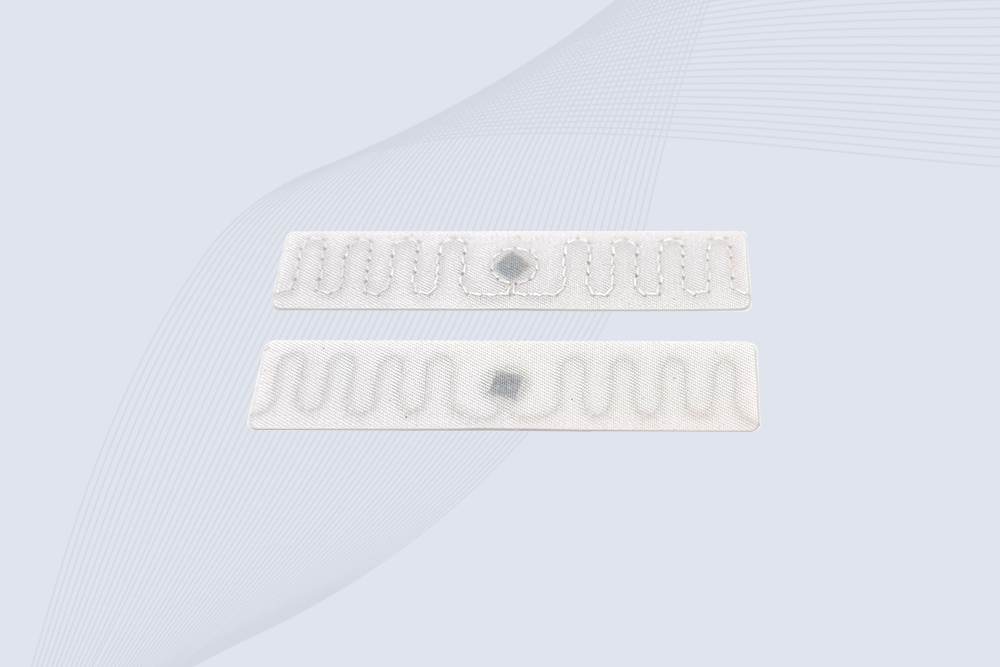
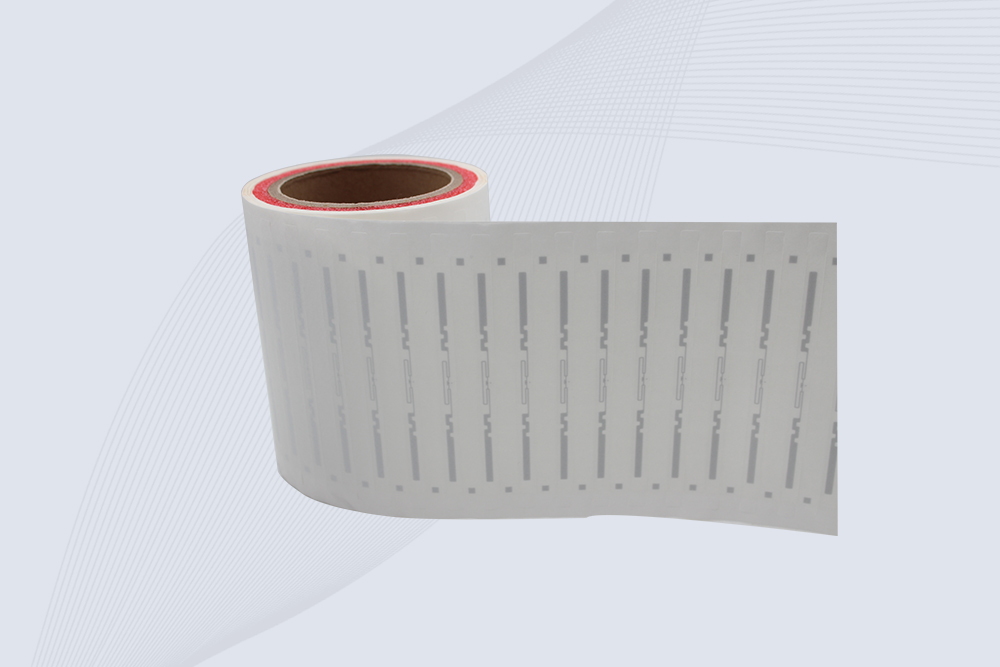
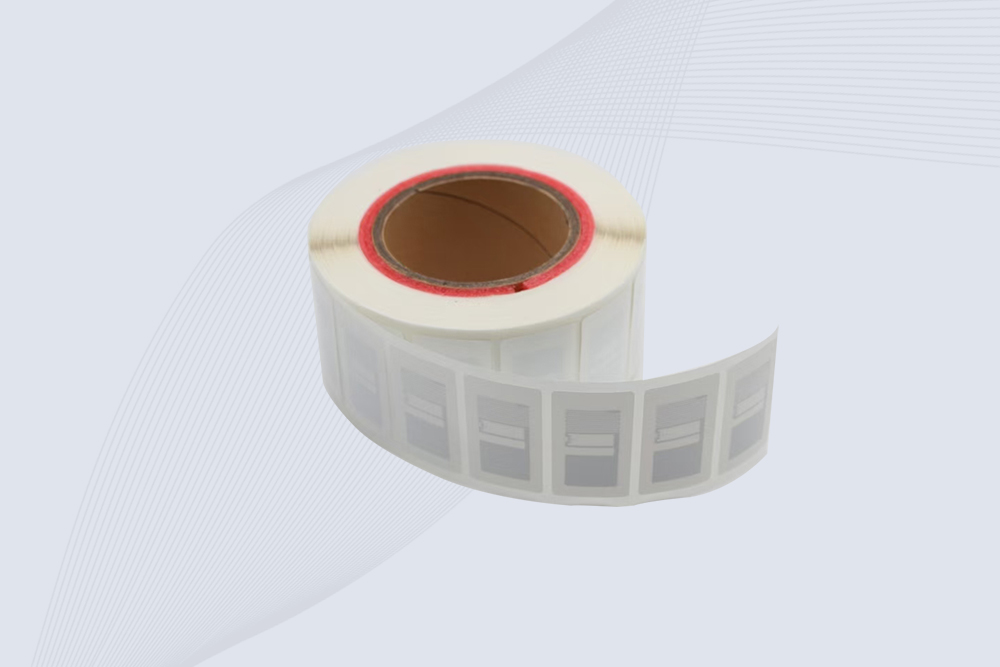
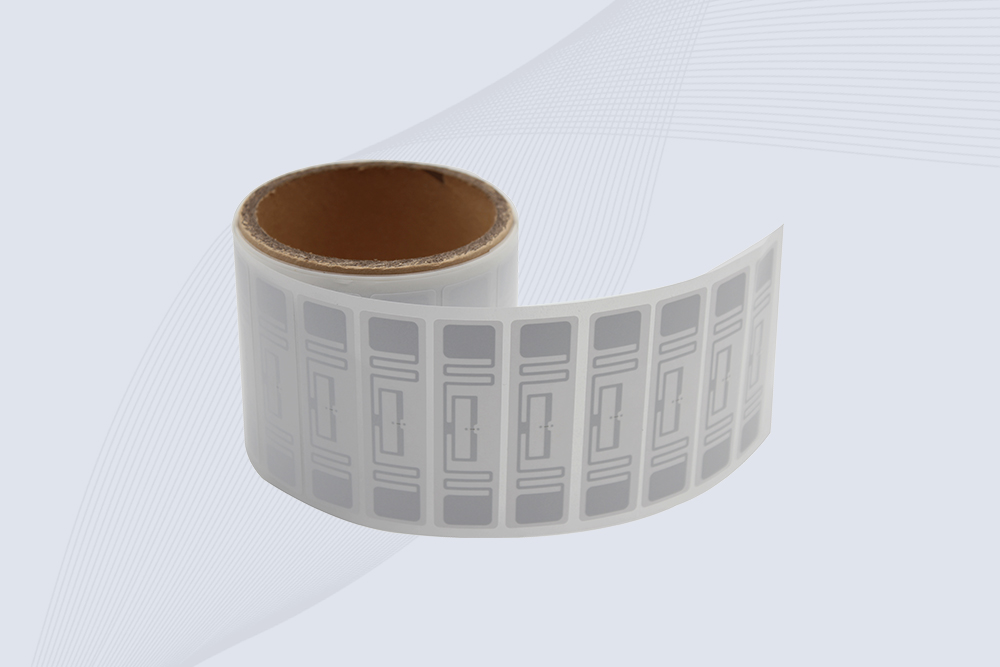
An RFID label generally contains two essential components:
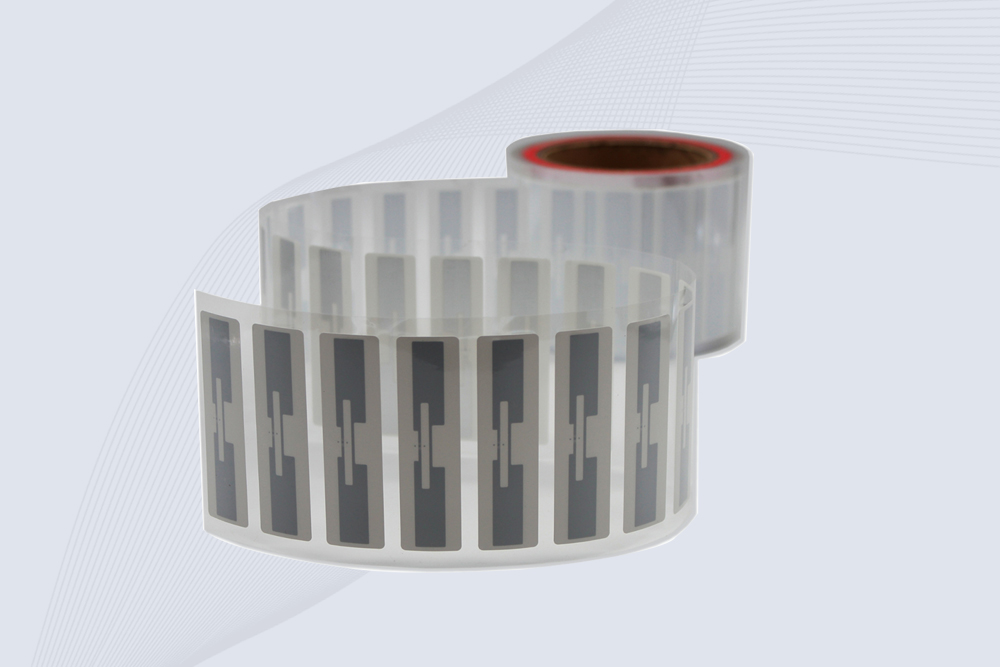
RFID chip: Stores identification information associated with the tagged shipment.
RFID antenna: Receives radio-frequency energy from a reader and communicates the stored information back to the detection system.
For passive RFID labels, the chip does not require its own battery. It uses energy from the reader’s radio-frequency field to respond.
In UPS’s RFID tracking implementation, the labels are designed to communicate with the company’s sensing infrastructure. The identification information allows the network to associate a detected package with its shipment record.
One important distinction is that an RFID label does not necessarily store the complete delivery history, destination address, or every transportation detail. Those records are maintained and processed by the carrier’s tracking infrastructure.
The label provides an identification mechanism. The logistics platform connects that identification to shipment information.
2. RFID Sensors Detect Packages Automatically
When a package passes an RFID detection point, the sensor transmits a radio-frequency signal.
If the package has a compatible RFID label, the label responds with its identification information. The system then records the detection event and associates it with the shipment.
This can happen in several operational locations:
Warehouse receiving and processing areas.
Automated parcel sorting facilities.
Loading bays and dock doors.
UPS delivery vehicles.
Package pickup and delivery operations.
The main advantage is that RFID does not require the same direct visual alignment as barcode scanning.
A barcode scanner must capture the printed barcode clearly enough to decode it. RFID sensors can identify compatible tags without seeing the printed label, and appropriately configured systems can read multiple tags within their detection zones.
However, automatic detection is not unlimited. Package materials, tag placement, radio-frequency interference, sensor positioning, and the surrounding environment can all influence reading performance.
3. Tracking Events Are Connected to Shipment Records
An RFID detection event becomes useful when the system connects it to the correct package record.
For example, when a package is detected during pickup, UPS can associate that event with the shipment and provide confirmation that the package has entered its possession.
As the shipment moves through the network, additional detection events can contribute to its tracking history.
The basic relationship looks like this:
An RFID-enabled label is attached to the package.
The package enters an RFID-equipped operating area.
A sensor detects the RFID label.
The system identifies the associated shipment.
The detection event contributes to package visibility.
Customers can receive updated tracking information through UPS services.
This approach reduces the operational dependence on manually scanning every individual package at every relevant checkpoint.
4. RFID and Barcode Scanning Work Together
RFID does not mean that conventional barcode scanning has become unnecessary.
UPS describes its tracking infrastructure as a combination of conventional scans and RFID sensing. The two technologies provide different forms of identification and operational visibility.
Barcode scanning remains useful for manual handling, label verification, and processes where an employee needs to identify a specific package. RFID adds automatic detection when tagged shipments pass equipped sensors.
For logistics operators, combining the technologies is often more practical than replacing every barcode-based process.
What Is the Difference Between RFID and Traditional UPS Tracking?
Traditional UPS tracking relies heavily on barcode scans to create shipment status updates. RFID introduces an additional identification method that allows packages to be detected automatically as they pass through equipped locations.
The distinction is not simply about speed. It changes how shipment information is collected.
Comparison
Traditional Barcode Tracking
RFID-Based UPS Tracking
Identification method
Optical barcode scanning
Radio-frequency identification
Line of sight
Generally required
Not required
Package detection
Usually individual scanning
Automatic detection within sensor range
Multiple packages
Depends on scanning workflow
Multiple compatible tags can be detected
Manual operation
Often requires a scan action
Can operate automatically
Tracking updates
Generated from recorded scan events
Can include automatic sensor events
Equipment
Barcode scanners and printed labels
RFID labels, antennas, and sensors
Typical application
Package identification and handling
Automatic package visibility and movement detection
Why Does RFID Not Require a Direct Scan?
A barcode contains a visual pattern that must be read by an optical scanner. If the barcode is covered, damaged, folded, or facing the wrong direction, the scanner may fail to identify it.
RFID uses electromagnetic communication instead.
A reader generates a radio-frequency field. A compatible passive RFID tag responds to that field, allowing the reader to obtain its identification information.
This creates several operational advantages:
Packages do not need to be individually presented to a scanner.
Tags can be detected even when their printed labels face away from the sensor.
Multiple packages can be identified during the same detection process.
Automatic detection can take place while packages are moving through equipped areas.
There is an important engineering consideration here: RFID readers do not identify every tag within an unlimited distance. Their detection range depends on the RFID frequency, antenna design, tag sensitivity, reader configuration, and surrounding materials.
Metal surfaces and liquid-heavy contents can also affect radio-frequency performance, particularly when RFID labels are poorly positioned.
For parcel logistics, the objective is not necessarily to maximize reading distance. It is to create a reliable detection zone around the places where packages are expected to pass.
How UPS Uses RFID Technology in Its Package Tracking Network
UPS announced a major RFID sensing expansion on April 14, 2026, describing it as a transition from a conventional scanning network toward a sensing network.
According to UPS’s announcement, RFID sensing technology is deployed in all UPS package delivery vehicles in the United States and in its delivery facilities across the country. UPS also stated that every package shipped through more than 5,500 The UPS Store locations, including customer return shipments, is covered by the RFID-enabled initiative.
This is an important development because RFID is no longer being discussed only as a warehouse inventory technology. It is being incorporated into the transportation and delivery process itself.
1. Package Pickup Confirmation
One of the most useful applications is pickup confirmation.
In a conventional workflow, a customer may hand a package to a driver but still wait for a tracking update until the shipment receives a recorded scan.
With RFID sensing, an equipped vehicle can automatically detect an RFID-enabled package when it is loaded.
This provides an additional way to confirm that the package has entered UPS’s possession.
For businesses shipping large numbers of orders, this distinction matters. A warehouse can dispatch a significant volume of packages within a short collection window. Having an automatic detection mechanism helps reduce dependence on manually processing each item.
It also provides better visibility into the point at which responsibility for a shipment transfers from the shipper to the carrier.
2. Automatic Package Movement Detection
Packages travel through multiple facilities and transportation stages before reaching their destinations.
A shipment may move from:
The sender’s warehouse.
A local pickup vehicle.
A regional sorting facility.
An intermediate transportation hub.
A destination delivery facility.
A final delivery vehicle.
RFID sensors installed in equipped vehicles and facilities can detect compatible packages as they pass through the network.
This creates additional opportunities to capture shipment movement without requiring a separate manual scan at every detection point.
For a logistics manager, the value is not merely having more tracking events. It is having better information about where a package was detected and whether it followed the expected handling process.
3. Identifying Incorrect Package Loading
Package misloads are a significant operational problem.
Imagine a delivery vehicle scheduled to serve a particular neighborhood. During loading, a package intended for another route is accidentally placed inside the vehicle.
With conventional procedures, identifying the mistake may depend on a manual verification step or a later handling event.
RFID-based sensing can help identify a package that does not belong on the expected vehicle, allowing personnel to investigate the issue earlier.
UPS’s RFID information page reports that its technology has already helped reduce misloads by nearly 70%.
This is a UPS-reported operational result, not a universal RFID performance guarantee. The actual result should not be assumed to apply to every warehouse, carrier, or RFID installation.
Nevertheless, it demonstrates an important point: RFID can provide operational value beyond simply showing where a package is located.
4. Improving Delivery Visibility
Tracking information is most useful when it reflects actual package movement.
If a package passes through an equipped detection point but no corresponding event is recorded, the tracking history may have a visibility gap.
RFID sensing creates another opportunity to capture the package’s presence in the network.
This can help customers understand whether a shipment has been collected, processed, or moved into another operational stage.
However, RFID detection should not be confused with continuous GPS tracking.
RFID identifies a tagged item when it enters the reading area of a compatible sensor. It does not independently provide continuous geographical coordinates.
The location information comes from the known position of the sensor or detection point and the associated logistics system.
This distinction is particularly important when interpreting the phrase real-time package tracking.
In practice, RFID provides near-real-time sensing at equipped locations, rather than an uninterrupted live position displayed on a map.
What Does RFID Mean for Different UPS Customers?
The practical benefits depend on shipment volume, operating procedures, and whether the shipper uses RFID-enabled labels.
Customer type
Potential RFID tracking benefit
Practical value
Individual online shoppers
More detailed shipment visibility
Better understanding of package progress
Small e-commerce businesses
Additional pickup confirmation
Greater confidence after carrier collection
Large online retailers
Automatic identification of tagged shipments
Improved shipment monitoring
Manufacturing companies
More visibility over outbound shipments
Better coordination between warehouse and carrier
Third-party logistics providers
Additional package movement information
Improved operational control
Healthcare suppliers
Better shipment visibility for critical goods
Additional information for shipment monitoring
Benefits for E-Commerce Businesses
E-commerce companies often process orders in batches.
A warehouse employee may print hundreds of shipping labels, pack the orders, and stage the parcels for collection. If the carrier’s collection process depends entirely on manual scans, missing or delayed scan events can create uncertainty.
RFID-enabled labels introduce another way to capture the movement of these packages.
For example, a business shipping 500 orders in one afternoon may benefit from automatic pickup sensing because it can help establish which packages entered the carrier’s network.
The business still needs an accurate order management system, shipment records, and a process for investigating exceptions. RFID does not automatically correct incorrect addresses, missing orders, or inaccurate packing records.
Its contribution is more specific: improving the identification and visibility of tagged packages as they move through equipped logistics infrastructure.
Benefits for High-Value Shipments
For expensive electronics, industrial components, medical supplies, and other sensitive goods, knowing whether a package has entered the carrier’s network is particularly important.
A missing pickup confirmation can create uncertainty between the shipper and carrier.
RFID sensing provides another opportunity to establish that a tagged package was detected during the transportation process.
However, RFID identification alone does not prove that the package is undamaged, that its contents are correct, or that it has remained secure.
For high-value logistics, RFID should be considered alongside packaging controls, shipment documentation, access management, and appropriate delivery verification procedures.
Does Every UPS Package Have an RFID Tag?
No. It is important to distinguish between UPS’s RFID-enabled U.S. network and the assumption that every UPS shipment worldwide automatically carries an RFID label.
UPS announced RFID coverage across its U.S. small-package network, including its delivery vehicles and facilities. It also identified shipments processed through more than 5,500 The UPS Store locations as part of the initiative.
For business shippers, UPS explains that RFID-enabled shipping requires RFID printers and compatible RFID labels. Depending on pickup arrangements, additional readers may also be necessary at locations such as dock doors.
This means RFID participation involves an appropriate labeling and sensing process.
A conventional shipping label containing a printed barcode should not automatically be assumed to contain an RFID chip.
Similarly, a package with a UPS tracking number does not, by that fact alone, establish that the package is RFID-enabled.
Customers who need to confirm whether their shipments use RFID should consult UPS or their shipping account representative rather than trying to determine the technology from the tracking number.
Can You Tell Whether a UPS Package Uses RFID?
In most cases, customers cannot reliably determine whether a package has an RFID chip simply by looking at its public tracking page.
UPS tracking information is designed to show shipment progress, not necessarily expose the underlying identification technology used for every event.
There are several practical indicators worth understanding.
1. Check the shipping arrangement.
If you are a business customer using an RFID-enabled shipping program, your shipping documentation or account setup may identify the relevant RFID label requirements.
2. Ask the shipper.
If you purchased an item online, the seller may know whether its outbound shipping process uses RFID-enabled labels.
3. Contact UPS.
For shipment-specific questions, UPS customer support or your account representative can clarify whether the shipment is included in an RFID-enabled process.
4. Do not confuse a tracking update with an RFID reading.
A tracking event confirms that shipment information has been recorded. It does not necessarily tell the customer whether that event originated from a barcode scan or an RFID sensor.
This is particularly relevant for technical teams integrating carrier tracking information into warehouse management systems. The customer-facing tracking interface and the underlying sensor infrastructure are two different layers.
RFID Tracking Limitations: What Customers and Businesses Should Understand
RFID improves package identification, but it does not eliminate every logistics problem.
From an RFID system integration perspective, several technical and operational limitations deserve attention.
1. RFID Requires Compatible Labels and Sensors
An ordinary barcode label cannot communicate with an RFID reader.
The package must carry a compatible RFID tag, and the detection infrastructure must support its frequency and communication protocol.
The label and sensor configuration must also be appropriate for the intended operating environment.
2. Metal and Liquid Can Affect RFID Performance
Radio-frequency signals behave differently around different materials.
Metal can reflect or interfere with electromagnetic waves, while liquids can absorb RF energy, depending on the frequency and system configuration.
For example, a package containing metal machinery components or liquid products may require careful RFID label placement.
This is why RFID label selection should consider the package itself, not just the shipping process.
3. RFID Does Not Provide Continuous GPS Location
RFID sensors detect packages at particular reading points.
If a package is traveling between two facilities and has not passed another equipped sensor, the system cannot automatically provide a continuously updated geographic position based on RFID alone.
GPS and RFID solve different problems:
RFID identifies tagged objects when they enter a reader’s detection zone.
GPS provides geographical positioning through satellite-based location technology.
Barcode scanning records package identification when an optical scanner reads the printed code.
These technologies can complement one another, but they should not be treated as interchangeable.
4. More Detection Events Do Not Automatically Mean Better Data
A logistics platform must correctly associate RFID readings with shipment records.
Poor data integration can still create operational problems, even when the hardware detects a tag successfully.
For example, a system may receive a valid RFID identifier but fail to connect it to the correct order because the shipment database has not been updated.
This is why the quality of the software integration is just as important as the reader and label.
RFID sensors can automatically detect compatible packages during vehicle loading, providing additional shipment visibility.
RFID in UPS Tracking vs. RFID in Warehouse Management
Although both applications use RFID technology, their objectives are not identical.
UPS uses RFID sensing to improve package visibility across its transportation network. A warehouse operator may use RFID for a broader range of inventory and material-management activities.
Consider a manufacturer shipping finished products to customers.
Inside its warehouse, RFID can help employees:
Register newly manufactured items.
Identify products during inbound receiving.
Count multiple tagged products.
Verify outbound shipments.
Monitor the movement of reusable containers.
Reconcile inventory records.
Once the shipment enters the carrier’s transportation network, the carrier’s RFID infrastructure can provide additional package detection.
The two systems may complement each other, but they do not automatically share the same database or RFID identifiers.
For companies implementing RFID across both warehouse operations and outbound transportation, identifier mapping and system integration should be planned in advance.
This is where standards and interoperability become important. EPC-based identification, for example, can support consistent identification across participating supply-chain systems, provided the relevant systems are configured to exchange and interpret the data correctly.
A useful distinction for project planners is:
Application
Main purpose
Typical equipment
UPS RFID tracking
Package movement visibility
RFID-enabled shipping labels and network sensors
Warehouse RFID
Inventory identification and control
RFID readers, antennas, tags, and management software
RFID shipping verification
Confirming tagged goods at dispatch
Fixed readers, antennas, and dock-door systems
RFID asset tracking
Monitoring reusable assets and equipment
RFID tags, handheld readers, and fixed readers
For a warehouse that wants to build its own RFID infrastructure, equipment selection should begin with the actual detection task. A desktop reader may be suitable for controlled encoding and registration, while an industrial fixed reader is more appropriate for automated detection at conveyor lines or loading points.
The important lesson is that a carrier’s RFID network and a company’s internal RFID system serve related but different purposes.
Frequently Asked Questions About RFID on UPS Tracking
1. What is RFID on UPS tracking?
RFID on UPS tracking is a package identification technology that uses radio waves to detect RFID-enabled shipping labels as packages move through equipped UPS vehicles and facilities. It supplements conventional barcode scanning and provides additional shipment visibility without requiring every package to be manually scanned.
2. Does UPS use RFID to track packages?
Yes. UPS announced an RFID sensing rollout across its U.S. small-package network on April 14, 2026. Its announcement covered all U.S. package delivery vehicles, delivery facilities, and shipments processed through more than 5,500 The UPS Store locations.
3. How does RFID work on UPS packages?
An RFID-enabled shipping label contains a chip and antenna. When the package passes an equipped sensor, the label communicates its identification information through radio waves. The system associates the detection with the shipment record and can generate additional tracking information.
4. Is RFID tracking better than barcode tracking?
RFID offers advantages for automatic package detection because it does not require direct line of sight and can identify multiple compatible tags. Barcode scanning remains useful for manual identification and verification. UPS combines RFID sensing with conventional scans rather than treating them as mutually exclusive technologies.
5. Does RFID mean UPS can track my package in real time?
RFID provides near-real-time detection when an RFID-enabled package passes an equipped sensor. It does not provide continuous GPS positioning. Tracking updates depend on the package passing detection points and the information being processed by the logistics system.
6. Do I need an RFID tag to track a UPS package?
You do not need to purchase or attach your own RFID tag to use the normal UPS tracking service. UPS provides shipment tracking through its existing shipping and tracking processes. However, participation in an RFID-enabled shipping workflow requires compatible RFID labels and the appropriate carrier infrastructure.
7. Can RFID prevent UPS packages from getting lost?
RFID can improve package visibility, help identify incorrect vehicle loading, and provide additional shipment detection events. These capabilities may help reduce certain handling errors. However, RFID cannot guarantee that a package will never be delayed, damaged, misplaced, or lost.
Conclusion: What Is RFID on UPS Tracking and Why Does It Matter?
RFID on UPS tracking represents an important development in modern parcel logistics. By combining RFID-enabled labels with sensors in delivery vehicles and facilities, UPS can automatically identify compatible packages as they move through its U.S. network.
The technology supplements conventional barcode scanning, improves pickup confirmation, and provides additional visibility into package handling.
For businesses, the development also highlights a wider logistics trend: moving from identification based entirely on manual scanning toward more automated, connected sensing systems.
Understanding what is RFID on UPS tracking helps customers distinguish between ordinary shipment tracking, automatic RFID detection, and continuous GPS positioning. They are related technologies, but each serves a different purpose in the transportation process.
Technical Editorial Note
This article approaches UPS RFID tracking from the perspective of RFID hardware selection, radio-frequency identification, and logistics system integration.
The technical distinctions between RFID labels, reader detection zones, barcode scanning, and shipment-management software are important when evaluating the actual benefits of an RFID implementation. UPS-specific rollout information and performance claims are attributed to UPS rather than presented as independent laboratory findings.
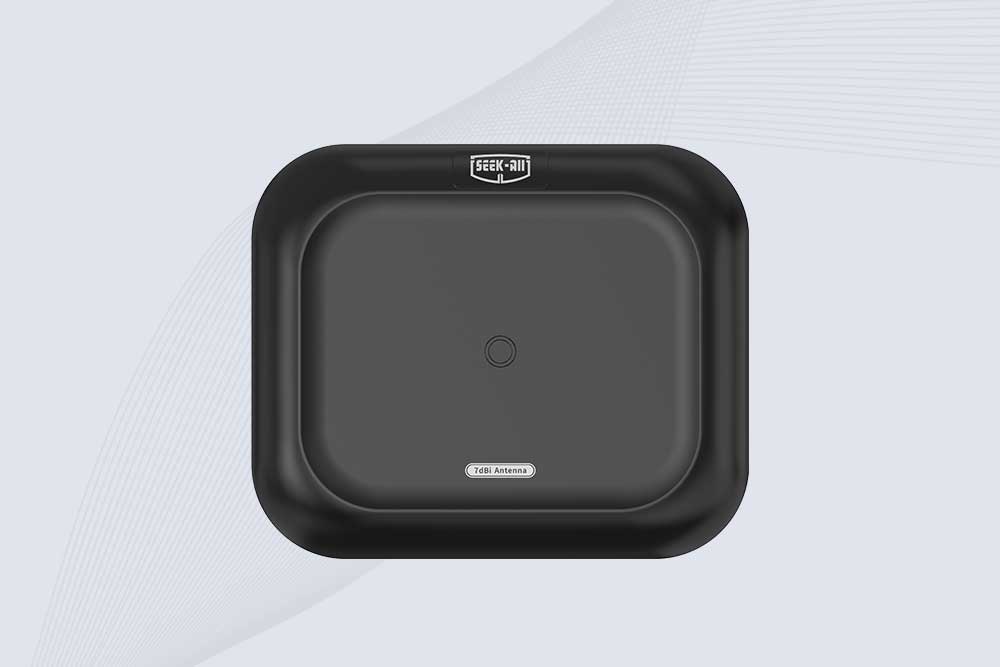
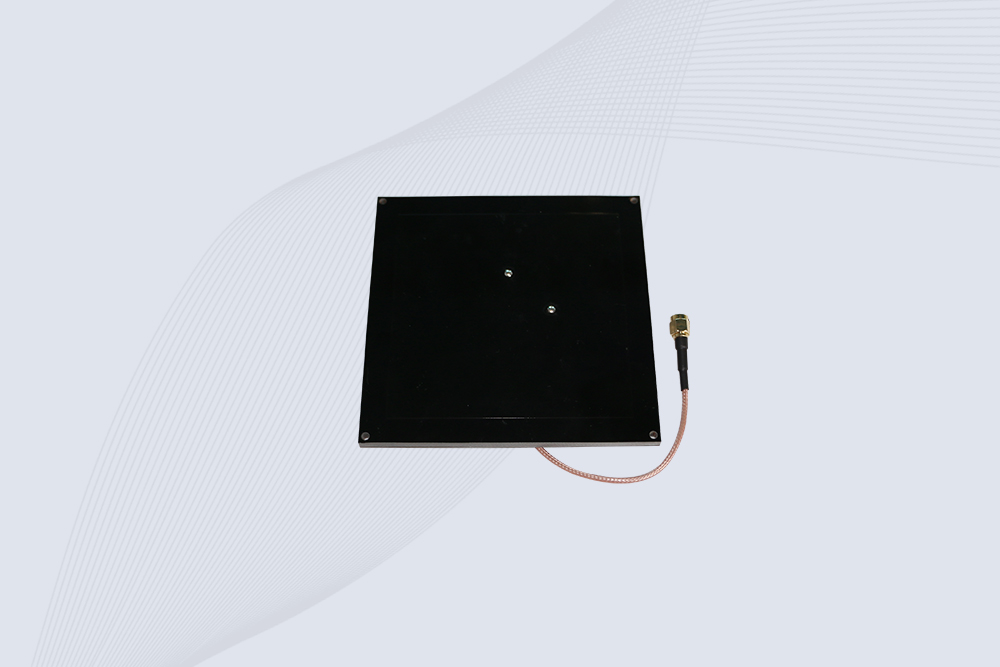
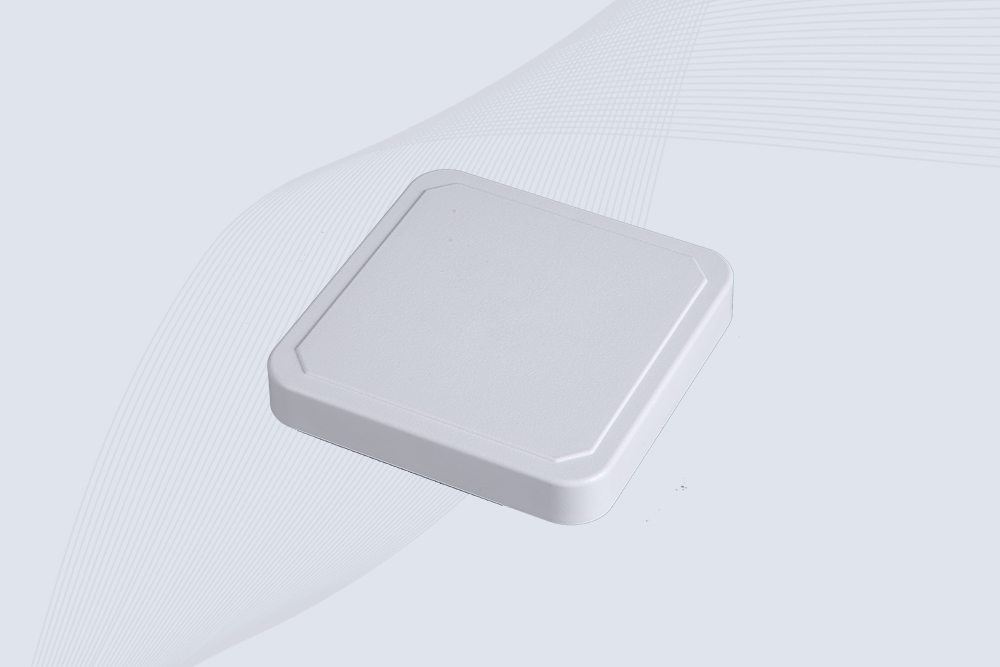
Explore the SSD-A07 UHF RFID antenna with 7 dBi gain, circular polarization, adjustable 840–960 MHz frequency, and 60°/75° beamwidth for stable RFID read/write performance.
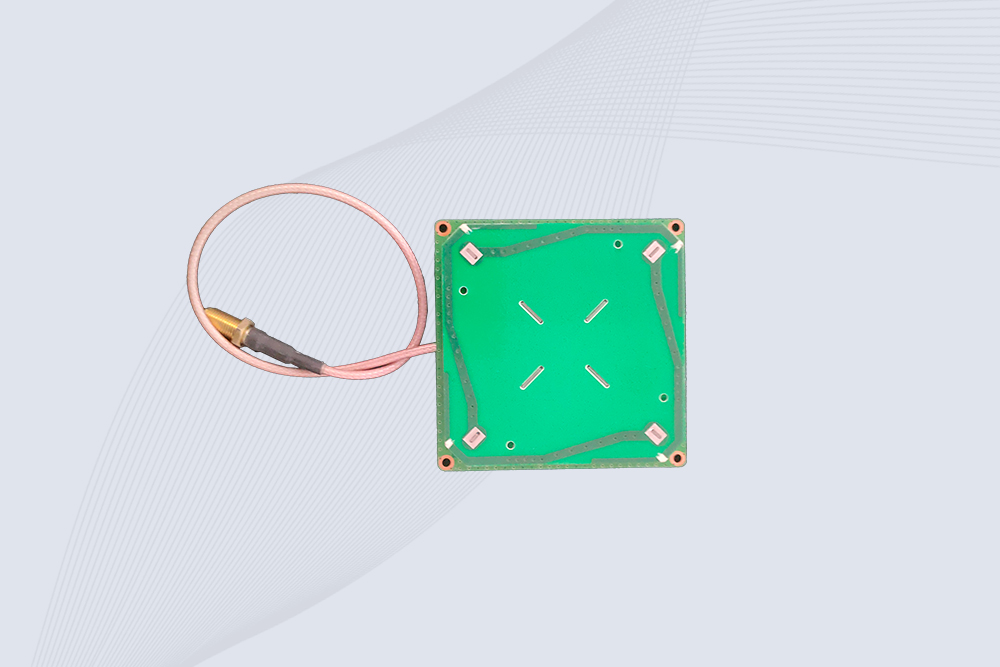
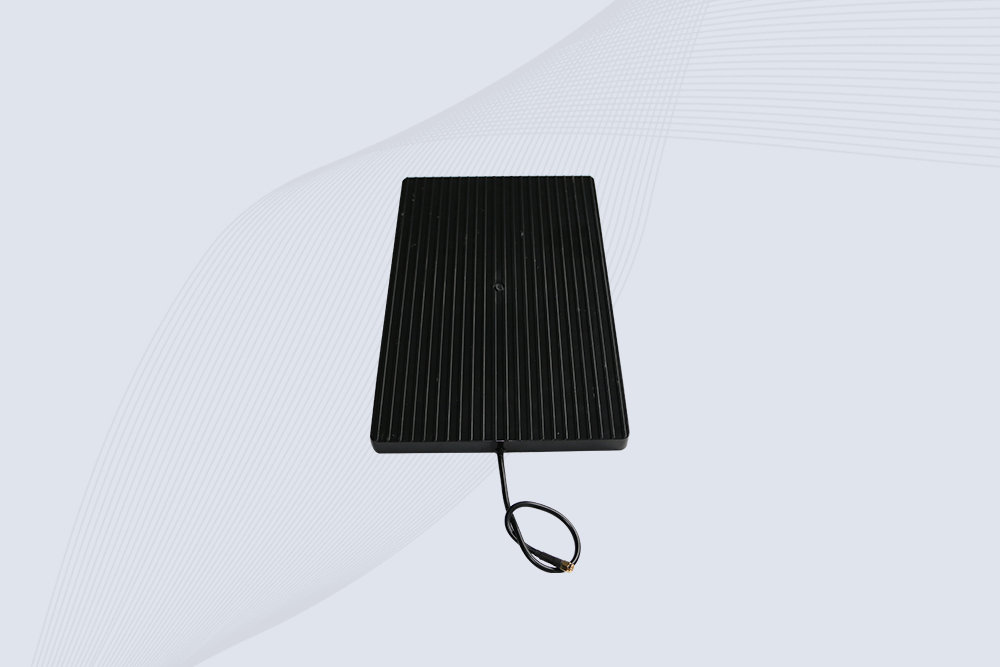
SSD-A06 UHF RFID antenna with circular polarization, adjustable 840–960 MHz frequency, ≥4.5 dBi gain, and a compact directional design for RFID systems.
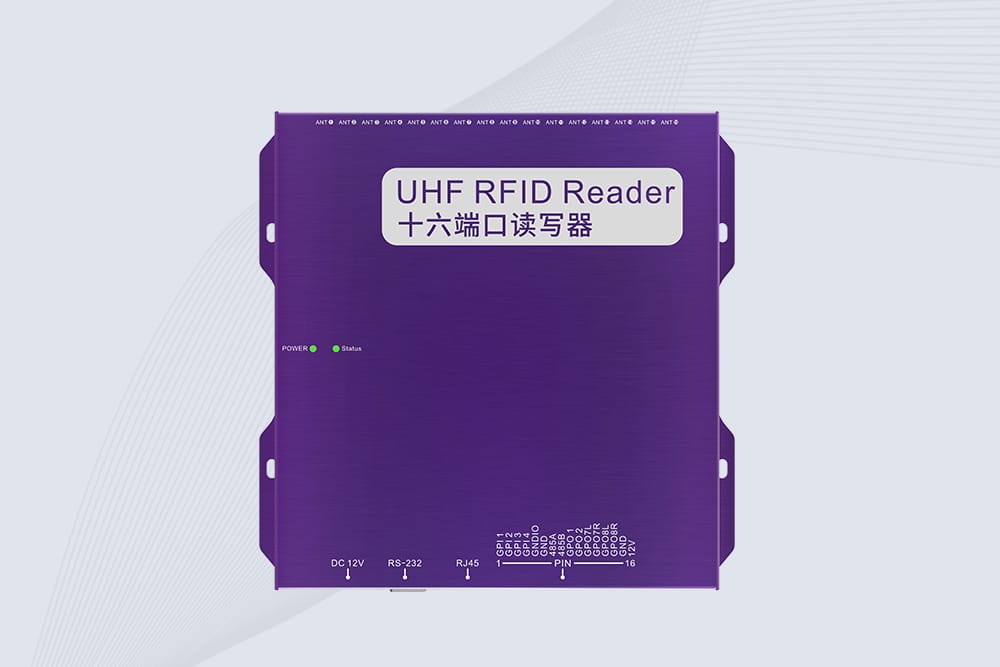
SSD-R16L Multi-Channel RFID Infrastructure for Automated Inventory Management ✔️ 16-Port High-Density RFID Reading Equipped with 16 SMA antenna ports, SSD-R16L supports multi-antenna deployment for warehouses, retail stores, logistics, production lines, and large-area RFID identification. ✔️ High-Speed & Long-Range Performance With up to 33…
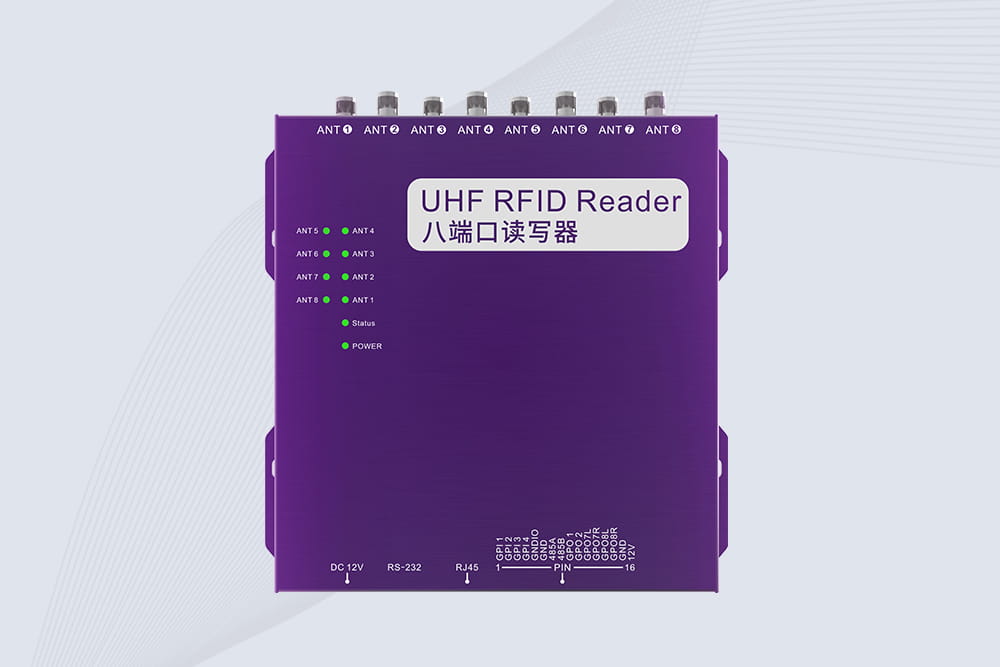
SSD-R8L 8-port UHF RFID reader with 33dBm output, up to 20m reading range and 600+ tags/s recognition. Ideal for warehouse, logistics, retail and asset tracking.
CYKEO Passive RFID Tags are made for wet and high-humidity environments where standard labels do not last. This rfid passive tag is often used around liquids, chemicals and temperature changes, providing stable reading distance and long data life for industrial tracking.
CYKEO CYKEO-PCB1504 Metal RFID Tags is a compact anti-metal UHF RFID solution built for direct mounting on metal surfaces. With stable 8-meter read range, Ucode-8 chip, and long data retention, this rfid metal tag fits tools, containers, automotive parts, and industrial asset tracking.
CYKEO CYKEO-PCB7020 On-Metal RFID Tags are designed for reliable tracking on steel and metal surfaces. Built with an FR4 epoxy body and industrial-grade chips, these On-Metal RFID Tags deliver stable performance, long data life, and chemical resistance, making them a dependable RFID anti-metal tag for harsh environments.
The CYKEO CYKEO-60-25 Anti-Metal RFID Tag is built for metal surfaces where standard tags fail. Designed for long-range performance, harsh environments, and stable data retention, this Anti-Metal RFID Tag is ideal for industrial assets, containers, and equipment tracking using on metal RFID tags.
The CYKEO RFID Laundry Tag is designed for long-term textile identification in harsh laundry environments. Built to withstand high heat, chemicals, and repeated washing, this RFID Laundry Tag delivers stable performance for hotels, hospitals, and industrial laundry operations using laundry rfid tags at scale.
The CYKEO CYKEO-125-7 RFID Book Tag is designed for reliable book and document tracking in libraries and archives. This RFID Book Tag delivers long read range, dense placement support, and stable performance on shelves, making it a practical rfid tag on books for library automation, file management, and archival systems.
CYKEO RFID tags in hospitals are designed for sterile environments where accuracy matters. These autoclavable RFID tags support long-term tracking of surgical tools, implants, and medications, helping hospitals improve visibility, compliance, and patient safety.
CYKEO RFID Cable Tie Tag is built for reliable identification on metal surfaces. This UHF RFID Cable Tie Tag is widely used in rfid tags for inventory systems, industrial asset management and Hospital RFID Tags, offering stable read performance, long service life and global EPC Gen2 compatibility.
CYKEO RFID Asset Tag is designed for stable identification of metal assets in industrial environments. This UHF RFID Asset Tag is commonly used for rfid tag asset tracking on equipment, tools and containers, providing reliable reads, long service life and ISO/IEC 18000-6C support.
CYKEO UHF RFID Card is designed for fast identification and long-term use in industrial and commercial systems. Supporting ISO 18000-6C, this UHF RFID Card works at 860–960 MHz and is suitable for custom RFID cards used in asset tracking, access control and inventory management.
CYKEO HF RFID Cards are designed for secure and stable access control systems. These 13.56 MHz RFID key cards support ISO 14443-A, reliable rewriting and long service life, making HF RFID Cards suitable for offices, campuses, events and membership management.
CYKEO UHF RFID Tag is designed for reliable tracking of metal jewelry and high-value items. This Jewelry RFID Tag supports long-range reading up to 8 meters, anti-counterfeit protection and stable performance on metal, making it suitable for retail, inventory control and asset management.
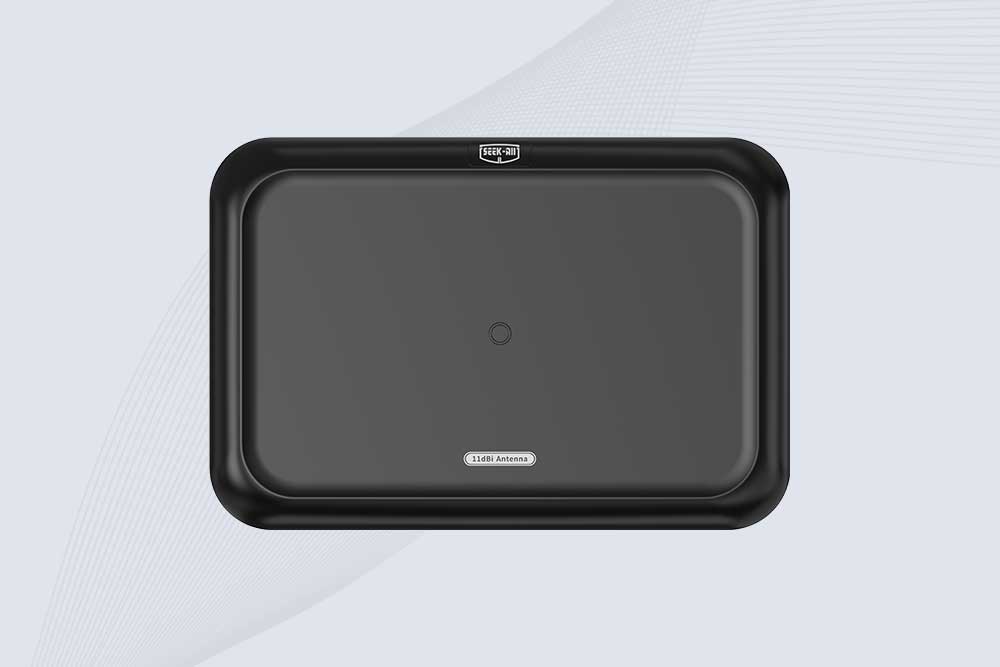
Cykeo CYKEO-A11 UHF RFID reader antenna delivers 11dBi gain, 840-960MHz frequency range, and IP65 ruggedness for retail, logistics, and industrial RFID systems. Features low VSWR and easy installation.
CYKEO Antenna RFID Reader delivers stable long-range UHF performance with a 10.5dBi directional design, built for warehouses, conveyor portals, and industrial RFID systems. This rfid reader antenna provides 20m+ read distance and rugged IP67 protection.
Cykeo CYKEO-A5B industrial Linear RFID Antenna delivers 5dBi gain, ≤1.5:1 VSWR, and IP65 rugged design for warehouse, production line, and logistics UHF systems.
Cykeo’s CYKEO-B12 Long Range RFID Antenna delivers 15m+ read range with 12dBi gain, IP65 rugged design, and global 840-960MHz UHF support. Ideal for warehouse/logistics asset tracking.
Cykeo CYKEO-B10 Long Distance RFID Antenna offers 10dBi gain, 840-960MHz frequency range, IP65 rating, and 20m+ coverage for logistics/warehousing/ETC systems. Low VSWR ensures stable signal transmission.
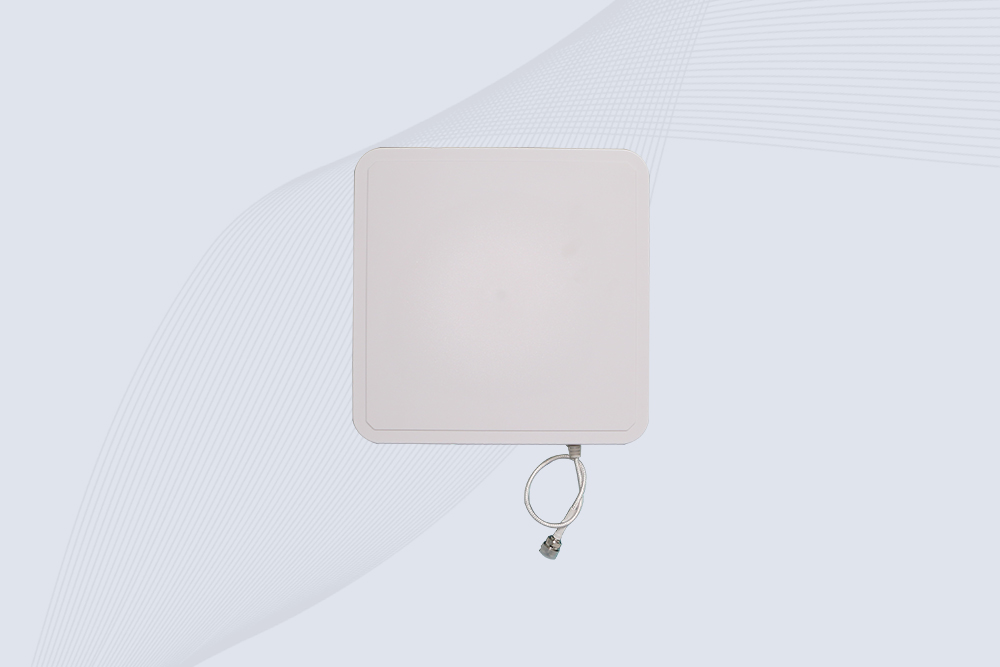
Cykeo CYKEO-A6 UHF RFID panel antenna features 6dBi gain, 840-960MHz broadband, IP65 metal-ready housing for logistics/smart retail. 18mm ultra-thin design with tool-free mounting.
Cykeo CK-A3 industrial antenna RFID UHF offers 5m+ tag detection, ≤1.3:1 VSWR, IP65 rugged design, and global UHF spectrum compatibility (840-960MHz) for warehouses, factories, and retail.
Cykeo CYKEO-B5 directional RFID antenna provides 5dBi gain with 60° narrow beamwidth for precise inventory tracking. IP65-rated, global UHF frequency support, and low VSWR.
Create your own high-performance DIY RFID antenna! 5dBi gain, 840-960MHz tunable, step-by-step guides. Compatible with Arduino, Raspberry Pi, and commercial UHF readers.
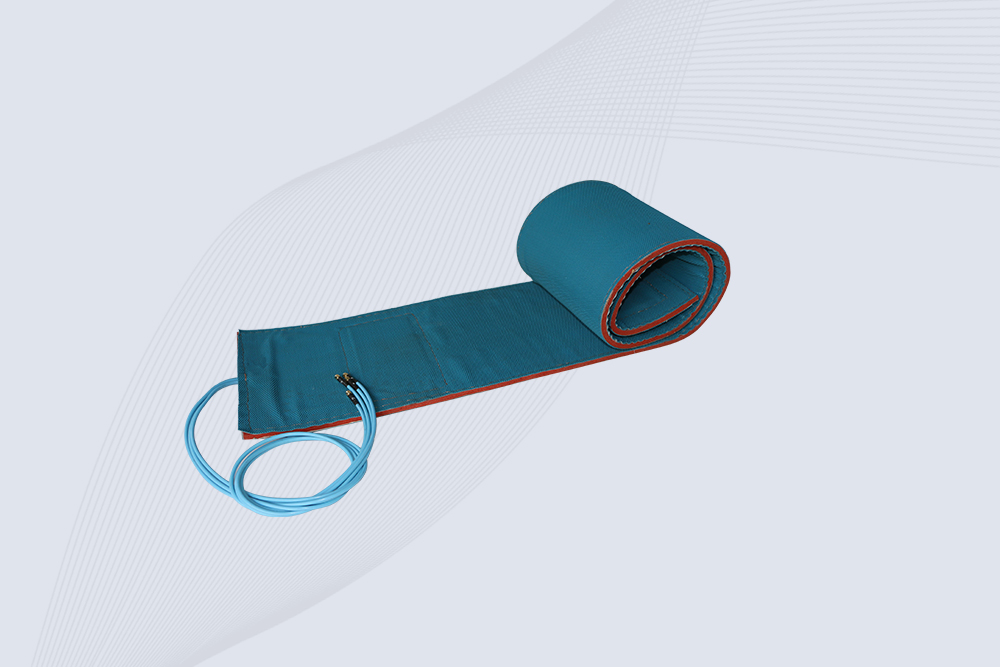
Cykeo CYKEO-A7 Flexible RFID Antenna features 840-960MHz wideband tuning, 7dBi gain, and IP68 rating for medical/retail/industrial curved surface deployments. 98% read accuracy with peel-and-stick installation.
Cykeo CYKEO-B5A industrial Passive RFID Antenna delivers 5dBi gain, 70° beamwidth, and -40°C~55°C operation for warehouses/smart cabinets. Compatible with Zebra/Impinj readers.
Cykeo’s CYKEO-A9B High Gain RFID Antenna delivers 15m+ read range with 9dBi amplification. Features IP54 rugged design, 840-960MHz bandwidth, and 80° beamwidth for warehouse/manufacturing RFID systems.
Cykeo’s enterprise-grade 8dbi Impinj RFID Antenna 10m+ read range with 840-960MHz tuning. Features IP65 housing, 1.4 VSWR, 35° beamwidth for retail/warehouse RFID systems.
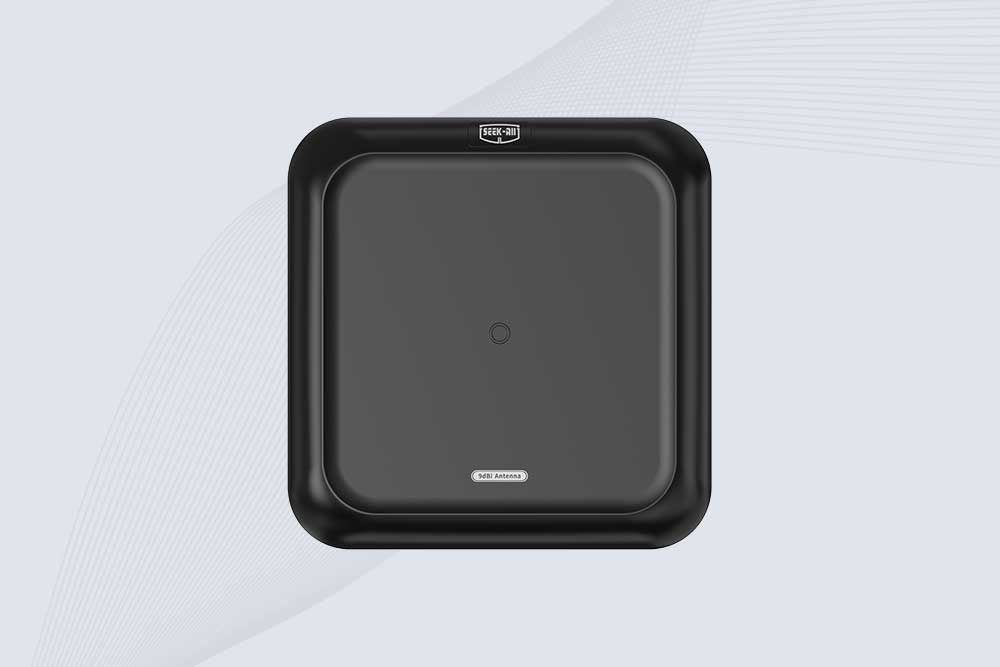
Cykeo CYKEO-A9 industrial UHF RFID antenna delivers 9dBi gain, 840-960MHz frequency range, and IP65 protection for warehouse/logistics/retail RFID systems. Features N-type connector and ≤1.3:1 VSWR.
CYKEO UHF RFID Antenna built for long-distance and industrial applications. This antenna rfid uhf delivers strong gain, outdoor durability, and reliable tag performance in warehouses, yards, and vehicle ID systems.
CYKEO Antenna RFID delivers reliable long-range UHF performance in warehouses, retail shelves, and cold-chain environments. This compact uhf rfid antenna provides stable reads with circular polarization and ultra-wide 840–960 MHz support, ideal for industrial tracking, smart shelves, and asset monitoring.
Cykeo’s CYKEO-C8 UHF RFID antennas delivers 8dBi gain, 840-960MHz full-band coverage, and IP65 ruggedness for manufacturing/warehouse RFID systems. Industrial RFID Antennas Features
Cykeo’s 8dBi UHF RFID antenna and reader kit delivers 10m+ range, 840-960MHz broadband, and IP65 ruggedness for factories, warehouses, and logistics. ISO 18000-6C & EPC Gen2 certified.
Cykeo’s CYKEO-A12C UHF Large RFID Antenna delivers 12dBi gain, 840-960MHz global frequency, IP65 ruggedness for logistics/warehousing/automotive. 40° beamwidth ensures stable 15m+ tag reads.
CYKEO Near Field RFID Antenna provides precise 5–30 cm reading for shelves, cabinets, and workstations. This compact rfid shelf antenna delivers stable short-range performance around metal and clutter, ideal for pharmacies, libraries, and electronics sorting.
Cykeo CYKEO-C1 industrial Forklift RFID Reader features 20m read range, 600 tags/sec scanning, Impinj R2000 chipset, and IP67 rugged design. Ideal for warehouse logistics and manufacturing. Supports ISO 18000-6C/6B protocols.
Cykeo CYKEO-R4 industrial UHF RFID Fixed Reader features 4 TNC ports, 400+ tags/sec speed, IP67 housing, and global frequency compliance for vehicle inspection, smart warehouse, and asset management systems.
CYKEO CYKEO-R8L Fixed RFID Reader with 8-port UHF design, Impinj-based RF core and up to 20m read range. An industrial Fixed RFID Reader for vehicle inspection, warehouse portals, smart manufacturing lines and secure access checkpoints.
RFID Fixed Reader from CYKEO – the CYKEO-R16L 16-port UHF fixed reader for warehouses, smart cabinets, and production lines. Long-range, multi-tag reading, stable performance for 24/7 industrial use.
RFID tags for garments must be washable, soft, and tamper-resistant. This article outlines common RFID label types—fabric, hang tag, embedded, and sew-in—and helps businesses select the right solution for different textile applications.
RFID access control is more than adding a lock to a smart cabinet. A well-designed system connects the user, tool, location, permission, and transaction into...
Discover the best waterproof RFID devices for harsh marine and port environments. Compare IP68 ratings, saltwater resistance, and rugged UHF performance for logistics efficiency.
Discover how a hand tool tracking system improves accountability, inventory accuracy, and tool visibility using RFID technology. Reduce losses and automate inspections with Cykeo.
 Cykeo RFID IoT Solution Products R&D Manufacturer