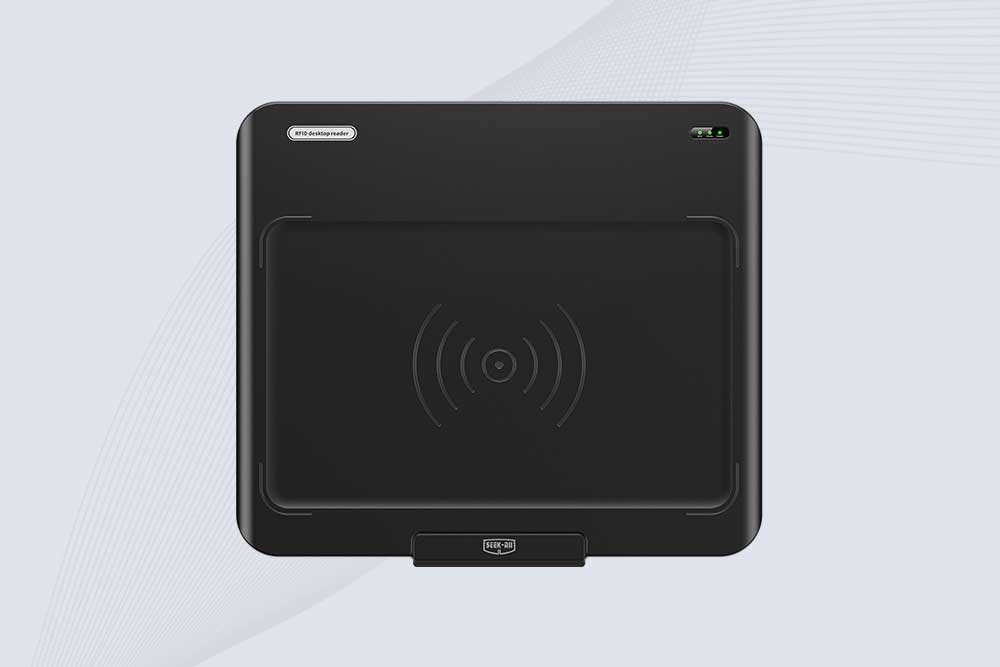
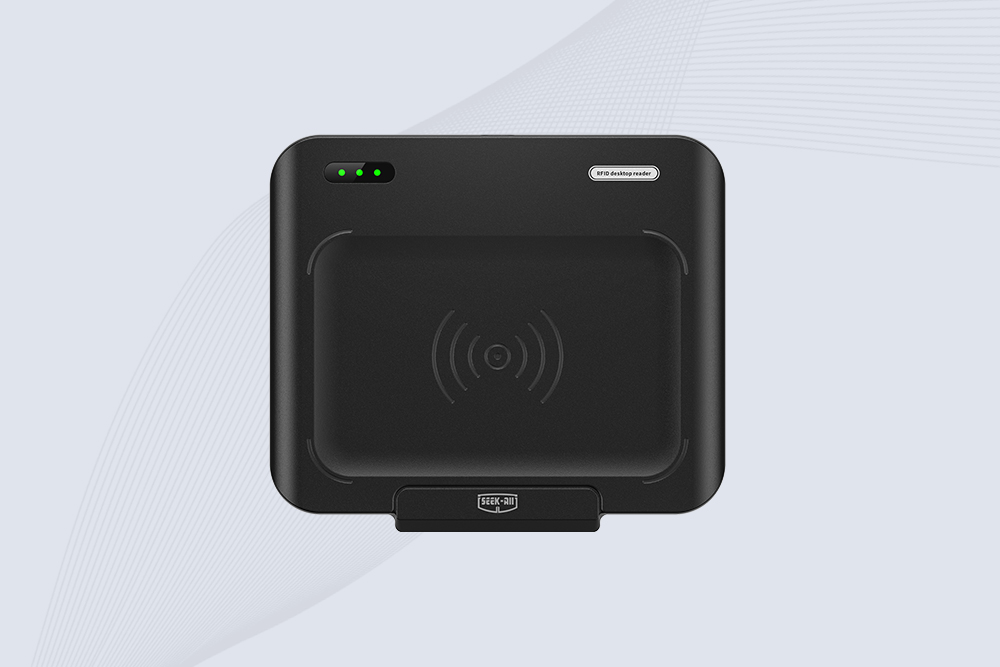
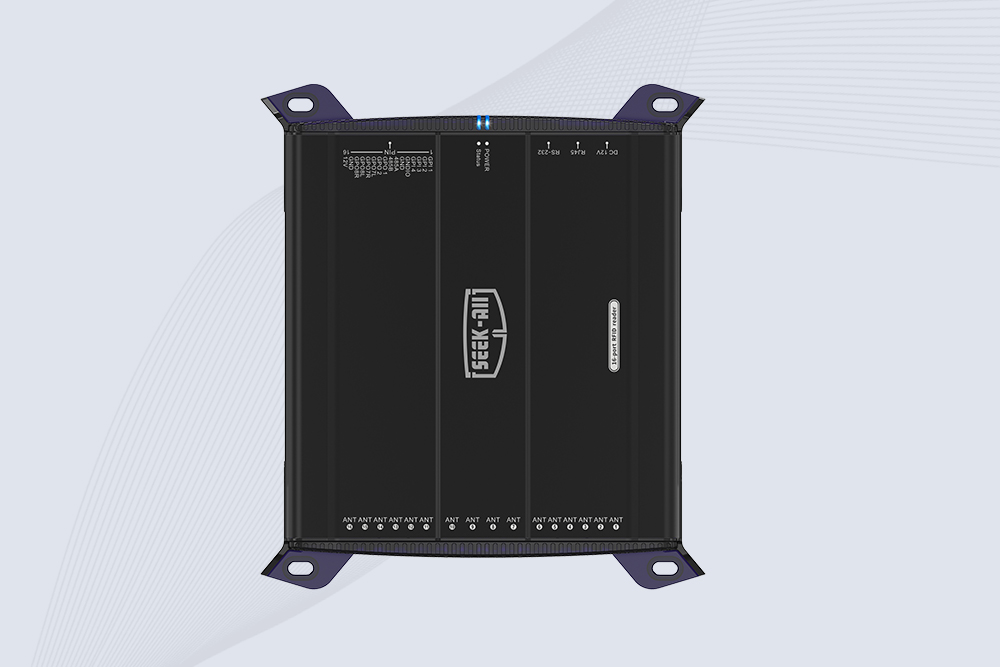
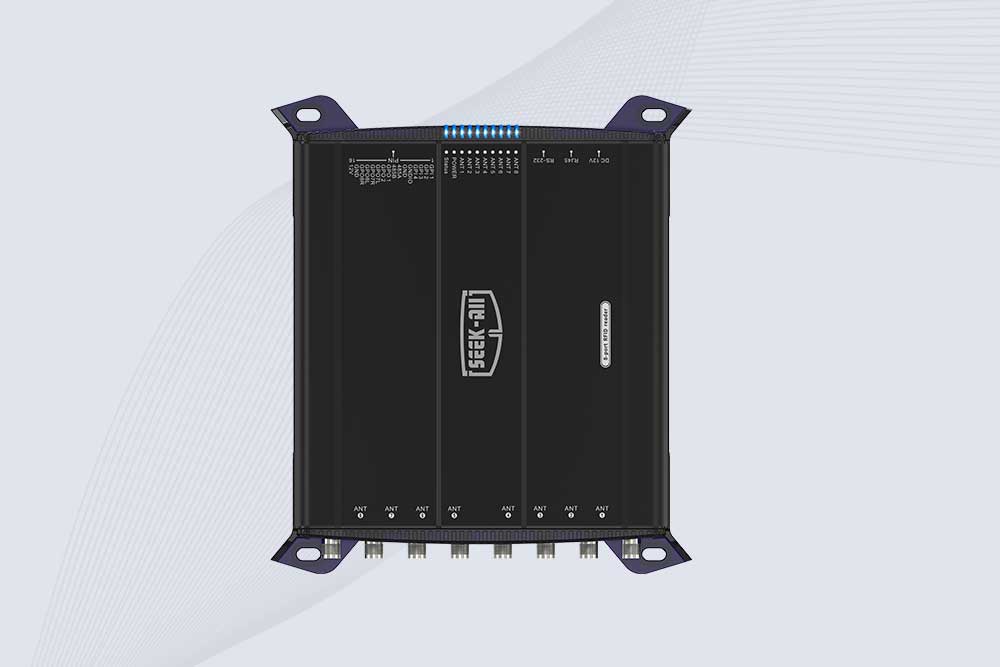
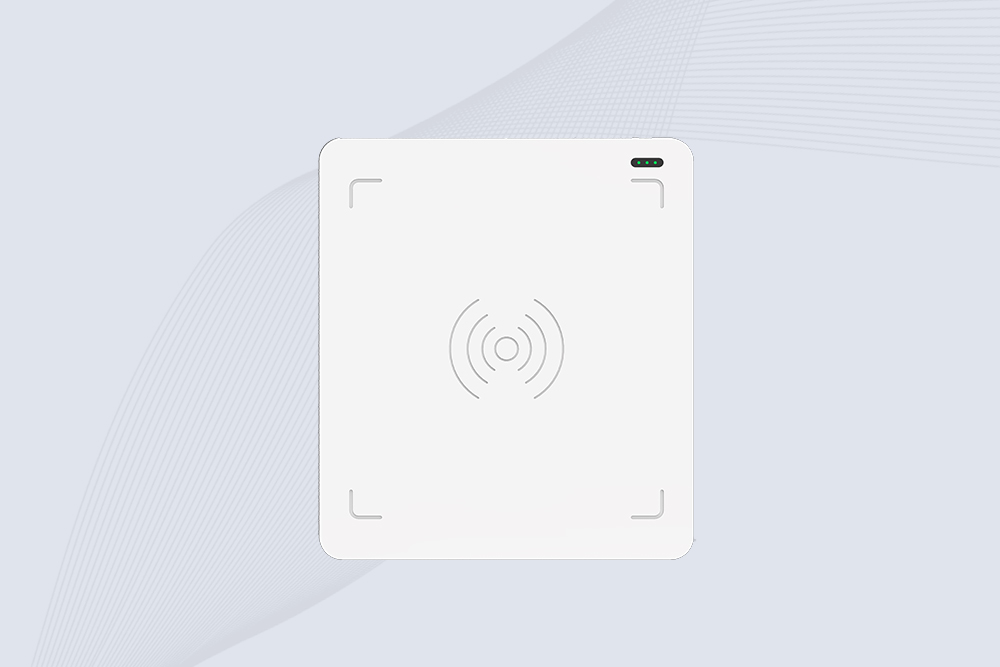
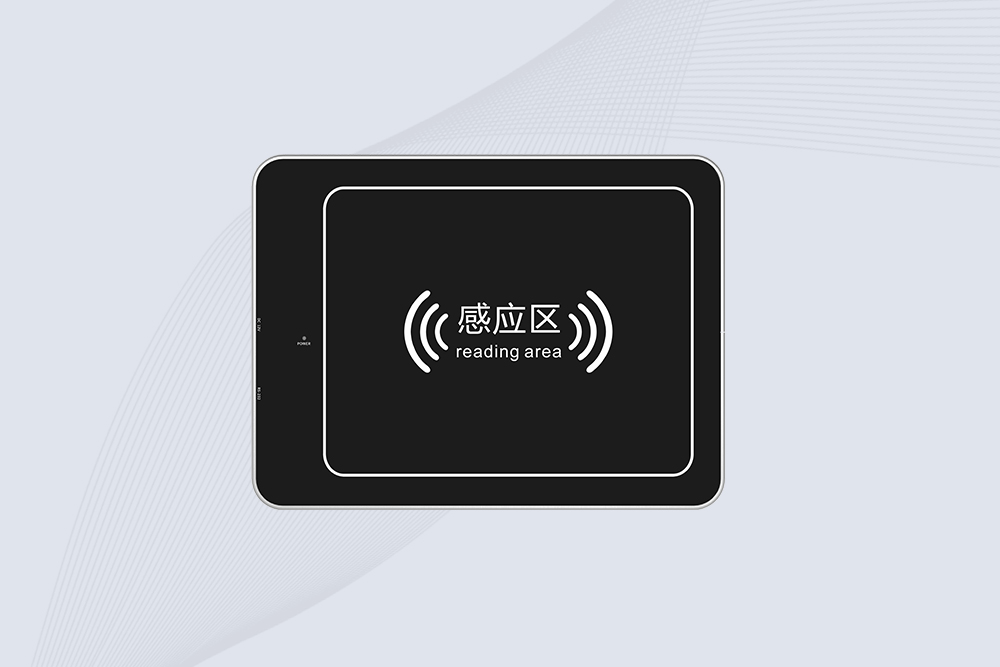
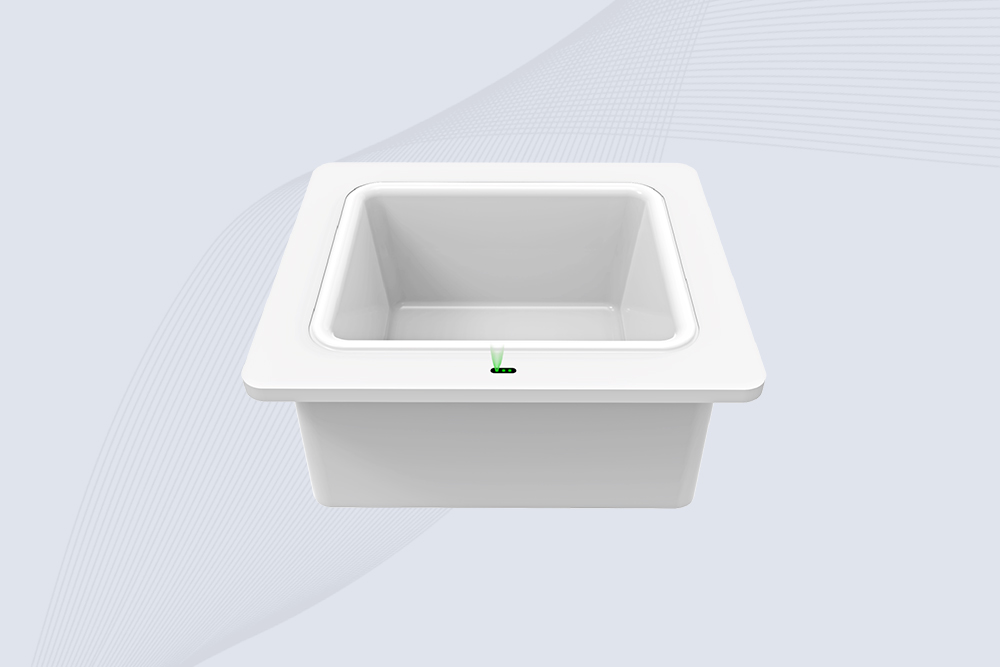
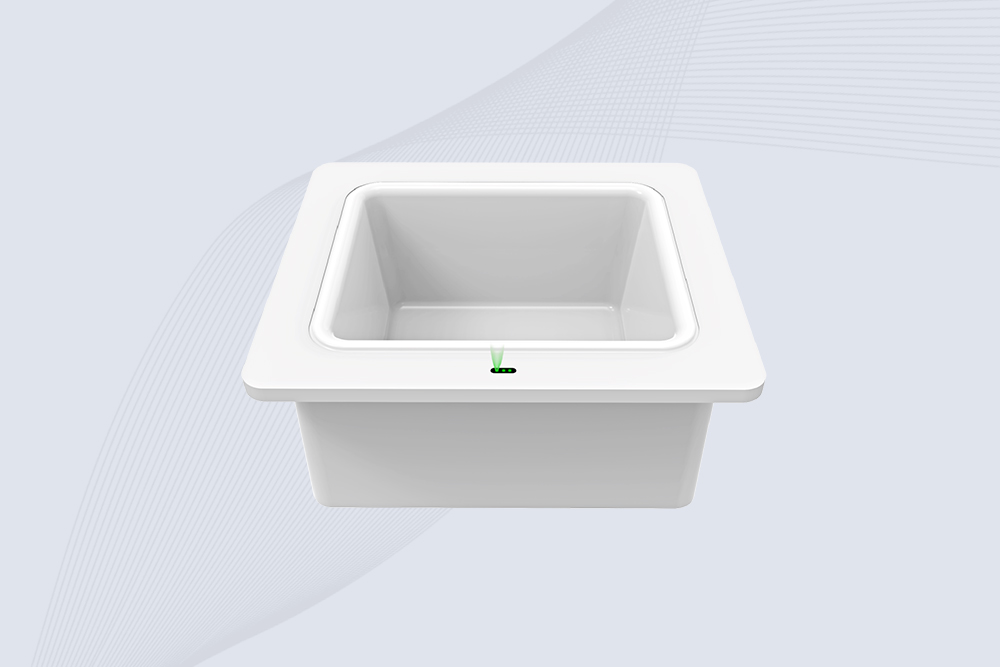
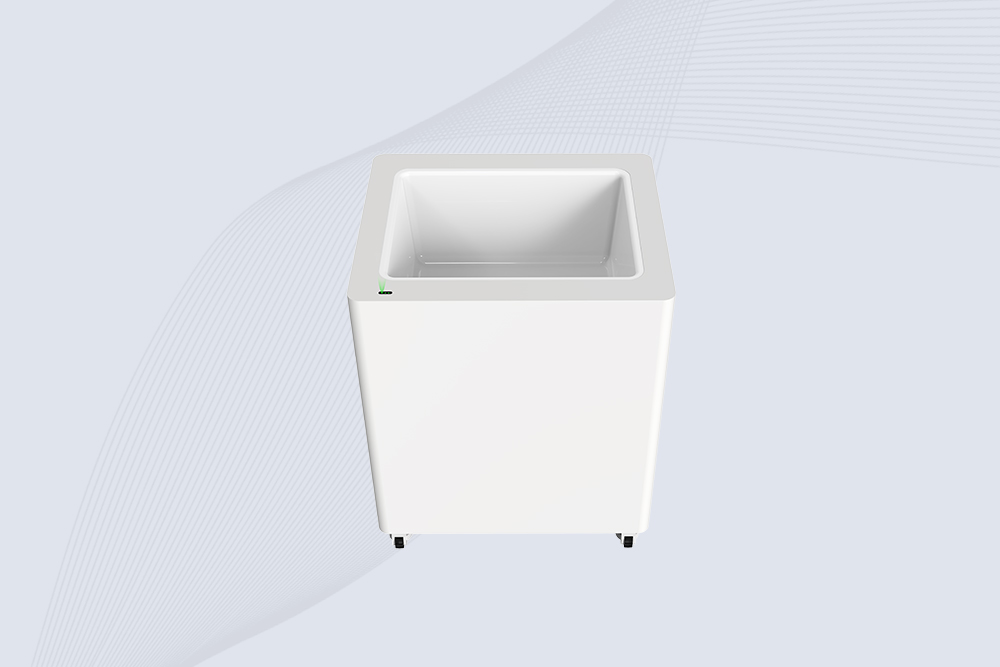
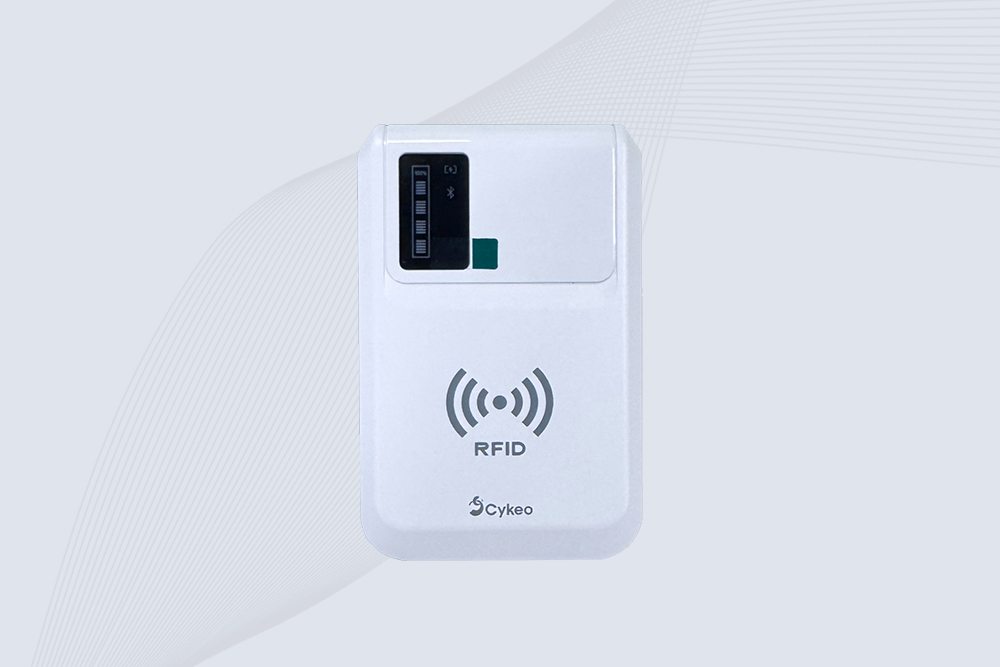
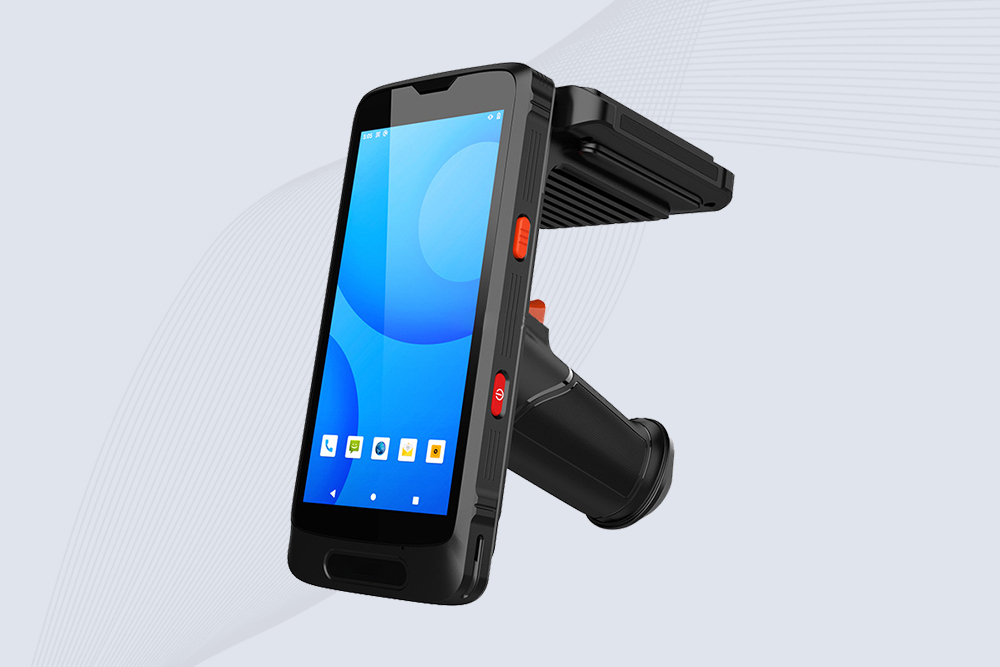
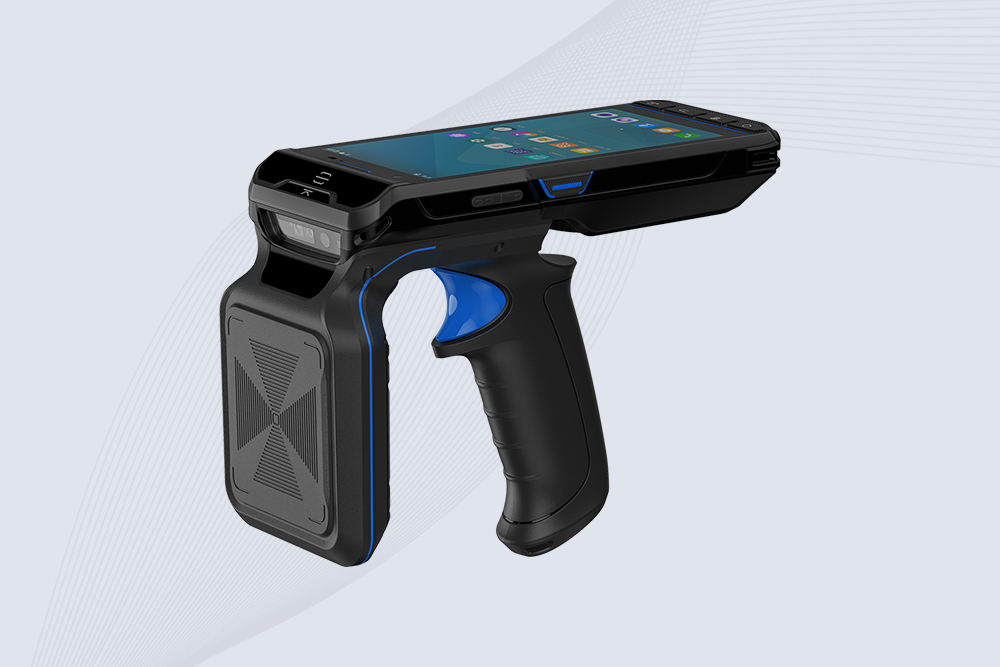
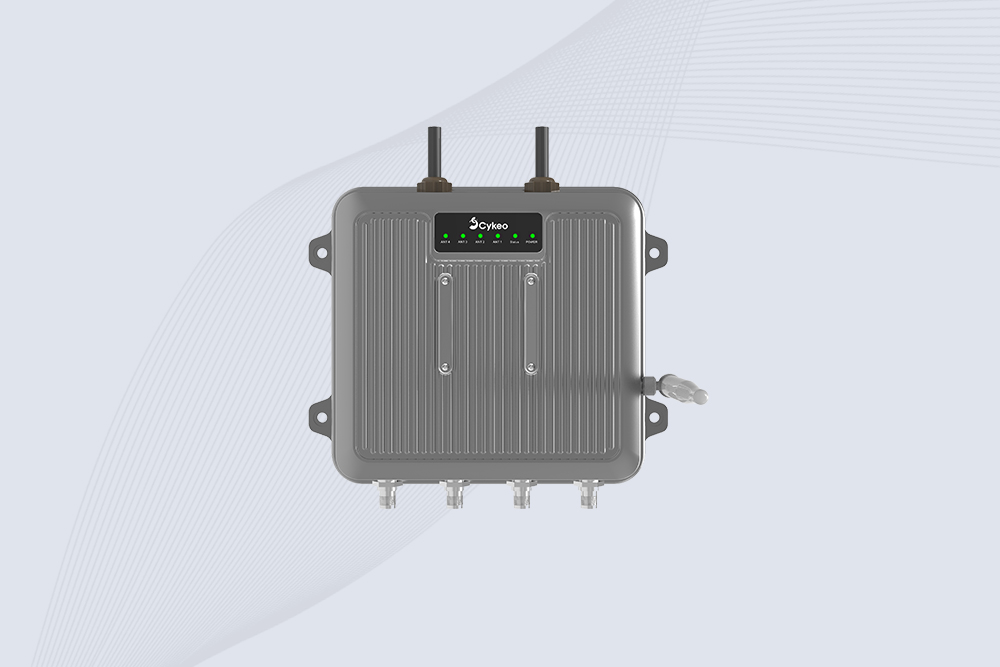
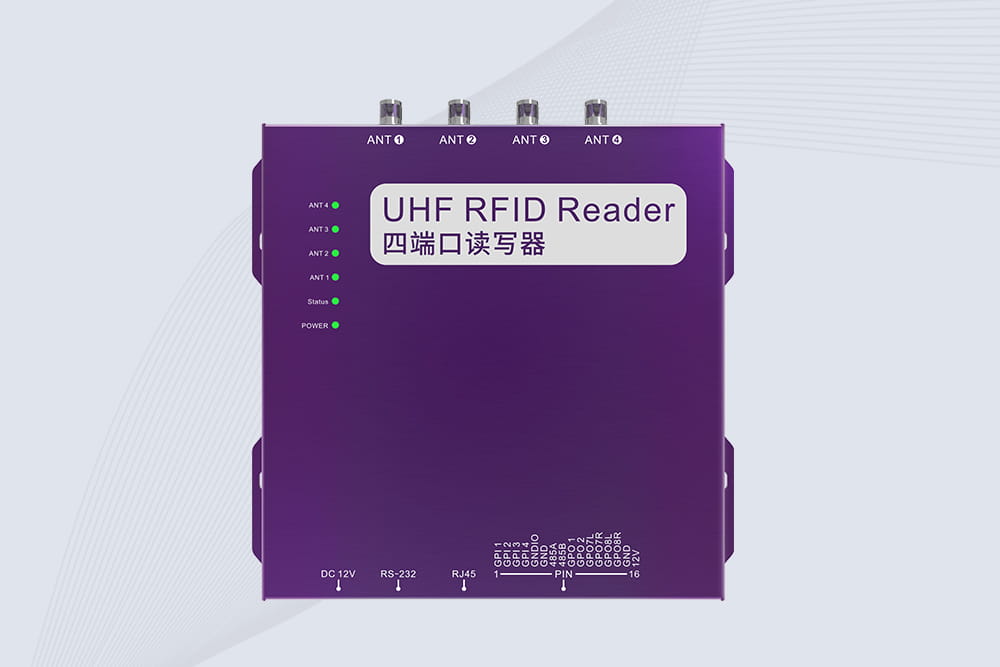
RFID readers come in different forms because RFID projects do not all work the same way. Fixed, handheld, USB and portable readers each make sense in different situations, and choosing between them usually comes down to where the reader will be used, how tags need to be read, and how much automation the project requires.
RFID Readers Are Not All Built for the Same Job
When someone says, “We need an RFID reader,” my first question would probably be: Where are you going to use it?
That sounds obvious, but it can save a lot of time.
A warehouse gate, for example, may need a fixed UHF RFID reader with several antennas running continuously. A worker checking tools on a shelf might be much happier with a handheld reader. A small desktop workstation could get by with a USB RFID reader, while a mobile application may need a portable reader connected to a phone.
All four are RFID readers.
They just solve different problems.
Cykeo’s RFID product range currently includes fixed, USB, handheld, portable and long-range RFID readers, along with reader modules and other RFID hardware.
That is why comparing RFID readers only by price or advertised reading distance can be misleading.
Before comparing fixed, handheld, USB, and portable RFID readers, it helps to understand what is actually happening between the reader, antenna, and RFID tag. If you are new to the technology, this guide explains how an RFID reader works and how the reader fits into the complete RFID system.
Fixed RFID Reader: When the Reader Stays Put
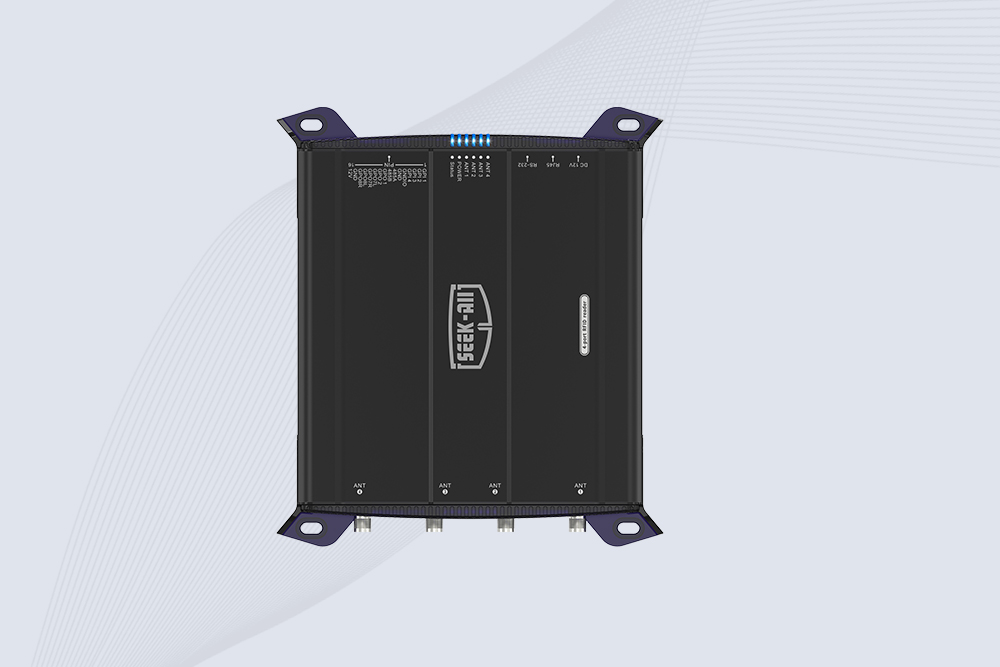
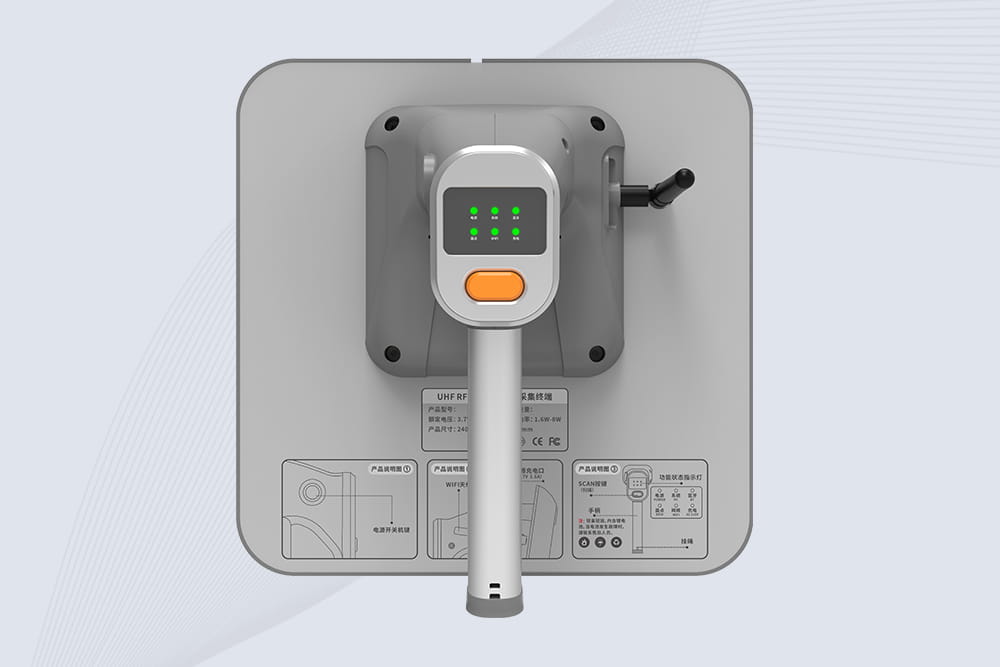
A fixed RFID reader is designed to remain in one location and keep reading.
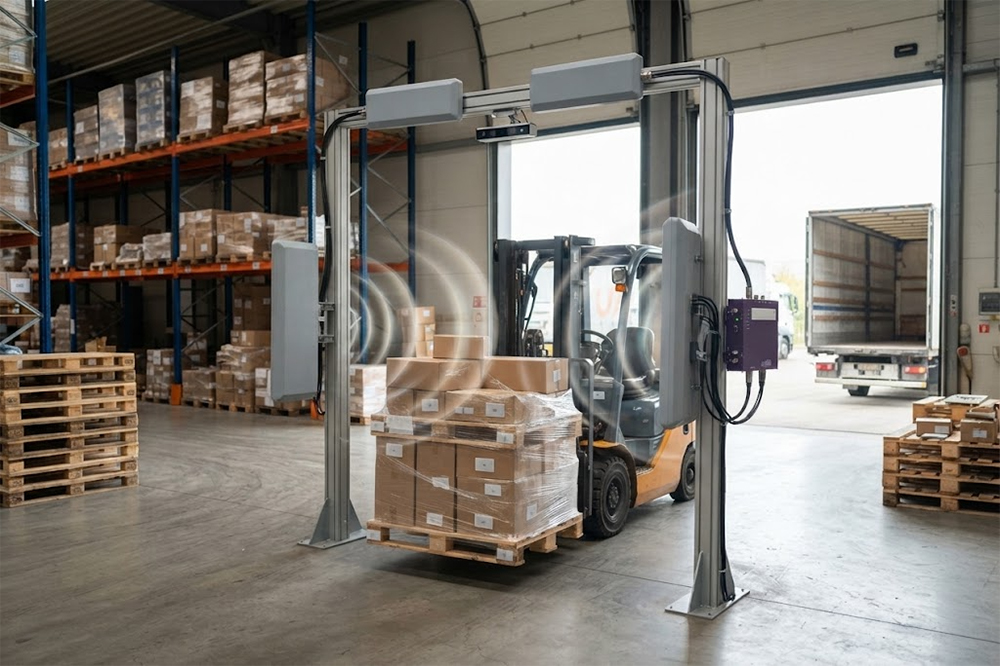
Picture a warehouse loading dock.
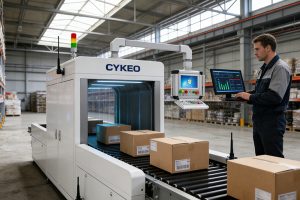
A forklift carrying several RFID-tagged pallets approaches the door. Nobody stops to scan each pallet. The antennas are already installed, the reader is running, and the system captures the tags as they move through the reading zone.
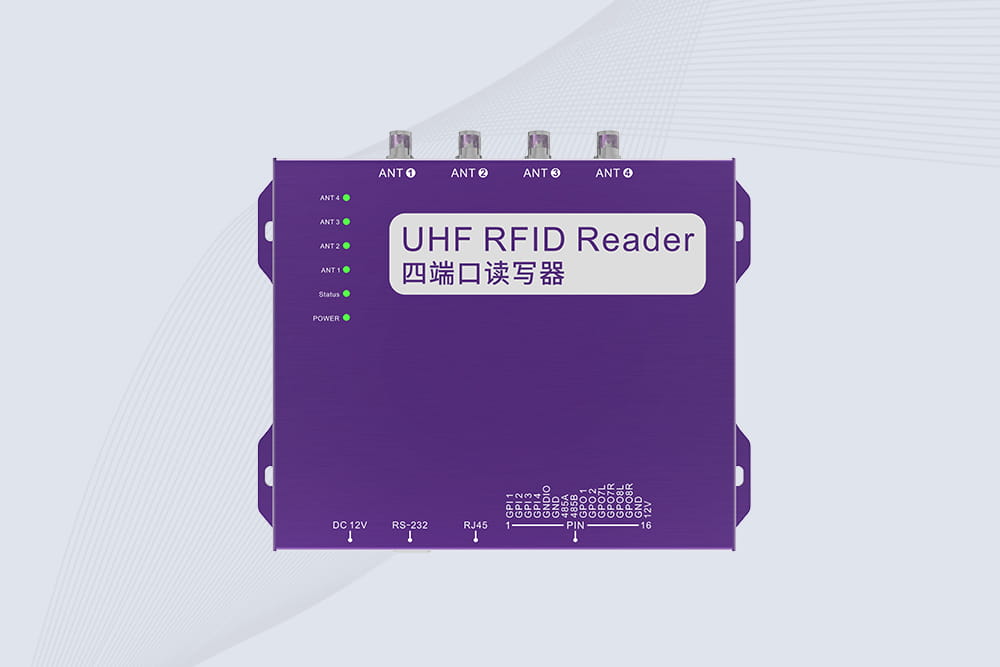
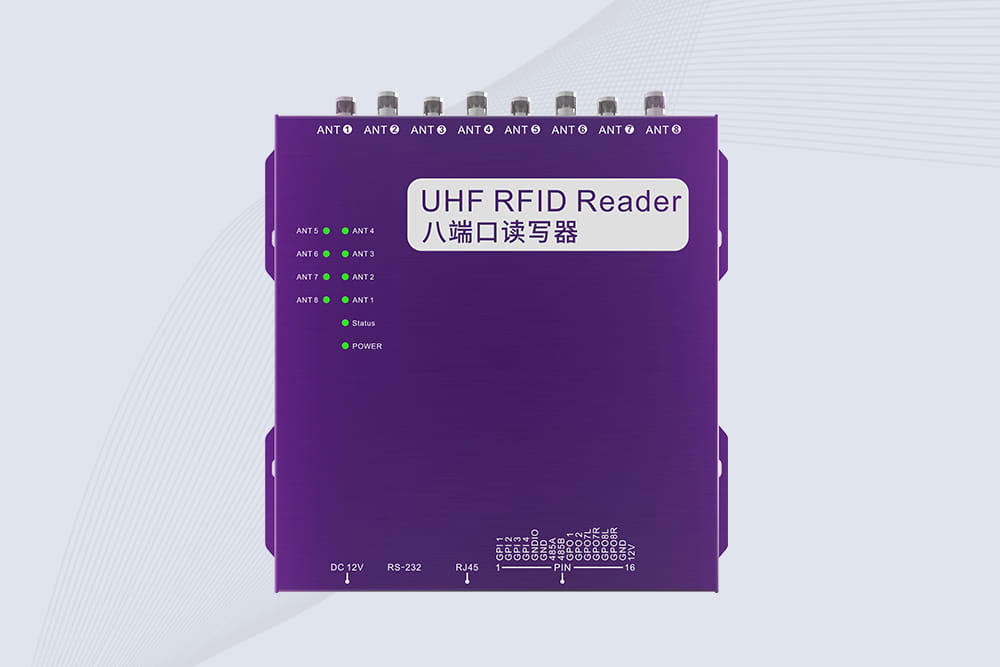
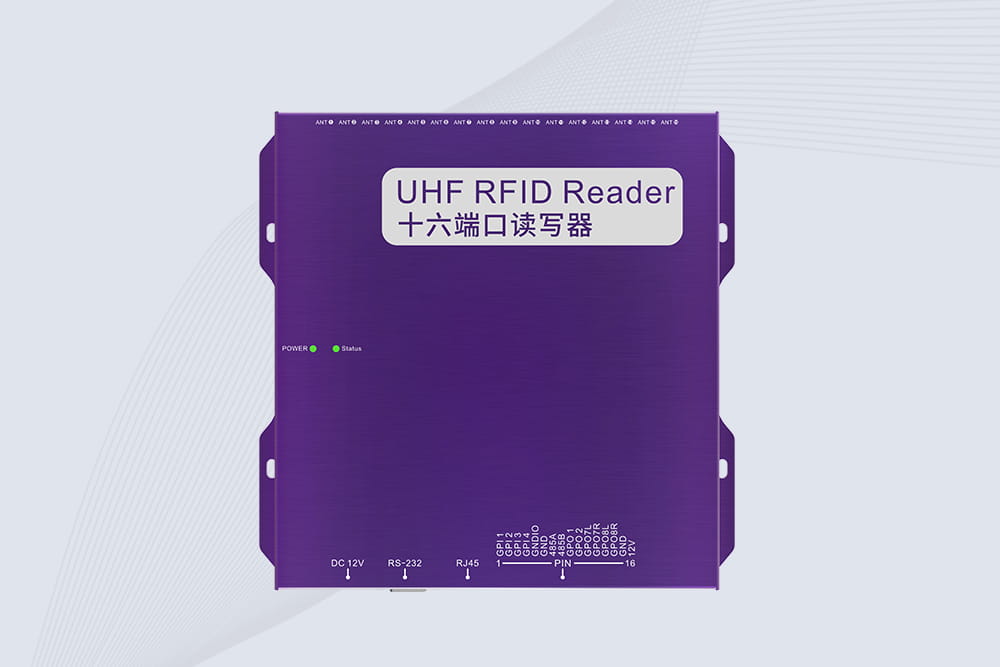
Cykeo’s fixed RFID reader range includes 4-port, 8-port and 16-port configurations, allowing multiple external antennas to be used when a project needs more than one reading zone. The company also offers forklift-oriented fixed readers for warehouse and logistics applications.
One practical point is easy to overlook: the reader is only part of the installation.
A fixed reader may perform very differently depending on antenna position, output power, tag orientation, installation height and nearby metal structures. Cykeo specifically notes these factors when discussing fixed-reader performance.
So if a customer tells you, “I need 20 meters,” that is not quite enough information to select the model.
You also need to know what is happening around those 20 meters.
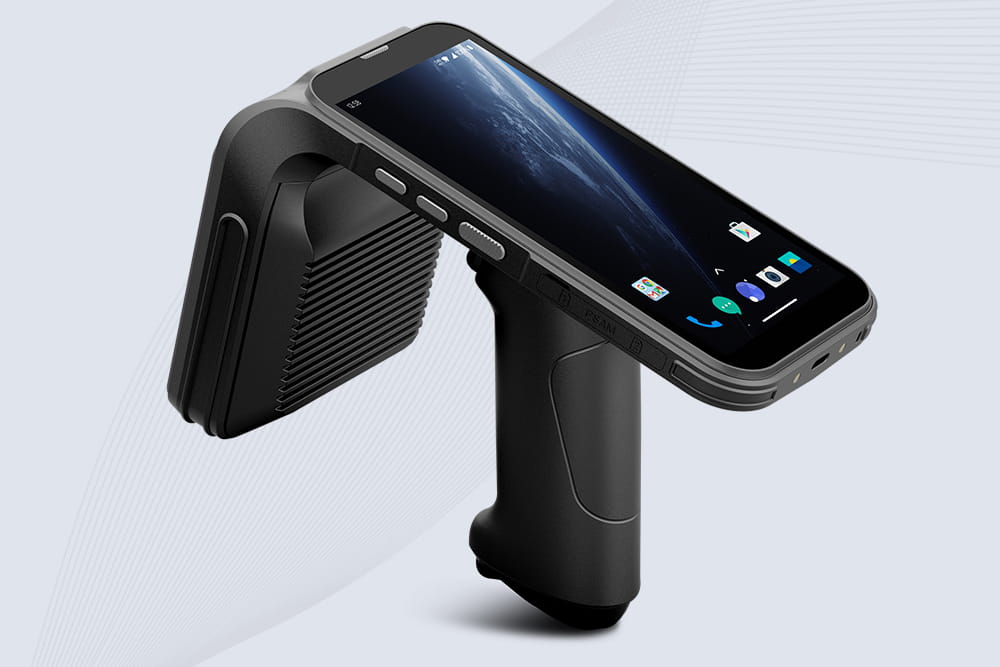
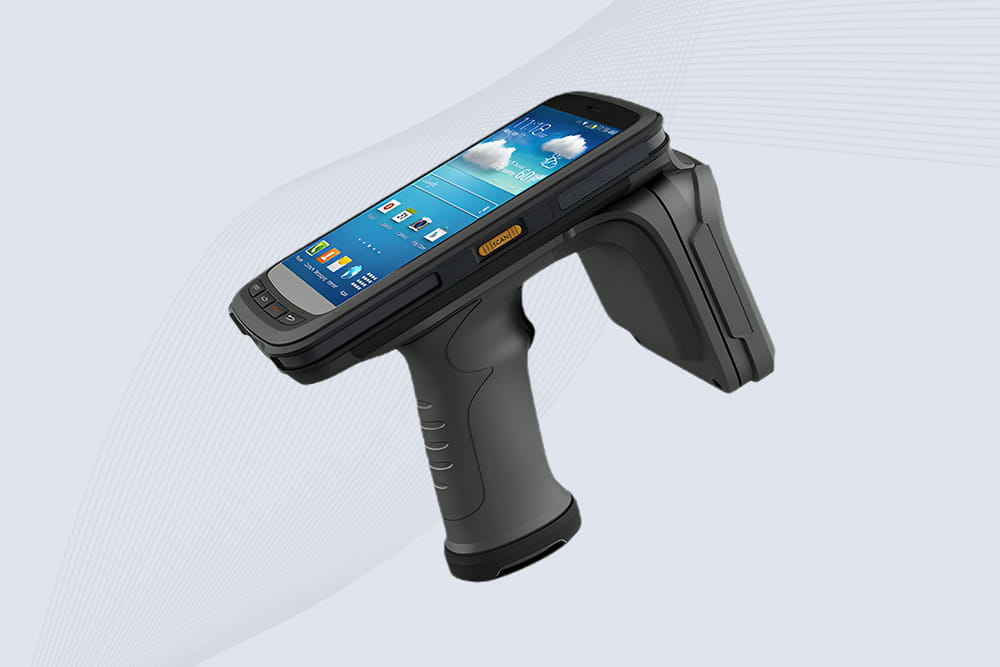
Instead of making the tags pass through a controlled reading zone, the operator carries the reader to the tags.
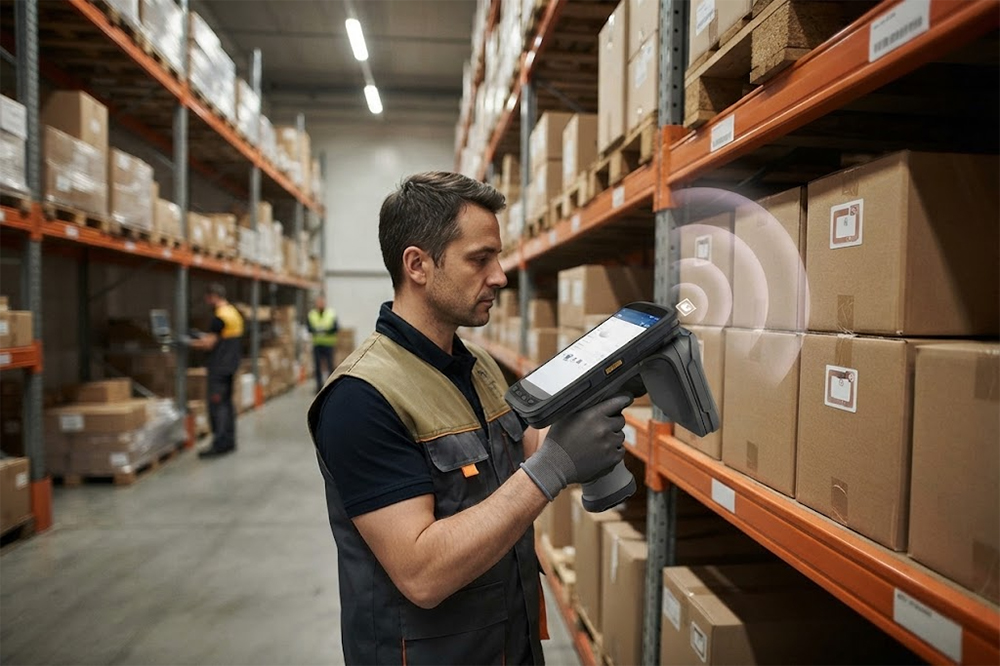
Imagine an employee doing a monthly inventory check in a warehouse.
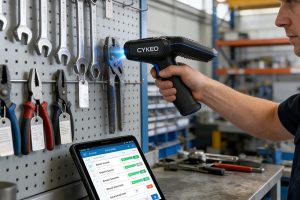
They walk down an aisle, point the handheld reader toward boxes or equipment, and collect the tag information without taking everything off the shelf.
That is a much more natural use of handheld RFID.
Common applications include:
Inventory counting
Asset inspection
Tool tracking
Stock checking
Warehouse cycle counts
Missing-item searches
Field inspections
There is also a human factor here.
With a fixed reader, the installation determines much of the reading behavior. With a handheld reader, the operator becomes part of the process. Distance, angle and movement can affect what gets read.
That is not necessarily a weakness.
For spot checks, finding a missing asset, or checking one particular shelf, that flexibility is often exactly what you want.
The problem starts when someone tries to use handheld hardware for a process that really needs continuous automatic reading.
If pallets are moving through a dock door all day, asking employees to walk around and trigger a reader every time is probably not the best workflow.
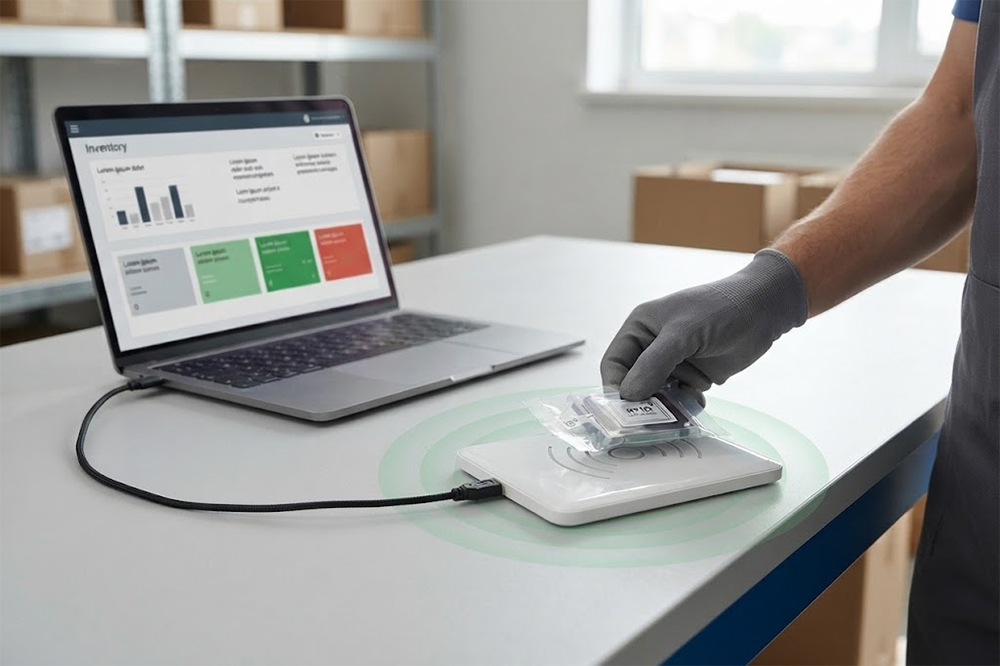
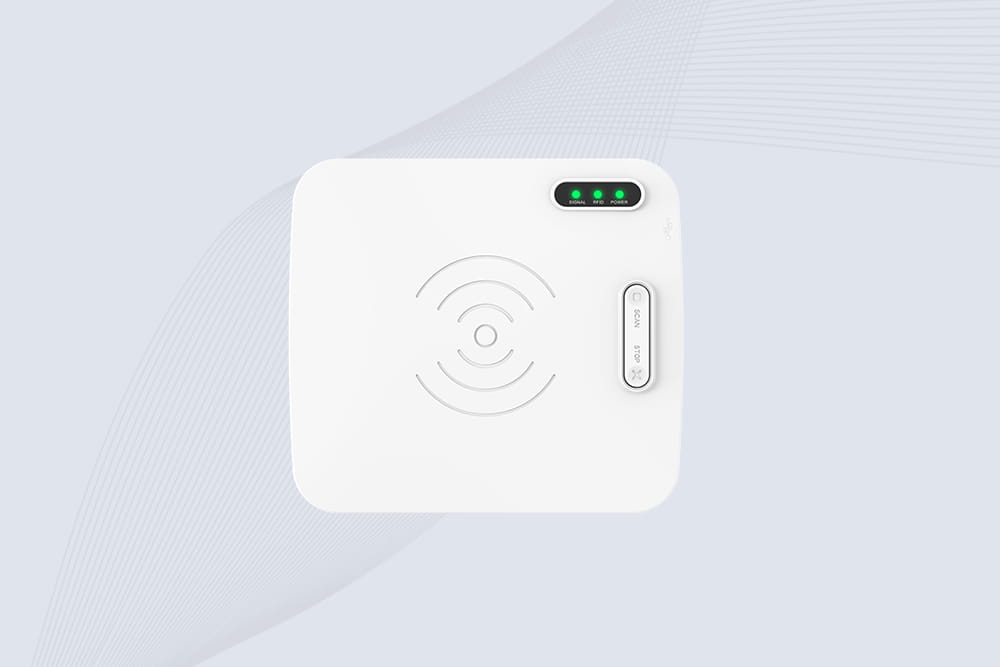
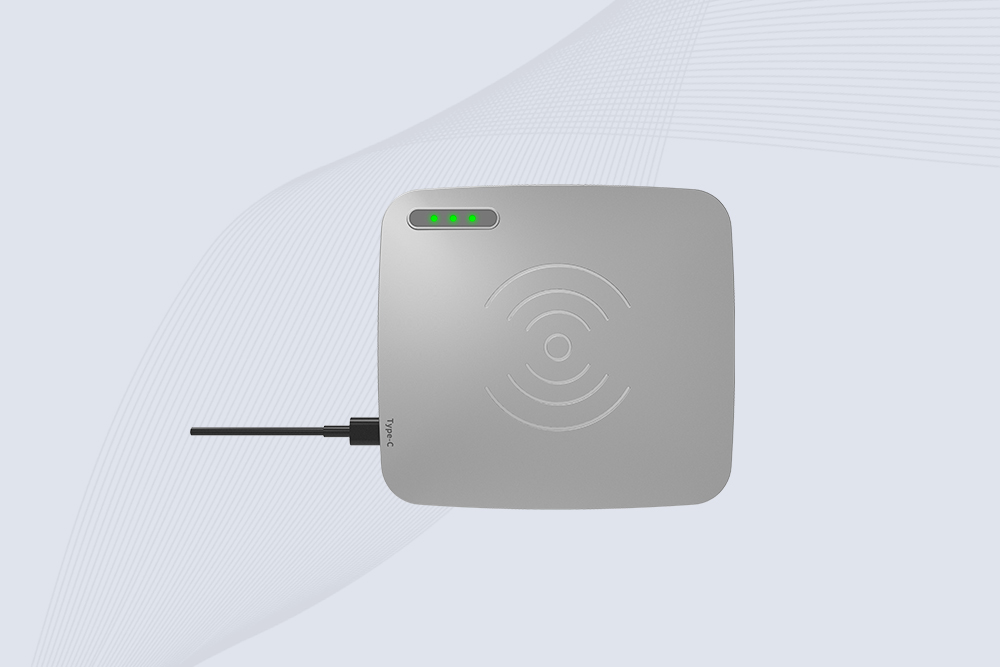
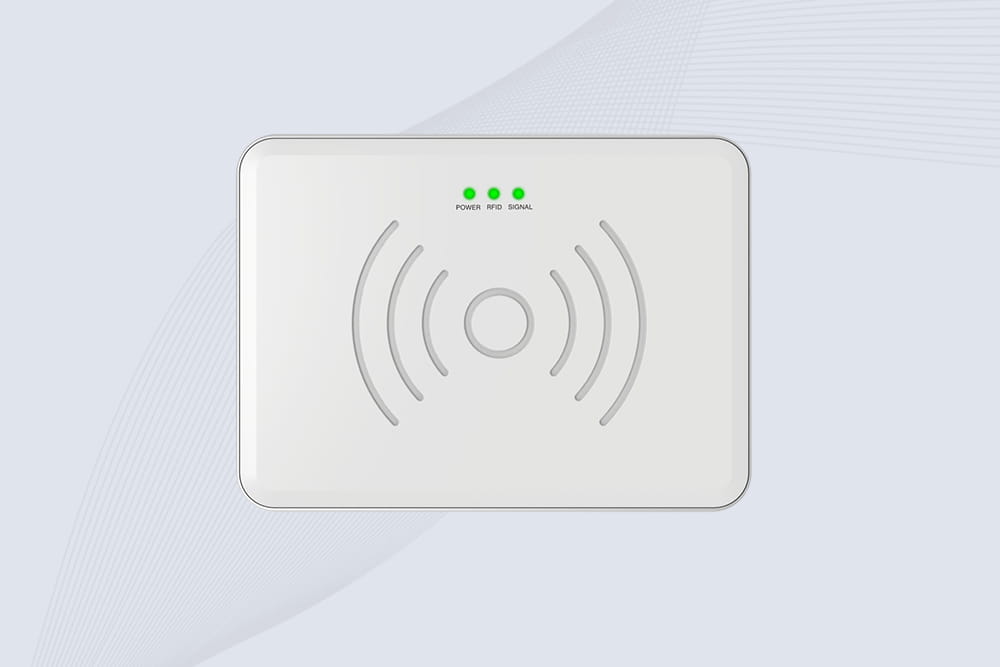
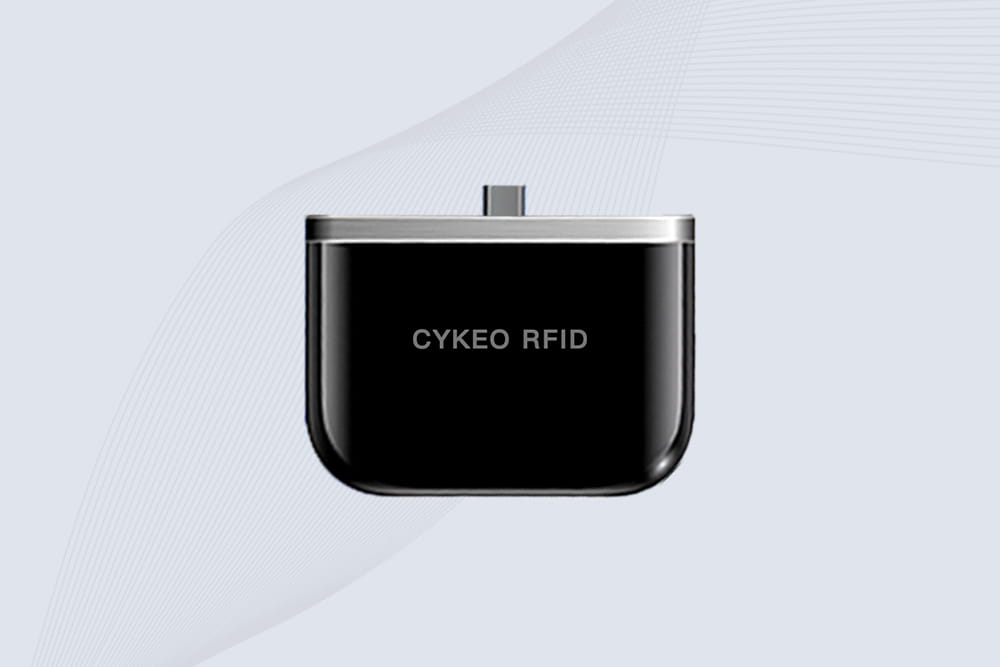
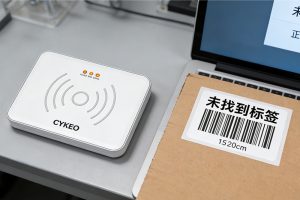
A staff member places a tagged product, document, card, or item near the reader. The reader connects to a computer, and the tag information is transferred into the application.
This can work well for:
Desktop inventory
Tag registration
Product identification
Library systems
Retail workstations
RFID development
Testing
Embedded applications
Cykeo positions its USB RFID readers for plug-and-play and desktop-oriented applications, with models using USB interfaces such as USB-C or USB 3.0 depending on the product.
For a small workstation, using a large industrial fixed reader could simply be unnecessary.
You do not need four antennas, an outdoor enclosure and a long-range reading zone if the operator is holding one item a few centimeters away.
That sounds obvious, but it is surprisingly easy to over-specify an RFID project.
Portable RFID Reader: Mobile Without Carrying a Full Handheld
Portable RFID readers sit somewhere between a handheld RFID terminal and a small RFID reader accessory.
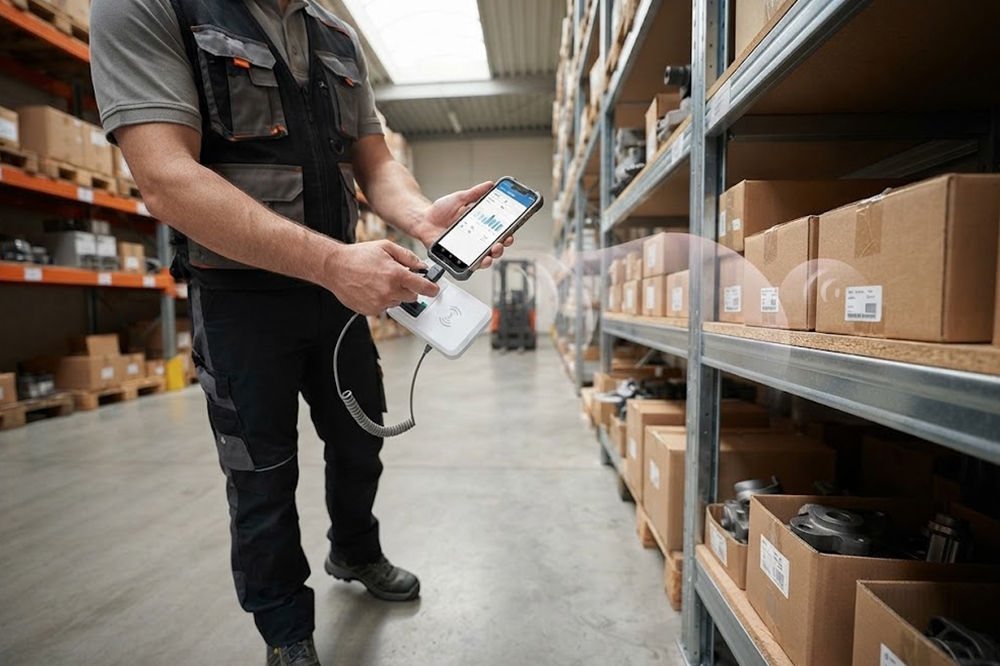
The idea is fairly simple: the RFID reader can be carried around while using another device, such as a smartphone or tablet, as the user interface.
This can be useful when a company already has a mobile application.
Instead of buying a completely new industrial handheld computer, the customer may prefer an RFID reader that communicates with an existing Android or iOS device.
Typical applications include:
Mobile inventory
Retail stock checks
Asset tracking
Field service
Equipment inspection
Mobile RFID applications
The advantage is flexibility.
The limitation is that the final user experience depends partly on the phone, application and communication method. Bluetooth, USB-C, operating-system compatibility and software support all need to be checked before purchasing.
For a B2B project, I would not treat “portable” as automatically meaning “better.”
It simply means the hardware is designed around a different workflow.
So Which RFID Reader Should You Choose?
A quick way to narrow it down is to look at how the reader will actually be used.
Application
More Suitable RFID Reader
Warehouse gate
Fixed RFID reader
Conveyor tracking
Fixed RFID reader
Production line
Fixed RFID reader
Forklift tracking
Fixed/forklift RFID reader
Manual inventory
Handheld RFID reader
Tool inspection
Handheld RFID reader
Desktop workstation
USB RFID reader
Tag registration
USB RFID reader
Mobile stock checking
Portable RFID reader
Smartphone RFID application
Portable RFID reader
Vehicle identification
Long-range/fixed RFID reader
This is only a starting point.
For example, a warehouse may use several types at the same time.
A fixed reader can automatically record pallet movement at the dock door. Handheld readers can be used for exception handling or cycle counting. USB readers may be installed at workstations for tag registration.
There is no rule saying an RFID project has to use only one type.
What About Long-Range RFID Readers?
Long-range RFID readers deserve separate attention because “long range” is often treated as a product category by itself.
They are generally used when tags need to be identified from a greater distance, such as at vehicle gates, logistics checkpoints or larger reading zones.
Cykeo’s long-range RFID range includes UHF readers and antenna configurations intended for applications such as logistics and vehicle identification.
But again, don’t select one just because the product page says “long range.”
The tag, antenna, mounting position, surrounding materials and local RF conditions can change the result.
A metal-heavy warehouse may behave very differently from an open parking entrance.
A Practical Way to Choose an RFID Reader
If you are buying for your own operation, start with these questions:
Where will the reader be installed?
If it stays at a gate, dock or production line, look at fixed readers first.
Does someone need to carry it?
If yes, handheld or portable readers are probably worth considering.
Is the application mainly desktop-based?
A USB RFID reader may be enough.
How many tags need to be read?
One tag at a workstation is very different from hundreds of tags moving through a warehouse.
How far away are the tags?
Do not use a maximum range number as the only selection criterion.
How will the reader communicate with the software?
For integrators, this can become one of the most important questions. Cykeo provides SDK, API and demo software support for integration with existing software platforms.
What B2B Buyers Should Look at Beyond the Product Name
For distributors and system integrators, the decision is slightly different.
You may not be buying one reader.
You may need 20, 50 or several hundred units for different customer projects.
In that case, look at the product family rather than one model.
Can the supplier provide fixed and mobile options? Can the hardware be integrated into existing software? Are antenna configurations flexible? Is OEM customization available? Can the supplier help when the customer’s installation does not behave exactly like the test environment?
Those questions become more important after the first sample order.
Cykeo describes its RFID readers as hardware for software developers, system integrators, solution providers and enterprise customers, with SDK/API support and technical guidance for reader, antenna and system selection.
For a distributor, having several reader types from one RFID manufacturer can also make product sourcing easier. Instead of searching for one supplier for USB readers, another for fixed readers and another for handheld devices, a broader product portfolio can give you more room to match different customer projects.
If you are sourcing RFID readers for distribution, OEM equipment or a new RFID system, it is worth discussing the actual application before choosing the model.
The main types include fixed, handheld, USB, portable and long-range RFID readers. The right choice depends on installation, reading distance, mobility, tag volume and software requirements.
Is a fixed RFID reader better than a handheld reader?
Not necessarily. Fixed readers are better for automatic, continuous tracking, while handheld readers are more useful for inventory checks, asset inspection and situations where an operator needs to move around.
What is a USB RFID reader used for?
USB RFID readers are commonly used for desktop applications, tag registration, product identification, testing and workstation-based RFID systems where long reading distances are not required.
Can one RFID project use different types of readers?
Yes. A warehouse, for example, may use fixed readers at dock doors, handheld readers for cycle counting and USB readers at workstations. Different readers can handle different parts of the same workflow.
How do I choose an RFID reader for a wholesale project?
Start with the customer’s application, reading distance, tag volume, installation environment and software interface requirements. For larger orders, also consider the supplier’s product range, customization capability and technical support.
SSD-D3AL is a USB-HID UHF RFID reader with 0–30 cm reading, 0–15 cm writing, over 600 tags/s recognition, USB plug-and-play operation and OEM Logo customization.
SSD-D1AL is a compact USB UHF RFID reader with Impinj E710/X3M1 chipset, USB-HID, 600+ tags/s recognition, 4/8/16 antenna support and plug-and-play USB power.
SSD-R16L Multi-Channel RFID Infrastructure for Automated Inventory Management ✔️ 16-Port High-Density RFID Reading Equipped with 16 SMA antenna ports, SSD-R16L supports multi-antenna deployment for warehouses, retail stores, logistics, production lines, and large-area RFID identification. ✔️ High-Speed & Long-Range Performance With up to 33…
SSD-R8L 8-port UHF RFID reader with 33dBm output, up to 20m reading range and 600+ tags/s recognition. Ideal for warehouse, logistics, retail and asset tracking.
CYKEO CYKEO-D1LA USB RFID Reader is a compact desktop solution with near-field control for precise tag reading and encoding. Powered by USB, supporting ISO 18000-6C, and built for stable batch writing, this usb rfid tag reader fits retail, libraries, offices, and controlled RFID encoding tasks.
CYKEO CYKEO-D1L RFID scanner USB is a compact desktop UHF RFID scanner designed for short-range tag writing and verification. This usb rfid scanner supports batch encoding, stable 0–26 dBm output, and works across Windows, Linux, and Android systems.
CYKEO CYKEO-D1C USB RFID Card Reader is a near-field UHF desktop writer designed for secure, short-range tag encoding. With USB-C connectivity and stable 26 dBm output, this rfid reader usb c is ideal for badge issuance, label encoding, and controlled desktop RFID workflows.
CYKEO CYKEO-D2L RFID Reader USB is a compact desktop encoder built on the Impinj R500 chip. With near-field control and stable USB power, this usb rfid card reader delivers precise tag writing for offices, retail counters, and small-scale logistics encoding tasks.
CYKEO CYKEO-D3L USB RFID Tag Reader delivers stable UHF tag reading and writing for daily desktop and light industrial tasks. Designed for controlled short-range operation, this USB RFID Tag Reader works reliably with rfid tag and reader systems in libraries, tool tracking, and inventory registration.
The CYKEO CYKEO-D4L UHF RFID Tag Reader is a stable Desktop RFID Reader designed for accurate tag registration, borrowing, and return workflows. Built with the Impinj R2000 chip, this UHF RFID Tag Reader delivers controlled short-range reads for libraries, asset tracking, and inventory management environments.
The CYKEO CYKEO-D5L Desktop RFID Card Reader is a stable UHF RFID Card Reader designed for controlled short-range reading and writing. Built for libraries, tool rooms, and asset desks, this UHF RFID Card Reader supports dense tag handling, secure data processing, and easy USB integration.
The CYKEO CYKEO-D6L RFID Reader Writer is a heavy-duty Desktop RFID Reader designed for short-range, high-accuracy tag programming. Built for libraries, labs, and asset desks, this RFID Reader Writer supports batch processing, stable 33dBm output, and seamless integration with existing management systems.
Cykeo CYKEO-D8A embedded RFID badge reader offers 30+ tags/sec scanning, 20cm anti-crosstalk precision, and DC 12V power for unmanned stores, warehouses, and smart inventory systems.
Cykeo’s CYKEO-D8C UHF RFID gate reader achieves 200-tag/batch scanning with adjustable power control, ideal for retail inventory and smart warehouse management.
Cykeo CYKEO-B5L portable iPhone RFID reader features 8m range, 500 tags/sec scanning, and built-in 10000mAh charger. Perfect for retail/warehouse teams needing iOS integration.
Cykeo CYKEO-B4L Android RFID reader features 37g magnetic phone attachment, 30cm UHF scanning, and Java/C# SDK for mobile asset tracking. Ideal for anti-counterfeit and warehouse verification.
Cykeo CYKEO-C1 industrial Forklift RFID Reader features 20m read range, 600 tags/sec scanning, Impinj R2000 chipset, and IP67 rugged design. Ideal for warehouse logistics and manufacturing. Supports ISO 18000-6C/6B protocols.
Cykeo CYKEO-R4 industrial UHF RFID Fixed Reader features 4 TNC ports, 400+ tags/sec speed, IP67 housing, and global frequency compliance for vehicle inspection, smart warehouse, and asset management systems.
CYKEO CYKEO-R8L Fixed RFID Reader with 8-port UHF design, Impinj-based RF core and up to 20m read range. An industrial Fixed RFID Reader for vehicle inspection, warehouse portals, smart manufacturing lines and secure access checkpoints.
RFID Fixed Reader from CYKEO – the CYKEO-R16L 16-port UHF fixed reader for warehouses, smart cabinets, and production lines. Long-range, multi-tag reading, stable performance for 24/7 industrial use.
RFID Industry Writer | IoT & Asset Tracking Analyst
James writes about RFID technology, asset tracking, and the practical challenges of digital transformation across warehousing, retail, manufacturing, and logistics.
His work focuses on how RFID is applied in real-world operations—improving inventory visibility, automating workflows, and helping businesses manage assets with greater accuracy and efficiency.
He regularly covers topics including UHF RFID, smart cabinets, RFID portals, tool tracking, warehouse automation, and industrial IoT trends..
Learn how tools/equipment tracking with RFID technology reduces loss, saves time, and improves accountability. Implementation guide for industrial, construction, and healthcare operations. Expert guidance from CYKEO engineers.
Can a high frequency RFID scanner read UHF tags? No—and here’s why. Learn the real differences between 13.56 MHz HF and 860–960 MHz UHF RFID systems, including physics, protocols, read range, and dual-frequency reader options.
Got a single RC522 module? Learn what to do with RC522 RFID module 1pc. We cover real first-step projects like a simple lock or logger to get you started.
Wondering "how can I read 1000 RFID tags"? Discover tunnel systems, anti-collision optimization, hardware selection, and real-world strategies for bulk RFID reading with CYKEO.
 Cykeo RFID IoT Solution Products R&D Manufacturer