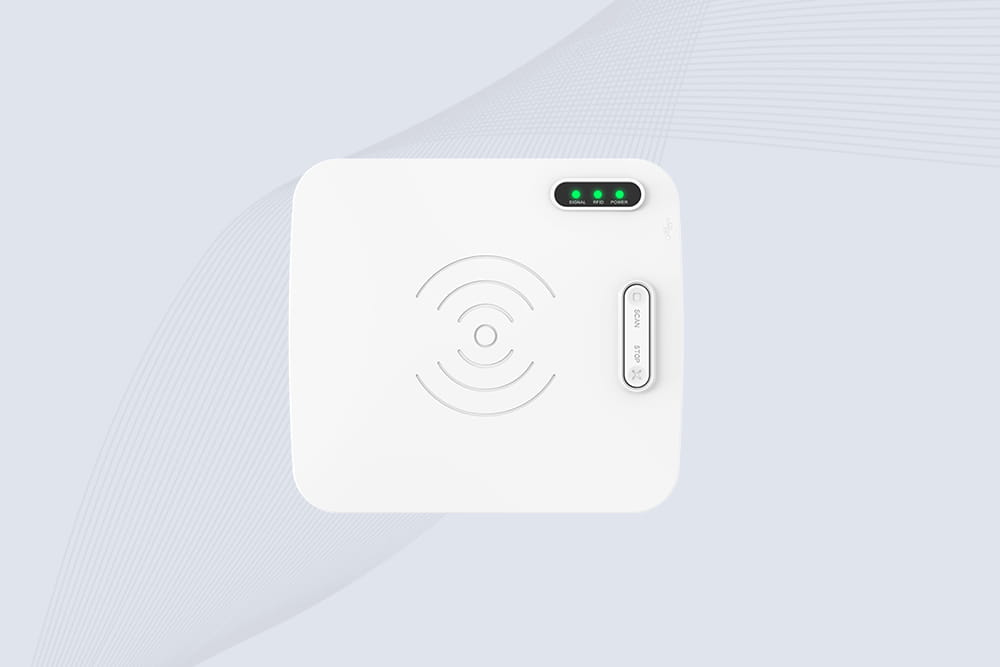
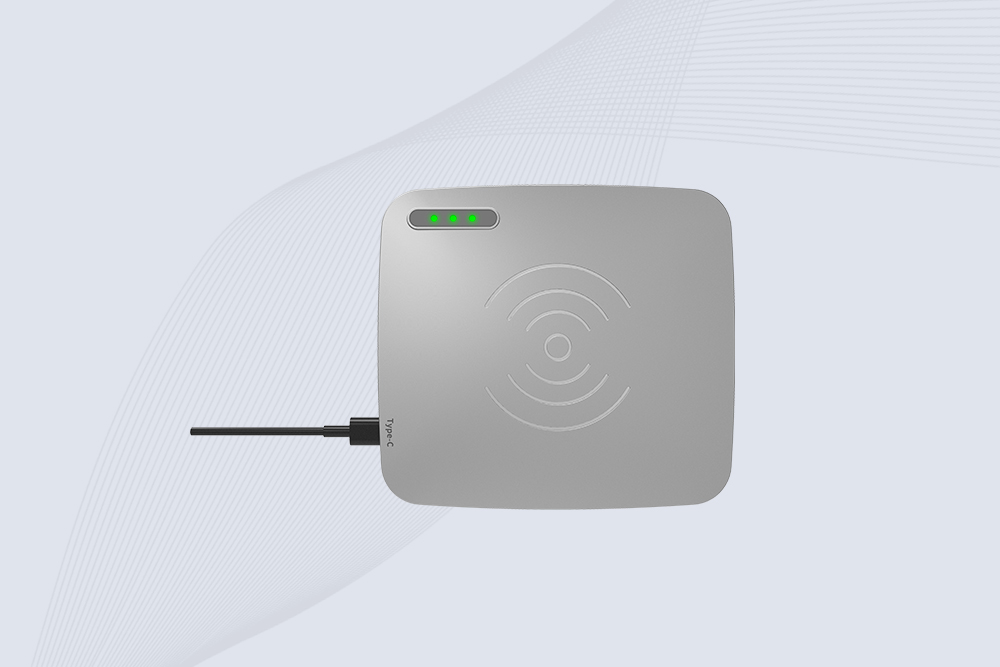
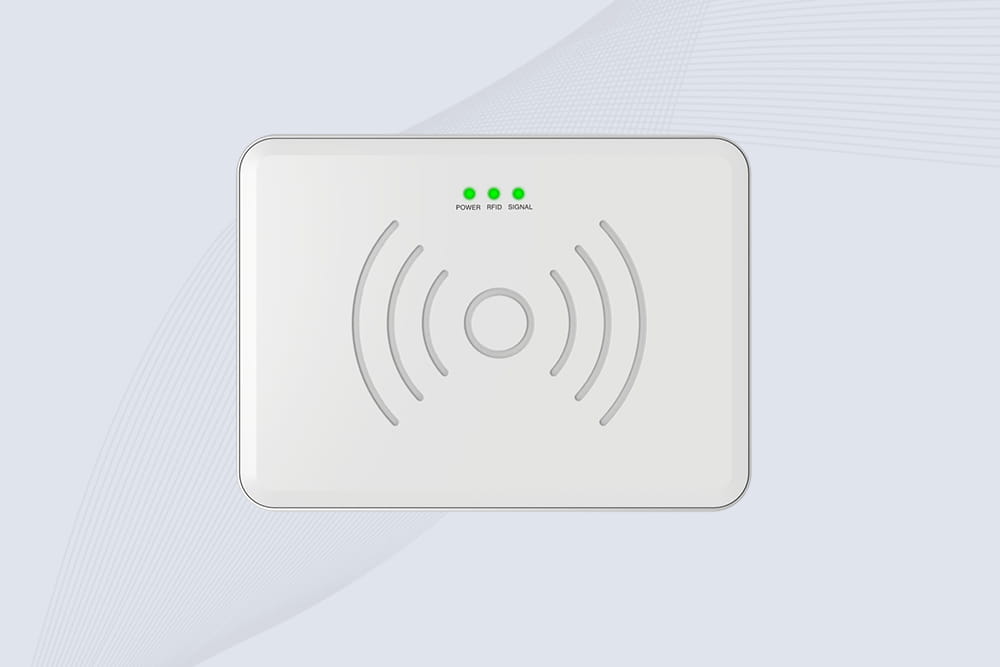
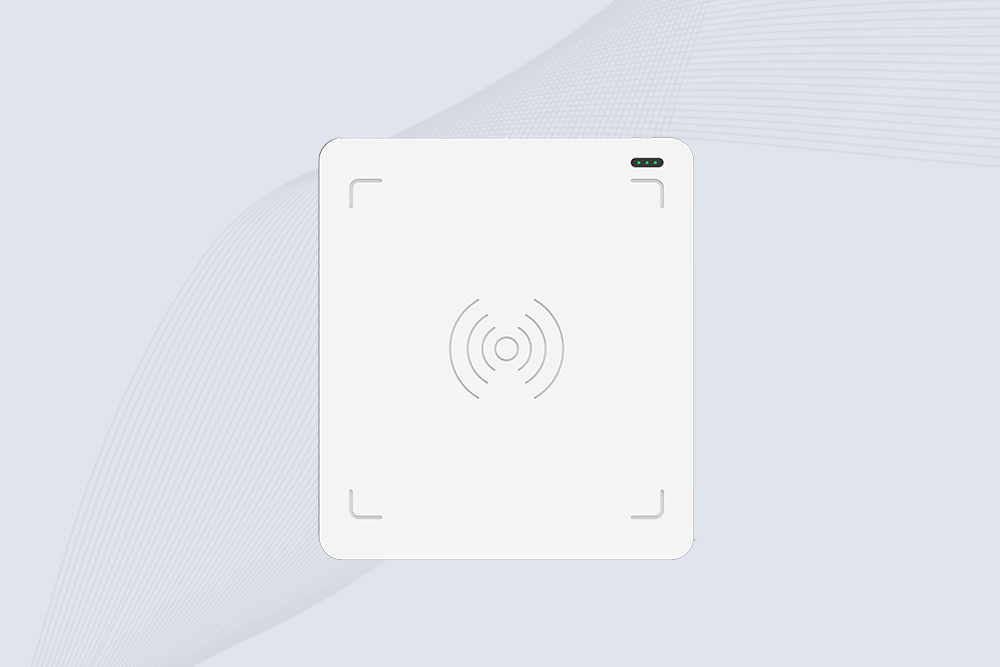
A USB RFID reader is the cheapest piece of most RFID projects — and the one your end users touch every single day. When a $60 desktop unit drops its connection or mis-writes tags, nobody cares that the fixed readers above it cost ten times more. That’s why choosing a cheap RFID reader manufacturer for USB hardware needs a different checklist than sourcing portals or dock-door equipment. Price is easy to compare; the parts that break are not.
Here’s how we’d evaluate suppliers, based on what we’ve seen shipping desktop fleets to developers and integrators from Texas to Dubai.
Start With the Chip, Not the Price Tag
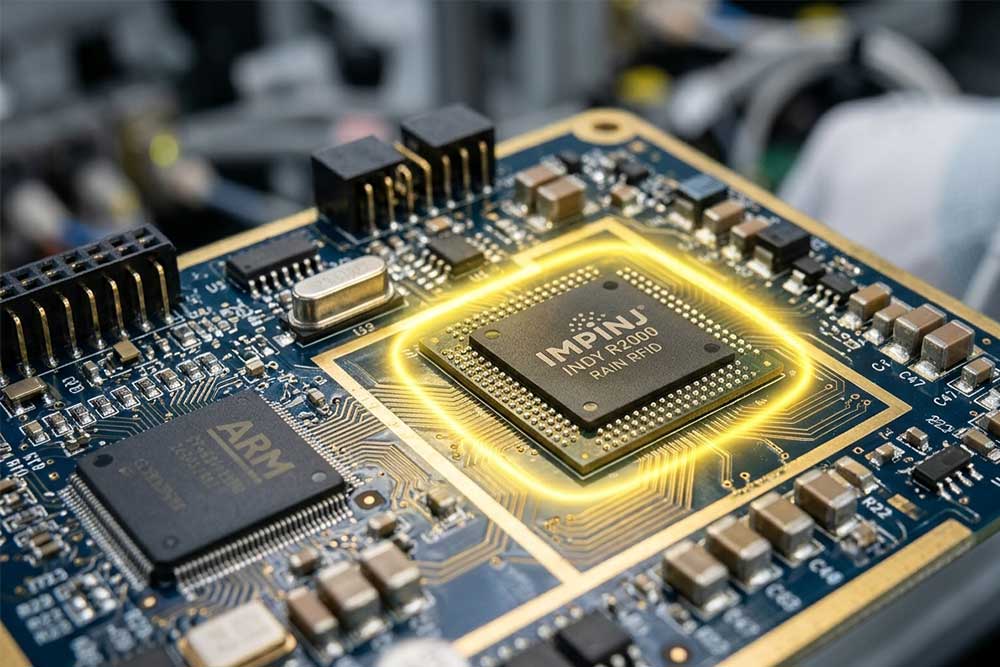
Ask one question first: what’s inside? Desktop UHF readers are typically built around an Impinj E-series or R-series RF core, and the gap between an Impinj-based unit and a generic clone shows up exactly where it hurts — tag sensitivity, write success rate, and behavior with dense tag piles.
A maker using an Impinj E710 or R2000-class core will say so on the product page, the way the CYKEO-D2L USB reader or the SSD-D1AL compact unit do. A supplier whose datasheet says only “UHF, 902–928 MHz” with no chip name is either embarrassed by the answer or doesn’t know it — and both mean the same thing for your project.
The chip also decides protocol coverage. If you need ISO 18000-6C today and 6B tomorrow, or want firmware-tuned dense-reader mode for library stacks, the RF core has to support it. Buying on price alone here is how projects end up re-purchasing hardware in month three.
Test Drivers and SDK Like Your Software Depends on It — Because It Does
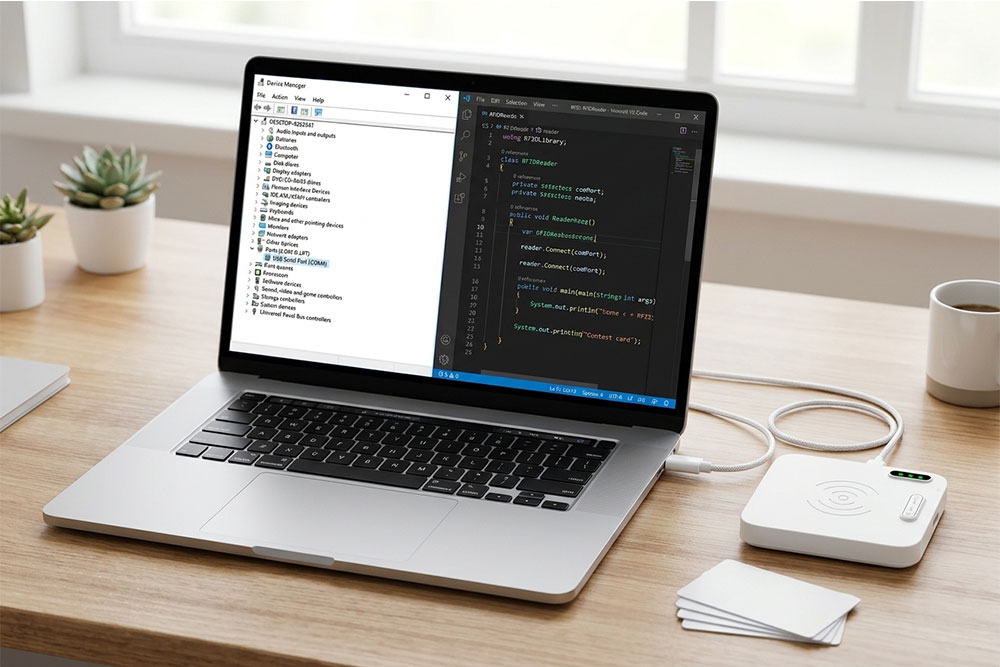
For USB readers, the interface story is where cheap hardware earns its bad reputation. There are two common approaches: USB-HID (the reader shows up as a keyboard/HID device, no driver install) and virtual COM port (requires a driver, breaks silently on OS updates).
HID is usually the safer bet for desktop deployment — plug in, type-out output, done. But verify three things before ordering in volume:
Windows 10 and 11 behavior, including fast user switching and USB power management. If the reader drops after sleep mode, that’s a firmware bug you’ll be reporting for months.
Linux and Android support if your stack needs it — units like the CYKEO-D1L USB scanner publish Windows/Linux/Android support up front.
SDK completeness. You want real documentation, sample code in C#/Java/Python, and a changelog. A manufacturer confident in its hardware gives you the SDK before payment. We built our USB reader product line around open SDK and API access for exactly this reason — developers should be able to prove integration works before they spend real money.
One integrator in Singapore told us the consistent data output across our D1LA and D2L units saved them two to three weeks of integration time. That’s what driver quality is worth in project terms.
Run a Two-Week Sample Test on Real Tags
Desktop readers live or die on two numbers: read consistency and write success rate. Both are easy to test with a small sample batch, and any serious manufacturer will sell you two or three units at sample pricing.
The test routine we recommend:
Batch write 100 tags back to back. Log every failure. A healthy desktop unit should sit above 99% write success; anything below that will generate daily support tickets at the counter.
Re-read every written tag on the same unit and on a different brand’s reader. If your written tags only read on the unit that wrote them, encoding settings are off — or the RF front end is junk.
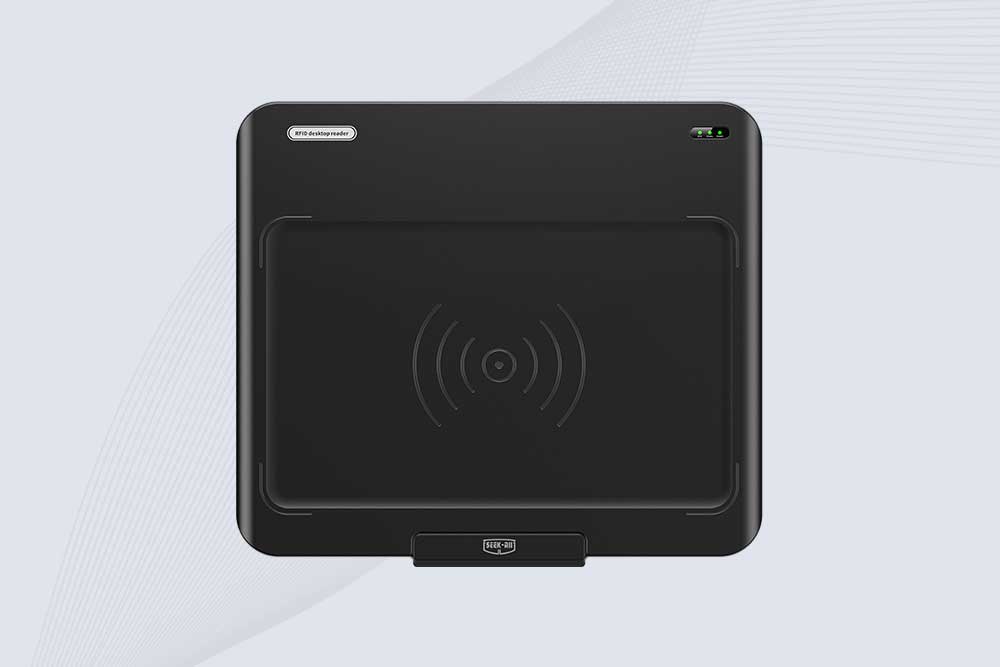
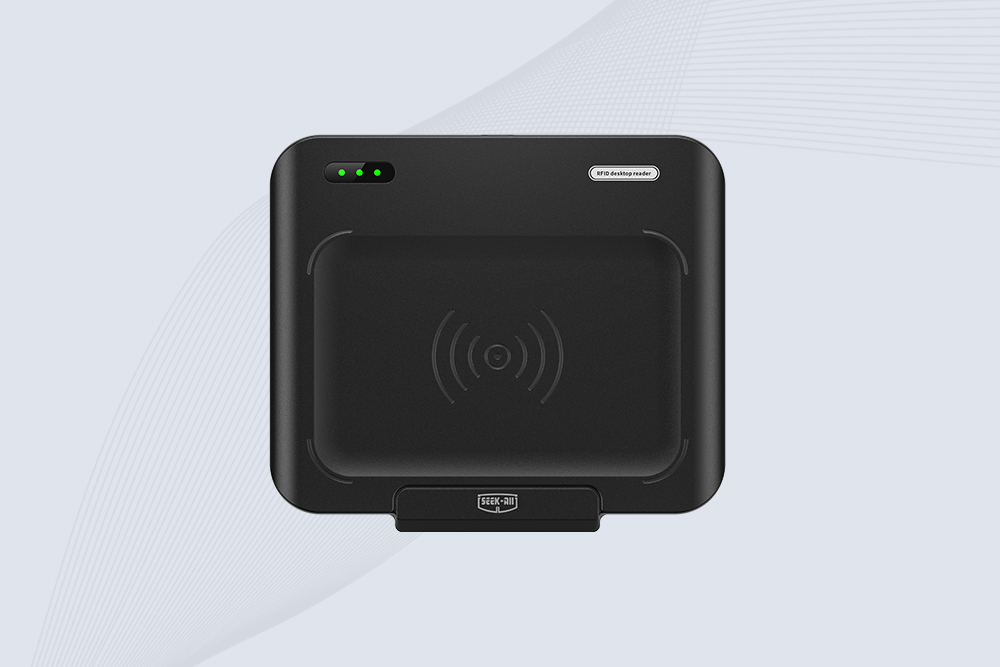
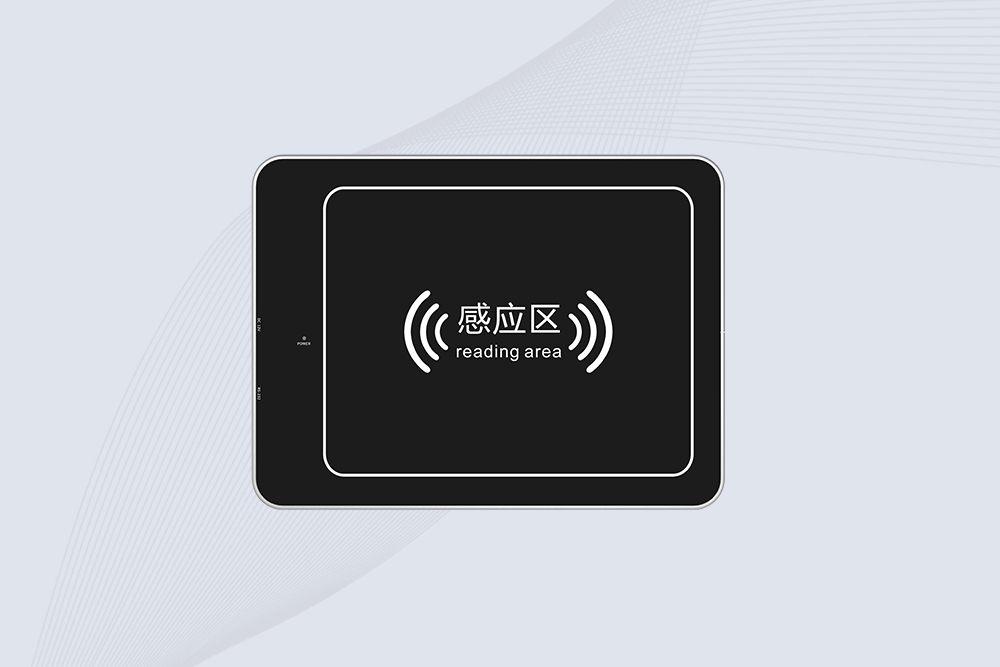
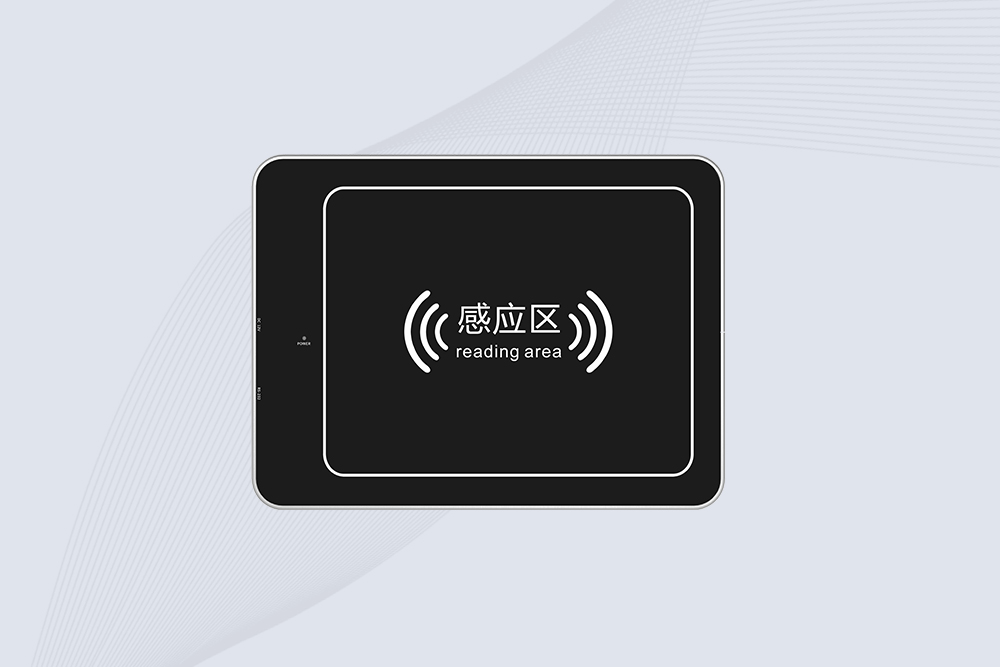
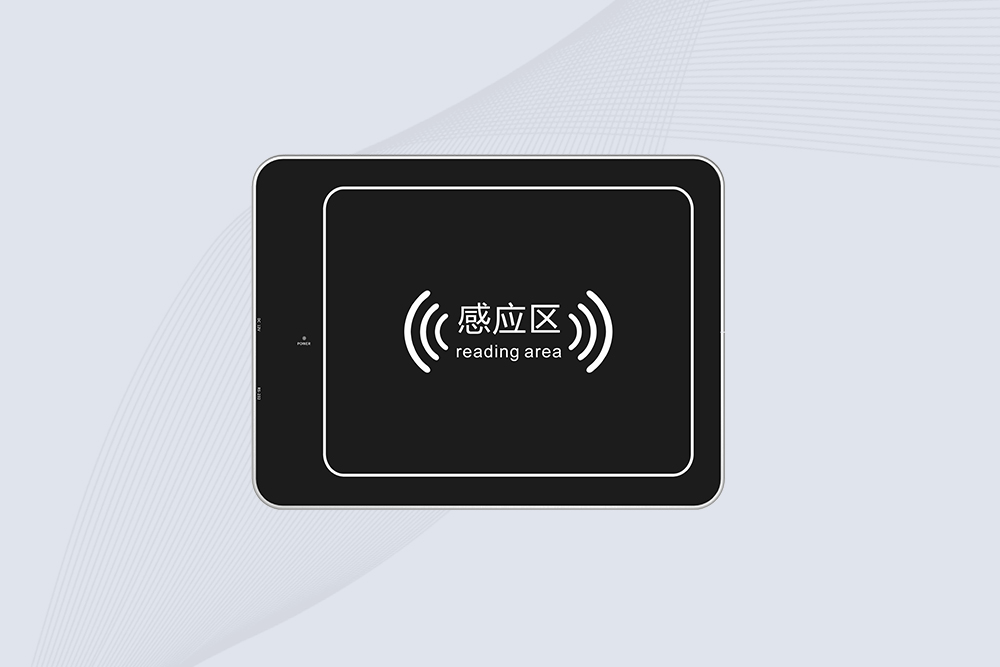
Check near-field control. A good desktop reader confines the read zone. Units like the CYKEO-D4L desktop tag reader use an Impinj R2000 core specifically for controlled short-range reads, so the reader on the desk doesn’t pick up tags from the box on the shelf behind the clerk.
Run eight hours continuous. Cheap power stages get warm and start dropping reads by hour three.
Do this with your actual tag stock, not the supplier’s demo tags. Tag antenna design interacts with reader sensitivity in ways no datasheet predicts.
Check OEM Terms — They Reveal Who Actually Builds the Hardware
If you resell hardware or embed it in a solution, OEM capability is the fastest way to tell a factory from a trading company. Real manufacturers offer, without blinking:
Logo and housing customization at reasonable MOQ — often 100–500 units
Firmware customization, like the Spanish-language output Cykeo built for a Spanish partner
Custom packaging and multi-language quick-start guides
Direct engineer contact during integration, not a ticket queue
Ask each candidate to describe their last three OEM projects. Factories talk about firmware changes and tooling; resellers talk about “we can print your logo on the box.” Both are businesses, but only one can fix a firmware bug for you.
Understand What Factory-Direct Pricing Actually Buys
Realistic factory-direct pricing for USB UHF readers generally runs in tiers: simple HID read-only units at the bottom, desktop read/write units with Impinj cores in the middle, and heavy-duty batch writers like the CYKEO-D6L with 33 dBm stable output at the top. If a quote undercuts the credible tier by 40%, the savings came from somewhere — usually the chip, the power supply, or the warranty you won’t be able to use.
Also price the total: unit, cable, SDK, shipping, and warranty service. A slightly higher quote that includes 24-month warranty and free firmware updates is cheaper than a “cheap” one that doesn’t. For buyers mapping the wider decision, our manufacturer vetting checklist covers fixed readers and factory verification in depth.
Match the Model to the Counter, Then Buy With Confidence
The final step is boring and decisive: list your actual daily workflow and pick the model that matches it. Badge issuance needs near-field precision and fast single-tag writes (the CYKEO-D1C USB-C fits that job). Library desks and tool cribs need dense-tag handling and all-day stability (D5L/D6L territory). Retail POS verification needs consistent output across a fleet (the D3L’s job, per the Mexico retail operator using it across three chains). Buy the sample, run the two-week test, confirm the OEM terms, then scale the order. That sequence has saved every one of our best customers from at least one expensive mistake.
FAQ
Q1: What’s a fair factory-direct price for a USB UHF RFID reader? Read-only HID units typically sit in the $20–50 range, Impinj-core desktop read/write units in the $60–150 range, and heavy-duty batch writers higher. Quotes far below these tiers usually mean a generic RF core or stripped firmware support.
Q2: Do cheap USB readers work on Windows 11 without driver problems? Reputable units do — USB-HID models with maintained firmware install with no driver and survive OS updates. Test sample units on your actual Windows 11 image, including sleep/wake cycles, before bulk ordering.
Q3: Can I get my own logo and firmware language on a small order? Real factories accept OEM branding at 100–500 unit MOQs and can customize firmware languages, output formats, and packaging. If a supplier won’t discuss firmware-level customization, they’re reselling someone else’s product.
Q4: How do I test a USB RFID reader sample properly? Write 100 of your own tags back to back, re-read them on a second reader brand, verify the read zone stays confined to the desktop, and run eight hours continuous. Log every failure rate — those numbers predict your support ticket volume.
Q5: What SDK should come with a USB RFID reader? Full documentation, sample code in your team’s languages, demo software, and access to engineers during integration. Free SDK access before purchase is a strong signal you’re dealing with the actual manufacturer.
SSD-D3AL is a USB-HID UHF RFID reader with 0–30 cm reading, 0–15 cm writing, over 600 tags/s recognition, USB plug-and-play operation and OEM Logo customization.
SSD-D1AL is a compact USB UHF RFID reader with Impinj E710/X3M1 chipset, USB-HID, 600+ tags/s recognition, 4/8/16 antenna support and plug-and-play USB power.
CYKEO CYKEO-D1LA USB RFID Reader is a compact desktop solution with near-field control for precise tag reading and encoding. Powered by USB, supporting ISO 18000-6C, and built for stable batch writing, this usb rfid tag reader fits retail, libraries, offices, and controlled RFID encoding tasks.
CYKEO CYKEO-D1L RFID scanner USB is a compact desktop UHF RFID scanner designed for short-range tag writing and verification. This usb rfid scanner supports batch encoding, stable 0–26 dBm output, and works across Windows, Linux, and Android systems.
CYKEO CYKEO-D1C USB RFID Card Reader is a near-field UHF desktop writer designed for secure, short-range tag encoding. With USB-C connectivity and stable 26 dBm output, this rfid reader usb c is ideal for badge issuance, label encoding, and controlled desktop RFID workflows.
CYKEO CYKEO-D2L RFID Reader USB is a compact desktop encoder built on the Impinj R500 chip. With near-field control and stable USB power, this usb rfid card reader delivers precise tag writing for offices, retail counters, and small-scale logistics encoding tasks.
CYKEO CYKEO-D3L USB RFID Tag Reader delivers stable UHF tag reading and writing for daily desktop and light industrial tasks. Designed for controlled short-range operation, this USB RFID Tag Reader works reliably with rfid tag and reader systems in libraries, tool tracking, and inventory registration.
The CYKEO CYKEO-D4L UHF RFID Tag Reader is a stable Desktop RFID Reader designed for accurate tag registration, borrowing, and return workflows. Built with the Impinj R2000 chip, this UHF RFID Tag Reader delivers controlled short-range reads for libraries, asset tracking, and inventory management environments.
The CYKEO CYKEO-D5L Desktop RFID Card Reader is a stable UHF RFID Card Reader designed for controlled short-range reading and writing. Built for libraries, tool rooms, and asset desks, this UHF RFID Card Reader supports dense tag handling, secure data processing, and easy USB integration.
The CYKEO CYKEO-D6L RFID Reader Writer is a heavy-duty Desktop RFID Reader designed for short-range, high-accuracy tag programming. Built for libraries, labs, and asset desks, this RFID Reader Writer supports batch processing, stable 33dBm output, and seamless integration with existing management systems.
Cykeo CYKEO-D8A embedded RFID badge reader offers 30+ tags/sec scanning, 20cm anti-crosstalk precision, and DC 12V power for unmanned stores, warehouses, and smart inventory systems.
Cykeo’s CYKEO-D8C UHF RFID gate reader achieves 200-tag/batch scanning with adjustable power control, ideal for retail inventory and smart warehouse management.
RFID Industry Writer | IoT & Asset Tracking Analyst
James writes about RFID technology, asset tracking, and the practical challenges of digital transformation across warehousing, retail, manufacturing, and logistics.
His work focuses on how RFID is applied in real-world operations—improving inventory visibility, automating workflows, and helping businesses manage assets with greater accuracy and efficiency.
He regularly covers topics including UHF RFID, smart cabinets, RFID portals, tool tracking, warehouse automation, and industrial IoT trends..
The Android RFID Emulator leverages Host-based Card Emulation (HCE) to turn Android phones into RFID/EPC tags. It enables low-cost testing, access control simulation, and rapid prototyping—making it an essential tool for RFID system integrators an...
Explore how RFID gates for library access control integrate RFID readers and RFID antennas to balance security, user experience, and system stability in modern libraries.
Upgrade your library’s book management with the CK-DP10 RFID system. Speed up returns, reduce errors, and improve efficiency with automated check-ins. Learn how this smart technology enhances user experience and saves costs. Perfect for libraries ...
 Cykeo RFID IoT Solution Products R&D Manufacturer