 Cykeo RFID IoT Solution Products R&D Manufacturer
What Is EPC in RFID?
158Learn what EPC in RFID means, how Electronic Product Codes work, and why EPC data is essential for RFID asset tracking, inventory management, and supply chain visibility.
MoreAll RFID Product
What is rfid and how is it used? RFID is a technology that uses radio waves to automatically identify tagged objects, while its practical uses include inventory tracking, retail, logistics, manufacturing, asset management, access control, and automated identification. An RFID tag stores an identifier, a reader captures it wirelessly, and software turns that reading into usable business data.
GS1 describes RFID as a generic term covering technologies that use radio waves to automatically capture an object’s unique identifier. A typical RFID tag combines a microchip with an antenna, while the reader converts the tag’s response into digital information for computer systems.
That definition sounds straightforward. The engineering is not always.
In an actual installation, the useful result is rarely just “the reader saw a tag.” The system has to determine which tag was read, where the reading happened, whether the event is relevant, and what the business application should do with it.
At Cykeo, this is the part of RFID deployment that tends to require the most practical attention. Reader placement, antenna direction, tag mounting, material, read-zone control, communication interfaces, and software logic all influence the final result.
An RFID system normally contains four working elements:
The tag does not have to be visually exposed to the reader in the same way a barcode does. This is one reason RFID is useful when individual scanning becomes slow or impractical.
A simplified UHF RFID transaction looks like this:
Reader → RF field → Tag response → Reader → Digital data → Application
For passive UHF RFID, the tag receives energy from the reader’s RF field and responds with its stored information. GS1 identifies passive UHF RFID, also known as RAIN RFID, as operating in the 860–930 MHz range and notes applications including fast asset identification, inventory, and tracking. Depending on the environment, read ranges can reach up to 10 meters.
The important word is environment.
A ten-meter figure on a product sheet does not mean every tag will reliably read at ten meters after being attached to a liquid container, metal asset, densely packed carton, or folded garment. The tag and its mounting surface become part of the RF system.
RFID is not one single radio technology. Frequency changes the behavior of the system and often influences the application.
| RFID type | Typical frequency | Typical characteristics | Common uses |
|---|---|---|---|
| LF RFID | 125–134 kHz | Short range, relatively resistant to interference | Animal identification, physical access control |
| HF RFID | 13.56 MHz | Shorter-range identification | Ticketing, payment, documents, item tracking |
| UHF / RAIN RFID | 860–930 MHz | Faster, longer-range identification | Inventory, logistics, retail, asset tracking |
GS1 reports typical LF read ranges of approximately 10–50 cm and HF ranges of roughly 10 cm–1 m, while passive UHF/RAIN RFID can reach considerably farther depending on conditions.
That is why asking for “the best RFID” without defining the application is usually the wrong starting point.
A library book, contactless card, livestock identifier, retail garment, warehouse pallet, and industrial tool can require very different RFID configurations.
RFID is most valuable where an organization repeatedly needs to identify physical objects and connect those objects with digital records.
Retail is one of the strongest examples because merchandise can receive an electronic identity before reaching the sales floor.
A garment carrying a UHF RFID tag can be identified during receiving, moved into inventory records, counted with a handheld reader, located during store operations, or evaluated at a security gate.
Auburn University RFID Lab research on apparel has examined item-level RFID for inventory accuracy, out-of-stocks, cycle counting, and loss prevention. In its Dillard’s research, RFID provided information about what was stolen, when it was stolen, and where it was stolen.
The value is therefore broader than replacing a barcode scan. RFID can create a more continuous connection between a physical item and its digital record.
In a warehouse, RFID can identify cartons, pallets, containers, or individual products at receiving and shipping points.
A practical deployment might look like:
Receiving → Tag identification → Inventory update → Storage → Picking → Shipping verification
The process can be automated further with fixed readers, antennas, conveyor portals, handheld readers, or RFID-enabled workstations.
Auburn research has also demonstrated the value of RFID-enabled inventory visibility in field environments. One study covered 13 stores over 23 weeks and reported approximately a 26% reduction in inventory record inaccuracy when RFID-enabled inventory adjustments were used.
That result should not be treated as a universal RFID performance guarantee. It came from a specific field experiment. What it does demonstrate is the type of operational problem RFID can address: the gap between what the system says is physically present and what is actually there.

Inventory tracking is only one part of the picture.
RFID is also used for:
The application determines the reader, antenna, tag, frequency, mounting method, and software architecture. RFID should therefore be designed around the physical workflow first, rather than selecting a reader simply because it has the longest advertised range.
When we evaluate an RFID application at Cykeo, the first useful question is often not “How many tags per second can the reader process?”
It is “What physical event are we trying to capture?”
A warehouse may need a carton to be identified as it crosses a loading doorway. A retail store may need a garment to be distinguished from stationary merchandise near an exit. A library may need several books recognized while a visitor passes through a gate.
Those are three different read-zone problems, even though all three use RFID.
This is why reader sensitivity, antenna positioning, tag orientation, RF power, filtering, anti-collision behavior, communication interfaces, and application logic need to be considered together.
An RFID system only works well when the tag, reader, antenna, and application are treated as one system.
An RFID tag normally contains an integrated circuit and antenna. The chip provides the electronic identity and, depending on the tag type and memory configuration, can hold additional information.
For passive UHF applications, the tag does not require its own battery. The reader’s RF field provides the energy needed for the tag to respond.
Tag construction matters more than it may appear. A label designed for corrugated cardboard is not automatically suitable for a steel tool, liquid container, or industrial machine. At Cykeo, tag selection is therefore normally considered together with the actual mounting surface and orientation rather than as an isolated purchasing decision.
The reader generates and receives the RF communication required to identify tags.
Different installations call for different reader forms:
A fixed reader may be technically capable of reading tags across a large area, but a large read zone is not always desirable. In a retail exit, for instance, reading a rack of merchandise behind the doorway can create more problems than it solves.
The antenna determines how RF energy is distributed around the reading area. Its orientation, gain, mounting position, polarization, and physical surroundings can change the behavior of the complete installation.
This is why an RFID project that works perfectly on a workbench can behave differently after installation in a warehouse, store, library, or factory.
One of the most common questions after learning what RFID is involves the difference between passive and active tags.
| Characteristic | Passive RFID | Active RFID |
|---|---|---|
| Tag battery | No internal battery in conventional passive tags | Battery-powered |
| Reader interaction | Tag responds to reader field | Tag can actively transmit |
| Typical tag size | Often compact | Usually larger |
| Maintenance | No tag battery replacement | Battery management required |
| Typical applications | Retail, inventory, logistics, asset identification | Longer-range asset/location applications |
Passive RFID is particularly attractive when thousands of objects need inexpensive electronic identification. Active RFID becomes more relevant when the application requires a battery-powered transmitter or different location-monitoring characteristics.
For many retail and warehouse deployments, passive UHF RFID provides the practical balance between tag simplicity and automated identification.
RFID does not automatically make barcodes obsolete.
A barcode is inexpensive, familiar, and effective when an operator can present one item to a scanner. RFID becomes more attractive when the workflow involves repeated manual scanning, difficult physical access, multiple objects, or automated identification.
| Requirement | Barcode | RFID |
|---|---|---|
| Visual line of sight | Usually required | Not required in the same way |
| Individual scanning | Common | Multiple tags can be identified |
| Printed information | Easy to display | Usually requires a reader/application |
| Bulk identification | Limited | Strong advantage |
| Dirty or damaged label | Can affect optical reading | RF performance depends on tag/environment |
| Automated portal reading | Possible with suitable systems | Common UHF RFID use case |
In a warehouse, the difference can be obvious. A worker does not necessarily need to aim a scanner at every carton individually when an RFID portal is designed to identify tagged cartons as they pass through a defined zone.
But RFID still needs engineering. Metal, liquids, tag orientation, RF reflections, interference, and nearby tags can all influence results.
This is one of the areas where field experience matters most.
A reader should not simply be turned up to maximum power and left to run. The objective is to establish a controlled read zone that captures the intended tags while limiting unintended reads.
During deployment, practical checks should include:
For a fixed RFID system, the installation should be tested with the real products, not only with a sample tag held in an ideal position.
That distinction becomes especially important for retail security gates. A garment hanging flat on a rack can behave differently from the same garment folded inside a shopping bag and moving quickly through a doorway.
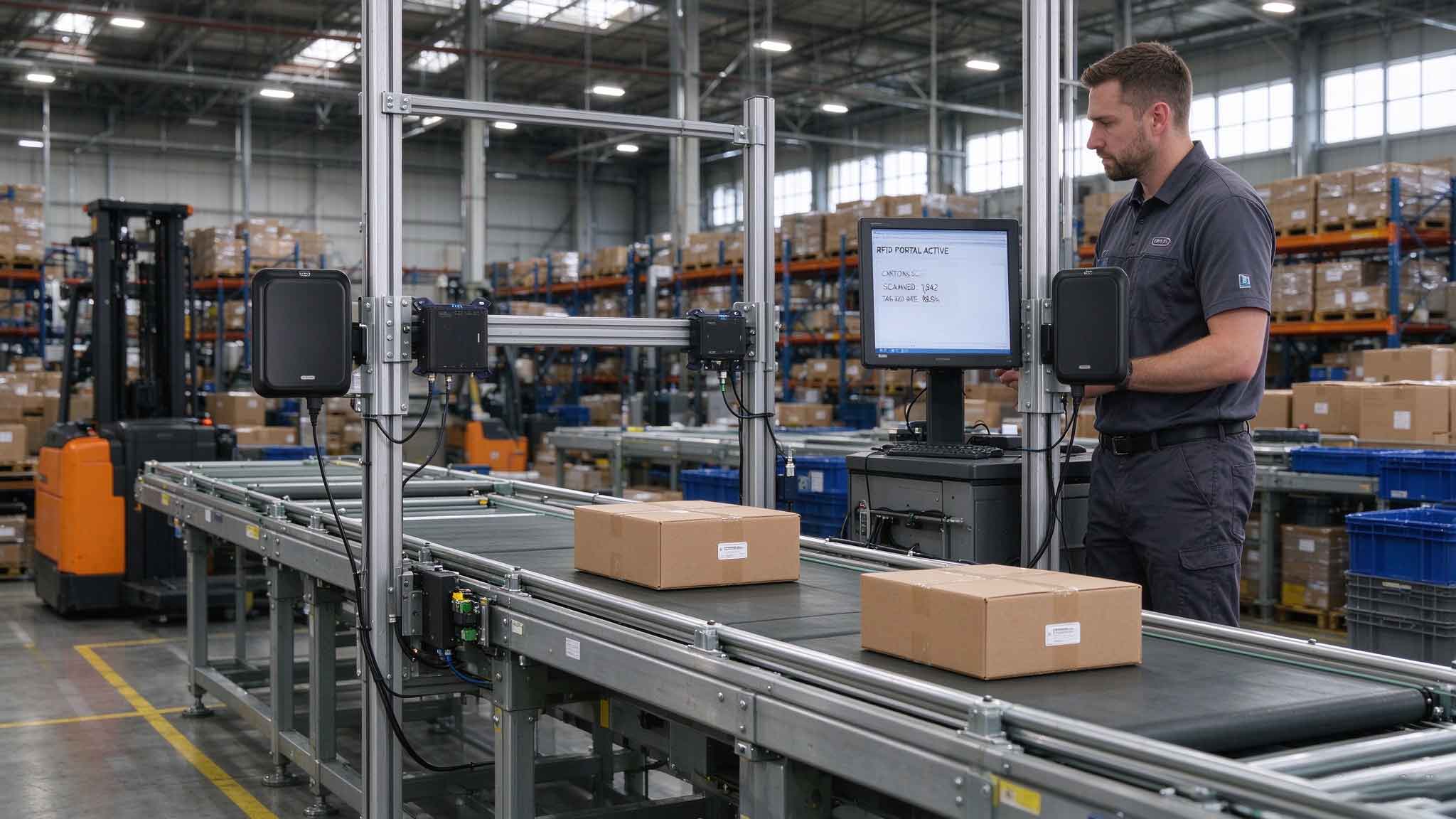
The same RFID principle can produce very different business results depending on the workflow.
RFID can associate components, work-in-process materials, tools, containers, or finished products with digital records. Fixed readers can capture movement at defined production points, while handheld devices can support inspections and inventory work.
Books can carry RFID tags that support identification during circulation, inventory, sorting, security, and self-service workflows. A properly designed RFID gate can also combine item identification with people-counting functions.
Reusable tools and equipment can receive unique RFID identities. Instead of relying entirely on handwritten records or visual identification, staff can use RFID readers to associate physical assets with electronic records.
Reusable textiles are repeatedly moved, washed, sorted, stored, and redistributed. RFID can provide an electronic identity that follows the physical item through these stages.
RFID-tagged merchandise can be evaluated at store exits. A security gate can combine RFID identification, infrared triggering, tag-state judgment, filtering, and audible/visual alarms.
The common factor is not the industry itself. It is the need to repeatedly connect physical objects with digital events.
RFID is a wireless identification technology that uses radio-frequency communication between tags and readers. It is used for inventory, logistics, retail, asset tracking, manufacturing, libraries, access control, and other applications where physical objects need electronic identification.
An RFID tag provides an electronic identity for a physical object. Depending on the application, it can be attached to clothing, cartons, pallets, books, tools, equipment, containers, or other assets.
Yes. UHF RFID systems are specifically designed to communicate with multiple tags using anti-collision procedures. This makes multi-tag identification practical for inventory, logistics, retail, and portal applications.
No. RFID does not require the same optical line of sight as a conventional barcode. However, the RF field still needs to interact effectively with the tag, and materials, orientation, distance, antenna configuration, and interference can affect the result.
A barcode is normally scanned optically, while RFID communicates wirelessly between a reader and tag. RFID can identify multiple tagged objects without individually presenting each label to a scanner, making it useful for automated inventory and portal applications.
There is no single implementation cost. The total system depends on the tag, reader, antenna, software, installation, communication infrastructure, and operating environment. A small desktop system and an automated warehouse portal have very different requirements.
What is rfid and how is it used is ultimately a question about connecting physical objects to digital processes.
The RFID tag provides identity. The reader and antenna establish communication. The software decides what the captured event means.
That final step is where many deployments succeed or fail.
A warehouse does not simply need “RFID.” It needs cartons recognized at the right doorway. A retailer may need garments identified without triggering on stationary merchandise. A library may need books counted, identified, and associated with visitor movement.
At Cykeo, we approach RFID from that physical operating point backward: what needs to be identified, where it moves, how fast it moves, what surrounds the tag, and what the host system needs to receive. The reader specification is only one part of the answer.
For this reason, what is rfid and how is it used has no single application-specific answer. RFID is a flexible identification technology whose effectiveness depends on matching the frequency, tag, reader, antenna, installation, and software to the actual job.
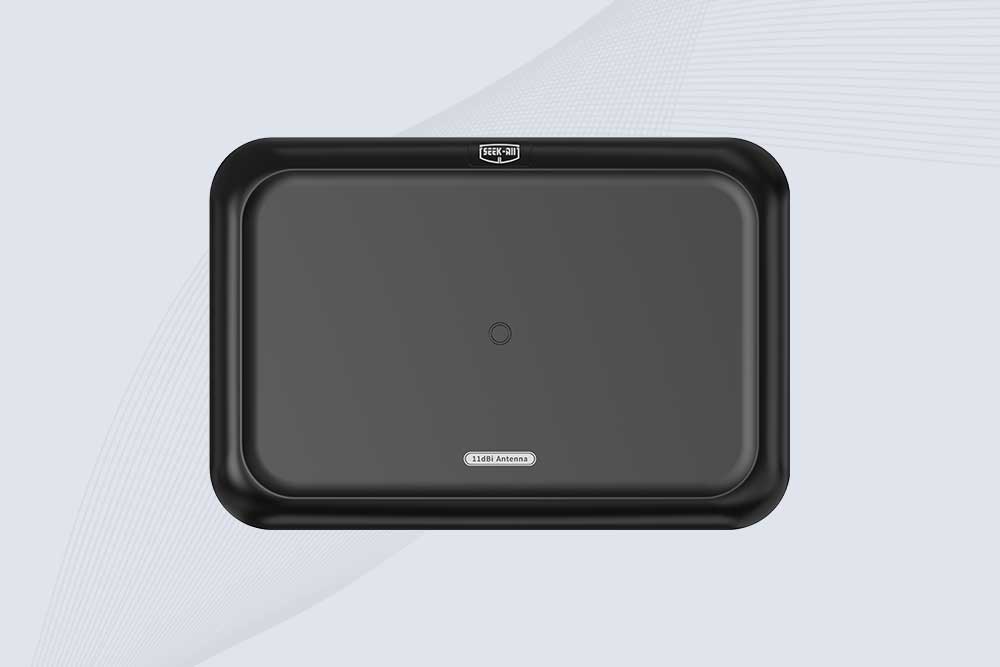
SSD-A11 UHF RFID antenna features 840–960 MHz adjustable frequency, ≥10.5 dBi gain, circular polarization and 50Ω impedance for fixed RFID systems.
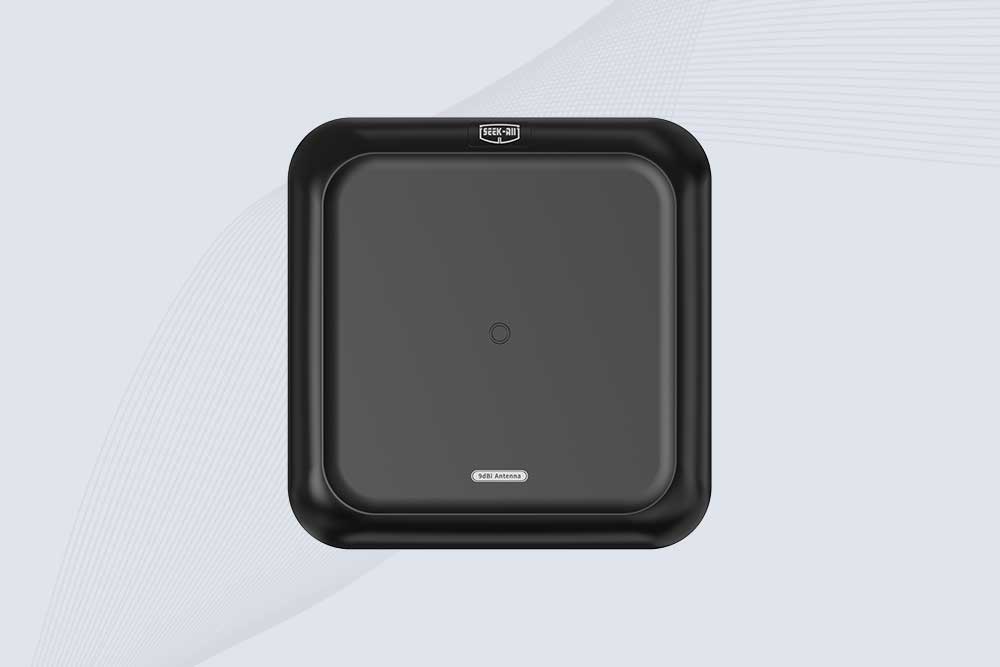
SSD-A09 is a 9 dBi UHF RFID antenna with 840–960 MHz adjustable frequency, circular polarization, 50Ω impedance and directional 60° × 60° coverage.
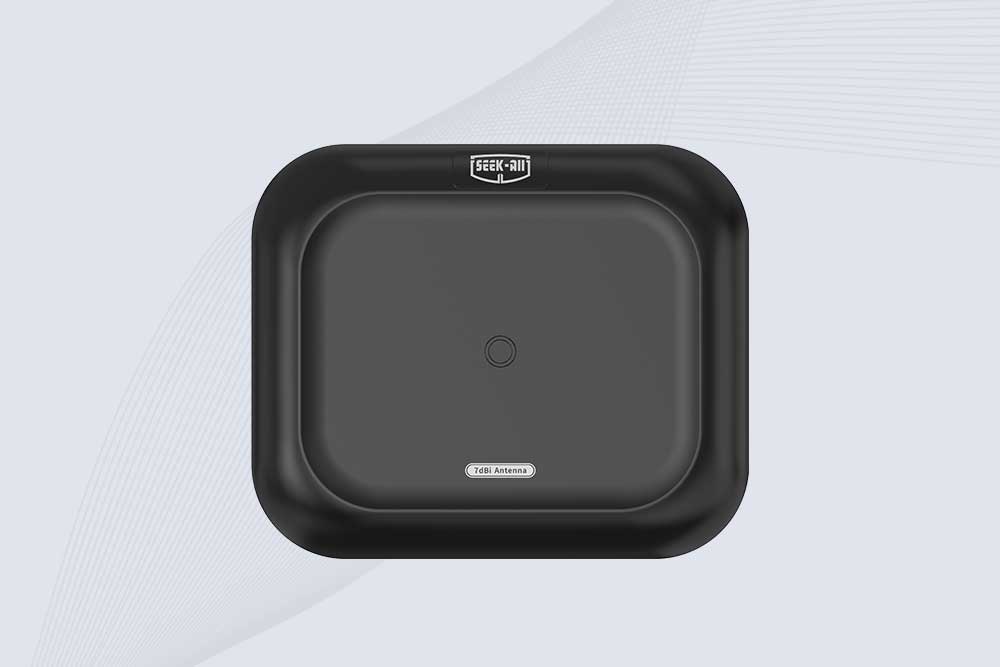
Explore the SSD-A07 UHF RFID antenna with 7 dBi gain, circular polarization, adjustable 840–960 MHz frequency, and 60°/75° beamwidth for stable RFID read/write performance.

SSD-A06 UHF RFID antenna with circular polarization, adjustable 840–960 MHz frequency, ≥4.5 dBi gain, and a compact directional design for RFID systems.
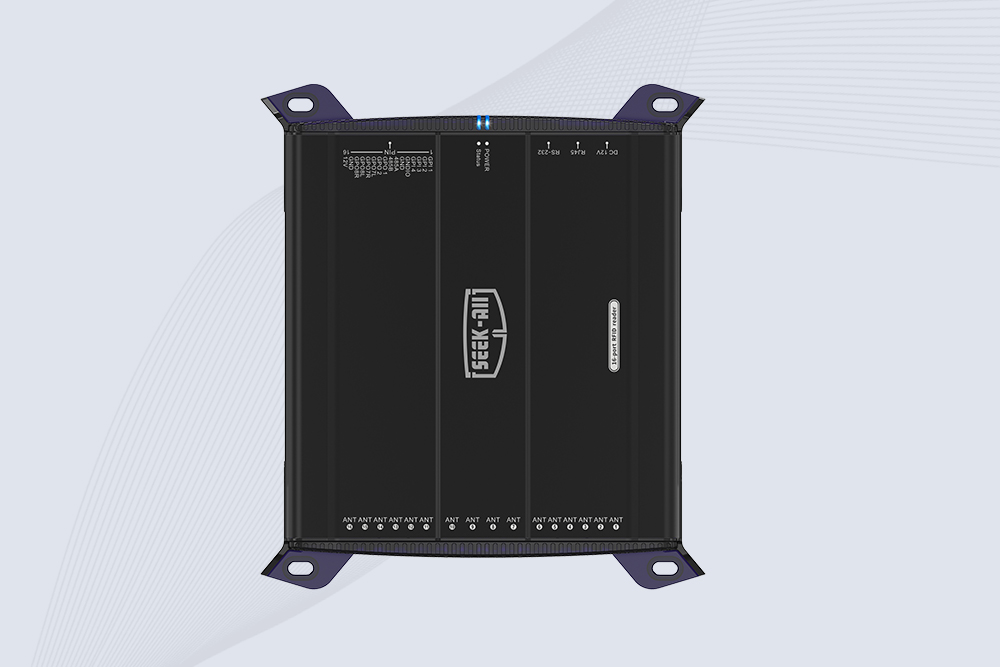
SSD-R16L Multi-Channel RFID Infrastructure for Automated Inventory Management ✔️ 16-Port High-Density RFID Reading Equipped with 16 SMA antenna ports, SSD-R16L supports multi-antenna deployment for warehouses, retail stores, logistics, production lines, and large-area RFID identification. ✔️ High-Speed & Long-Range Performance With up to 33…
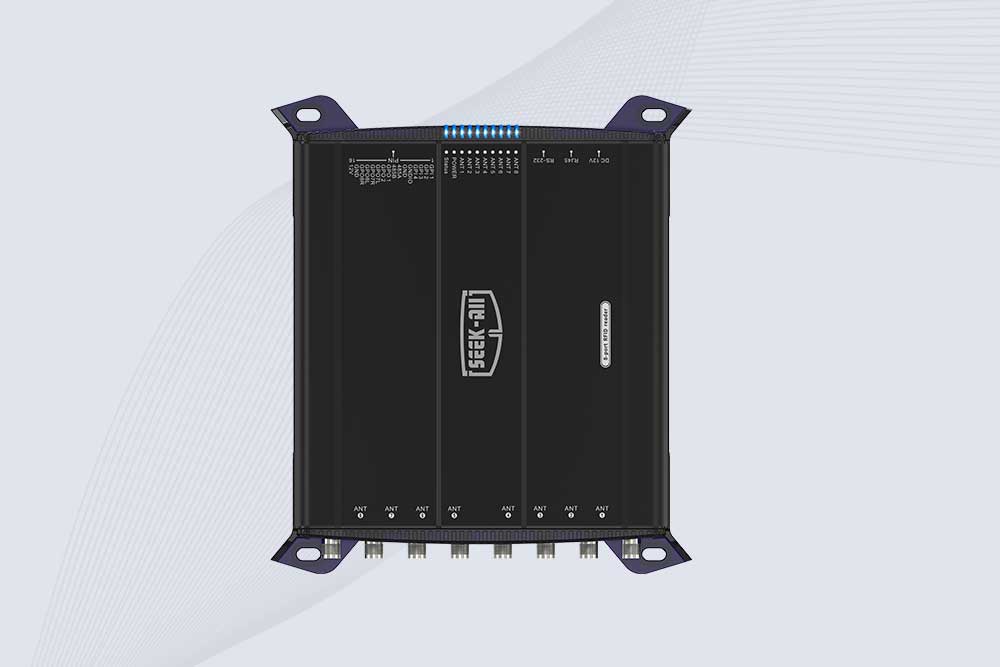
SSD-R8L 8-port UHF RFID reader with 33dBm output, up to 20m reading range and 600+ tags/s recognition. Ideal for warehouse, logistics, retail and asset tracking.
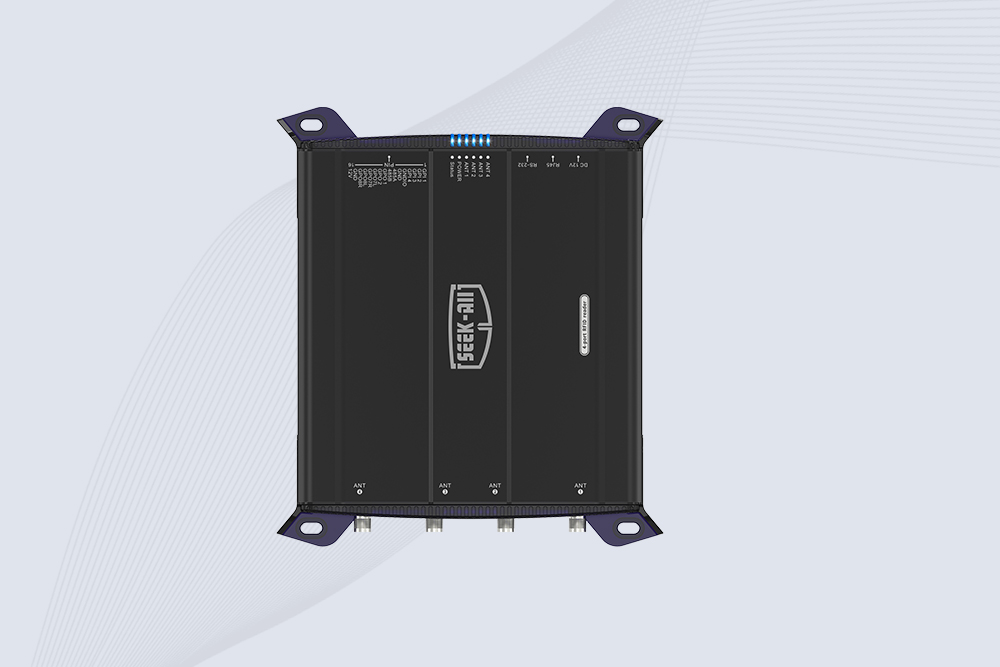
SSD-R4L is a 4-port UHF RFID fixed reader with 33dBm output power, up to 20m reading range, EPC C1G2 support and 600+ tags/s reading speed.
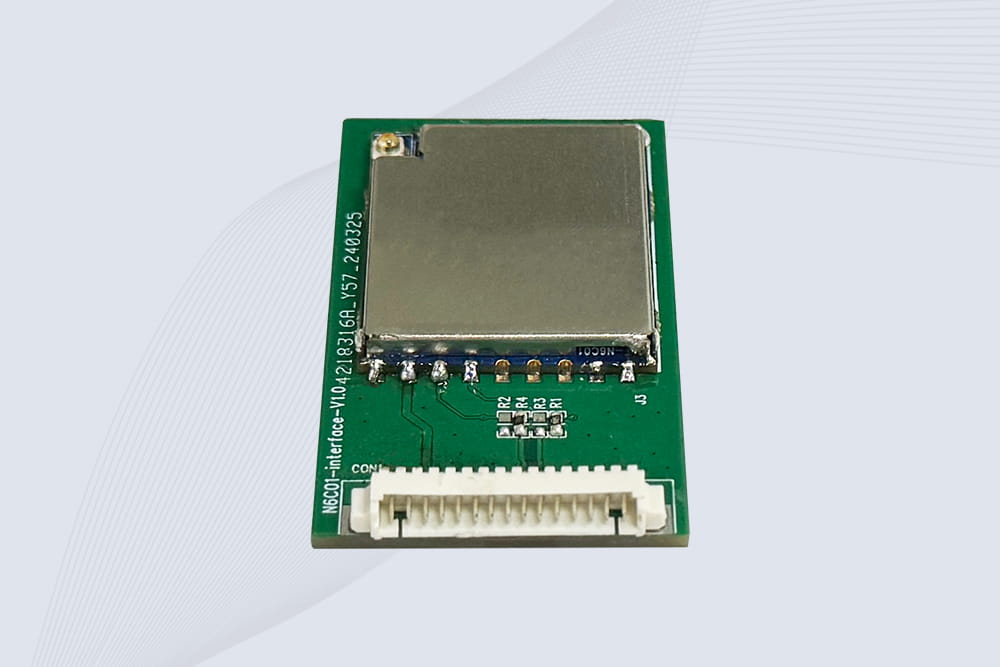
CYKEO Embedded RFID Modules are designed for compact industrial and IoT devices that require stable UHF performance. These UHF RFID Modules support global protocols, flexible power control, and reliable multi-tag reading for smart cabinets, production lines, and asset tracking systems.
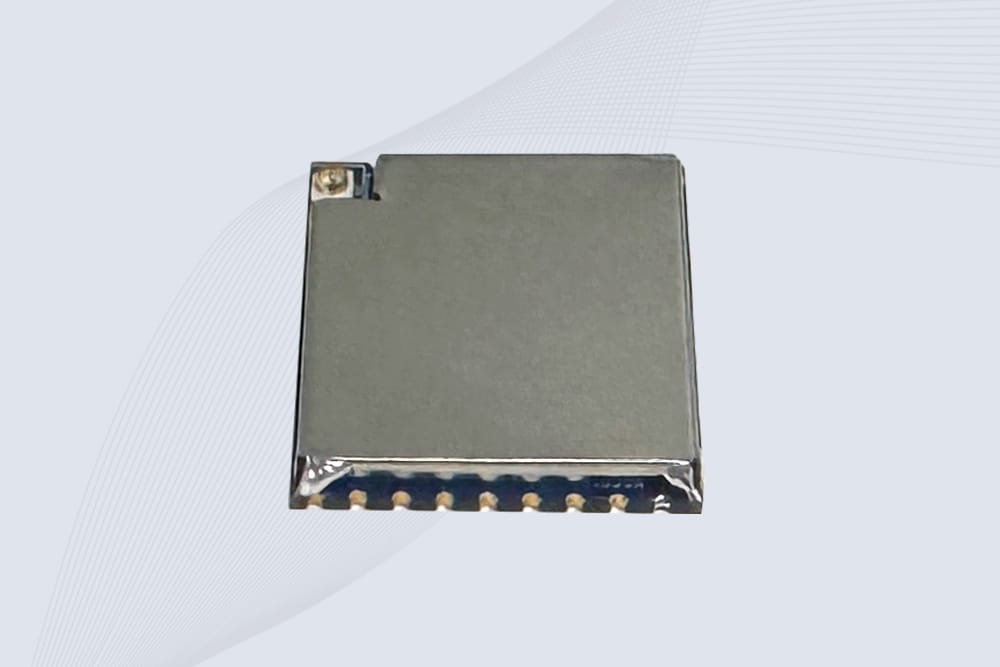
CYKEO Embedded RFID Module is built for compact IoT and industrial devices that need stable UHF performance. This UHF module supports global protocols, low power operation, and reliable multi-tag reading for smart lockers, production lines, and always-on RFID systems.
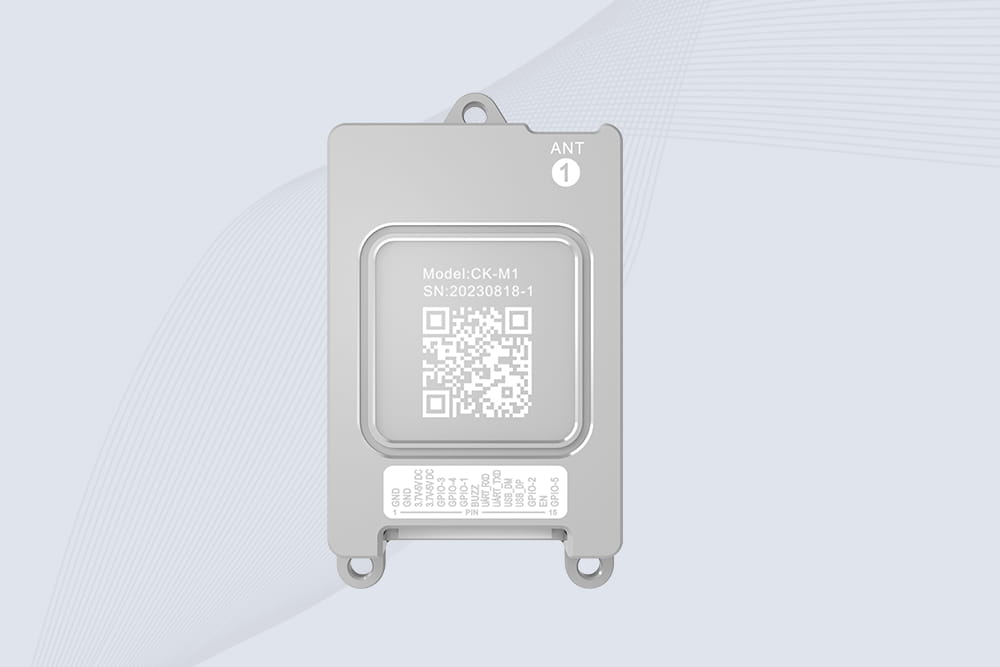
CYKEO CYKEO-M1 drone rfid module is a compact UHF RFID reader module designed for drones and UAV platforms. It supports long-range aerial scanning, fast multi-tag reading, and stable performance in wind, vibration, and outdoor environments.
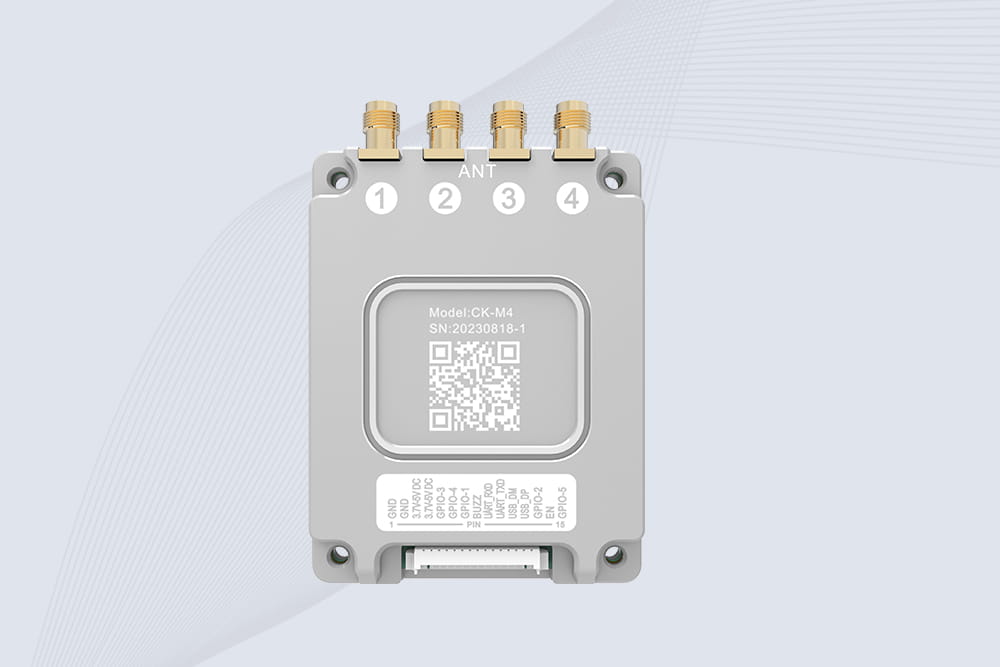
CYKEO CYKEO-M4 RC522 RFID Module is an industrial-grade UHF RFID reader with 4 ports, supporting ISO, EPC, and GB protocols. High-speed, accurate reading for IoT, automation, and warehouse applications.
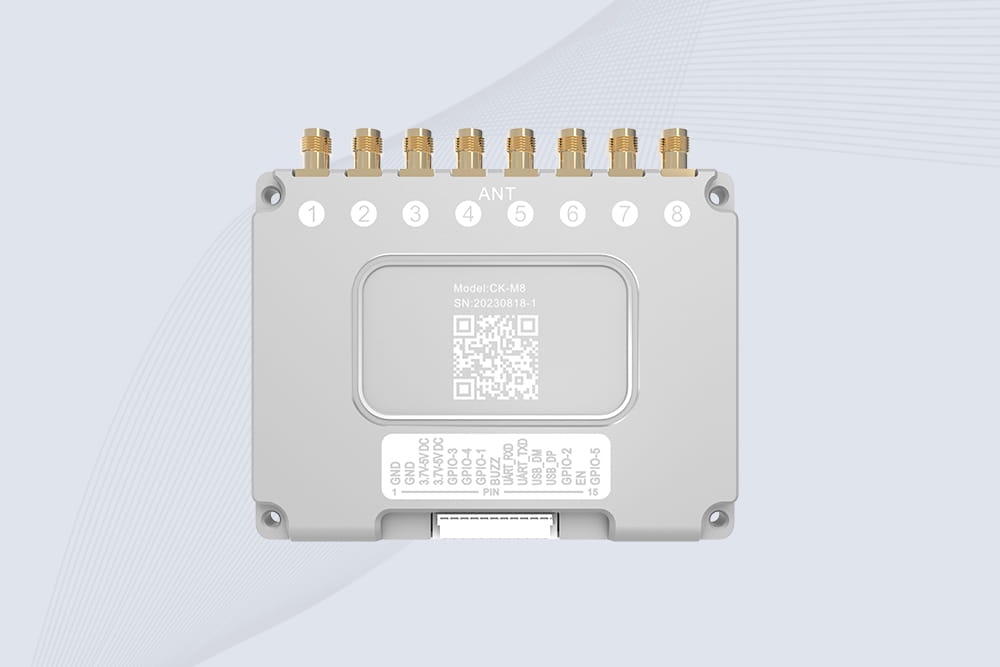
CYKEO CYKEO-M8 Module RFID is an 8-port UHF R2000 RFID Module designed for high-density, multi-tag environments. Stable 33dBm output, ISO & GB protocol support, ideal for warehouses, factories, and automated systems.
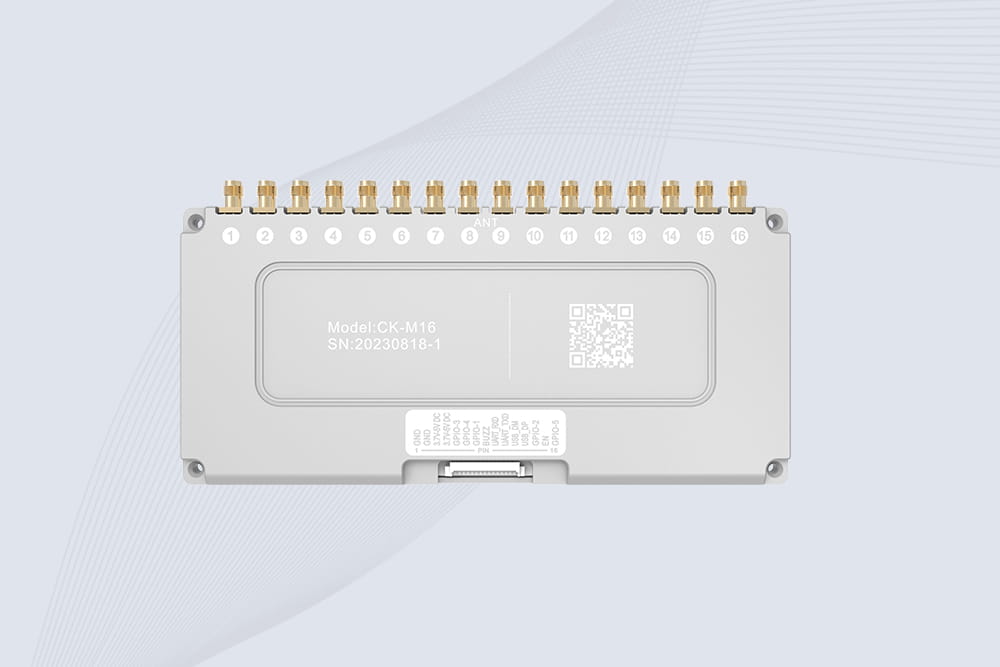
CYKEO CYKEO-M16 RFID Module is a 16-port UHF RFID reader module based on the R2000 chipset. Designed for dense tag environments, it supports ISO and GB standards and delivers stable multi-antenna control for industrial automation.
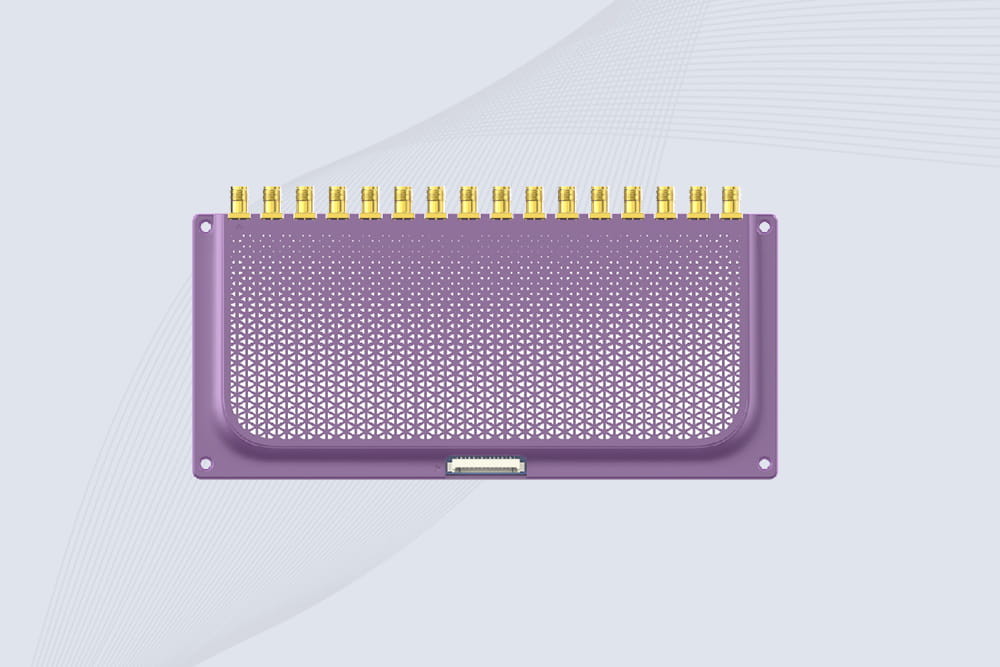
The CYKEO CYKEO-M16L RFID Reader Module is a 16-channel UHF RFID core designed for dense tag environments. With adjustable 33dBm output, multi-protocol support, and stable multi-antenna control, this RFID Tag Reader Module fits industrial automation, warehouse systems, and large-scale IoT deployments.
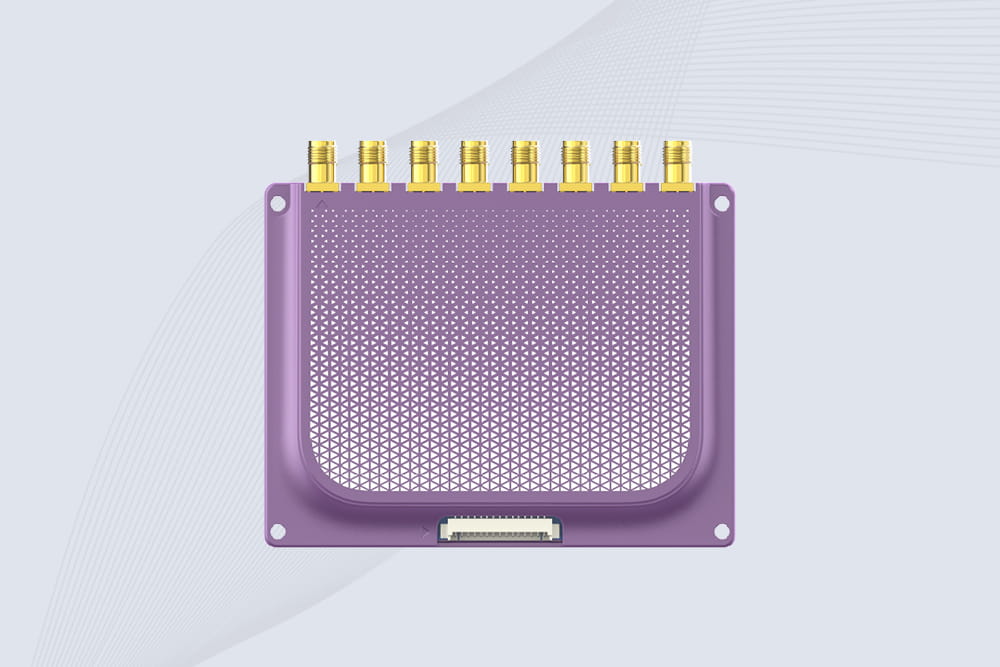
CYKEO CYKEO-M8L module RFID is a compact industrial UHF module built for dense tag and multi-antenna environments. With 8 RF ports, adjustable 33 dBm output, and ISO & GB protocol support, it is widely used in factories, warehouses, and automated tracking systems.
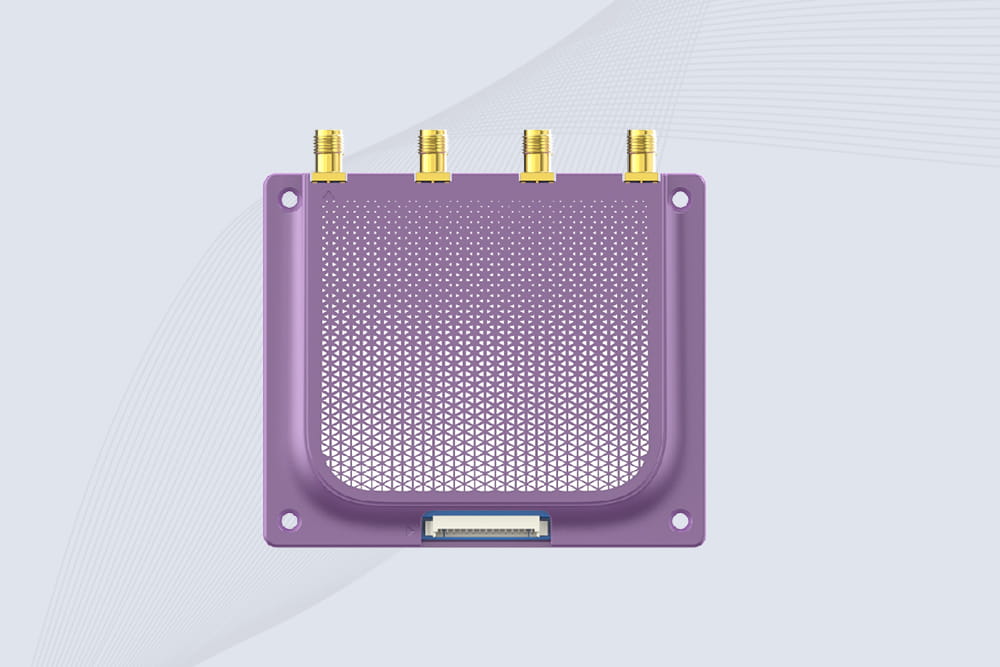
CYKEOCYKEO-M4L UHF RFID Module is a compact 4-channel RFID tag reader module designed for dense tag environments. Supporting ISO and GB protocols, it delivers stable reads up to 10 meters for industrial and IoT systems.
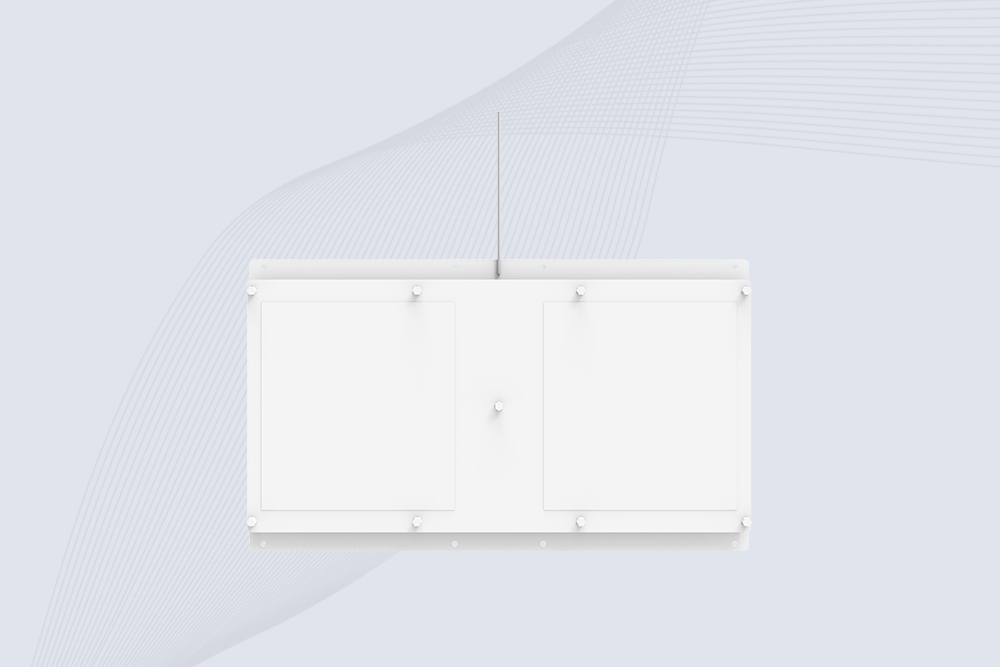
Cykeo CYKEO-A11 UHF RFID reader antenna delivers 11dBi gain, 840-960MHz frequency range, and IP65 ruggedness for retail, logistics, and industrial RFID systems. Features low VSWR and easy installation.

CYKEO Antenna RFID Reader delivers stable long-range UHF performance with a 10.5dBi directional design, built for warehouses, conveyor portals, and industrial RFID systems. This rfid reader antenna provides 20m+ read distance and rugged IP67 protection.

Cykeo CYKEO-PHF3 industrial HF RFID Antenna offers 24-point dynamic tracking, ISO 14443A/15693 protocols, metal-environment stability for archives/libraries/manufacturing.

Cykeo CYKEO-A5B industrial Linear RFID Antenna delivers 5dBi gain, ≤1.5:1 VSWR, and IP65 rugged design for warehouse, production line, and logistics UHF systems.

Cykeo’s CYKEO-B12 Long Range RFID Antenna delivers 15m+ read range with 12dBi gain, IP65 rugged design, and global 840-960MHz UHF support. Ideal for warehouse/logistics asset tracking.
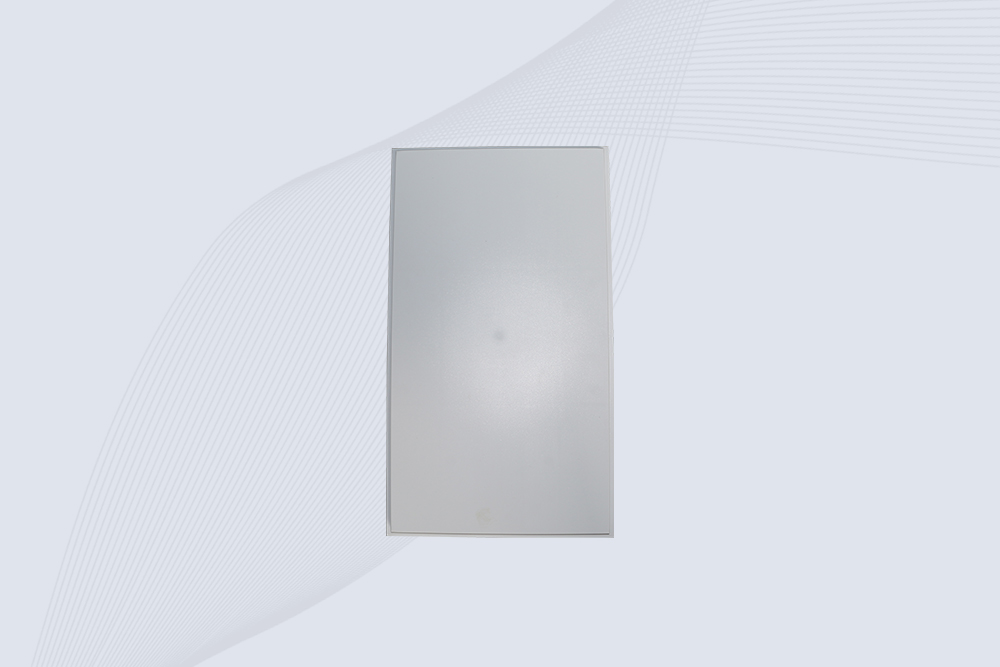
Cykeo CYKEO-B10 Long Distance RFID Antenna offers 10dBi gain, 840-960MHz frequency range, IP65 rating, and 20m+ coverage for logistics/warehousing/ETC systems. Low VSWR ensures stable signal transmission.
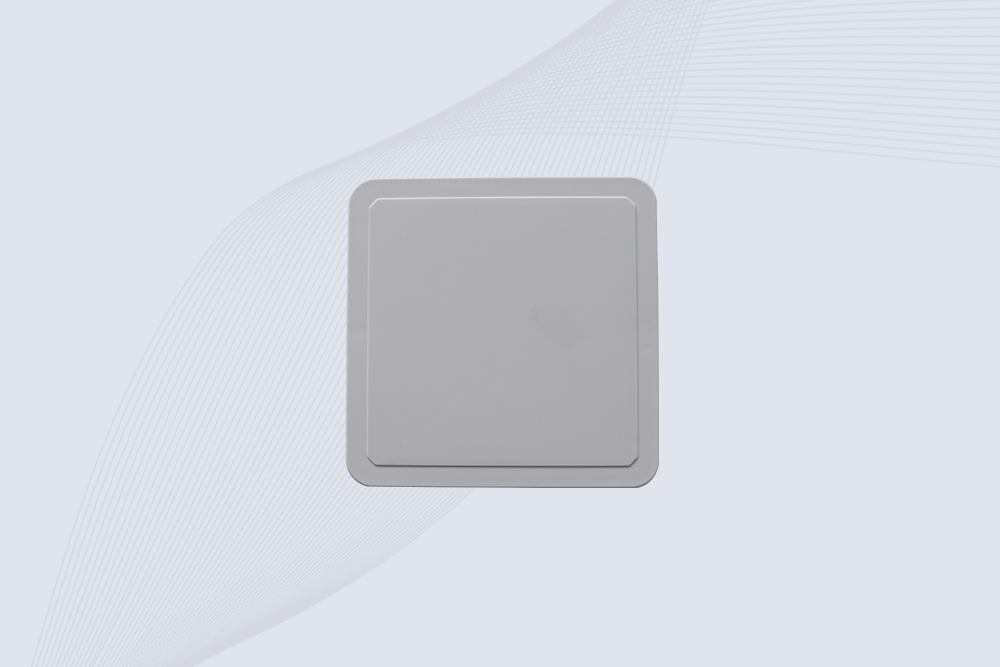
Cykeo CYKEO-A6 UHF RFID panel antenna features 6dBi gain, 840-960MHz broadband, IP65 metal-ready housing for logistics/smart retail. 18mm ultra-thin design with tool-free mounting.

Cykeo CK-A3 industrial antenna RFID UHF offers 5m+ tag detection, ≤1.3:1 VSWR, IP65 rugged design, and global UHF spectrum compatibility (840-960MHz) for warehouses, factories, and retail.
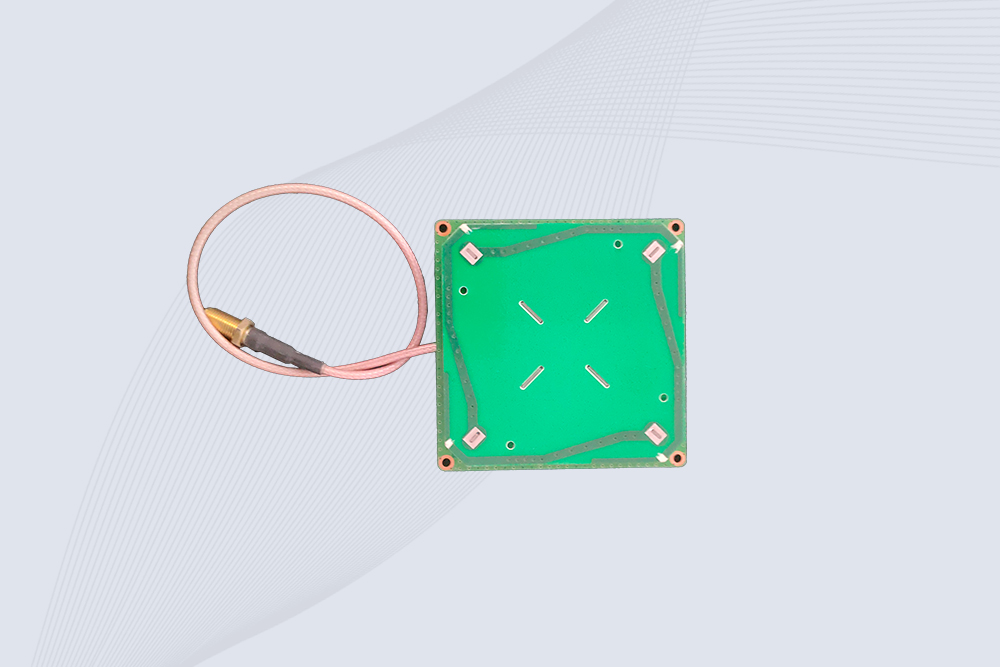
Cykeo CYKEO-B5 directional RFID antenna provides 5dBi gain with 60° narrow beamwidth for precise inventory tracking. IP65-rated, global UHF frequency support, and low VSWR.
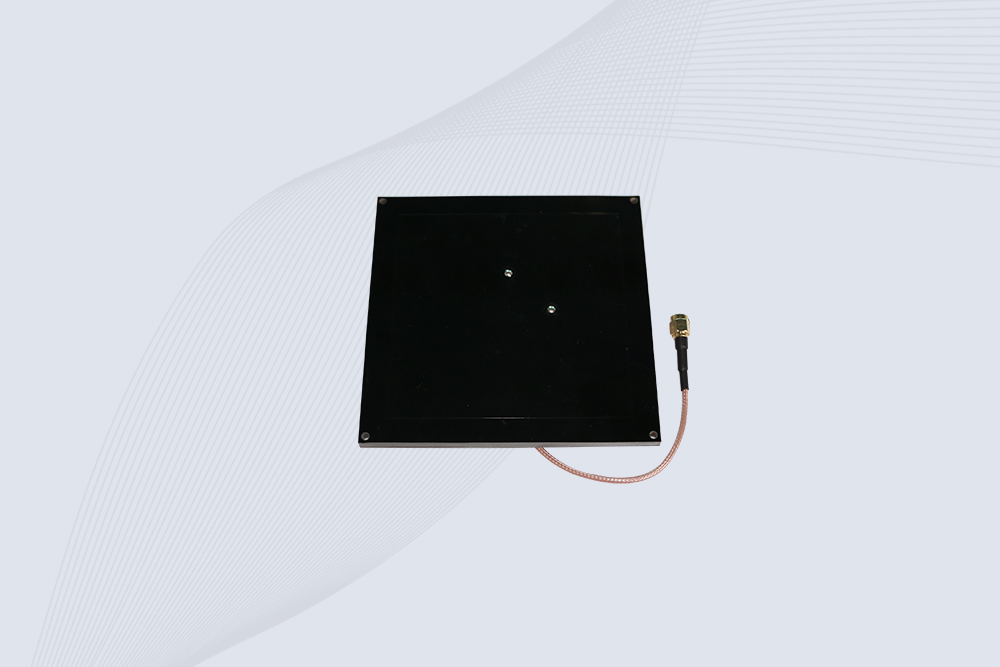
Create your own high-performance DIY RFID antenna! 5dBi gain, 840-960MHz tunable, step-by-step guides. Compatible with Arduino, Raspberry Pi, and commercial UHF readers.
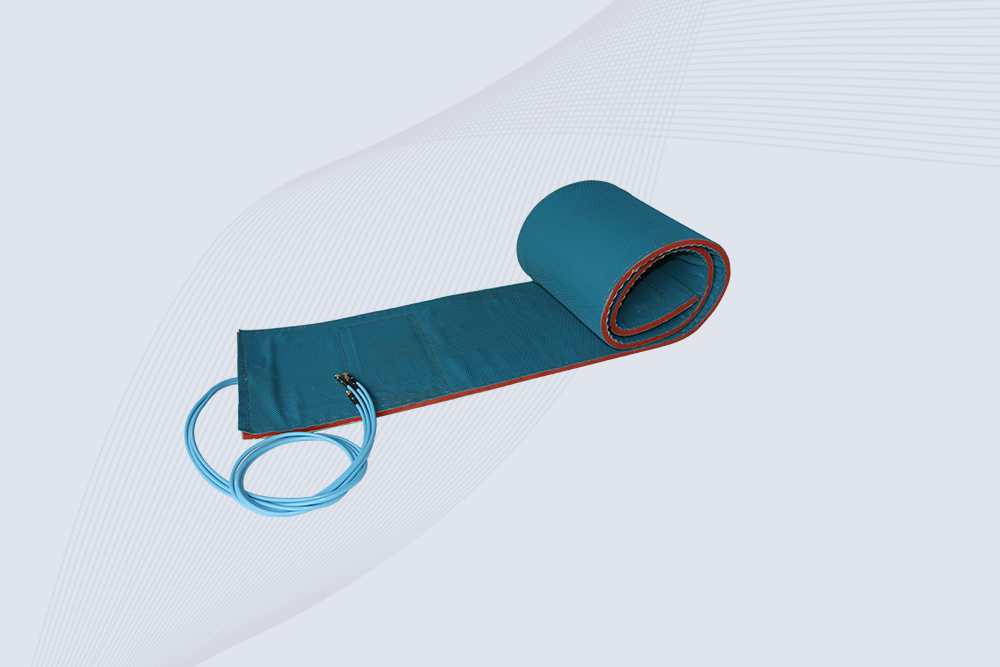
Cykeo CYKEO-A7 Flexible RFID Antenna features 840-960MHz wideband tuning, 7dBi gain, and IP68 rating for medical/retail/industrial curved surface deployments. 98% read accuracy with peel-and-stick installation.

Cykeo CYKEO-B5A industrial Passive RFID Antenna delivers 5dBi gain, 70° beamwidth, and -40°C~55°C operation for warehouses/smart cabinets. Compatible with Zebra/Impinj readers.
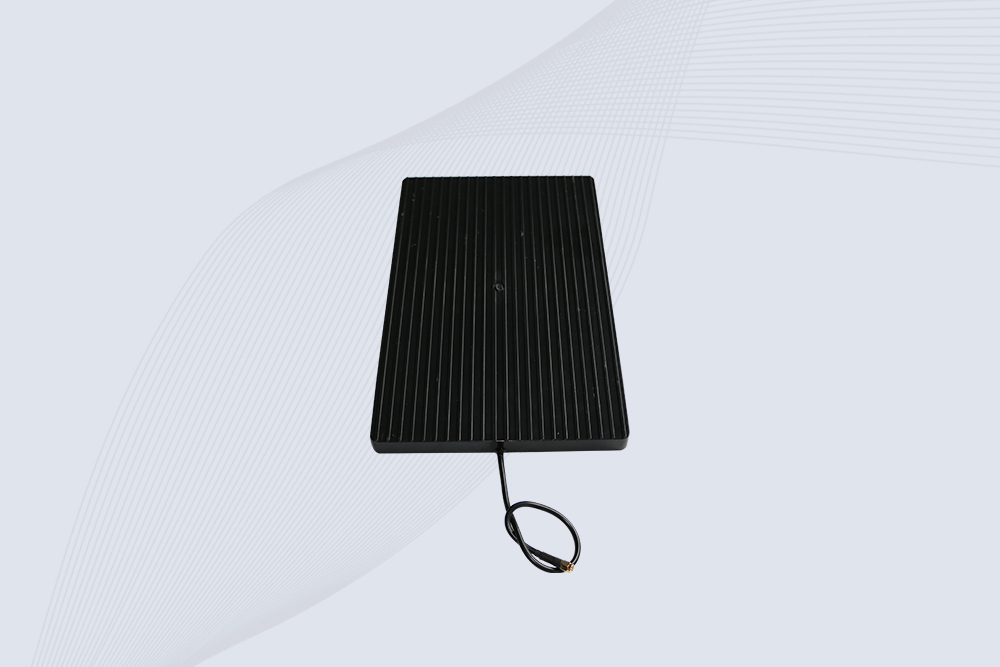
Cykeo’s CYKEO-A9B High Gain RFID Antenna delivers 15m+ read range with 9dBi amplification. Features IP54 rugged design, 840-960MHz bandwidth, and 80° beamwidth for warehouse/manufacturing RFID systems.

Cykeo’s enterprise-grade 8dbi Impinj RFID Antenna 10m+ read range with 840-960MHz tuning. Features IP65 housing, 1.4 VSWR, 35° beamwidth for retail/warehouse RFID systems.
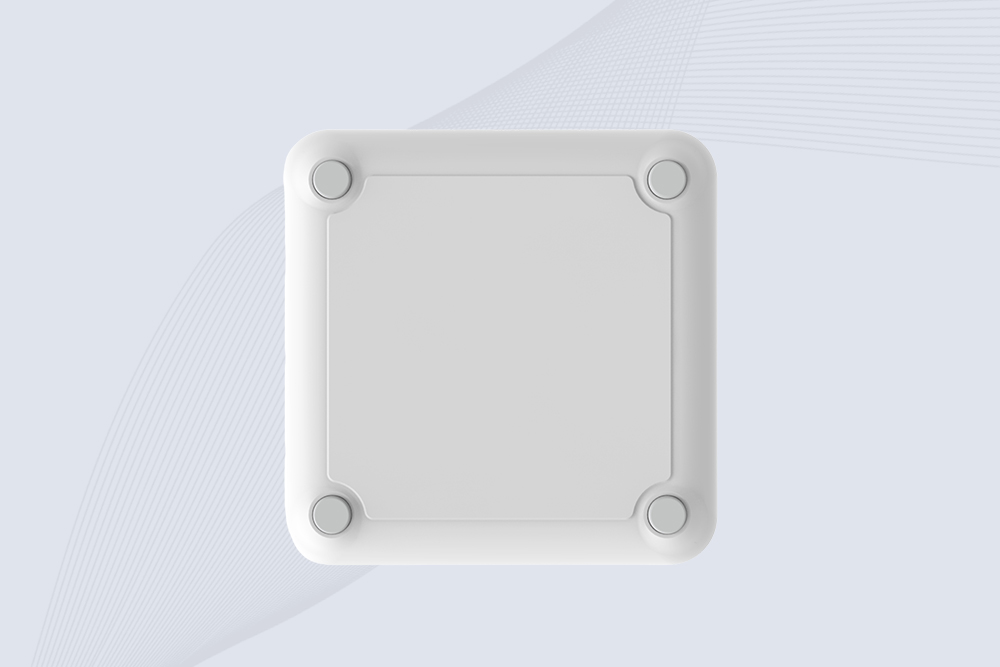
Cykeo CYKEO-A9 industrial UHF RFID antenna delivers 9dBi gain, 840-960MHz frequency range, and IP65 protection for warehouse/logistics/retail RFID systems. Features N-type connector and ≤1.3:1 VSWR.
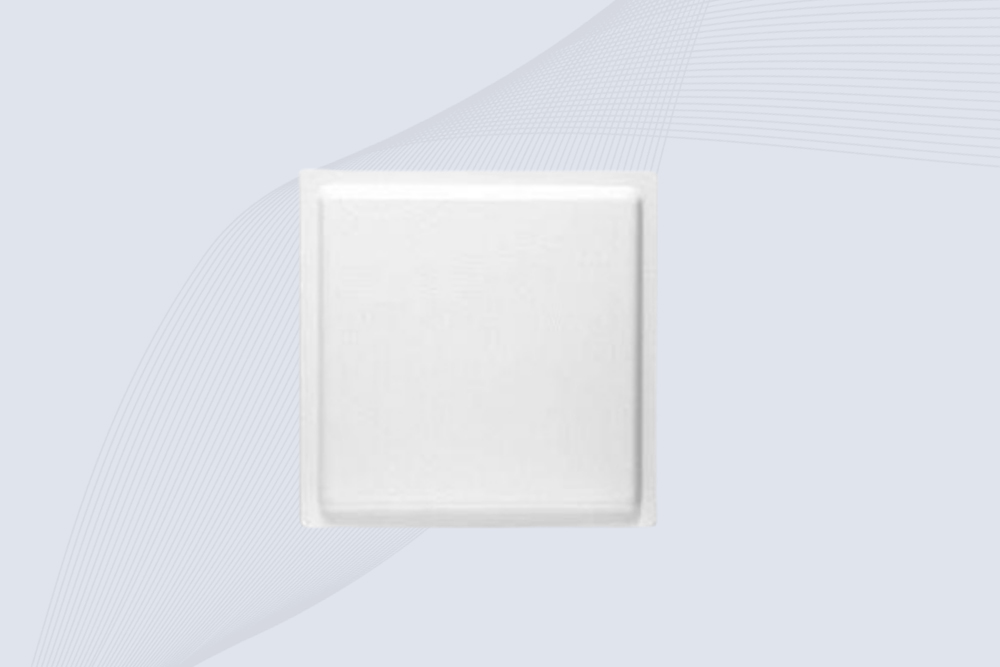
CYKEO UHF RFID Antenna built for long-distance and industrial applications. This antenna rfid uhf delivers strong gain, outdoor durability, and reliable tag performance in warehouses, yards, and vehicle ID systems.
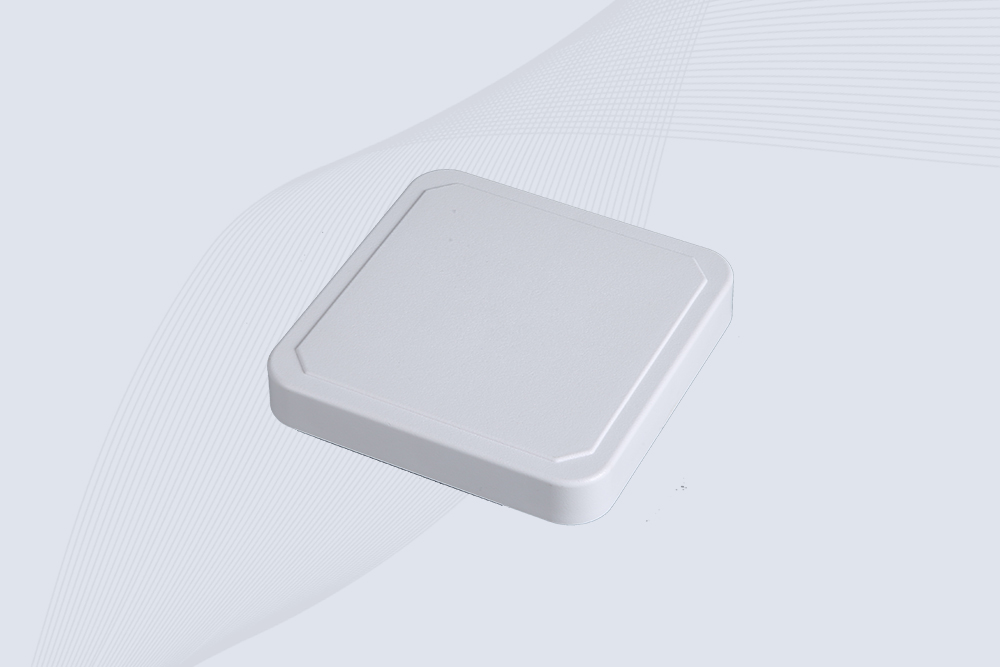
CYKEO Antenna RFID delivers reliable long-range UHF performance in warehouses, retail shelves, and cold-chain environments. This compact uhf rfid antenna provides stable reads with circular polarization and ultra-wide 840–960 MHz support, ideal for industrial tracking, smart shelves, and asset monitoring.
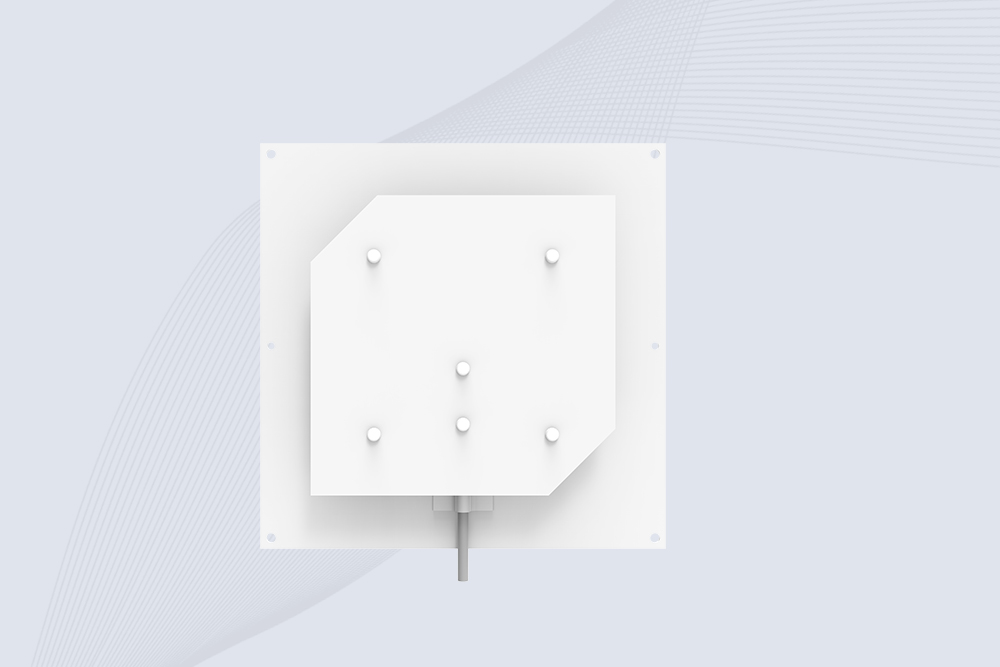
Cykeo’s CYKEO-C8 UHF RFID antennas delivers 8dBi gain, 840-960MHz full-band coverage, and IP65 ruggedness for manufacturing/warehouse RFID systems. Industrial RFID Antennas Features
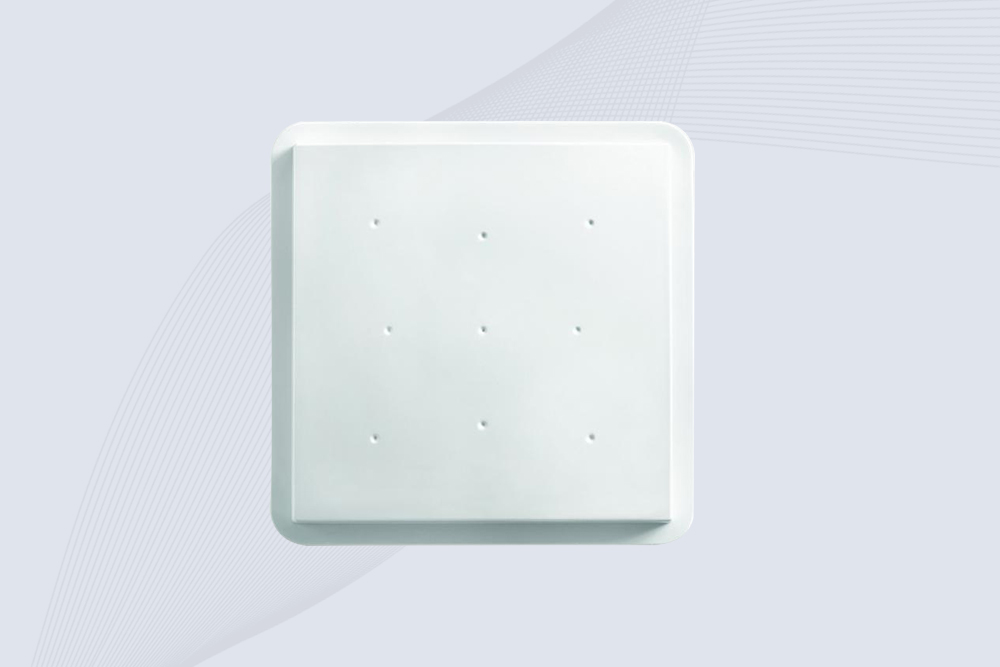
Cykeo’s 8dBi UHF RFID antenna and reader kit delivers 10m+ range, 840-960MHz broadband, and IP65 ruggedness for factories, warehouses, and logistics. ISO 18000-6C & EPC Gen2 certified.
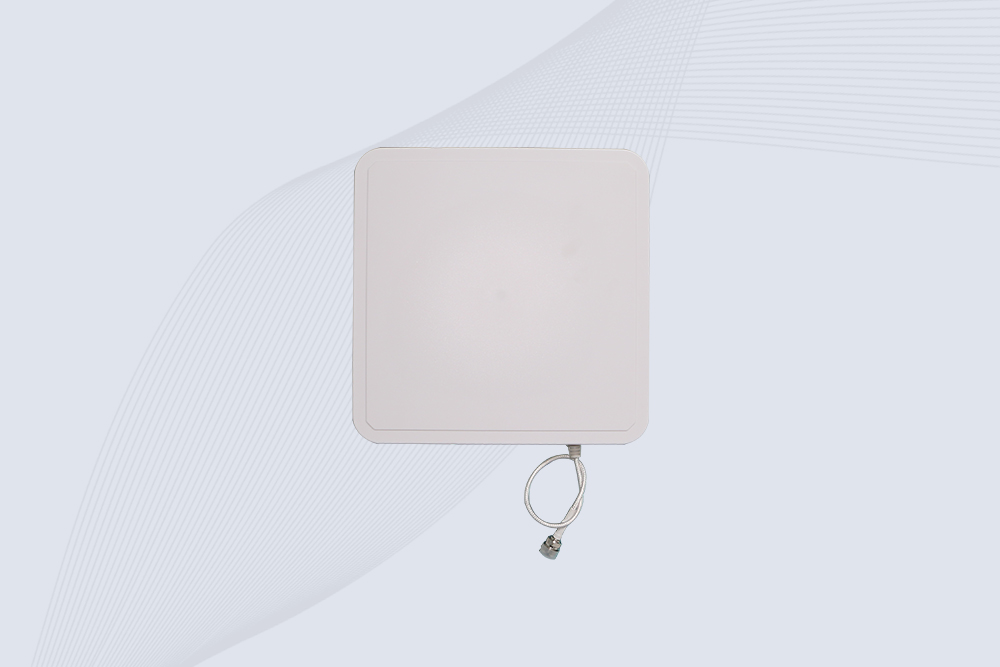
Cykeo CYKEO-A9A industrial UHF RFID reader and antenna kit delivers 10m range, 500 tags/sec, IP65 ruggedness for manufacturing/logistics. Supports EPC Gen2, ISO18000-6C.
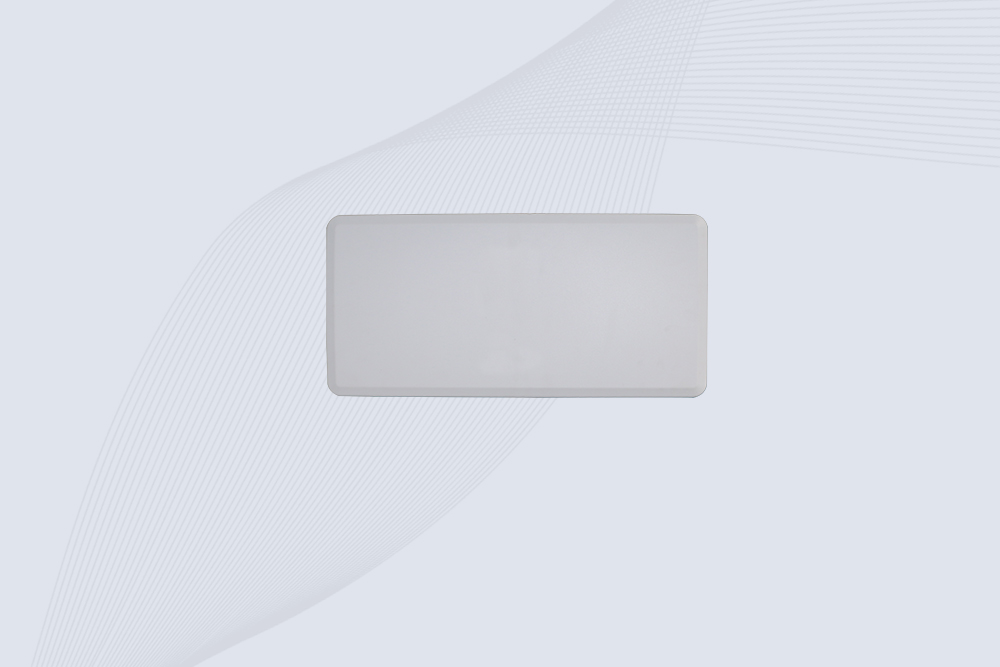
Cykeo’s CYKEO-A12C UHF Large RFID Antenna delivers 12dBi gain, 840-960MHz global frequency, IP65 ruggedness for logistics/warehousing/automotive. 40° beamwidth ensures stable 15m+ tag reads.

CYKEO Near Field RFID Antenna provides precise 5–30 cm reading for shelves, cabinets, and workstations. This compact rfid shelf antenna delivers stable short-range performance around metal and clutter, ideal for pharmacies, libraries, and electronics sorting.
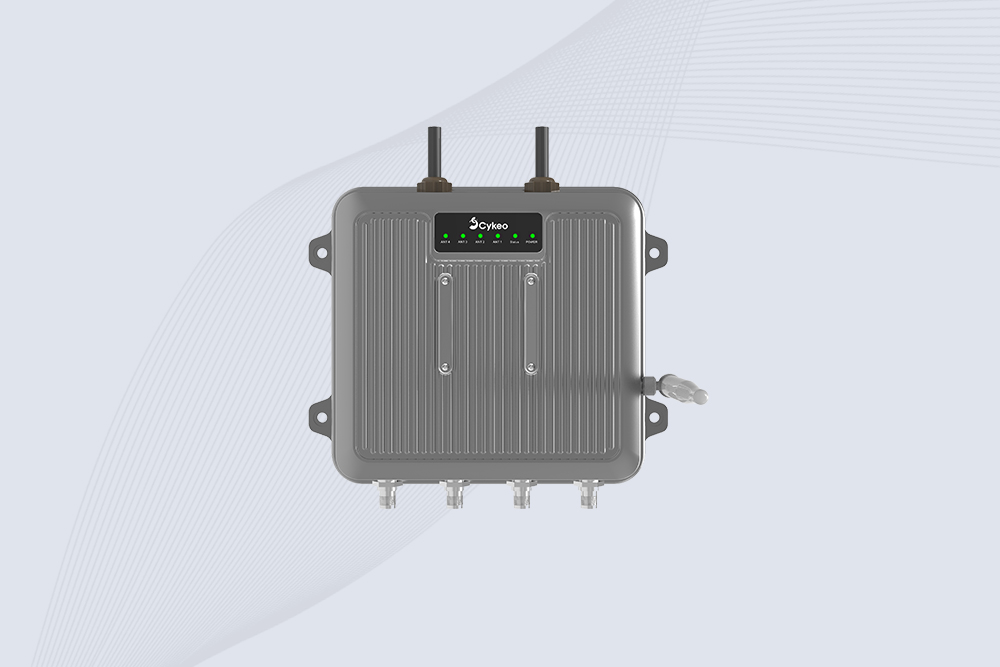
Cykeo CYKEO-C1 industrial Forklift RFID Reader features 20m read range, 600 tags/sec scanning, Impinj R2000 chipset, and IP67 rugged design. Ideal for warehouse logistics and manufacturing. Supports ISO 18000-6C/6B protocols.
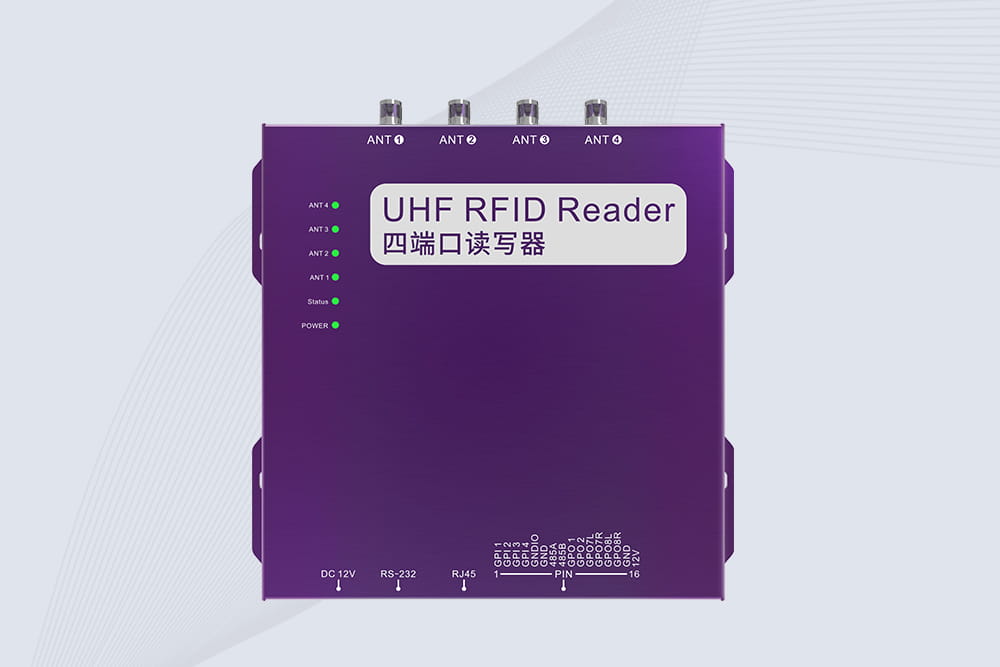
Cykeo CYKEO-R4 industrial UHF RFID Fixed Reader features 4 TNC ports, 400+ tags/sec speed, IP67 housing, and global frequency compliance for vehicle inspection, smart warehouse, and asset management systems.
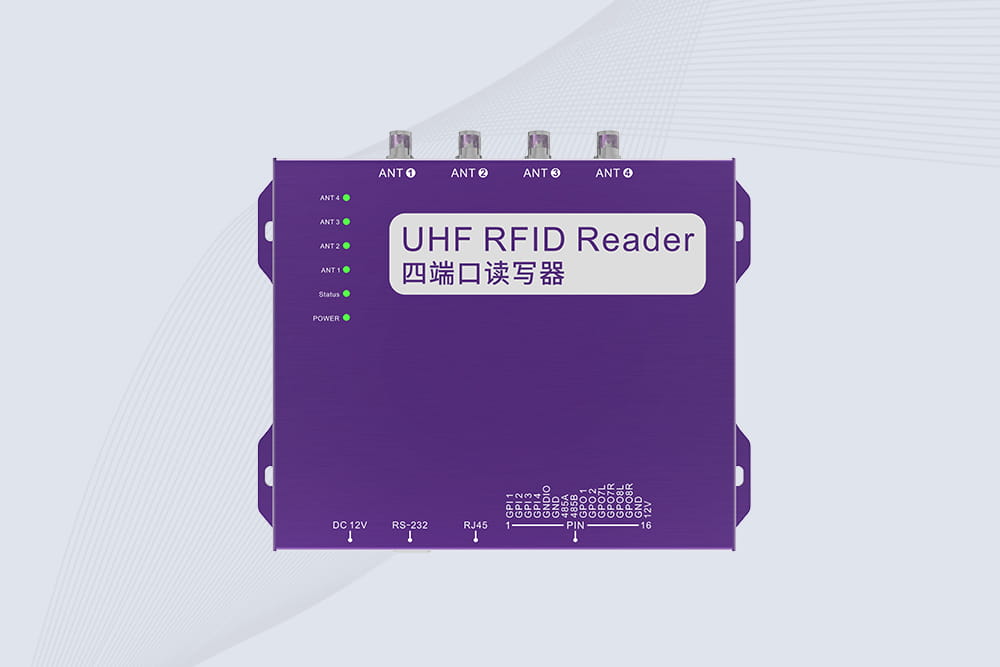
Cykeo’s CYKEO-R4L 4-port Fixed UHF RFID Reader delivers 400 tags/sec scanning, ISO 18000-6C compliance, and IP65 protection. Ideal for warehouse automation, manufacturing WIP tracking, and logistics management.
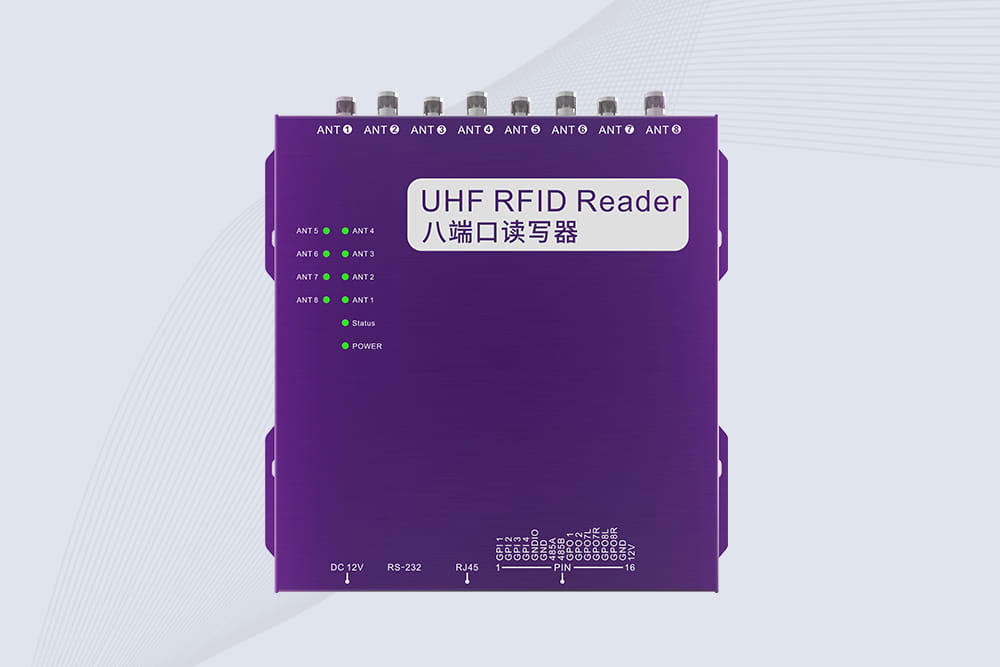
CYKEO CYKEO-R8L Fixed RFID Reader with 8-port UHF design, Impinj-based RF core and up to 20m read range. An industrial Fixed RFID Reader for vehicle inspection, warehouse portals, smart manufacturing lines and secure access checkpoints.
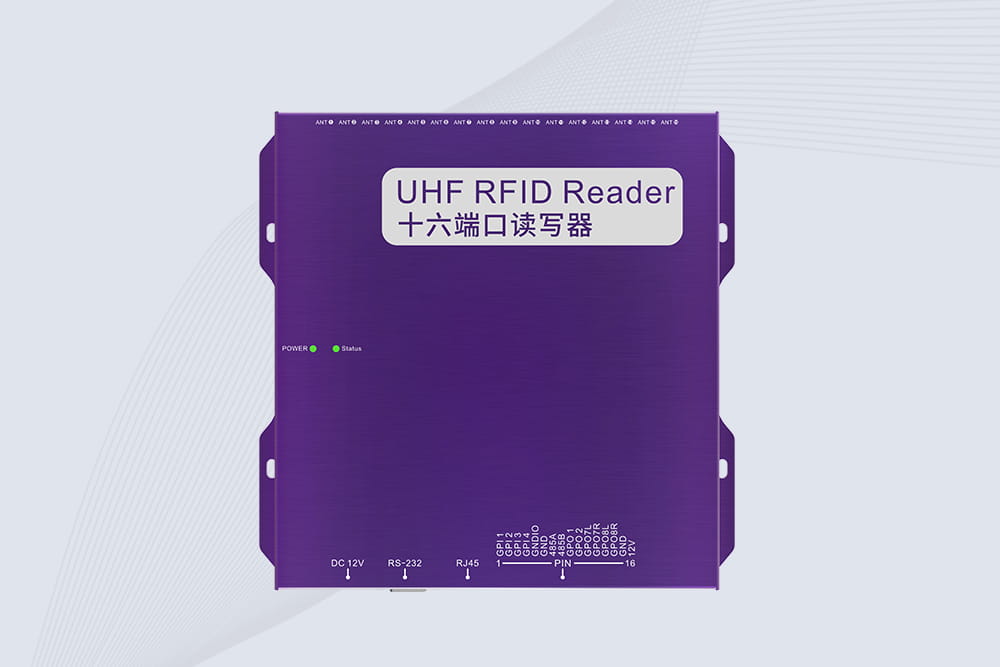
RFID Fixed Reader from CYKEO – the CYKEO-R16L 16-port UHF fixed reader for warehouses, smart cabinets, and production lines. Long-range, multi-tag reading, stable performance for 24/7 industrial use.
Learn what EPC in RFID means, how Electronic Product Codes work, and why EPC data is essential for RFID asset tracking, inventory management, and supply chain visibility.
More
Learn what an RFID reader module is, how it works, and why OEMs and system integrators use it to build RFID devices. A practical guide covering integration, interfaces, and real-world applications.
More
plug and play RFID reader connects instantly with your system—no drivers, no coding, no delays. Boost efficiency, streamline workflows, and unlock smarter automation for logistics, retail, and more.
More
Wondering, "Do all state ID have RFID antenna?" We clarify the common confusion between RFID, contactless chips, and barcodes used in modern driver's licenses.
More