Managing vehicle access is no longer about manual checks and long queues at gates. With RFID vehicle entry systems, everything can be automated, safe, and seamless. For software providers, understanding how these systems work and how to integrate them into management platforms is key.
What is RFID Vehicle Entry System?
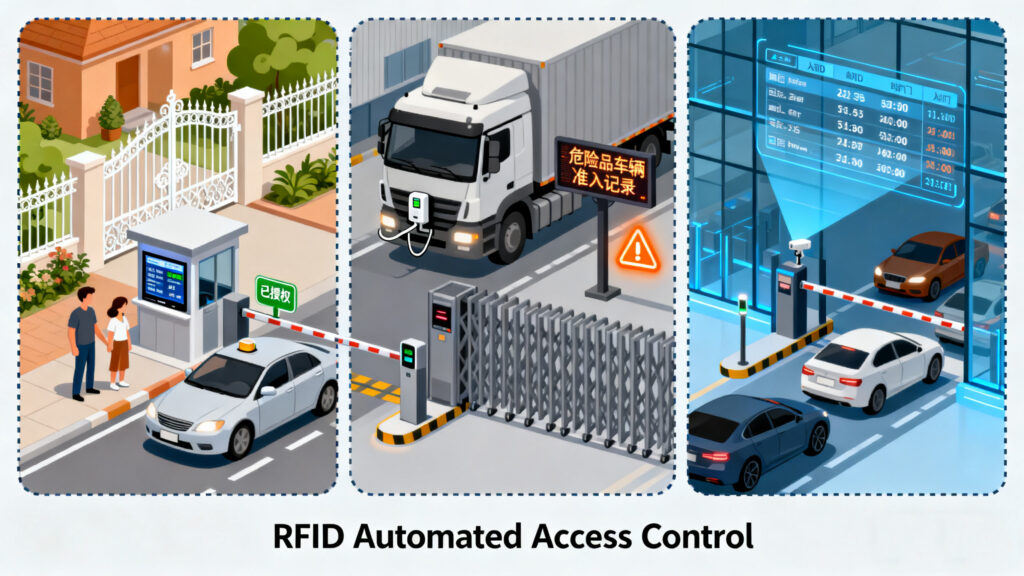
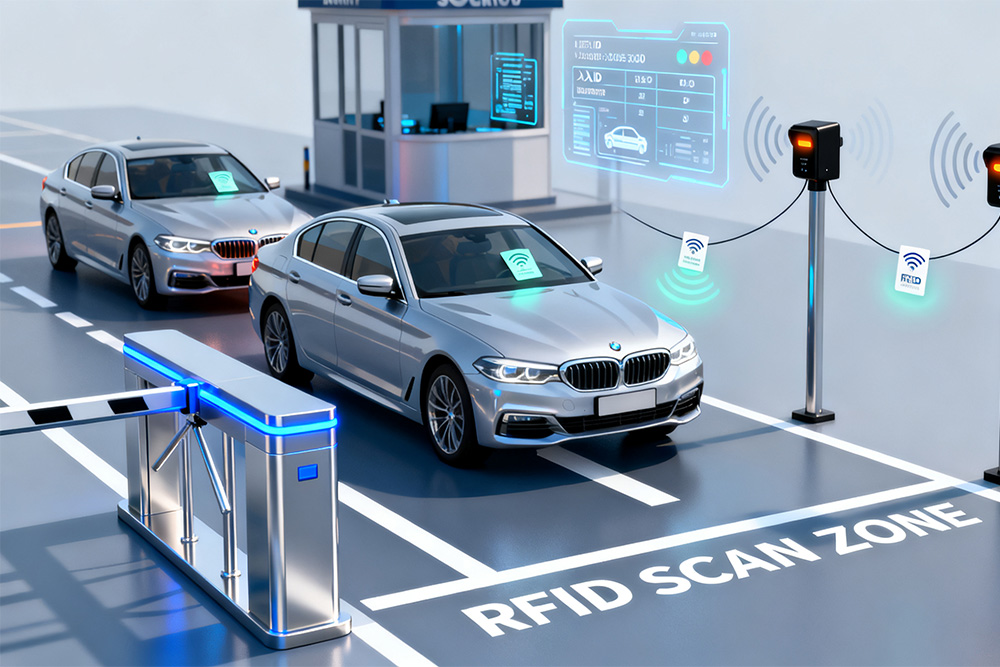
RFID vehicle entry system uses radio-frequency identification technology to automatically recognize vehicles as they approach a gate or entrance. Each vehicle carries an RFID tag—this could be a sticker, a key fob, or even a dedicated parking permit. When a vehicle gets close to a reader, the system reads the tag, verifies permissions, and opens the gate if authorized.
For software providers, this means connecting real-time RFID data into dashboards or WMS/ERP platforms, helping managers make smarter decisions without manual intervention.
How RFID Vehicle Entry Systems Work
These systems generally have three main components:
RFID Tags: Can be passive, semi-active, or active depending on range and security needs.
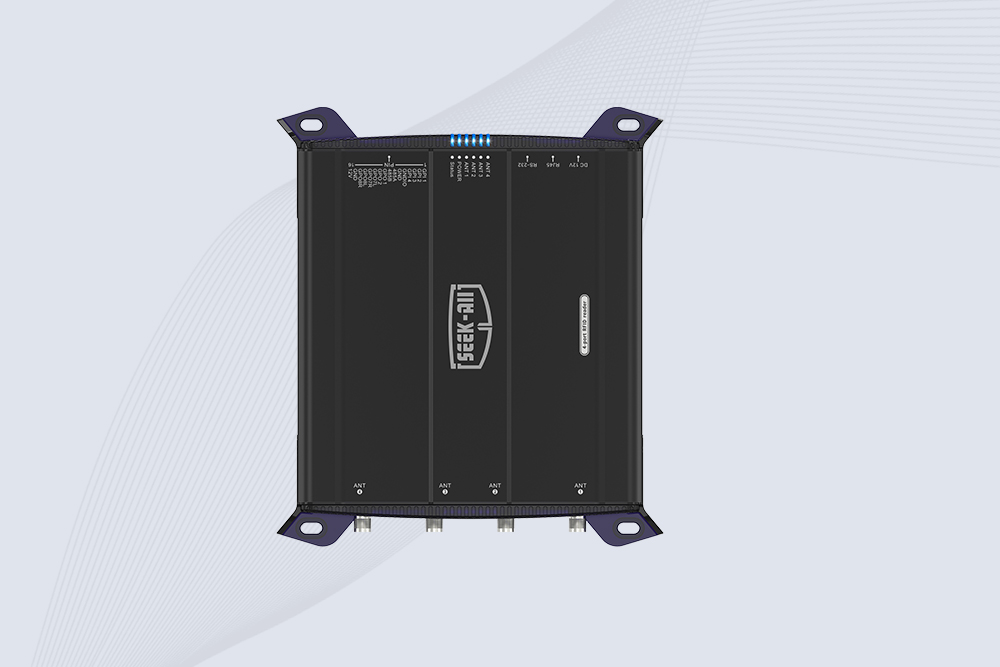
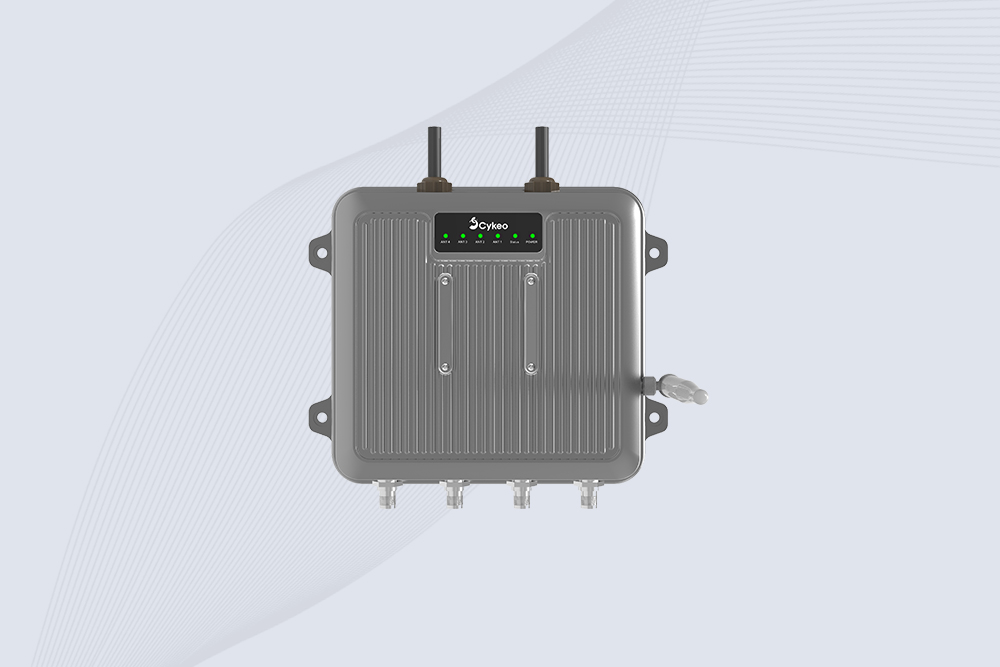
Readers and Antennas: Positioned at gates, barriers, or entrances to detect vehicles automatically.
Software Platform: Collects data, validates tags, and triggers actions like opening a barrier or logging access.
When a vehicle approaches, the reader emits a signal that powers the tag (if passive) or communicates with it (if active). The tag sends back its unique ID, which the software verifies against authorized vehicles. Once confirmed, the gate opens.
Types of RFID Tags Used
Passive Tags: No battery, short-range, cost-effective. Great for regular vehicles in residential or commercial parking.
Semi-Active Tags: Small battery inside, extends range. Useful for medium-distance applications like gated communities.
Active Tags: Battery-powered, long-range, suitable for high-security industrial zones or large campuses.
Software providers need to handle signals from all these types, ensure proper authentication, and feed this data into management platforms.
Key Advantages of RFID Vehicle Entry Systems
Efficiency: Vehicles pass without stopping, reducing congestion and waiting times.
Security: Every entry and exit is logged, making it easy to track vehicle movements.
Reliability: Works in all weather conditions, unlike cameras or human checks.
Flexibility: Different tag types and ranges allow customization based on site requirements.
For software services, this data can be leveraged for analytics, reporting, and automated alerts, giving warehouse or facility managers actionable insights.
Common Applications
Residential Communities: Residents’ vehicles are recognized automatically, improving convenience.
Parking Management: Automatic access, fee calculation, and space tracking without manual intervention.
Industrial Facilities: Control vehicle entry to secure zones, track fleet movements, and prevent unauthorized access.
Government or Corporate Campuses: Manage official vehicles while ensuring high security and accountability.
How Software Providers Add Value
The hardware is just one side of the story. Software is what turns raw RFID signals into meaningful insights:
Integration: Connect readers to existing management systems (ERP/WMS).
Data Processing: Clean up duplicate reads and verify vehicle identities.
Monitoring & Alerts: Notify if unauthorized vehicles attempt entry or if gates malfunction.
Analytics: Track peak hours, optimize vehicle flow, and generate reports for management.
In short, RFID without intelligent software is just a tag and a reader. Software adds intelligence, visibility, and control.
Choosing the Right System
When selecting an RFID vehicle entry system, software providers should consider:
Tag type and range: Match the system to the facility size and security needs.
Environment: Metal structures, rain, or interference can affect readings—software should manage exceptions.
Security & Encryption: Protect vehicle data and prevent tag cloning.
Conclusion
RFID vehicle entry systems are transforming how facilities manage vehicles. For software providers, the opportunity lies in connecting the hardware to actionable insights—whether it’s real-time dashboards, automated alerts, or predictive analytics.
By understanding the types of tags, system architecture, and typical use cases, software services can deliver smarter, faster, and more secure vehicle management solutions. With the right software, RFID doesn’t just track vehicles—it creates a connected, intelligent entry system that improves efficiency, safety, and control.
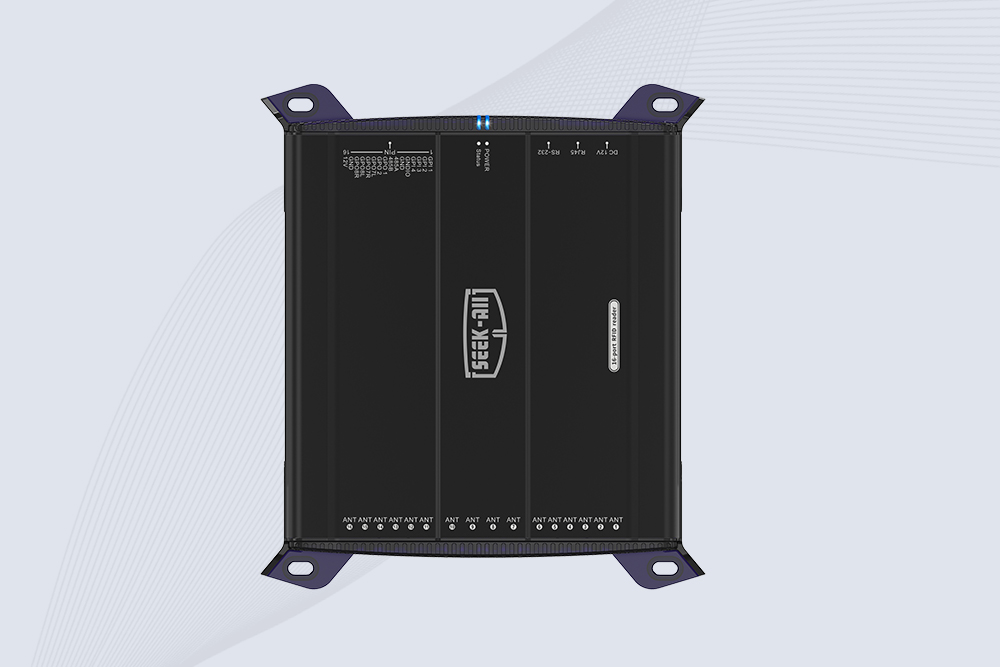
SSD-R16L Multi-Channel RFID Infrastructure for Automated Inventory Management ✔️ 16-Port High-Density RFID Reading Equipped with 16 SMA antenna ports, SSD-R16L supports multi-antenna deployment for warehouses, retail stores, logistics, production lines, and large-area RFID identification. ✔️ High-Speed & Long-Range Performance With up to 33…
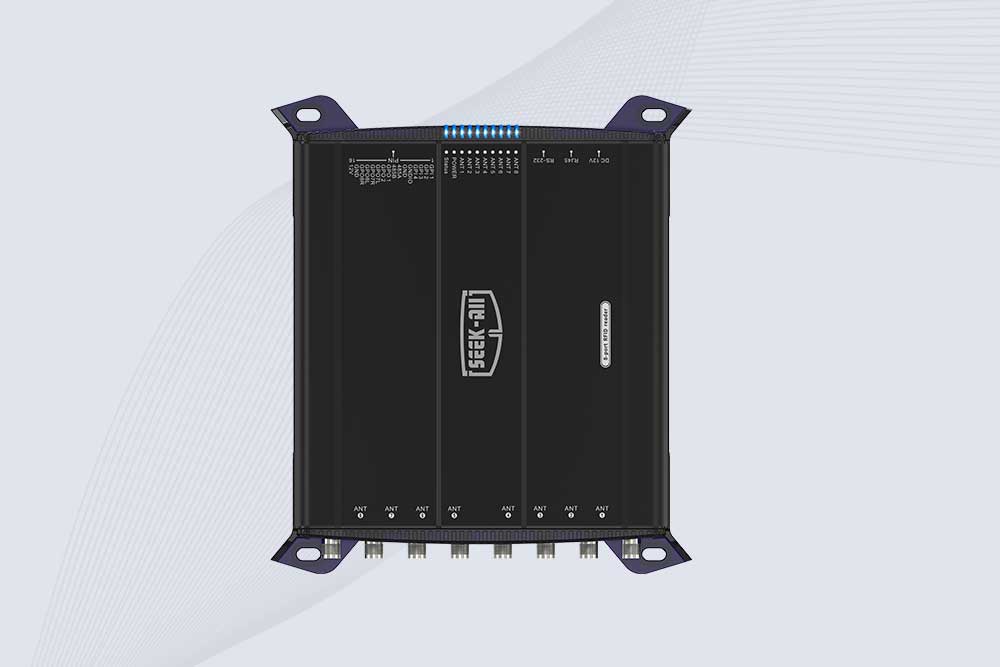
SSD-R8L 8-port UHF RFID reader with 33dBm output, up to 20m reading range and 600+ tags/s recognition. Ideal for warehouse, logistics, retail and asset tracking.
Cykeo CYKEO-C1 industrial Forklift RFID Reader features 20m read range, 600 tags/sec scanning, Impinj R2000 chipset, and IP67 rugged design. Ideal for warehouse logistics and manufacturing. Supports ISO 18000-6C/6B protocols.
Upgrade your library, warehouse, or retail space with the CK-DP4B Wall-Mounted RFID Kiosk. Fast, secure, and efficient self-checkout and real-time asset tracking. Streamline your operations today.
Discover budget-friendly RFID solutions tailored for small businesses. Learn how Cykeo’s scalable systems reduce inventory errors and boost productivity without breaking the bank.
Discover how medical equipment tags improve hospital asset visibility, inventory accuracy, and compliance. RFID-enabled tracking for smarter healthcare operations.
Wondering how RFID tagging works? CYKEO explains the process of applying tags to assets and inventory—where to tag, how to choose tags, and what makes a deployment successful.
 Cykeo RFID IoT Solution Products R&D Manufacturer