 Cykeo RFID IoT Solution Products R&D Manufacturer
how to find rfid tag number
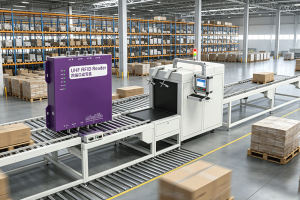
152Discover how to find RFID tag number quickly using UHF readers. Learn real methods, accuracy tips, and Cykeo reader performance for reliable tracking.
MoreAll RFID Product
EPC RFID is a standardized RFID identification system that uses Electronic Product Codes to uniquely identify physical items through RFID tags and readers. Unlike traditional barcode systems that usually identify product categories, EPC RFID can distinguish individual items with serialized identities, creating more accurate visibility across supply chains.
In practical RFID deployments, EPC RFID is not just a tag technology. It is a combination of EPC data standards, RFID tags, rfid readers, software systems, and event management processes. The EPC provides the identity, while RFID communication allows that identity to be captured automatically without direct scanning.
According to GS1, the Electronic Product Code (EPC) is designed to provide a unique identity for physical objects, assets, and other entities. EPC works together with GS1 identification standards and RAIN RFID technology to support item-level visibility.
From Cykeo’s experience developing UHF RFID readers and tag-management systems, the most important difference between a basic RFID demonstration and a production RFID project is usually not the reading distance. It is whether each captured tag has a reliable identity that business software can understand.
That is where EPC RFID becomes valuable.
An EPC RFID system starts with assigning a unique Electronic Product Code to a physical object.
The process normally includes:
The RFID tag itself contains memory areas used for different purposes. GS1 identifies four logical memory banks in RAIN RFID tags:
| Memory Bank | Purpose |
|---|---|
| Reserved Memory | Stores access and kill passwords |
| EPC Memory | Stores Electronic Product Code |
| TID Memory | Stores tag identification information |
| User Memory | Stores optional application data |
GS1 explains that EPC memory contains the identifier associated with the tagged object, while TID memory identifies the RFID chip itself.
This difference matters in real applications.
For example, if a warehouse replaces a damaged RFID label, the new tag may have a different TID because it uses different chip hardware. The EPC, however, represents the business identity assigned to the item.
RFID technology can identify objects wirelessly, but EPC RFID adds a standardized identity structure.
A simple RFID project might only answer:
“Is there an RFID tag nearby?”
An EPC RFID system answers a more useful question:
“Which exact item is this?”
This difference becomes important in large-scale operations.
Consider a distribution center with 50,000 identical products.
A basic product identifier may tell the system:
An EPC RFID system can provide:
The system can then associate each EPC with receiving records, storage locations, shipments, maintenance records, or inventory events.
GS1’s EPCIS standard is designed to capture visibility events related to identified objects, including information about what happened, when it happened, where it happened, and the business context.

An EPC RFID tag is a physical RFID tag that stores an Electronic Product Code in its EPC memory area.
The tag usually contains:
The EPC is the digital identity, while the RFID tag is the physical carrier.
This relationship is similar to a vehicle license plate. The vehicle is the physical object, while the plate number provides a unique identity. In EPC RFID systems, the tag carries the electronic identifier that RFID readers can capture automatically.
GS1’s EPC Tag Data Standard defines how EPC identifiers are structured and encoded for RFID applications. The standard supports multiple EPC schemes depending on the identification requirements.
Common EPC schemes include:
| EPC Scheme | Application Example |
|---|---|
| SGTIN | Individual trade items |
| SSCC | Logistics units |
| GRAI | Returnable assets |
| GIAI | Individual assets |
The correct EPC format depends on what the organization needs to identify.
A consumer product, a shipping pallet, and a reusable industrial tool may all use EPC RFID, but their identification requirements are different.
An EPC alone does not automatically create visibility.
The value appears when EPC data is combined with reader events and business systems.
For example:
| RFID Event | Business Meaning |
|---|---|
| EPC detected at receiving dock | Item arrived |
| EPC detected in storage area | Item location updated |
| EPC detected at shipping gate | Item dispatched |
| EPC detected at service station | Asset maintenance recorded |
This is why EPC RFID is widely used in supply chain applications.
The reader provides the observation.
The EPC provides the identity.
The software provides the business meaning.
During RFID system implementation, Cykeo engineers often focus on this connection between hardware and data flow. A fixed reader may successfully capture thousands of tag responses per hour, but without properly structured EPC data, the information cannot support reliable inventory decisions.
Most EPC RFID applications use UHF RFID technology based on the EPC Gen2 standard.
GS1 states that RAIN RFID systems are based on the EPC Gen2 air-interface protocol, standardized as ISO/IEC 18000-63.
Typical EPC RFID systems include:
UHF EPC RFID is commonly selected for supply-chain applications because it supports reading multiple tags without line-of-sight scanning.
However, real deployment performance depends on more than the protocol.
Metal surfaces, liquids, antenna placement, tag orientation, and reader configuration can influence results. In engineering projects, the EPC structure and the RF environment must be considered together.
The biggest change brought by EPC RFID is moving from quantity-based tracking to identity-based tracking.
A barcode system may require an operator to scan each item individually. EPC RFID allows systems to automatically collect identities from multiple tagged objects within the reader field.
For companies managing thousands or millions of assets, that difference affects:
GS1’s RFID standards are designed around this principle: providing globally unique identification and supporting information exchange across supply chains.
For organizations evaluating RFID technology, EPC RFID is not simply a replacement for barcodes. It represents a structured method for connecting physical objects with digital records.
Encoding EPC data into an RFID tag requires more than simply entering a number and clicking write. A reliable EPC RFID workflow needs correct data generation, tag selection, memory configuration, and verification.
A typical EPC RFID encoding process includes:
The verification stage is often overlooked during early RFID testing.
In a warehouse environment, an operator may encode thousands of tags in one shift. A successful RF communication response does not always mean the correct business identity was written. The system must confirm that the returned EPC matches the expected record.
GS1’s EPC Gen2 standard defines the commands used for reading and writing RFID tag memory, including the Write command for modifying tag contents.
From Cykeo’s practical experience developing RFID equipment, this is where engineering details become important. The RF connection may be perfect, but incorrect EPC assignment, duplicate identifiers, or poor database integration can still damage the entire RFID workflow.
EPC RFID is used when organizations need reliable identification of individual items rather than only product categories.
Common applications include:
| Industry | EPC RFID Application |
|---|---|
| Logistics | Pallet and shipment identification |
| Manufacturing | Work-in-progress tracking |
| Retail | Item-level inventory visibility |
| Healthcare | Medical equipment tracking |
| Aerospace | High-value asset identification |
| Libraries | Individual book management |
| Automotive | Component traceability |
In manufacturing, for example, a company may produce thousands of identical components. Traditional product numbers identify the component type, but EPC RFID can assign each component a unique digital identity.
That identity can follow the object through production, inspection, storage, and delivery.
In retail, EPC RFID has also been studied extensively. Research from the RFID Lab at Auburn University has documented RFID inventory accuracy improvements in retail environments, showing the operational value of item-level identification compared with traditional inventory approaches.
The terms RFID, EPC RFID, and NFC are often mixed together, but they describe different concepts.
| Technology | Main Purpose | Typical Range | Common Use |
|---|---|---|---|
| RFID | General wireless identification technology | Depends on frequency | Inventory, access, tracking |
| EPC RFID | Standardized RFID identification using EPC data | Usually UHF range | Supply chain and logistics |
| NFC | Short-range communication based on HF RFID | Few centimeters | Payments, mobile interaction |
RFID is the broader technology category.
EPC RFID describes RFID systems using Electronic Product Codes and related GS1 standards.
NFC is a specific short-range communication technology operating within the HF RFID family.
A warehouse pallet tracking system and a smartphone payment terminal may both use radio-frequency communication, but they solve completely different problems.
Serialization is one of the strongest advantages of EPC RFID.
Without serialization:
With EPC serialization:
GS1 explains that EPC provides a unique identity for physical objects and supports identification schemes such as Serialized Global Trade Item Number (SGTIN).
A simplified EPC structure may include:
| Component | Purpose |
|---|---|
| Header | Defines EPC format |
| Filter Value | Provides additional classification information |
| Partition | Defines company/item reference structure |
| Company Prefix | Identifies the organization |
| Item Reference | Identifies the product |
| Serial Number | Identifies the individual object |
The serial number is the part that separates EPC RFID from simple product identification.
Although EPC RFID is a mature technology, deployment still requires careful engineering.
Common challenges include:
Every serialized item requires a unique EPC. Reusing identifiers can create inaccurate inventory records.
Different RFID tags have different memory capacities and protection settings. Writing the wrong memory location can create operational problems.
Metal, liquids, tag orientation, and reader placement can affect UHF RFID performance.
The RFID reader may capture EPC values correctly, but the enterprise system still needs to interpret those identifiers properly.
At Cykeo, RFID testing often begins with the physical environment rather than only the reader specification. A warehouse portal, desktop encoding station, and production line workstation require different antenna strategies and read-zone control.
The strongest RFID systems are not necessarily the ones with the highest power. They are the ones designed around the actual workflow.

Cykeo develops RFID hardware that supports EPC-based identification workflows, including fixed readers, OEM modules, and desktop RFID platforms.
For EPC RFID applications, hardware selection depends on the environment.
Products such as Cykeo UHF fixed readers are designed for applications requiring automated tag capture, including:
Features such as anti-collision processing, filtering, Ethernet communication, and adjustable RF performance help systems manage dense tag environments.
Desktop platforms are used for controlled operations:
A controlled writing zone is often more valuable than maximum range because it reduces unintended tag operations.
OEM RFID modules allow manufacturers to integrate EPC RFID capability into their own equipment.
This approach is common when a company needs RFID functionality inside:
EPC RFID is an RFID identification system that uses Electronic Product Codes to uniquely identify physical objects. It combines EPC data standards with RFID tags, readers, and software systems.
EPC stands for Electronic Product Code. It is a standardized identifier used to distinguish individual tagged objects.
EPC is normally stored in the EPC memory bank of a compatible RAIN RFID tag. GS1 identifies EPC memory as one of the tag’s logical memory areas.
No. Barcodes generally require optical scanning and usually identify product categories. EPC RFID enables wireless identification and can distinguish individual serialized objects.
Yes, if the EPC memory is writable and has not been locked. Whether rewriting is allowed depends on the tag configuration and application requirements.
EPC RFID is used in supply chains, manufacturing, retail, healthcare, logistics, asset management, and other industries requiring item-level visibility.
No. EPC RFID identifies objects when they are detected by RFID readers. Location information comes from the reader position and the software system recording the detection event.
What is EPC RFID? It is the combination of a standardized Electronic Product Code and RFID technology that gives physical objects a unique digital identity.
The RFID reader provides the connection.
The EPC provides the identity.
The software provides the operational meaning.
For companies managing thousands of products, assets, or components, this difference changes RFID from a simple detection tool into a visibility system.
At Cykeo, EPC RFID projects are approached from the complete system perspective: selecting the right RFID hardware, controlling the reading environment, writing accurate EPC data, and ensuring that captured identities become useful business information.
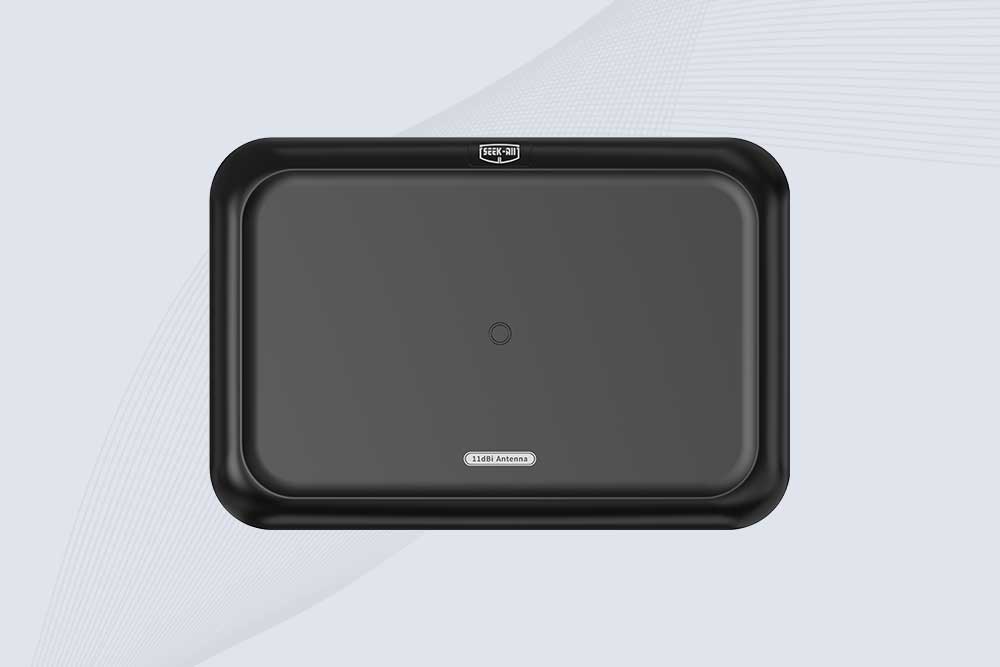
SSD-A11 UHF RFID antenna features 840–960 MHz adjustable frequency, ≥10.5 dBi gain, circular polarization and 50Ω impedance for fixed RFID systems.
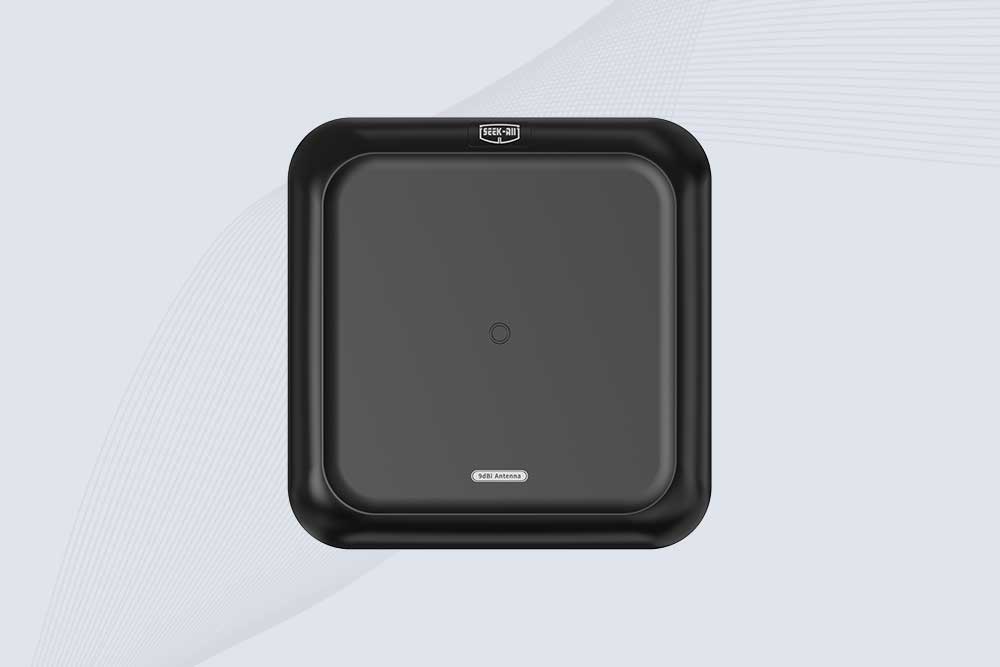
SSD-A09 is a 9 dBi UHF RFID antenna with 840–960 MHz adjustable frequency, circular polarization, 50Ω impedance and directional 60° × 60° coverage.
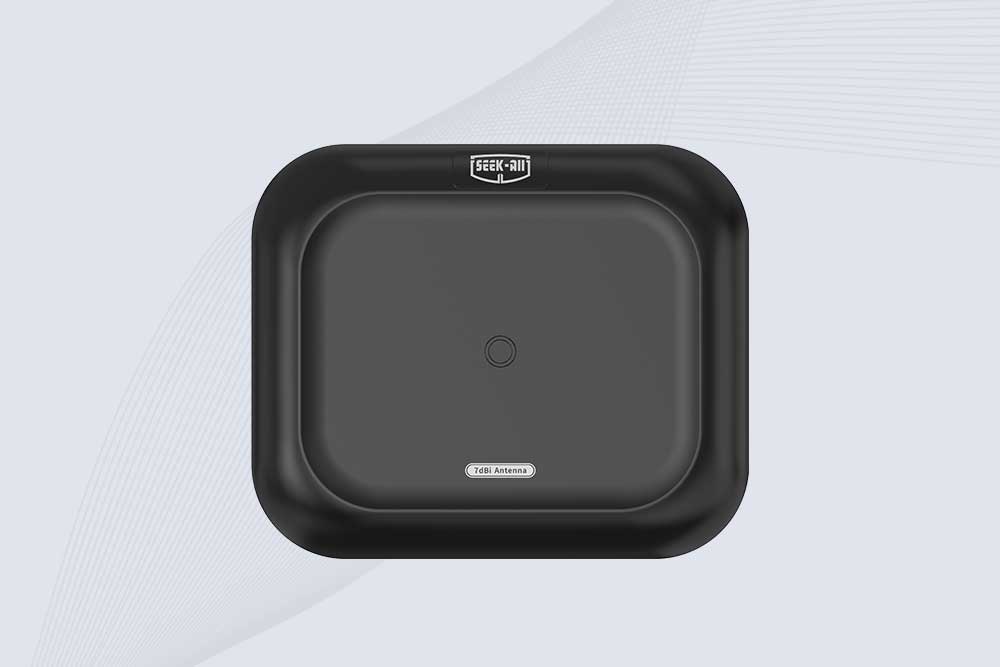
Explore the SSD-A07 UHF RFID antenna with 7 dBi gain, circular polarization, adjustable 840–960 MHz frequency, and 60°/75° beamwidth for stable RFID read/write performance.

SSD-A06 UHF RFID antenna with circular polarization, adjustable 840–960 MHz frequency, ≥4.5 dBi gain, and a compact directional design for RFID systems.
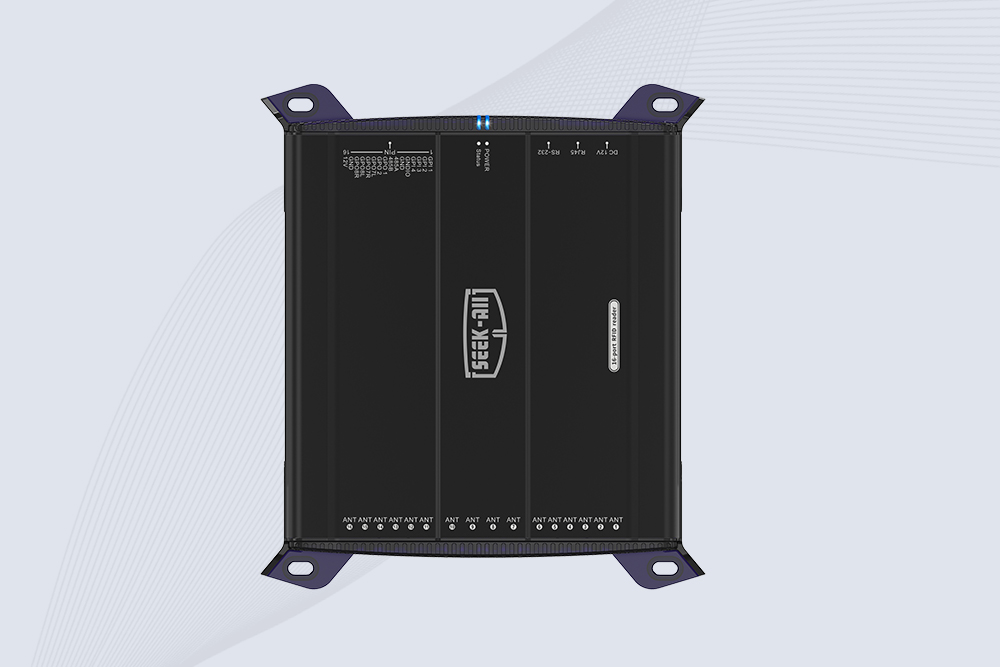
SSD-R16L Multi-Channel RFID Infrastructure for Automated Inventory Management ✔️ 16-Port High-Density RFID Reading Equipped with 16 SMA antenna ports, SSD-R16L supports multi-antenna deployment for warehouses, retail stores, logistics, production lines, and large-area RFID identification. ✔️ High-Speed & Long-Range Performance With up to 33…
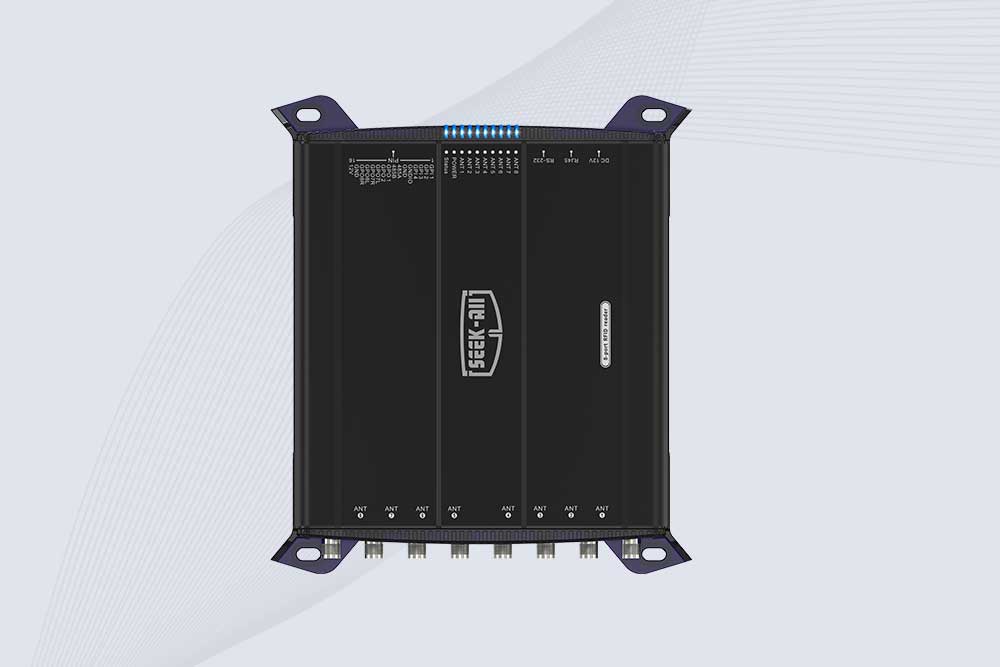
SSD-R8L 8-port UHF RFID reader with 33dBm output, up to 20m reading range and 600+ tags/s recognition. Ideal for warehouse, logistics, retail and asset tracking.
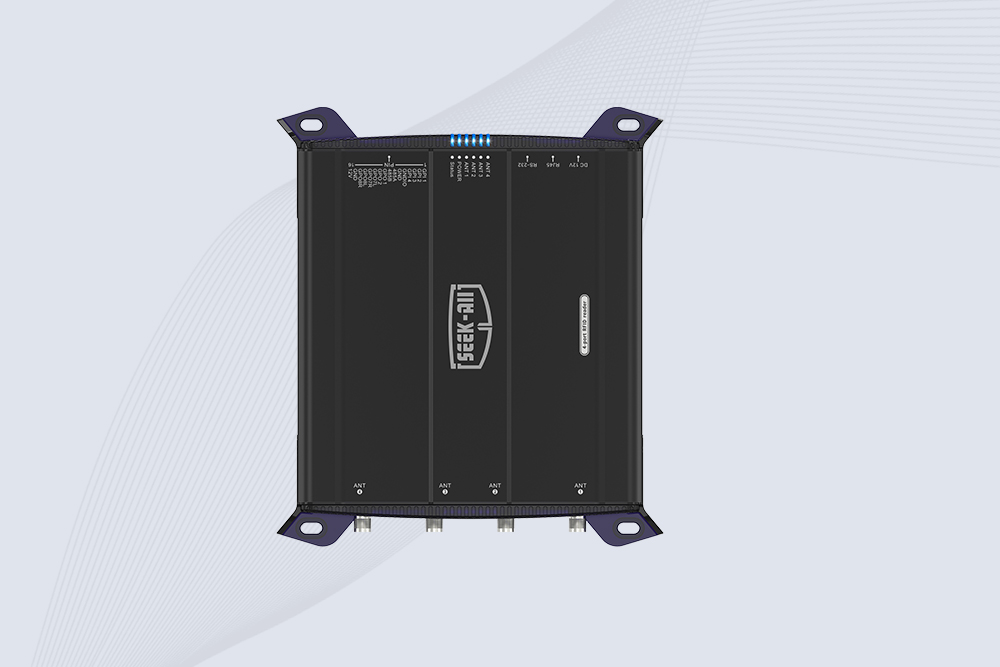
SSD-R4L is a 4-port UHF RFID fixed reader with 33dBm output power, up to 20m reading range, EPC C1G2 support and 600+ tags/s reading speed.
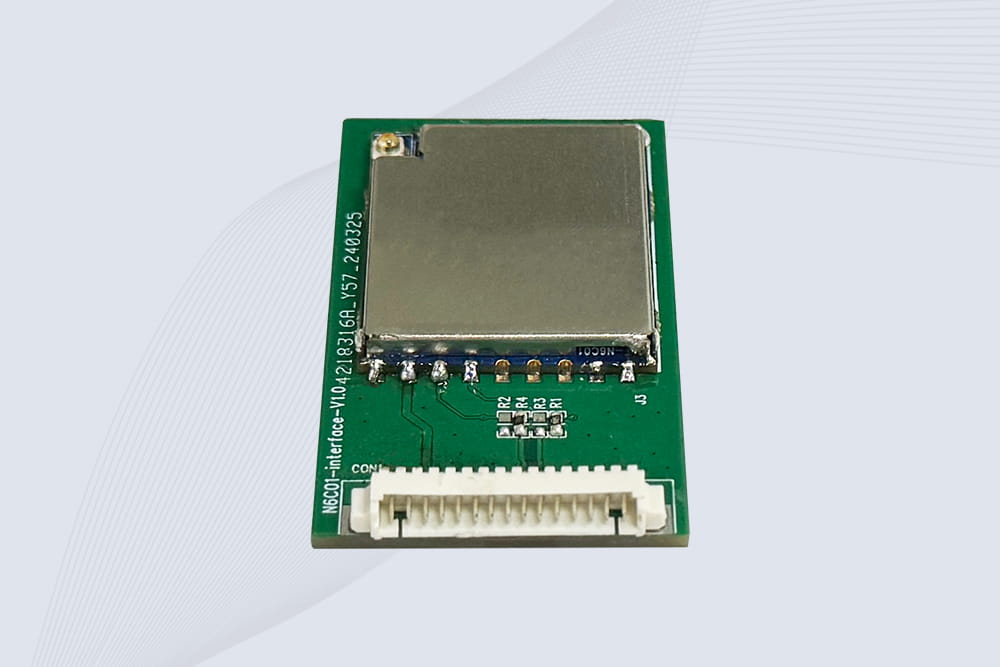
CYKEO Embedded RFID Modules are designed for compact industrial and IoT devices that require stable UHF performance. These UHF RFID Modules support global protocols, flexible power control, and reliable multi-tag reading for smart cabinets, production lines, and asset tracking systems.
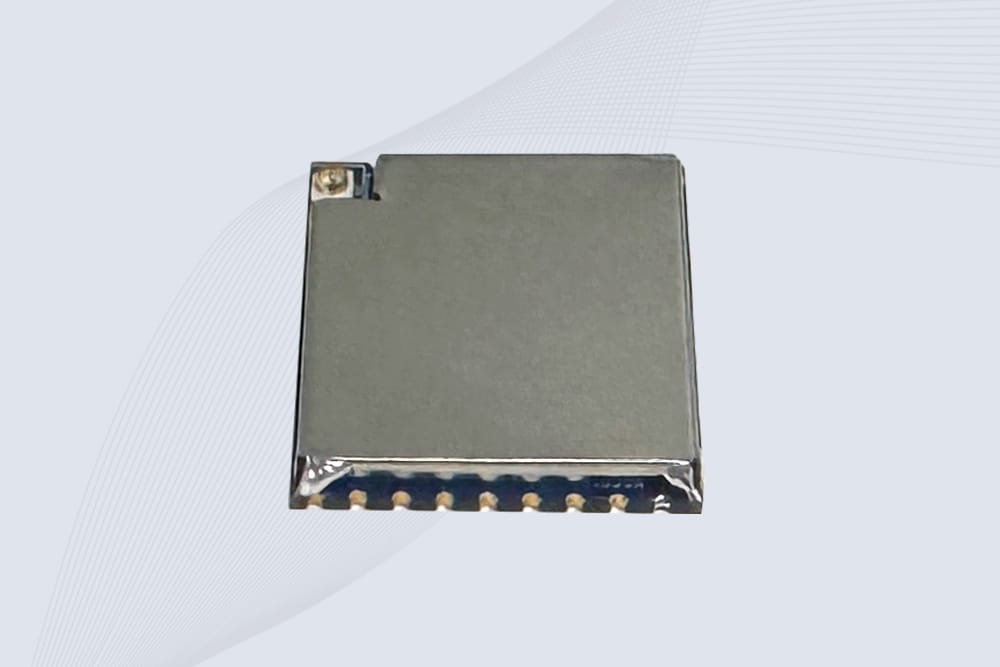
CYKEO Embedded RFID Module is built for compact IoT and industrial devices that need stable UHF performance. This UHF module supports global protocols, low power operation, and reliable multi-tag reading for smart lockers, production lines, and always-on RFID systems.
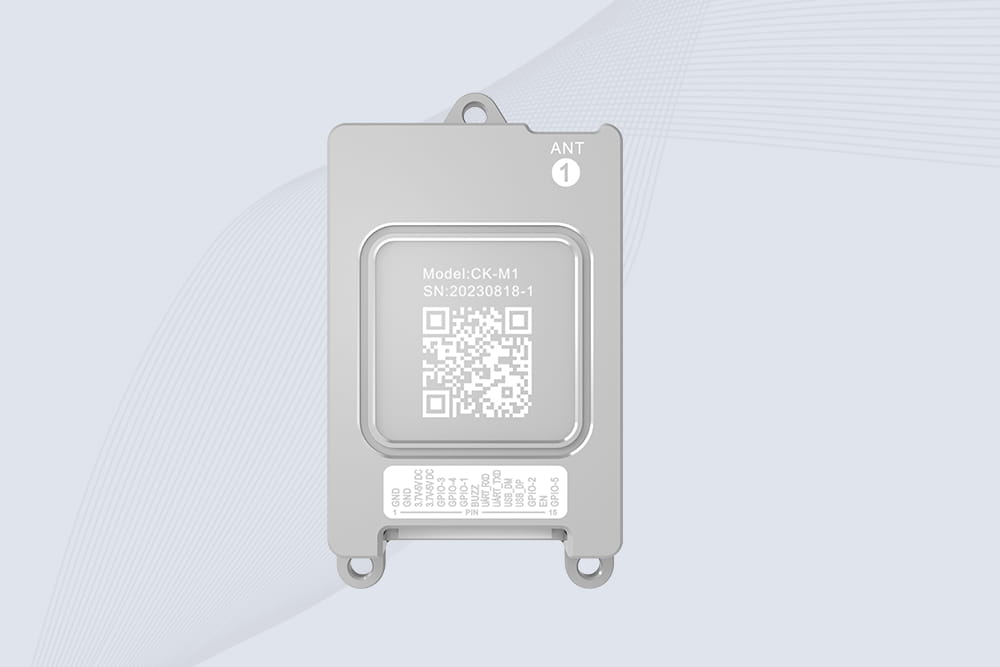
CYKEO CYKEO-M1 drone rfid module is a compact UHF RFID reader module designed for drones and UAV platforms. It supports long-range aerial scanning, fast multi-tag reading, and stable performance in wind, vibration, and outdoor environments.
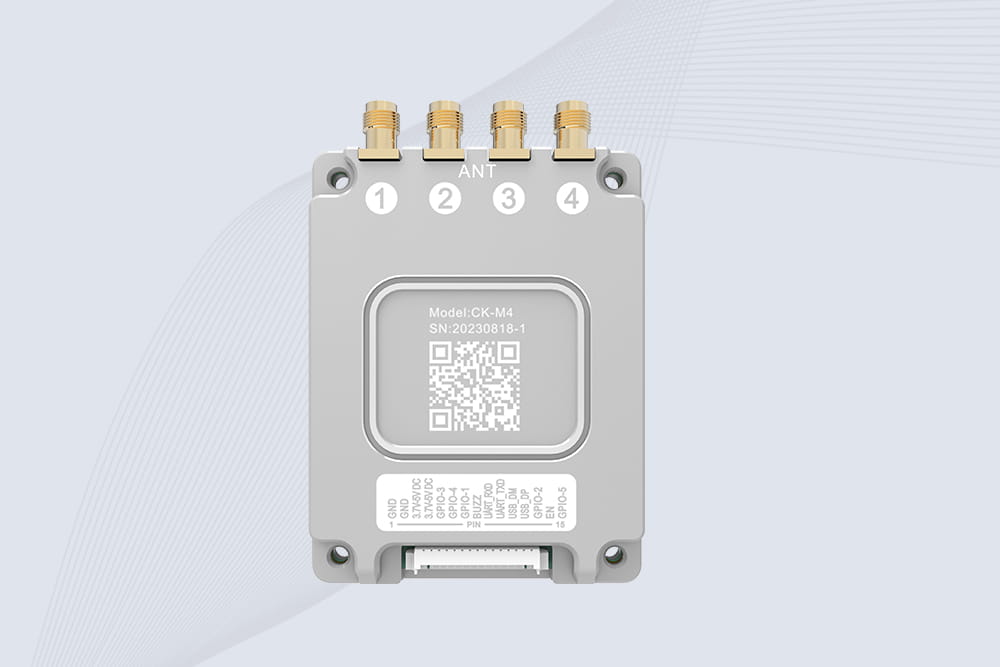
CYKEO CYKEO-M4 RC522 RFID Module is an industrial-grade UHF RFID reader with 4 ports, supporting ISO, EPC, and GB protocols. High-speed, accurate reading for IoT, automation, and warehouse applications.
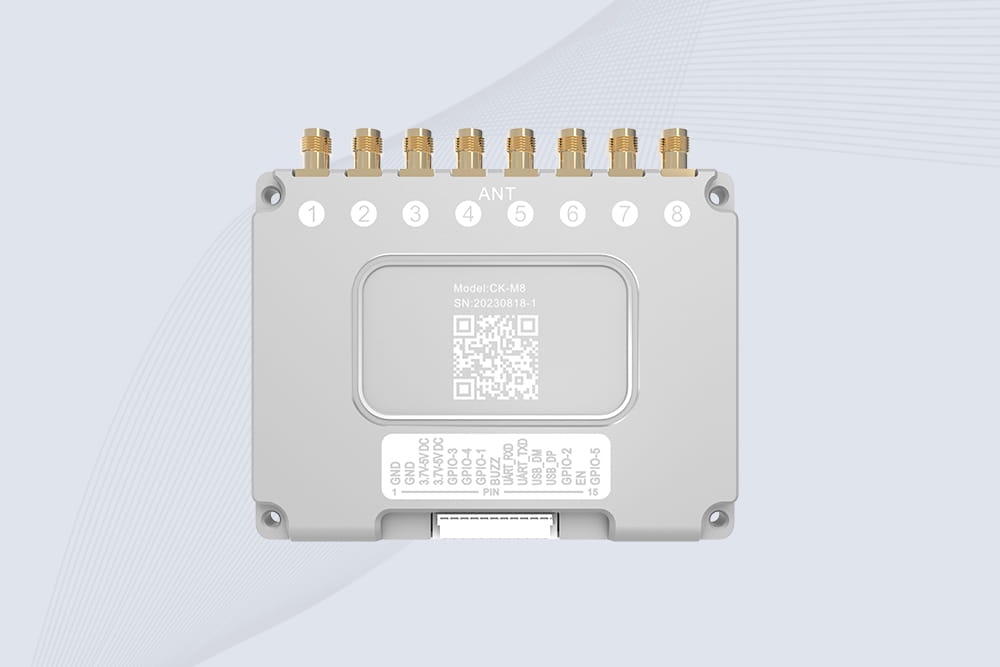
CYKEO CYKEO-M8 Module RFID is an 8-port UHF R2000 RFID Module designed for high-density, multi-tag environments. Stable 33dBm output, ISO & GB protocol support, ideal for warehouses, factories, and automated systems.
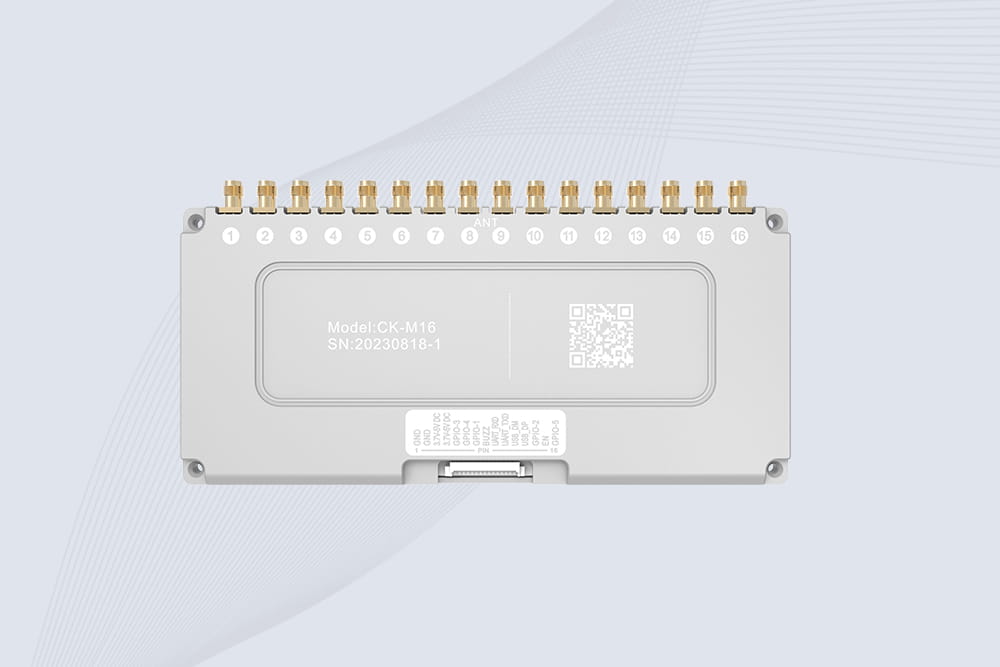
CYKEO CYKEO-M16 RFID Module is a 16-port UHF RFID reader module based on the R2000 chipset. Designed for dense tag environments, it supports ISO and GB standards and delivers stable multi-antenna control for industrial automation.
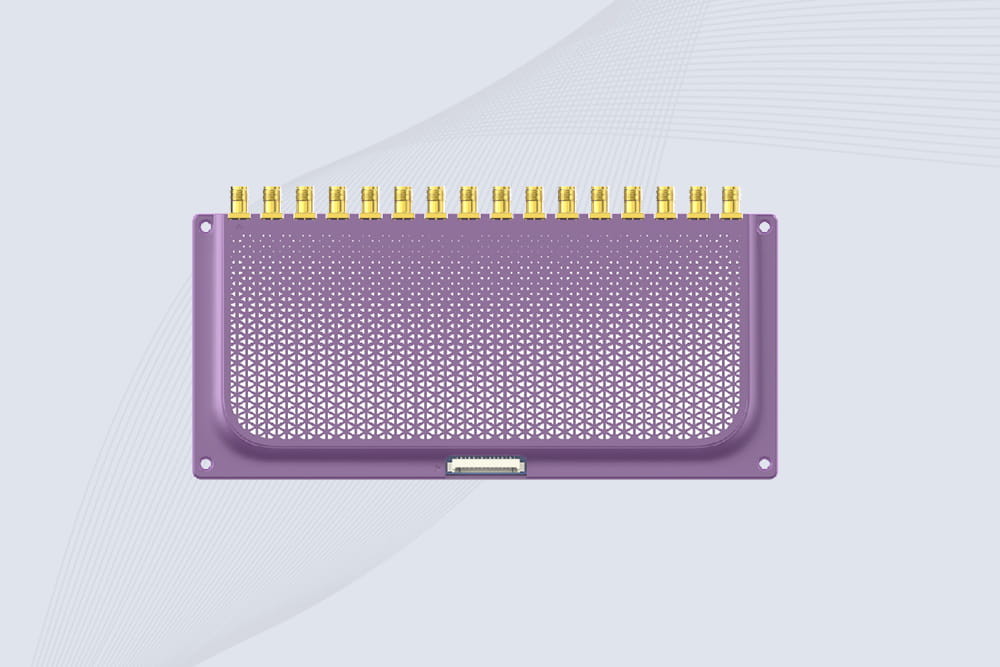
The CYKEO CYKEO-M16L RFID Reader Module is a 16-channel UHF RFID core designed for dense tag environments. With adjustable 33dBm output, multi-protocol support, and stable multi-antenna control, this RFID Tag Reader Module fits industrial automation, warehouse systems, and large-scale IoT deployments.
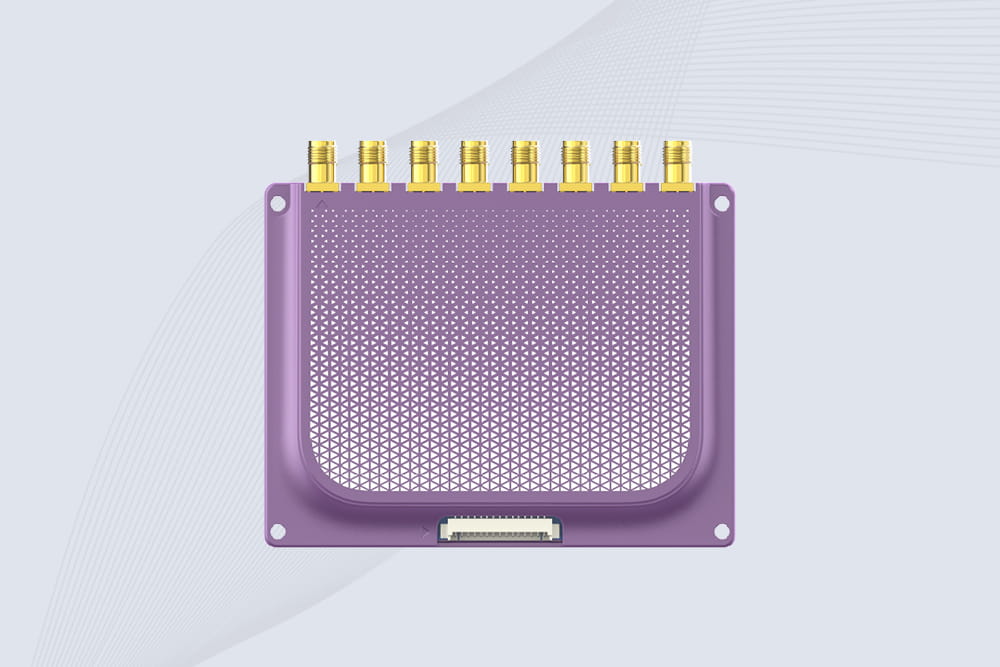
CYKEO CYKEO-M8L module RFID is a compact industrial UHF module built for dense tag and multi-antenna environments. With 8 RF ports, adjustable 33 dBm output, and ISO & GB protocol support, it is widely used in factories, warehouses, and automated tracking systems.
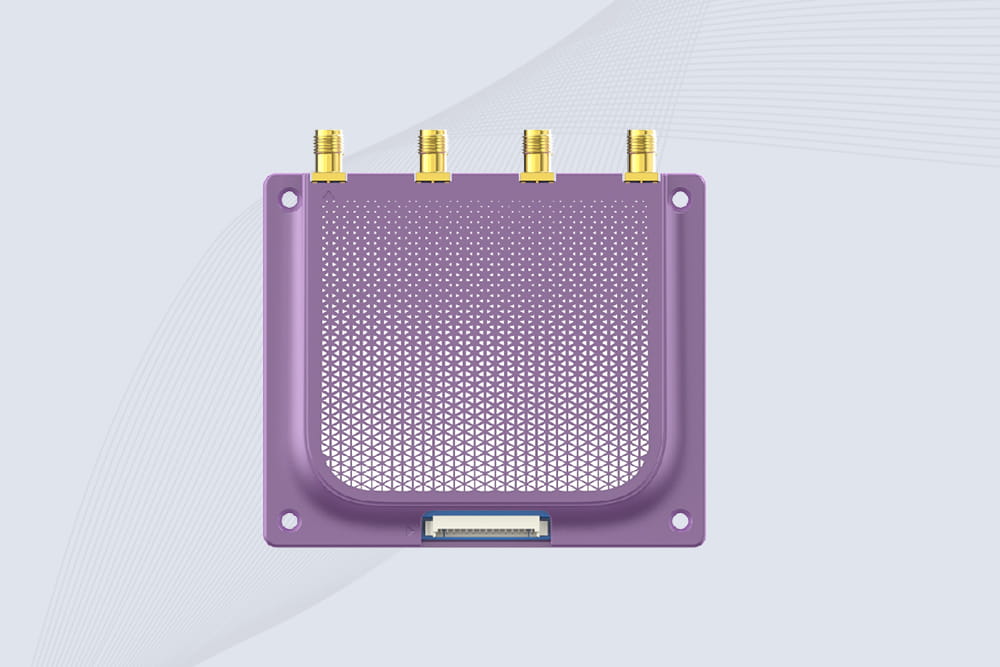
CYKEOCYKEO-M4L UHF RFID Module is a compact 4-channel RFID tag reader module designed for dense tag environments. Supporting ISO and GB protocols, it delivers stable reads up to 10 meters for industrial and IoT systems.

Cykeo CYKEO-A11 UHF RFID reader antenna delivers 11dBi gain, 840-960MHz frequency range, and IP65 ruggedness for retail, logistics, and industrial RFID systems. Features low VSWR and easy installation.

CYKEO Antenna RFID Reader delivers stable long-range UHF performance with a 10.5dBi directional design, built for warehouses, conveyor portals, and industrial RFID systems. This rfid reader antenna provides 20m+ read distance and rugged IP67 protection.

Cykeo CYKEO-PHF3 industrial HF RFID Antenna offers 24-point dynamic tracking, ISO 14443A/15693 protocols, metal-environment stability for archives/libraries/manufacturing.

Cykeo CYKEO-A5B industrial Linear RFID Antenna delivers 5dBi gain, ≤1.5:1 VSWR, and IP65 rugged design for warehouse, production line, and logistics UHF systems.

Cykeo’s CYKEO-B12 Long Range RFID Antenna delivers 15m+ read range with 12dBi gain, IP65 rugged design, and global 840-960MHz UHF support. Ideal for warehouse/logistics asset tracking.
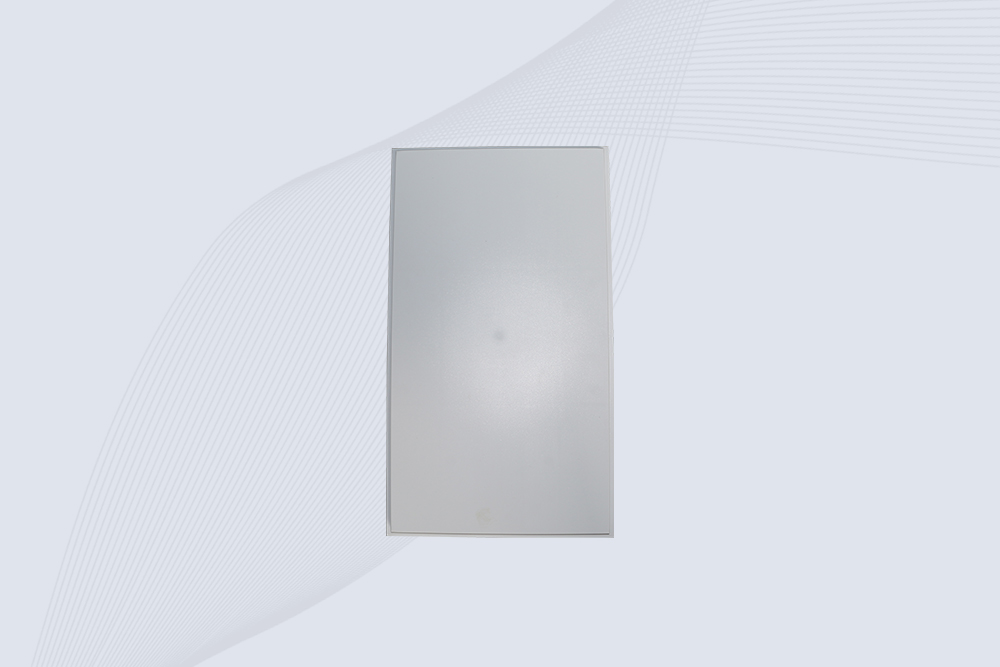
Cykeo CYKEO-B10 Long Distance RFID Antenna offers 10dBi gain, 840-960MHz frequency range, IP65 rating, and 20m+ coverage for logistics/warehousing/ETC systems. Low VSWR ensures stable signal transmission.
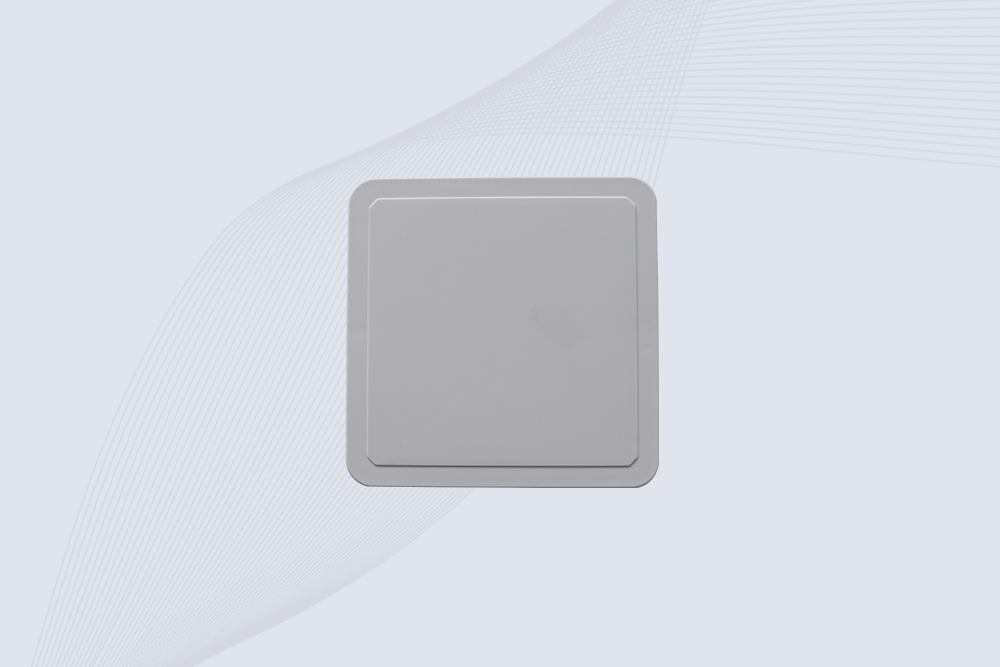
Cykeo CYKEO-A6 UHF RFID panel antenna features 6dBi gain, 840-960MHz broadband, IP65 metal-ready housing for logistics/smart retail. 18mm ultra-thin design with tool-free mounting.

Cykeo CK-A3 industrial antenna RFID UHF offers 5m+ tag detection, ≤1.3:1 VSWR, IP65 rugged design, and global UHF spectrum compatibility (840-960MHz) for warehouses, factories, and retail.
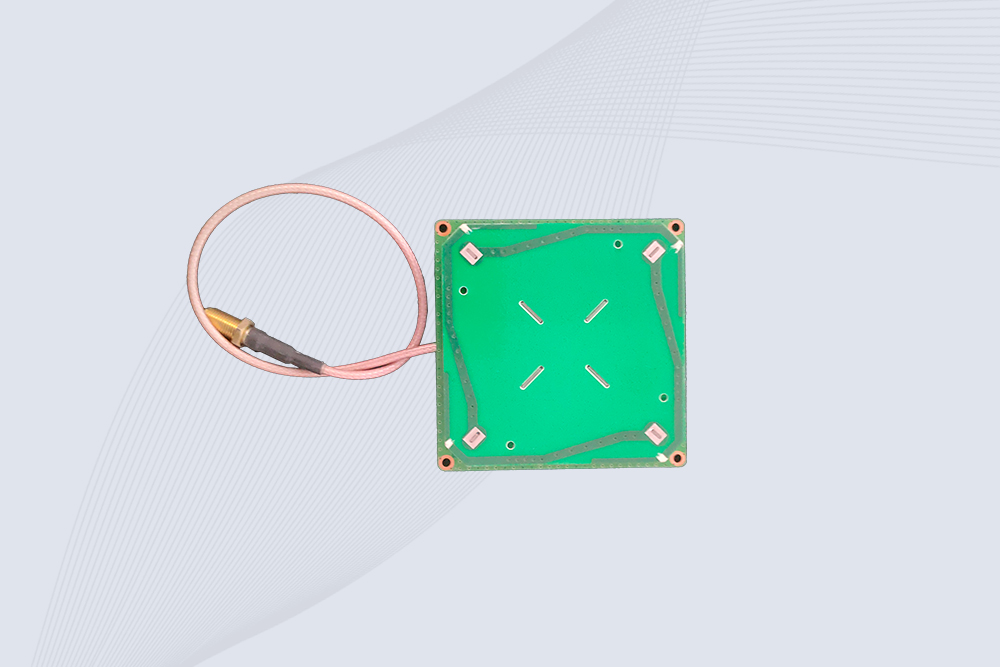
Cykeo CYKEO-B5 directional RFID antenna provides 5dBi gain with 60° narrow beamwidth for precise inventory tracking. IP65-rated, global UHF frequency support, and low VSWR.
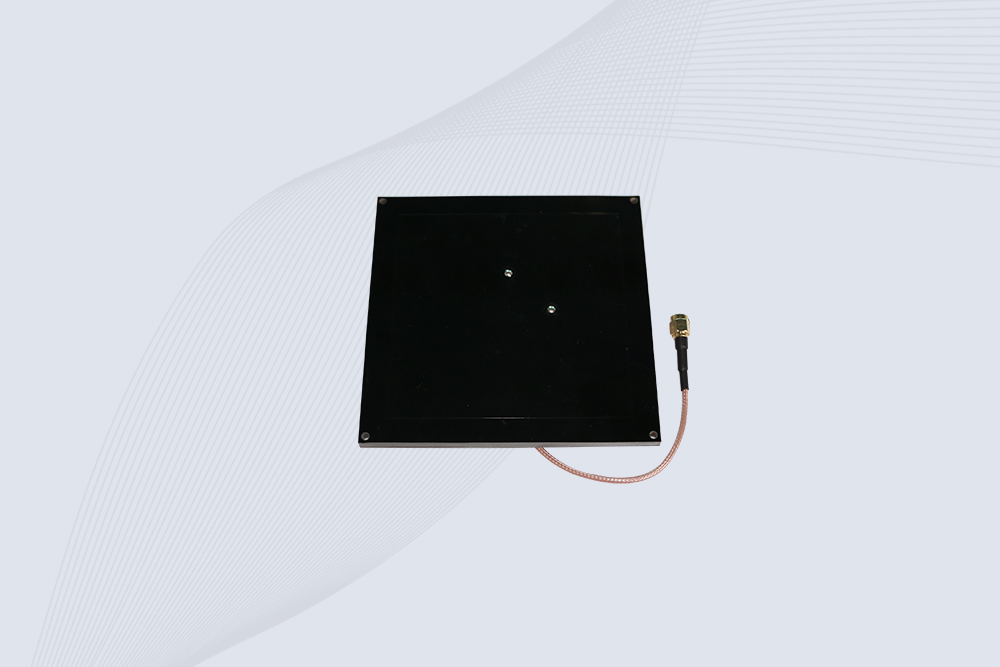
Create your own high-performance DIY RFID antenna! 5dBi gain, 840-960MHz tunable, step-by-step guides. Compatible with Arduino, Raspberry Pi, and commercial UHF readers.
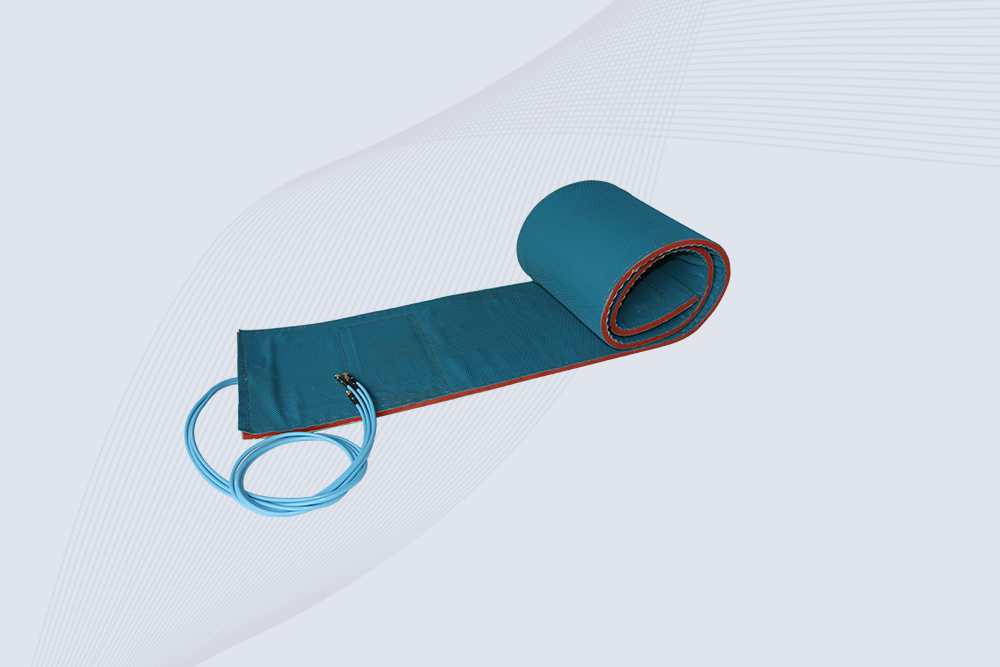
Cykeo CYKEO-A7 Flexible RFID Antenna features 840-960MHz wideband tuning, 7dBi gain, and IP68 rating for medical/retail/industrial curved surface deployments. 98% read accuracy with peel-and-stick installation.

Cykeo CYKEO-B5A industrial Passive RFID Antenna delivers 5dBi gain, 70° beamwidth, and -40°C~55°C operation for warehouses/smart cabinets. Compatible with Zebra/Impinj readers.
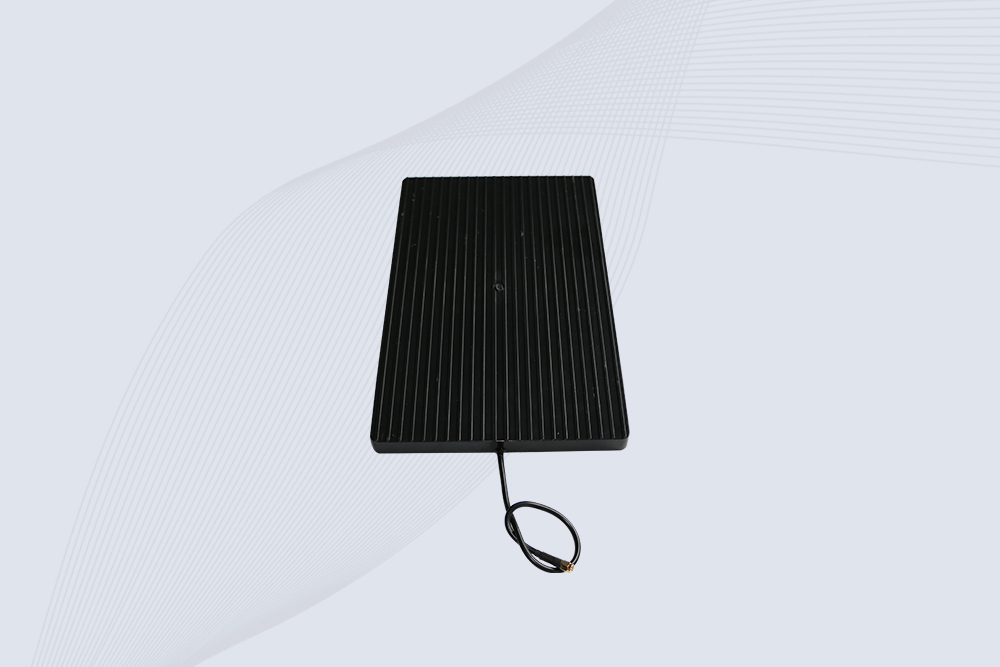
Cykeo’s CYKEO-A9B High Gain RFID Antenna delivers 15m+ read range with 9dBi amplification. Features IP54 rugged design, 840-960MHz bandwidth, and 80° beamwidth for warehouse/manufacturing RFID systems.

Cykeo’s enterprise-grade 8dbi Impinj RFID Antenna 10m+ read range with 840-960MHz tuning. Features IP65 housing, 1.4 VSWR, 35° beamwidth for retail/warehouse RFID systems.
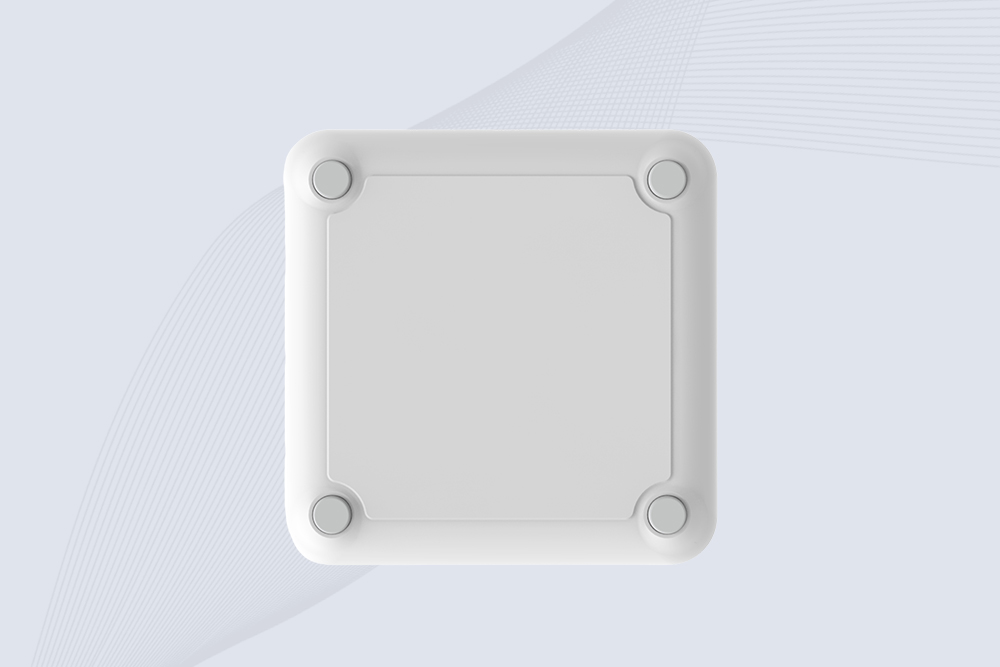
Cykeo CYKEO-A9 industrial UHF RFID antenna delivers 9dBi gain, 840-960MHz frequency range, and IP65 protection for warehouse/logistics/retail RFID systems. Features N-type connector and ≤1.3:1 VSWR.

CYKEO UHF RFID Antenna built for long-distance and industrial applications. This antenna rfid uhf delivers strong gain, outdoor durability, and reliable tag performance in warehouses, yards, and vehicle ID systems.
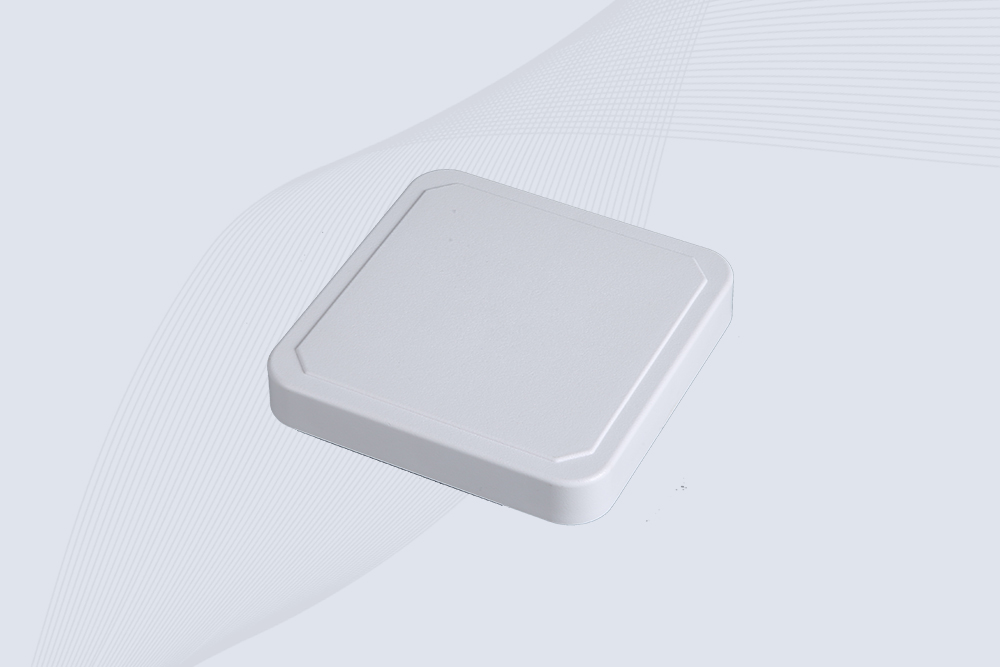
CYKEO Antenna RFID delivers reliable long-range UHF performance in warehouses, retail shelves, and cold-chain environments. This compact uhf rfid antenna provides stable reads with circular polarization and ultra-wide 840–960 MHz support, ideal for industrial tracking, smart shelves, and asset monitoring.
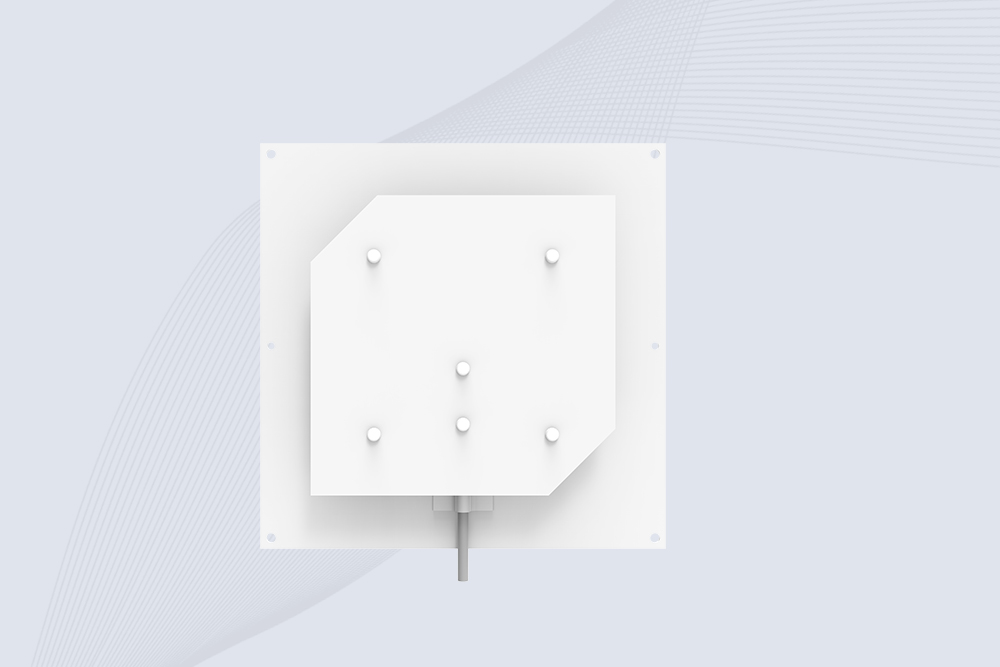
Cykeo’s CYKEO-C8 UHF RFID antennas delivers 8dBi gain, 840-960MHz full-band coverage, and IP65 ruggedness for manufacturing/warehouse RFID systems. Industrial RFID Antennas Features
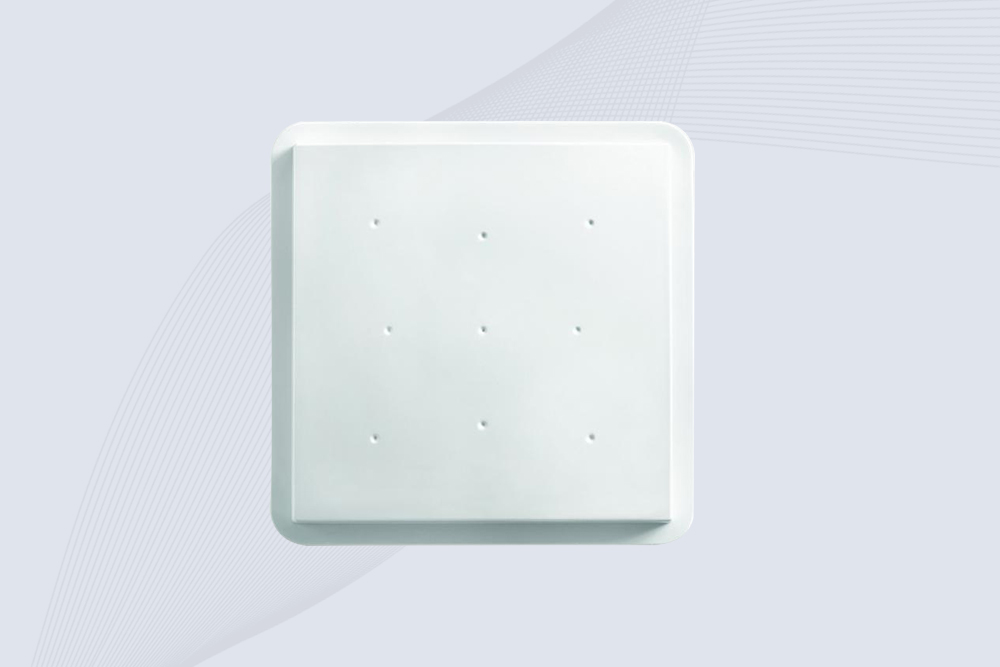
Cykeo’s 8dBi UHF RFID antenna and reader kit delivers 10m+ range, 840-960MHz broadband, and IP65 ruggedness for factories, warehouses, and logistics. ISO 18000-6C & EPC Gen2 certified.
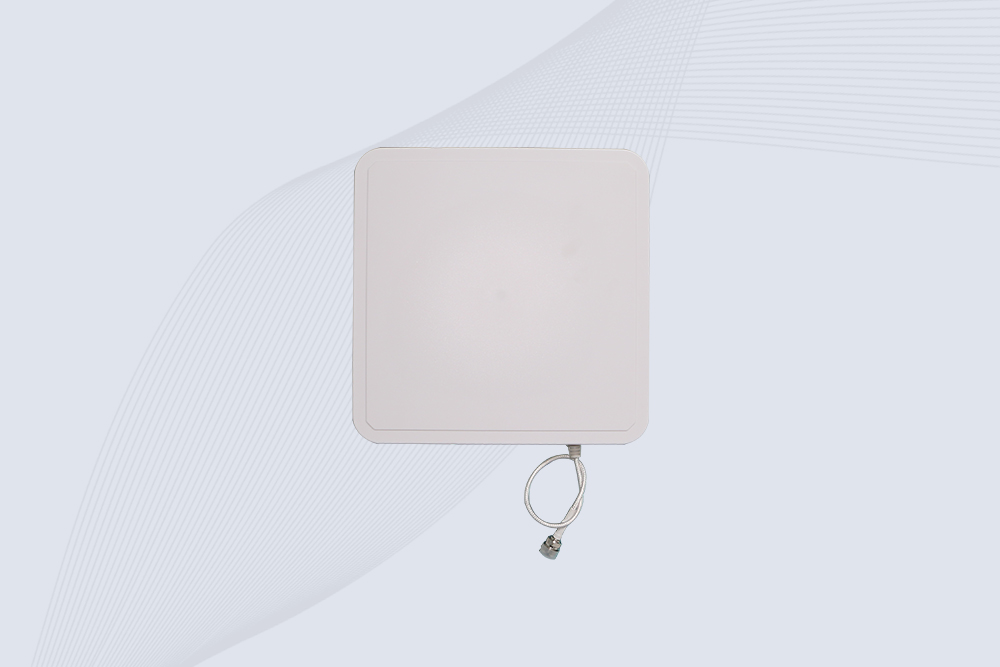
Cykeo CYKEO-A9A industrial UHF RFID reader and antenna kit delivers 10m range, 500 tags/sec, IP65 ruggedness for manufacturing/logistics. Supports EPC Gen2, ISO18000-6C.
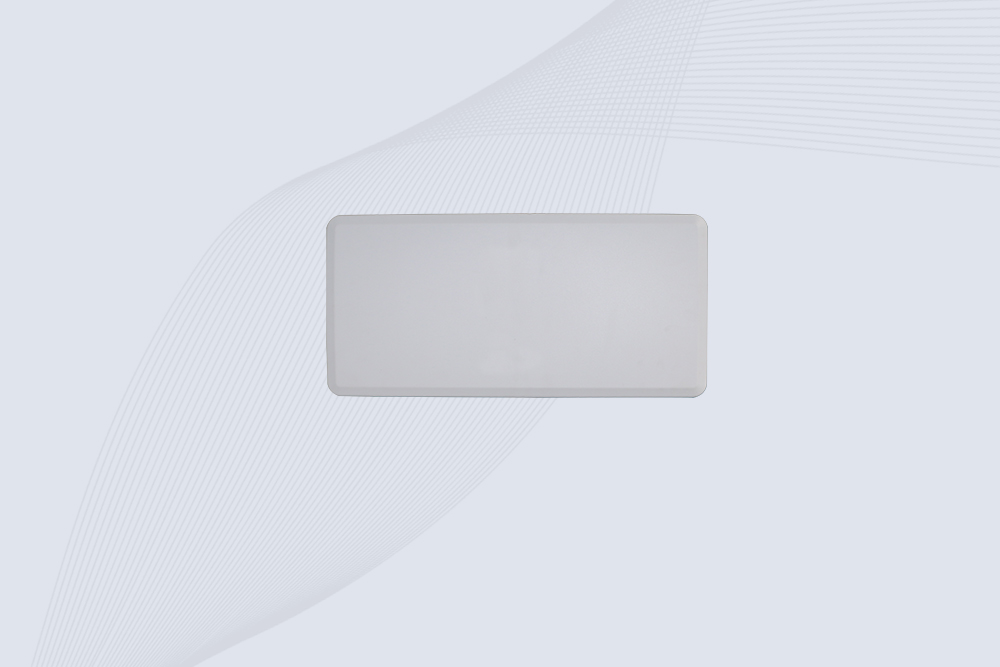
Cykeo’s CYKEO-A12C UHF Large RFID Antenna delivers 12dBi gain, 840-960MHz global frequency, IP65 ruggedness for logistics/warehousing/automotive. 40° beamwidth ensures stable 15m+ tag reads.

CYKEO Near Field RFID Antenna provides precise 5–30 cm reading for shelves, cabinets, and workstations. This compact rfid shelf antenna delivers stable short-range performance around metal and clutter, ideal for pharmacies, libraries, and electronics sorting.
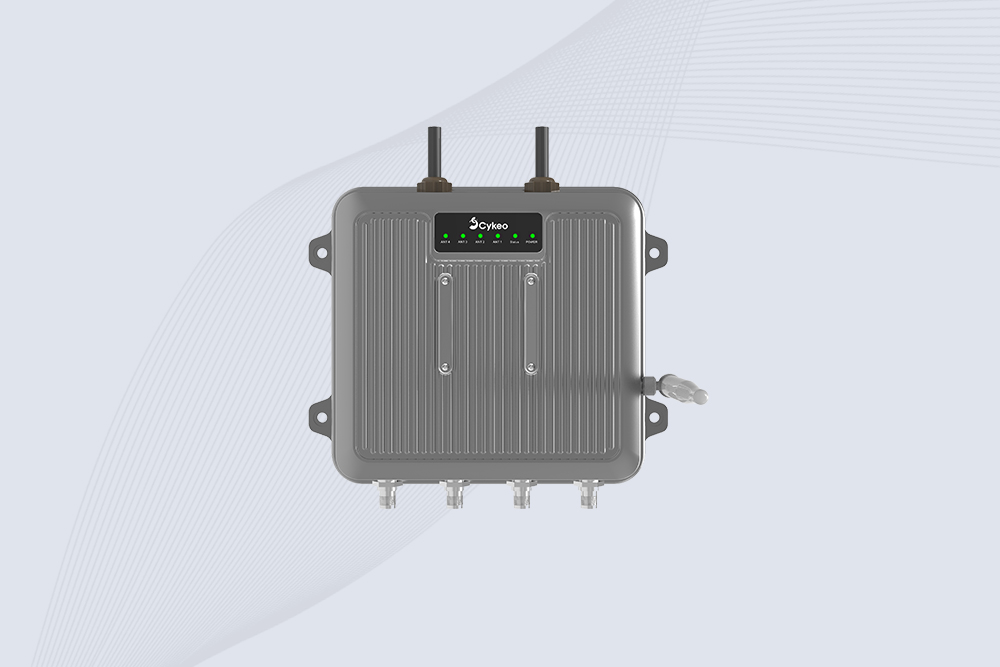
Cykeo CYKEO-C1 industrial Forklift RFID Reader features 20m read range, 600 tags/sec scanning, Impinj R2000 chipset, and IP67 rugged design. Ideal for warehouse logistics and manufacturing. Supports ISO 18000-6C/6B protocols.
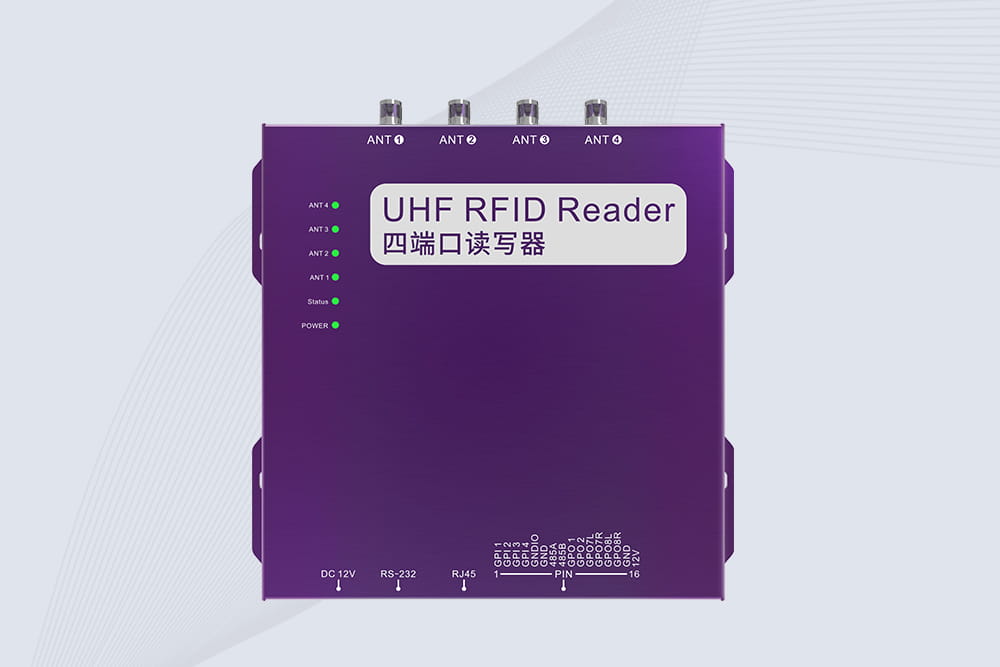
Cykeo CYKEO-R4 industrial UHF RFID Fixed Reader features 4 TNC ports, 400+ tags/sec speed, IP67 housing, and global frequency compliance for vehicle inspection, smart warehouse, and asset management systems.
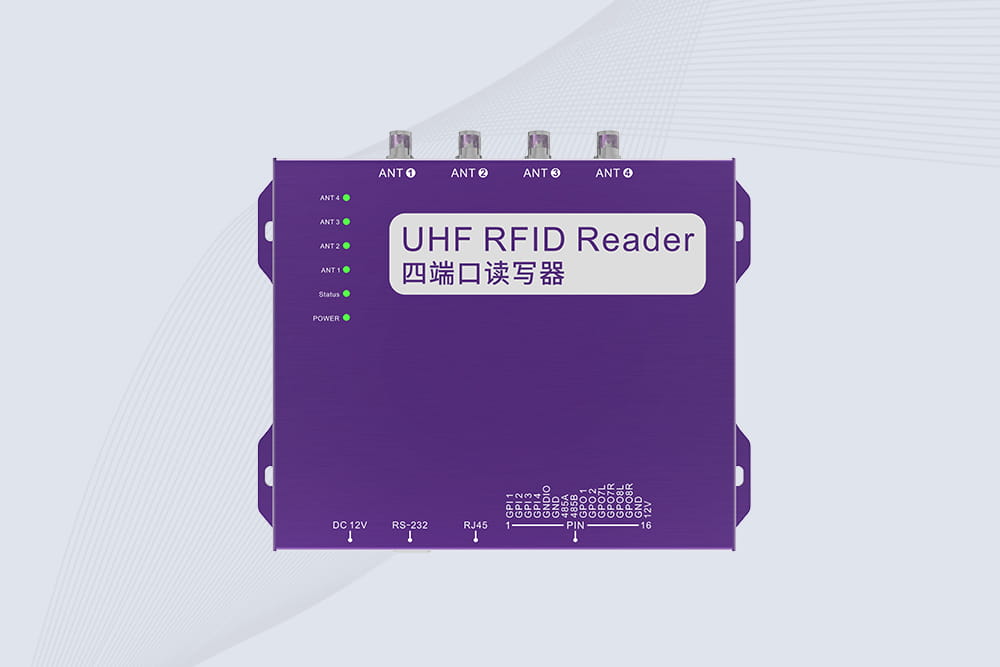
Cykeo’s CYKEO-R4L 4-port Fixed UHF RFID Reader delivers 400 tags/sec scanning, ISO 18000-6C compliance, and IP65 protection. Ideal for warehouse automation, manufacturing WIP tracking, and logistics management.
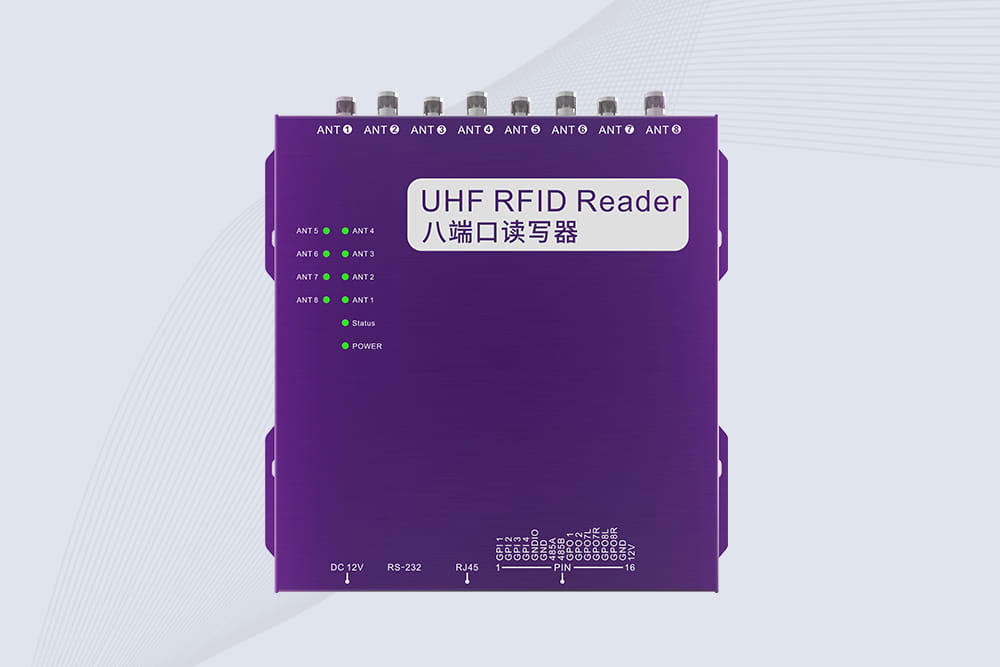
CYKEO CYKEO-R8L Fixed RFID Reader with 8-port UHF design, Impinj-based RF core and up to 20m read range. An industrial Fixed RFID Reader for vehicle inspection, warehouse portals, smart manufacturing lines and secure access checkpoints.
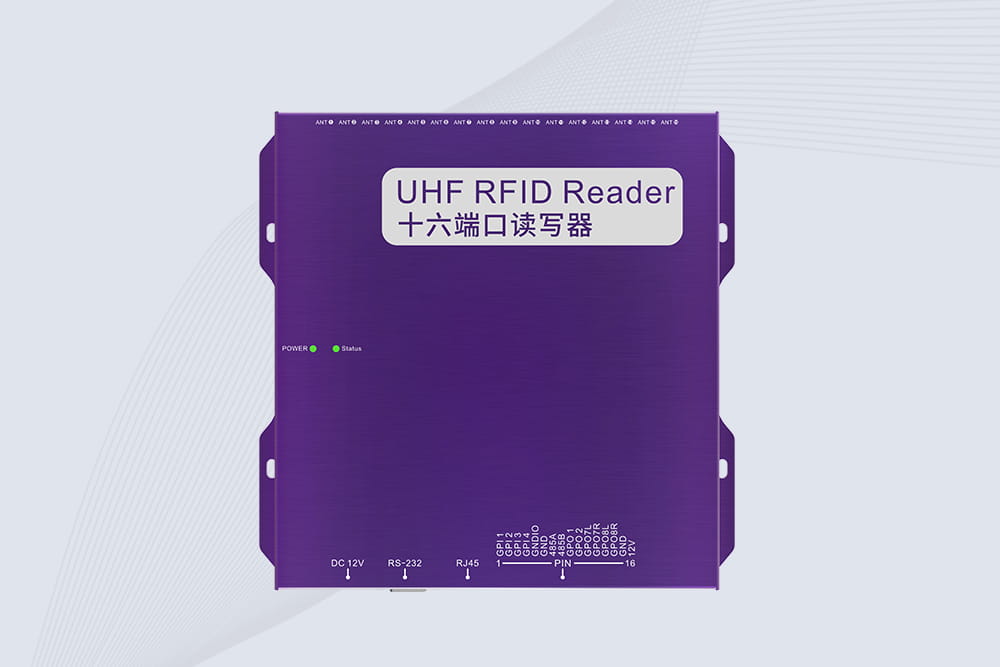
RFID Fixed Reader from CYKEO – the CYKEO-R16L 16-port UHF fixed reader for warehouses, smart cabinets, and production lines. Long-range, multi-tag reading, stable performance for 24/7 industrial use.
Discover how to find RFID tag number quickly using UHF readers. Learn real methods, accuracy tips, and Cykeo reader performance for reliable tracking.
More
how the CK-TP2C RFID Tunnel Reader boosts warehouse accuracy, speeds up carton scanning, and automates inbound workflows. Ideal for logistics, retail, and manufacturing operations needing fast and reliable RFID performance.
More
Learn how RFID reader modules are used in access control systems, smart cabinets, industrial security devices, and RFID-enabled entry management applications.
More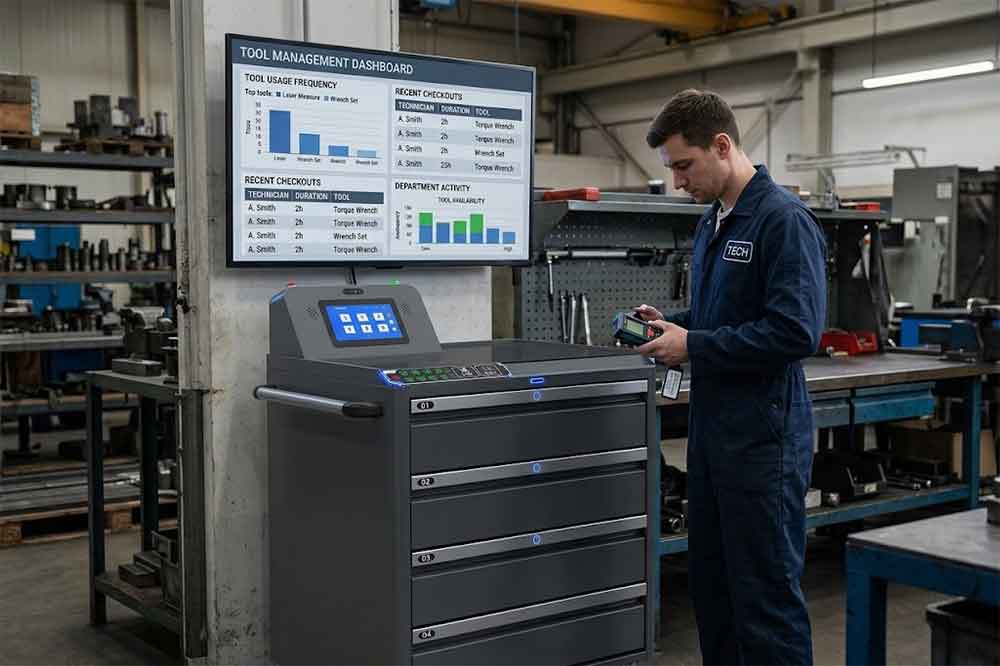
RFID tool cabinet can help industrial teams monitor how often tools are checked out, which departments use them, and how tool usage changes over time. Usage ...
More