All RFID Product

RFID Tool Cabinet for Tool Usage Monitoring: Track How Tools Are Actually Used

What Is RFID Tool Usage Monitoring?

RFID tool usage monitoring means collecting and analyzing information about how tools are used within an organization.

A basic transaction might look like:

Tool ID → User → Checkout → Location → Return

After many transactions, these records can show patterns.

For example:

  • Tool A is used 80 times per month.
  • Tool B is used twice per month.
  • Tool C is frequently requested by two departments.
  • Tool D has been unused for several months.

The purpose is not to judge whether a tool is “good” or “bad.”

The purpose is to understand actual usage patterns.


Why Tool Usage Data Matters

A factory can have a large tool inventory while still experiencing tool shortages.

This can happen because several technicians need the same specialized tool at similar times.

At the same time, other tools may remain unused.

Without usage data, purchasing decisions may rely heavily on employee requests or manual observations.

RFID transaction records provide another source of operational information.

They can help managers ask:

Which tools are used most often?

Which tools are rarely used?

Which departments share the same tools?

When is tool demand highest?

Which tools frequently become unavailable?

These questions can support better planning.


Monitoring Tool Checkout Frequency

One of the simplest measurements is checkout frequency.

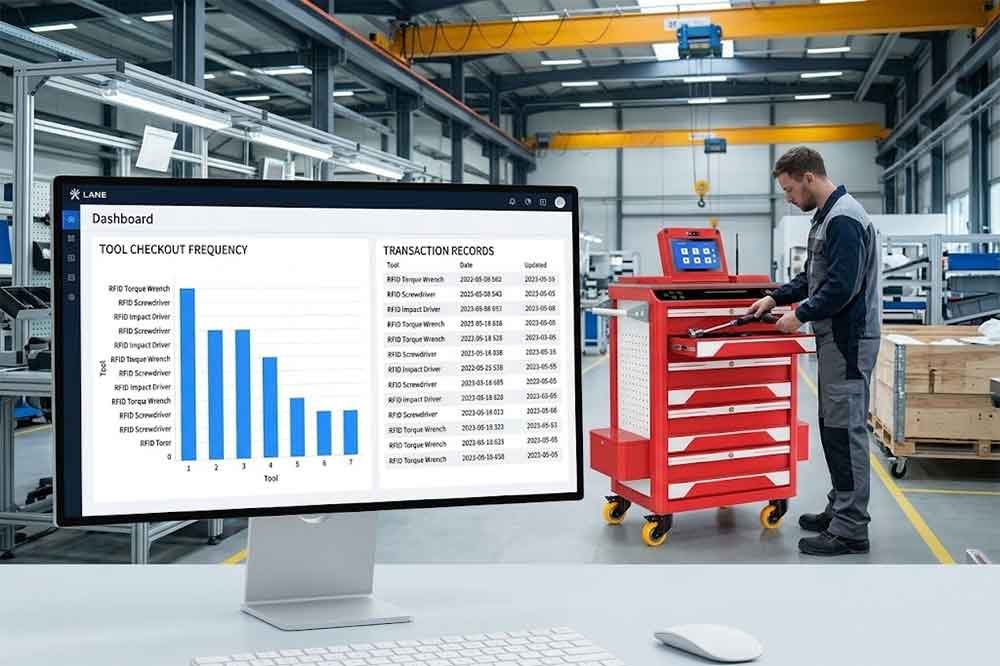
Dashboard showing RFID tool checkout frequency and usage patterns

For example:

ToolMonthly CheckoutsGeneral Usage Pattern
Tool A95High activity
Tool B47Regular activity
Tool C8Occasional activity
Tool D1Very low activity

The exact interpretation depends on the factory.

A tool checked out 95 times may be heavily used, but the number alone does not explain how long each user keeps it.

Therefore, checkout frequency should normally be combined with other information.


Measuring Tool Usage by Department

A shared tool may serve several departments.

For example:

Maintenance → Production → Quality → Maintenance

RFID events can associate tool transactions with departments when the user identity or workflow contains department information.

This can reveal which departments depend on shared tools.

It may also help identify situations where one department frequently requests a tool that is physically stored somewhere else.

That information can support decisions about tool location and availability.


Monitoring Tool Usage by User

User-level information can provide another perspective.

A system may record:

  • User ID
  • Tool ID
  • Checkout time
  • Return time
  • Cabinet
  • Department
  • Work order

This can help supervisors understand who is using shared equipment and when.

However, user data should be handled according to the organization’s access and privacy requirements.

The purpose should remain connected to legitimate operational needs such as tool accountability, maintenance, scheduling, or workflow improvement.


Tracking Tool Usage Duration

Checkout frequency does not tell the complete story.

A tool checked out 20 times for five minutes each may have a very different usage pattern from a tool checked out 20 times for eight hours each.

Usage duration can therefore be useful.

A basic calculation is:

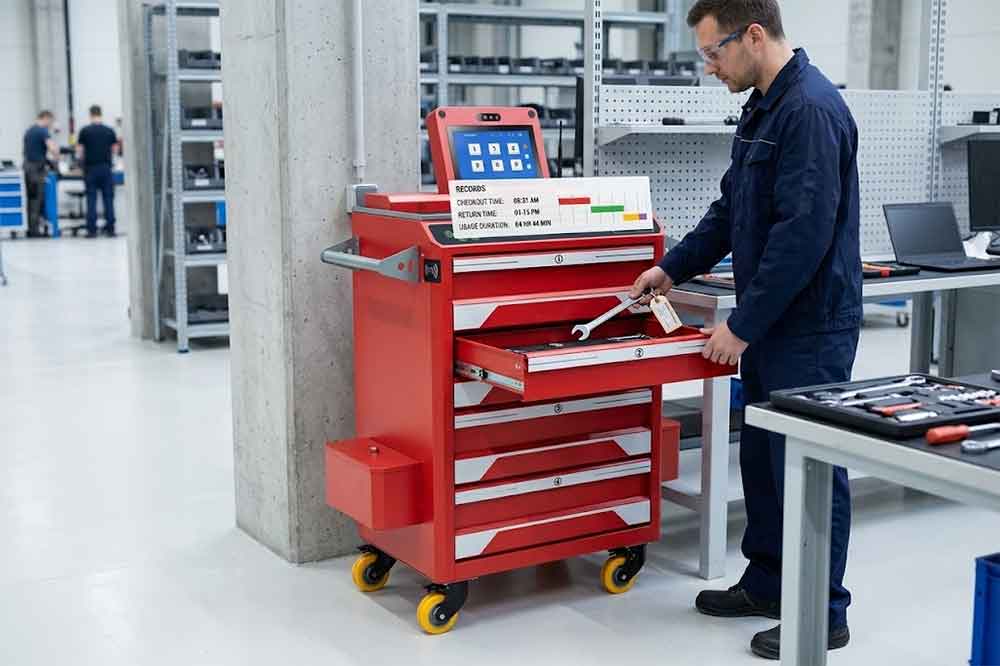
Usage Duration = Return Time − Checkout Time

For example:

08:30 checkout → 11:15 return = 2 hours 45 minutes

Over time, these records can help identify tools that are frequently occupied.

This can be particularly useful for shared equipment.

RFID system tracking tool checkout and return times to calculate usage duration

Identifying Frequently Used Tools

High-frequency tools deserve attention because they can affect daily operations.

A frequently used tool may need:

  • Convenient storage
  • Additional spare units
  • More frequent inspection
  • Faster replacement
  • Better availability planning
  • Clearer checkout rules

RFID usage data does not automatically determine what action should be taken.

Instead, it provides evidence that can support operational decisions.


Identifying Underused Tools

The opposite situation can also be useful.

Some tools may have very low transaction frequency.

This does not necessarily mean they should be removed.

A rarely used tool may still be essential for emergency maintenance or specialized production work.

Therefore, low usage should be treated as a signal for review, not an automatic reason for disposal.

Managers can compare usage frequency with:

  • Tool criticality
  • Replacement difficulty
  • Emergency requirements
  • Department ownership
  • Maintenance cost
  • Storage cost

Monitoring Shared Tool Demand

Shared tools can create availability problems.

Imagine three departments all depend on one specialized tool.

The tool may be available most of the month but become unavailable during scheduled maintenance periods.

Usage records can show:

Who uses it → When it is needed → How long it stays checked out

This information can help planners evaluate whether additional equipment, better scheduling, or a different storage location may be useful.

For reservation workflows, see RFID Tool Cabinet Tool Reservation and Availability Management.


Connecting Usage With Work Orders

Tool usage becomes more meaningful when it is connected with work orders.

For example:

Work Order 1025 → Technician A → Torque Tool → 09:20–10:15

This can provide additional context around the transaction.

Maintenance managers may then be able to understand which tools are commonly associated with certain work types.

The exact capability depends on the CMMS, ERP, MES, or custom software integration.

See RFID tool cabinet software integration for more information.


Tool Usage and Maintenance Planning

Tool usage can also provide a practical input for maintenance planning.

A heavily used tool may experience more physical wear than a tool that remains in storage.

Usage information can therefore be considered alongside:

  • Manufacturer recommendations
  • Inspection results
  • Tool condition
  • Calibration requirements
  • Repair history
  • Operating environment

RFID should not be used as the only basis for maintenance decisions.

Instead, usage data can become one input within a broader maintenance workflow.


Tool Usage and Calibration

For precision tools, usage frequency can sometimes be useful when planning inspections or calibration.

For example, an organization may discover that one measuring instrument is used significantly more often than another identical instrument.

This information can help the quality or maintenance team review whether the existing calibration schedule is appropriate.

The actual calibration interval should follow applicable requirements, internal procedures, manufacturer guidance, or other relevant controls.
See RFID Tool Cabinet for Tool Calibration.


Monitoring Tool Usage Across Multiple Cabinets

Large factories may have several tool cabinets.

Usage data can then be organized by:

  • Cabinet
  • Department
  • Factory area
  • Tool type
  • User
  • Date
  • Work order

This can reveal differences between locations.

For example, a tool may have very high demand at Cabinet A but almost no activity at Cabinet B.

Managers can then review whether the distribution of tools matches actual demand.

See RFID Tool Cabinet for Multi-Location Tool Management.

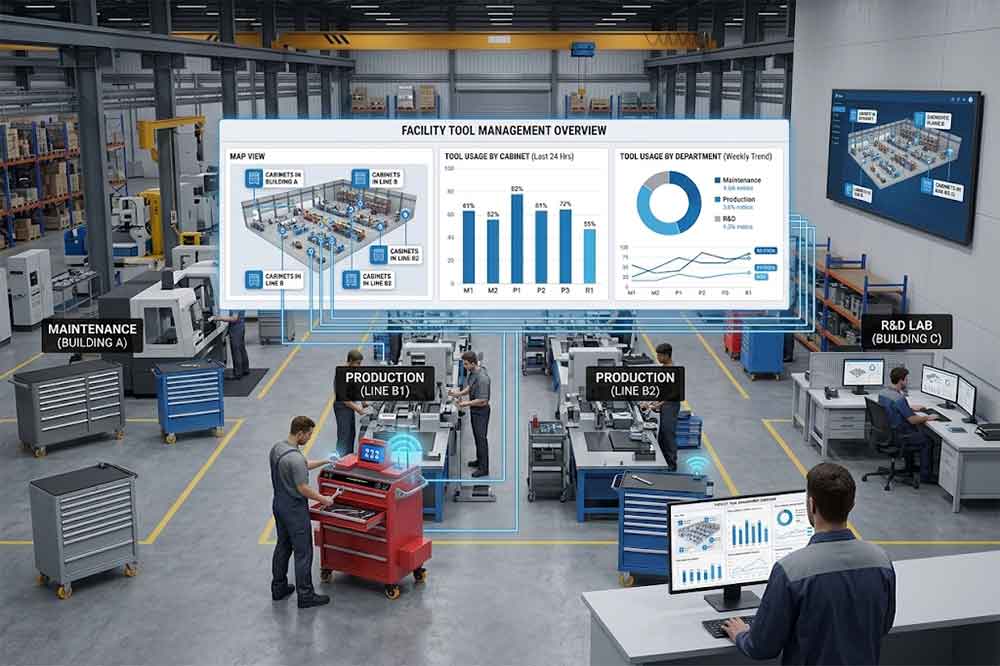
Centralized RFID dashboard monitoring tool usage across multiple factory cabinets

Usage Monitoring Dashboard

A practical dashboard does not need to contain dozens of charts.

Useful indicators may include:

Tool Usage Frequency

Number of checkout transactions during a selected period.

Average Usage Duration

Average time between checkout and return.

Department Usage

Tool activity grouped by department.

Most Used Tools

Tools with the highest transaction frequency.

Low-Use Tools

Tools with limited activity during the selected period.

Availability Events

How often a requested tool was unavailable.

Tool Demand by Time

Periods when checkout activity increases.

The exact dashboard should match management needs.


Tool Usage Monitoring vs. Tool Inventory Management

These two concepts are related but not identical.

Inventory management asks:

“What tools do we have?”

Usage monitoring asks:

“How are those tools being used?”

For example, an inventory system may show:

100 torque tools available

Usage monitoring may show:

20 tools account for most transactions

That difference can provide useful information for storage, maintenance, and purchasing discussions.

See RFID Tool Cabinet Inventory Management for the inventory-focused workflow.


Supporting Procurement Decisions

Historical usage data can support future purchasing analysis.

Suppose employees repeatedly request additional units of the same tool.

Before purchasing, managers can review:

  • Current tool quantity
  • Checkout frequency
  • Average usage duration
  • Peak demand
  • Number of departments
  • Unavailable-tool events
  • Existing spare tools

This does not automatically determine the correct purchasing quantity.

It provides additional operational evidence.


Usage Data and Tool Replacement

Usage monitoring can also contribute to replacement planning.

For example, a tool with:

  • High usage
  • Frequent maintenance
  • Repeated repairs
  • Increasing downtime

may deserve closer review than a rarely used tool.

However, usage frequency alone should not determine replacement.

Tool condition, safety, performance, cost, and technical requirements should also be considered.


How to Build RFID Tool Usage Monitoring System

1. Define What “Usage” Means

Decide whether usage means checkout frequency, duration, work-order assignment, or another measurement.

2. Identify Required Events

At minimum, many systems start with checkout and return.

3. Connect User Information

Associate transactions with authorized users or departments where appropriate.

4. Select Suitable RFID Tags

Test tags on actual tools and cabinet configurations.

5. Configure RFID Reading

Make sure checkout and return events are captured consistently.

6. Connect Software

Send RFID events to the appropriate management system.

7. Build Practical Reports

Start with a small number of useful indicators.

8. Test With Real Workflows

Measure whether the data reflects what actually happens on the factory floor.


Common Mistakes

Measuring Only Checkout Counts

Frequency alone does not show how long tools remain in use.

Treating Low Usage as Unnecessary

Emergency and specialized tools may have low frequency but high importance.

Ignoring Department Differences

A factory-wide average can hide strong demand in one department.

Collecting Too Much Data

More data does not automatically mean better management.

Ignoring Data Quality

Incorrect user IDs, missing returns, or duplicate tool IDs can distort usage reports.

Using Usage Data Alone for Procurement

Purchasing should also consider tool criticality, condition, future requirements, and availability.


Practical Usage Monitoring Checklist

Before deployment, confirm:

  • Usage metrics are clearly defined
  • Checkout events are captured
  • Return events are captured
  • Tool IDs are unique
  • User identities are available
  • Department information is accurate
  • Usage duration can be calculated
  • Work-order links are defined
  • Cabinet locations are recorded
  • Reports are easy to understand
  • Data quality is monitored
  • Privacy requirements are considered
  • Maintenance data can be connected
  • Usage trends can be reviewed
  • Real workflows have been tested

FAQs

1. What is RFID tool usage monitoring?

It is the collection and analysis of RFID tool transactions to understand checkout frequency, usage duration, users, departments, locations, and demand patterns.

2. Can RFID measure how long a tool is used?

It can estimate usage duration from checkout and return timestamps. Accuracy depends on whether users consistently complete the return process.

3. Can usage data help with tool purchasing?

Yes. Historical demand can provide useful evidence about frequently requested or unavailable tools, but purchasing decisions should consider other operational factors too.

4. Can RFID identify underused tools?

Yes. Transaction history can reveal tools with low checkout frequency. Low usage should be reviewed together with tool criticality and emergency requirements.

5. Can tool usage connect with work orders?

Yes. With appropriate software integration, RFID tool events can be associated with maintenance or production work orders.

CYKEO-GT1 RFID Intelligent Tool Cabinet

CYKEO-GT1 RFID Intelligent Tool Cabinet

2025-12-31

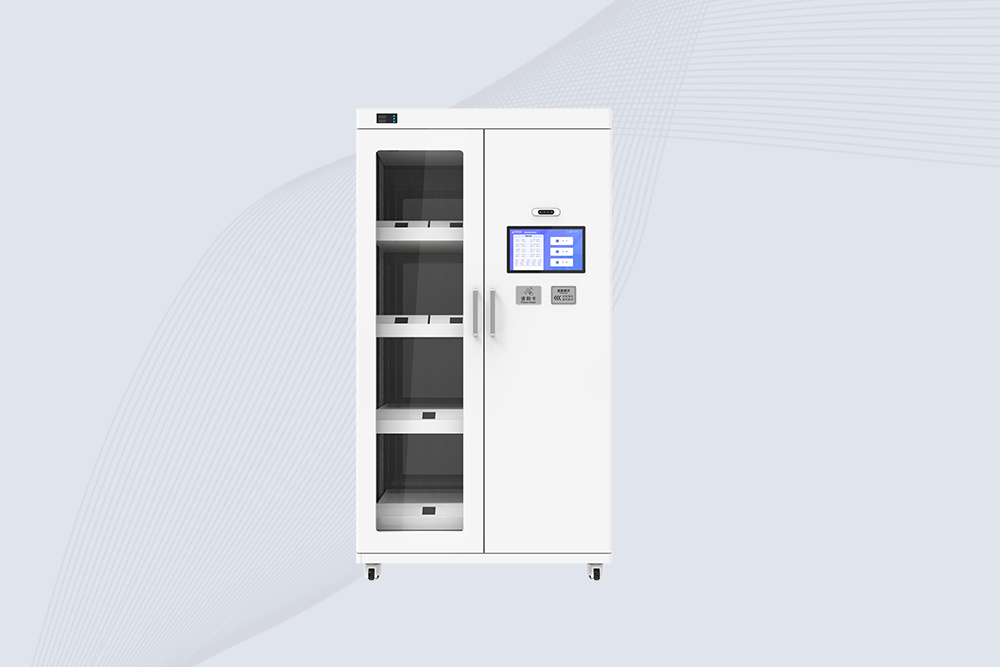
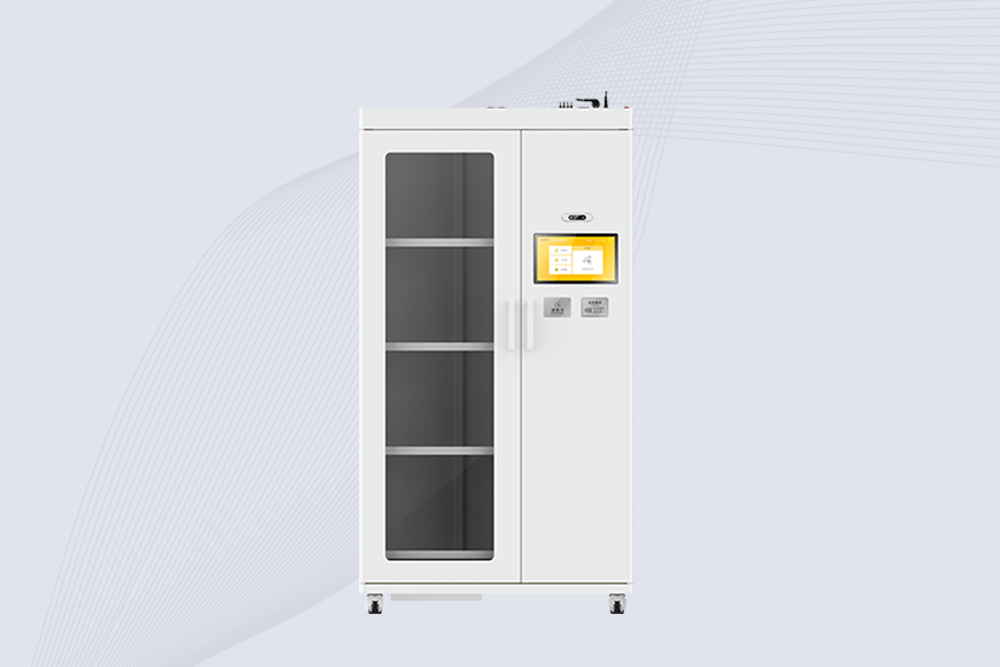
Cykeo’s RFID Smart Tool Cabinet enables 10-second tool audits, user access control & real-time alerts for construction/oil/gas. Features 21.5″ touchscreen, IP54 steel body & -30°C~60°C operation. Supports SAP/Oracle integration.

CYKEO-GGT1 Intelligent Weighing  Cabinet

CYKEO-GGT1 Intelligent Weighing Cabinet

2025-12-31

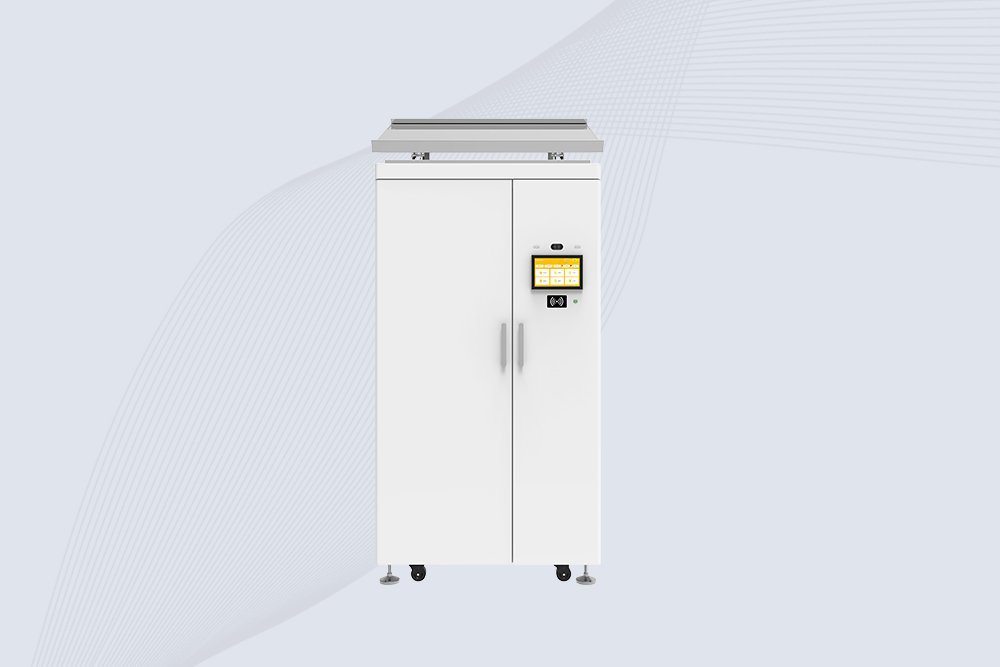
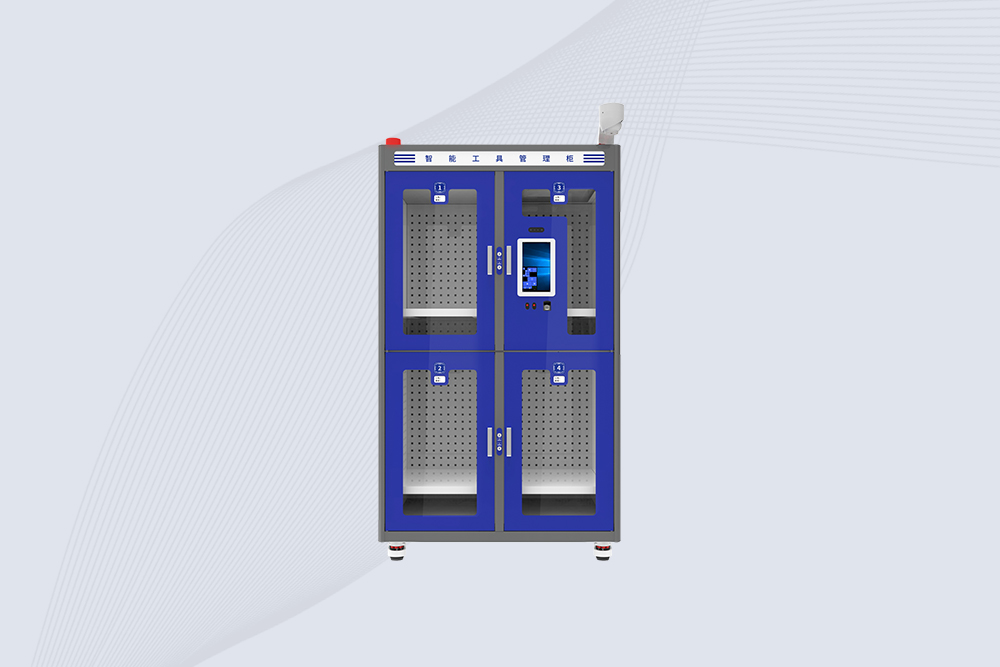
Cykeo’s Intelligent Weighing Tool Cabinet combines weight sensors & RFID for 100% tool accountability. Features solar/4G options, IP54 steel-glass body & nuclear/rail compliance. Supports SAP/Oracle integration.

CYKEO-GT7 OUTDOOR RFIDINTELLIGENT TOOL CABINET​

CYKEO-GT7 OUTDOOR RFIDINTELLIGENT TOOL CABINET​

2025-12-31

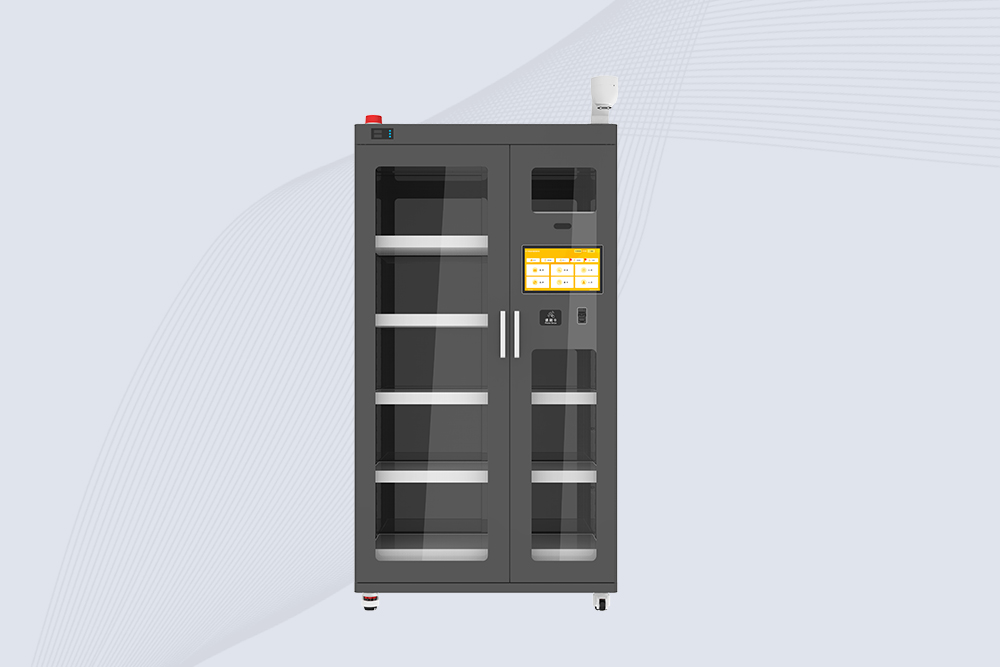
Cykeo’s solar-powered RFID Inventory Tool Cabinet enables 5-second audits for remote sites. Features 160W solar, Android 7.1, 4G & extreme temp operation for oil/energy/mining sectors.

CYKEO-GTC7C RFID Tool Cart

CYKEO-GTC7C RFID Tool Cart

2025-12-31

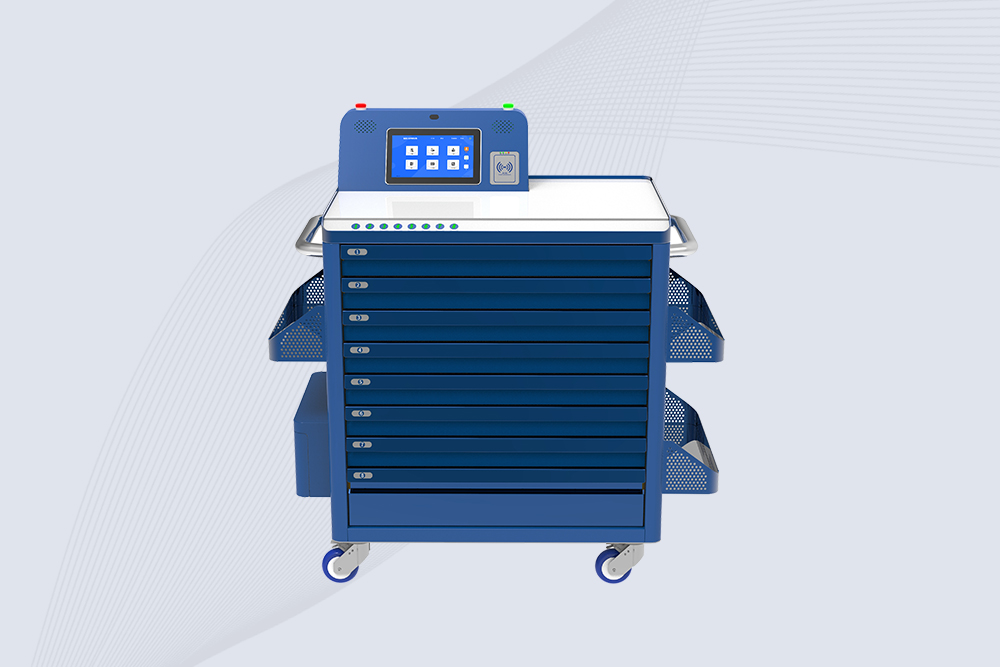
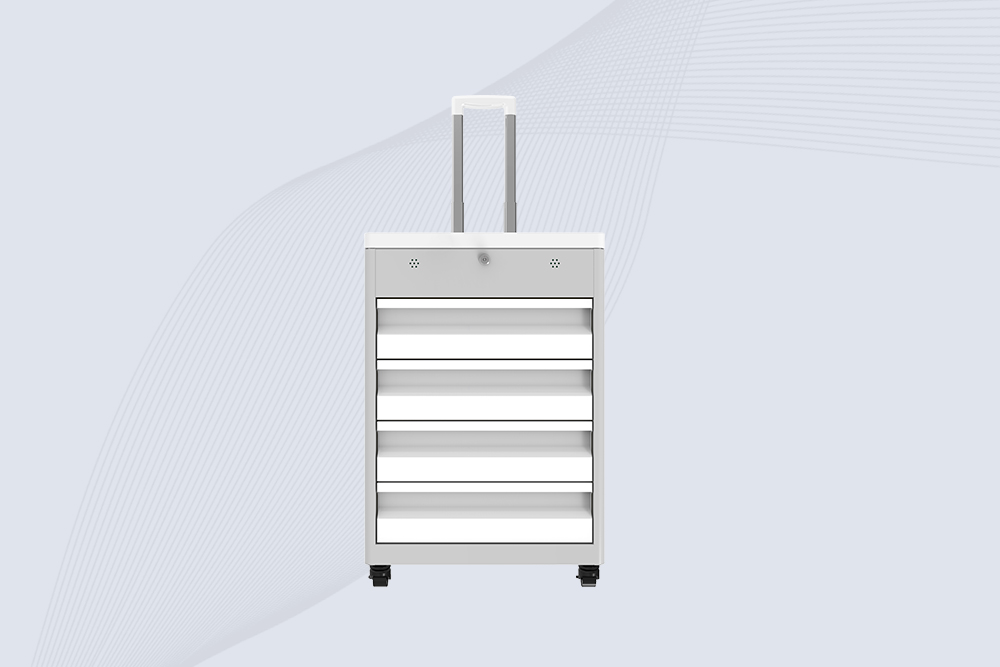
Cykeo’s industrial RFID Tool Cart features 14″ touchscreen, 400+ tool scanning, and carbon steel construction for aviation MRO, power plants and construction sites. 5-second inventory scans.

CYKEO-TC RFID Multi-Drawer Tool Cart

CYKEO-TC RFID Multi-Drawer Tool Cart

2025-12-31

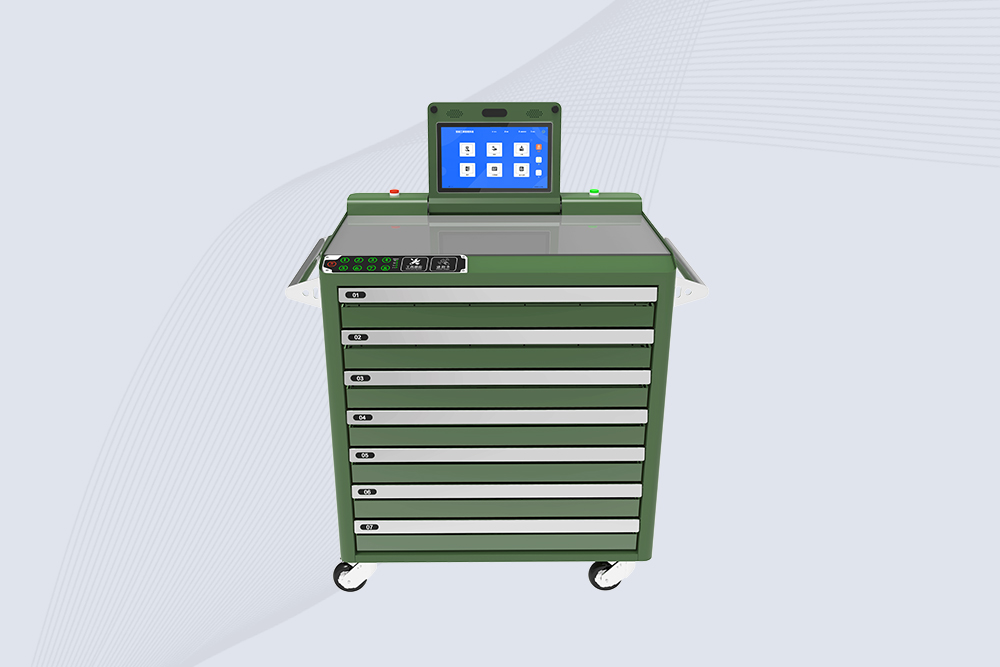
Cykeo CYKEO-TC RFID multi-drawer tool cart manages 300+ tools via UHF RFID, features fingerprint/face recognition, Android/Windows OS, and SAP integration for nuclear/railway/fire safety sectors. IP54 rated for harsh environments.

CYKEO-GTC4 INDUSTRIAL RFID TOOL CART

CYKEO-GTC4 INDUSTRIAL RFID TOOL CART

2025-12-30

Cykeo CYKEO-GTC4 RFID tool inventory cart manages 300+ tools via UHF RFID, features instant scanning, fingerprint/face recognition, and SAP integration for nuclear/railway/fire safety sectors. IP54 rated for harsh environments.

CYKEO-GTC7 RFID Aviation Maintenance Cart

CYKEO-GTC7 RFID Aviation Maintenance Cart

2025-12-30

Cykeo CYKEO-GTC7 RFID aviation maintenance cart features military-grade build, blockchain audits, and predictive tool alerts for aircraft MRO. Achieves EASA/FAA compliance.

CYKEO-GTC7A RFID Real-Time Tool Tracking Cart

CYKEO-GTC7A RFID Real-Time Tool Tracking Cart

2025-12-30

Cykeo CYKEO-GTC7A RFID real-time tool tracking cart features 99.9% accuracy, FOD prevention, and SAP integration for aviation/plant maintenance. Military-grade construction.

CYKEO-GTC4B RFID Mobile Tool Cart

CYKEO-GTC4B RFID Mobile Tool Cart

2025-12-30

Cykeo CYKEO-GTC4B RFID mobile tool cart delivers 300-tool verification in 7 seconds with modular drawers, ≤150W power, and SAP integration for industrial/aviation use.

CYKEO-GTC4C RFID Workshop Tool Control Cart

CYKEO-GTC4C RFID Workshop Tool Control Cart

2025-12-30

Cykeo CYKEO-GTC4C RFID workshop tool control cart delivers 300-tool inventory in 3 seconds with 10hr battery, SAP integration, and FOD prevention for industrial workshops.

CYKEO-GTC4A Multi-drawer RFID Tool Cart

CYKEO-GTC4A Multi-drawer RFID Tool Cart

2025-12-29

Cykeo’s CYKEO-GTC4A multi-drawer RFID tool cart delivers 7-second aviation tool inventories, 10-hour battery, and dual authentication. ISO 18000-6C compliant for MRO/manufacturing.

CYKEO-GTC4D RFID Tool Tracking Cart

CYKEO-GTC4D RFID Tool Tracking Cart

2025-12-29

Cykeo’s MIL-STD RFID tool tracking cart scans 300 tools in 7 seconds, with -20°C~60°C operation and FOD prevention for aviation/energy industries.

CYKEO-GT3A COMPACT RFID TOOL CABINET

CYKEO-GT3A COMPACT RFID TOOL CABINET

2025-12-29

Cykeo’s space-saving RFID tool management cabinet offers 1000-tool capacity, ≤5s scans, and 24/7 unmanned operation for manufacturing/assembly plants.

CYKEO-GT1A INDOOR RFID CABINET

CYKEO-GT1A INDOOR RFID CABINET

2025-12-29

Cykeo’s RFID industrial tool cabinet offers modular shelves, 21.5″ touchscreen, and voice guidance for manufacturing/energy sectors. 24/7 operation with ≤80W power.

CYKEO-GT4A RFID Secure Tool Cabinet

CYKEO-GT4A RFID Secure Tool Cabinet

2025-12-29

Cykeo’s RFID secure tool cabinet features 4 lockable compartments, ≤150W power, and 24/7 monitoring for pharma/aerospace/electronics industries.

CYKEO-GT2B RFID Aviation Tool Cabinet

CYKEO-GT2B RFID Aviation Tool Cabinet

2025-12-29

Cykeo’s RFID aviation tool cabinet features triple authentication, 14″ HD touchscreen, and thermostatic control for aircraft MRO/FAA compliance.

CYKEO-GTC5 PRISON RFID TOOLMANAGEMENT SYSTEM

CYKEO-GTC5 PRISON RFID TOOLMANAGEMENT SYSTEM

2025-12-27

Cykeo’s RFID tool tracking system delivers self-service check-in/out, real-time alerts, and multilingual interface for correctional/military security.

CYKEO-GT3B RFID Tool Inventory System Cabinet

CYKEO-GT3B RFID Tool Inventory System Cabinet

2025-12-27

Cykeo’s off-grid RFID tool inventory system features solar/wind power, -30°C~60°C operation, and military-grade durability for mining/energy/military sectors.

CYKEO-GT3 UHF RFID Tool Cabinet

CYKEO-GT3 UHF RFID Tool Cabinet

2025-12-27

Cykeo’s industrial RFID tool accountability cabinet delivers 99.9% scan accuracy, adjustable shelves, and 24/7 operation for automotive/aerospace manufacturing.

CYKEO-GT4 RFID Multi-Drawer Tool Cabinet

CYKEO-GT4 RFID Multi-Drawer Tool Cabinet

2025-12-27

Cykeo’s RFID multi-drawer tool cabinet features 5 adjustable drawers, biometric access, and 99.9% scan accuracy for automotive/aerospace manufacturing.

CYKEO-GT2  INDUSTRIAL RFID TOOL CABINET​

CYKEO-GT2 INDUSTRIAL RFID TOOL CABINET​

2025-12-27

Cykeo’s RFID Automated Tool Cabinet delivers military security, adjustable shelving, and Java/C# SDK integration for defense/aerospace manufacturing.

CYKEO-GT2A INDUSTRIAL RFID CABINET

CYKEO-GT2A INDUSTRIAL RFID CABINET

2025-12-27

Cykeo’s RFID scalable tool cabinet features multi-unit management, voice guidance, and semi-outdoor durability for automotive/construction/logistics.

CYKEO-GT1B INDUSTRIALRFID TOOL CABINET​

CYKEO-GT1B INDUSTRIALRFID TOOL CABINET​

2025-12-27

Cykeo CYKEO-GT1B industrial RFID tool storage cabinet features Impinj R2000 UHF technology, 1,000+ tool capacity, IP54 protection, and Windows/Android OS for manufacturing/aviation MRO. Includes auto check-in/out and SAP/Oracle sync.

CYKEO-GT3C RFID Tool Checkout System Cabinet

CYKEO-GT3C RFID Tool Checkout System Cabinet

2025-12-27

Cykeo CYKEO-GT3C industrial RFID tool checkout system Cabinet features millimeter-wave scanning, 280-layer storage, dual OS, and 99.9% accuracy for aviation/semiconductor sectors. Supports auto check-in/out and real-time SAP sync.

CYKEO-B1 SMART RFID TOOL BAG

CYKEO-B1 SMART RFID TOOL BAG

2025-12-27

Cykeo CYKEO-B1 RFID smart tool bag features

CYKEO-GT3D RFID TOOL TRACKING CABINET

CYKEO-GT3D RFID TOOL TRACKING CABINET

2025-12-27

Cykeo CYKEO-GT3D RFID smart tool cabinet offers 5-second inventory scanning for 300+ tools, dual authentication, and 24/7 automated management for industrial facilities.

CYKEO-B1A  INDUSTRIAL RFID BACKPACK FOR FIELD M...

CYKEO-B1A INDUSTRIAL RFID BACKPACK FOR FIELD MAINTENANCE

2025-12-27

Discover the CYKEO-B1A Industrial RFID Backpack featuring advanced tool tracking technology with 25cm RF shielding, 7-day battery life, and wearable design for field maintenance professionals.

RFID Tool Cabinet for Tool Usage Monitoring: Track How Tools Are Actually Used(images 1)

James Wilson

RFID Industry Writer | IoT & Asset Tracking Analyst

James writes about RFID technology, asset tracking, and the practical challenges of digital transformation across warehousing, retail, manufacturing, and logistics.

His work focuses on how RFID is applied in real-world operations—improving inventory visibility, automating workflows, and helping businesses manage assets with greater accuracy and efficiency.

He regularly covers topics including UHF RFID, smart cabinets, RFID portals, tool tracking, warehouse automation, and industrial IoT trends..

PgUp: PgDn:

Relevance

View more