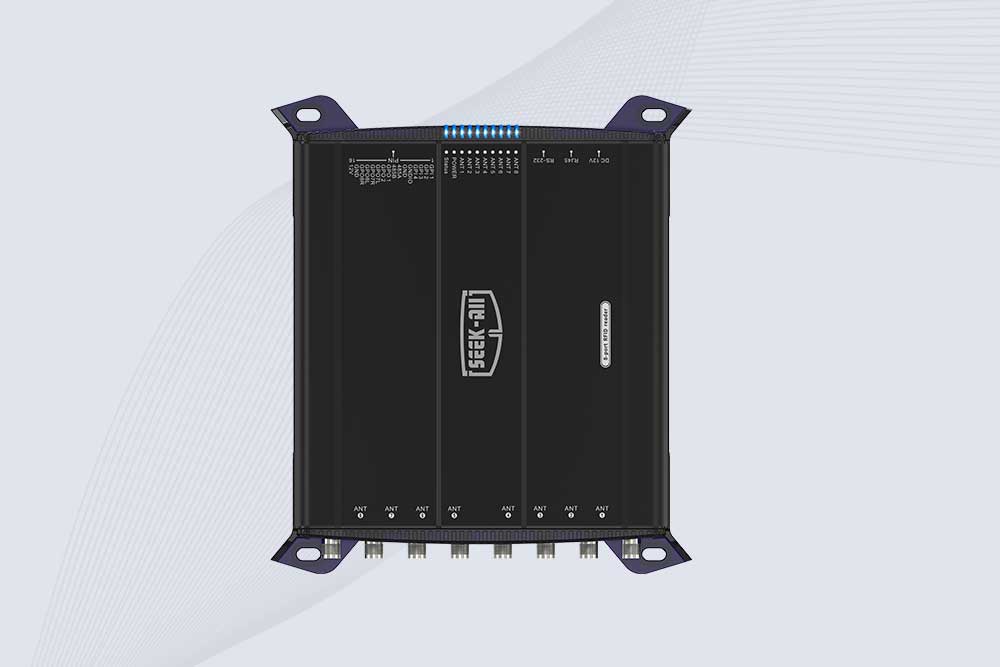
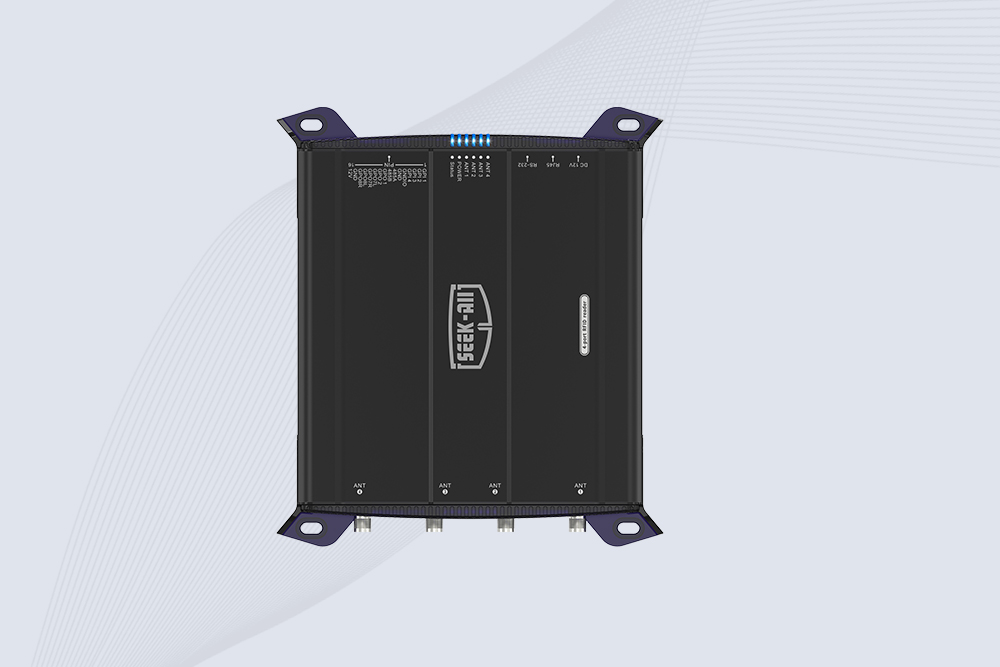
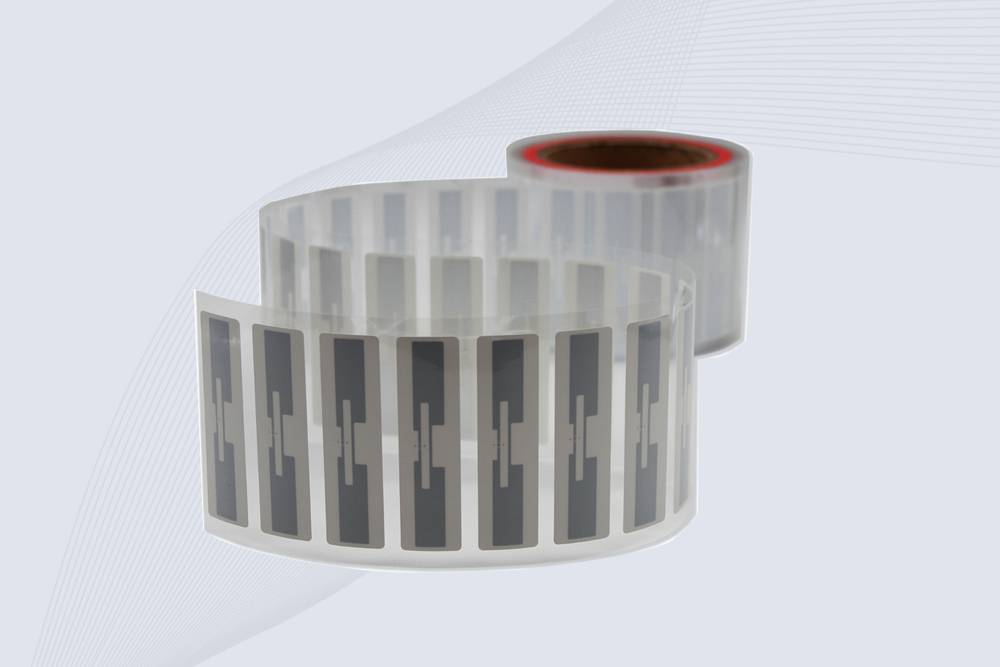
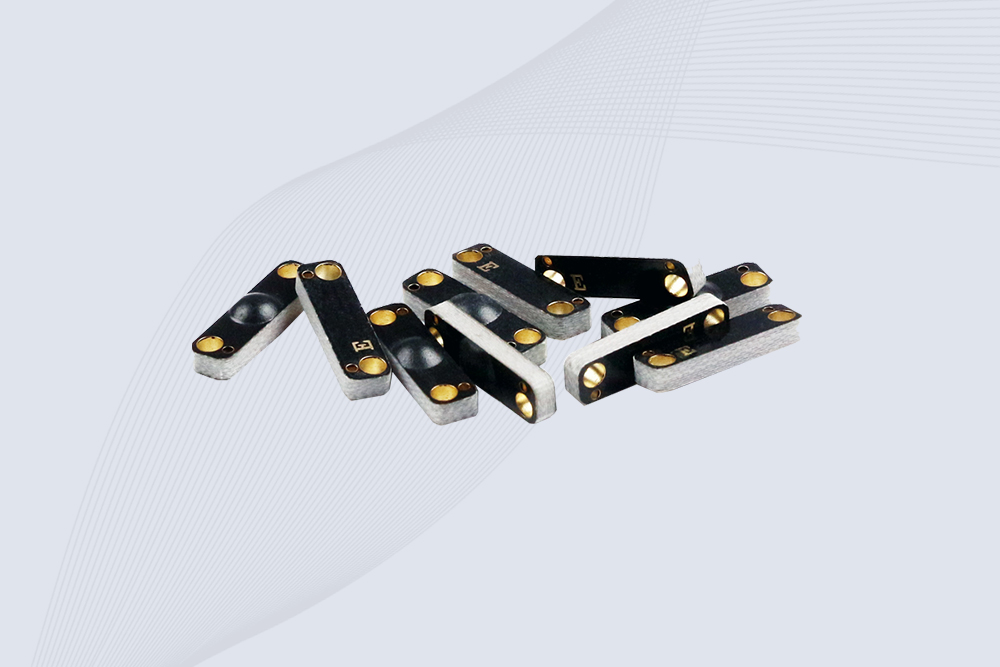
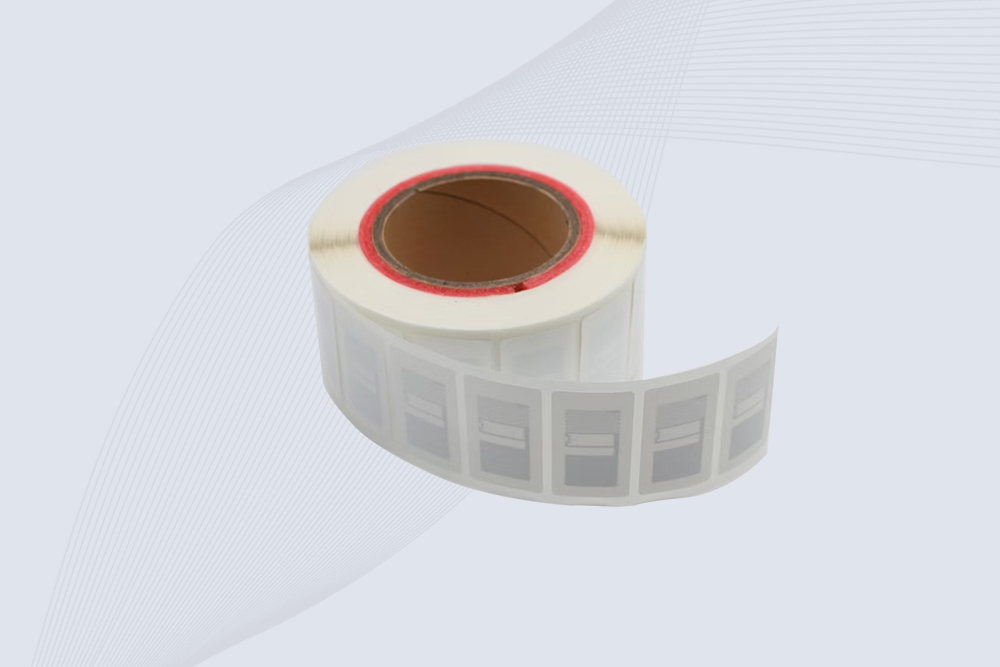
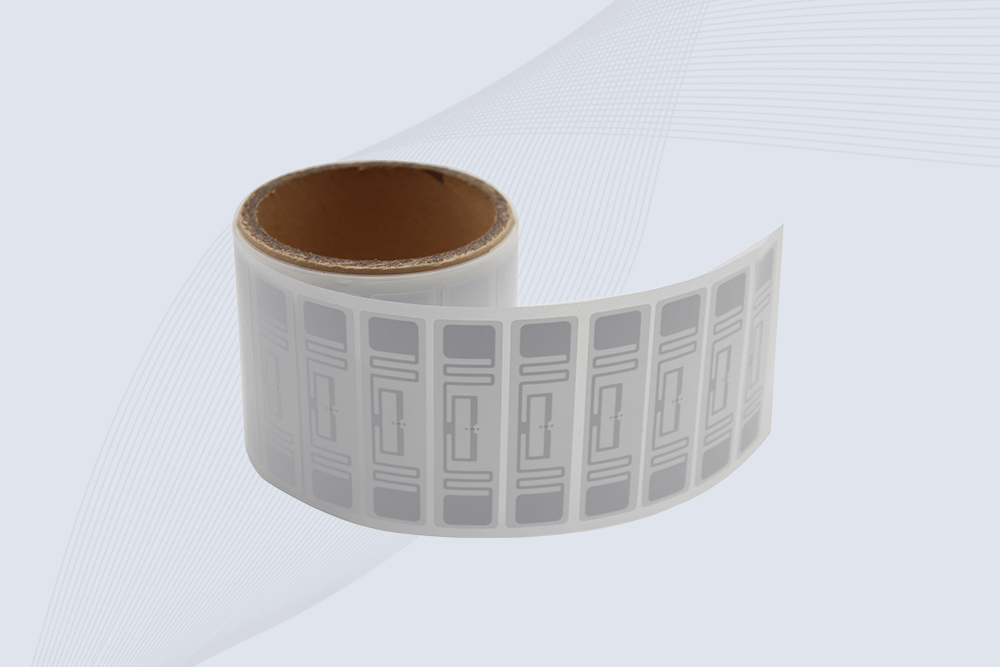
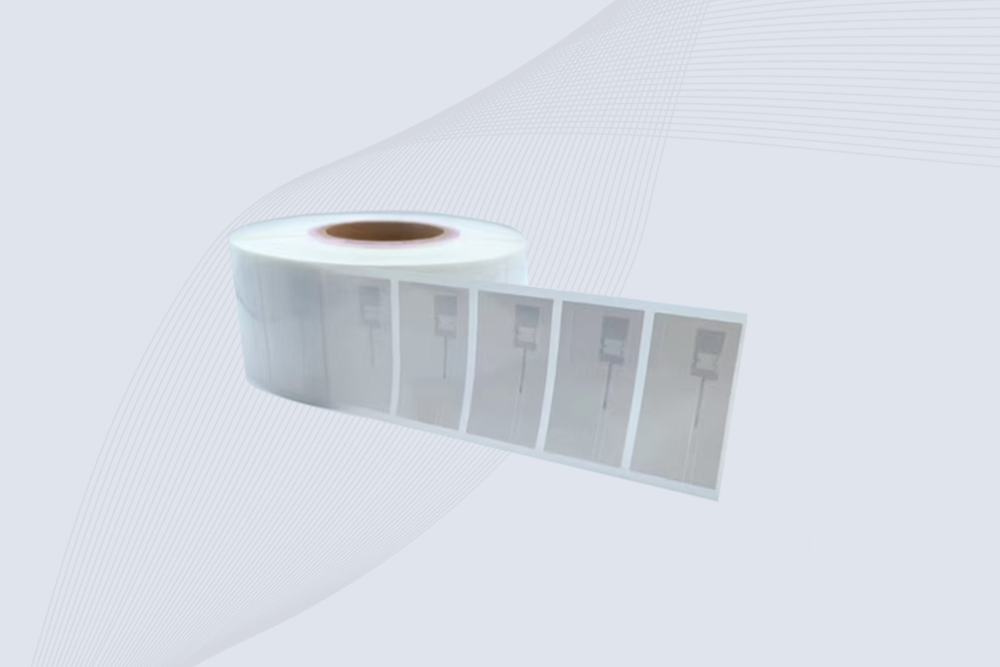
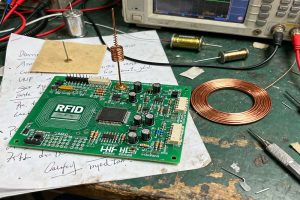
EPC in RFID means Electronic Product Code, a standardized identification scheme used to uniquely identify individual physical objects through RFID. An EPC can be encoded into a compatible RFID tag and read wirelessly, allowing systems to distinguish one item from another rather than identifying only a product type.
GS1 describes the EPC as an identification scheme for universally identifying physical objects such as trade items, assets, and locations. Importantly, an EPC relates to a serialized individual object.
That distinction is easy to miss.
A barcode such as a GTIN generally identifies a product class. An EPC can add serialization so that two otherwise identical products can carry different identities. In a warehouse containing 10,000 identical cartons, that difference becomes operationally important.
At Cykeo, we encounter this distinction when configuring UHF RFID systems for inventory and asset applications. The reader is responsible for collecting the tag response; the EPC provides the identity that the application uses to decide which physical object was detected.
What Does EPC Mean in RFID?
Electronic Product Code and Individual Item Identification
EPC stands for Electronic Product Code.
GS1 describes EPC as a bridge between GS1 identifiers and RAIN RFID. It provides a way to encode GS1 identifiers onto RAIN RFID tags and add serialization for individual objects.
A simplified example makes the idea clearer:
Identifier
Example Meaning
GTIN
Identifies a particular product type
EPC
Identifies a specific serialized RFID-tagged object
RFID Tag
Physical carrier of the electronic identity
RFID Reader
Captures the EPC wirelessly
EPCIS
Can exchange visibility events associated with the identified object
Suppose a manufacturer produces 5,000 identical electronic devices. The GTIN can identify the product model, while the EPC can distinguish device #000001 from device #000002 and so on.
That individual identity is one of the reasons EPC-based RFID is useful for inventory visibility, traceability, asset management, and supply-chain processes.
How Does EPC Work in an RFID Tag?
From EPC Data to a Wireless RFID Read
In a typical UHF RFID application, the EPC is stored in the tag’s EPC memory bank.
GS1’s documentation describes four logical memory banks in RAIN RFID tags. EPC memory is identified as Memory Bank 01, while Reserved, TID, and User memory serve different purposes. GS1 states that EPC memory contains the Electronic Product Code identifying the object associated with the tag.
The basic operating sequence looks like this:
An EPC is assigned to an individual item.
An RFID writer encodes the EPC into the tag.
The tag is attached to the physical object.
An RFID reader interrogates the tag.
The tag returns its EPC.
Business software associates that EPC with the corresponding item record.
Subsequent read events can be used to record movement or status.
The EPC itself does not automatically tell a warehouse manager where an item is. The reader event provides the context.
If EPC X is detected at receiving at 09:15, the system can record that event. If the same EPC is detected at a shipping portal at 16:40, the application has another event associated with the same serialized object.
GS1’s EPCIS standard is designed to capture visibility events describing what happened to an object, including when and where the event occurred and its business context.
EPC identifiers allow individual RFID-tagged objects to be distinguished during automated inventory and logistics operations.
EPC Number in RFID: What Does It Actually Identify?
Serialization Is the Important Part
An EPC is not simply a random number placed inside an RFID chip.
The EPC data structure can represent standardized GS1 identification schemes. GS1’s EPC Tag Data Standard defines the EPC and specifies how data is represented in Gen2 RFID tags. The current GS1 standards repository lists EPC Tag Data Standard version 2.3.0, while the EPC UHF Gen2 air-interface standard is currently listed as version 3.0.1, modified February 26, 2026.
One commonly discussed EPC scheme is SGTIN, which combines product identification with serialization.
GS1 documentation includes both SGTIN-96 and SGTIN-198 coding schemes. SGTIN-96 uses 96 bits, while SGTIN-198 uses 198 bits and allows a longer alphanumeric serial component.
This is where tag memory capacity becomes relevant.
A 96-bit EPC is not automatically “better” than a larger EPC. The appropriate encoding depends on the identifier structure, serial-number requirements, and application. GS1 specifically notes that some 96-bit encodings impose restrictions on serial numbers to fit within the available bit capacity.
EPC vs RFID Tag: They Are Not the Same Thing
Identifier Versus Physical Carrier
One of the most common beginner mistakes is treating EPC and RFID tag as interchangeable terms.
They are different:
EPC = the electronic identification data.
RFID tag = the physical device carrying the data.
RFID chip = the integrated circuit that stores and processes the data.
RFID antenna = the component that enables wireless communication.
RFID reader = the equipment that interrogates the tag.
EPCIS = a standardized way of sharing visibility event data associated with identified objects.
A useful mental model is an automobile license plate. The plate is physical; the registration number is the identifier. An EPC and RFID tag have a somewhat similar relationship, although RFID communication and data standards are considerably more sophisticated.
Why EPC Matters in Supply Chain RFID
EPC becomes especially valuable when businesses need to distinguish individual objects rather than simply count product types.
Consider three cartons containing the same product. A traditional product identifier may tell the system that all three cartons contain the same SKU. Three serialized EPCs can allow the system to distinguish:
Carton A
Carton B
Carton C
If Carton B is received at 10:05, moved to storage at 11:20, and shipped at 15:45, those events can remain associated with the same serialized identity.
GS1 describes this relationship directly: EPC identifies individual objects, while EPCIS enables companies to collect and exchange information about those objects as they move through business processes.
That is the foundation for the next stage of RFID visibility—not merely knowing that a product exists, but knowing which serialized object generated a particular event.
EPC Memory in an RFID Tag
Where the EPC Is Stored
In a typical RAIN RFID tag, the EPC is stored in the EPC memory bank. It is not stored in the antenna itself, and it is not the same as the chip’s TID.
GS1 identifies four logical memory banks in RAIN RFID tags:
Memory Bank
Typical Function
Reserved
Access and kill passwords
EPC
Electronic Product Code
TID
Tag/chip identification information
User
Application-specific information
The TID, or Tag Identifier, is associated with the RFID chip itself. EPC, on the other hand, is normally the application-level identity assigned to the tagged object. GS1 explains that TID memory identifies the tag or chip and is generally factory-programmed, while EPC memory contains the identifier associated with the object.
That distinction becomes useful during troubleshooting.
If an operator replaces a damaged RFID label, the new chip will have a different TID. Whether the application should also receive a new EPC depends on the business process and identification model.
EPC vs GTIN in RFID
Product Identification and Serialized Identification
EPC and GTIN are often mentioned together, but they solve different identification requirements.
A GTIN identifies a trade item or product type. An EPC can represent a GS1 identifier together with serialization, allowing individual instances of that product to be distinguished.
For example:
Scenario
Identifier Role
Product model
GTIN
Individual product
Serialized EPC
RFID chip identity
TID
Warehouse movement
EPC + event data
Supply-chain visibility
EPC + EPCIS event
Imagine a pallet containing 100 identical products. The GTIN may be identical across those products. The EPC can distinguish each serialized item.
This difference is particularly useful when a company needs to investigate a specific unit rather than simply determine how many units of a SKU remain.
How to Encode an EPC into an RFID Tag
RFID Writer, Software, and Verification
An RFID writer does not invent the EPC by itself. The business application generally determines which identifier should be assigned, and the RFID writer performs the actual tag-memory operation.
A practical encoding station can work like this:
Generate or retrieve the EPC from the business system.
Present a compatible RFID tag to the writer.
Identify the correct tag.
Select EPC memory.
Write the encoded EPC.
Read the tag again.
Compare the returned EPC with the expected value.
Register the result in the application.
GS1’s EPC UHF Gen2 specification defines the protocol mechanisms used for writing tag memory. The standard includes the Write command and specifies memory-bank and word-address information used during the operation. The current published UHF Gen2 version is 3.0.1.
In a production environment, that final read-back check deserves attention.
A write command returning successfully does not replace application-level verification. The system still needs to confirm that the expected EPC is associated with the correct physical tag.
How Much Data Can an EPC Store?
96-Bit EPC Is Common, but It Is Not the Only Option
There is a common assumption that every RFID tag has a 96-bit EPC. That is not correct.
GS1 supports multiple EPC schemes and encoding lengths. For example, SGTIN-96 uses a 96-bit representation, while SGTIN-198 provides a larger serialized data structure.
The choice depends on the identifier structure.
For many supply-chain applications, a compact EPC is useful because it reduces the amount of data transmitted over the air and can fit efficiently into widely used tag configurations. But if the serial component requires additional capacity, a longer encoding may be appropriate.
The engineering mistake is choosing the bit length first and trying to force the identification scheme into it afterward.
Start with the identification requirement.
Then choose the appropriate EPC scheme.
What Happens After an RFID Reader Captures an EPC?
EPC Becomes Useful When Software Adds Context
An RFID reader may report something as simple as:
EPC: 3034XXXXXXXXXXXX
By itself, that value has limited operational meaning.
The application may associate it with:
Product SKU
Serial number
Purchase order
Warehouse location
Shipment
Manufacturing batch
Asset record
Time of detection
Reader location
This is where RFID changes from identification technology into an operational data source.
GS1 EPCIS is designed to capture and share visibility event information associated with objects identified by EPCs. GS1’s documentation describes EPCIS as a standard for sharing information about what happened to an object, when, where, and in what business context.
At Cykeo, this distinction is important when developing RFID applications. A fixed reader can reliably report detected EPCs, but the application layer determines what those EPCs mean to the customer.
Practical EPC Considerations for RFID Projects
What We Check Before Deployment
In an actual RFID deployment, EPC design should be settled before tags are ordered in bulk.
Several questions deserve attention:
Which GS1 identifier will be represented?
Does every physical item require unique serialization?
Which EPC encoding scheme will be used?
How many bits are required?
Will EPC memory remain writable?
Will tags need to be rewritten later?
How will duplicate EPCs be prevented?
How will the reader verify written data?
How will EPC events enter the customer’s software?
These questions often expose problems earlier than RF testing does.
For instance, an RFID reader can achieve excellent read performance while the system still suffers from duplicate EPC assignments. Increasing antenna gain will not fix that. The problem is in identity management.
That is one of the practical differences between demonstrating RFID hardware and commissioning an RFID system.
Where Is EPC Used in RFID?
Common Applications
EPC-based identification can support a wide range of applications:
Supply chain: serialized products and shipping units
Warehousing: automated inventory identification
Manufacturing: work-in-progress tracking
Retail: item-level inventory visibility
Healthcare: equipment and supply identification
Libraries: individual book identification
Asset management: serialized equipment tracking
Logistics: pallet, carton, and shipment visibility
The hardware configuration changes significantly between these environments.
A desktop writer may encode a tag within a few centimeters. A fixed UHF reader at a warehouse portal may need to identify tags on moving cartons or pallets from a much larger controlled zone.
The EPC concept remains the same: give the physical object a machine-readable identity that the RFID system can capture.
An RFID writer encodes an EPC into a UHF RFID tag before the identifier is read back and verified.
Frequently Asked Questions About What Is EPC in RFID
1. What is EPC in RFID?
EPC in RFID means Electronic Product Code. It is a standardized electronic identifier used to identify physical objects, often with serialization that distinguishes individual items carrying compatible RFID tags.
2. Is EPC the same as an RFID tag?
No. The EPC is identification data, while the RFID tag is the physical device that stores and communicates that data wirelessly.
3. What is EPC memory in an RFID tag?
EPC memory is the memory area designated for storing the Electronic Product Code in a compatible RAIN RFID tag. GS1 identifies it as Memory Bank 01.
4. What is the difference between EPC and TID?
EPC identifies the tagged object at the application level, while TID identifies the RFID tag or chip. TID information is generally associated with the chip manufacturer and tag hardware.
5. Is every EPC 96 bits?
No. GS1 defines multiple EPC schemes and encoding lengths, including SGTIN-96 and SGTIN-198. The appropriate format depends on the identification and serialization requirements.
6. Can an EPC be rewritten?
It can be rewritten when the tag’s EPC memory is writable and has not been locked or otherwise protected. Whether rewriting is appropriate depends on the business application.
7. What is EPCIS?
EPCIS is a GS1 standard for capturing and sharing visibility-event information associated with identified objects. EPC identifies the object; EPCIS helps describe events involving that object.
What Is EPC in RFID in Practical Terms?
What is EPC in RFID? It is the electronic identity that allows an RFID system to distinguish an individual tagged object from other objects.
The important point is not the acronym itself. EPC gives RFID a structured identity layer.
A reader detects the tag. The EPC identifies the object. Application software adds business meaning. EPCIS can then provide a standardized framework for exchanging visibility events around that object.
That combination is what makes serialized RFID useful in real supply-chain environments.
For Cykeo RFID systems, the practical workflow is therefore not simply read a tag. It is identify the right tag, capture its EPC reliably, associate that EPC with the correct object, and deliver the resulting event to the application that needs it.
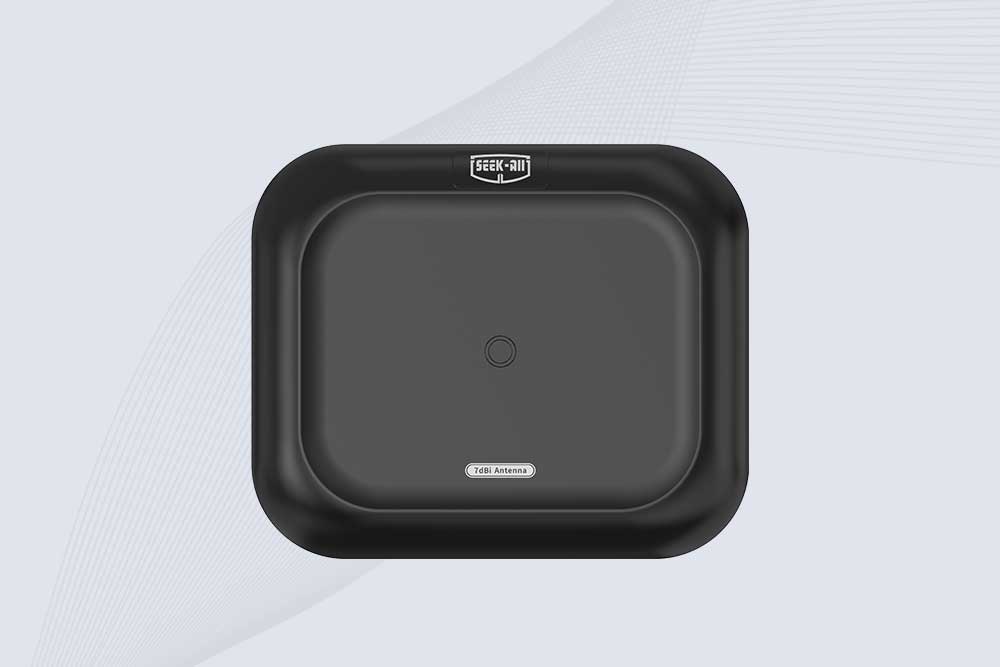
Explore the SSD-A07 UHF RFID antenna with 7 dBi gain, circular polarization, adjustable 840–960 MHz frequency, and 60°/75° beamwidth for stable RFID read/write performance.
SSD-A06 UHF RFID antenna with circular polarization, adjustable 840–960 MHz frequency, ≥4.5 dBi gain, and a compact directional design for RFID systems.
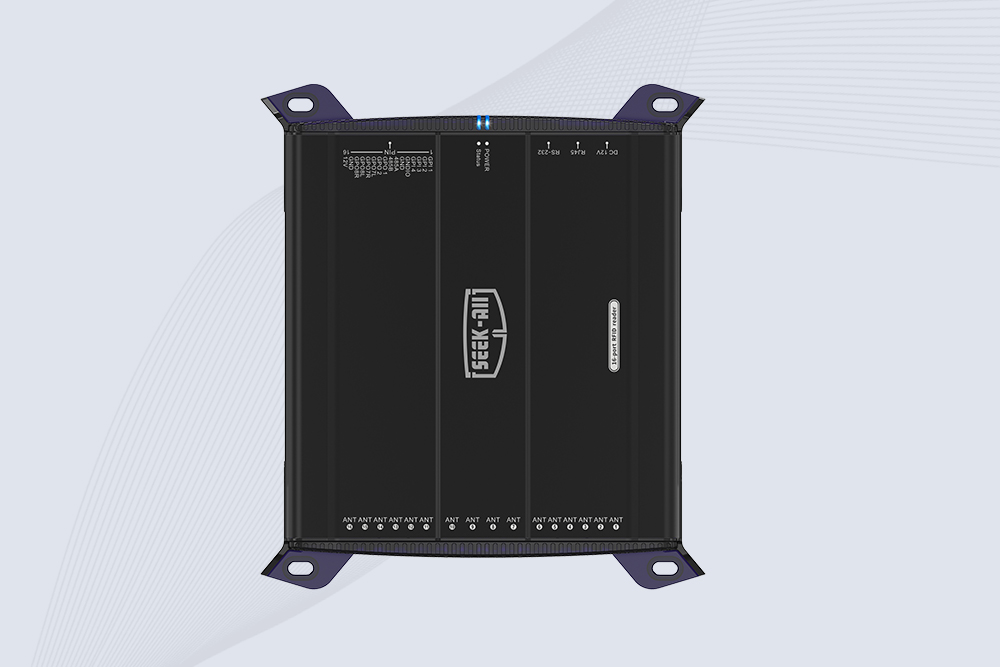
SSD-R16L Multi-Channel RFID Infrastructure for Automated Inventory Management ✔️ 16-Port High-Density RFID Reading Equipped with 16 SMA antenna ports, SSD-R16L supports multi-antenna deployment for warehouses, retail stores, logistics, production lines, and large-area RFID identification. ✔️ High-Speed & Long-Range Performance With up to 33…
SSD-R8L 8-port UHF RFID reader with 33dBm output, up to 20m reading range and 600+ tags/s recognition. Ideal for warehouse, logistics, retail and asset tracking.
CYKEO Passive RFID Tags are made for wet and high-humidity environments where standard labels do not last. This rfid passive tag is often used around liquids, chemicals and temperature changes, providing stable reading distance and long data life for industrial tracking.
CYKEO CYKEO-PCB1504 Metal RFID Tags is a compact anti-metal UHF RFID solution built for direct mounting on metal surfaces. With stable 8-meter read range, Ucode-8 chip, and long data retention, this rfid metal tag fits tools, containers, automotive parts, and industrial asset tracking.
CYKEO CYKEO-PCB7020 On-Metal RFID Tags are designed for reliable tracking on steel and metal surfaces. Built with an FR4 epoxy body and industrial-grade chips, these On-Metal RFID Tags deliver stable performance, long data life, and chemical resistance, making them a dependable RFID anti-metal tag for harsh environments.
The CYKEO CYKEO-60-25 Anti-Metal RFID Tag is built for metal surfaces where standard tags fail. Designed for long-range performance, harsh environments, and stable data retention, this Anti-Metal RFID Tag is ideal for industrial assets, containers, and equipment tracking using on metal RFID tags.
The CYKEO RFID Laundry Tag is designed for long-term textile identification in harsh laundry environments. Built to withstand high heat, chemicals, and repeated washing, this RFID Laundry Tag delivers stable performance for hotels, hospitals, and industrial laundry operations using laundry rfid tags at scale.
The CYKEO CYKEO-125-7 RFID Book Tag is designed for reliable book and document tracking in libraries and archives. This RFID Book Tag delivers long read range, dense placement support, and stable performance on shelves, making it a practical rfid tag on books for library automation, file management, and archival systems.
CYKEO RFID tags in hospitals are designed for sterile environments where accuracy matters. These autoclavable RFID tags support long-term tracking of surgical tools, implants, and medications, helping hospitals improve visibility, compliance, and patient safety.
CYKEO RFID Cable Tie Tag is built for reliable identification on metal surfaces. This UHF RFID Cable Tie Tag is widely used in rfid tags for inventory systems, industrial asset management and Hospital RFID Tags, offering stable read performance, long service life and global EPC Gen2 compatibility.
CYKEO RFID Asset Tag is designed for stable identification of metal assets in industrial environments. This UHF RFID Asset Tag is commonly used for rfid tag asset tracking on equipment, tools and containers, providing reliable reads, long service life and ISO/IEC 18000-6C support.
CYKEO UHF RFID Card is designed for fast identification and long-term use in industrial and commercial systems. Supporting ISO 18000-6C, this UHF RFID Card works at 860–960 MHz and is suitable for custom RFID cards used in asset tracking, access control and inventory management.
CYKEO HF RFID Cards are designed for secure and stable access control systems. These 13.56 MHz RFID key cards support ISO 14443-A, reliable rewriting and long service life, making HF RFID Cards suitable for offices, campuses, events and membership management.
CYKEO UHF RFID Tag is designed for reliable tracking of metal jewelry and high-value items. This Jewelry RFID Tag supports long-range reading up to 8 meters, anti-counterfeit protection and stable performance on metal, making it suitable for retail, inventory control and asset management.
CYKEO Embedded RFID Modules are designed for compact industrial and IoT devices that require stable UHF performance. These UHF RFID Modules support global protocols, flexible power control, and reliable multi-tag reading for smart cabinets, production lines, and asset tracking systems.
CYKEO Embedded RFID Module is built for compact IoT and industrial devices that need stable UHF performance. This UHF module supports global protocols, low power operation, and reliable multi-tag reading for smart lockers, production lines, and always-on RFID systems.
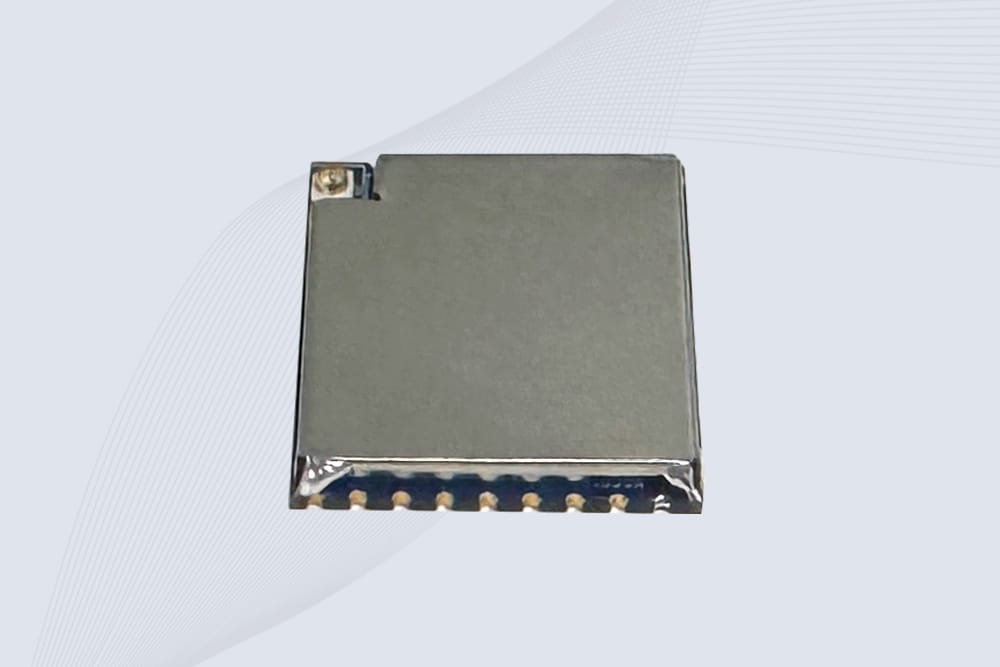
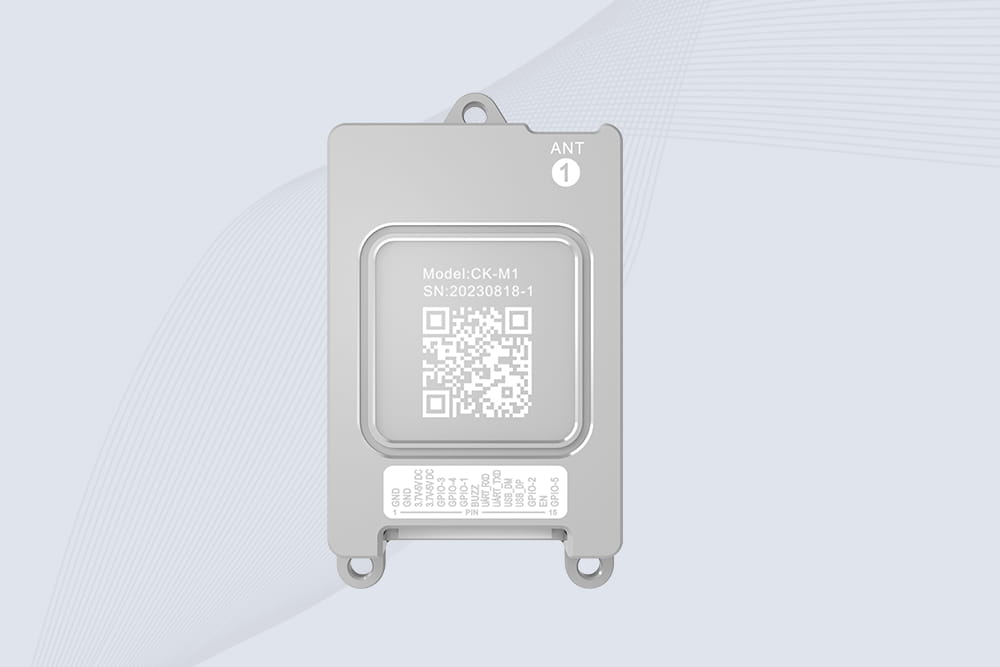
CYKEO CYKEO-M1 drone rfid module is a compact UHF RFID reader module designed for drones and UAV platforms. It supports long-range aerial scanning, fast multi-tag reading, and stable performance in wind, vibration, and outdoor environments.
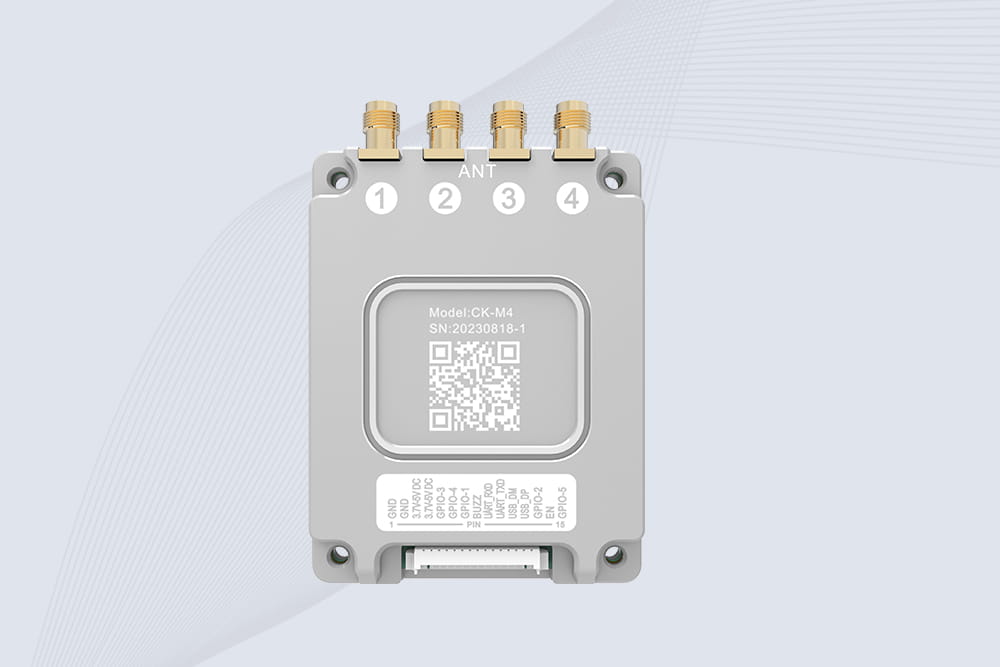
CYKEO CYKEO-M4 RC522 RFID Module is an industrial-grade UHF RFID reader with 4 ports, supporting ISO, EPC, and GB protocols. High-speed, accurate reading for IoT, automation, and warehouse applications.
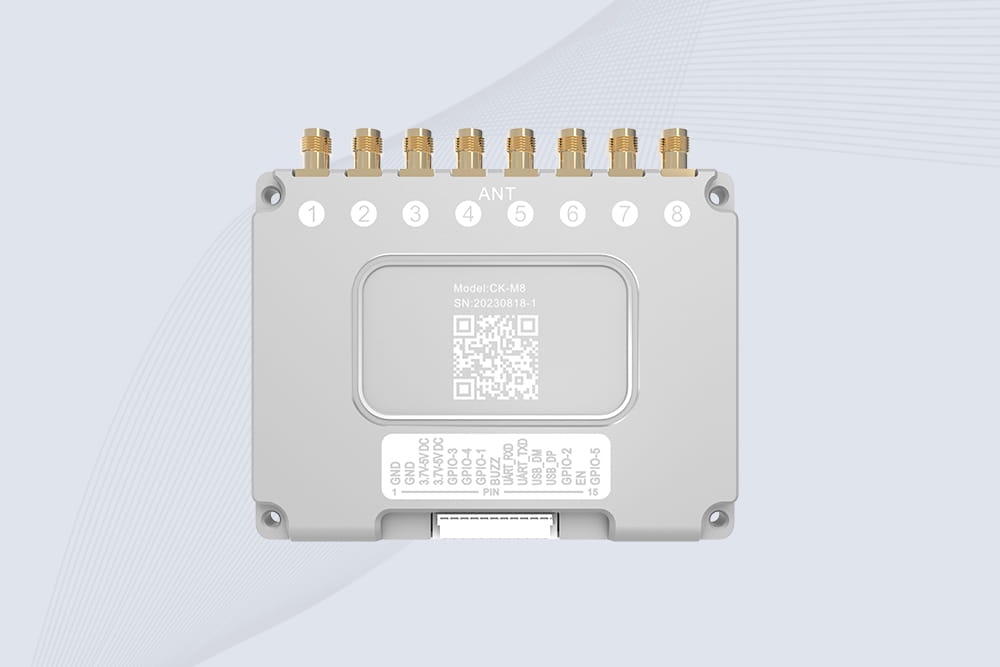
CYKEO CYKEO-M8 Module RFID is an 8-port UHF R2000 RFID Module designed for high-density, multi-tag environments. Stable 33dBm output, ISO & GB protocol support, ideal for warehouses, factories, and automated systems.
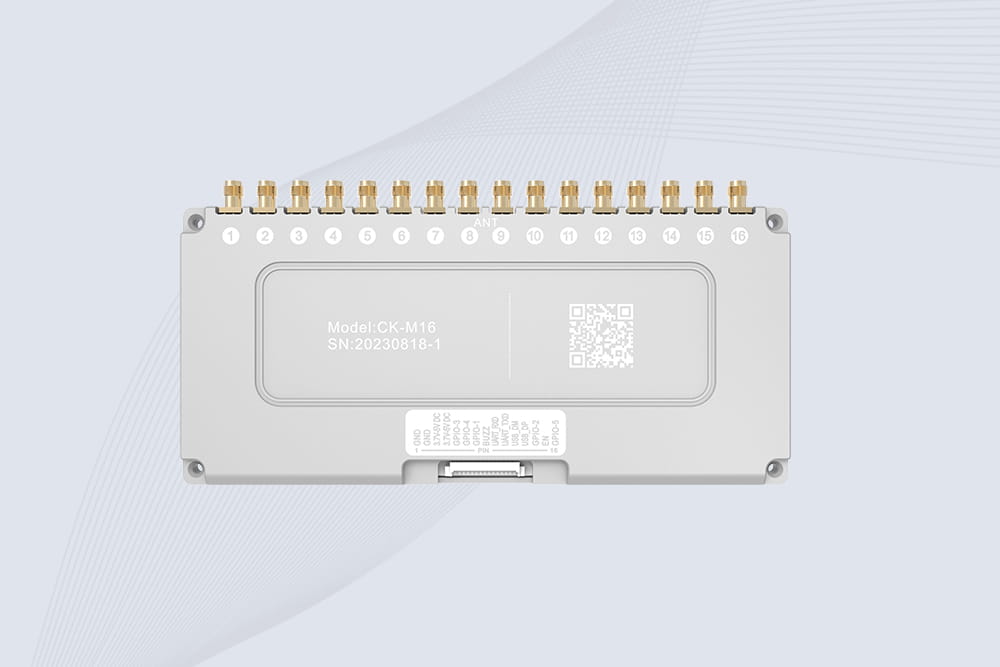
CYKEO CYKEO-M16 RFID Module is a 16-port UHF RFID reader module based on the R2000 chipset. Designed for dense tag environments, it supports ISO and GB standards and delivers stable multi-antenna control for industrial automation.
The CYKEO CYKEO-M16L RFID Reader Module is a 16-channel UHF RFID core designed for dense tag environments. With adjustable 33dBm output, multi-protocol support, and stable multi-antenna control, this RFID Tag Reader Module fits industrial automation, warehouse systems, and large-scale IoT deployments.
CYKEO CYKEO-M8L module RFID is a compact industrial UHF module built for dense tag and multi-antenna environments. With 8 RF ports, adjustable 33 dBm output, and ISO & GB protocol support, it is widely used in factories, warehouses, and automated tracking systems.
CYKEOCYKEO-M4L UHF RFID Module is a compact 4-channel RFID tag reader module designed for dense tag environments. Supporting ISO and GB protocols, it delivers stable reads up to 10 meters for industrial and IoT systems.
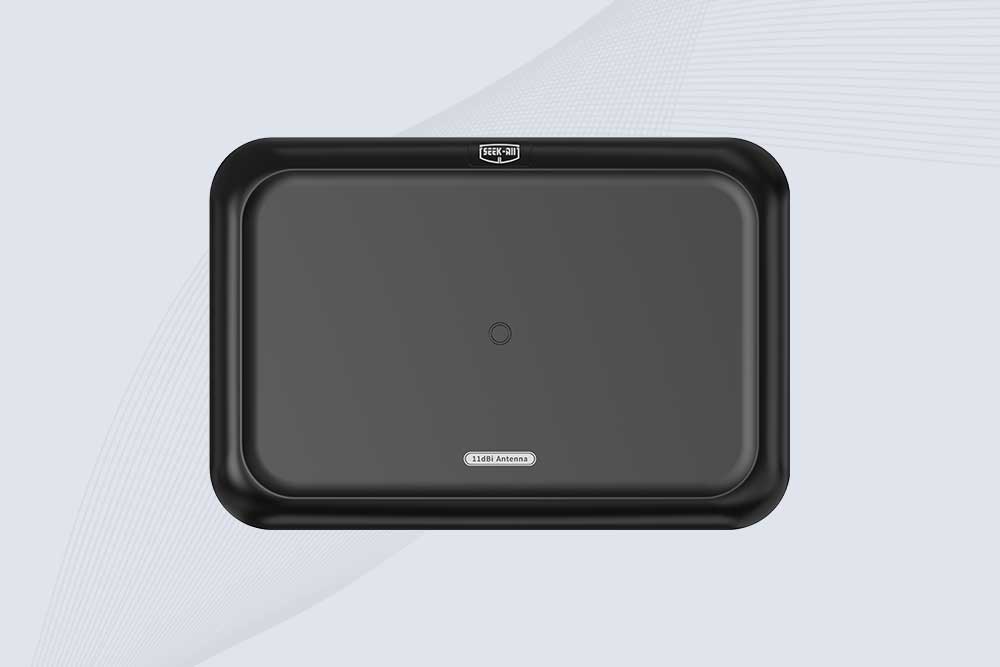
Cykeo CYKEO-A11 UHF RFID reader antenna delivers 11dBi gain, 840-960MHz frequency range, and IP65 ruggedness for retail, logistics, and industrial RFID systems. Features low VSWR and easy installation.
CYKEO Antenna RFID Reader delivers stable long-range UHF performance with a 10.5dBi directional design, built for warehouses, conveyor portals, and industrial RFID systems. This rfid reader antenna provides 20m+ read distance and rugged IP67 protection.
Cykeo CYKEO-A5B industrial Linear RFID Antenna delivers 5dBi gain, ≤1.5:1 VSWR, and IP65 rugged design for warehouse, production line, and logistics UHF systems.
Cykeo’s CYKEO-B12 Long Range RFID Antenna delivers 15m+ read range with 12dBi gain, IP65 rugged design, and global 840-960MHz UHF support. Ideal for warehouse/logistics asset tracking.
Cykeo CYKEO-B10 Long Distance RFID Antenna offers 10dBi gain, 840-960MHz frequency range, IP65 rating, and 20m+ coverage for logistics/warehousing/ETC systems. Low VSWR ensures stable signal transmission.
Cykeo CYKEO-A6 UHF RFID panel antenna features 6dBi gain, 840-960MHz broadband, IP65 metal-ready housing for logistics/smart retail. 18mm ultra-thin design with tool-free mounting.
Cykeo CK-A3 industrial antenna RFID UHF offers 5m+ tag detection, ≤1.3:1 VSWR, IP65 rugged design, and global UHF spectrum compatibility (840-960MHz) for warehouses, factories, and retail.
Cykeo CYKEO-B5 directional RFID antenna provides 5dBi gain with 60° narrow beamwidth for precise inventory tracking. IP65-rated, global UHF frequency support, and low VSWR.
Create your own high-performance DIY RFID antenna! 5dBi gain, 840-960MHz tunable, step-by-step guides. Compatible with Arduino, Raspberry Pi, and commercial UHF readers.
Cykeo CYKEO-A7 Flexible RFID Antenna features 840-960MHz wideband tuning, 7dBi gain, and IP68 rating for medical/retail/industrial curved surface deployments. 98% read accuracy with peel-and-stick installation.
Cykeo CYKEO-B5A industrial Passive RFID Antenna delivers 5dBi gain, 70° beamwidth, and -40°C~55°C operation for warehouses/smart cabinets. Compatible with Zebra/Impinj readers.
Cykeo’s CYKEO-A9B High Gain RFID Antenna delivers 15m+ read range with 9dBi amplification. Features IP54 rugged design, 840-960MHz bandwidth, and 80° beamwidth for warehouse/manufacturing RFID systems.
Cykeo’s enterprise-grade 8dbi Impinj RFID Antenna 10m+ read range with 840-960MHz tuning. Features IP65 housing, 1.4 VSWR, 35° beamwidth for retail/warehouse RFID systems.
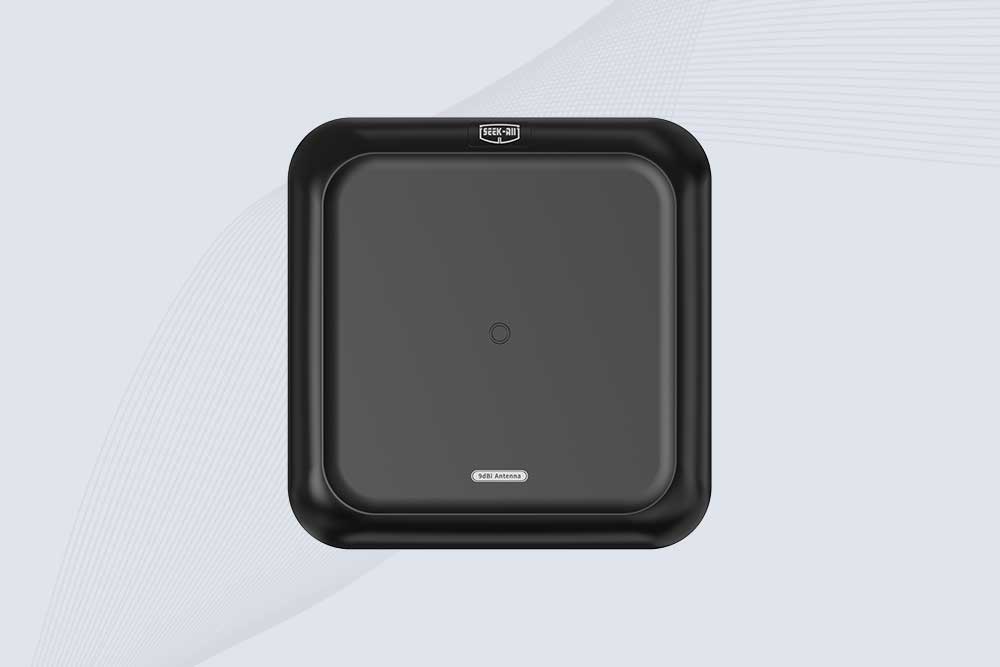
Cykeo CYKEO-A9 industrial UHF RFID antenna delivers 9dBi gain, 840-960MHz frequency range, and IP65 protection for warehouse/logistics/retail RFID systems. Features N-type connector and ≤1.3:1 VSWR.
CYKEO UHF RFID Antenna built for long-distance and industrial applications. This antenna rfid uhf delivers strong gain, outdoor durability, and reliable tag performance in warehouses, yards, and vehicle ID systems.
CYKEO Antenna RFID delivers reliable long-range UHF performance in warehouses, retail shelves, and cold-chain environments. This compact uhf rfid antenna provides stable reads with circular polarization and ultra-wide 840–960 MHz support, ideal for industrial tracking, smart shelves, and asset monitoring.
Cykeo’s CYKEO-C8 UHF RFID antennas delivers 8dBi gain, 840-960MHz full-band coverage, and IP65 ruggedness for manufacturing/warehouse RFID systems. Industrial RFID Antennas Features
Cykeo’s 8dBi UHF RFID antenna and reader kit delivers 10m+ range, 840-960MHz broadband, and IP65 ruggedness for factories, warehouses, and logistics. ISO 18000-6C & EPC Gen2 certified.
Cykeo’s CYKEO-A12C UHF Large RFID Antenna delivers 12dBi gain, 840-960MHz global frequency, IP65 ruggedness for logistics/warehousing/automotive. 40° beamwidth ensures stable 15m+ tag reads.
CYKEO Near Field RFID Antenna provides precise 5–30 cm reading for shelves, cabinets, and workstations. This compact rfid shelf antenna delivers stable short-range performance around metal and clutter, ideal for pharmacies, libraries, and electronics sorting.
Master RFID antenna installation in industrial settings with expert tips on placement, interference mitigation, and durability. Ensure optimal performance for warehouses and factories.
A practical, engineer-level walkthrough of RFID antenna design, covering NFC, LF, and UHF. Real-world tuning, matching networks, metal interference, Q-factor issues, and hands-on debugging strategies. No theory-only nonsense — just actual field ex...
What does rfid look like? Explore RFID tags, readers, and real industrial designs with expert insights, application examples, and Cykeo RFID solutions.
 Cykeo RFID IoT Solution Products R&D Manufacturer