 Cykeo RFID IoT Solution Products R&D Manufacturer
Can an RFID Reader Read NFC? I’ll Give You the Clear Answer—No Fluff.
189Can an RFID reader read NFC? Only if it's an HF 13.56 MHz reader. UHF readers can't. LF 125 kHz readers can't. Learn exactly what works and what doesn't.
MoreAll RFID Product
What does rfid look like? RFID usually appears as a small electronic tag, label, card, or device containing a chip and antenna. Its appearance varies by application, from thin retail labels to industrial tags and RFID readers used for automatic identification.
RFID does not have one fixed appearance. During years of RFID system deployment for warehouses, retail stores, manufacturing plants, and asset management projects, I have seen the same technology appear in many different forms. A clothing RFID tag may look like a simple sticker, while an industrial RFID tag used on metal equipment can look like a rugged plastic block.
The appearance is determined by three factors:
At Cykeo, our RFID engineering team has worked with different industries where the physical design of RFID components directly affects system reliability. In one warehouse installation, a customer initially selected standard paper RFID labels for metal containers. The tags looked correct visually, but performance dropped significantly because metal surfaces interfered with antenna operation. After switching to anti-metal RFID tags, the reading stability improved during repeated inventory tests.
This is why understanding what does rfid look like requires looking beyond the surface.
RFID tags are the most visible part of an RFID system. However, their designs vary greatly depending on where they are installed.
RFID label tags are among the most common designs.
They usually look like:
These tags are widely used in:
A typical UHF RFID label contains:
| Component | Function |
|---|---|
| RFID Chip | Stores identification data |
| Antenna | Receives and sends radio signals |
| Substrate | Supports electronic components |
| Adhesive Layer | Attaches tag to products |
According to GS1, RAIN RFID technology uses passive UHF RFID tags that communicate through radio waves and provide unique identification for physical items. GS1 highlights RFID as an important technology for supply chain visibility and item-level tracking.
2. RFID Hard Tags
Industrial RFID tags usually look very different from retail labels.
They may appear as:
These designs are created for harsh environments.
Common applications include:
A factory environment creates challenges that cannot be solved with ordinary labels. Dust, vibration, temperature changes, and metal interference all influence RFID performance.
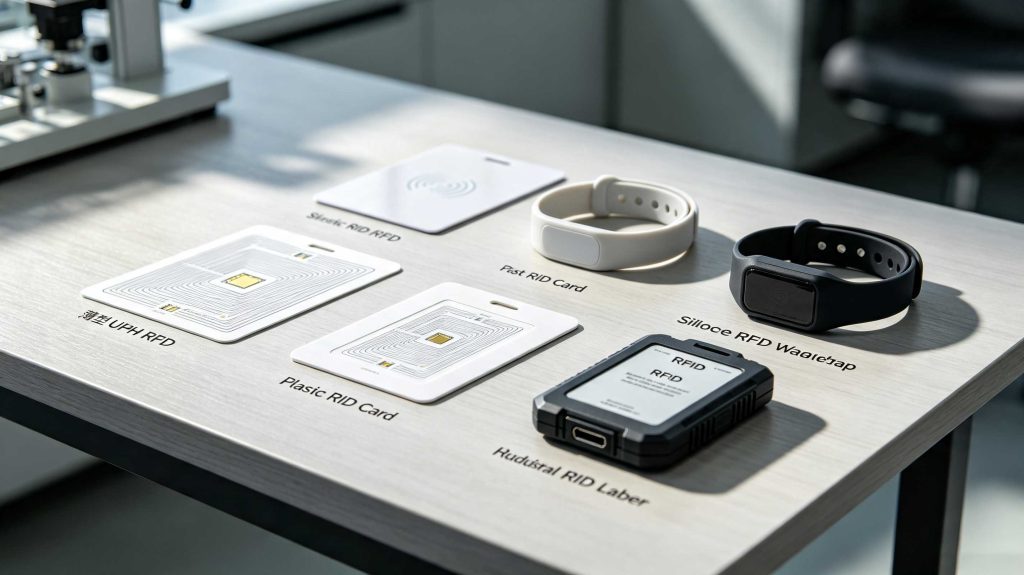
Many people have already used RFID without realizing it.
Examples include:
They usually look similar to:
The RFID antenna is hidden inside the material, so users often cannot see the electronic components.
RFID readers are another important part of the system, but their appearance is completely different from RFID tags.
An RFID reader may look like:
The reader creates radio communication with RFID tags and collects identification information.
Desktop RFID readers are usually compact devices placed on workstations.
Typical appearance:
They are often used for:
Cykeo desktop RFID writers use near-field antenna designs to control reading and writing ranges. This helps prevent accidental reading of nearby tags during tag encoding operations.
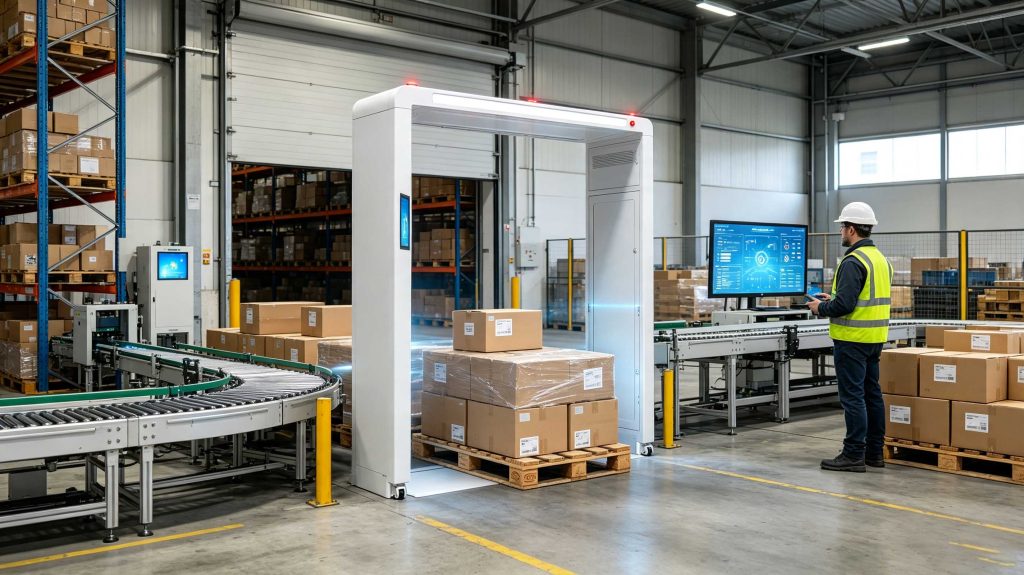
Industrial RFID readers usually have a stronger structure.
They may include:
Applications include:
A fixed RFID portal can automatically identify tagged items as they pass through a reading zone, eliminating manual scanning steps.
The same RFID technology can look completely different because each industry has different requirements.
| Industry | RFID Appearance | Main Purpose |
|---|---|---|
| Retail | Thin labels | Product tracking |
| Warehouse | Labels and hard tags | Inventory management |
| Manufacturing | Rugged tags | Asset identification |
| Healthcare | Small tags and wristbands | Equipment tracking |
| Transportation | Cards and tags | Access and movement control |
The physical design is not simply about appearance. It determines:
When evaluating RFID systems, I rarely start by asking “what does the tag look like?”
The better question is:
“Where will this RFID tag live for the next five years?”
A clothing tag hanging in a retail store faces completely different conditions from a steel production tool exposed to vibration and oil.
During RFID deployment projects, we usually evaluate:
A visually attractive RFID tag that performs poorly in the field is not a successful solution.
The real value of RFID comes from matching the physical design with the operational environment.
RFID tag performance is not defined only by the chip specification. In real deployment environments, antenna design, tag material, reader compatibility, installation method, and application workflow determine whether an RFID system delivers reliable results.
At Cykeo, RFID tag selection is usually based on the actual operating environment rather than a simple “longer reading distance is better” approach. A tag that performs well on cardboard packaging may fail when attached directly to metal equipment or liquid containers.
During RFID deployment testing, our engineering team evaluates:
This practical approach helps avoid a common RFID deployment mistake: choosing a powerful reader while ignoring whether the tag itself is suitable for the application.
Cykeo RFID tags are designed for various industries, including:
| Application | Recommended RFID Tag Type | Main Requirement |
|---|---|---|
| Retail clothing | Flexible UHF RFID label | Lightweight and invisible integration |
| Warehouse inventory | Paper or industrial RFID tag | Fast bulk identification |
| Metal assets | Anti-metal RFID tag | Stable performance on conductive surfaces |
| Tools and equipment | Rugged RFID tag | Long service life |
| Medical assets | Durable RFID label | Accurate tracking |
Different materials create different RF behaviors.
For example:
The tag antenna structure must be designed according to the installation environment.
In warehouse and manufacturing applications, the challenge is not reading one RFID tag.
The challenge is reading hundreds or thousands of tags consistently.
Cykeo RFID systems are designed for:
Research on RFID object tracking systems shows that system architecture and data processing design directly influence scalability and performance.
Modern RFID tags provide more than identification.
Depending on the chip model, RFID tags may include:
A typical enterprise RFID workflow stores detailed business information in databases while keeping the RFID tag responsible for fast physical identification.
Example:
RFID Tag Memory
EPC:
Product ID 0012589

Database:

Product Name:
Industrial Valve

Location:
Warehouse A-03

Maintenance:
2026-08-10
This architecture improves security and makes large-scale management easier.
A complete RFID solution consists of multiple connected layers.
The RFID tag is attached to the physical object.
Examples:
The tag stores identification information and communicates wirelessly with RFID readers.
RFID readers generate radio signals and receive responses from tags.
Cykeo RFID reader solutions include:
Reader selection depends on:
The antenna determines the coverage area.
Important factors include:
In real projects, antenna positioning often decides success or failure.
A warehouse gate with incorrect antenna placement may create:
RFID middleware processes raw tag data.
Typical functions:
The system then connects with:
The final goal is operational improvement.
RFID enables:
| Feature | Standard RFID Tag | Industrial RFID Tag | Anti-Metal RFID Tag |
|---|---|---|---|
| Material | Paper/PET | ABS/Engineering Plastic | Special shielding material |
| Environment | Retail | Factory | Metal equipment |
| Durability | Medium | High | Very High |
| Installation | Adhesive | Screw/Fixing | Adhesive/Fixing |
| Application | Products | Assets | Metal tools |
A common misconception is that all RFID tags are interchangeable.
They are not.
A clothing RFID label and a railway maintenance tool RFID tag may use the same communication standard, but their physical structures are completely different.
| Technology | RFID | Barcode | NFC |
|---|---|---|---|
| Reading Method | Radio frequency | Optical scanning | Short-range wireless |
| Line of Sight | Not required | Required | Usually required |
| Multiple Reading | Yes | No | Limited |
| Distance | Several meters | Contact to short range | Few centimeters |
| Speed | High | Medium | Medium |
| Best Use | Inventory automation | Simple identification | Mobile interaction |
RFID provides advantages when companies need to identify many items quickly without manually scanning each object.
GS1 describes RAIN RFID as a technology supporting automated identification and item-level visibility across supply chains.
Fashion retailers often attach RFID tags during production.
Workflow:
The biggest improvement is visibility.
Instead of asking:
“Where should this product be?”
Managers can see:
“Where is this product now?”
Large retail RFID deployments have demonstrated improvements in inventory accuracy and faster stock operations.
Factories use RFID tags for:
A missing tool is not only an inventory issue. It can stop production.
RFID creates a digital movement record.
Automotive manufacturers have implemented RFID-based traceability systems using UHF RFID tags and portal solutions to monitor reusable transport items and production assets.
Typical applications:
A successful RFID project requires engineering planning.
Before selecting hardware, answer:
Evaluate:
RFID should always be tested on-site.
Important testing conditions:
Connect RFID data with business systems:
RFID tags can look like stickers, cards, wristbands, or rugged industrial components depending on their application.
No. RFID tags differ by chip type, antenna design, material, and operating environment.
Standard RFID tags may have reduced performance on metal. Anti-metal RFID tags are designed specifically for metallic surfaces.
Passive RFID tags can operate for many years because they do not require internal batteries.
Yes. RFID tags can store identification data and selected user information depending on memory capacity.
For large-scale inventory tracking, RFID provides faster identification and supports multiple tag reading.
Understanding what does rfid look like is only the beginning of RFID implementation.
The real value of RFID comes from combining the right tag design, reader technology, software platform, and operational workflow.
Cykeo RFID solutions help businesses build reliable identification systems for retail, logistics, manufacturing, healthcare, and asset management applications.
From small RFID labels to industrial tracking tags, the correct RFID design transforms physical products into connected digital assets.
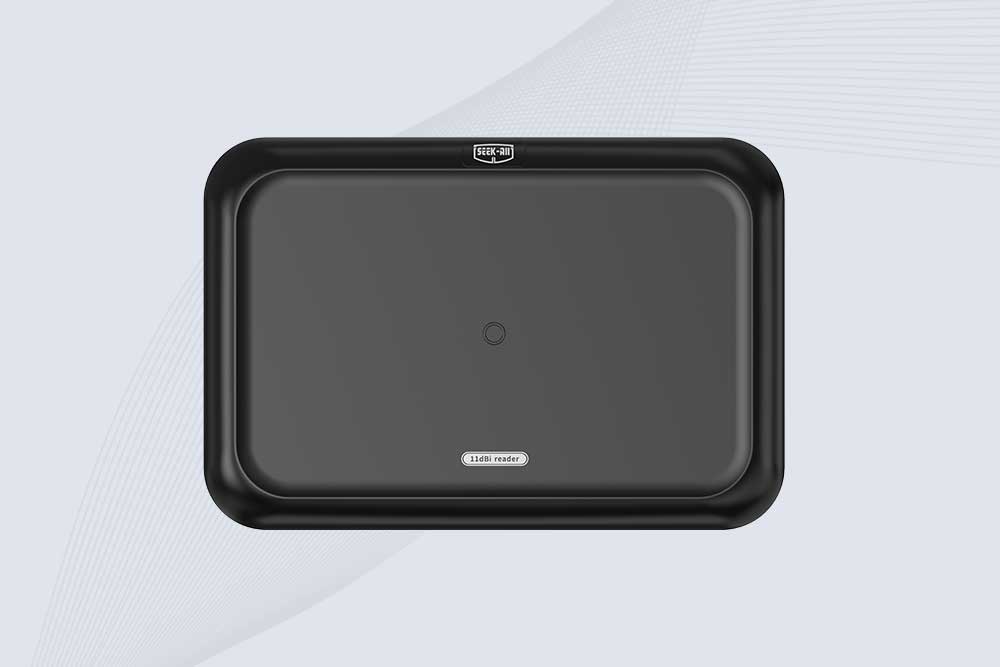
SSD-RA11L is an 11 dBi UHF RFID reader with up to 15m reading distance, 600+ tags/s speed, integrated antenna and flexible connectivity.
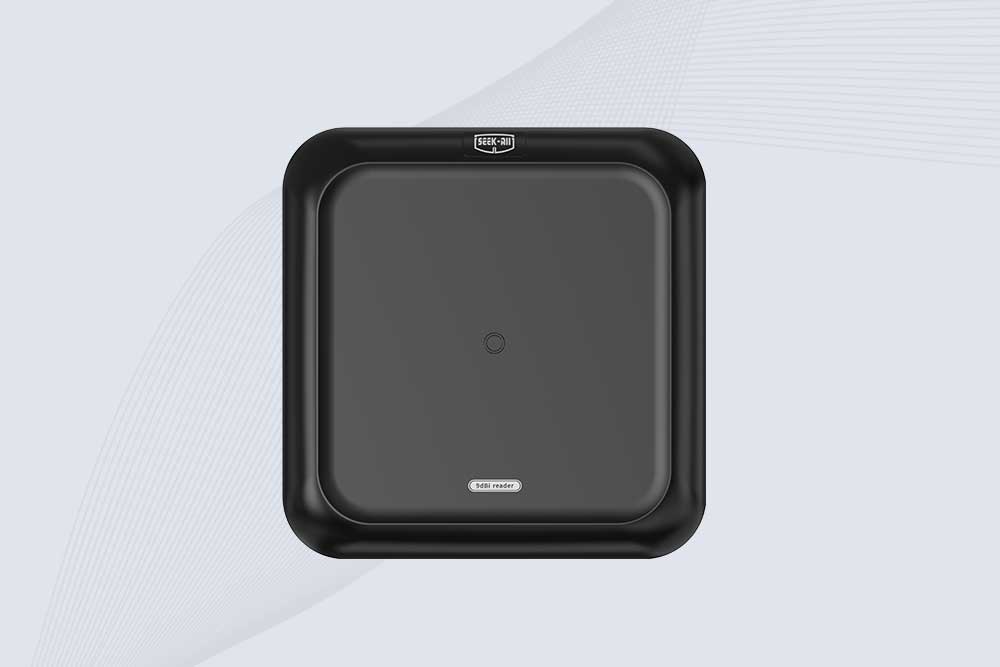
SSD-RA09L is a long range UHF RFID reader with a built-in 9 dBi antenna, 10m reading range, 600+ tags/s speed and flexible interfaces.
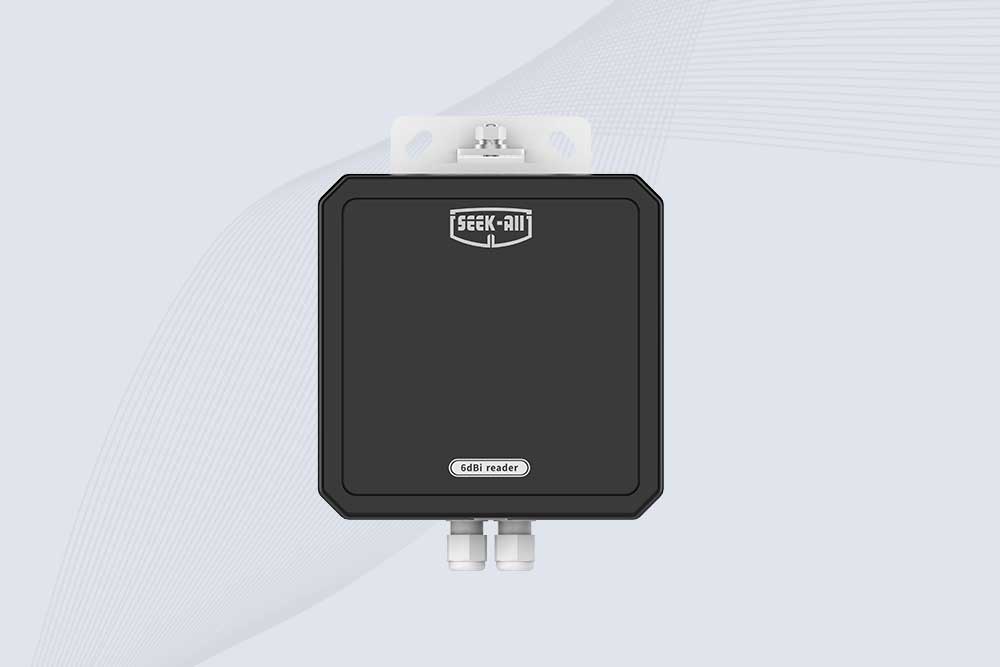
SSD-RA06L is an industrial UHF RFID reader with a built-in 6 dBi antenna, 3 m read range, 600+ tags/s, Ethernet, RS232, and optional Wi-Fi, 4G, and PoE.
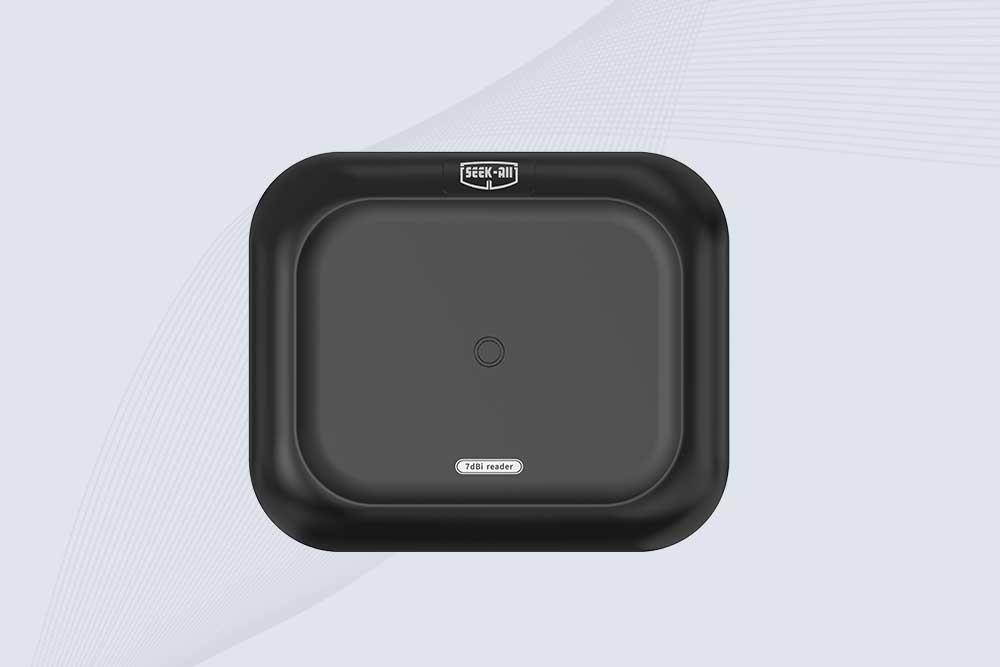
SSD-RA07L industrial UHF RFID reader with integrated 7 dBi antenna, up to 6 m reading distance, over 600 tags/s, Ethernet, RS232, and optional Wi-Fi, 4G, and PoE.
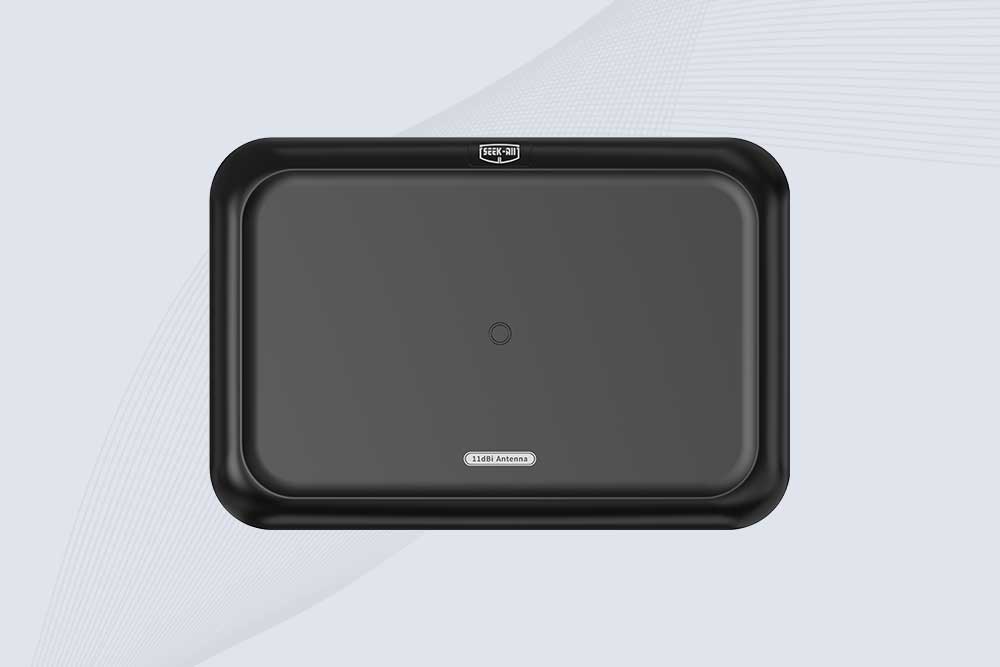
SSD-A11 UHF RFID antenna features 840–960 MHz adjustable frequency, ≥10.5 dBi gain, circular polarization and 50Ω impedance for fixed RFID systems.
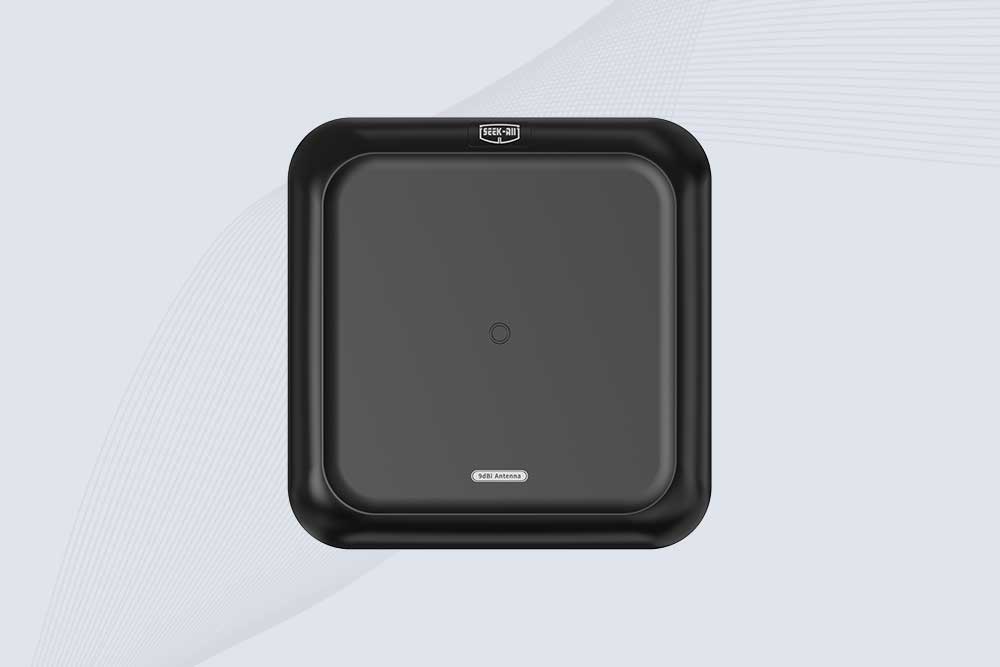
SSD-A09 is a 9 dBi UHF RFID antenna with 840–960 MHz adjustable frequency, circular polarization, 50Ω impedance and directional 60° × 60° coverage.
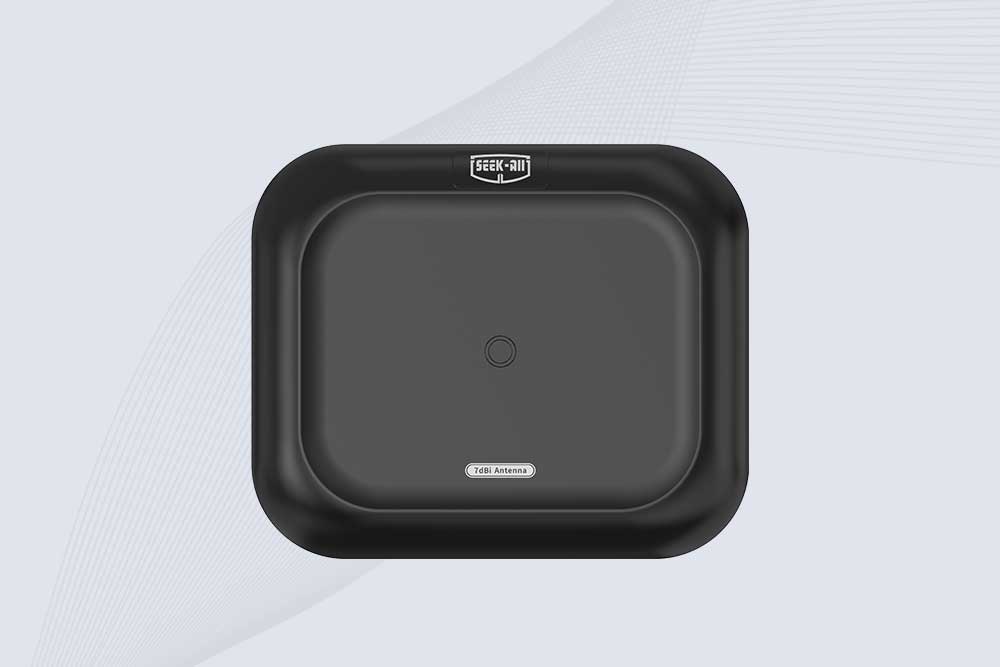
Explore the SSD-A07 UHF RFID antenna with 7 dBi gain, circular polarization, adjustable 840–960 MHz frequency, and 60°/75° beamwidth for stable RFID read/write performance.

SSD-A06 UHF RFID antenna with circular polarization, adjustable 840–960 MHz frequency, ≥4.5 dBi gain, and a compact directional design for RFID systems.
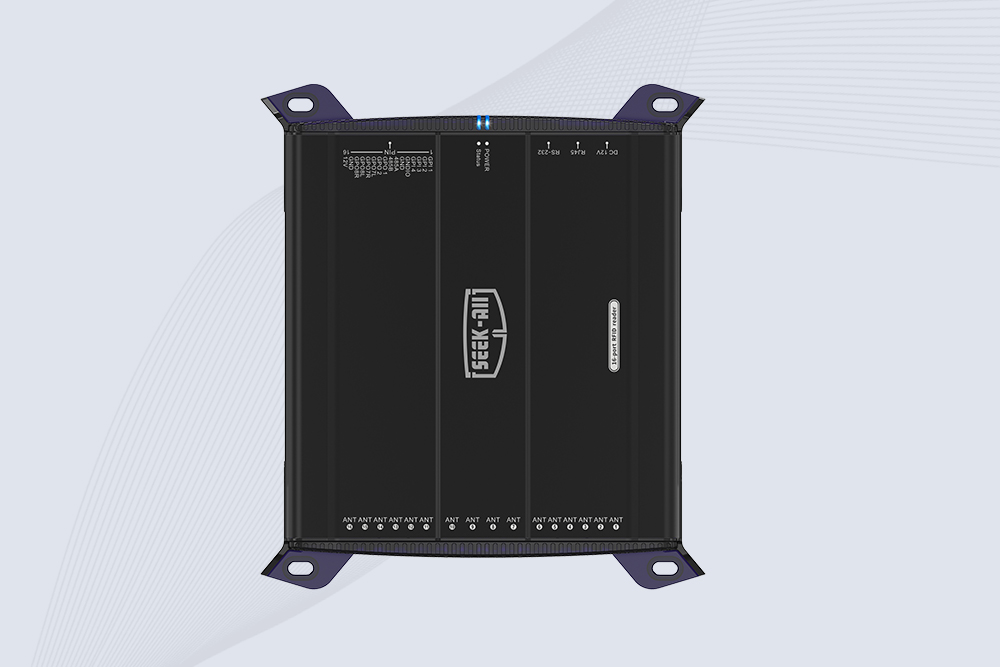
SSD-R16L Multi-Channel RFID Infrastructure for Automated Inventory Management ✔️ 16-Port High-Density RFID Reading Equipped with 16 SMA antenna ports, SSD-R16L supports multi-antenna deployment for warehouses, retail stores, logistics, production lines, and large-area RFID identification. ✔️ High-Speed & Long-Range Performance With up to 33…
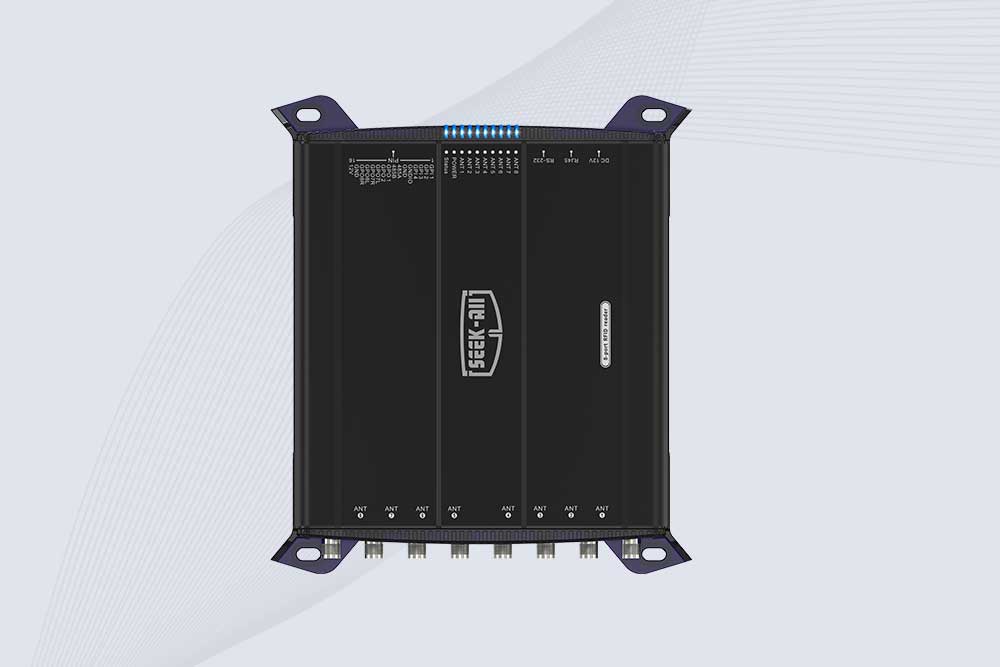
SSD-R8L 8-port UHF RFID reader with 33dBm output, up to 20m reading range and 600+ tags/s recognition. Ideal for warehouse, logistics, retail and asset tracking.
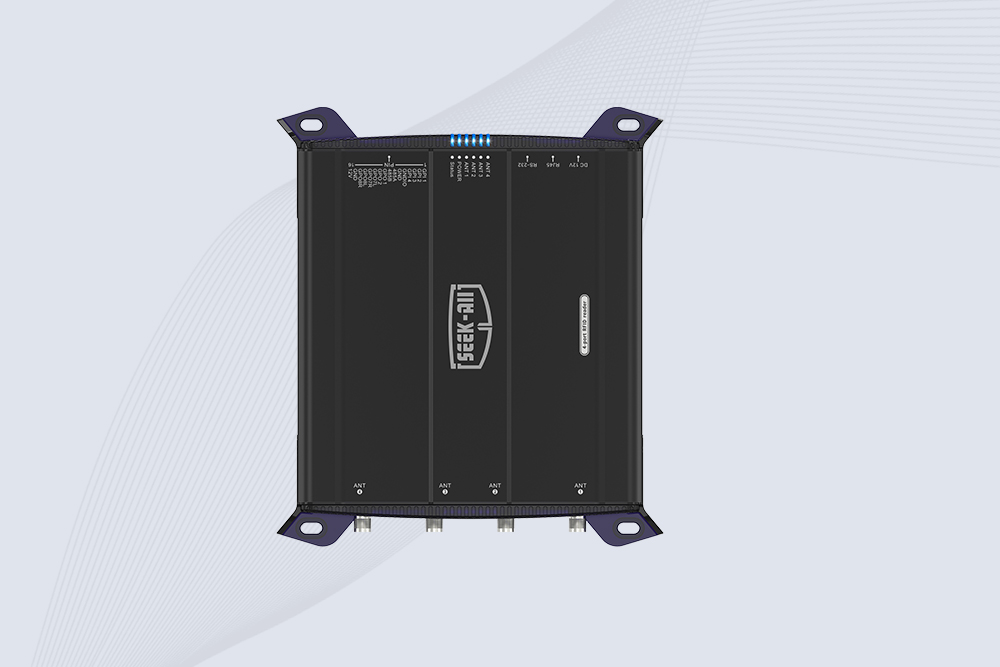
SSD-R4L is a 4-port UHF RFID fixed reader with 33dBm output power, up to 20m reading range, EPC C1G2 support and 600+ tags/s reading speed.
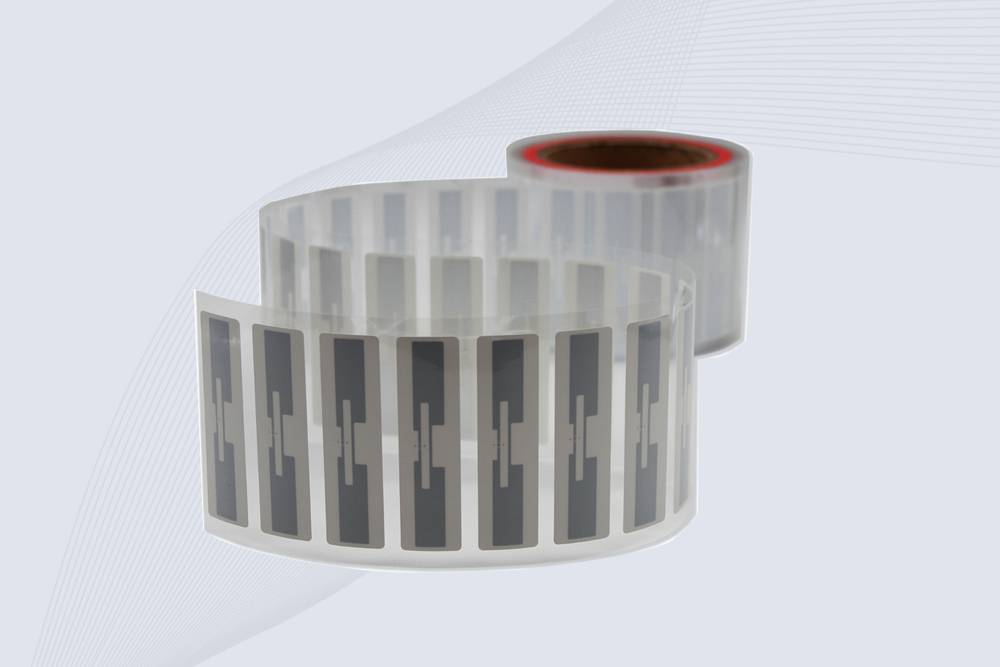
CYKEO Passive RFID Tags are made for wet and high-humidity environments where standard labels do not last. This rfid passive tag is often used around liquids, chemicals and temperature changes, providing stable reading distance and long data life for industrial tracking.
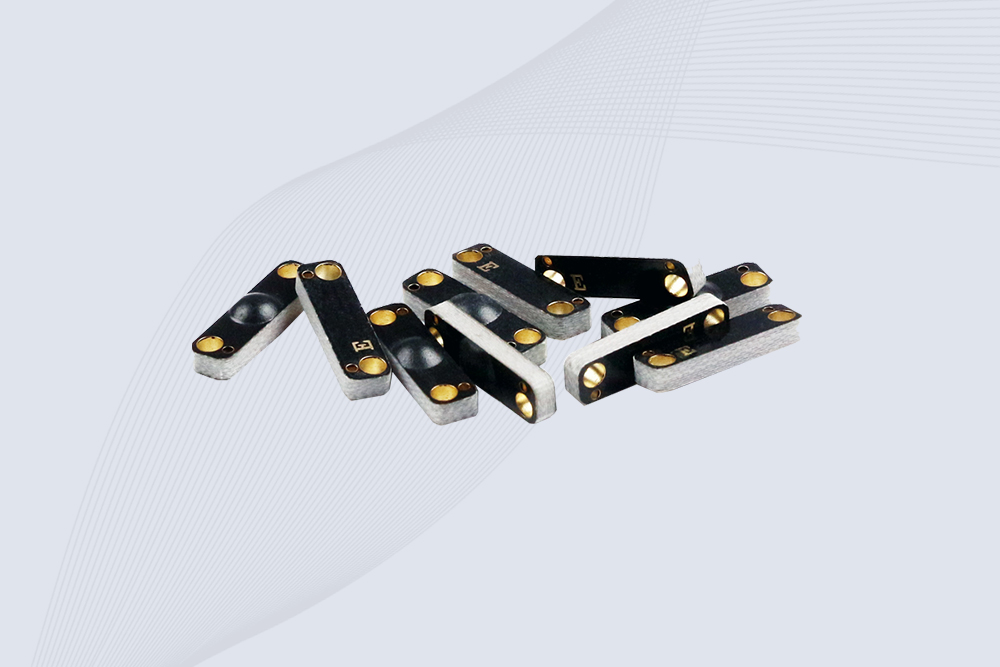
CYKEO CYKEO-PCB1504 Metal RFID Tags is a compact anti-metal UHF RFID solution built for direct mounting on metal surfaces. With stable 8-meter read range, Ucode-8 chip, and long data retention, this rfid metal tag fits tools, containers, automotive parts, and industrial asset tracking.
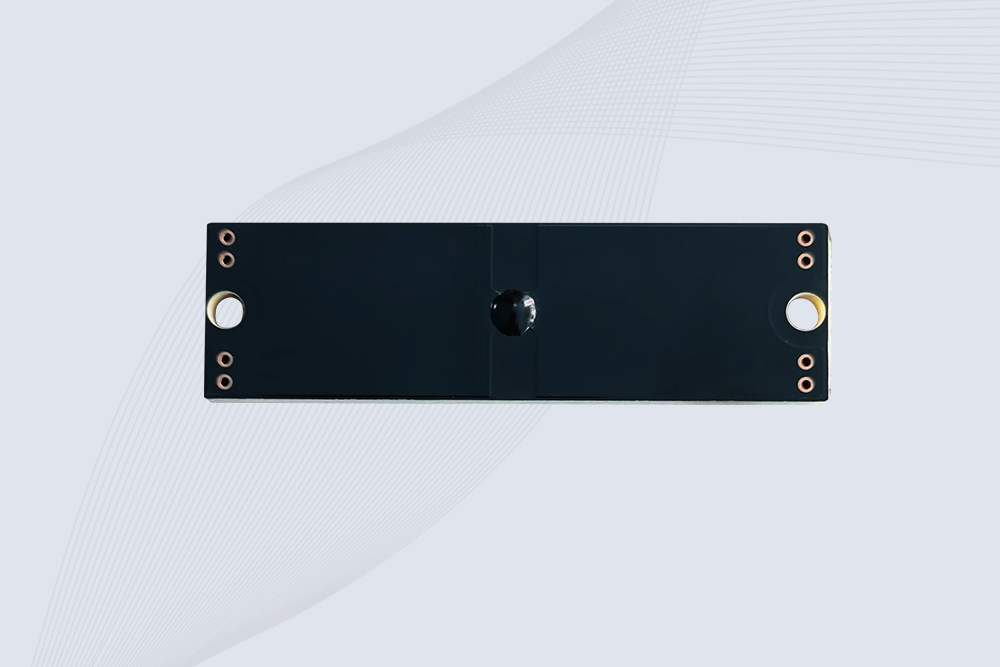
CYKEO CYKEO-PCB7020 On-Metal RFID Tags are designed for reliable tracking on steel and metal surfaces. Built with an FR4 epoxy body and industrial-grade chips, these On-Metal RFID Tags deliver stable performance, long data life, and chemical resistance, making them a dependable RFID anti-metal tag for harsh environments.
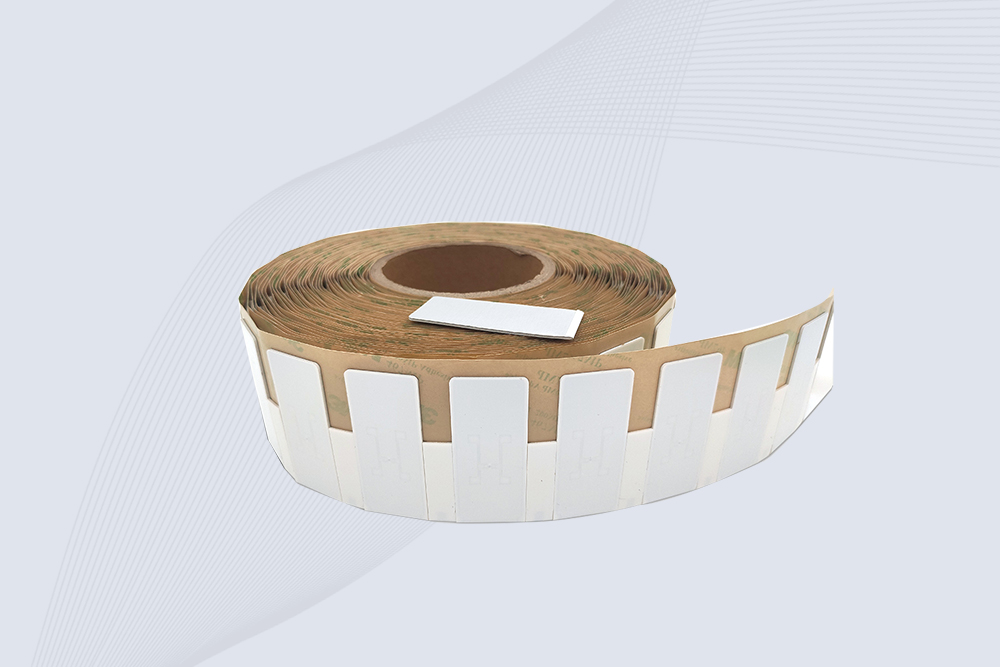
The CYKEO CYKEO-60-25 Anti-Metal RFID Tag is built for metal surfaces where standard tags fail. Designed for long-range performance, harsh environments, and stable data retention, this Anti-Metal RFID Tag is ideal for industrial assets, containers, and equipment tracking using on metal RFID tags.
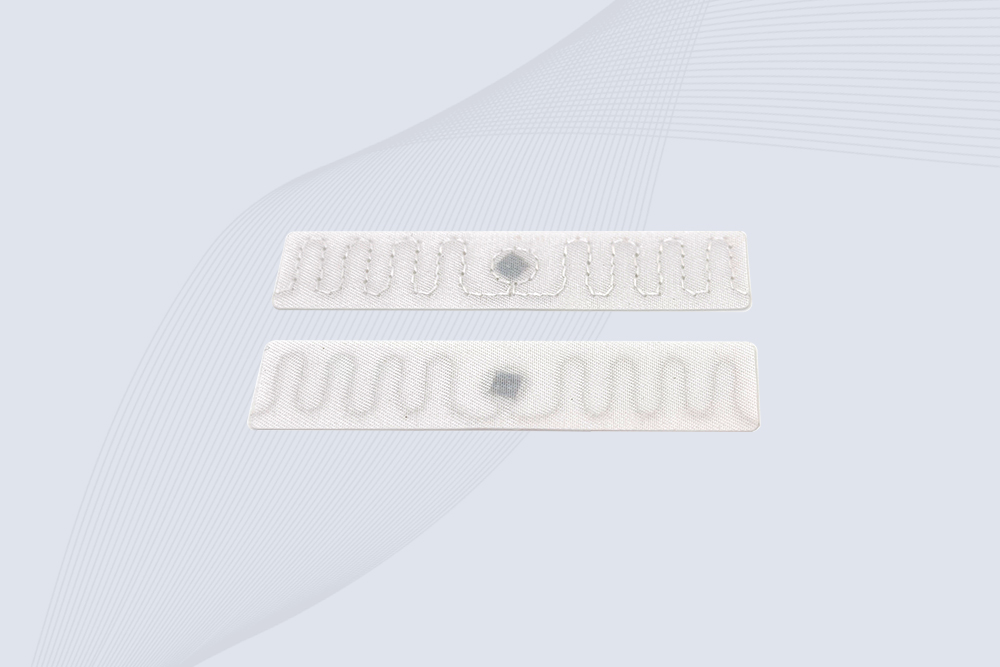
The CYKEO RFID Laundry Tag is designed for long-term textile identification in harsh laundry environments. Built to withstand high heat, chemicals, and repeated washing, this RFID Laundry Tag delivers stable performance for hotels, hospitals, and industrial laundry operations using laundry rfid tags at scale.
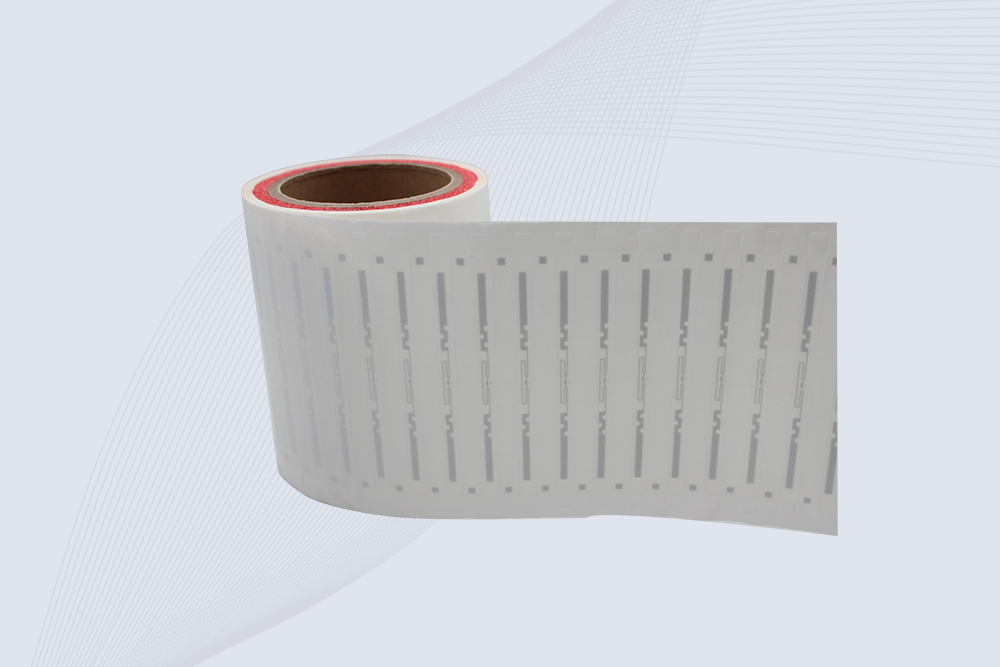
The CYKEO CYKEO-125-7 RFID Book Tag is designed for reliable book and document tracking in libraries and archives. This RFID Book Tag delivers long read range, dense placement support, and stable performance on shelves, making it a practical rfid tag on books for library automation, file management, and archival systems.
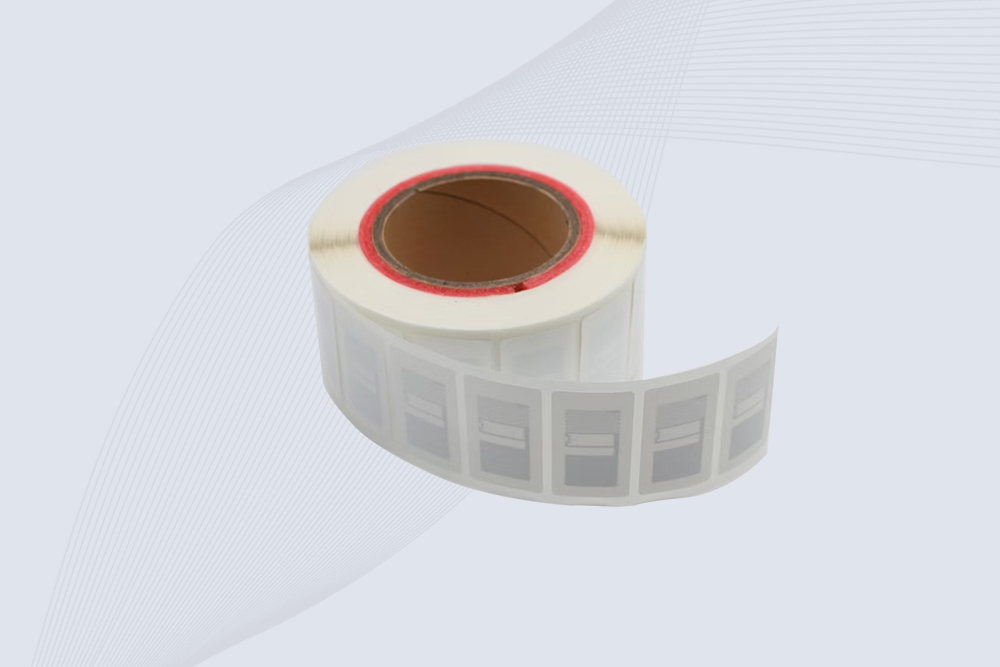
CYKEO RFID tags in hospitals are designed for sterile environments where accuracy matters. These autoclavable RFID tags support long-term tracking of surgical tools, implants, and medications, helping hospitals improve visibility, compliance, and patient safety.

CYKEO RFID Cable Tie Tag is built for reliable identification on metal surfaces. This UHF RFID Cable Tie Tag is widely used in rfid tags for inventory systems, industrial asset management and Hospital RFID Tags, offering stable read performance, long service life and global EPC Gen2 compatibility.
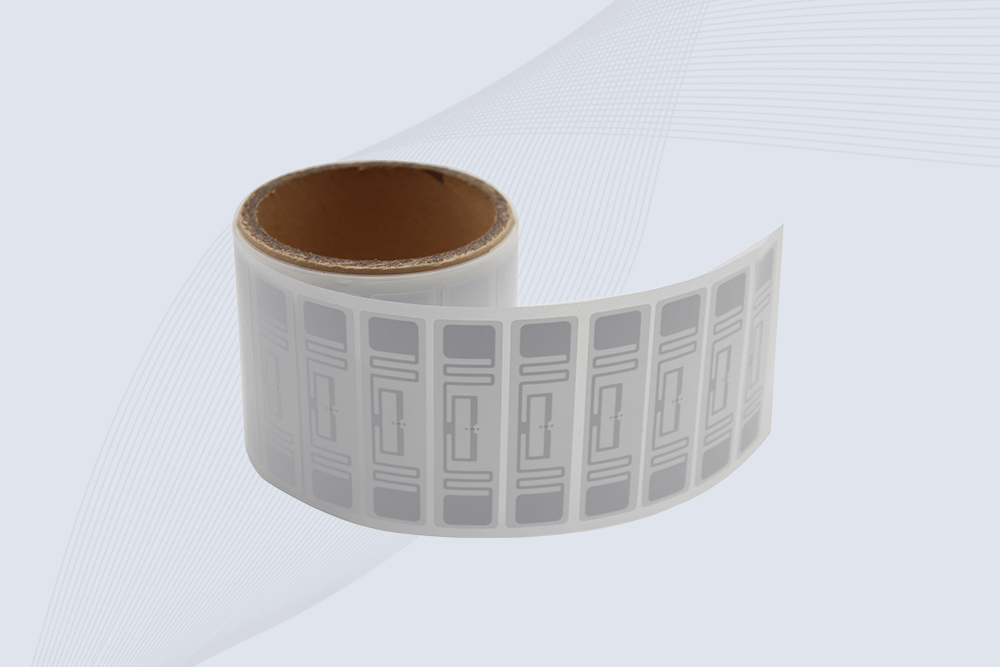
CYKEO RFID Asset Tag is designed for stable identification of metal assets in industrial environments. This UHF RFID Asset Tag is commonly used for rfid tag asset tracking on equipment, tools and containers, providing reliable reads, long service life and ISO/IEC 18000-6C support.

CYKEO UHF RFID Card is designed for fast identification and long-term use in industrial and commercial systems. Supporting ISO 18000-6C, this UHF RFID Card works at 860–960 MHz and is suitable for custom RFID cards used in asset tracking, access control and inventory management.
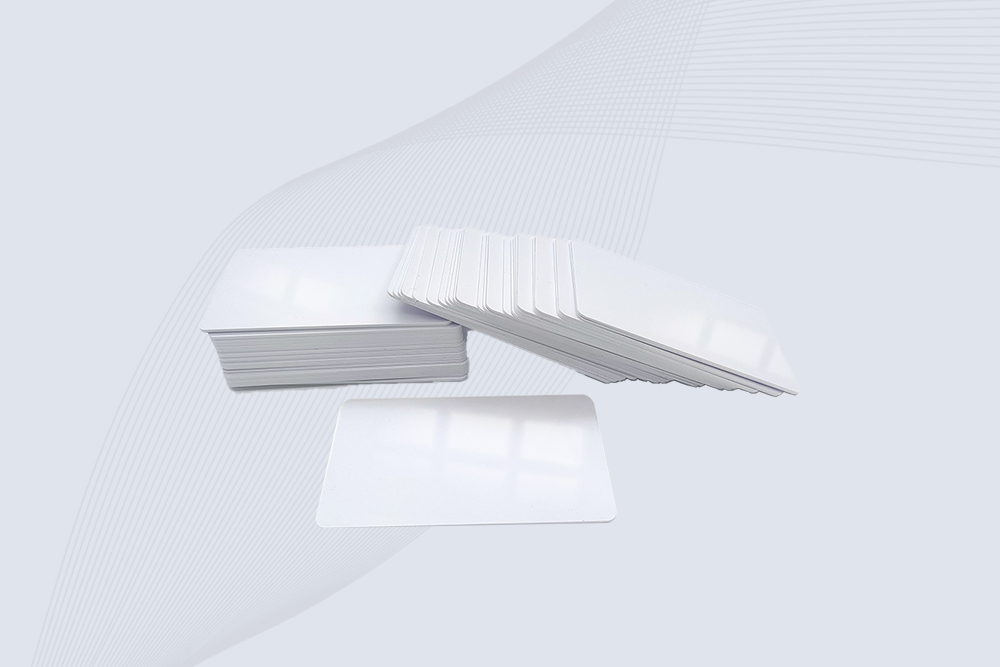
CYKEO HF RFID Cards are designed for secure and stable access control systems. These 13.56 MHz RFID key cards support ISO 14443-A, reliable rewriting and long service life, making HF RFID Cards suitable for offices, campuses, events and membership management.
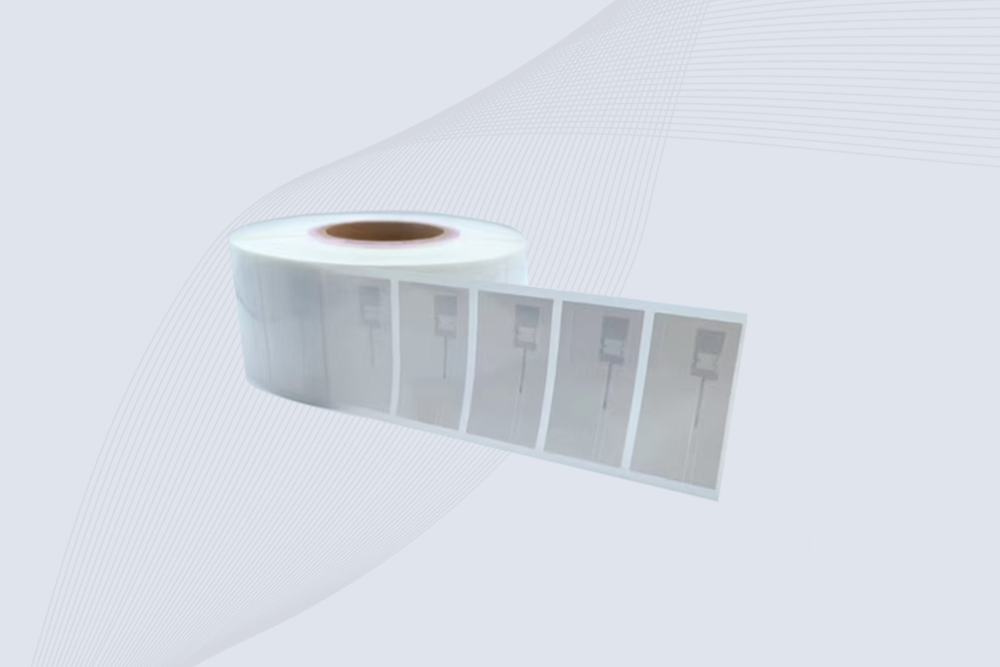
CYKEO UHF RFID Tag is designed for reliable tracking of metal jewelry and high-value items. This Jewelry RFID Tag supports long-range reading up to 8 meters, anti-counterfeit protection and stable performance on metal, making it suitable for retail, inventory control and asset management.
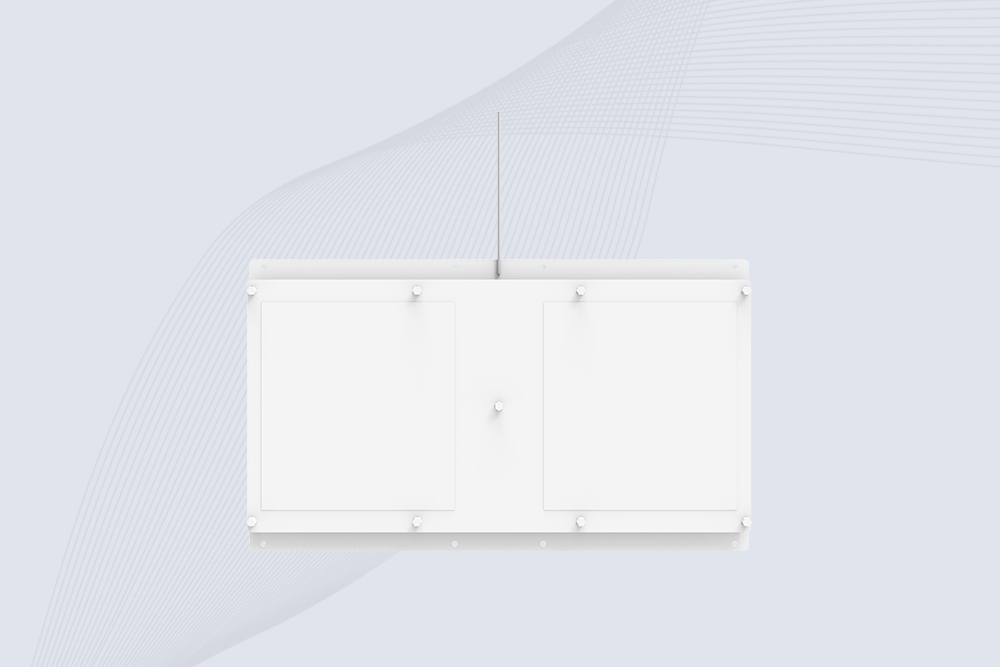
Cykeo CYKEO-A11 UHF RFID reader antenna delivers 11dBi gain, 840-960MHz frequency range, and IP65 ruggedness for retail, logistics, and industrial RFID systems. Features low VSWR and easy installation.

CYKEO Antenna RFID Reader delivers stable long-range UHF performance with a 10.5dBi directional design, built for warehouses, conveyor portals, and industrial RFID systems. This rfid reader antenna provides 20m+ read distance and rugged IP67 protection.

Cykeo CYKEO-PHF3 industrial HF RFID Antenna offers 24-point dynamic tracking, ISO 14443A/15693 protocols, metal-environment stability for archives/libraries/manufacturing.

Cykeo CYKEO-A5B industrial Linear RFID Antenna delivers 5dBi gain, ≤1.5:1 VSWR, and IP65 rugged design for warehouse, production line, and logistics UHF systems.

Cykeo’s CYKEO-B12 Long Range RFID Antenna delivers 15m+ read range with 12dBi gain, IP65 rugged design, and global 840-960MHz UHF support. Ideal for warehouse/logistics asset tracking.
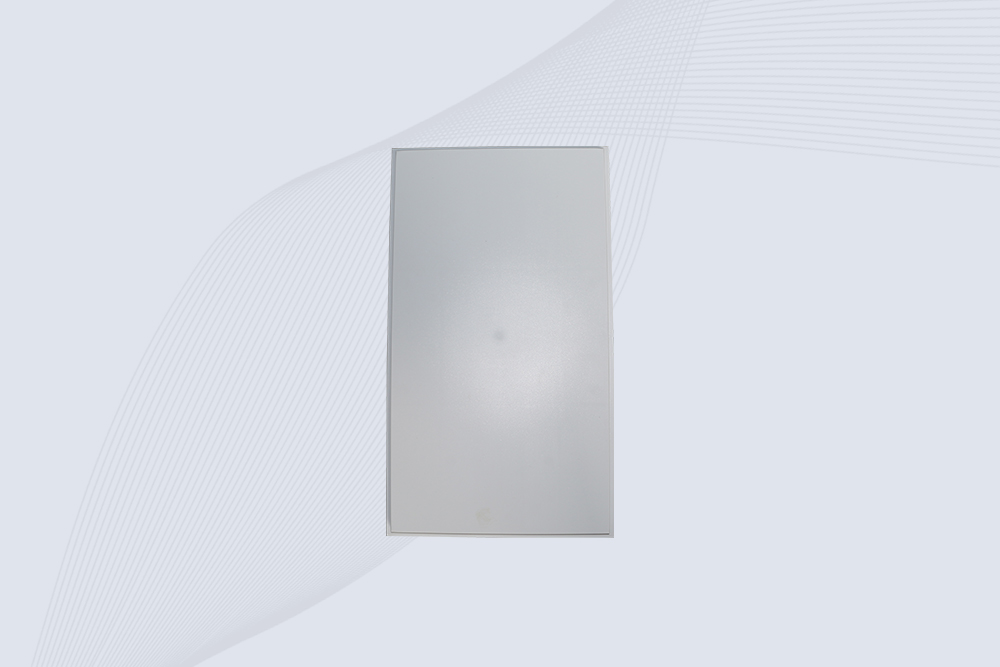
Cykeo CYKEO-B10 Long Distance RFID Antenna offers 10dBi gain, 840-960MHz frequency range, IP65 rating, and 20m+ coverage for logistics/warehousing/ETC systems. Low VSWR ensures stable signal transmission.
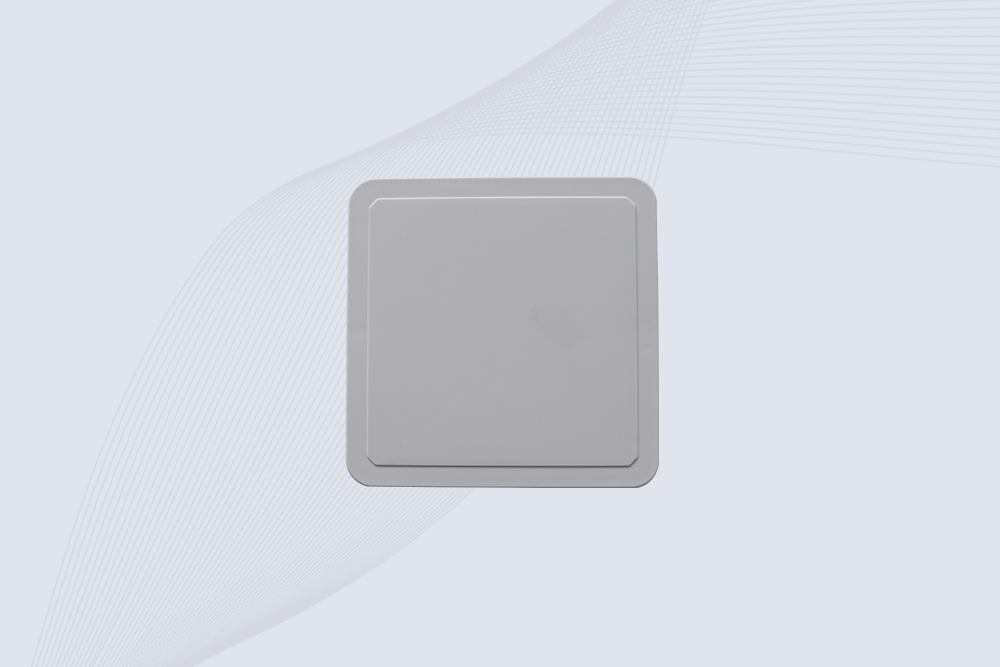
Cykeo CYKEO-A6 UHF RFID panel antenna features 6dBi gain, 840-960MHz broadband, IP65 metal-ready housing for logistics/smart retail. 18mm ultra-thin design with tool-free mounting.

Cykeo CK-A3 industrial antenna RFID UHF offers 5m+ tag detection, ≤1.3:1 VSWR, IP65 rugged design, and global UHF spectrum compatibility (840-960MHz) for warehouses, factories, and retail.
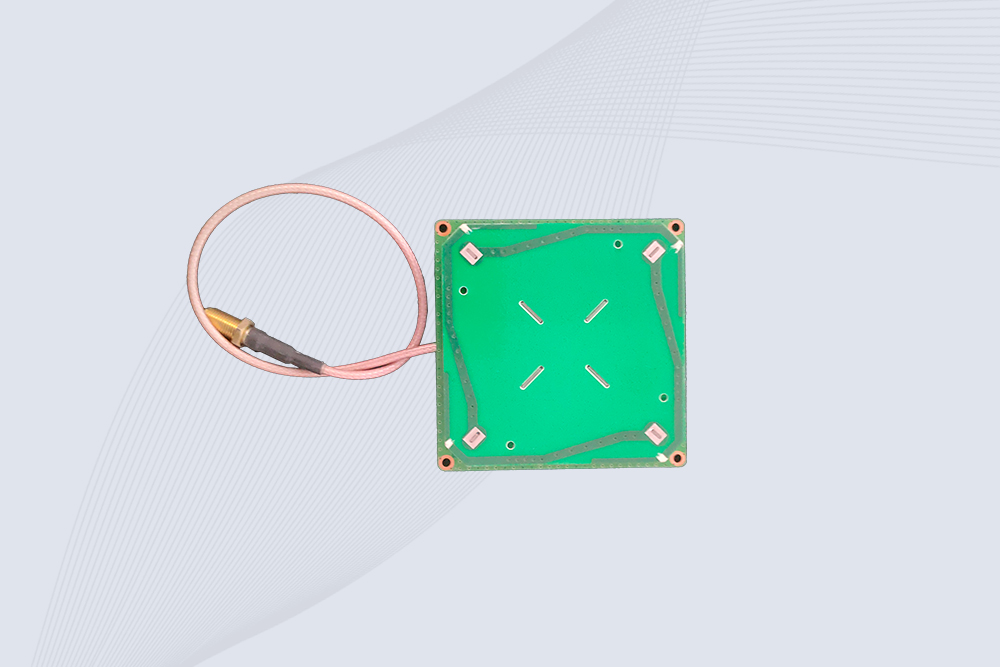
Cykeo CYKEO-B5 directional RFID antenna provides 5dBi gain with 60° narrow beamwidth for precise inventory tracking. IP65-rated, global UHF frequency support, and low VSWR.
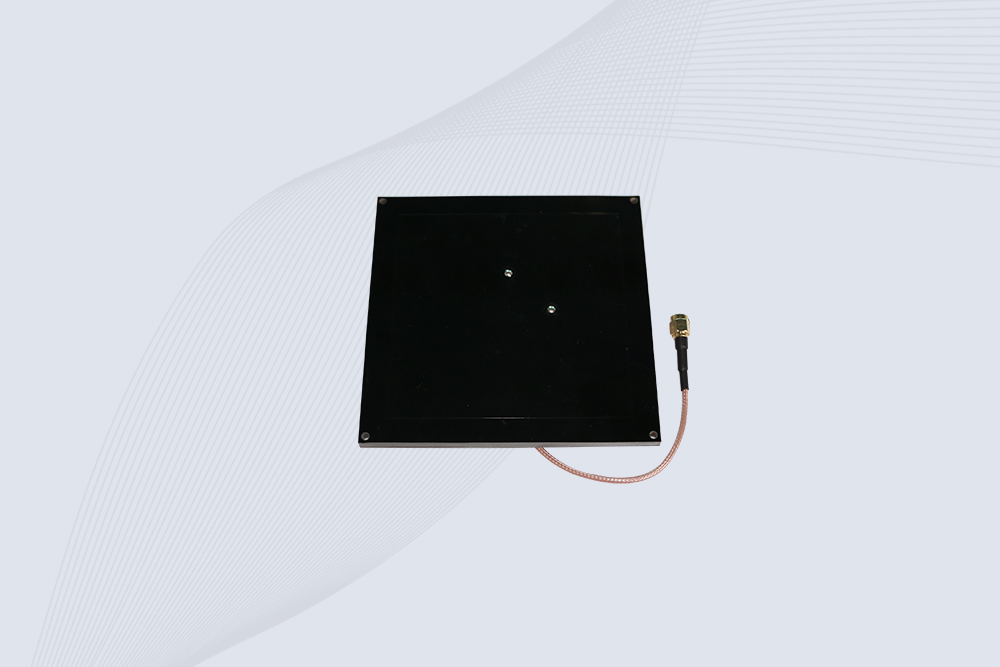
Create your own high-performance DIY RFID antenna! 5dBi gain, 840-960MHz tunable, step-by-step guides. Compatible with Arduino, Raspberry Pi, and commercial UHF readers.
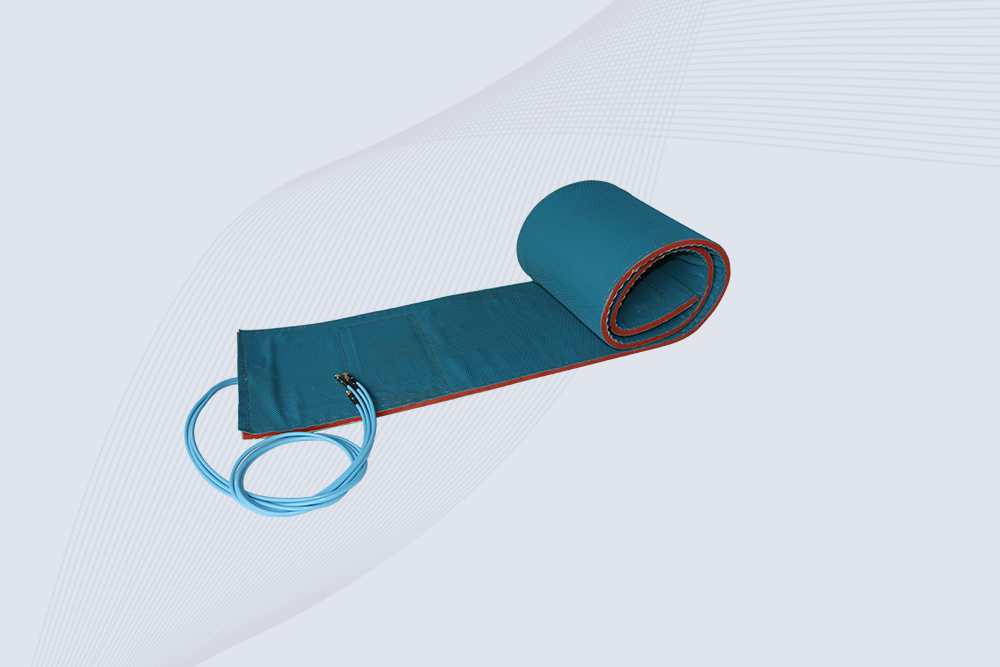
Cykeo CYKEO-A7 Flexible RFID Antenna features 840-960MHz wideband tuning, 7dBi gain, and IP68 rating for medical/retail/industrial curved surface deployments. 98% read accuracy with peel-and-stick installation.

Cykeo CYKEO-B5A industrial Passive RFID Antenna delivers 5dBi gain, 70° beamwidth, and -40°C~55°C operation for warehouses/smart cabinets. Compatible with Zebra/Impinj readers.
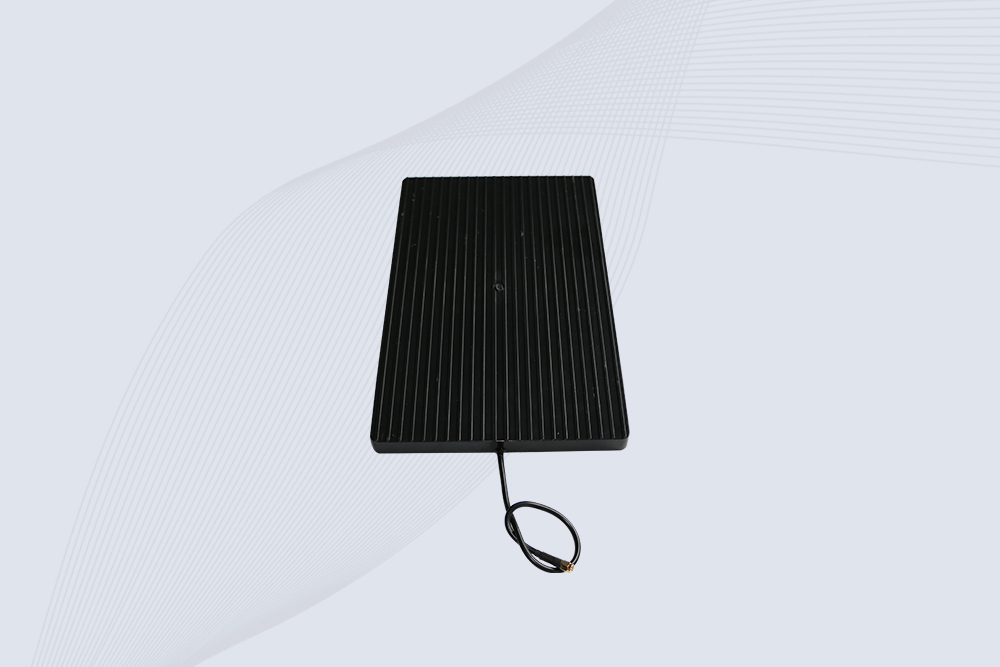
Cykeo’s CYKEO-A9B High Gain RFID Antenna delivers 15m+ read range with 9dBi amplification. Features IP54 rugged design, 840-960MHz bandwidth, and 80° beamwidth for warehouse/manufacturing RFID systems.

Cykeo’s enterprise-grade 8dbi Impinj RFID Antenna 10m+ read range with 840-960MHz tuning. Features IP65 housing, 1.4 VSWR, 35° beamwidth for retail/warehouse RFID systems.
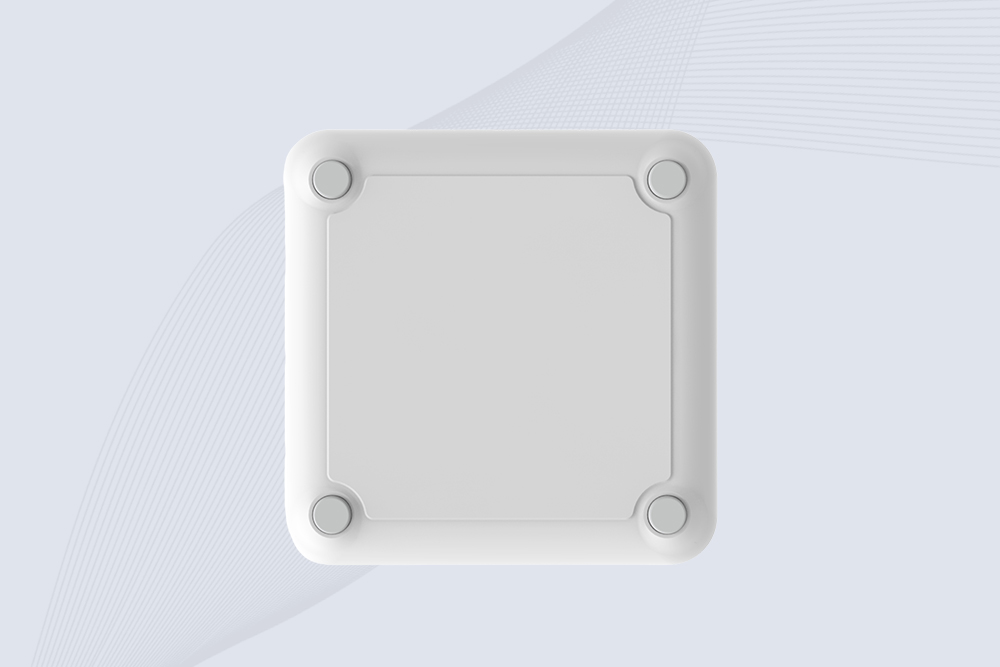
Cykeo CYKEO-A9 industrial UHF RFID antenna delivers 9dBi gain, 840-960MHz frequency range, and IP65 protection for warehouse/logistics/retail RFID systems. Features N-type connector and ≤1.3:1 VSWR.
CYKEO UHF RFID Antenna built for long-distance and industrial applications. This antenna rfid uhf delivers strong gain, outdoor durability, and reliable tag performance in warehouses, yards, and vehicle ID systems.
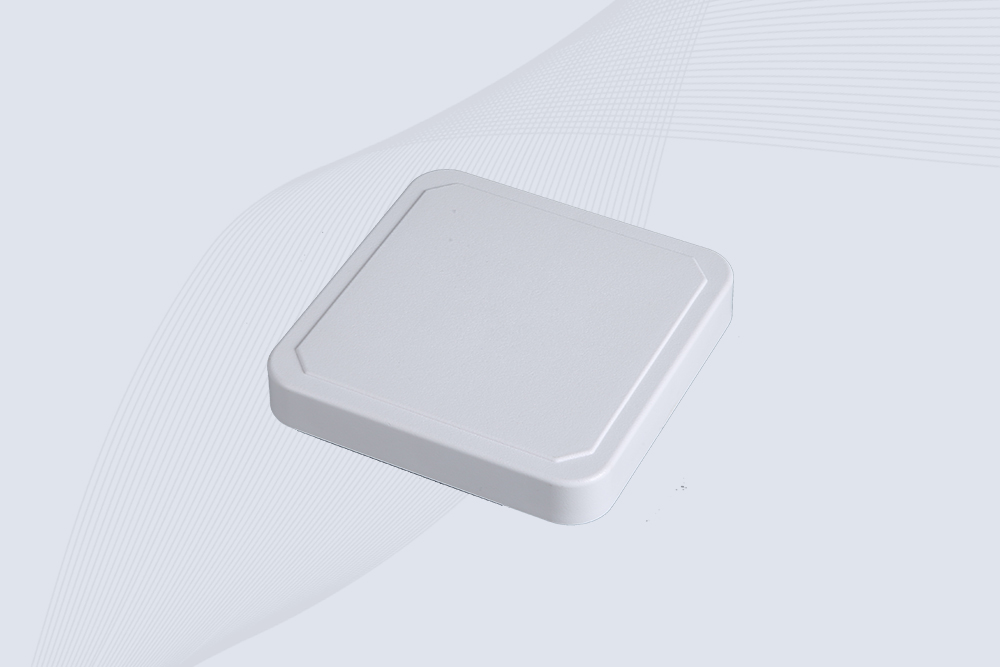
CYKEO Antenna RFID delivers reliable long-range UHF performance in warehouses, retail shelves, and cold-chain environments. This compact uhf rfid antenna provides stable reads with circular polarization and ultra-wide 840–960 MHz support, ideal for industrial tracking, smart shelves, and asset monitoring.
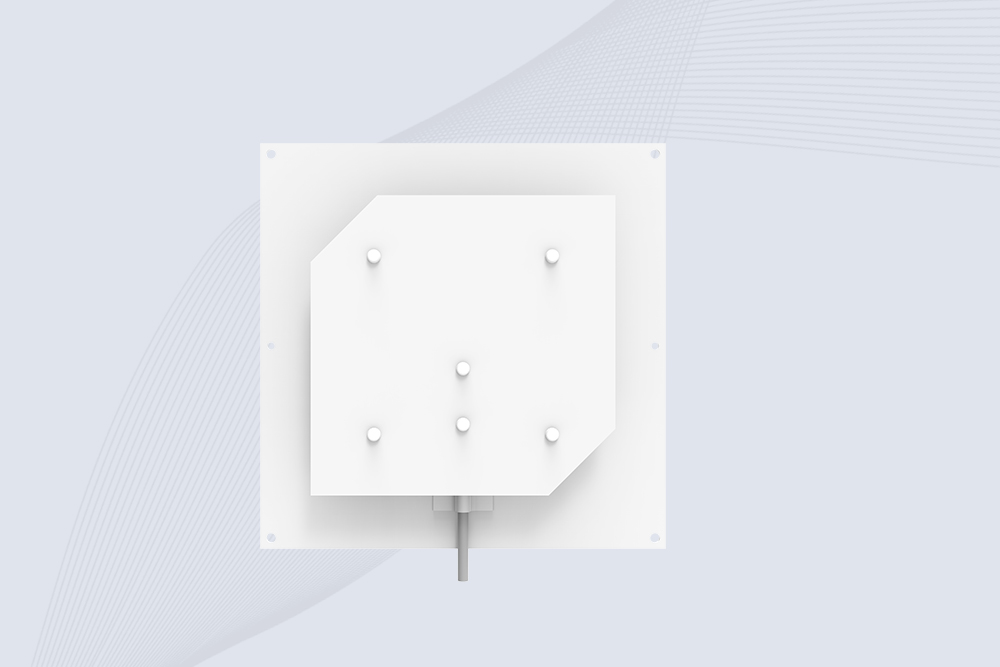
Cykeo’s CYKEO-C8 UHF RFID antennas delivers 8dBi gain, 840-960MHz full-band coverage, and IP65 ruggedness for manufacturing/warehouse RFID systems. Industrial RFID Antennas Features
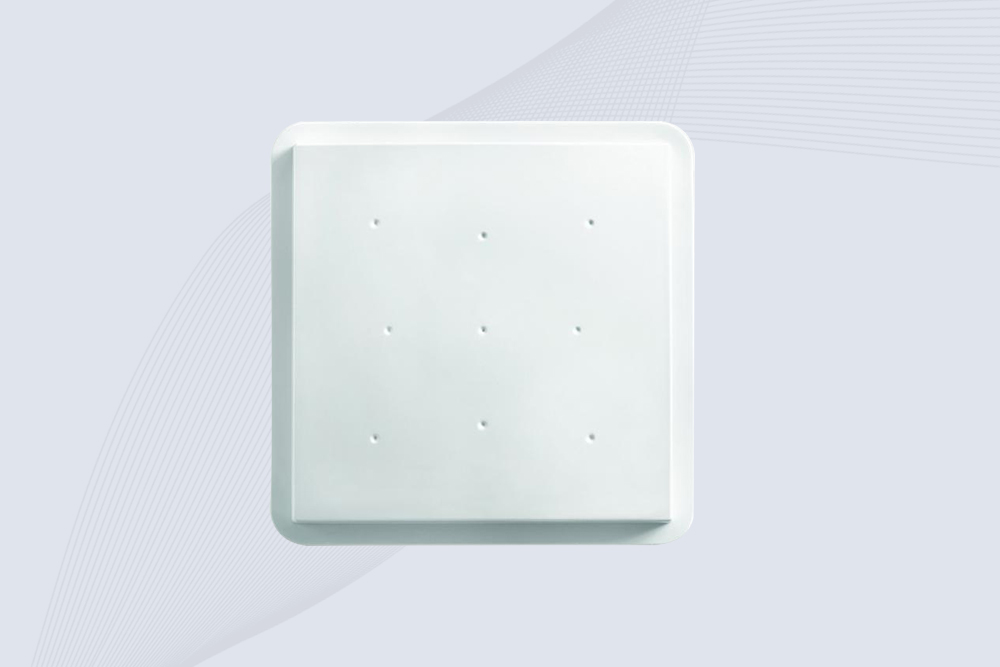
Cykeo’s 8dBi UHF RFID antenna and reader kit delivers 10m+ range, 840-960MHz broadband, and IP65 ruggedness for factories, warehouses, and logistics. ISO 18000-6C & EPC Gen2 certified.
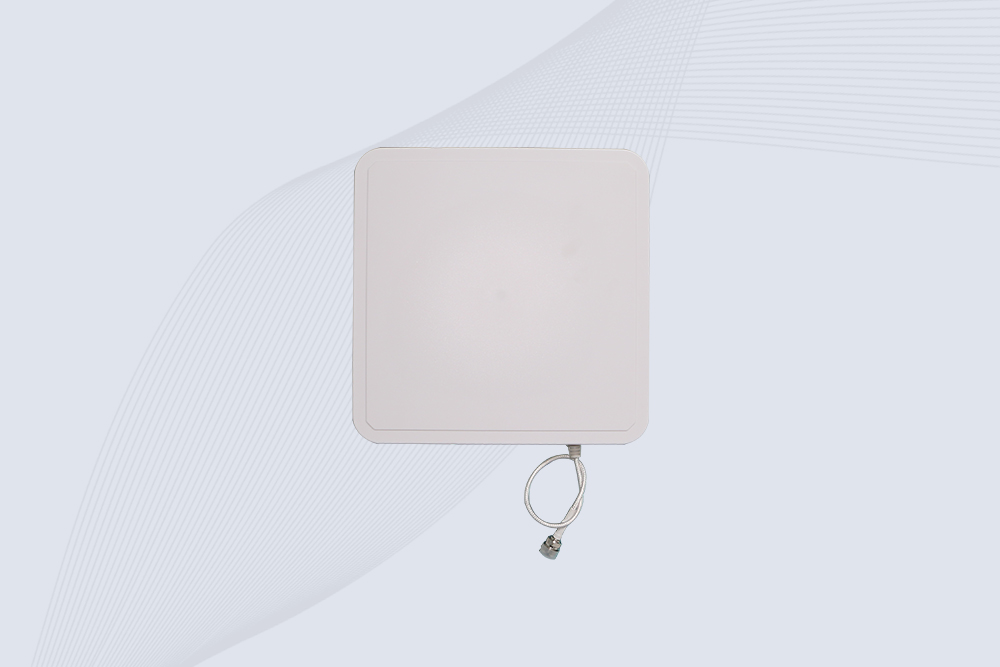
Cykeo CYKEO-A9A industrial UHF RFID reader and antenna kit delivers 10m range, 500 tags/sec, IP65 ruggedness for manufacturing/logistics. Supports EPC Gen2, ISO18000-6C.
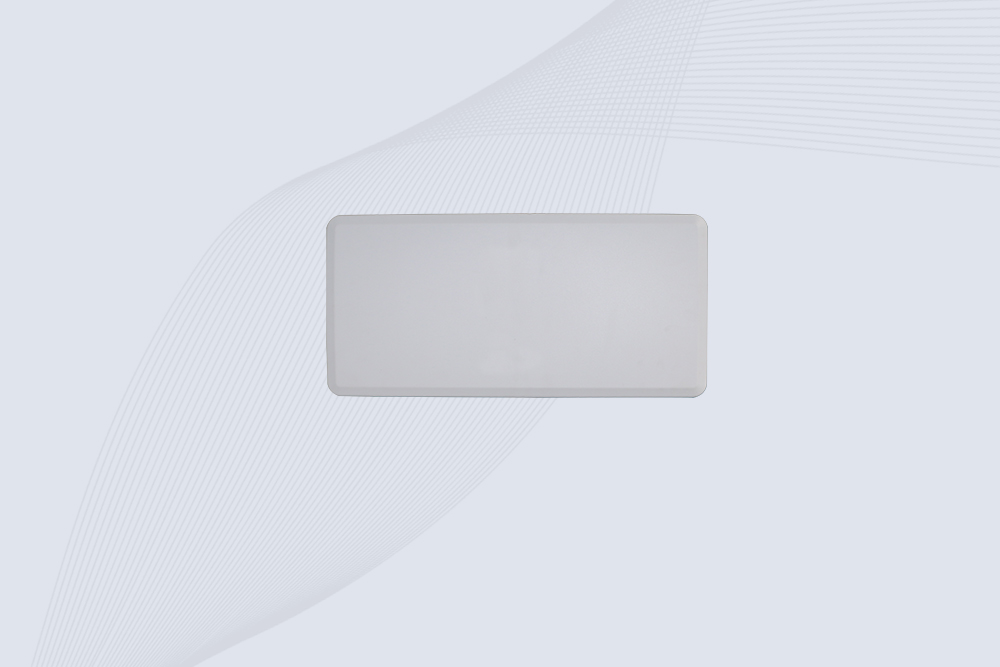
Cykeo’s CYKEO-A12C UHF Large RFID Antenna delivers 12dBi gain, 840-960MHz global frequency, IP65 ruggedness for logistics/warehousing/automotive. 40° beamwidth ensures stable 15m+ tag reads.

CYKEO Near Field RFID Antenna provides precise 5–30 cm reading for shelves, cabinets, and workstations. This compact rfid shelf antenna delivers stable short-range performance around metal and clutter, ideal for pharmacies, libraries, and electronics sorting.
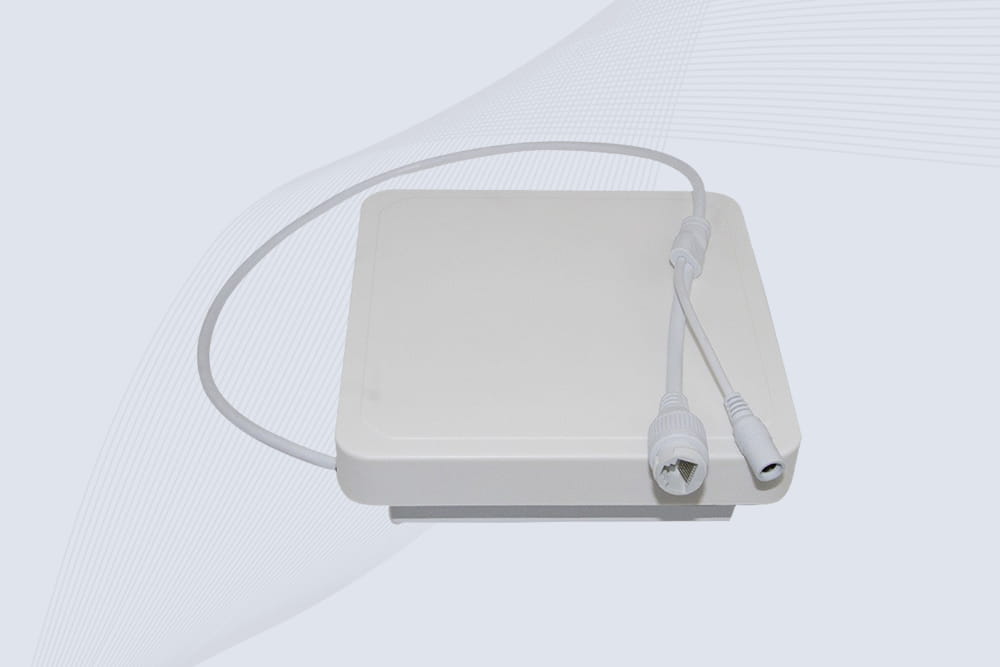
Cykeo’s industrial long range RFID reader delivers 20-meter scanning, 500+ tags/sec speed, and IP67 waterproof design for automated warehouses, logistics, and harsh environment applications.
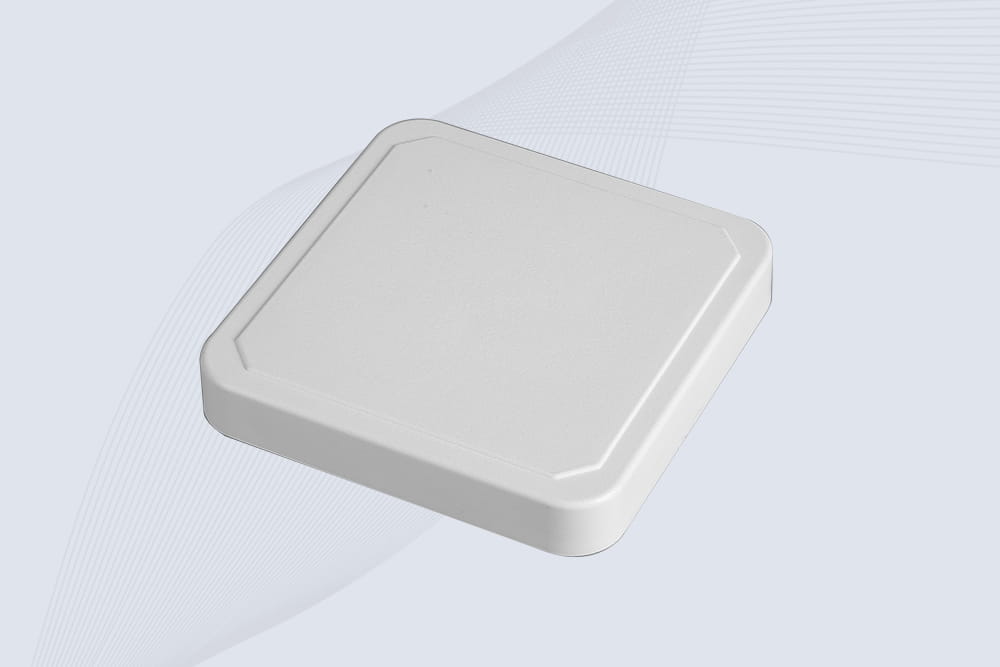
Cykeo’s CYKEO-RA6L industrial RFID long range reader features 20m read distance, 500 tags/sec speed, and IP67 protection. Ideal for warehouse automation, manufacturing WIP tracking, and smart logistics. Supports ISO 18000-6C/6B protocols.
CYKEO Long Range RFID Tag Reader built for outdoor and industrial operations. This Outdoor RFID Reader delivers 20m read distance, fast tag processing, and IP67 durability for wide-area tracking.
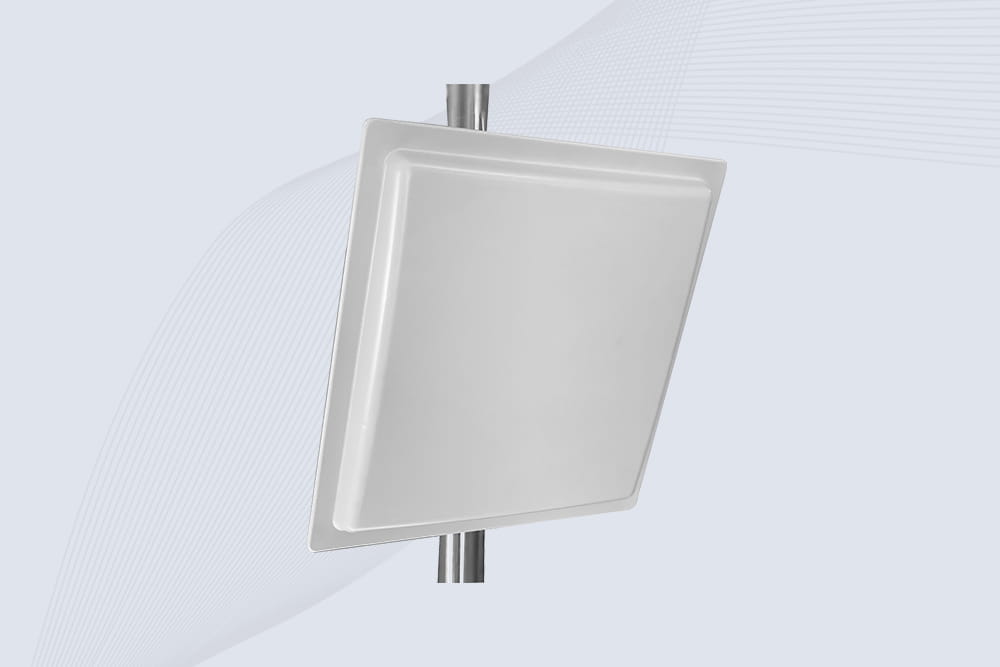
Cykeo CYKEO-RA12L industrial Long Range RFID Reader delivers 20m read range, 200+ tags/sec scanning, and IP67 protection for manufacturing/logistics applications. Supports ISO 18000-6C/GB protocols.
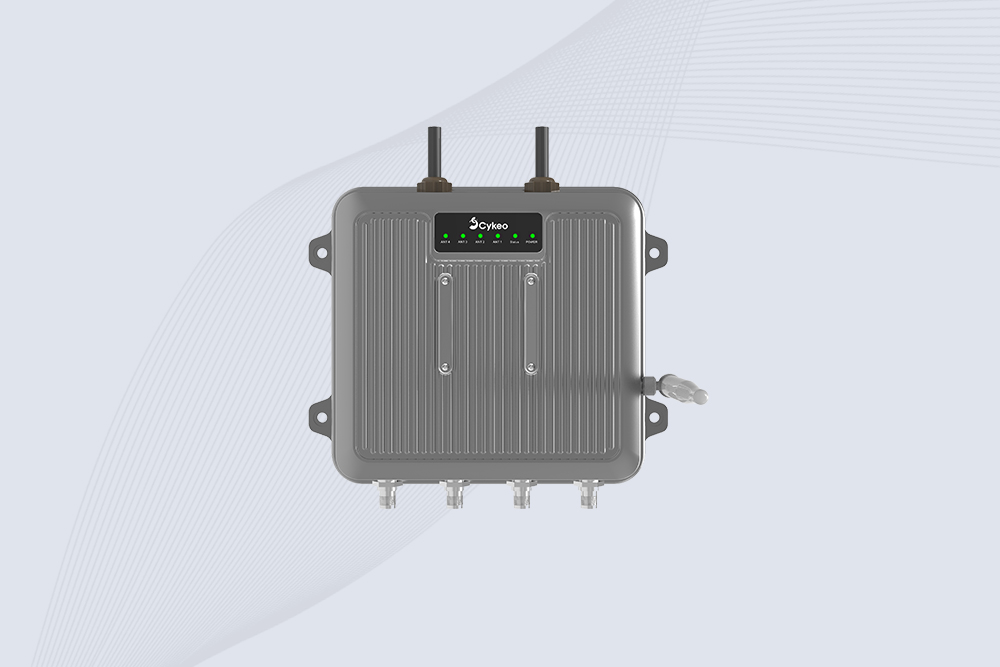
Cykeo CYKEO-C1 industrial Forklift RFID Reader features 20m read range, 600 tags/sec scanning, Impinj R2000 chipset, and IP67 rugged design. Ideal for warehouse logistics and manufacturing. Supports ISO 18000-6C/6B protocols.
Can an RFID reader read NFC? Only if it's an HF 13.56 MHz reader. UHF readers can't. LF 125 kHz readers can't. Learn exactly what works and what doesn't.
More
Explore how rfid security systems improve inventory protection, warehouse visibility, and automated UHF tracking with real-time alerts by Cykeo.
More
Stuck between solar and lithium-ion batteries for your portable RFID reader? We tested both in deserts, warehouses, and forests—see which survives 24/7 scans.
More
Struggling to pick the right RFID reader? Learn key factors like frequency, range, and integration to optimize your business operations. Expert insights from Cykeo.
More