 Cykeo RFID IoT Solution Products R&D Manufacturer








Hospital Parking System Using RFID: A Technical View
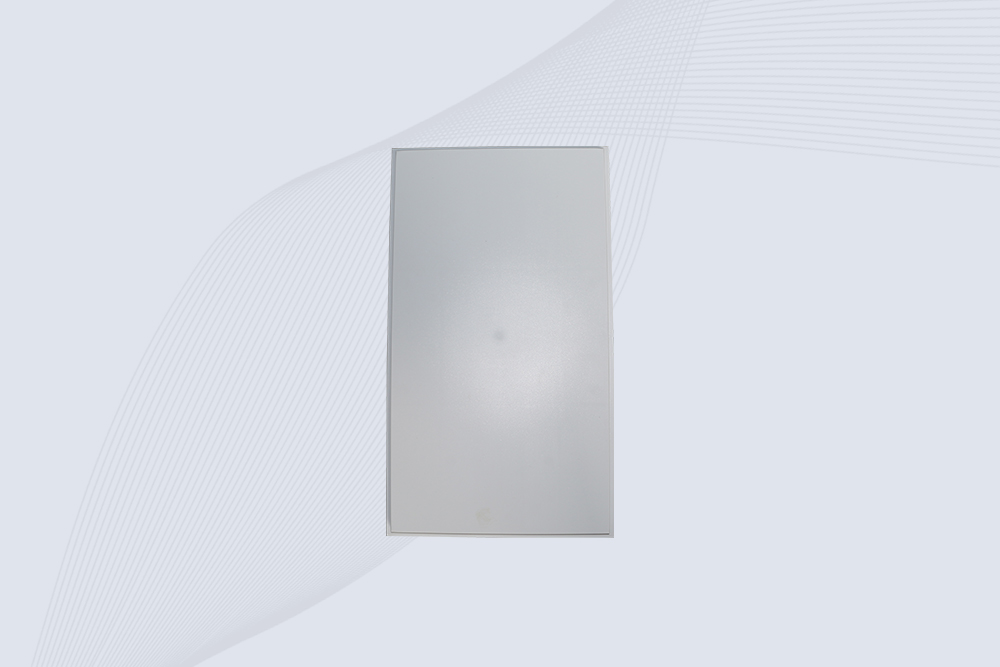
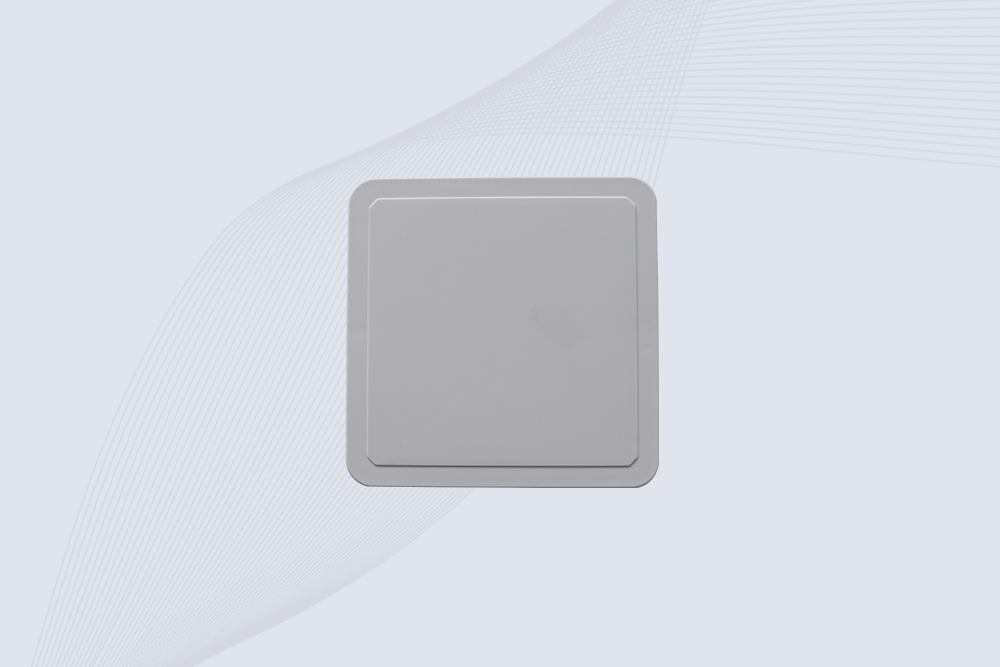
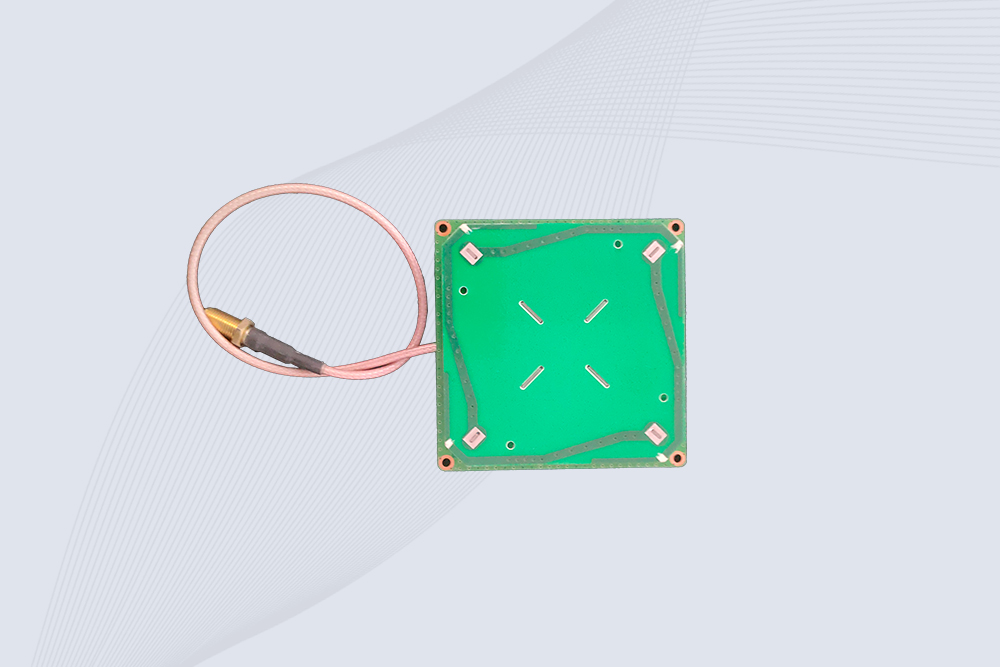
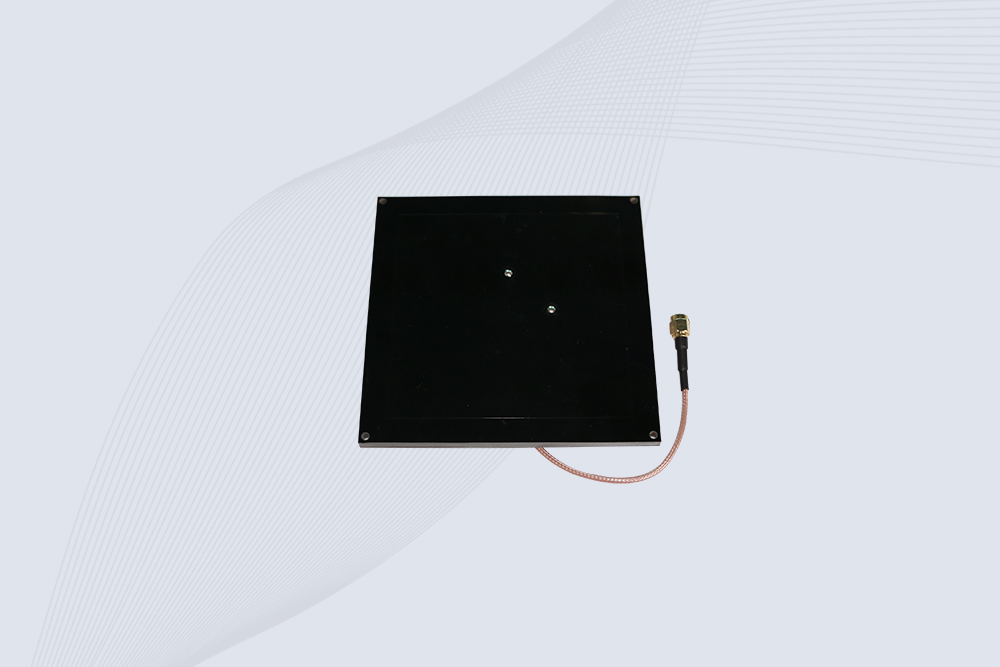
237Explore the technical structure of a hospital parking system using RFID, including reader modules, antennas, and how Cykeo RFID hardware integrates into complex hospital environments.
MoreAll RFID Product
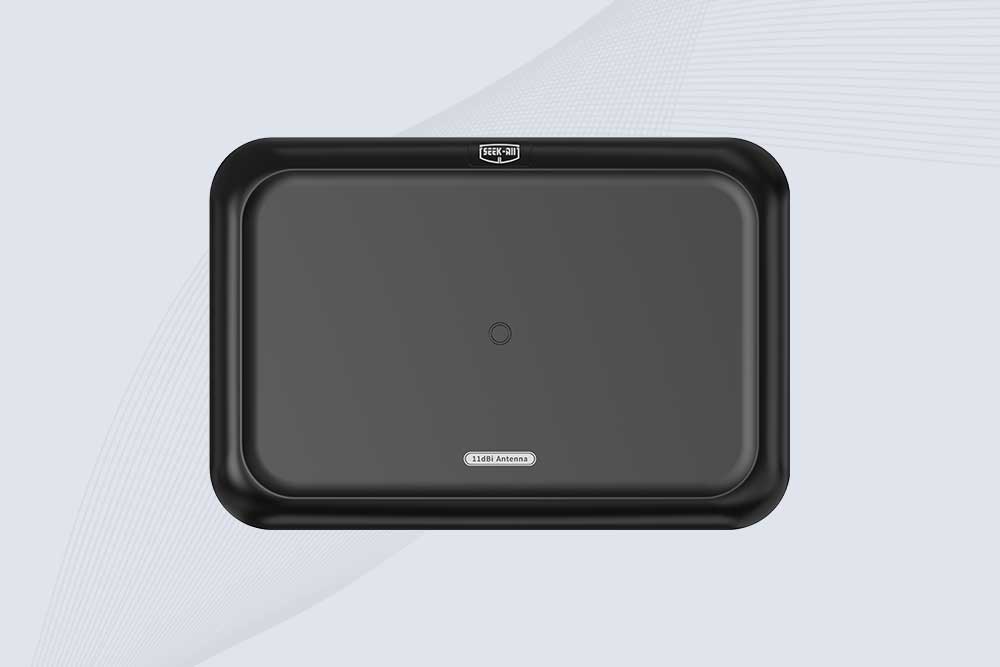
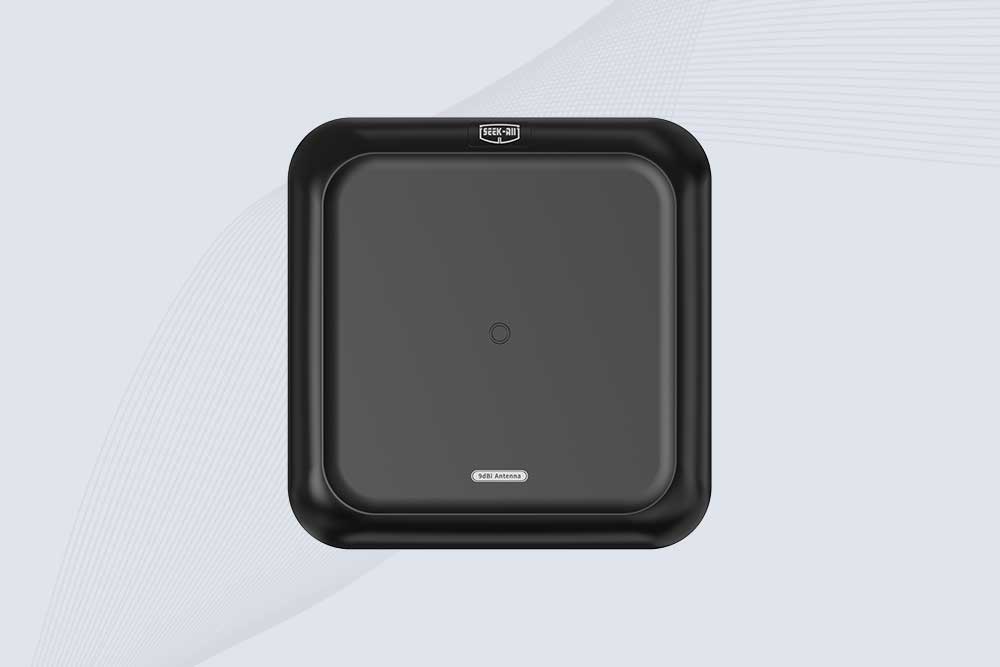
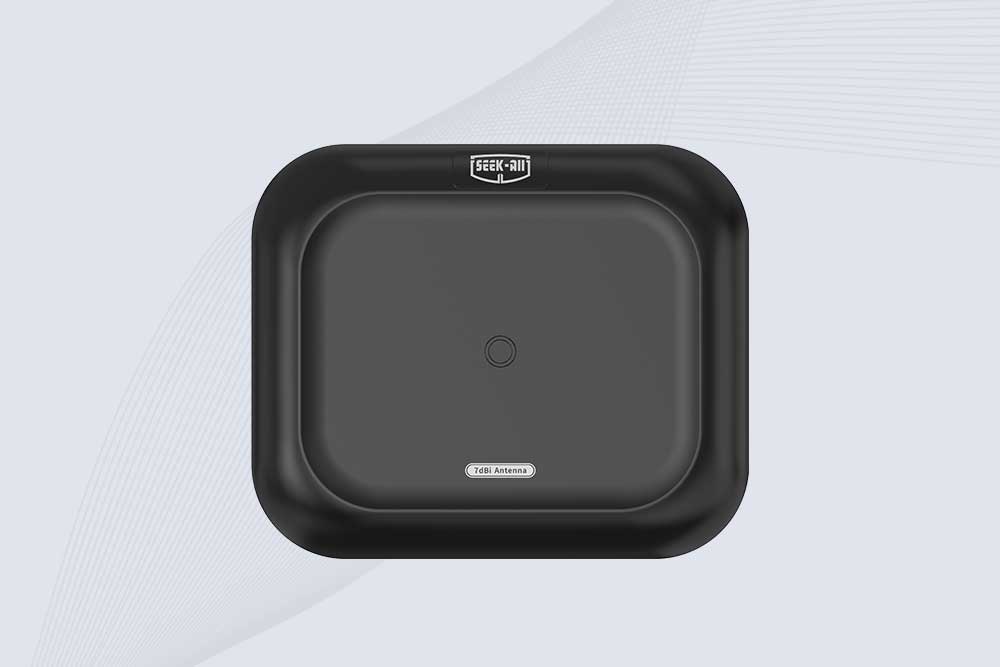
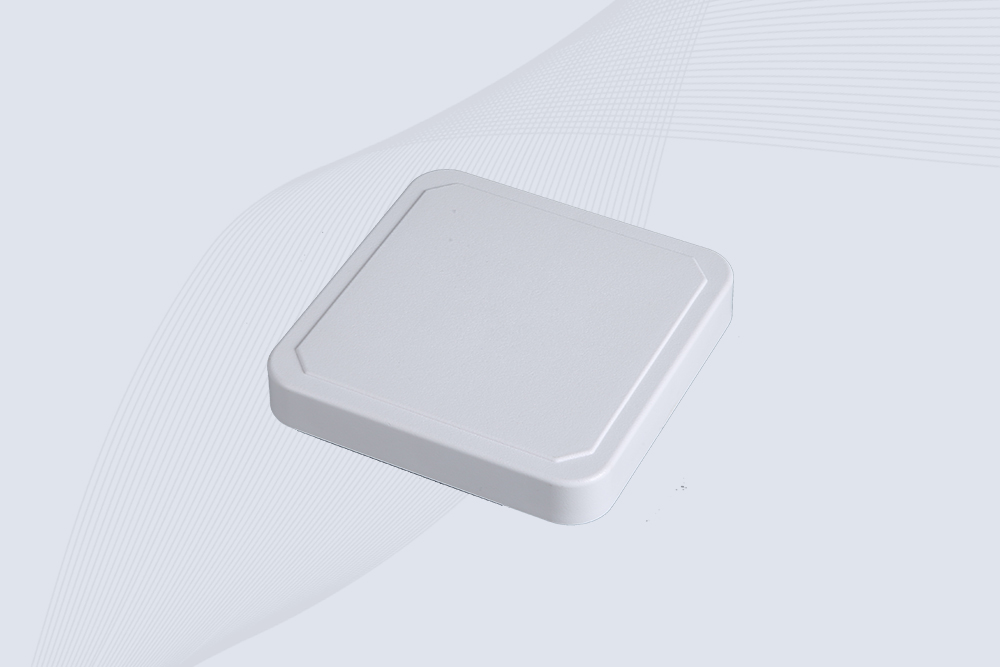
Picture this: A nurse frantically searches for a defibrillator during a code blue, only to find it hidden in an unmarked storage closet. Meanwhile, a surgeon unknowingly reaches for a sterilized-but-expired scalpel. These aren’t plot twists from a medical drama—they’re daily risks in hospitals worldwide. RFID antennas are changing that narrative by turning chaotic device tracking into a precision safety net. Here’s how.

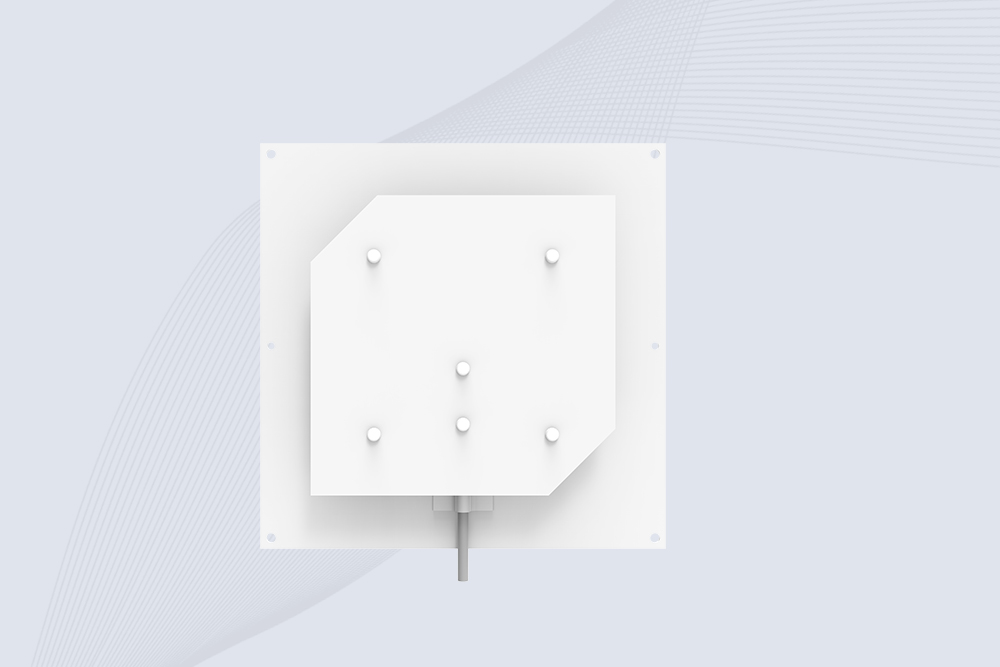
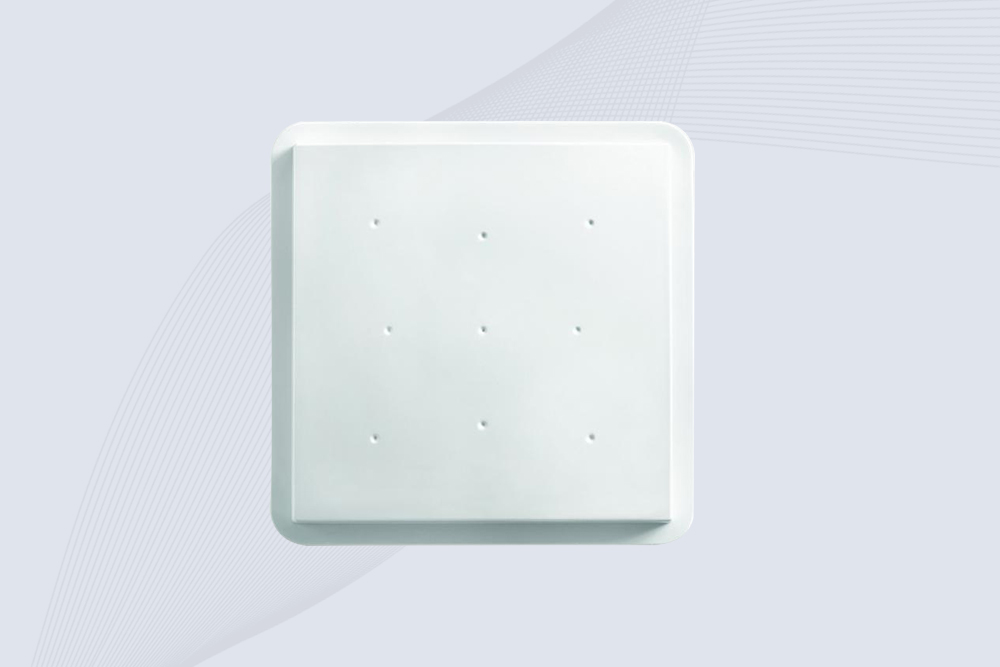
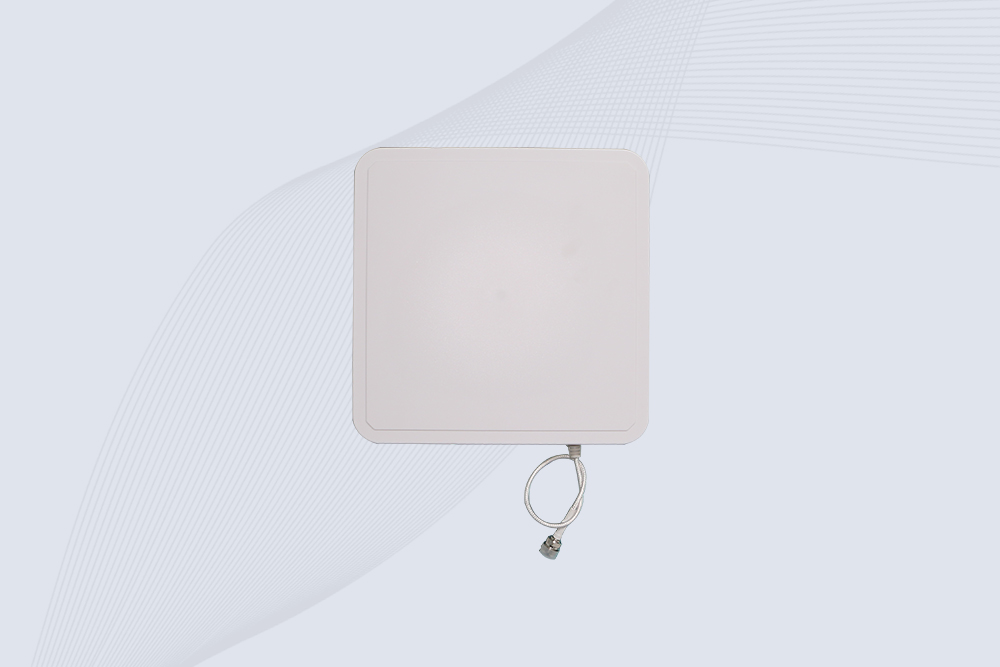
Unlike barcodes, RFID systems use radio waves to automatically identify and track devices through antennas strategically placed in:
A single antenna can scan hundreds of tagged items simultaneously, updating locations in real time.
a. Eliminating “Lost” Critical Devices
b. Preventing Sterilization Slip-Ups
c. Blocking Expired Device Use
Case Study: A Midwest hospital using Cykeo’s RFID array reduced instrument loss by 92% and sterilization errors by 68% within 6 months.
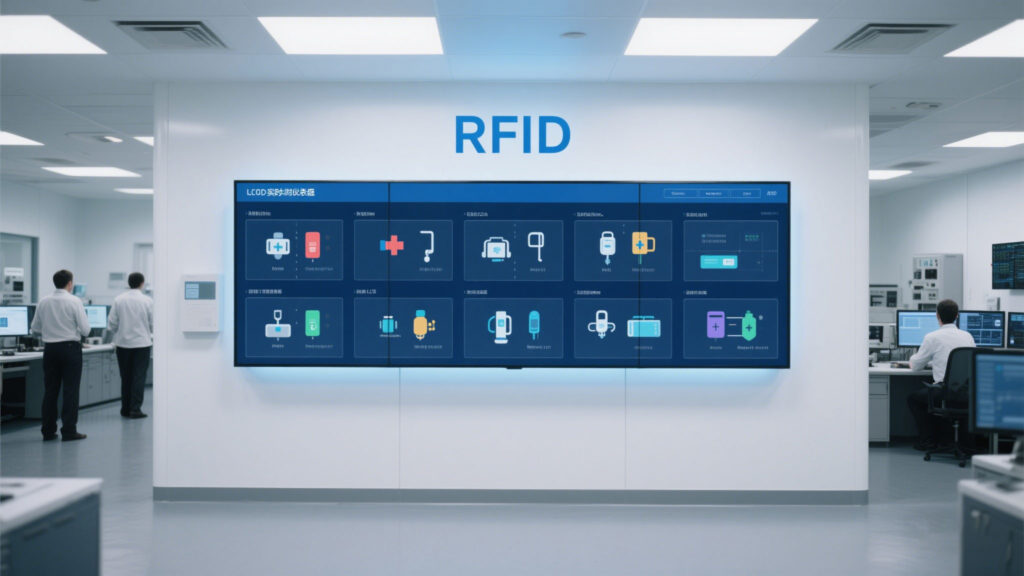
RFID antennas help hospitals meet strict regulations:
a. Tagging Best Practices
b. Staff Adoption Tips
c. ROI Metrics
Emerging integrations:
Takeaway: RFID antennas aren’t just inventory tools—they’re patient safety guardians. By automating what humans often miss (expirations, misplacements, sterilization gaps), they let clinicians focus on care, not clerical hunts. Start small: Tag crash carts and high-risk devices first. The ROI? Measured in lives protected, not just dollars saved.

Explore the technical structure of a hospital parking system using RFID, including reader modules, antennas, and how Cykeo RFID hardware integrates into complex hospital environments.
More
Discover how a novel CP antenna for UHF RFID handheld reader combines compact size with robust performance, improving all-day scanning comfort and tag read reliability.
More
Need bulk scanning? Learn how many RFID tags can be read at once with UHF technology and what factors affect real-world multi-tag reading performance.
More
Learn how to obtain data from RFID tags via Bluetooth for seamless wireless workflows. Discover compatible devices, setup steps, and Cykeo’s Bluetooth-enabled RFID solutions.
More