 Cykeo RFID IoT Solution Products R&D Manufacturer
What Is RFID Technology and How It Transforms Modern Identification Systems
100Learn what is rfid technology, how RFID systems work, and why industries use RFID for tracking, inventory, and automation with Cykeo solutions.
MoreAll RFID Product
To be honest, when I first heard about a UHF integrated reader, I thought it was just a regular RFID reader with a built-in antenna. Nothing fancy. But later I realized—it’s not just about “one less cable.” It actually combines the reader module, antenna, power supply, and communication ports into a single enclosure. That changes everything.
When I worked on a warehouse project, we used to have cables everywhere—looked like a spaghetti mess. Then we switched to an integrated unit. Mount it on the wall, plug in one network cable, done. Clean and stable.
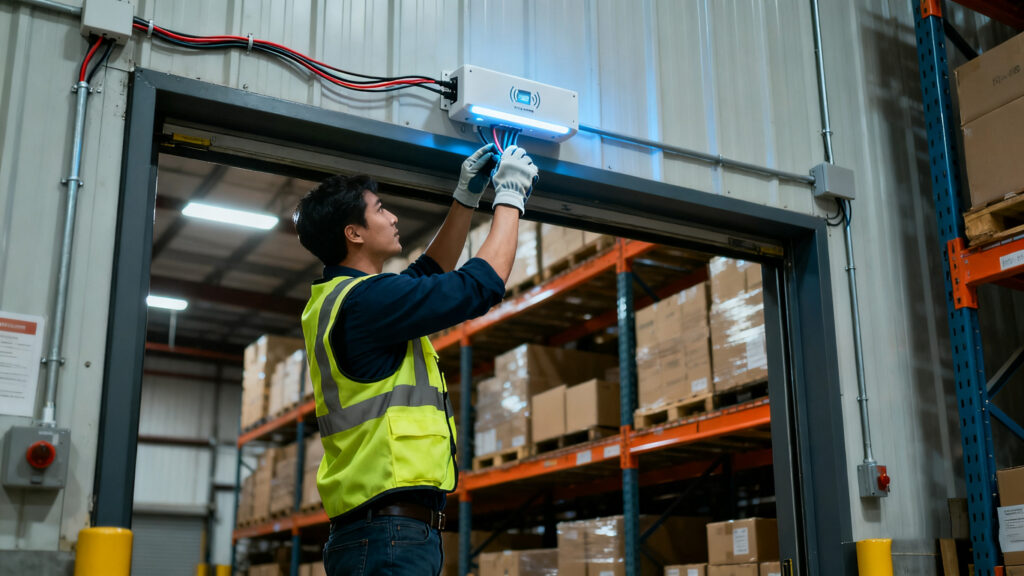
If you’ve ever done RFID wiring, you know how annoying those coaxial cables are. Too long? You lose signal. Too short? You can’t position it right. The UHF integrated rfid reader eliminates that mess. Since the antenna and reader are combined, there’s less signal loss and one less point of failure.
I still remember one project that kept dropping tags randomly. After hours of troubleshooting, we found the antenna connector was corroded and causing signal reflection. After switching to an integrated model—never happened again. That’s when I thought, “Yeah, this is how industrial systems should be.”
Everyone likes to brag about read range—“up to 25 meters” or whatever. But those are lab numbers. In real life, if you’ve got metal racks or heavy interference, even a 9 dBi antenna can struggle.
When I was tuning a system, I used a Cykeo RFID handheld reader to test range with different RFID tags. Funny thing—same power setting, the handheld read 8 m easily, but the fixed integrated reader had dead spots. Later I realized it wasn’t power—it was the antenna angle and mounting height. Small changes made big differences.
Here’s a small lesson I picked up. Most integrated readers let you adjust RF power. People always max it out. That’s a mistake. Too much power means more reflection, which can actually reduce performance.
What I do now is connect a Cykeo handheld reader, measure background noise first, then tune the integrated reader to about 6–8 dBm above that level. No need to flex with maximum power—stability wins every time.
Some integrated readers support PoE (Power over Ethernet)—honestly, a blessing. One less power adapter means one less potential failure point. Especially for ceiling-mounted setups, fewer cables = easier maintenance.
Sometimes I’ll even add an external RFID antenna just to extend coverage around tricky corners. You’ll notice an integrated reader doesn’t mean “fully sealed off.” It’s actually flexible. The main antenna is built-in, but the ports are still open for expansion.
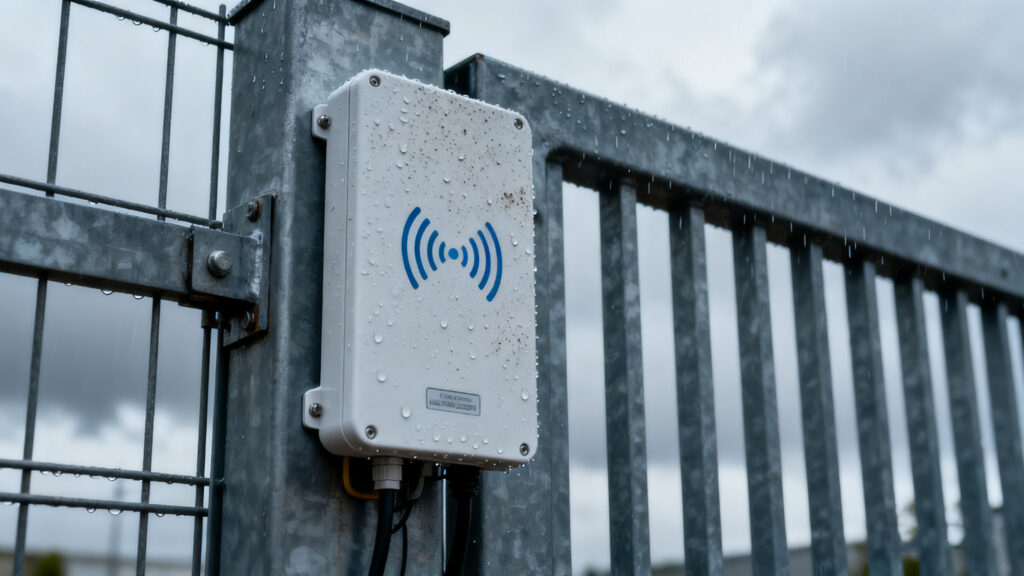
In my opinion, the UHF integrated rfid reader fits best for those who want stability without complication—like access control, warehouse gates, laundry management, or parking systems. You don’t need fancy middleware; just pull data via Ethernet or RS-485, and it runs.
But if you’re doing dense tag reading—hundreds at once—or a multi-zone array setup, then yeah, you’ll still need a standalone reader with external antennas. The integrated one is more of a middle-range, practical solution.
Integrated rfid readers have come a long way. It’s not just about tidy wiring—it’s the reduced maintenance that really matters. Before, if one module failed, you’d have to recalibrate everything. Now you just swap the whole unit and move on.
I still remember watching one of these things run all day—no dropouts, no overheating. It just worked. That quiet reliability is what won me over.
It’s not “smart” in a flashy way, but it’s dependable.
Sometimes, the field tells the truth better than any lab.
And the UHF integrated rfid reader? It’s that small, silent teammate you end up trusting completely.
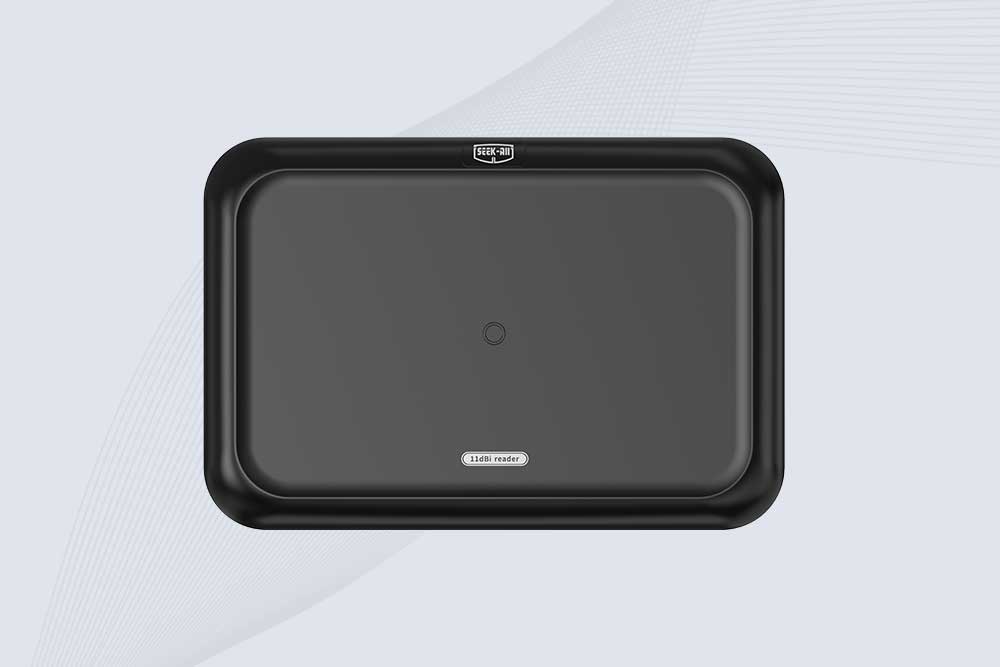
SSD-RA11L is an 11 dBi UHF RFID reader with up to 15m reading distance, 600+ tags/s speed, integrated antenna and flexible connectivity.
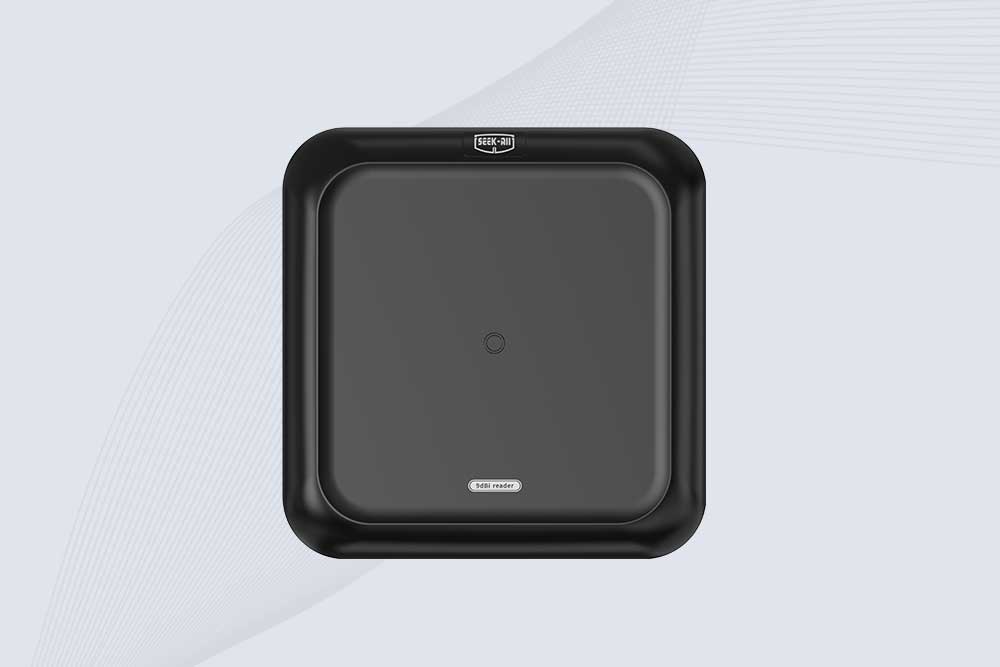
SSD-RA09L is a long range UHF RFID reader with a built-in 9 dBi antenna, 10m reading range, 600+ tags/s speed and flexible interfaces.
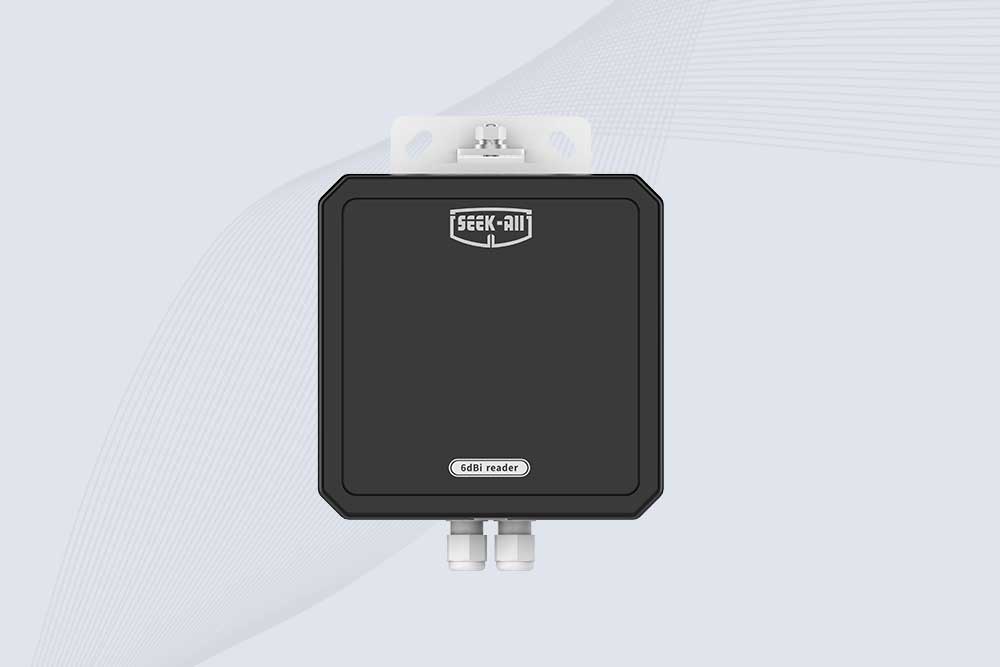
SSD-RA06L is an industrial UHF RFID reader with a built-in 6 dBi antenna, 3 m read range, 600+ tags/s, Ethernet, RS232, and optional Wi-Fi, 4G, and PoE.
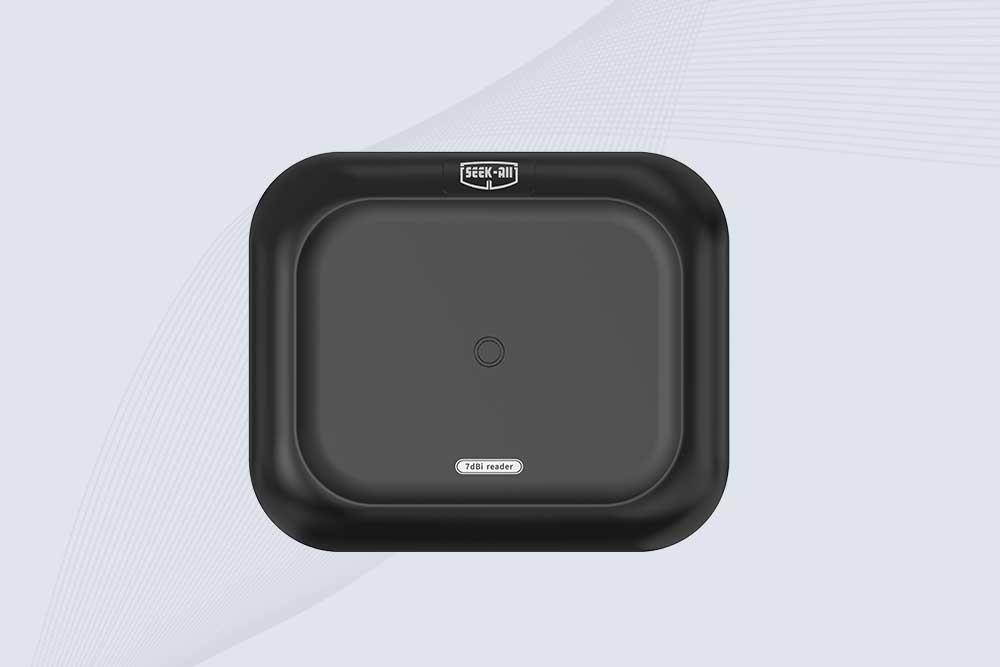
SSD-RA07L industrial UHF RFID reader with integrated 7 dBi antenna, up to 6 m reading distance, over 600 tags/s, Ethernet, RS232, and optional Wi-Fi, 4G, and PoE.

Learn what is rfid technology, how RFID systems work, and why industries use RFID for tracking, inventory, and automation with Cykeo solutions.
More
Struggling with RFID read errors? Learn how to position RFID reader modules for maximum coverage, accuracy, and efficiency in warehouses and retail spaces.
More
Can RFID reader read credit cards? We explain the technology compatibility, security protections, and key differences between payment and industrial RFID systems.
More
Is your RFID antenna reading tags in the next room or outside the intended area? Learn the common causes of unstable RFID performance, oversized read zones, and cross-reading, plus practical solutions for gate control and warehouse deployments.
More