I still remember one project where everything looked “ready” on paper.
Warehouse layout done. RFID readers selected. rfid Tags already labeled. Software dashboard even looked clean in the demo.
Then installation started.
And things slowed down… a lot more than anyone expected.
Not because the system was bad. More like the environment didn’t behave the way the drawings suggested.
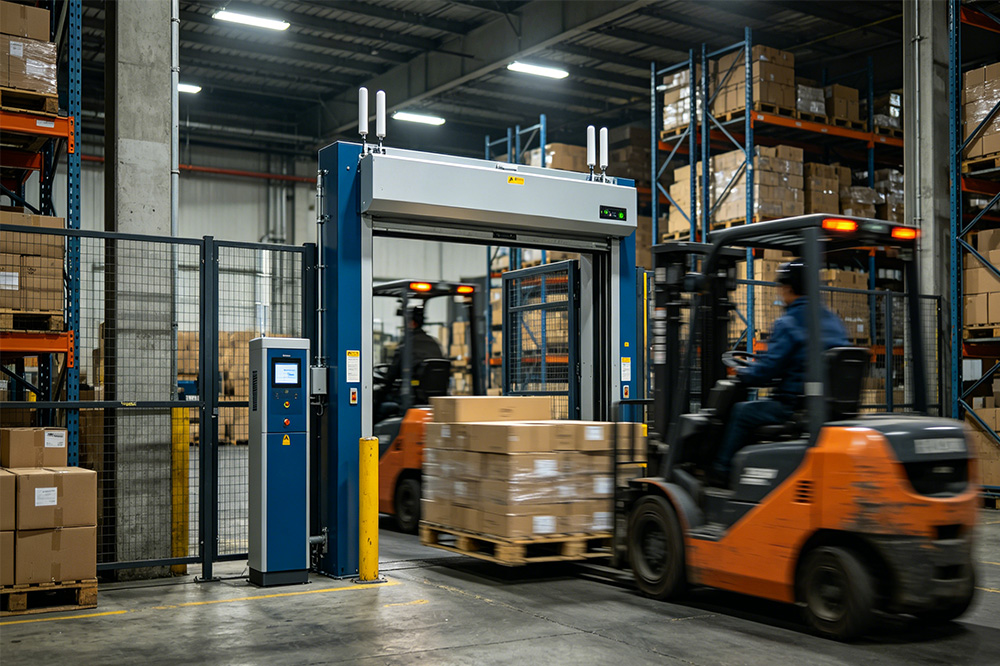
Warehouse Gates Are Never as Clean as the Diagram
If you look at most RFID warehouse gate designs, they look simple:
one entrance
one exit
one reader zone
clean data flow
But real warehouses… don’t really follow that idea.
Sometimes forklifts cross diagonally. Sometimes pallets pause in the middle. Sometimes two shipments pass almost at the same time, and the system is not sure which one it just read.
That’s usually where confusion starts.
One Mistake I See Again and Again
People often start by choosing hardware first.
“Let’s pick a long range reader.”
Or
“This model has higher power, so it should be better.”
But later, after installation, they realize something strange:
more power didn’t solve the problem… it actually made data less stable.
Because the system starts reading tags from areas it was never supposed to cover.
In warehouse gates, control often matters more than strength.
When Fixed Readers Become the Real Backbone
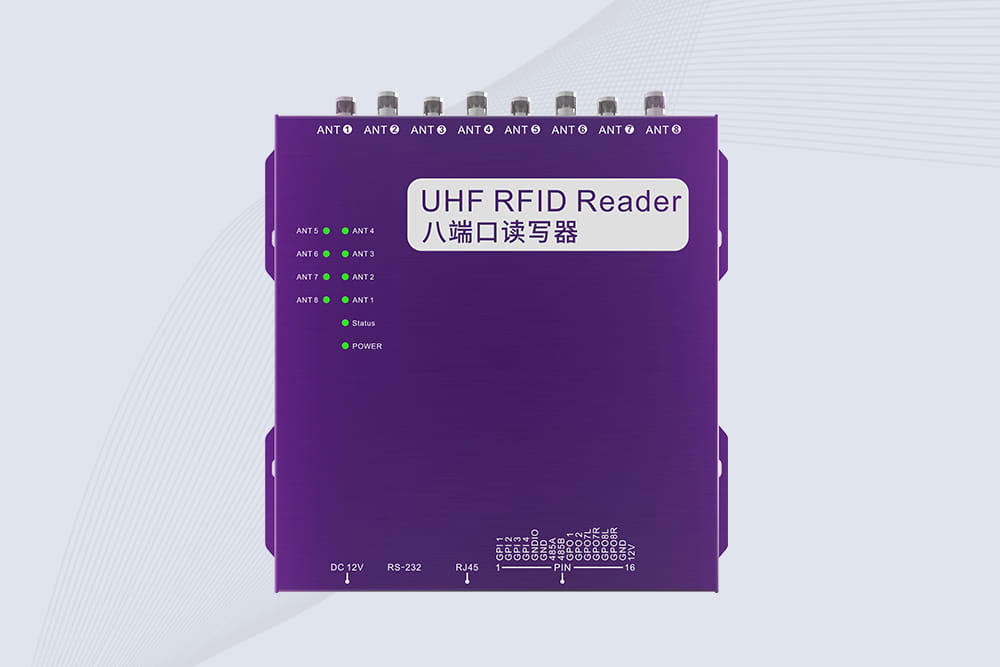
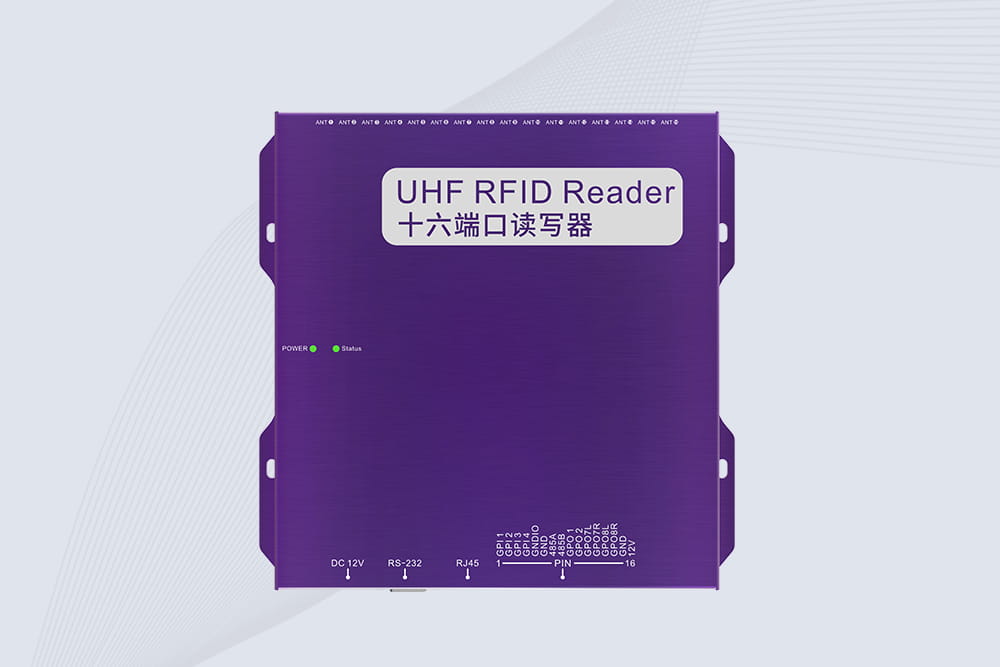
Most warehouse automation setups still rely on fixed UHF RFID readers.
They sit quietly at:
loading docks
inbound/outbound gates
conveyor checkpoints
staging areas
If you’re comparing hardware options, this reference page is usually where integrators start looking:UHF RFID readers
But honestly, the reader alone doesn’t decide success.
It’s more like… one part of a bigger coordination problem.
Installation Reality Is Always a Bit Messy
There was one case where everything worked fine during testing.
Then live operation started.
Suddenly, tags were being detected from the wrong side of the warehouse gate.
After checking, the issue wasn’t software.
It was a steel structure placed slightly closer than the original plan.
A few centimeters difference.
That was enough to reflect signals and confuse the reading zone.
RF behaves like that. Not always predictable in the field.
Integration Is Where Projects Slow Down
Hardware installation is usually the “fast” part.
The slow part is integration.
Engineers start asking questions like:
why data arrives twice
why one pallet appears in two zones
why timestamps don’t match ERP records
why middleware drops some reads
And it’s rarely one single cause.
It’s usually a combination of timing, antenna coverage, and software logic.
Wholesale Buyers Tend to Think Differently
When I talk with distributors or system integrators, they rarely ask only about specs.
They care more about:
whether supply stays stable for repeat orders
whether firmware changes unexpectedly
whether SDK is actually usable in real projects
whether OEM branding is supported
whether support responds during deployment problems
Because once they start selling a solution, it’s no longer just one project.
It becomes ongoing responsibility.
A Small Pilot Usually Reveals the Truth
If there’s one thing I’d repeat more than anything else, it’s this:
don’t scale too fast.
A single warehouse gate test tells you more than a full specification sheet.
You start noticing things like:
how fast forklifts actually move
where drivers prefer to stop
how often two pallets overlap in real traffic
where metal structures interfere slightly
None of that shows up in the initial design document.
The Part People Don’t Expect
Sometimes the system doesn’t fail.
It just behaves… inconsistently.
And that’s worse in a way, because it looks “almost correct”.
That’s usually when teams start replacing hardware, when the real issue is actually placement or workflow.
Not always, but often enough that it’s worth checking first.
Closing Thought
A warehouse RFID gate project doesn’t usually fail in a dramatic way.
It just slowly becomes less trusted.
And once people stop trusting the data, even a perfectly working UHF RFID reader won’t matter much anymore.
That’s why installation detail, environment, and integration logic end up carrying more weight than people expect at the beginning.
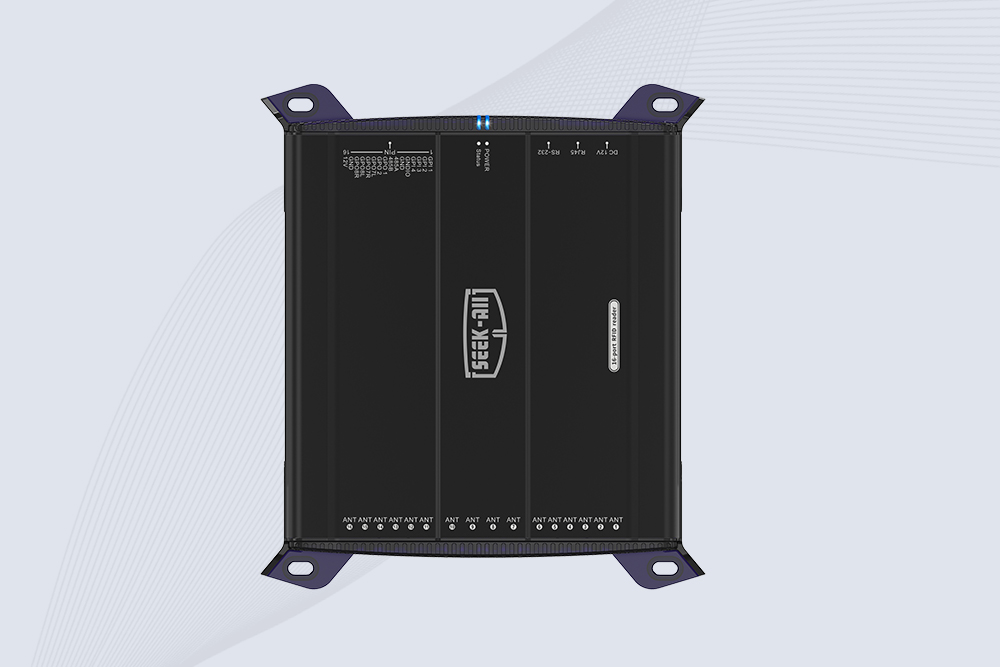
SSD-R16L Multi-Channel RFID Infrastructure for Automated Inventory Management ✔️ 16-Port High-Density RFID Reading Equipped with 16 SMA antenna ports, SSD-R16L supports multi-antenna deployment for warehouses, retail stores, logistics, production lines, and large-area RFID identification. ✔️ High-Speed & Long-Range Performance With up to 33…
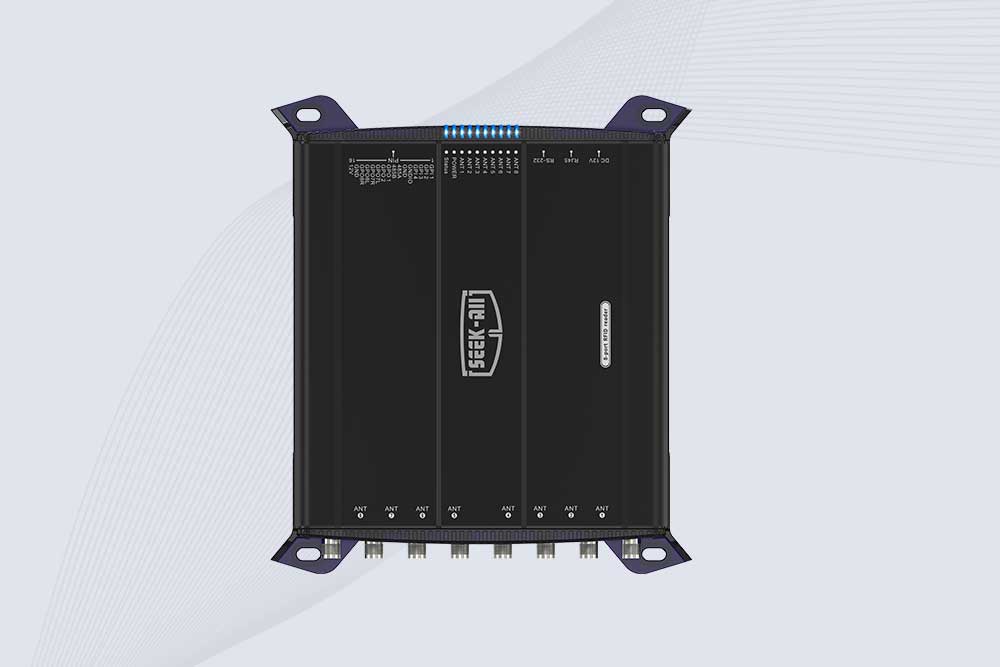
SSD-R8L 8-port UHF RFID reader with 33dBm output, up to 20m reading range and 600+ tags/s recognition. Ideal for warehouse, logistics, retail and asset tracking.
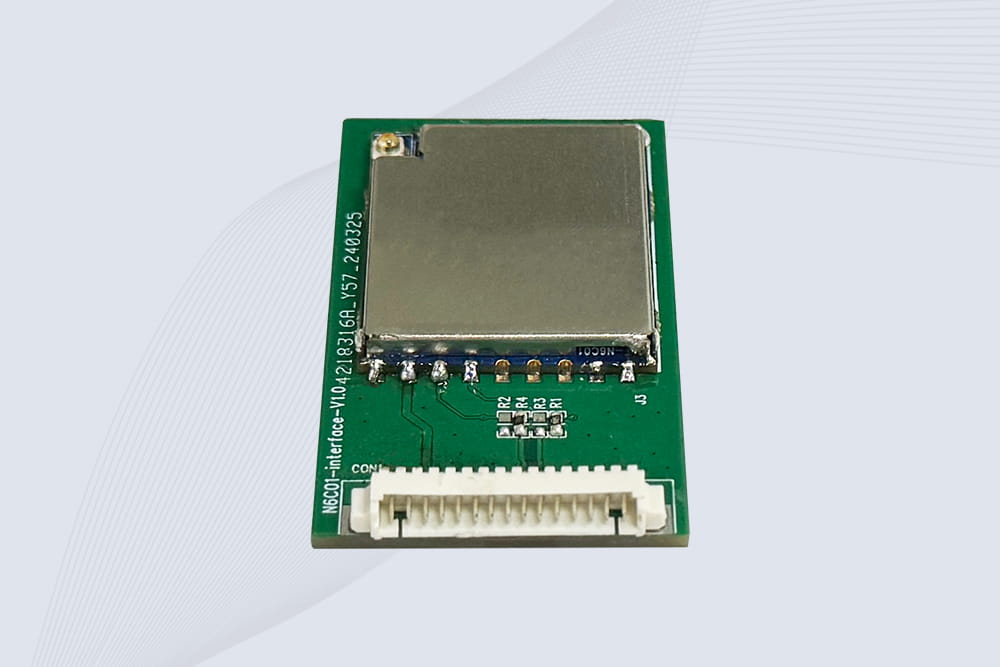
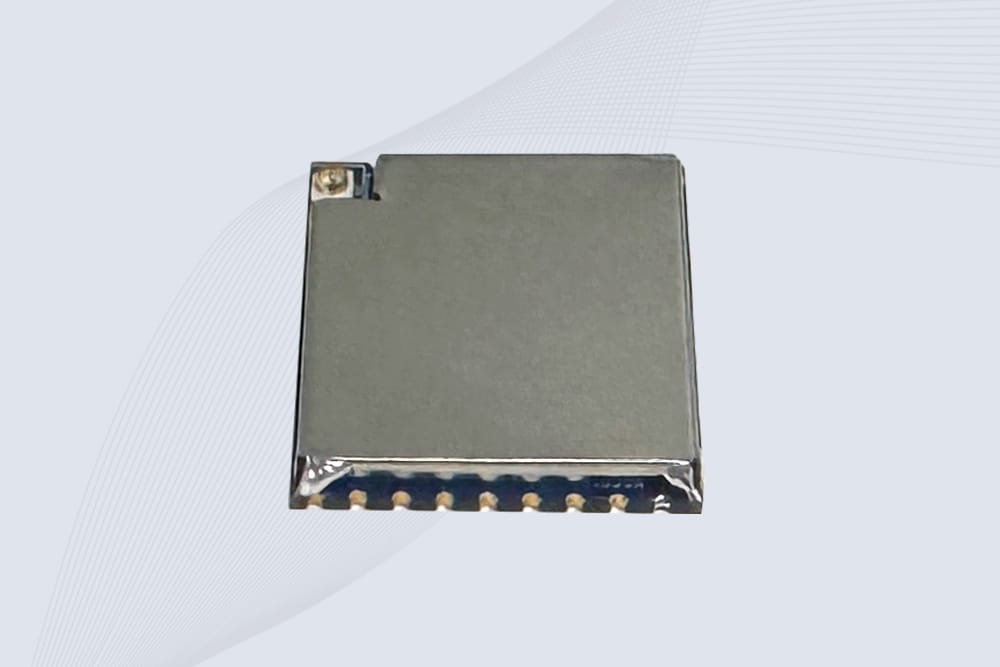
CYKEO Embedded RFID Modules are designed for compact industrial and IoT devices that require stable UHF performance. These UHF RFID Modules support global protocols, flexible power control, and reliable multi-tag reading for smart cabinets, production lines, and asset tracking systems.
CYKEO Embedded RFID Module is built for compact IoT and industrial devices that need stable UHF performance. This UHF module supports global protocols, low power operation, and reliable multi-tag reading for smart lockers, production lines, and always-on RFID systems.
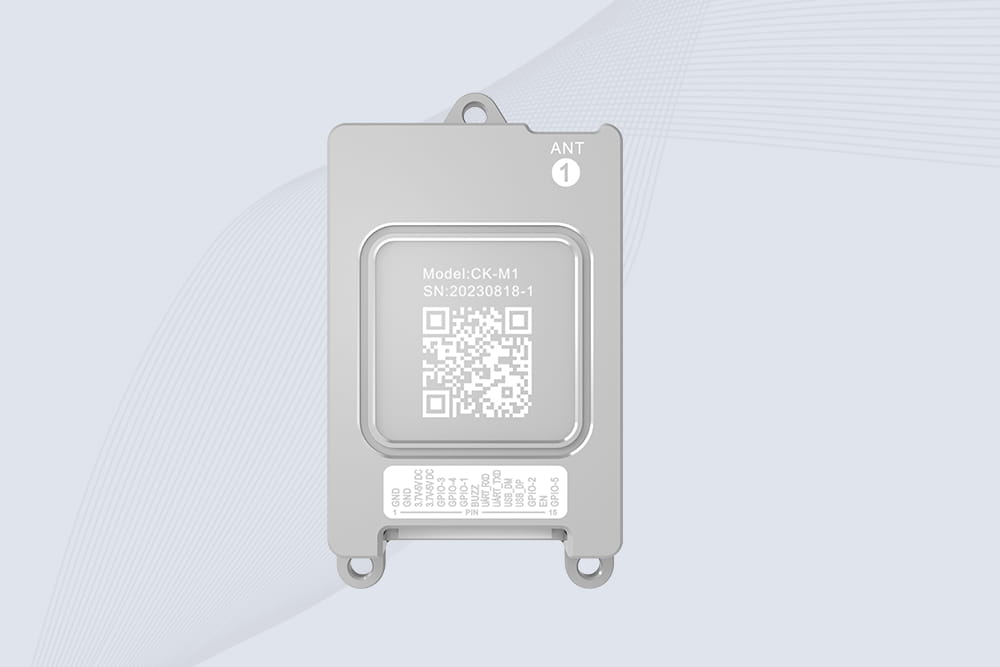
CYKEO CYKEO-M1 drone rfid module is a compact UHF RFID reader module designed for drones and UAV platforms. It supports long-range aerial scanning, fast multi-tag reading, and stable performance in wind, vibration, and outdoor environments.
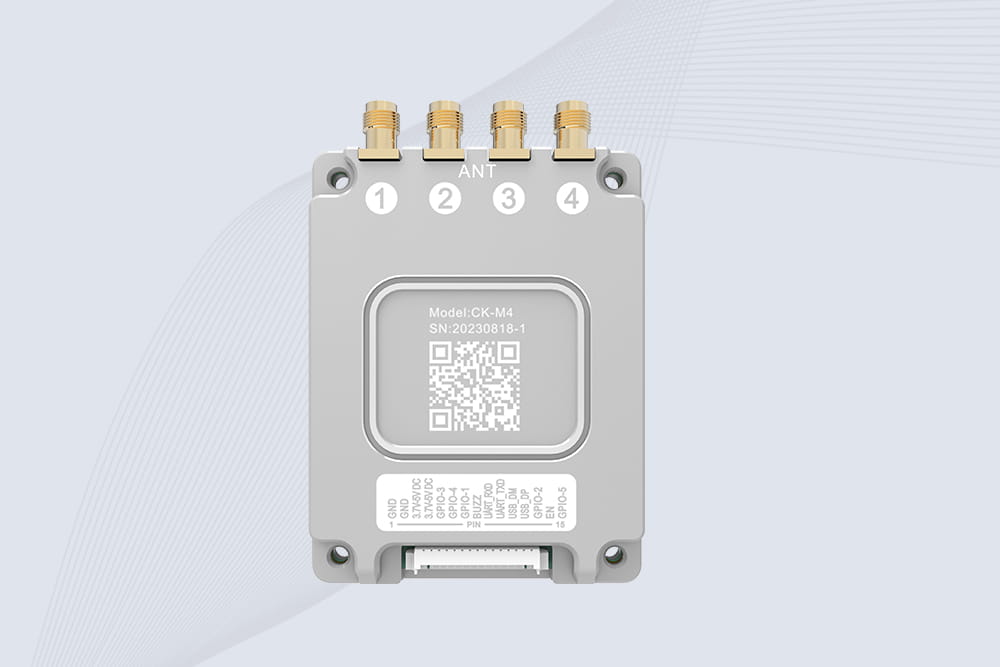
CYKEO CYKEO-M4 RC522 RFID Module is an industrial-grade UHF RFID reader with 4 ports, supporting ISO, EPC, and GB protocols. High-speed, accurate reading for IoT, automation, and warehouse applications.
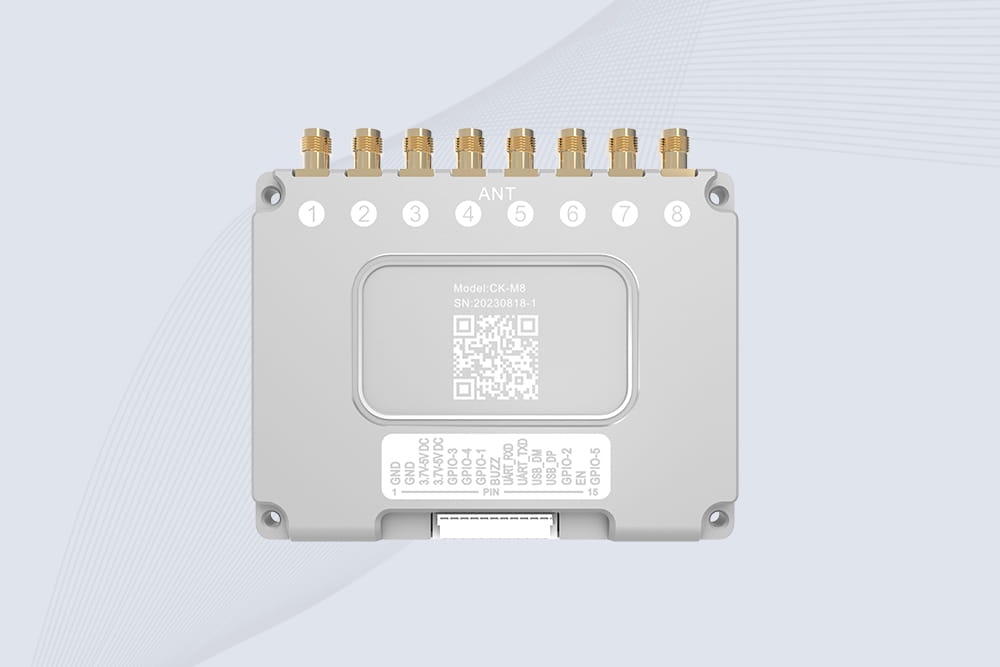
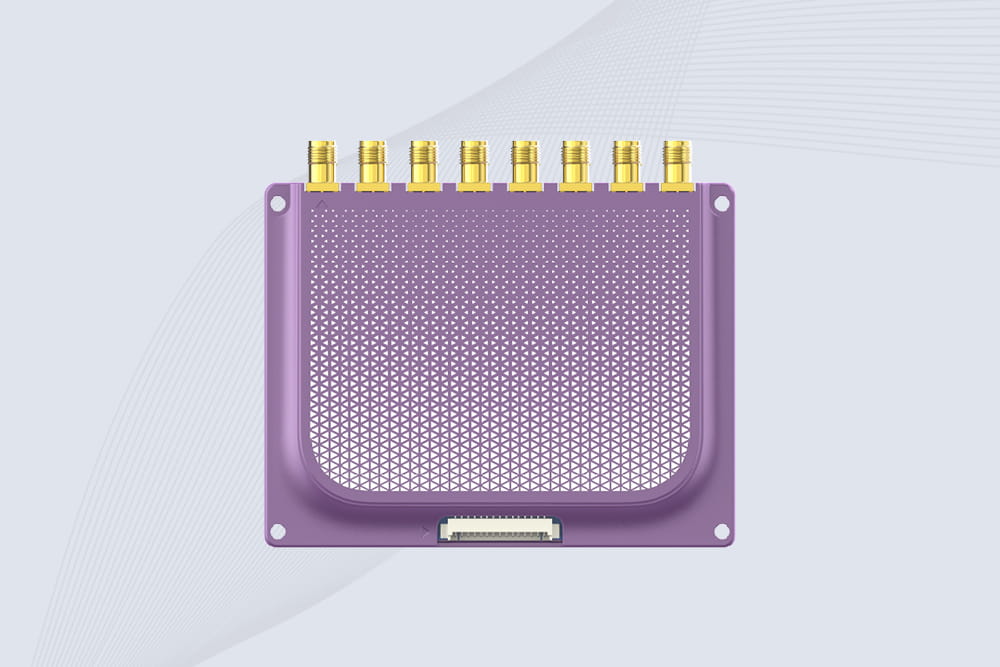
CYKEO CYKEO-M8 Module RFID is an 8-port UHF R2000 RFID Module designed for high-density, multi-tag environments. Stable 33dBm output, ISO & GB protocol support, ideal for warehouses, factories, and automated systems.
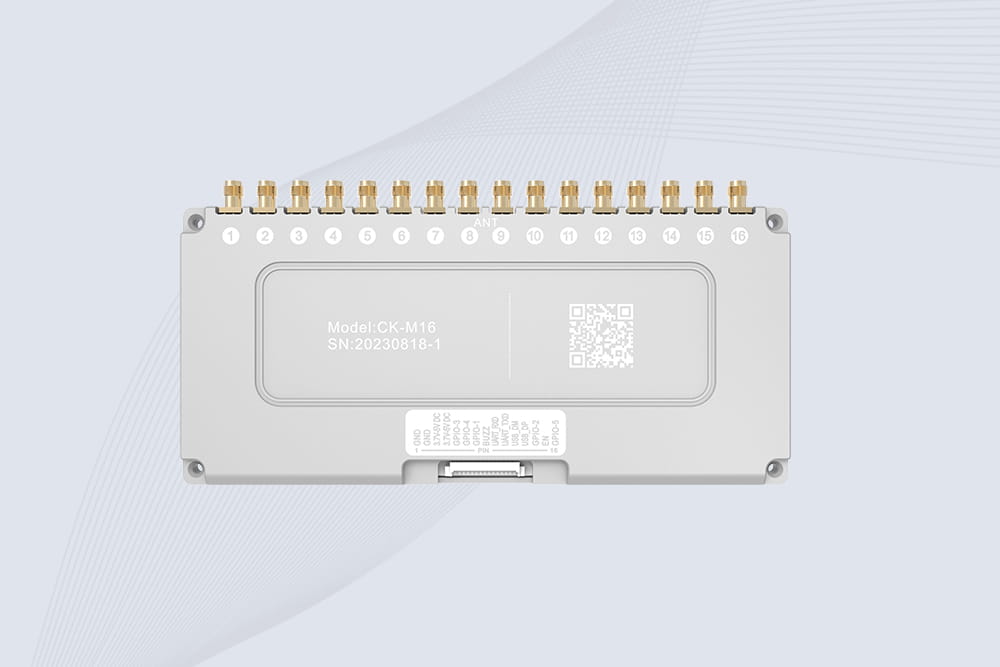
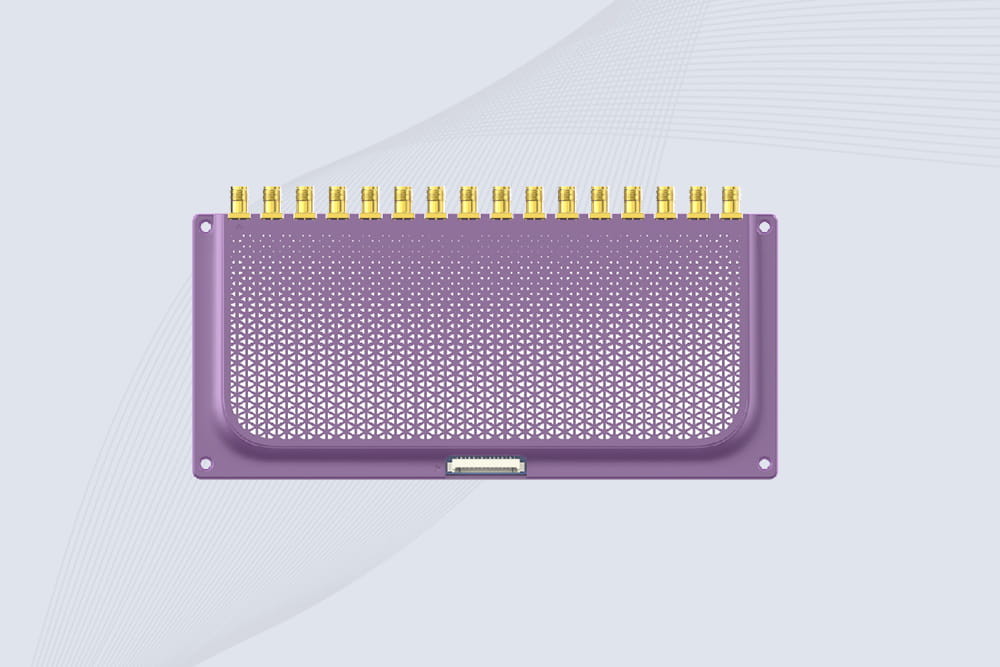
CYKEO CYKEO-M16 RFID Module is a 16-port UHF RFID reader module based on the R2000 chipset. Designed for dense tag environments, it supports ISO and GB standards and delivers stable multi-antenna control for industrial automation.
The CYKEO CYKEO-M16L RFID Reader Module is a 16-channel UHF RFID core designed for dense tag environments. With adjustable 33dBm output, multi-protocol support, and stable multi-antenna control, this RFID Tag Reader Module fits industrial automation, warehouse systems, and large-scale IoT deployments.
CYKEO CYKEO-M8L module RFID is a compact industrial UHF module built for dense tag and multi-antenna environments. With 8 RF ports, adjustable 33 dBm output, and ISO & GB protocol support, it is widely used in factories, warehouses, and automated tracking systems.
CYKEOCYKEO-M4L UHF RFID Module is a compact 4-channel RFID tag reader module designed for dense tag environments. Supporting ISO and GB protocols, it delivers stable reads up to 10 meters for industrial and IoT systems.
Cykeo CYKEO-C1 industrial Forklift RFID Reader features 20m read range, 600 tags/sec scanning, Impinj R2000 chipset, and IP67 rugged design. Ideal for warehouse logistics and manufacturing. Supports ISO 18000-6C/6B protocols.
Cykeo CYKEO-R4 industrial UHF RFID Fixed Reader features 4 TNC ports, 400+ tags/sec speed, IP67 housing, and global frequency compliance for vehicle inspection, smart warehouse, and asset management systems.
CYKEO CYKEO-R8L Fixed RFID Reader with 8-port UHF design, Impinj-based RF core and up to 20m read range. An industrial Fixed RFID Reader for vehicle inspection, warehouse portals, smart manufacturing lines and secure access checkpoints.
RFID Fixed Reader from CYKEO – the CYKEO-R16L 16-port UHF fixed reader for warehouses, smart cabinets, and production lines. Long-range, multi-tag reading, stable performance for 24/7 industrial use.
RFID Industry Writer | IoT & Asset Tracking Analyst
James writes about RFID technology, asset tracking, and the practical challenges of digital transformation across warehousing, retail, manufacturing, and logistics.
His work focuses on how RFID is applied in real-world operations—improving inventory visibility, automating workflows, and helping businesses manage assets with greater accuracy and efficiency.
He regularly covers topics including UHF RFID, smart cabinets, RFID portals, tool tracking, warehouse automation, and industrial IoT trends..
Searching “how to bypass RFID reader” often points to security concerns. We detail the risks of cloning & jamming, and how CYKEO’s encrypted systems provide real protection.
Learn how to hook up an RFID antenna to Arduino using common modules like the RC522. Our guide covers the connections, code basics, and what to do when it doesn't work.
Discover how an RFID controller improves access control, asset visibility, and RFID system performance. Learn deployment insights, real industry data, and best practices from Cykeo RFID experts.
Forget complex theories. Here's a straight answer: What is the RFID antenna? Learn its one job, why you need it, and the common setup mistake everyone makes.
 Cykeo RFID IoT Solution Products R&D Manufacturer