 Cykeo RFID IoT Solution Products R&D Manufacturer
What Are the Most Durable RFID Handheld Readers for Construction Sites?
608Discover the most durable RFID handheld readers for construction sites. Explore rugged features, weather resistance, and Cykeo’s solutions for harsh environments.
MoreAll RFID Product
Keeping track of textile assets has always been a tricky part of the business. Counting items by hand is slow and mistakes happen easily. In hotels, hospitals, and commercial laundries, hundreds of sheets, uniforms, and surgical gowns move through the laundry every day. Missed items or inaccurate records can quickly throw off operations and affect service quality. Washable RFID tags offer a practical way to tackle this issue.
Washable RFID tags come in many shapes and sizes, with different ways to attach them: sewing, heat sealing, or placing them inside protective pouches. They can be used on a variety of items and survive different washing processes. Their compact, durable design can handle high temperatures and chemical detergents, allowing businesses to test solutions and find what works best before rolling them out widely.
Some tags are built to withstand even the harshest environments. Whether it’s high heat, strong detergents, or dry cleaning, durable HF, LF, and UHF tags stay readable. UHF tags, in particular, can scan multiple items at once, saving a lot of time during inventory checks. This lets hotels and hospitals keep track of assets throughout their full lifecycle without slowing down daily operations.
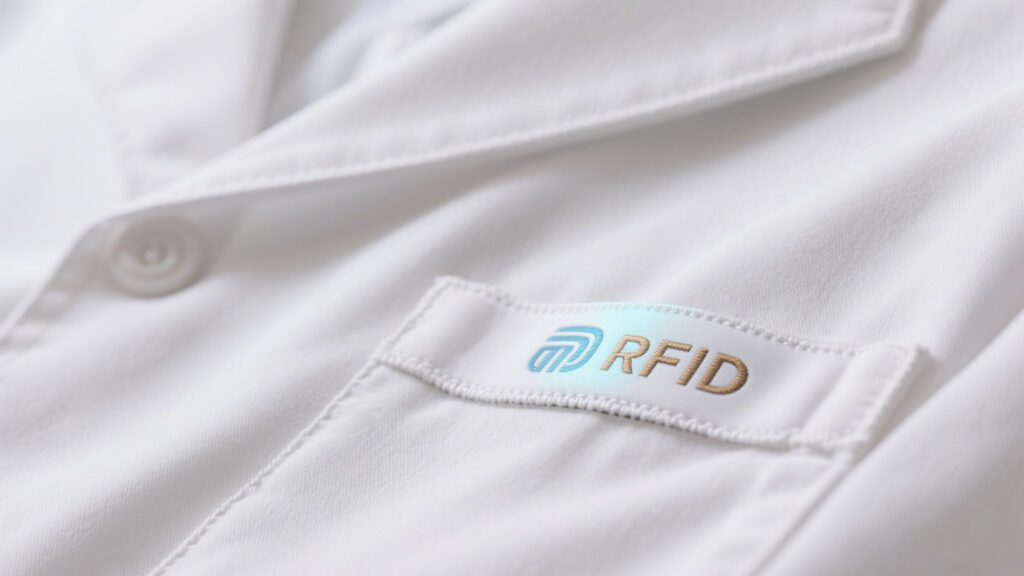
RFID tags are more than just markers—they tie directly into management systems for a complete solution. Once embedded in fabrics, they’re almost invisible, yet they feed real-time data to software platforms that track, analyze, and control washing, inventory, and circulation. This approach turns asset management from a basic labeling task into a fully optimized workflow.
The strength of washable RFID tags lies in their durability. Even after hundreds of washes, high-pressure cleaning, or chemical treatments, they keep working. For long-term tracking of sheets, towels, or uniforms, sewn-in tags are a dependable choice. They maintain comfort and usability while keeping the tracking system reliable.

Applying HF or UHF tags to garments does more than speed up counting. It also helps prevent theft, track items accurately, and improve overall management. Integrated with software, businesses can see where every item is in real time, reduce mistakes, and streamline washing and circulation processes.
Washable RFID tags aren’t just a new technology—they’re changing how textile assets are managed. From a variety of tag types to heat-resistant designs, system integration, and long-lasting performance, every detail addresses the industry’s need for practical, reliable management. Companies can move away from manual counting and rely on digital tools to make washing, inventory, circulation, and theft prevention more controlled and efficient, setting a new standard in textile asset management.
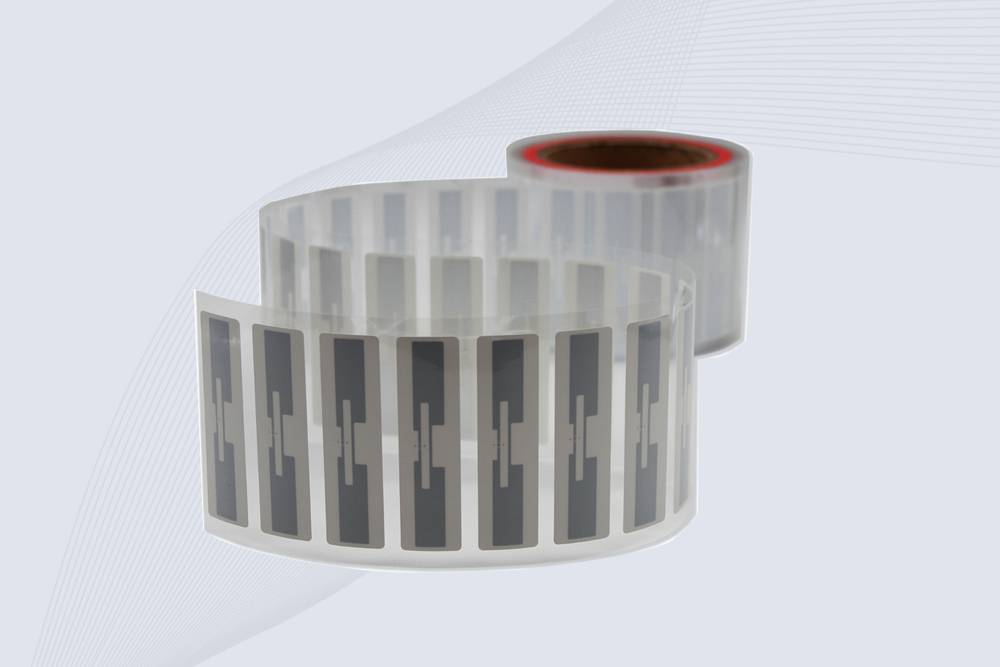
CYKEO Passive RFID Tags are made for wet and high-humidity environments where standard labels do not last. This rfid passive tag is often used around liquids, chemicals and temperature changes, providing stable reading distance and long data life for industrial tracking.
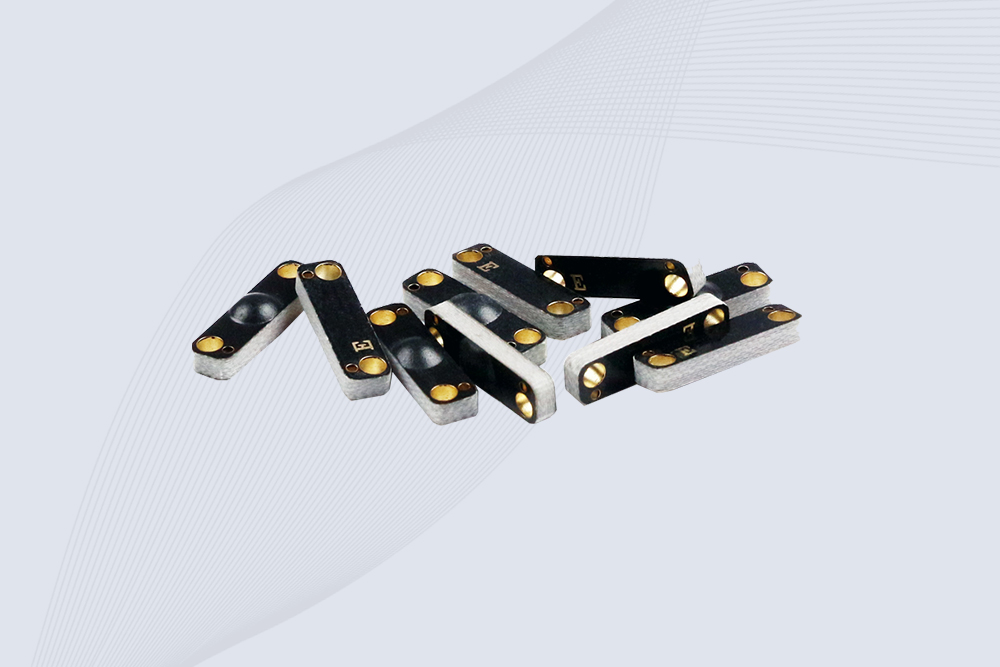
CYKEO CYKEO-PCB1504 Metal RFID Tags is a compact anti-metal UHF RFID solution built for direct mounting on metal surfaces. With stable 8-meter read range, Ucode-8 chip, and long data retention, this rfid metal tag fits tools, containers, automotive parts, and industrial asset tracking.
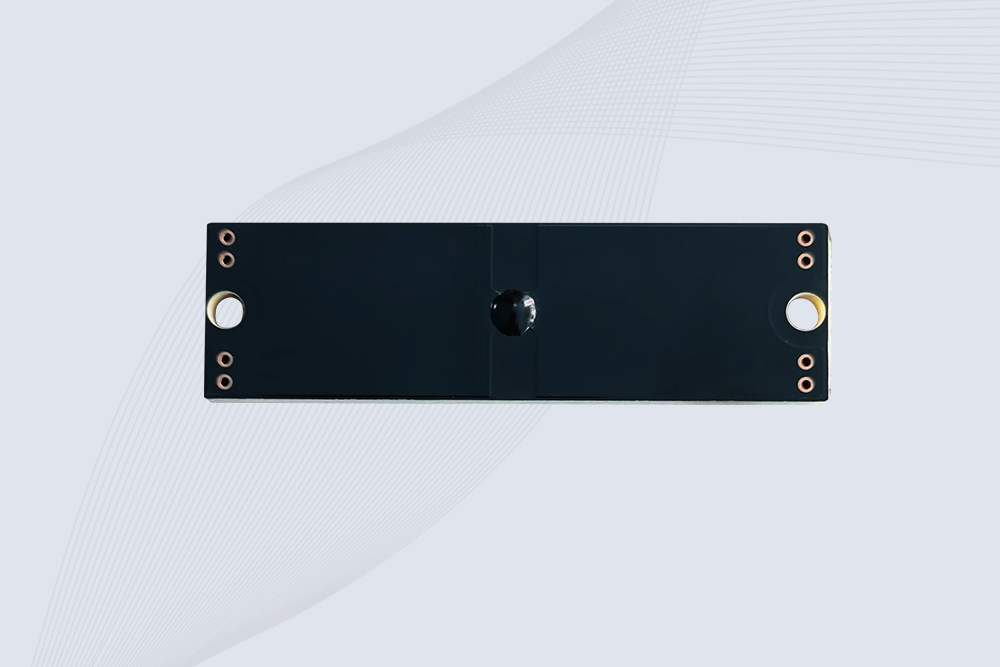
CYKEO CYKEO-PCB7020 On-Metal RFID Tags are designed for reliable tracking on steel and metal surfaces. Built with an FR4 epoxy body and industrial-grade chips, these On-Metal RFID Tags deliver stable performance, long data life, and chemical resistance, making them a dependable RFID anti-metal tag for harsh environments.
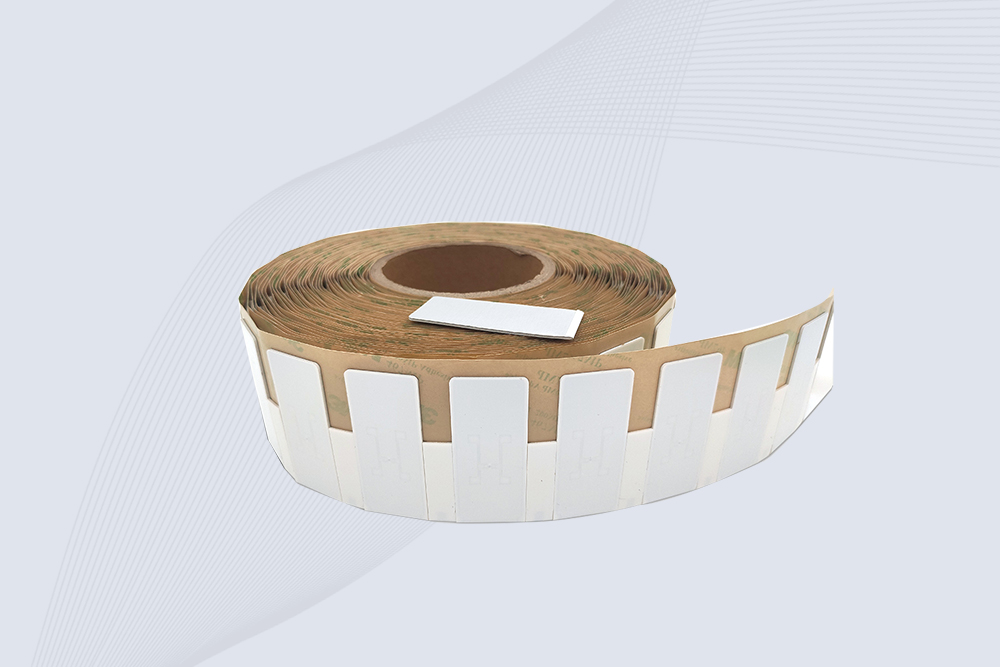
The CYKEO CYKEO-60-25 Anti-Metal RFID Tag is built for metal surfaces where standard tags fail. Designed for long-range performance, harsh environments, and stable data retention, this Anti-Metal RFID Tag is ideal for industrial assets, containers, and equipment tracking using on metal RFID tags.
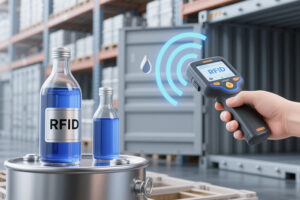
Discover the most durable RFID handheld readers for construction sites. Explore rugged features, weather resistance, and Cykeo’s solutions for harsh environments.
More
how the CK-T2 Industrial RFID Floor Gate streamlines automated warehouse management. With 0–3 m vertical read range, 500+ tags/sec processing, MQTT integration, and API support, it empowers solution providers and developers to optimize inventory, ...
More
Learn how does rfid theft work, how RFID security gates detect unauthorized items, and how smart EAS systems prevent inventory loss with reliable protection.
More
Discover what does an rfid chip do and how RFID technology enables automatic identification, real-time tracking, and smarter asset management with Cykeo solutions.
More