 Cykeo RFID IoT Solution Products R&D Manufacturer

what is a rfid card: Complete Guide to RFID Card Technology and Applications
88Discover what is a rfid card, how RFID cards store and transmit data, and how Cykeo RFID solutions improve identification, tracking, and smart management.
MoreAll RFID Product
I used to think UHF RFID readers were kind of straightforward.
Mount them, connect them, let them read tags… done.
That’s what the demo versions suggest anyway.
But in real factories, especially busy warehouses, things rarely stay that clean.
Not broken. Just… less predictable.
One warehouse project I saw had everything ready before installation.
Reader selected. Tags printed. Software dashboard tested. Even the network setup looked fine.
But once forklifts started moving through the gate, the system behavior changed.
Not dramatically. Just enough to confuse operators.
Sometimes a pallet would appear twice. Sometimes it wouldn’t appear at all.
And nobody really understood why at first.
Later it turned out the metal shelving near the entrance was reflecting signals in ways nobody fully expected during planning.
This is something I’ve seen repeated more than once.
Someone assumes:
longer range = better performance
So they pick a higher-power UHF RFID reader.
At first it sounds logical.
But in warehouse gates, too much range can actually make things worse.
Readers start picking up tags from adjacent zones, or even from pallets that aren’t supposed to be part of that checkpoint.
Instead of clarity, you get overlap.
And overlap is where data confusion starts.
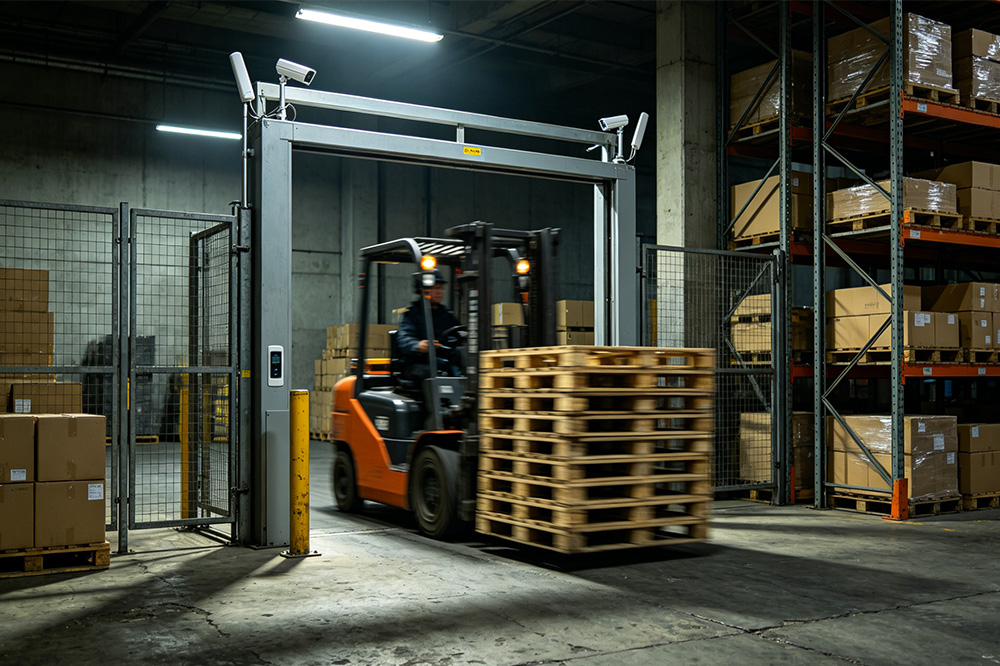
Even with all the newer technologies coming in, most warehouse and industrial setups still rely on fixed readers.
They usually sit at:
If you’re comparing hardware options, this is a common starting point for integrators:rfid reader
But honestly, most experienced engineers don’t choose based on specs alone anymore.
They think more about where the reader will live in the workflow.
There was a case where everything was working fine during testing.
Then, after official rollout, read stability dropped.
People immediately suspected firmware issues or hardware failure.
But after checking on site, the cause was almost too simple:
a steel support beam had been added near the antenna after the initial layout plan.
Nobody updated the RFID positioning.
That small change completely affected signal behavior.
RF environments are like that—small physical changes can shift everything.
Hardware installation is usually the “visible” part.
The harder part is what happens after:
This is the stage where many projects slow down.
Not because RFID is unstable, but because real-world data is messy by nature.
When talking with distributors or system integrators, the conversation rarely stays on “reading distance.”
It usually shifts toward:
Because once they resell or integrate it into multiple projects, the risk multiplies quickly.
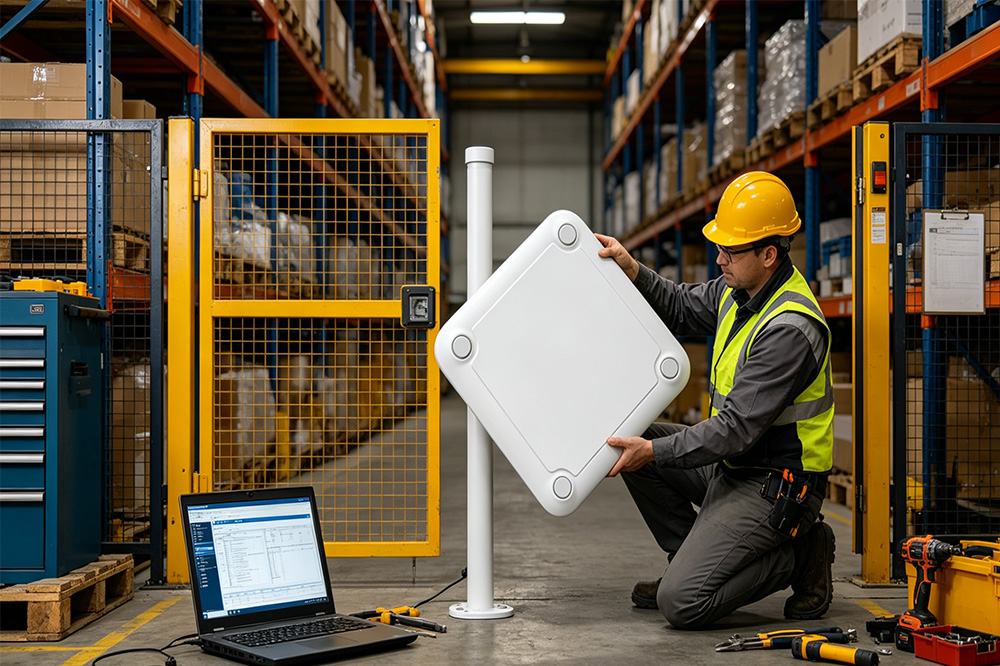
One thing I’ve learned: lab testing rarely reflects real usage.
A pilot installation in an actual warehouse almost always reveals something unexpected.
Maybe it’s forklift routes.
Maybe it’s how workers stack pallets differently than planned.
Or maybe it’s just signal interference from something nobody noticed during design.
That’s usually the point where people realize what the system really needs.
It’s not really about how impressive the specs look.
It’s more about:
When a reader becomes “invisible” in daily operation, that’s usually when the system is actually working well.
A UHF RFID reader isn’t just a device you install.
It’s more like a fixed sensing point inside a moving environment.
And warehouses… they never really stay still.
That’s probably why real-world deployments always feel a bit different from the plan on paper.
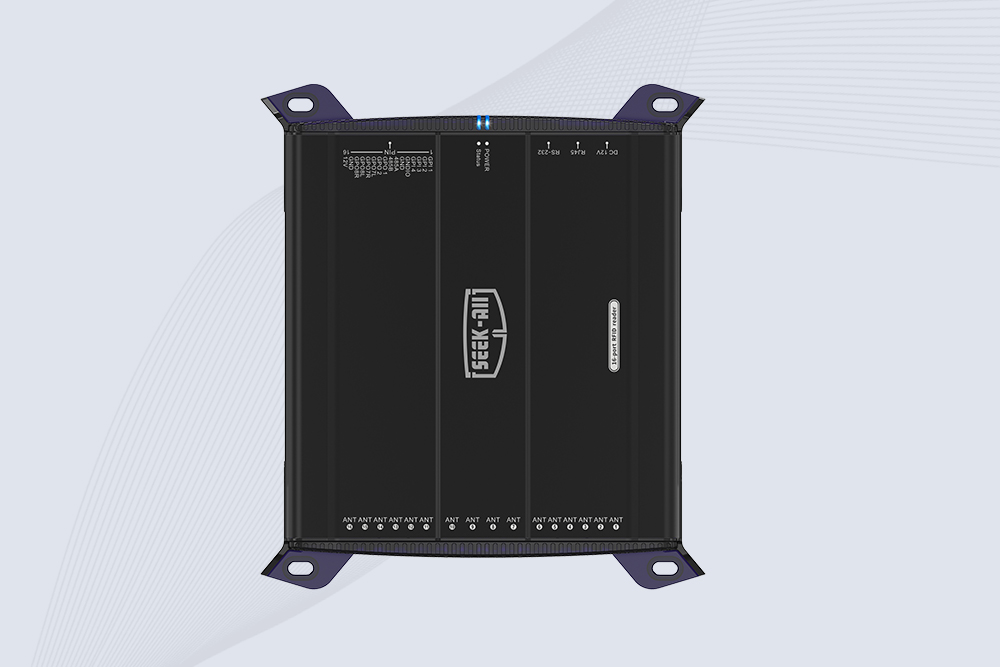
SSD-R16L Multi-Channel RFID Infrastructure for Automated Inventory Management ✔️ 16-Port High-Density RFID Reading Equipped with 16 SMA antenna ports, SSD-R16L supports multi-antenna deployment for warehouses, retail stores, logistics, production lines, and large-area RFID identification. ✔️ High-Speed & Long-Range Performance With up to 33…
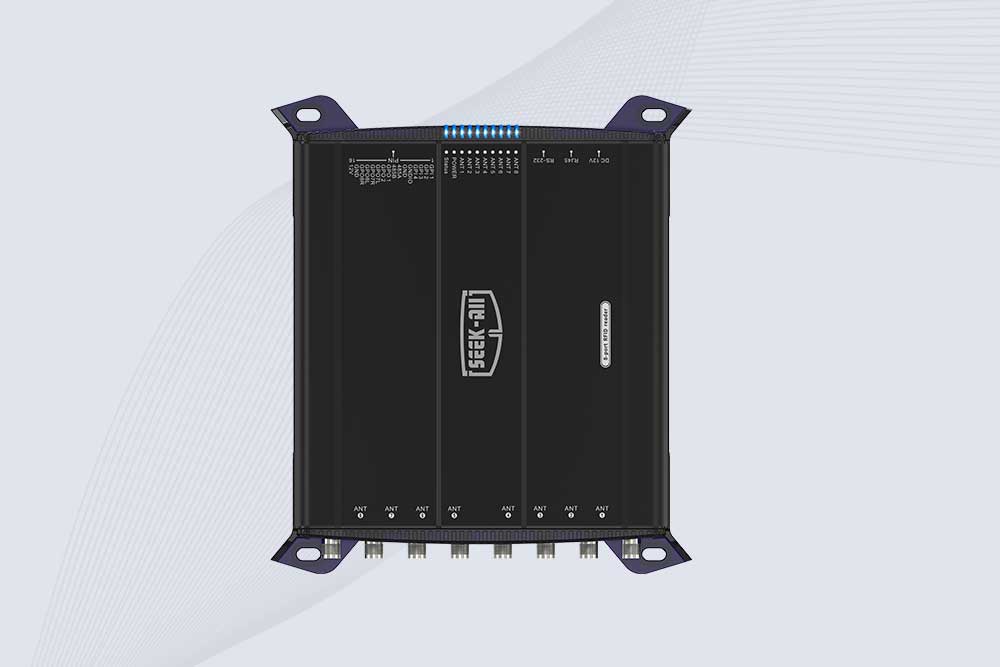
SSD-R8L 8-port UHF RFID reader with 33dBm output, up to 20m reading range and 600+ tags/s recognition. Ideal for warehouse, logistics, retail and asset tracking.
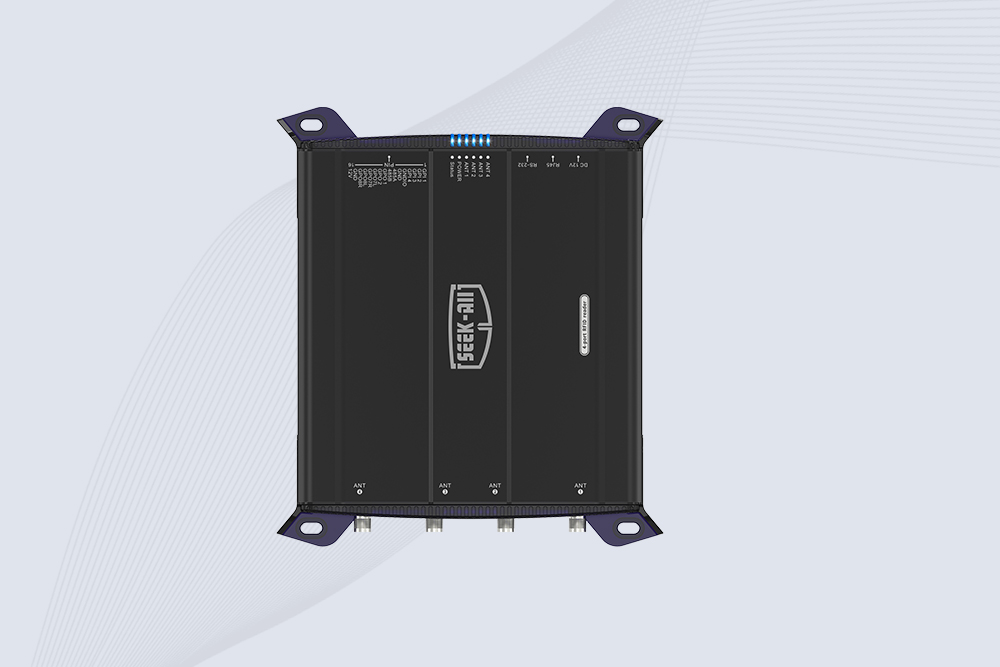
SSD-R4L is a 4-port UHF RFID fixed reader with 33dBm output power, up to 20m reading range, EPC C1G2 support and 600+ tags/s reading speed.
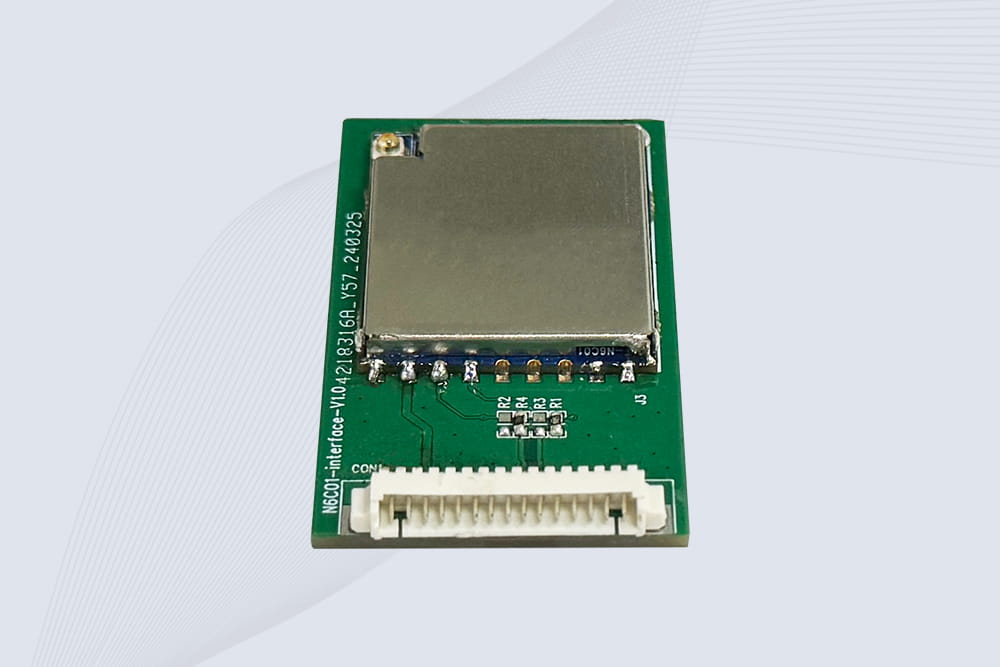
CYKEO Embedded RFID Modules are designed for compact industrial and IoT devices that require stable UHF performance. These UHF RFID Modules support global protocols, flexible power control, and reliable multi-tag reading for smart cabinets, production lines, and asset tracking systems.
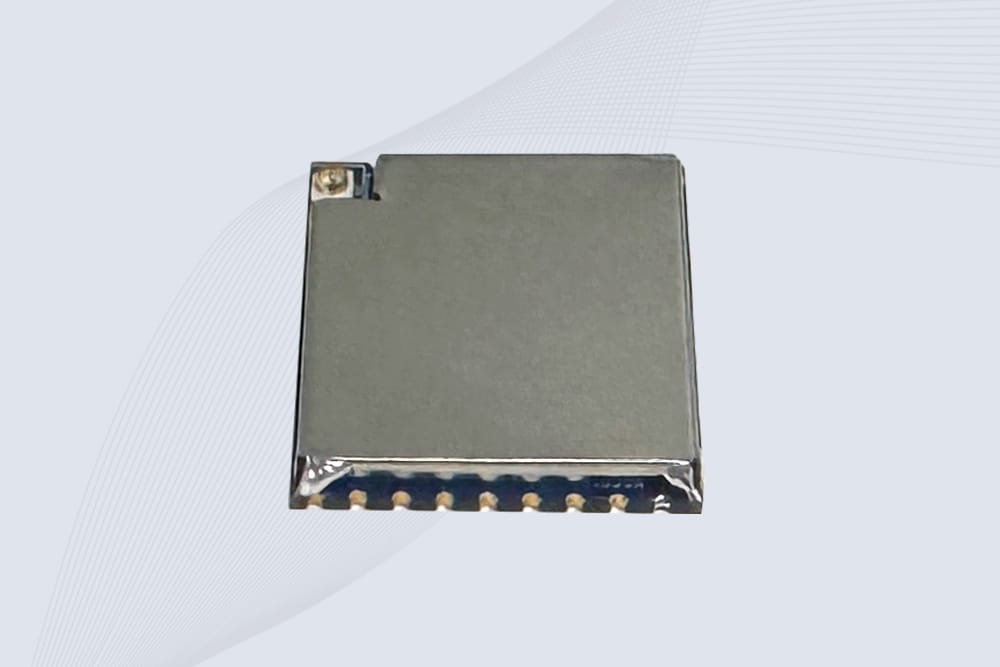
CYKEO Embedded RFID Module is built for compact IoT and industrial devices that need stable UHF performance. This UHF module supports global protocols, low power operation, and reliable multi-tag reading for smart lockers, production lines, and always-on RFID systems.
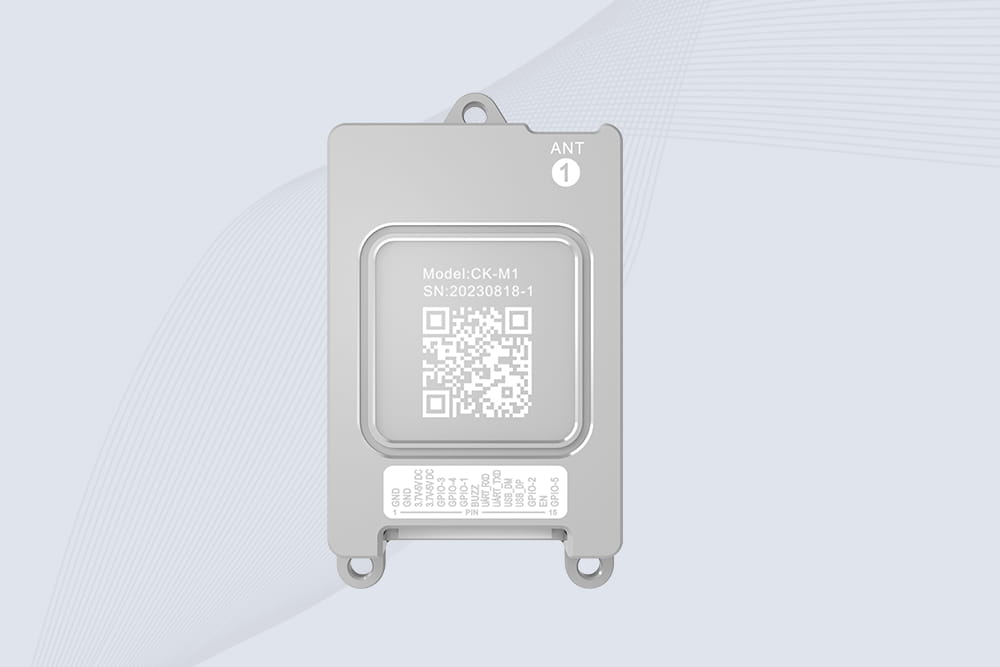
CYKEO CYKEO-M1 drone rfid module is a compact UHF RFID reader module designed for drones and UAV platforms. It supports long-range aerial scanning, fast multi-tag reading, and stable performance in wind, vibration, and outdoor environments.
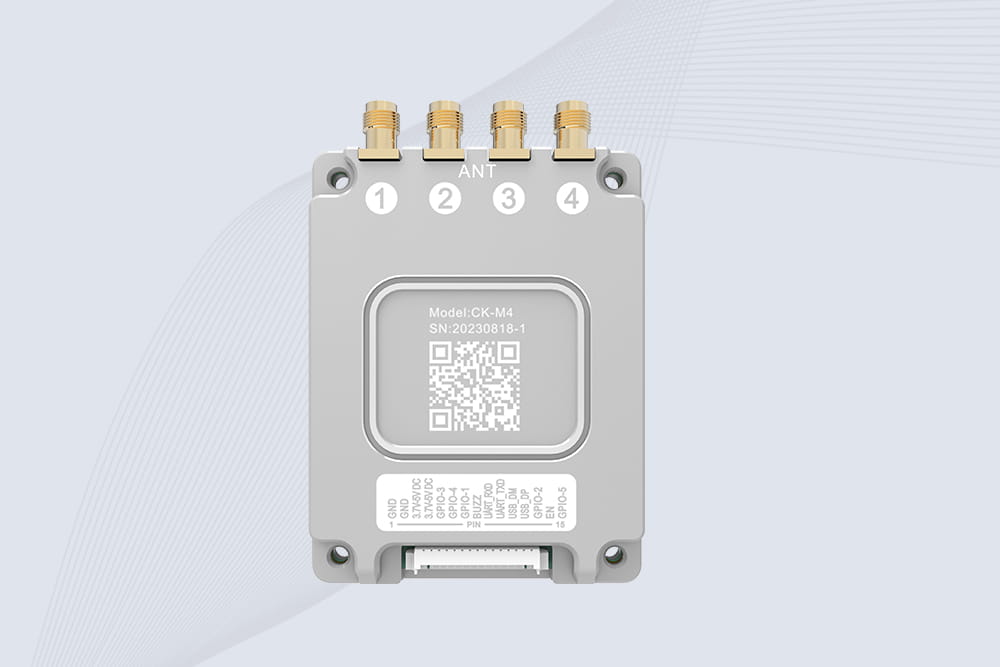
CYKEO CYKEO-M4 RC522 RFID Module is an industrial-grade UHF RFID reader with 4 ports, supporting ISO, EPC, and GB protocols. High-speed, accurate reading for IoT, automation, and warehouse applications.
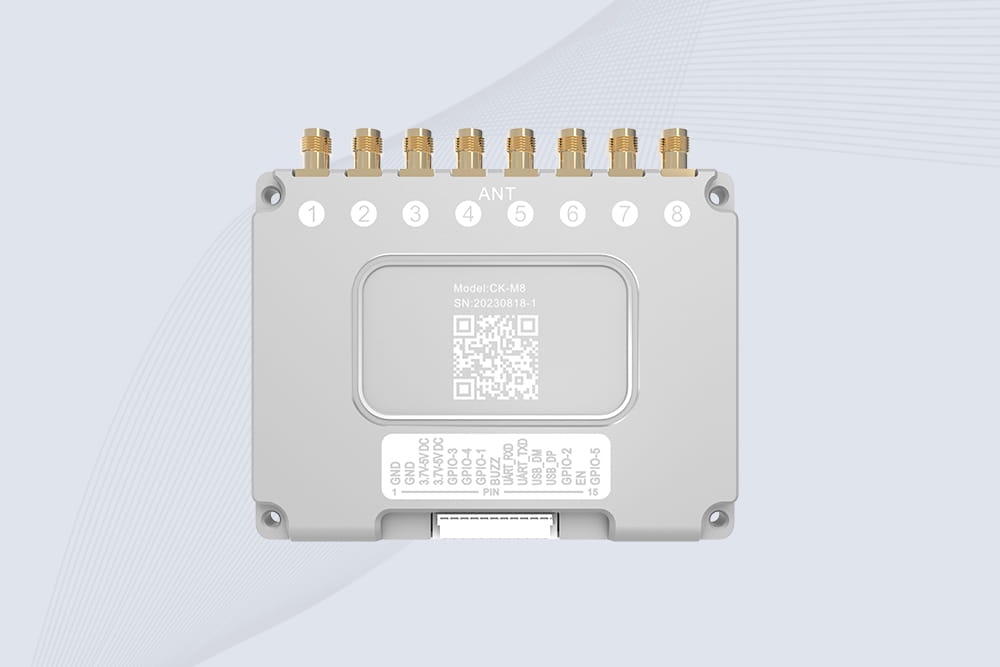
CYKEO CYKEO-M8 Module RFID is an 8-port UHF R2000 RFID Module designed for high-density, multi-tag environments. Stable 33dBm output, ISO & GB protocol support, ideal for warehouses, factories, and automated systems.
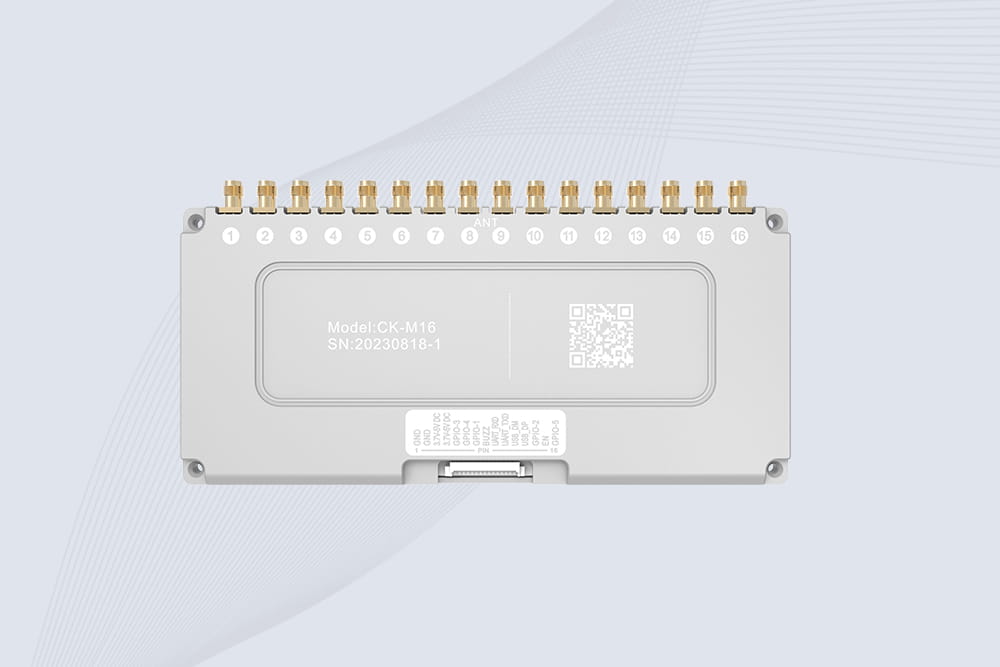
CYKEO CYKEO-M16 RFID Module is a 16-port UHF RFID reader module based on the R2000 chipset. Designed for dense tag environments, it supports ISO and GB standards and delivers stable multi-antenna control for industrial automation.
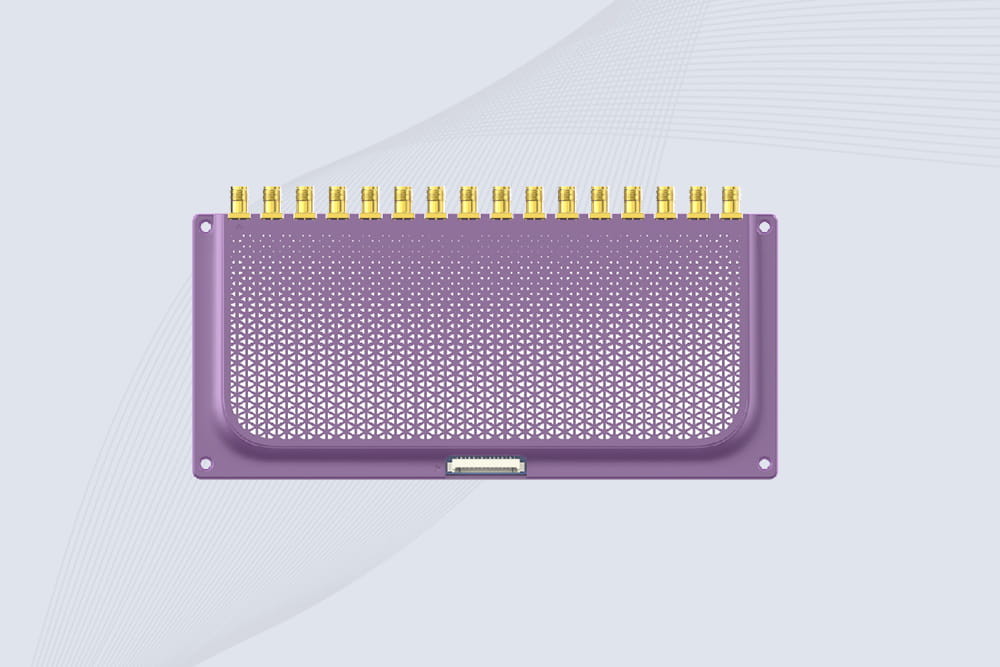
The CYKEO CYKEO-M16L RFID Reader Module is a 16-channel UHF RFID core designed for dense tag environments. With adjustable 33dBm output, multi-protocol support, and stable multi-antenna control, this RFID Tag Reader Module fits industrial automation, warehouse systems, and large-scale IoT deployments.
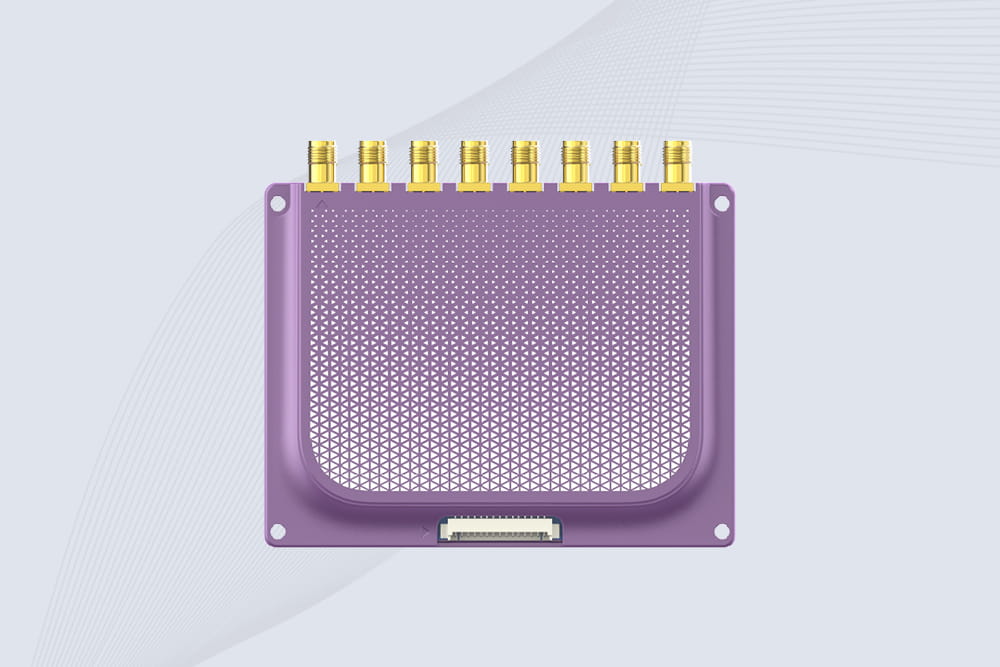
CYKEO CYKEO-M8L module RFID is a compact industrial UHF module built for dense tag and multi-antenna environments. With 8 RF ports, adjustable 33 dBm output, and ISO & GB protocol support, it is widely used in factories, warehouses, and automated tracking systems.
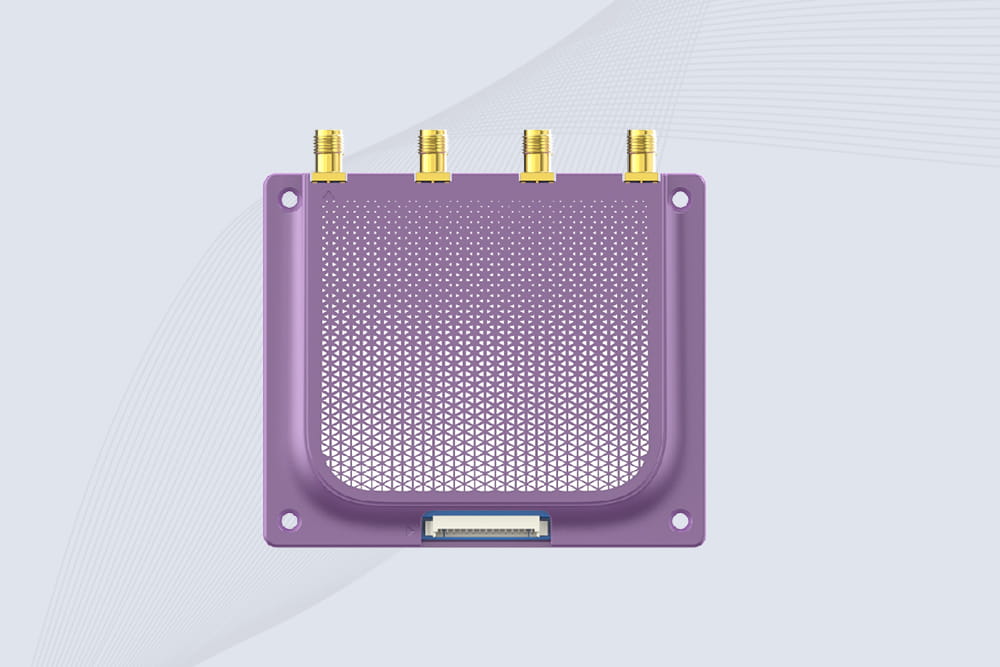
CYKEOCYKEO-M4L UHF RFID Module is a compact 4-channel RFID tag reader module designed for dense tag environments. Supporting ISO and GB protocols, it delivers stable reads up to 10 meters for industrial and IoT systems.
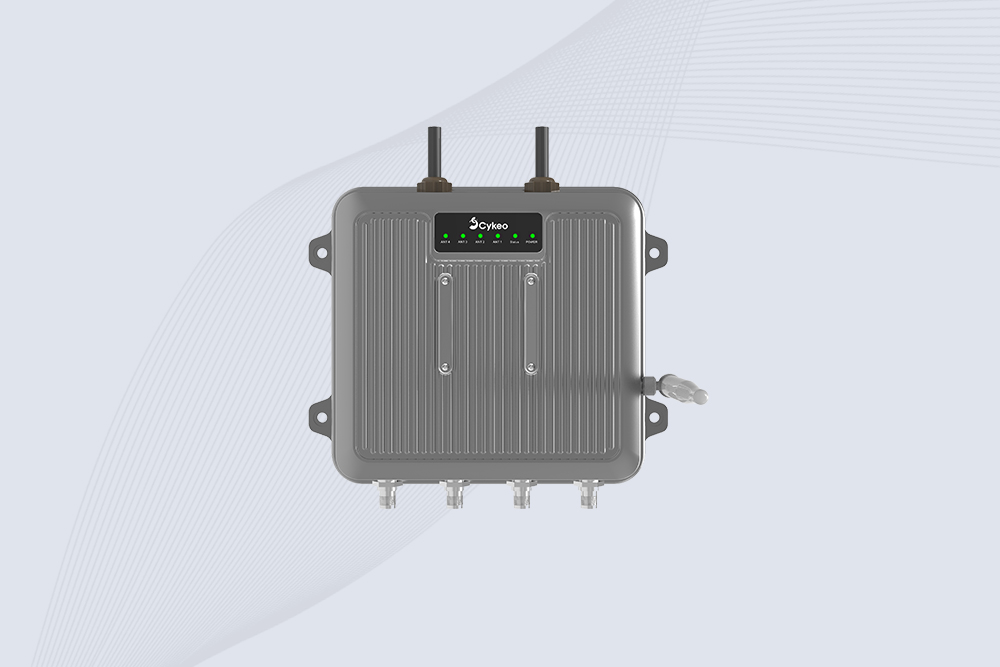
Cykeo CYKEO-C1 industrial Forklift RFID Reader features 20m read range, 600 tags/sec scanning, Impinj R2000 chipset, and IP67 rugged design. Ideal for warehouse logistics and manufacturing. Supports ISO 18000-6C/6B protocols.
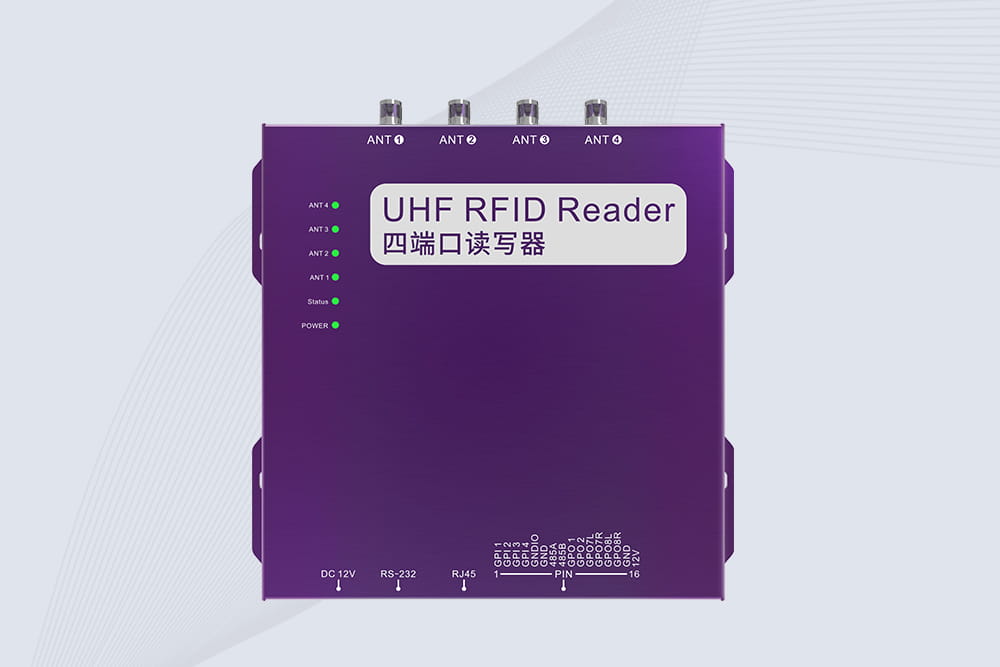
Cykeo CYKEO-R4 industrial UHF RFID Fixed Reader features 4 TNC ports, 400+ tags/sec speed, IP67 housing, and global frequency compliance for vehicle inspection, smart warehouse, and asset management systems.
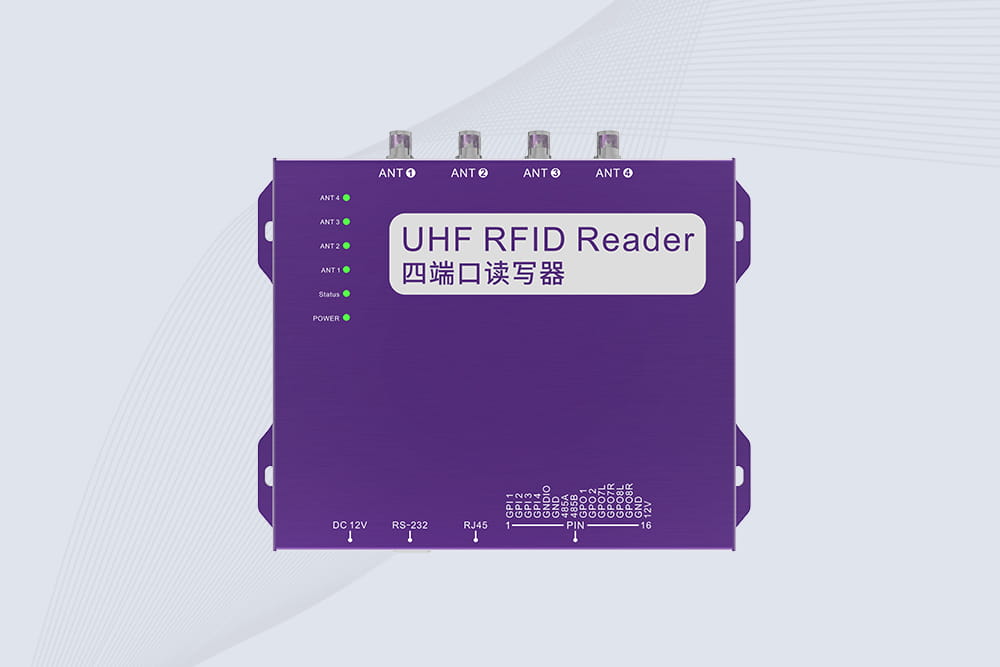
Cykeo’s CYKEO-R4L 4-port Fixed UHF RFID Reader delivers 400 tags/sec scanning, ISO 18000-6C compliance, and IP65 protection. Ideal for warehouse automation, manufacturing WIP tracking, and logistics management.
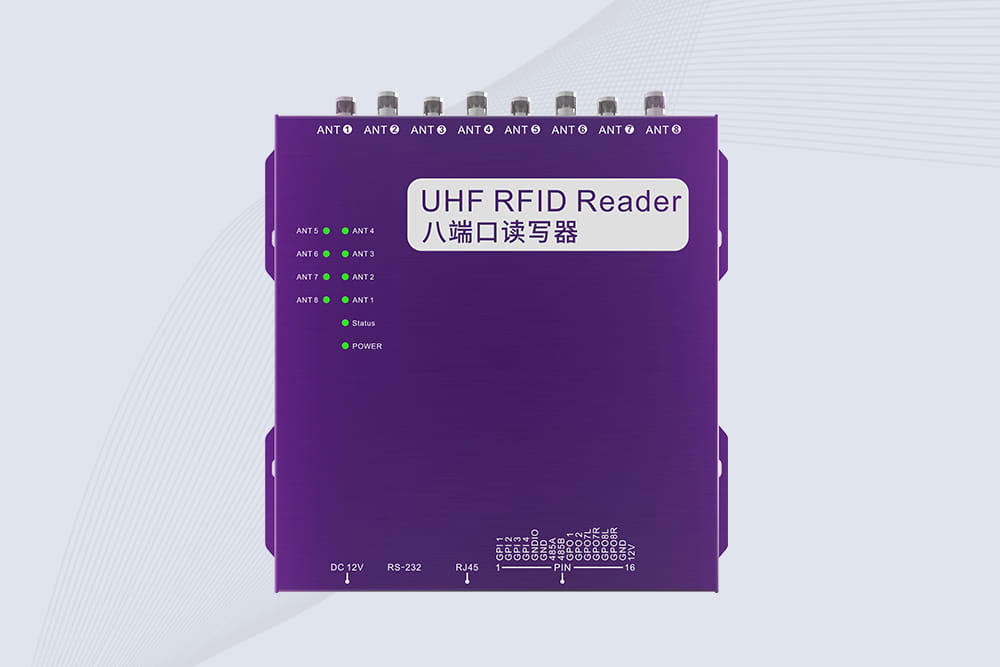
CYKEO CYKEO-R8L Fixed RFID Reader with 8-port UHF design, Impinj-based RF core and up to 20m read range. An industrial Fixed RFID Reader for vehicle inspection, warehouse portals, smart manufacturing lines and secure access checkpoints.
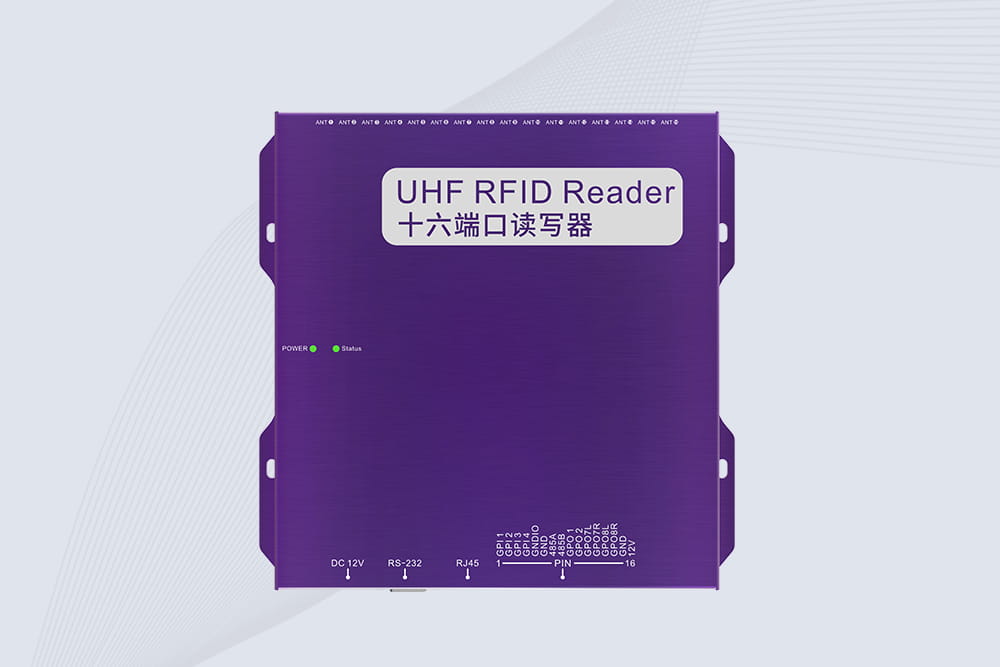
RFID Fixed Reader from CYKEO – the CYKEO-R16L 16-port UHF fixed reader for warehouses, smart cabinets, and production lines. Long-range, multi-tag reading, stable performance for 24/7 industrial use.
RFID Industry Writer | IoT & Asset Tracking Analyst
James writes about RFID technology, asset tracking, and the practical challenges of digital transformation across warehousing, retail, manufacturing, and logistics.
His work focuses on how RFID is applied in real-world operations—improving inventory visibility, automating workflows, and helping businesses manage assets with greater accuracy and efficiency.
He regularly covers topics including UHF RFID, smart cabinets, RFID portals, tool tracking, warehouse automation, and industrial IoT trends..

Discover what is a rfid card, how RFID cards store and transmit data, and how Cykeo RFID solutions improve identification, tracking, and smart management.
More
Struggling with missing or misplaced medical equipment? Learn how RFID for hospitals improves visibility, reduces loss, and supports daily operations.
More
Choosing between UHF and HF RFID readers for your warehouse? We compare range, accuracy, and costs to help you pick the right tech.
More
Wondering "how can I read 1000 RFID tags"? Discover tunnel systems, anti-collision optimization, hardware selection, and real-world strategies for bulk RFID reading with CYKEO.
More