 Cykeo RFID IoT Solution Products R&D Manufacturer
What is uhf adhesive rfid label tag?
110Discover how uhf adhesive rfid label tag technology improves warehouse accuracy, retail inventory visibility, and logistics efficiency using Cykeo UHF RFID solutions.
MoreAll RFID Product
To check how to check rfid tag is working or not, use an RFID reader to scan the tag and verify if it returns a valid ID consistently within expected read range and speed.
That’s the direct answer. But in real deployments, a “working” tag is not just readable—it must be stable, repeatable, and resistant to interference.
I’ve tested batches where 100% of tags responded… but only 82% were usable in production. The difference? Environment, orientation, and signal noise.
Use a fixed or handheld rfid reader:
What you’re looking for:
If it fails intermittently, it’s already a problem.
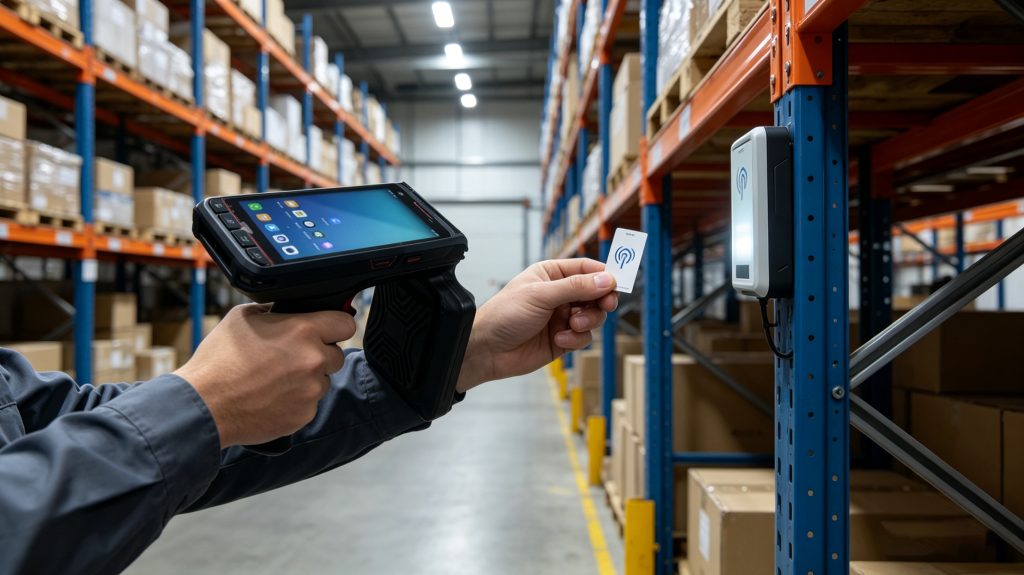
In controlled conditions, almost all tags pass.
But introduce:
…and failure rates rise quickly.
According to RAIN RFID Alliance , real-world RFID accuracy depends heavily on environmental tuning, with performance variation exceeding 20–30% in challenging conditions.
These are early warning signs—not edge cases.
In field deployments, high-performance readers expose tag weaknesses faster.
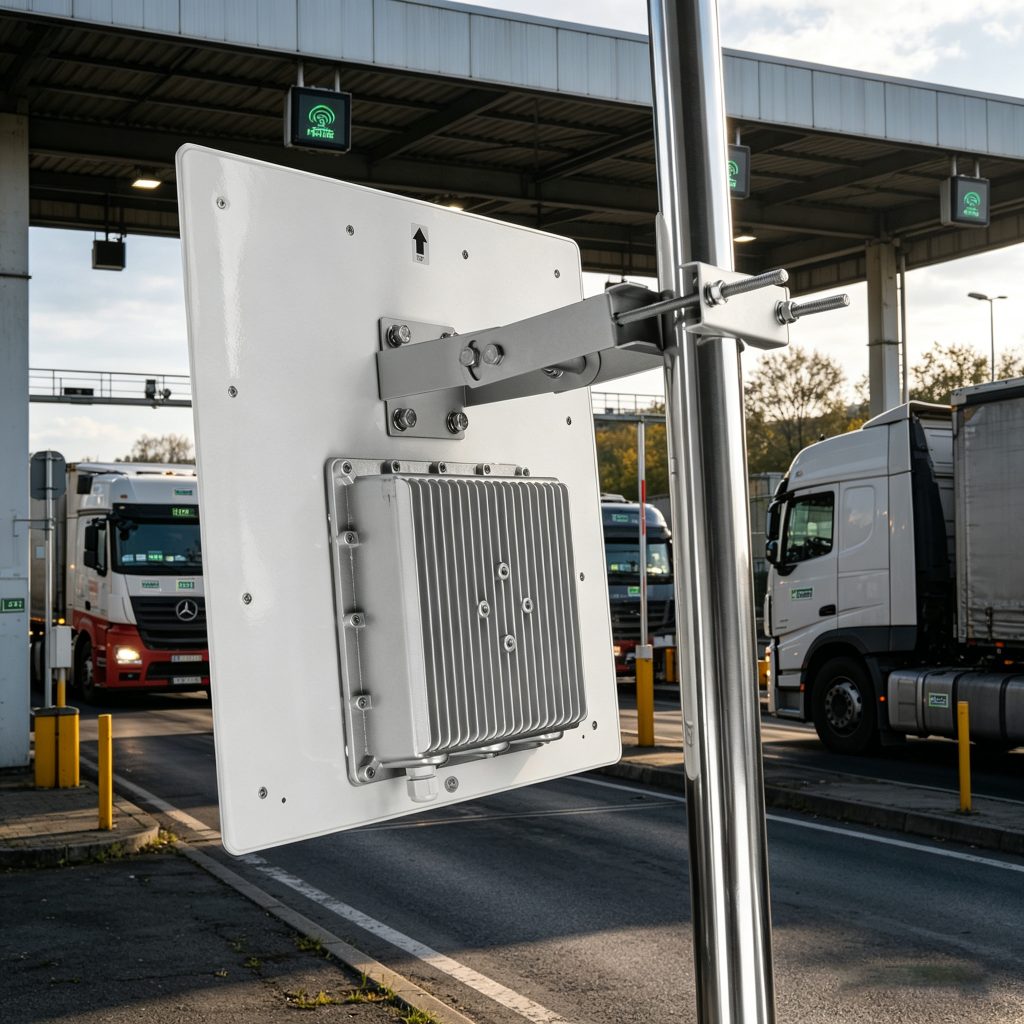
With CYKEO high-performance UHF rfid readers:
This allows:
A weak tag that only works at 1–2 meters will fail immediately under this setup.
| Test Type | Pass Criteria |
|---|---|
| Readability | 100% detection |
| Stability | No signal drop |
| Distance | Within expected range |
| Speed | No lag or delay |
| Anti-collision | Accurate multi-read |
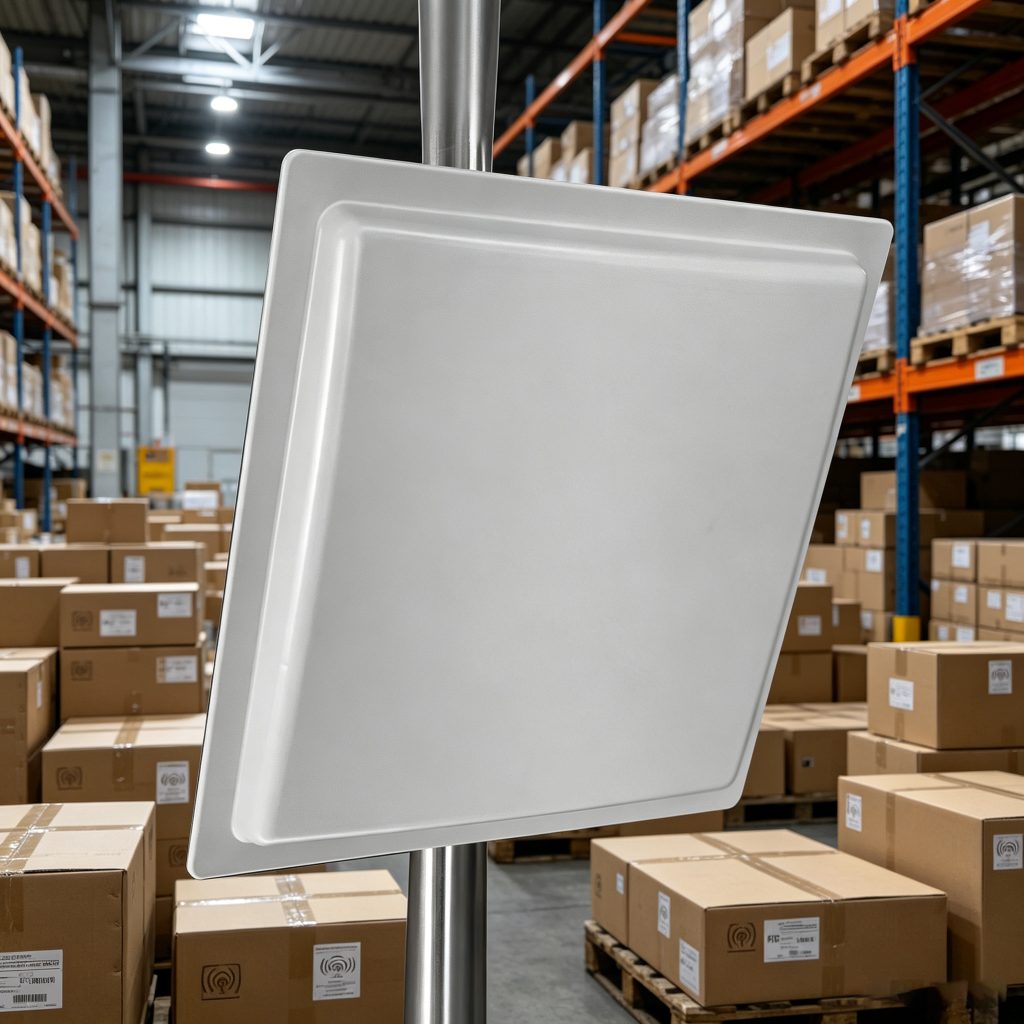
A study from GS1 highlights that improper tag placement alone can reduce read performance by up to 50%.
This is where theory breaks down.
In one logistics deployment, tags passed lab testing perfectly.
But installed on metal containers? Failure rate hit 35%.
The fix wasn’t replacing readers—it was switching to:
Small changes. Huge difference.
Only NFC (HF) tags. UHF RFID requires dedicated readers.
Near 100% in controlled tests, above 95% in real environments.
Likely due to interference, orientation, or weak chip quality.
At least 10 repeated reads across different angles and distances.
Understanding how to check rfid tag is working or not isn’t about a single scan—it’s about consistency under real conditions.
A tag that reads once is not reliable.
A tag that reads every time, everywhere—that’s production-ready.

Discover how uhf adhesive rfid label tag technology improves warehouse accuracy, retail inventory visibility, and logistics efficiency using Cykeo UHF RFID solutions.
More
Upgrade your storage with the CK-G68 RFID Smart Book Inventory Cabinet. Featuring RFID tech, dual-system support, solar power, and an easy upgrade path, it’s perfect for universities, libraries, and archives.
More
RFID uses radio waves to identify tagged objects wirelessly. It is used for inventory, retail, logistics, manufacturing, asset tracking, access control, and ...
More
Learn proven strategies to improve RFID handheld reader battery life in field operations. Discover power-saving settings, maintenance tips, and Cykeo’s rugged solutions.
More