When customers ask “how to program RFID cards”, they usually imagine it is just connecting a card writer and adding information to a blank card. In small tests, that may be true. But when the project involves hundreds, thousands, or even millions of RFID cards, things become more complicated.
For RFID distributors, system integrators, and solution providers, card programming is not only about writing data into a chip. The real questions are usually:
Which RFID frequency should be used?
What type of RFID chip fits the application?
Can the cards be programmed repeatedly?
How should data security be handled?
Should programming be done manually or through a production system?
These details often decide whether an RFID project runs smoothly after deployment.
Before discussing programming methods, it is worth understanding the basics of RFID cards and their working principles. If you want a deeper explanation of RFID card technology, you can also check our previous guide “How to Program RFID Cards: Master the Process and Application Techniques” for a more technical overview.
What Does Programming RFID Card Actually Mean?
RFID card programming means writing specific information into the memory area of an RFID chip.
Unlike traditional printed cards, RFID cards contain a tiny integrated circuit that stores data. When the card is placed near an RFID reader, the reader communicates with the chip and retrieves the stored information.
Depending on the application, the programmed data can include:
Unique identification numbers
User access permissions
Product tracking information
Employee information
Asset management codes
Authentication data
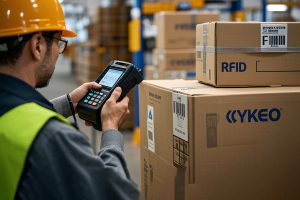
For example, in an office access control project, a company may program each RFID card with an employee ID. In a warehouse system, RFID cards or tags may store product information linked with inventory software.
From our experience working with RFID applications, many customers focus too much on the card itself but forget that the programming method needs to match the whole system.
Common Ways to Program RFID Cards
1. Using an RFID Card Reader Writer
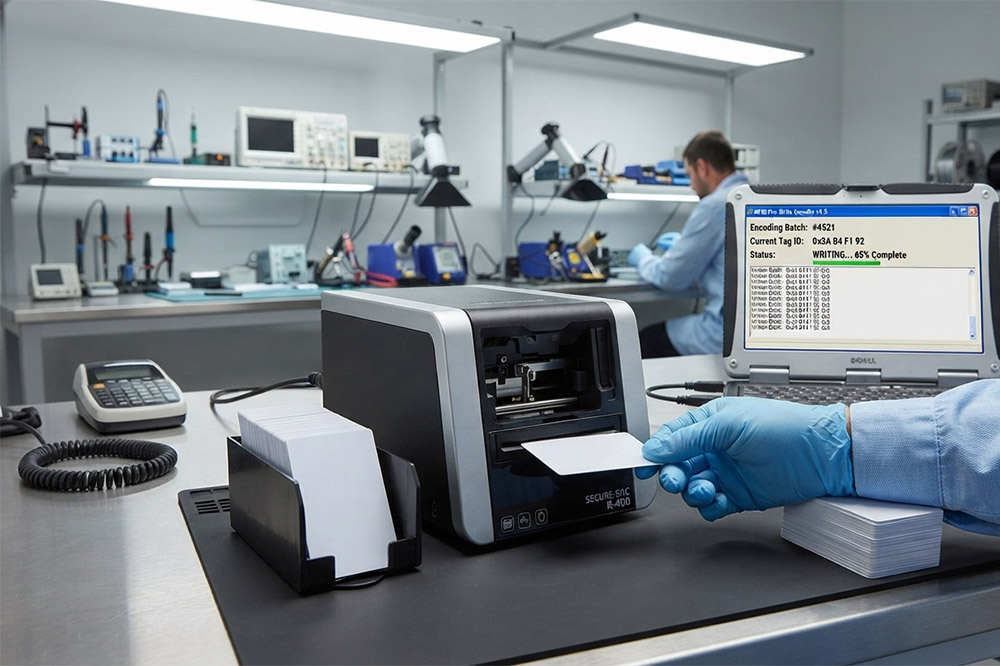
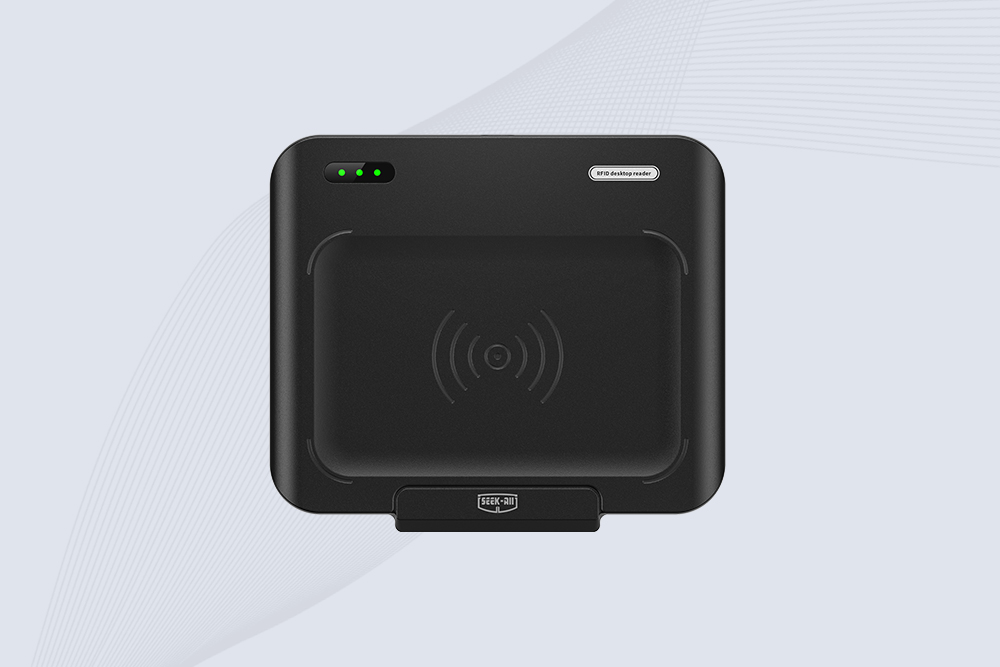
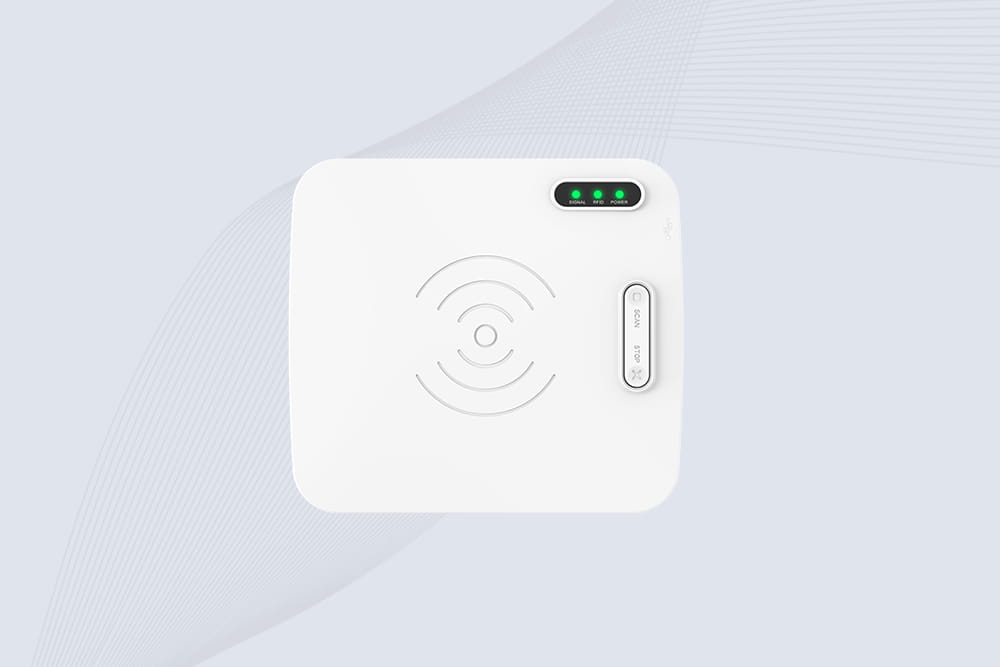
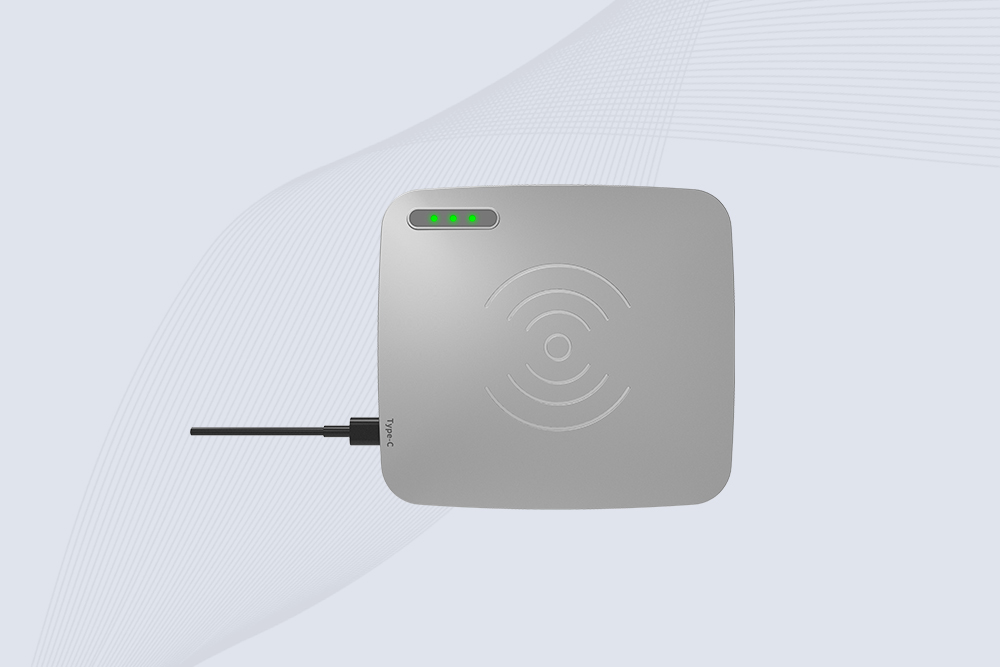
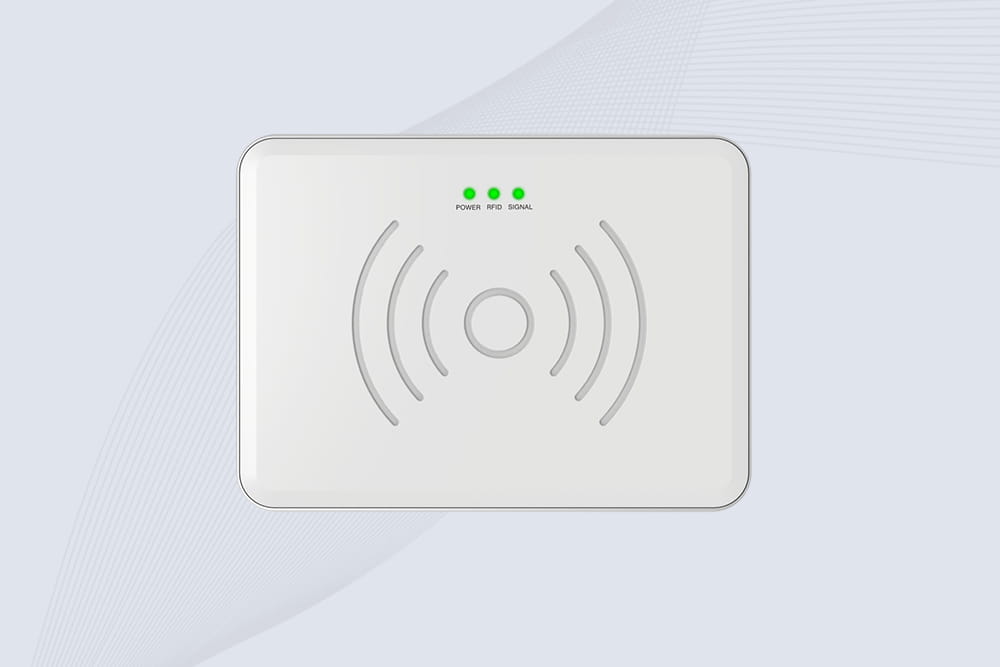
The most common method is using RFID encoder or card reader writer.
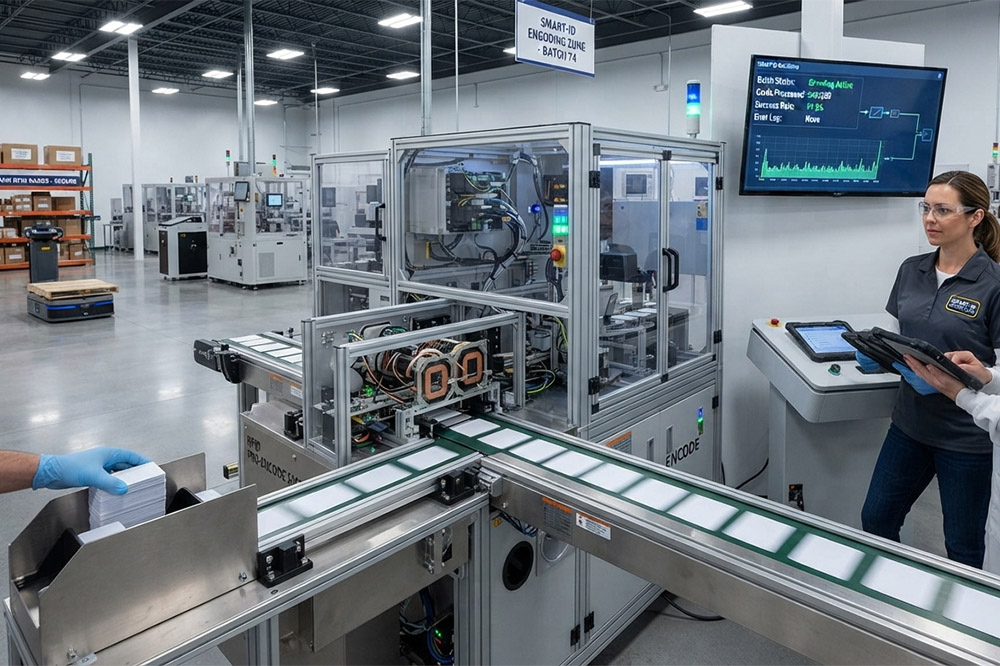
However, if a customer needs to program tens of thousands of cards, manual programming becomes inefficient. In this situation, companies usually need automated RFID encoding equipment.
2. Programming RFID Cards Through Software Systems
In commercial projects, RFID cards are rarely programmed alone.
Usually, the RFID system connects with:
Database management software
Access control platforms
ERP systems
Warehouse management systems
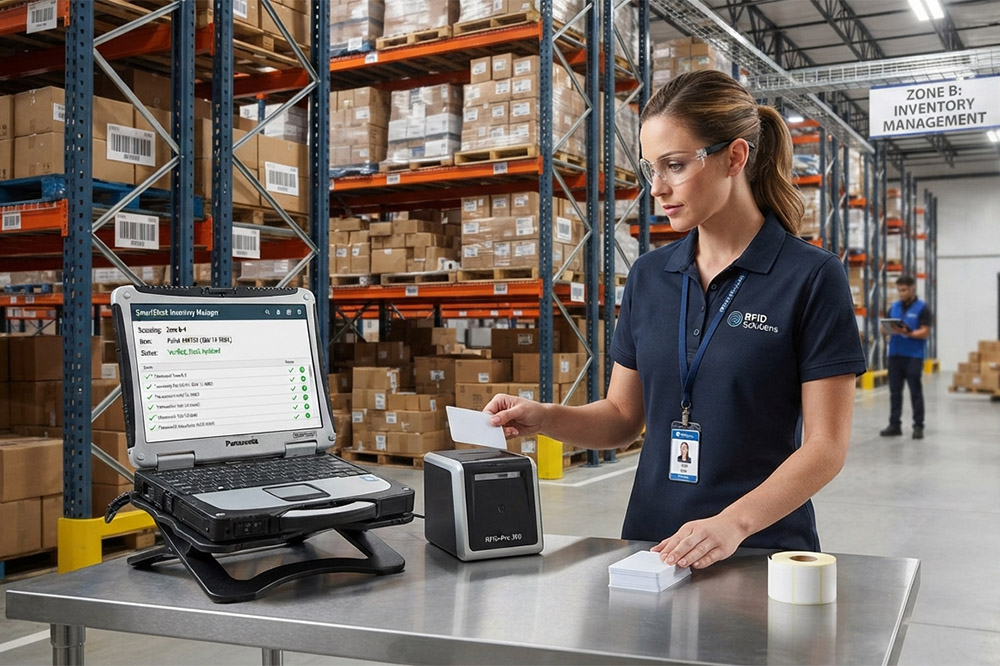
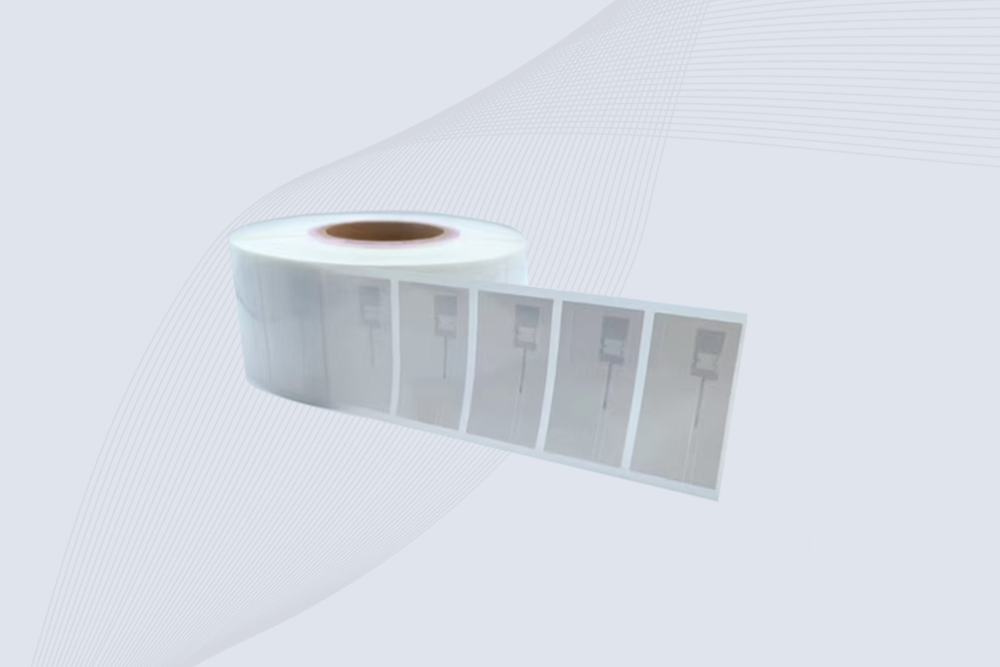
For example, a warehouse operator may create a product record in the management system first. The software then sends the required information to the RFID encoder, which writes the data into the RFID card or tag.
This reduces human mistakes and makes large-scale deployment easier.
3. Factory Pre-Programming Before Delivery
For many wholesale customers, the better option is receiving RFID cards that are already programmed.
This is common in:
Hotel projects
Transportation systems
Industrial tracking
Smart cabinet solutions
Employee management systems
A customer may provide a data file, and the RFID supplier programs the cards before shipment.
This saves installation time because the customer does not need to configure thousands of cards locally.
What Equipment Is Needed for RFID Card Programming?
A typical RFID programming setup includes:
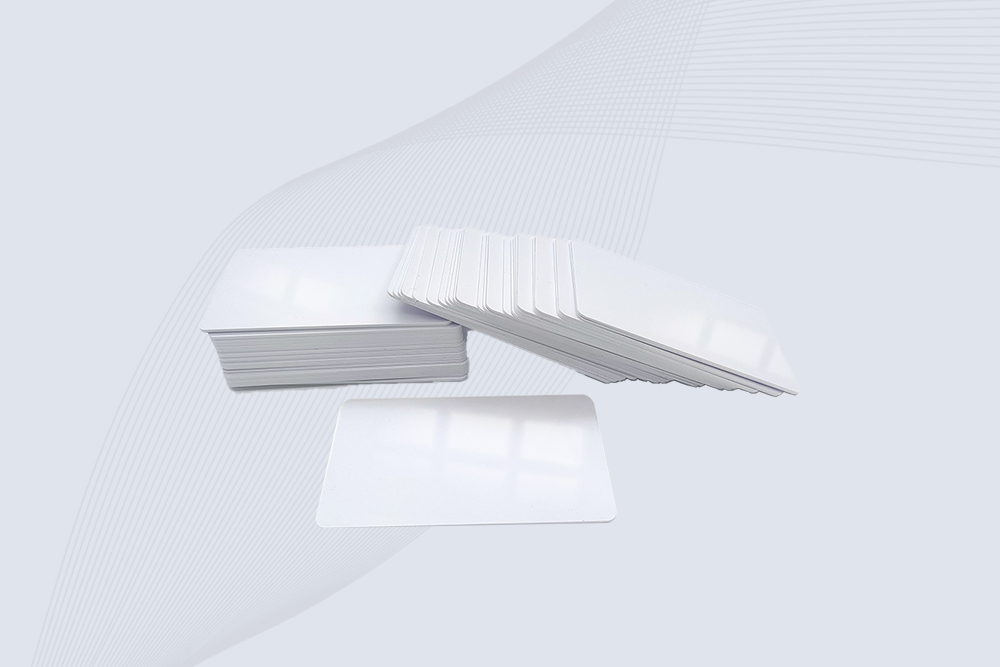
RFID Cards
The first choice is the RFID chip type.
Common options include:
125kHz RFID cards
13.56MHz RFID cards
UHF RFID cards
Different frequencies are designed for different applications.
For example:
125kHz cards are often used in simple access control systems.
13.56MHz cards are popular for smart cards and secure identification applications.
UHF cards are commonly used when longer reading distance is required.
RFID Card Encoder
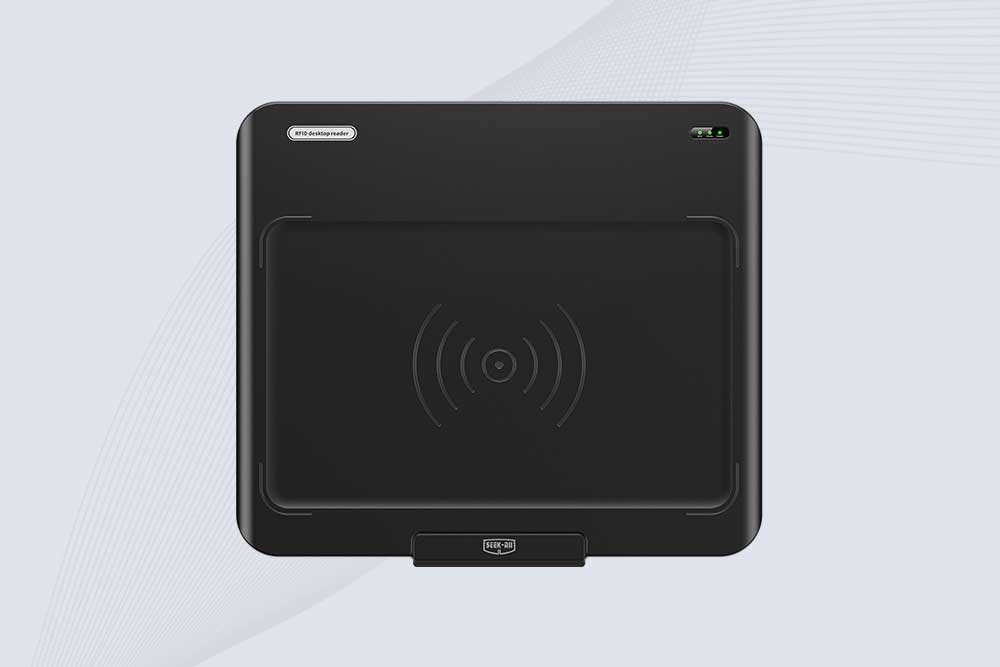
The encoder is the device responsible for communication between software and RFID chips.
Important factors include:
Supported frequency
Reading distance
Writing speed
SDK availability
Software compatibility
For system integrators, SDK support is often more important than just hardware specifications because they need to integrate the reader into their own platforms.
Programming Software
Software controls the writing process.
A professional RFID programming system should support:
Batch card writing
Data import
Error checking
Encryption options
Database connection
For large projects, a simple desktop application may not be enough.
Problems That Often Appear During RFID Card Programming
In real projects, RFID programming issues are usually not caused by the writing process itself.
One common problem is choosing the wrong RFID chip.
A customer may order 13.56MHz cards because they are cheaper, but their existing reader only supports another standard. The cards can be perfectly programmed but still cannot work.
Another issue is data security.
Some applications only need a simple card number, while others require encrypted data storage. For payment systems, access control, or confidential applications, security planning should happen before programming starts.
There is also the issue of production efficiency.
A company producing 500 cards per month and a company producing 100,000 cards per month need completely different programming solutions.
RFID Card Programming for Wholesale Projects
For RFID suppliers and solution companies, the biggest challenge is not teaching someone how to write a card. The challenge is building a reliable system around it.
Before purchasing RFID cards in bulk, buyers usually need to confirm:
RFID chip model
Memory capacity
Programming method
Printing requirements
Security requirements
Compatibility with existing readers
A good RFID supplier should not only provide blank cards. They should understand how those cards will be used after delivery.
For example, a smart cabinet manufacturer may need RFID cards that work together with UHF readers, software platforms, and user management systems. The card itself is only one part of the solution.
If you are new to RFID card programming and want to understand the complete programming workflow, including the technical steps and application methods, you can continue reading our detailed guide “How to Program RFID Cards: Master the Process and Application Techniques”. It explains the programming process from a more technical perspective.
Conclusion
Programming RFID cards may look simple when testing one or two cards. But for commercial RFID projects, the process involves much more than writing data.
The right chip selection, programming equipment, software integration, and production method all affect the final system performance.
For RFID distributors and project developers, choosing a supplier that understands both hardware and application requirements can save a lot of trouble during deployment.
SSD-D3AL is a USB-HID UHF RFID reader with 0–30 cm reading, 0–15 cm writing, over 600 tags/s recognition, USB plug-and-play operation and OEM Logo customization.
SSD-D1AL is a compact USB UHF RFID reader with Impinj E710/X3M1 chipset, USB-HID, 600+ tags/s recognition, 4/8/16 antenna support and plug-and-play USB power.
CYKEO CYKEO-D1LA USB RFID Reader is a compact desktop solution with near-field control for precise tag reading and encoding. Powered by USB, supporting ISO 18000-6C, and built for stable batch writing, this usb rfid tag reader fits retail, libraries, offices, and controlled RFID encoding tasks.
CYKEO CYKEO-D1L RFID scanner USB is a compact desktop UHF RFID scanner designed for short-range tag writing and verification. This usb rfid scanner supports batch encoding, stable 0–26 dBm output, and works across Windows, Linux, and Android systems.
CYKEO CYKEO-D1C USB RFID Card Reader is a near-field UHF desktop writer designed for secure, short-range tag encoding. With USB-C connectivity and stable 26 dBm output, this rfid reader usb c is ideal for badge issuance, label encoding, and controlled desktop RFID workflows.
CYKEO CYKEO-D2L RFID Reader USB is a compact desktop encoder built on the Impinj R500 chip. With near-field control and stable USB power, this usb rfid card reader delivers precise tag writing for offices, retail counters, and small-scale logistics encoding tasks.
CYKEO CYKEO-D3L USB RFID Tag Reader delivers stable UHF tag reading and writing for daily desktop and light industrial tasks. Designed for controlled short-range operation, this USB RFID Tag Reader works reliably with rfid tag and reader systems in libraries, tool tracking, and inventory registration.
The CYKEO CYKEO-D4L UHF RFID Tag Reader is a stable Desktop RFID Reader designed for accurate tag registration, borrowing, and return workflows. Built with the Impinj R2000 chip, this UHF RFID Tag Reader delivers controlled short-range reads for libraries, asset tracking, and inventory management environments.
The CYKEO CYKEO-D5L Desktop RFID Card Reader is a stable UHF RFID Card Reader designed for controlled short-range reading and writing. Built for libraries, tool rooms, and asset desks, this UHF RFID Card Reader supports dense tag handling, secure data processing, and easy USB integration.
The CYKEO CYKEO-D6L RFID Reader Writer is a heavy-duty Desktop RFID Reader designed for short-range, high-accuracy tag programming. Built for libraries, labs, and asset desks, this RFID Reader Writer supports batch processing, stable 33dBm output, and seamless integration with existing management systems.
Cykeo CYKEO-D8A embedded RFID badge reader offers 30+ tags/sec scanning, 20cm anti-crosstalk precision, and DC 12V power for unmanned stores, warehouses, and smart inventory systems.
Cykeo’s CYKEO-D8C UHF RFID gate reader achieves 200-tag/batch scanning with adjustable power control, ideal for retail inventory and smart warehouse management.
CYKEO Passive RFID Tags are made for wet and high-humidity environments where standard labels do not last. This rfid passive tag is often used around liquids, chemicals and temperature changes, providing stable reading distance and long data life for industrial tracking.
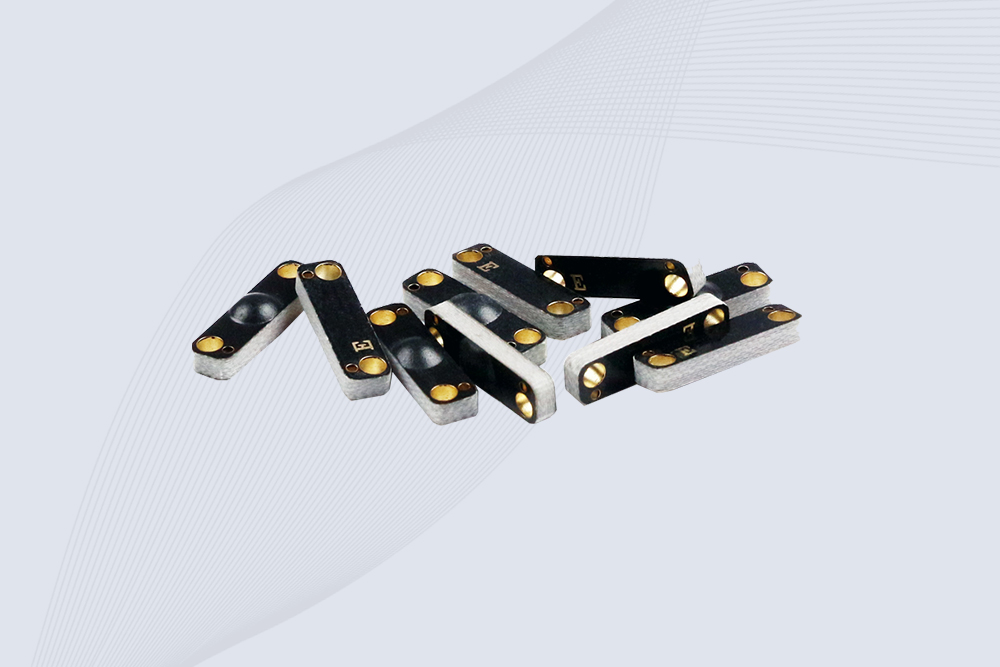
CYKEO CYKEO-PCB1504 Metal RFID Tags is a compact anti-metal UHF RFID solution built for direct mounting on metal surfaces. With stable 8-meter read range, Ucode-8 chip, and long data retention, this rfid metal tag fits tools, containers, automotive parts, and industrial asset tracking.
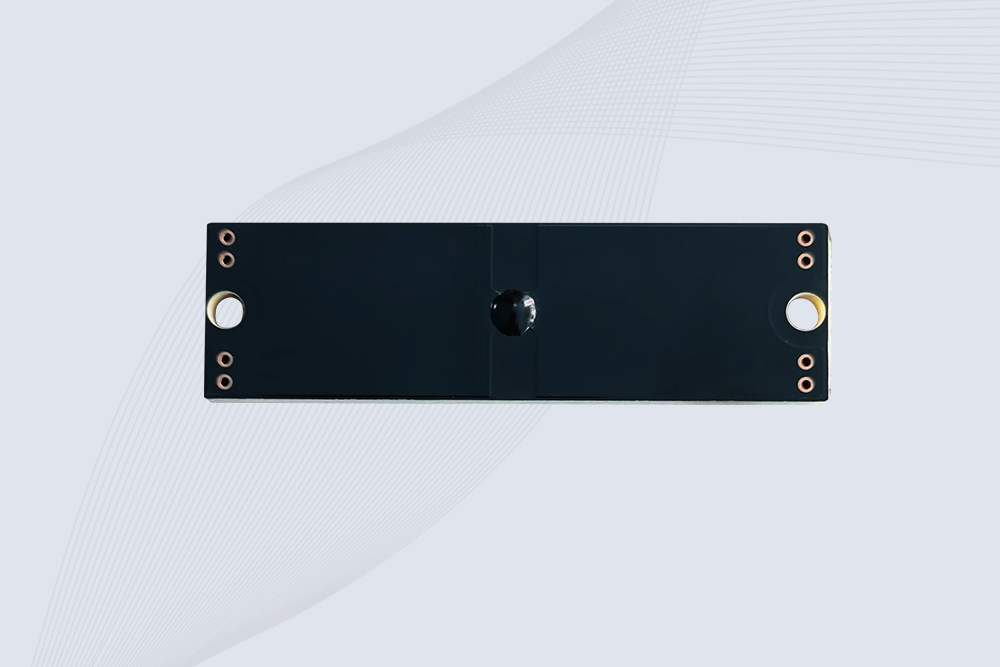
CYKEO CYKEO-PCB7020 On-Metal RFID Tags are designed for reliable tracking on steel and metal surfaces. Built with an FR4 epoxy body and industrial-grade chips, these On-Metal RFID Tags deliver stable performance, long data life, and chemical resistance, making them a dependable RFID anti-metal tag for harsh environments.
The CYKEO CYKEO-60-25 Anti-Metal RFID Tag is built for metal surfaces where standard tags fail. Designed for long-range performance, harsh environments, and stable data retention, this Anti-Metal RFID Tag is ideal for industrial assets, containers, and equipment tracking using on metal RFID tags.
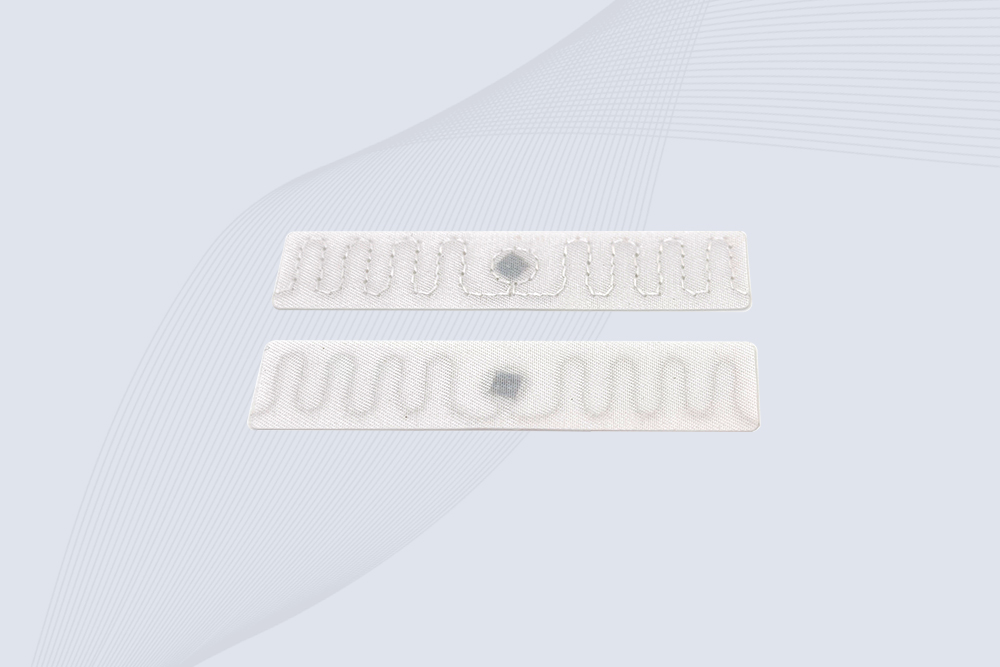
The CYKEO RFID Laundry Tag is designed for long-term textile identification in harsh laundry environments. Built to withstand high heat, chemicals, and repeated washing, this RFID Laundry Tag delivers stable performance for hotels, hospitals, and industrial laundry operations using laundry rfid tags at scale.
The CYKEO CYKEO-125-7 RFID Book Tag is designed for reliable book and document tracking in libraries and archives. This RFID Book Tag delivers long read range, dense placement support, and stable performance on shelves, making it a practical rfid tag on books for library automation, file management, and archival systems.
CYKEO RFID tags in hospitals are designed for sterile environments where accuracy matters. These autoclavable RFID tags support long-term tracking of surgical tools, implants, and medications, helping hospitals improve visibility, compliance, and patient safety.
CYKEO RFID Cable Tie Tag is built for reliable identification on metal surfaces. This UHF RFID Cable Tie Tag is widely used in rfid tags for inventory systems, industrial asset management and Hospital RFID Tags, offering stable read performance, long service life and global EPC Gen2 compatibility.
CYKEO RFID Asset Tag is designed for stable identification of metal assets in industrial environments. This UHF RFID Asset Tag is commonly used for rfid tag asset tracking on equipment, tools and containers, providing reliable reads, long service life and ISO/IEC 18000-6C support.
CYKEO UHF RFID Card is designed for fast identification and long-term use in industrial and commercial systems. Supporting ISO 18000-6C, this UHF RFID Card works at 860–960 MHz and is suitable for custom RFID cards used in asset tracking, access control and inventory management.
CYKEO HF RFID Cards are designed for secure and stable access control systems. These 13.56 MHz RFID key cards support ISO 14443-A, reliable rewriting and long service life, making HF RFID Cards suitable for offices, campuses, events and membership management.
CYKEO UHF RFID Tag is designed for reliable tracking of metal jewelry and high-value items. This Jewelry RFID Tag supports long-range reading up to 8 meters, anti-counterfeit protection and stable performance on metal, making it suitable for retail, inventory control and asset management.
RFID Industry Writer | IoT & Asset Tracking Analyst
James writes about RFID technology, asset tracking, and the practical challenges of digital transformation across warehousing, retail, manufacturing, and logistics.
His work focuses on how RFID is applied in real-world operations—improving inventory visibility, automating workflows, and helping businesses manage assets with greater accuracy and efficiency.
He regularly covers topics including UHF RFID, smart cabinets, RFID portals, tool tracking, warehouse automation, and industrial IoT trends..
Learn what is rfid card technology, how RFID cards work, and how Cykeo RFID solutions support secure identification, smart access, and card management applications.
Discover what is an embedded rfid and how integrated RFID modules improve smart devices, automation systems, and industrial applications with reliable identification.
Discover the truth about battery-free RFID tags. Are they a sustainable, cost-saving solution for your business? Cykeo breaks down the facts, benefits, and real-world applications.
Warehouse employee tracking improves workforce visibility, safety, and productivity through RFID technology. Discover how Cykeo enables accurate real-time personnel tracking.
 Cykeo RFID IoT Solution Products R&D Manufacturer