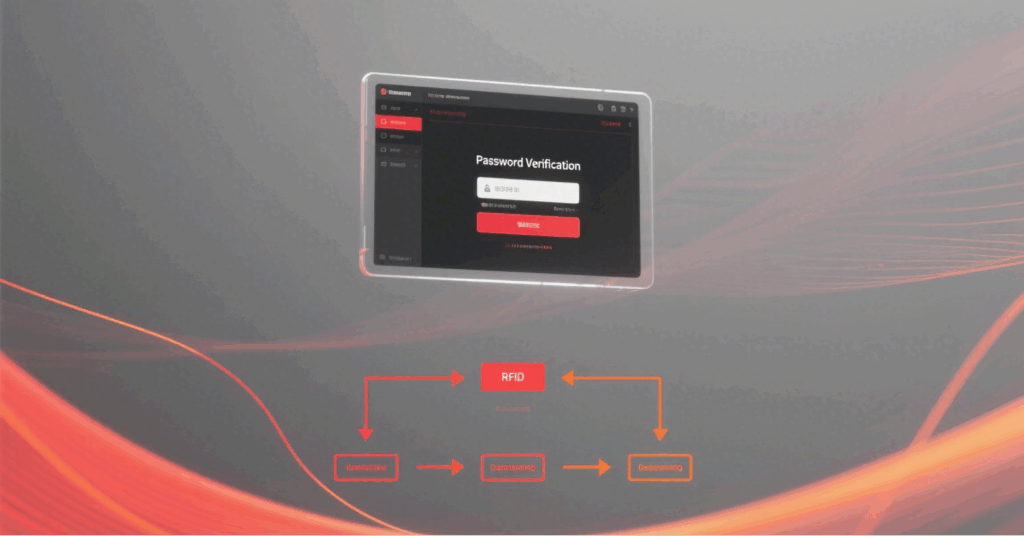
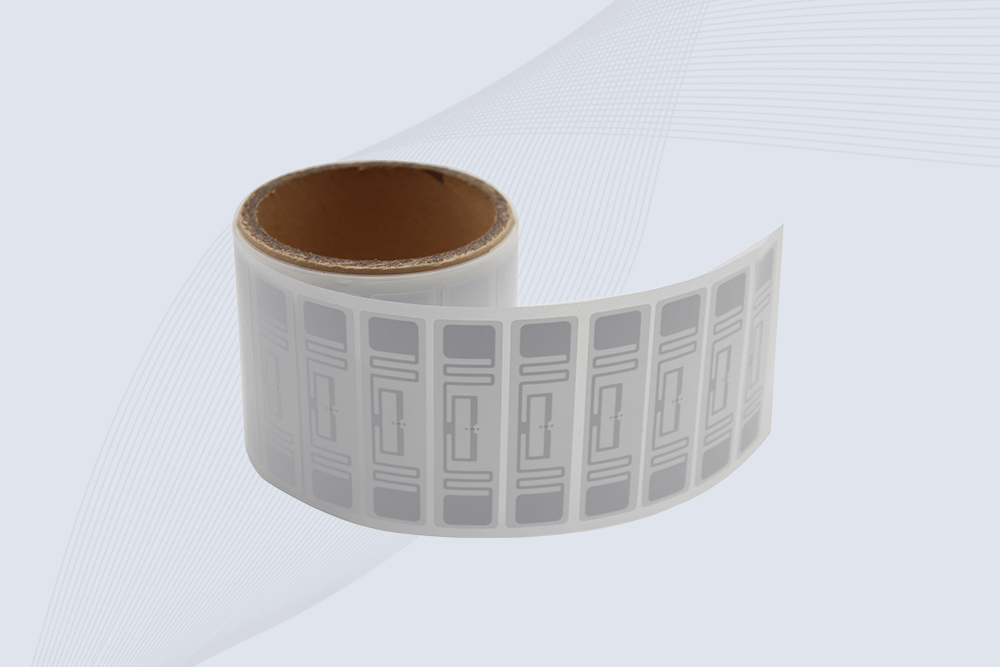
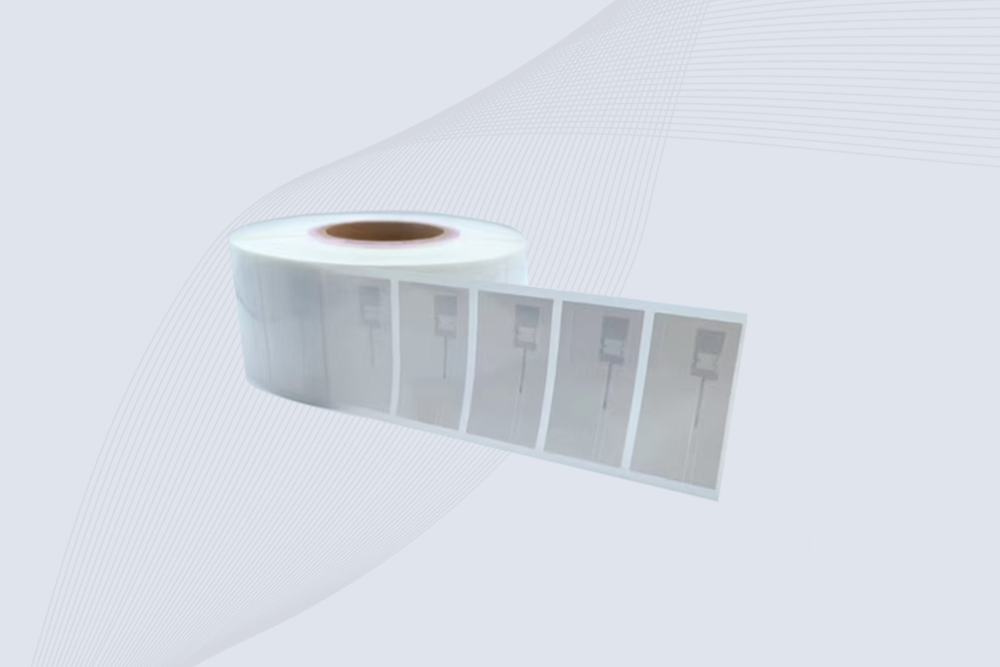
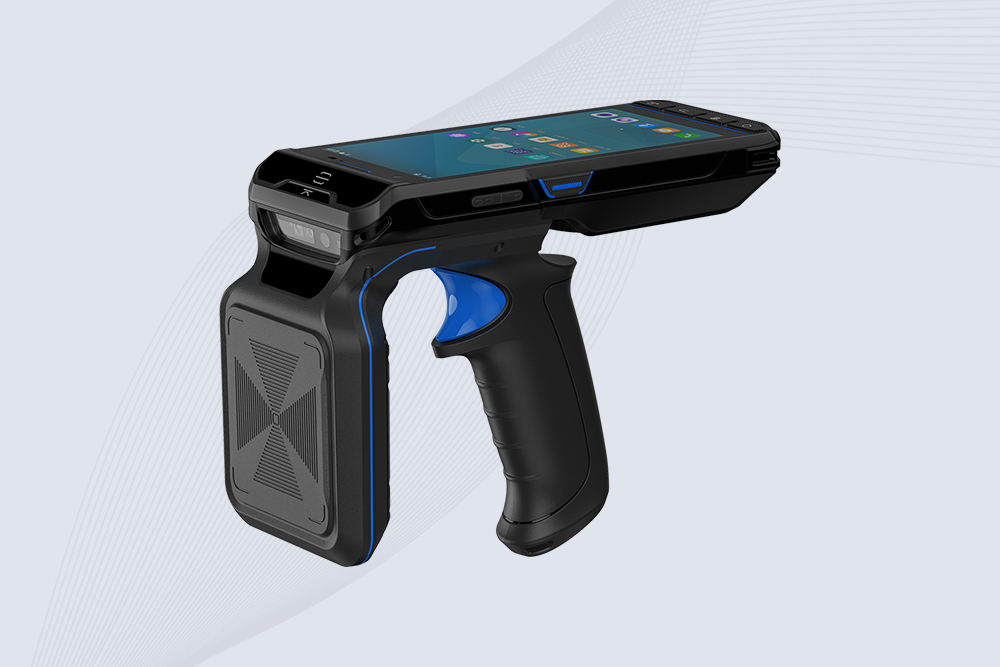
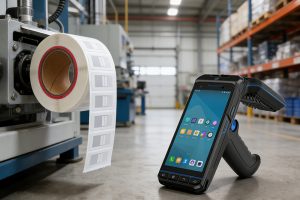
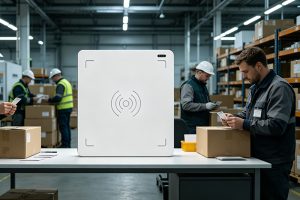
RFID card programming refers to the process of writing information into the memory of RFID card chip using a dedicated RFID reader/writer. This process typically includes UID identification, sector initialization, password setup, data writing, and permission configuration. RFID cards are widely used in identity authentication, asset management, logistics tracking, and access control systems. Programming ensures proper system operation and data consistency.
2. Common RFID Card Types and Frequency Bands
Before programming RFID cards, it’s essential to understand their types and frequency ranges:
Frequency Band
Card Type
Application Scenarios
LF (125kHz)
EM4100, TK4100
Access control, attendance systems
HF (13.56MHz)
MIFARE, NTAG, IC cards
Public transport, campus cards, payment systems
UHF (860–960MHz)
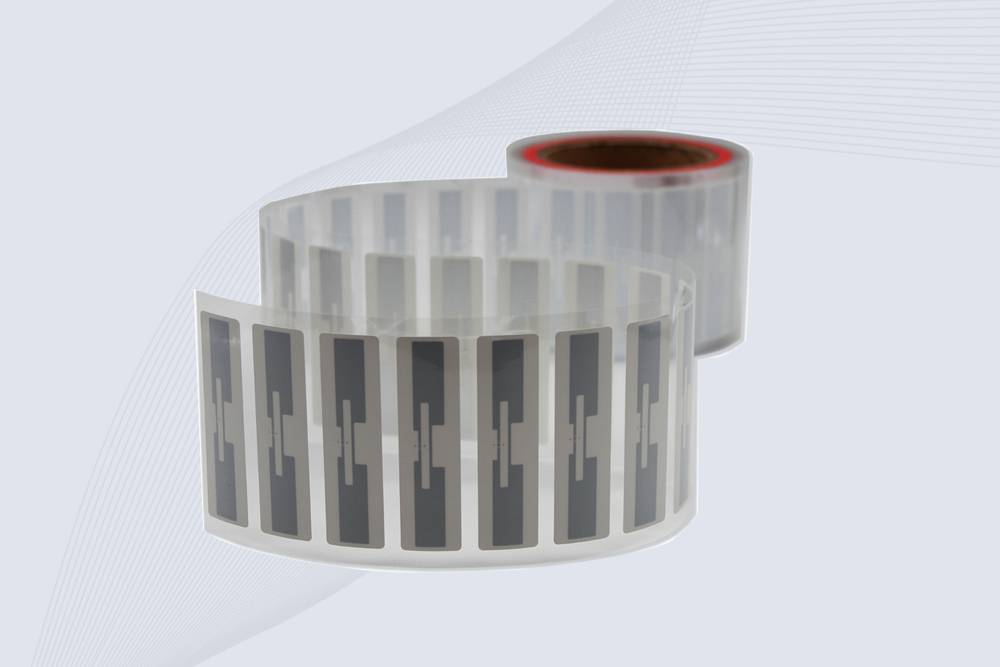
EPC Gen2 tags
Warehouse logistics, asset tracking
Each frequency band supports different capacities, read ranges, and communication protocols. Choosing the right card type is the first step toward successful programming.
3. Core Steps of RFID Card Programming
The standard RFID programming procedure includes:
Card recognition: The reader detects the UID (unique identifier) of the card.
Sector and block selection: Most RFID cards organize memory into sectors and blocks.
Key authentication: A/B keys are required to access certain blocks.
Data writing: Input target information (e.g., employee ID, access code) into the card.
Encryption or permission setup: Prevent unauthorized reading/writing.
These steps can be performed using PC-based software, embedded controllers, or mobile card-writing tools.
4. Application Scenarios of RFID Card Programming
RFID card programming is widely used in various smart systems:
Corporate access control: Store employee IDs and access levels on cards for automated access management.
Warehouse and logistics management: Attach RFID cards to pallets or boxes and write product data for tracking.
Library lending systems: Assign RFID tags to books and program borrowing statuses.
Smart healthcare: Use RFID wristbands for patient identification and medication tracking.
5. Programming Tools and Key Considerations
To program RFID cards, the following tools are required:
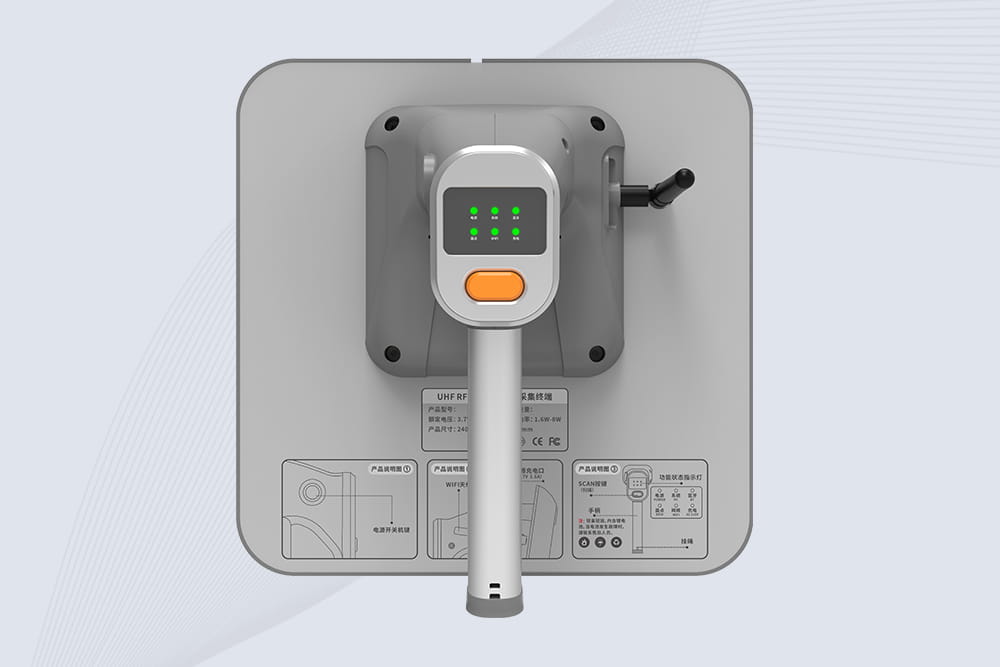
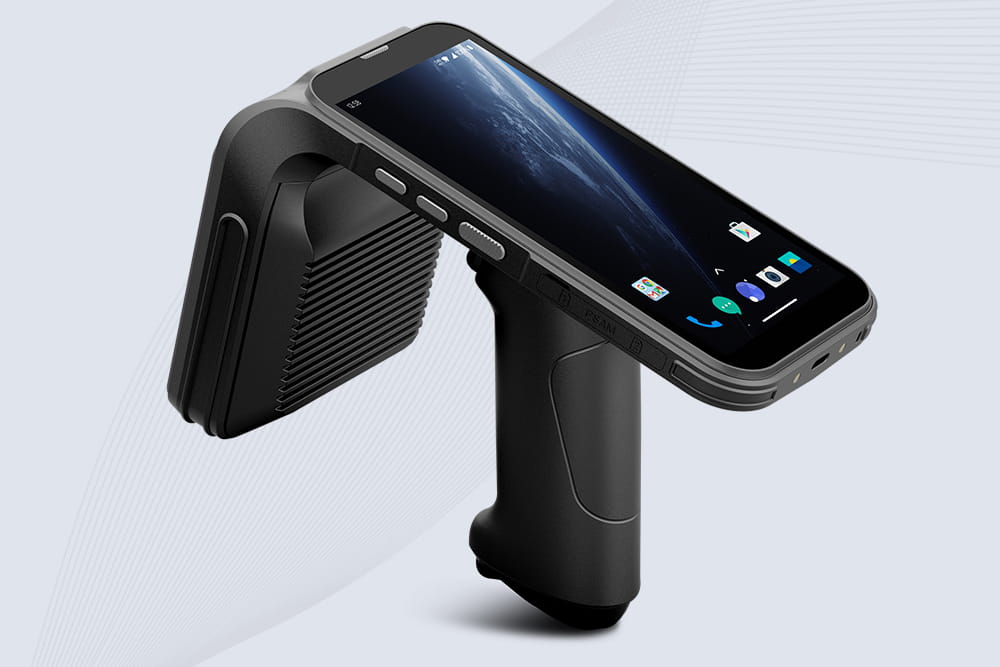
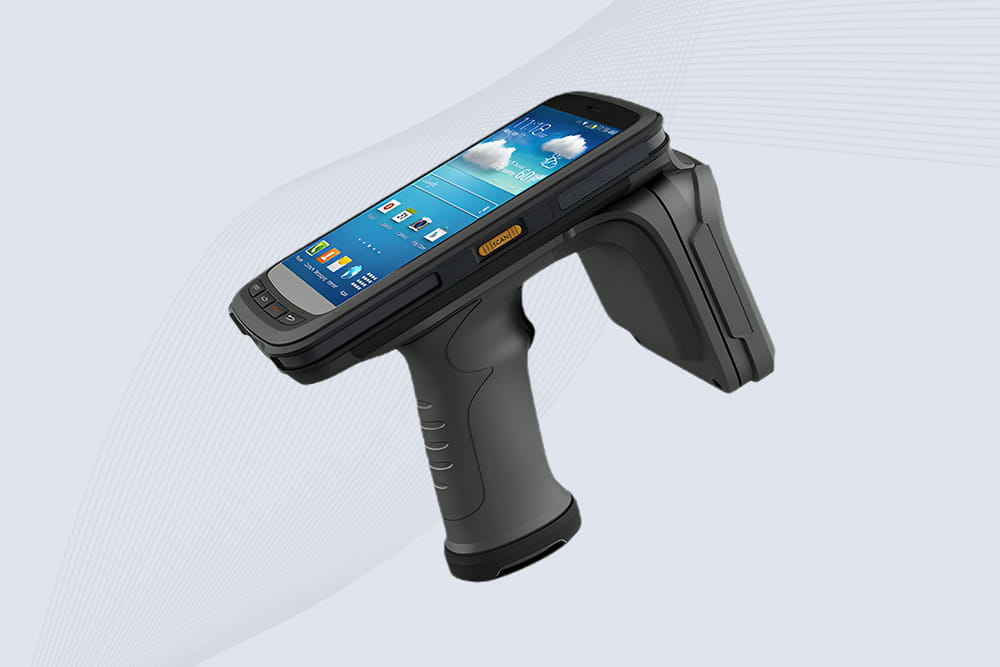
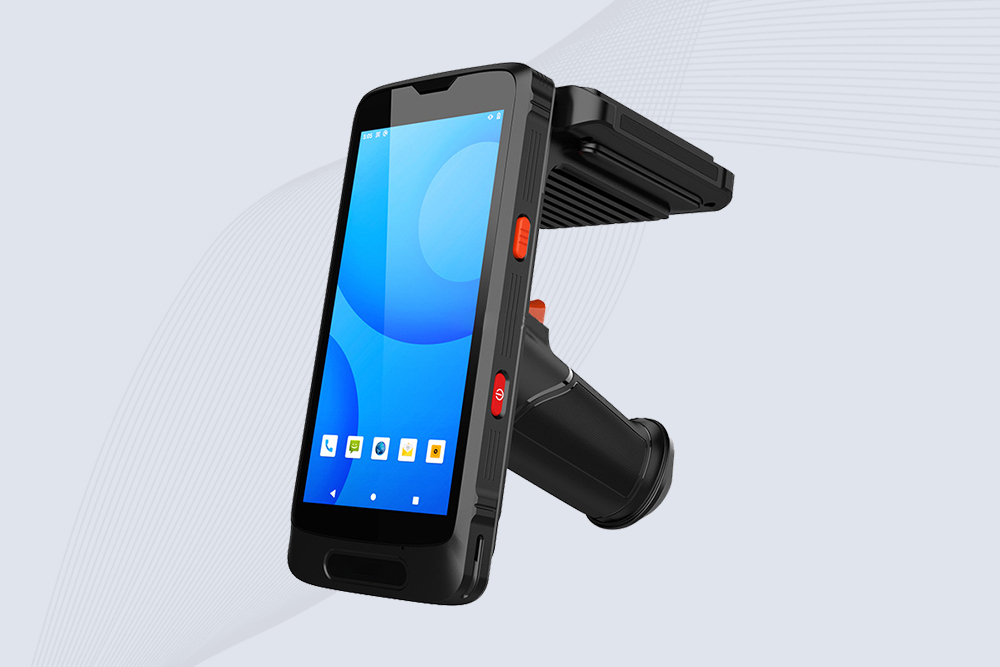
Hardware: RFID readers/writers (choose UHF, HF, or LF based on the card type)
Interfaces and Drivers: Ensure compatibility with the OS and connection types (USB, serial port, Bluetooth)
Important Notes:
UID areas in read-only cards cannot be rewritten
Avoid high-temperature or magnetic environments during programming
Ensure data formats match the target system
RFID card programming is key component in building intelligent management systems. With the right tools and methods, businesses can boost operational efficiency and protect data integrity. As RFID technology becomes more integrated across industries, mastering programming RFID cards will be a vital skill for enterprise digital transformation.
CYKEO Passive RFID Tags are made for wet and high-humidity environments where standard labels do not last. This rfid passive tag is often used around liquids, chemicals and temperature changes, providing stable reading distance and long data life for industrial tracking.
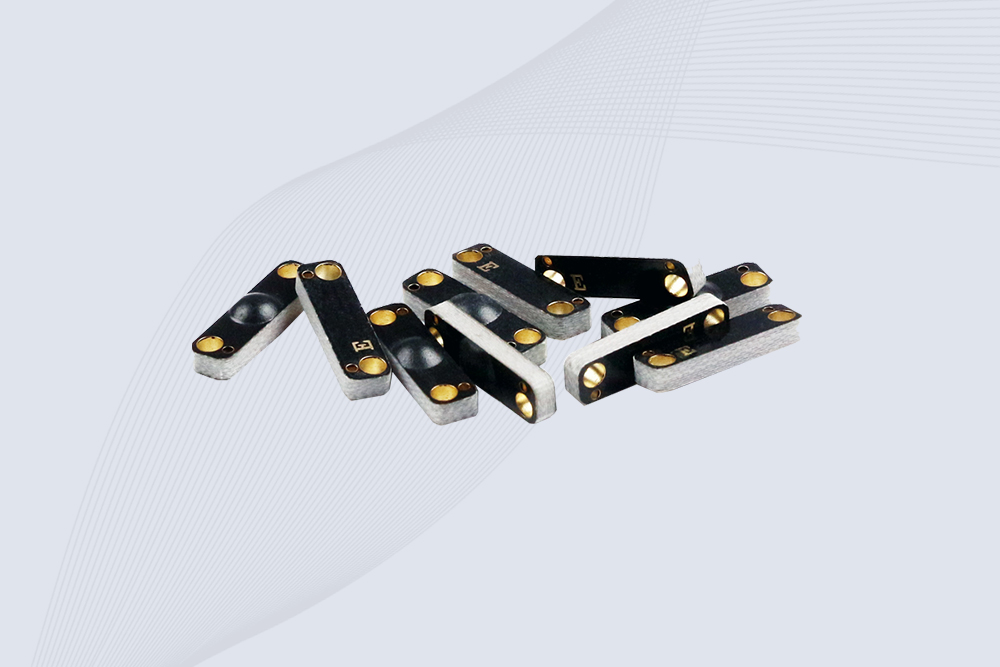
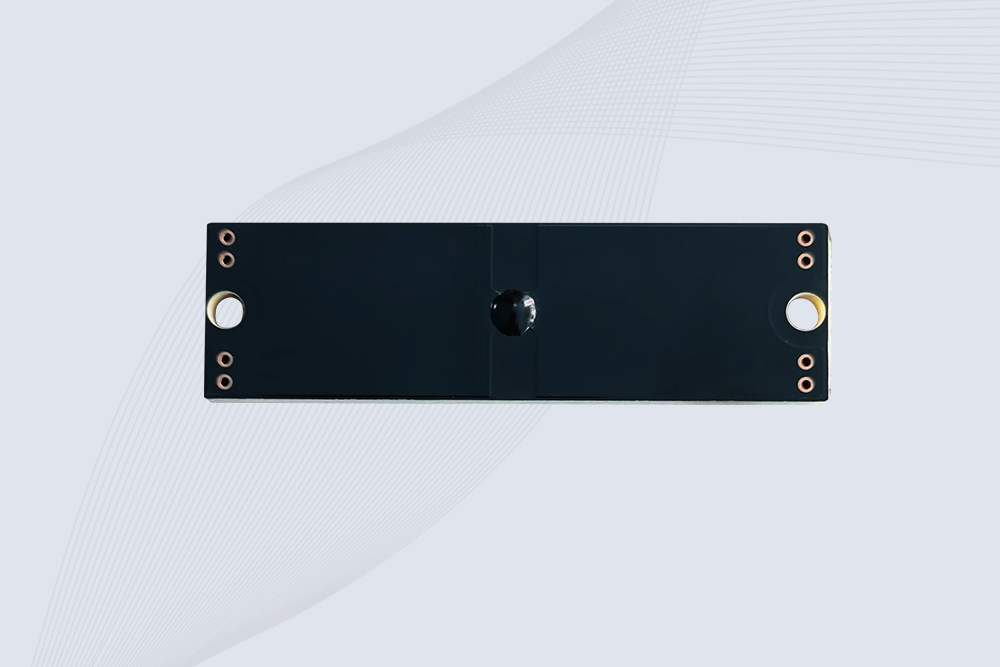
CYKEO CYKEO-PCB1504 Metal RFID Tags is a compact anti-metal UHF RFID solution built for direct mounting on metal surfaces. With stable 8-meter read range, Ucode-8 chip, and long data retention, this rfid metal tag fits tools, containers, automotive parts, and industrial asset tracking.
CYKEO CYKEO-PCB7020 On-Metal RFID Tags are designed for reliable tracking on steel and metal surfaces. Built with an FR4 epoxy body and industrial-grade chips, these On-Metal RFID Tags deliver stable performance, long data life, and chemical resistance, making them a dependable RFID anti-metal tag for harsh environments.
The CYKEO CYKEO-60-25 Anti-Metal RFID Tag is built for metal surfaces where standard tags fail. Designed for long-range performance, harsh environments, and stable data retention, this Anti-Metal RFID Tag is ideal for industrial assets, containers, and equipment tracking using on metal RFID tags.
The CYKEO RFID Laundry Tag is designed for long-term textile identification in harsh laundry environments. Built to withstand high heat, chemicals, and repeated washing, this RFID Laundry Tag delivers stable performance for hotels, hospitals, and industrial laundry operations using laundry rfid tags at scale.
The CYKEO CYKEO-125-7 RFID Book Tag is designed for reliable book and document tracking in libraries and archives. This RFID Book Tag delivers long read range, dense placement support, and stable performance on shelves, making it a practical rfid tag on books for library automation, file management, and archival systems.
CYKEO RFID tags in hospitals are designed for sterile environments where accuracy matters. These autoclavable RFID tags support long-term tracking of surgical tools, implants, and medications, helping hospitals improve visibility, compliance, and patient safety.
CYKEO RFID Cable Tie Tag is built for reliable identification on metal surfaces. This UHF RFID Cable Tie Tag is widely used in rfid tags for inventory systems, industrial asset management and Hospital RFID Tags, offering stable read performance, long service life and global EPC Gen2 compatibility.
CYKEO RFID Asset Tag is designed for stable identification of metal assets in industrial environments. This UHF RFID Asset Tag is commonly used for rfid tag asset tracking on equipment, tools and containers, providing reliable reads, long service life and ISO/IEC 18000-6C support.
CYKEO UHF RFID Card is designed for fast identification and long-term use in industrial and commercial systems. Supporting ISO 18000-6C, this UHF RFID Card works at 860–960 MHz and is suitable for custom RFID cards used in asset tracking, access control and inventory management.
CYKEO HF RFID Cards are designed for secure and stable access control systems. These 13.56 MHz RFID key cards support ISO 14443-A, reliable rewriting and long service life, making HF RFID Cards suitable for offices, campuses, events and membership management.
CYKEO UHF RFID Tag is designed for reliable tracking of metal jewelry and high-value items. This Jewelry RFID Tag supports long-range reading up to 8 meters, anti-counterfeit protection and stable performance on metal, making it suitable for retail, inventory control and asset management.
RFID Industry Writer | IoT & Asset Tracking Analyst
James writes about RFID technology, asset tracking, and the practical challenges of digital transformation across warehousing, retail, manufacturing, and logistics.
His work focuses on how RFID is applied in real-world operations—improving inventory visibility, automating workflows, and helping businesses manage assets with greater accuracy and efficiency.
He regularly covers topics including UHF RFID, smart cabinets, RFID portals, tool tracking, warehouse automation, and industrial IoT trends..
Learn how long do led tennis court lights last and how asset tracking tag systems improve visibility, reduce loss, and enable real-time tracking efficiency.
rfid reader/writer solutions improve UHF tag encoding, asset tracking, and inventory accuracy. Discover Cykeo desktop RFID platforms for fast multi-tag reading.
Improve brewery efficiency with rfid keg tracking from Cykeo. Track keg location, usage, and lifecycle data with automated RFID identification for smarter beverage logistics.
 Cykeo RFID IoT Solution Products R&D Manufacturer