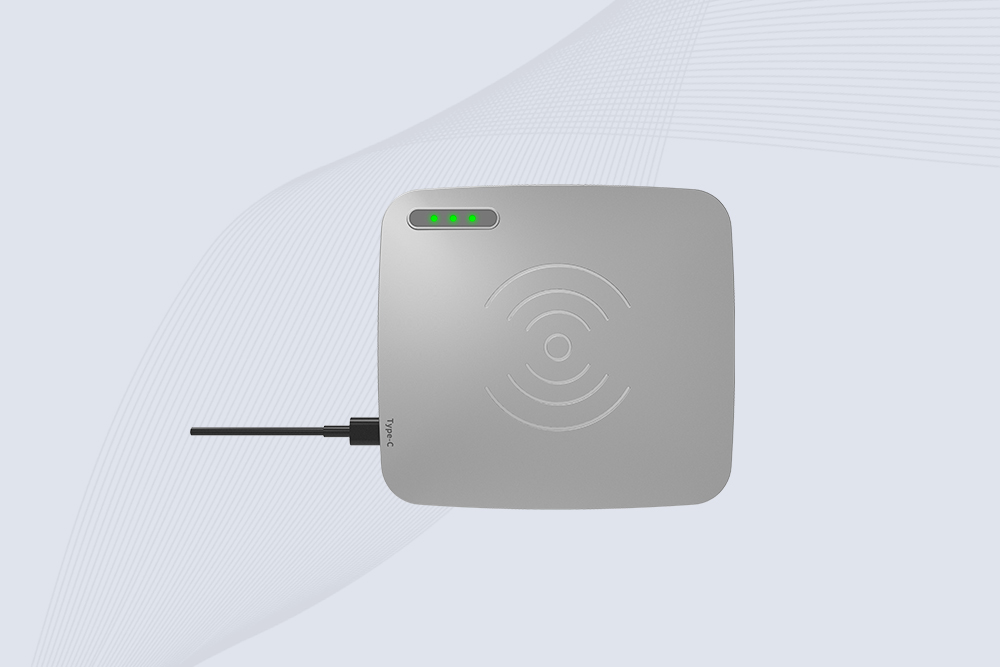
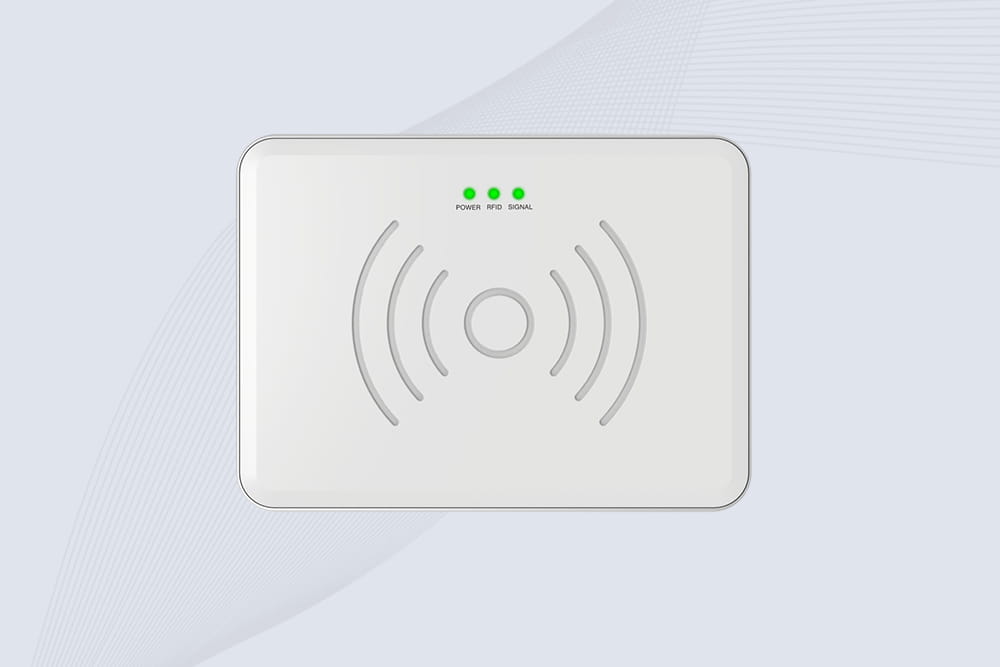
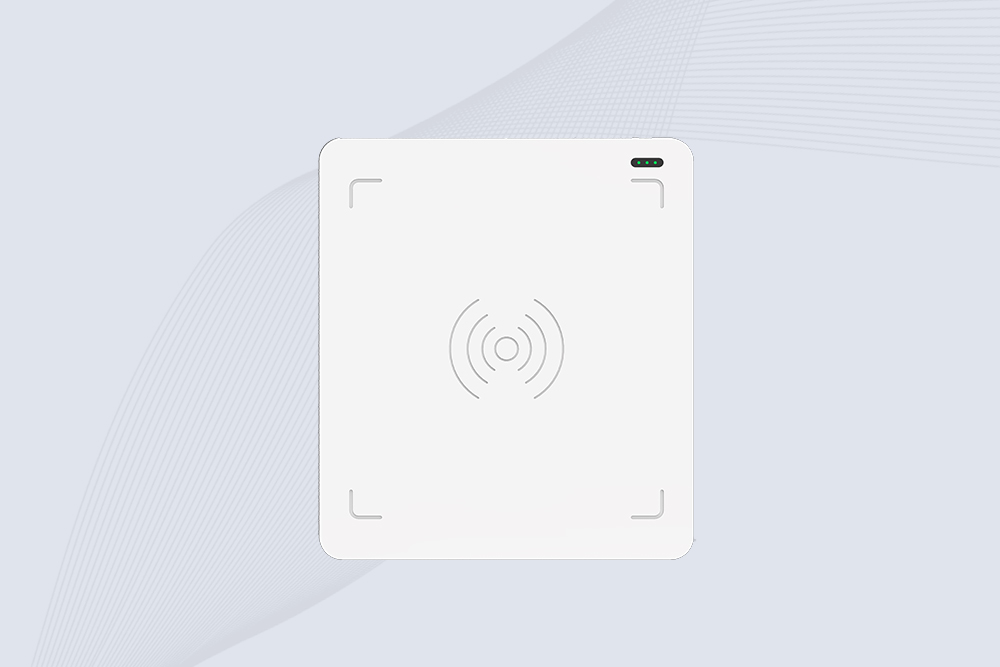
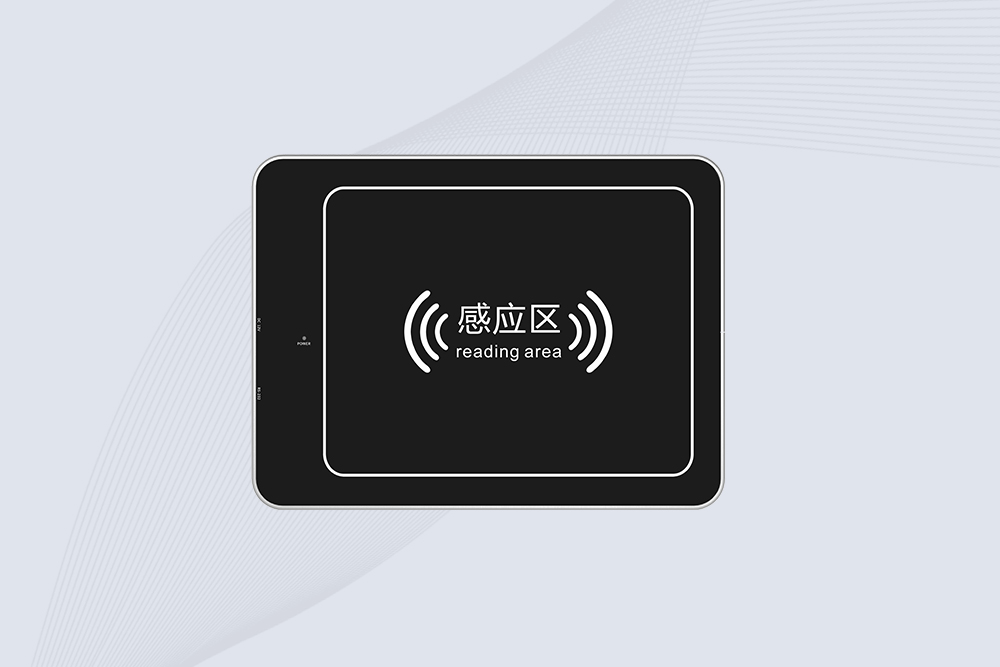
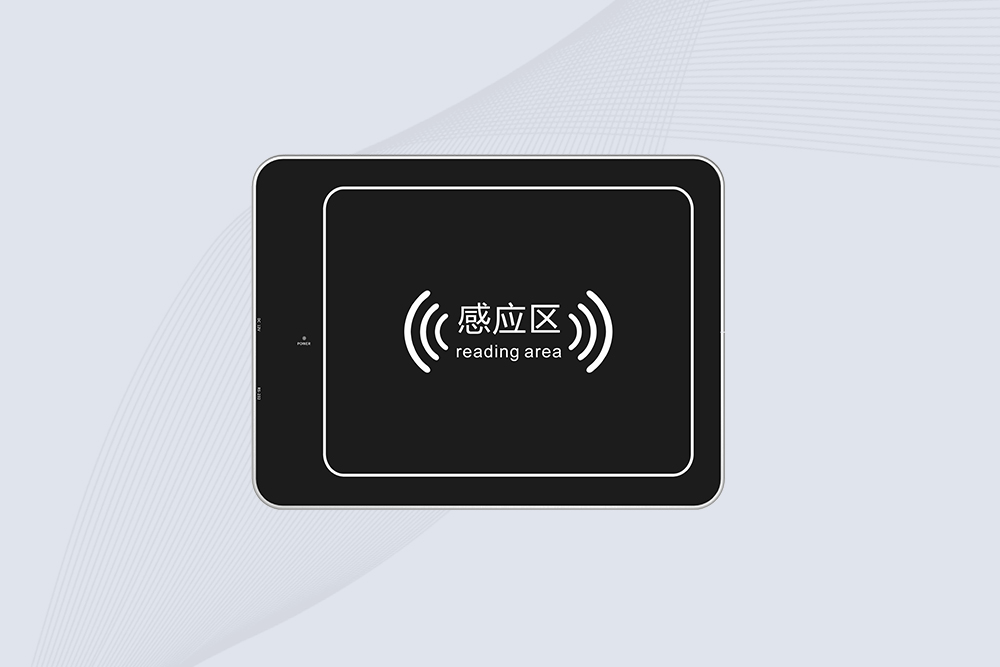
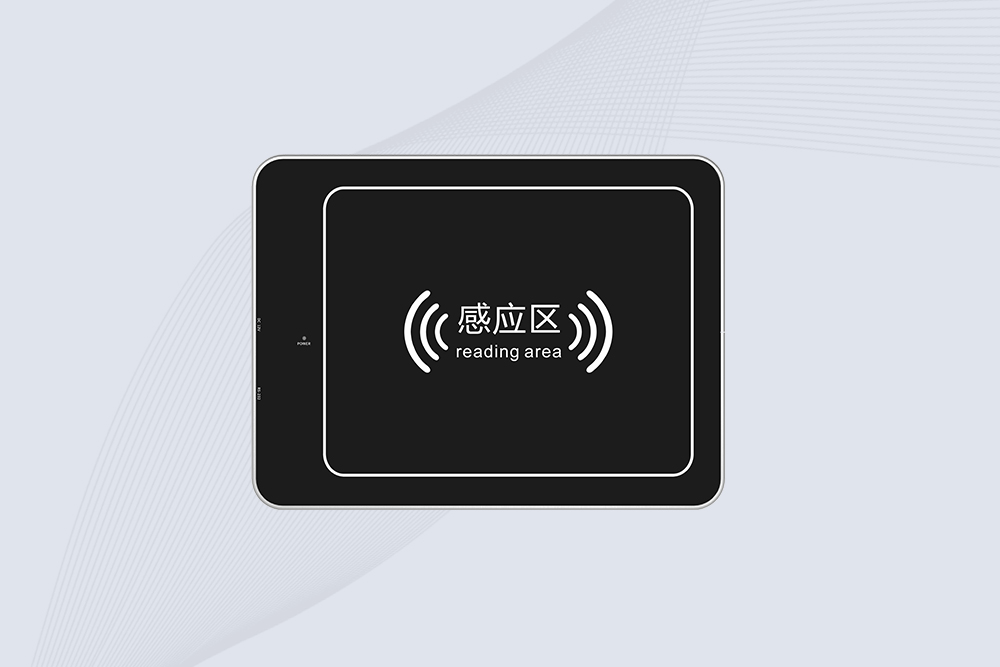
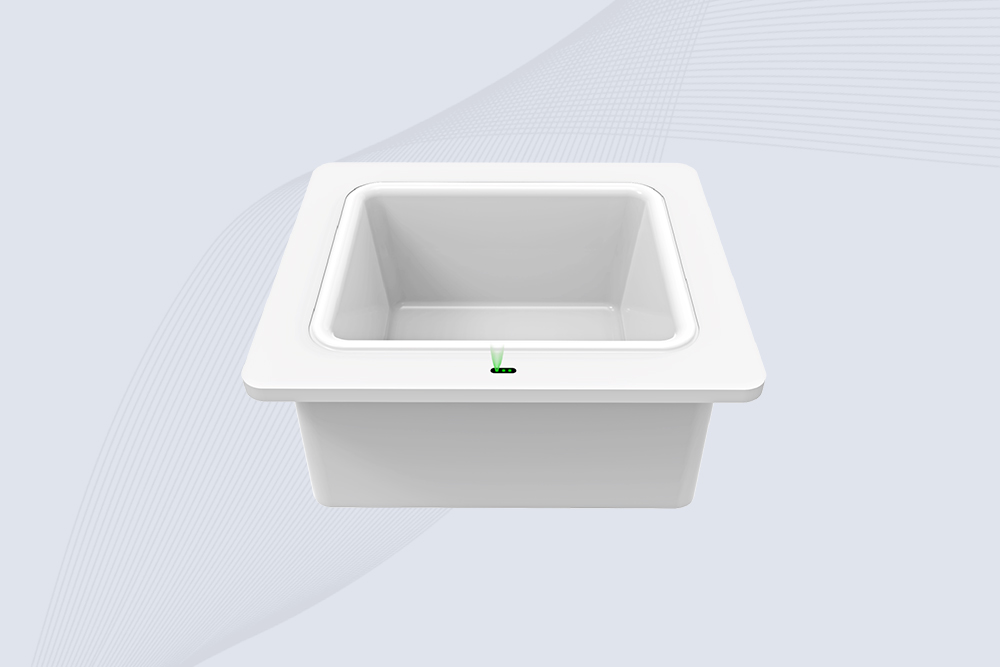
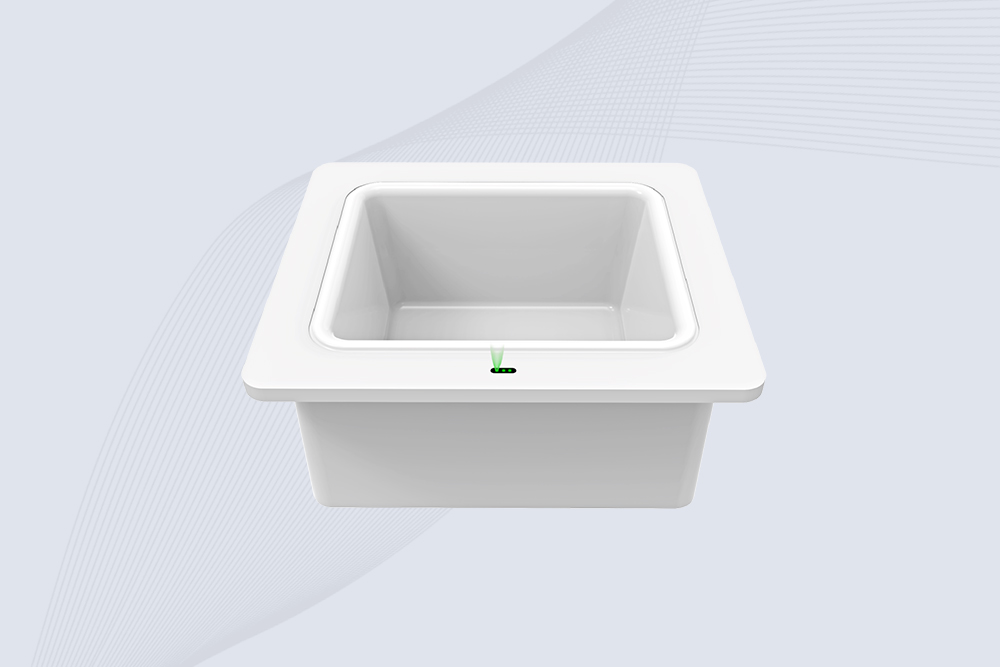
RFID reader/writer is a device that can both identify and program RFID tags. Modern UHF RFID reader/writer systems improve encoding speed, reduce manual errors, and support real-time inventory visibility across libraries, warehouses, tools, and textile management.
I spent part of last winter inside a municipal archive project where staff still typed barcode numbers by hand. The room was dry, noisy, and full of static electricity from old plastic storage bins. After switching to a UHF RFID reader/writer platform, the registration process that once took several seconds per item dropped to near-instant encoding and verification. What surprised the operators most was not the speed. It was the reduction in repeated corrections.
That is where professional RFID infrastructure quietly changes operations.
Why Businesses Still Depend on RFID Reader/Writer Systems
A true rfid reader/writer does more than scan tags. It encodes EPC data, filters duplicate reads, verifies successful writing, and supports dense tag environments where dozens of labels sit close together.
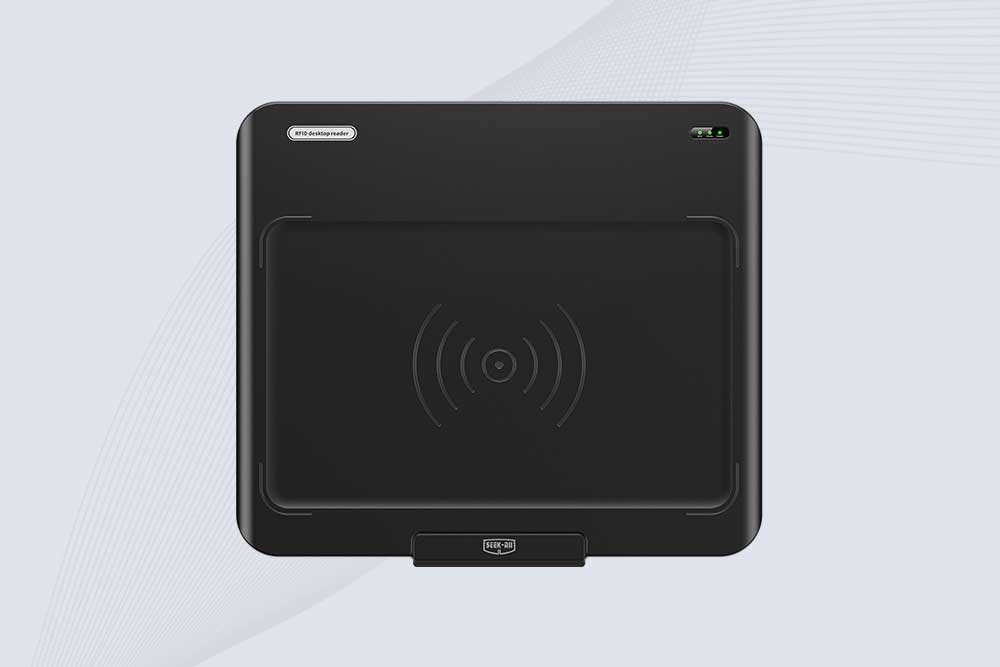
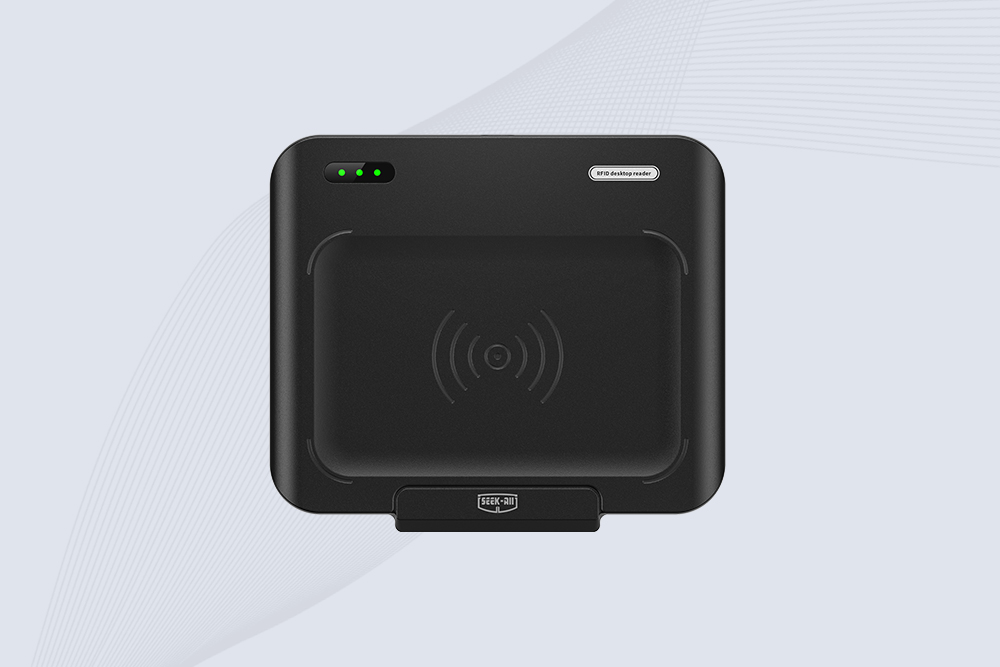
The Cykeo CYKEO-D3L desktop platform was developed for exactly this type of workload.
Key capabilities include:
UHF RFID reading and writing
ISO 18000-6C / EPC C1G2 compatibility
Multi-tag identification
RSSI signal strength sensing
Near-field antenna control
USB communication
Fast tag registration and conversion
C# and Java SDK support
In practice, near-field control matters more than many buyers expect. Wide-range antennas often create accidental reads from nearby shelves. The CYKEO-D3L limits effective reading within approximately 30 cm and writing within 10 cm, which helps operators avoid encoding the wrong label.
How UHF RFID Reader/Writer Devices Improve Accuracy
Dense Tag Processing Without Manual Sorting
According to GS1 Official Website, RFID systems using EPC standards help organizations improve inventory visibility and traceability across supply chains.
In real deployments, dense-tag environments are difficult. Metal carts, stacked textile bins, and overlapping labels create collision problems fast.
The CYKEO-D3L uses anti-collision algorithms designed for high tag recognition rates during close-range encoding tasks.
Feature
Operational Benefit
Multi-tag recognition
Faster bulk registration
RSSI sensing
Signal strength awareness
Near-field antenna
Reduced accidental reads
33dBm output
Stable encoding performance
USB interface
Quick workstation deployment
I once watched a library technician register nearly 400 tagged media items during a single afternoon shift without needing to restart the system once. That kind of operational stability rarely appears in marketing brochures, but it matters on real desks.
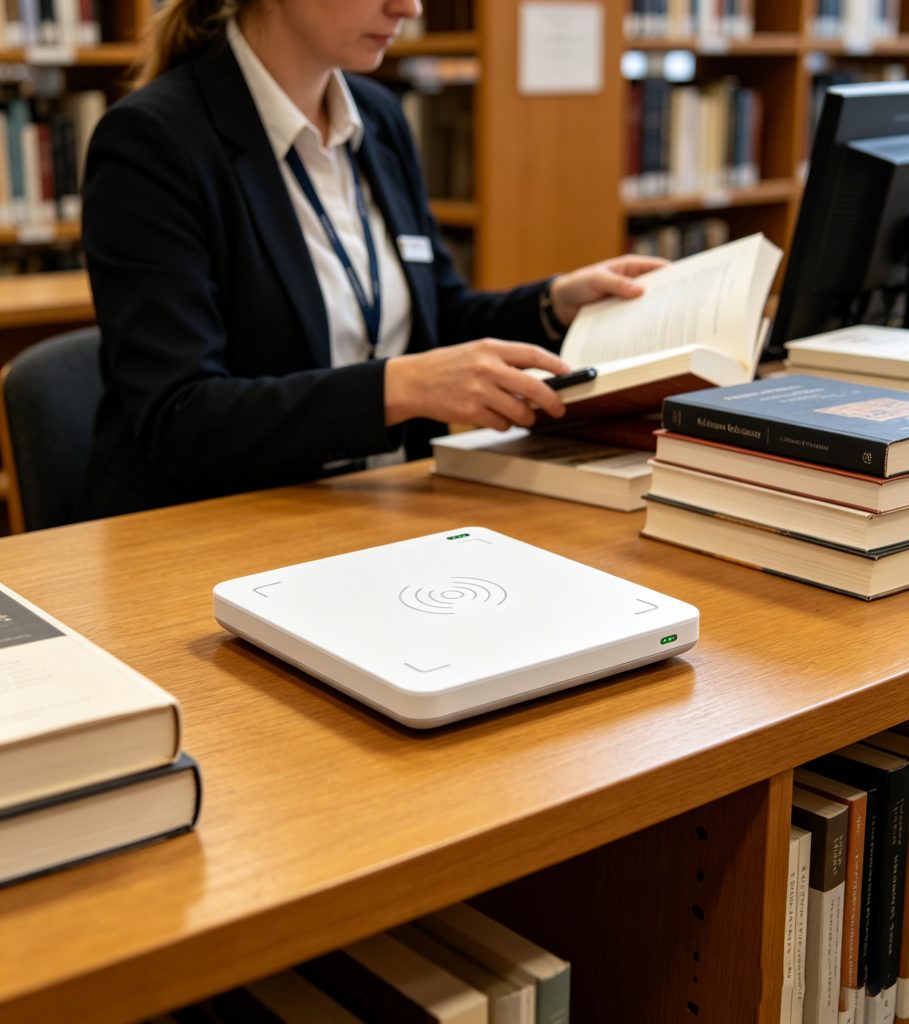
CYKEO-D3L performing high-accuracy UHF RFID tag programming in a warehouse workstation.
Applications for RFID Reader/Writer Platforms
Library Registration
Books, archives, and media assets require repeated tag programming and verification. UHF RFID simplifies circulation management and shelf audits.
Tool Tracking
Industrial tool rooms use RFID reader/writer devices to bind tool IDs with employee records and inspection cycles.
Linen and Textile Management
Laundry facilities often process thousands of textile items daily. RFID reduces sorting mistakes and missing inventory events.
Warehouse Encoding Stations
Manufacturers use desktop RFID encoding stations before outbound shipment labeling.
According to RAIN Alliance, billions of UHF RFID tags are now deployed annually across retail, logistics, healthcare, and industrial tracking environments.
That scale explains why reliable encoding equipment matters so much. One poorly written EPC can disrupt downstream automation.
Field Experience With UHF RFID Encoding
Small Mistakes Become Large Problems
During an equipment tracking rollout, one customer originally used handheld-only encoding. Staff accidentally wrote duplicate EPC values onto multiple assets because the workflow lacked read-back verification.
After migrating to a fixed rfid reader/writer station with controlled near-field scanning, duplicate records dropped dramatically within two weeks.
The lesson was simple:
The best RFID deployments are not always the ones with the longest read range. They are usually the ones with the best read discipline.
Technical Advantages of the CYKEO-D3L
Specification
Details
Protocol Support
ISO18000-6C / EPC C1G2
Interface
USB
Output Power
Up to 33dBm
Read Distance
Within 30cm
Write Distance
Within 10cm
SDK Support
C#, Java
Reading Mode
Multi-tag UHF recognition
Signal Feature
RSSI support
The controlled antenna architecture is particularly useful for desktop registration tasks where precision matters more than long-distance detection.
Near-field RFID writing improves registration accuracy in library systems.
FAQ About RFID Reader/Writer Devices
What does an RFID reader/writer do?
An RFID reader/writer can both read tag information and write new EPC or user memory data onto RFID labels or cards.
Why is near-field UHF RFID useful?
Near-field UHF reduces stray reads and improves encoding precision in desktop applications.
Yes. It supports dense multi-tag recognition and anti-collision processing for fast registration workflows.
Which industries use RFID reader/writer systems?
Libraries, warehouses, hospitals, laundry facilities, manufacturing plants, and tool management centers all commonly deploy UHF RFID reader/writer equipment.
Final Thoughts on RFID Reader/Writer Systems
A dependable rfid reader/writer is not just a peripheral device anymore. In modern UHF workflows, it becomes the control point for asset identity, inventory accuracy, and operational traceability. Cykeo continues developing desktop RFID systems focused on stable encoding, controlled reading zones, and practical deployment performance for real industrial environments.
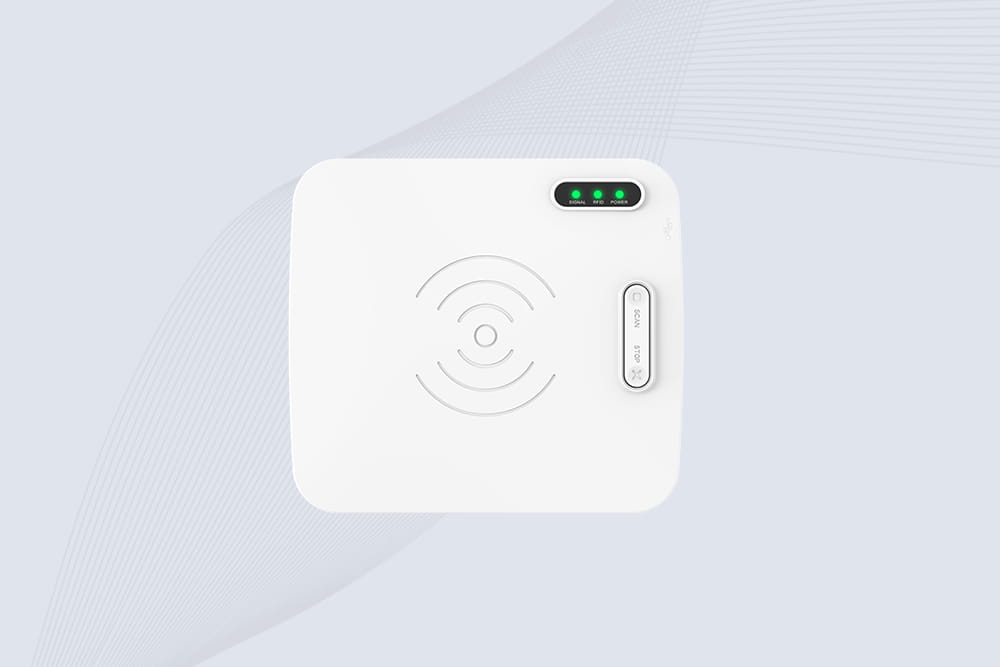
SSD-D3AL is a USB-HID UHF RFID reader with 0–30 cm reading, 0–15 cm writing, over 600 tags/s recognition, USB plug-and-play operation and OEM Logo customization.
SSD-D1AL is a compact USB UHF RFID reader with Impinj E710/X3M1 chipset, USB-HID, 600+ tags/s recognition, 4/8/16 antenna support and plug-and-play USB power.
CYKEO CYKEO-D1LA USB RFID Reader is a compact desktop solution with near-field control for precise tag reading and encoding. Powered by USB, supporting ISO 18000-6C, and built for stable batch writing, this usb rfid tag reader fits retail, libraries, offices, and controlled RFID encoding tasks.
CYKEO CYKEO-D1L RFID scanner USB is a compact desktop UHF RFID scanner designed for short-range tag writing and verification. This usb rfid scanner supports batch encoding, stable 0–26 dBm output, and works across Windows, Linux, and Android systems.
CYKEO CYKEO-D1C USB RFID Card Reader is a near-field UHF desktop writer designed for secure, short-range tag encoding. With USB-C connectivity and stable 26 dBm output, this rfid reader usb c is ideal for badge issuance, label encoding, and controlled desktop RFID workflows.
CYKEO CYKEO-D2L RFID Reader USB is a compact desktop encoder built on the Impinj R500 chip. With near-field control and stable USB power, this usb rfid card reader delivers precise tag writing for offices, retail counters, and small-scale logistics encoding tasks.
CYKEO CYKEO-D3L USB RFID Tag Reader delivers stable UHF tag reading and writing for daily desktop and light industrial tasks. Designed for controlled short-range operation, this USB RFID Tag Reader works reliably with rfid tag and reader systems in libraries, tool tracking, and inventory registration.
The CYKEO CYKEO-D4L UHF RFID Tag Reader is a stable Desktop RFID Reader designed for accurate tag registration, borrowing, and return workflows. Built with the Impinj R2000 chip, this UHF RFID Tag Reader delivers controlled short-range reads for libraries, asset tracking, and inventory management environments.
The CYKEO CYKEO-D5L Desktop RFID Card Reader is a stable UHF RFID Card Reader designed for controlled short-range reading and writing. Built for libraries, tool rooms, and asset desks, this UHF RFID Card Reader supports dense tag handling, secure data processing, and easy USB integration.
The CYKEO CYKEO-D6L RFID Reader Writer is a heavy-duty Desktop RFID Reader designed for short-range, high-accuracy tag programming. Built for libraries, labs, and asset desks, this RFID Reader Writer supports batch processing, stable 33dBm output, and seamless integration with existing management systems.
Cykeo CYKEO-D8A embedded RFID badge reader offers 30+ tags/sec scanning, 20cm anti-crosstalk precision, and DC 12V power for unmanned stores, warehouses, and smart inventory systems.
Cykeo’s CYKEO-D8C UHF RFID gate reader achieves 200-tag/batch scanning with adjustable power control, ideal for retail inventory and smart warehouse management.
A complete guide to leitor rfid uhf, covering how it works, key specs, typical use cases, plus real-world deployment tips and pitfalls. Great for anyone choosing or setting up a UHF RFID system.
how far does rfid work? Explore practical RFID read ranges by frequency, tag type, reader power, antenna design, materials, and real deployment conditions.
RFID (Radio Frequency Identification) tags, with their outstanding technical advantages, are transforming the laundry industry and becoming an ideal solution for boosting efficiency.
RFID tag scanning uses compatible RFID readers to send radio signals, activate tags, and collect identification data. Reliable scanning depends on matching f...
 Cykeo RFID IoT Solution Products R&D Manufacturer