 Cykeo RFID IoT Solution Products R&D Manufacturer
How Do RFID Readers Work?
93how do RFID readers work, RFID reader explained, RFID system basics, passive RFID tags, RFID communication, handheld RFID reader, RFID tracking system, what is RFID reader, RFID vs barcode
MoreAll RFID Product
Jobs RFID refers to the use of RFID technology to identify, track, authorize, and manage employees, contractors, tools, and work activities in real time, helping organizations improve accountability, safety, efficiency, and workforce visibility.
In practice, the question is rarely whether an employee arrived on site.
The real question is whether the right employee, with the right certification, accessed the right area, used the correct tools, and completed the assigned task within the required timeframe.
That is where jobs RFID systems create measurable value.
After participating in RFID deployments across manufacturing facilities, logistics centers, utility operations, and maintenance environments, I have observed that labor visibility often becomes the missing link between operational planning and actual execution.
Labor costs remain one of the largest operational expenses for industrial organizations.
According to the official website of the U.S. Bureau of Labor Statistics (BLS), labor-related expenses account for a significant portion of operational costs across manufacturing, logistics, and industrial sectors.
Yet many companies still rely on:
These systems provide records.
They rarely provide visibility.
Jobs RFID systems close that gap.
Each worker receives a unique RFID credential.
This may include:
Every credential links to a specific employee profile.
When employees enter controlled areas, RFID readers automatically verify:
The process occurs in seconds.
No paperwork required.
RFID systems can automatically generate records for:
This creates a digital audit trail without additional administrative work.
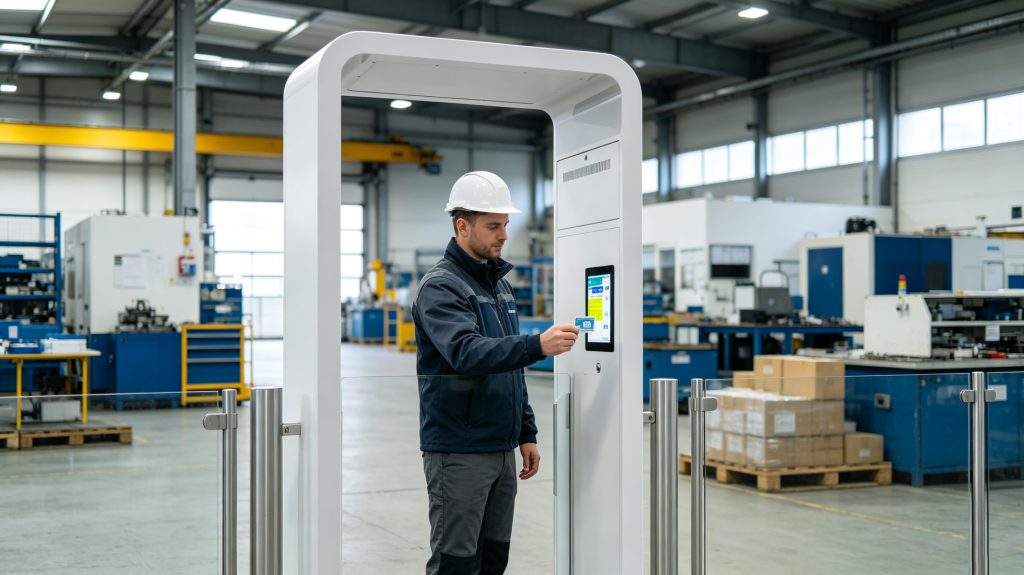
Many organizations initially deploy RFID for attendance management.
The larger value usually appears later.
RFID connects employees with equipment usage records.
Managers know:
In regulated industries, certification matters.
RFID systems can restrict access to employees who lack:
During facility evacuations, RFID systems can provide real-time personnel visibility.
Knowing who remains inside a facility can significantly improve emergency response procedures.
| Industry | Typical RFID Workforce Application |
|---|---|
| Manufacturing | Employee access and tool tracking |
| Logistics | Workforce movement monitoring |
| Construction | Contractor management |
| Utilities | Field technician tracking |
| Aviation | Maintenance personnel control |
| Energy | Restricted-area access management |
| Healthcare | Staff authentication and access control |
One maintenance supervisor shared an interesting insight after implementing RFID workforce tracking.
Before deployment, missing tools triggered lengthy investigations.
Management often assumed the issue was inventory.
It wasn’t.
The issue was accountability.
Once RFID automatically associated employees with tool transactions, missing tool incidents declined dramatically.
Not because the technology changed the tools.
Because the technology changed visibility.
That distinction matters.
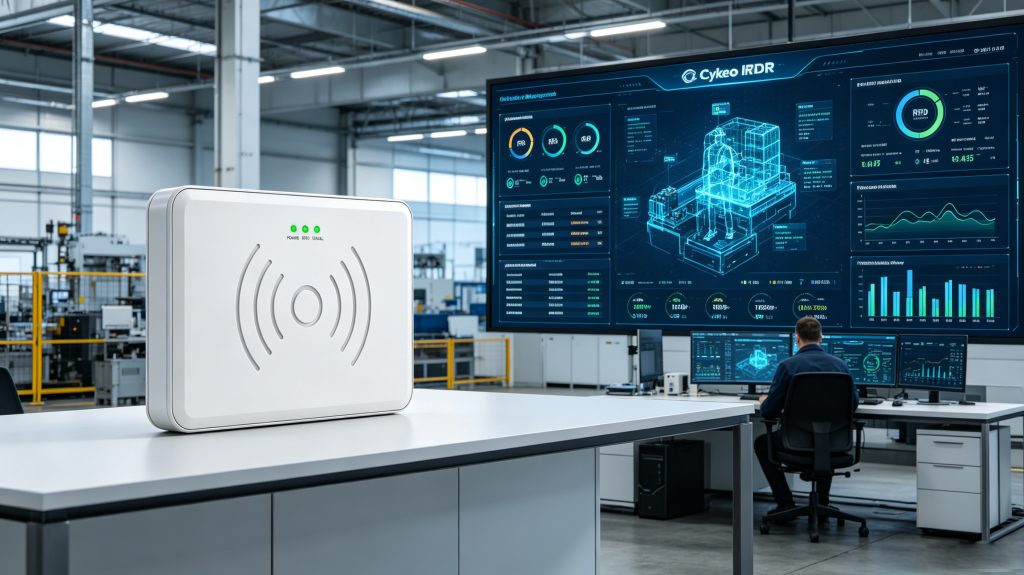
The Cykeo engineering team specializes in RFID workforce management, access control, asset tracking, intelligent tool management, and industrial IoT applications. Our experience includes deployments across manufacturing facilities, logistics hubs, maintenance operations, healthcare environments, and critical infrastructure projects where workforce visibility directly impacts operational performance.
Jobs RFID refers to RFID technology used for workforce management, employee identification, access control, activity monitoring, and operational accountability.
Yes. RFID systems automatically record employee entry and exit events, eliminating manual attendance processes.
Absolutely. RFID is widely used in manufacturing, logistics, construction, utilities, and maintenance operations.
Yes. RFID verifies employee identity and access permissions before allowing entry into controlled areas.
Yes. RFID links equipment usage to specific users, improving accountability and reducing unreturned asset incidents.
As organizations seek greater operational visibility, jobs RFID technology is becoming an essential component of workforce management strategies. By combining employee identification, access control, activity tracking, and accountability into a single platform, jobs RFID solutions help organizations improve safety, productivity, compliance, and overall operational performance.
how do RFID readers work, RFID reader explained, RFID system basics, passive RFID tags, RFID communication, handheld RFID reader, RFID tracking system, what is RFID reader, RFID vs barcode
More
This article explores five core applications of RFID in warehouse management, helping wholesale buyers understand how to achieve precise inventory tracking, workflow automation, and real-time data monitoring to boost warehouse efficiency and custo...
More
Learn how to build rfid tracking system with proven steps, real deployment insights, and Cykeo hardware. Improve accuracy, automation, and efficiency today.
More
Learn the key differences between RFID passive and active tags, how they work, and where each type is used. Find out which RFID tag suits your project best.
More