 Cykeo RFID IoT Solution Products R&D Manufacturer
What is rfid tag frequency and how to choose ?
52rfid tag frequency affects reading distance, speed, and inventory accuracy. Learn how UHF RFID improves warehouse and asset tracking efficiency with Cykeo.
MoreAll RFID Product
If you’ve ever walked through a warehouse gate and heard that faint “beep-beep,” or passed your access card across a sensor without even looking up, congratulations — you’ve already met RFID in action. Most people don’t think twice about that tiny moment, but inside that short chirp, there’s an entire dance of electromagnetic fields and digital handshakes happening faster than a blink.
Let’s unpack it — not in a lab style, but how it actually feels and works in real settings.
An RFID reader isn’t magic. It’s just a middleman between the digital and physical worlds.
When the reader powers up, it releases an invisible field — radio waves tuned to a specific frequency, like a quiet hum only RFID tags can “hear.”
Now, the tag itself — maybe buried inside a clothing tag, fixed on a logistics crate, or glued under a hospital instrument — sits there doing nothing. It has no battery, no voice. But once the reader’s field reaches it, something sparks. Literally, the tag’s tiny coil antenna wakes up by borrowing a bit of the reader’s energy, just enough to say, “Hey, I’m here, and here’s my ID.”
That’s the whole trick — passive energy transfer.
The tag doesn’t talk until it’s spoken to.
What happens next is almost poetic:
The reader doesn’t just “receive” a signal — it listens to a reflection of its own voice.
The tag changes how it bounces back that energy, kind of like tapping a finger on a drum to change the echo. This is called backscatter. Through tiny changes in timing and strength, the tag sends out its unique ID code.
The reader decodes that pattern, translates it into bits of data, and then — boom — the system knows exactly which item just passed by.
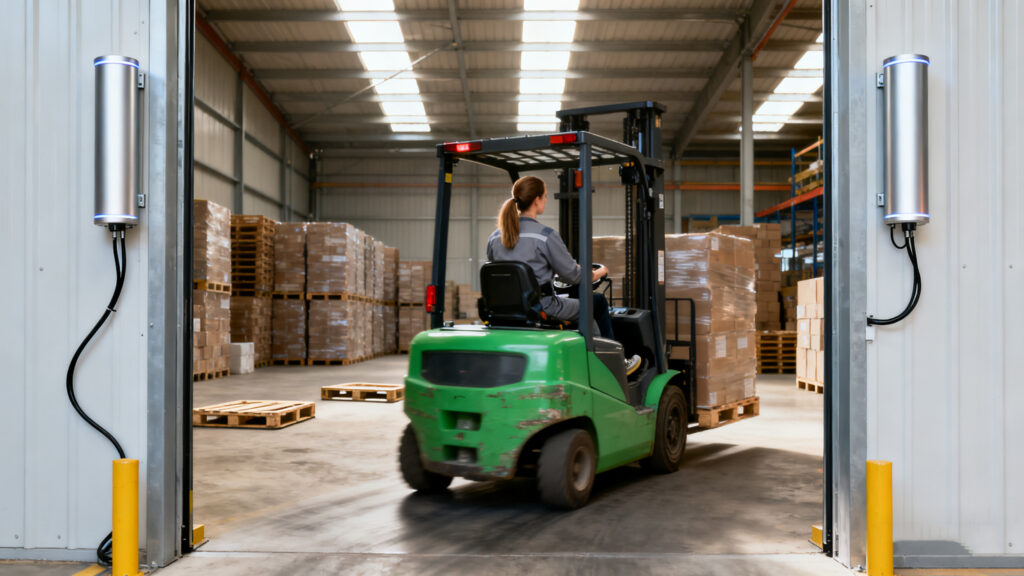
A few years back, I visited a warehouse where pallets moved in and out like clockwork.
Workers used to manually scan barcodes, one by one — a nightmare during peak season. Then RFID readers were installed at the loading dock doors. Overnight, the pace changed. A forklift driver could just drive through the gate — no stopping, no aiming a scanner.
The reader’s antennas picked up dozens of tags at once. The screen flashed: Pallet 03 loaded, Pallet 12 missing.
They didn’t need perfect light or clean labels. Dust, distance, even a metal doorframe — the system learned to work around it.
That’s when RFID stops being theory. It becomes part of daily rhythm.
Now, depending on the situation, RFID doesn’t always behave the same way.
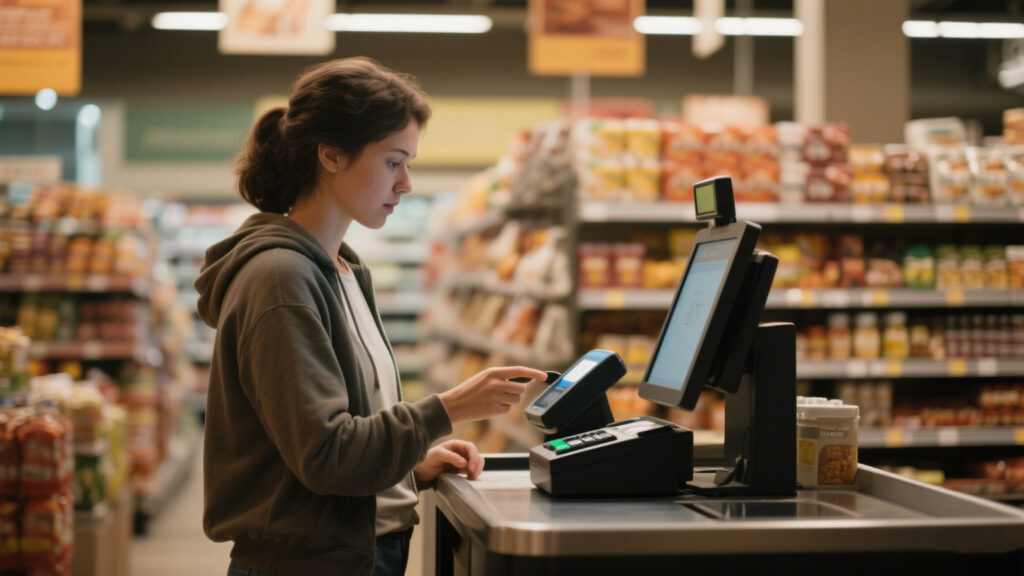
But UHF can be tricky. It doesn’t like water or metal; those things mess with its radio reflection. So engineers tweak antenna angles, add shielding, or adjust power levels to get consistent reads.
Every RFID setup is a bit of science, a bit of art.
People often forget that the RFID reader isn’t just a transmitter — it’s a small computer.
Inside, it’s constantly doing signal processing, filtering duplicates, adjusting frequency hopping to avoid interference, and communicating with databases.
In handheld models, readers work almost like smartphones — they store tag lists, connect via Wi-Fi or Bluetooth, and even run custom apps.
In fixed systems, like those tunnel-style readers used in packaging lines, antennas are precisely tuned to detect every item that passes through at high speed. One missed read could mean an entire shipment goes untracked.
RFID isn’t a new technology — it’s been around for decades — but its quiet evolution is fascinating. It’s slowly reshaping how industries think about “visibility.”
Think about a hospital knowing exactly where every surgical tray is.
Or a laundry facility automatically counting uniforms as they pass through.
Or livestock tracked across a ranch without anyone even touching them.
That’s not just convenience — it’s control, safety, and efficiency born from simple radio conversations.
For all its tech, RFID still faces human barriers. Some operators worry it’s too complex or expensive. Others underestimate what it can automate.
But once someone actually sees it work — watching hundreds of items appear on a screen without lifting a finger — they rarely go back to manual scanning.
It’s not about replacing people. It’s about removing the small frictions — the wasted seconds, the forgotten scans — so humans can focus on decisions, not data entry.
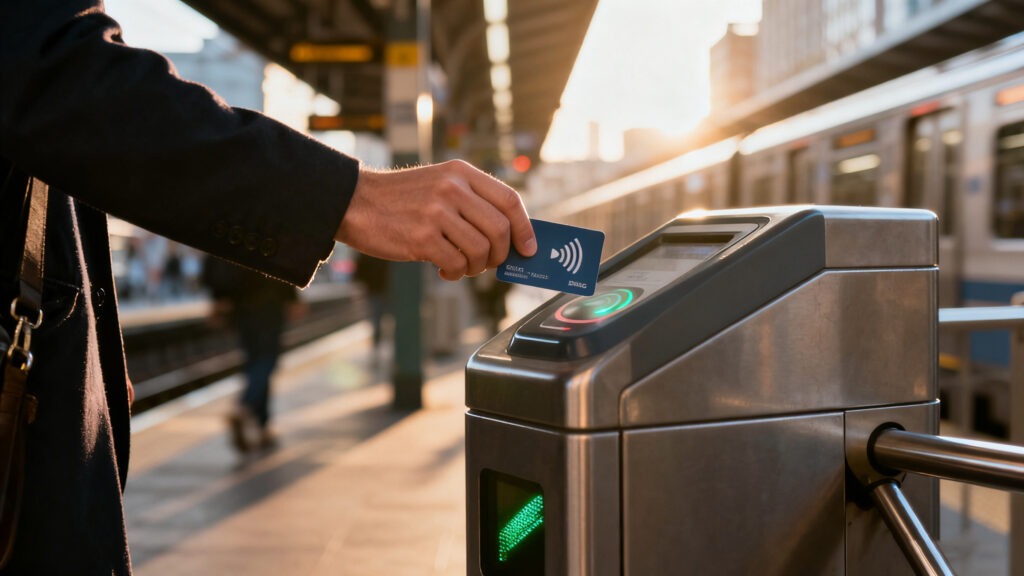
An RFID reader doesn’t shout across a room. It whispers to the right tag at the right time and listens carefully for an answer.
It’s a quiet, disciplined conversation — repeated thousands of times a day, in warehouses, hospitals, airports, and even amusement parks.
Behind every “beep” is a tiny moment of synchronization between energy, code, and logic — proof that even the invisible can be incredibly organized.
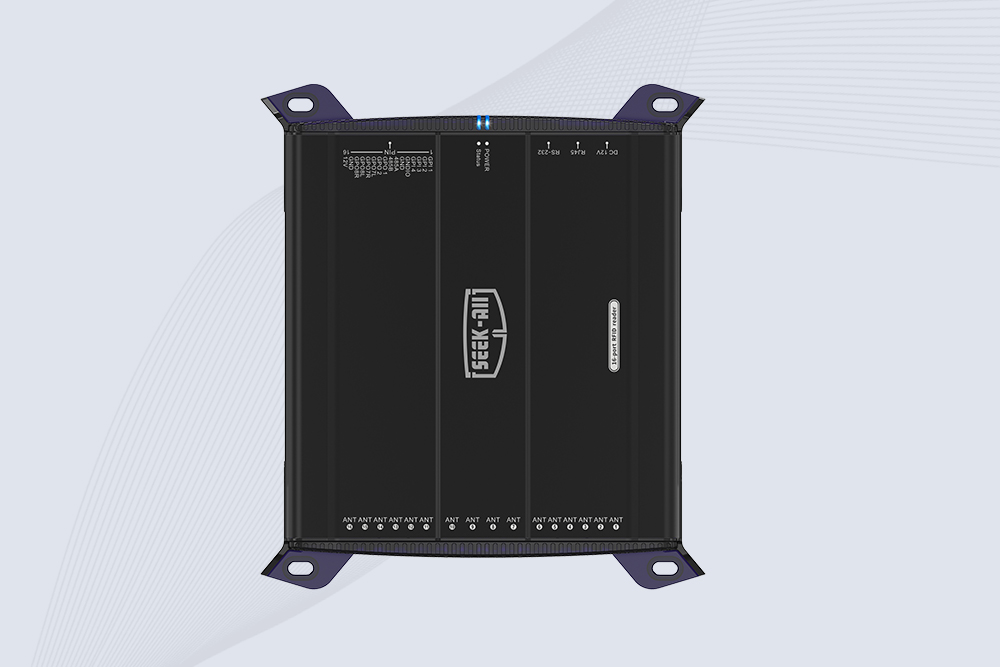
SSD-R16L Multi-Channel RFID Infrastructure for Automated Inventory Management ✔️ 16-Port High-Density RFID Reading Equipped with 16 SMA antenna ports, SSD-R16L supports multi-antenna deployment for warehouses, retail stores, logistics, production lines, and large-area RFID identification. ✔️ High-Speed & Long-Range Performance With up to 33…
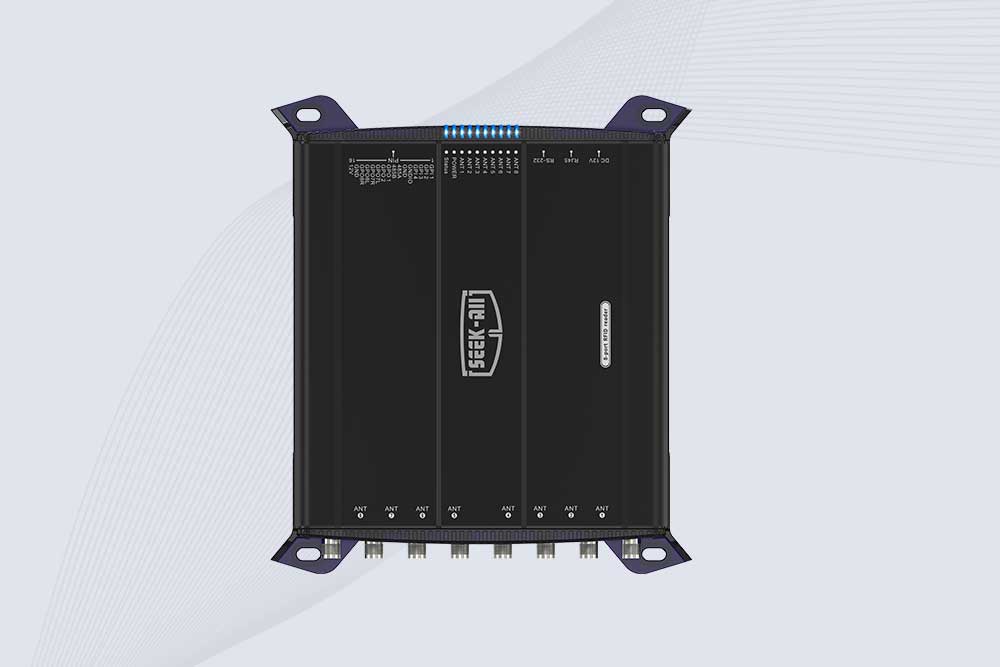
SSD-R8L 8-port UHF RFID reader with 33dBm output, up to 20m reading range and 600+ tags/s recognition. Ideal for warehouse, logistics, retail and asset tracking.
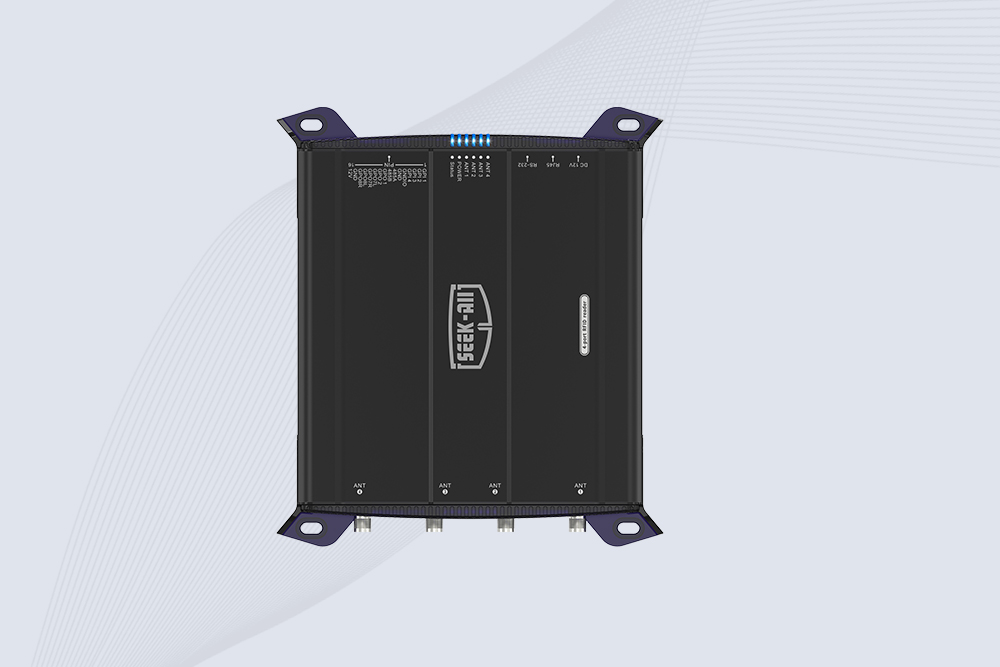
SSD-R4L is a 4-port UHF RFID fixed reader with 33dBm output power, up to 20m reading range, EPC C1G2 support and 600+ tags/s reading speed.
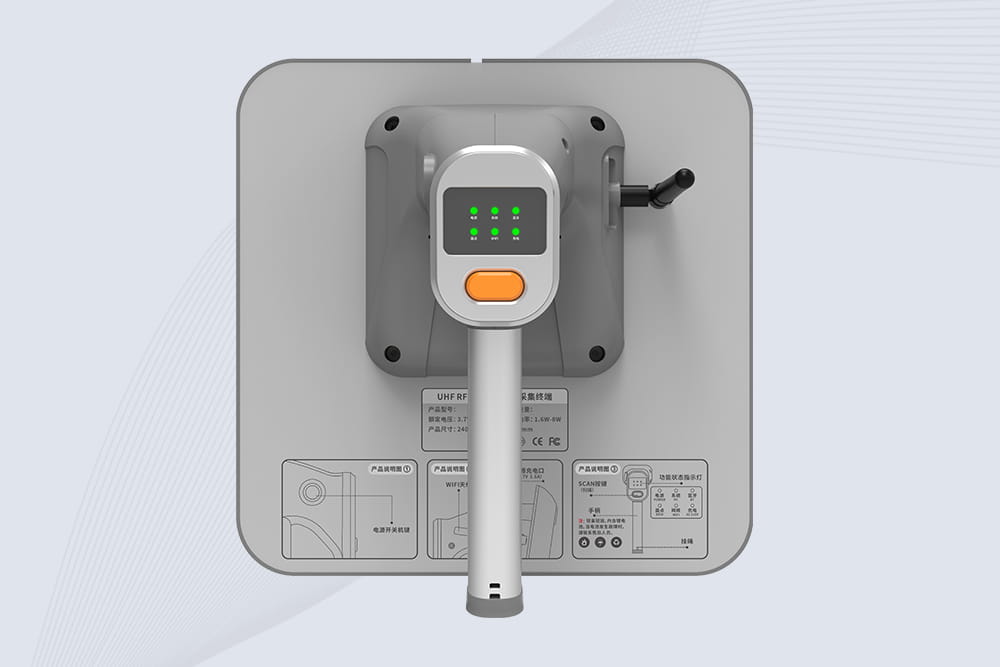
Cykeo CYKEO-B9 UHF Bluetooth handheld RFID scanner features 12m UHF range, 200+ tags/sec scanning, IP67 rugged design for retail/warehouse/pharma. Supports Android SDK & real-time Bluetooth 5.0 transmission.
rfid tag frequency affects reading distance, speed, and inventory accuracy. Learn how UHF RFID improves warehouse and asset tracking efficiency with Cykeo.
More
Discover how rfid medical systems improve hospital inventory accuracy, enable real-time tracking, and reduce workload with smart RFID cabinets and automation.
More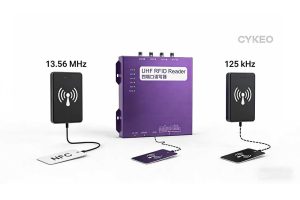
Can RFID read NFC? We explain the technical relationship, which RFID readers are compatible, and why most industrial systems cannot read NFC tags.
More
On March 20th, Cykeo 2026 Spring Banquet was successfully held in a warm and lively atmosphere. The event, themed “Galloping Forward, United for Success,” focused on the company’s annual development direction: “RFID Connecting All Assets.” Company...
More