RFID Access Solutions: More Than Just Opening Doors
A lot of people still think RFID access is simply replacing a key with a card. In practice, that’s only a tiny piece of the picture.
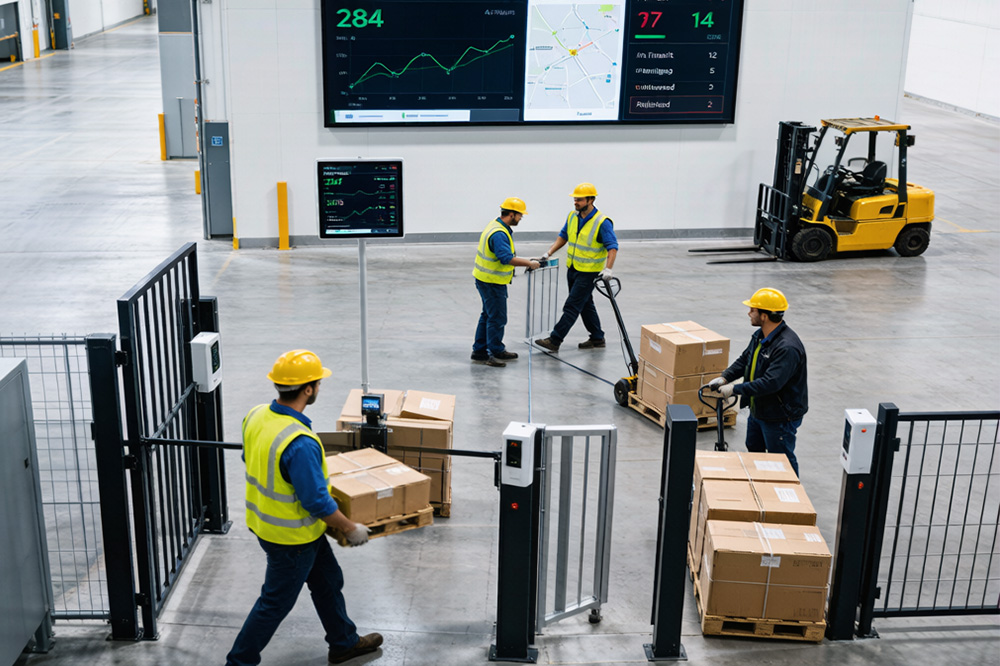
Walk into a modern warehouse, a pharmaceutical plant, or even a shared office building and you’ll notice something interesting. Employees badge in, forklifts move through checkpoints, tools are automatically tracked, visitors receive temporary credentials, and sensitive rooms log every entry without anyone writing down names. The underlying technology is often RFID working quietly in the background.
The reason businesses keep investing in RFID access solutions isn’t because they want a newer lock. They want visibility, automation, and fewer opportunities for mistakes.
So what exactly is RFID access solution?
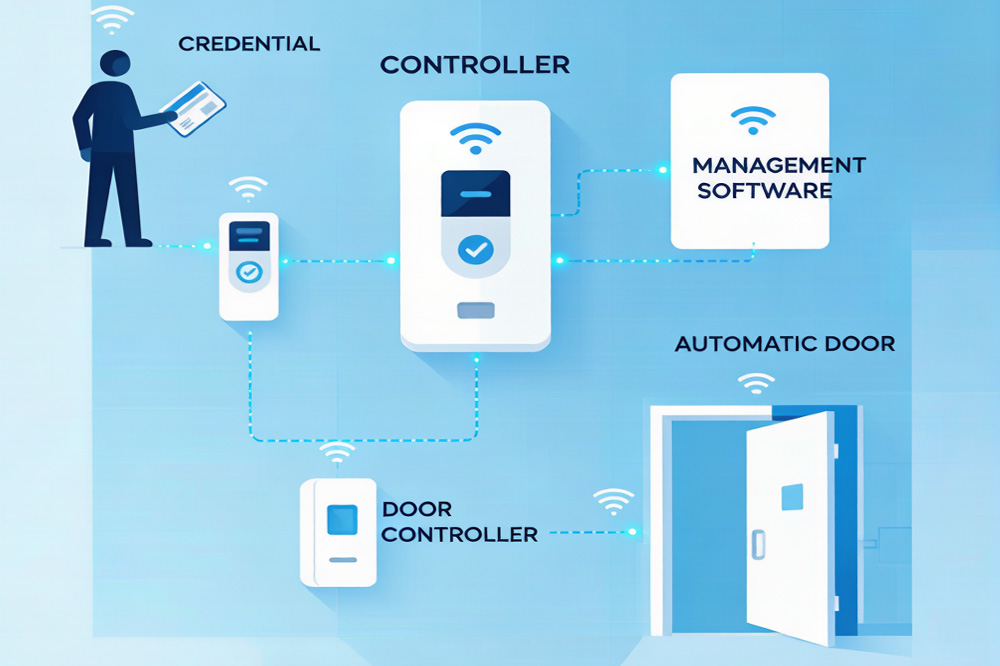
Think of it as several components working together rather than a single device.
A complete solution usually includes:
RFID credentials such as cards, key fobs, wristbands, or tags
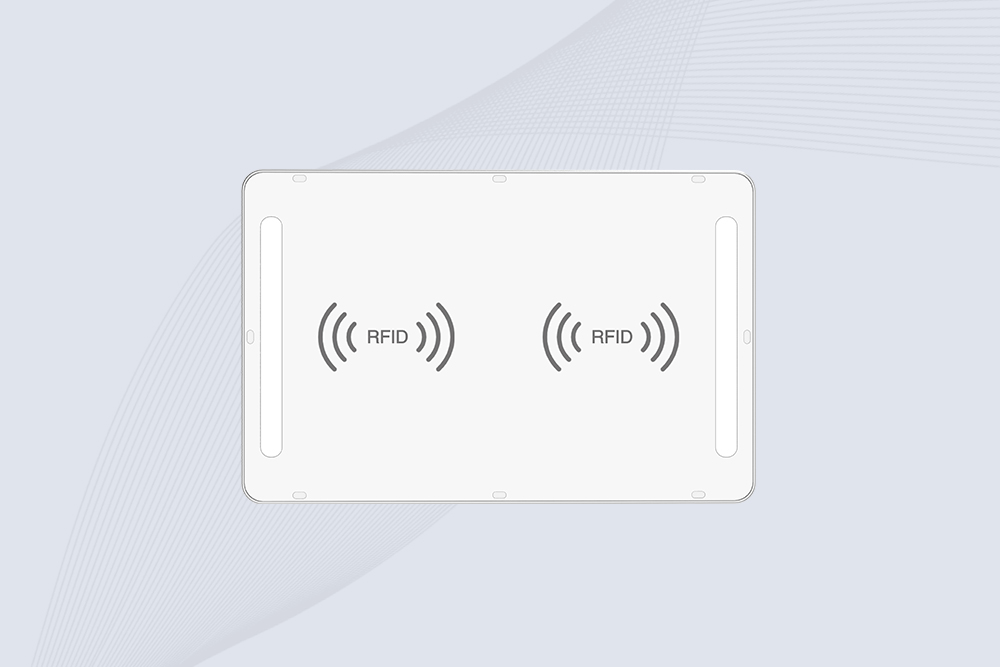
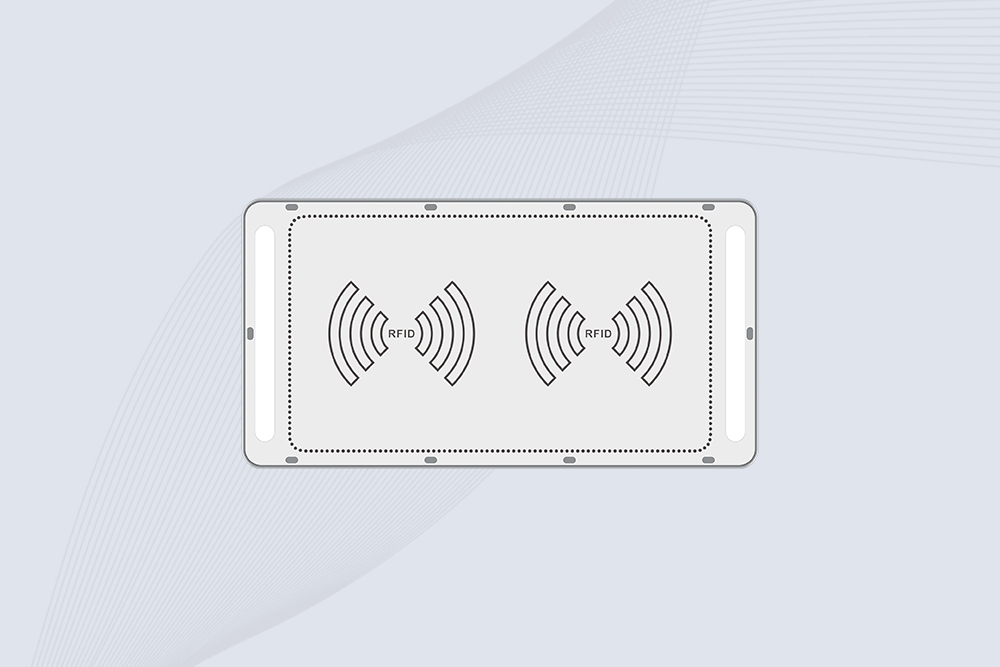
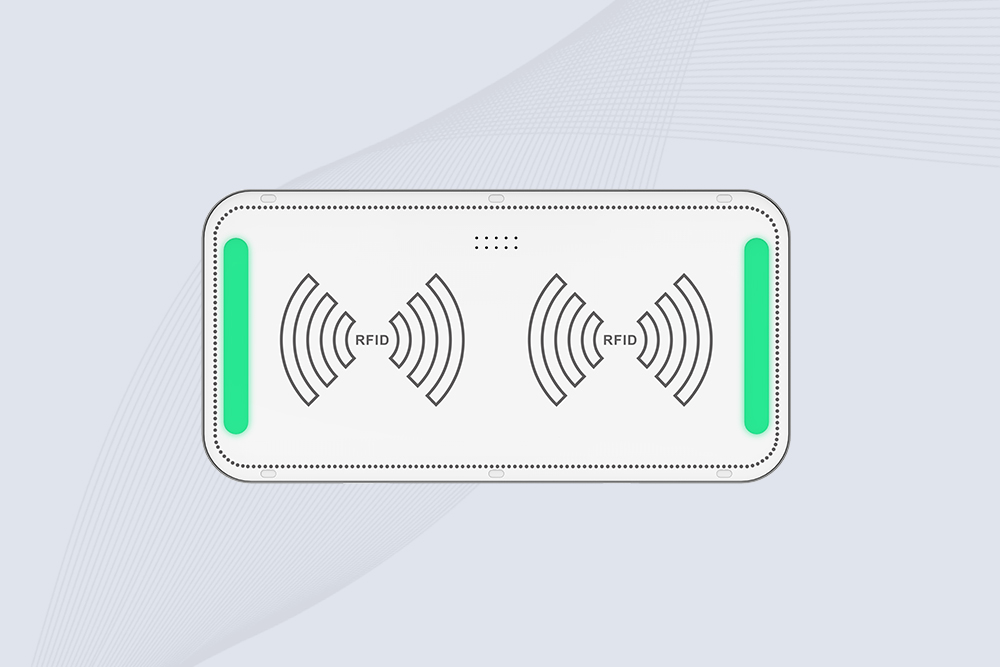
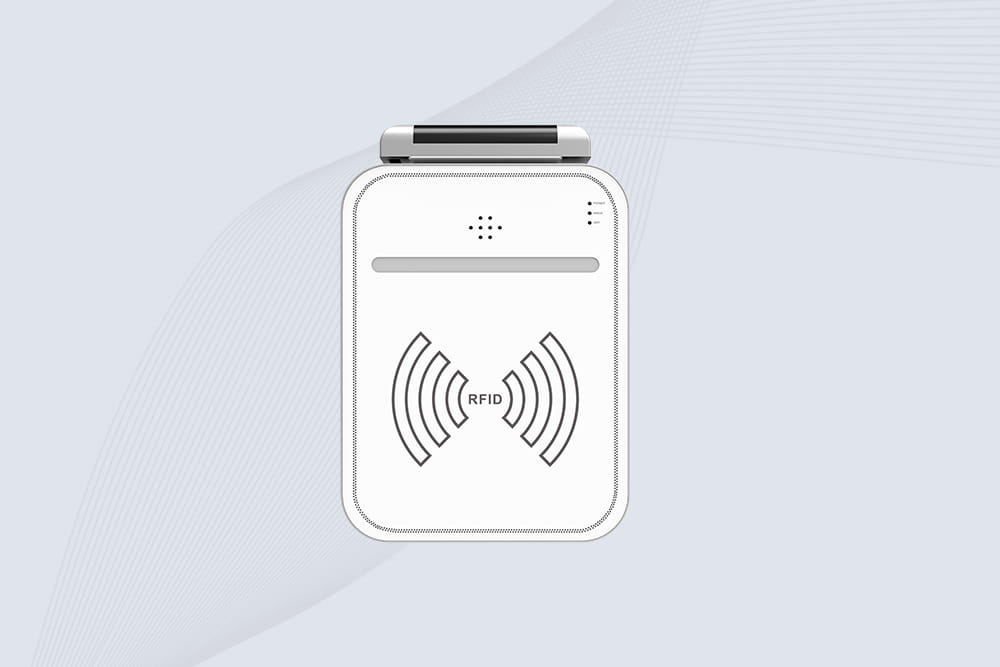
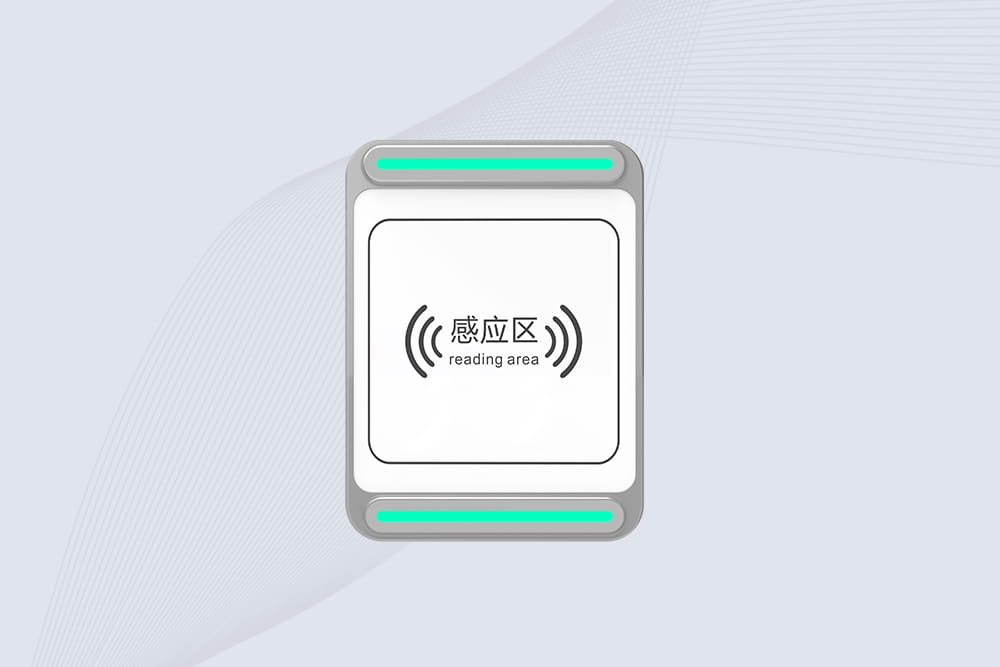
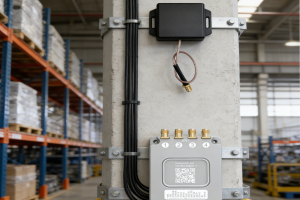
RFID readers installed at doors, gates, cabinets, or checkpoints
A controller or management platform that verifies permissions
Software that records events and manages users
Optional integrations with alarms, video surveillance, attendance systems, or visitor management
When an authorized credential comes within reading distance, the reader captures its identifier, checks permissions, and grants or denies access in a fraction of a second.
From the user’s perspective, the interaction feels almost effortless.
Why companies are moving away from traditional keys
Physical keys create problems that scale badly.
Lose one key, and multiple locks may need replacing. Duplicate copies become difficult to track. Temporary contractors require manual handovers. Auditing who entered a restricted room often becomes impossible.
RFID changes that equation.
Permissions can be assigned digitally. Lost cards can usually be disabled without replacing hardware. Temporary access can expire automatically, and every successful or failed attempt may be recorded for review.
In facilities with hundreds or thousands of employees, those operational improvements often matter more than the convenience of tapping a card.
Different RFID credentials for different environments
Not every deployment uses a plastic badge.
Depending on the environment, organizations may choose:
PVC employee cards
Waterproof wristbands
Keychain fobs
Embedded industrial tags
Windshield labels for vehicle access
Wearable identifiers integrated into uniforms
Some manufacturing companies even embed RFID into reusable containers or equipment, allowing personnel authentication and asset identification to happen simultaneously.
That hybrid approach can significantly reduce manual scanning.
Reader placement matters more than people expect
One common misconception is that buying a higher-powered reader automatically produces better results.
Real deployments tell a different story.
Metal structures, nearby electronics, installation height, antenna orientation, and traffic patterns all affect read performance. I’ve seen systems with expensive hardware struggle simply because antennas faced the wrong direction or multiple readers interfered with one another.
Careful site planning usually delivers bigger gains than chasing maximum reading distance.
Low frequency, high frequency, or UHF?
The answer depends on the application.
LF systems generally provide shorter read ranges and are less sensitive to environmental interference.
HF technology, including many contactless smart cards, is common in office access and campus environments where close-range authentication is preferred.
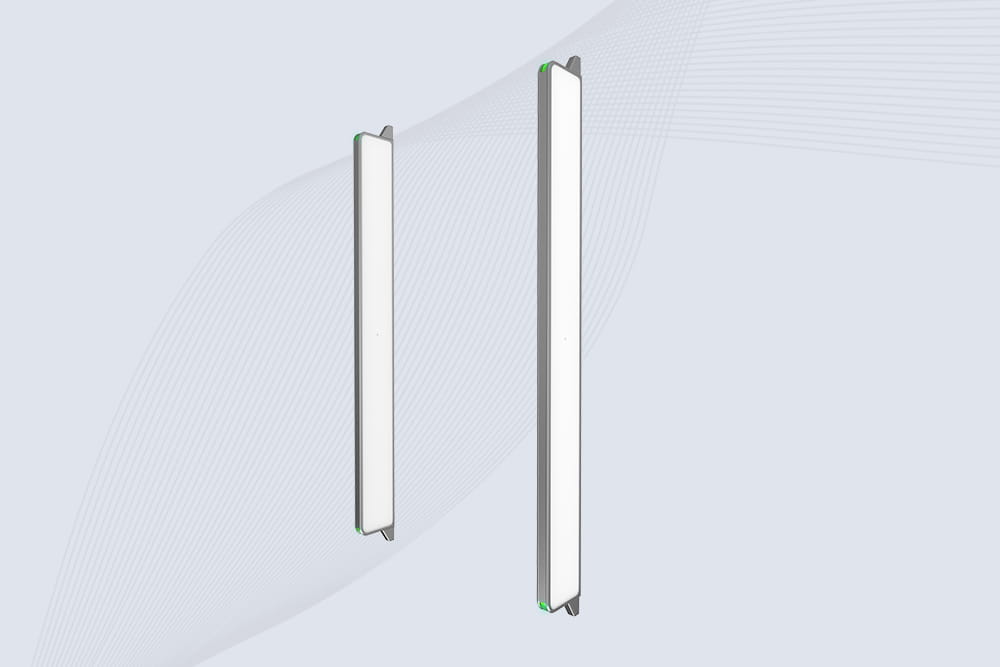
UHF RFID enables longer reading distances and can identify multiple tags rapidly, making it attractive for logistics yards, vehicle gates, warehouses, and industrial operations.
The “best” option depends less on specifications and more on workflow.
RFID access in real-world business scenarios
Office buildings
Employees enter using RFID cards while visitors receive temporary credentials. Meeting rooms, parking garages, and elevators can share the same identity platform.
Manufacturing facilities
Restricted production zones allow only authorized personnel. Equipment checkout can be logged automatically, reducing losses and improving accountability.
Warehouses
Access events combine with inventory tracking so that movement of people and goods becomes easier to audit.
Healthcare
Controlled areas such as laboratories or medicine storage rooms can restrict entry while maintaining detailed logs for compliance purposes.
Data centers
Server rooms often require multiple authentication methods, with RFID providing fast credential verification before secondary checks.
RFID plus AI: an increasingly common combination
More organizations are combining RFID with cameras and intelligent analytics.
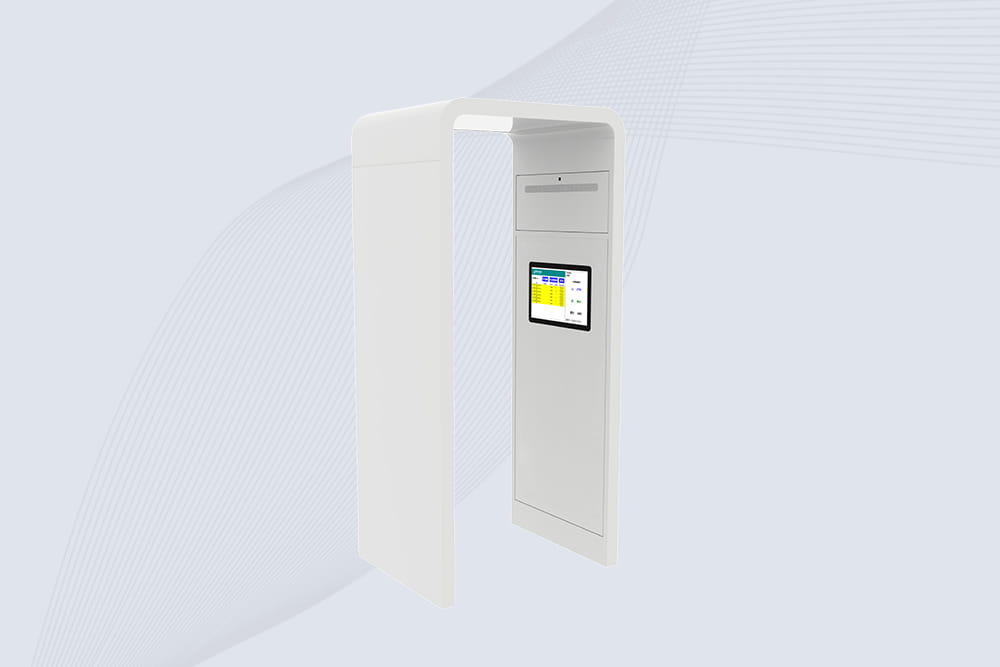
Imagine an employee walking through a secure gate carrying tagged equipment. The RFID system confirms authorized assets, while computer vision verifies whether a person is tailgating or attempting unauthorized entry.
Neither technology replaces the other. Together they create a more complete picture of what’s happening at the access point.
Common mistakes buyers make
After talking with system integrators and facility managers, a few patterns appear repeatedly.
Choosing solely on read range. Longer isn’t automatically better. Excessive range can accidentally detect credentials outside the intended area.
Ignoring future expansion. A system supporting one entrance today may eventually need dozens of doors and multiple sites.
Underestimating environmental conditions. Metal shelving, liquids, machinery, and electrical noise can affect performance.
Skipping software evaluation. Hardware often receives the attention, but reporting, permission management, APIs, and user administration determine daily usability.
How to evaluate an RFID access solution supplier
When sourcing for commercial or industrial projects, don’t stop at hardware specifications.
Instead, ask questions like:
Can the system integrate with existing security infrastructure?
Is custom firmware or software development available?
Are OEM and ODM services supported?
Can readers be configured for different protocols or frequencies?
What certifications apply in target markets?
Is remote technical support available during deployment?
How are firmware updates and maintenance handled?
For distributors and system integrators, reliable engineering support is often just as valuable as competitive pricing.
A practical example
One logistics company struggled with employees manually recording equipment leaving a storage area. The process wasn’t failing because people were careless—it simply interrupted their workflow.
After introducing RFID-enabled access points tied to tagged assets, departures were captured automatically. Supervisors spent less time checking spreadsheets, and missing equipment investigations became faster because historical movement data was already available.
The technology didn’t eliminate human involvement. It reduced repetitive tasks that humans aren’t particularly good at doing consistently.
Where RFID access solutions are heading
Cloud management, mobile credentials, AI-assisted monitoring, and multi-factor authentication are becoming increasingly common. Businesses also expect tighter integration with ERP, HR, and visitor management platforms instead of isolated security systems.
The biggest trend isn’t necessarily faster readers or smaller tags. It’s building ecosystems where access control, inventory visibility, compliance, and operational intelligence share the same data.
For organizations planning long-term deployments, choosing scalable architecture today can prevent expensive migrations later.
Yes. Many installations continue authenticating credentials locally even if the external network is temporarily unavailable, then synchronize logs afterward.
Are RFID cards more secure than physical keys?
In many situations, yes. Lost credentials can often be disabled quickly, permissions changed remotely, and access events recorded for auditing.
What’s the difference between RFID access control and traditional card systems?
Many modern contactless access cards already use RFID technology. The difference lies in implementation, encryption methods, software capabilities, and system integration.
Can RFID manage both people and assets?
Absolutely. Many organizations combine personnel authentication with tagged equipment, inventory, or vehicles to create unified security and operational workflows.
Is RFID suitable for wholesale projects and large deployments?
Yes. RFID scales well from small offices to enterprise campuses, factories, warehouses, hospitals, logistics centers, and government facilities when designed correctly.
Lead Generation Conclusion
Every facility has different traffic patterns, security requirements, and environmental challenges, so there is rarely a one-size-fits-all answer. The most successful RFID access projects usually begin with understanding workflows first and selecting readers, credentials, and software that match those real operating conditions.
If you’re sourcing RFID access hardware in volume, planning an OEM project, or looking for a wholesale partner capable of customization and integration support, discussing your application requirements early can help avoid costly redesigns and ensure the solution performs reliably in the field.
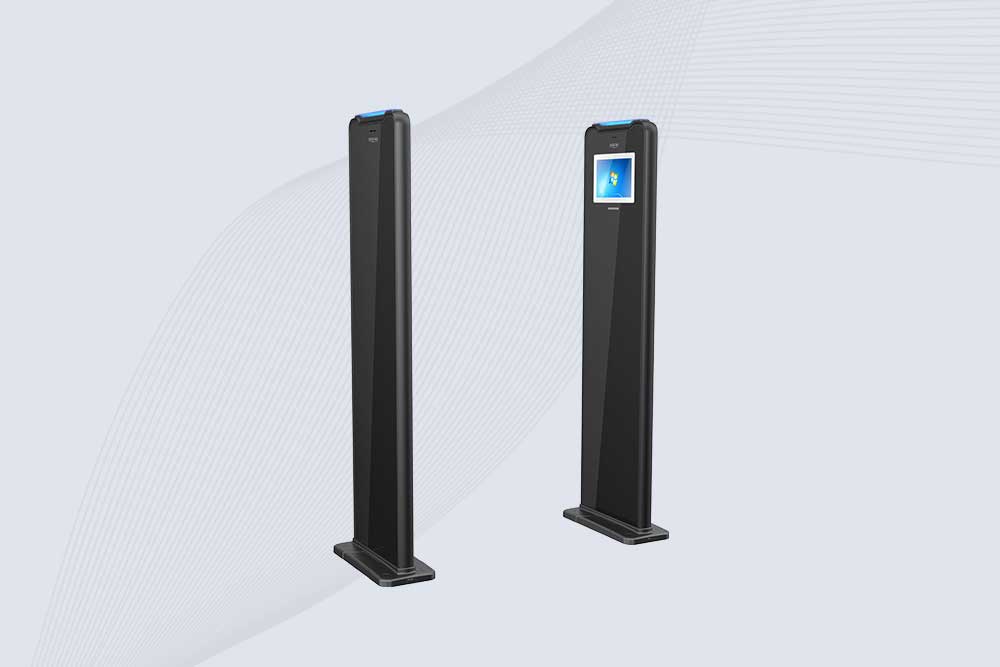
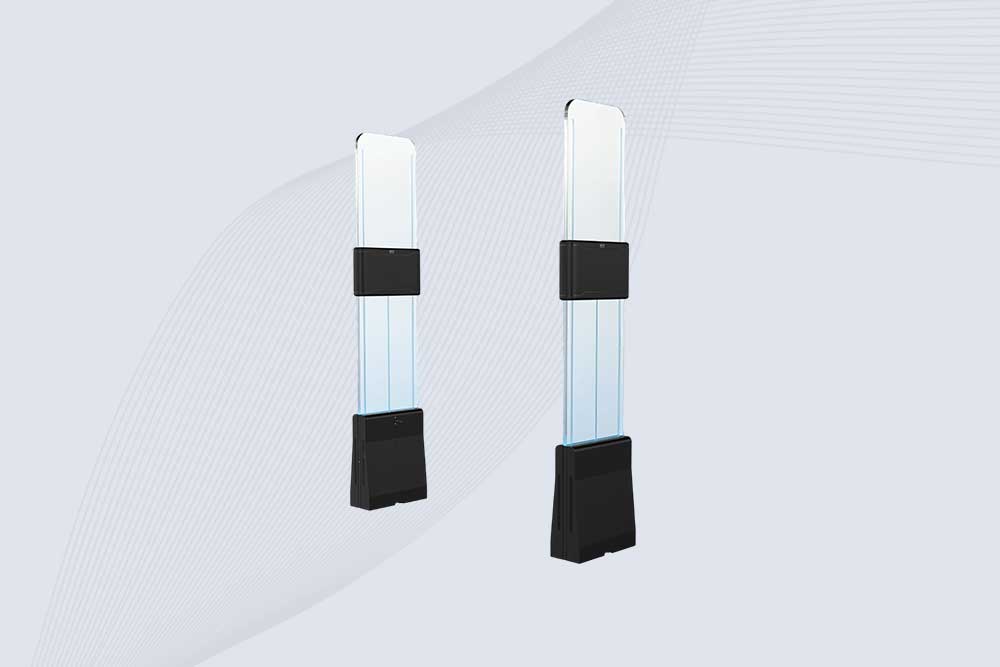
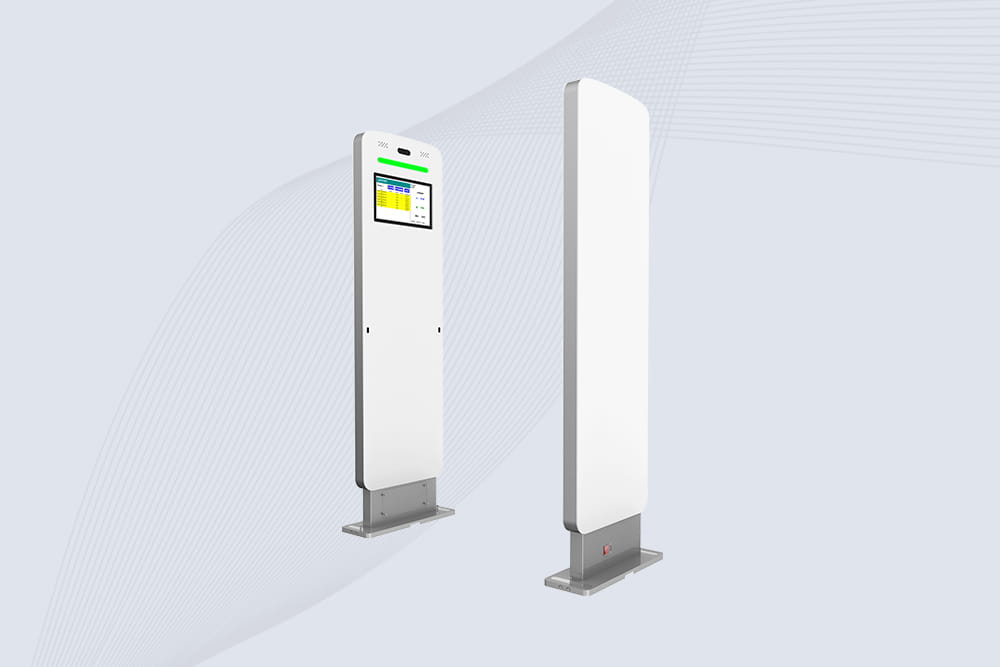
SSD-T4A-P Smart access control with real-time crowd tracking ✔️ AI Tag Filtering for Reduced Misreads SSD-T4A-P supports AI-based tag filtering and up to 6 EPC filtering sets, helping reduce unwanted reads and improve identification accuracy in busy entrances, exits, and retail environments. ✔️ Fast In & Out Detection with Visual & Audio…
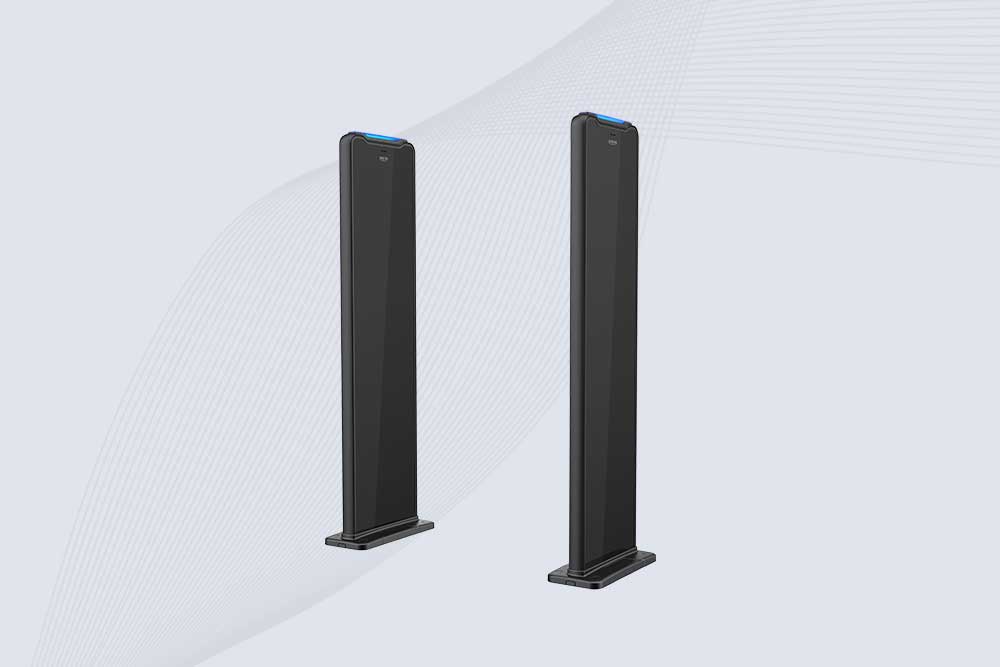
SSD-T4A UHF RFID Gate Reader with 11 dBi antenna, up to 10 m reading distance, AI tag filtering, in/out detection, 300,000 data storage, and TCP/HTTP/MQTT support.
SSD-T2D UHF RFID Gate Reader with 11dBi circular antenna, Impinj E710/X3M1 chipset, up to 10m reading distance, AI tag filtering, in/out detection, and audio-visual alarms.
SSD-T1 ✔️ AI-Powered Tag Filtering SSD-T1 supports AI-based tag filtering with up to 6 EPC filtering sets, helping reduce unwanted tag reads and improve identification accuracy in busy retail and access-control environments. ✔️ Reliable In & Out Detection With a 7dBi antenna and a reading range of up to 2.5 meters, SSD-T1 can detect tagged i…
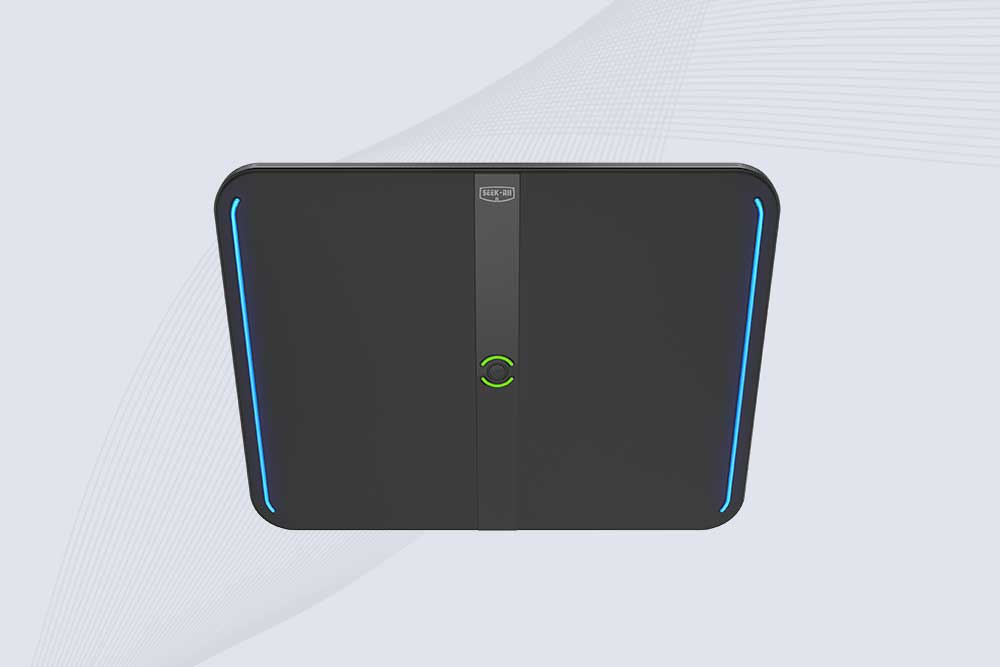
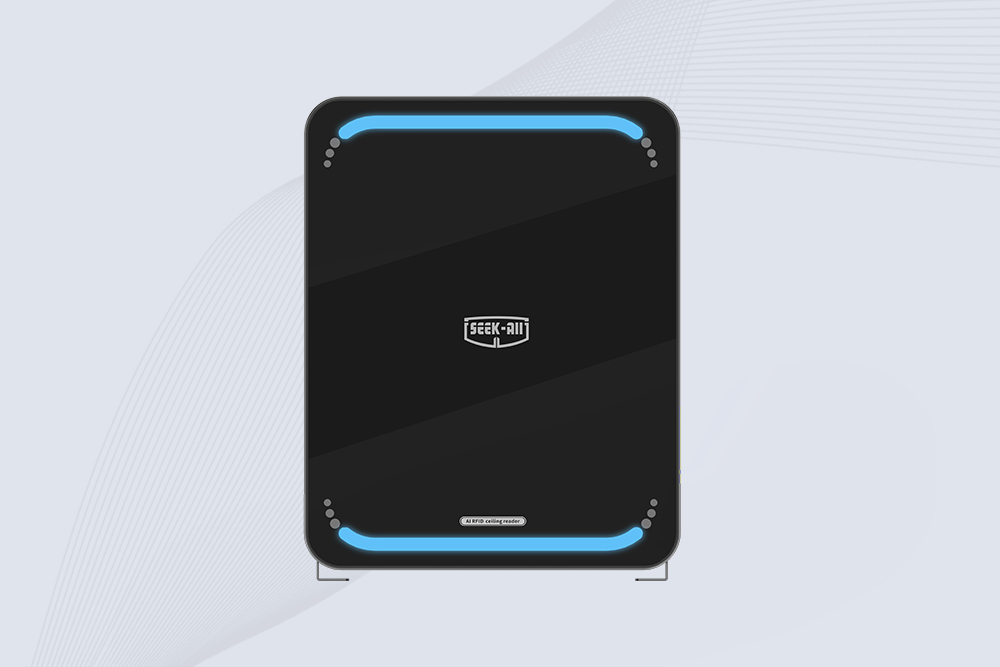
SSD-T1G is a 12 dBi AI RFID ceiling-mounted reader with 10m reading range, In/Out detection, AI tag filtering, 300,000-record storage, and TCP/HTTP/MQTT support.
Cykeo’s CYKEO-T1D industrial RFID ceiling reader features 500 tags/sec scanning, IP54 protection, and -20℃~60℃ operation for retail/warehouse security. Supports ISO18000-6C and GB/T29768 protocols.
Cykeo’s ceiling-mounted RFID reader enables hands-free 5m inventory tracking with 500 tags/min speed. Features dual alerts, ERP integration, and IP54 rating for warehouse security.
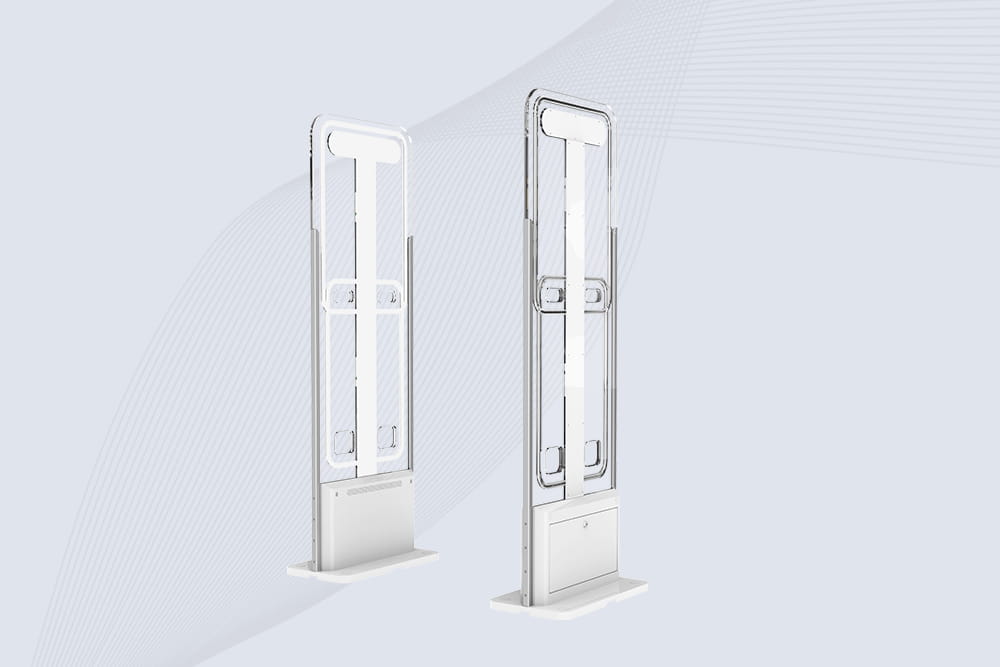
Cykeo CK-T1E RFID gate system features 120° coverage, AI motion filtering, and 5m detection for retail/warehouse security. IP67 rugged design with ERP integration.
Cykeo CYKEO-T1B ceiling-mounted RFID system delivers 10-20m reading range, 500+ tags/sec processing, and integrated security alarms. Ideal for warehouse/logistics automation with Android-compatible SDK.
Cykeo’s industrial ceiling-mounted RFID reader offers 10m+ automated inventory tracking, ISO-18000 compliance, and anti-theft alarms. Designed for retail/warehouse/logistics facilities.
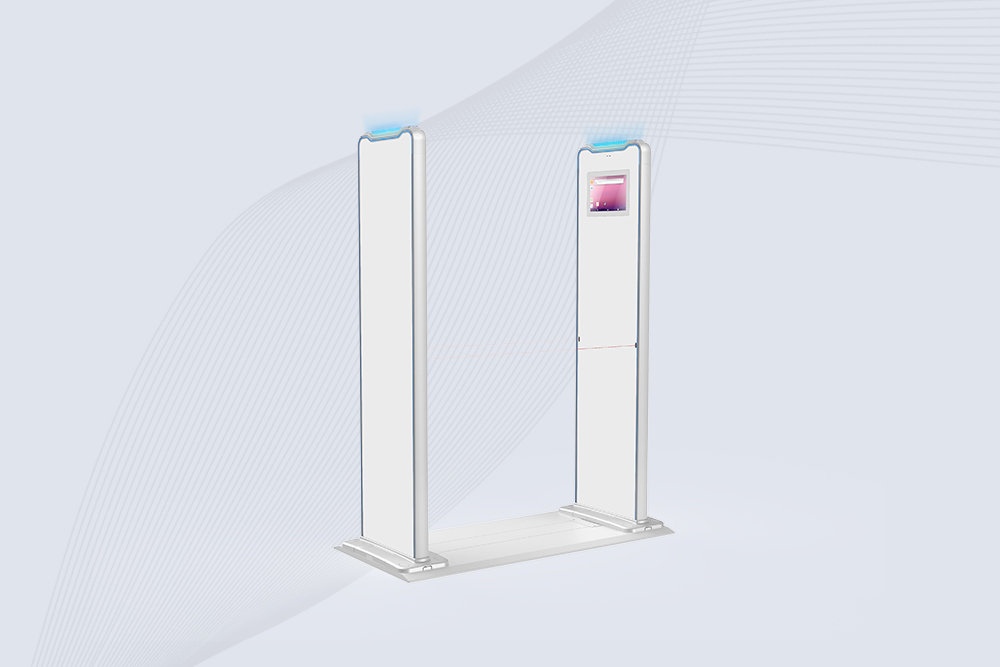
Cykeo CYKEO-T3 industrial RFID gate reader features 200cm detection, infrared triggering, and dual alarm modes for warehouses/libraries. Supports WiFi/4G and Java/C# SDK integration.
Cykeo CYKEO-T4 industrial RFID gate system features 4-antenna array, 99.9% detection accuracy, dual EAS alarms, and WiFi/4G connectivity for library/warehouse/retail security. ISO 18000-6C compliant.
Cykeo’s CYKEO-T5 UHF RFID gate reader features 600cm detection, infrared tracking, and dual-mode alarms for retail/library security. Supports crowd counting and multi-protocol integration.
Cykeo’s CYKEO-T4 RFID Gate Reader system offers 200+ tags/sec scanning, EAS alarms, and rugged design for libraries/warehouses. Supports WiFi/4G and Windows/Android OS.
Cykeo HF RFID gate reader offers 90cm detection range, ISO15693/18000-6C compliance, and industrial-grade durability for libraries/retail. Features EAS alarms, infrared traffic analysis, and 3D omni-directional scanning.
Cykeo CYKEO-T7 UHF RFID Gate Reader system delivers 600cm read range, 99.9% tag accuracy, real-time personnel counting, and SAP integration for logistics/warehouse/manufacturing. Supports dual OS & offline alarms.
Cykeo CYKEO-T6 gate RFID reader features 1,200+ tags/min scanning, 6m detection range, and industrial-grade durability for libraries/stores/warehouses. Supports ISO 18000-6C and waterproof installations.
Cykeo CYKEO-T9HA industrial HF RFID gate reader offers 100cm range, 100+ tags/sec scanning, ISO 15693/14443A protocols, and IP66 durability for libraries, archives, and retail. Supports offline alarms and SAP integration.
Cykeo CYKEO-T9UH UHF RFID gate reader offers 90cm detection width, EAS/AFI anti-theft alerts, IP54 rugged design, and multi-protocol support for libraries, retail, and logistics.
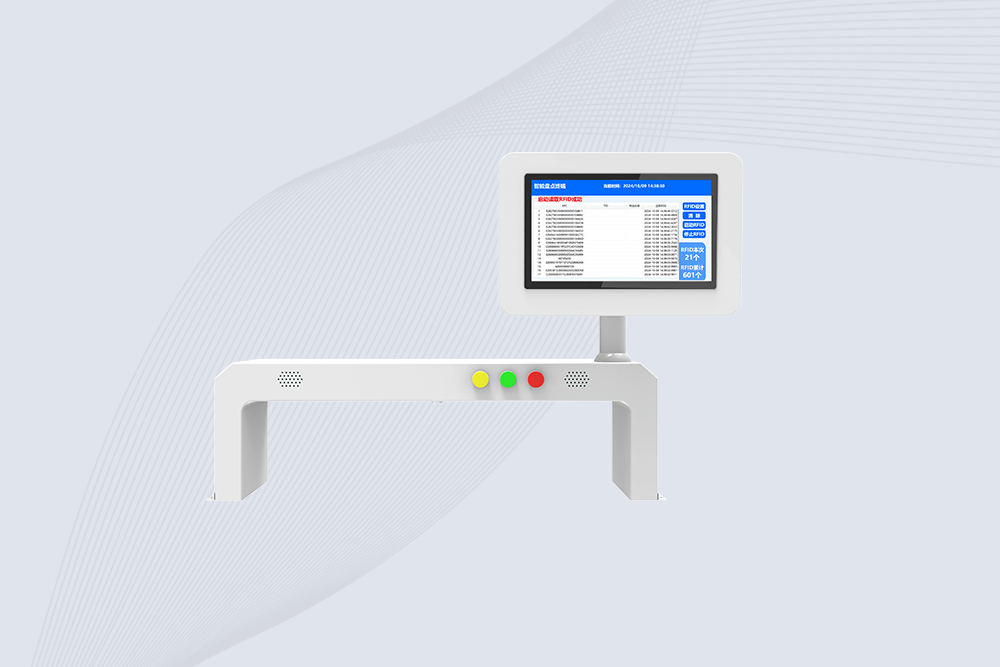
Cykeo’s Fixed RFID Gate Reader features 60 tags/sec scanning, IP54 rugged design, and dual-mode EAS alarm. Ideal for library/warehouse/event access control with real-time crowd analytics.
Cykeo CYKEO-T8A rfid gate access control system features IP68 enclosure, 400 tags/sec scanning, and 6-antenna array for warehouse/manufacturing security.
Cykeo CYKEO-T8F RFID gate entry systems deliver 200+ tags/sec scanning, EPC C1G2 compliance, and EAS alarms for warehouse/production gates. Supports Windows/Android OS.
Cykeo CYKEO-T8D RFID gate access control system features 4-antenna 99.98% accuracy, ISO 18000-6C compliance, and real-time theft prevention for libraries/warehouses. Supports Windows/Android OS.
Cykeo CYKEO-T2 industrial RFID gate features 500+ tags/sec scanning, 0-3m vertical detection, and cloud management for warehouse automation and inventory control.
RFID Industry Writer | IoT & Asset Tracking Analyst
James writes about RFID technology, asset tracking, and the practical challenges of digital transformation across warehousing, retail, manufacturing, and logistics.
His work focuses on how RFID is applied in real-world operations—improving inventory visibility, automating workflows, and helping businesses manage assets with greater accuracy and efficiency.
He regularly covers topics including UHF RFID, smart cabinets, RFID portals, tool tracking, warehouse automation, and industrial IoT trends..
Wondering what is RFID reader module? We explain the definition, how it differs from finished readers, core components, and the product development cycle. Real guidance for OEMs from CYKEO engineers.
CK-C1A RFID tag inventory system for warehouse and library management suppliers. Supports RESTful & native APIs, secondary development SDK, Java and C# integration, EPC C1G2 / ISO 18000-6C, and flexible RFID reader and antenna deployment.
Learn how industrial RFID laundry tags survive high-temperature washing, chemical detergents, and industrial drying cycles. Discover what makes washable RFID tags reliable for commercial textile tracking.
Discover how RFID being used on pets improves identification, feeding control, anti-swapping security, and veterinary registration beyond simple tracking.
 Cykeo RFID IoT Solution Products R&D Manufacturer