 Cykeo RFID IoT Solution Products R&D Manufacturer

What an RFID Tunnel Scanner Actually Changes in a Busy Warehouse
214Learn how RFID tunnel scanners automate carton scanning in warehouses, improve inventory accuracy, and increase logistics throughput.
MoreAll RFID Product
Years ago, replacing a metal key with a swipe card felt like a big upgrade. Today, that’s almost the starting point.
Walk through a busy office tower on a Monday morning and you’ll notice something interesting. Employees enter with cards, visitors check in digitally, delivery drivers receive temporary permissions, and maintenance contractors only gain access during approved hours. Hardly anyone thinks about the technology because, frankly, it’s expected to work without drawing attention.
That’s probably the best commercial door entry system: the one people barely notice until it prevents a problem.
A small office with five employees can survive with physical keys.
Move to fifty employees across multiple departments, though, and things change. Someone leaves without returning a key. Another contractor needs weekend access. The warehouse manager wants a different permission level than the finance team.
Suddenly the question isn’t “Who has a key?” but “Who should be allowed through this door, and when?”
Electronic entry systems answer that far more cleanly than mechanical locks.
The hardware on the wall is only part of the story.
A typical deployment combines:
Each component plays a role, but the software often determines whether daily management becomes easier or more complicated.
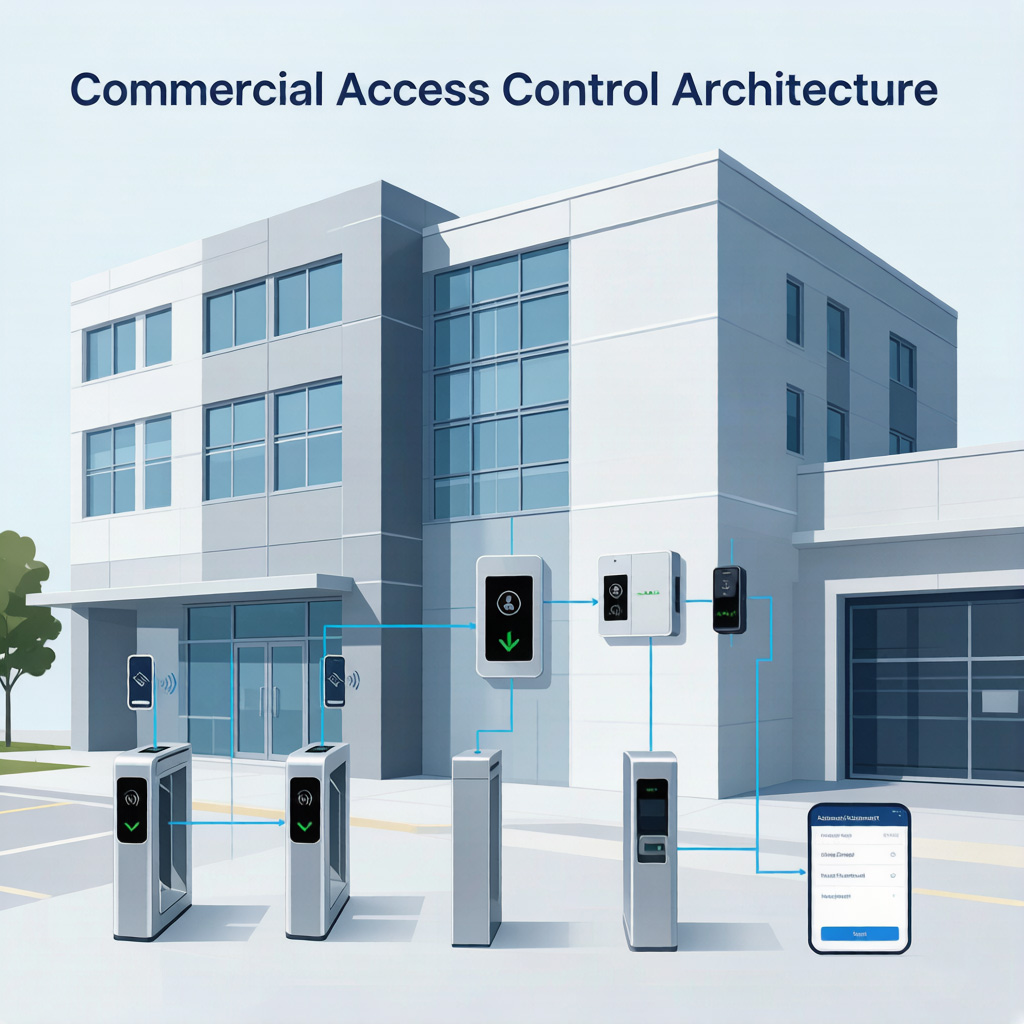
One trend that seems difficult to ignore is the move toward keyless operation.
Businesses increasingly prefer solutions where credentials can be issued or revoked without replacing locks. If an employee loses a badge, administrators simply disable it and activate another.
The same principle applies to temporary visitors. A delivery company might receive access valid for only one afternoon instead of being handed a permanent key that everyone forgets to collect later.
In practice, that flexibility saves more administrative effort than many buyers initially expect.
Although smartphones receive plenty of attention, RFID-based systems remain widely used across commercial environments.
Why?
Mostly because they’re dependable, quick, and familiar. Employees tap a credential and continue walking without navigating apps or remembering passwords.
For larger organizations, RFID credentials can also extend beyond doors to lockers, parking areas, vending systems, equipment checkout, and attendance tracking.
The result is one credential serving multiple operational purposes instead of just opening a door.
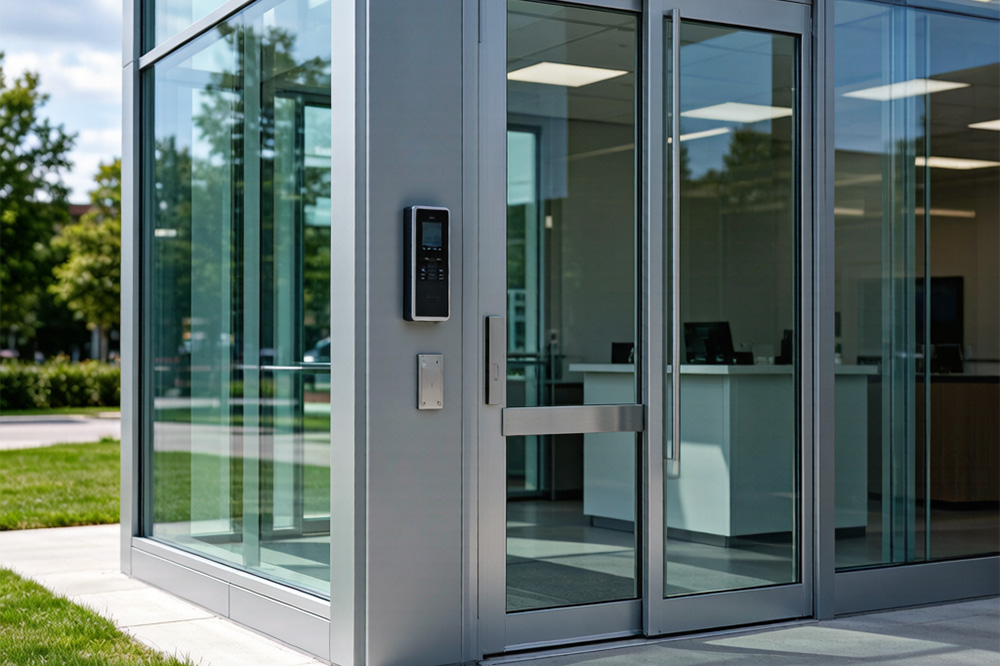
One installation challenge that often gets overlooked involves aluminum-framed glass entrances.
These doors are common in retail stores, clinics, and office suites, yet they can require different locking hardware compared with solid metal doors.
In some cases, surface-mounted devices simplify installation and minimize modifications. Other projects call for electric strikes or magnetic locks depending on traffic flow, emergency egress requirements, and local building regulations.
There isn’t a universal answer, which is why experienced installers usually evaluate the entire entrance rather than recommending hardware from a catalog.
It’s easy to assume phones will replace cards entirely.
Reality is a little messier.
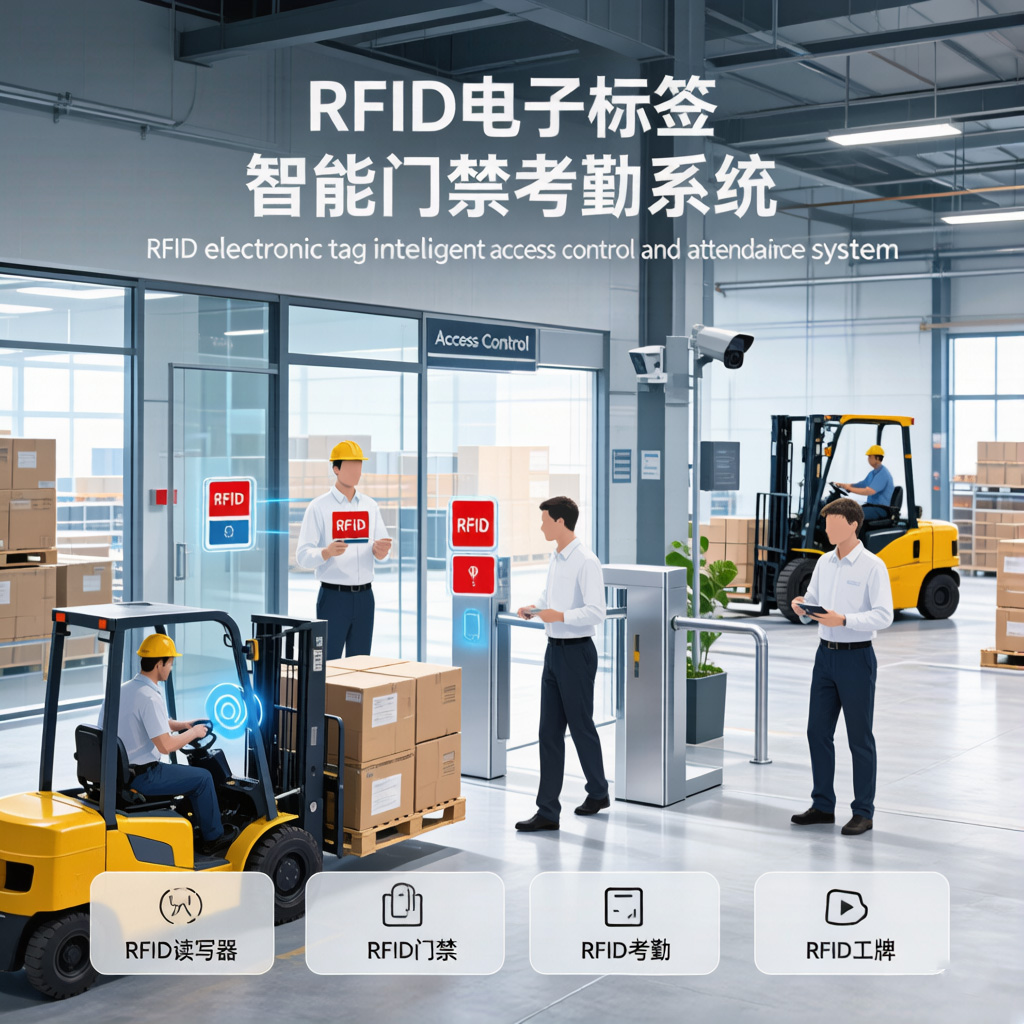
Corporate campuses with younger workforces often embrace mobile access enthusiastically. Manufacturing sites or logistics facilities sometimes stick with RFID badges because gloves, rugged environments, and shared equipment make physical credentials more practical.
Several businesses even run hybrid systems where employees choose either method.
That flexibility often improves adoption without forcing operational changes.
Imagine two distribution centers.
The first uses traditional keys. Shift supervisors spend time unlocking restricted storage rooms, collecting keys after every shift, and investigating missing copies.
The second uses electronic credentials. Temporary workers receive permissions lasting only for scheduled hours. Every opening event is logged automatically, and lost badges are deactivated in minutes.
Neither warehouse suddenly becomes perfect, but the second one usually spends less effort managing access and more time moving inventory.
One pattern appears repeatedly across commercial projects.
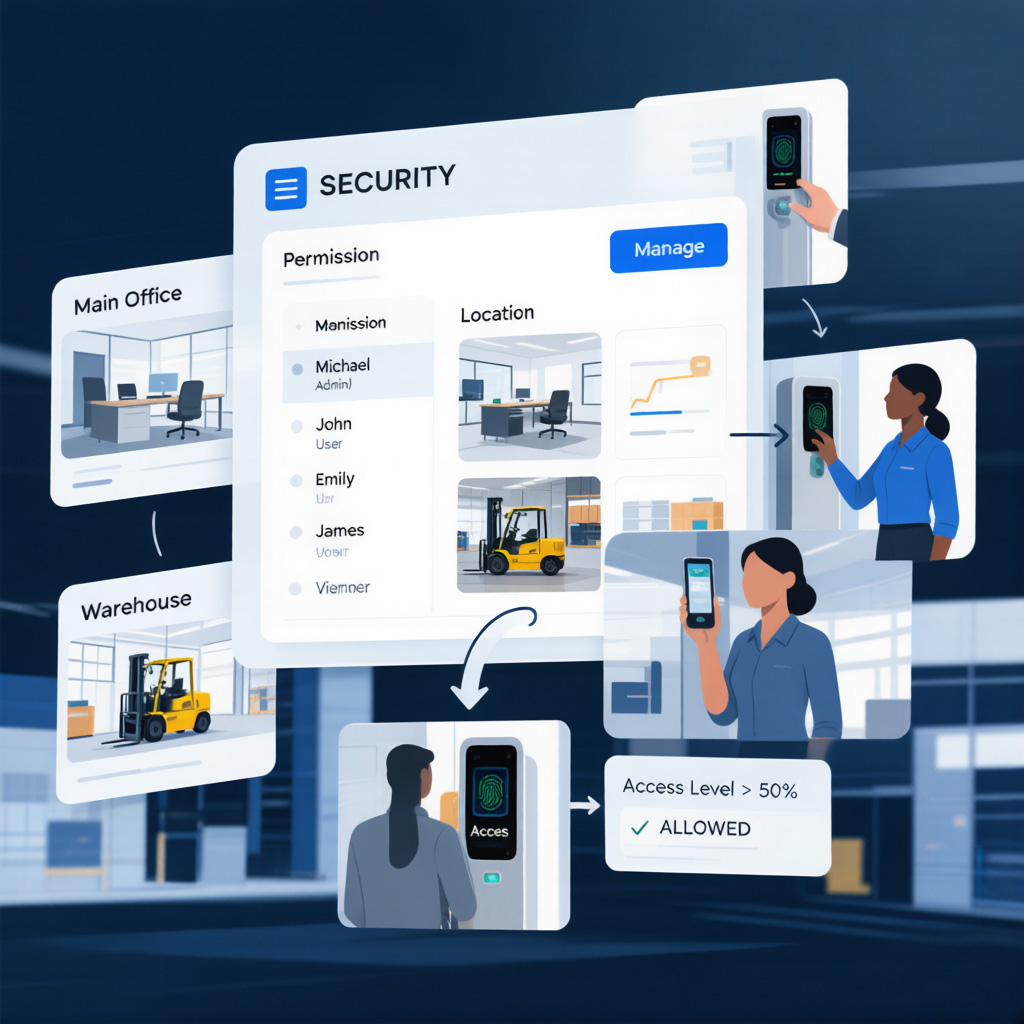
The reader beside the door looks impressive, but administrators interact with software every day. Poor management interfaces create frustration long after installation.
Many businesses start with one entrance and later add multiple offices, parking gates, warehouses, or remote branches. Choosing scalable architecture early often avoids replacing equipment later.
Employees aren’t the only people entering a building. Contractors, clients, interview candidates, and delivery personnel need controlled access too.
An incorrectly positioned reader or poorly configured lock can undermine an otherwise excellent system. Installation quality matters just as much as product specifications.
You’ll find them almost everywhere, though each sector uses them differently.
Different workflows, same underlying goal: letting the right people in while keeping unauthorized access out.
If you’re sourcing commercial door entry systems for distribution or integration projects, don’t stop at pricing.
Instead, ask:
Those answers often matter more than shaving a few dollars off the unit cost.
Cloud-based management continues to expand, and AI-assisted security is beginning to complement traditional access control rather than replace it.
At the same time, businesses increasingly expect door systems to communicate with HR software, visitor platforms, surveillance systems, and facility management tools.
In other words, the door is becoming another connected endpoint inside a broader digital ecosystem.
That shift makes long-term compatibility almost as important as today’s feature list.
Yes. Even a single office can benefit from electronic credentials, particularly if staff turnover or visitor traffic is frequent.
RFID uses physical cards or fobs, while mobile credentials rely on smartphones. Many modern systems support both simultaneously.
Most enterprise-grade platforms can administer users and permissions across several offices or facilities from one interface.
Many installations continue functioning locally even if cloud connectivity is temporarily interrupted, synchronizing records when communication resumes.
Yes. Integrating access logs with video surveillance helps security teams investigate incidents more efficiently.
The strongest commercial door entry projects rarely start with a shopping list of readers or locks. They start by understanding how people actually move through a building.
Maybe employees need touch-free entry during busy shifts. Maybe contractors require temporary permissions. Maybe inventory areas deserve tighter controls than reception.
Once those workflows are clear, selecting the right technology becomes much easier.
For distributors, system integrators, and businesses purchasing in volume, working with a manufacturer that supports customization, OEM services, and scalable deployment can make the difference between a one-time installation and a long-term security platform.
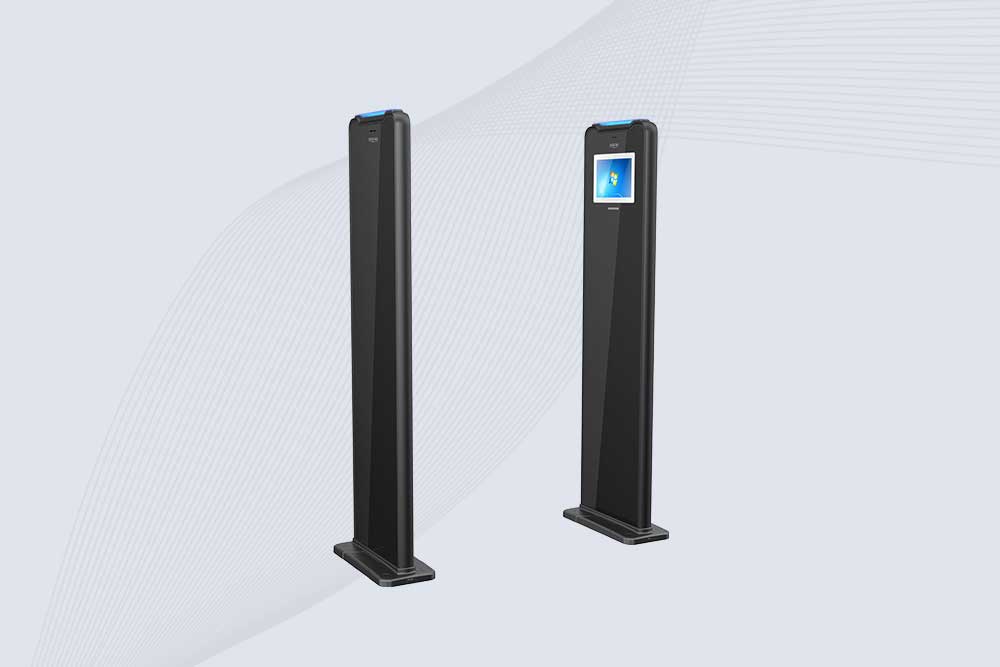
SSD-T4A-P Smart access control with real-time crowd tracking ✔️ AI Tag Filtering for Reduced Misreads SSD-T4A-P supports AI-based tag filtering and up to 6 EPC filtering sets, helping reduce unwanted reads and improve identification accuracy in busy entrances, exits, and retail environments. ✔️ Fast In & Out Detection with Visual & Audio…
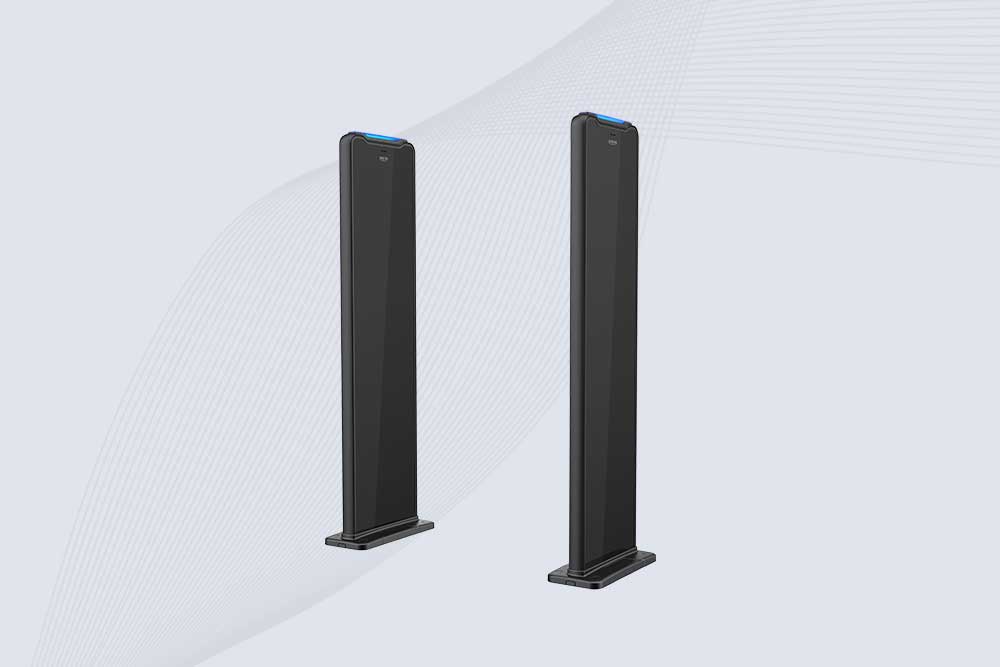
SSD-T4A UHF RFID Gate Reader with 11 dBi antenna, up to 10 m reading distance, AI tag filtering, in/out detection, 300,000 data storage, and TCP/HTTP/MQTT support.
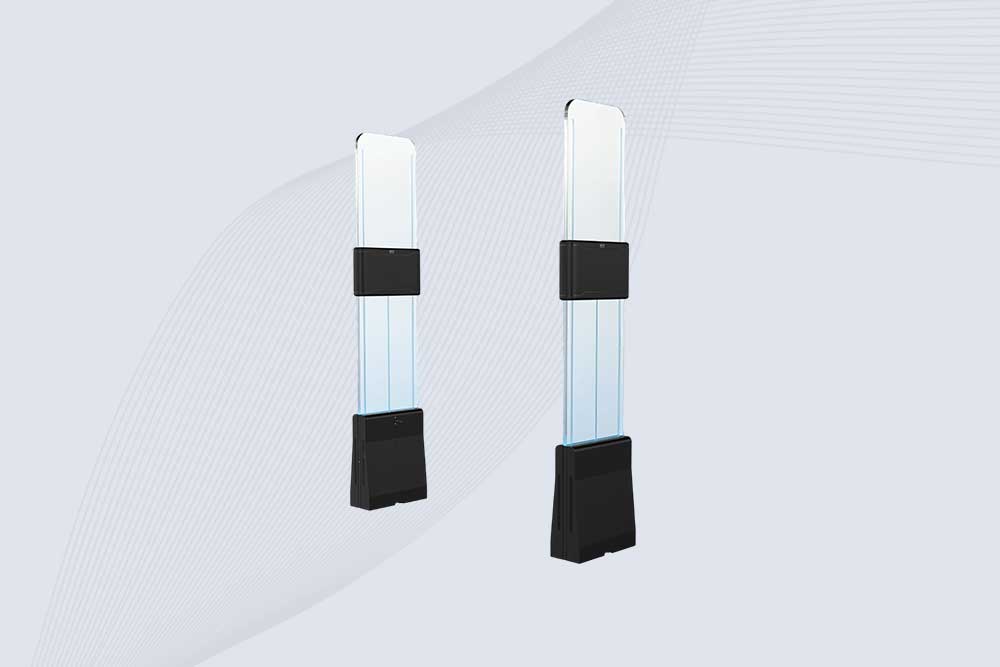
SSD-T2D UHF RFID Gate Reader with 11dBi circular antenna, Impinj E710/X3M1 chipset, up to 10m reading distance, AI tag filtering, in/out detection, and audio-visual alarms.
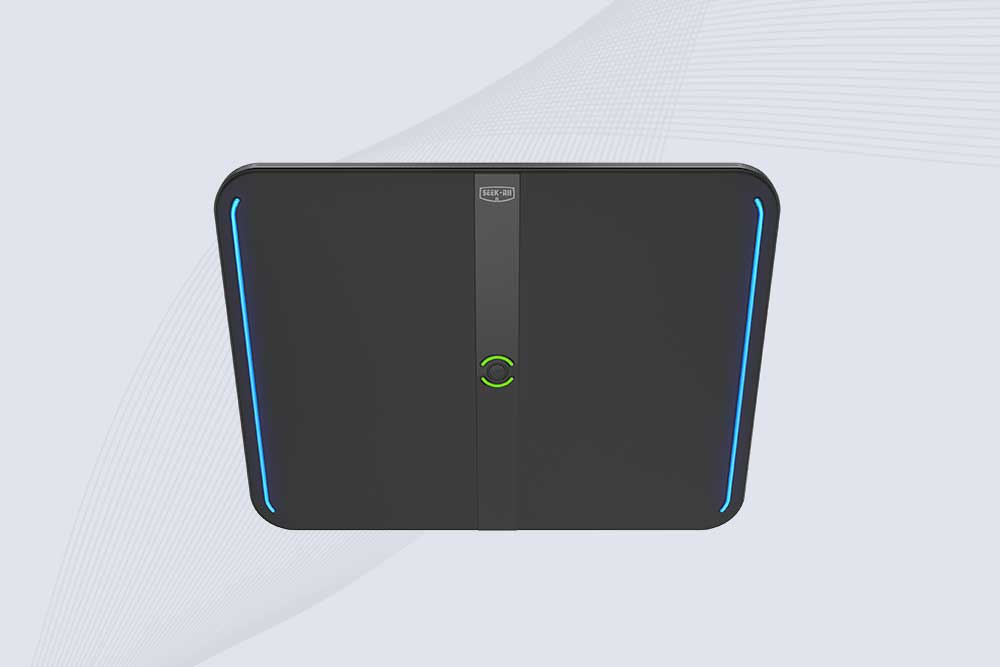
SSD-T1 ✔️ AI-Powered Tag Filtering SSD-T1 supports AI-based tag filtering with up to 6 EPC filtering sets, helping reduce unwanted tag reads and improve identification accuracy in busy retail and access-control environments. ✔️ Reliable In & Out Detection With a 7dBi antenna and a reading range of up to 2.5 meters, SSD-T1 can detect tagged i…
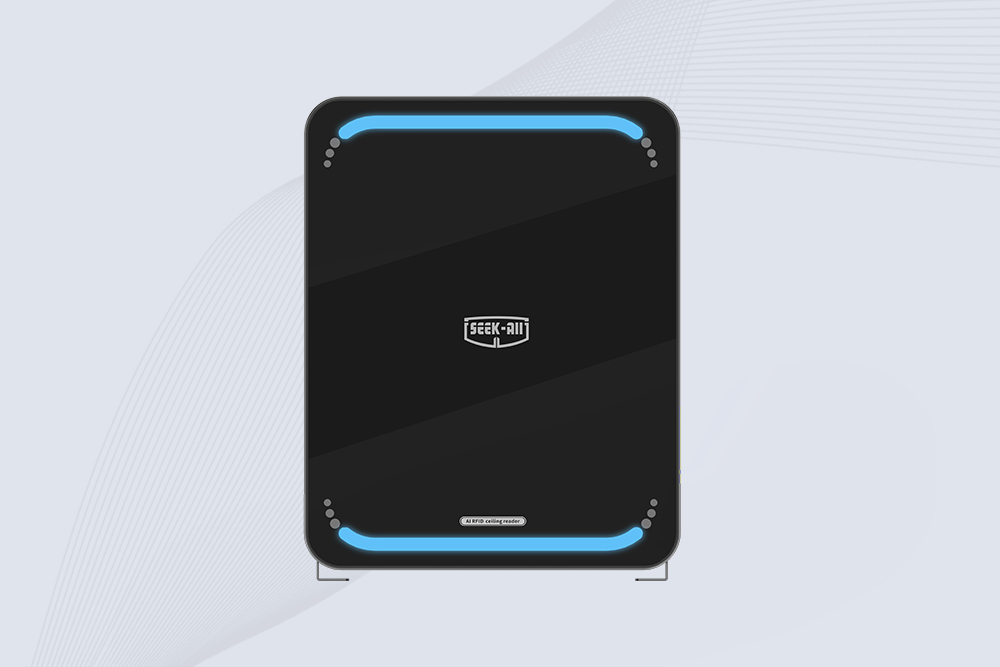
SSD-T1G is a 12 dBi AI RFID ceiling-mounted reader with 10m reading range, In/Out detection, AI tag filtering, 300,000-record storage, and TCP/HTTP/MQTT support.
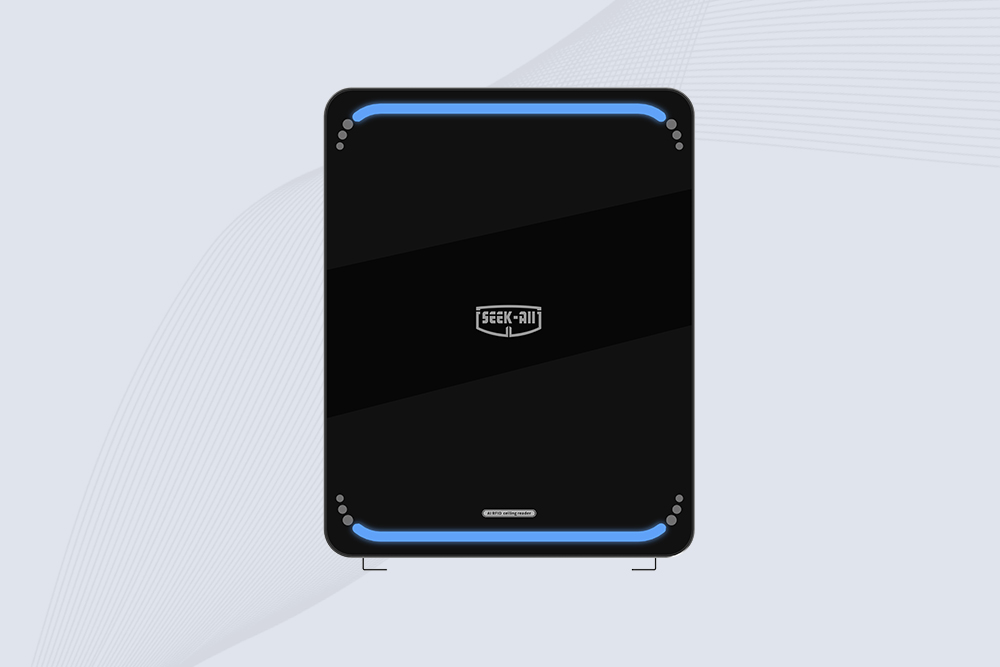
SSD-T1H 9dBi AI ceiling-mounted UHF RFID reader with up to 10m reading range, AI tag filtering, 300,000 data storage, and TCP/HTTP/MQTT support.

Cykeo’s CYKEO-T1D industrial RFID ceiling reader features 500 tags/sec scanning, IP54 protection, and -20℃~60℃ operation for retail/warehouse security. Supports ISO18000-6C and GB/T29768 protocols.
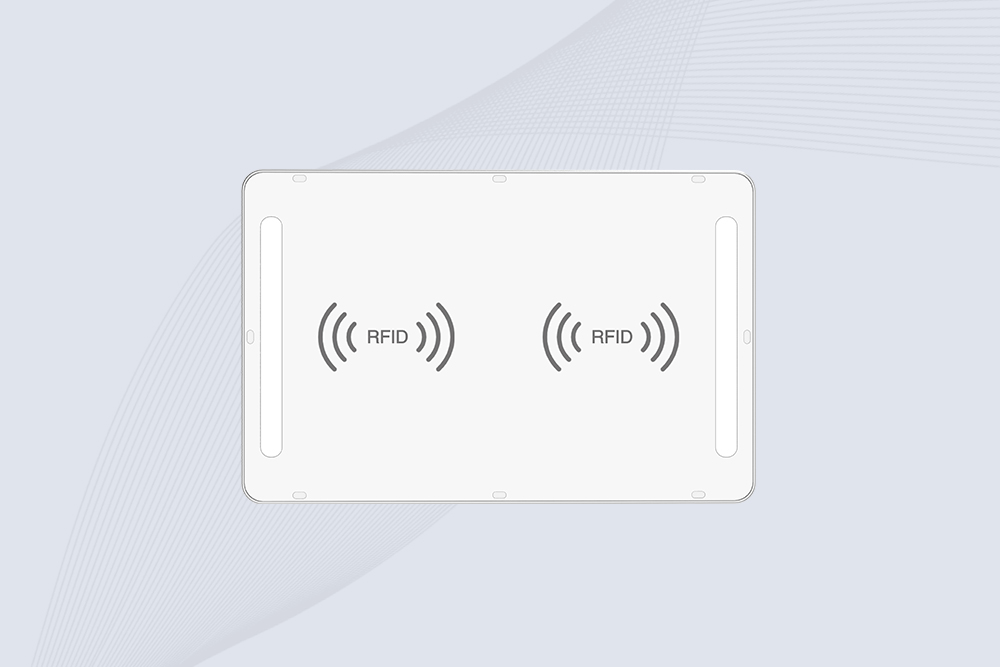
Cykeo’s ceiling-mounted RFID reader enables hands-free 5m inventory tracking with 500 tags/min speed. Features dual alerts, ERP integration, and IP54 rating for warehouse security.
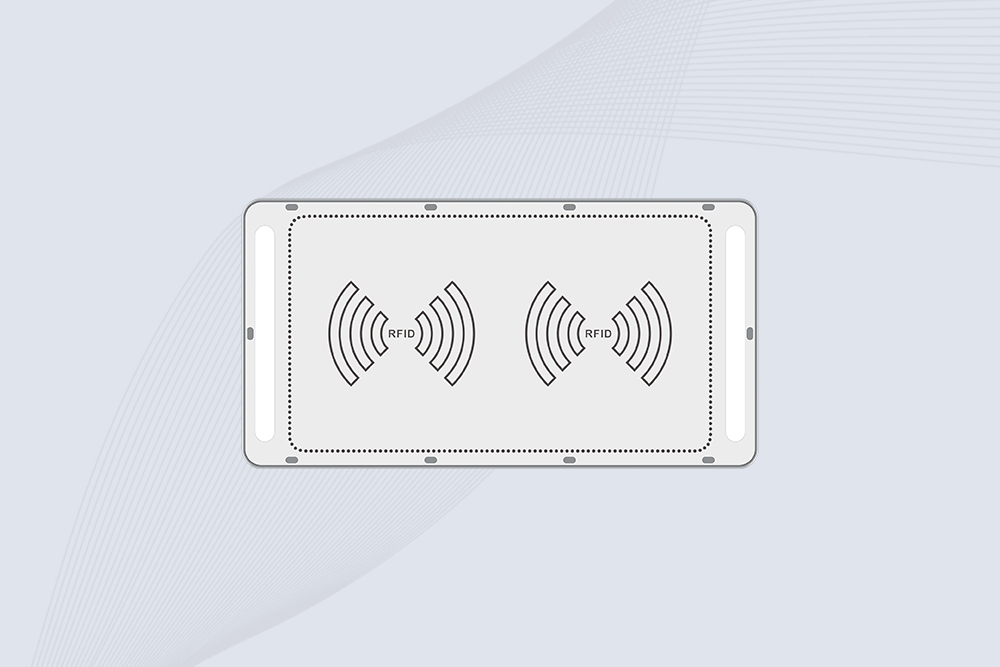
Cykeo CK-T1E RFID gate system features 120° coverage, AI motion filtering, and 5m detection for retail/warehouse security. IP67 rugged design with ERP integration.
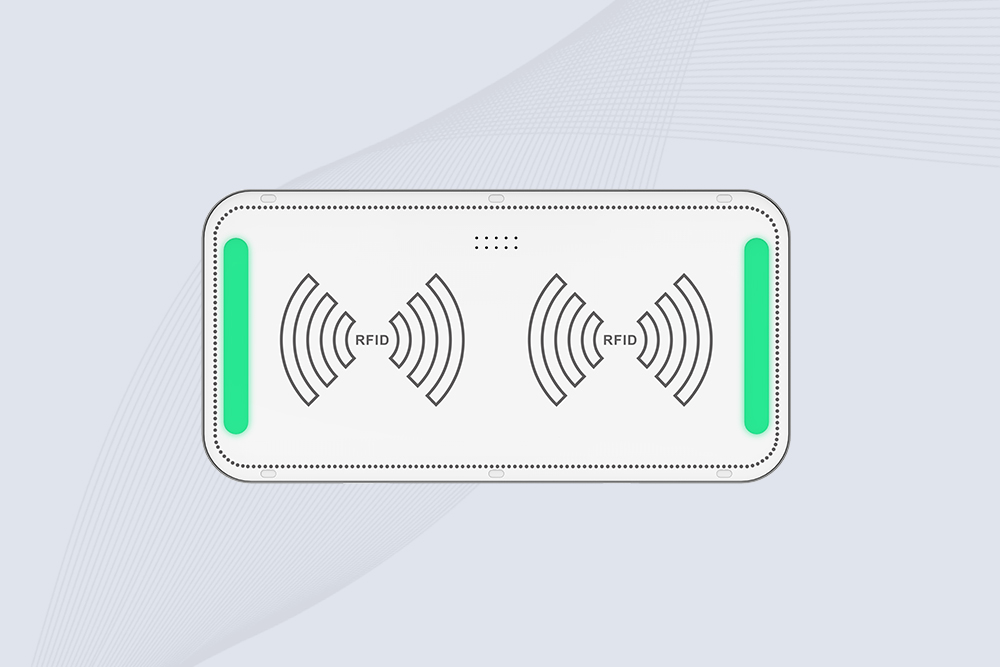
Cykeo CYKEO-T1A industrial ceiling RFID system offers 10-20m read range, 500+ tags/sec speed, and IP65 protection for smart warehousing. Supports multi-protocol integration and real-time inventory alerts.
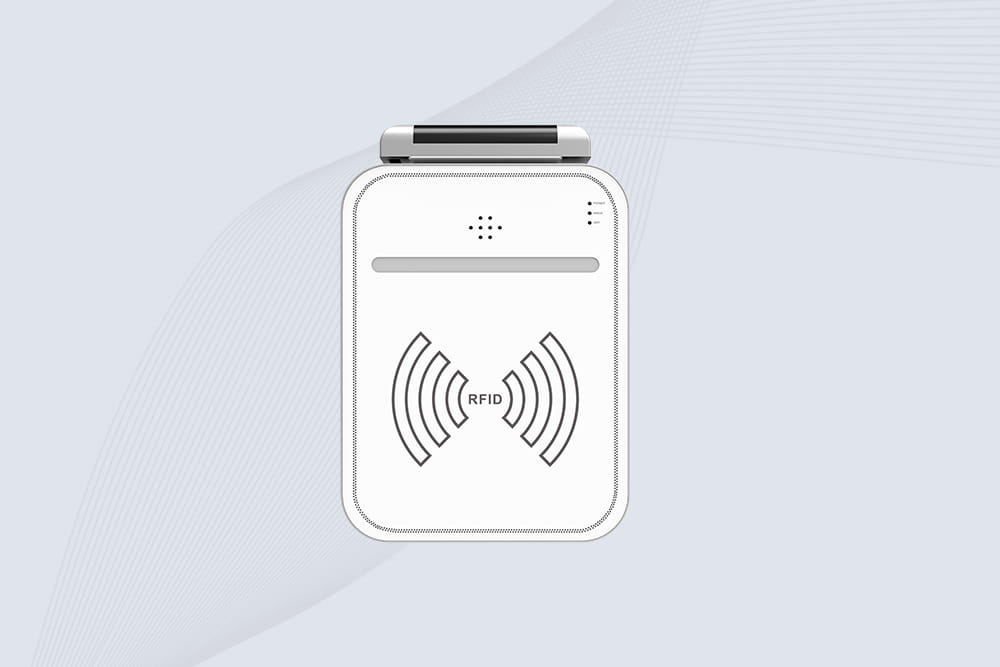
Cykeo’s CYKEO-T1 ceiling-mounted UHF RFID reader offers 500tags/sec scanning, ISO18000-6C compliance, and -20℃~60℃ operation for smart retail/warehouse management. Supports TCP/IP & Android integration.
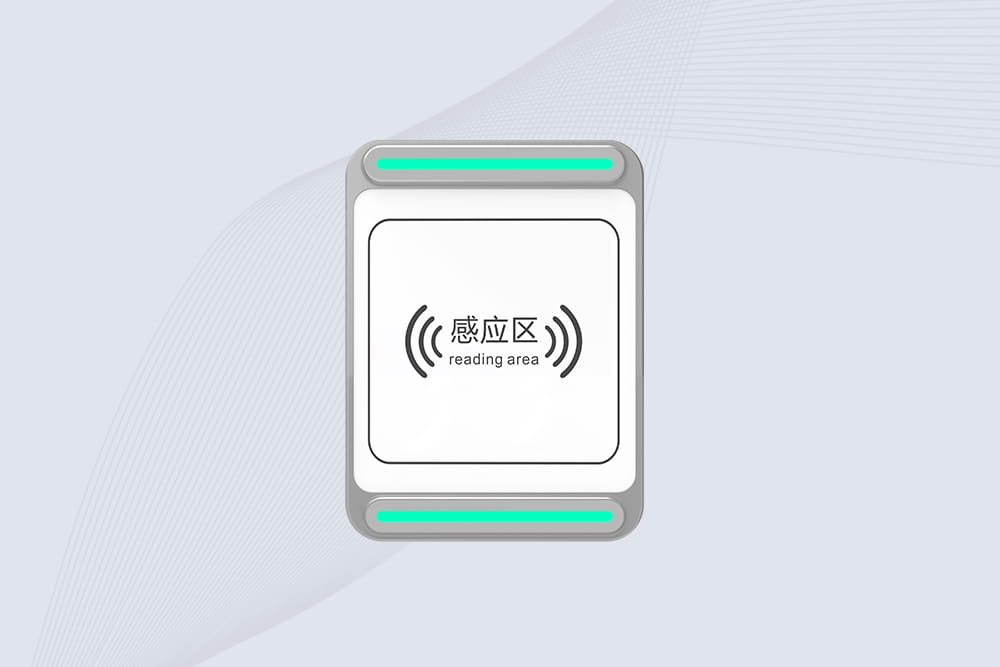
Cykeo CYKEO-T1B ceiling-mounted RFID system delivers 10-20m reading range, 500+ tags/sec processing, and integrated security alarms. Ideal for warehouse/logistics automation with Android-compatible SDK.
Cykeo’s industrial ceiling-mounted RFID reader offers 10m+ automated inventory tracking, ISO-18000 compliance, and anti-theft alarms. Designed for retail/warehouse/logistics facilities.
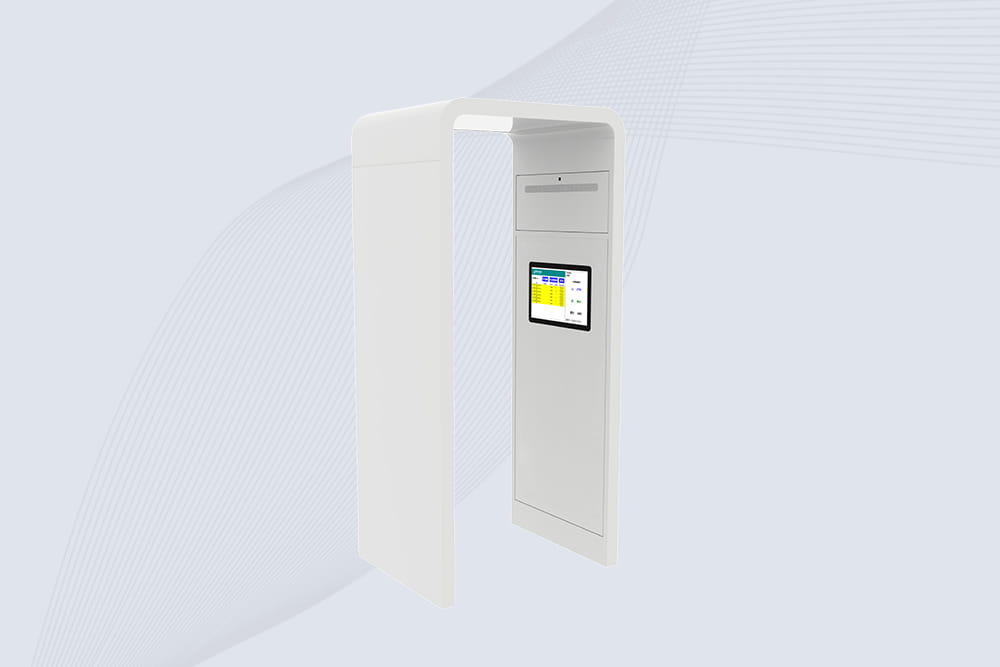
Cykeo CYKEO-T8 industrial arch gate RFID reader delivers 800+ tags/min scanning, 4m detection range, and Android touchscreen for libraries/retail stores. Supports SAP integration & dual EAS alarms.
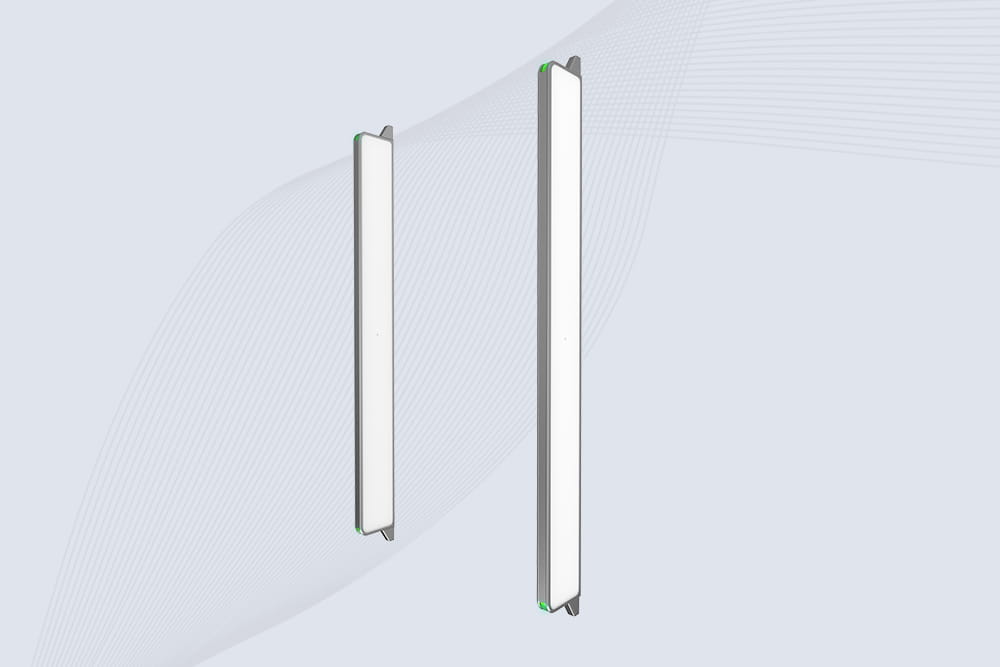
Cykeo CYKEO-T3 industrial RFID gate reader features 200cm detection, infrared triggering, and dual alarm modes for warehouses/libraries. Supports WiFi/4G and Java/C# SDK integration.
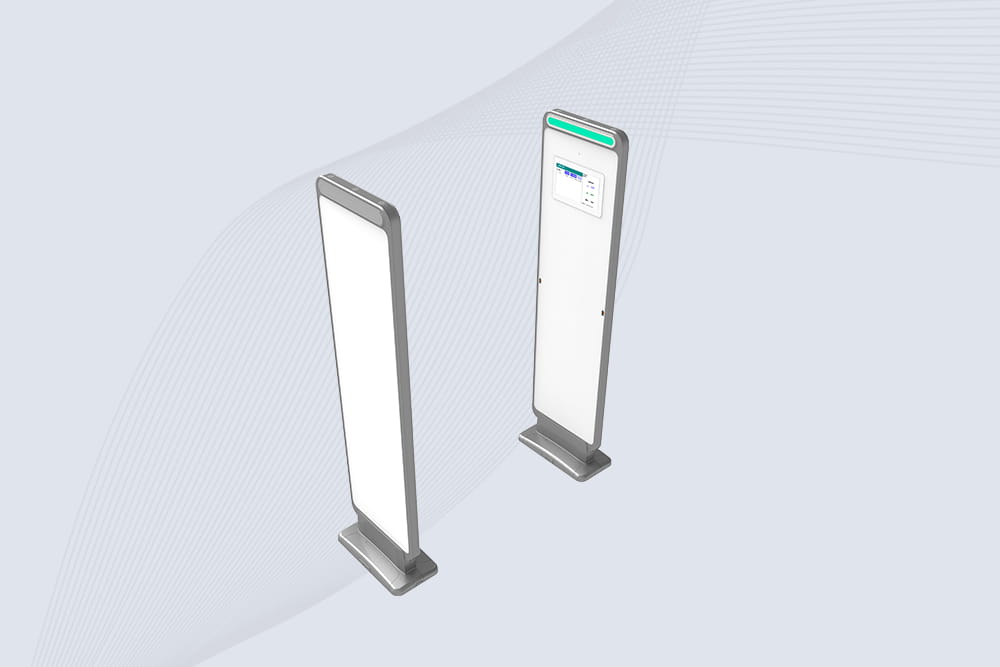
Cykeo CYKEO-T4 industrial RFID gate system features 4-antenna array, 99.9% detection accuracy, dual EAS alarms, and WiFi/4G connectivity for library/warehouse/retail security. ISO 18000-6C compliant.

Cykeo’s CYKEO-T5 UHF RFID gate reader features 600cm detection, infrared tracking, and dual-mode alarms for retail/library security. Supports crowd counting and multi-protocol integration.
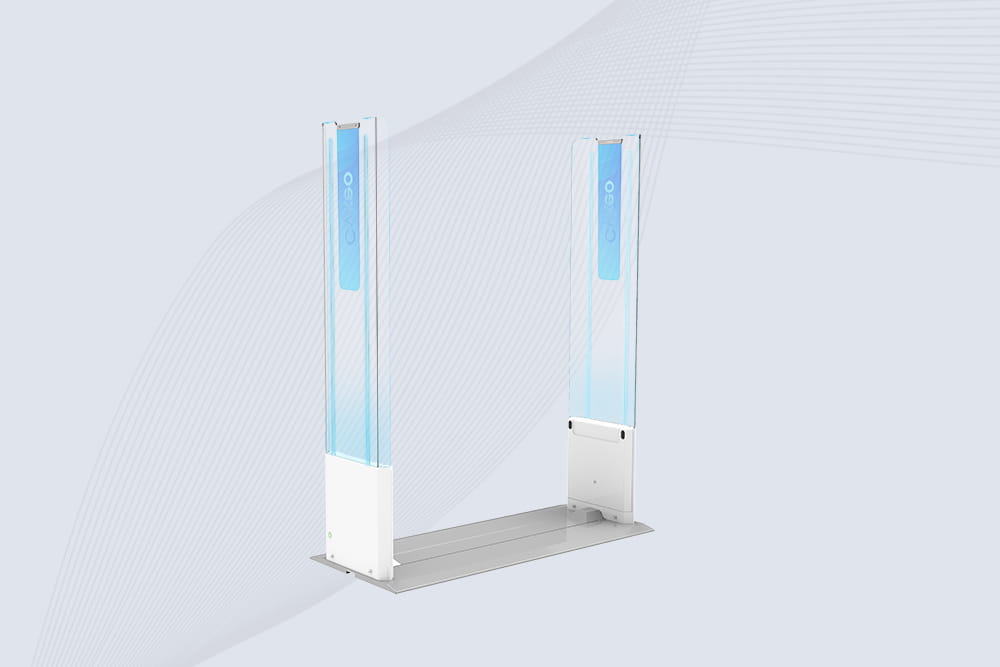
Cykeo CYKEO-T2A industrial Gate Barrier RFID Reader system features 6m detection, 200 tags/sec scanning, IP54 durability. Perfect for retail security, warehouse access control. Supports EPC C1G2, WiFi/4G, ERP integration.
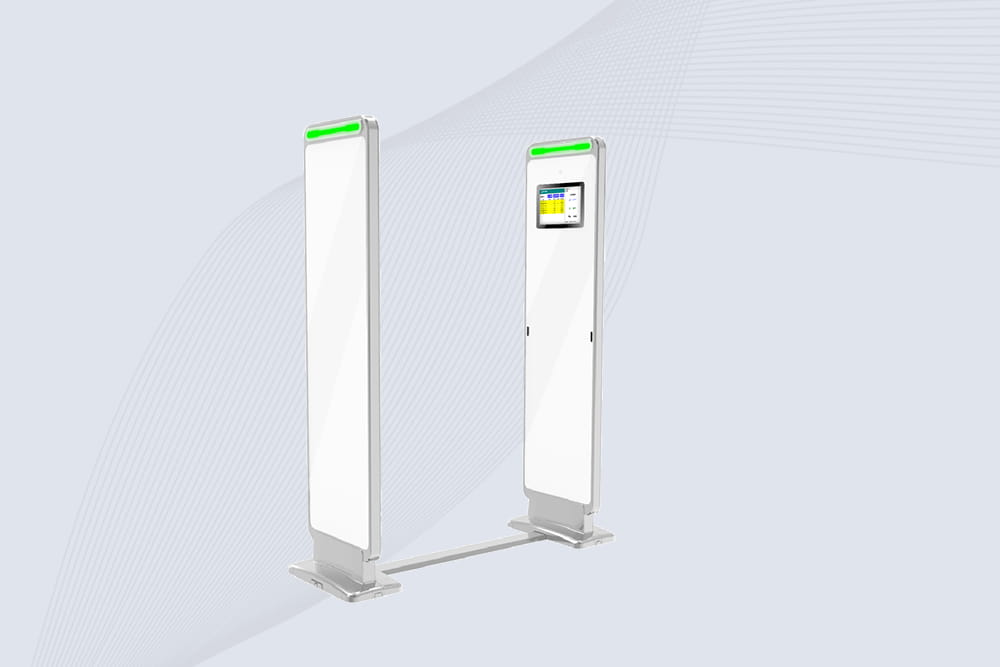
Cykeo’s CYKEO-T4 RFID Gate Reader system offers 200+ tags/sec scanning, EAS alarms, and rugged design for libraries/warehouses. Supports WiFi/4G and Windows/Android OS.

Cykeo HF RFID gate reader offers 90cm detection range, ISO15693/18000-6C compliance, and industrial-grade durability for libraries/retail. Features EAS alarms, infrared traffic analysis, and 3D omni-directional scanning.
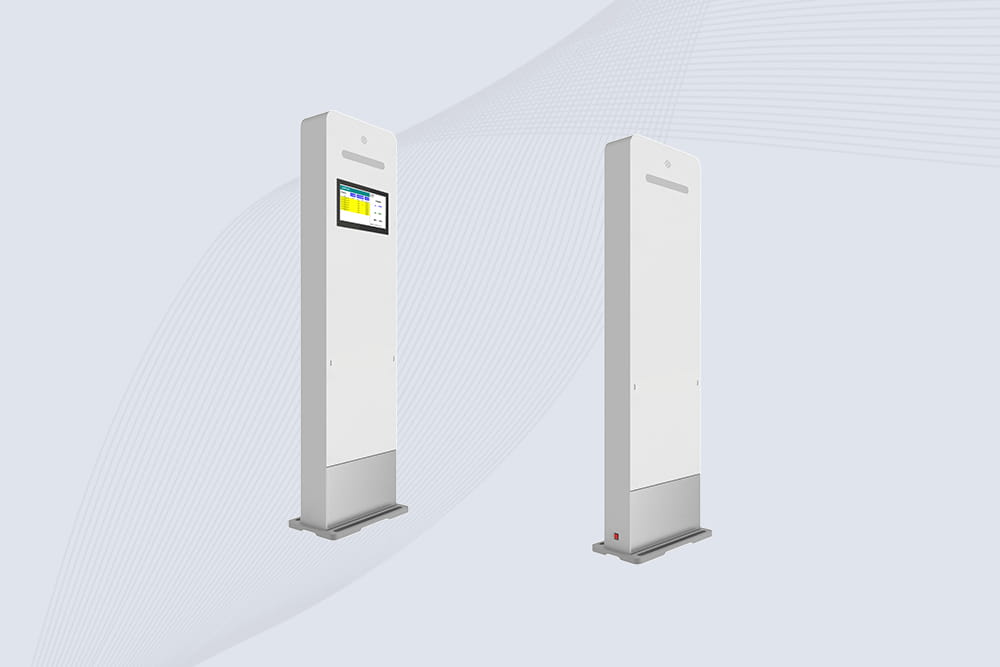
Cykeo CYKEO-T7 UHF RFID Gate Reader system delivers 600cm read range, 99.9% tag accuracy, real-time personnel counting, and SAP integration for logistics/warehouse/manufacturing. Supports dual OS & offline alarms.
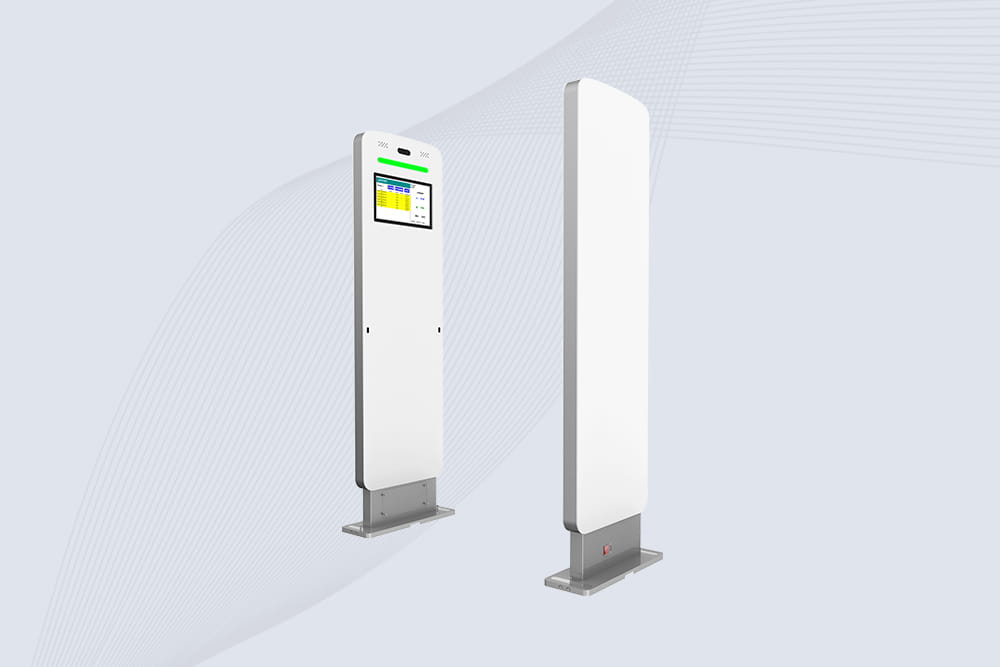
Cykeo CYKEO-T6 gate RFID reader features 1,200+ tags/min scanning, 6m detection range, and industrial-grade durability for libraries/stores/warehouses. Supports ISO 18000-6C and waterproof installations.

Cykeo CYKEO-T9HA industrial HF RFID gate reader offers 100cm range, 100+ tags/sec scanning, ISO 15693/14443A protocols, and IP66 durability for libraries, archives, and retail. Supports offline alarms and SAP integration.
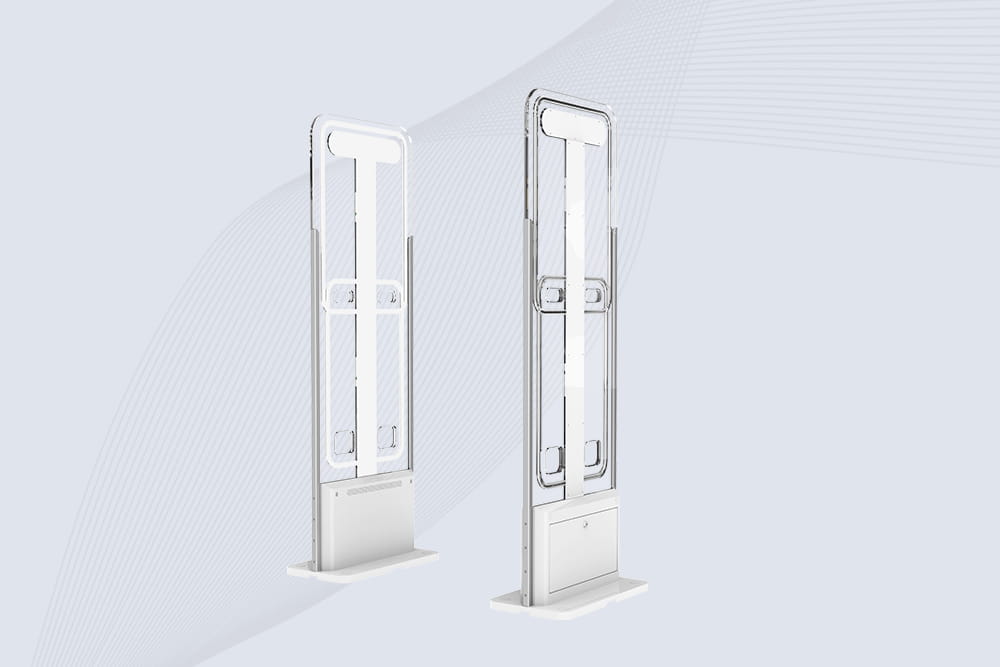
Cykeo CYKEO-T9UH UHF RFID gate reader offers 90cm detection width, EAS/AFI anti-theft alerts, IP54 rugged design, and multi-protocol support for libraries, retail, and logistics.
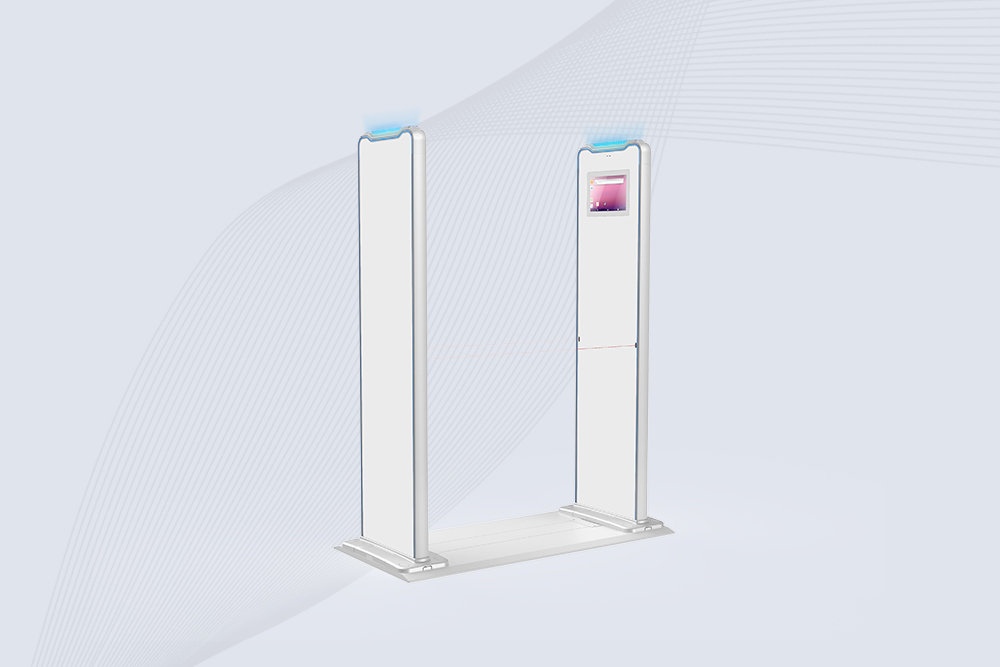
Cykeo’s Fixed RFID Gate Reader features 60 tags/sec scanning, IP54 rugged design, and dual-mode EAS alarm. Ideal for library/warehouse/event access control with real-time crowd analytics.
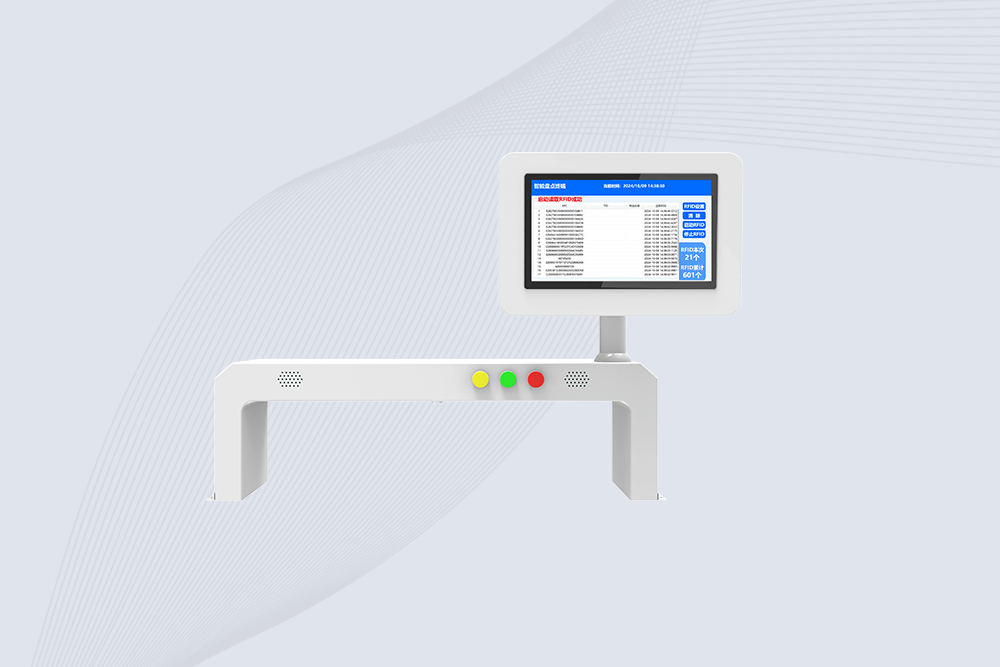
Cykeo CYKEO-T8A rfid gate access control system features IP68 enclosure, 400 tags/sec scanning, and 6-antenna array for warehouse/manufacturing security.
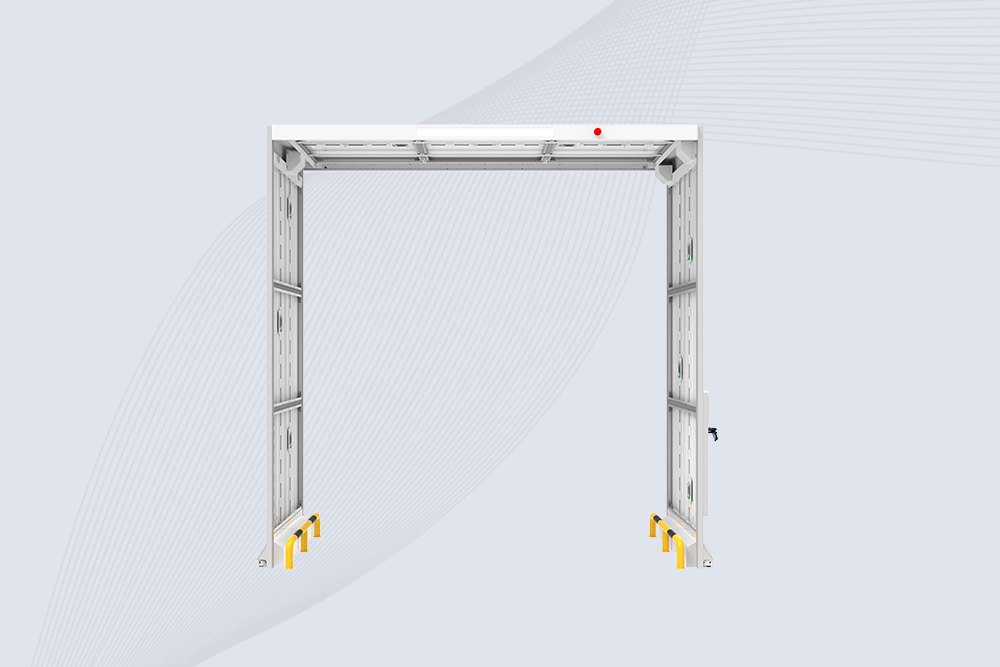
Cykeo CYKEO-T8F RFID gate entry systems deliver 200+ tags/sec scanning, EPC C1G2 compliance, and EAS alarms for warehouse/production gates. Supports Windows/Android OS.
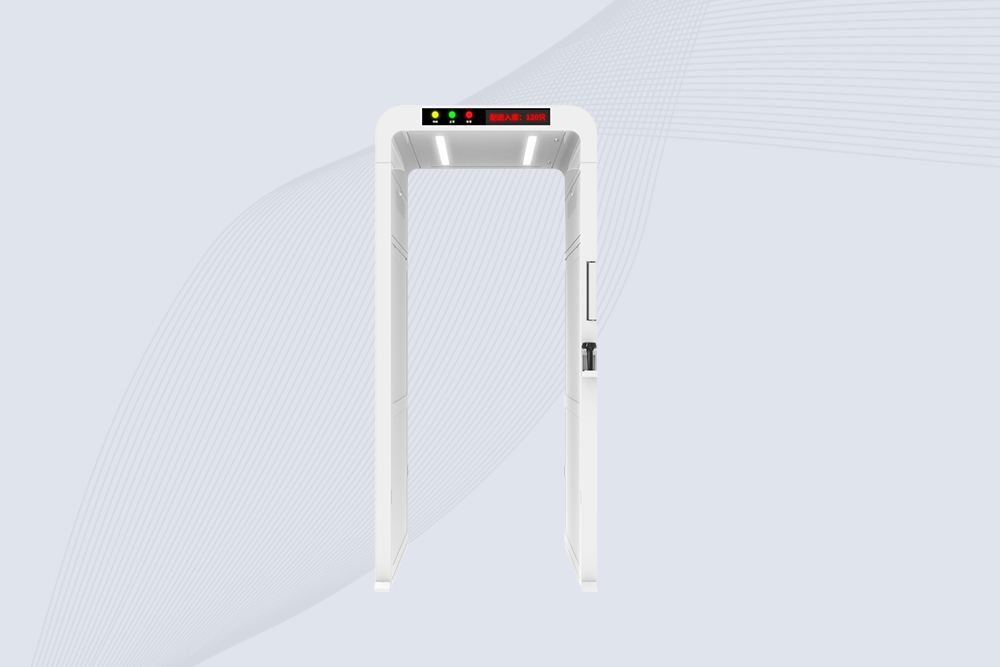
Cykeo CYKEO-T8C RFID gate opener delivers 200+ tags/sec scanning, ISO 18000-6C compliance, and facial recognition for logistics/secure facilities. Supports Windows/Android OS.
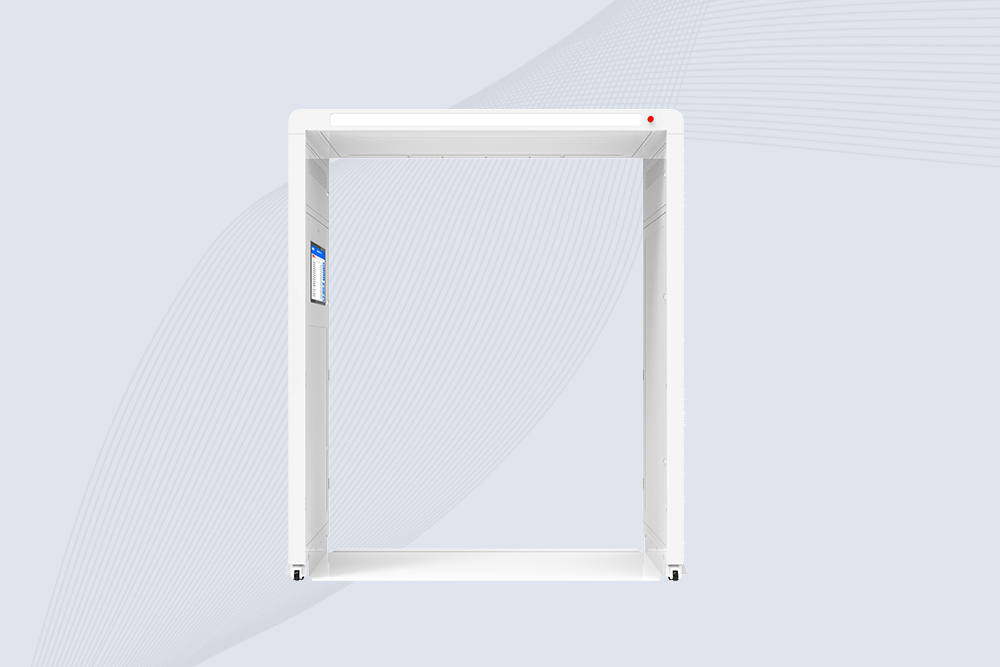
Cykeo CYKEO-T8D RFID gate access control system features 4-antenna 99.98% accuracy, ISO 18000-6C compliance, and real-time theft prevention for libraries/warehouses. Supports Windows/Android OS.
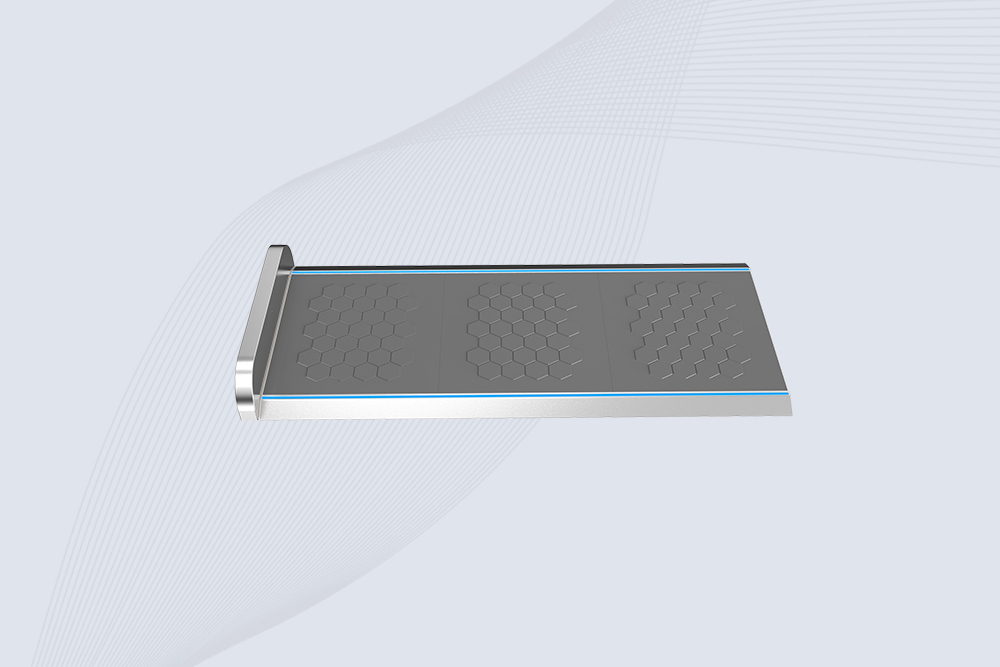
Cykeo CYKEO-T2 industrial RFID gate features 500+ tags/sec scanning, 0-3m vertical detection, and cloud management for warehouse automation and inventory control.
RFID Industry Writer | IoT & Asset Tracking Analyst
James writes about RFID technology, asset tracking, and the practical challenges of digital transformation across warehousing, retail, manufacturing, and logistics.
His work focuses on how RFID is applied in real-world operations—improving inventory visibility, automating workflows, and helping businesses manage assets with greater accuracy and efficiency.
He regularly covers topics including UHF RFID, smart cabinets, RFID portals, tool tracking, warehouse automation, and industrial IoT trends..
Learn how RFID tunnel scanners automate carton scanning in warehouses, improve inventory accuracy, and increase logistics throughput.
More
Explore the differences between handheld RFID scanners and fixed readers. Learn how Cykeo’s solutions optimize inventory tracking for mobility or automation.
More
Need to know how to get data from RFID reader in Python? We cover socket scripts, SDK usage, and real-world tips for handling live tag streams in your application.
More
Tired of missing stock and slow counts? Discover how RFID inventory tags can speed up your inventory process, improve accuracy, and give you real-time visibility—without the headaches of manual tracking.
More