 Cykeo RFID IoT Solution Products R&D Manufacturer
Barcodes vs RFID: Which Saves More Time and Money Right Now?
528Barcodes vs RFID: Discover which tracking tech cuts labor costs faster. See how businesses choose based on scanning headaches, metal interference, and hidden expenses.
MoreAll RFID Product
With the rapid growth of e-commerce and global trade, customers are demanding faster delivery, higher accuracy, and end-to-end visibility. Logistics companies are under pressure to handle multi-client, multi-SKU, and multi-warehouse operations. RFID systems offer automated identification, tracking, and real-time recording of goods flow—becoming a key technology to enhance operational efficiency and meet individualized customer requirements.
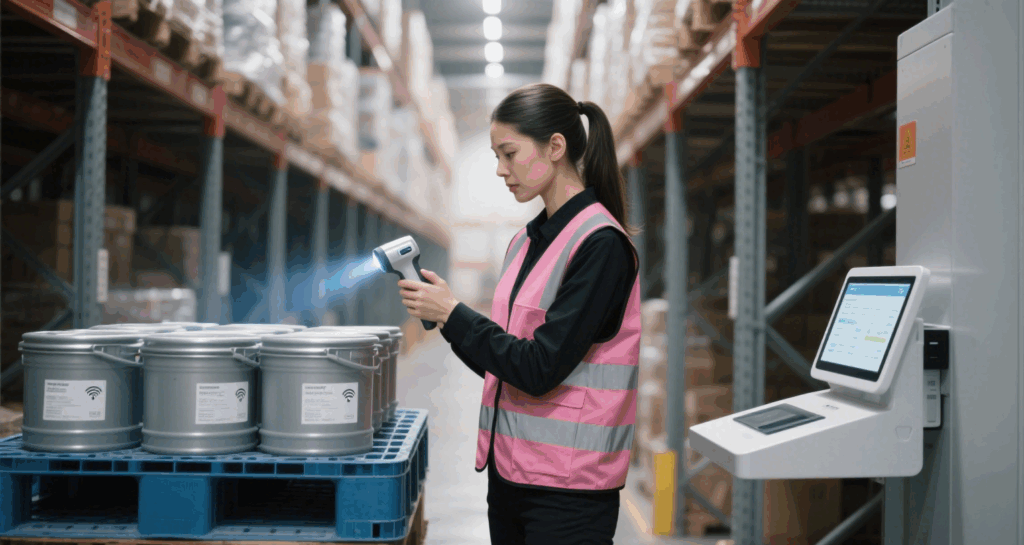
Different clients require different levels of RFID deployment:
Logistics providers must clarify implementation goals and the desired tracking granularity based on client requirements. This ensures the system is neither overbuilt nor underperforming.
RFID tags vary by frequency (LF, HF, UHF), material, and installation method depending on the product type. Third-party logistics (3PL) providers should consider the following when selecting RFID devices:
Additionally, the layout of RFID readers should align with the movement flow of goods to ensure accurate reading and minimal signal loss.
To achieve seamless automation, RFID systems must be fully integrated with the warehouse management system (WMS). 3PL providers should evaluate:
A well-integrated system enables automation across the entire order cycle—from picking and storage to shipping.
Despite its automation advantages, RFID systems still require operators to correctly use handheld readers and respond to error alerts. Companies should implement training programs and optimize legacy workflows to ensure the RFID rollout enhances rather than burdens warehouse operations.
Initial RFID deployment involves multiple costs, including hardware, software, tags, and personnel training. Companies should perform a return-on-investment (ROI) analysis, covering:
If RFID enhances service transparency and efficiency, it can also become a point of competitive differentiation and added value.
For logistics companies, deploying RFID is not just about adopting new technology—it’s about rebuilding service capabilities. With clear scenario planning, proper equipment selection, seamless system integration, structured staff training, and cost management, RFID systems can significantly enhance efficiency, reduce errors, and boost customer satisfaction.
Choosing the right RFID supplier and system integrator is the most crucial step toward a successful implementation.
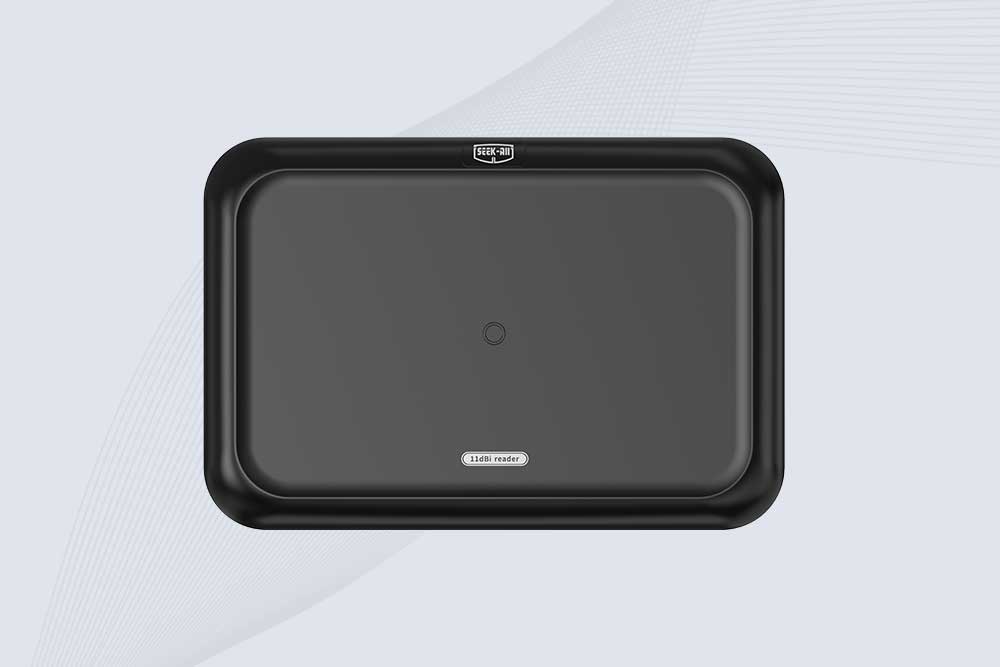
SSD-RA11L is an 11 dBi UHF RFID reader with up to 15m reading distance, 600+ tags/s speed, integrated antenna and flexible connectivity.
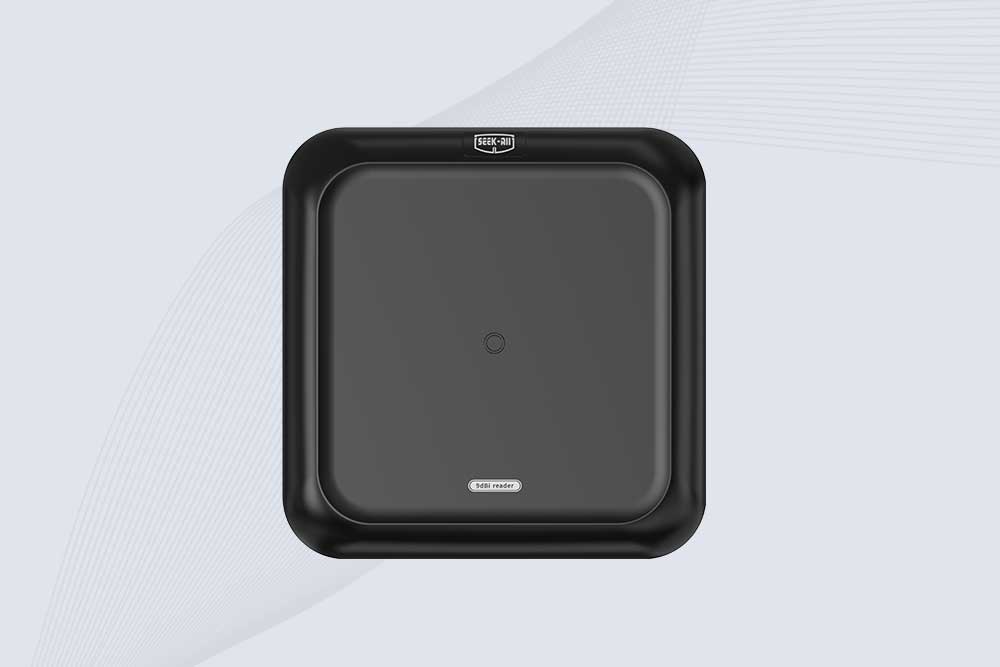
SSD-RA09L is a long range UHF RFID reader with a built-in 9 dBi antenna, 10m reading range, 600+ tags/s speed and flexible interfaces.
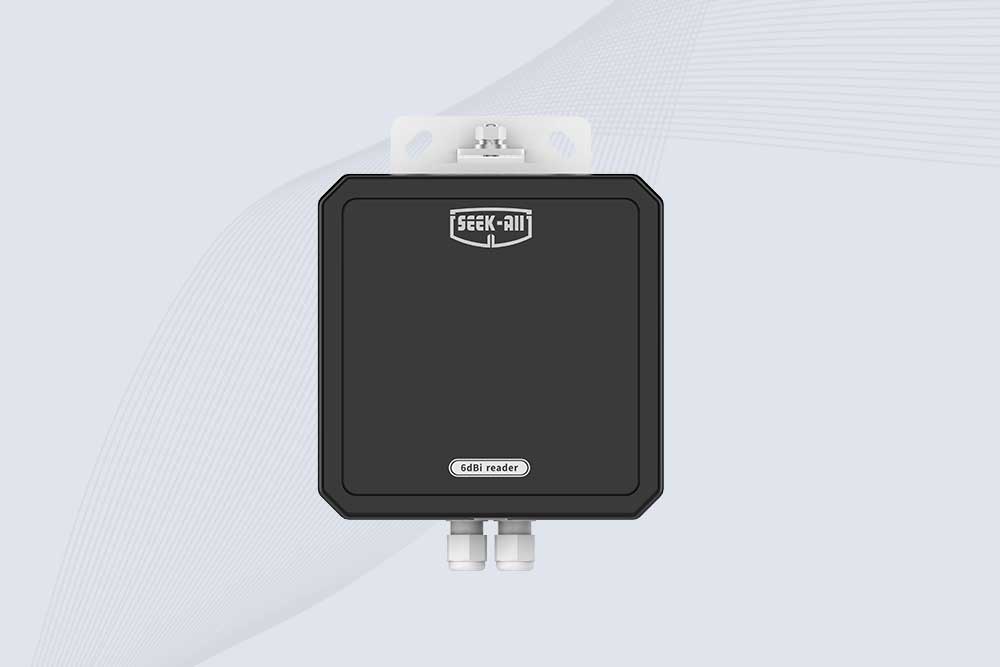
SSD-RA06L is an industrial UHF RFID reader with a built-in 6 dBi antenna, 3 m read range, 600+ tags/s, Ethernet, RS232, and optional Wi-Fi, 4G, and PoE.
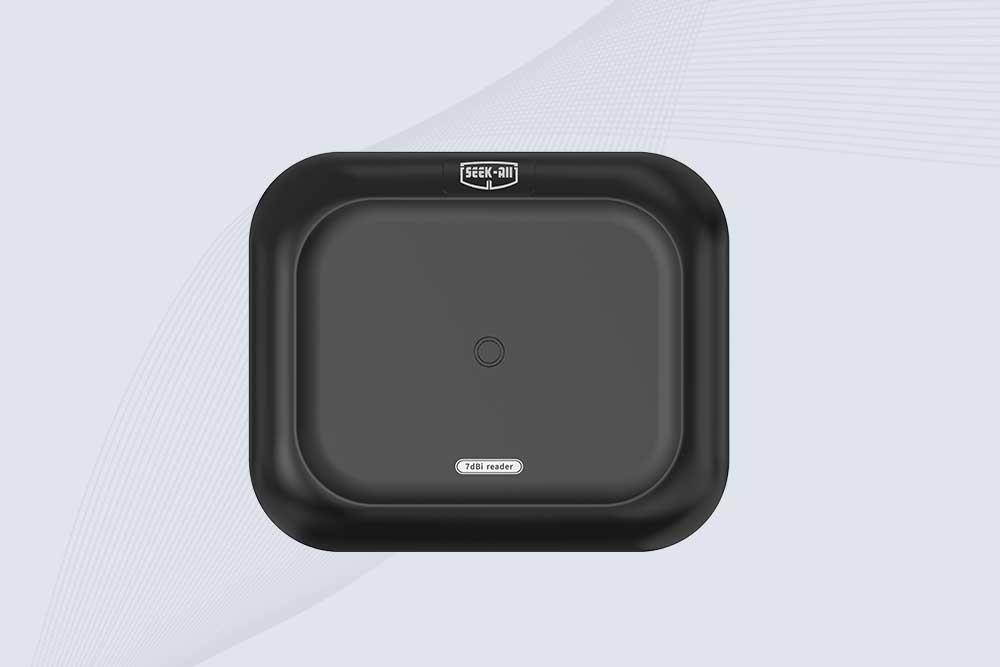
SSD-RA07L industrial UHF RFID reader with integrated 7 dBi antenna, up to 6 m reading distance, over 600 tags/s, Ethernet, RS232, and optional Wi-Fi, 4G, and PoE.

Barcodes vs RFID: Discover which tracking tech cuts labor costs faster. See how businesses choose based on scanning headaches, metal interference, and hidden expenses.
More
Learning how to use USB RFID reader? Step-by-step guide for Windows and Android. Plug-and-play setup, driver installation, software connection, and fixing common issues. Real advice from CYKEO engineers.
More
Wondering "can I read RFID with my iPhone"? We explain exactly what your iPhone can and cannot do with RFID technology for business and personal use.
More
How far can RFID chips be read? Discover the realistic read ranges for LF, HF & UHF systems, and what factors affect performance in your application.
More