 Cykeo RFID IoT Solution Products R&D Manufacturer

RFID Labels Meaning: From Basics to Real-World Uses
749Understand the real meaning of RFID labels, how they are built, their types, and why they matter. See how RFID labels are used in retail, healthcare, logistics, and manufacturing.
MoreAll RFID Product
A maintenance technician arrives at a production line to repair a machine, but the required torque wrench is missing. Another team has borrowed it, its return was never recorded, and nobody knows when it will be available again. The repair itself may take only twenty minutes, yet finding the tool can delay the work much longer.
This kind of situation is common in factories where tools are shared across maintenance teams, production departments, and workshops.
Tool downtime management is not only about repairing damaged equipment. It also involves preventing delays caused by unavailable tools, poor location records, overdue returns, inspection requirements, and inefficient tool allocation.
An RFID tool cabinet can help companies improve tool availability by connecting tool identification, checkout records, inventory information, and operational status. When these records are linked with practical maintenance workflows, teams can identify availability problems earlier and make better decisions about shared tools.
Tool downtime management is the process of identifying, monitoring, and reducing the time when a required tool cannot be used for its intended task.
A tool may be unavailable for several reasons. It could be undergoing repair, awaiting inspection, checked out by another employee, stored in an unexpected location, or missing from the tool room. Sometimes the tool is physically available, but its location or status has not been updated in the management system.
These situations create different problems and require different responses.
For example, a damaged power tool needs maintenance or replacement. A tool that has been borrowed by another department may only need to be returned or transferred. A calibrated instrument that has passed its due date may need verification before it can be used again.
A useful tool downtime management process distinguishes between these situations instead of treating every unavailable tool as a missing asset.
For industrial teams, the objective is straightforward: make the right tool available when the work requires it, while keeping safety, inspection, and access requirements intact.
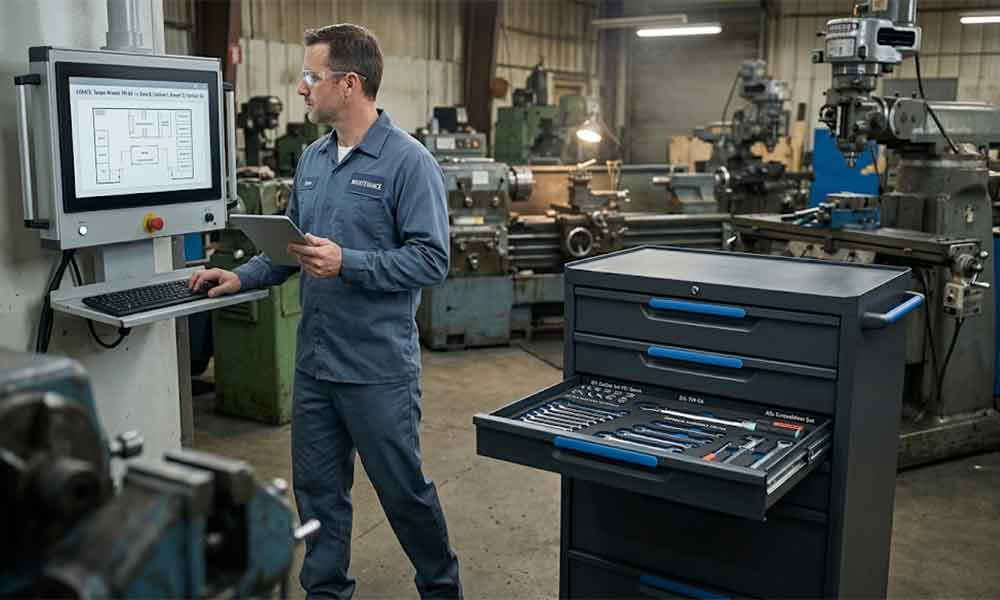
In many factories, tools move between tool cribs, maintenance workshops, production lines, and temporary work areas. If transfers are not recorded, employees may spend time checking several locations before finding the required equipment.
The delay becomes more serious when the tool is specialized or needed for urgent maintenance.
RFID tool cabinet can provide a defined storage and transaction point. It helps staff verify which tools are recorded in the cabinet and review relevant checkout information without relying entirely on handwritten logs.
However, a cabinet does not automatically provide continuous location tracking after a tool leaves its reading area. Transfers and returns still need suitable recording procedures.
A factory may have enough tools for normal operations but still experience shortages during shift changes, equipment breakdowns, or periods of concentrated maintenance work.
The problem may not be the total number of tools. It may be that several departments need the same equipment at the same time.
Tool availability records, checkout histories, and reservation information can help supervisors understand who currently has a shared tool and when it may become available.
For recurring shortages, usage data can support decisions about whether to redistribute existing tools, introduce a reservation process, or purchase additional equipment.
A tool that is physically present is not necessarily ready for use.
It may be damaged, awaiting repair, overdue for inspection, or subject to calibration requirements. If the system only records whether a tool is inside the cabinet, employees may mistakenly treat it as available.
A better workflow separates physical presence from operational readiness.
An RFID tool management system can associate each tool with a status record and, where supported, connect that record with maintenance or quality software. Employees can then distinguish between available tools and items that require attention before use.
Manual sign-out procedures depend on employees recording every transaction correctly. During busy maintenance periods, a tool may be borrowed without a complete record or returned without updating its status.
This makes it difficult to determine whether a tool is missing, still in use, or stored elsewhere.
An RFID-enabled cabinet can support more consistent checkout and return records through user authentication and tool identification. The actual workflow depends on the cabinet configuration, tag compatibility, and software capabilities.
The first step in reducing tool-related delays is knowing which tools are available, checked out, under maintenance, or awaiting inspection.
A connected RFID cabinet can capture supported tool transactions and associate them with digital records. Authorized employees can use the management software to check a tool’s recorded status before walking to the storage area.
This is especially useful for specialized tools that are shared between maintenance teams or production departments.
For example, a technician preparing a scheduled machine repair may confirm that the required instrument is available before beginning the job. If it is already checked out, the technician can contact the current user or arrange an alternative rather than discovering the problem at the last minute.
Availability information should be updated through defined workflows. If employees move tools without recording transfers or changes in condition, the displayed status may become outdated.
Not all availability problems should trigger the same response.
Consider three situations:
The first situation may require coordination between employees. The second requires inspection or authorization before use. The third requires investigation into the tool’s location, tag condition, or reading environment.
A well-designed workflow records these differences and directs each exception to the appropriate person.
RFID identification can provide supporting evidence, but it does not independently determine why a tool is unavailable. The system needs accurate status records and clearly assigned responsibilities.
Searching for a tool is a form of operational delay that often goes unnoticed in production reports.
Employees may check several cabinets, ask coworkers, inspect workbenches, or look through storage drawers. Each search may seem minor, but repeated searches can consume considerable working time.
RFID tool cabinets can reduce some of this effort by maintaining clearer cabinet inventory records and transaction histories.
When a tool is checked out, the system may show the recorded user and checkout time. When a tool is returned, the transaction can update its recorded storage status. For multi-cabinet operations, a shared platform can provide broader visibility if location transfers are captured correctly.
The result is not guaranteed elimination of searching. Its effectiveness depends on tag reading performance, consistent transactions, and the accuracy of the underlying records.
Scheduled maintenance is easier to organize when required tools can be confirmed in advance.
A maintenance planner may need a particular torque wrench, electrical testing instrument, or specialized hand tool for an upcoming work order. If the tool is already assigned elsewhere or unavailable for inspection reasons, the planner needs time to make another arrangement.
Connecting tool availability records with work orders can help teams identify conflicts before work begins.
For example, a maintenance system may identify the tools needed for a planned repair, while the tool management system provides recorded availability and checkout information. The two systems can support preparation, although the exact integration depends on their interfaces and configuration.
This approach is particularly useful when several maintenance jobs compete for a limited number of specialized tools.
Emergency maintenance creates different demands from routine scheduled work. A machine breakdown may require a tool immediately, leaving little time to search for it or wait for a standard reservation.
A practical tool management process should distinguish urgent requests from normal planned work.
Depending on the software, teams may define priority rules, authorized borrowing procedures, or escalation steps for critical tools. Supervisors can also review checkout history to determine whether a tool is held unnecessarily or stored at another recorded location.
An RFID cabinet provides part of the information needed for these decisions. Emergency procedures still need clear responsibilities, especially when tools are shared between departments.
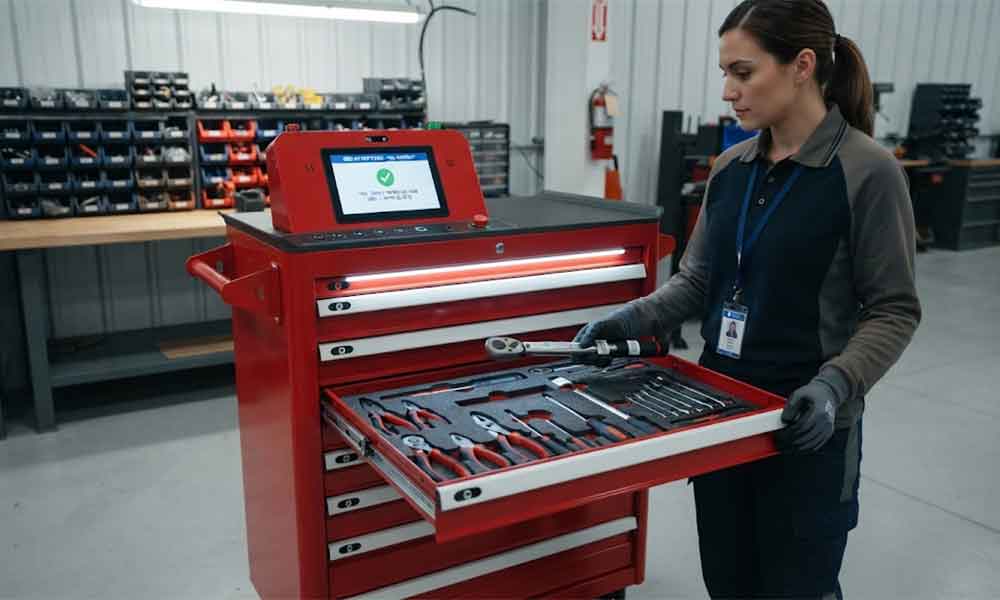
A common mistake is to assume that a tool is available simply because it appears in the inventory.
In practice, tool availability has several dimensions.
| Availability factor | What the team needs to know |
|---|---|
| Physical presence | Is the tool detected at its expected storage location? |
| Recorded location | Where was the tool last recorded? |
| Custody | Who checked it out or is responsible for it? |
| Operational condition | Is the tool damaged or awaiting repair? |
| Inspection status | Is the tool permitted to be used under current inspection rules? |
| Reservation status | Has another job or employee reserved the tool? |
| Readiness for work | Can the tool be used for the intended task now? |
An RFID cabinet may directly support some of these records and integrate with other systems to obtain additional information.
For example, physical presence and checkout transactions may come from the cabinet system, while calibration status may come from a quality management system. Reservation information may be managed through a separate scheduling workflow.
The project team should decide which system owns each status and how updates are synchronized. Without clear data ownership, employees may see conflicting information about the same tool.
Individual incidents are useful, but recurring patterns can reveal larger operational problems.
A company might find that a particular tool is frequently unavailable during shift changes. Another tool may spend a disproportionate amount of time under repair. A shared instrument may regularly be checked out by one department while several others are waiting to use it.
Transaction records and availability reports can help managers investigate these patterns.
Useful indicators include tool-related search time, unavailable hours, checkout duration, overdue returns, repair frequency, and the number of maintenance jobs delayed by missing equipment.
These indicators should be interpreted carefully. A long checkout period does not necessarily mean a tool is being used inefficiently; some jobs legitimately require longer access. Similarly, an unavailable tool may not have caused any actual production delay.
Combining RFID records with work-order data and employee feedback provides a more reliable picture of the operational impact.
Before introducing a new system, establish how downtime will be measured.
For example, a company could record the time between discovering that a required tool is unavailable and obtaining a usable replacement. It could also track how many work orders are delayed because of tool availability problems.
A simple measurement framework may include:
These measures create a baseline for comparison after implementation.
Avoid attributing every improvement to RFID alone. Changes in staffing, maintenance procedures, tool quantities, and production demand may also influence the results.
An RFID tool cabinet becomes more valuable when its records support the wider maintenance process.
A CMMS may manage work orders, preventive maintenance schedules, and repair history. An ERP system may hold purchasing information and asset costs. MES software may coordinate production activities and identify upcoming operational requirements.
Where suitable interfaces are available, tool availability information can be connected with these systems.
For instance, a maintenance planner may review a work order and check whether the required tools are available before assigning a technician. If a tool is awaiting inspection, the planning process can account for that restriction rather than assuming the item is ready.
Integration should include clear rules for data ownership, synchronization, error handling, and offline events. Teams should also decide what happens if a cabinet cannot communicate with the central platform.
Start with a limited workflow, validate the data exchange, and expand after the process works reliably under actual operating conditions.
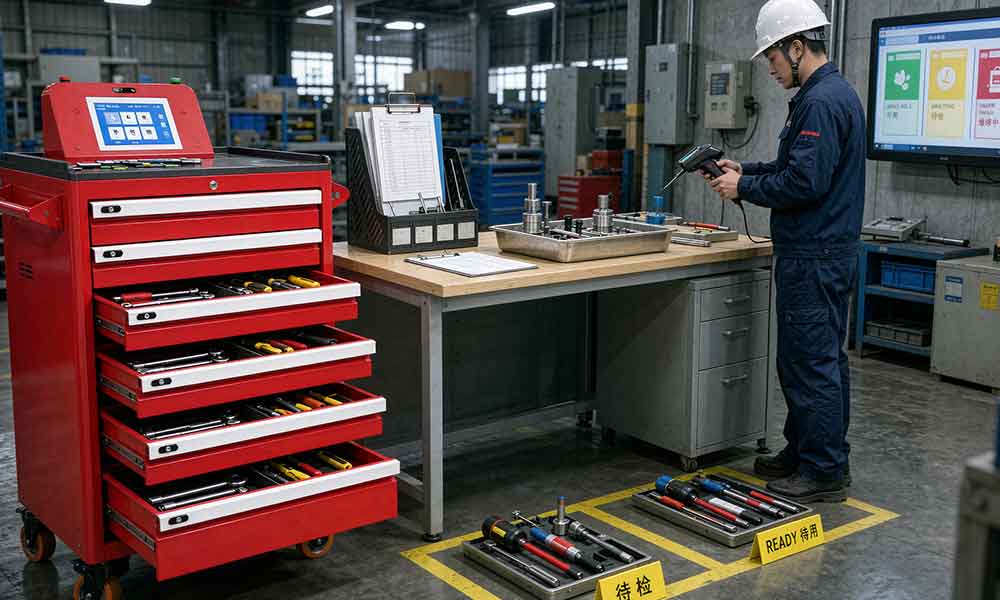
Start with maintenance logs, production interruptions, employee feedback, and existing tool registers.
Focus on tools that are frequently shared, difficult to locate, expensive to replace, or essential to time-sensitive maintenance work. These tools are often useful candidates for an initial project.
Define what available, checked out, reserved, under repair, awaiting inspection, and missing mean in the actual workplace.
Keep the status model simple enough for employees to understand. Each status should have a clear update rule and an assigned responsibility.
Use representative tools in the intended cabinet, including metal tools and closely packed items. Verify that the system can identify the tools reliably and handle multiple-tool reading in the real storage arrangement.
Test both normal transactions and exceptions. A successful demonstration with a few widely separated tags may not represent the final installation.
Decide how technicians check availability, how tools are issued and returned, and how unavailable tools are escalated.
Where work orders or inspection records are involved, define how employees access the information and which system updates each status.
Run a pilot with a defined group of tools and users. Record the existing search time, availability problems, and work delays, then compare the results after the new workflow is introduced.
Collect feedback from technicians and supervisors. If the system reduces searching but adds too much checkout effort, adjust the process before deploying more cabinets.
One mistake is purchasing RFID cabinet without identifying the actual source of tool downtime. If the main problem is an insufficient number of specialized tools, tracking alone will not solve the shortage.
Another mistake is treating every tool in the cabinet as ready for use. Physical presence must be distinguished from condition, inspection status, and reservation status.
Poor data quality can also undermine availability reports. Incorrect tag mappings, unrecorded transfers, and inconsistent status updates may cause employees to lose confidence in the system.
Finally, companies sometimes measure only inventory accuracy instead of operational results. A system may produce better inventory records without reducing maintenance delays if the workflow does not address the real bottleneck.
Define the business problem first, choose suitable measures, and test the solution under normal and urgent operating conditions.
When comparing solutions, look beyond the cabinet’s appearance and advertised reading range.
Check whether the system supports the required tool types, suitable RFID tags, user authentication, checkout and return records, inventory checks, and status management. Confirm how multiple cabinets share data and whether the software supports the required reports or integrations.
Ask the supplier to test your actual tools in a representative storage arrangement. Discuss how the system handles missing tools, overdue returns, maintenance restrictions, network interruptions, and tool transfers between locations.
Also review installation, training, data preparation, software configuration, and after-sales support. These items can influence project results as much as the RFID hardware.
The right solution is one that fits the factory’s operating process and provides dependable information when employees need to make tool availability decisions.
Reducing tool downtime starts with reliable records and clear operating procedures. An effective RFID tool cabinet can support tool identification and transaction tracking, while RFID tool cabinet inventory management improves visibility into recorded stock. For teams coordinating shared equipment, tool reservation and availability management can help manage competing requests. Connecting these processes through RFID tool cabinet software integration can make tool availability information more useful to maintenance planners.
Publishing note: Verify the final published URL for each supporting article before inserting the links. Keep the product-category link pointed to the existing RFID tool cabinet category.
Tool downtime is often caused by more than broken equipment. Missing tools, unclear custody, poor location records, inspection restrictions, and competition for shared tools can all delay industrial work.
An RFID tool cabinet can help address these problems by improving tool identification, recording checkout and return activity, supporting inventory checks, and connecting tool records with maintenance workflows. When the system includes clear availability statuses and reliable data, teams can make better decisions about tool allocation and maintenance preparation.
The best starting point is to identify the tools responsible for the most frequent delays, establish measurable performance indicators, and run a pilot using actual workplace conditions. The objective is not simply to install RFID equipment. It is to make the tools required for industrial work easier to find, easier to manage, and more likely to be ready when needed.
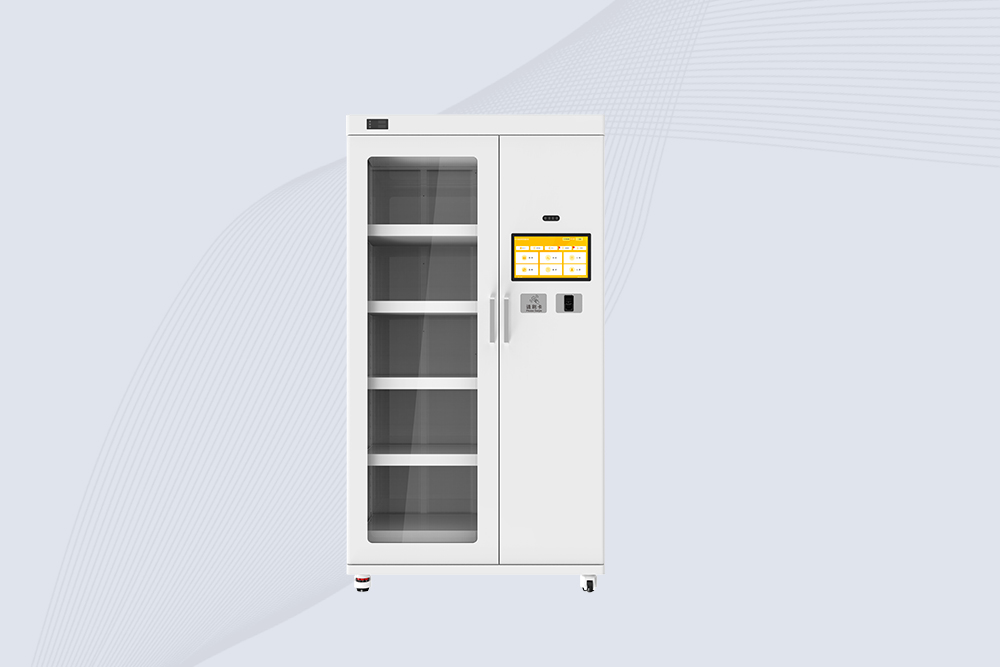
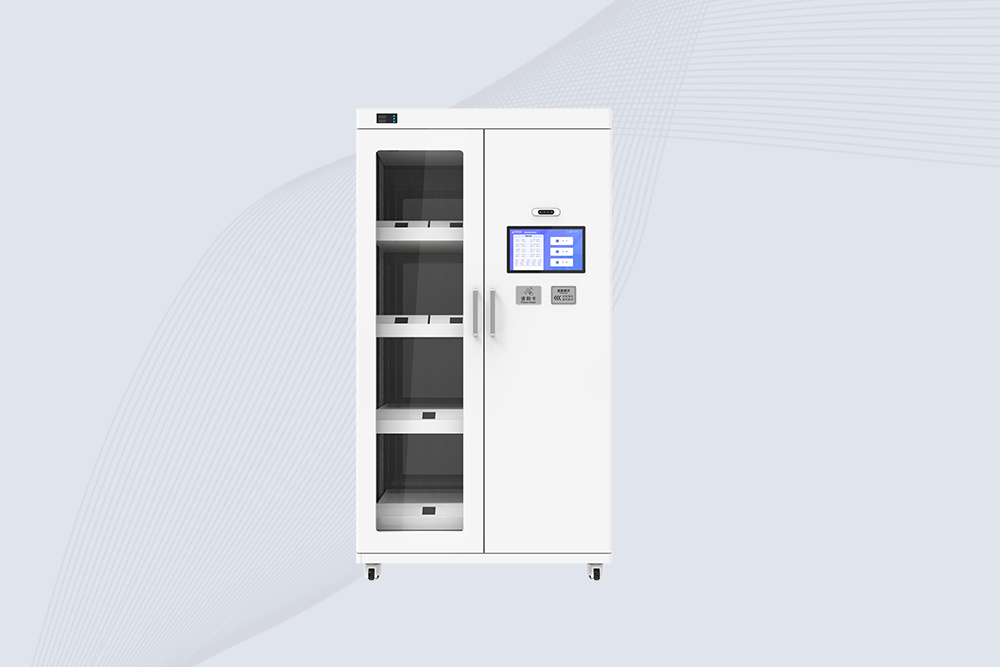
Cykeo’s RFID Smart Tool Cabinet enables 10-second tool audits, user access control & real-time alerts for construction/oil/gas. Features 21.5″ touchscreen, IP54 steel body & -30°C~60°C operation. Supports SAP/Oracle integration.
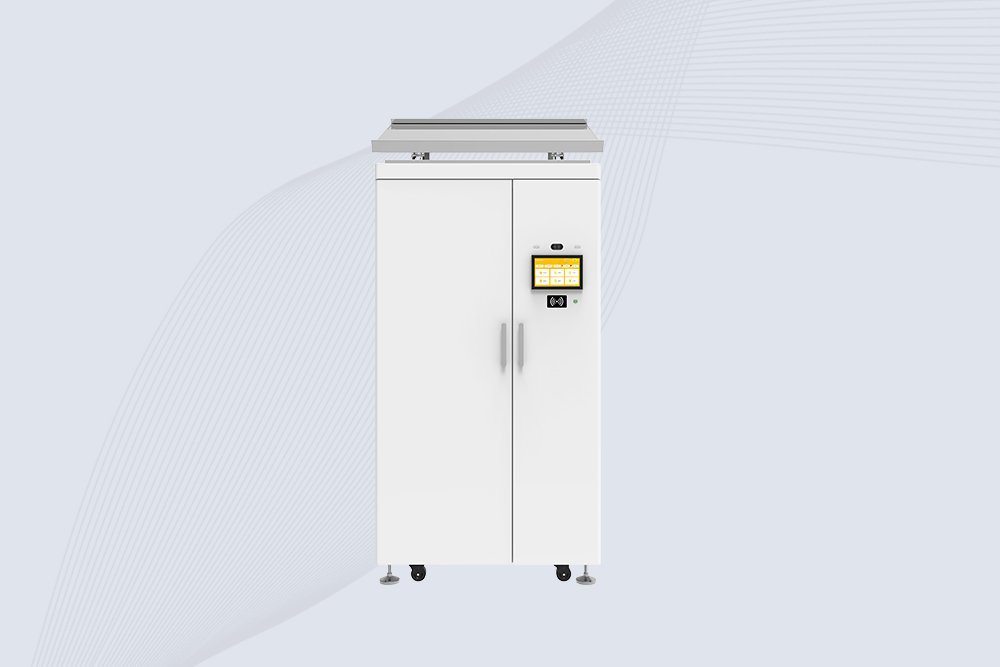
Cykeo’s Intelligent Weighing Tool Cabinet combines weight sensors & RFID for 100% tool accountability. Features solar/4G options, IP54 steel-glass body & nuclear/rail compliance. Supports SAP/Oracle integration.
Cykeo’s solar-powered RFID Inventory Tool Cabinet enables 5-second audits for remote sites. Features 160W solar, Android 7.1, 4G & extreme temp operation for oil/energy/mining sectors.
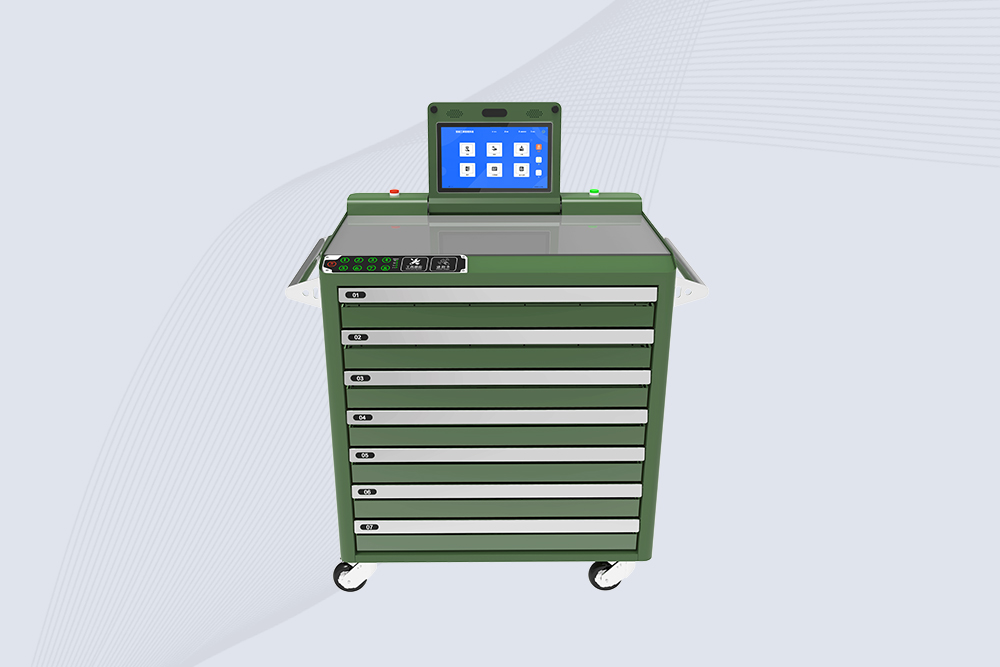
Cykeo’s industrial RFID Tool Cart features 14″ touchscreen, 400+ tool scanning, and carbon steel construction for aviation MRO, power plants and construction sites. 5-second inventory scans.
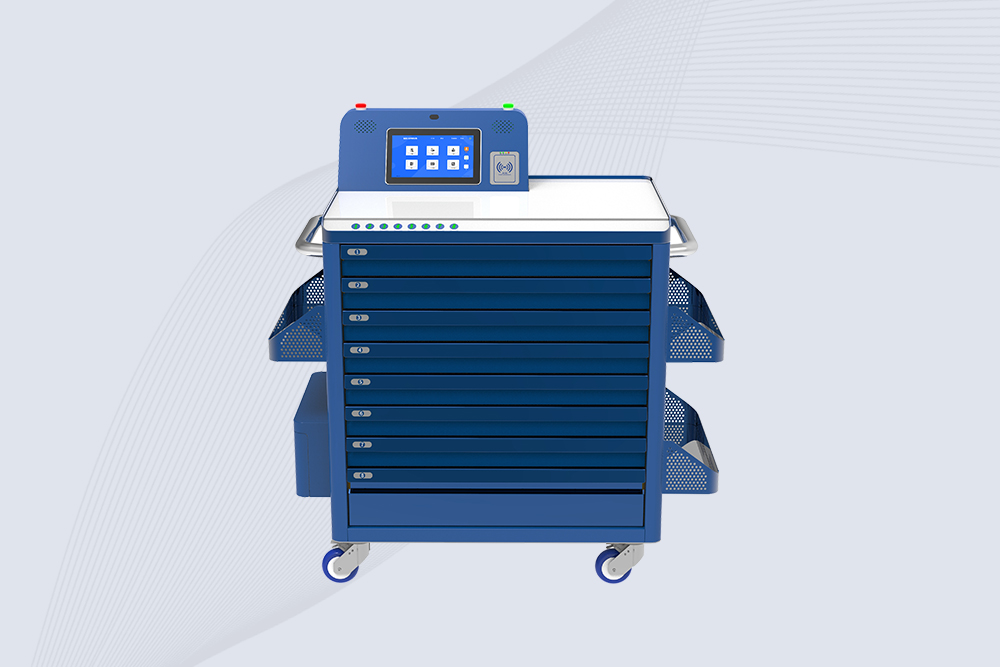
Cykeo CYKEO-TC RFID multi-drawer tool cart manages 300+ tools via UHF RFID, features fingerprint/face recognition, Android/Windows OS, and SAP integration for nuclear/railway/fire safety sectors. IP54 rated for harsh environments.
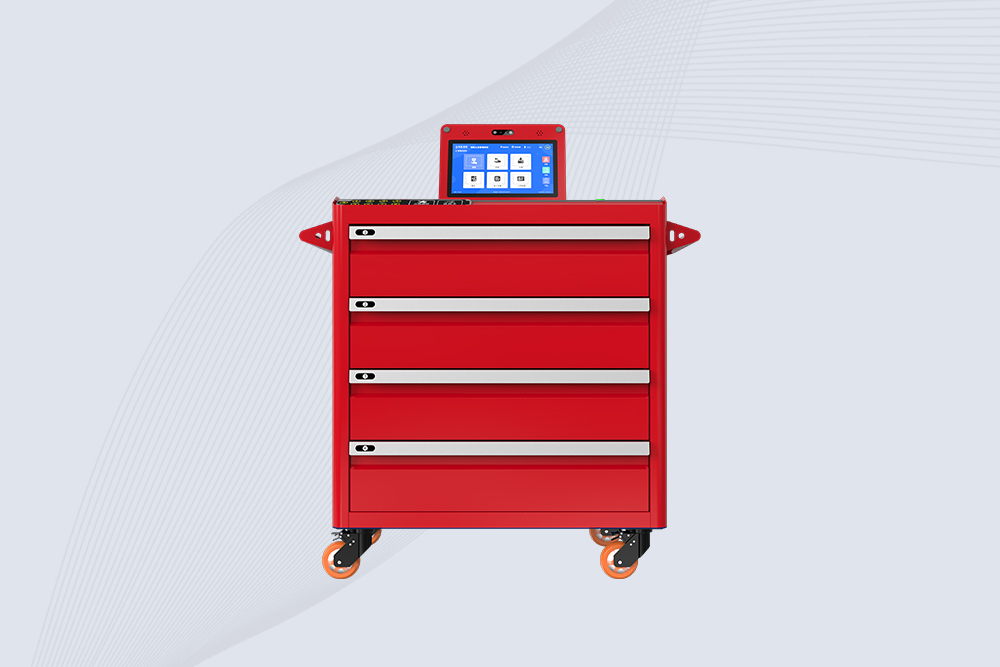
Cykeo CYKEO-GTC4 RFID tool inventory cart manages 300+ tools via UHF RFID, features instant scanning, fingerprint/face recognition, and SAP integration for nuclear/railway/fire safety sectors. IP54 rated for harsh environments.
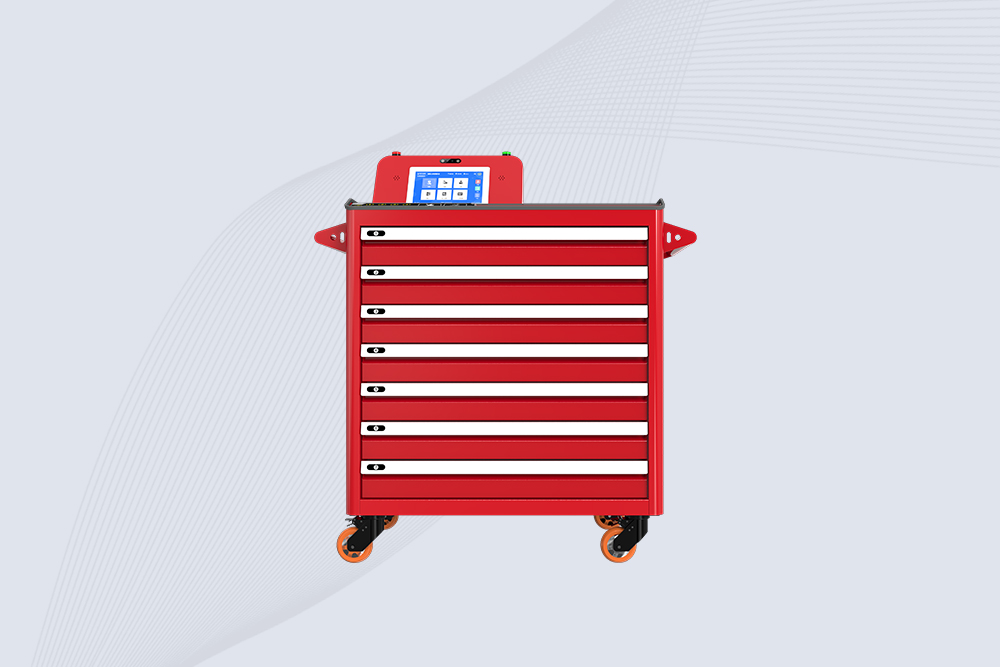
Cykeo CYKEO-GTC7 RFID aviation maintenance cart features military-grade build, blockchain audits, and predictive tool alerts for aircraft MRO. Achieves EASA/FAA compliance.
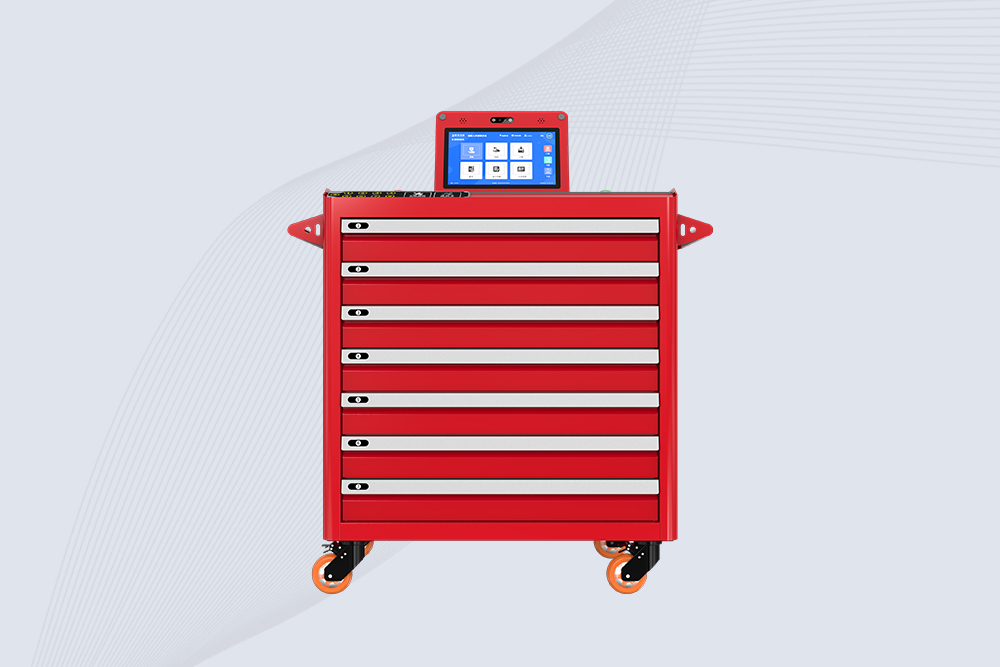
Cykeo CYKEO-GTC7A RFID real-time tool tracking cart features 99.9% accuracy, FOD prevention, and SAP integration for aviation/plant maintenance. Military-grade construction.
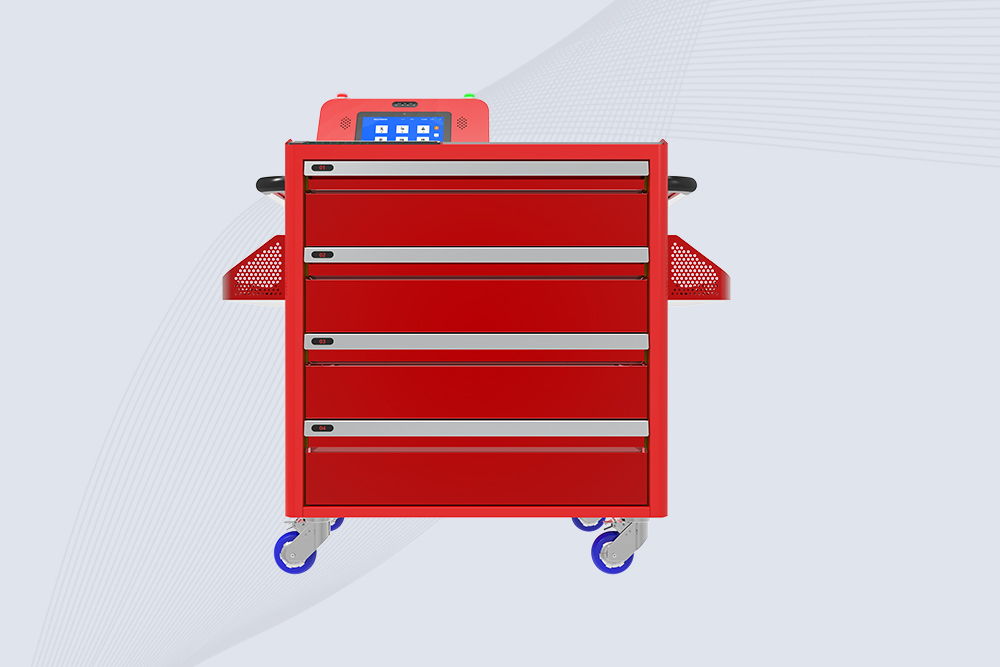
Cykeo CYKEO-GTC4B RFID mobile tool cart delivers 300-tool verification in 7 seconds with modular drawers, ≤150W power, and SAP integration for industrial/aviation use.
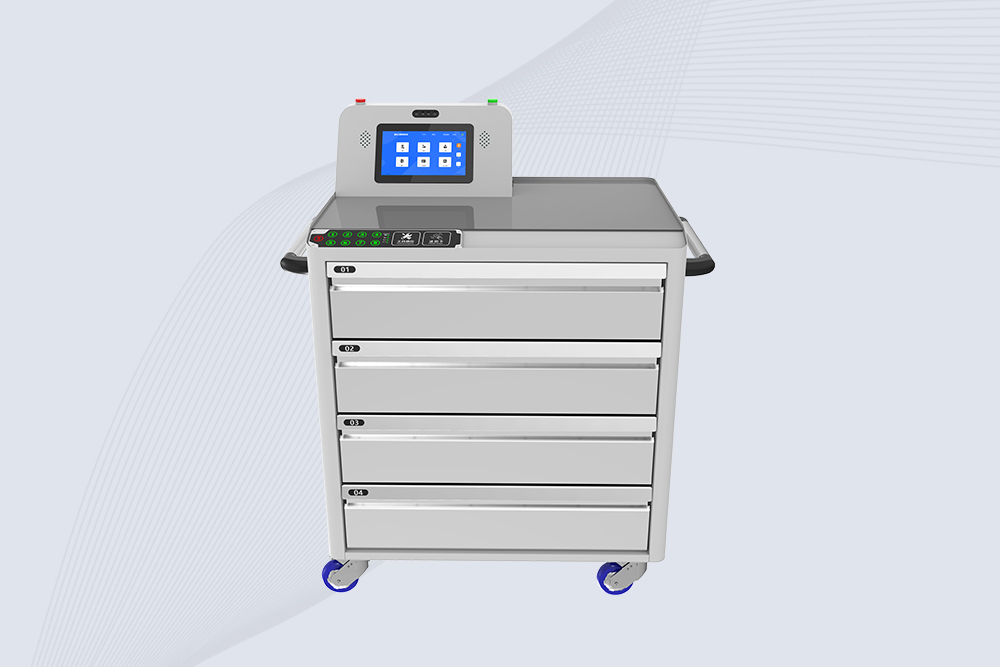
Cykeo CYKEO-GTC4C RFID workshop tool control cart delivers 300-tool inventory in 3 seconds with 10hr battery, SAP integration, and FOD prevention for industrial workshops.
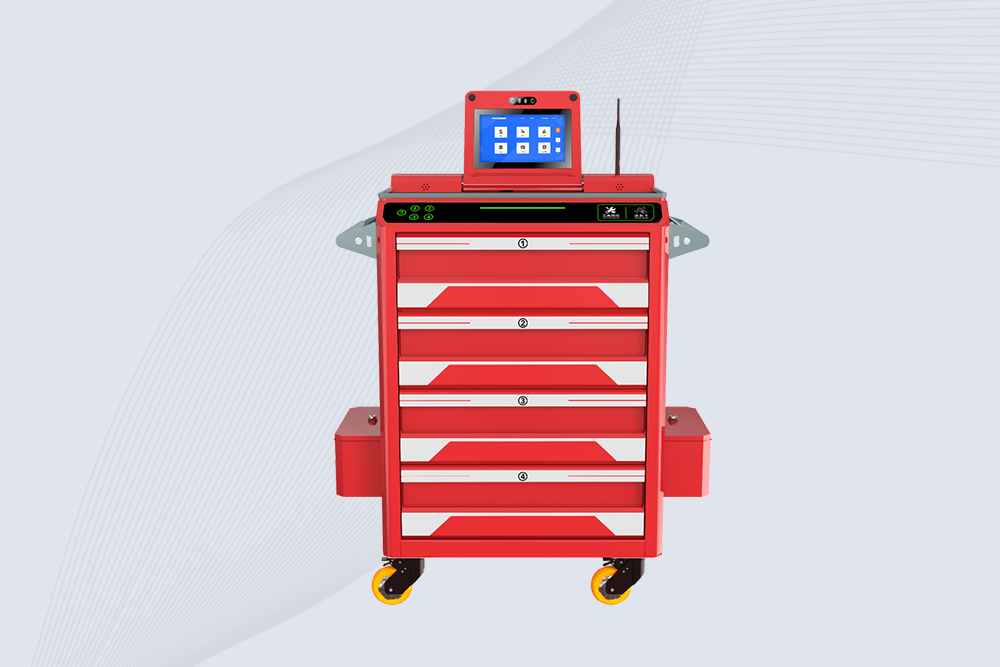
Cykeo’s CYKEO-GTC4A multi-drawer RFID tool cart delivers 7-second aviation tool inventories, 10-hour battery, and dual authentication. ISO 18000-6C compliant for MRO/manufacturing.
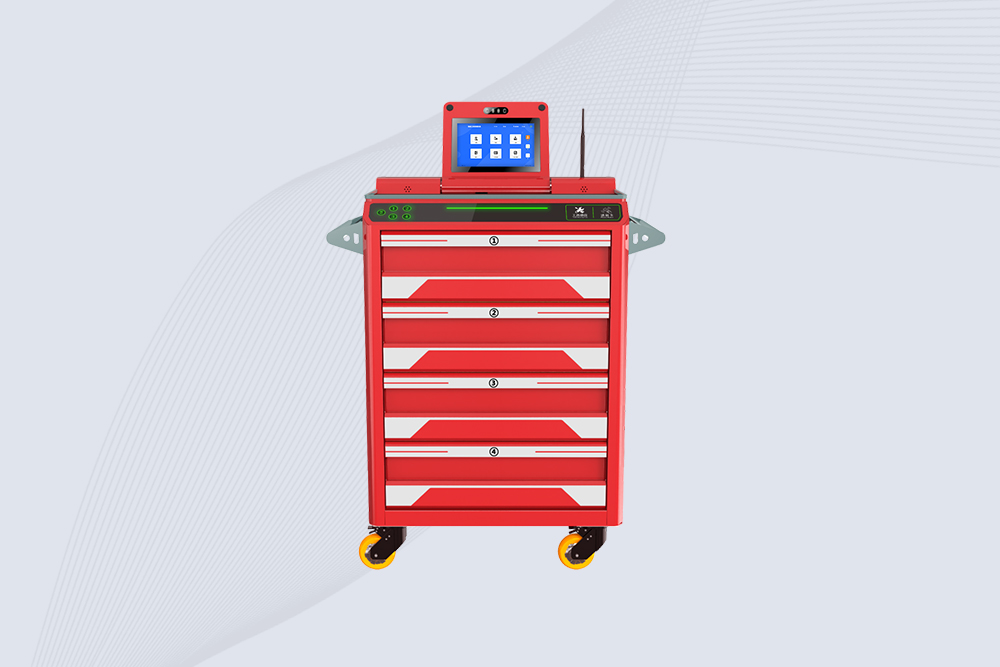
Cykeo’s MIL-STD RFID tool tracking cart scans 300 tools in 7 seconds, with -20°C~60°C operation and FOD prevention for aviation/energy industries.
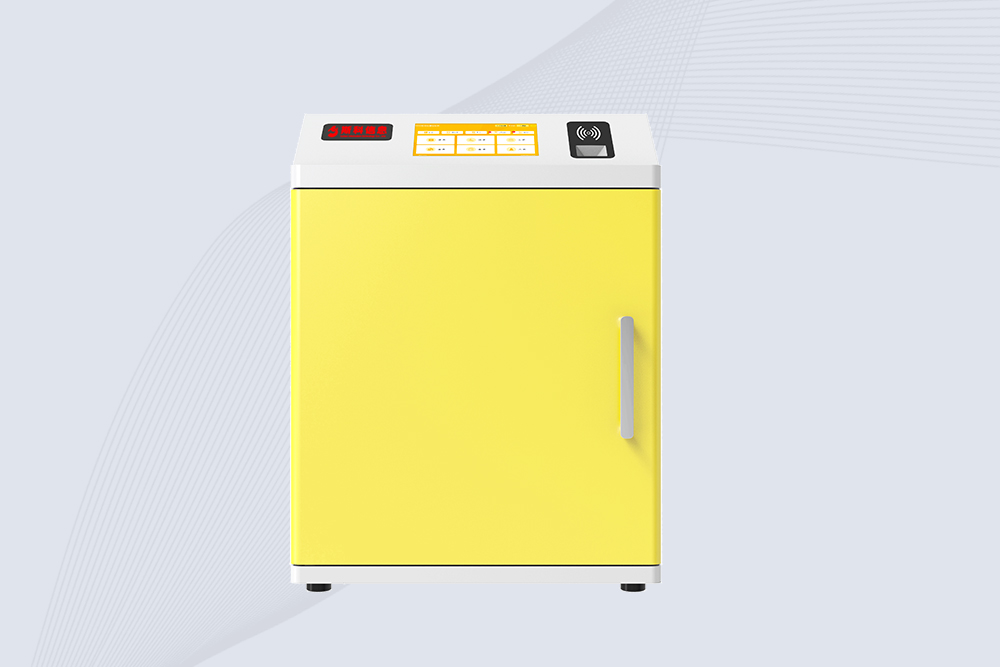
Cykeo’s space-saving RFID tool management cabinet offers 1000-tool capacity, ≤5s scans, and 24/7 unmanned operation for manufacturing/assembly plants.
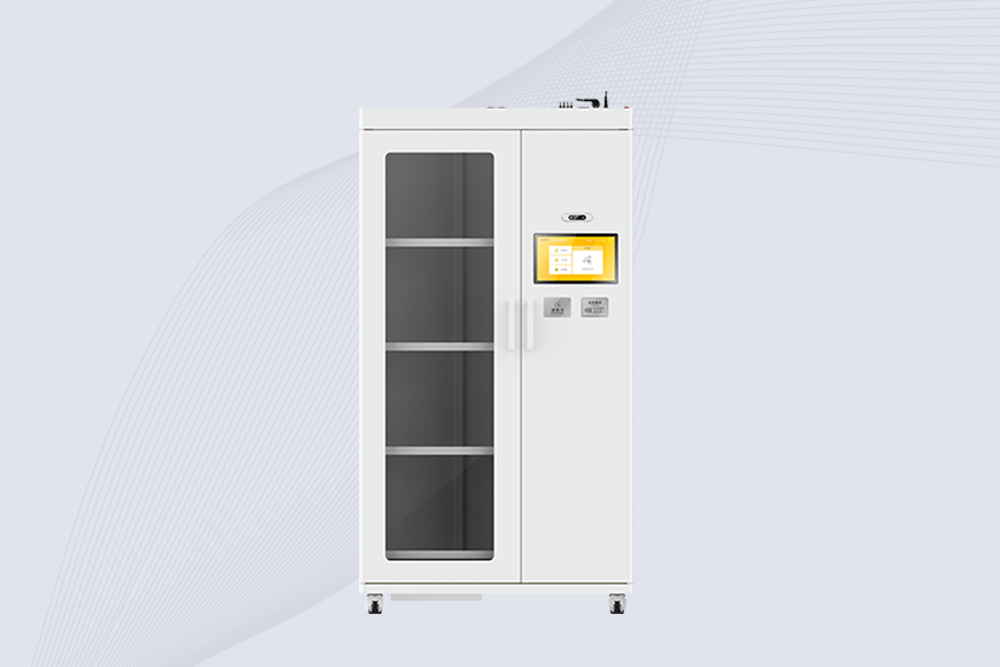
Cykeo’s RFID industrial tool cabinet offers modular shelves, 21.5″ touchscreen, and voice guidance for manufacturing/energy sectors. 24/7 operation with ≤80W power.
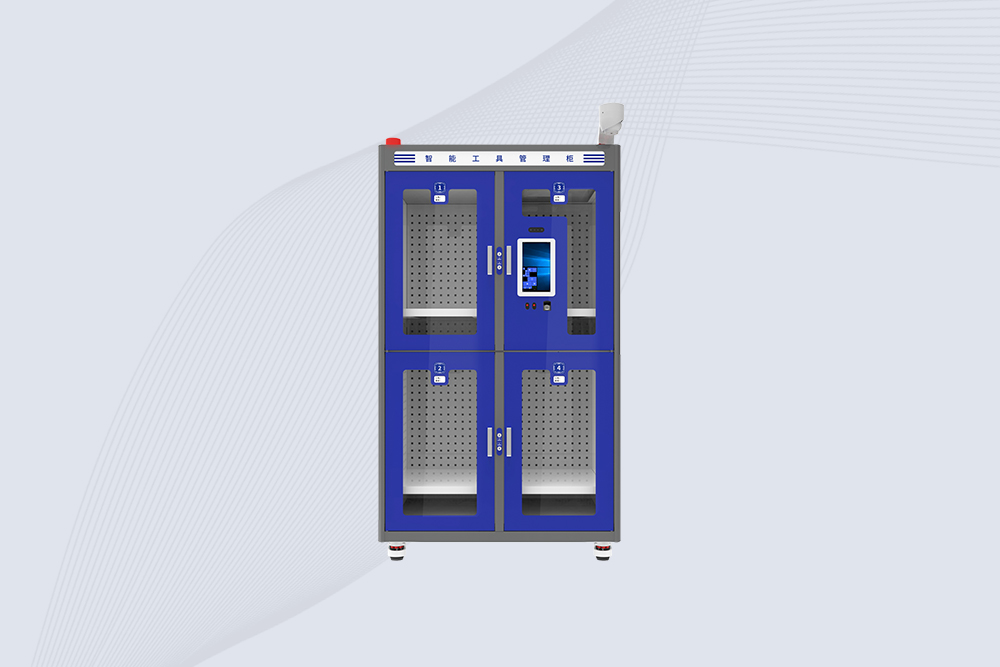
Cykeo’s RFID secure tool cabinet features 4 lockable compartments, ≤150W power, and 24/7 monitoring for pharma/aerospace/electronics industries.
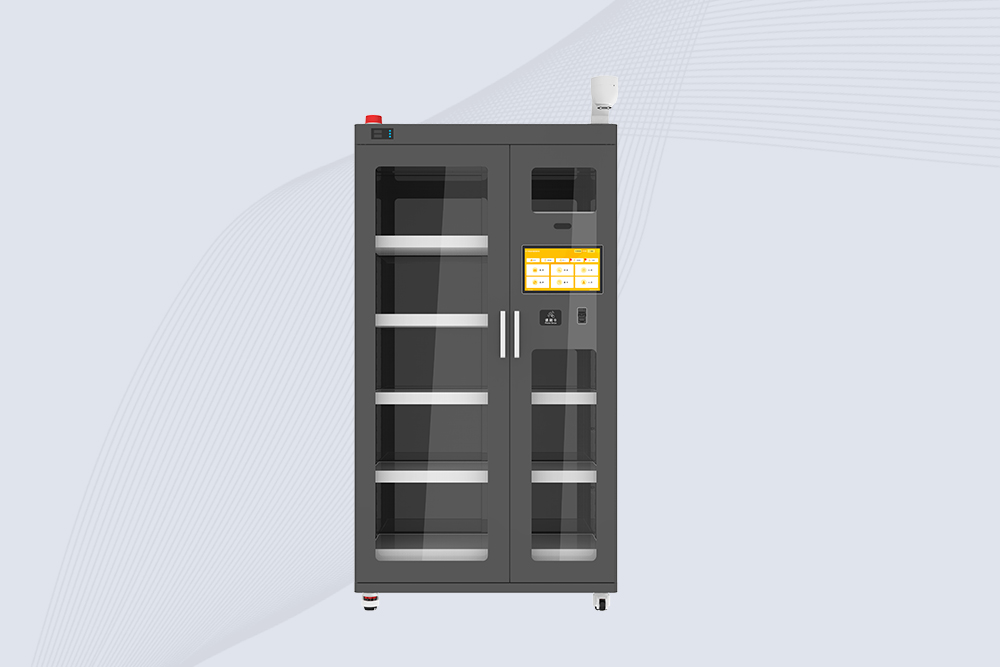
Cykeo’s RFID aviation tool cabinet features triple authentication, 14″ HD touchscreen, and thermostatic control for aircraft MRO/FAA compliance.
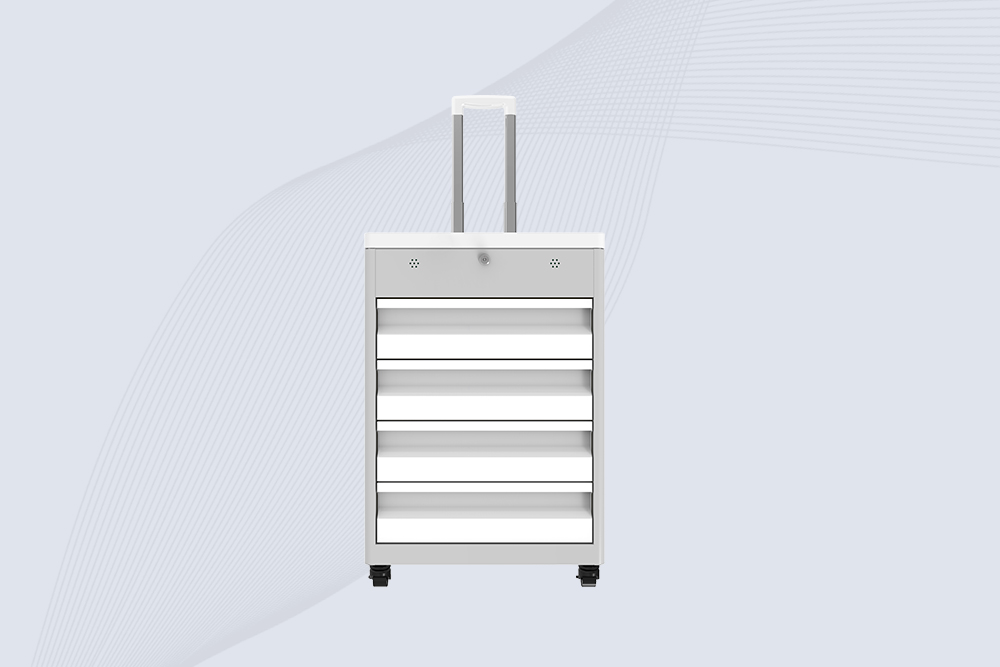
Cykeo’s RFID tool tracking system delivers self-service check-in/out, real-time alerts, and multilingual interface for correctional/military security.
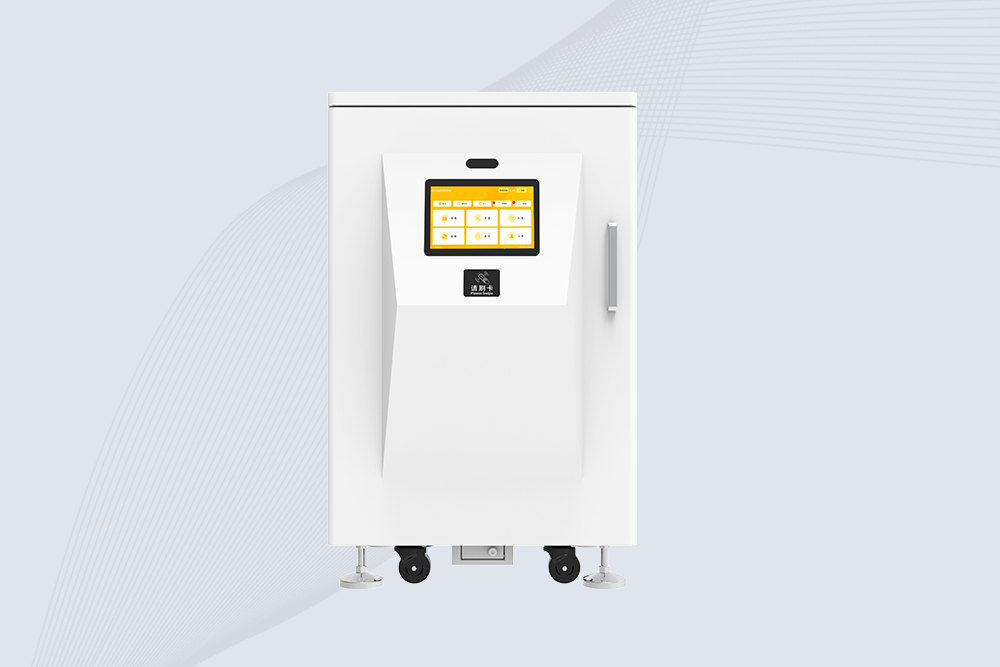
Cykeo’s off-grid RFID tool inventory system features solar/wind power, -30°C~60°C operation, and military-grade durability for mining/energy/military sectors.
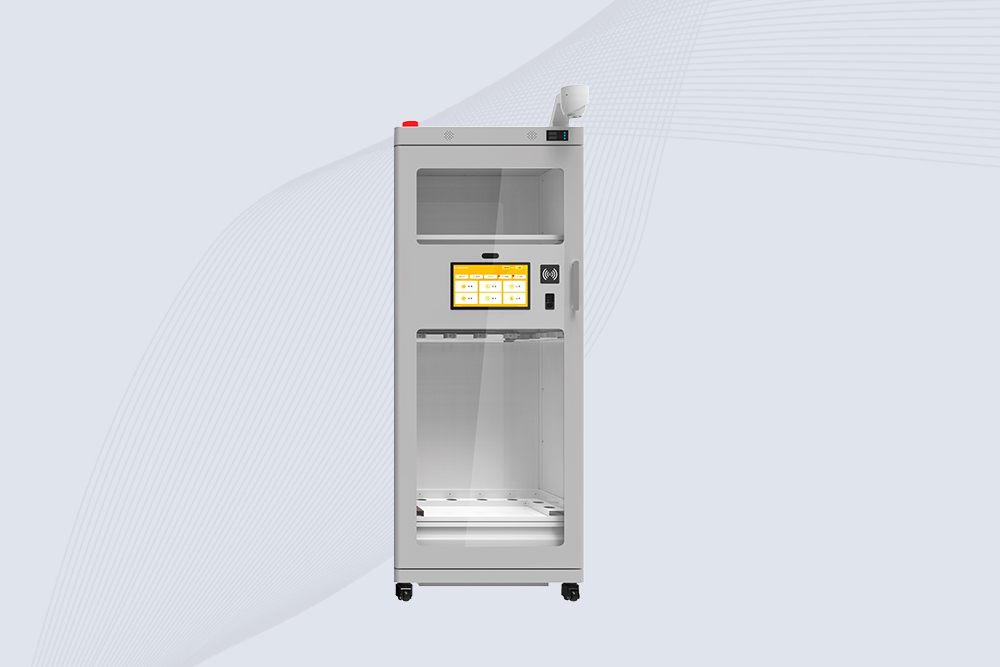
Cykeo’s industrial RFID tool accountability cabinet delivers 99.9% scan accuracy, adjustable shelves, and 24/7 operation for automotive/aerospace manufacturing.
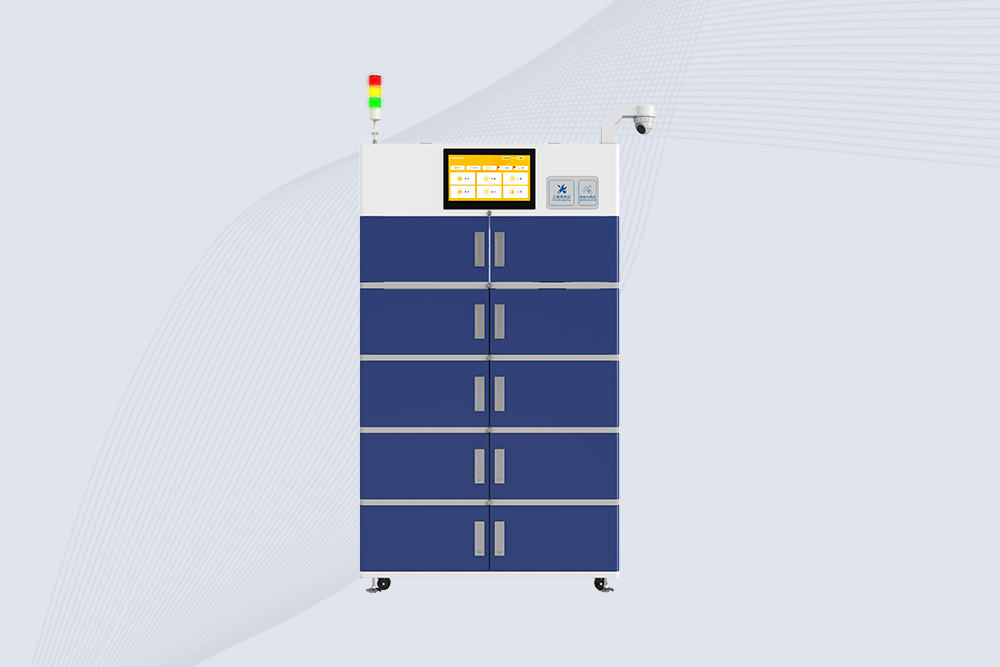
Cykeo’s RFID multi-drawer tool cabinet features 5 adjustable drawers, biometric access, and 99.9% scan accuracy for automotive/aerospace manufacturing.
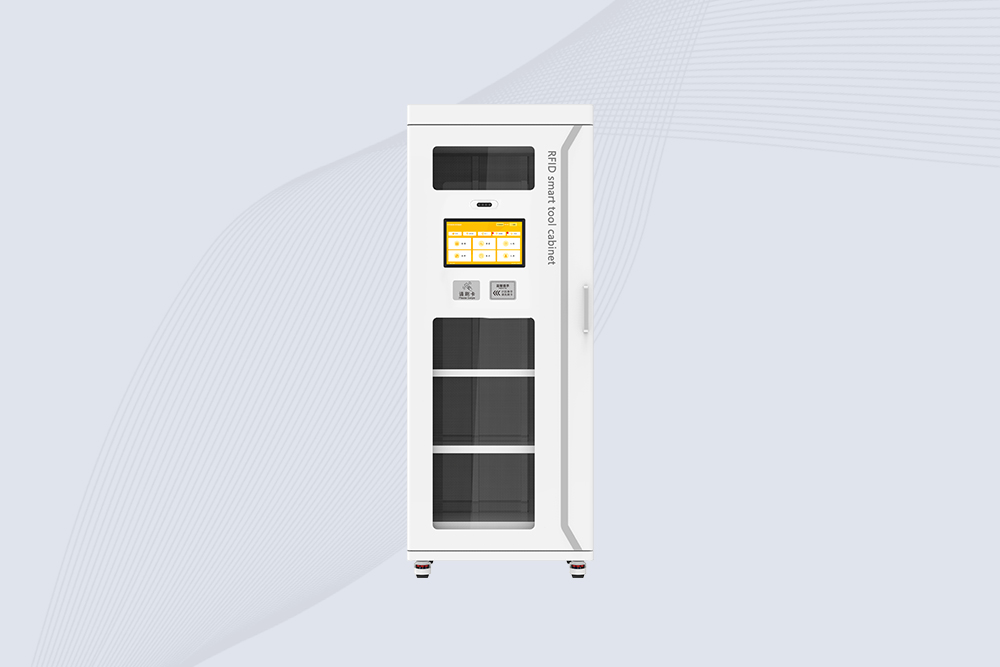
Cykeo’s RFID Automated Tool Cabinet delivers military security, adjustable shelving, and Java/C# SDK integration for defense/aerospace manufacturing.

Cykeo’s RFID scalable tool cabinet features multi-unit management, voice guidance, and semi-outdoor durability for automotive/construction/logistics.
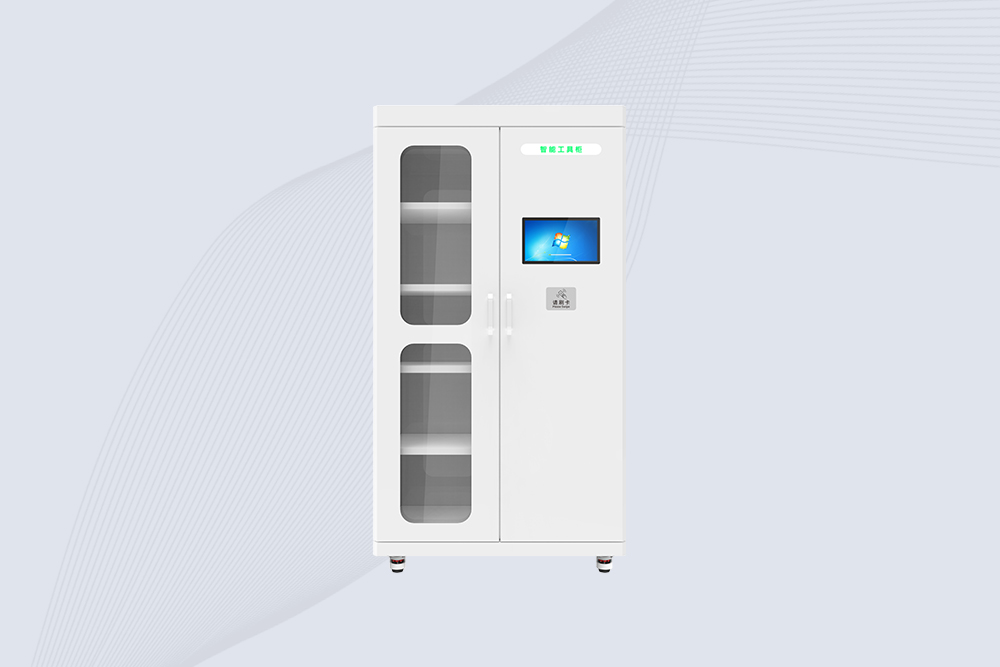
Cykeo CYKEO-GT1B industrial RFID tool storage cabinet features Impinj R2000 UHF technology, 1,000+ tool capacity, IP54 protection, and Windows/Android OS for manufacturing/aviation MRO. Includes auto check-in/out and SAP/Oracle sync.
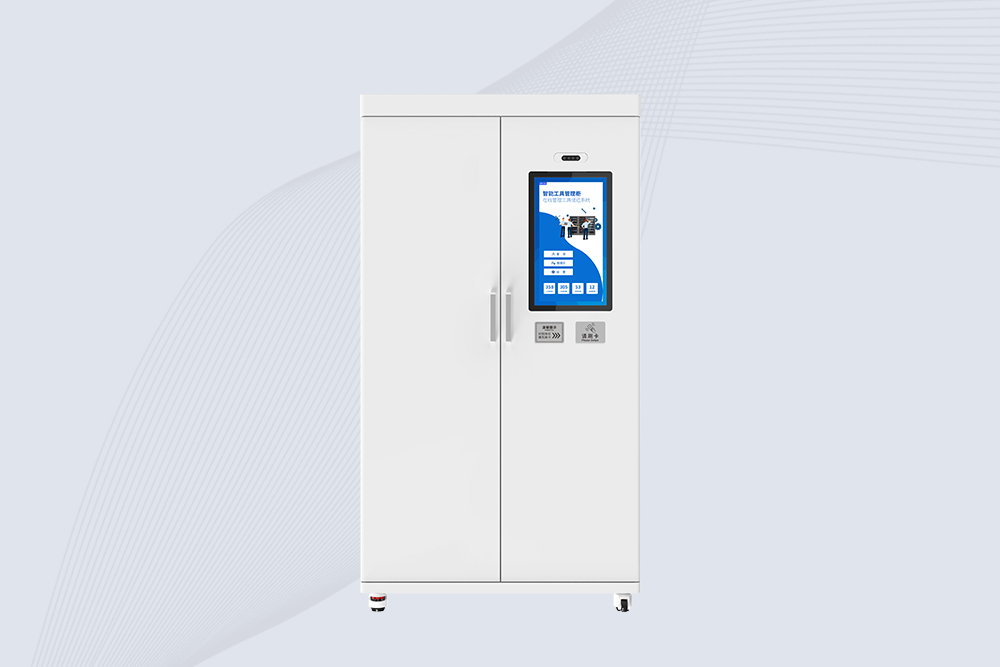
Cykeo CYKEO-GT3C industrial RFID tool checkout system Cabinet features millimeter-wave scanning, 280-layer storage, dual OS, and 99.9% accuracy for aviation/semiconductor sectors. Supports auto check-in/out and real-time SAP sync.
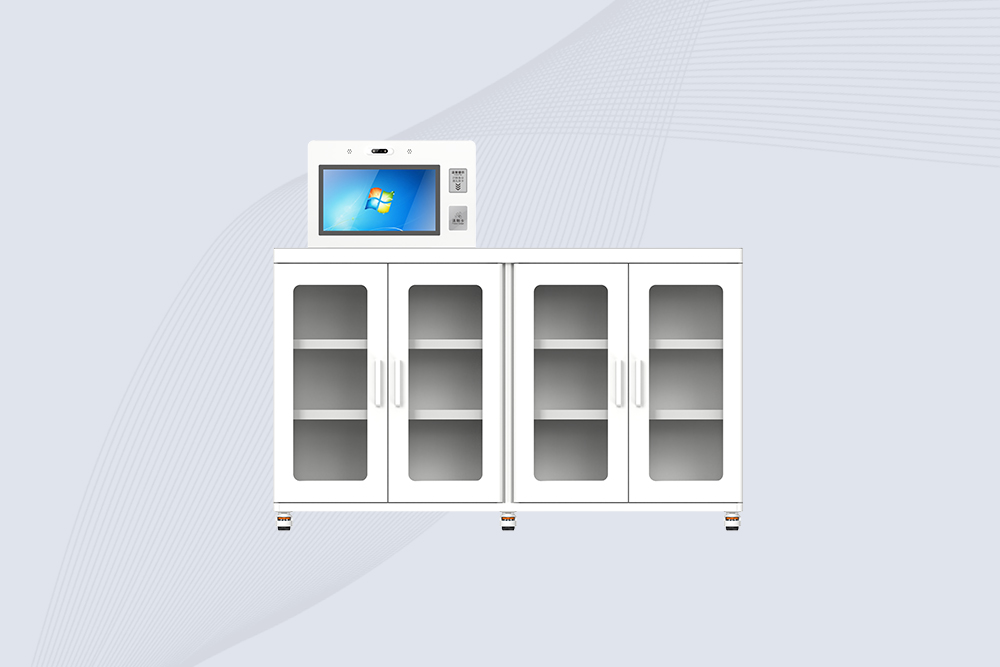
Cykeo CYKEO-GT3D RFID smart tool cabinet offers 5-second inventory scanning for 300+ tools, dual authentication, and 24/7 automated management for industrial facilities.
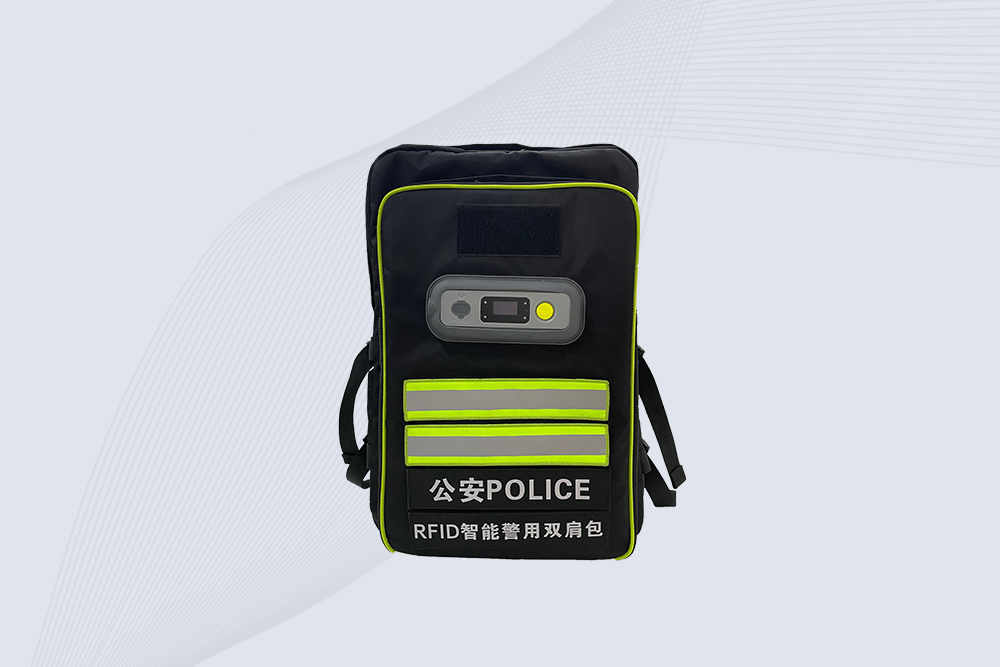
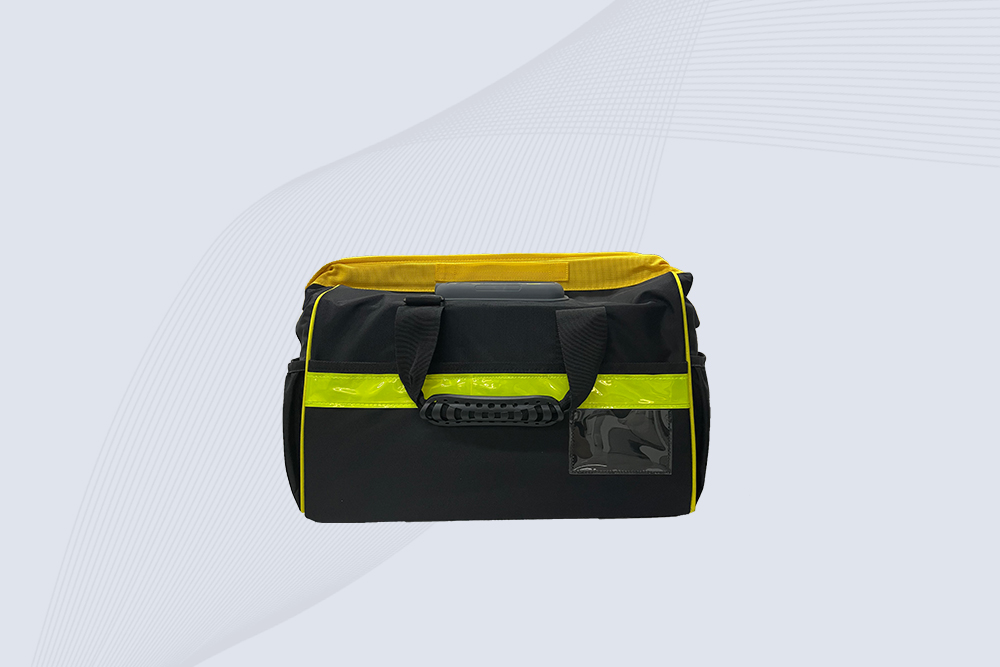
Discover the CYKEO-B1A Industrial RFID Backpack featuring advanced tool tracking technology with 25cm RF shielding, 7-day battery life, and wearable design for field maintenance professionals.
RFID Industry Writer | IoT & Asset Tracking Analyst
James writes about RFID technology, asset tracking, and the practical challenges of digital transformation across warehousing, retail, manufacturing, and logistics.
His work focuses on how RFID is applied in real-world operations—improving inventory visibility, automating workflows, and helping businesses manage assets with greater accuracy and efficiency.
He regularly covers topics including UHF RFID, smart cabinets, RFID portals, tool tracking, warehouse automation, and industrial IoT trends..

Understand the real meaning of RFID labels, how they are built, their types, and why they matter. See how RFID labels are used in retail, healthcare, logistics, and manufacturing.
More
Passive RFID tags can communicate with readers without batteries and are widely used in logistics, retail, and asset management. This article explains their working principle, the backscatter mechanism, and compares active vs passive RFID tags to ...
More
Need precise short-range reads? Discover how a meander line UHF RFID reader antenna for near-field applications solves dense environment tracking challenges.
More
Learning how to use handheld RFID reader writer? Step-by-step for inventory counting and tag programming. Power on, connect to Android, read EPCs, write user memory. Real field advice from CYKEO engineers.
More