 Cykeo RFID IoT Solution Products R&D Manufacturer
How to Choose the Best Handheld RFID Scanner for Your Business
810Discover the key factors to consider when selecting a handheld RFID scanner for your business, from durability to software compatibility. Make an informed choice.
MoreAll RFID Product
Active RFID is a radio-frequency identification system in which the RFID tag has its own power source, usually a battery, and uses that power to transmit a signal to a reader. This enables longer communication ranges and supports applications such as asset tracking and real-time location monitoring.
That battery changes the entire behavior of the tag.
A passive RFID tag waits for energy from a reader before responding. An active RFID tag already has power available, so it can transmit its identifier without waiting for the reader to energize the tag. RFID Journal describes active transponders as having their own transmitter and power source, typically a battery.
In practical system design, this makes active RFID particularly interesting when the asset is large, valuable, mobile, or spread across a wide area.
A vehicle moving through a yard is a very different tracking problem from a retail label attached to a shirt.
That distinction should be made before selecting the RFID technology.
An active RFID system generally contains three main elements:
The tag can transmit its unique identifier according to a configured communication pattern.
There are two common operating approaches.
Active transponders can remain quiet until they receive a suitable signal from a reader. This reduces unnecessary battery consumption.
Active beacons transmit at predetermined intervals. RFID Journal describes beacon-based systems as common in real-time locating applications, where tags can transmit their identifiers at intervals ranging from seconds to much longer periods depending on the application.
That interval matters.
A tag transmitting every few seconds gives a location system much more frequent updates than one transmitting once every several minutes or hours. The trade-off is battery consumption.
The easiest way to understand what is active rfid is to compare its power architecture with passive RFID.
| Feature | Active RFID | Passive RFID |
|---|---|---|
| Tag power | Usually internal battery | Powered by reader field |
| Transmitter | Yes | No dedicated transmitter |
| Typical range | Longer | Shorter |
| Tag size | Generally larger | Can be very small |
| Battery maintenance | Required | Not required |
| Typical cost | Higher | Lower |
| Real-time tracking | Well suited | Application dependent |
| Large asset tracking | Common use | Also possible |
| High-volume item tagging | Less common | Very common |
RFID Journal notes that active tags generally have longer read ranges because their own power source allows them to transmit a signal, while passive tags depend on energy supplied by the reader.
Zebra similarly describes active RFID as battery-powered and suitable for longer-range and real-time tracking applications, while passive RFID is smaller, lower-cost, and commonly used for identification.
The distinction is not simply “active is better.”
It is different system architecture for a different operating requirement.
There is no single universal active RFID read distance.
A system’s effective range depends on:
RFID Journal gives a typical historical range of approximately 20–100 meters for active RFID systems, depending on system design and frequency.
Other active RFID implementations can operate considerably farther. For example, Zebra describes its WhereNet location technology as capable of detecting tags from more than one mile away in its specified deployment architecture. That is a product-specific capability, not a general specification for every active RFID system.
This is an important engineering point.
I would never select an active RFID system simply because its advertised range looks impressive. A warehouse with steel racks, vehicles, concrete walls, and moving equipment can behave very differently from an open outdoor yard.
The usable detection zone matters more than the headline number.
The battery supplies energy for the tag’s electronics and transmitter.
That allows the tag to send a stronger, more independent signal than a passive tag that relies on reflected reader energy.
The trade-off is straightforward:
More tag capability → more electronics → battery requirement → higher cost and finite operating life.
Atlas RFID Store notes that active tags commonly use batteries with expected lifetimes depending on the tag design and transmission rate; one reference gives a typical 5–10 year battery life for certain active tag designs. Other active RFID references give shorter lifetimes depending on beacon frequency and functionality, so battery life should always be treated as application-specific rather than a fixed industry number.
A tag transmitting every few seconds has a different power budget from a tag transmitting occasionally.
This is one reason transmission interval should be part of the original system design rather than something adjusted casually after installation.
Active RFID is particularly useful when an organization needs visibility over assets that are difficult to track using short-range passive tags.
Typical applications include:
RFID Journal identifies large assets such as cargo containers, rail cars, and reusable containers as established active RFID applications, particularly where longer-distance tracking is required.
The technology becomes even more useful when the business question changes from:
“Was this item scanned?”
to:
“Where is this asset now?”
That is the territory of RTLS.
An active RFID tag can periodically broadcast its identifier while fixed readers positioned around a facility receive the signal.
The software can then associate the detected tag with a location or zone.
A simplified architecture is:
Active RFID tag → reader network → location engine → software platform → asset status
For example, consider a manufacturing facility with mobile equipment.
A passive tag may tell the operator that a particular asset was last detected at a reader location.
An active RFID RTLS can be designed to provide repeated location updates as the asset moves through the monitored area.
RFID Journal identifies active, battery-powered tags as a common component of RTLS deployments, alongside readers, location-determining software, and application software.
The accuracy, however, depends on the positioning architecture.
More readers do not automatically mean perfect positioning.
Reader placement, signal behavior, calibration, antenna geometry, and the selected location algorithm all matter.
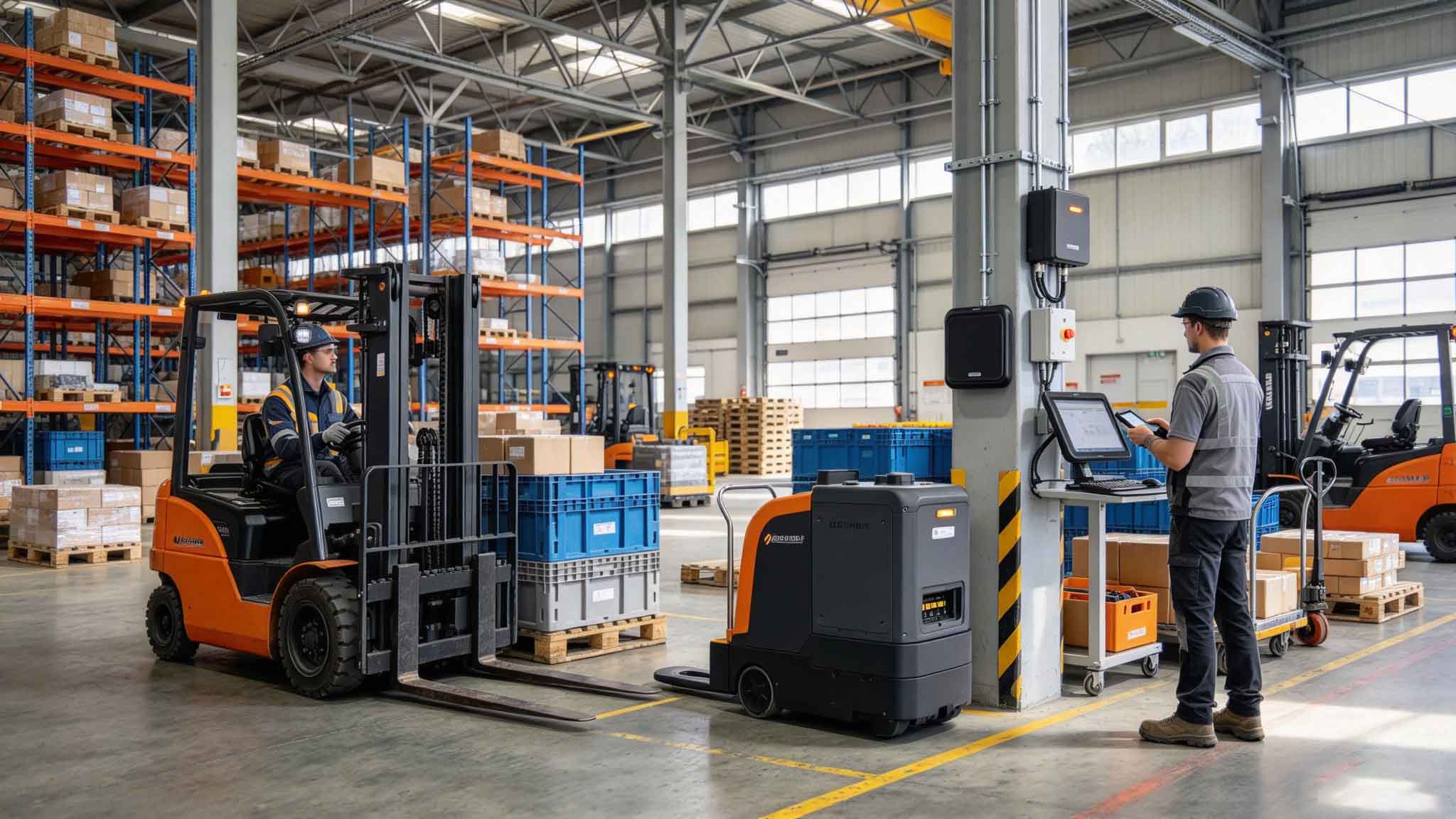
The two technologies can both be used to locate assets, but their architectures are different.
GPS determines location using satellite-based positioning and is particularly useful for assets operating over large geographic areas.
Active RFID generally works within a defined reader infrastructure.
That makes active RFID useful inside facilities, yards, plants, warehouses, and controlled operational zones where an organization wants visibility within a specific area.
For example:
| Requirement | Active RFID | GPS |
|---|---|---|
| Indoor asset tracking | Suitable | Can be challenging |
| Defined facility zones | Suitable | Often unnecessary |
| Large outdoor geography | Possible with suitable infrastructure | Strong use case |
| Battery-powered tag | Common | Common |
| Requires local reader infrastructure | Usually | No local RFID reader network |
| Real-time location | Possible | Possible |
| Facility-level asset visibility | Strong use case | Application dependent |
The choice should follow the location problem rather than the technology name.
Active RFID provides several practical advantages:
RFID Journal notes that active RFID systems can also incorporate environmental sensors such as temperature or light, depending on the tag and application architecture.
That opens another useful possibility.
The tag does not necessarily have to report only:
“I am asset 105.”
It may also be capable of reporting additional telemetry, depending on the hardware.
That makes active RFID interesting for industrial environments where identity and condition need to be considered together.
Active RFID also introduces costs that passive RFID does not.
The tag contains:
Consequently, active tags are generally more expensive than passive tags and require battery management.
Atlas RFID Store describes active RFID tags as more expensive and notes battery replacement as a lifecycle consideration.
For a business tagging millions of inexpensive products, that economics may not make sense.
For a smaller fleet of high-value assets, the calculation can be completely different.
This is where the asset’s value, movement frequency, required visibility, and tracking area should be considered together.
In a real deployment, I would pay particular attention to these points:
I would test the actual tagged asset—not just the tag on a workbench.
A battery-powered tag mounted on a metal forklift, steel container, or industrial machine can behave differently from the same tag sitting on a cardboard box.
That field test is often where the real system requirements become obvious.
Active RFID does not represent one single frequency or universal air-interface standard.
RFID Journal identifies historical active RFID deployments using frequencies including 455 MHz, 2.45 GHz, and 5.8 GHz, with the appropriate choice depending on system architecture and application requirements.
Some active systems also use technologies closely related to other wireless location architectures.
This matters when comparing vendors.
Two systems may both be described as “active RFID” while using substantially different tag, reader, network, and location technologies.
So when evaluating a quotation, I would ask for the actual:
“Active RFID” by itself is not enough technical information to compare two systems.
An active RFID deployment normally consists of more than a battery-powered tag.
The complete system can include:
The tag is only the visible part.
During a site survey, I would spend at least as much attention on reader placement and software events as on the tag itself. A tag can transmit perfectly while a poorly positioned receiver still produces an unreliable location map.
A practical deployment can be organized around the following stages:
Asset registration → Tag installation → Reader deployment → Coverage testing → Location configuration → Software integration → Operational testing
First, create the asset record.
For example:
| Asset | RFID ID | Location |
|---|---|---|
| Forklift 01 | ARFID-001 | Warehouse A |
| Forklift 02 | ARFID-002 | Warehouse B |
| Container 15 | ARFID-015 | Outdoor Yard |
| Cart 27 | ARFID-027 | Production Area |
The RFID identifier should have a clear relationship with the organization’s asset database.
The tag is physically attached to the asset.
Mounting is not a cosmetic decision.
Metal surfaces, enclosed machinery, vehicle bodies, and other structures can influence RF performance. The final mounting position should therefore be tested with the actual asset.
Readers are positioned around the facility to create the intended coverage zones.
A warehouse might use readers at entrances, production areas, storage zones, and loading points.
Walk or move the tagged asset through the actual operating area.
Check:
The software converts RFID events into information that people can use:
Tag detected → Reader identified → Zone determined → Asset status updated
For RTLS applications, additional location algorithms may be used to estimate a more precise position.
The choice is easier when the application is described first.
| Application | Active RFID | Passive RFID |
|---|---|---|
| Retail product identification | Less common | Common |
| Warehouse item labeling | Possible | Common |
| High-value asset tracking | Common | Possible |
| Vehicle tracking within a facility | Common | Possible |
| Real-time location | Strong use case | Application dependent |
| Large outdoor assets | Strong use case | Limited by deployment |
| Disposable item tagging | Usually unsuitable | Strong use case |
| Long-range detection | Strong use case | More limited |
| Battery-free operation | No | Yes |
Passive RFID remains attractive for high-volume item identification because tags can be small and inexpensive.
Active RFID becomes more interesting when the organization needs longer-range communication, repeated transmissions, or continuous visibility of valuable assets.
Neither category eliminates the need for proper system engineering.
Active RFID is particularly relevant where assets move continuously.
Vehicles can carry active tags and be detected as they enter or leave designated areas.
This can help organizations understand:
Production equipment and mobile tools can be monitored as they move between work areas.
Reusable containers, carts, trailers, and high-value equipment can be tracked without requiring workers to scan every item individually.
Hospital equipment such as mobile devices and specialized assets can be located within a controlled facility when the deployment is designed for that purpose.
Outdoor yards are particularly interesting because the assets may be spread across a much larger area than a conventional indoor workstation.
Active RFID can technically be used for personnel-location systems when tags are assigned to authorized individuals and appropriate infrastructure is deployed.
However, personnel tracking introduces additional privacy, security, and organizational considerations that do not apply in the same way to tracking a forklift or container.
For an enterprise deployment, the technical design should therefore be accompanied by clearly defined access permissions, data-retention policies, and organizational procedures.
The underlying RFID technology does not by itself determine how location information should be governed.
Battery life depends heavily on how the tag operates.
A useful relationship is:
More frequent transmission → higher energy consumption → shorter potential battery life
A tag that transmits every few seconds has a different operating profile from one that sends an update every few minutes.
Battery planning should therefore consider:
For a fleet of 2,000 active tags, battery maintenance becomes an operational task in its own right.
A good deployment should record battery status where the tag supports it and establish a replacement procedure before batteries begin failing unexpectedly.
The technology’s strengths come with trade-offs.
Battery dependency is the most obvious one.
Active tags are also generally larger and more expensive than passive tags. Their additional electronics increase both hardware cost and lifecycle-management requirements.
There is another issue that is sometimes missed:
Longer range can create more detections, not automatically better location information.
Suppose a tag can reach several readers simultaneously.
The software now needs to determine which reader or combination of readers represents the asset’s actual location.
That means reader placement, antenna design, RSSI processing, timing, and location algorithms become important.
Long range is useful only when the system knows what to do with the additional RF visibility.
When an active RFID tag disappears from the system, I would check the problem in this order:
Testing in a known-good zone is particularly useful.
If the tag is detected immediately near another reader but not in the original location, the issue is more likely to involve coverage, placement, or environmental conditions than the tag identity itself.
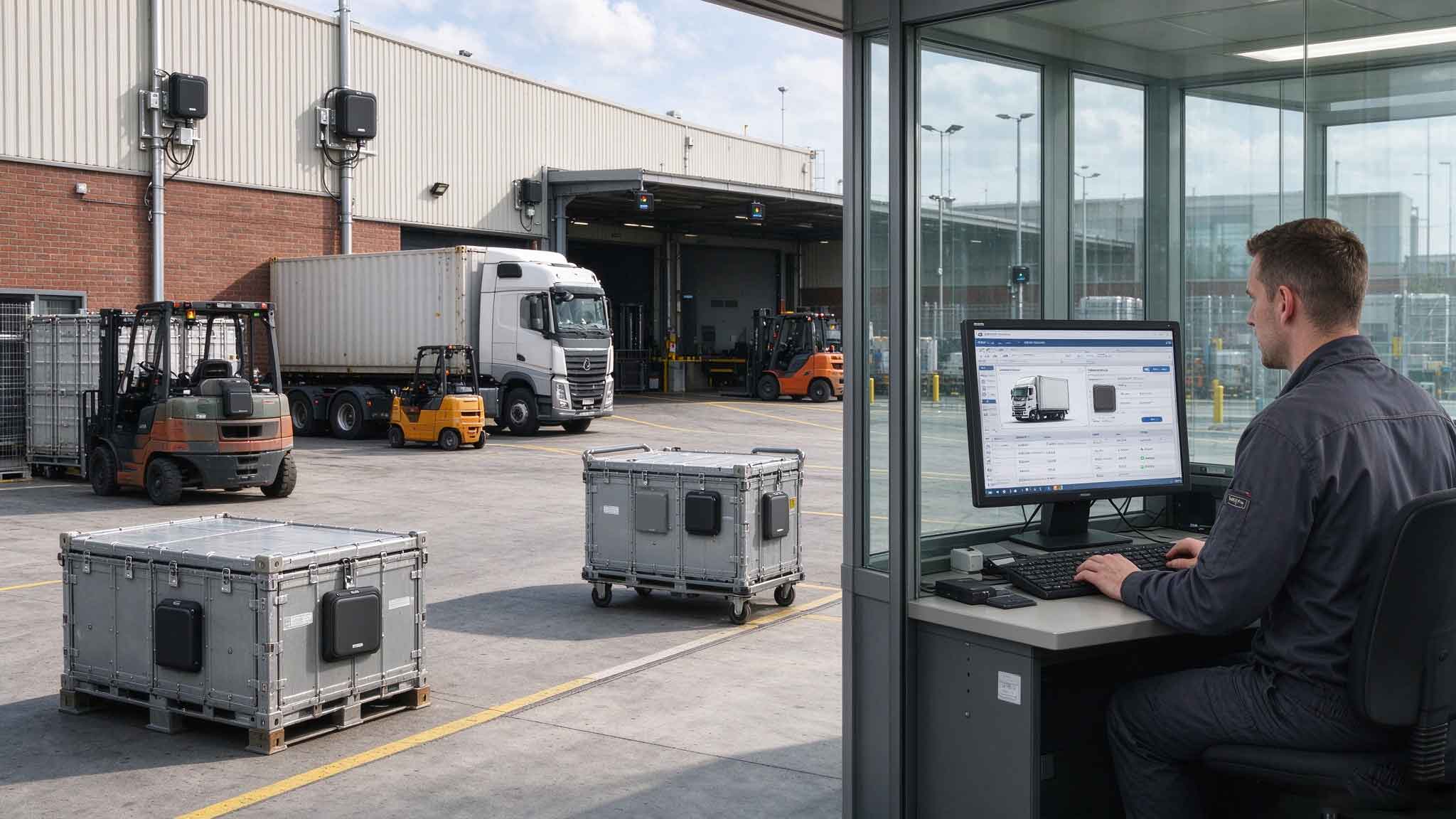
A real-time location system can use multiple readers to determine where an active tag is located.
Depending on the system architecture, location can be estimated using information such as:
A simple zone-based system might determine:
Reader A → Loading Area
Reader B → Warehouse
Reader C → Maintenance Room
A more sophisticated system can calculate a more precise position.
The required accuracy should be defined before the hardware is selected.
If the business only needs to know whether a forklift is inside Warehouse A or Yard B, centimeter-level positioning would add unnecessary complexity.
If the application requires precise positioning of high-value equipment, the system architecture must be designed accordingly.
RFID readers produce events.
The business application turns those events into information.
A useful asset-management platform should be able to associate:
RFID ID + Asset + Reader + Time + Location + Status
For example:
ARFID-027 detected by Reader-04 at 10:42:16 → Production Zone 2.
Over time, these events can create a historical movement record.
That can support questions such as:
The exact functions depend on the software platform and system architecture.
Active RFID is an RFID technology that uses battery-powered tags to transmit identification information to compatible readers or receivers. Its independent power source enables longer-range communication and makes it suitable for applications such as asset tracking and RTLS.
Active RFID tags normally contain batteries and can transmit signals independently. Passive RFID tags do not contain their own power source and obtain energy from the reader’s RF field. Active RFID is commonly used for longer-range and repeated tracking, while passive RFID is widely used for item-level identification.
There is no universal active RFID range. RFID Journal gives approximately 20–100 meters as a typical range for many active RFID systems, while specific systems can achieve considerably greater distances depending on frequency, transmitter power, reader design, antennas, and the environment.
Battery life varies according to transmission frequency, tag design, power consumption, operating temperature, and additional functions. A tag transmitting frequently can consume its battery considerably faster than one transmitting at longer intervals.
Yes. Active RFID is commonly used for tracking larger or higher-value assets such as vehicles, containers, industrial equipment, and reusable transport assets, particularly where longer-range detection or repeated location updates are required.
Yes. Active RFID can be used as part of an RTLS architecture. Multiple readers or receivers can detect battery-powered tags, while software processes the detection information to estimate an asset’s zone or position.
The two technologies address different requirements. Active RFID offers battery-powered transmission and is commonly used where longer range or repeated location updates are needed. Passive RFID offers smaller, battery-free tags and is widely used for high-volume item identification. The appropriate choice depends on the asset, coverage, data requirements, and operating environment.
The most useful question is not “Is active RFID more powerful?”
It is:
“What information does the business actually need?”
If the requirement is to identify thousands of inexpensive products at a warehouse workstation, passive RFID can be a natural fit.
If the requirement is to know where a fleet of expensive mobile assets is moving through a large facility, an active RFID architecture may make more sense.
That difference becomes obvious during field testing.
A passive tag on a carton may only need to be recognized when it passes a portal.
A battery-powered tag attached to a forklift may need to announce itself repeatedly while the forklift moves through the facility.
Those are fundamentally different tracking problems.
At Cykeo, I would define the required asset, range, update interval, location accuracy, battery life, and environmental conditions before deciding on active RFID hardware.
What is active RFID? It is a battery-powered RFID technology designed to transmit identification information over longer distances and at repeated intervals, making it useful for asset tracking, fleet management, industrial monitoring, and real-time location systems.
Its main strengths are independent tag power, longer communication range, repeated transmissions, and compatibility with location-based applications.
Its trade-offs are equally important: battery maintenance, higher tag cost, larger hardware, and greater system-design requirements.
Active RFID is therefore not simply a longer-range version of passive RFID.
It is a different approach to asset visibility.
When the requirement is to follow valuable mobile assets across a warehouse, factory, yard, or controlled facility, that difference can be significant.
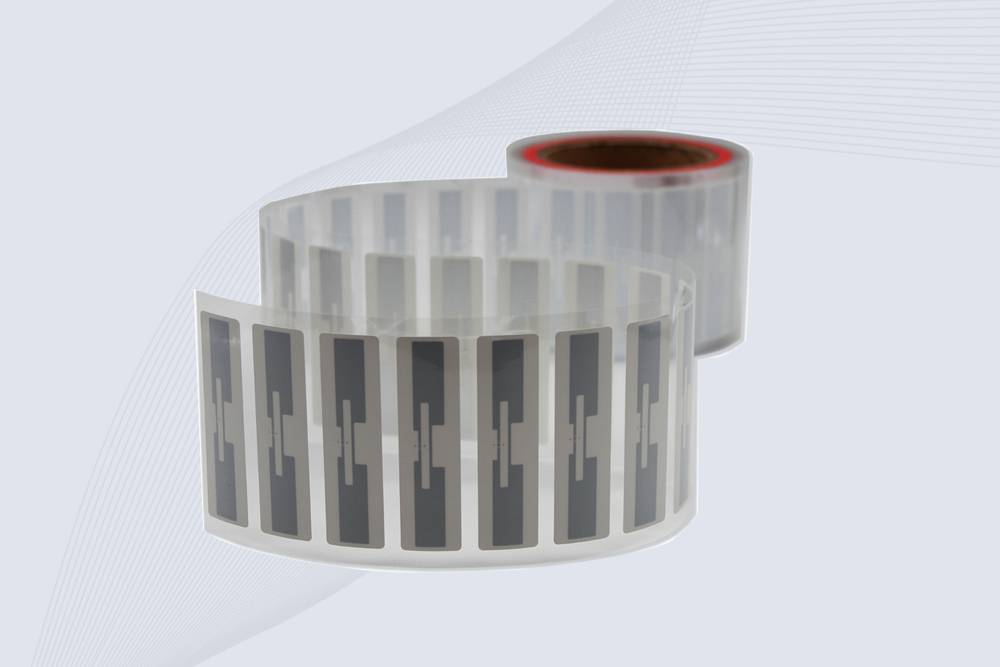
CYKEO Passive RFID Tags are made for wet and high-humidity environments where standard labels do not last. This rfid passive tag is often used around liquids, chemicals and temperature changes, providing stable reading distance and long data life for industrial tracking.
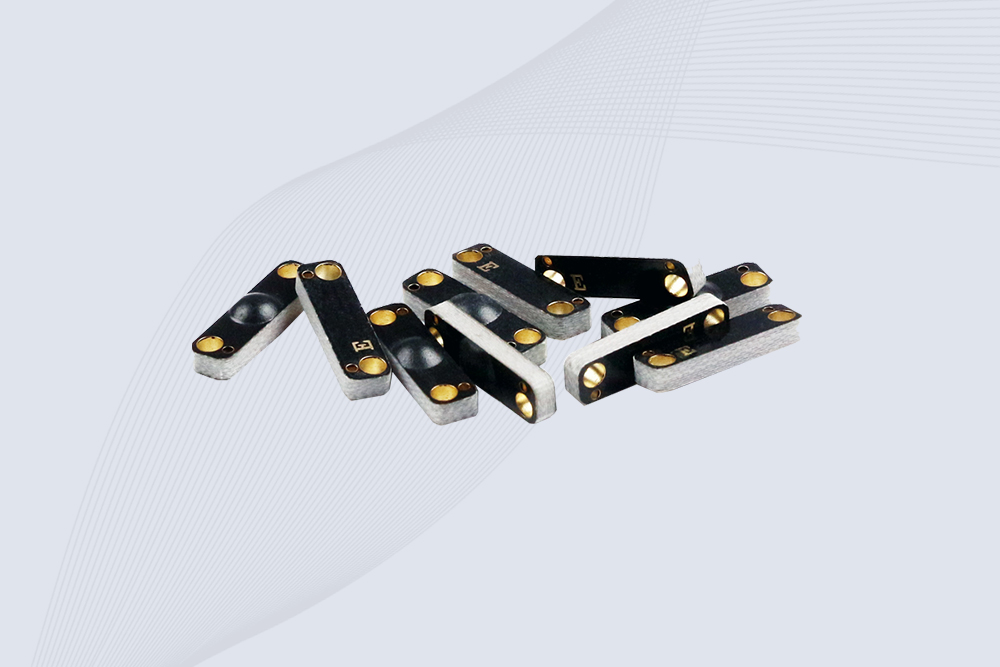
CYKEO CYKEO-PCB1504 Metal RFID Tags is a compact anti-metal UHF RFID solution built for direct mounting on metal surfaces. With stable 8-meter read range, Ucode-8 chip, and long data retention, this rfid metal tag fits tools, containers, automotive parts, and industrial asset tracking.
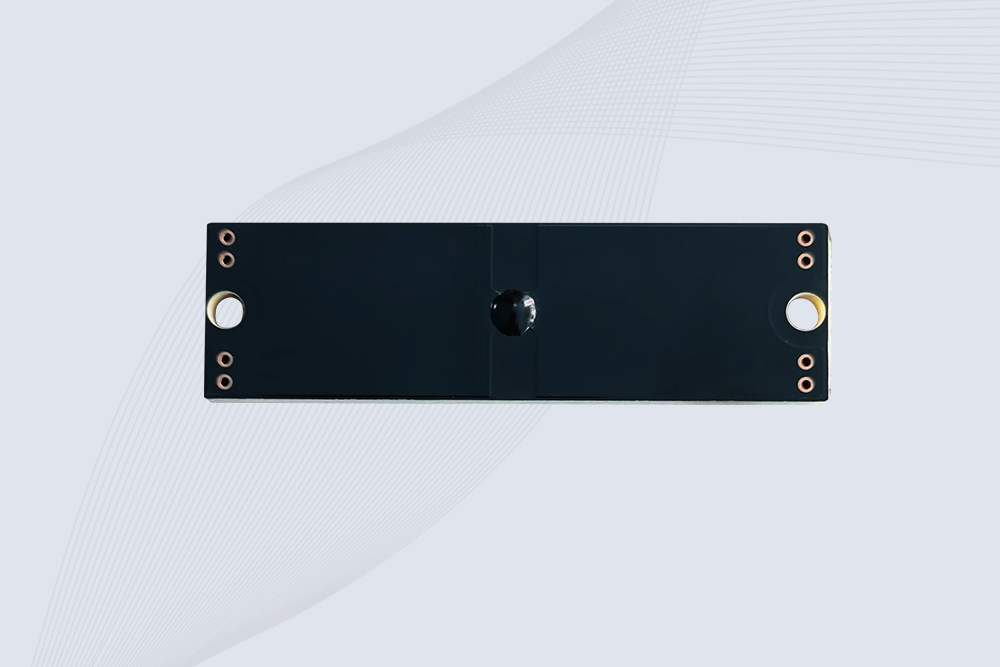
CYKEO CYKEO-PCB7020 On-Metal RFID Tags are designed for reliable tracking on steel and metal surfaces. Built with an FR4 epoxy body and industrial-grade chips, these On-Metal RFID Tags deliver stable performance, long data life, and chemical resistance, making them a dependable RFID anti-metal tag for harsh environments.
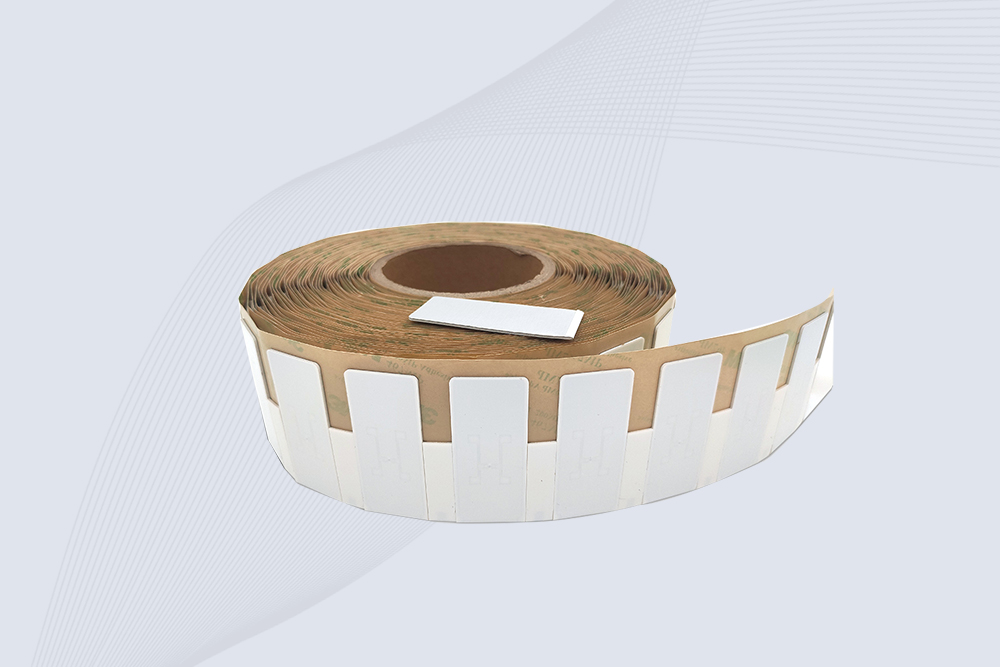
The CYKEO CYKEO-60-25 Anti-Metal RFID Tag is built for metal surfaces where standard tags fail. Designed for long-range performance, harsh environments, and stable data retention, this Anti-Metal RFID Tag is ideal for industrial assets, containers, and equipment tracking using on metal RFID tags.
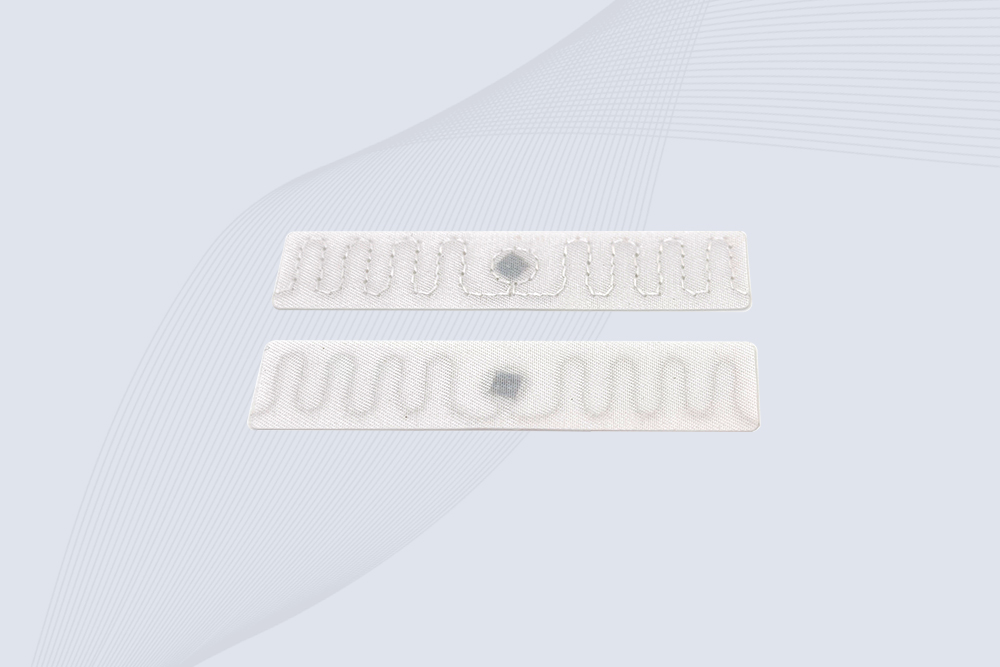
The CYKEO RFID Laundry Tag is designed for long-term textile identification in harsh laundry environments. Built to withstand high heat, chemicals, and repeated washing, this RFID Laundry Tag delivers stable performance for hotels, hospitals, and industrial laundry operations using laundry rfid tags at scale.
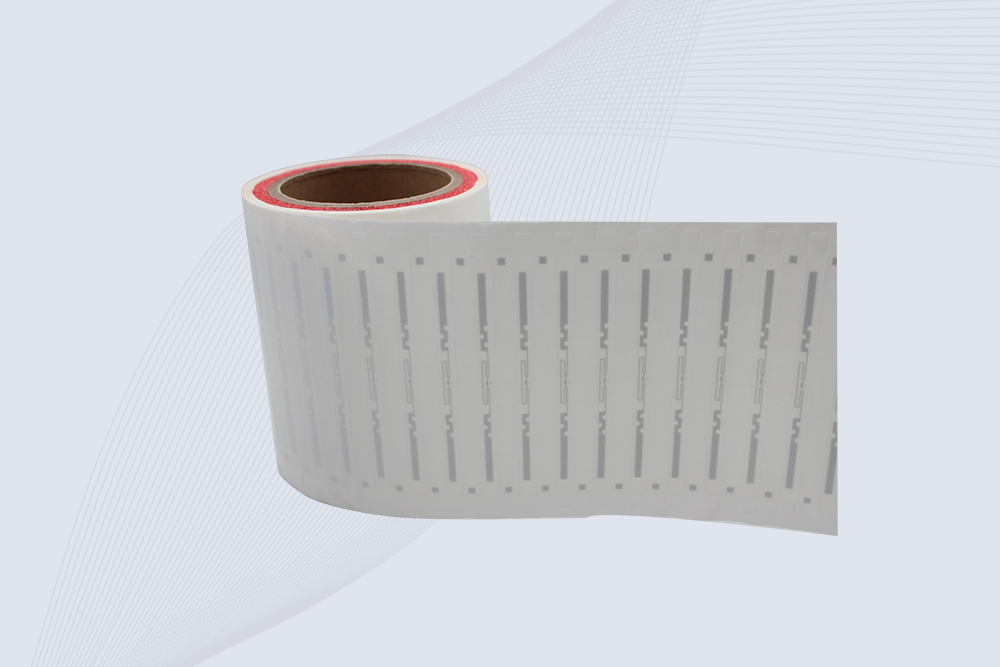
The CYKEO CYKEO-125-7 RFID Book Tag is designed for reliable book and document tracking in libraries and archives. This RFID Book Tag delivers long read range, dense placement support, and stable performance on shelves, making it a practical rfid tag on books for library automation, file management, and archival systems.
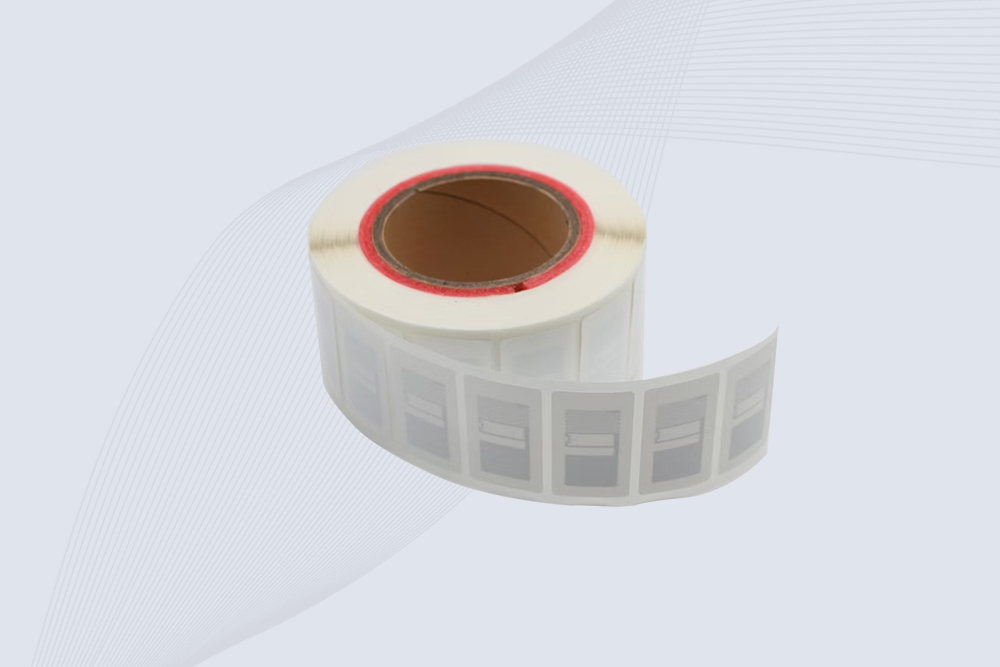
CYKEO RFID tags in hospitals are designed for sterile environments where accuracy matters. These autoclavable RFID tags support long-term tracking of surgical tools, implants, and medications, helping hospitals improve visibility, compliance, and patient safety.

CYKEO RFID Cable Tie Tag is built for reliable identification on metal surfaces. This UHF RFID Cable Tie Tag is widely used in rfid tags for inventory systems, industrial asset management and Hospital RFID Tags, offering stable read performance, long service life and global EPC Gen2 compatibility.
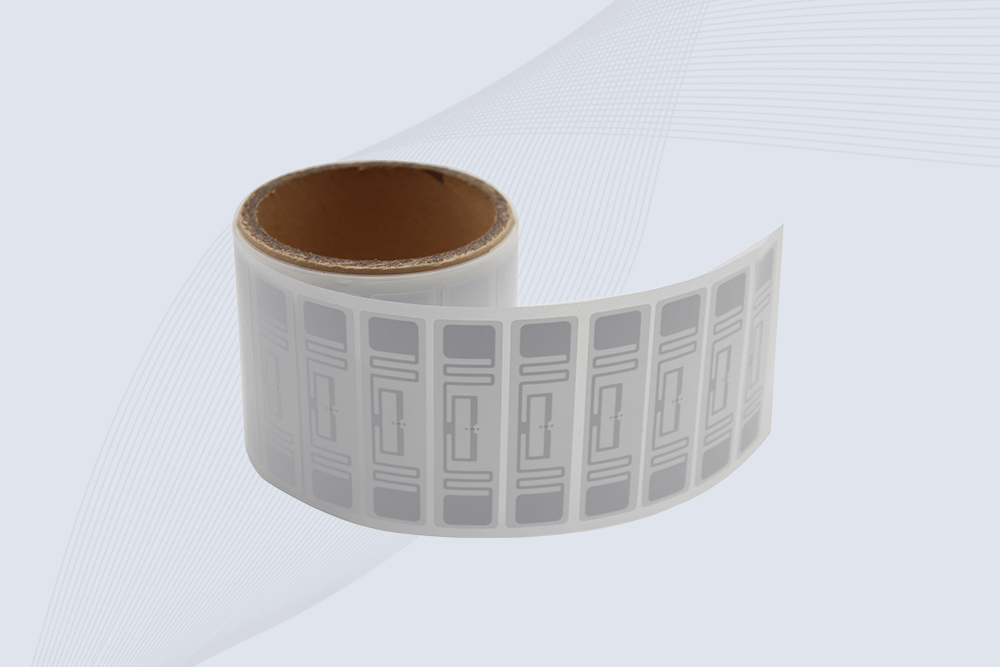
CYKEO RFID Asset Tag is designed for stable identification of metal assets in industrial environments. This UHF RFID Asset Tag is commonly used for rfid tag asset tracking on equipment, tools and containers, providing reliable reads, long service life and ISO/IEC 18000-6C support.

CYKEO UHF RFID Card is designed for fast identification and long-term use in industrial and commercial systems. Supporting ISO 18000-6C, this UHF RFID Card works at 860–960 MHz and is suitable for custom RFID cards used in asset tracking, access control and inventory management.
CYKEO HF RFID Cards are designed for secure and stable access control systems. These 13.56 MHz RFID key cards support ISO 14443-A, reliable rewriting and long service life, making HF RFID Cards suitable for offices, campuses, events and membership management.
CYKEO UHF RFID Tag is designed for reliable tracking of metal jewelry and high-value items. This Jewelry RFID Tag supports long-range reading up to 8 meters, anti-counterfeit protection and stable performance on metal, making it suitable for retail, inventory control and asset management.

Discover the key factors to consider when selecting a handheld RFID scanner for your business, from durability to software compatibility. Make an informed choice.
More
Learn how long range RFID scanners improve warehouse inventory tracking, pallet management, and logistics automation. A practical guide for RFID integrators, distributors, and bulk buyers.
More
Buying in Bulk: Are RFID Tags Really Worth It? Honestly, when I first dealt with RFID tags, I thought, “It’s just a sticker, right? How hard can it be?” Turns out, I was dead wrong. One tag here and there? No problem. But when you hit hundreds, th...
More
A practical breakdown of RFID hardware layer design in industrial tool tracking systems, including UHF RFID tags, rugged labeling methods, handheld readers, smart tool cabinets, and gate systems used in real factory environments. OEM and B2B inqui...
More