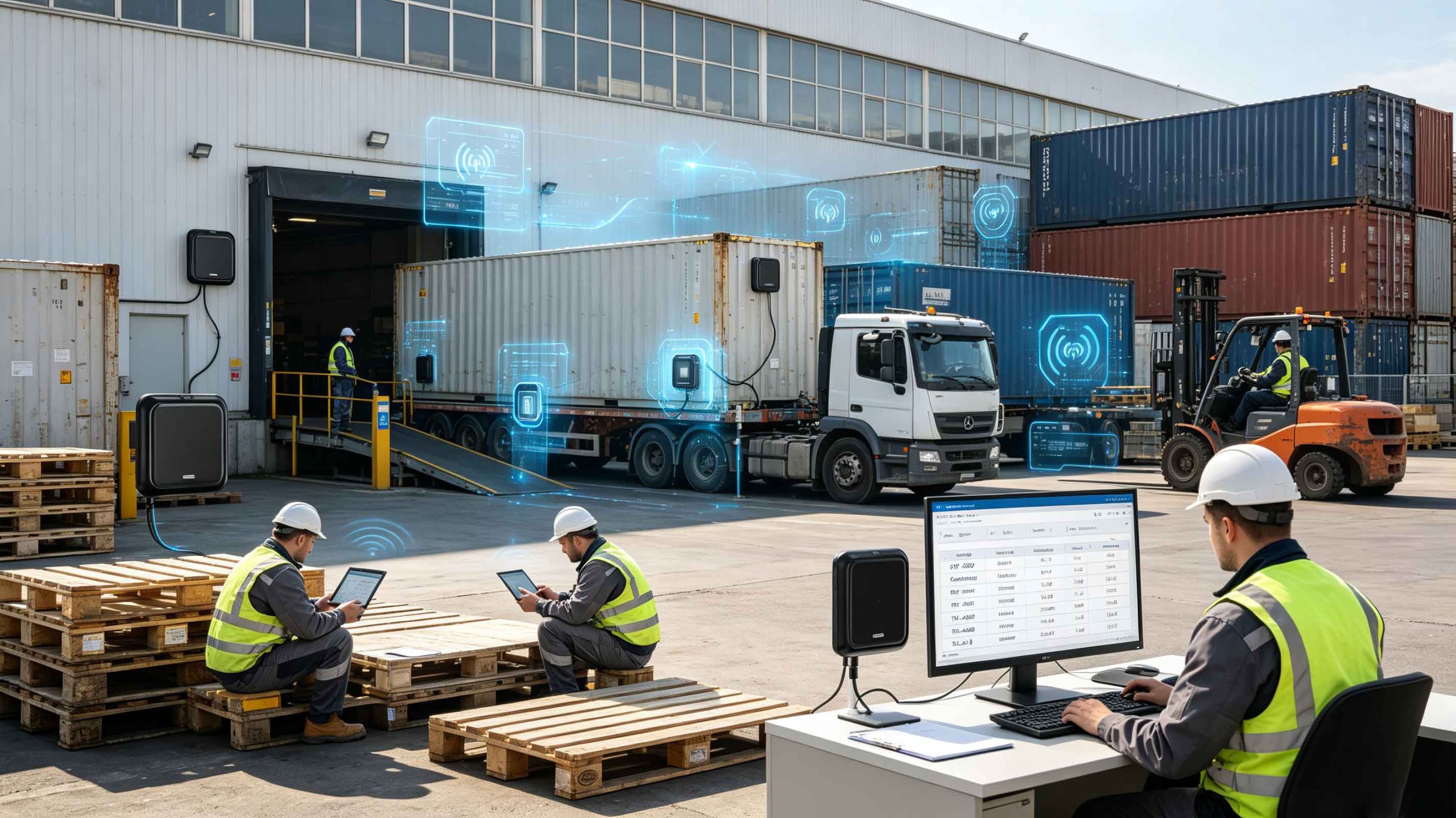
What are active rfid tags? Active RFID tags are battery-powered identification devices that transmit signals to RFID readers without waiting for external energy. They are designed for longer-range tracking, real-time monitoring, and asset visibility in industries such as logistics, manufacturing, transportation, and healthcare.
What are active RFID tags and how do they work?
When companies ask what are active rfid tags, they are usually trying to understand how these tags differ from standard RFID labels.
The direct answer is:
Active RFID tags are RFID devices with built-in batteries that actively transmit identification signals to nearby readers.
Unlike passive RFID tags, which receive power from the reader’s radio frequency field, active RFID tags have their own energy source.
A typical active RFID system includes:
Component
Function
Active RFID Tag
Sends identification signals using internal battery power
Because active RFID tags generate their own signals, they can usually achieve longer communication distances and support additional functions such as:
Real-time location monitoring
Sensor data collection
Movement detection
Status monitoring
During RFID deployment projects, I have seen companies misunderstand active RFID because they focus only on reading distance.
Distance is important, but the real question is:
“What information does the business need to collect?”
An active RFID tag is valuable when companies need continuous visibility of important assets rather than occasional identification.
How do active RFID tags differ from passive RFID tags?
Understanding what are active rfid tags requires comparing them with passive RFID technology.
Both technologies use radio frequency communication, but their operating methods are different.
Feature
Active RFID Tags
Passive RFID Tags
Power Source
Internal battery
Powered by RFID reader signal
Communication Range
Longer range
Shorter range
Signal Transmission
Actively sends signals
Responds when activated
Tag Cost
Higher
Lower
Typical Usage
Asset tracking, vehicles, equipment
Inventory labels, product identification
Passive UHF RFID tags are widely used for warehouse inventory because they are low-cost and do not require batteries.
Active RFID tags are selected when tracking requirements demand more frequent communication.
Examples include:
Large industrial equipment
Vehicles
High-value assets
Containers
Medical equipment
What are active RFID tags used for in industrial tracking?
One of the strongest applications of active RFID is asset tracking.
Many industrial environments manage thousands of valuable assets.
Without automated identification, companies may spend significant time searching for equipment.
Active RFID tags can help monitor:
Equipment location
Asset movement
Usage status
Environmental conditions
Common applications include:
Industry
Active RFID Application
Manufacturing
Machine and tool tracking
Logistics
Container monitoring
Transportation
Vehicle identification
Healthcare
Medical equipment tracking
Aviation
Ground equipment management
For example, in an industrial facility, a company may attach active RFID tags to maintenance tools.
When a tool moves between production areas, the system can record:
Which tool moved
Where it was detected
When movement occurred
This creates operational visibility that manual records often cannot provide.
How active RFID tags support real-time location tracking
One important difference between active and passive RFID is communication behavior.
Active RFID tags can periodically transmit signals.
This allows organizations to build tracking systems that monitor asset movement continuously.
A real-world workflow may look like this:
Active RFID tag attached to an asset.
Tag sends wireless identification signals.
RFID readers receive the signals.
Software calculates location or status.
Users view information through a management platform.
This approach is commonly used in:
Warehouses
Factories
Hospitals
Transportation hubs
However, active RFID is not automatically the right choice for every project.
For simple inventory counting, passive UHF RFID may be more practical.
For tracking expensive equipment that frequently changes location, active RFID can provide additional value.
What are active RFID tags in supply chain management?
Modern supply chains require visibility beyond simple inventory numbers.
Companies need to understand:
Where assets are located
How long they remain in certain areas
Whether transportation equipment is available
Active RFID tags can support supply chain visibility by tracking:
Reusable containers
Companies using pallets, bins, and transport containers can monitor their movement across facilities.
High-value shipments
Active RFID can help track important assets during transportation.
Logistics equipment
Forklifts, trailers, and specialized equipment can be monitored.
The value comes from reducing uncertainty.
A missing container is not only a physical problem.
It can create:
Production delays
Additional purchasing costs
Transportation inefficiencies
What are active RFID tags made of?
An active RFID tag usually contains several key components:
Component
Purpose
Battery
Provides operating power
RFID Chip
Processes identification information
Antenna
Sends wireless signals
Housing
Protects internal components
Optional Sensors
Collects additional data
Some advanced active RFID tags include sensors for:
Temperature monitoring
Shock detection
Humidity measurement
Motion detection
This makes active RFID useful in environments where asset condition matters.
How long do active RFID tag batteries last?
Battery life depends on:
Transmission frequency
Communication distance
Environmental conditions
Sensor usage
Some active RFID tags are designed for months of operation, while industrial-grade solutions may operate for several years depending on configuration.
Battery management should be considered during system planning.
In practical projects, companies should evaluate:
Replacement process
Maintenance schedule
Total ownership cost
A tracking system is only effective when it remains reliable after installation.
Active RFID technology provides long-range identification and real-time asset visibility.
Why companies choose active RFID tracking systems
Companies usually choose active RFID when asset visibility has a direct impact on operations.
Typical reasons include:
Tracking expensive equipment
Monitoring mobile assets
Improving operational efficiency
Reducing asset loss
Supporting automation
However, active RFID should be selected based on actual requirements.
A company managing thousands of inexpensive products may prefer passive UHF RFID.
A company managing aircraft components, industrial machines, or reusable containers may require active RFID capabilities.
The technology choice depends on the business problem.
How Cykeo approaches RFID identification solutions
Cykeo develops RFID technologies focused on industrial identification and automation applications.
The company provides solutions including:
UHF RFID fixed readers
RFID reader writers
Embedded RFID modules
Customized RFID systems
While active RFID and UHF passive RFID serve different purposes, both require careful system design.
Cykeo focuses on practical deployment factors:
Reliable communication
Stable tag identification
Industrial environment adaptation
Software integration
For companies evaluating RFID technology, the first step is understanding the tracking objective.
The best RFID solution is not always the one with the strongest signal.
It is the one that delivers the right information at the right operational point.
How to choose active RFID tags for business applications?
After understanding what are active rfid tags, the next challenge is selecting the correct solution for a real environment.
Active RFID systems are not all identical.
Different industries require different tag designs, communication ranges, battery capacities, and tracking functions.
Before choosing an active RFID tag, companies should evaluate:
Selection Factor
Why It Matters
Tracking Distance
Determines reader and tag communication requirements
Battery Life
Influences maintenance frequency
Environment
Defines protection requirements
Asset Type
Determines tag size and installation method
Data Requirements
Determines whether sensors are needed
For example, a logistics company tracking outdoor containers may need rugged weather-resistant active RFID tags.
A hospital tracking mobile medical equipment may prioritize compact design and reliable indoor communication.
The application environment always comes first.
What are active RFID tags used for in healthcare?
Healthcare organizations manage thousands of mobile assets every day.
Some equipment is expensive, shared between departments, and constantly moving.
Active RFID tags can support healthcare asset visibility by tracking:
Medical devices
Emergency equipment
Mobile carts
Laboratory equipment
Temperature-sensitive assets
A common challenge in hospitals is not ownership of equipment.
It is knowing:
Where equipment is located
Whether it is available
How often it is used
An active RFID system can provide location information and movement history.
For example:
A medical device equipped with an active RFID tag moves from the emergency department to another floor.
The system records the movement event through RFID readers.
Staff can then locate equipment faster when needed.
What are active RFID tags in transportation and logistics?
Transportation companies often manage assets that move between multiple locations.
Examples include:
Shipping containers
Trailers
Vehicles
Returnable transport items
Active RFID tags are useful because these assets are valuable but difficult to monitor manually.
A logistics tracking system may collect:
Data Type
Example
Asset ID
Container A-2058
Location
Distribution Center 3
Movement Time
10:45
Status
In Transit
This information helps companies improve asset utilization.
For example, reusable containers often travel through complex supply chains.
Without visibility, companies may purchase additional containers simply because existing ones cannot be located quickly.
Active RFID helps reveal where these assets are and how they are being used.
Active RFID tags vs GPS tracking systems
A common question after learning what are active rfid tags is whether RFID is the same as GPS.
They are different technologies.
Feature
Active RFID
GPS
Main Function
Identification and local tracking
Geographic positioning
Typical Environment
Buildings, facilities, controlled areas
Outdoor locations
Power Requirement
Battery-powered tag
Battery-powered device
Infrastructure
RFID readers required
Satellite communication
Active RFID is often used inside:
Factories
Warehouses
Hospitals
Airports
GPS is usually preferred when outdoor location over large distances is required.
Some advanced systems combine multiple technologies depending on business requirements.
Can active RFID tags collect sensor data?
Yes, some active RFID tags can include sensors.
These sensor-enabled tags can collect additional information beyond identification.
Examples include:
Temperature monitoring
Useful for:
Cold chain logistics
Pharmaceutical transportation
Food storage
Shock detection
Useful for:
Fragile equipment
Sensitive shipments
Motion detection
Useful for:
Equipment usage monitoring
Security applications
This creates another level of visibility.
Instead of only knowing:
“Where is the asset?”
Companies can understand:
“What condition is the asset in?”
What are the advantages and disadvantages of active RFID tags?
Active RFID technology provides important benefits, but companies should also consider limitations.
Advantages
Advantage
Explanation
Longer reading range
Suitable for large areas
Real-time tracking
Supports continuous visibility
Sensor capability
Can collect additional information
Automatic communication
Reduces manual checking
Limitations
Limitation
Explanation
Higher cost
Battery and electronics increase price
Maintenance needs
Batteries require management
More complex deployment
Requires planning and infrastructure
The right choice depends on the operational value created by tracking.
How are active RFID systems installed?
A successful active RFID installation usually follows several practical stages.
Step 1: Analyze the tracking environment
Companies should identify:
Assets requiring tracking
Movement patterns
Required visibility level
Step 2: Select suitable active RFID tags
Important considerations include:
Tag size
Battery life
Communication range
Environmental protection
Step 3: Install RFID readers
Reader placement affects system performance.
Typical locations include:
Warehouse entrances
Production zones
Storage areas
Equipment rooms
Step 4: Connect RFID data with software
Collected RFID information needs to connect with business systems.
Examples:
Asset management platforms
Warehouse management systems
Manufacturing software
Common mistakes when deploying active RFID systems
Choosing active RFID only because of range
Longer range does not automatically mean better results.
A system should solve a specific tracking problem.
Ignoring the physical environment
Factories and warehouses contain:
Metal structures
Machinery
Interference sources
Testing should happen in the real environment.
Not planning maintenance
Battery-powered RFID systems require lifecycle management.
Companies should consider:
Battery replacement
Tag inspection
System monitoring
Battery-powered active RFID tags help logistics companies monitor container and transportation assets efficiently.
Frequently Asked Questions about what are active rfid tags
1. What are active RFID tags?
Active RFID tags are battery-powered RFID devices that transmit their own signals to RFID readers. They are commonly used for long-range tracking, asset monitoring, and real-time identification.
2. How far can active RFID tags be read?
The reading distance depends on the tag design, reader equipment, environment, and frequency. Active RFID generally provides longer ranges than passive RFID because it has its own power source.
3. Do active RFID tags need batteries?
Yes. Active RFID tags contain internal batteries that provide power for signal transmission and additional functions such as sensors or continuous communication.
4. Are active RFID tags better than passive RFID tags?
Neither technology is universally better. Active RFID is suitable for long-range tracking and valuable assets, while passive RFID is often preferred for large-volume inventory identification.
5. Where are active RFID tags commonly used?
Active RFID tags are used in logistics, manufacturing, healthcare, transportation, aviation, and industrial asset tracking applications.
6. Can active RFID tags track location?
Yes. When combined with RFID readers and positioning software, active RFID systems can provide asset location information and movement history.
Conclusion: What are active RFID tags and why are they important?
So, what are active rfid tags?
Active RFID tags are battery-powered identification devices designed for applications requiring longer-range communication, frequent data transmission, and improved asset visibility.
They help organizations track:
Industrial equipment
Transportation assets
Medical devices
Reusable containers
High-value items
The most important factor is not simply choosing an active RFID tag.
The key is designing a complete tracking system that matches the operational environment.
A successful RFID deployment combines:
Correct tag selection
Proper reader placement
Reliable software integration
Practical workflow design
Cykeo focuses on developing RFID identification solutions that support industrial automation, asset tracking, and connected business operations.
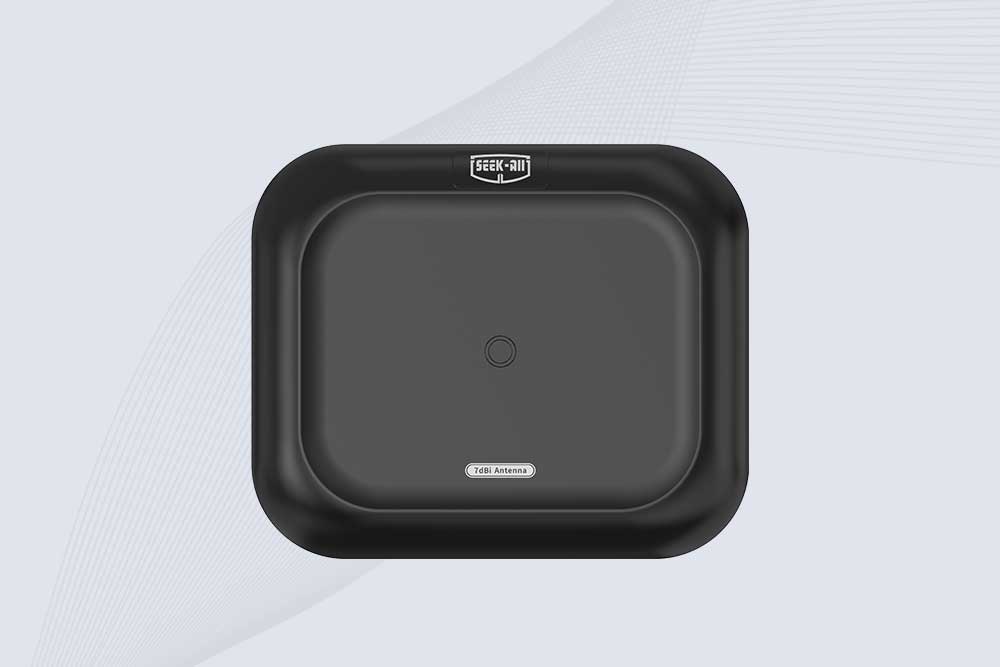
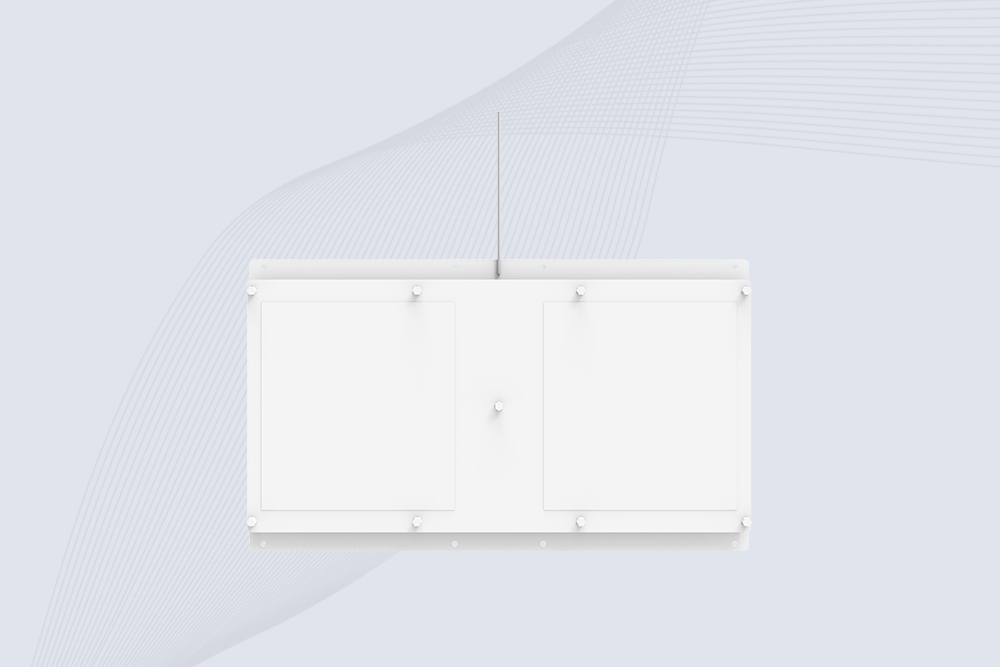
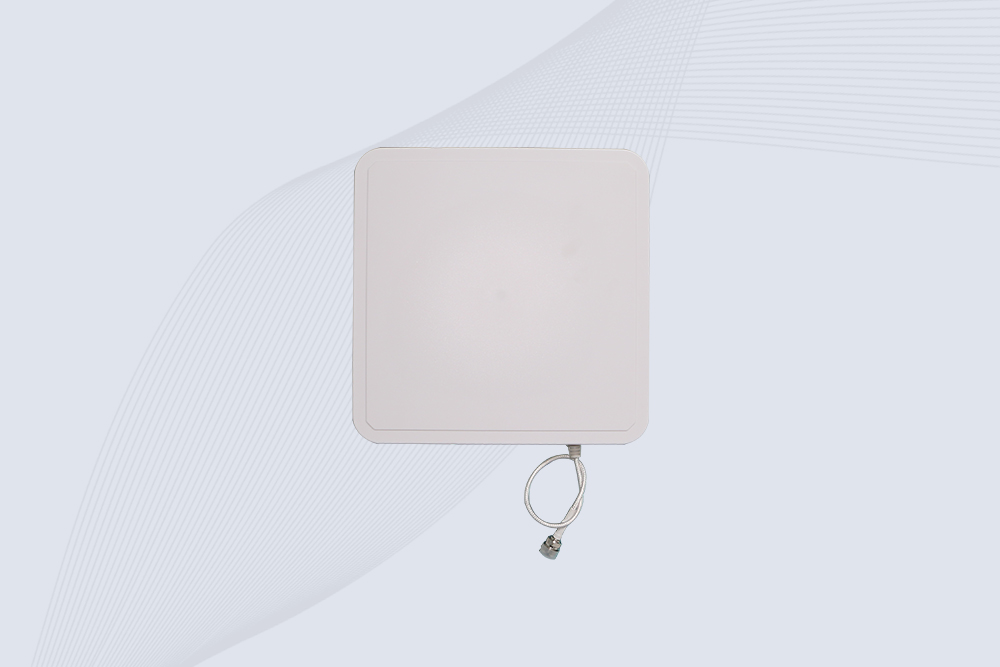
Explore the SSD-A07 UHF RFID antenna with 7 dBi gain, circular polarization, adjustable 840–960 MHz frequency, and 60°/75° beamwidth for stable RFID read/write performance.
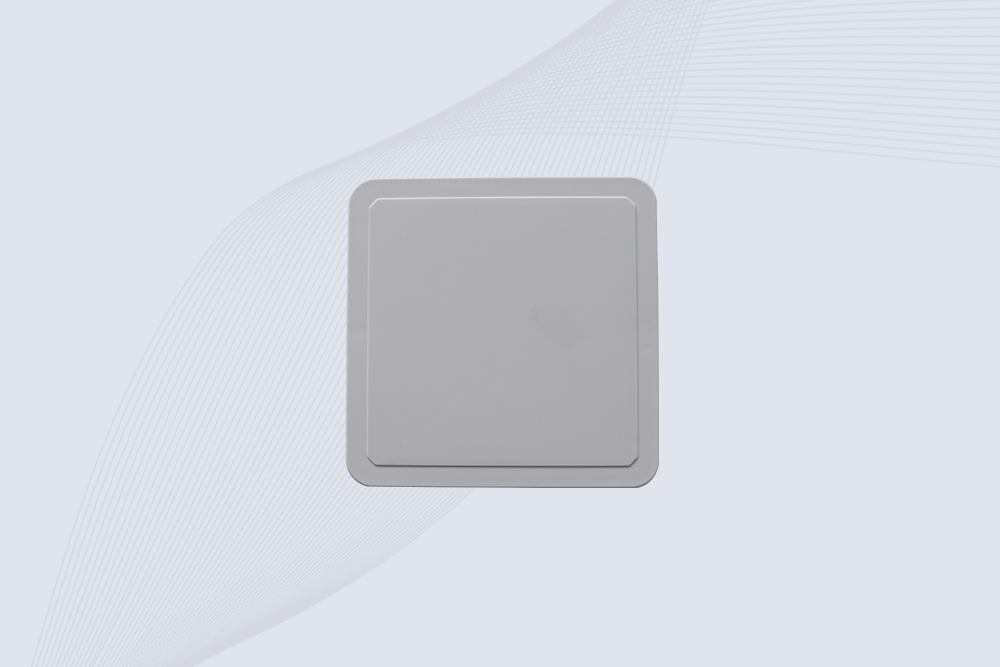
SSD-A06 UHF RFID antenna with circular polarization, adjustable 840–960 MHz frequency, ≥4.5 dBi gain, and a compact directional design for RFID systems.
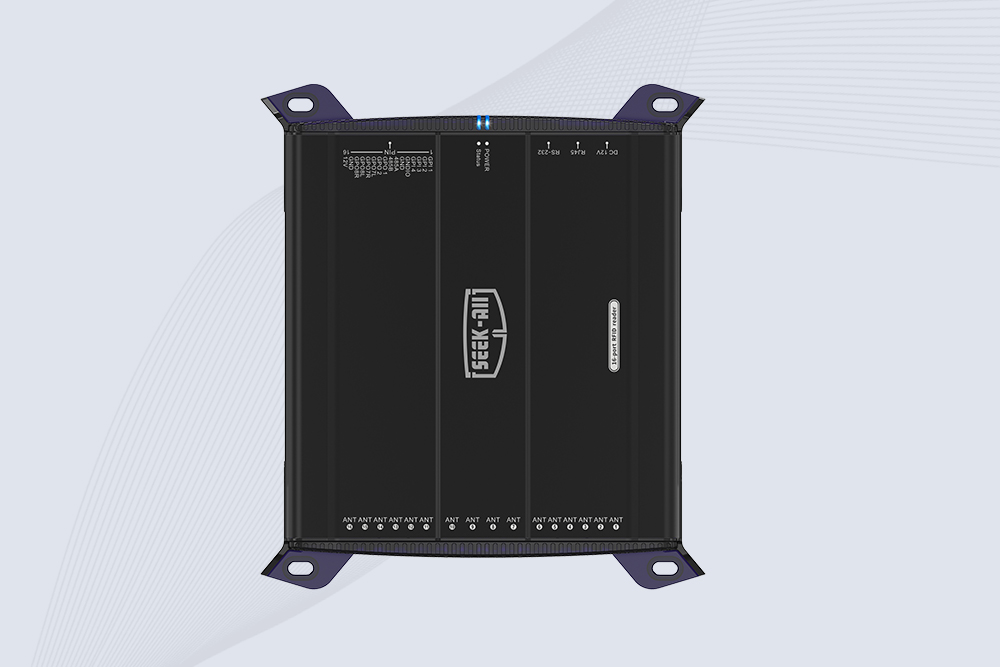
SSD-R16L Multi-Channel RFID Infrastructure for Automated Inventory Management ✔️ 16-Port High-Density RFID Reading Equipped with 16 SMA antenna ports, SSD-R16L supports multi-antenna deployment for warehouses, retail stores, logistics, production lines, and large-area RFID identification. ✔️ High-Speed & Long-Range Performance With up to 33…
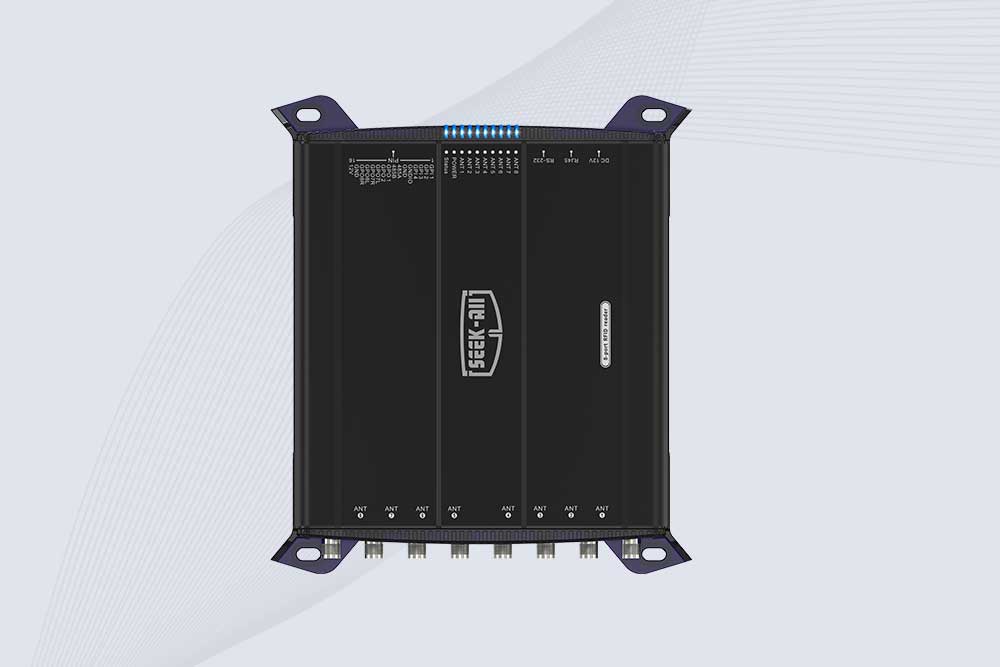
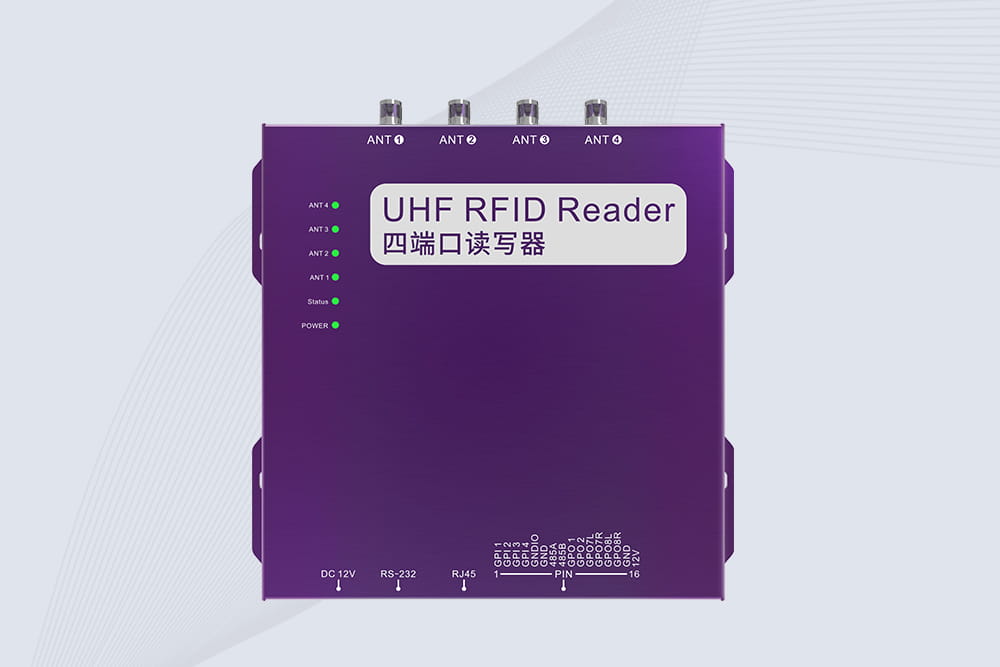
SSD-R8L 8-port UHF RFID reader with 33dBm output, up to 20m reading range and 600+ tags/s recognition. Ideal for warehouse, logistics, retail and asset tracking.
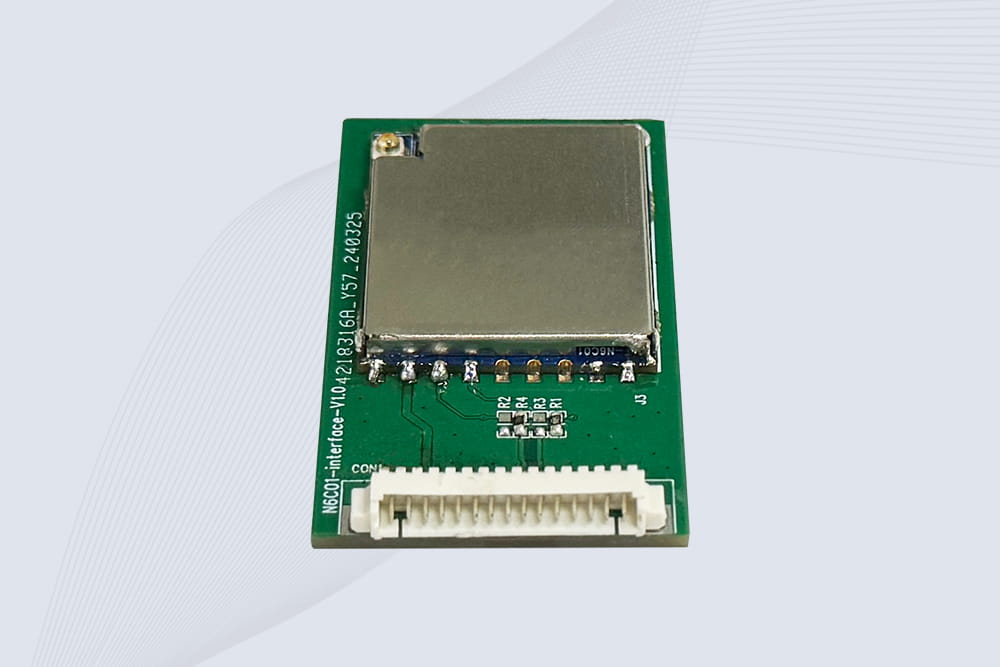
CYKEO Embedded RFID Modules are designed for compact industrial and IoT devices that require stable UHF performance. These UHF RFID Modules support global protocols, flexible power control, and reliable multi-tag reading for smart cabinets, production lines, and asset tracking systems.
CYKEO Embedded RFID Module is built for compact IoT and industrial devices that need stable UHF performance. This UHF module supports global protocols, low power operation, and reliable multi-tag reading for smart lockers, production lines, and always-on RFID systems.
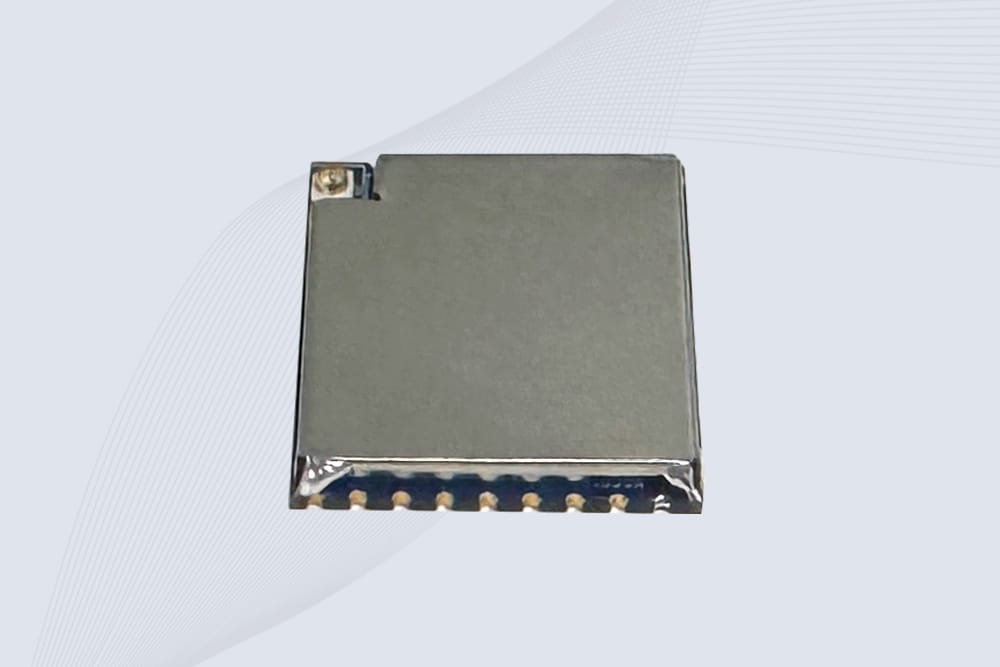
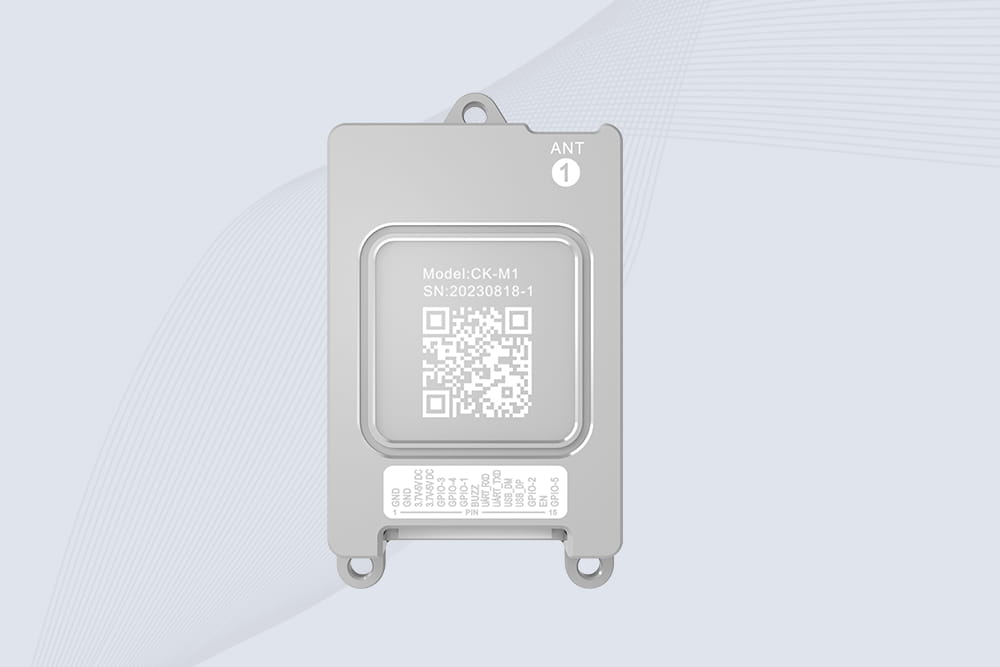
CYKEO CYKEO-M1 drone rfid module is a compact UHF RFID reader module designed for drones and UAV platforms. It supports long-range aerial scanning, fast multi-tag reading, and stable performance in wind, vibration, and outdoor environments.
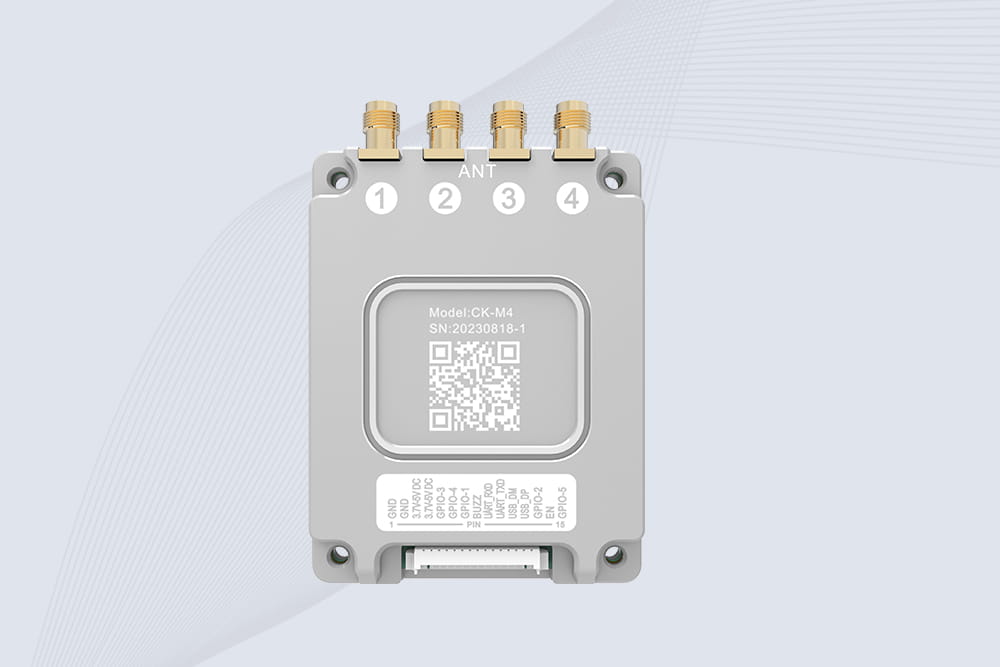
CYKEO CYKEO-M4 RC522 RFID Module is an industrial-grade UHF RFID reader with 4 ports, supporting ISO, EPC, and GB protocols. High-speed, accurate reading for IoT, automation, and warehouse applications.
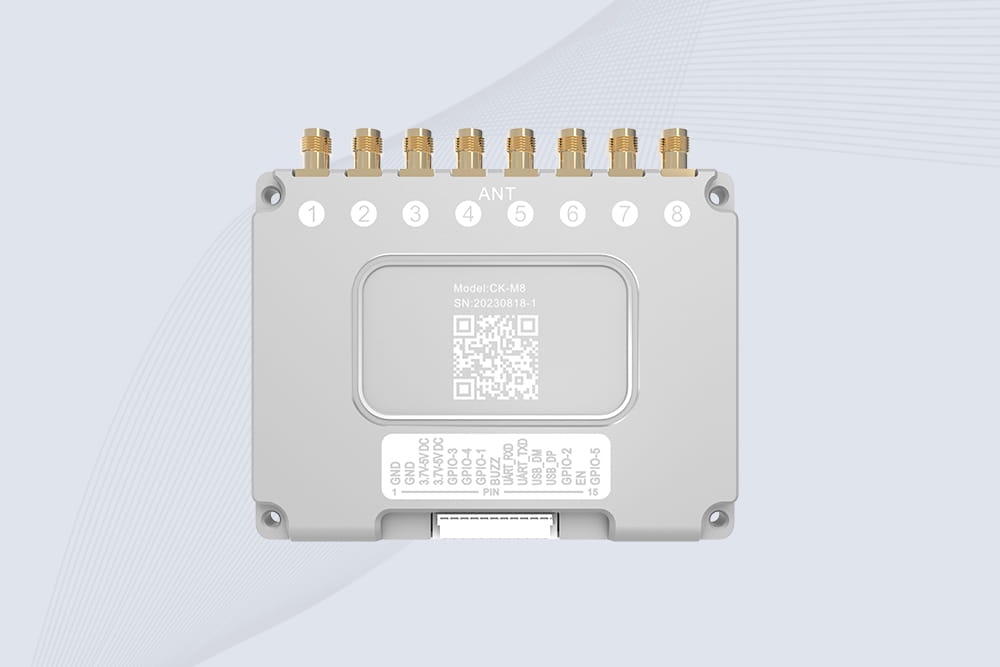
CYKEO CYKEO-M8 Module RFID is an 8-port UHF R2000 RFID Module designed for high-density, multi-tag environments. Stable 33dBm output, ISO & GB protocol support, ideal for warehouses, factories, and automated systems.
CYKEO CYKEO-M16 RFID Module is a 16-port UHF RFID reader module based on the R2000 chipset. Designed for dense tag environments, it supports ISO and GB standards and delivers stable multi-antenna control for industrial automation.
The CYKEO CYKEO-M16L RFID Reader Module is a 16-channel UHF RFID core designed for dense tag environments. With adjustable 33dBm output, multi-protocol support, and stable multi-antenna control, this RFID Tag Reader Module fits industrial automation, warehouse systems, and large-scale IoT deployments.
CYKEO CYKEO-M8L module RFID is a compact industrial UHF module built for dense tag and multi-antenna environments. With 8 RF ports, adjustable 33 dBm output, and ISO & GB protocol support, it is widely used in factories, warehouses, and automated tracking systems.
CYKEOCYKEO-M4L UHF RFID Module is a compact 4-channel RFID tag reader module designed for dense tag environments. Supporting ISO and GB protocols, it delivers stable reads up to 10 meters for industrial and IoT systems.
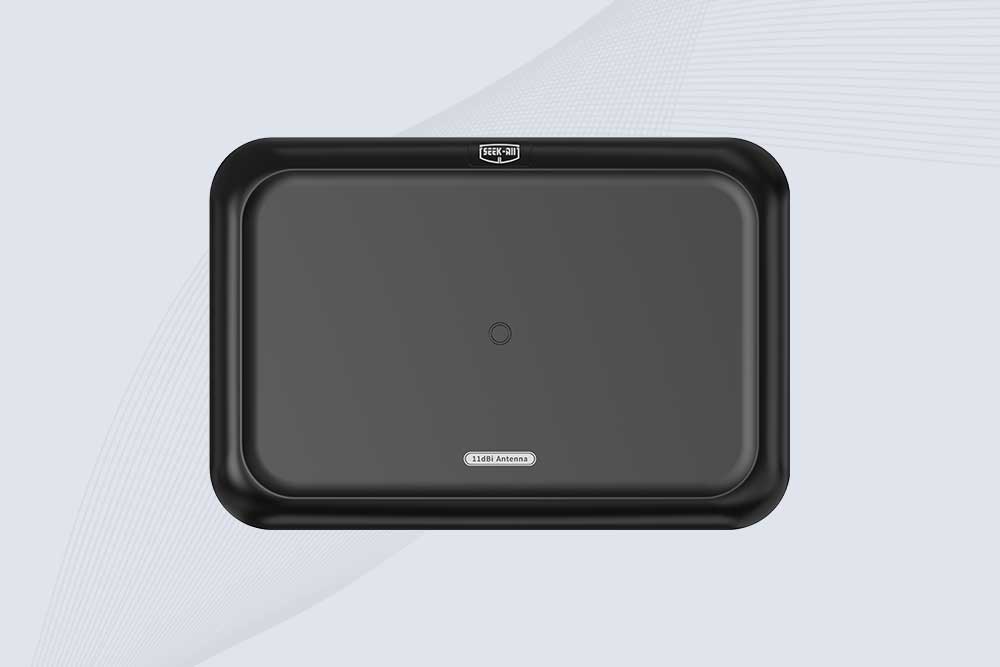
Cykeo CYKEO-A11 UHF RFID reader antenna delivers 11dBi gain, 840-960MHz frequency range, and IP65 ruggedness for retail, logistics, and industrial RFID systems. Features low VSWR and easy installation.
CYKEO Antenna RFID Reader delivers stable long-range UHF performance with a 10.5dBi directional design, built for warehouses, conveyor portals, and industrial RFID systems. This rfid reader antenna provides 20m+ read distance and rugged IP67 protection.
Cykeo CYKEO-A5B industrial Linear RFID Antenna delivers 5dBi gain, ≤1.5:1 VSWR, and IP65 rugged design for warehouse, production line, and logistics UHF systems.
Cykeo’s CYKEO-B12 Long Range RFID Antenna delivers 15m+ read range with 12dBi gain, IP65 rugged design, and global 840-960MHz UHF support. Ideal for warehouse/logistics asset tracking.
Cykeo CYKEO-B10 Long Distance RFID Antenna offers 10dBi gain, 840-960MHz frequency range, IP65 rating, and 20m+ coverage for logistics/warehousing/ETC systems. Low VSWR ensures stable signal transmission.
Cykeo CYKEO-A6 UHF RFID panel antenna features 6dBi gain, 840-960MHz broadband, IP65 metal-ready housing for logistics/smart retail. 18mm ultra-thin design with tool-free mounting.
Cykeo CK-A3 industrial antenna RFID UHF offers 5m+ tag detection, ≤1.3:1 VSWR, IP65 rugged design, and global UHF spectrum compatibility (840-960MHz) for warehouses, factories, and retail.
Cykeo CYKEO-B5 directional RFID antenna provides 5dBi gain with 60° narrow beamwidth for precise inventory tracking. IP65-rated, global UHF frequency support, and low VSWR.
Create your own high-performance DIY RFID antenna! 5dBi gain, 840-960MHz tunable, step-by-step guides. Compatible with Arduino, Raspberry Pi, and commercial UHF readers.
Cykeo CYKEO-A7 Flexible RFID Antenna features 840-960MHz wideband tuning, 7dBi gain, and IP68 rating for medical/retail/industrial curved surface deployments. 98% read accuracy with peel-and-stick installation.
Cykeo CYKEO-B5A industrial Passive RFID Antenna delivers 5dBi gain, 70° beamwidth, and -40°C~55°C operation for warehouses/smart cabinets. Compatible with Zebra/Impinj readers.
Cykeo’s CYKEO-A9B High Gain RFID Antenna delivers 15m+ read range with 9dBi amplification. Features IP54 rugged design, 840-960MHz bandwidth, and 80° beamwidth for warehouse/manufacturing RFID systems.
Cykeo’s enterprise-grade 8dbi Impinj RFID Antenna 10m+ read range with 840-960MHz tuning. Features IP65 housing, 1.4 VSWR, 35° beamwidth for retail/warehouse RFID systems.
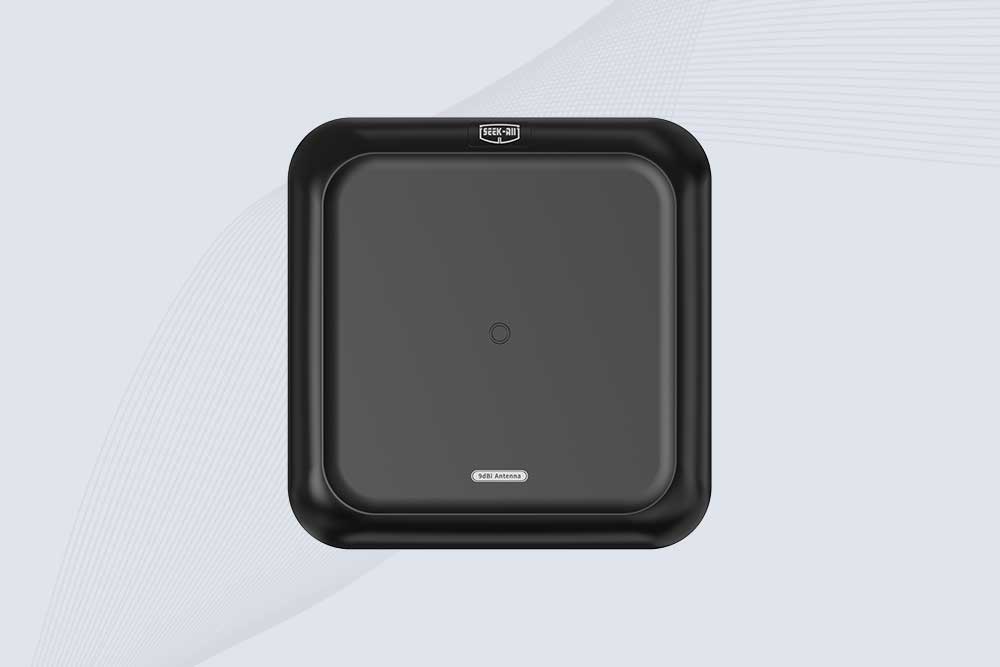
Cykeo CYKEO-A9 industrial UHF RFID antenna delivers 9dBi gain, 840-960MHz frequency range, and IP65 protection for warehouse/logistics/retail RFID systems. Features N-type connector and ≤1.3:1 VSWR.
CYKEO UHF RFID Antenna built for long-distance and industrial applications. This antenna rfid uhf delivers strong gain, outdoor durability, and reliable tag performance in warehouses, yards, and vehicle ID systems.
CYKEO Antenna RFID delivers reliable long-range UHF performance in warehouses, retail shelves, and cold-chain environments. This compact uhf rfid antenna provides stable reads with circular polarization and ultra-wide 840–960 MHz support, ideal for industrial tracking, smart shelves, and asset monitoring.
Cykeo’s CYKEO-C8 UHF RFID antennas delivers 8dBi gain, 840-960MHz full-band coverage, and IP65 ruggedness for manufacturing/warehouse RFID systems. Industrial RFID Antennas Features
Cykeo’s 8dBi UHF RFID antenna and reader kit delivers 10m+ range, 840-960MHz broadband, and IP65 ruggedness for factories, warehouses, and logistics. ISO 18000-6C & EPC Gen2 certified.
Cykeo’s CYKEO-A12C UHF Large RFID Antenna delivers 12dBi gain, 840-960MHz global frequency, IP65 ruggedness for logistics/warehousing/automotive. 40° beamwidth ensures stable 15m+ tag reads.
CYKEO Near Field RFID Antenna provides precise 5–30 cm reading for shelves, cabinets, and workstations. This compact rfid shelf antenna delivers stable short-range performance around metal and clutter, ideal for pharmacies, libraries, and electronics sorting.
Cykeo CYKEO-C1 industrial Forklift RFID Reader features 20m read range, 600 tags/sec scanning, Impinj R2000 chipset, and IP67 rugged design. Ideal for warehouse logistics and manufacturing. Supports ISO 18000-6C/6B protocols.
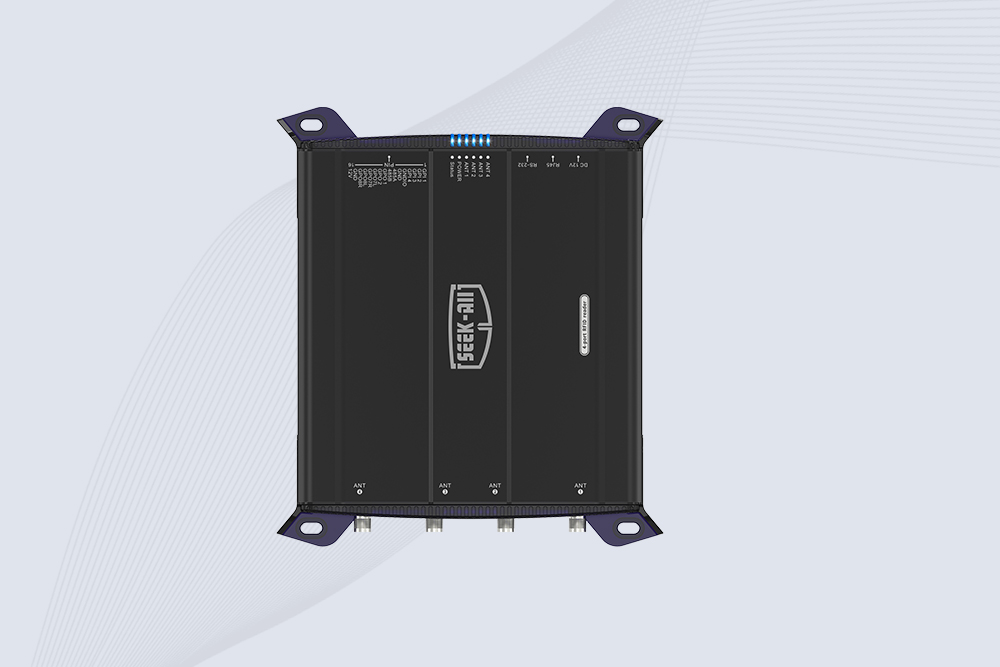
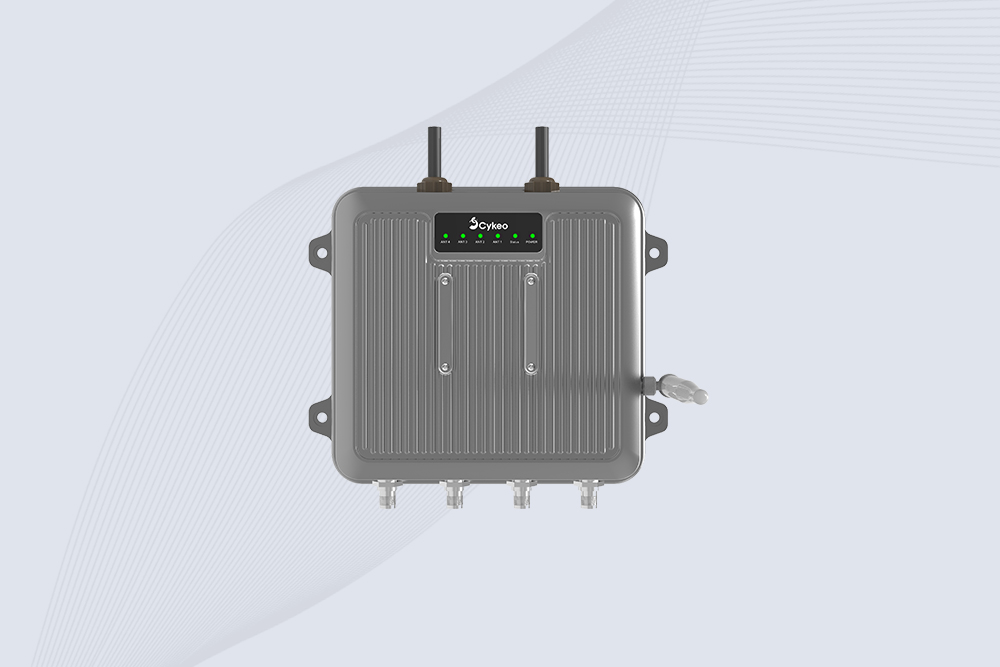
Cykeo CYKEO-R4 industrial UHF RFID Fixed Reader features 4 TNC ports, 400+ tags/sec speed, IP67 housing, and global frequency compliance for vehicle inspection, smart warehouse, and asset management systems.
CYKEO CYKEO-R8L Fixed RFID Reader with 8-port UHF design, Impinj-based RF core and up to 20m read range. An industrial Fixed RFID Reader for vehicle inspection, warehouse portals, smart manufacturing lines and secure access checkpoints.
RFID Fixed Reader from CYKEO – the CYKEO-R16L 16-port UHF fixed reader for warehouses, smart cabinets, and production lines. Long-range, multi-tag reading, stable performance for 24/7 industrial use.
Learn how RFID reader antennas work, the different antenna types available, and how they affect RFID system performance in warehouses, logistics, inventory tracking, and access control applications.
How do rfids work? Learn how RFID tags, readers, and software communicate to identify objects automatically and improve tracking in logistics, retail, and industry.
how RFID fixed asset systems help companies automate inventory, prevent asset loss, and improve visibility. Learn how RFID tags and readers make asset tracking faster, more accurate, and easier to manage.
Explore radio frequency identification products from Cykeo for smarter inventory control, asset tracking, and industrial automation. Improve visibility, accuracy, and efficiency with advanced RFID solutions.
 Cykeo RFID IoT Solution Products R&D Manufacturer