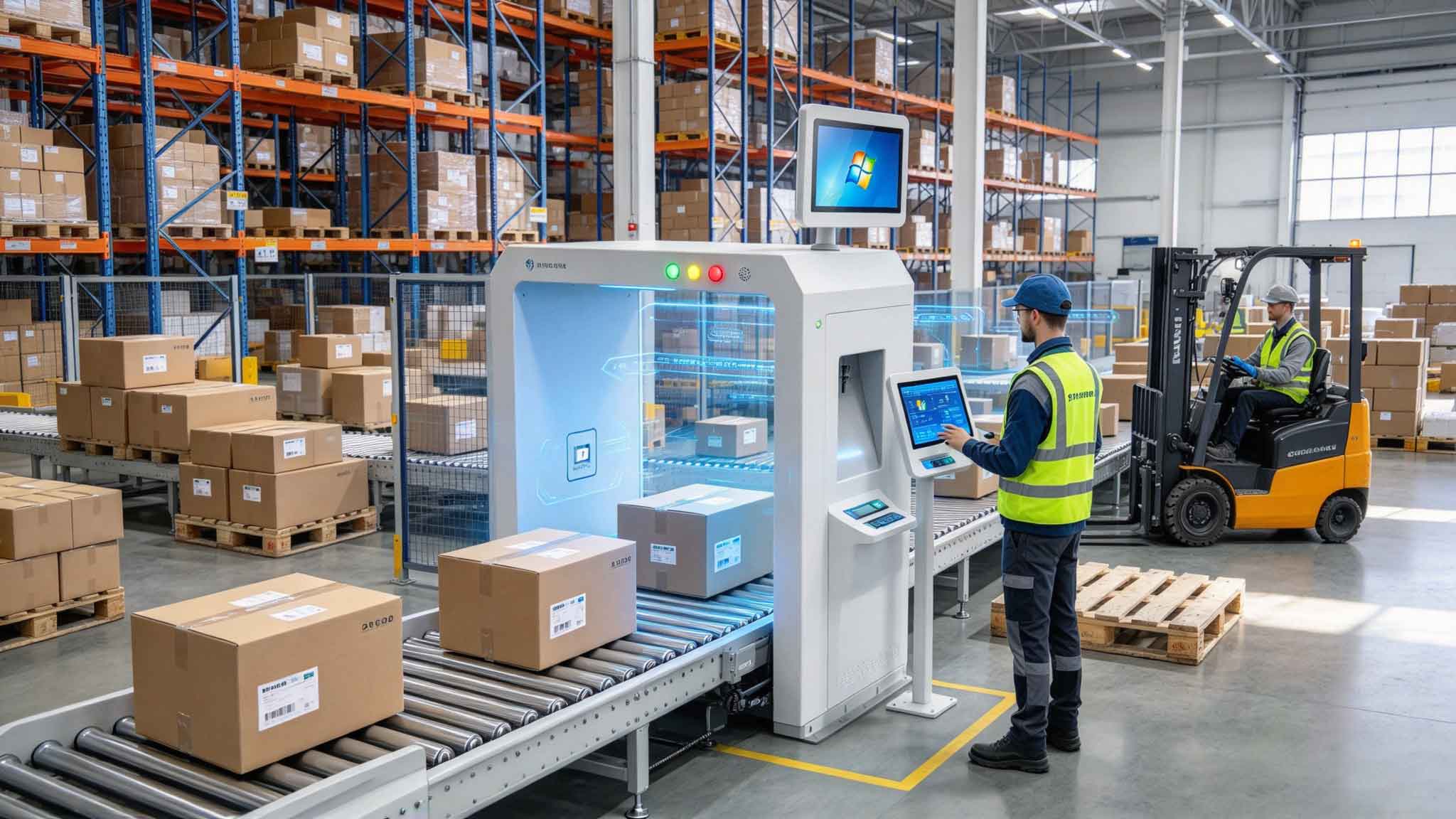
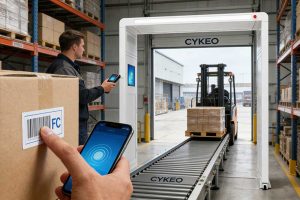
RFID in UPS tracking means using Radio Frequency Identification technology to identify and monitor packages through RFID tags and readers. It helps logistics systems capture shipment information automatically without requiring direct barcode scanning.
Understanding What Does RFID Mean UPS Tracking
When people search what does rfid mean ups tracking, they are usually trying to understand whether RFID technology is replacing traditional shipment tracking or how RFID improves package visibility.
RFID stands for Radio Frequency Identification. In logistics tracking, RFID uses small electronic tags attached to packages, containers, pallets, or transportation assets. These tags communicate with RFID readers to automatically collect identification information.
A typical RFID tracking system includes:
Component
Function
RFID Tag
Stores package identification information
RFID Reader
Captures tag data through radio signals
Software Platform
Processes and manages tracking information
Database System
Stores shipment records
Unlike traditional barcode systems that usually require a scanner to physically face the label, RFID technology can identify tagged items through radio communication.
From my experience working with RFID hardware testing and logistics application evaluation, one detail often surprises companies: RFID does not magically show a package location like GPS. Instead, it provides automatic identification when a tagged item passes through a reader area.
For example, when a package moves through a warehouse entrance equipped with RFID readers, the system can automatically record that the package has entered or left a specific area.
The RFID tag provides the identity. The reader captures the event.
The logistics software creates tracking visibility.
This difference is important when businesses evaluate RFID for supply chain operations.
How RFID Works in Package Tracking Systems
RFID Tags and Shipment Identification
In an RFID-based logistics system, each package or shipment unit can receive an RFID tag containing identification information.
The tag may store:
Shipment identification number
Product information
Container ID
Asset reference data
Electronic Product Code (EPC)
When the tagged package enters an RFID reading zone:
The RFID reader sends a radio frequency signal.
The RFID tag receives energy from the signal.
The RFID chip responds with stored information.
The reader transfers the data to the tracking system.
This process allows automated identification without manually scanning every individual package.
According to GS1, EPC-based RFID technology provides standardized identification methods that improve visibility across supply chains.
RFID Tracking vs Traditional Barcode Tracking
Differences Between RFID and Barcode Systems
RFID and barcode technologies are both used for identification, but their working methods are different.
Feature
RFID Tracking
Barcode Tracking
Communication Method
Radio frequency signals
Optical scanning
Direct Line of Sight
Usually not required
Usually required
Multiple Item Reading
Possible
Usually one by one
Data Storage
Chip-based memory
Printed code
Environmental Flexibility
Depends on tag design
Depends on label quality
In large logistics environments, this difference can become significant.
A warehouse employee scanning hundreds of packages manually may need to position each barcode correctly. RFID systems can automatically identify multiple tagged items when they pass through an RFID reading area.
However, RFID is not always a replacement for every barcode application. The right technology depends on operational requirements, cost considerations, and system design.
RFID Applications in UPS-Style Logistics Operations
Package Movement Monitoring
In parcel logistics, RFID technology can support visibility at different movement points.
Examples include:
Distribution centers
Sorting facilities
Warehouse entrances
Transportation checkpoints
When a package with an RFID tag passes through a reading zone, the system can record an identification event.
This can help organizations understand:
When items arrived
When items moved
Which location processed the shipment
Whether inventory records match physical movement
Warehouse and Distribution Tracking
Modern warehouses handle thousands or millions of items daily.
RFID can support:
Automated receiving
Inventory verification
Pallet tracking
Shipment preparation
The value comes from reducing manual identification steps.
In a busy distribution environment, a missed scan can create uncertainty. RFID helps capture more automatic identification events when properly designed.
RFID Tracking Technology Behind Modern Supply Chains
Why RFID Is Used for Logistics Visibility
Supply chain operations involve many moving objects:
Individual products
Cartons
Pallets
Containers
Returnable assets
RFID tags provide these objects with unique digital identities.
The system can then connect physical movement with digital records.
For example:
A pallet leaves a warehouse.
The RFID reader detects the pallet tag.
The software records:
Pallet identification
Movement time
Processing location
This creates a clearer view of physical logistics activities.
RFID Frequency Types Used in Tracking
Choosing the Right RFID Technology for Logistics
Different RFID frequency ranges support different tracking requirements.
RFID Type
Frequency
Logistics Application
LF RFID
125–134 kHz
Short-range identification
HF RFID
13.56 MHz
Cards and controlled applications
UHF RFID
860–960 MHz
Supply chain and inventory tracking
UHF RFID is commonly used in logistics because it supports longer reading distances and faster identification of multiple tags.
The actual performance depends on:
Reader power
Antenna design
Tag quality
Package material
Installation environment
Practical Considerations When Using RFID for Package Tracking
RFID Performance Depends on Real Conditions
During RFID deployment testing, one common mistake is evaluating only the tag specification.
Real performance can be influenced by:
Metal packaging
Liquid products
Tag placement
Dense package environments
Reader installation position
For example, a tag that performs well on a cardboard box may behave differently when attached to equipment containing metal components.
Professional RFID implementation requires testing the complete workflow.
The question is not only:
“Can the RFID tag be read?”
The more important question is:
“Can the entire tracking process reliably capture the information needed by the business?”
RFID tags allow logistics systems to automatically identify packages during movement.
RFID Tracking Benefits for Logistics Management
Improving Visibility Through Automatic Identification
RFID-based tracking can support logistics teams by providing:
Faster identification
Reduced manual scanning
Better inventory visibility
Improved process monitoring
However, RFID works best when integrated into a complete logistics workflow.
The technology itself is only one part of the solution.
The tag must be suitable for the package. The reader must be installed correctly. The software must use the collected data effectively.
How Cykeo Supports RFID Tracking Applications in Logistics
Understanding what does rfid mean ups tracking helps explain the role of RFID in package identification, but successful logistics tracking requires a complete system that combines tags, readers, antennas, and software.
In practical logistics environments, RFID technology is usually introduced to solve specific operational problems:
Too many manual scanning steps
Limited visibility during package movement
Difficulty managing large quantities of assets
Delays caused by inaccurate records
Cykeo RFID solutions focus on creating reliable identification points throughout business workflows.
A typical RFID logistics tracking process includes:
RFID tags are attached to packages, pallets, or assets.
RFID readers capture identification information.
Data is transferred to management software.
Logistics teams monitor movement records.
The purpose is not simply reading RFID tags. The purpose is creating accurate digital records of physical movement.
RFID Tracking With Fixed Readers in Logistics Environments
Automated Reading at Warehouse Entry and Exit Points
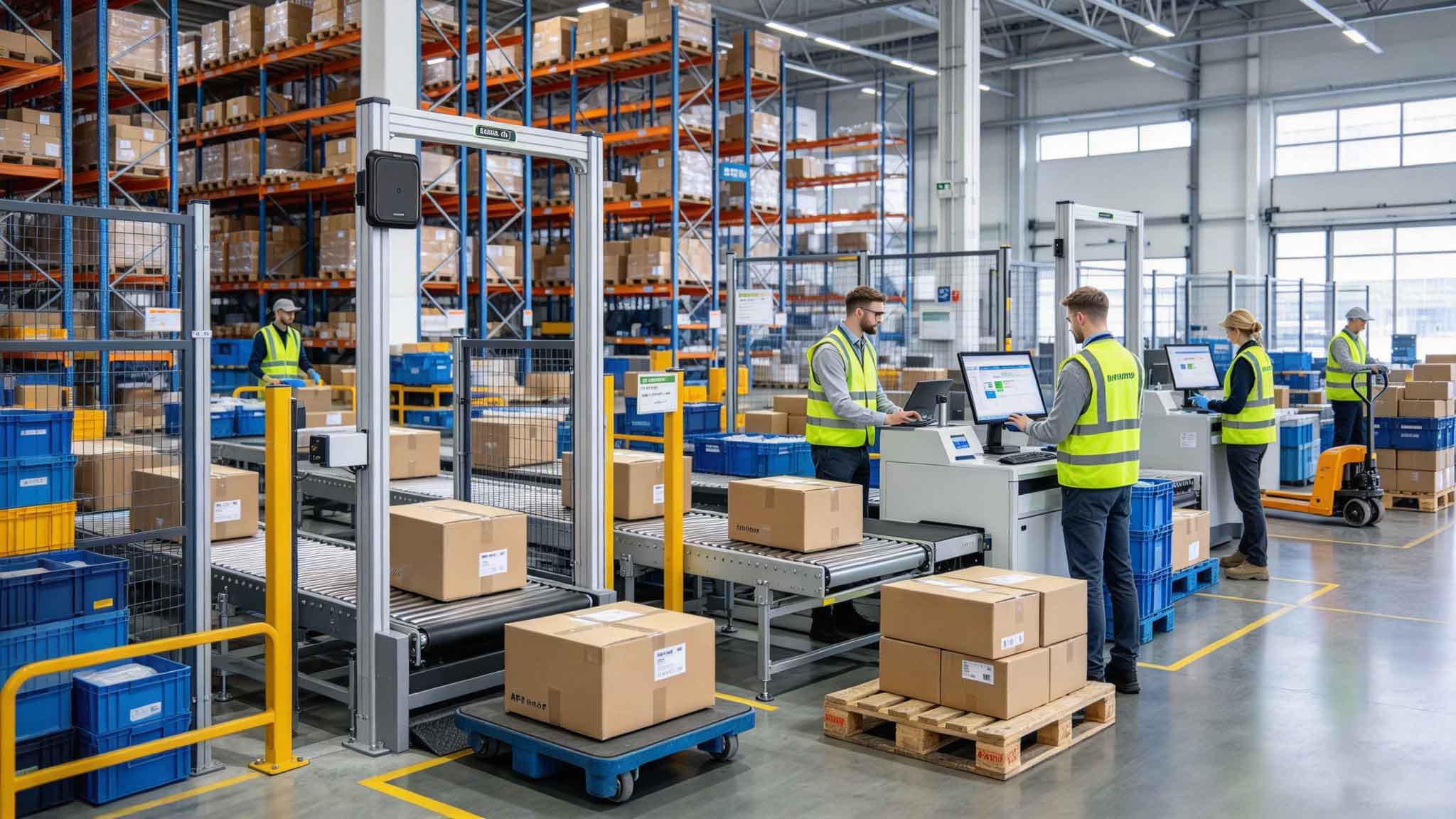
Fixed RFID readers are commonly used in logistics environments where packages move through controlled areas.
Typical installation locations include:
Warehouse doors
Sorting areas
Production lines
Storage zones
Distribution checkpoints
When RFID-tagged packages pass through these areas, fixed readers can capture identification information automatically.
Cykeo UHF RFID fixed reader solutions are designed for applications requiring:
Stable multi-tag recognition
Fast identification
Industrial communication
Flexible integration
A warehouse gateway, for example, may need to identify multiple tagged packages moving together. The RFID system must handle dense tag environments while maintaining reliable reading performance.
RFID Package Tracking Challenges and Solutions
Managing Dense Package Environments
Large logistics facilities may process thousands of packages every day.
This creates several technical challenges:
Challenge
RFID Consideration
Many packages together
Anti-collision processing
Different package materials
Tag selection
Fast movement speed
Reader performance
Metal or liquid products
Specialized tag design
A common misunderstanding is that increasing reader power always improves tracking performance.
In real deployments, excessive reading range may create unwanted reads from nearby areas.
Professional RFID system design focuses on controlling the reading zone rather than simply maximizing distance.
Improving Shipment Visibility
RFID tracking can create more automatic identification events throughout logistics processes.
Examples include:
Receiving
When shipments arrive at a warehouse:
RFID readers detect tagged items
The system records arrival information
Inventory records can be updated
Sorting
During sorting operations:
Packages can be identified automatically
Movement records can be created
Manual scanning requirements can be reduced
Dispatch
Before shipment:
Package identity can be verified
Loading information can be recorded
These applications help connect physical package movement with digital logistics information.
RFID Tracking and Supply Chain Data Management
Connecting RFID Identification With Business Systems
RFID tracking creates value when collected information is connected with business software.
An RFID event may include:
Tag identification
Reading location
Reading time
Movement status
The software system can then use this information for:
Inventory management
Shipment monitoring
Asset records
Operational analysis
According to research from the Auburn University RFID Lab, item-level RFID technology has been studied in retail and supply chain environments for improving inventory accuracy through automated identification.
The RFID tag provides the data source, while the software creates operational visibility.
RFID Tags Used for Different Tracking Requirements
Selecting the Correct RFID Tag for Packages
Not every RFID tag is suitable for every logistics application.
Selection factors include:
Factor
Importance
Package Material
Influences RF performance
Required Reading Distance
Determines tag type
Environment
Affects durability
Data Requirements
Determines memory needs
Application Speed
Affects reader configuration
Examples:
Cardboard cartons may use standard UHF RFID labels.
Metal equipment may require specialized RFID tags.
Reusable transport containers may require durable RFID tags.
The tag design should match the real operating environment.
RFID readers automatically capture package information during warehouse operations.
RFID Tracking Compared With GPS Tracking
Understanding the Difference
People often compare RFID tracking with GPS tracking, but they solve different problems.
Technology
Main Function
RFID
Identifies objects when they interact with readers
GPS
Provides geographic location through satellite signals
RFID is commonly used for:
Warehouse identification
Inventory movement
Asset management
Package processing
GPS is commonly used for:
Vehicle location
Outdoor navigation
Fleet monitoring
In logistics systems, the two technologies can sometimes complement each other.
RFID answers:
“Which item passed this point?”
GPS answers:
“Where is this vehicle located?”
Future Development of RFID Tracking Technology
From Package Identification to Intelligent Logistics
RFID tracking continues developing as supply chains become more automated.
Future applications may focus on:
More accurate inventory visibility
Automated warehouse operations
Connected asset management
Better supply chain data analysis
The important change is not only faster reading.
It is the ability to create a digital record of physical movement.
For logistics companies, RFID provides a bridge between real-world packages and digital management platforms.
Frequently Asked Questions About RFID Tracking
1. What does RFID mean in UPS tracking?
RFID in UPS tracking refers to using Radio Frequency Identification technology to identify packages through RFID tags and readers during logistics operations.
2. Does RFID replace traditional package tracking numbers?
No. RFID and tracking numbers serve different purposes. RFID provides automatic identification, while tracking numbers are commonly used for shipment reference and customer tracking.
3. Can RFID track a package location in real time?
RFID identifies packages when they pass RFID readers. It does not usually provide continuous GPS-style location tracking.
4. How does RFID improve warehouse tracking?
RFID can reduce manual scanning steps by automatically identifying tagged packages when they pass through RFID reading areas.
5. What type of RFID is commonly used for logistics?
UHF RFID is commonly used in logistics because it supports longer reading distances and multiple tag identification.
6. Can RFID tags be reused?
Some RFID tags can be reused if they support rewriting and are designed for repeated applications.
7. What affects RFID tracking performance?
Performance depends on RFID tag design, reader installation, environment, package material, and software integration.
Final Thoughts: Understanding What Does RFID Mean UPS Tracking
When asking what does rfid mean ups tracking, the answer is that RFID technology helps identify and monitor packages by using RFID tags and readers during logistics processes.
RFID does not replace every tracking technology. Instead, it provides automatic identification capabilities that improve visibility at important movement points.
From warehouse receiving to distribution operations, RFID creates a connection between physical packages and digital logistics information.
Cykeo develops RFID hardware solutions designed for practical identification applications, helping organizations build stable tracking systems with reliable reading, writing, and integration capabilities.
A small RFID tag attached to a package can become an important data point in a much larger supply chain network.
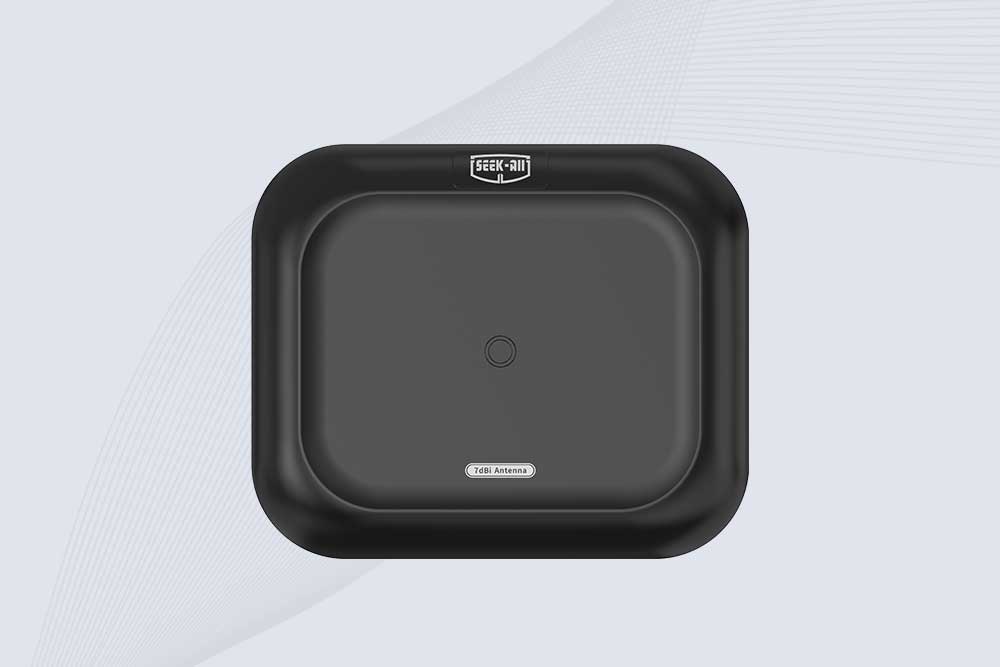
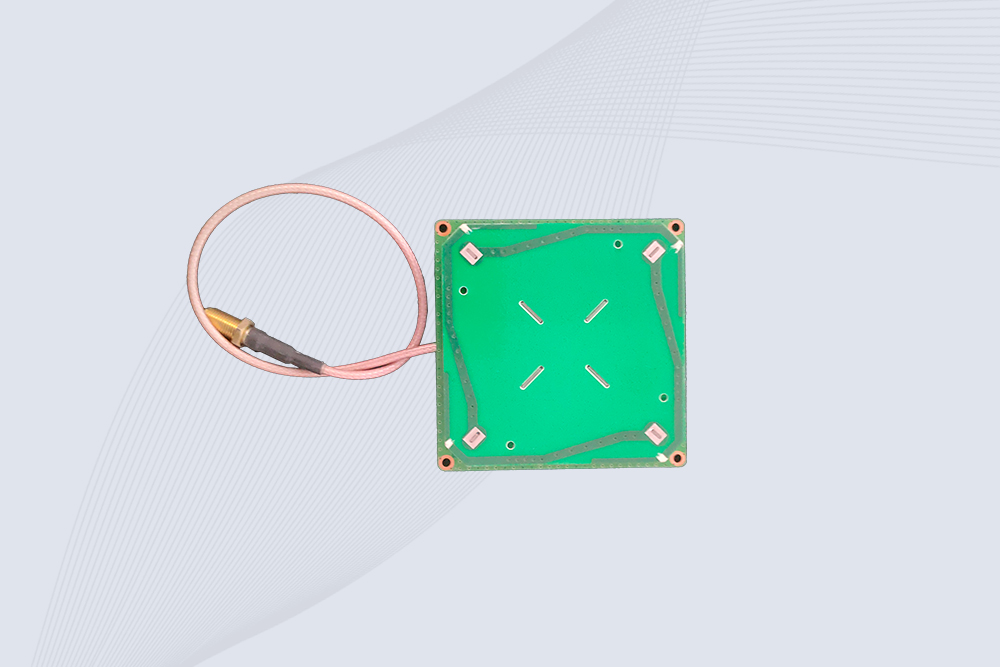
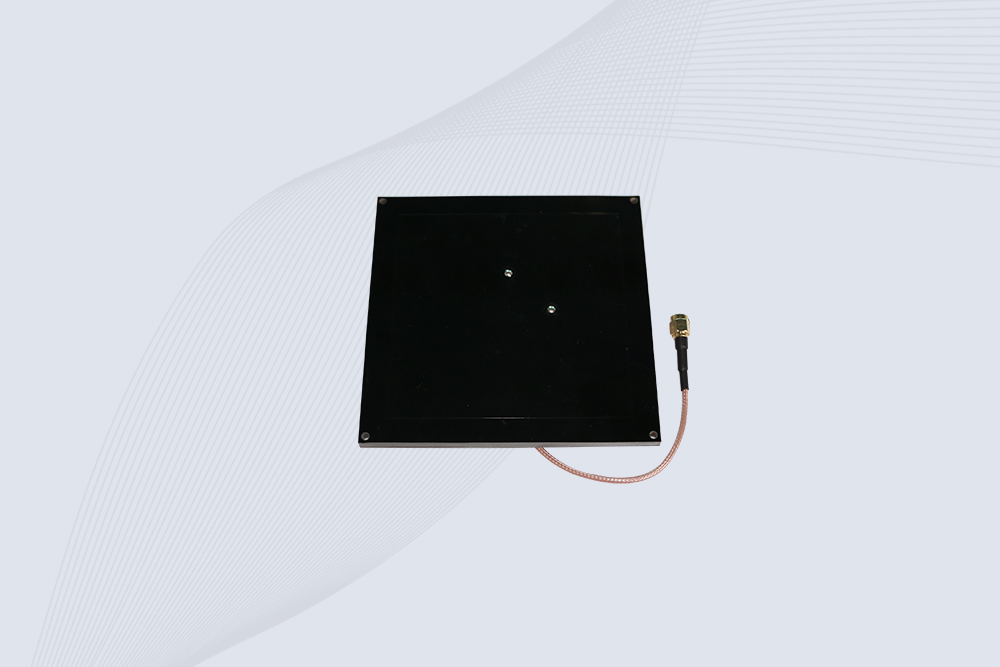
Explore the SSD-A07 UHF RFID antenna with 7 dBi gain, circular polarization, adjustable 840–960 MHz frequency, and 60°/75° beamwidth for stable RFID read/write performance.
SSD-A06 UHF RFID antenna with circular polarization, adjustable 840–960 MHz frequency, ≥4.5 dBi gain, and a compact directional design for RFID systems.
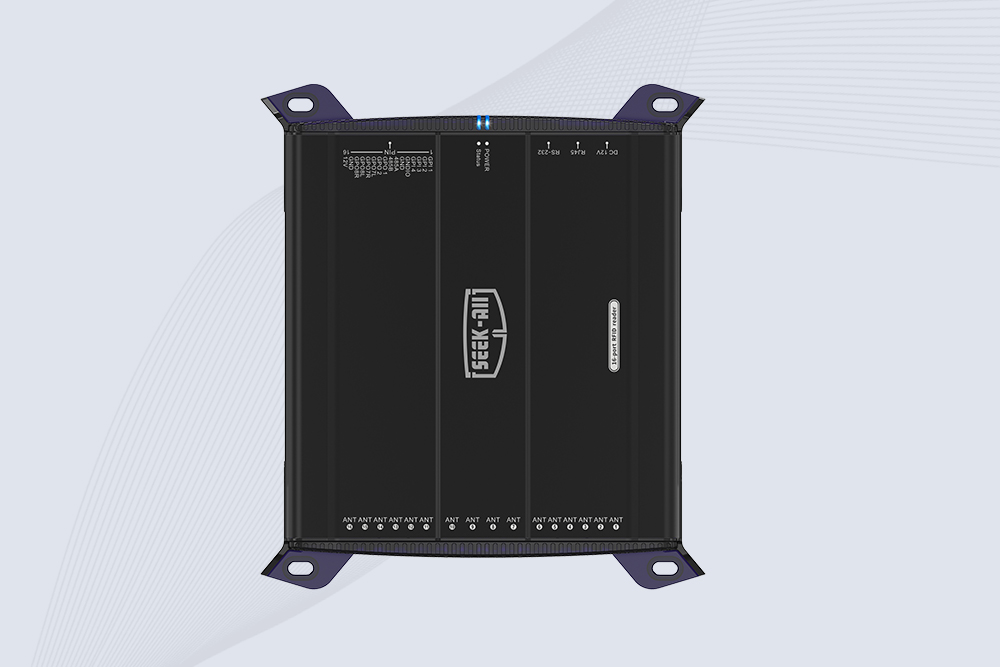
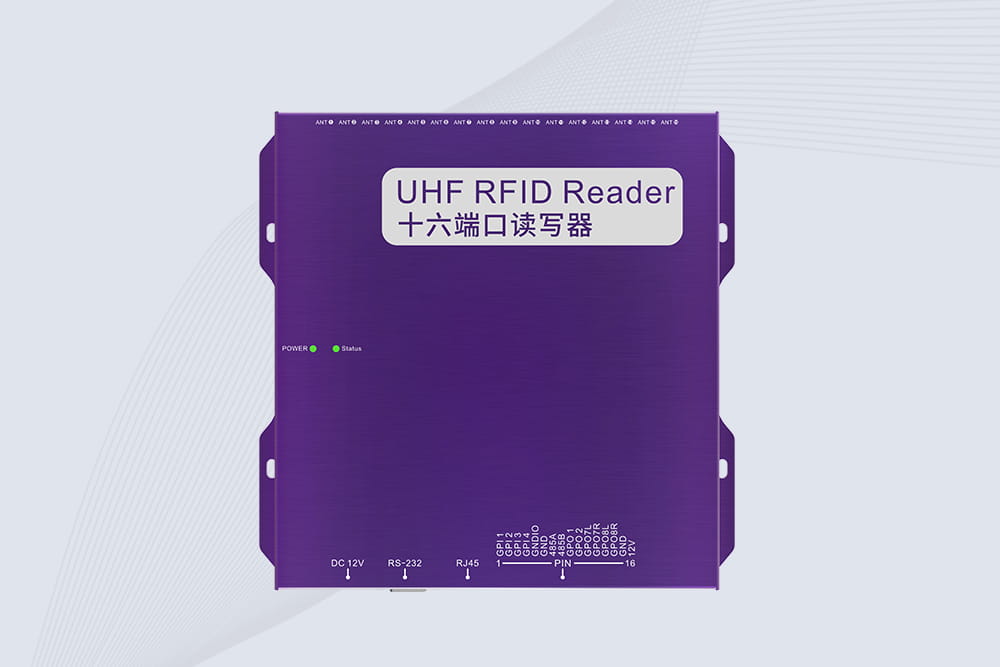
SSD-R16L Multi-Channel RFID Infrastructure for Automated Inventory Management ✔️ 16-Port High-Density RFID Reading Equipped with 16 SMA antenna ports, SSD-R16L supports multi-antenna deployment for warehouses, retail stores, logistics, production lines, and large-area RFID identification. ✔️ High-Speed & Long-Range Performance With up to 33…
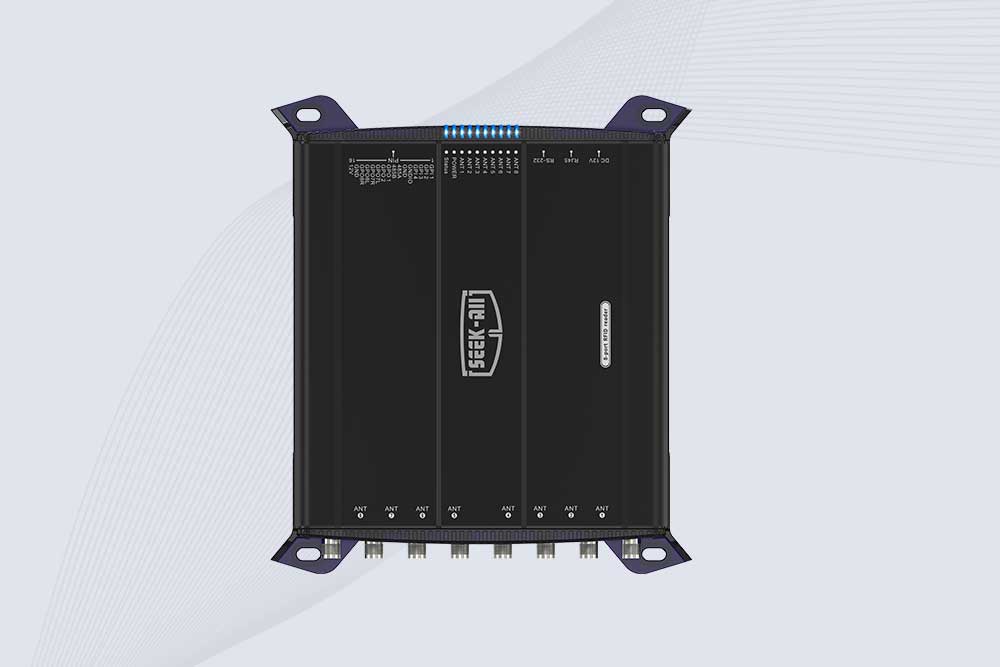
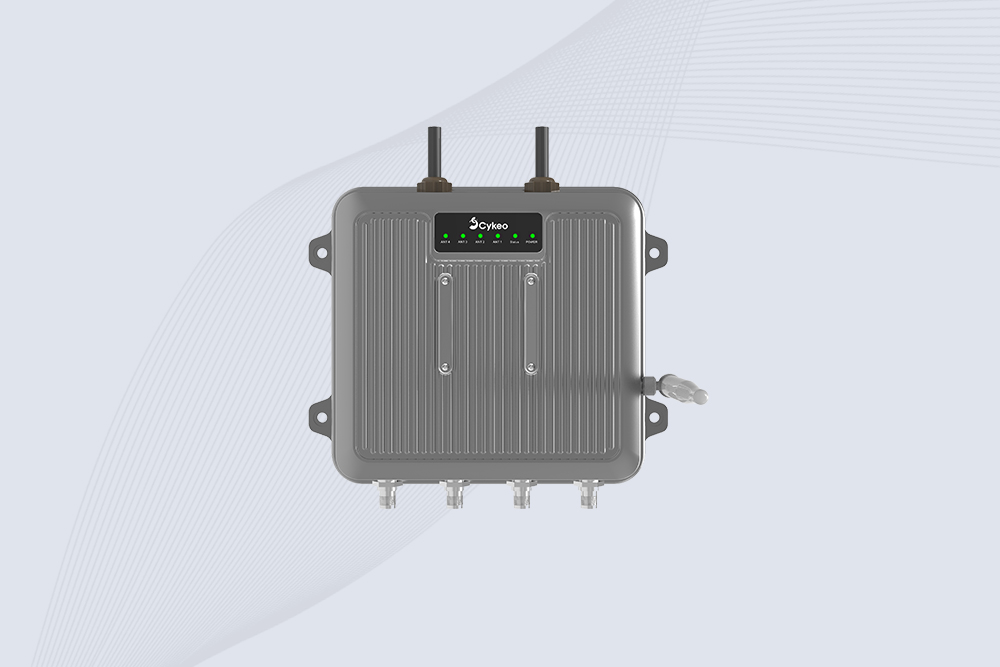
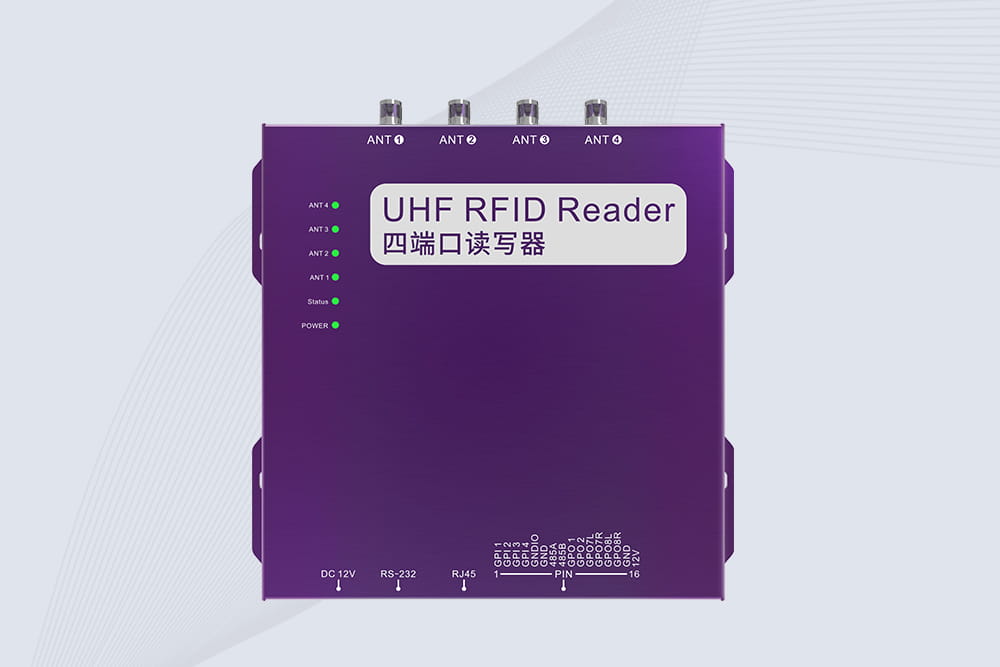
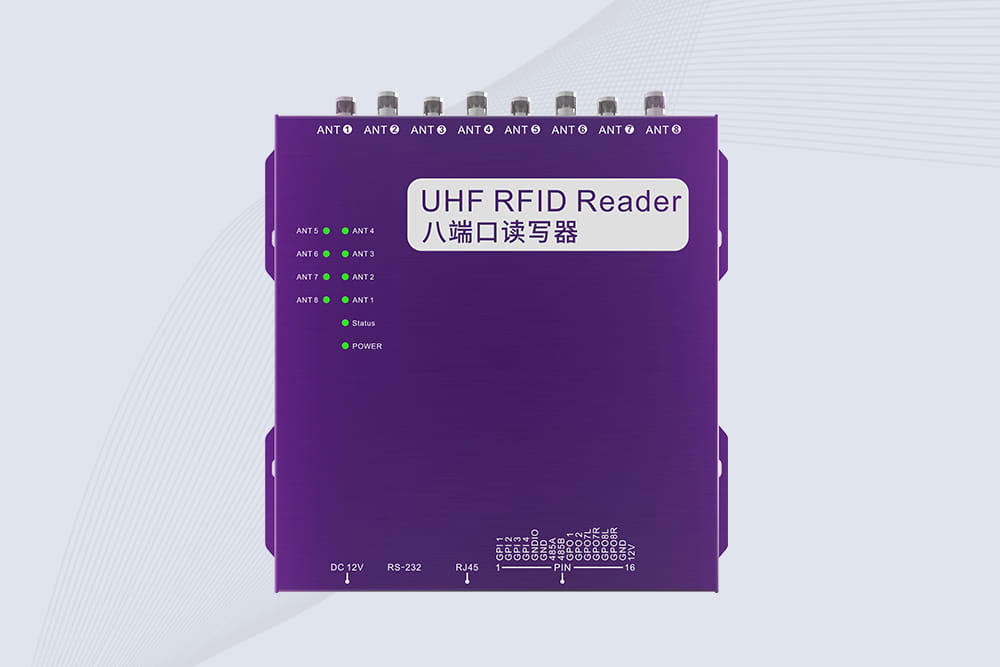
SSD-R8L 8-port UHF RFID reader with 33dBm output, up to 20m reading range and 600+ tags/s recognition. Ideal for warehouse, logistics, retail and asset tracking.
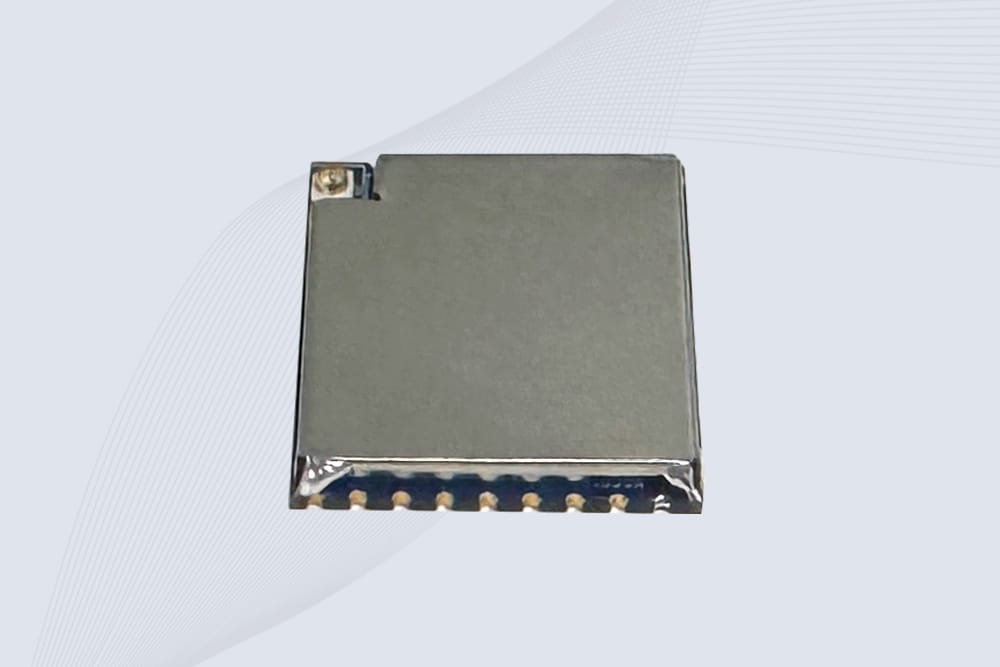
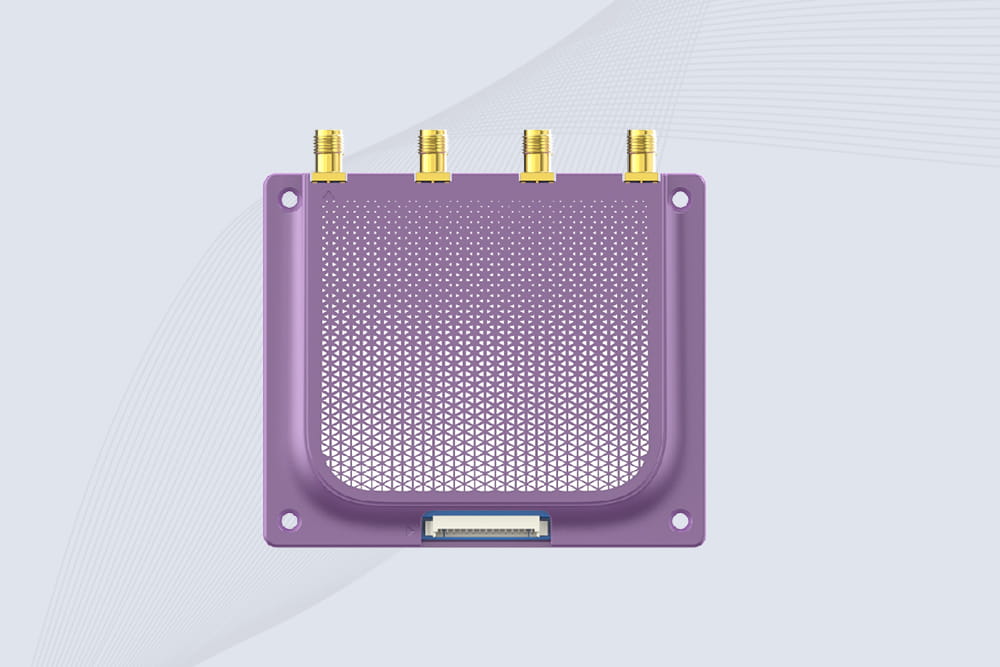
CYKEO Embedded RFID Modules are designed for compact industrial and IoT devices that require stable UHF performance. These UHF RFID Modules support global protocols, flexible power control, and reliable multi-tag reading for smart cabinets, production lines, and asset tracking systems.
CYKEO Embedded RFID Module is built for compact IoT and industrial devices that need stable UHF performance. This UHF module supports global protocols, low power operation, and reliable multi-tag reading for smart lockers, production lines, and always-on RFID systems.
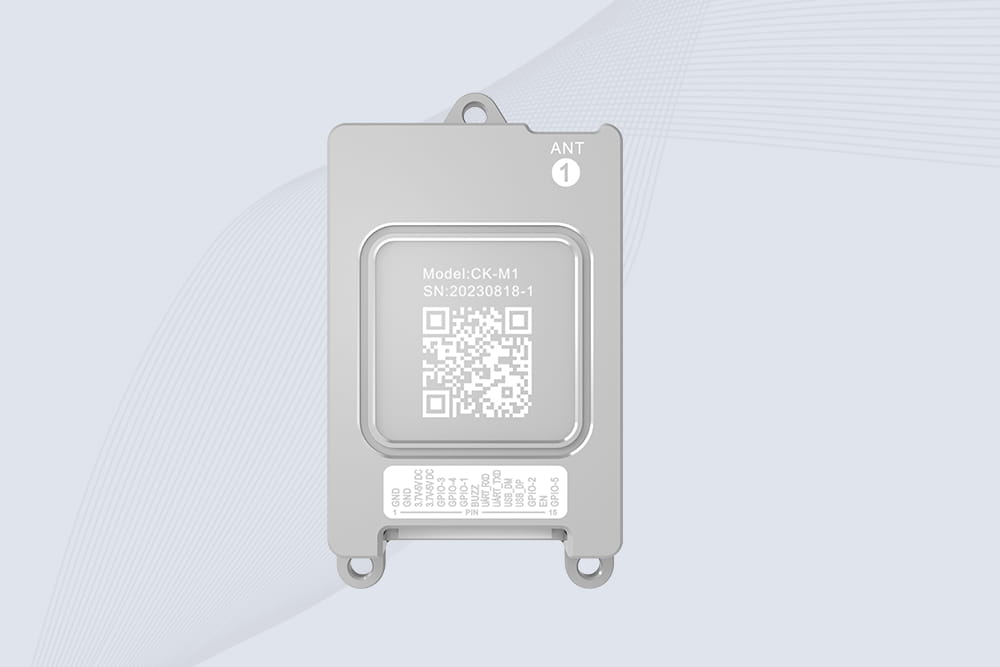
CYKEO CYKEO-M1 drone rfid module is a compact UHF RFID reader module designed for drones and UAV platforms. It supports long-range aerial scanning, fast multi-tag reading, and stable performance in wind, vibration, and outdoor environments.
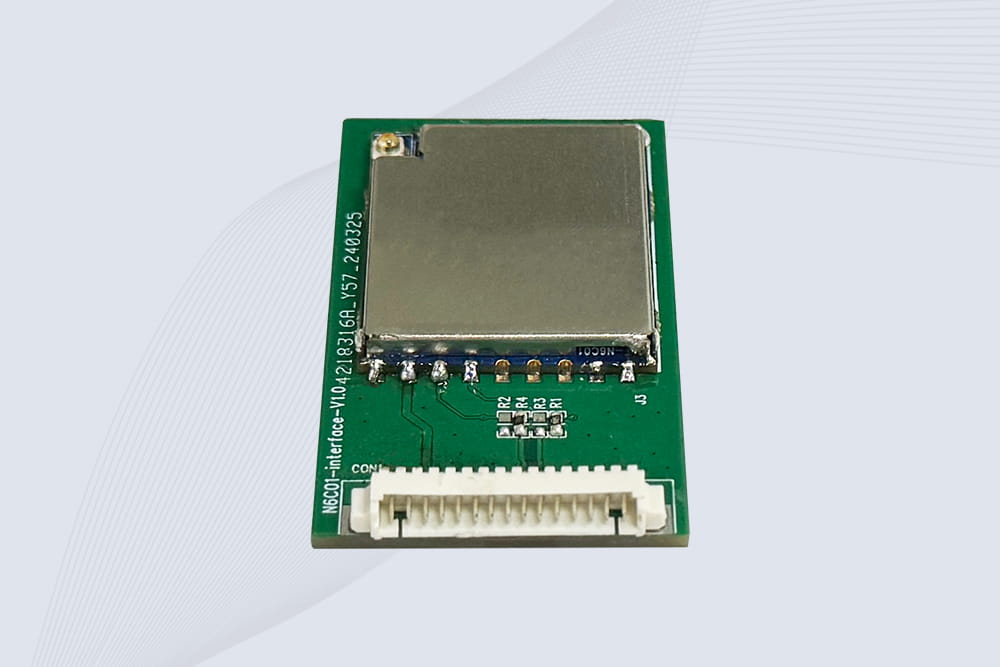
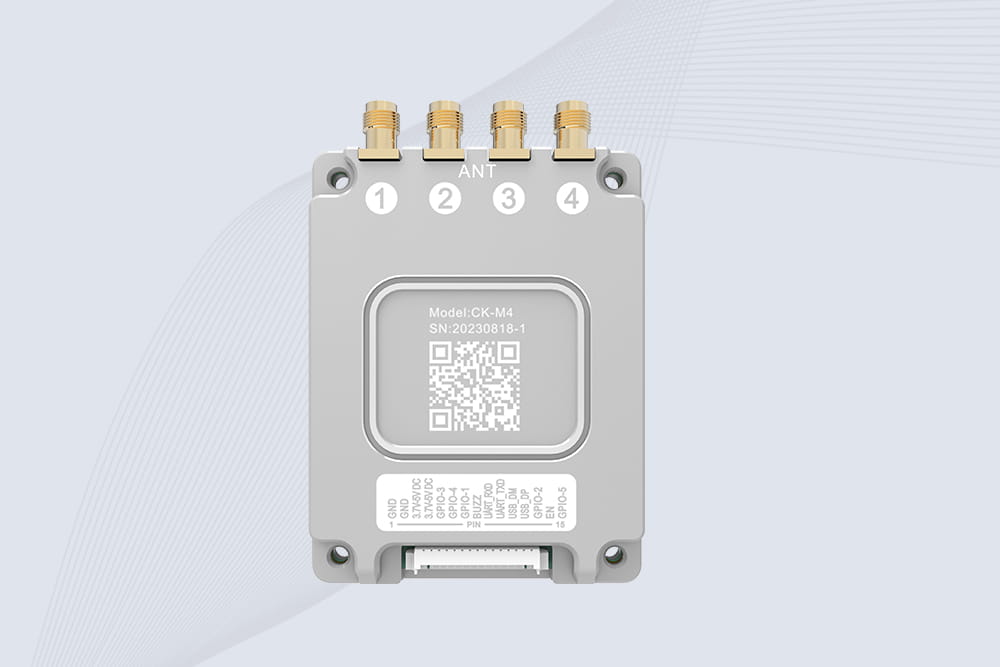
CYKEO CYKEO-M4 RC522 RFID Module is an industrial-grade UHF RFID reader with 4 ports, supporting ISO, EPC, and GB protocols. High-speed, accurate reading for IoT, automation, and warehouse applications.
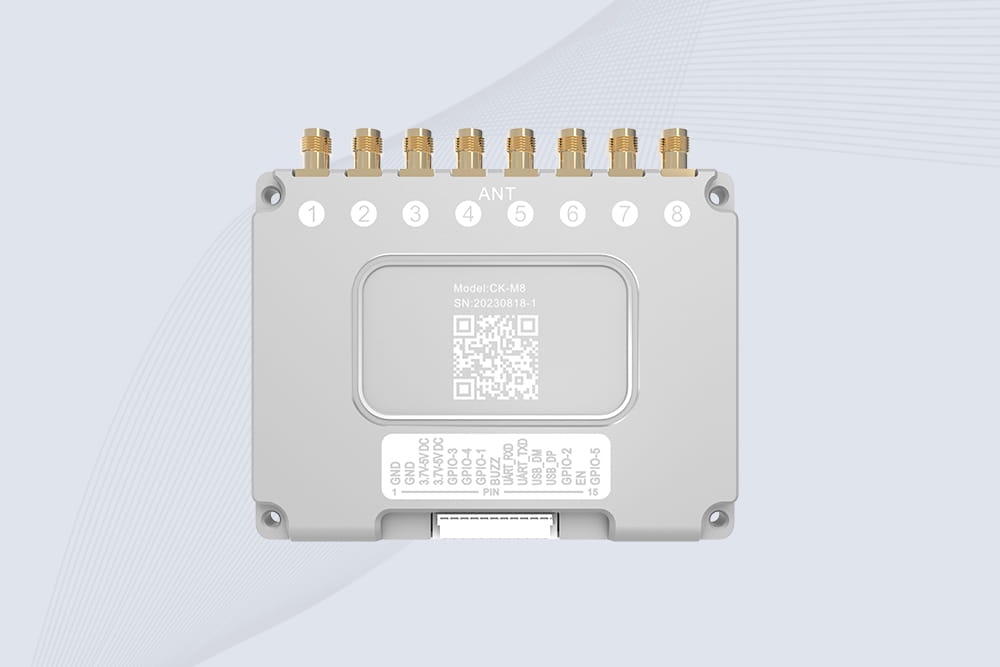
CYKEO CYKEO-M8 Module RFID is an 8-port UHF R2000 RFID Module designed for high-density, multi-tag environments. Stable 33dBm output, ISO & GB protocol support, ideal for warehouses, factories, and automated systems.
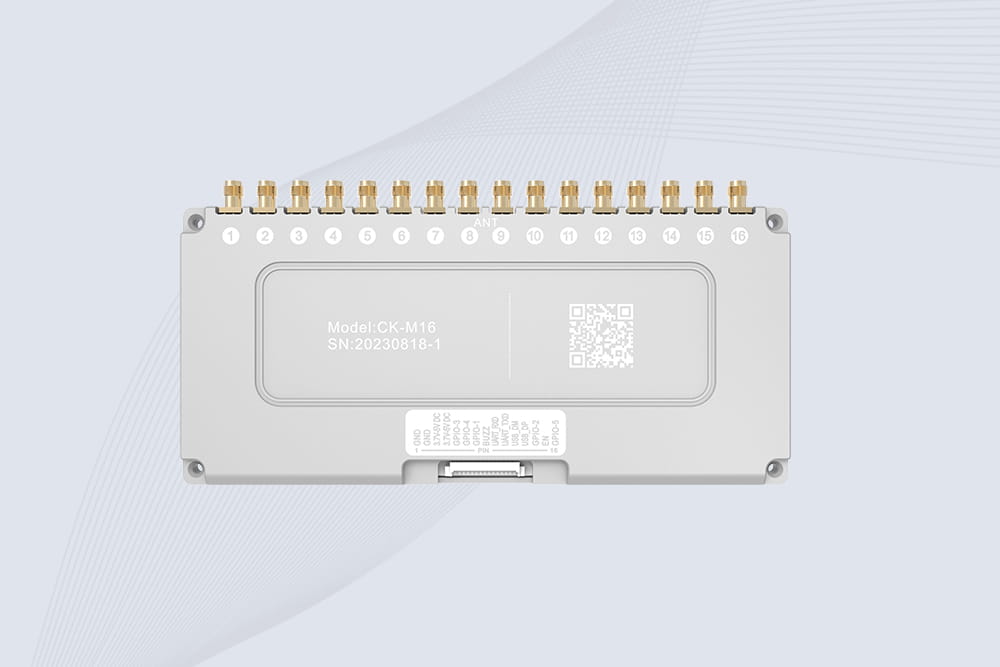
CYKEO CYKEO-M16 RFID Module is a 16-port UHF RFID reader module based on the R2000 chipset. Designed for dense tag environments, it supports ISO and GB standards and delivers stable multi-antenna control for industrial automation.
The CYKEO CYKEO-M16L RFID Reader Module is a 16-channel UHF RFID core designed for dense tag environments. With adjustable 33dBm output, multi-protocol support, and stable multi-antenna control, this RFID Tag Reader Module fits industrial automation, warehouse systems, and large-scale IoT deployments.
CYKEO CYKEO-M8L module RFID is a compact industrial UHF module built for dense tag and multi-antenna environments. With 8 RF ports, adjustable 33 dBm output, and ISO & GB protocol support, it is widely used in factories, warehouses, and automated tracking systems.
CYKEOCYKEO-M4L UHF RFID Module is a compact 4-channel RFID tag reader module designed for dense tag environments. Supporting ISO and GB protocols, it delivers stable reads up to 10 meters for industrial and IoT systems.
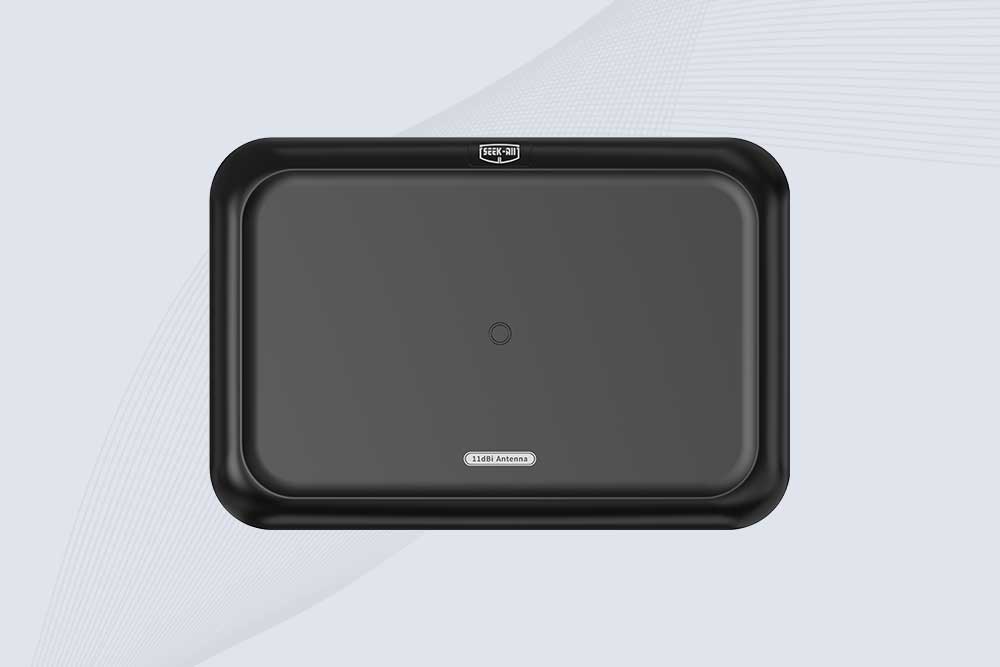
Cykeo CYKEO-A11 UHF RFID reader antenna delivers 11dBi gain, 840-960MHz frequency range, and IP65 ruggedness for retail, logistics, and industrial RFID systems. Features low VSWR and easy installation.
CYKEO Antenna RFID Reader delivers stable long-range UHF performance with a 10.5dBi directional design, built for warehouses, conveyor portals, and industrial RFID systems. This rfid reader antenna provides 20m+ read distance and rugged IP67 protection.
Cykeo CYKEO-A5B industrial Linear RFID Antenna delivers 5dBi gain, ≤1.5:1 VSWR, and IP65 rugged design for warehouse, production line, and logistics UHF systems.
Cykeo’s CYKEO-B12 Long Range RFID Antenna delivers 15m+ read range with 12dBi gain, IP65 rugged design, and global 840-960MHz UHF support. Ideal for warehouse/logistics asset tracking.
Cykeo CYKEO-B10 Long Distance RFID Antenna offers 10dBi gain, 840-960MHz frequency range, IP65 rating, and 20m+ coverage for logistics/warehousing/ETC systems. Low VSWR ensures stable signal transmission.
Cykeo CYKEO-A6 UHF RFID panel antenna features 6dBi gain, 840-960MHz broadband, IP65 metal-ready housing for logistics/smart retail. 18mm ultra-thin design with tool-free mounting.
Cykeo CK-A3 industrial antenna RFID UHF offers 5m+ tag detection, ≤1.3:1 VSWR, IP65 rugged design, and global UHF spectrum compatibility (840-960MHz) for warehouses, factories, and retail.
Cykeo CYKEO-B5 directional RFID antenna provides 5dBi gain with 60° narrow beamwidth for precise inventory tracking. IP65-rated, global UHF frequency support, and low VSWR.
Create your own high-performance DIY RFID antenna! 5dBi gain, 840-960MHz tunable, step-by-step guides. Compatible with Arduino, Raspberry Pi, and commercial UHF readers.
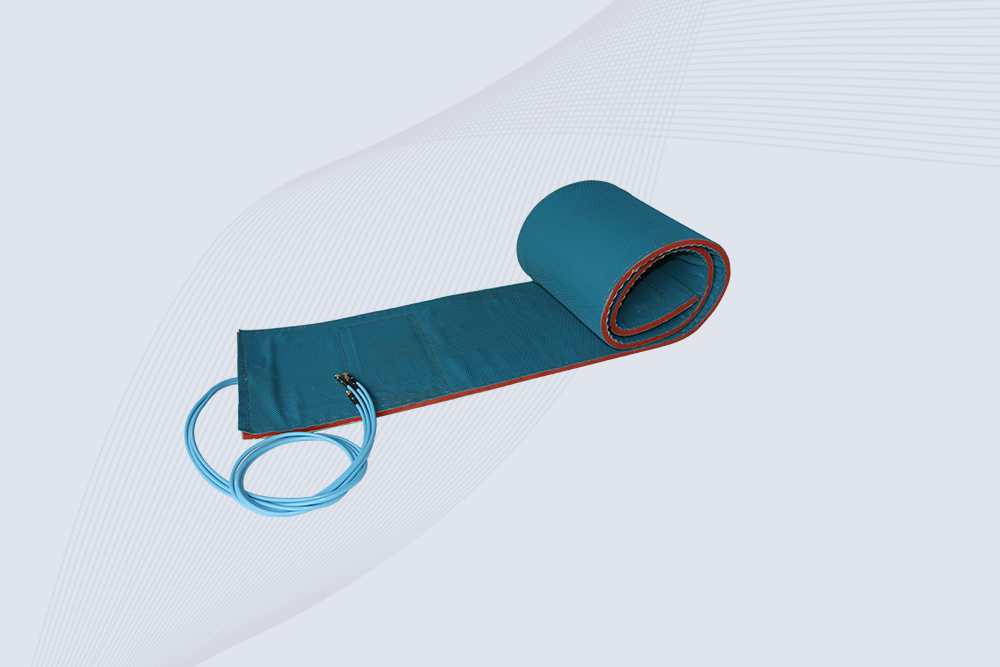
Cykeo CYKEO-A7 Flexible RFID Antenna features 840-960MHz wideband tuning, 7dBi gain, and IP68 rating for medical/retail/industrial curved surface deployments. 98% read accuracy with peel-and-stick installation.
Cykeo CYKEO-B5A industrial Passive RFID Antenna delivers 5dBi gain, 70° beamwidth, and -40°C~55°C operation for warehouses/smart cabinets. Compatible with Zebra/Impinj readers.
Cykeo’s CYKEO-A9B High Gain RFID Antenna delivers 15m+ read range with 9dBi amplification. Features IP54 rugged design, 840-960MHz bandwidth, and 80° beamwidth for warehouse/manufacturing RFID systems.
Cykeo’s enterprise-grade 8dbi Impinj RFID Antenna 10m+ read range with 840-960MHz tuning. Features IP65 housing, 1.4 VSWR, 35° beamwidth for retail/warehouse RFID systems.
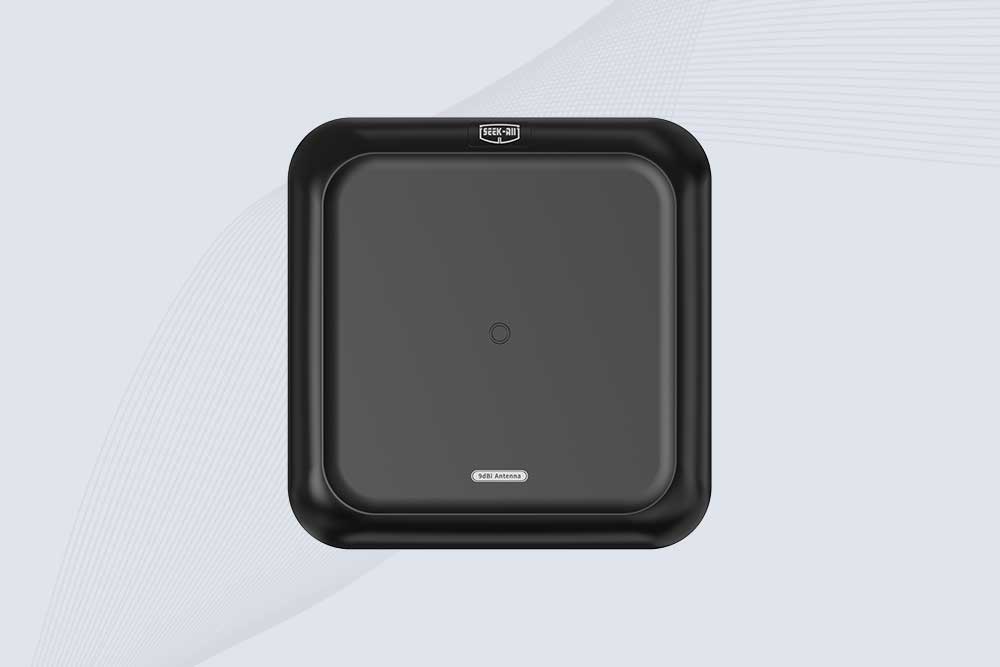
Cykeo CYKEO-A9 industrial UHF RFID antenna delivers 9dBi gain, 840-960MHz frequency range, and IP65 protection for warehouse/logistics/retail RFID systems. Features N-type connector and ≤1.3:1 VSWR.
CYKEO UHF RFID Antenna built for long-distance and industrial applications. This antenna rfid uhf delivers strong gain, outdoor durability, and reliable tag performance in warehouses, yards, and vehicle ID systems.
CYKEO Antenna RFID delivers reliable long-range UHF performance in warehouses, retail shelves, and cold-chain environments. This compact uhf rfid antenna provides stable reads with circular polarization and ultra-wide 840–960 MHz support, ideal for industrial tracking, smart shelves, and asset monitoring.
Cykeo’s CYKEO-C8 UHF RFID antennas delivers 8dBi gain, 840-960MHz full-band coverage, and IP65 ruggedness for manufacturing/warehouse RFID systems. Industrial RFID Antennas Features
Cykeo’s 8dBi UHF RFID antenna and reader kit delivers 10m+ range, 840-960MHz broadband, and IP65 ruggedness for factories, warehouses, and logistics. ISO 18000-6C & EPC Gen2 certified.
Cykeo’s CYKEO-A12C UHF Large RFID Antenna delivers 12dBi gain, 840-960MHz global frequency, IP65 ruggedness for logistics/warehousing/automotive. 40° beamwidth ensures stable 15m+ tag reads.
CYKEO Near Field RFID Antenna provides precise 5–30 cm reading for shelves, cabinets, and workstations. This compact rfid shelf antenna delivers stable short-range performance around metal and clutter, ideal for pharmacies, libraries, and electronics sorting.
Cykeo CYKEO-C1 industrial Forklift RFID Reader features 20m read range, 600 tags/sec scanning, Impinj R2000 chipset, and IP67 rugged design. Ideal for warehouse logistics and manufacturing. Supports ISO 18000-6C/6B protocols.
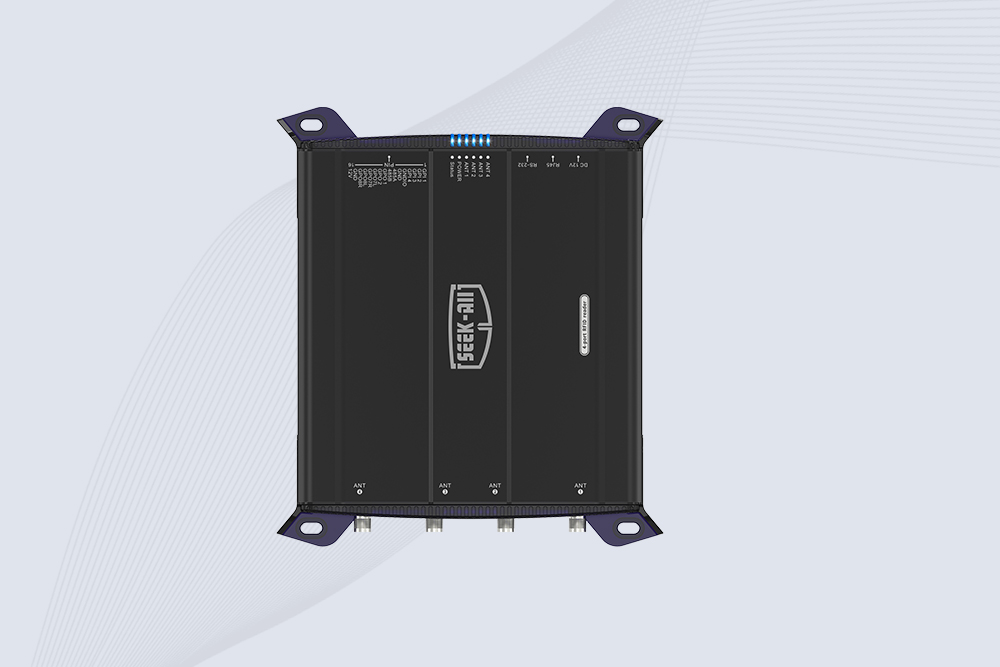
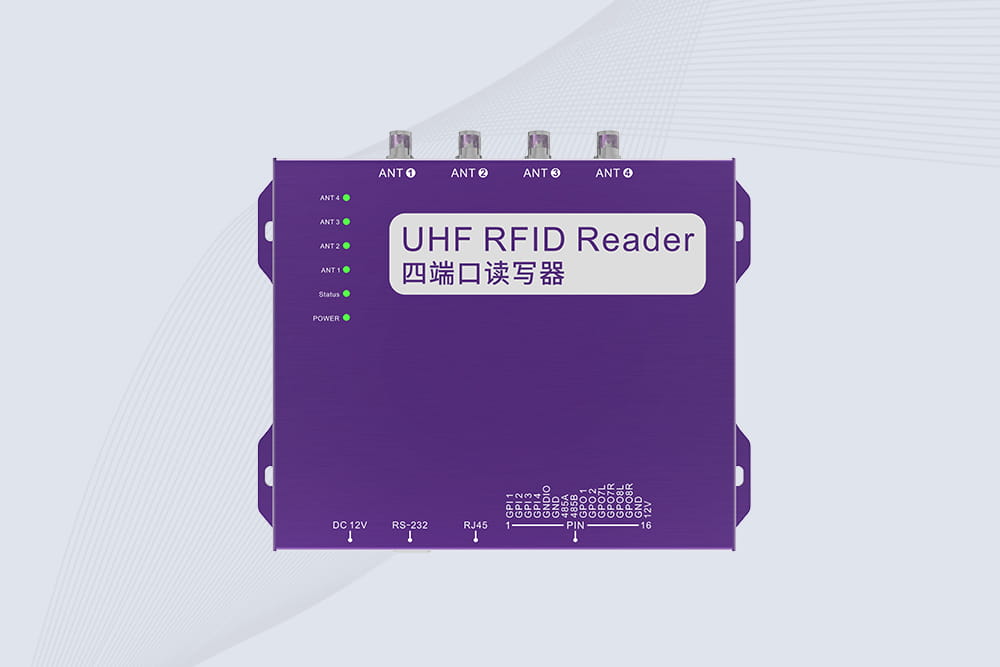
Cykeo CYKEO-R4 industrial UHF RFID Fixed Reader features 4 TNC ports, 400+ tags/sec speed, IP67 housing, and global frequency compliance for vehicle inspection, smart warehouse, and asset management systems.
CYKEO CYKEO-R8L Fixed RFID Reader with 8-port UHF design, Impinj-based RF core and up to 20m read range. An industrial Fixed RFID Reader for vehicle inspection, warehouse portals, smart manufacturing lines and secure access checkpoints.
RFID Fixed Reader from CYKEO – the CYKEO-R16L 16-port UHF fixed reader for warehouses, smart cabinets, and production lines. Long-range, multi-tag reading, stable performance for 24/7 industrial use.
Learn proven strategies to optimize RFID antenna design for improved read range and accuracy. Discover key factors like polarization, gain, and placement for industrial and logistics applications.
A practical guide to handheld barcode scanners, covering barcode types, scanning technologies, usage scenarios, and durability, helping you choose the best scanner for your workflow.
RFID readers can make retail inventory checks much faster by identifying multiple tagged products without requiring employees to scan every item individually...
Need to know how far away an RFID tag can be read? We break down the real-world ranges for LF, HF, and UHF systems and what factors actually affect the distance.
 Cykeo RFID IoT Solution Products R&D Manufacturer