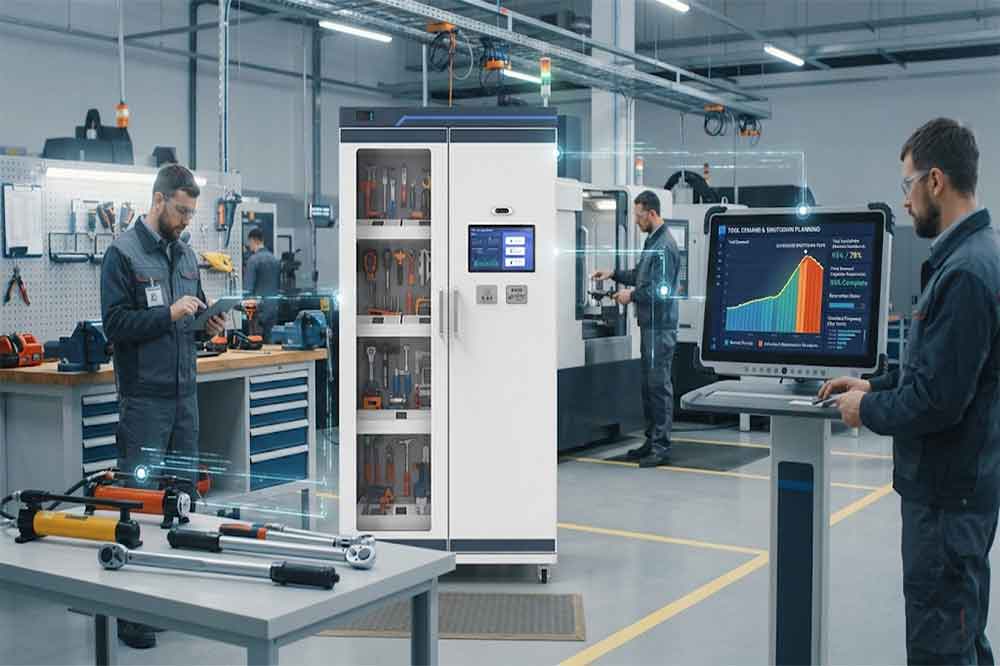
Tool demand planning is the process of deciding how many tools a factory or maintenance department may need, where those tools should be located, and when additional tools may be required.
In a traditional tool room, this planning is often based on experience. A supervisor may know that several technicians usually need the same torque wrench on Monday morning, or that a production project will require more inspection tools next month.
The problem is that this knowledge may remain in people’s heads.
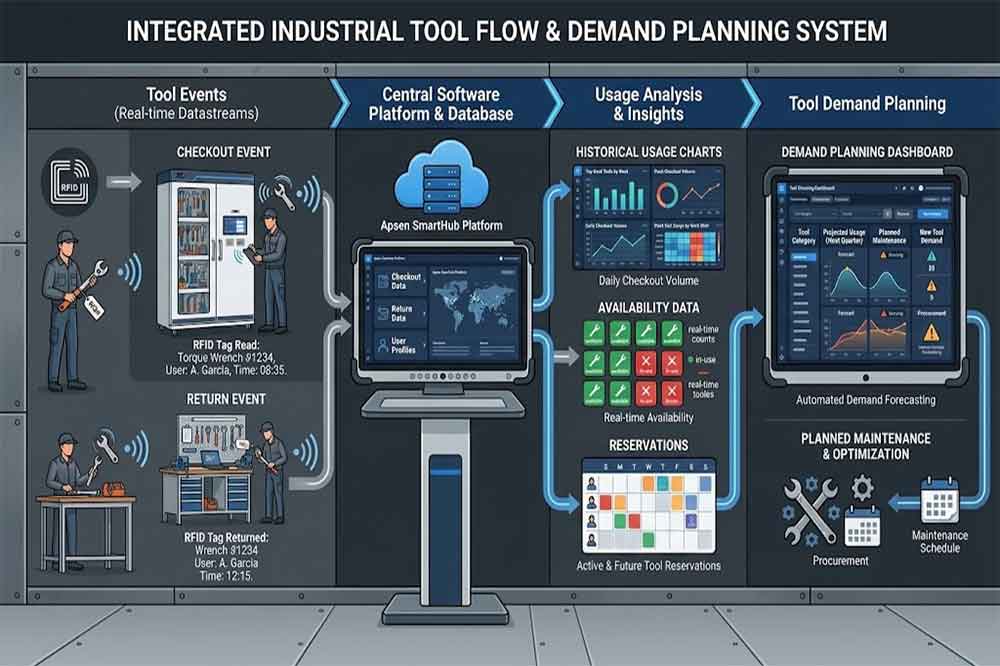
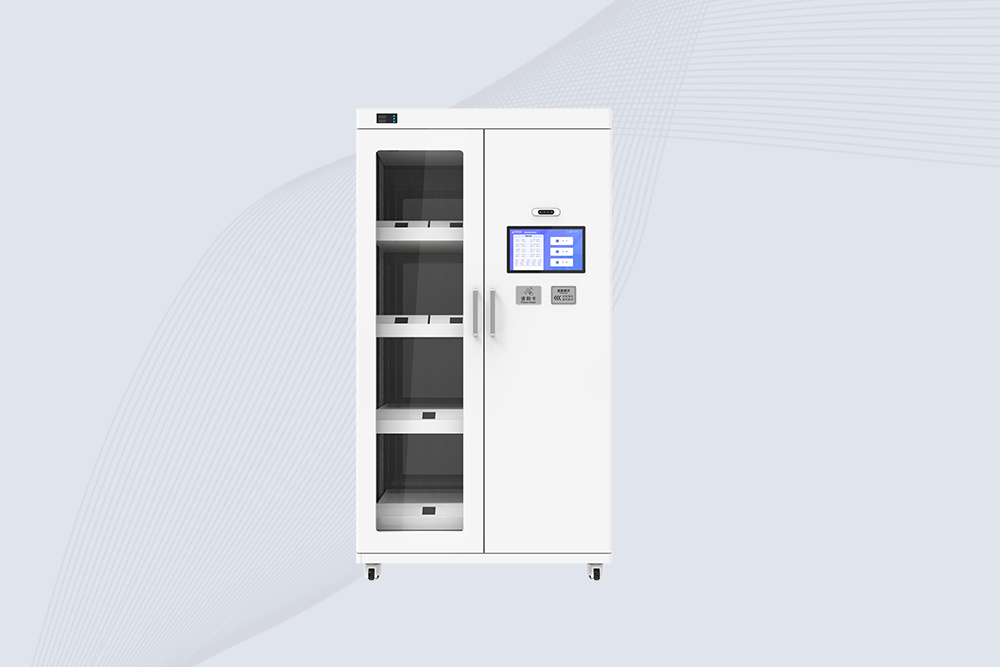
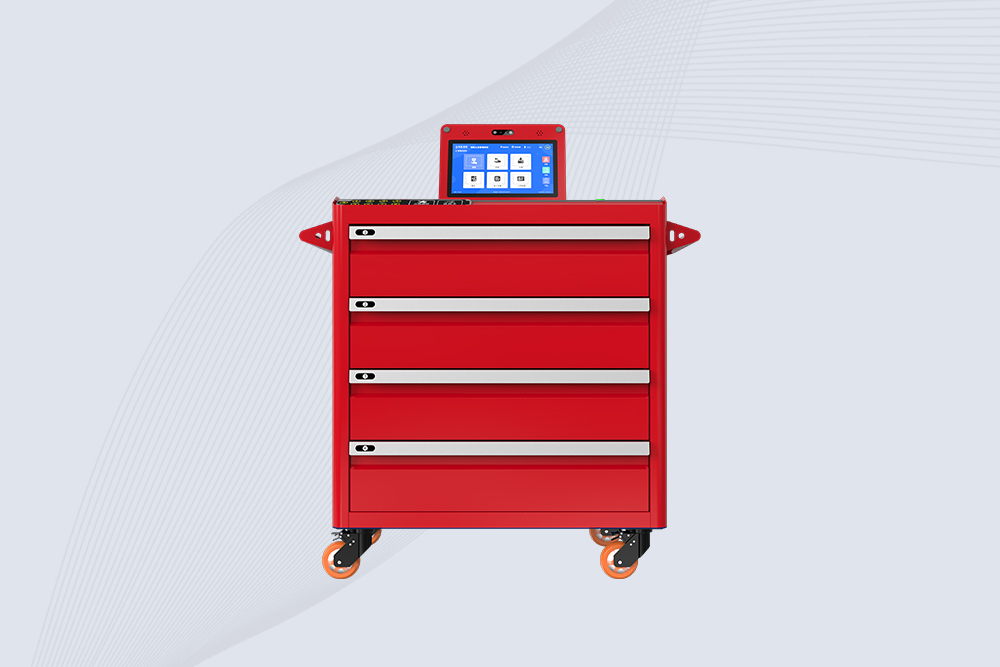
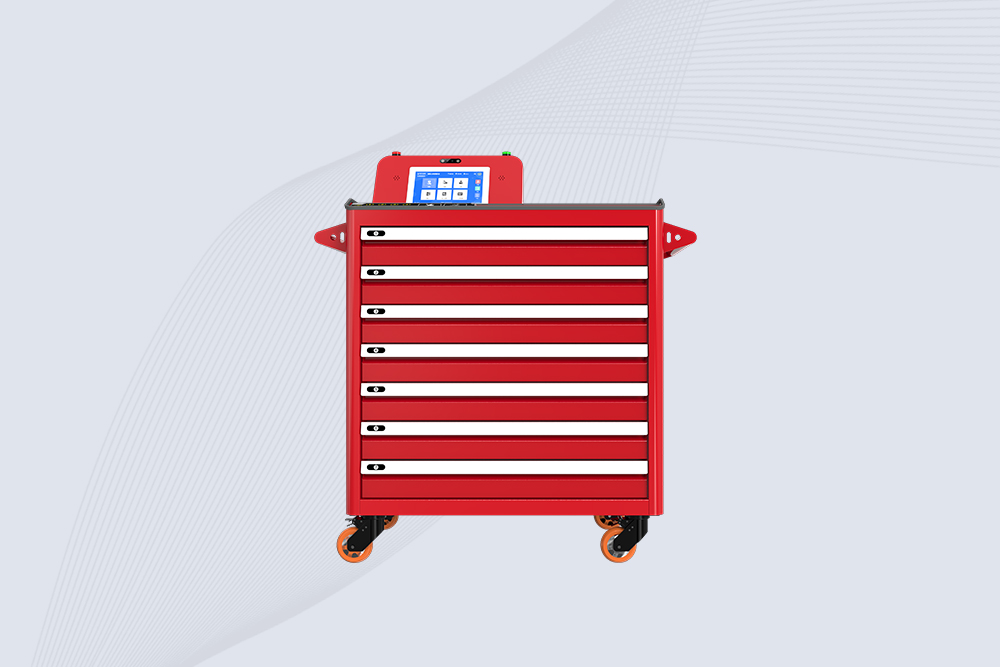
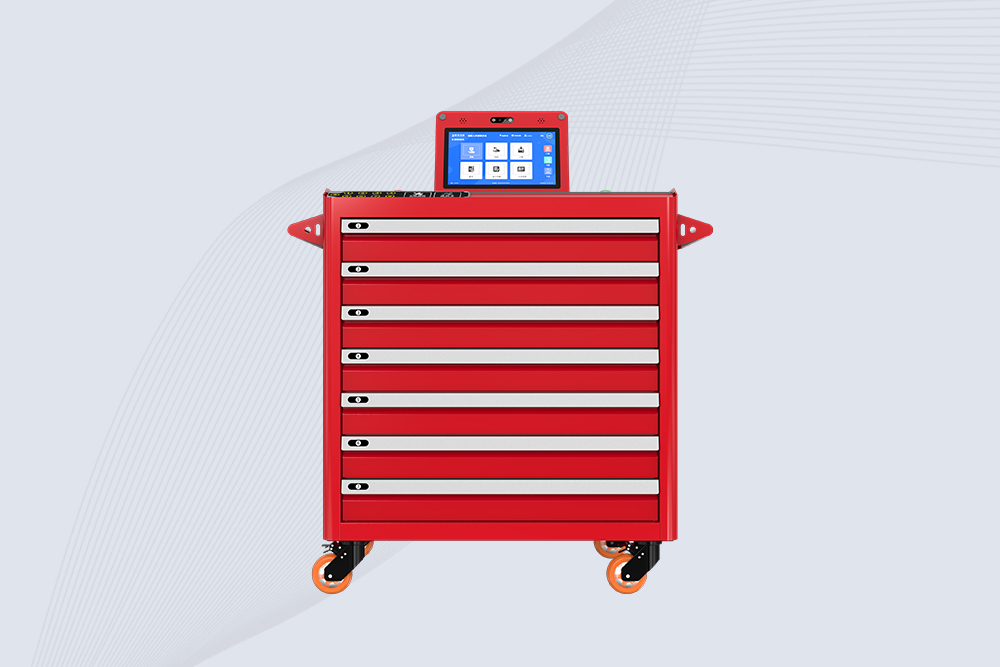
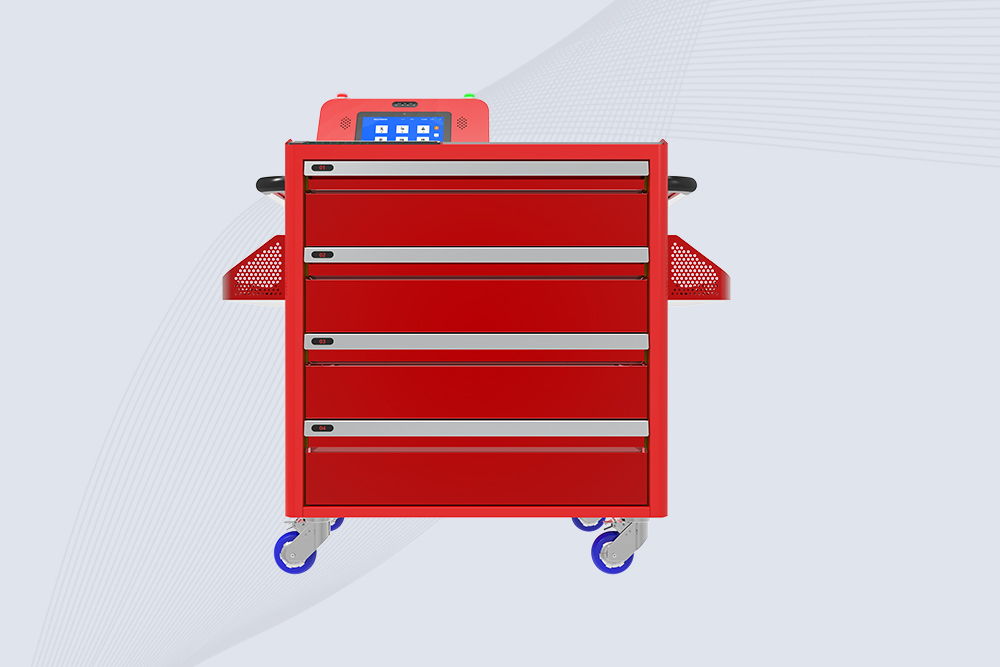
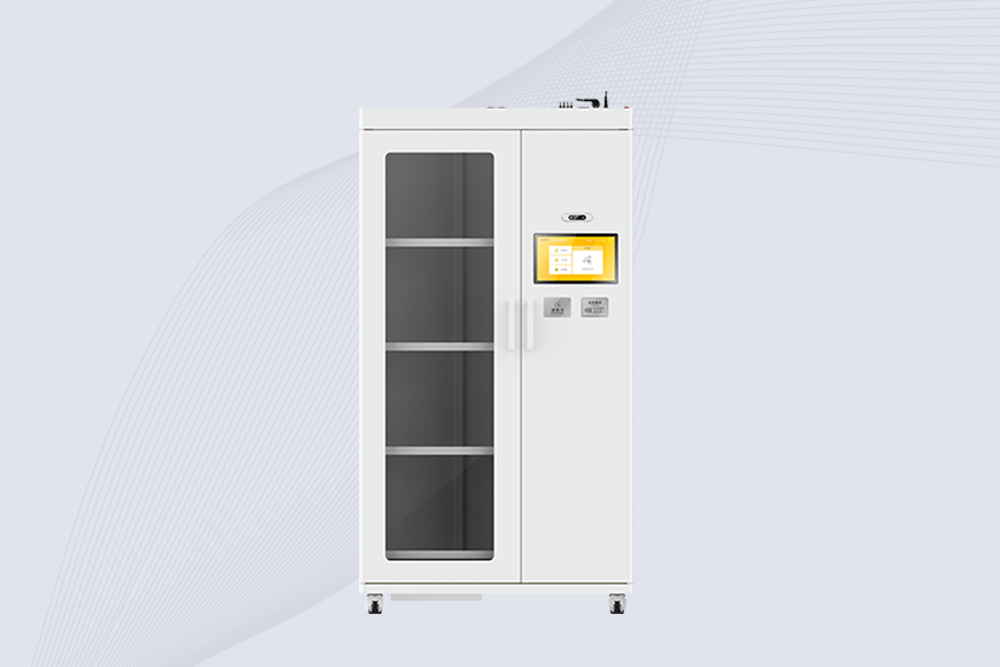
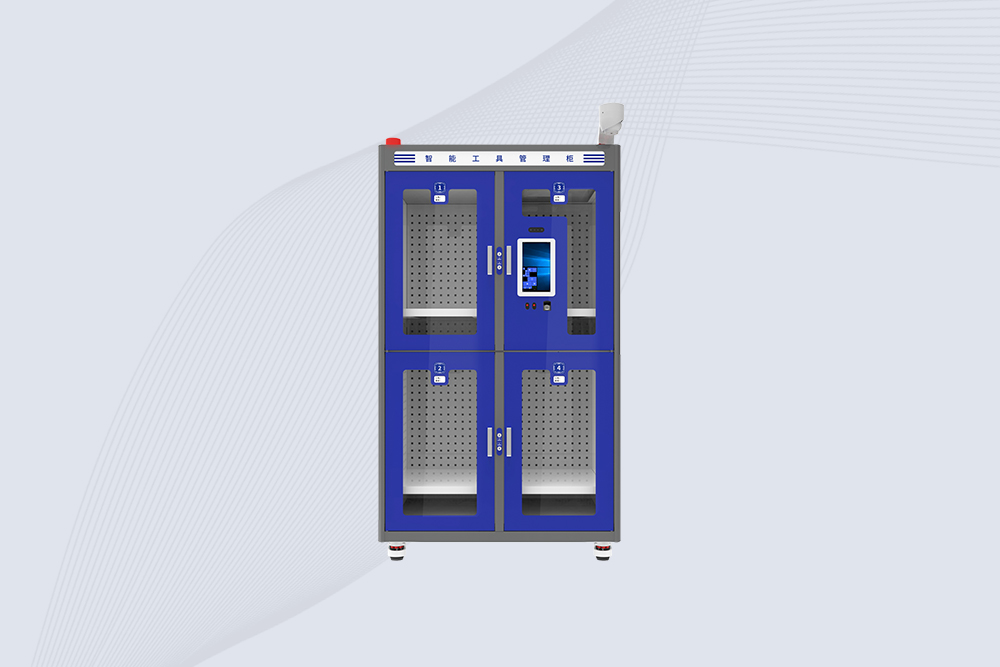
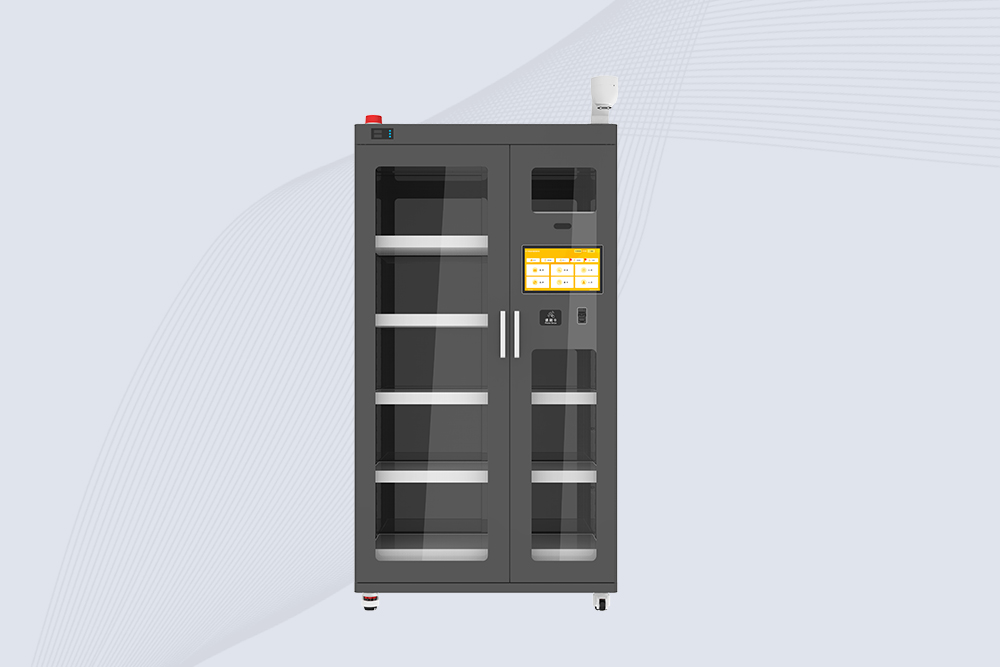
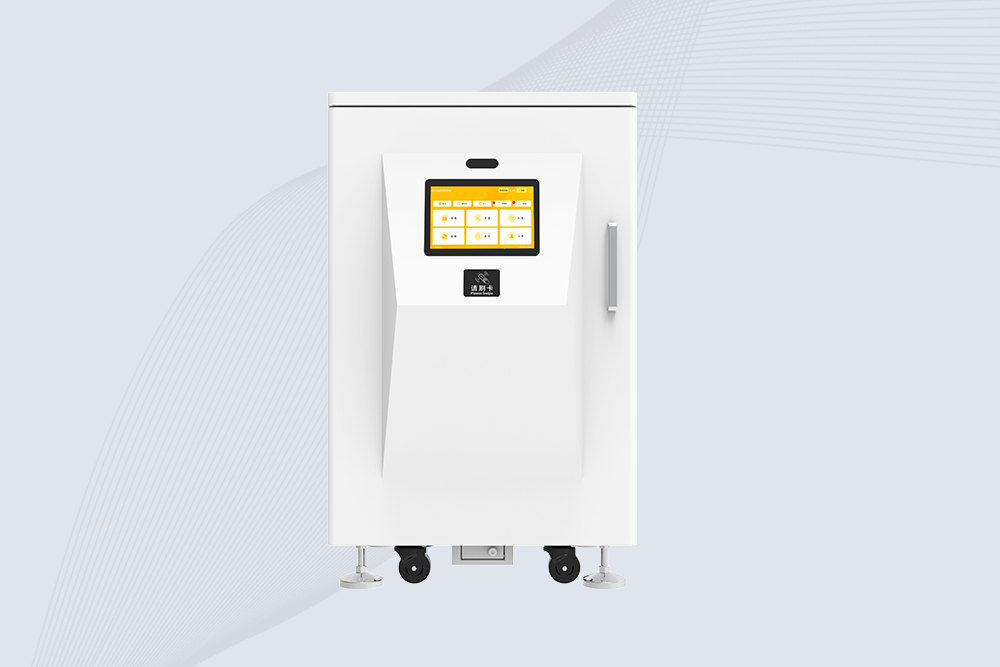
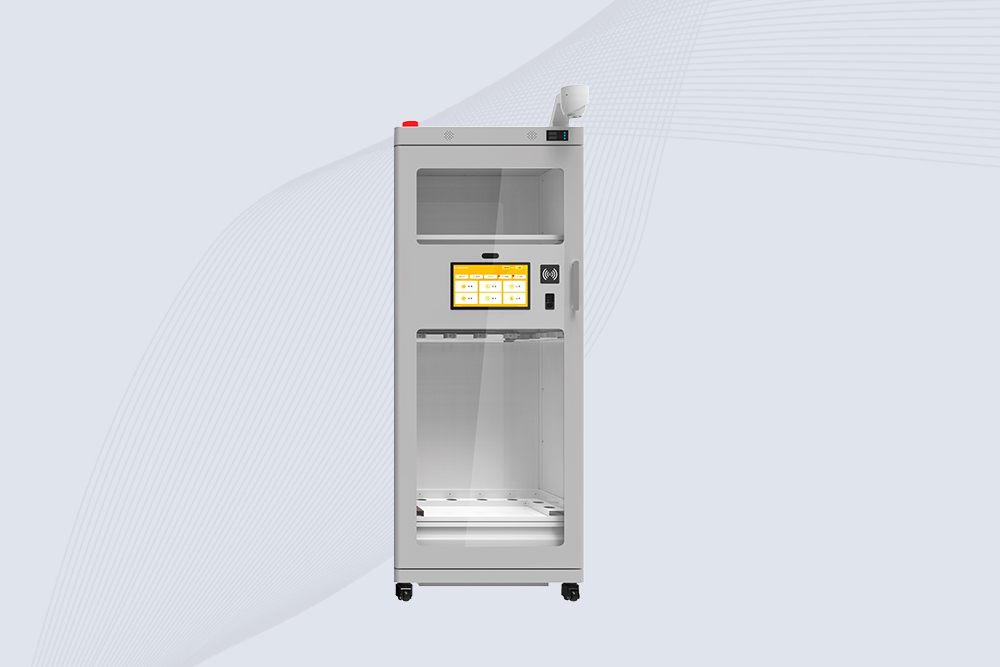
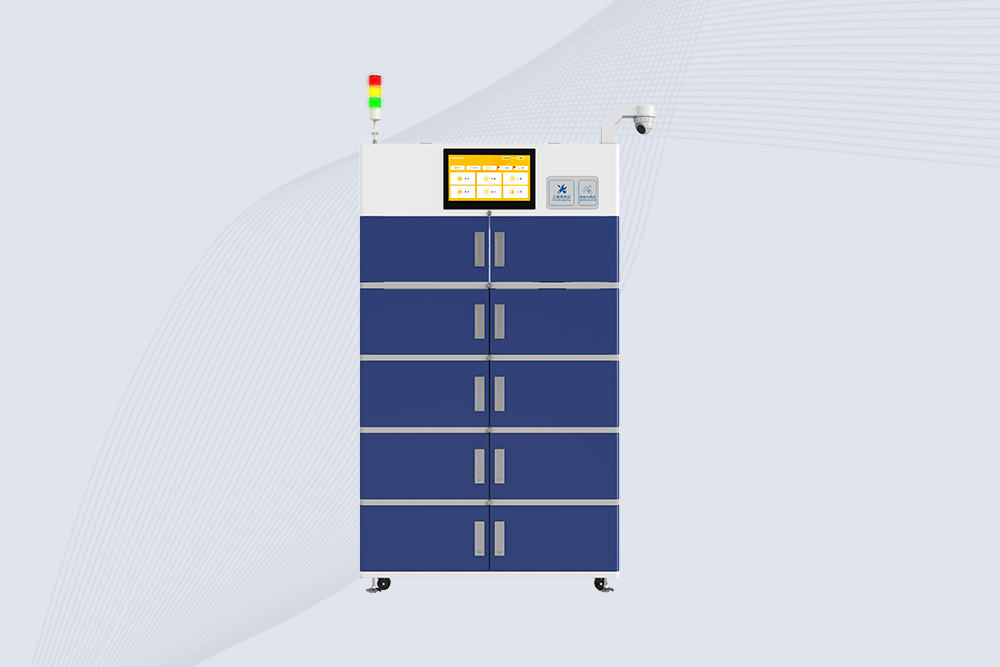
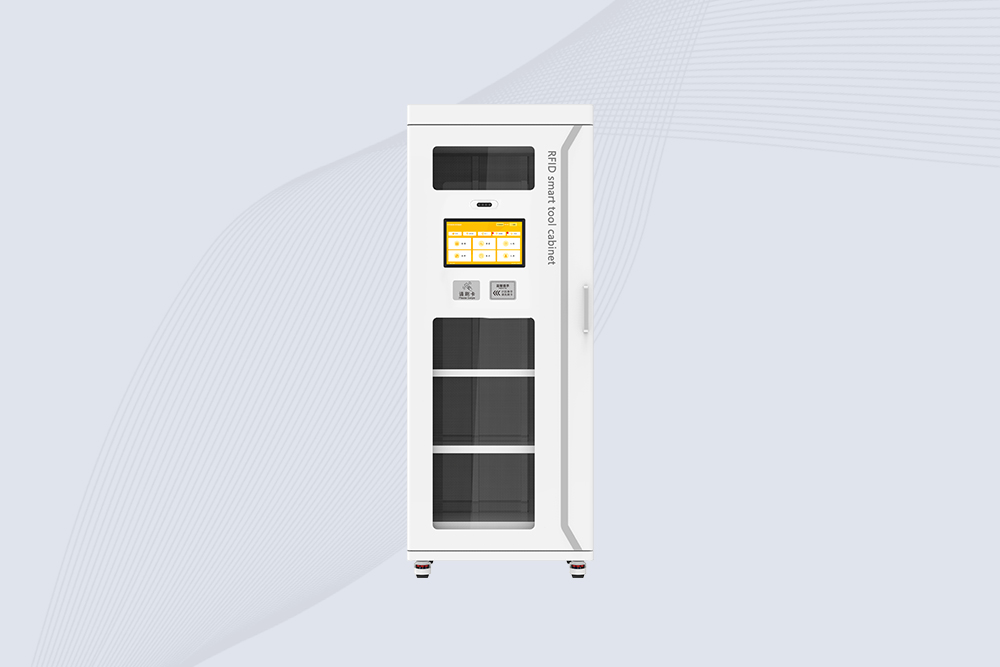
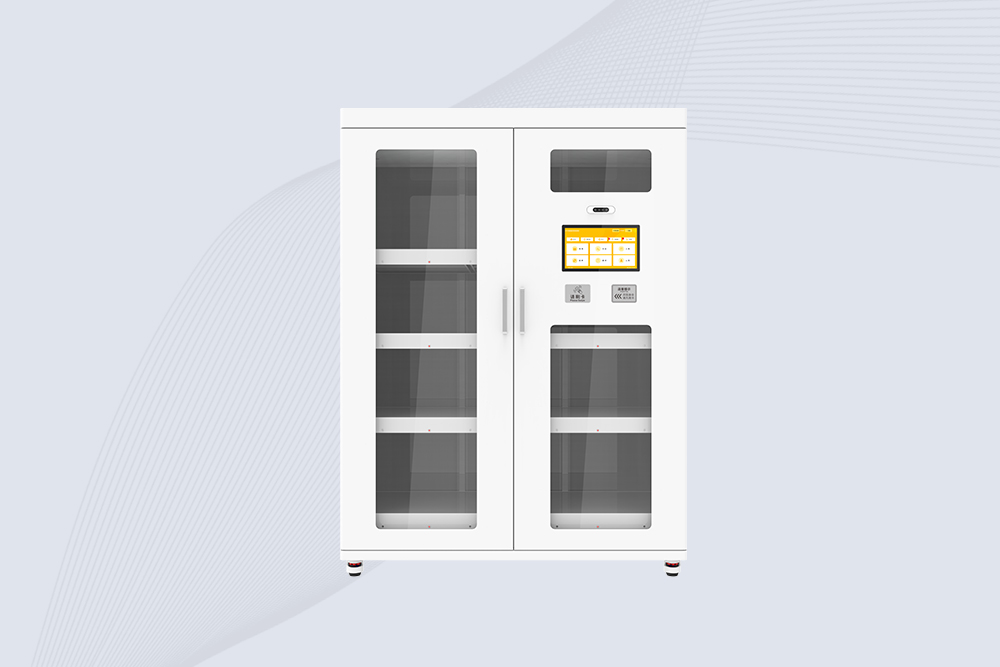
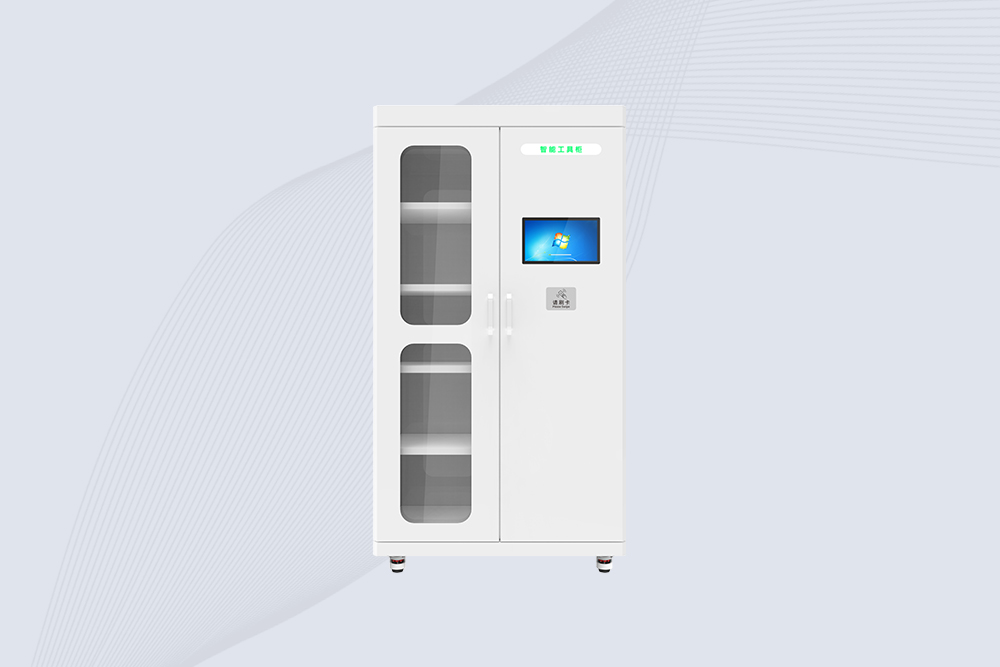
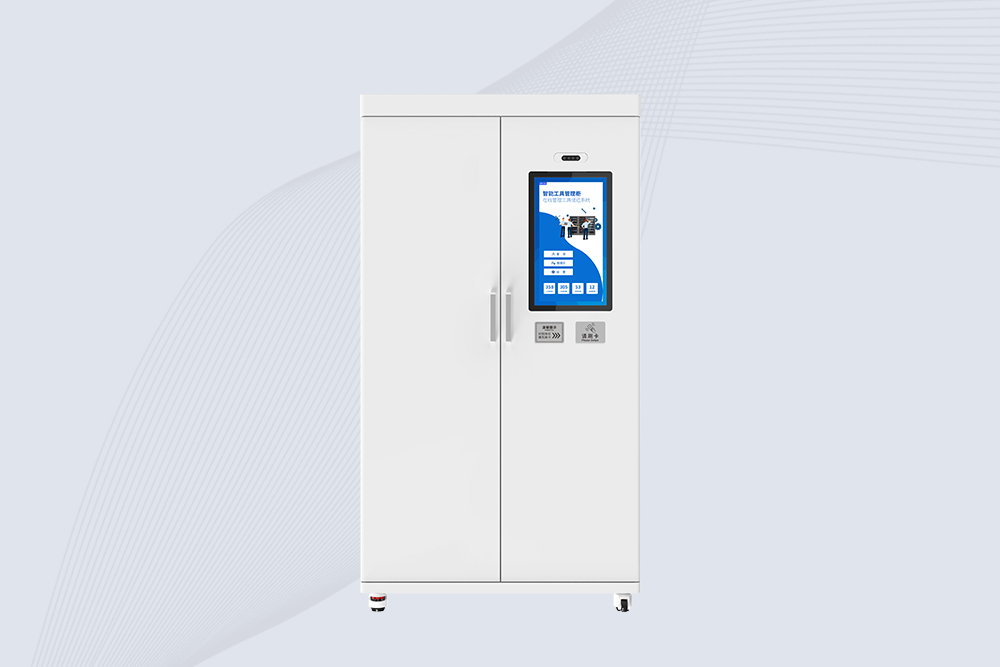
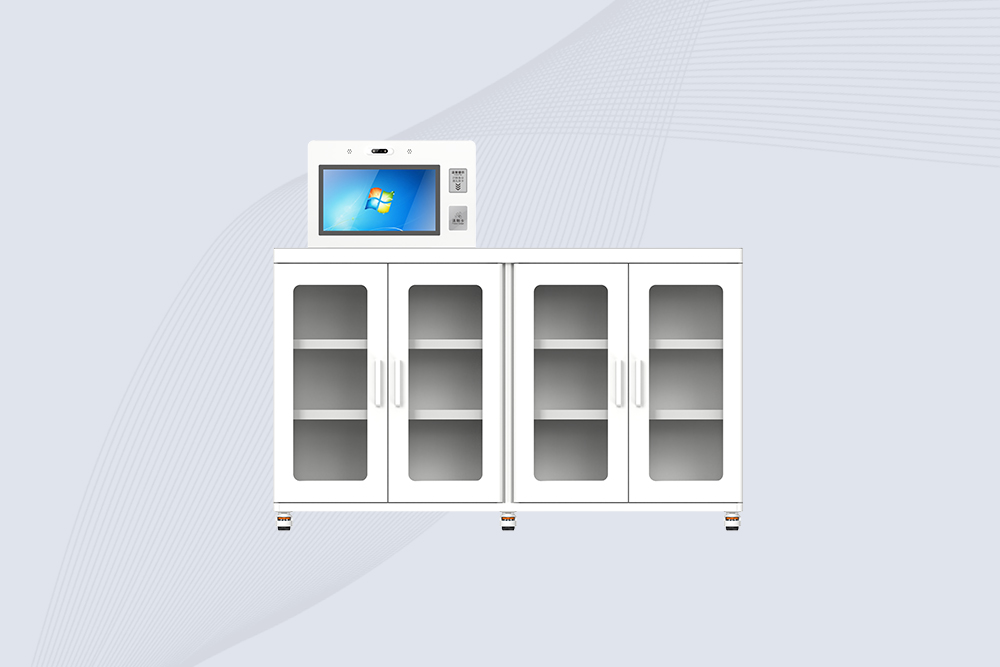
RFID tool cabinet can create a more structured source of operational data. When tools are checked out, returned, moved, reserved, or placed into maintenance, the system can record these events. Over time, the data can help management understand actual demand instead of relying only on assumptions.
Demand planning does not mean RFID can automatically predict the future perfectly. Production schedules, maintenance events, staffing changes, new projects, and unexpected equipment failures can all change tool requirements.
The practical value is that RFID gives planners better information for making those decisions.
Why Tool Demand Planning Matters
A factory can have enough tools overall and still experience tool shortages.
For example, a maintenance department may own ten identical tools. On a normal day, three or four may be in use. During a scheduled maintenance shutdown, however, eight technicians may need the same type of tool at nearly the same time.
The total quantity may look sufficient from an inventory perspective, but availability becomes a problem during the peak period.
This is where demand planning becomes different from simple inventory counting.
Inventory management asks:
“How many tools do we have?”
Demand planning asks:
“How many tools may we need, and when?”
An RFID tool management system can provide data for both questions.
1. Use RFID Data to Understand Actual Tool Demand
The first step is to understand how tools are actually being used.
A tool cabinet can record events such as:
Tool checkout
Tool return
User identification
Cabinet location
Reservation
Maintenance status
Tool availability
Department usage
Transaction time
Over several weeks or months, these records can show patterns.
For example, a particular inspection tool may be checked out 60 times per month while another similar tool is rarely used.
This does not automatically mean the factory needs more of the first tool. But it gives the planning team a reason to investigate demand, workload, and availability.
Not every tool deserves the same planning attention.
Some tools may be used by many technicians every day. Others may be specialized equipment used only a few times each month.
RFID transaction records can help identify frequently requested tools.
Useful measurements may include:
Checkout frequency
Number of users
Number of departments
Average checkout duration
Peak checkout periods
Reservation frequency
Number of availability conflicts
Number of overdue returns
A tool with frequent checkout activity and repeated availability conflicts may deserve closer planning attention.
The important point is to look at several indicators together rather than using checkout count alone.
3. Understand Peak Tool Demand
Average demand can hide short periods of high demand.
Consider a factory that normally has five maintenance technicians working with a specific diagnostic tool. During an annual shutdown, twenty technicians may need similar equipment.
The average monthly usage does not fully explain this situation.
Demand planning should therefore consider:
Shift patterns
Planned maintenance
Production schedules
Project schedules
Seasonal work
Shutdown periods
New production lines
Temporary workforce increases
RFID data can provide historical evidence, while production and maintenance planning systems can provide information about future activities.
Combining both sources can produce a more useful planning process.
4. Plan Shared Tool Quantities
Shared tools create a common demand-planning problem.
A factory may have one expensive testing device shared by several departments. The device may be sufficient under normal conditions, but scheduling conflicts can occur when multiple teams need it simultaneously.
RFID tracking can show how often these conflicts happen.
Management can then consider different solutions:
Purchase another tool
Move a tool closer to a department
Introduce reservations
Change maintenance schedules
Share tools between shifts
Keep a backup unit
Review whether the tool is being used efficiently
The goal is not automatically to buy more equipment.
The goal is to understand whether current capacity matches actual operational demand.
5. Connect Demand Planning With Tool Reservations
Tool reservations can provide an important forward-looking signal.
Historical RFID transactions show what happened.
Reservations may show what users expect to need.
For example:
A maintenance engineer reserves three specialized tools for a planned equipment shutdown next week.
The system can compare the reservation with current availability.
If only two suitable tools are available, the shortage becomes visible before the maintenance work begins.
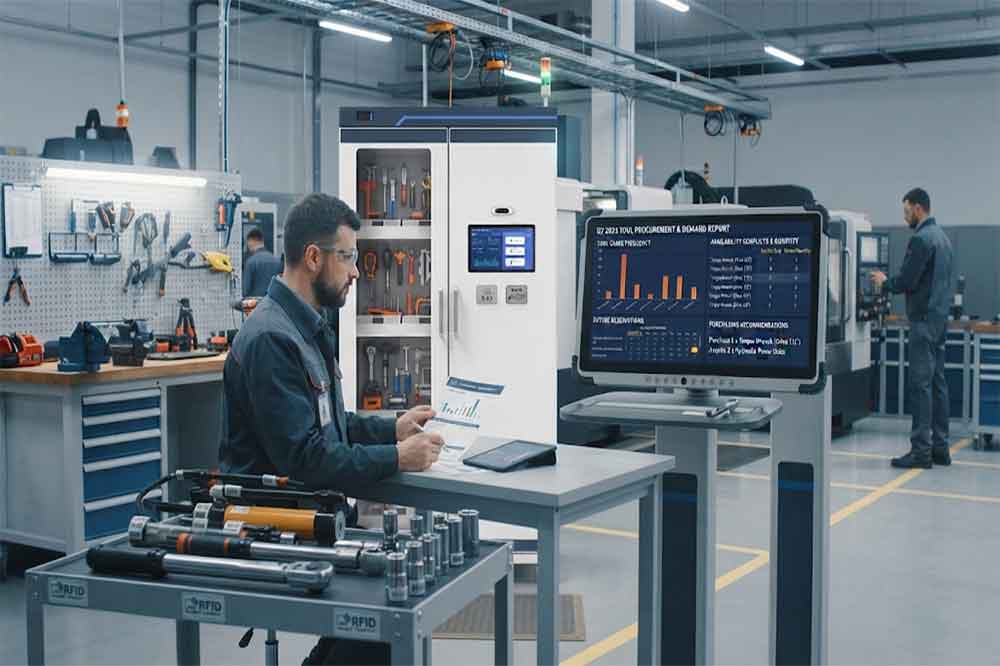
Purchasing teams often need evidence before approving additional tools.
A simple statement such as “we need more tools” may not provide enough information.
RFID records can support a more detailed request.
For example:
The tool was checked out 185 times during the last quarter, was requested by four departments, and had eight availability conflicts.
This information does not automatically prove that another unit should be purchased. However, it provides a stronger basis for discussion.
The purchasing team can then compare:
Current quantity
Historical demand
Future workload
Tool cost
Availability conflicts
Maintenance requirements
Alternative tools
Rental possibilities
Expected utilization
RFID therefore becomes part of the purchasing decision rather than a purchasing decision by itself.
8. Plan for New Projects and Production Changes
Tool requirements can change when a factory adds a new production line or starts a new project.
Historical data from the existing operation may provide useful reference points.
For example, a factory planning to add a second production line may review the tools currently used by the first line.
The planning team can ask:
Which tools are shared?
Which tools are dedicated?
Which tools have high demand?
Which tools already experience conflicts?
Which tools require calibration?
Which tools are difficult to replace?
This can help identify potential capacity problems before the new production line becomes operational.
9. Combine Demand Planning With Tool Availability
Demand and availability should be reviewed together.
A tool can have low inventory but low demand. In that case, purchasing another unit may not be necessary.
Another tool can have relatively high inventory but extremely high demand. That tool may still experience frequent shortages.
Useful planning indicators include:
Indicator
Planning Question
Tool quantity
How many units are available?
Checkout frequency
How often is the tool requested?
Checkout duration
How long does each user keep it?
Reservations
What future demand is already known?
Availability conflicts
How often do users compete for it?
Location
Where is the tool available?
Maintenance status
How many units are actually usable?
Calibration status
Are usable tools currently certified?
This gives planners a more realistic view of available capacity.
10. Include Tools Under Maintenance
A common planning mistake is to count every physical tool as available.
Suppose a factory owns six instruments.
Two are under maintenance.
One is waiting for calibration.
Only three may actually be available for production or maintenance work.
An RFID tool cabinet can connect tool identification with maintenance and calibration status, helping planners distinguish physical quantity from usable quantity.
This is particularly important for specialized or calibrated equipment.
Step 7 — Monitor results Continue reviewing demand after the decision is implemented.
This creates a continuous planning cycle instead of a one-time purchasing exercise.
Demand Planning Checklist
Before implementing RFID-based tool demand planning, confirm:
Actual tool requirements are defined.
Tool IDs are standardized.
RFID tags are correctly mapped.
Checkout and return events are recorded.
Tool locations are accurate.
Maintenance status is available.
Calibration status is available where required.
Reservations can be recorded if needed.
Department information is reliable.
Historical data can be analyzed.
Future work schedules can be considered.
Purchasing decisions use multiple data sources.
Multi-cabinet data can be combined when required.
Pilot results are reviewed before expansion.
Conclusion
RFID tool cabinets can provide more than automated tool identification. When transaction, location, availability, reservation, maintenance, and usage data are collected consistently, the information can support a more practical tool demand planning process.
The main benefit is not that RFID predicts demand automatically. Instead, it gives managers better operational evidence for deciding whether current tool capacity is sufficient.
For factories with shared tools, multiple departments, scheduled maintenance, or several tool storage locations, this information can help identify potential shortages earlier and support decisions about redistribution, scheduling, maintenance, replacement, or purchasing.
The most effective approach is usually to start with a limited group of important tools, measure actual demand, connect the results with future work requirements, and then expand the planning model as the RFID tool management system matures.
Frequently Asked Questions
1. What is RFID tool demand planning?
RFID tool demand planning uses tool transaction, usage, availability, reservation, and location data to help estimate future tool requirements.
2. Can RFID predict how many tools we need?
RFID provides historical and current operational data. Future demand still depends on production plans, maintenance schedules, projects, staffing, and other business factors.
3. Can RFID help decide whether to buy more tools?
Yes. RFID data can show usage frequency, availability conflicts, reservations, and tool locations. These records can support purchasing analysis but should be combined with future workload and cost information.
4. Does every tool need an RFID tag?
Not necessarily. Many projects prioritize high-value, frequently shared, or difficult-to-manage tools first and expand tagging based on operational requirements.
5. Can demand planning work across multiple cabinets?
Yes. When multiple cabinets share a centralized system, demand can be analyzed by cabinet, department, or location. This can help identify redistribution opportunities before purchasing additional tools.
Cykeo’s RFID Smart Tool Cabinet enables 10-second tool audits, user access control & real-time alerts for construction/oil/gas. Features 21.5″ touchscreen, IP54 steel body & -30°C~60°C operation. Supports SAP/Oracle integration.
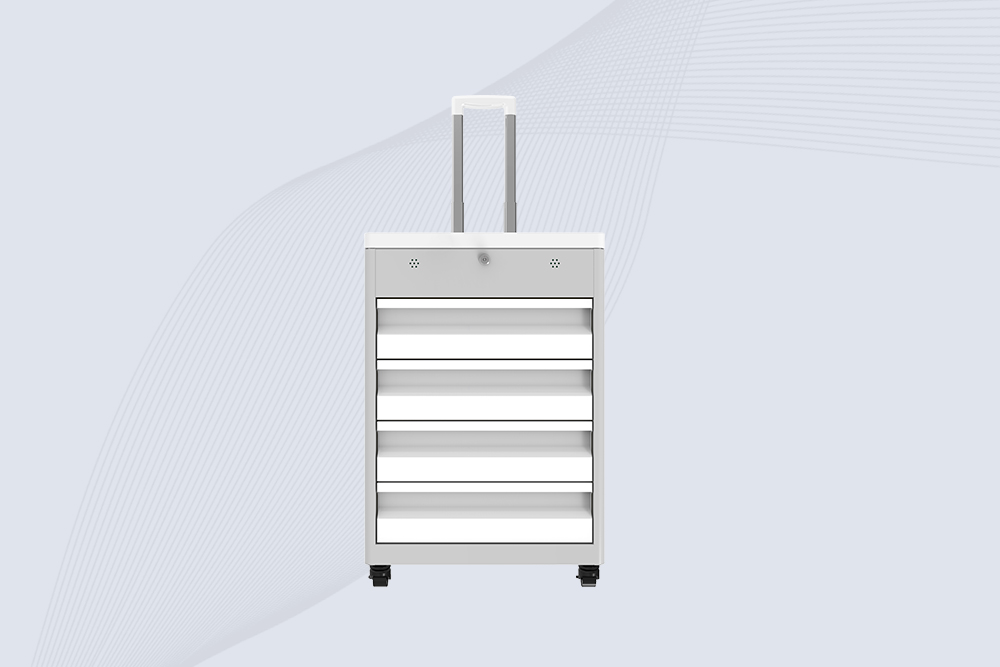
Cykeo’s industrial RFID Tool Cart features 14″ touchscreen, 400+ tool scanning, and carbon steel construction for aviation MRO, power plants and construction sites. 5-second inventory scans.
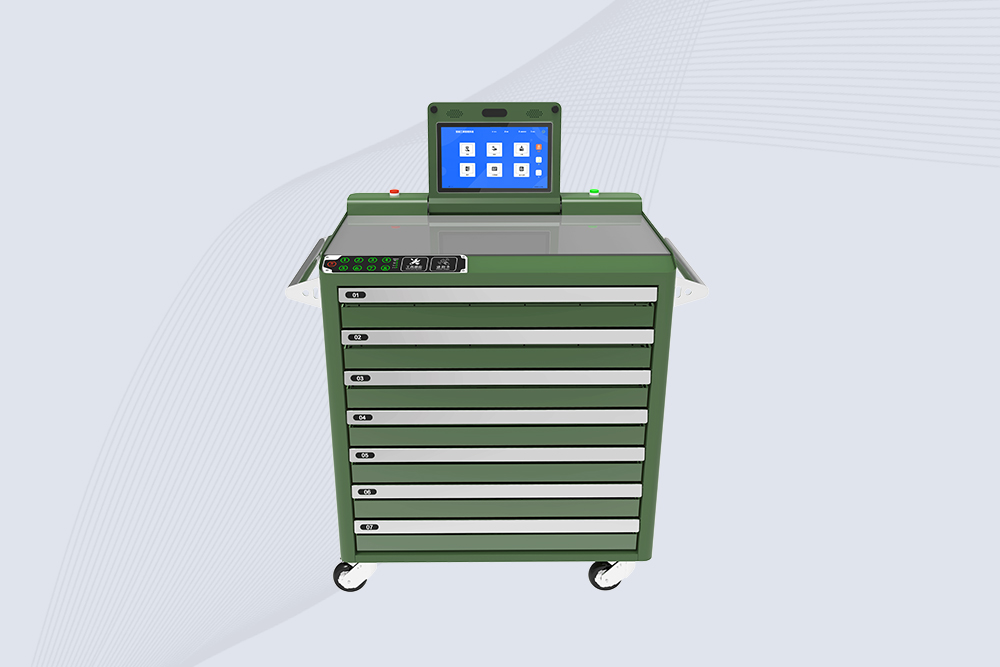
Cykeo CYKEO-TC RFID multi-drawer tool cart manages 300+ tools via UHF RFID, features fingerprint/face recognition, Android/Windows OS, and SAP integration for nuclear/railway/fire safety sectors. IP54 rated for harsh environments.
Cykeo CYKEO-GTC4 RFID tool inventory cart manages 300+ tools via UHF RFID, features instant scanning, fingerprint/face recognition, and SAP integration for nuclear/railway/fire safety sectors. IP54 rated for harsh environments.
Cykeo CYKEO-GTC7A RFID real-time tool tracking cart features 99.9% accuracy, FOD prevention, and SAP integration for aviation/plant maintenance. Military-grade construction.
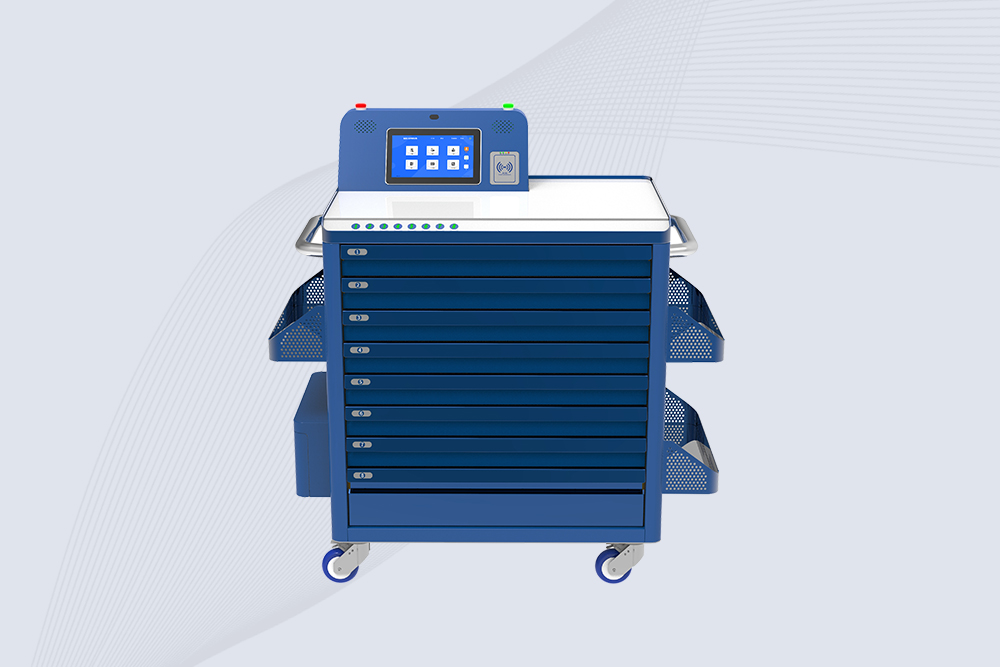
Cykeo CYKEO-GTC4B RFID mobile tool cart delivers 300-tool verification in 7 seconds with modular drawers, ≤150W power, and SAP integration for industrial/aviation use.
Cykeo CYKEO-GTC4C RFID workshop tool control cart delivers 300-tool inventory in 3 seconds with 10hr battery, SAP integration, and FOD prevention for industrial workshops.
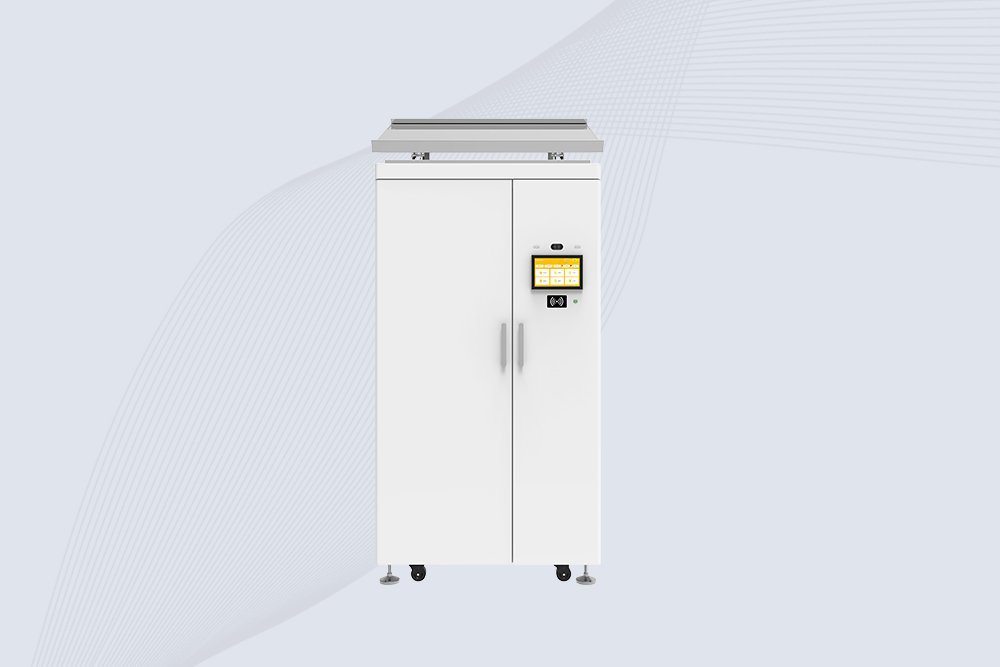
Cykeo’s off-grid RFID tool inventory system features solar/wind power, -30°C~60°C operation, and military-grade durability for mining/energy/military sectors.
Cykeo’s RFID multi-drawer tool cabinet features 5 adjustable drawers, biometric access, and 99.9% scan accuracy for automotive/aerospace manufacturing.
Cykeo CYKEO-GT1B industrial RFID tool storage cabinet features Impinj R2000 UHF technology, 1,000+ tool capacity, IP54 protection, and Windows/Android OS for manufacturing/aviation MRO. Includes auto check-in/out and SAP/Oracle sync.
Cykeo CYKEO-GT3C industrial RFID tool checkout system Cabinet features millimeter-wave scanning, 280-layer storage, dual OS, and 99.9% accuracy for aviation/semiconductor sectors. Supports auto check-in/out and real-time SAP sync.
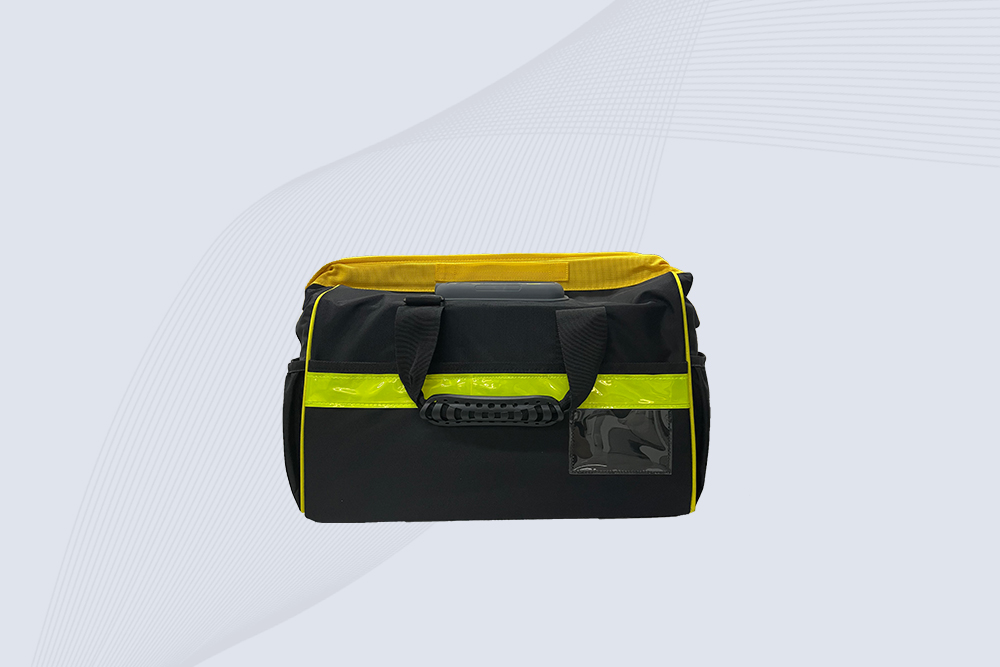
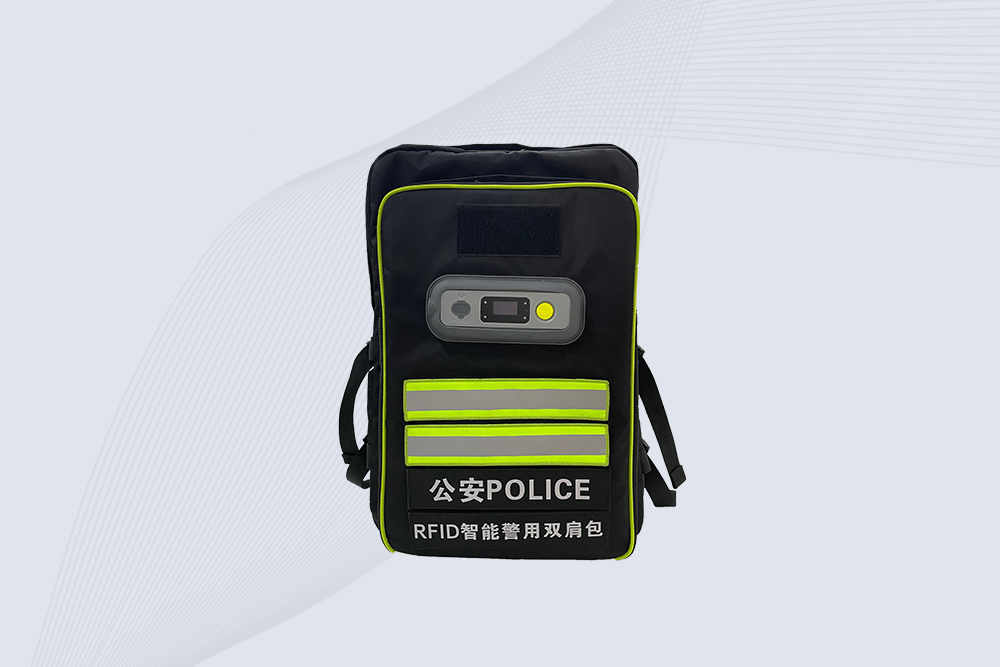
Discover the CYKEO-B1A Industrial RFID Backpack featuring advanced tool tracking technology with 25cm RF shielding, 7-day battery life, and wearable design for field maintenance professionals.
RFID Industry Writer | IoT & Asset Tracking Analyst
James writes about RFID technology, asset tracking, and the practical challenges of digital transformation across warehousing, retail, manufacturing, and logistics.
His work focuses on how RFID is applied in real-world operations—improving inventory visibility, automating workflows, and helping businesses manage assets with greater accuracy and efficiency.
He regularly covers topics including UHF RFID, smart cabinets, RFID portals, tool tracking, warehouse automation, and industrial IoT trends..
Explore the real use cases of RFID Gateway Readers across industries. From production lines to New York retail warehouses, we break down pros, cons, and deployment details.
Learn how to code rfid tags with professional RFID writers, software tools, and practical methods. Cykeo explains RFID programming for reliable tag management.
 Cykeo RFID IoT Solution Products R&D Manufacturer