 Cykeo RFID IoT Solution Products R&D Manufacturer
Boost RFID Antenna Range Without New Hardware: Software Hacks & Setup Tricks
963Struggling with weak RFID signals? Learn how to boost antenna range using software tweaks, placement hacks, and free tools—no extra hardware needed.
MoreAll RFID Product
What is a rfid reader used for? RFID reader is used to identify and collect data from RFID tags without requiring direct visual contact. It can support inventory counting, asset identification, logistics, library management, textile tracking, tag registration, and other automated identification tasks.
That is the short answer.
In a real RFID project, however, the reader is rarely useful by itself. It sits between the physical tag and the software that manages the resulting information. The reader detects the tag, processes the RF response, and passes usable data to the host system.
This makes the reader one of the most important components in an RFID installation.
An RFID reader is primarily used to identify tagged objects and collect their electronic data.
Depending on the model and application, an RFID reader can:
A barcode scanner normally needs to see a barcode.
RFID reader does not require the same line-of-sight process. The tag can communicate with the reader through radio frequency signals when it enters the reader’s operating field.
That difference becomes significant when hundreds or thousands of objects need to be identified repeatedly.
Inventory is one of the most common uses for RFID readers.
Imagine a warehouse shelf filled with tagged cartons. Instead of manually scanning every label, an appropriately configured RFID reader can detect multiple tags within its reading zone.
A typical inventory process looks like this:
The reader therefore becomes a bridge between physical inventory and digital inventory data.
The exact number of tags that can be read reliably depends on reader configuration, antenna placement, tag design, RF conditions, and tag density. It should be tested in the actual environment rather than assumed from a laboratory specification.
In logistics operations, RFID readers can be positioned at locations where products naturally pass.
Examples include:
This creates a useful concept: event-based identification.
When a tagged carton passes a reader zone, the system can record that the carton was detected at that point.
The reader is not necessarily providing GPS coordinates.
Instead, it creates a reliable identification event associated with a known physical location.
For a logistics company, that distinction matters. The question is often not “Where is this object every second?” but “Was this shipment detected at receiving, sorting, or dispatch?”
RFID readers are also used to manage assets that move between departments or workstations.
Common examples include:
Consider a shared tool cabinet.
Each tool can carry an RFID tag containing a unique identifier. An RFID reader can identify the tag when the tool enters or leaves a controlled area.
The management system can then associate that event with the corresponding tool record.
This can support:
The RFID reader does not replace the management software. It supplies the identification data that allows the software to work with the physical asset.
Libraries are another practical RFID environment.
RFID tags can be attached to books or other library materials. Readers can then support operations such as:
A desktop RFID reader is particularly suitable when the operator works with one or several items at a controlled workstation.
This is different from a warehouse portal.
The library workstation generally benefits from a defined reading area because the operator wants to process the intended items without unintentionally detecting tags elsewhere in the room.
That is an important design detail that can be overlooked when RFID is discussed only in terms of maximum reading distance.
RFID readers can identify tagged textile products during repeated handling cycles.
Potential applications include:
A textile item may pass through several stages during its useful life.
Collection → Laundry → Storage → Distribution → Return
An RFID reader installed at selected points can capture the item’s identity during these operations.
The tag itself must be appropriate for the textile environment, while the reader installation must be designed around the actual workflow.
An RFID reader system normally contains several interconnected elements.
| Component | Role |
|---|---|
| RFID Tag | Stores or provides item identification data |
| RFID Reader | Communicates with the tag |
| RFID Antenna | Transmits and receives RF signals |
| Software | Processes and manages tag information |
The reader generates the RF field and listens for responses from compatible tags.
The technology varies according to RFID frequency.
Common RFID categories include:
For UHF applications, the GS1 EPC/RFID ecosystem provides widely used standards for electronic product identification and supply-chain applications.
This is why the phrase “RFID reader” covers a broad product category. A short-range HF reader used for access applications is not equivalent to a UHF reader installed above a warehouse conveyor.
Fixed RFID readers remain installed in a specific location.
They are commonly used for:
The reader and antenna arrangement defines the reading zone.
Handheld RFID readers allow workers to move the reader to the item.
They are useful for:
Desktop RFID readers are designed for controlled workstations.
Typical applications include:
A desktop reader does not need to provide the same coverage as a warehouse portal reader.
In fact, controlled short-range operation can be preferable for tag writing because the operator can keep the intended tag inside a defined working area.
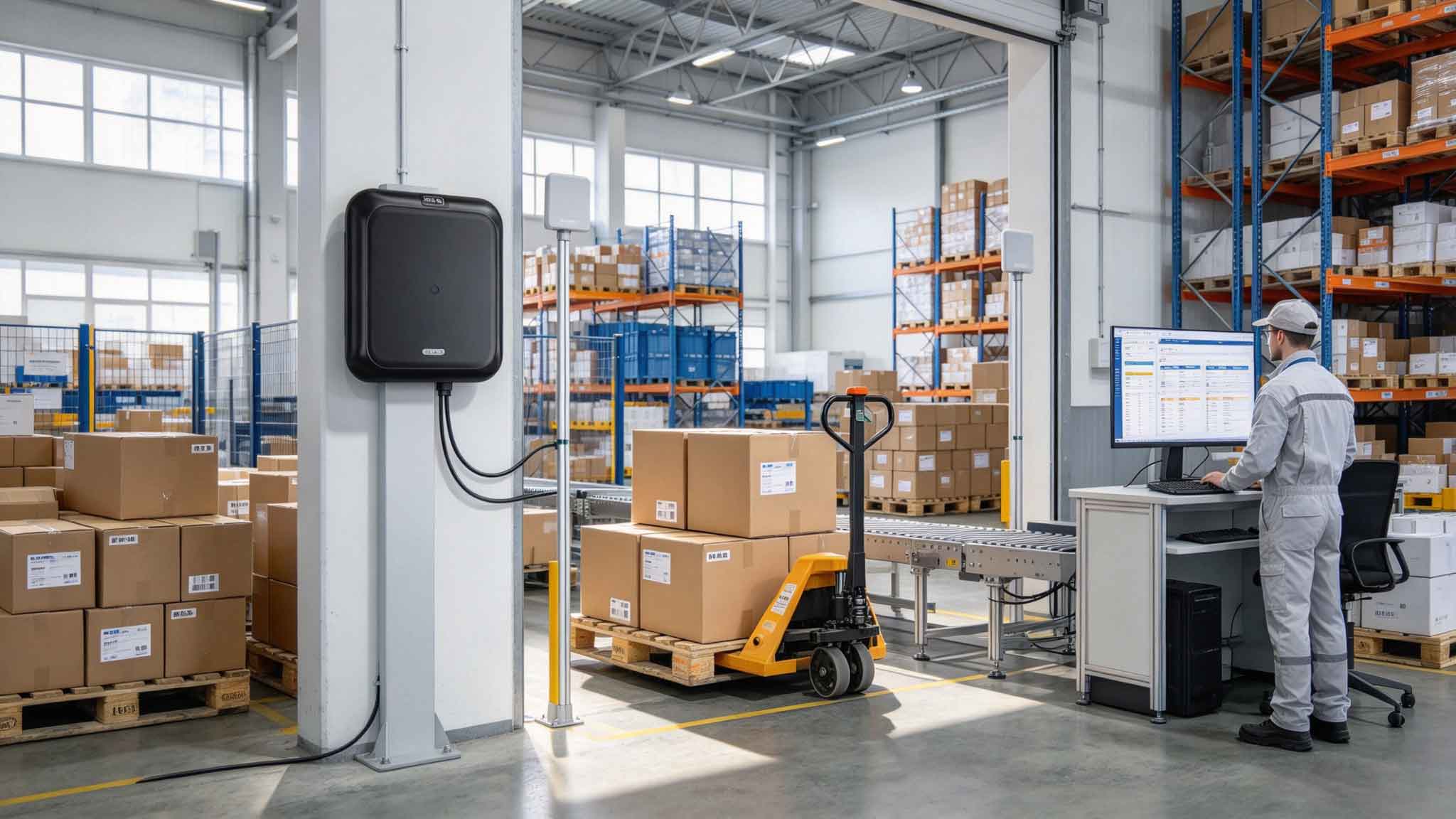
The reader’s job is not simply to detect that “something” is nearby.
It receives information from RFID tags and processes that information according to the system’s configuration.
Depending on the reader, the system may support:
In dense environments, anti-collision technology is particularly important.
Several RFID tags may respond within the same RF field. The reader needs to manage those responses so that individual tags can be identified.
This is one reason actual application testing is more informative than looking at a single headline specification.
When evaluating an RFID reader, reading distance is usually one of the first specifications people notice.
It should not be the only one.
Important factors include:
Metal and liquids can create particular challenges for some RFID configurations.
In a warehouse, a reader may need a relatively large controlled zone.
At a desktop tag-registration station, a much smaller zone can be preferable.
The correct RFID reader is therefore the one that fits the physical task—not necessarily the one with the largest theoretical range.
The practical question is not simply whether an RFID reader can read a tag. It is whether it can read the right tags, in the right place, at the required speed, without collecting unwanted tags.
For a new project, I normally look at the operating scene first and the reader specification second.
| Application | Suitable RFID Reader Type | Main Consideration |
|---|---|---|
| Warehouse inventory | Fixed UHF reader | Reading-zone control |
| Conveyor identification | Fixed UHF reader | Speed and antenna placement |
| Tool management | Desktop or fixed reader | Controlled identification |
| Library registration | Desktop RFID reader | Short-range operation |
| Textile management | UHF reader | Tag durability and placement |
| Shelf inventory | Handheld RFID reader | Mobility |
| Tag rewriting | Desktop RFID reader/writer | Stable writing |
This approach avoids a common implementation mistake: selecting a reader according to maximum read distance before defining what the reader actually needs to detect.
Some RFID readers are also designed to write information to compatible RFID tags.
This is useful when a tag needs to be:
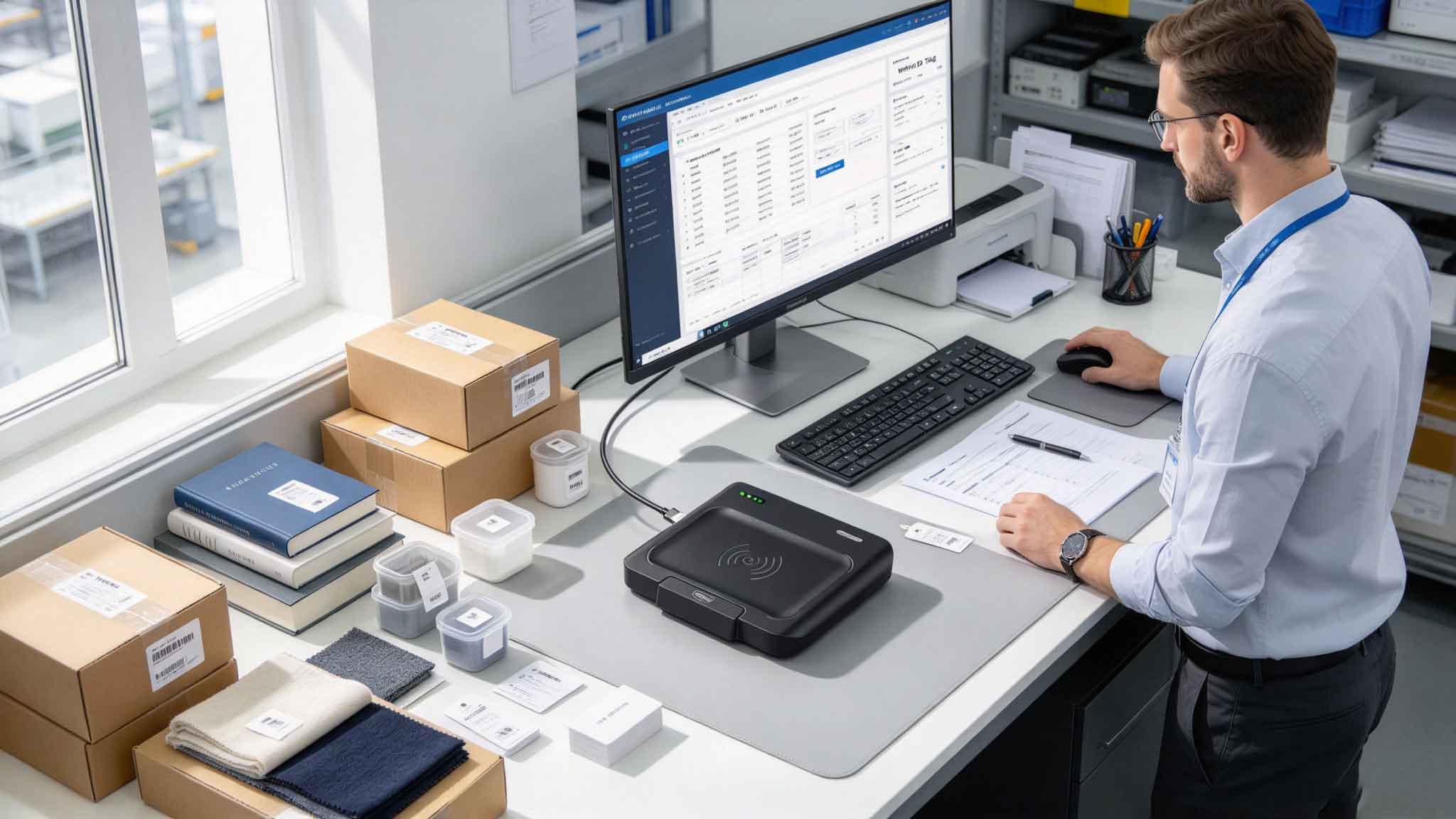
For example, Cykeo’s desktop RFID reading platform is designed for controlled tag-management operations. Its application scenarios include library registration, tool entry, and textile management, where operators need to read or rewrite tags at a workstation.
The platform uses a USB interface and a near-field antenna. Its specified effective reading range is controlled within 30 cm, while the writing range is controlled within 10 cm.
That short working distance is intentional.
When an operator is writing a new RFID tag, detecting several nearby tags by mistake is a problem. A tightly controlled writing area makes the operation easier to manage.
An RFID reader does not usually operate as an isolated device.
It needs a communication path to the host system.
Depending on the reader model, common interfaces can include:
The software receives the reader’s output and turns individual tag IDs into useful business records.
For a tag-registration workstation, that may mean:
Tag ID → Item record → Registration → Database
For warehouse inventory, it may instead become:
Tag ID → Product record → Reading event → Inventory system
The reader provides the identification layer. The application determines what that identification means operationally.
This separation is important when planning an RFID system because the reader’s interface, SDK, API, and software compatibility can affect the development effort just as much as RF performance.
In a real operating environment, RFID readers often encounter more than one tag.
A box may contain multiple tagged products. A shelf may contain dozens. A textile collection point may have a large number of garments or linens close together.
The reader therefore needs an anti-collision mechanism to handle multiple tag responses.
Cykeo’s desktop platform uses a proprietary high-efficiency signal-processing algorithm together with tag collision-processing technology. The stated design objective is to maintain a high recognition rate while processing RFID tags quickly.
The practical implication is straightforward: multi-tag recognition is a system-design issue, not merely a matter of reader power.
More RF power does not automatically mean better inventory performance.
RSSI refers to Received Signal Strength Indicator.
An RFID reader can use RSSI information to indicate the relative strength of a received tag signal.
This can be useful when an application needs additional information about the tag’s RF response.
For example, during system testing, engineers may compare RSSI values while changing:
RSSI should not be treated as a precise physical-distance measurement. The surrounding environment affects RF behavior, so application-specific testing remains important.
Before specifying an RFID reader, check the actual operating conditions.
Determine whether the project requires LF, HF, or UHF RFID.
Decide whether the system needs:
One tag and several hundred tags create very different RF conditions.
Metal, liquids, packaging materials, and tag orientation can influence performance.
Some applications only need identification. Others require data to be written to the tag.
USB may be convenient for a desktop workstation, while Ethernet may be more appropriate for an installed industrial reader.
For custom systems, SDKs, APIs, communication protocols, and programming documentation can directly affect integration time.
Cykeo’s desktop RFID platform, for example, provides C# and Java development materials, supporting integration into customized tag-management applications.
An RFID reader is used to identify RFID tags and collect their data. Depending on the model, it can support inventory counting, asset identification, logistics, library management, textile tracking, tag registration, and RFID tag writing.
Yes. RFID readers designed for multi-tag operation can identify multiple compatible tags within their reading zone. Anti-collision processing helps manage simultaneous tag responses.
Some RFID readers support both reading and writing. The tag, RFID protocol, reader hardware, software, and memory permissions must all support the required write operation.
No. RFID communication uses radio-frequency signals, so direct visual line-of-sight is not required in the same way as barcode scanning. Actual performance depends on frequency, tag design, environment, antenna configuration, and reader settings.
There is no single reading distance for all RFID readers. Range varies with frequency, reader power, antenna gain, tag characteristics, orientation, materials, and environmental conditions. A controlled short-range reader may be preferable for tag registration.
Not universally. RFID and barcode technologies have different operating characteristics. RFID can identify tags without optical line-of-sight and can support multi-tag reading, while barcode systems remain appropriate for many direct visual scanning tasks.
Check RFID frequency, tag compatibility, required reading zone, tag density, read/write requirements, antenna configuration, communication interface, software compatibility, and the physical environment where the reader will operate.
During RFID deployment, the specification sheet is only the starting point.
A reader that performs well on an open test bench can behave differently when installed beside metal shelving, conveyors, cables, motors, cartons, or densely packed tagged products.
This is why experienced RFID engineers usually test the complete reading zone rather than evaluating the reader alone.
The useful question becomes:
Can the reader consistently identify the intended tags while ignoring the tags outside the process?
That is the point where antenna position, output power, tag placement, filtering, anti-collision processing, and software configuration start working together.
For desktop registration, the requirement can be almost the opposite. A controlled near-field zone is often more useful than a long-distance reading capability. Cykeo’s desktop platform illustrates this approach with a specified reading range of up to 30 cm and writing range of up to 10 cm, together with multi-tag recognition, data filtering, RSSI support, and stable tag writing.
For industrial projects, these details matter more than simply asking for the “strongest” RFID reader.
A RFID reader is used to identify, collect, and sometimes write RFID tag data in a defined operating environment. It can support inventory, logistics, asset management, libraries, textile operations, tool management, and tag registration.
The right reader depends on the physical workflow.
A warehouse may require a fixed UHF system covering a defined passage. A worker counting stock may need a handheld reader. A tag administrator registering and rewriting labels may need a desktop platform with a tightly controlled near-field antenna.
That distinction is central to practical RFID design.
What is a rfid reader used for? It is ultimately used to connect physical tagged objects with digital identification data—reliably enough for the specific workflow in which the reader is installed.
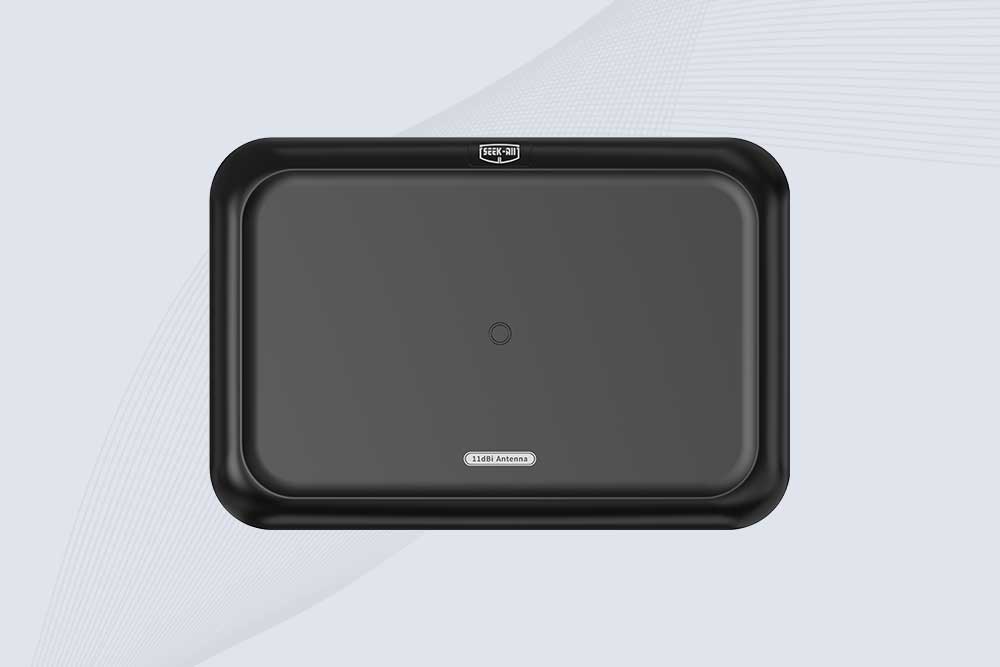
SSD-A11 UHF RFID antenna features 840–960 MHz adjustable frequency, ≥10.5 dBi gain, circular polarization and 50Ω impedance for fixed RFID systems.
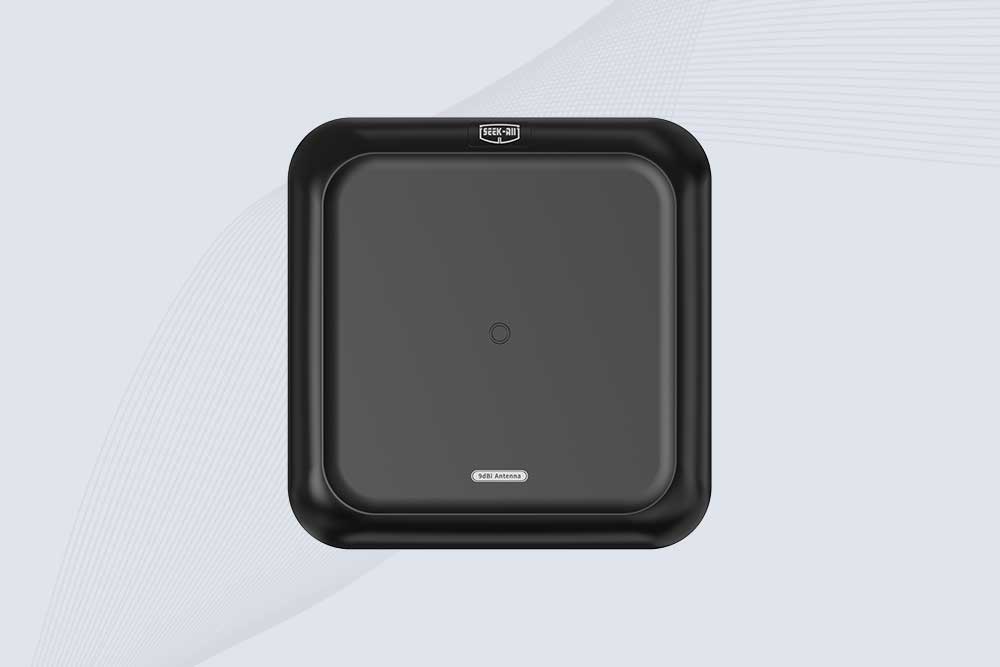
SSD-A09 is a 9 dBi UHF RFID antenna with 840–960 MHz adjustable frequency, circular polarization, 50Ω impedance and directional 60° × 60° coverage.
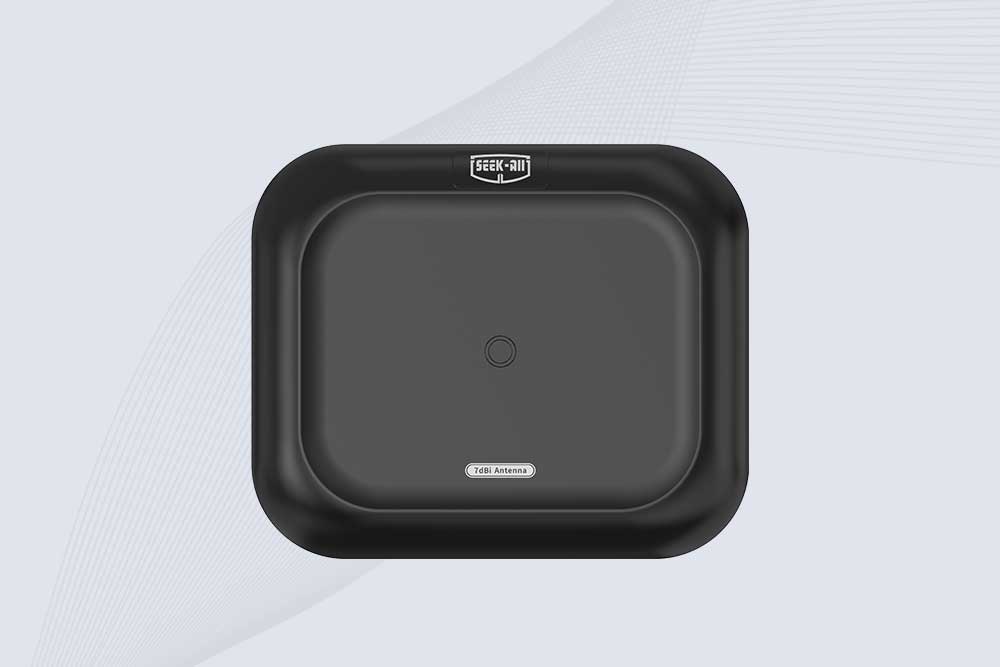
Explore the SSD-A07 UHF RFID antenna with 7 dBi gain, circular polarization, adjustable 840–960 MHz frequency, and 60°/75° beamwidth for stable RFID read/write performance.

SSD-A06 UHF RFID antenna with circular polarization, adjustable 840–960 MHz frequency, ≥4.5 dBi gain, and a compact directional design for RFID systems.
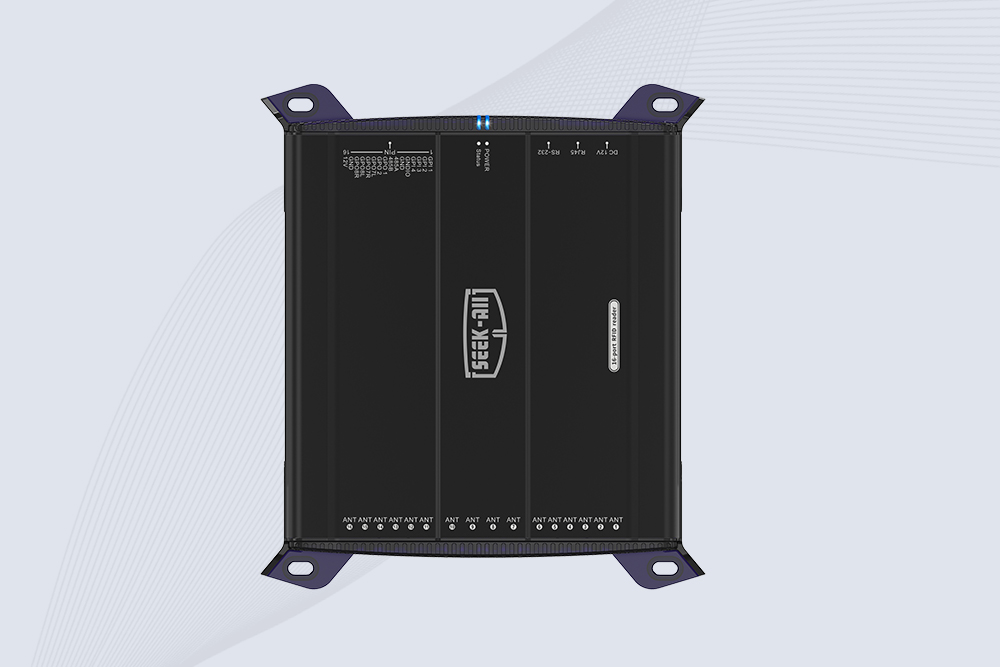
SSD-R16L Multi-Channel RFID Infrastructure for Automated Inventory Management ✔️ 16-Port High-Density RFID Reading Equipped with 16 SMA antenna ports, SSD-R16L supports multi-antenna deployment for warehouses, retail stores, logistics, production lines, and large-area RFID identification. ✔️ High-Speed & Long-Range Performance With up to 33…
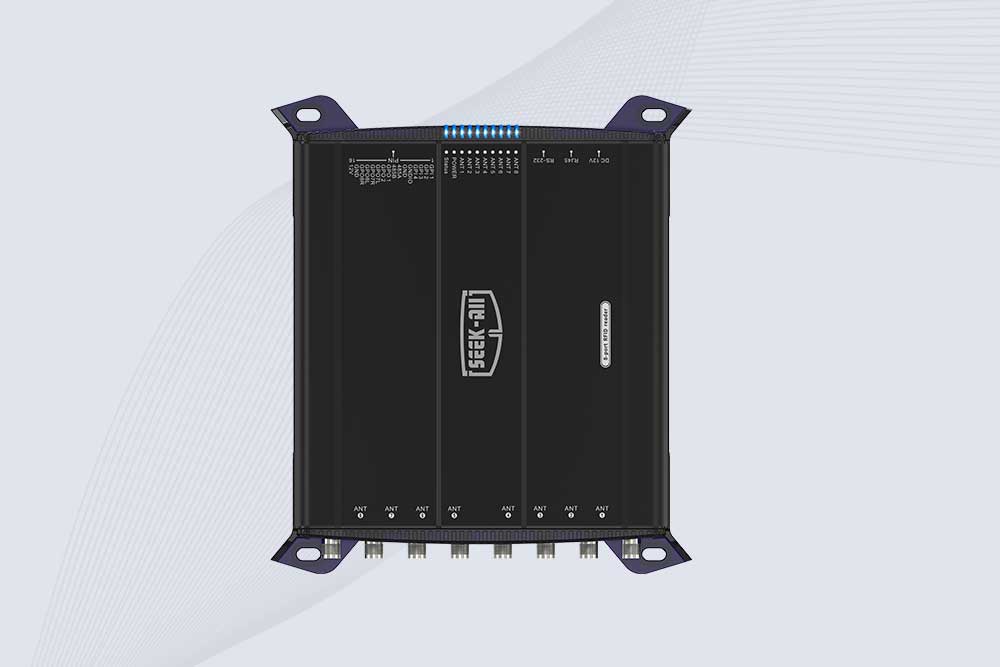
SSD-R8L 8-port UHF RFID reader with 33dBm output, up to 20m reading range and 600+ tags/s recognition. Ideal for warehouse, logistics, retail and asset tracking.
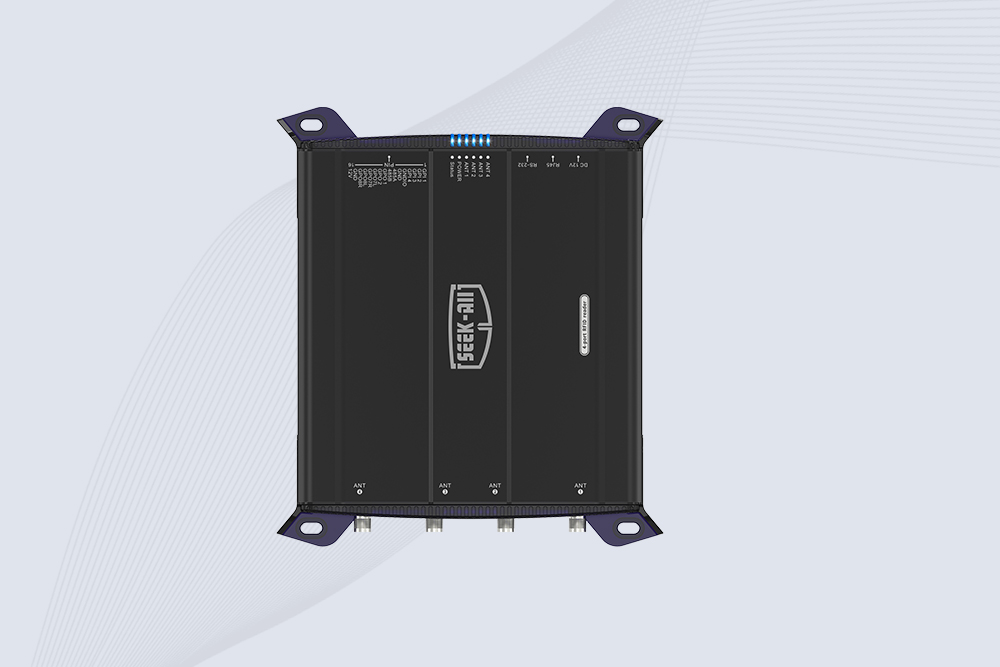
SSD-R4L is a 4-port UHF RFID fixed reader with 33dBm output power, up to 20m reading range, EPC C1G2 support and 600+ tags/s reading speed.
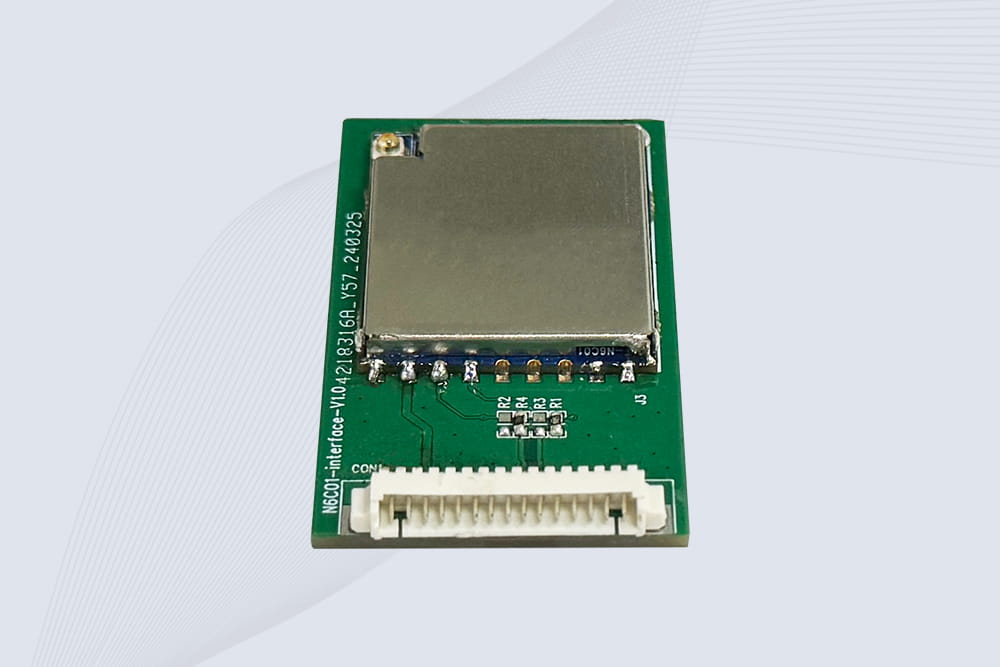
CYKEO Embedded RFID Modules are designed for compact industrial and IoT devices that require stable UHF performance. These UHF RFID Modules support global protocols, flexible power control, and reliable multi-tag reading for smart cabinets, production lines, and asset tracking systems.
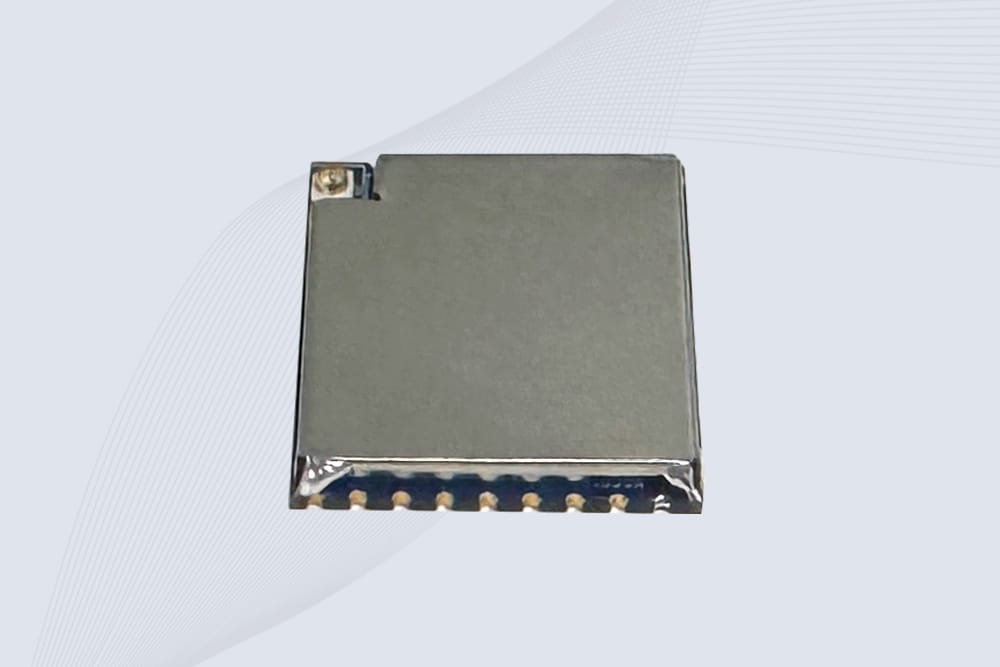
CYKEO Embedded RFID Module is built for compact IoT and industrial devices that need stable UHF performance. This UHF module supports global protocols, low power operation, and reliable multi-tag reading for smart lockers, production lines, and always-on RFID systems.
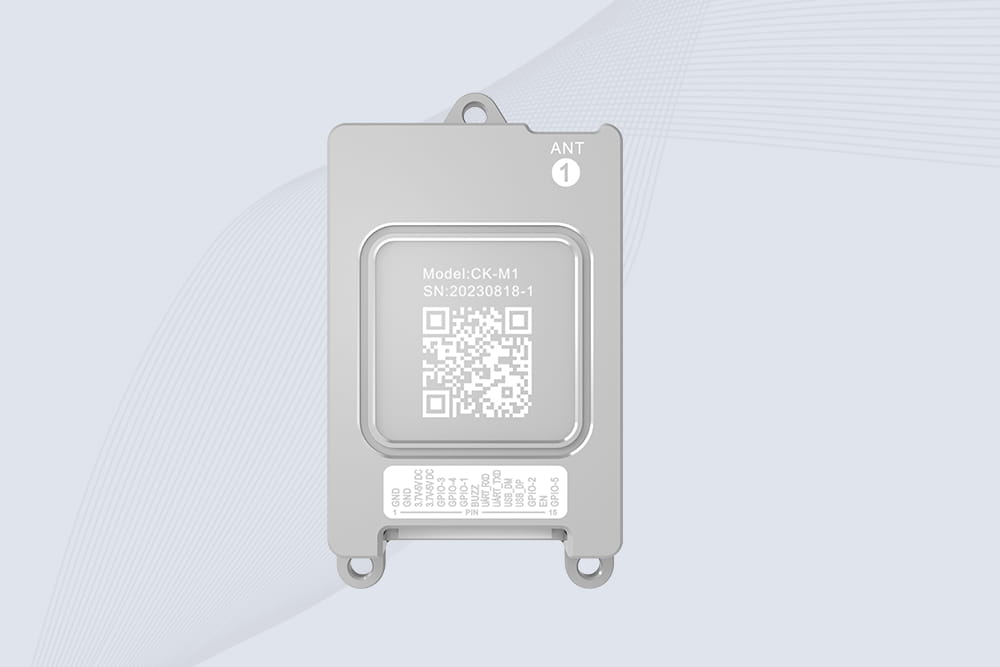
CYKEO CYKEO-M1 drone rfid module is a compact UHF RFID reader module designed for drones and UAV platforms. It supports long-range aerial scanning, fast multi-tag reading, and stable performance in wind, vibration, and outdoor environments.
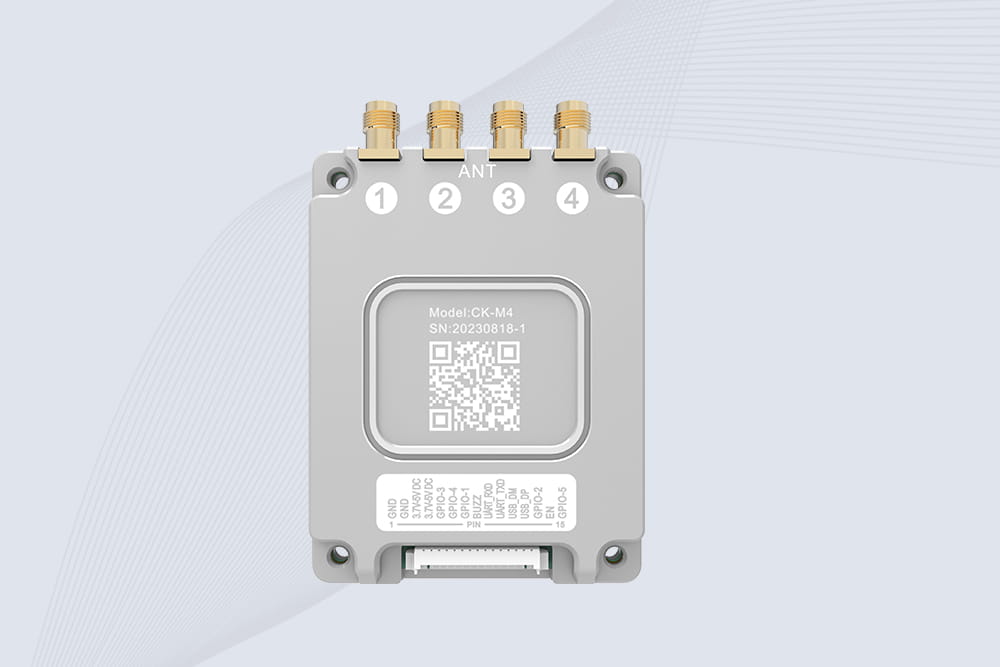
CYKEO CYKEO-M4 RC522 RFID Module is an industrial-grade UHF RFID reader with 4 ports, supporting ISO, EPC, and GB protocols. High-speed, accurate reading for IoT, automation, and warehouse applications.
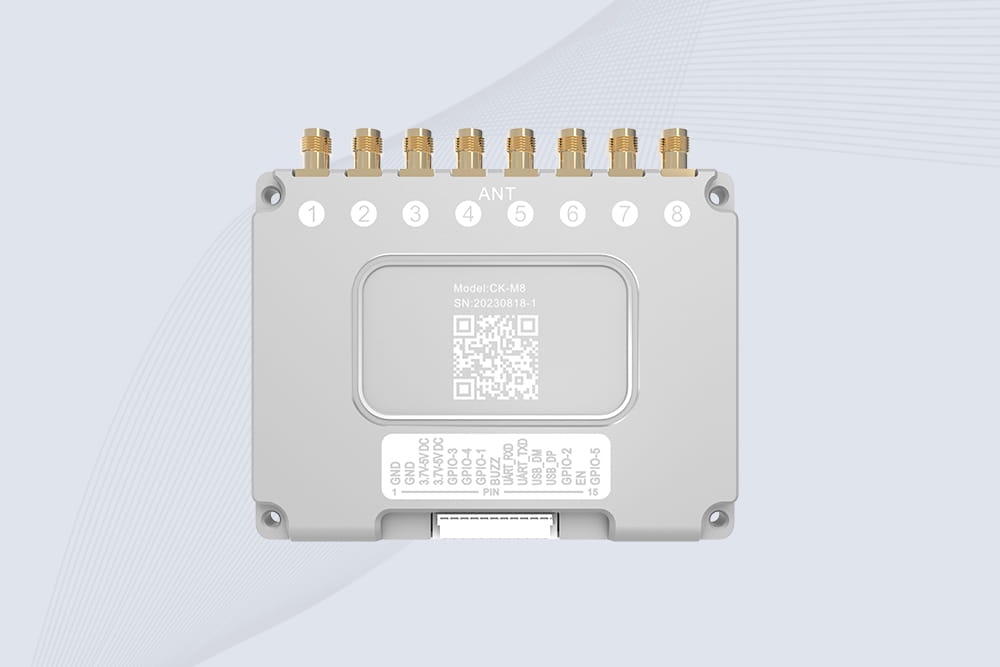
CYKEO CYKEO-M8 Module RFID is an 8-port UHF R2000 RFID Module designed for high-density, multi-tag environments. Stable 33dBm output, ISO & GB protocol support, ideal for warehouses, factories, and automated systems.
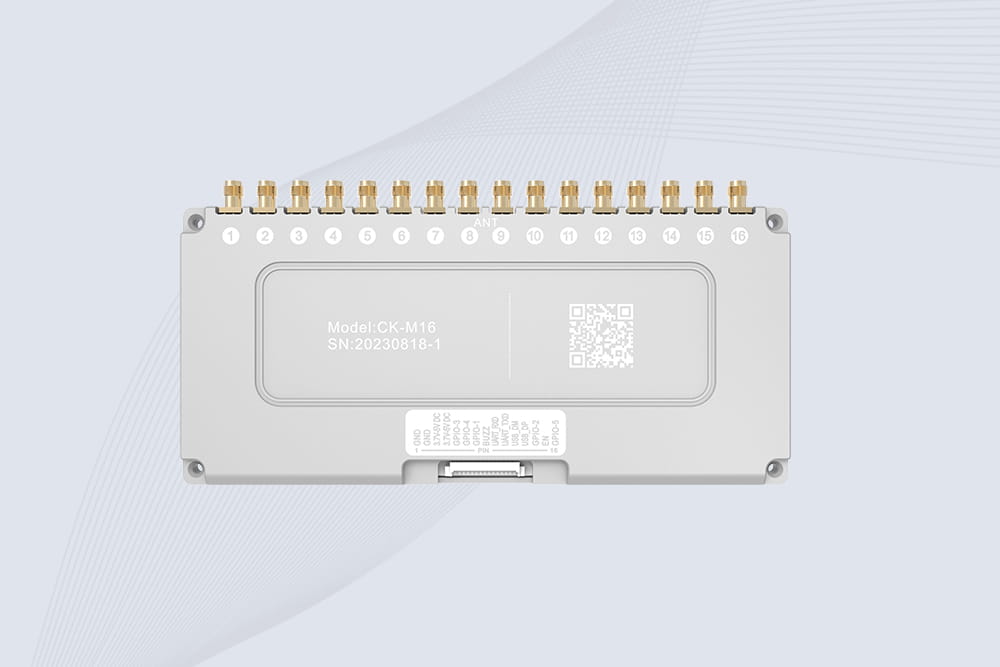
CYKEO CYKEO-M16 RFID Module is a 16-port UHF RFID reader module based on the R2000 chipset. Designed for dense tag environments, it supports ISO and GB standards and delivers stable multi-antenna control for industrial automation.
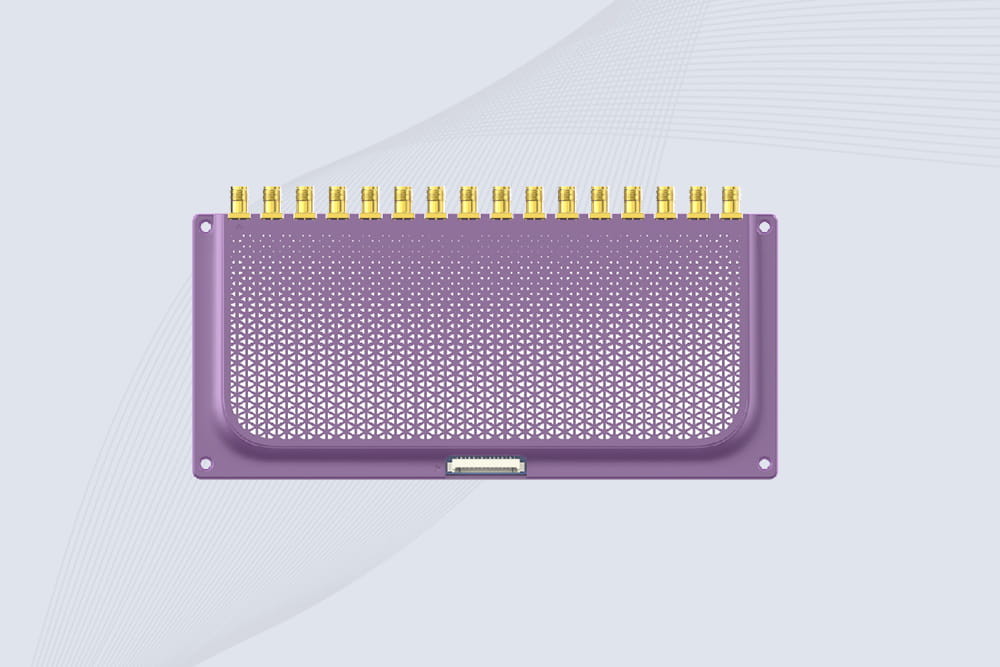
The CYKEO CYKEO-M16L RFID Reader Module is a 16-channel UHF RFID core designed for dense tag environments. With adjustable 33dBm output, multi-protocol support, and stable multi-antenna control, this RFID Tag Reader Module fits industrial automation, warehouse systems, and large-scale IoT deployments.
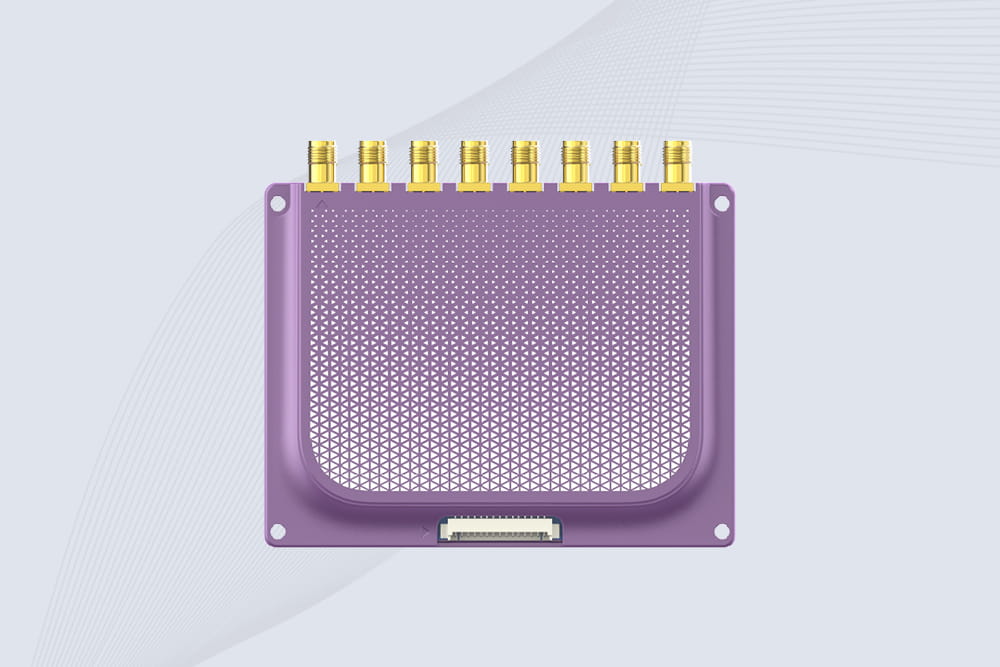
CYKEO CYKEO-M8L module RFID is a compact industrial UHF module built for dense tag and multi-antenna environments. With 8 RF ports, adjustable 33 dBm output, and ISO & GB protocol support, it is widely used in factories, warehouses, and automated tracking systems.
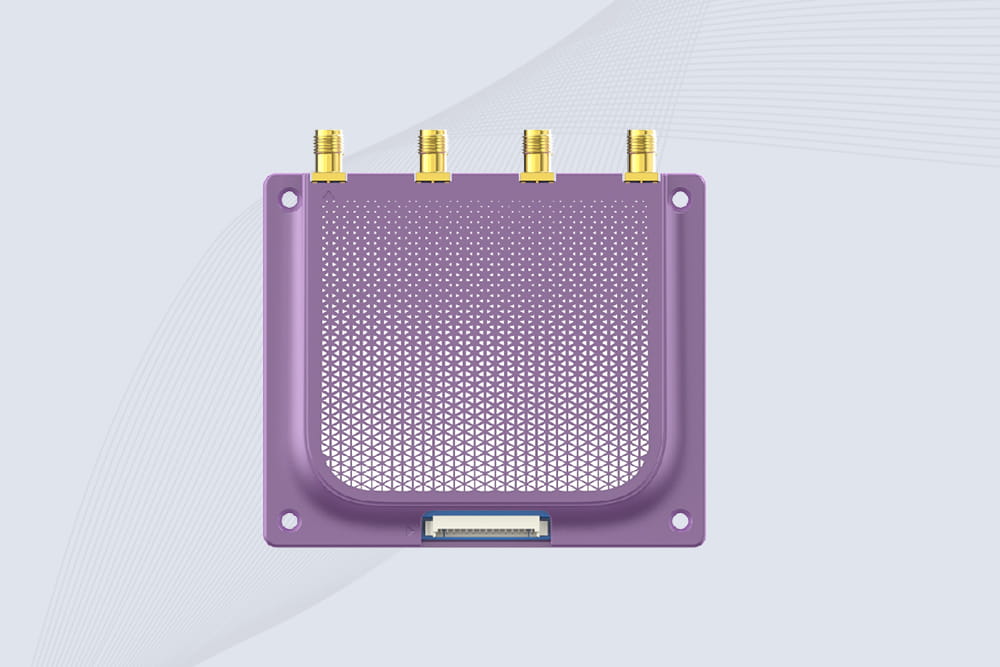
CYKEOCYKEO-M4L UHF RFID Module is a compact 4-channel RFID tag reader module designed for dense tag environments. Supporting ISO and GB protocols, it delivers stable reads up to 10 meters for industrial and IoT systems.
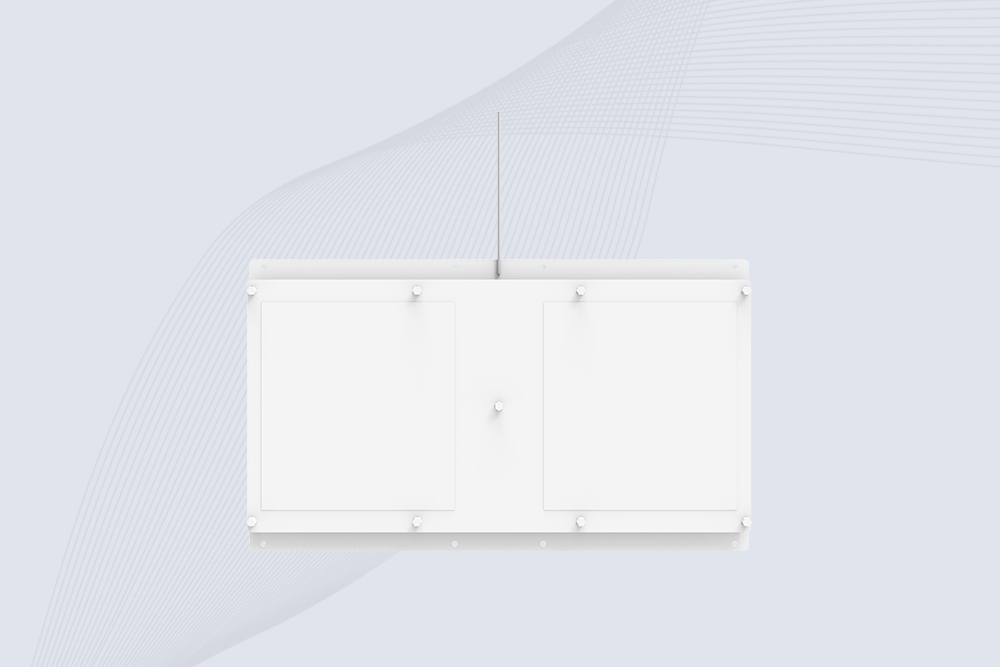
Cykeo CYKEO-A11 UHF RFID reader antenna delivers 11dBi gain, 840-960MHz frequency range, and IP65 ruggedness for retail, logistics, and industrial RFID systems. Features low VSWR and easy installation.
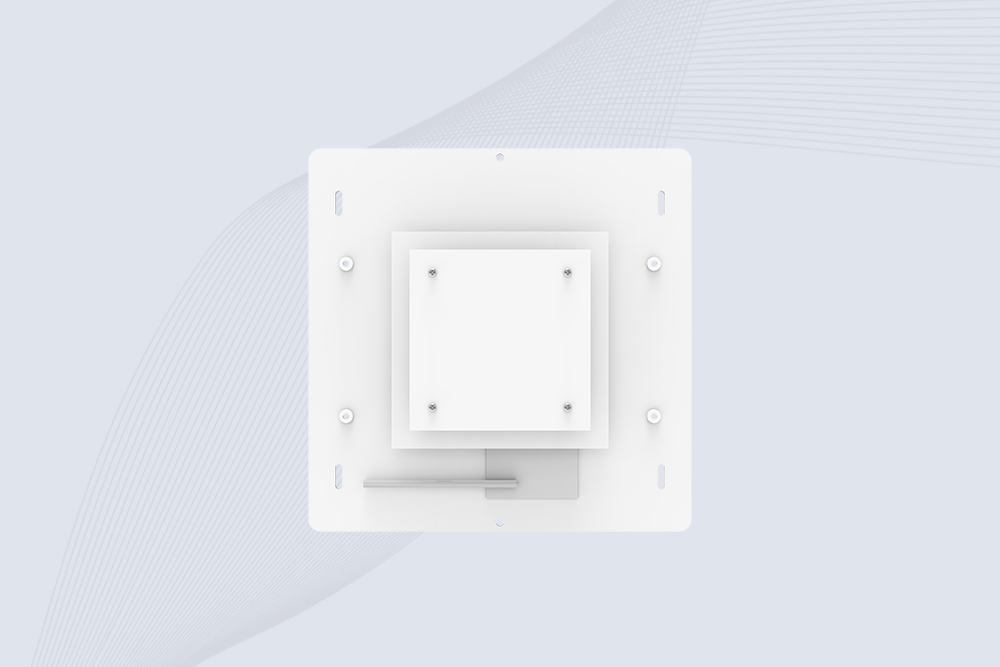
CYKEO Antenna RFID Reader delivers stable long-range UHF performance with a 10.5dBi directional design, built for warehouses, conveyor portals, and industrial RFID systems. This rfid reader antenna provides 20m+ read distance and rugged IP67 protection.

Cykeo CYKEO-PHF3 industrial HF RFID Antenna offers 24-point dynamic tracking, ISO 14443A/15693 protocols, metal-environment stability for archives/libraries/manufacturing.

Cykeo CYKEO-A5B industrial Linear RFID Antenna delivers 5dBi gain, ≤1.5:1 VSWR, and IP65 rugged design for warehouse, production line, and logistics UHF systems.

Cykeo’s CYKEO-B12 Long Range RFID Antenna delivers 15m+ read range with 12dBi gain, IP65 rugged design, and global 840-960MHz UHF support. Ideal for warehouse/logistics asset tracking.
Cykeo CYKEO-B10 Long Distance RFID Antenna offers 10dBi gain, 840-960MHz frequency range, IP65 rating, and 20m+ coverage for logistics/warehousing/ETC systems. Low VSWR ensures stable signal transmission.
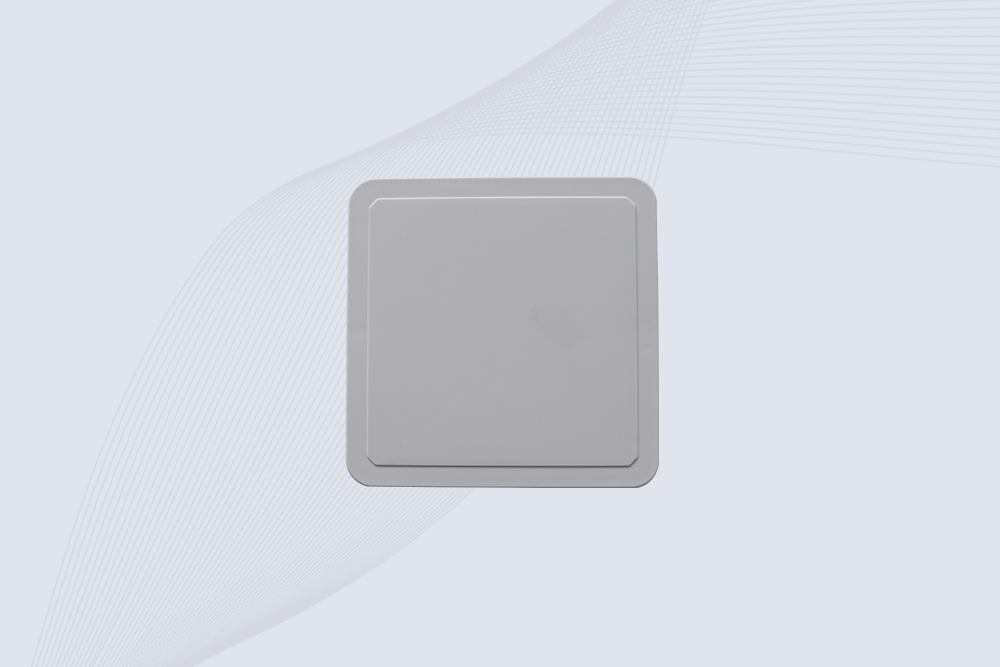
Cykeo CYKEO-A6 UHF RFID panel antenna features 6dBi gain, 840-960MHz broadband, IP65 metal-ready housing for logistics/smart retail. 18mm ultra-thin design with tool-free mounting.

Cykeo CK-A3 industrial antenna RFID UHF offers 5m+ tag detection, ≤1.3:1 VSWR, IP65 rugged design, and global UHF spectrum compatibility (840-960MHz) for warehouses, factories, and retail.
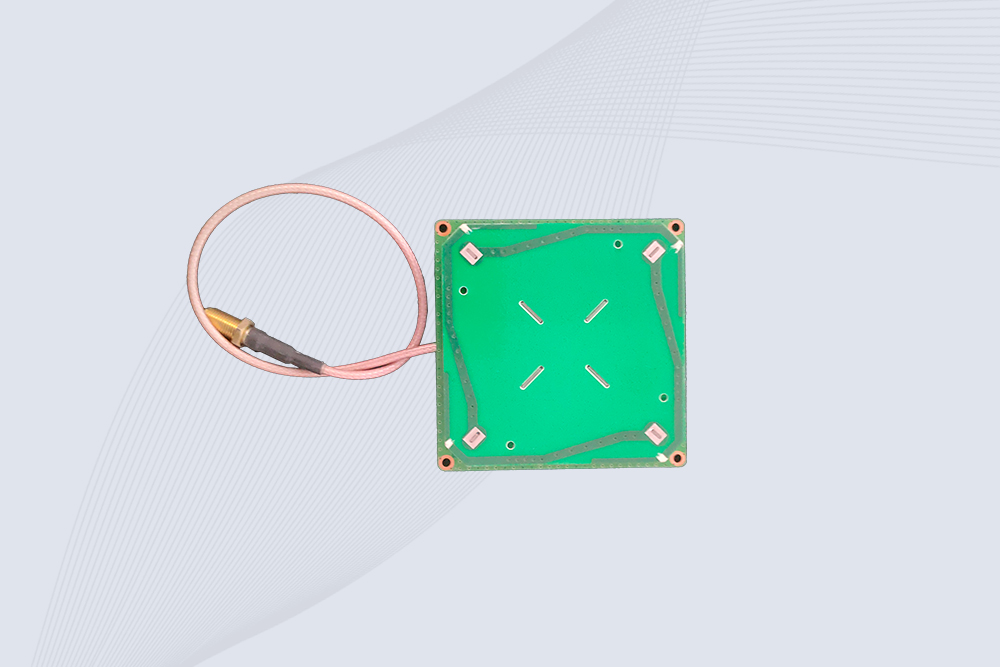
Cykeo CYKEO-B5 directional RFID antenna provides 5dBi gain with 60° narrow beamwidth for precise inventory tracking. IP65-rated, global UHF frequency support, and low VSWR.
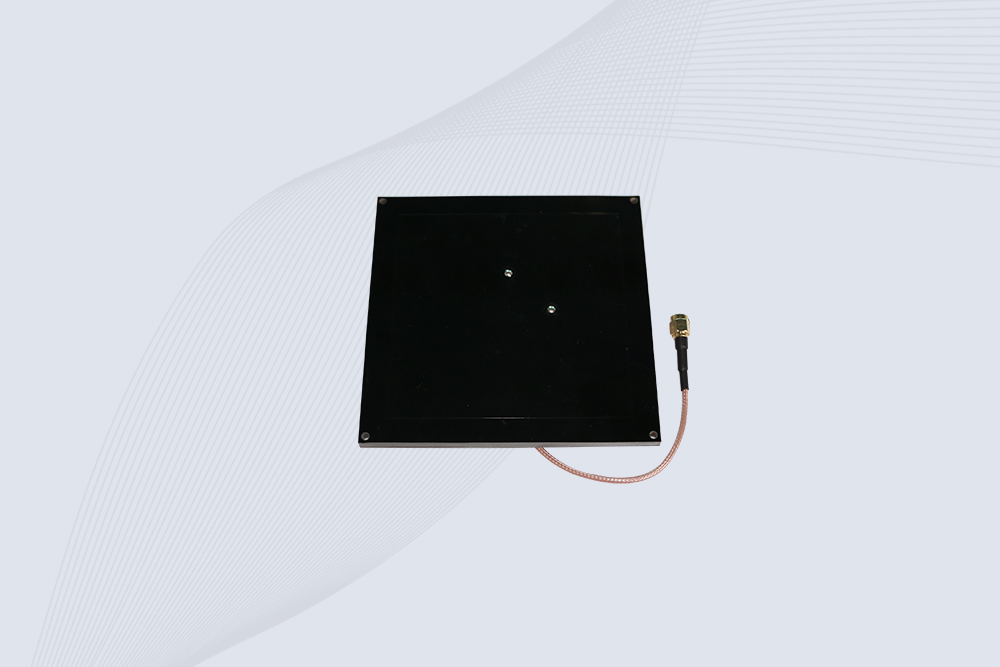
Create your own high-performance DIY RFID antenna! 5dBi gain, 840-960MHz tunable, step-by-step guides. Compatible with Arduino, Raspberry Pi, and commercial UHF readers.
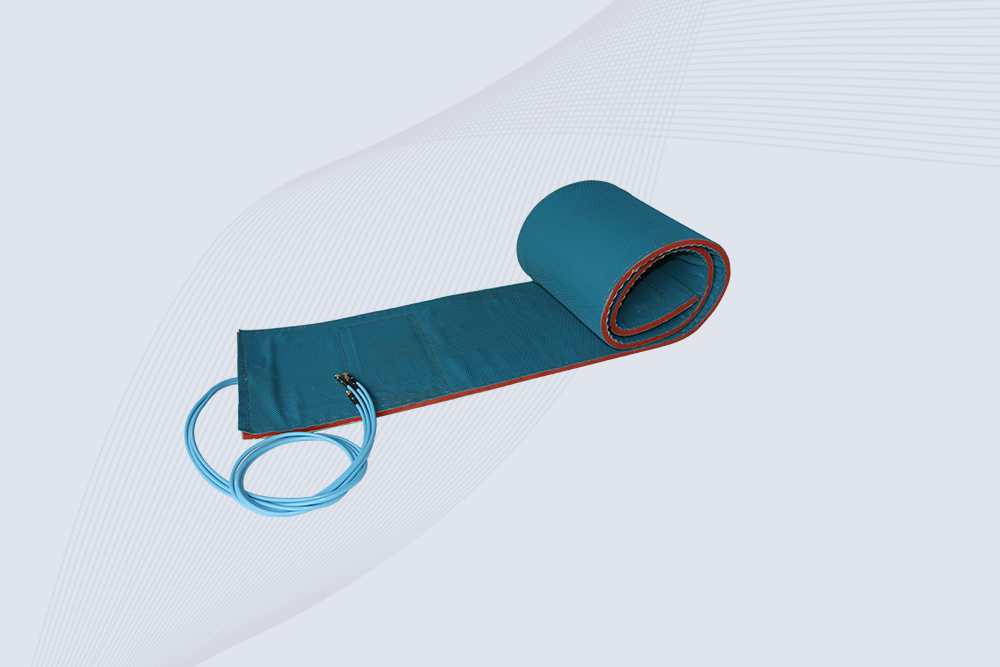
Cykeo CYKEO-A7 Flexible RFID Antenna features 840-960MHz wideband tuning, 7dBi gain, and IP68 rating for medical/retail/industrial curved surface deployments. 98% read accuracy with peel-and-stick installation.
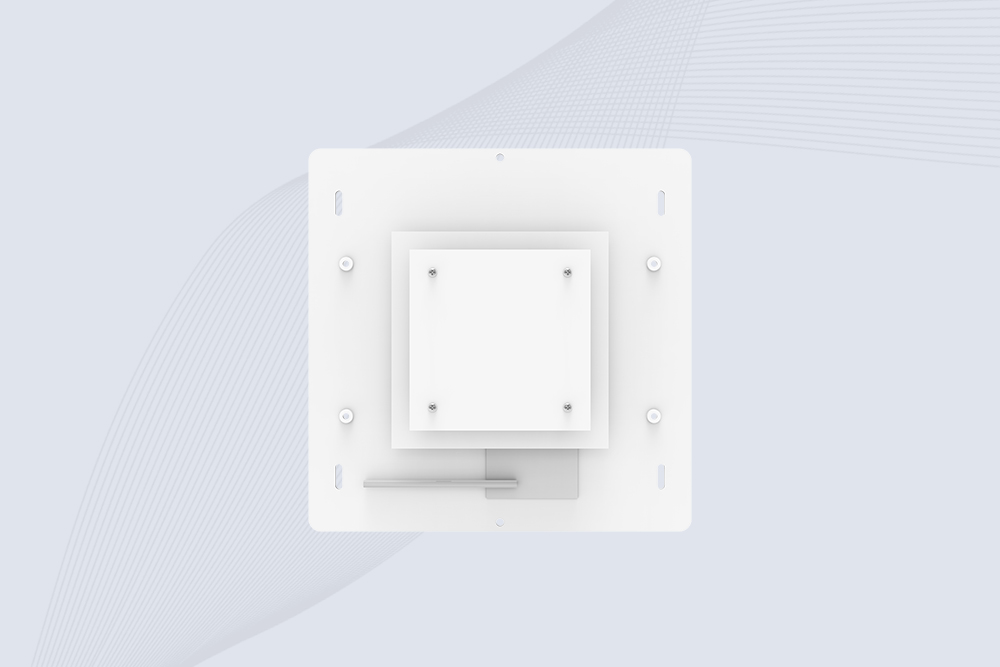
Cykeo CYKEO-B5A industrial Passive RFID Antenna delivers 5dBi gain, 70° beamwidth, and -40°C~55°C operation for warehouses/smart cabinets. Compatible with Zebra/Impinj readers.
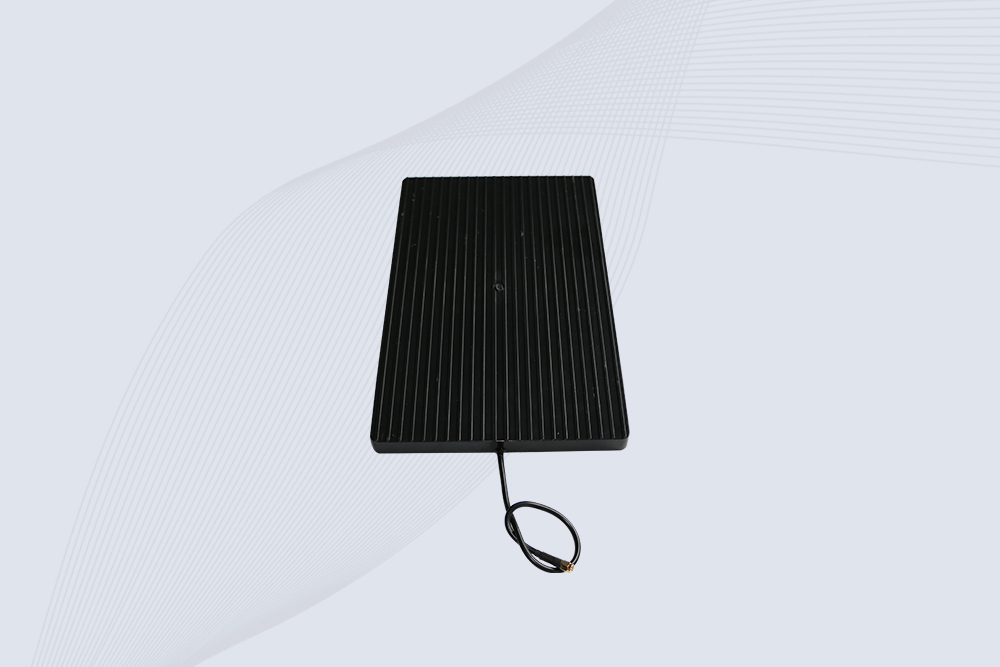
Cykeo’s CYKEO-A9B High Gain RFID Antenna delivers 15m+ read range with 9dBi amplification. Features IP54 rugged design, 840-960MHz bandwidth, and 80° beamwidth for warehouse/manufacturing RFID systems.

Cykeo’s enterprise-grade 8dbi Impinj RFID Antenna 10m+ read range with 840-960MHz tuning. Features IP65 housing, 1.4 VSWR, 35° beamwidth for retail/warehouse RFID systems.
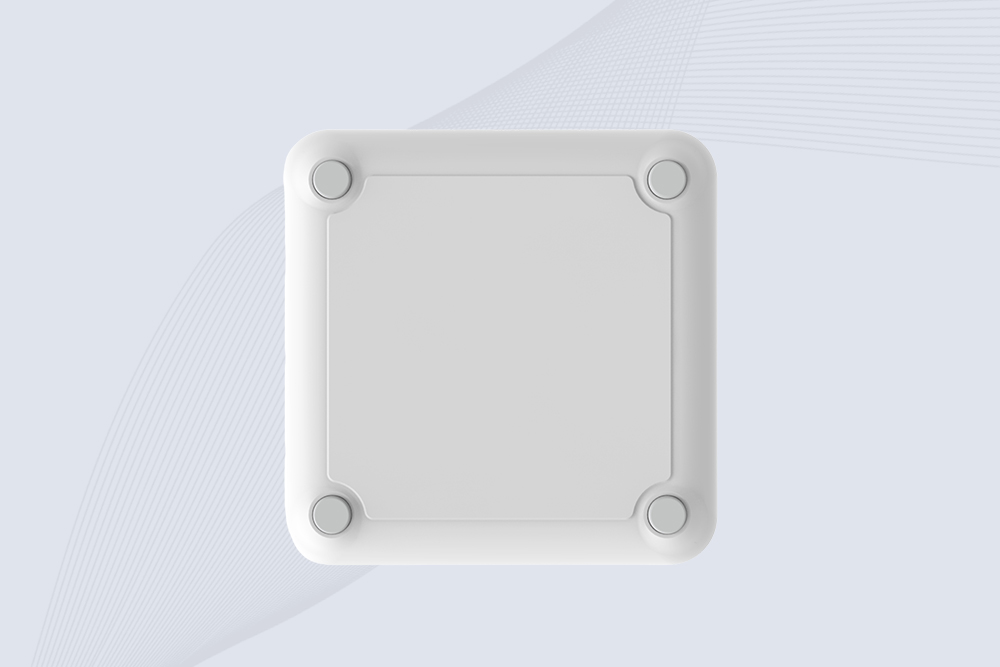
Cykeo CYKEO-A9 industrial UHF RFID antenna delivers 9dBi gain, 840-960MHz frequency range, and IP65 protection for warehouse/logistics/retail RFID systems. Features N-type connector and ≤1.3:1 VSWR.
CYKEO UHF RFID Antenna built for long-distance and industrial applications. This antenna rfid uhf delivers strong gain, outdoor durability, and reliable tag performance in warehouses, yards, and vehicle ID systems.
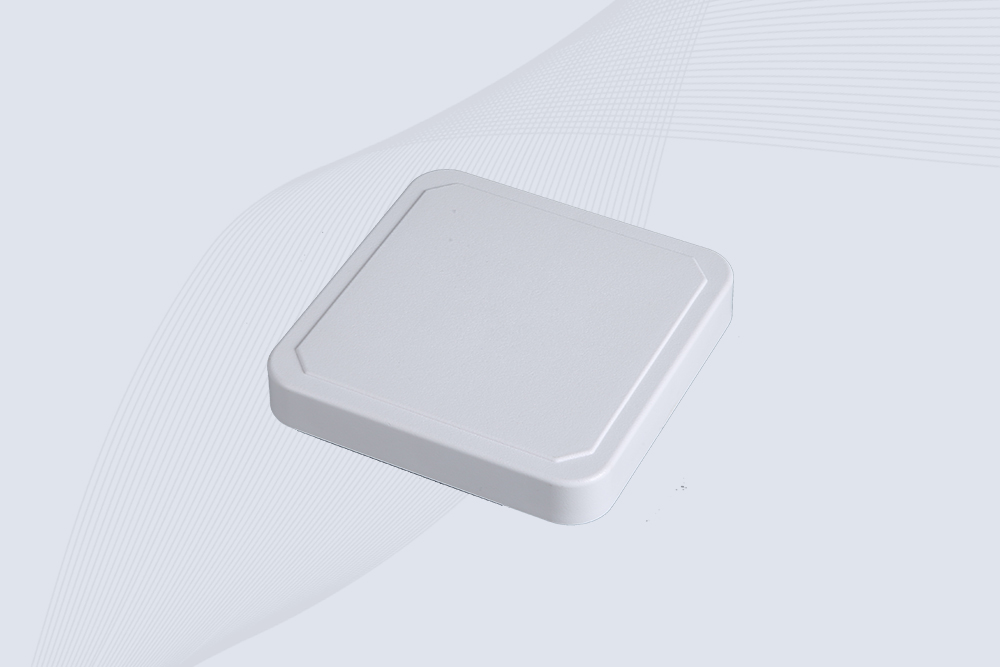
CYKEO Antenna RFID delivers reliable long-range UHF performance in warehouses, retail shelves, and cold-chain environments. This compact uhf rfid antenna provides stable reads with circular polarization and ultra-wide 840–960 MHz support, ideal for industrial tracking, smart shelves, and asset monitoring.
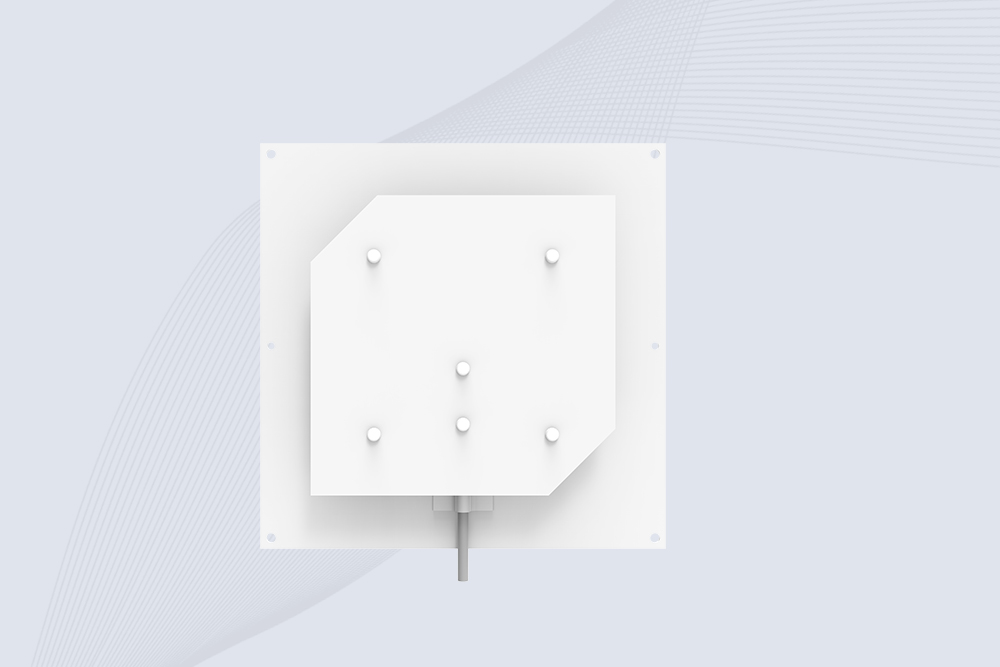
Cykeo’s CYKEO-C8 UHF RFID antennas delivers 8dBi gain, 840-960MHz full-band coverage, and IP65 ruggedness for manufacturing/warehouse RFID systems. Industrial RFID Antennas Features
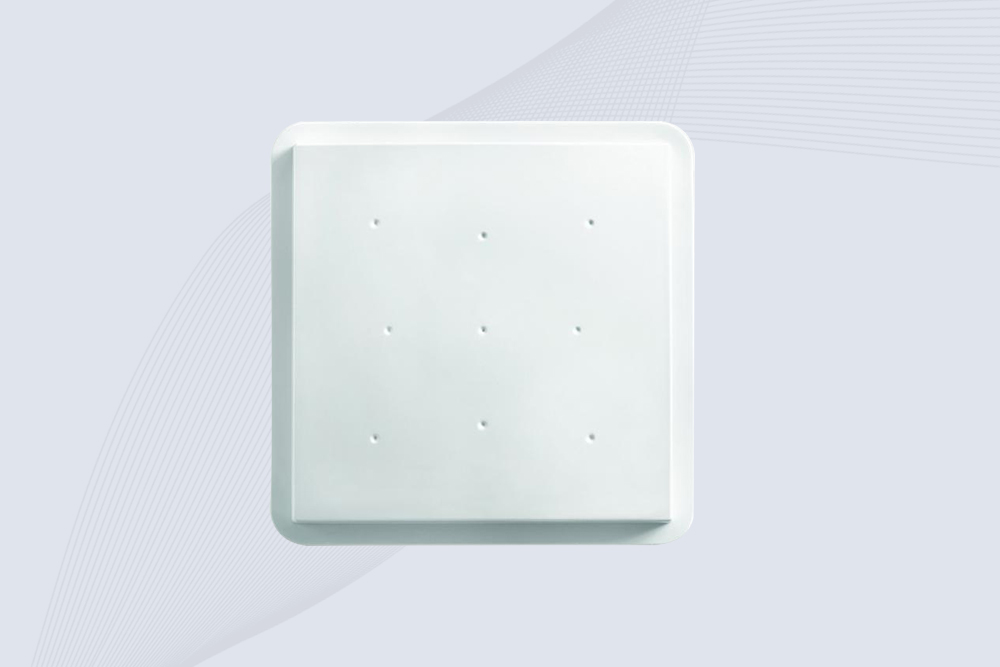
Cykeo’s 8dBi UHF RFID antenna and reader kit delivers 10m+ range, 840-960MHz broadband, and IP65 ruggedness for factories, warehouses, and logistics. ISO 18000-6C & EPC Gen2 certified.
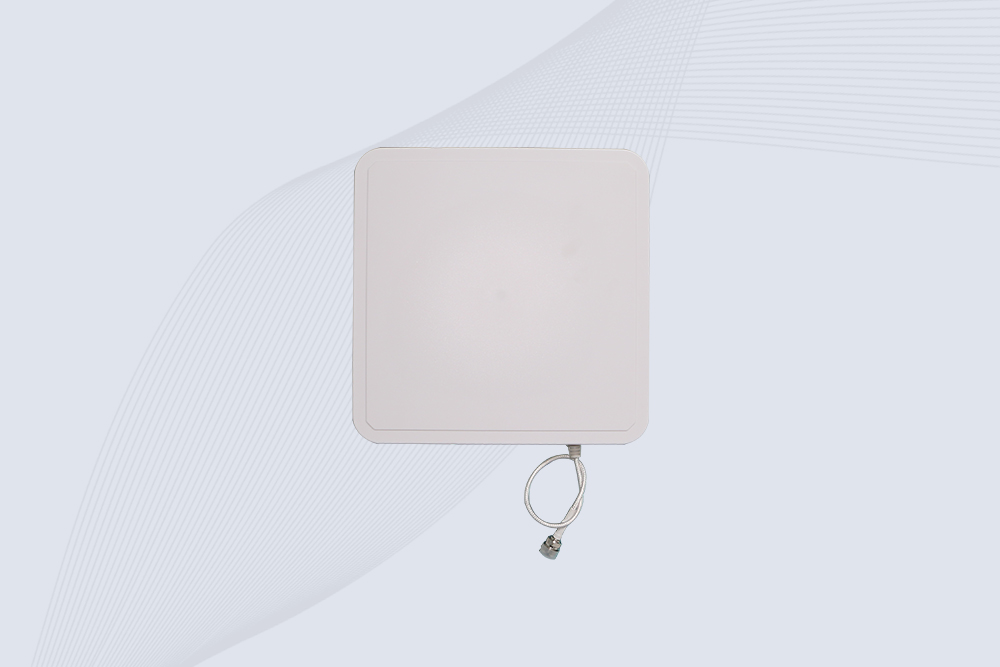
Cykeo CYKEO-A9A industrial UHF RFID reader and antenna kit delivers 10m range, 500 tags/sec, IP65 ruggedness for manufacturing/logistics. Supports EPC Gen2, ISO18000-6C.
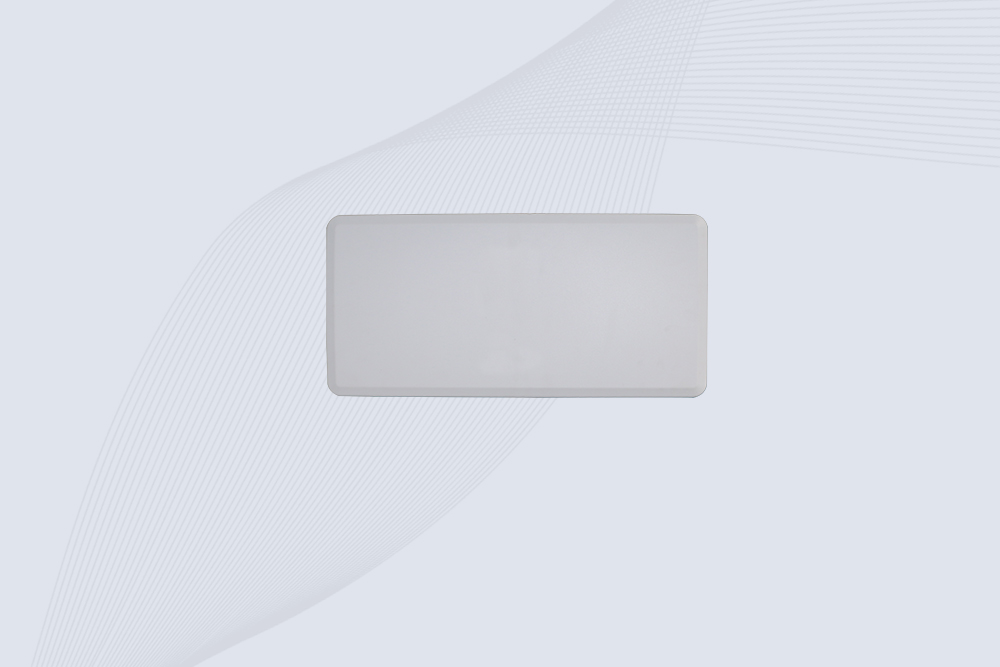
Cykeo’s CYKEO-A12C UHF Large RFID Antenna delivers 12dBi gain, 840-960MHz global frequency, IP65 ruggedness for logistics/warehousing/automotive. 40° beamwidth ensures stable 15m+ tag reads.

CYKEO Near Field RFID Antenna provides precise 5–30 cm reading for shelves, cabinets, and workstations. This compact rfid shelf antenna delivers stable short-range performance around metal and clutter, ideal for pharmacies, libraries, and electronics sorting.
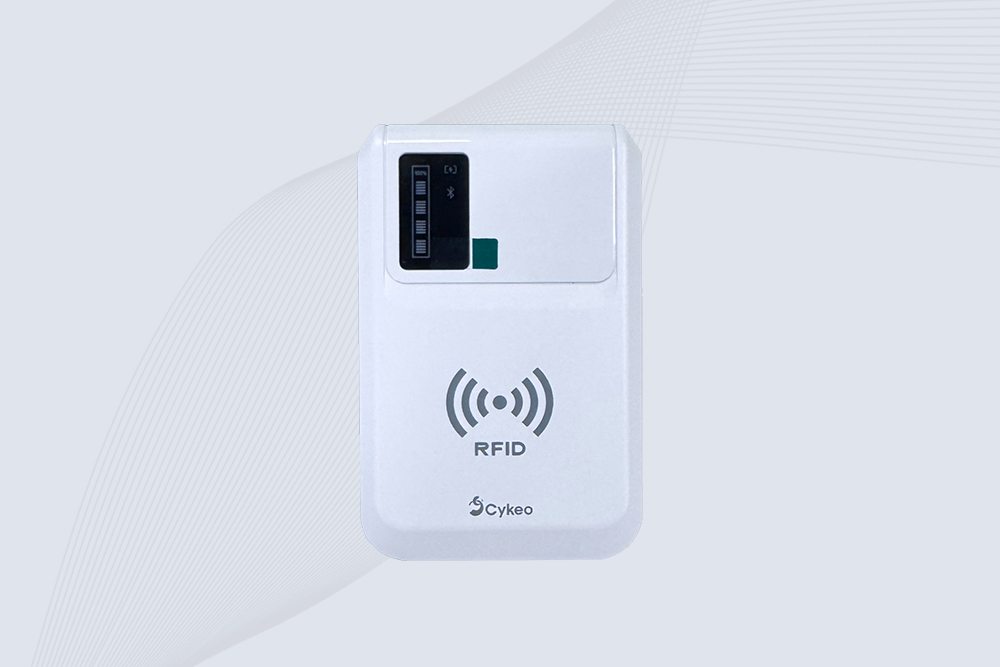
Cykeo CYKEO-B5L portable iPhone RFID reader features 8m range, 500 tags/sec scanning, and built-in 10000mAh charger. Perfect for retail/warehouse teams needing iOS integration.
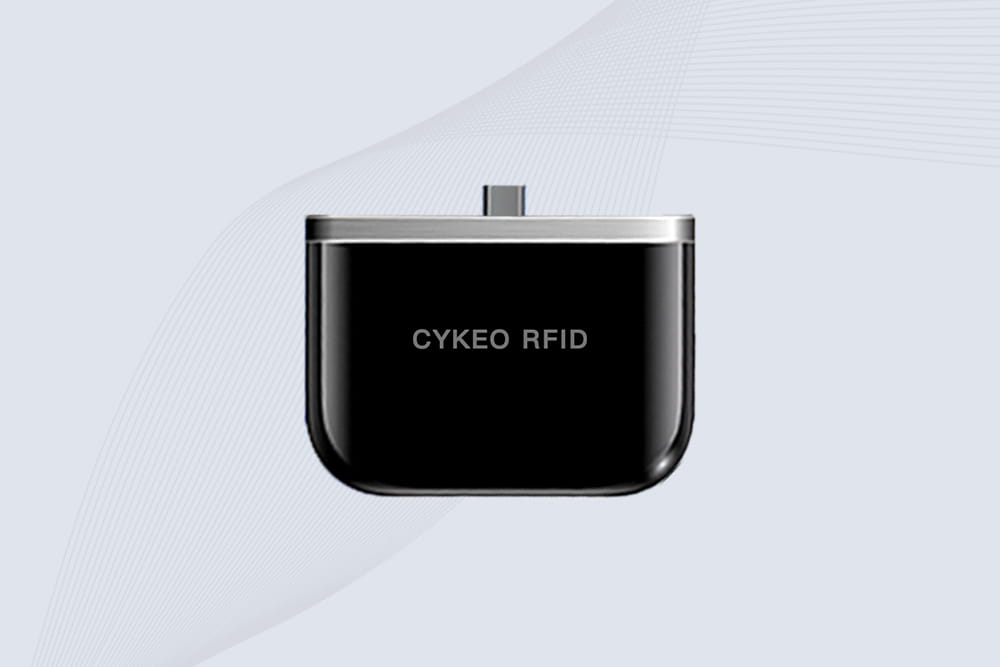
Cykeo CYKEO-B4L Android RFID reader features 37g magnetic phone attachment, 30cm UHF scanning, and Java/C# SDK for mobile asset tracking. Ideal for anti-counterfeit and warehouse verification.
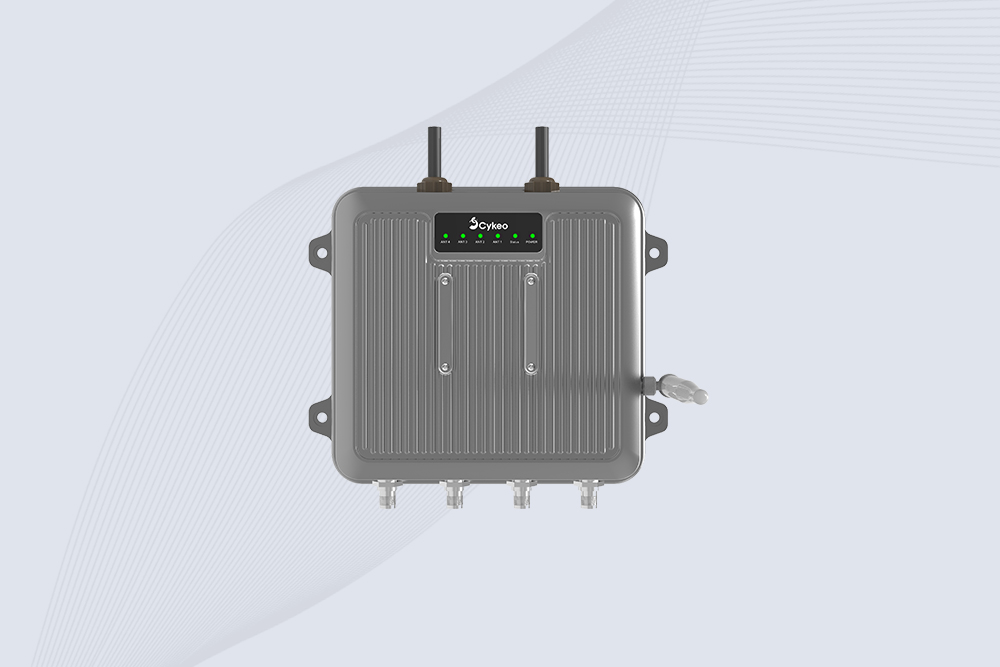
Cykeo CYKEO-C1 industrial Forklift RFID Reader features 20m read range, 600 tags/sec scanning, Impinj R2000 chipset, and IP67 rugged design. Ideal for warehouse logistics and manufacturing. Supports ISO 18000-6C/6B protocols.
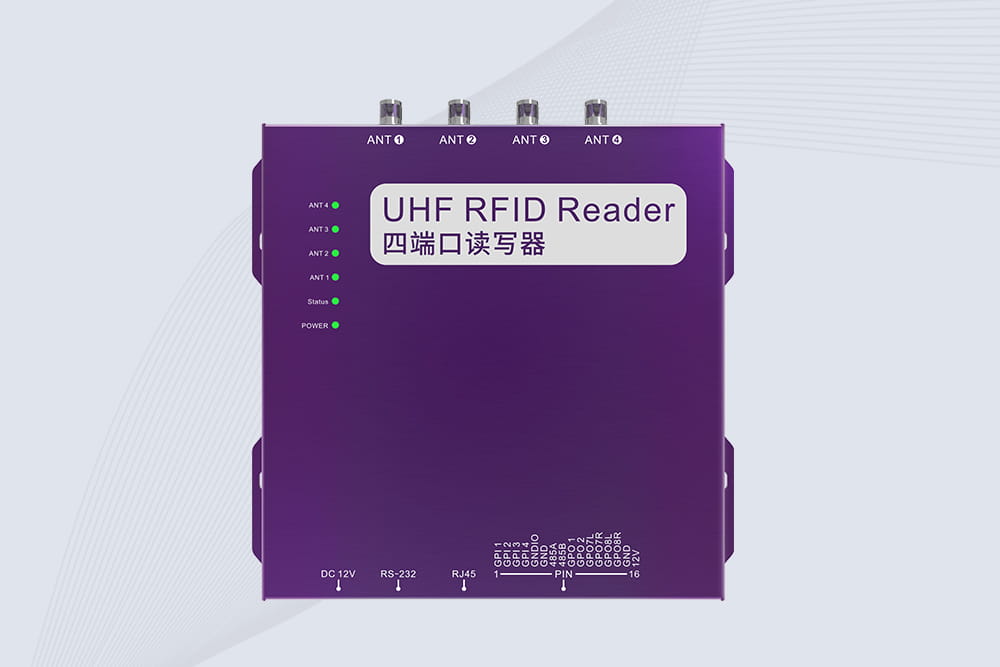
Cykeo CYKEO-R4 industrial UHF RFID Fixed Reader features 4 TNC ports, 400+ tags/sec speed, IP67 housing, and global frequency compliance for vehicle inspection, smart warehouse, and asset management systems.
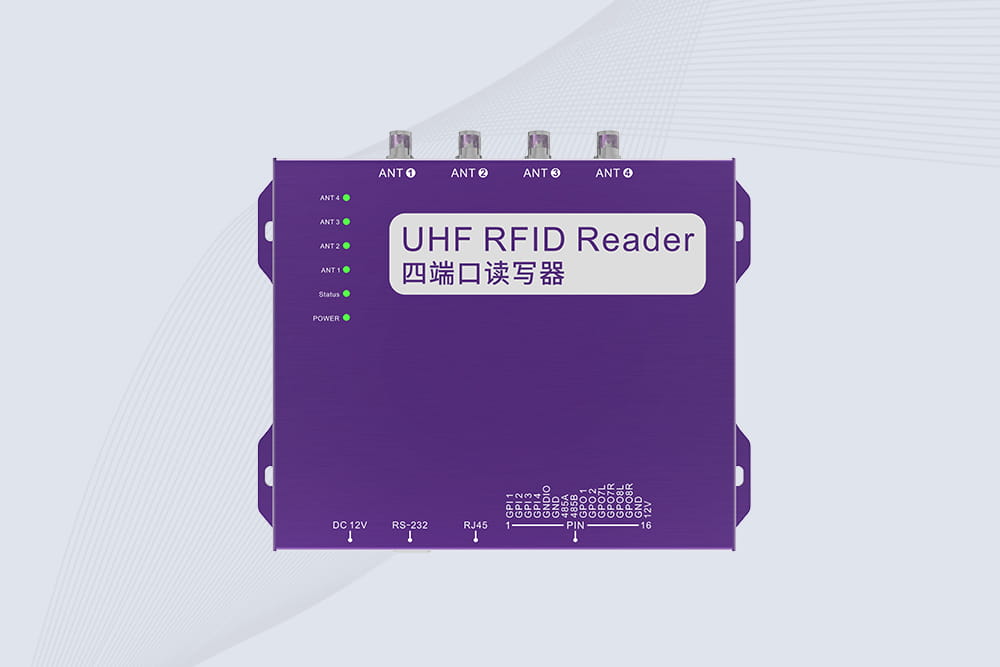
Cykeo’s CYKEO-R4L 4-port Fixed UHF RFID Reader delivers 400 tags/sec scanning, ISO 18000-6C compliance, and IP65 protection. Ideal for warehouse automation, manufacturing WIP tracking, and logistics management.
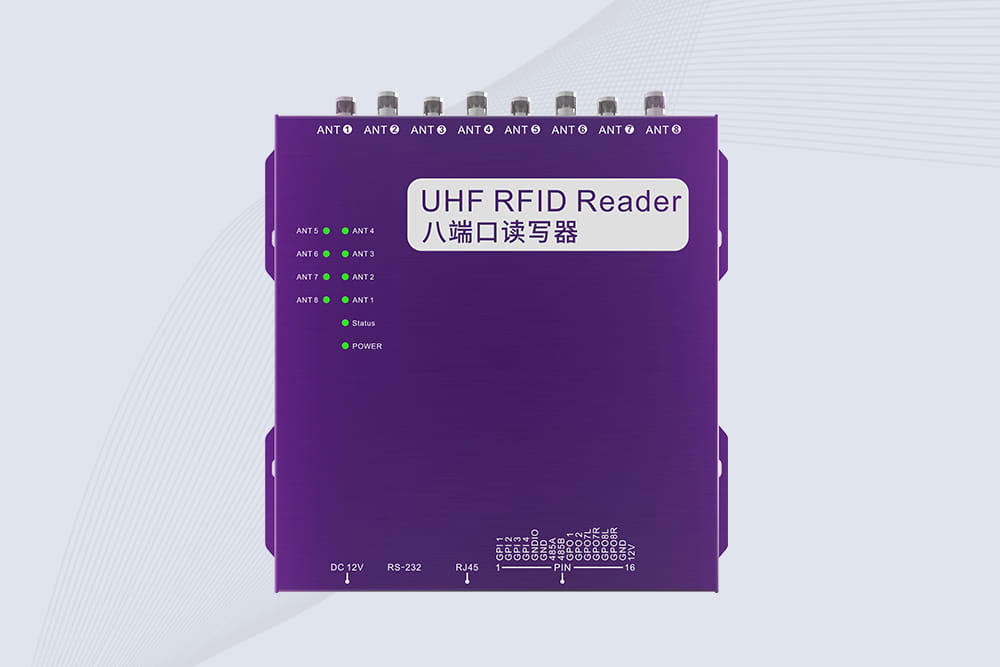
CYKEO CYKEO-R8L Fixed RFID Reader with 8-port UHF design, Impinj-based RF core and up to 20m read range. An industrial Fixed RFID Reader for vehicle inspection, warehouse portals, smart manufacturing lines and secure access checkpoints.
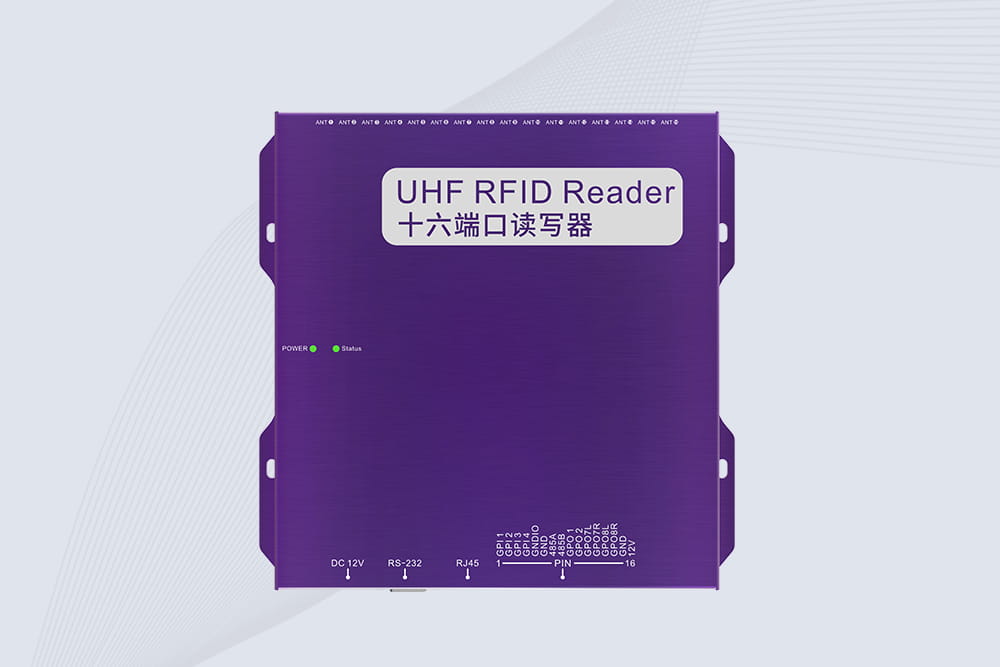
RFID Fixed Reader from CYKEO – the CYKEO-R16L 16-port UHF fixed reader for warehouses, smart cabinets, and production lines. Long-range, multi-tag reading, stable performance for 24/7 industrial use.

Struggling with weak RFID signals? Learn how to boost antenna range using software tweaks, placement hacks, and free tools—no extra hardware needed.
More
Wondering why your Washington State ID has an RFID antenna? We explain its purpose for enhanced security, REAL ID compliance, faster border crossings, and address privacy concerns.
More
Struggling with RFID reader connectivity issues? Learn how to diagnose and fix common problems like signal loss, IP conflicts, and interference.
More
RFID library system built around smart RFID cabinets, antennas, and readers. Suitable for system integrators and solution providers seeking flexible deployment.
More