 Cykeo RFID IoT Solution Products R&D Manufacturer
How to Choose the Best Handheld RFID Scanner for Your Business
879Discover the key factors to consider when selecting a handheld RFID scanner for your business, from durability to software compatibility. Make an informed choice.
MoreAll RFID Product
A RFID card is a smart identification device that uses radio frequency communication to store and exchange data wirelessly with an RFID reader. It contains an embedded chip and antenna, enabling fast identification, access control, payment, and asset management without physical contact.
When people ask what is a rfid card, they are usually trying to understand how a simple-looking plastic card can replace traditional barcode labels, magnetic stripes, or manual identification processes.
An RFID card is built with three core components:
| Component | Function |
|---|---|
| RFID Chip | Stores unique identification data such as UID or EPC information |
| RFID Antenna | Receives energy and communicates with RFID readers |
| Card Material | Protects internal components and provides a durable physical form |
Unlike barcodes, RFID cards do not require direct visual alignment. A reader sends radio frequency signals, activates the RFID chip, and receives stored information through wireless communication.
During Cykeo RFID system deployments, engineers often observe the difference during daily operations. In a traditional environment, employees may spend several seconds scanning individual barcodes. With RFID cards, multiple tagged objects can be identified almost instantly, reducing repetitive manual handling.
The practical value is not only speed. The key change is that organizations move from “searching for information” to “automatically capturing information.”
The working principle of an RFID card follows a simple but highly optimized process:
For example, Cykeo RFID smart workstations use RFID reading technology to associate card or tag EPC information with managed objects. During registration, each RFID identifier can be linked with database records, creating a reliable digital identity for physical items.
Not every RFID card is designed for the same environment. Frequency selection, reading distance, memory capacity, and operating conditions determine the final application.
| RFID Card Type | Frequency | Typical Reading Range | Common Applications |
|---|---|---|---|
| LF RFID Card | 125 kHz | Short range | Animal identification, basic access systems |
| HF RFID Card | 13.56 MHz | Several centimeters | Smart cards, libraries, NFC applications |
| UHF RFID Card | 860–960 MHz | Several meters | Logistics, asset tracking, industrial management |
According to the RFID Journal industry overview, RFID adoption has expanded across retail, manufacturing, healthcare, transportation, and supply chain management because organizations need more accurate real-time data collection.
The GS1 RFID Standards framework also defines EPC-related identification methods widely used in global supply chain applications.
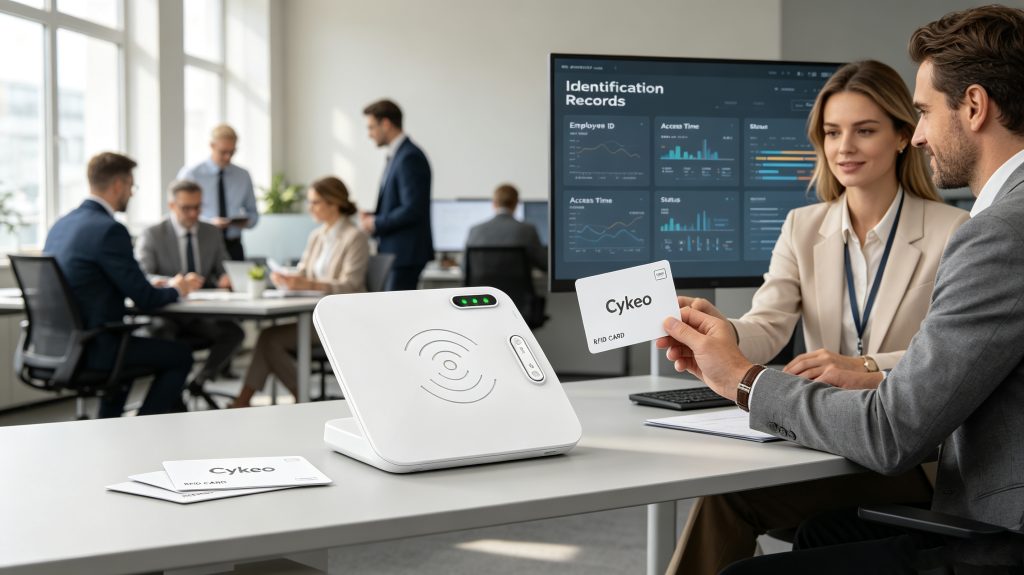
The reason many organizations replace conventional cards or manual records with RFID technology is reliability.
A barcode requires a visible scan path. A magnetic stripe requires physical contact. RFID works through wireless communication.
In real projects, several details determine whether an RFID card system performs well:
For industrial and enterprise applications, RFID cards are often combined with RFID workstations, fixed rfid readers, handheld rfid scanners, and management software.
Cykeo engineers have worked with RFID identification systems where the biggest challenge was not reading a single card. The difficult part was maintaining stable recognition when hundreds or thousands of tagged items entered the workflow.
That is why professional RFID solutions focus on controlled reading areas, reliable communication, and accurate database association rather than simply increasing reading distance.
A professional RFID card system is not only about storing an ID number inside a chip. The real performance comes from the interaction between the card, reader hardware, communication protocol, and management software.
During Cykeo RFID solution testing, engineers often evaluate RFID cards under conditions that are closer to daily operations than laboratory demonstrations. A card that performs well on a clean desk may behave differently near metal surfaces, dense storage areas, or multiple electronic devices.
Several technical factors directly influence RFID card reliability:
| Technical Factor | Impact on RFID Card Performance |
|---|---|
| Frequency Band | Determines communication distance and application suitability |
| Chip Memory | Defines how much identification data can be stored |
| Antenna Design | Affects reading stability and communication efficiency |
| Reader Performance | Determines recognition speed and multi-card capability |
| Software Integration | Converts RFID data into usable business information |
For example, Cykeo RFID workstations are designed around controlled reading environments. Instead of creating unnecessary long-distance detection, the system focuses on accurate identification within a defined working area.
This approach is especially important in hospitals, libraries, archives, and government environments where accidental reading of nearby items can create incorrect records.
One of the most valuable applications of RFID cards is creating a digital identity for physical objects.
Traditional management methods often rely on:
RFID-based systems introduce automatic identification.
A typical RFID card management workflow includes:
| Step | Process |
|---|---|
| 1 | RFID card receives a unique identifier |
| 2 | Card information is registered in management software |
| 3 | Physical object is linked with RFID data |
| 4 | Readers capture information during operation |
| 5 | Software updates records automatically |
The concept is simple, but implementation quality determines the result.
In a library environment, for example, RFID cards and tags allow staff to process collections faster while reducing repetitive scanning work. In hospitals, RFID identification helps associate equipment, files, and supplies with accurate digital records.
The National Institute of Standards and Technology (NIST) has highlighted the importance of automated identification technologies in improving operational efficiency and data accuracy across industrial systems.
At Cykeo, RFID system development focuses on solving operational problems rather than only demonstrating hardware specifications.
A common situation during deployment is the initial registration stage.
Hundreds or thousands of RFID cards may need to be encoded, tested, and linked with database information. Manual writing becomes inefficient and increases the possibility of human mistakes.
Cykeo RFID desktop encoding devices and smart workstations are designed for this stage.
Key capabilities include:
For professional card issuing environments, uncontrolled reading distance can become a problem.
Cykeo RFID desktop solutions use near-field antenna technology to create a controlled operating zone:
| Feature | Performance |
|---|---|
| Reading Range Control | Within approximately 30 cm |
| Writing Range Control | Within approximately 10 cm |
| Communication | Mini USB |
| Development Support | C# and Java resources |
This controlled approach is useful when operators need to write one specific RFID card without affecting surrounding cards.
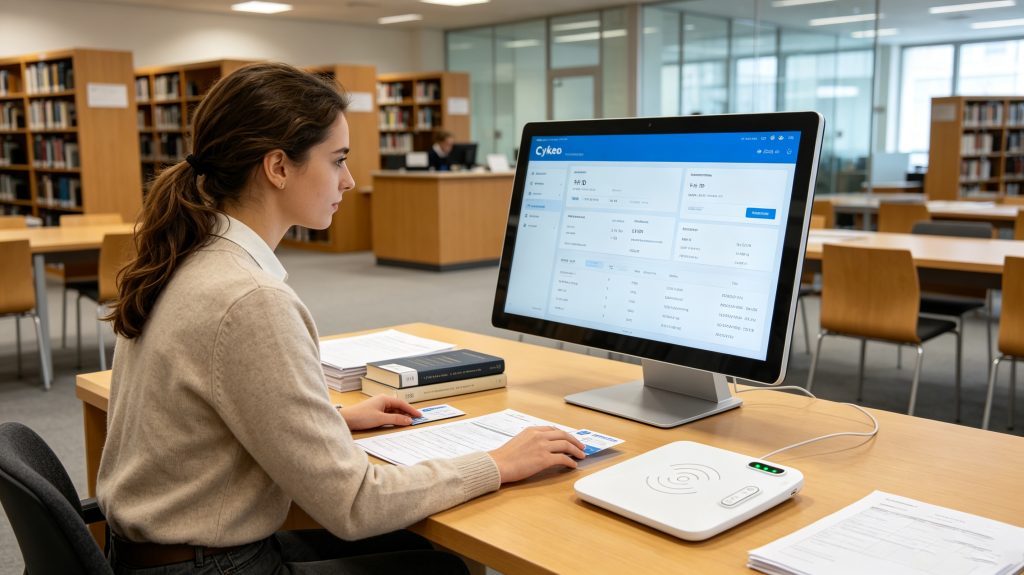
RFID cards have moved beyond simple access control. Today, they are used wherever organizations need reliable identification.
Hospitals use RFID technology for:
A major advantage is traceability. Staff can identify the location and status of important assets without relying entirely on manual records.
RFID cards and tags support:
In archive centers, RFID identification helps maintain accurate records of valuable documents and files.
Industrial environments use RFID cards for:
The ability to capture information automatically makes RFID valuable in environments where speed and accuracy directly affect productivity.
An RFID card is used for wireless identification and data exchange. Common applications include access control, payment systems, library management, employee identification, and asset tracking.
Most RFID cards are passive devices and do not require batteries. They receive energy from an RFID reader’s electromagnetic field and respond by transmitting stored information.
The reading distance depends on the RFID frequency, card design, and reader performance.
Typical ranges include:
| RFID Type | Approximate Range |
|---|---|
| LF Card | Few centimeters |
| HF Card | Several centimeters |
| UHF Card | Several meters |
Yes, RFID cards can store identification data, but many systems store only unique identifiers while keeping detailed information in secure databases.
Professional RFID deployments usually separate card identity from sensitive information to improve security.
RFID cards provide several advantages:
However, the correct technology depends on the application environment.
Cykeo combines RFID hardware, encoding equipment, and software integration to create practical identification systems. From RFID card registration to database management, the goal is to make physical assets easier to identify, track, and control.
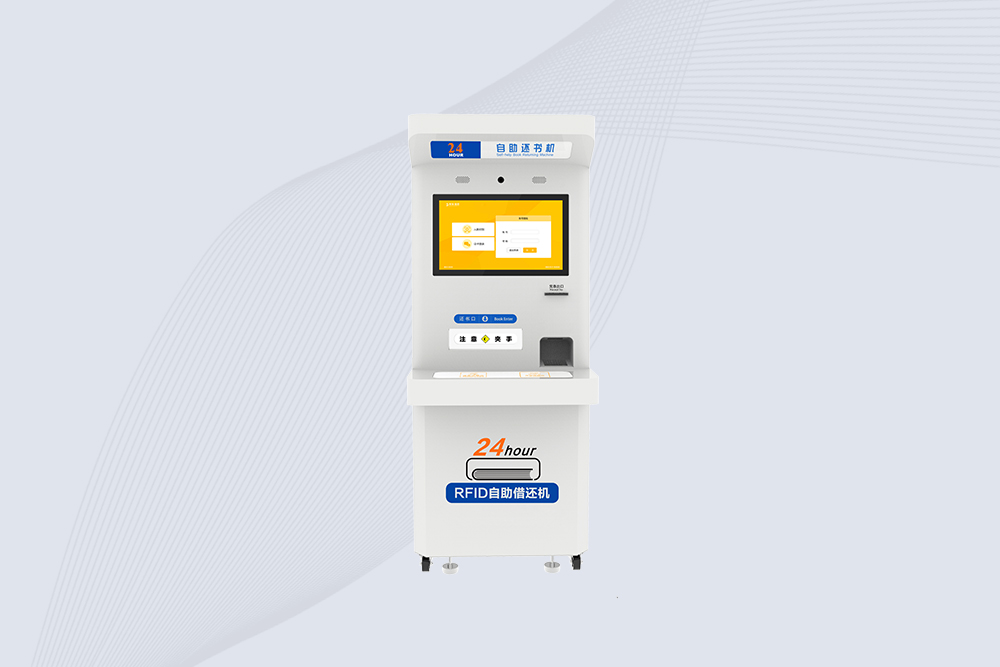
Cykeo’s CYKEO-DP10 library RFID Writer Reader terminal features HF/UHF dual-frequency, 10-channel scanning, automatic book sorting, and self-service payment. Ideal for 24/7 unmanned library operations.
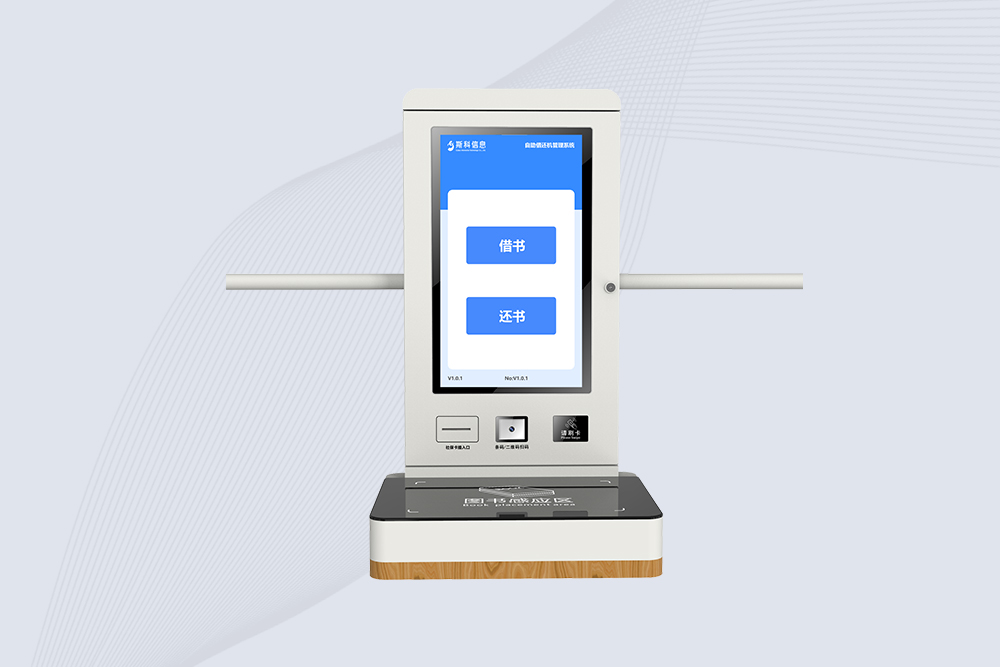
Cykeo’s CYKEO-DP4B RFID chip scanner kiosk offers 60+ tags/sec scanning, 21.5″ touchscreen, and wall-mounted design for libraries, warehouses, and retail. Supports ISO 18000-6C and customizable protocols.
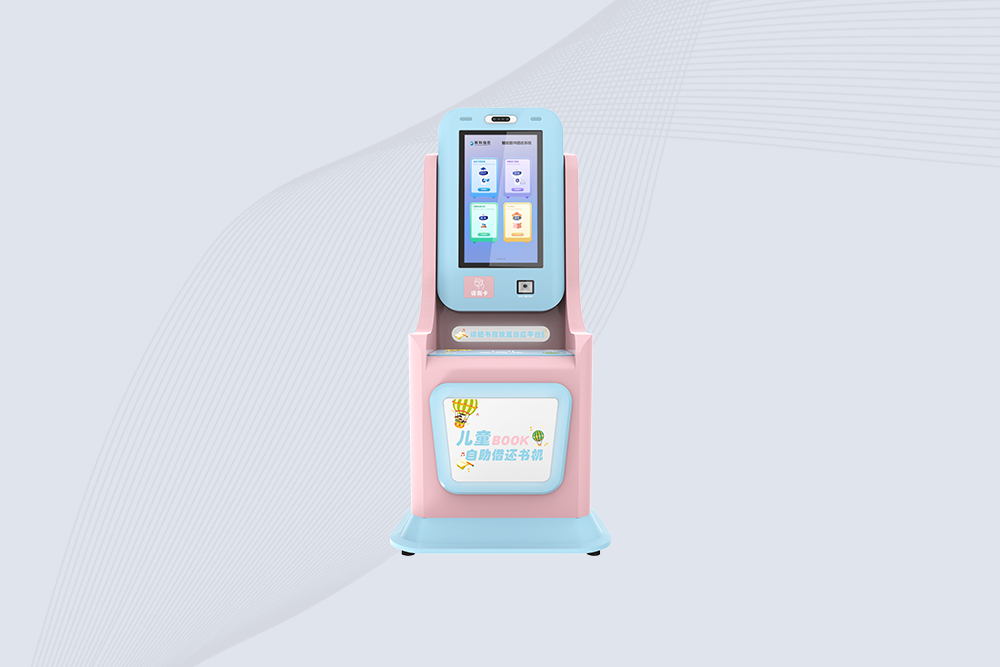
Cykeo CYKEO-DP5A passive RFID tag reader offers 10-tag/sec batch scanning, 840–960MHz frequency, and Windows/Android OS for libraries/archives. Features 4G/WiFi, self-service kiosk, and carbon steel housing.
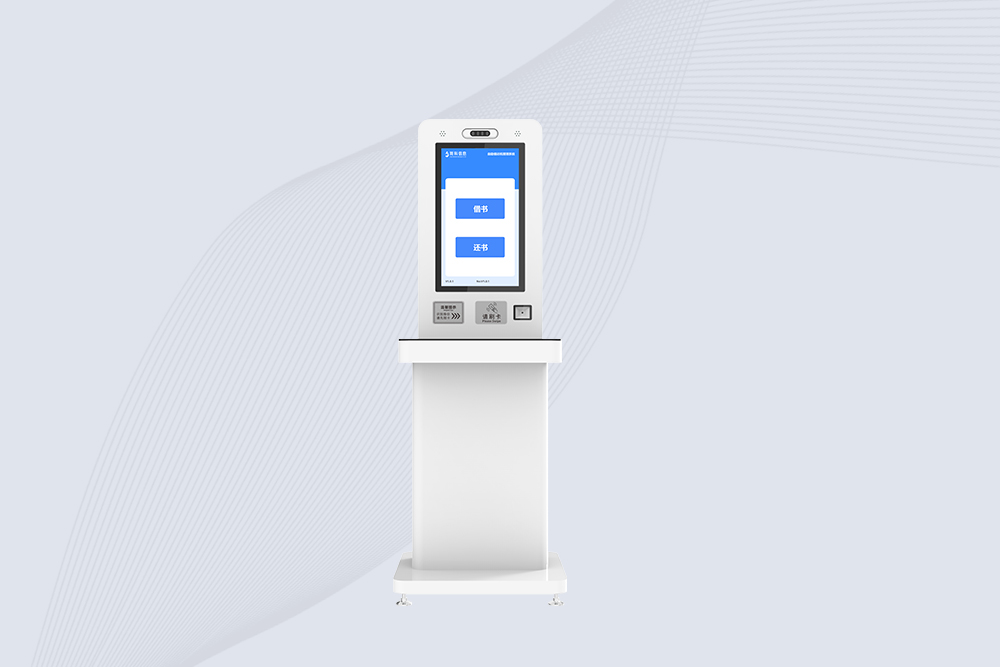
Cykeo CYKEO-DP6 vertical RFID Card and Reader terminal combines HF/UHF technology, 22″ touchscreen, and Windows/Android OS for libraries, archives, and retail. Features multi-protocol support, rugged design, and global certifications.
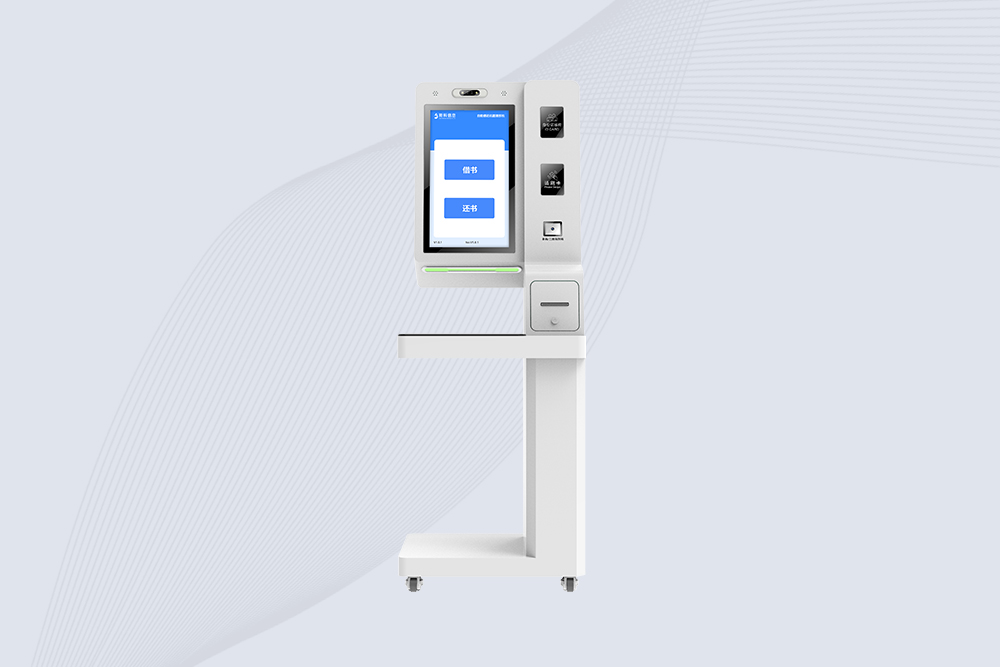
Cykeo’s CYKEO-DP6A library kiosk features UHF RFID tags reader technology, 21.5″ touchscreen, and Windows/Android OS for 24/7 book circulation. Achieves 99.9% inventory accuracy with ISO 18000-6C compliance.
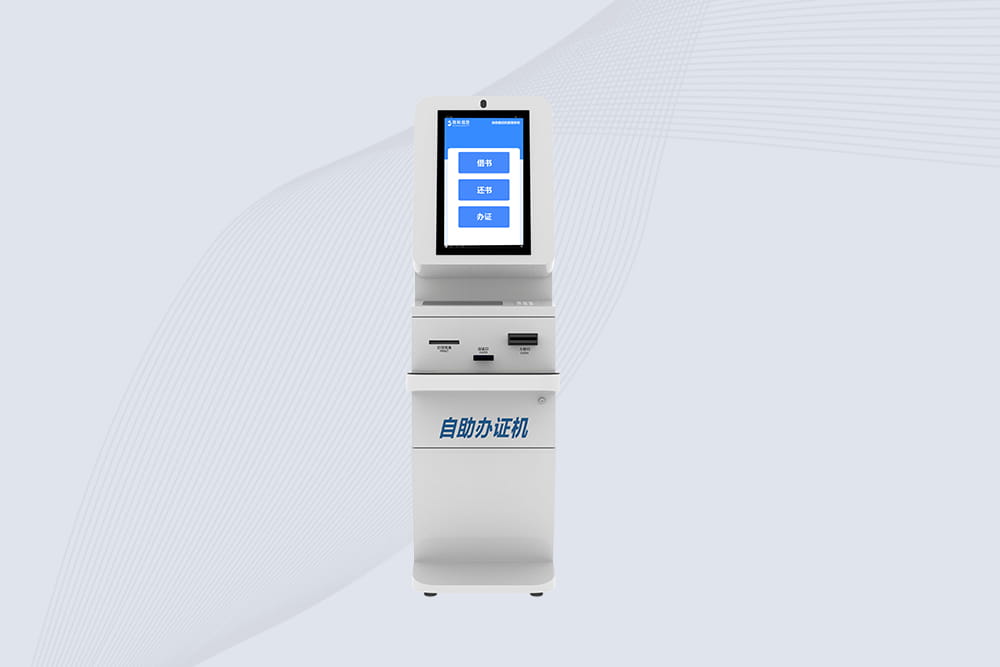
Cykeo’s CYKEO-DP9 card reader RFID kiosk enables 50-card issuance, book loans, and cash handling. Features ISO 18000-6C RFID, Windows/Android OS, 24/7 operation.
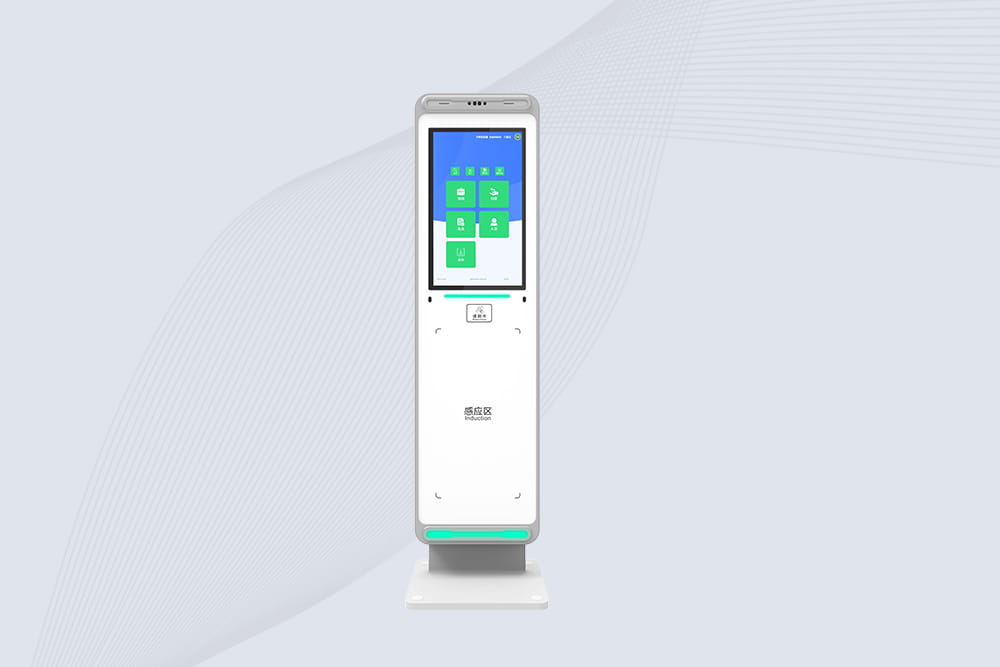
Cykeo’s medical-grade RFID scanner station features bulk UHF RFID scanning, anti-crosstalk technology, and dual OS compatibility for hospital inventory management and smart warehouses.
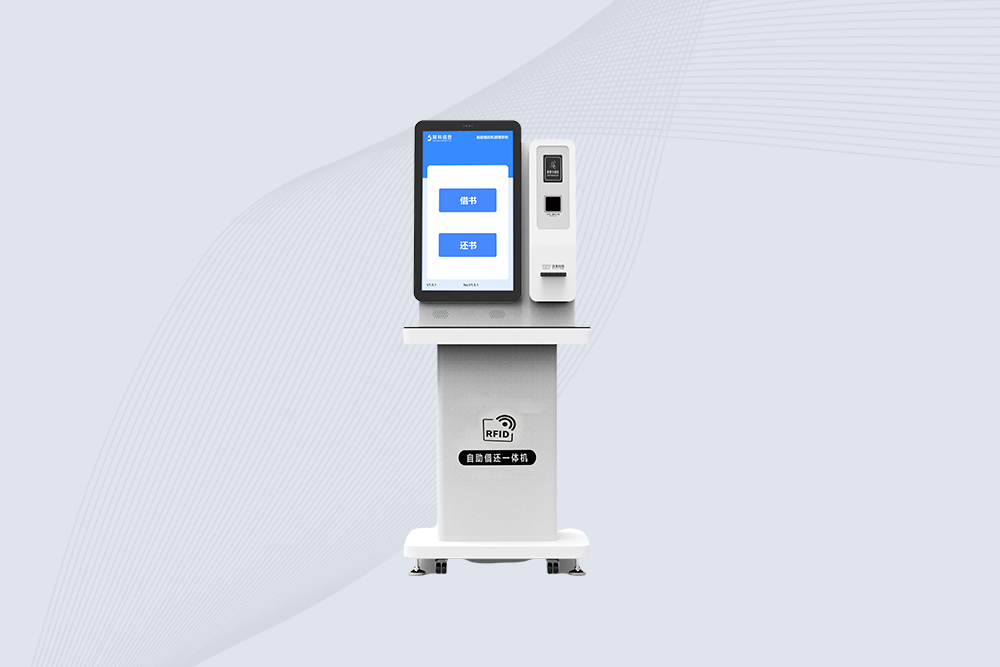
Cykeo CYKEO-DP7 UHF RFID scanner features 27″ touchscreen, 10-book simultaneous scanning, and ISO 18000-6C protocol for libraries. Supports receipt printing and SAP/Oracle integration.

Cykeo’s CYKEO-DP8 professional RFID card reader writer features dual-band operation, 300 cards/min encoding speed, and military-grade encryption. Ideal for library systems/access control.
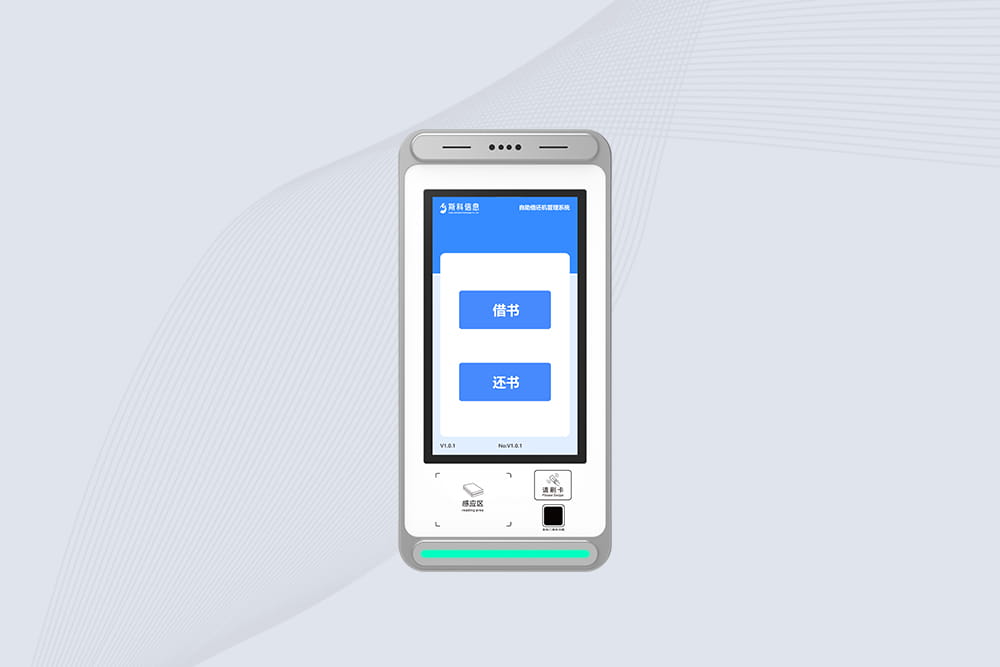
Cykeo CYKEO-DP4 wall-mounted RFID card scanner features 21.5″ touchscreen, 100+ tags/sec scanning, dual authentication (card/face), perfect for libraries/archives. IP54 rated with -20℃~60℃ operation.

Cykeo’s UHF reader RFID weighing scales combine 840-960MHz RFID scanning, 30kg/±1g precision, and SAP connectivity for chemical/pharma inventory. IP65 rated with biometric login.
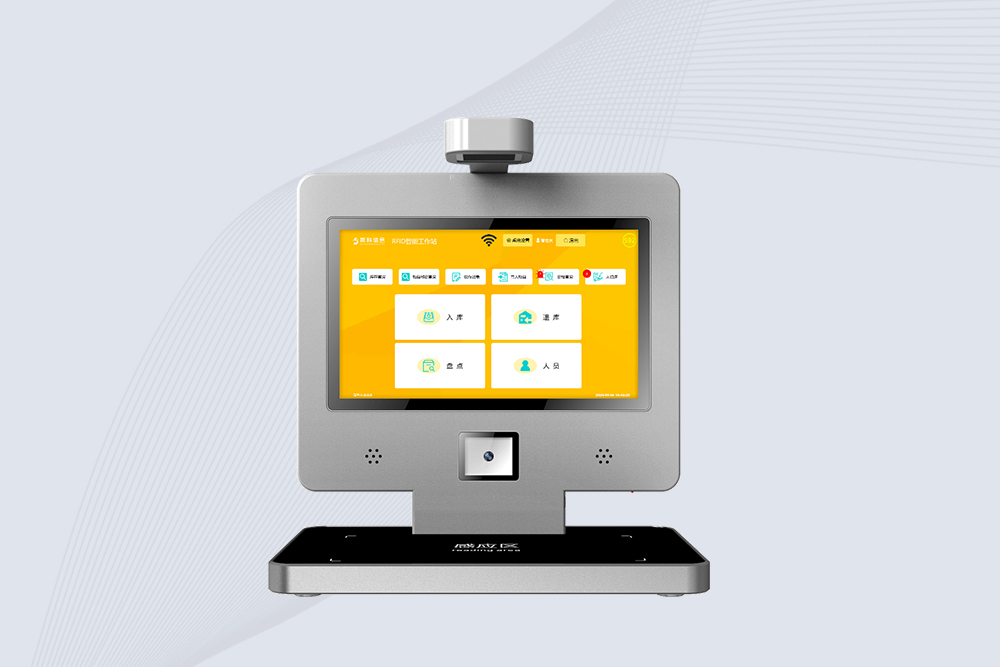
Cykeo CYKEO-DPA Desktop Reader RFID Workstation features 50+ tags/sec batch processing, IP65 rugged design, and Windows IoT for manufacturing/warehouse RFID operations. Supports ISO 18000-6C.
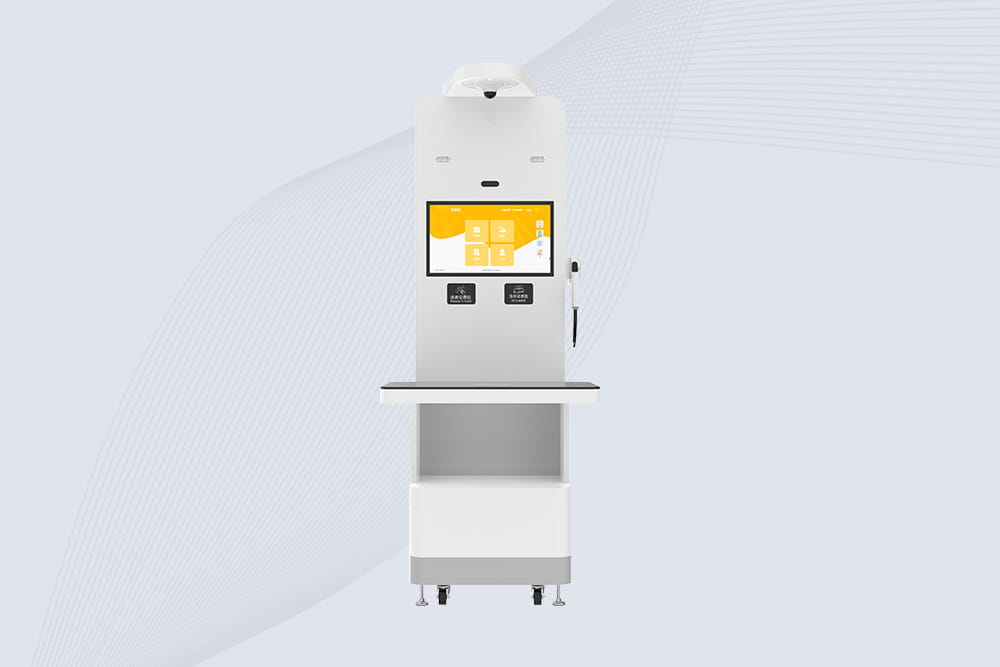
Cykeo CYKEO-DP12 vertical RFID workstation features 21.5″ touchscreen, 30-tool simultaneous tracking, and military-grade -20℃~70℃ operation for manufacturing/aviation/automotive sectors. Supports Windows & Android OS.
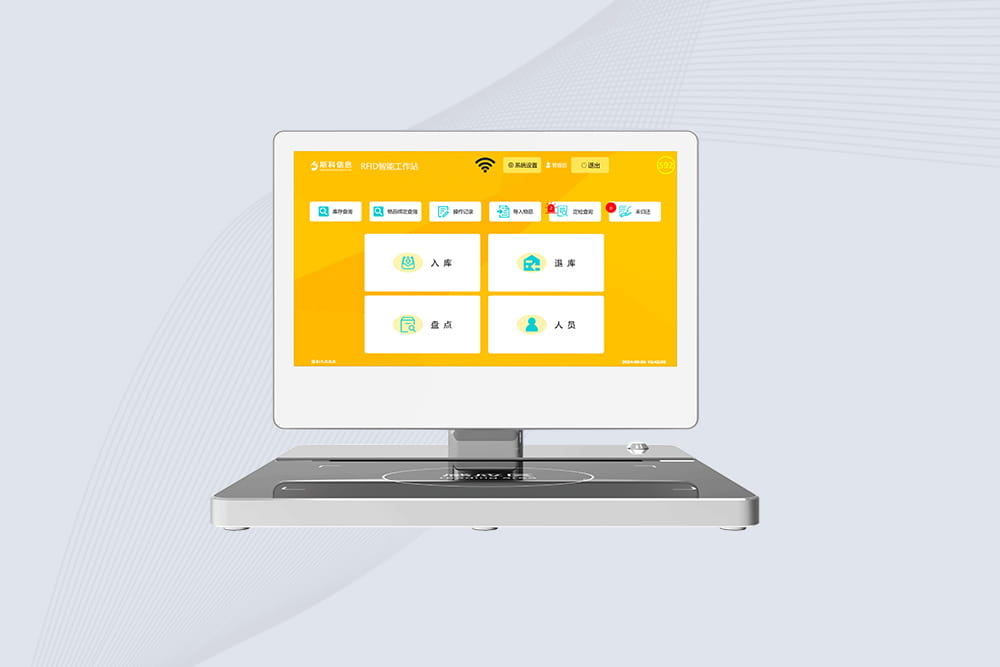
Cykeo’s professional RFID workstation features controlled 50cm encoding field, 50+ tags/batch processing, and integrated 12MP camera. Ideal for medical/library/archival asset registration.

Cykeo’s CYKEO-DP13 industrial RFID Smart workstation features 24″ touchscreen, UHF/HF dual-frequency scanning, military-grade durability for manufacturing/pharma/logistics. Supports batch-tagging of 200+ items with ERP integration.
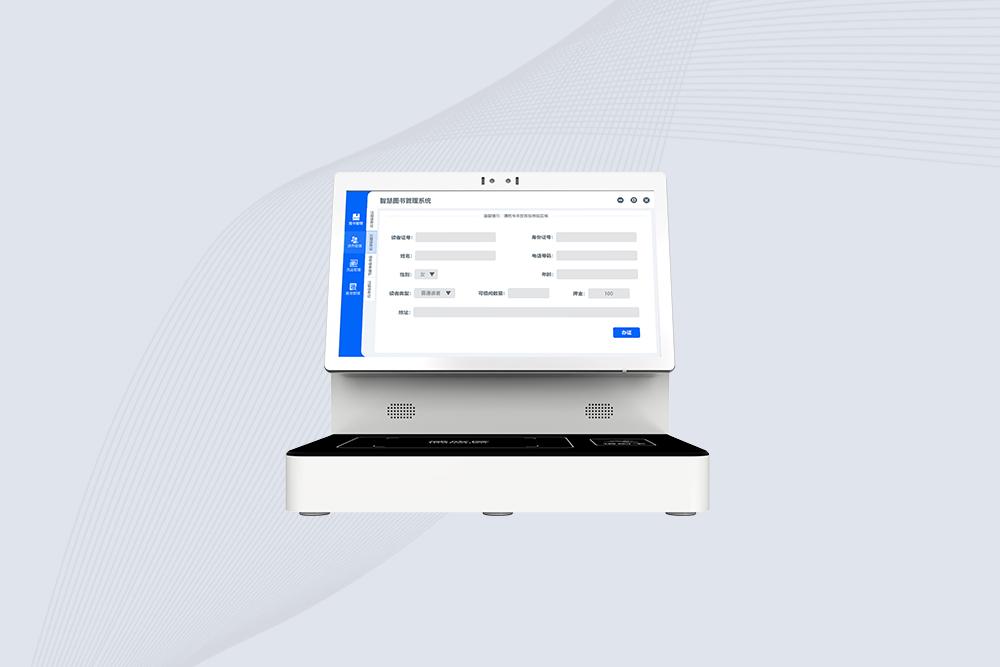
Cykeo’sCYKEO-DP3 RFID desktop reader workstation features 22″ touchscreen, multi-protocol UHF RFID, dual OS, and industrial connectivity for libraries, retail, and healthcare. Supports 10-tag simultaneous reading.

Cykeo CYKEO-DP2 Desktop RFID Reader workstation features 22″ touchscreen, 15+ tags/sec scanning, Windows/Android OS, and customizable protocols for libraries/archives. Supports face recognition and anti-theft integration.
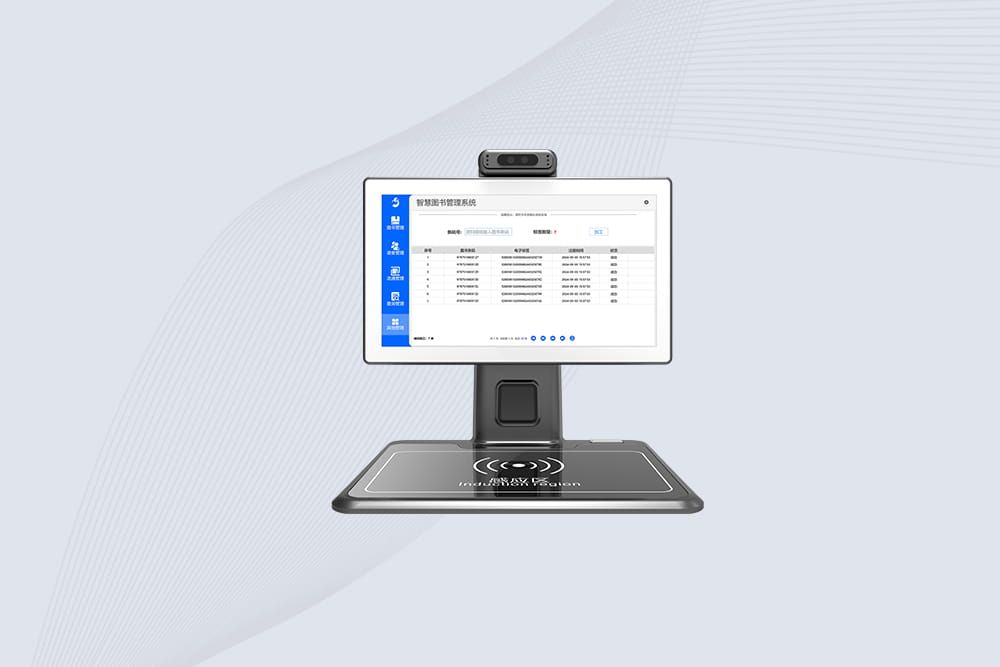
Cykeo CYKEO-DP2A Desktop UHF RFID Reader Workstation offers precision batch encoding of 50+ tags, 21.5″ touch interface, and ISO 18000-6C compliance. Ideal for libraries/archives with metal-environment adaptability.
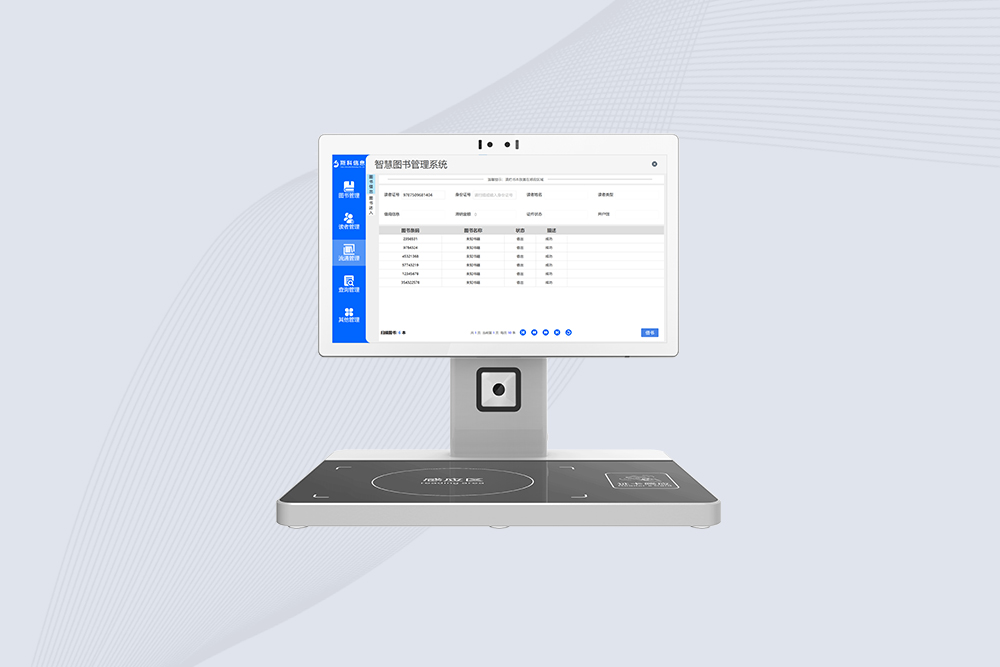
Cykeo CYKEO-DP2B industrial UHF RFID desktop Reader workstation features 15+ tag reading, 2m UHF range, Windows/Android OS, and IP54 design for libraries/warehouses. Supports ISO 18000-6B/6C protocols.
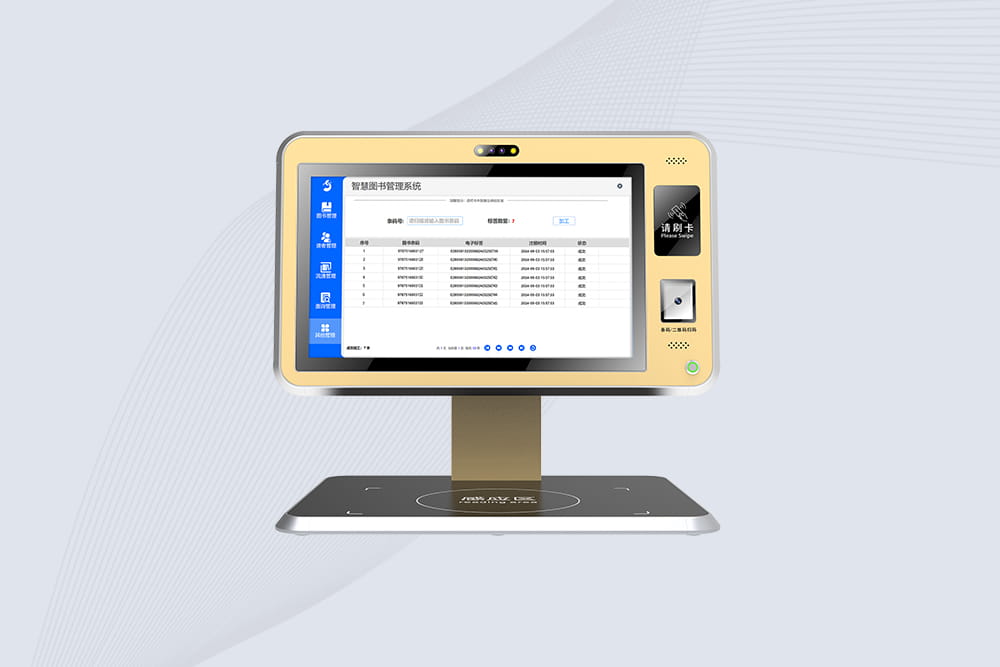
Cykeo CYKEO-DP3B industrial UHF RFID Desktop Reader Writer workstation features 15-tag batch processing, 840-960MHz frequency range, payment/voucher printing for libraries/hospitals/retail. Supports ISO 18000-6B/C protocols.
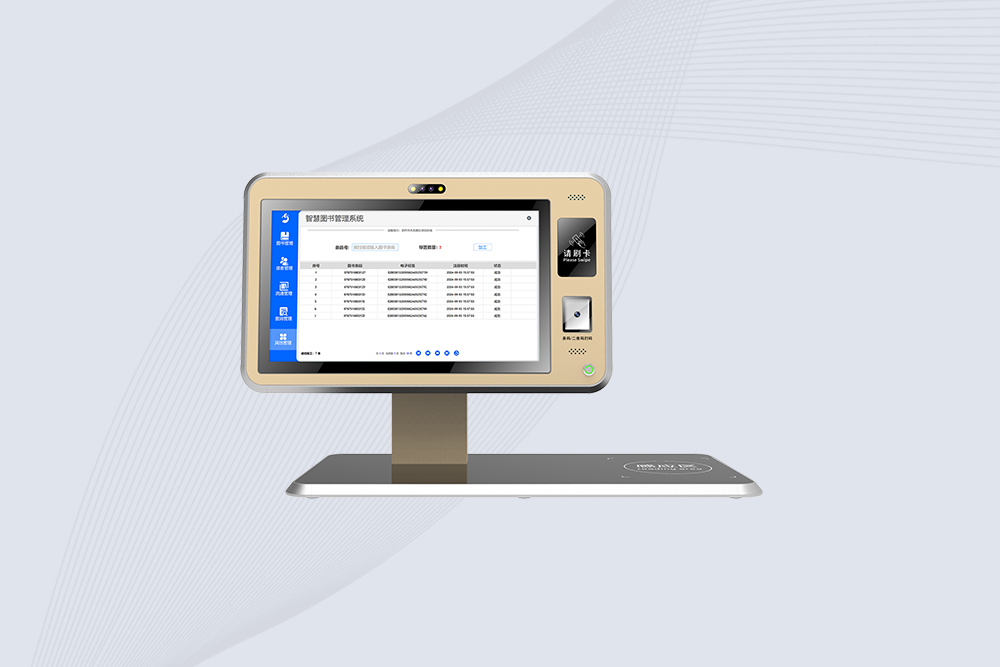
Cykeo CYKEO-DP3A library Desktop RFID Card Reader workstation features 21.5″ dual touchscreens, 10-item batch processing, and Windows/Android OS for archival/library asset management. UHF RFID card reader with ISO 18000-6C/B compliance.
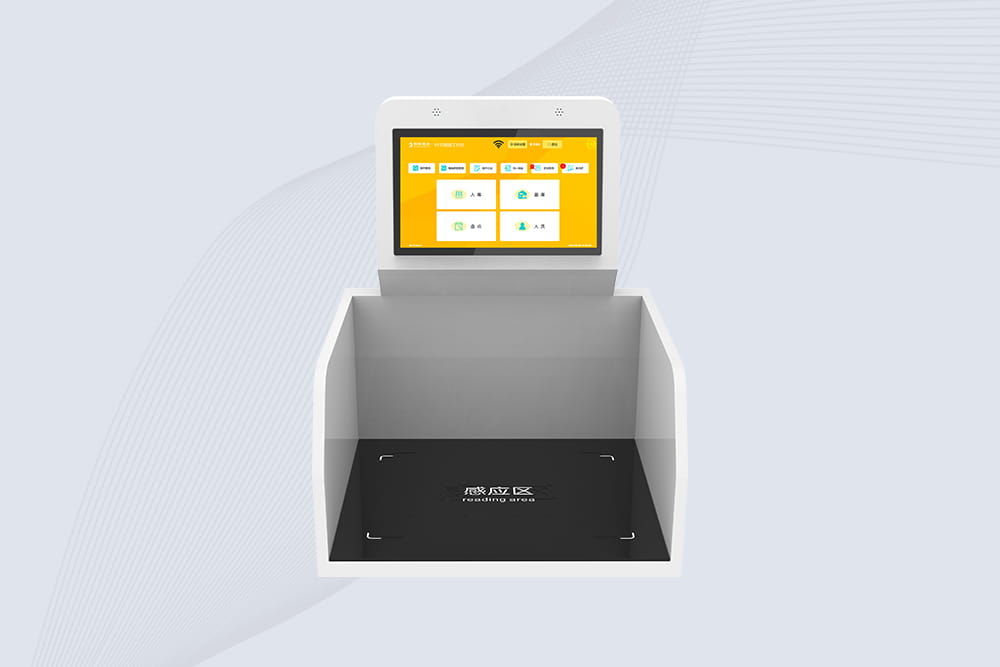
Cykeo’s industrial UHF Reader RFID Workstation features 40+ tags/sec RFID processing, Windows/Android OS, and bulk scanning for apparel/logistics operations.
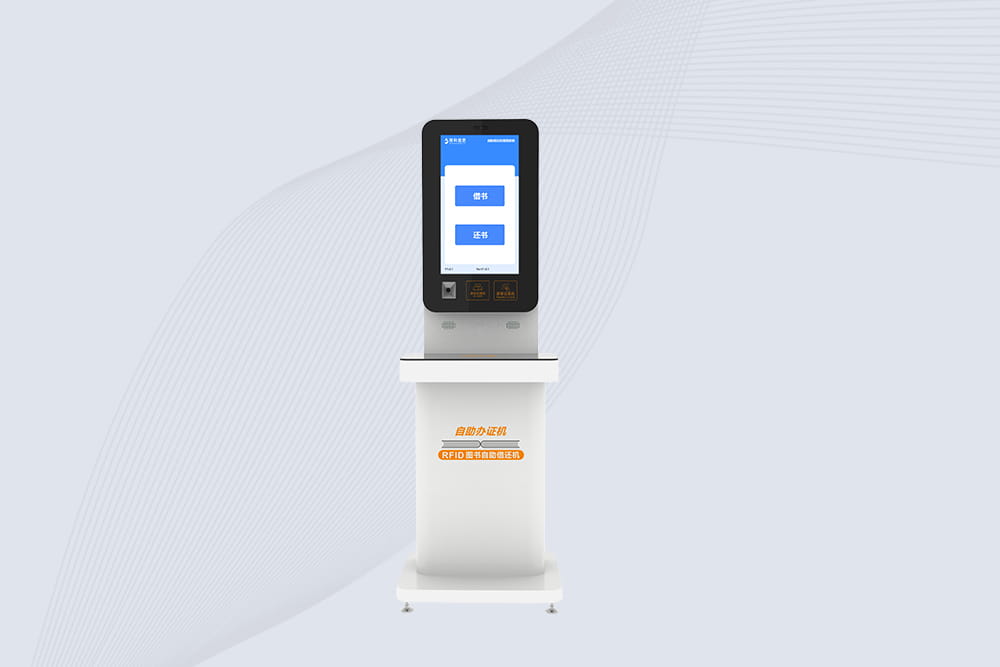
Cykeo CYKEO-DP6 Pro industrial RFID card reader offers dual-frequency scanning, MIL-STD ruggedness, and smart card compatibility for access control and payment systems.
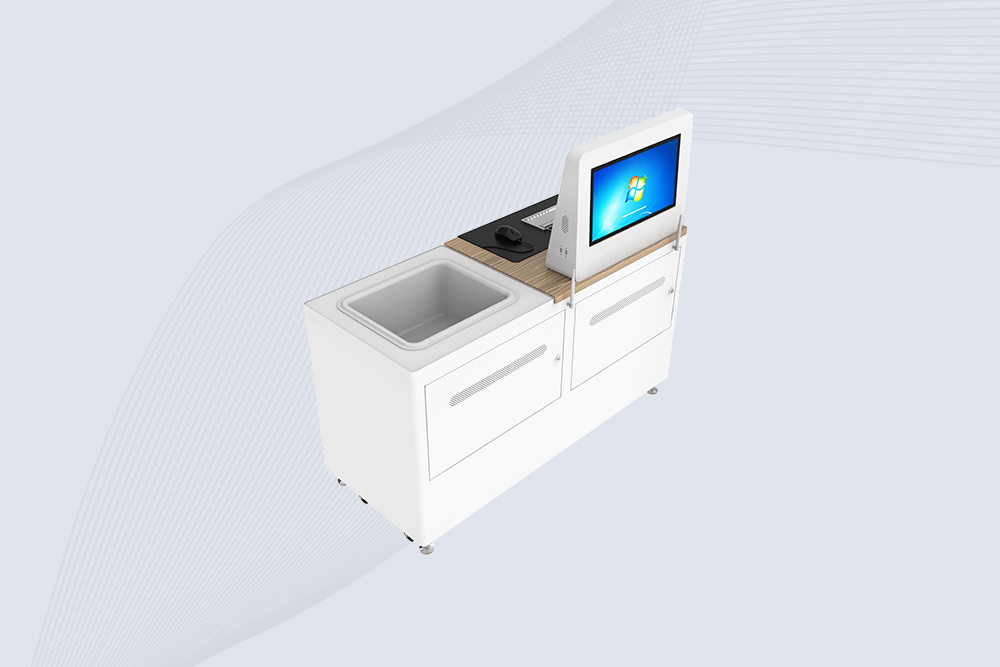
Cykeo CYKEO-DP13B dual-screen RFID workstation features dual 21.5″ touchscreens, 100-tag capacity, and integrated camera system for comprehensive asset tracking and management.
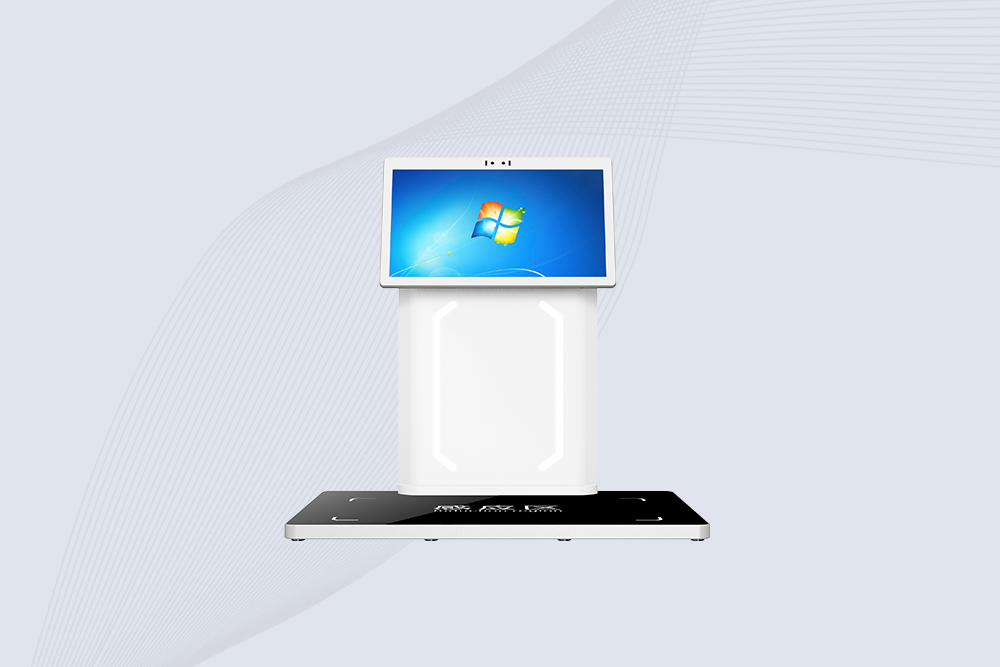
Cykeo CYKEO-DP14B desktop RFID workstation manages 200+ assets per scan. Features a 21.5″ touchscreen, UHF RFID, HF access control, and Windows/Android OS for secure tool tracking in police, medical, and bank environments.
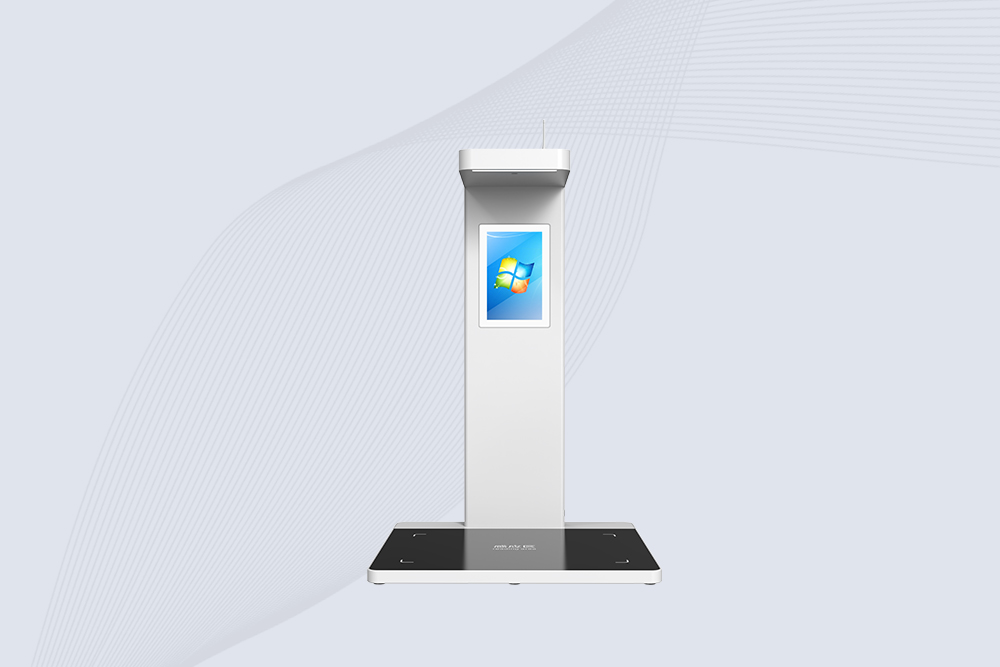
Cykeo CYKEO-DP1 RFID settlement station enables bulk UHF RFID and barcode verification for warehouse shipping. Features 10.1″ touchscreen, automatic data binding, and supports Windows/Android OS for seamless WMS integration. Ideal for inventory management and logistics.
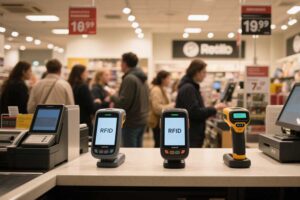
Discover the key factors to consider when selecting a handheld RFID scanner for your business, from durability to software compatibility. Make an informed choice.
More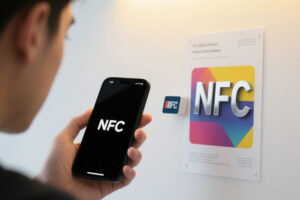
Can NFC replace RFID? Learn where NFC works as RFID, key limitations, and real-world applications where each technology shines.
More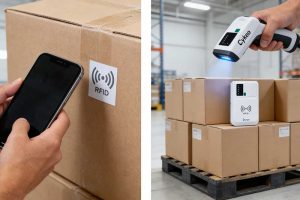
Wondering "can iPhone read RFID"? We explain the limited NFC capability, its practical uses, and why it's not a replacement for industrial RFID readers in business.
More
Learn how RFID reader modules are used in AGV and AMR warehouse robots for inventory verification, pallet tracking, and industrial automation systems.
More