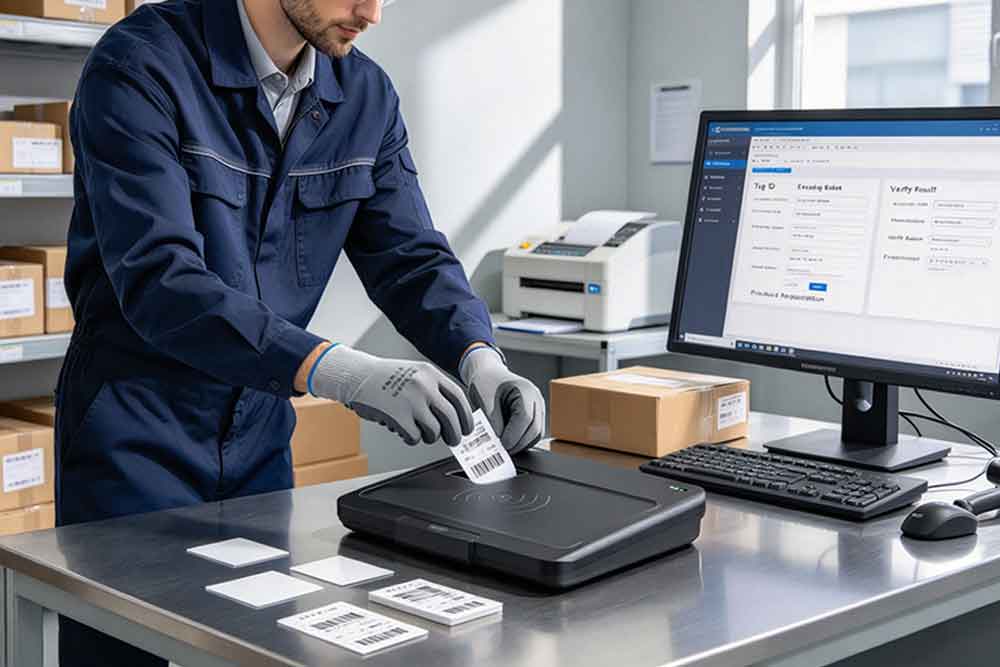
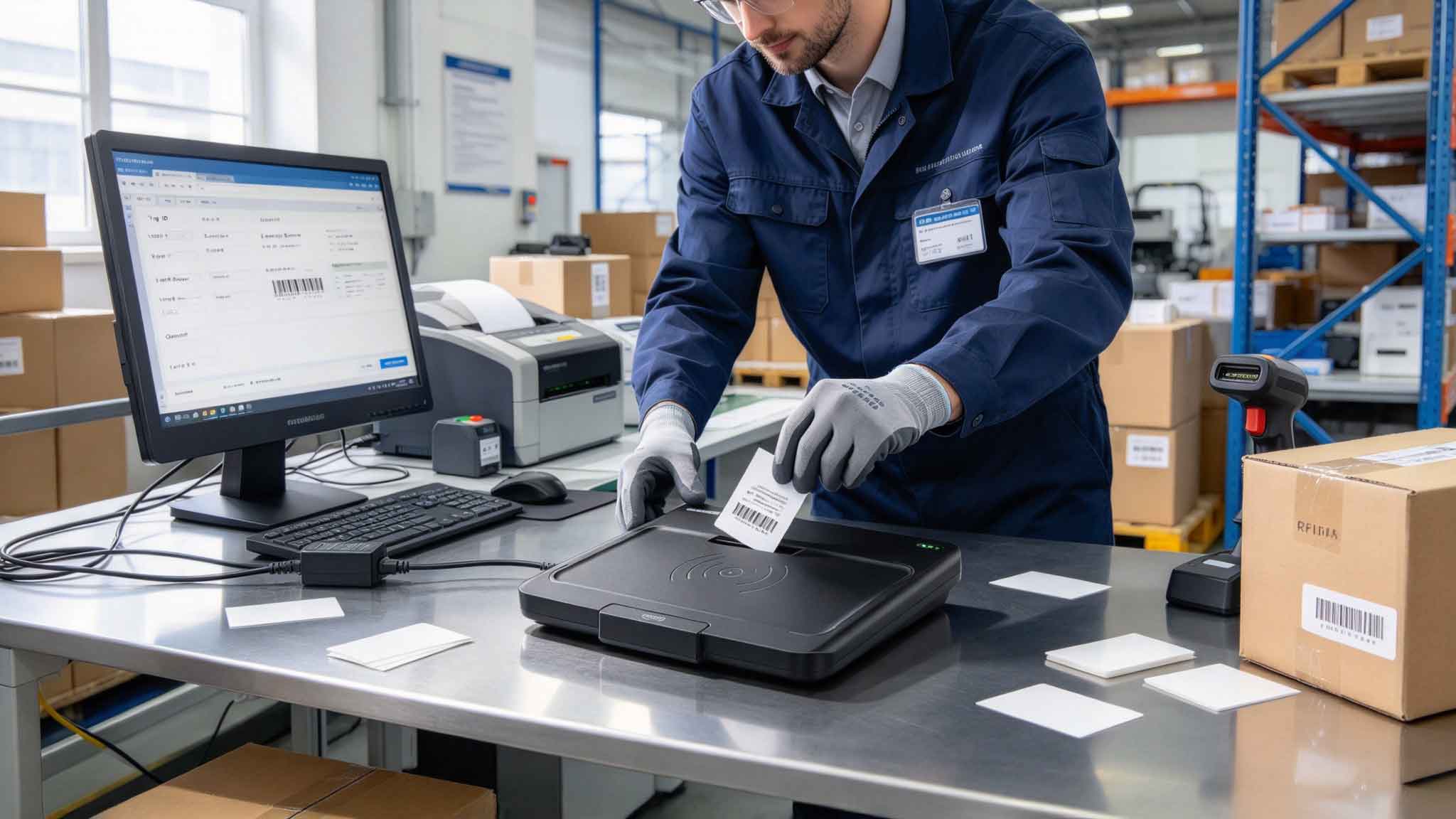
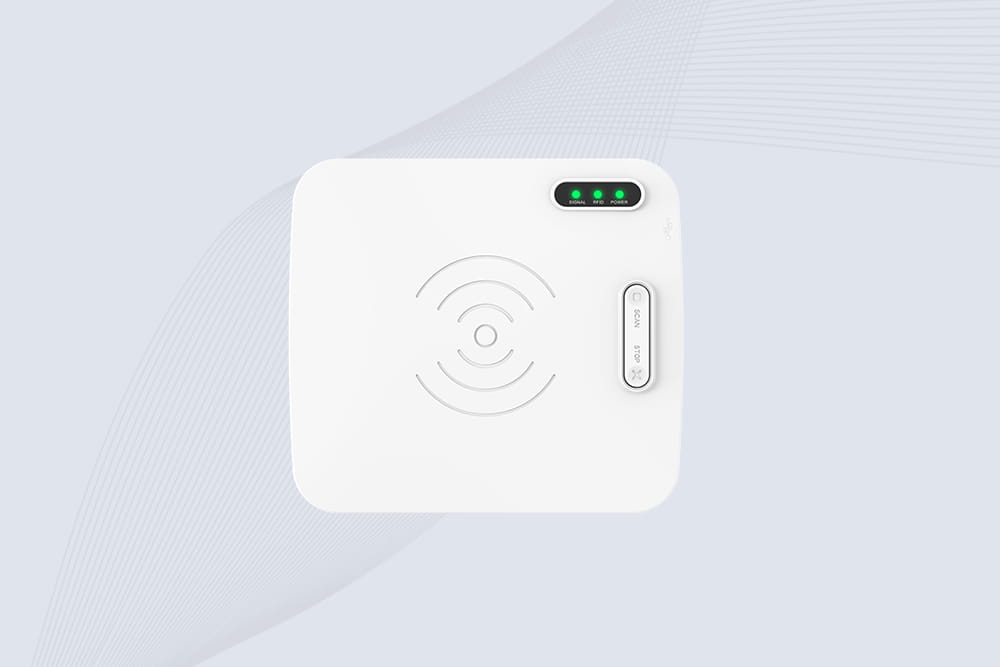
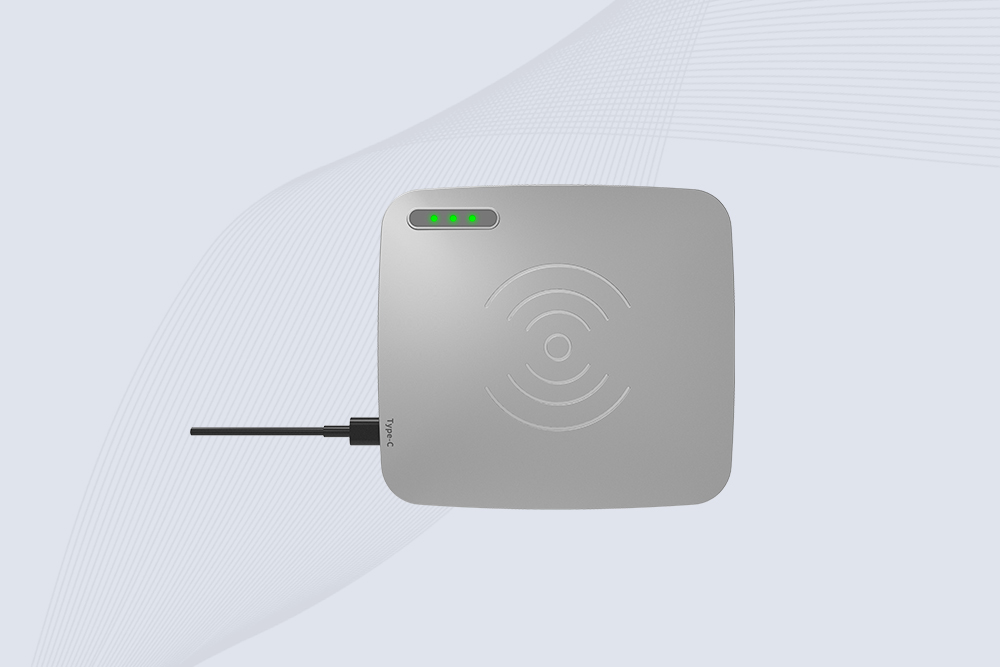
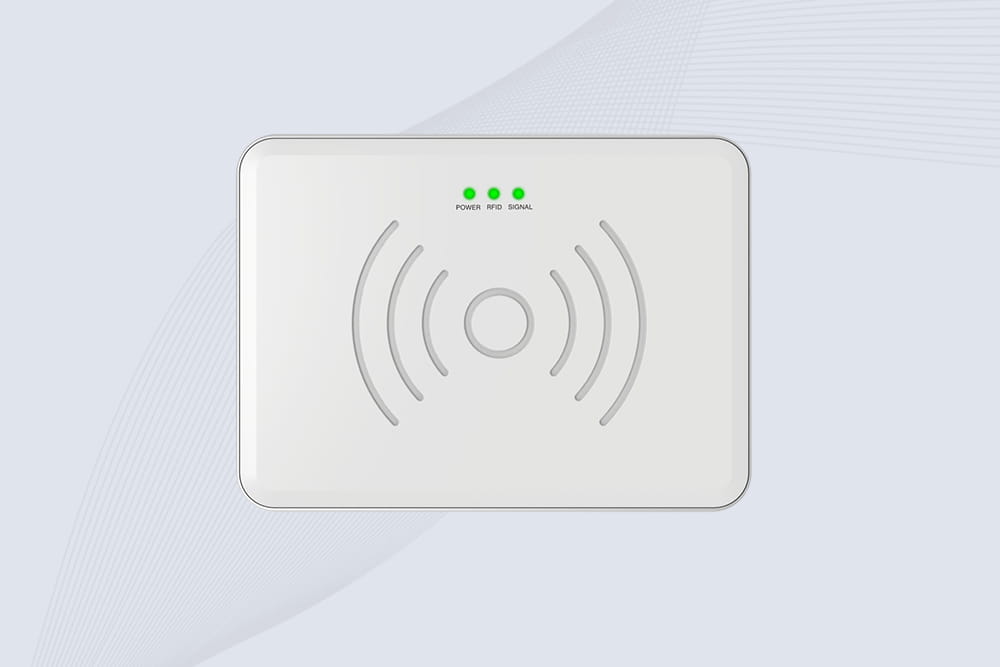
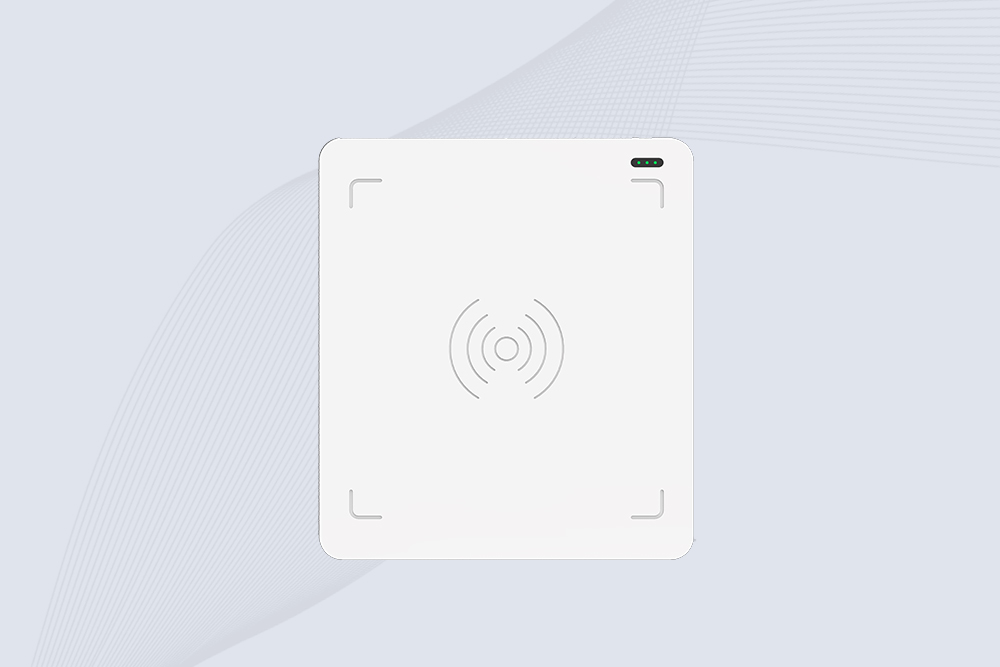
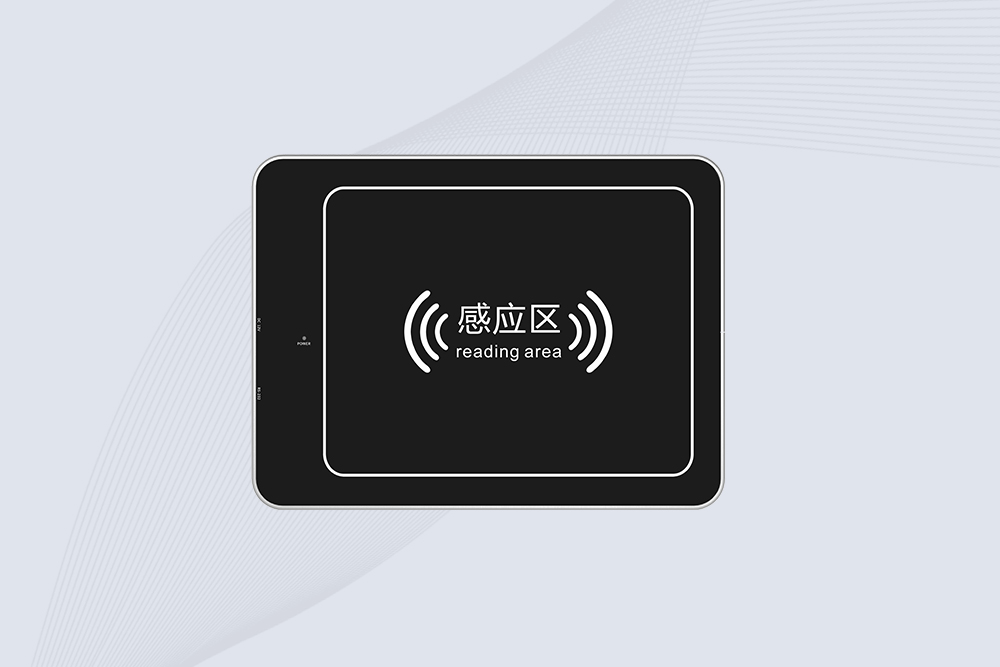
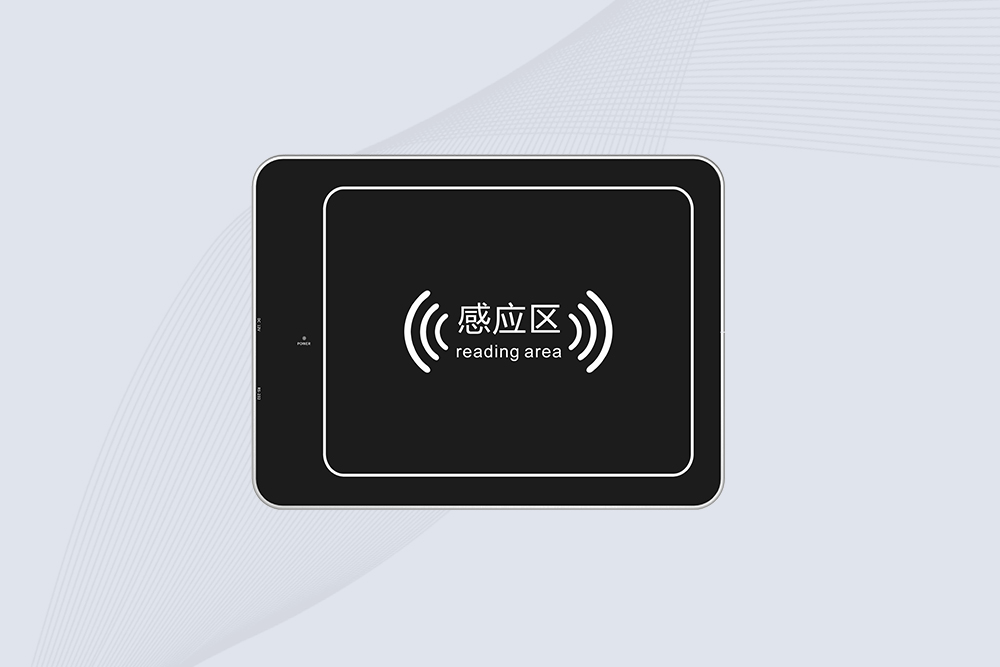
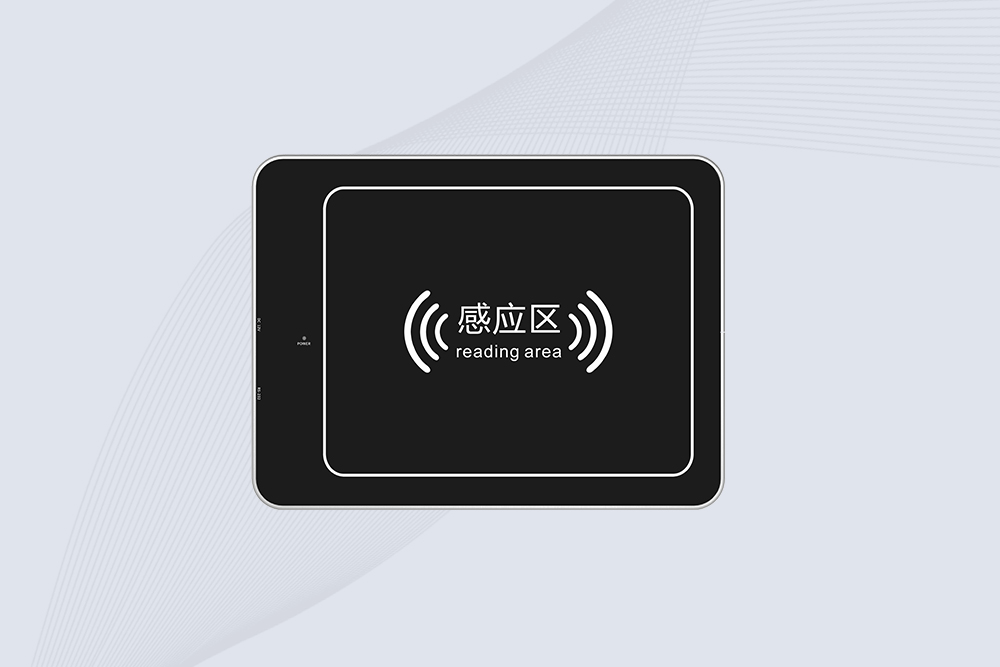
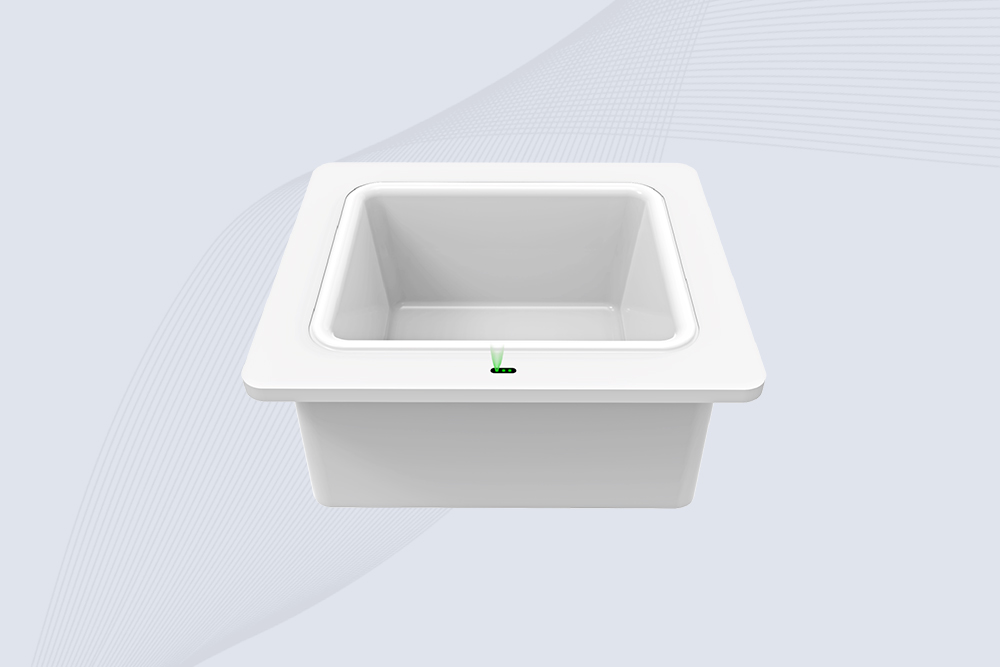
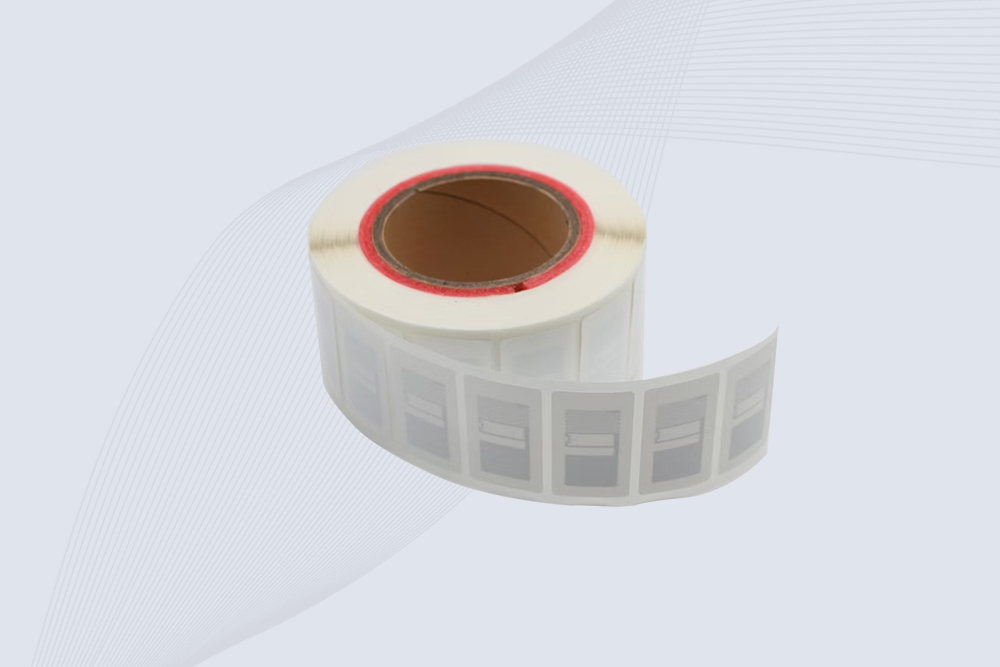
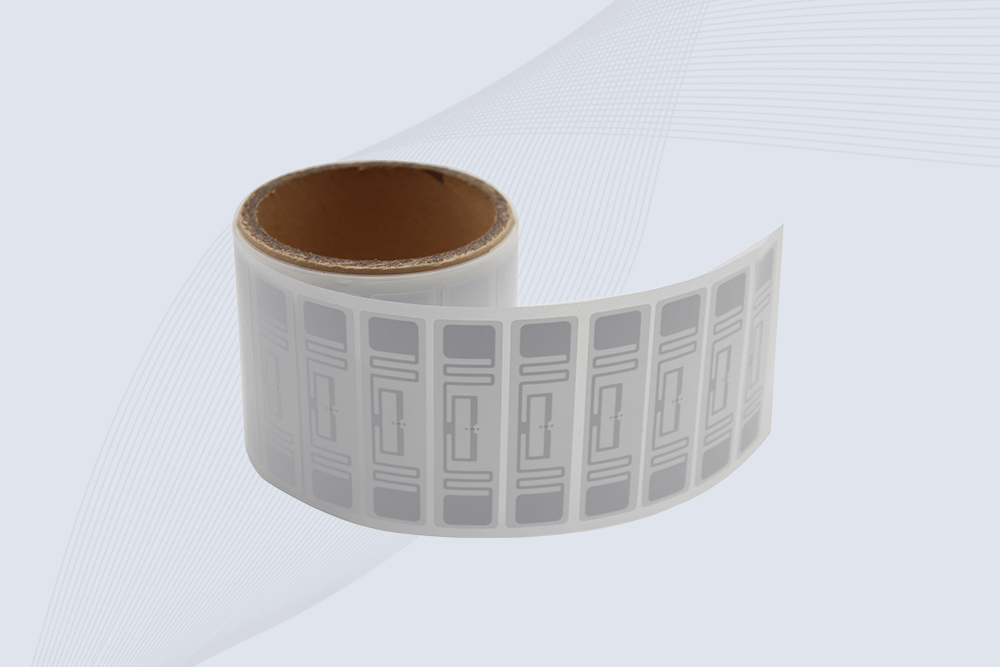
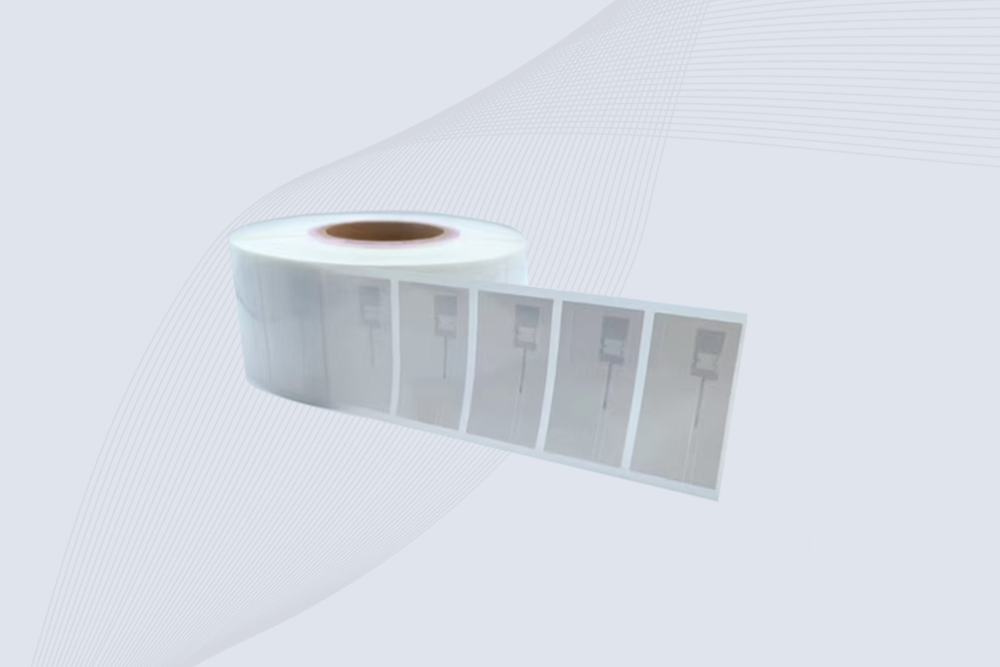
A RFID writer is a device that uses radio-frequency communication to write or encode data into a compatible RFID tag. It can program information such as an EPC, serial identifier, or application data into writable RFID memory for later identification by RFID readers.
A RFID writer is often also called an RFID encoder or RFID reader-writer, because the same hardware can usually read tag information as well as write it.
The important distinction is the writing function.
A conventional RFID reader retrieves information from a tag. A writer sends a command to the tag and changes writable memory according to the tag’s protocol and access permissions.
GS1’s EPC/RFID system architecture describes readers as devices that transmit standardized commands to read from and write to tags. For passive UHF RFID, the reader also supplies operating energy through its RF signal.
At Cykeo, I treat RFID writing as a data-control operation rather than simply a button marked “Write.” The tag type, memory bank, encoding format, access password, lock status, and verification method all matter. A writer can be working perfectly while the writing process is still wrong.
How Does an RFID Writer Work?
RFID Writer and Reader Communication
A typical RFID writing operation follows this basic sequence:
The RFID writer detects the compatible tag.
The system identifies the target tag.
Software prepares the data to be encoded.
The writer sends the appropriate write command.
The RFID tag stores the permitted data.
The system reads the tag again to verify the result.
For passive UHF RFID, the writer does not need to physically touch the tag. The reader-writer communicates wirelessly with the tag through its antenna.
GS1’s current EPC Gen2 standard specifies write operations using memory-bank addressing, including the starting word address, word count, and data to be written. The current standard repository identifies Release 3.0.1, ratified in February 2026.
That technical detail explains why RFID writing is more precise than simply sending a text string to a tag.
What Can an RFID Writer Write?
RFID Tag Memory
The information available for writing depends on the RFID chip.
For RAIN RFID tags following the GS1 Gen2 architecture, memory is divided into logical banks. GS1 identifies four major areas:
Memory Bank
Main Purpose
Reserved
Kill and access passwords
EPC
Electronic Product Code / object identifier
TID
Tag and chip identification information
User
Optional application-specific information
GS1 explains that EPC memory contains the EPC associated with the tagged object, while User memory can hold additional information when the tag provides it. TID memory describes the tag itself and generally is not intended for normal user programming.
This is one of the first things I check during an RFID encoding project.
If a customer says, “We need to write the product number,” I need to know where that number is supposed to live.
It might belong in EPC memory.
It might be application data in User memory.
Or the better architecture may be to write only a unique identifier to the tag and keep the detailed product information in the database.
Those choices affect interoperability, security, tag cost, and future data management.
How Much Data Can an RFID Writer Store?
RFID Writer Memory Capacity
There is no single memory capacity for every RFID tag.
GS1 states that RAIN RFID tags typically carry no more than 8 KB of data, while simple license-plate-style tags may contain only a 96-bit or 128-bit identifier. Higher-memory passive UHF tags can provide substantially more storage for specialized applications.
This is why choosing the writer first can be misleading.
The writer does not determine how much information a tag can store. The RFID chip determines the available memory, while the writer and software determine whether the correct memory area can be accessed and encoded.
For most inventory projects, storing a huge amount of product information directly on the tag is unnecessary.
A serialized identifier can be enough:
RFID tag → unique EPC → database record → complete product information
That approach keeps the tag data compact while allowing the business database to hold richer information.
RFID Writer vs RFID Reader
What Is the Difference?
The difference is primarily what the device is authorized and configured to do with the tag.
Function
RFID Reader
RFID Writer
Detect RFID tags
Yes
Yes
Read EPC
Yes
Yes
Read User memory
Depending on tag/device
Depending on tag/device
Write tag memory
No or limited
Yes
Encode new identifiers
No
Yes
Verify written data
No
Yes, when read-back is supported
Typical application
Inventory and identification
Tag programming and identification
In practice, many professional RFID writers are reader-writers rather than writing-only devices.
That is preferable for encoding workflows because the device can verify the tag after writing.
Why Is Verification Important?
RFID Tag Writing and Read-Back Verification
A successful write command is not the same thing as a successful production process.
For example, suppose an operator needs to encode:
GTIN + serial number → EPC
The system should not simply display “Write Complete” and move on.
A more reliable workflow is:
Select tag → write EPC → read EPC → compare expected value → mark tag as verified
GS1’s RFIDcoder documentation illustrates the encoding process by converting identifiers such as a GTIN and serial number into the binary content that needs to be written to an EPC memory bank.
That separation between business data and RFID binary representation is easy to overlook.
An RFID writer works at the tag-protocol level. The application needs to understand what the encoded bits actually represent.
What Applications Use RFID Writers?
RFID Tag Writer Applications
RFID writers are commonly used where tags need to be programmed before entering an operational process.
Typical applications include:
Product identification
Warehouse labeling
Asset registration
Retail item tagging
Library registration
Tool management
Laundry and linen identification
Manufacturing components
Logistics and shipping labels
Reusable container management
For example, during product registration, an operator can place an RFID label near a desktop reader-writer, assign its identifier, write the required data, and immediately verify the result.
In a warehouse, that tag can later be read by fixed readers or handheld RFID devices.
The writer is therefore often found at the front end of the RFID lifecycle.
A desktop RFID writer can encode and verify tag information before RFID labels enter an inventory workflow.
What Makes an RFID Writer Different From a Barcode Printer?
RFID Writer vs Barcode Encoding
A barcode printer puts visual information onto a label.
An RFID writer puts electronic information into an RFID chip.
A modern RFID label can actually combine both:
Printed barcode + human-readable text + RFID inlay
This hybrid format is common when employees still need visual identification while automated systems use RFID for wireless identification.
GS1 notes that RAIN RFID can operate without the line-of-sight requirement associated with barcodes, and its readers can automatically detect tagged assets without requiring an operator to initiate each scan.
That changes the role of the encoding workstation.
The operator may print a barcode and write an EPC to the same label during one registration process.
What About RFID Writing Security?
RFID Writer Access Control
Writing RFID data is not always unrestricted.
GS1 explains that RAIN RFID tags can use password-based lock mechanisms to protect memory from unauthorized writing. The lock can be reversible or permanent depending on the operation and tag capability.
This matters in production.
A tag may be written correctly during manufacturing and then locked so that its EPC cannot be accidentally overwritten later.
For more sensitive information stored in User memory, GS1 also describes encryption performed by the reader, middleware, or enterprise software before information is written to the tag.
So the RFID writer is only one part of the security model.
How to Use an RFID Writer
A Practical RFID Tag Writing Workflow
A reliable RFID writing process is usually more controlled than simply placing a tag on a reader and pressing Write.
For a production workstation, I recommend separating the operation into five stages:
Identify the tag — detect the RFID tag and confirm its unique identifier.
Prepare the data — determine exactly what information should be encoded.
Select the memory area — choose EPC or User memory according to the application.
Write the data — send the appropriate command through the RFID writer.
Read back and verify — compare the actual tag data with the intended value.
The fifth step is where many small implementations become unreliable.
If 5,000 labels are being encoded, “the writer reported success” is not enough. The system should know which tag was written, what value was expected, what value was actually read back, and whether the tag passed verification.
That creates an auditable encoding process rather than a manual writing exercise.
How Does an RFID Writer Encode an EPC?
RFID EPC Encoding
For a typical UHF RFID application, the EPC is often the key identifier used by the business system.
The encoding process can look like:
Business identifier → EPC encoding software → RFID writer → RFID tag → verification
GS1’s RFIDcoder provides an example of this concept by converting GS1 identifiers and serial information into EPC binary data suitable for encoding into an RFID tag. (rfidcoder.gs1.org)
The important point is that an EPC is not simply a normal text field.
The application must understand the selected EPC scheme and correctly translate the business identifier into the required RFID representation.
For a production environment, I would therefore define the data format before connecting the writer to the labeling workflow.
RFID Writer Selection for Different Applications
Desktop RFID Writer
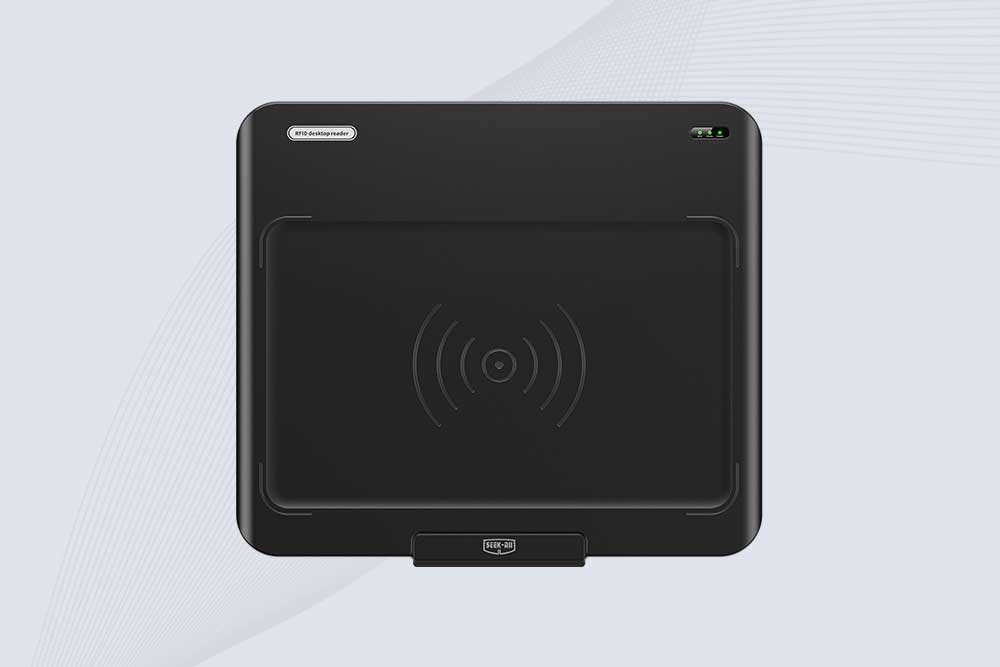
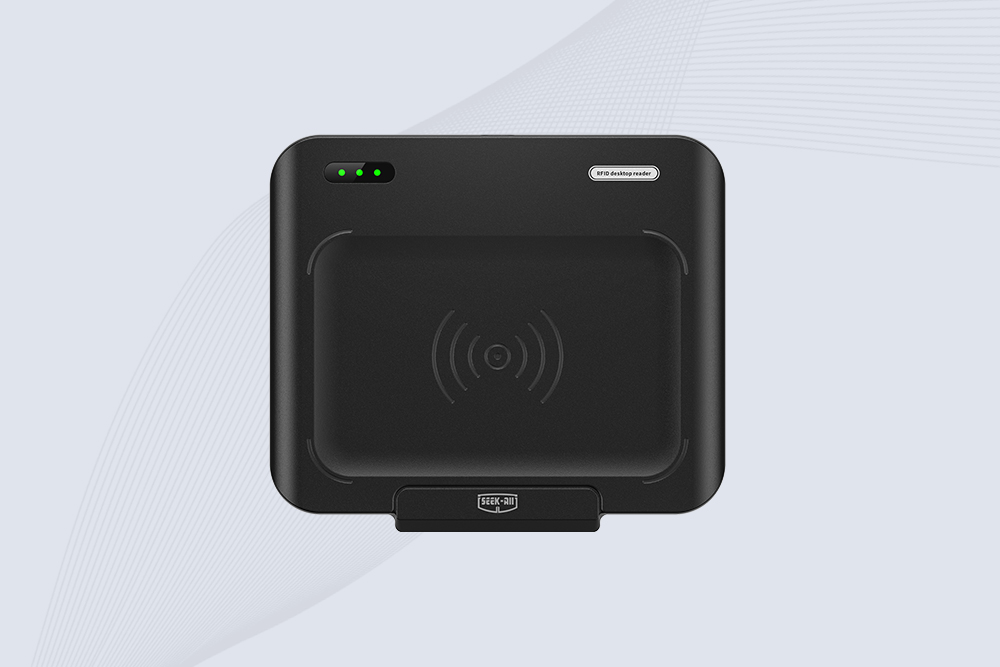
A desktop RFID writer is appropriate when tags are being encoded at a workstation.
Typical applications include:
Product registration
Library tag registration
Tool registration
Laundry and linen tagging
Asset enrollment
Small-batch label encoding
RFID tag conversion or rewriting
A desktop system is also easier to control when the operator needs to position one tag or a small group of tags within a defined near-field reading area.
Handheld RFID Writer
A handheld RFID reader-writer is useful when RFID tags need to be encoded away from a fixed workstation.
For example, an operator may need to register an asset directly beside a machine, shelf, storage area, or vehicle.
The advantage is mobility.
The trade-off is that the operator has greater responsibility for tag positioning and target selection. If several tags are within the antenna field, the software must provide a reliable method for selecting the intended tag before writing.
What Should You Check Before Buying an RFID Writer?
RFID Writer Specifications
The writer should be evaluated against the actual tag and application rather than by output power alone.
Specification
Why It Matters
Supported RFID protocols
Determines tag compatibility
Frequency range
Must match regional and application requirements
Write capability
Confirms the device can modify required memory
Read capability
Needed for tag selection and verification
Antenna design
Affects the writing zone
Communication interface
Determines host-system integration
SDK/API
Important for custom software
Output power
Affects operating range and write performance
Anti-collision
Helps manage multiple tags
Filtering
Helps isolate the intended tag
RSSI information
Can assist with tag selection
Software support
Determines practical usability
For Cykeo desktop RFID platforms, functions such as anti-collision, dense-tag recognition, filtering, RSSI, stable writing, and USB communication are particularly relevant when a workstation needs to process RFID labels efficiently.
The key word is controlled.
A writer that can reach a tag from a long distance is not automatically better for encoding. In a desktop writing station, a narrow and predictable writing area can actually be preferable because it reduces the chance of changing the wrong tag.
RFID Writer Read Range vs Write Range
Why Writing Distance Matters
Reading and writing are related, but they should not be treated as identical operations.
A tag may be detectable at a particular distance but still require different conditions for reliable writing.
For a near-field desktop workstation, I prefer a clearly defined working area.
Consider a table containing twenty unprogrammed RFID labels.
If the writer can detect every label simultaneously but the operator intends to encode only one, the system needs a way to identify the target tag before issuing the write command.
This is where RSSI filtering, tag selection, antenna design, and software controls become useful.
The goal is not maximum RF coverage.
The goal is correct data written to the correct tag.
Read-back verification confirms that the intended RFID data was successfully written to the correct tag.
RFID Writer Applications in Real Operations
Product and Asset Registration
An RFID writer can be placed at the beginning of an asset lifecycle.
For example:
New asset → RFID label attached → identifier written → tag verified → database record created → asset enters operation
This is useful for tools, products, equipment, containers, and other objects that need a persistent digital identity.
Library and Document Management
RFID encoding can also be used during library registration.
The operator can associate the RFID tag with a book or document record, verify the encoded identifier, and then put the item into circulation.
Laundry and Linen Management
In linen-management applications, RFID tags can be encoded and associated with individual textiles or batches before entering circulation.
The physical tag then becomes the link between the textile and its management record.
Warehouse and Logistics
At a packaging workstation, RFID writers can encode labels before cartons enter storage or shipping.
The same RFID identity can later be detected by:
Fixed RFID readers
Handheld RFID readers
Conveyor systems
Warehouse portals
Inventory workstations
This creates continuity between tag creation and tag usage.
RFID Writer Troubleshooting
What If the RFID Tag Will Not Write?
When an RFID writer fails to write, I would check the following in order:
1. Confirm Tag Compatibility
Make sure the tag uses a protocol supported by the writer.
2. Check the Target Memory
The selected memory bank must actually be writable, and the requested address must exist.
3. Check Tag Lock Status
A protected or locked memory area may reject a write operation.
4. Reduce the Number of Tags in the Field
If multiple tags are nearby, isolate the intended tag.
5. Check Position and Orientation
Move the tag into the intended writing zone and repeat the test.
6. Verify With a Read Operation
After writing, read the memory again instead of assuming that the operation succeeded.
A useful diagnostic trick is to test with one known-good tag before changing reader power, antenna settings, or software parameters.
If one tag works and another does not, the problem may be tag-specific rather than a writer configuration problem.
Frequently Asked Questions About What Is a RFID Writer
1. What is a RFID writer?
A RFID writer is a device that can encode data into compatible RFID tags using radio-frequency communication. Most professional RFID writers can also read tags, allowing the same device to identify and verify the tag after writing.
2. Is a RFID writer the same as an RFID reader?
Not exactly. An RFID reader retrieves information from RFID tags, while an RFID writer can also modify writable tag memory. Many modern devices combine both functions as an RFID reader-writer.
3. What can an RFID writer write?
Depending on the tag, an RFID writer can encode information into writable memory such as EPC or User memory. The available memory and write permissions depend on the specific RFID chip and protocol.
4. Can an RFID writer rewrite a tag?
Yes, if the relevant RFID memory is writable and has not been permanently locked or otherwise protected. Some RFID applications intentionally lock identifiers after programming to prevent accidental modification.
5. How do I know if an RFID tag was written correctly?
Use a read-back verification step. After writing, the RFID writer should read the target memory and compare the actual value with the expected data. This is more reliable than relying only on a software “write successful” message.
6. Can one RFID writer program multiple tags?
Some RFID writers can detect and process multiple tags using anti-collision technology, but production encoding still requires careful target selection. Batch writing is practical only when the software can reliably associate each intended data record with the correct physical tag.
Practical RFID Writing Insight From Cykeo
The most important thing I have learned from RFID encoding work is that writing accuracy matters more than writing speed when the tag becomes a permanent business identifier.
A fast workstation that occasionally writes the wrong EPC creates a much bigger problem than a slightly slower station that verifies every tag.
For that reason, a good RFID writing workflow should answer four questions every time:
Which tag was selected?
What data was supposed to be written?
What data was actually written?
Was the result verified?
That approach also makes troubleshooting much easier. If a warehouse reader later reports an unexpected EPC, the organization can trace the problem back to the encoding process instead of trying to diagnose the entire RFID system.
This is where an RFID writer becomes more than a hardware peripheral.
It is part of the identity-creation process.
Conclusion
What is a RFID writer?It is an RFID device designed to encode writable information into compatible RFID tags and, in most cases, read the tag again for identification and verification.
The best applications are not necessarily those requiring the highest output power or longest advertised range. They are the ones where the writing area is controlled, the memory structure is understood, the correct tag is selected, and every important write can be verified.
For Cykeo RFID systems, the writer can serve as the bridge between a physical object and its digital identity—from product registration and warehouse labeling to tools, library items, laundry, and asset management.
SSD-D3AL is a USB-HID UHF RFID reader with 0–30 cm reading, 0–15 cm writing, over 600 tags/s recognition, USB plug-and-play operation and OEM Logo customization.
SSD-D1AL is a compact USB UHF RFID reader with Impinj E710/X3M1 chipset, USB-HID, 600+ tags/s recognition, 4/8/16 antenna support and plug-and-play USB power.
CYKEO CYKEO-D1LA USB RFID Reader is a compact desktop solution with near-field control for precise tag reading and encoding. Powered by USB, supporting ISO 18000-6C, and built for stable batch writing, this usb rfid tag reader fits retail, libraries, offices, and controlled RFID encoding tasks.
CYKEO CYKEO-D1L RFID scanner USB is a compact desktop UHF RFID scanner designed for short-range tag writing and verification. This usb rfid scanner supports batch encoding, stable 0–26 dBm output, and works across Windows, Linux, and Android systems.
CYKEO CYKEO-D1C USB RFID Card Reader is a near-field UHF desktop writer designed for secure, short-range tag encoding. With USB-C connectivity and stable 26 dBm output, this rfid reader usb c is ideal for badge issuance, label encoding, and controlled desktop RFID workflows.
CYKEO CYKEO-D2L RFID Reader USB is a compact desktop encoder built on the Impinj R500 chip. With near-field control and stable USB power, this usb rfid card reader delivers precise tag writing for offices, retail counters, and small-scale logistics encoding tasks.
CYKEO CYKEO-D3L USB RFID Tag Reader delivers stable UHF tag reading and writing for daily desktop and light industrial tasks. Designed for controlled short-range operation, this USB RFID Tag Reader works reliably with rfid tag and reader systems in libraries, tool tracking, and inventory registration.
The CYKEO CYKEO-D4L UHF RFID Tag Reader is a stable Desktop RFID Reader designed for accurate tag registration, borrowing, and return workflows. Built with the Impinj R2000 chip, this UHF RFID Tag Reader delivers controlled short-range reads for libraries, asset tracking, and inventory management environments.
The CYKEO CYKEO-D5L Desktop RFID Card Reader is a stable UHF RFID Card Reader designed for controlled short-range reading and writing. Built for libraries, tool rooms, and asset desks, this UHF RFID Card Reader supports dense tag handling, secure data processing, and easy USB integration.
The CYKEO CYKEO-D6L RFID Reader Writer is a heavy-duty Desktop RFID Reader designed for short-range, high-accuracy tag programming. Built for libraries, labs, and asset desks, this RFID Reader Writer supports batch processing, stable 33dBm output, and seamless integration with existing management systems.
Cykeo CYKEO-D8A embedded RFID badge reader offers 30+ tags/sec scanning, 20cm anti-crosstalk precision, and DC 12V power for unmanned stores, warehouses, and smart inventory systems.
Cykeo’s CYKEO-D8C UHF RFID gate reader achieves 200-tag/batch scanning with adjustable power control, ideal for retail inventory and smart warehouse management.
CYKEO Passive RFID Tags are made for wet and high-humidity environments where standard labels do not last. This rfid passive tag is often used around liquids, chemicals and temperature changes, providing stable reading distance and long data life for industrial tracking.
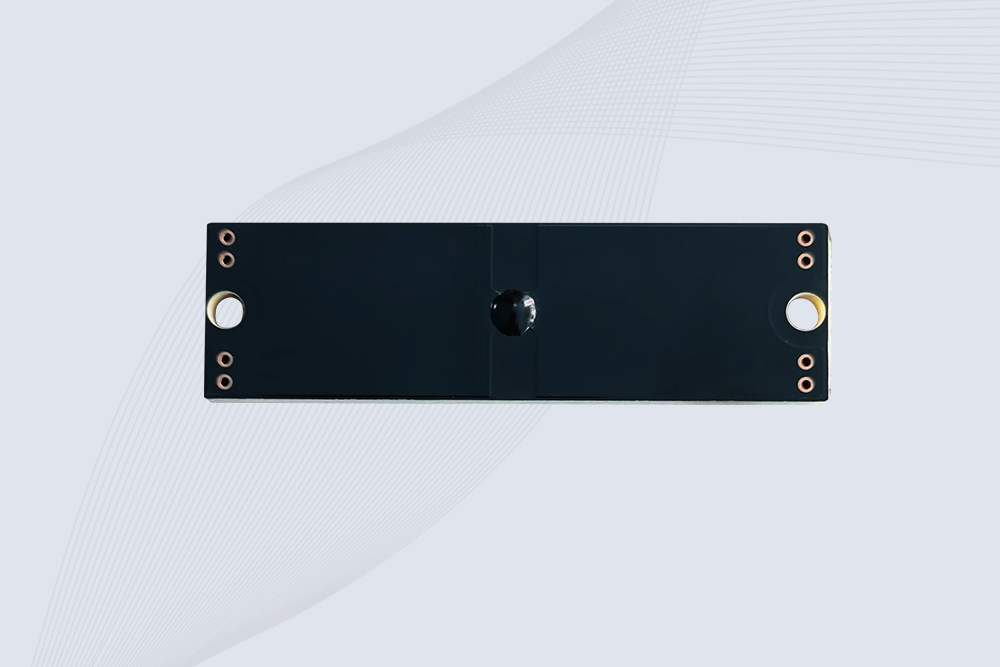
CYKEO CYKEO-PCB1504 Metal RFID Tags is a compact anti-metal UHF RFID solution built for direct mounting on metal surfaces. With stable 8-meter read range, Ucode-8 chip, and long data retention, this rfid metal tag fits tools, containers, automotive parts, and industrial asset tracking.
CYKEO CYKEO-PCB7020 On-Metal RFID Tags are designed for reliable tracking on steel and metal surfaces. Built with an FR4 epoxy body and industrial-grade chips, these On-Metal RFID Tags deliver stable performance, long data life, and chemical resistance, making them a dependable RFID anti-metal tag for harsh environments.
The CYKEO CYKEO-60-25 Anti-Metal RFID Tag is built for metal surfaces where standard tags fail. Designed for long-range performance, harsh environments, and stable data retention, this Anti-Metal RFID Tag is ideal for industrial assets, containers, and equipment tracking using on metal RFID tags.
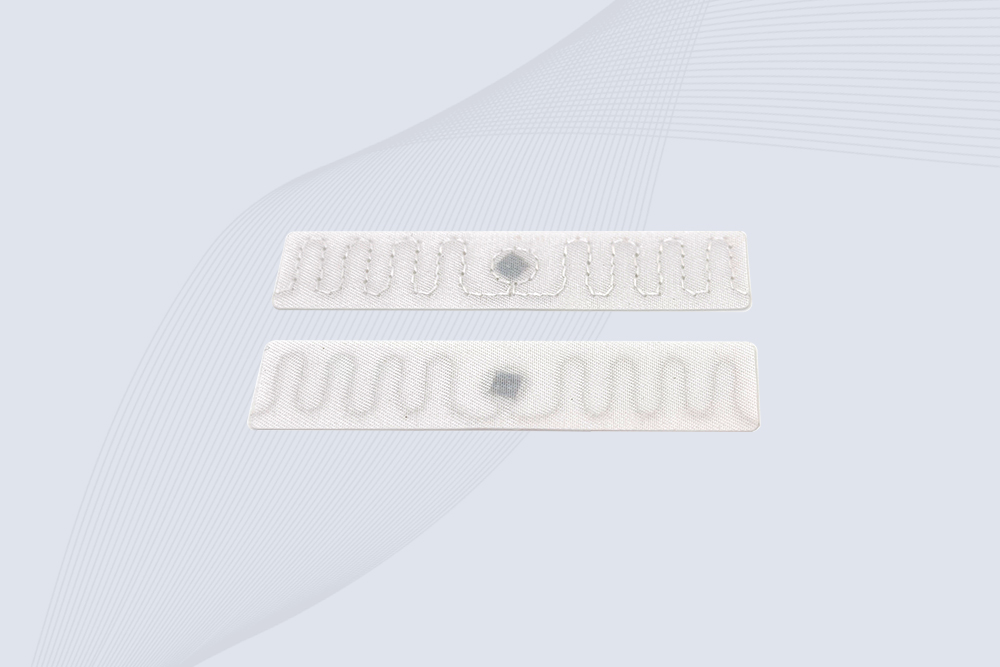
The CYKEO RFID Laundry Tag is designed for long-term textile identification in harsh laundry environments. Built to withstand high heat, chemicals, and repeated washing, this RFID Laundry Tag delivers stable performance for hotels, hospitals, and industrial laundry operations using laundry rfid tags at scale.
The CYKEO CYKEO-125-7 RFID Book Tag is designed for reliable book and document tracking in libraries and archives. This RFID Book Tag delivers long read range, dense placement support, and stable performance on shelves, making it a practical rfid tag on books for library automation, file management, and archival systems.
CYKEO RFID tags in hospitals are designed for sterile environments where accuracy matters. These autoclavable RFID tags support long-term tracking of surgical tools, implants, and medications, helping hospitals improve visibility, compliance, and patient safety.
CYKEO RFID Cable Tie Tag is built for reliable identification on metal surfaces. This UHF RFID Cable Tie Tag is widely used in rfid tags for inventory systems, industrial asset management and Hospital RFID Tags, offering stable read performance, long service life and global EPC Gen2 compatibility.
CYKEO RFID Asset Tag is designed for stable identification of metal assets in industrial environments. This UHF RFID Asset Tag is commonly used for rfid tag asset tracking on equipment, tools and containers, providing reliable reads, long service life and ISO/IEC 18000-6C support.
CYKEO UHF RFID Card is designed for fast identification and long-term use in industrial and commercial systems. Supporting ISO 18000-6C, this UHF RFID Card works at 860–960 MHz and is suitable for custom RFID cards used in asset tracking, access control and inventory management.
CYKEO HF RFID Cards are designed for secure and stable access control systems. These 13.56 MHz RFID key cards support ISO 14443-A, reliable rewriting and long service life, making HF RFID Cards suitable for offices, campuses, events and membership management.
CYKEO UHF RFID Tag is designed for reliable tracking of metal jewelry and high-value items. This Jewelry RFID Tag supports long-range reading up to 8 meters, anti-counterfeit protection and stable performance on metal, making it suitable for retail, inventory control and asset management.
Integrate RFID medical cabinets with hospital HIS and ERP systems for real-time inventory tracking. Improve data accuracy, automate workflows, and enhance hospital supply chain visibility.
What does NFC tag detected mean on your phone? Learn how NFC tags work, why your device detects them, and how RFID tags are used for access control, inventory, and industrial tracking.
Discover how Cykeo card reader and writer devices improve UHF RFID encoding accuracy, batch card issuance, and asset tracking efficiency in real workflows.
Compare passive and active RFID tags: costs, range, and use cases. Discover which system (passive or active RFID) fits logistics, healthcare, or industrial tracking.
 Cykeo RFID IoT Solution Products R&D Manufacturer