 Cykeo RFID IoT Solution Products R&D Manufacturer
Can My Phone Read RFID Tags? Let’s Get Real About It.
300Wondering "can my phone read RFID tags"? Here’s a realistic look at what your smartphone can and cannot do, and when you need a professional RFID system.
MoreAll RFID Product
A RFID key is a physical key securely paired with an RFID tag or smart key fob so the key can be electronically identified, authorized, tracked, and managed by an RFID key cabinet or access-control system.
In a conventional key cabinet, the key itself provides very little information. It is simply present or missing. An RFID key changes that relationship by giving the physical key a digital identity.
This distinction is important in government and enterprise vehicle-key management. A cabinet does not merely need to know that a key is gone. It may need to know which key was removed, who was authorized to take it, when it was taken, and whether it was returned.
The RFID tag provides the identification layer. The cabinet software handles the management layer.
At Cykeo, this is how I approach RFID key-management projects: start with the physical key and the actual handover process, then build the identification and authorization system around it. A technically impressive cabinet is not particularly useful if employees still have to guess which key belongs to which vehicle.
An RFID key normally consists of a conventional physical key combined with an RFID smart key fob or RFID tag.
The key and RFID identifier are physically fixed or encapsulated together. Each key is then registered and bound to its corresponding RFID identity in the management software.
A simplified workflow looks like this:
Physical key → RFID tag → RFID detection → Cabinet software → User authorization → Key release/return record
GS1 describes an RFID system as consisting of RFID tags and readers, with the tag containing a microchip and RFID antenna used to communicate identification information to a reader.
For a smart key cabinet, that basic RFID architecture becomes part of a larger access-control workflow.
When an authorized employee logs into the cabinet, the system can determine which key position may be released. Once the key is removed, the corresponding RFID detection point can register the change in key status.
When the key comes back, the cabinet can detect its return.
That sounds simple. The useful part is what happens in between.
An RFID key system is particularly useful where many vehicle keys must be controlled by different personnel.
Typical applications include:
For example, imagine a company with a pool of vehicles.
At 7:30 a.m., an employee needs a specific vehicle. Instead of searching through dozens of conventional keys, the employee authenticates at the smart cabinet. The system verifies the person’s identity and permits access to the authorized key position.
The cabinet can then associate the person with the key transaction.
That is fundamentally different from a traditional key board.
The physical key has not changed dramatically. The management process has.
| Conventional Key Cabinet | RFID Smart Key Cabinet |
|---|---|
| Manual key identification | Electronic key identification |
| Visual checking | RFID status detection |
| Manual sign-out | Digital transaction records |
| Limited authorization | Configurable identity verification |
| Difficult remote monitoring | Network-based remote management |
| Manual inventory | RFID-assisted key inventory |
| No automatic position indication | Individual position/location indication |
The advantage is therefore not simply “RFID makes a key smarter.”
The real advantage is connecting the physical key to a software record.
That connection makes it possible to manage personnel binding, key inventory, key position status, approvals, queries, and monitoring through one system.
The smart key cabinet described by Cykeo combines several technologies rather than relying on RFID alone.
The system architecture can include:
This multi-layer approach is useful because RFID answers one question—which key is this?
Identity verification answers another—who is attempting to access it?
Software then connects those two pieces.
GS1’s RFID architecture similarly separates tag identification from the software and reader infrastructure that processes RFID events.
That separation is worth preserving when designing a smart key cabinet. RFID should not be treated as the entire security system.
A cabinet with individually controlled key positions can monitor whether each position contains its assigned key.
The supplied Cykeo configuration supports 30 independent key positions, with each position independently controlled for unlocking and RFID detection.
This creates a simple but useful status model:
| Key Status | System Function |
|---|---|
| Key present | RFID identifies the assigned key |
| Key requested | Software checks authorization |
| Key released | Corresponding position records the removal |
| Key in use | Status remains visible in the management system |
| Key returned | RFID detects the key again |
| Incorrect key returned | System can identify a mismatch |
The last situation is particularly important.
Suppose vehicle key A is removed from position 04 but someone later returns key B to that position. A conventional cabinet may simply show “a key is present.”
An RFID-enabled cabinet can distinguish the RFID identity.
That is a small technical detail with a meaningful management consequence.
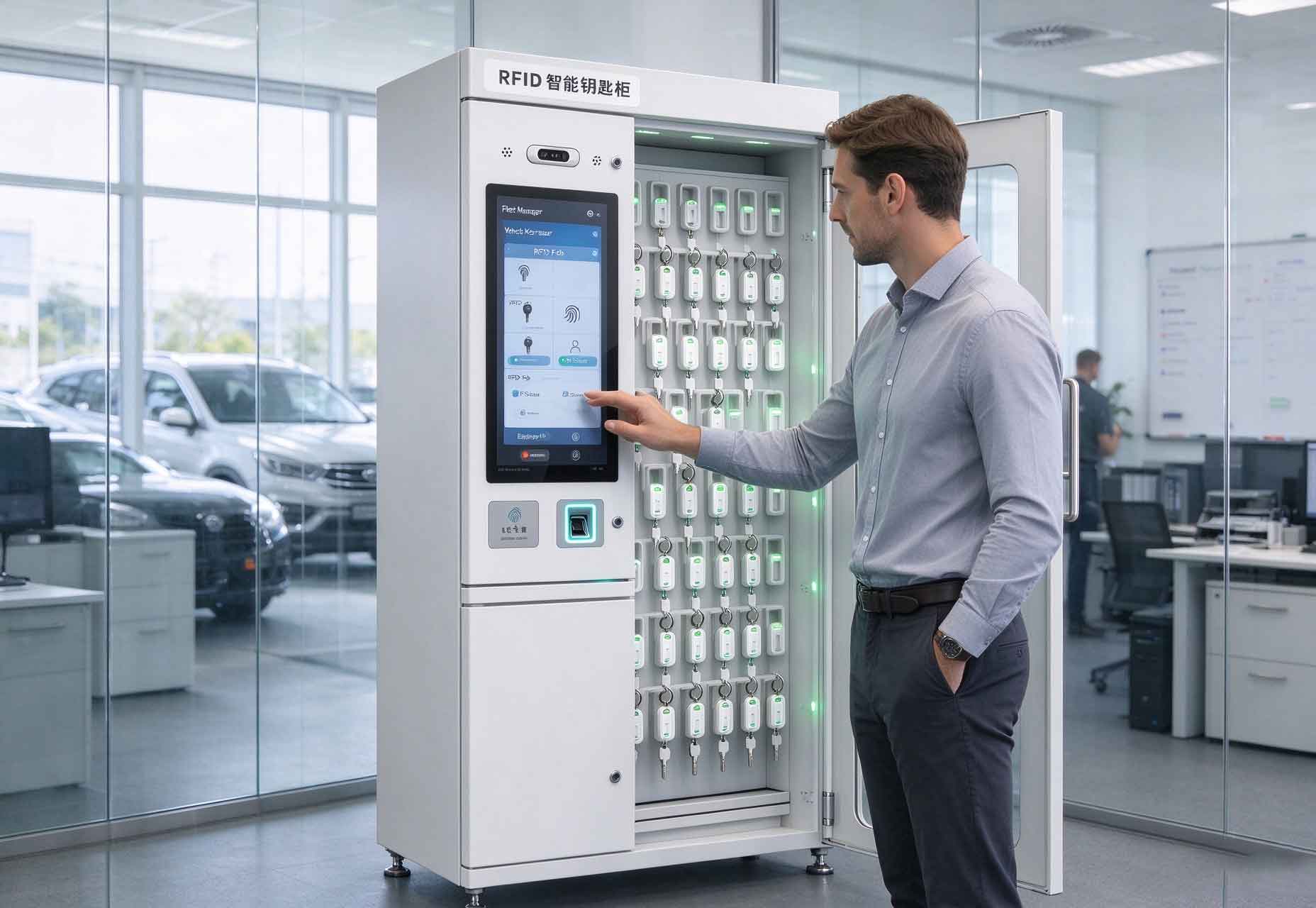
The RFID hardware becomes much more useful when connected to management software.
Based on the supplied Cykeo product configuration, the system can support:
A 10.1-inch capacitive touchscreen provides the operator interface, while the cabinet controls each key position independently.
The cabinet can also be installed as either a floor-standing or wall-mounted unit, depending on the deployment environment.
This flexibility matters in practice. A fleet office may have dedicated floor space, while a security room may require wall mounting to preserve working space.
One field lesson is particularly relevant here.
RFID can identify a key very reliably, but identification by itself does not determine whether a person should be allowed to take it.
That requires authentication and authorization.
The cabinet’s optional authentication methods—IC card, facial recognition, and fingerprint recognition—provide different ways to verify the user before the key position is unlocked.
The resulting workflow is closer to:
Person identification → authorization → key position unlock → RFID verification → transaction record
rather than simply:
RFID → key unlocked
That distinction is important for government and enterprise vehicle management, where accountability can be as important as physical storage.
Auburn University’s RFID Lab has demonstrated in retail field research that RFID-enabled visibility can produce measurable operational improvements. In one study, 13 stores were observed for 23 weeks, and RFID-enabled inventory-record adjustment reduced inventory record inaccuracy by approximately 26%. The finding concerns retail inventory rather than key cabinets, so it should not be presented as a performance figure for RFID key management. It does, however, illustrate the broader value of connecting RFID observations with management records.
An RFID smart key cabinet is designed around a controlled take-and-return process rather than simple key storage.
A typical transaction can work like this:
The important detail is that the physical key and digital record remain linked.
If key #08 belongs to vehicle #08, the system should not merely know that something was returned to slot #08. It should verify that the RFID identity corresponds to the assigned key.
The supplied Cykeo cabinet configuration supports 30 independent key positions.
Each position has its own unlocking control and RFID detection function. This allows individual keys to be managed separately instead of treating the cabinet as one large storage compartment.
For a fleet-management environment, that creates a clearer relationship:
| Cabinet Function | Management Result |
|---|---|
| Independent RFID detection | Individual key identification |
| Independent unlocking | Controlled access to a specific key |
| Key-position status | Easier inventory checking |
| Illuminated position indication | Faster physical key location |
| Personnel binding | Association between user and key |
| Database records | Historical management information |
The illuminated position function is particularly practical during busy periods.
An employee does not need to scan every key or open multiple compartments. The system can indicate the relevant position directly.
That is a small interface feature, but it reduces unnecessary searching at the cabinet.
Yes. The cabinet can be configured with multiple authentication methods.
The supplied product specification identifies:
This allows an organization to select an authentication method according to its management requirements.
For example, an organization could use an IC card for routine access while retaining biometric authentication for higher-security workflows.
The RFID tag itself should not be confused with user authentication.
The RFID tag identifies the key.
The authentication system identifies the person.
The software connects the two.
This is one of the practical reasons to use RFID rather than relying entirely on visual inspection.
Imagine that a cabinet has two similar vehicle keys.
A user removes Key A from its assigned position. Later, Key B is accidentally placed in that slot.
A conventional key cabinet can see that the slot is occupied.
An RFID-enabled cabinet can compare the RFID identity detected at that position against the key assigned to the slot.
That creates a more precise inventory state:
Expected key: Vehicle A
Detected RFID: Vehicle B
Result: Key-position mismatch
The software can then flag the condition according to the configured management rules.
This type of identity verification is especially useful when many visually similar keys are stored together.
| Capability | Traditional Key Cabinet | RFID Smart Key Cabinet |
|---|---|---|
| Physical key storage | Yes | Yes |
| Individual key identification | Manual | RFID-based |
| User authentication | Usually manual | IC card / fingerprint / facial recognition options |
| Independent slot control | Limited | Yes |
| Key inventory | Manual | RFID-assisted |
| Personnel binding | Manual records | Software-based |
| Remote query | Limited | Supported |
| Approval workflow | Manual | Software-supported |
| Key position indication | Visual | Illuminated position indication |
| Emergency unlocking | Depends on cabinet | Supported by supplied configuration |
The difference is not simply electronic hardware.
It is the ability to connect physical access with digital management.
For an organization managing only three or four keys, this may be unnecessary. Once dozens of shared vehicle keys are circulating among different employees, the administrative value becomes much clearer.
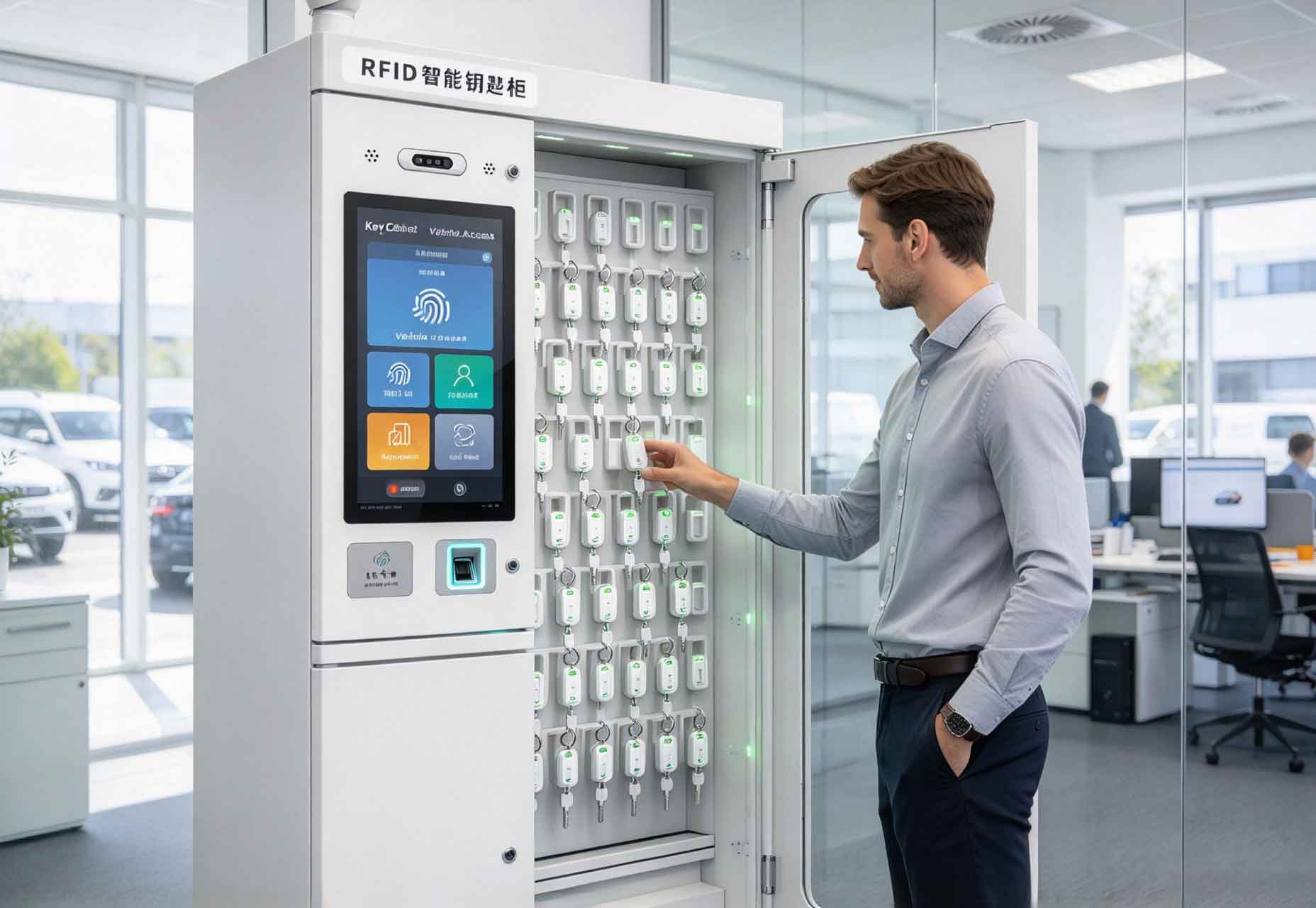
The management process can be divided into several practical stages.
Each physical key is paired with its RFID smart key fob.
The RFID identity is then registered in the software and associated with the corresponding vehicle or asset.
Authorized personnel can be associated with specific access permissions.
This creates a digital relationship between person, key, and transaction.
The cabinet periodically checks the status of individual key positions through RFID detection.
The operator can identify which keys are present and which are currently unavailable.
After successful authentication and authorization, the assigned position can be unlocked.
When the key is returned, RFID detection verifies the key identity and updates its status.
Network connectivity allows authorized management personnel to query information remotely, depending on the deployed software architecture.
The supplied cabinet supports both floor-standing and wall-mounted installation.
The appropriate choice depends on the physical environment.
Floor-standing installation can work well in a dedicated fleet office or security room where the cabinet needs to be accessible to multiple users.
Wall-mounted installation can be useful where floor space is limited or the cabinet needs to be positioned at a controlled access point.
The cabinet also includes an emergency unlocking function, providing an alternative access method when normal electronic operation is unavailable or emergency procedures require it.
Before installation, I would check more than the number of key slots.
A short pilot with the actual vehicle keys is worthwhile.
Keys are awkward RF objects. Metal blades, rings, remote-control housings, and other nearby materials can change the physical arrangement inside a slot. Testing the actual assembled key is more informative than testing an RFID tag by itself.
A RFID key is a conventional physical key paired with an RFID tag or smart key fob. The RFID identity allows the key to be electronically identified and managed by a compatible RFID key cabinet or software system.
The RFID tag attached to the key communicates with an RFID reader inside the smart key cabinet. The system identifies the key and updates its status when the key is removed or returned.
Yes. RFID keys are particularly suitable for shared vehicle fleets because individual vehicle keys can be registered, identified, assigned to personnel, and monitored through a smart key-management system.
Yes. The supplied cabinet supports optional authentication methods including IC cards, fingerprint recognition, and facial recognition. The authentication system identifies the user while RFID identifies the key.
The described configuration supports 30 independent key positions. Each position has independent unlocking control and RFID detection.
Yes. RFID detection can verify the identity of a returned key and update its status in the management system. This can help distinguish the correct key from a different key accidentally placed in the same position.
Yes. The described Cykeo configuration supports both floor-standing and wall-mounted installation, allowing the cabinet to be adapted to different deployment environments.
The real value of an RFID key cabinet appears when the number of keys, users, and transactions starts increasing.
With five keys, a manual register may be enough.
With thirty vehicle keys and multiple employees taking vehicles throughout the day, the situation changes. Someone has to know which key is missing, who took it, whether it was authorized, and whether the correct key came back.
RFID gives the physical key a machine-readable identity.
Biometrics or IC cards give the person an identity.
The software brings those two identities together.
That is the core architecture behind an intelligent key-management system.
For Cykeo, the RFID key is therefore not just an RFID tag attached to a piece of metal. It is the identification link between the physical vehicle key and the digital management record.
What is a RFID key? It is a physical key integrated with an RFID identifier so that the key can be individually recognized and managed by an RFID smart key cabinet.
With RFID identification, independent key-position control, user authentication, personnel binding, inventory checking, location indication, remote management, and emergency unlocking, the cabinet turns ordinary key storage into a controlled digital management process.
For government and enterprise vehicle fleets, the practical objective is straightforward: know which key is present, who is authorized to access it, where it belongs, and whether it has been returned.
That is where an RFID key becomes useful—not because the key itself has become electronically complicated, but because its physical identity is now connected to the management system.
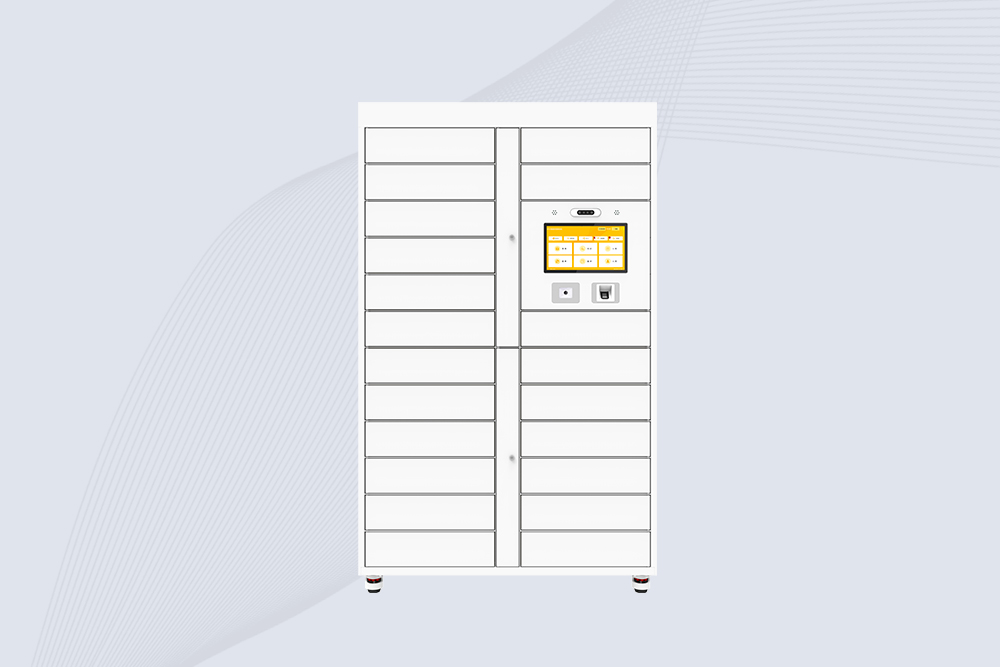
Cykeo’s industrial RFID stock management cabinet offers 14″ touchscreen, bulk UHF scanning, -30°C–60°C operation for tools/PPE/documents. Integrates with Oracle/SAP.
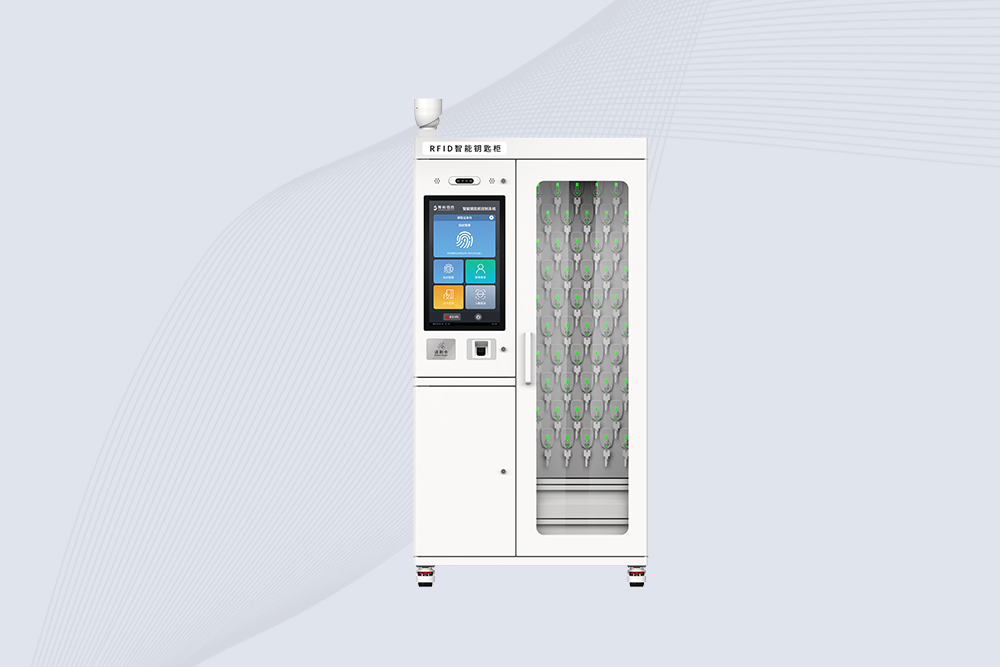
Cykeo’s RFID Key Cabinet offers biometric security & solar options for corporate/rental sectors. Tracks 50 keys with ISO 15693 compliance & ERP integration.
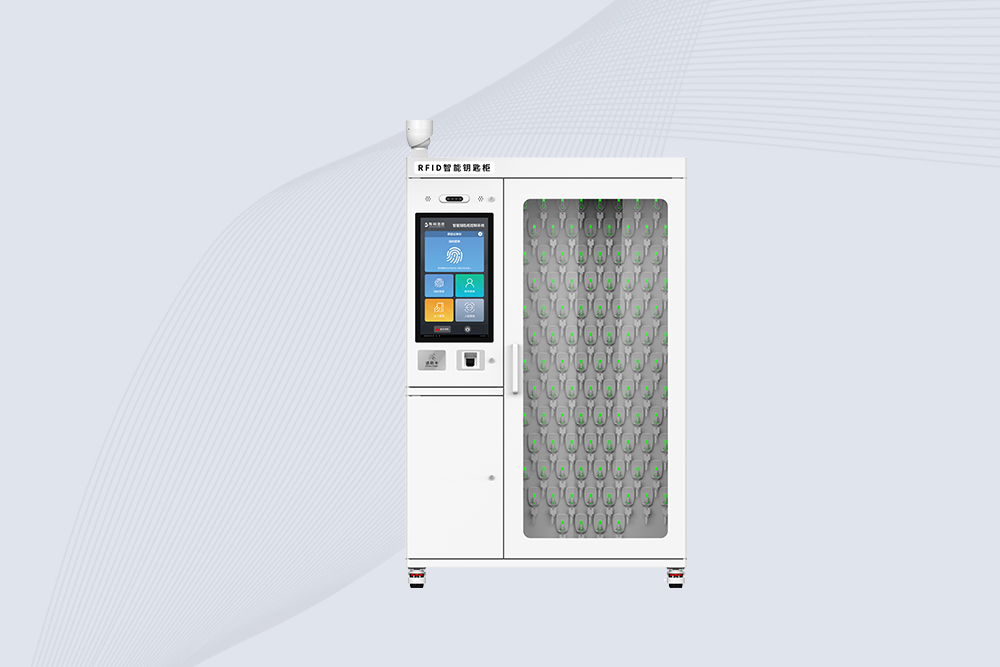
Industrial RFID Key Management Cabinet with biometric auth, unlimited expansion, -30°C operation, and 22″ touchscreen for prisons/utilities. Manages 100+ keys.
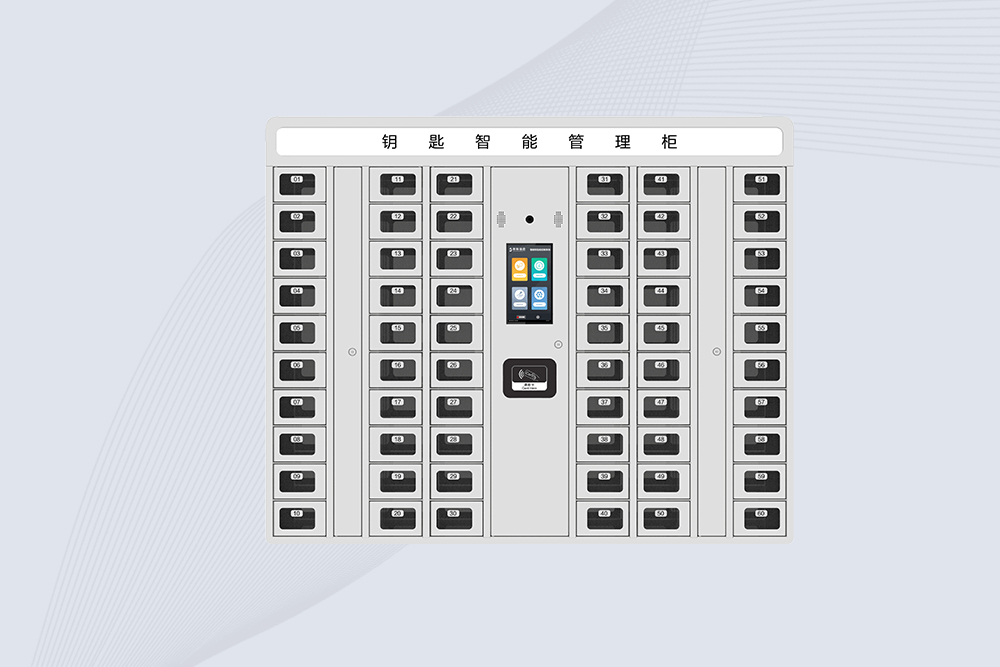
Industrial RFID Smart Key Cabinet with face/fingerprint recognition, 10.1″ touchscreen, SAP integration, and IP54 rating for prisons/utilities. Manages 60+ keys.
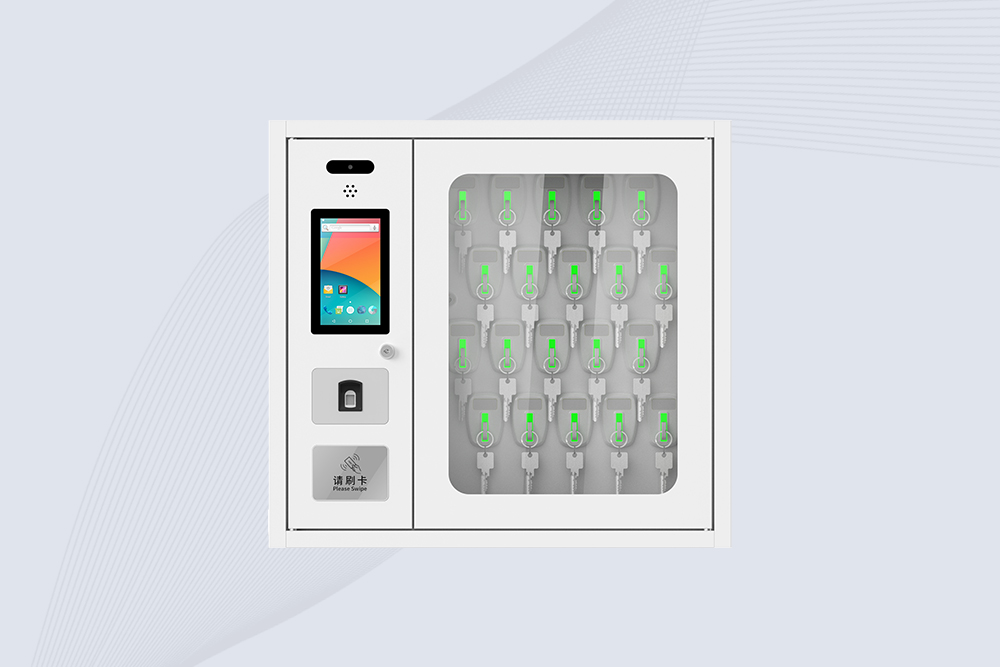
Industrial RFID Biometric Key Cabinet with fingerprint/face recognition, 10.1″ touchscreen, SAP integration, and IP54 rating for fleet/retail key control.
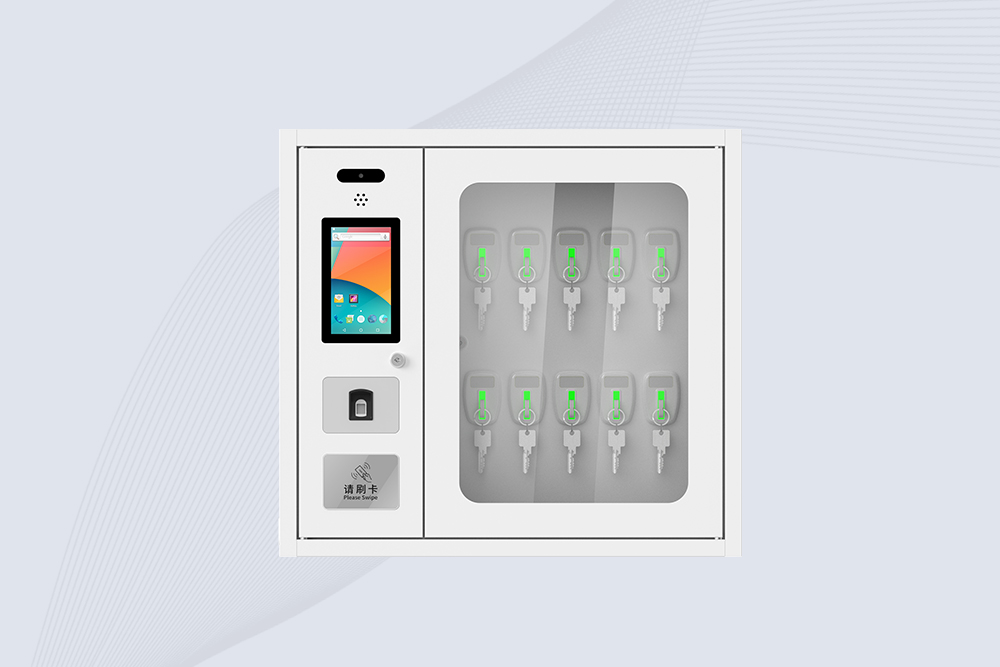
Industrial Smart RFID Key Cabinet with 10.1″ touchscreen, biometric authentication, IP54 rating, and cloud monitoring for fleet/utility key control.
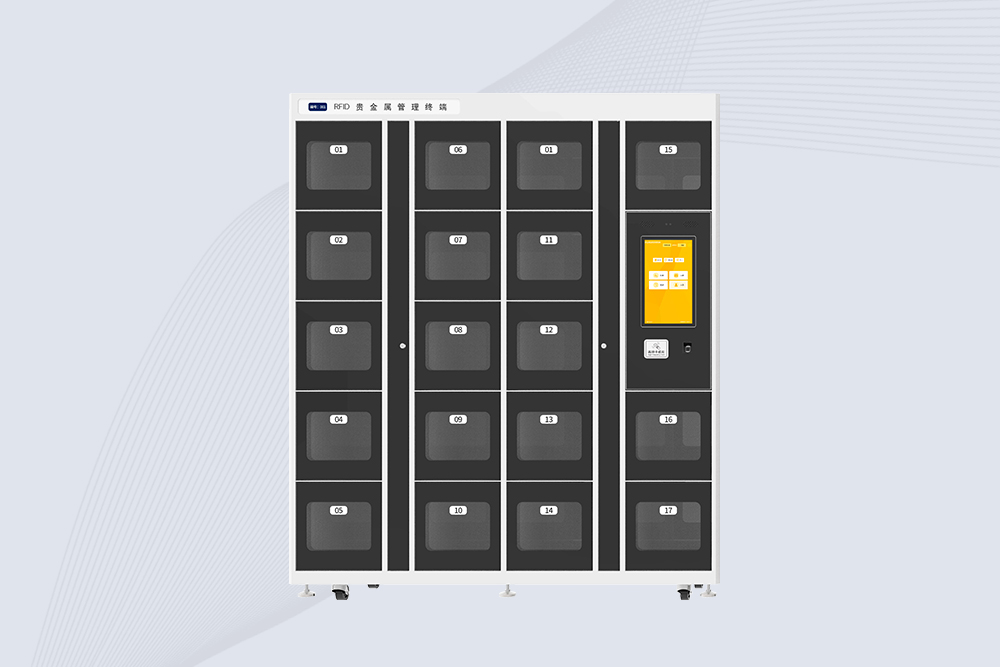
Cykeo’s industrial RFID storage cabinet features UHF tracking, 21.5″ touchscreen, Windows/Android OS, and face/fingerprint access for secure asset management. Real-time alerts for archives, labs, and tool control.
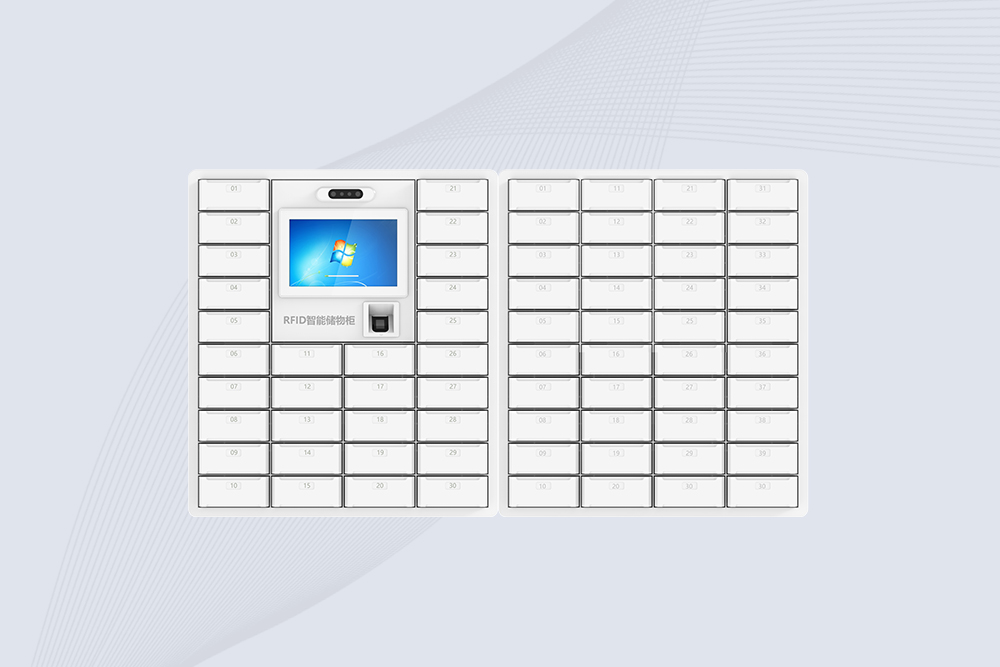
Cykeo’s industrial RFID loss prevention cabinet features UHF sensors, multi-factor authentication, -30°C~60°C operation for pharma/retail/archives. Stops theft with real-time alerts & SAP integration.
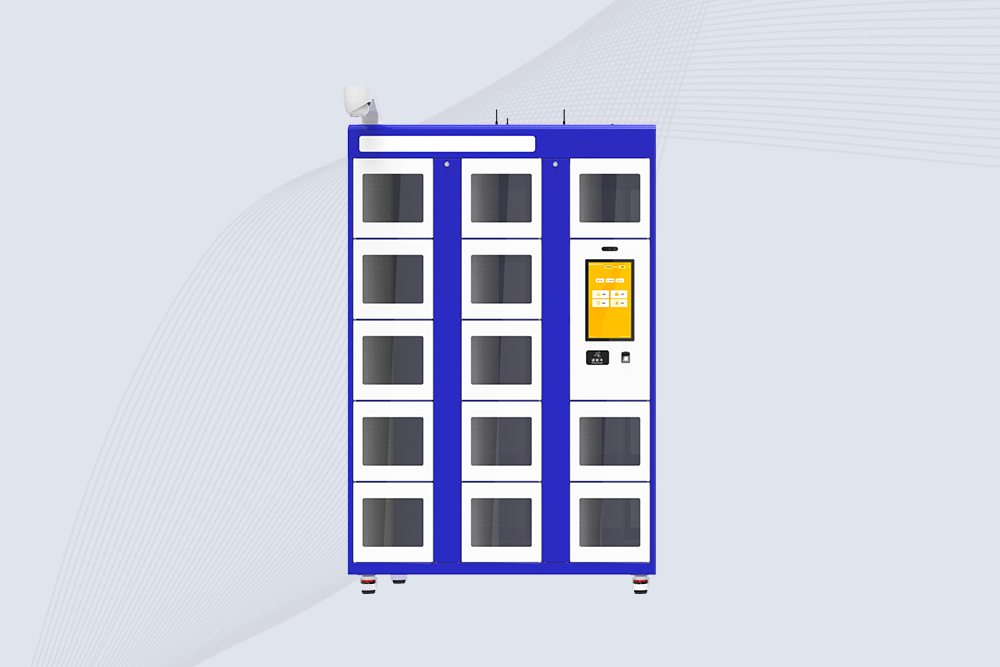
Cykeo’s RFID equipment management cabinet offers 14″ touchscreen, real-time UHF tracking, -30°C–60°C operation for tools/PPE/lab assets. Integrates with Oracle/SAP.
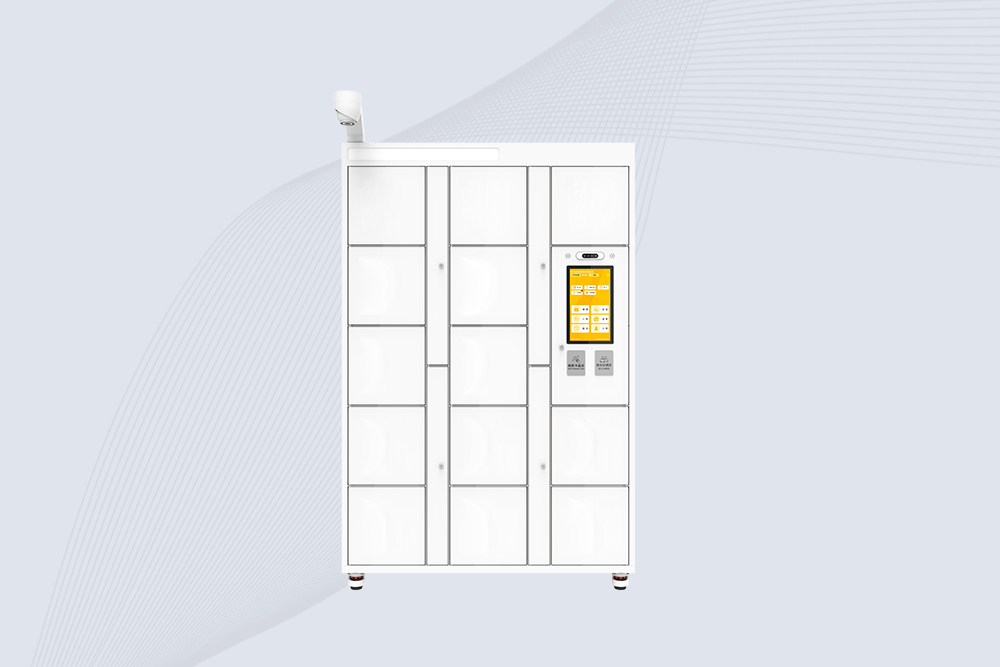
Cykeo’s intelligent weighing cabinet offers 1g-30kg/slot precision, RFID/fingerprint security, Win/Android OS, and real-time SAP/WMS integration. Ideal for pharma/labs/archives.
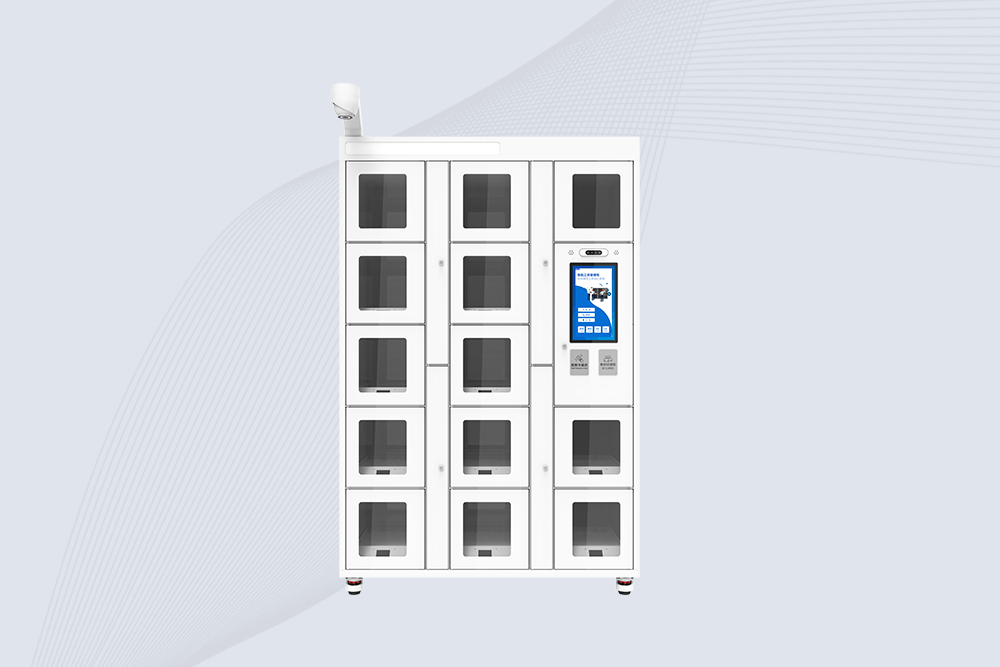
ykeo’s powder weighing cabinet offers ±0.5g precision, UHF RFID tracking, GMP climate control, and SAP integration for labs/chemical plants.
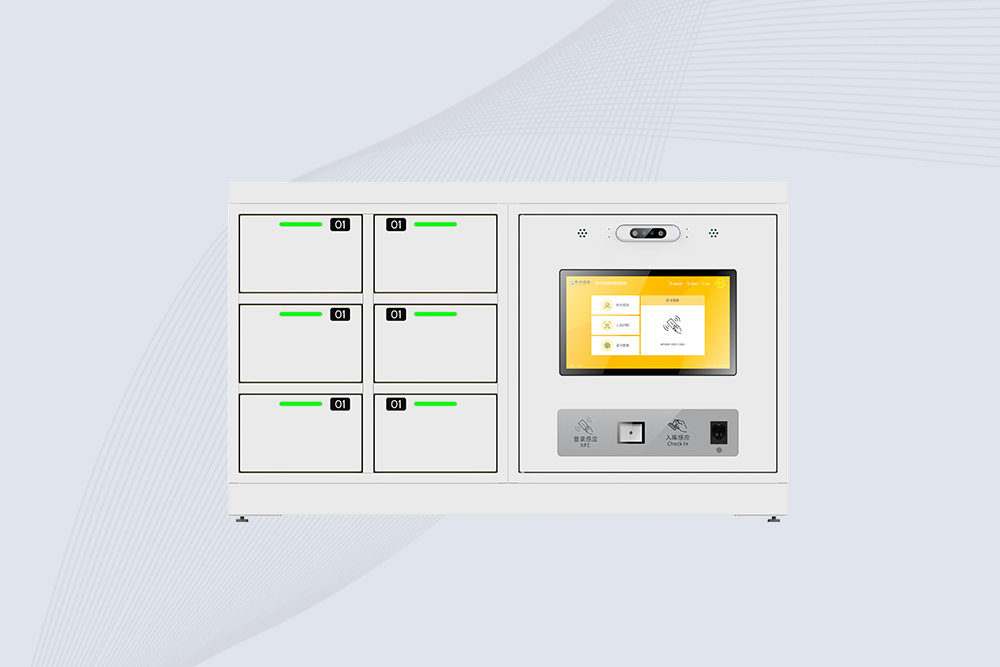
Cykeo’s RFID Seal Management Cabinet offers 100-tag/sec scanning, biometric security, SAP integration, and audit trails for government/banking/compliance.
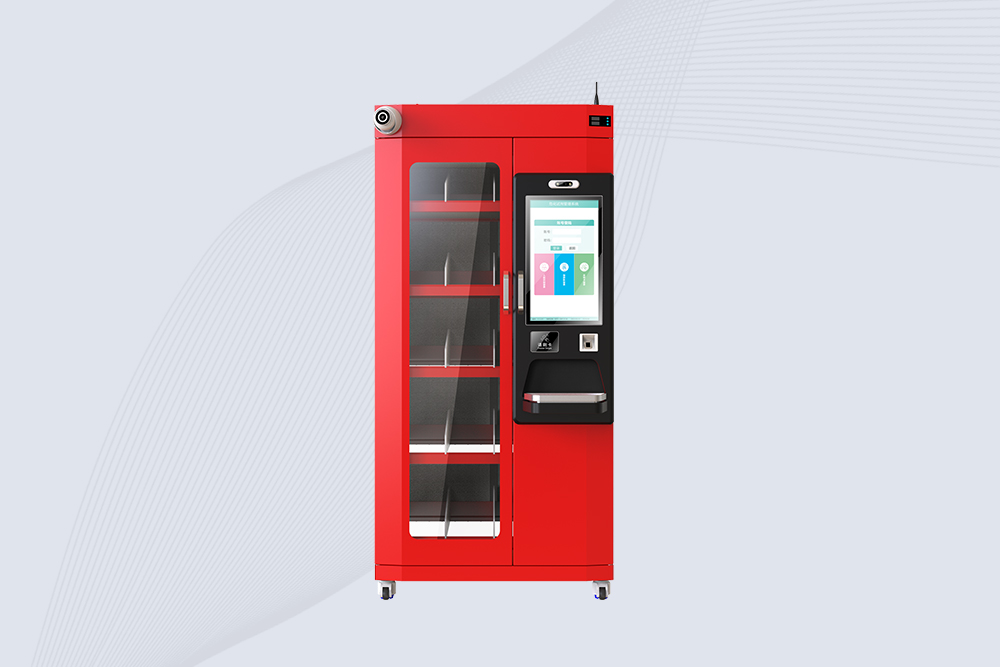
Cykeo’s RFID Chemical Management Cabinet offers 400-tag/sec scanning, VOC leak detection, corrosion-resistant design, and SAP integration for labs/pharma/industrial plants.
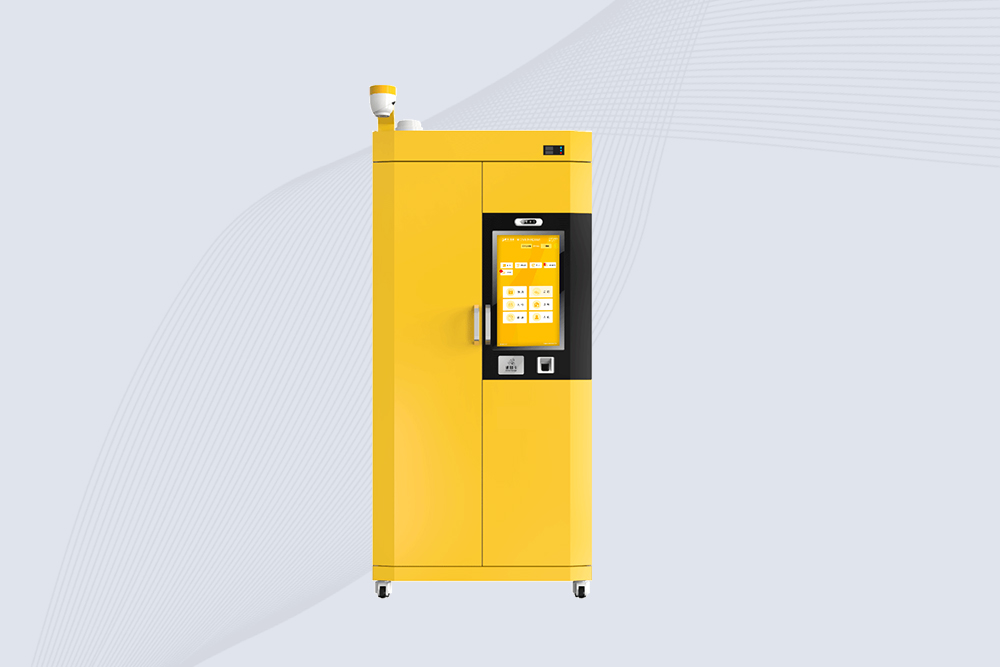
Cykeo’s RFID smart chemical cabinet features 400-tag/sec scanning, leak detection, SAP integration, and nuclear-grade safety for labs/railways/plants.
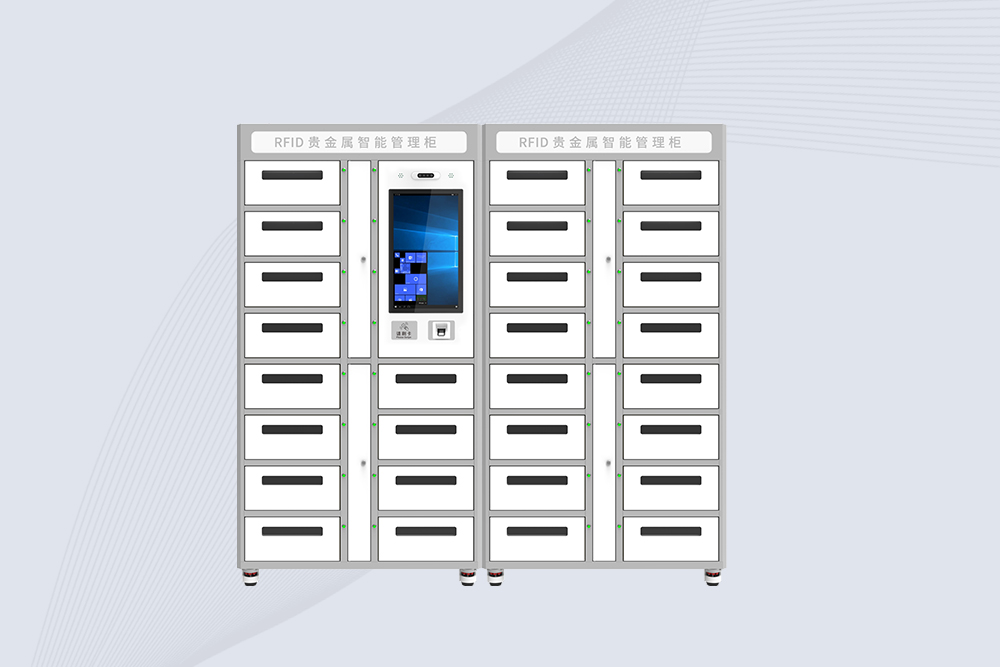
Cykeo’s UHF RFID precious metal cabinet offers drawer-level tracking, biometric access, and SAP integration for banks/vaults/bullion storage. ISO 27001 certified.
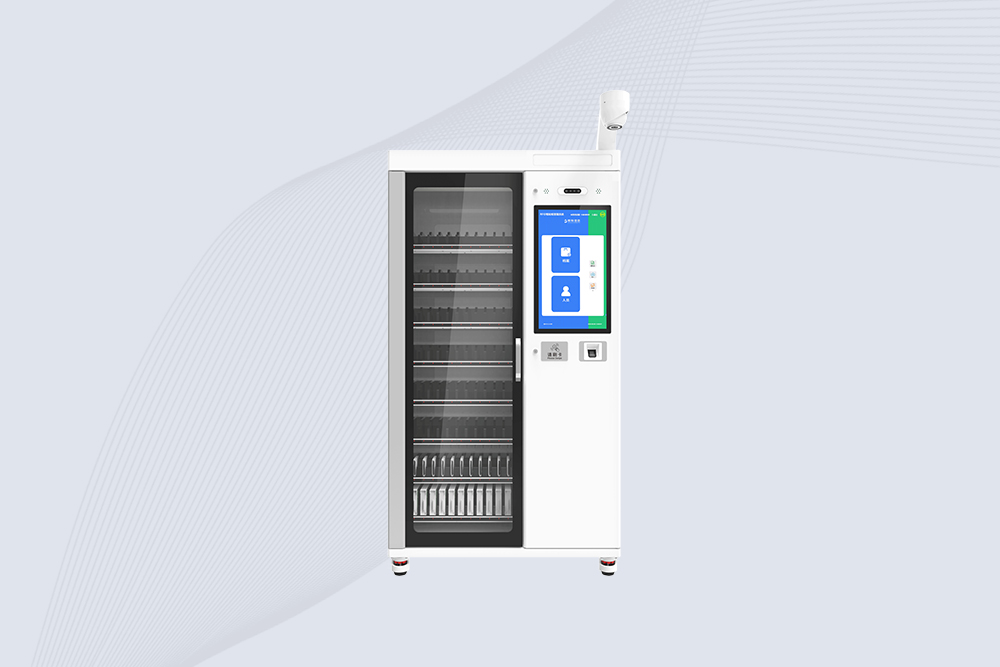
Cykeo’s RFID hard disk cabinet offers military-grade steel, HF RFID tracking, chain-of-custody audits, and Splunk/QRadar integration for government/financial sectors.
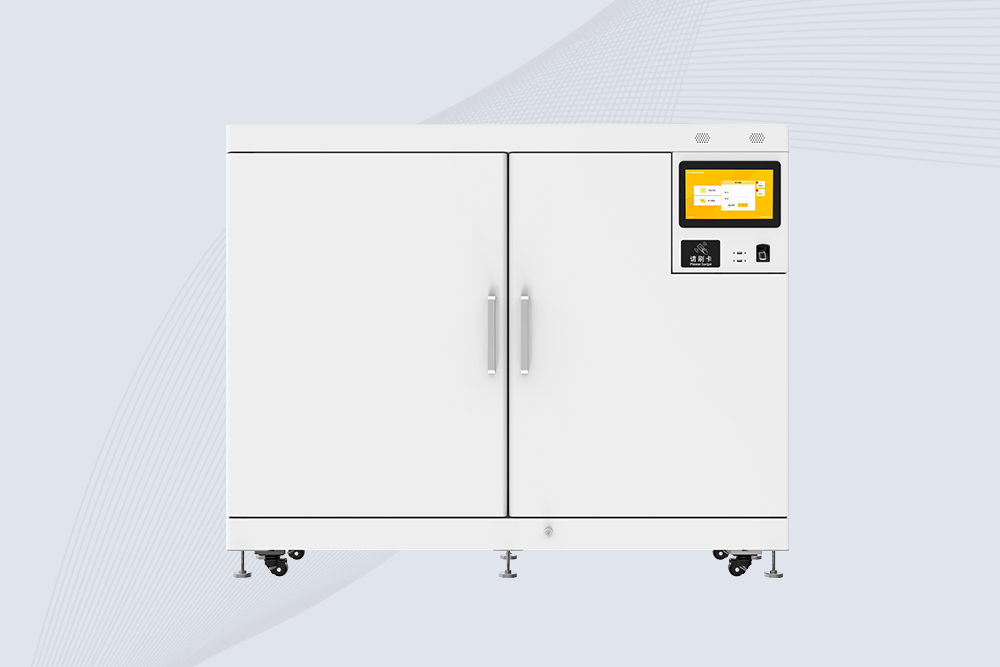
Cykeo’s RFID hard disk management cabinet offers 140-drive capacity, multi-factor authentication, NIST compliance, and Splunk integration for government/financial sectors.
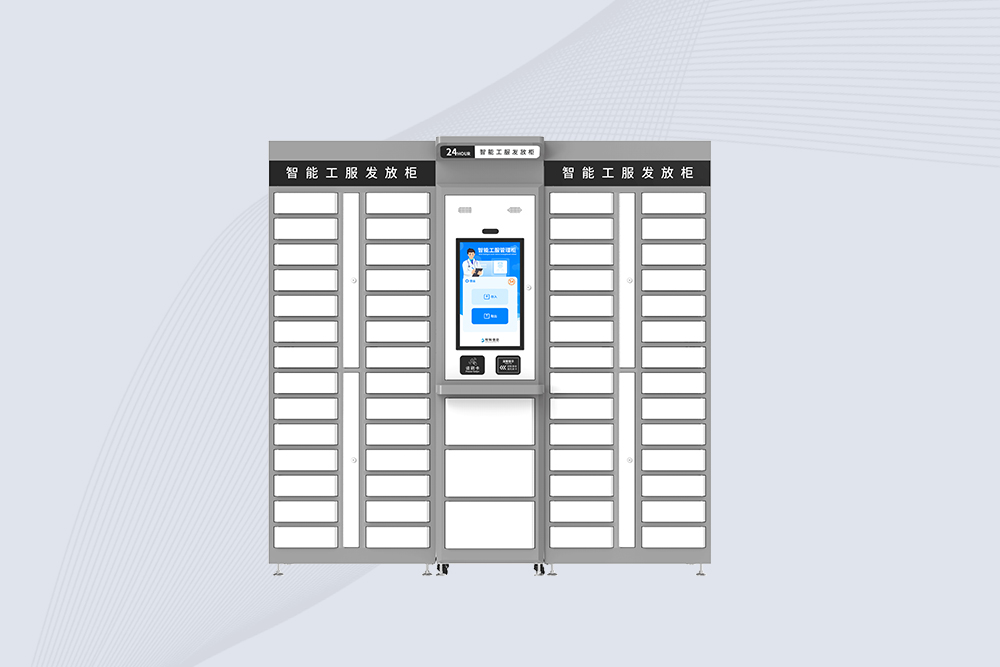
Cykeo CYKEO-MG28 smart rfid locker system features IP54 cabinet, 21.5″ touchscreen, and RFID/QR/biometric authentication for industrial asset security.
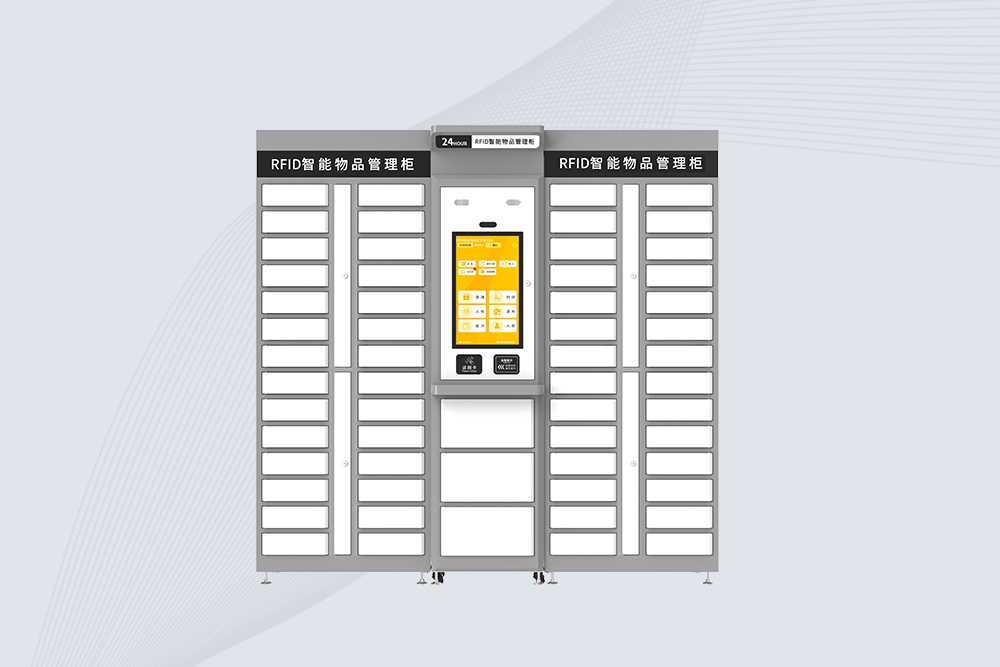
Cykeo CYKEO-G0628 uhf rfid locker system features 21.5″ touchscreen, fingerprint/RFID authentication, and modular cabinets for industrial asset security.

Wondering "can my phone read RFID tags"? Here’s a realistic look at what your smartphone can and cannot do, and when you need a professional RFID system.
More
Android RFID Emulator improves testing and debugging efficiency, but it also introduces security risks in real-world enterprise applications, such as illegal emulation and UID spoofing. This article analyzes how it works, uncovers potential threat...
More
Learn what an RFID reader module is, how it works, and why OEMs and system integrators use it to build RFID devices. A practical guide covering integration, interfaces, and real-world applications.
More
Discover how RFID technology and smart cabinets transform factories and assembly lines. Track parts, tools, and inventory in real-time, prevent mistakes, and optimize production with full visibility.
More