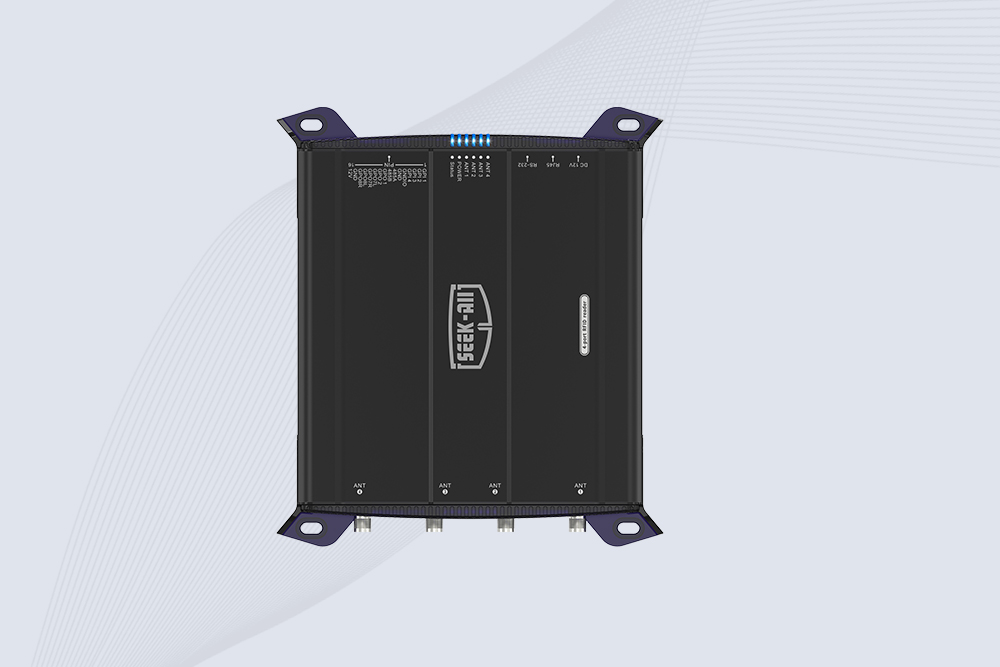
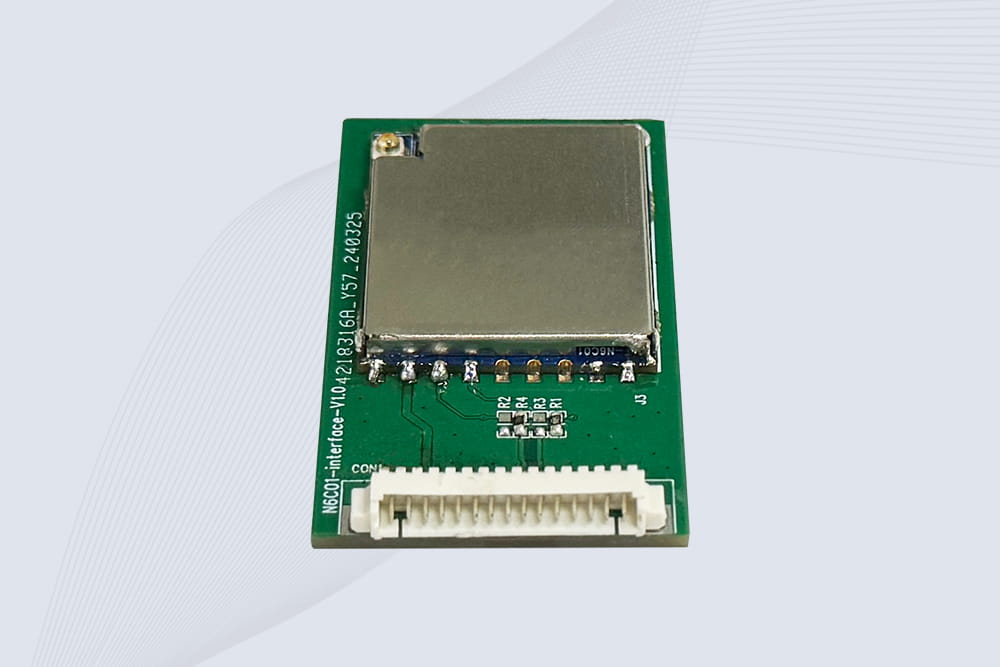
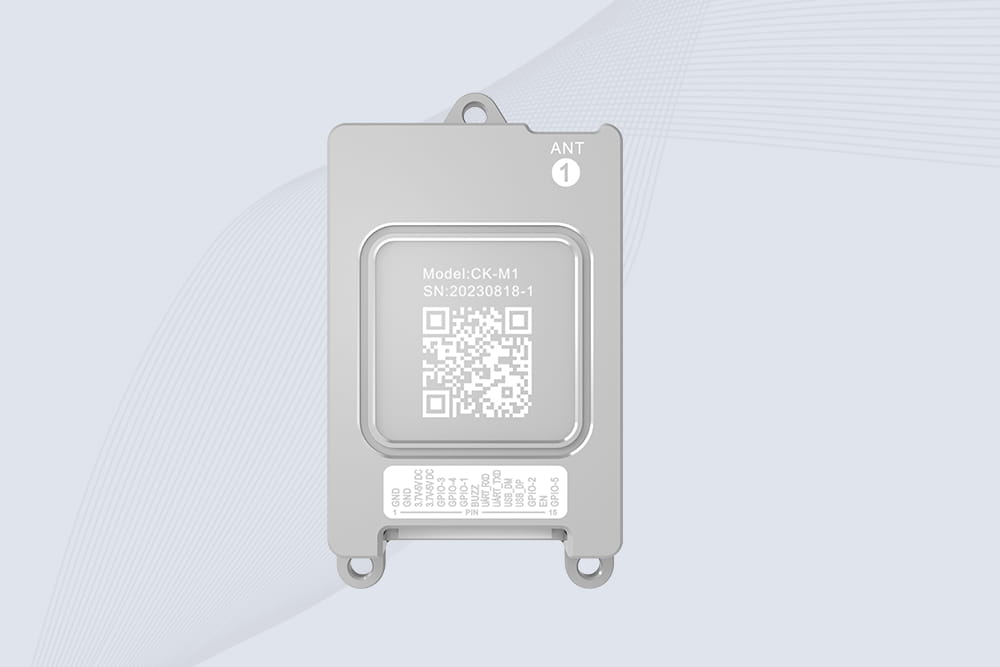
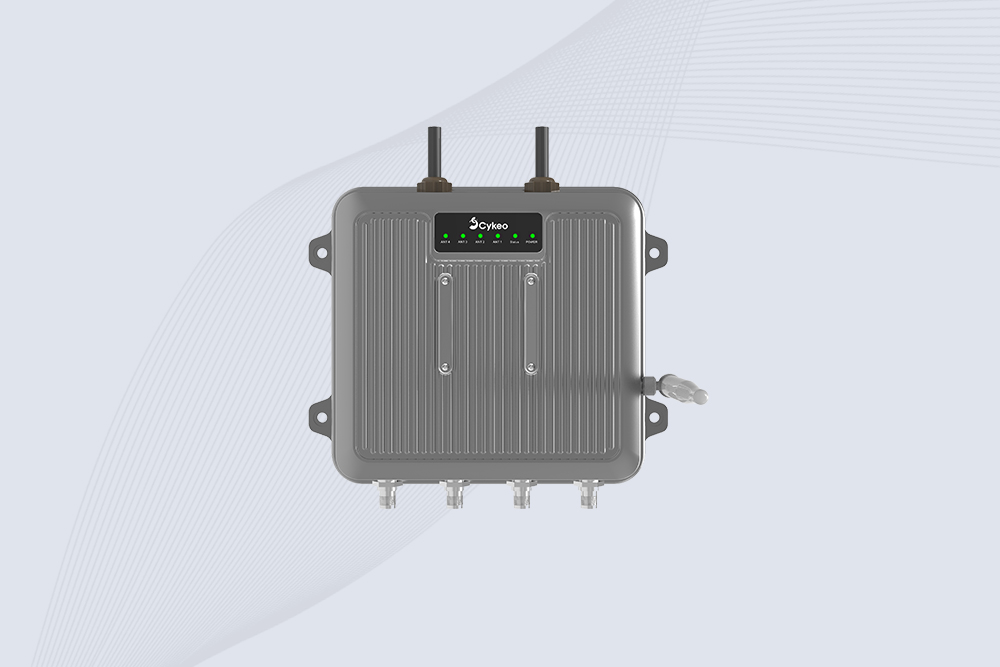
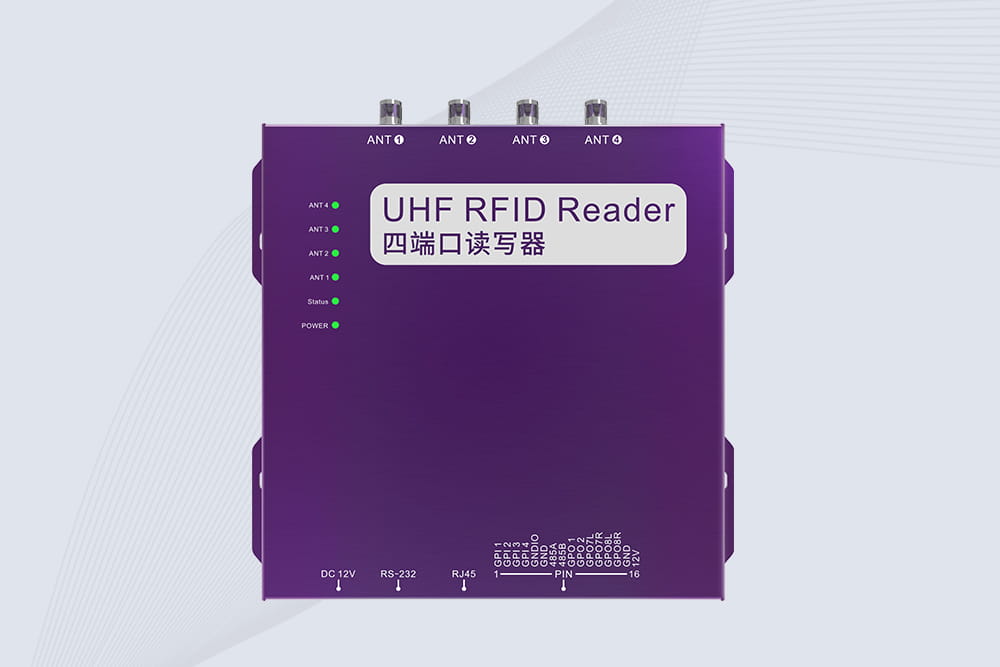
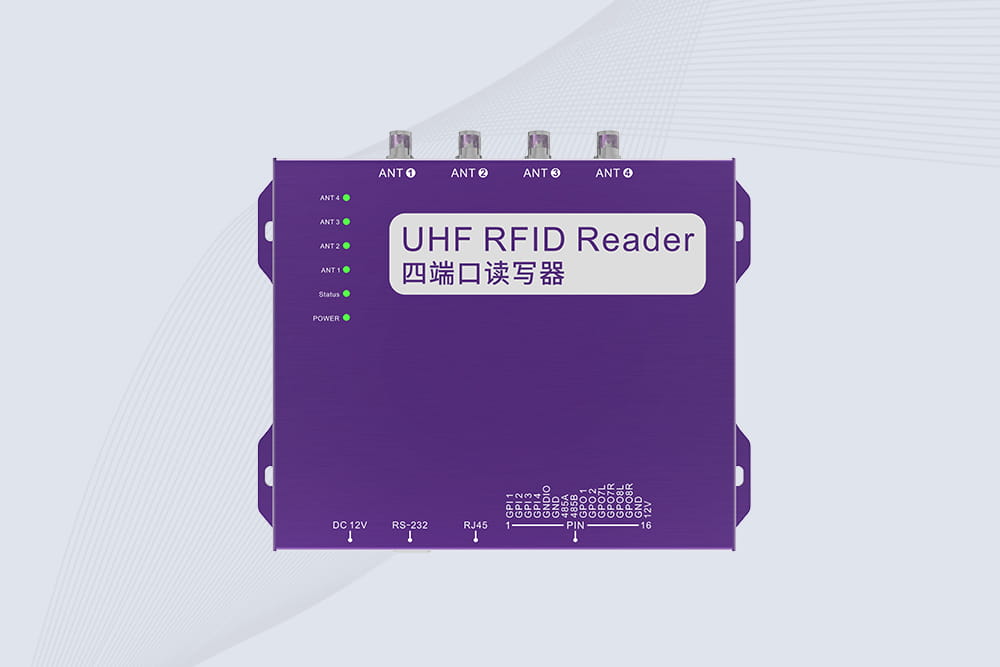
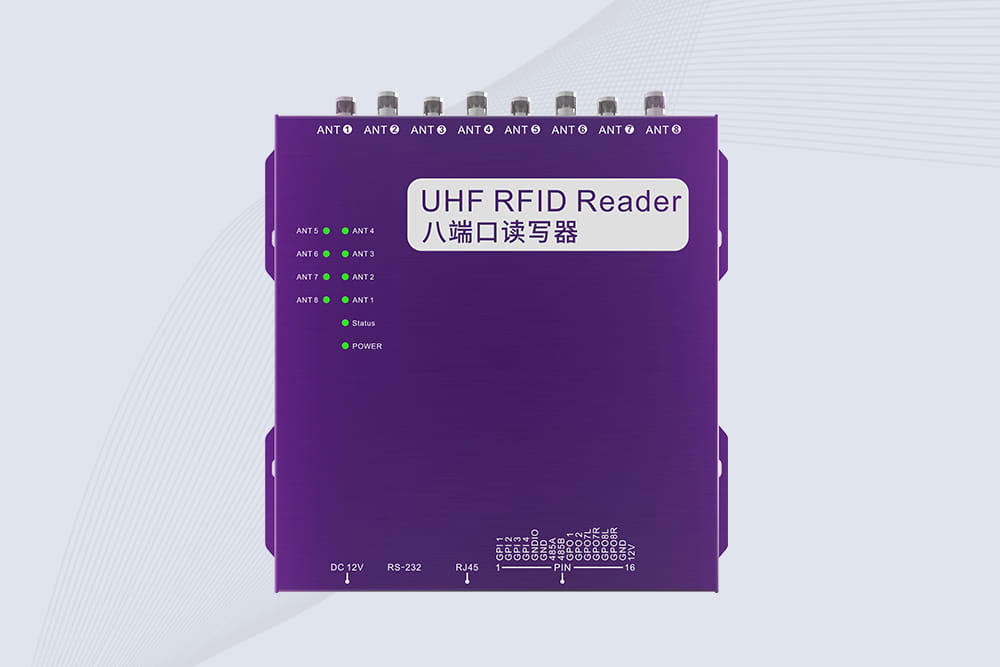
RFID readers can help businesses identify and locate tools, equipment, containers and other assets without relying entirely on manual checks. The most suitable setup depends on the asset material, tracking point, reading distance, tag type and whether the company needs handheld or automatic identification.
Some assets are easy to lose.
Not necessarily because somebody takes them.
Sometimes a tool is simply left in another workshop.
A machine component gets moved to a different production area.
A reusable container goes out with a shipment and does not come back.
A laptop ends up in the wrong office.
A maintenance team has ten similar tools, and nobody is completely sure which one is currently being used.
These situations are surprisingly common in businesses with a lot of equipment moving around.
Traditional spreadsheets can record where an asset should be.
They do not always tell you where it actually is.
This is where RFID asset tracking becomes interesting.
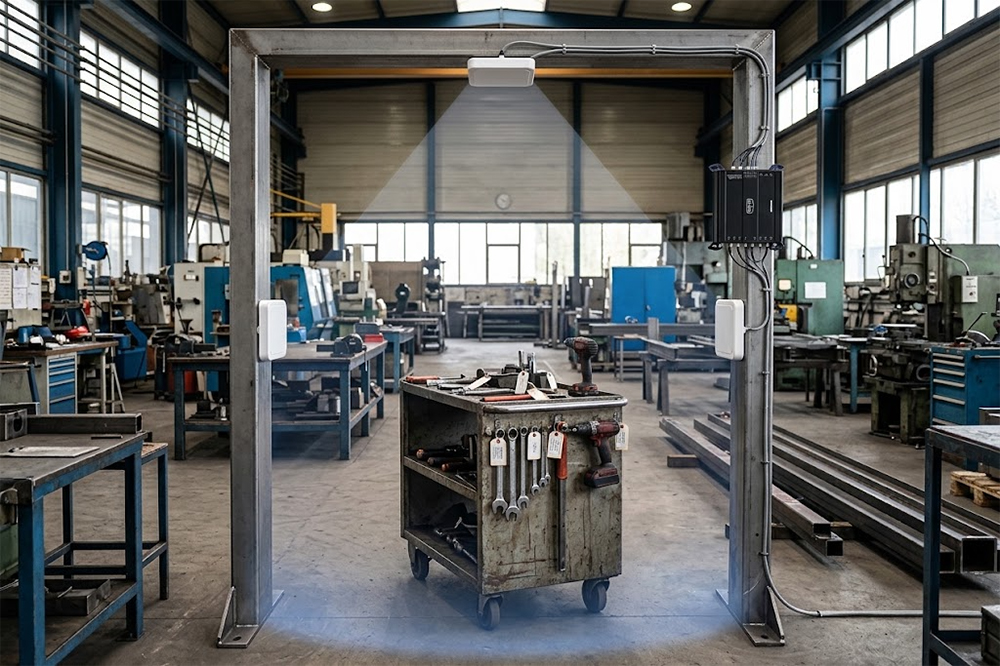
An RFID tag is attached to the asset, and an RFID reader identifies the tag when it enters the reading area. With the right system design, businesses can create a record of asset movement without asking employees to manually update every change.
But there is a catch.
RFID does not automatically solve asset management.
The reader, antenna, RFID tag, software and physical environment all need to work together.
And depending on the asset, the setup can be quite different.
What Is RFID Asset Tracking?
At its simplest, RFID asset tracking means using RFID tags and readers to identify physical assets.
The asset might be:
Power tools
Production equipment
IT equipment
Medical equipment
Reusable containers
Machinery components
Warehouse equipment
Maintenance tools
Industrial pallets
Documents or valuable items
Each RFID tag has a unique identification number.
The asset management system links that number to the actual asset.
For example:
Tag ID: RFID-002681
Asset: Electric Torque Tool
Asset Number: TOOL-1782
Department: Production
Current Status: In Use
When the RFID reader detects the tag, the software can update the related record.
The reader does not need to know that the tag belongs to a torque tool.
It simply identifies the tag.
The software provides the business meaning.
That separation is worth understanding before starting an RFID project.
Why Businesses Use RFID for Asset Tracking
Manual asset management becomes harder as the number of assets increases.
Imagine a factory with 2,000 tools and pieces of equipment.
A worker may be able to check a small tool room manually.
But checking every asset every week becomes a different problem.
RFID can reduce the amount of manual identification required.
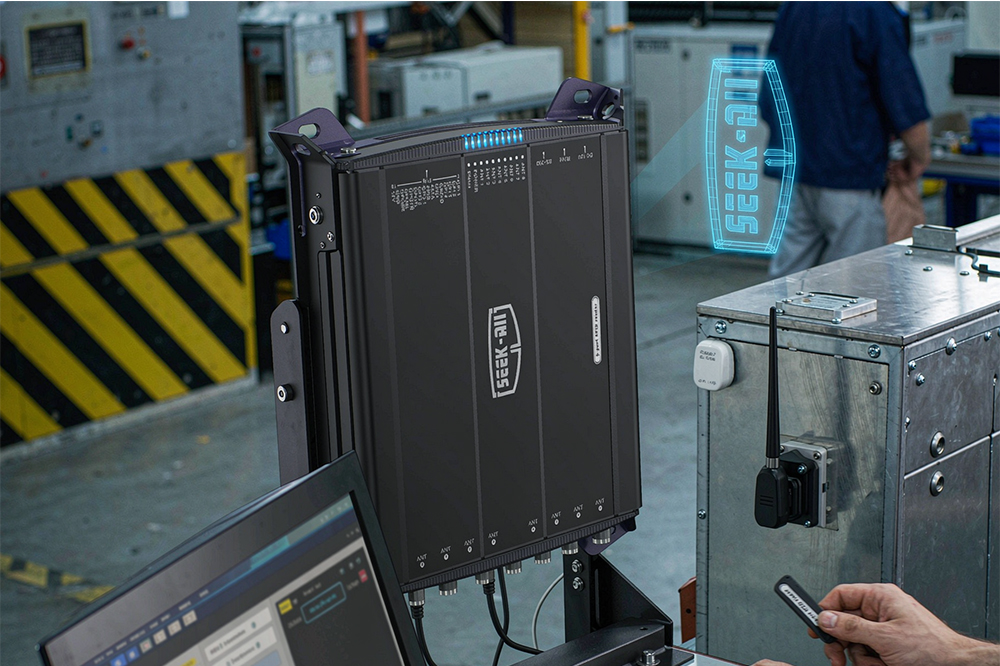
A worker carrying a handheld RFID reader can walk through an equipment room and detect tagged assets.
A fixed reader can automatically record movement through a doorway.
A reading point can be installed near a tool storage area.
A combination of these methods gives the company several ways to know when an asset has moved.
It is not perfect, of course.
But it can be considerably easier than maintaining a spreadsheet by hand.
Handheld RFID Reader for Asset Checks
For asset tracking, handheld readers are often useful because assets are not always in predictable locations.
Consider a maintenance department.
A technician needs to check whether several tools are available.
Instead of looking at each label individually, the technician walks through the storage area with a handheld RFID reader.
The reader detects the tags within its effective range.
The software compares the detected assets with the expected list.
If a tool is missing, the employee can investigate.
This is particularly useful for periodic inventory checks.
It can also help locate a specific asset.
If the system knows the last recorded location, the worker has a better starting point.
They stay in a specific location and monitor a defined reading area.
For example, a company may install an RFID reader at the entrance to a tool room.
When tagged equipment passes through the doorway, the reader detects it.
Another reader might be installed at the exit.
Now the system can record movement:
Tool Room → Workshop
or:
Workshop → Tool Room
This becomes more useful when employees frequently move equipment between departments.
The goal is not necessarily to track the asset every second.
Instead, the system creates useful movement events.
That is often enough.
RFID Reader for Tool Tracking
Tool tracking is one practical application worth looking at.
Factories, maintenance companies and service organizations may have large numbers of tools.
Some tools are expensive.
Others are small and easy to move.
A tool tracking system can associate each tool with an RFID tag.
For example:
RFID Tag → Tool ID → Employee → Department → Location
A fixed reader can record when the tool leaves a controlled area.
A handheld reader can be used for regular audits.
A smart cabinet can combine RFID identification with controlled storage.
The actual setup depends on how the tools are used.
If tools are always returned to one cabinet, automatic cabinet-level tracking may make sense.
If technicians carry them around a large factory, handheld readers may be more practical.
What Type of RFID Tag Should Be Used?
This is probably one of the most important questions in an asset tracking project.
The RFID reader cannot compensate for a tag that performs poorly on the asset.
For cardboard boxes, standard UHF RFID labels are often relatively straightforward.
Metal tools are different.
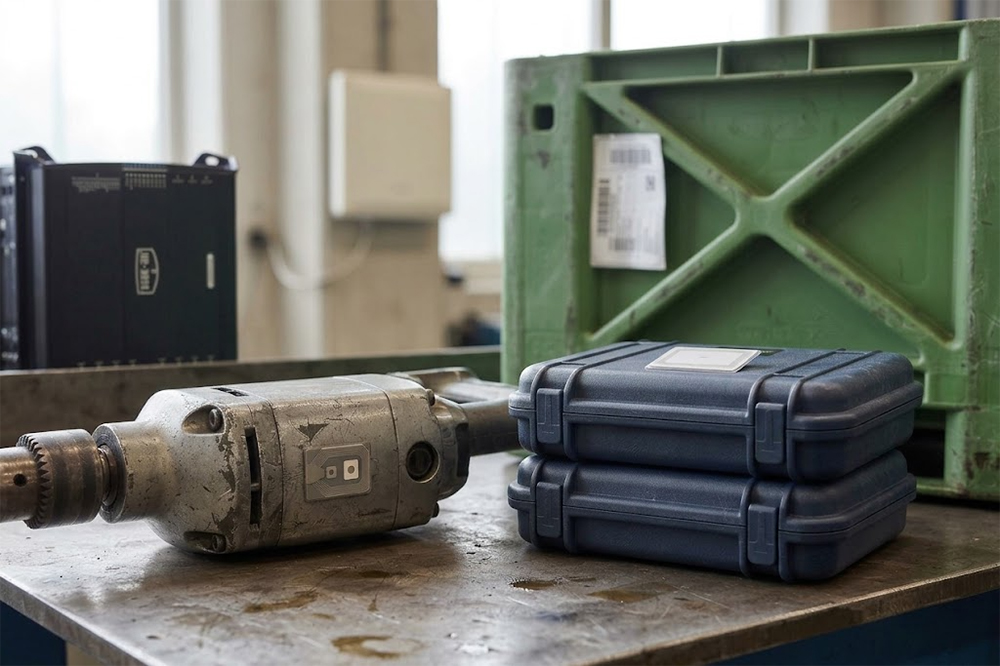
If a standard RFID label is attached directly to a metal surface, performance may be poor.
An on-metal RFID tag is usually a better starting point.
Plastic equipment may provide more flexibility, although the shape and material still matter.
For assets containing liquids, testing is also recommended.
So before choosing the reader, look at the asset.
Ask:
What is it made of?
Where can the tag be attached?
Does the asset move?
Does the tag need to survive outdoor use or industrial conditions?
These questions can change the entire RFID configuration.
Reading Distance for Asset Tracking
A long reading distance sounds attractive.
But asset tracking is one of those applications where too much range can sometimes be inconvenient.
Imagine a tool room with an RFID reader capable of detecting tags 15 or 20 meters away.
The reader might detect equipment outside the room.
Now the system has an asset movement event that never actually happened.
This is why the reading zone needs to be controlled.
For some asset tracking applications, a short and clearly defined reading area is actually preferable.
For large equipment yards or vehicle-related assets, longer range may be useful.
There is no universal “best” distance.
It depends on what the business wants the reader to see.
RFID Asset Tracking in a Factory
A factory is a good example of why RFID asset tracking can become complicated.
Tools move.
Workpieces move.
Maintenance equipment moves.
Reusable containers move between production areas.
Suppose a factory has several production workshops.
A tool starts in the maintenance room.
It is taken to Workshop A.
Later, it moves to Workshop C.
At the end of the day, nobody remembers where it was left.
If RFID readers are installed at selected checkpoints, the system can create movement records.
The software may show:
09:10 — Maintenance Room
09:35 — Workshop A
14:20 — Workshop C
17:50 — Maintenance Area
That does not provide GPS-level tracking.
It provides checkpoint-based identification.
For many industrial applications, that is enough.
RFID Tracking for Reusable Containers
Reusable containers are another interesting application.
Manufacturers often use bins, trays, totes or specialized containers repeatedly.
The container itself has value.
More importantly, losing hundreds of containers over time can become expensive.
An RFID tag can be attached to each container.
Readers can be installed at shipping and receiving points.
When containers leave the facility, the system records the movement.
When they return, another reading event updates the record.
This creates a simple returnable asset tracking process.
It can also help answer a question that warehouse teams often struggle with:
“Where did all the containers go?”
Sometimes the answer is not as mysterious as it seems. They are simply sitting at another facility.
RFID Reader and Asset Management Software
The reader is only responsible for detecting the tag.
The asset management software turns that detection into useful information.
For example:
Reader detects Tag 004821
↓
System identifies Asset A-1098
↓
Location = Workshop 2
↓
Time = 10:42
↓
Status = Checked Out
This can be connected to an existing asset management platform, ERP, WMS or custom application.
Depending on the RFID reader, communication may involve Ethernet, TCP/IP, serial communication, API or SDK support.
For an OEM or system integrator, software integration can be just as important as RF performance.
A reader that works well but is difficult to integrate can create unnecessary development work.
Fixed Reader or Handheld Reader?
There is no reason to treat this as an either-or decision.
Many asset tracking systems use both.
Handheld Reader
Good for:
Periodic inventory
Searching for assets
Auditing
Large areas
Changing asset locations
Fixed Reader
Good for:
Doors
Checkpoints
Tool rooms
Production lines
Controlled movement areas
For example, a company might install fixed readers at three major exits and give the maintenance team one handheld reader for weekly audits.
This combination can be more practical than trying to automate every movement.
RFID Reader for IT Asset Tracking
IT equipment can also be tagged.
Think about:
Laptops
Network equipment
Servers
Monitors
Test equipment
Storage devices
Mobile devices
For high-value IT assets, knowing whether an item has left a controlled area can be useful.
A fixed RFID reader near an equipment room can record movement.
A handheld reader can support periodic inventory.
The main challenge is tag placement.
Some electronic equipment contains metal, batteries or shielding materials.
The RFID tag should therefore be selected and positioned based on the actual equipment.
Testing a tag on one laptop does not necessarily guarantee the same result on another device.
What About Outdoor Asset Tracking?
Outdoor applications introduce another layer of requirements.
The reader may be exposed to:
Rain
Dust
Temperature changes
Direct sunlight
Vibration
Electromagnetic interference
The RFID tag may also need to survive harsh conditions.
For outdoor industrial assets, the enclosure and environmental specifications of the reader should be checked carefully.
The antenna installation matters too.
A technically strong reader can still perform poorly if the antenna is badly positioned.
RFID Asset Tracking and False Reads
False reads are easy to overlook during a product demonstration.
In a clean showroom, everything works.
In a factory, several tagged assets may be sitting near the reading area.
The reader detects more tags than expected.
This is not necessarily a hardware failure.
RFID is a radio system.
Signals can extend beyond the exact physical area you had in mind.
The solution may involve:
Antenna direction
Reader power adjustment
Physical barriers
Tag placement
Reading-zone design
Software filtering
The objective is not to detect every RFID tag in the building.
It is to detect the tags that matter at that particular checkpoint.
A Small Pilot Is Usually Worth It
For an asset tracking project, I would strongly recommend testing before purchasing hundreds or thousands of readers or tags.
Start with one area.
Maybe it is the tool room.
Use 20 or 50 actual assets.
Attach the proposed RFID tags.
Install the reader.
Walk the assets through the intended reading area.
Then test some less convenient situations.
Put two tools together.
Turn the tags in different directions.
Move a metal object nearby.
Try the reader from another angle.
These small tests can reveal problems very quickly.
And sometimes they reveal that the original design was unnecessarily complicated.
What Should You Tell an RFID Reader Supplier?
If you are requesting a quotation for an asset tracking project, provide practical details.
For example:
Asset type: Tools, equipment, containers, IT assets
Asset material: Metal, plastic, mixed
Asset size: Approximate dimensions
Tag position: Where the RFID tag can be installed
Reading distance: Approximate requirement
Movement: Fixed, occasional movement or continuous movement
Reading point: Door, shelf, cabinet, conveyor or open area
Reader type: Handheld, fixed or both
Software: Existing asset management system or custom software
Communication: Ethernet, TCP/IP, serial, API or SDK
Quantity: Sample quantity and expected annual volume
Target market: Country or region
This information gives the supplier a much better idea of what hardware should be tested.
Buying RFID Readers for Asset Tracking in Bulk
For distributors and RFID solution providers, the requirements can be slightly different.
You may have several customers using similar asset tracking systems.
In that case, product consistency matters.
You may want to ask about:
Wholesale pricing
MOQ
Sample availability
Lead time
Firmware
Antenna compatibility
API/SDK
OEM options
Technical support
Long-term product availability
For a system integrator, stable hardware can be more valuable than a small difference in unit price.
A customer may deploy 50 readers this year and another 100 next year.
Using a consistent reader platform can simplify future projects.
Cykeo provides RFID reader products for asset tracking, warehouse management, industrial automation and related RFID applications. View Cykeo RFID Readers
A Practical Asset Tracking Setup
A simple project might look like this:
Asset
↓
RFID Tag
↓
RFID Reader + Antenna
↓
Tag ID
↓
Asset Management Software
↓
Location / Status / Movement Record
This looks simple on paper.
The real work happens in the middle.
Which tag?
Where should it be attached?
How far should the reader detect it?
Which antenna should be used?
Where should the reader be installed?
Which movement should trigger an event?
Those are the questions worth testing before the final deployment.
RFID Is Not GPS
This distinction is important.
RFID asset tracking usually identifies an asset when it enters a reader’s coverage area.
It does not automatically provide continuous location information like GPS.
If an asset is in an area without RFID coverage, the system may only know its last detected location.
For many indoor applications, checkpoint tracking is sufficient.
If continuous location is required, another technology may need to be considered.
Sometimes RFID and other technologies are combined.
The correct choice depends on how precise the location information needs to be.
When RFID Asset Tracking Makes Sense
RFID is worth considering when:
The company has many physical assets
Assets move between locations
Manual inventory takes too much time
High-value equipment needs better visibility
Reusable containers frequently leave the facility
Tools are shared between departments
The business already has an asset management system
Automatic movement records would be useful
It may not be necessary for every asset.
A company could start with high-value equipment and expand later.
That is often a more sensible approach than tagging everything on day one.
Final Thoughts
RFID asset tracking is less about buying an RFID reader and more about deciding what information the business actually needs.
If you only need a monthly inventory check, a handheld reader may be enough.
If you need automatic movement records, fixed readers at important checkpoints could be better.
If assets are made from metal, tag selection becomes a major issue.
If the reader needs to connect to existing software, communication interfaces and SDK support become important.
And if the project is large, test the real assets before making a large purchase.
For companies looking for RFID readers for tools, equipment, reusable containers, warehouse assets or industrial tracking, the best next step is usually to describe the application and test a suitable reader-and-tag combination.
If RFID is new to your asset tracking project, it is worth understanding the basic relationship between the reader, antenna and RFID tag first. Our guide explains what an RFID reader is and how it works before you move into application-specific hardware selection.
Asset tracking projects can require very different RFID hardware depending on the asset, reading zone and installation environment. If you are still comparing reader types and specifications, our guide on how to choose the right RFID reader is a useful next step.
Many warehouse assets are tracked alongside normal inventory, especially pallets, reusable containers and equipment. If your project is focused more on stock counting and warehouse operations, see our guide to the RFID reader for warehouse inventory.
Reading distance can have a major effect on asset tracking, but longer is not always better. If a reader detects assets outside the intended area, false movement records can become a problem. Read our guide to RFID reader reading distance for a closer look at practical range.
If tracked assets are moving through production lines, conveyors or automated workstations, the project may need more than basic asset identification. Our guide to the RFID reader for industrial automation covers RFID applications in industrial environments.
Tool tracking is one of the most practical asset tracking applications, especially in factories and maintenance departments. For a closer look at RFID-based tool management, see our guide to the RFID reader for tool management.
Frequently Asked Questions
Can RFID track tools and equipment?
Yes. RFID tags can be attached to tools, equipment and other assets. Handheld readers can support inventory checks, while fixed readers can record movement through selected checkpoints.
What RFID tag is best for metal equipment?
An on-metal RFID tag is usually a better starting point for metal assets. The exact tag should still be tested on the actual equipment because shape, surface and installation position can affect performance.
Can one RFID reader track many assets?
Yes. UHF RFID readers can identify multiple tags within their reading area. The practical result depends on tag design, antenna setup, asset materials and the surrounding RF environment.
Is RFID better than barcode for asset tracking?
RFID can reduce line-of-sight scanning and allow multiple tags to be identified in one reading area. Barcode may still be more economical for simple applications, so the choice depends on the workflow.
Can RFID readers connect to asset management software?
Yes, depending on the reader model. Common integration options can include Ethernet, TCP/IP, serial communication, APIs and SDKs.
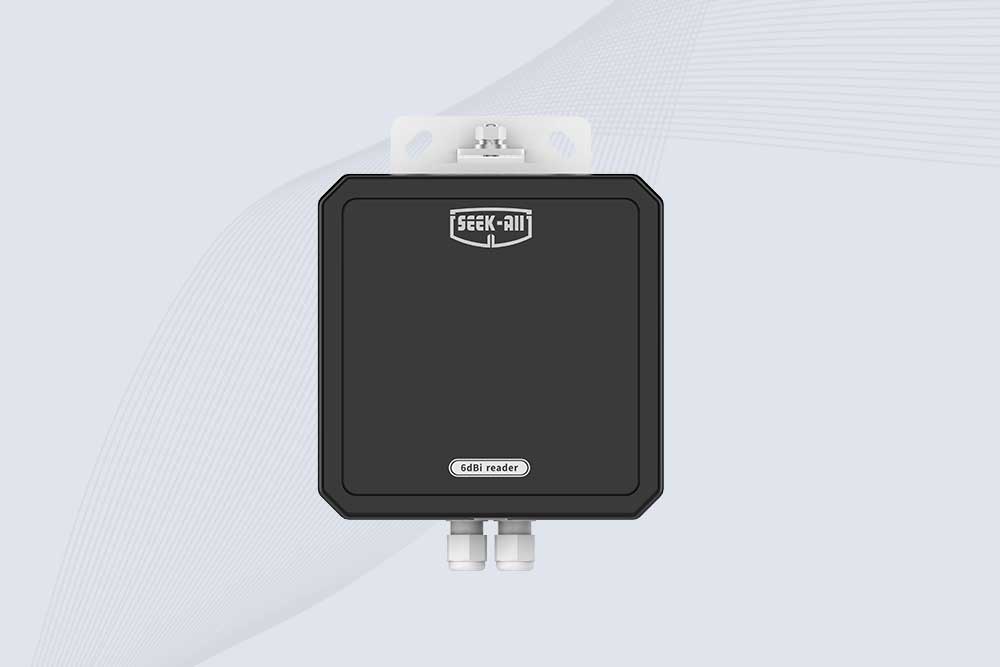
SSD-RA06L is an industrial UHF RFID reader with a built-in 6 dBi antenna, 3 m read range, 600+ tags/s, Ethernet, RS232, and optional Wi-Fi, 4G, and PoE.
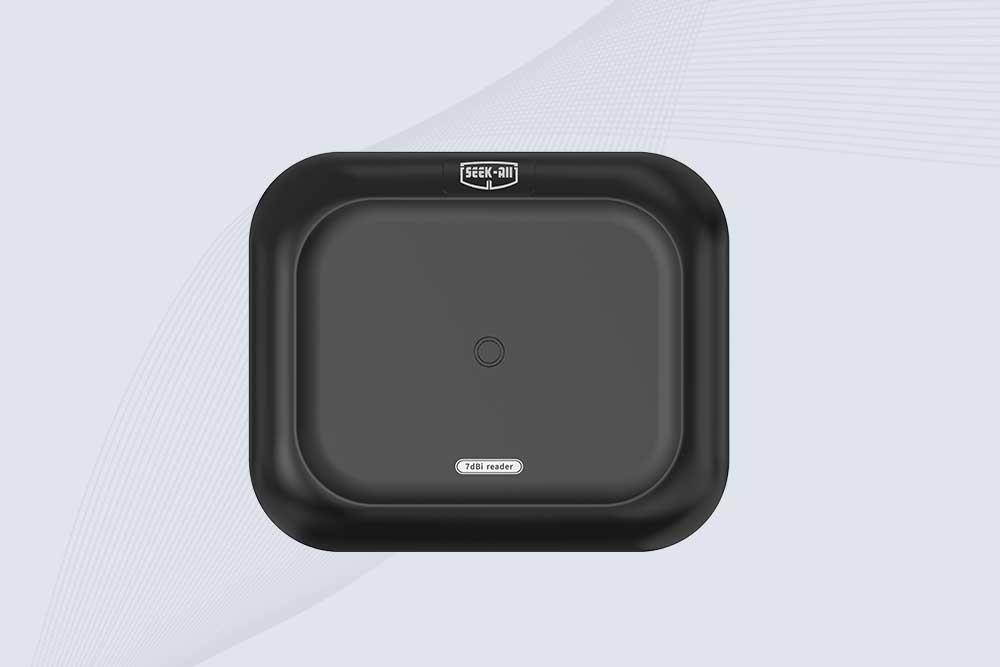
SSD-RA07L industrial UHF RFID reader with integrated 7 dBi antenna, up to 6 m reading distance, over 600 tags/s, Ethernet, RS232, and optional Wi-Fi, 4G, and PoE.
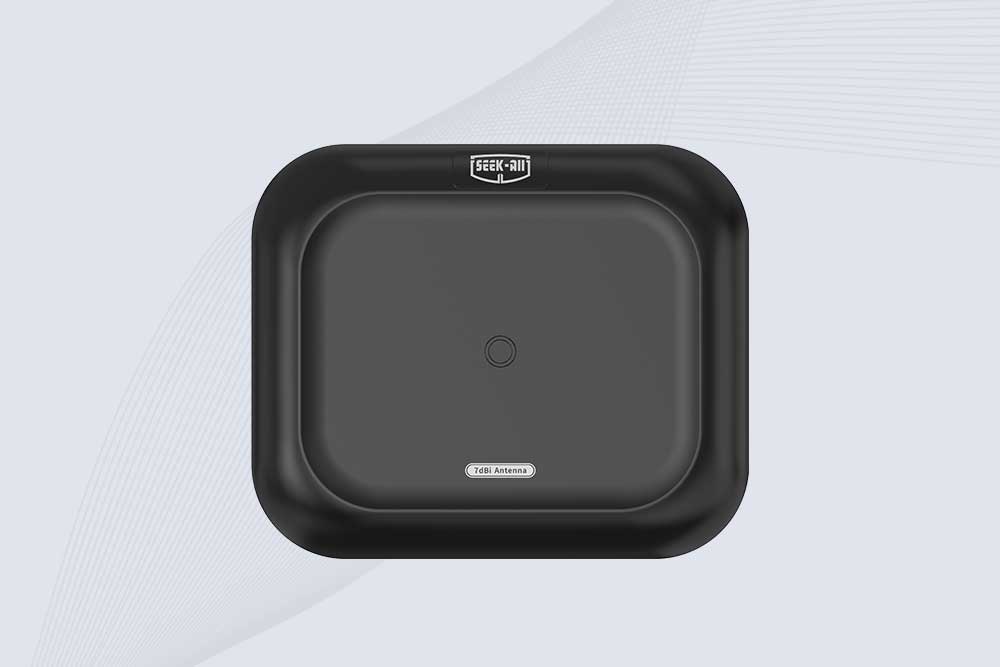
Explore the SSD-A07 UHF RFID antenna with 7 dBi gain, circular polarization, adjustable 840–960 MHz frequency, and 60°/75° beamwidth for stable RFID read/write performance.
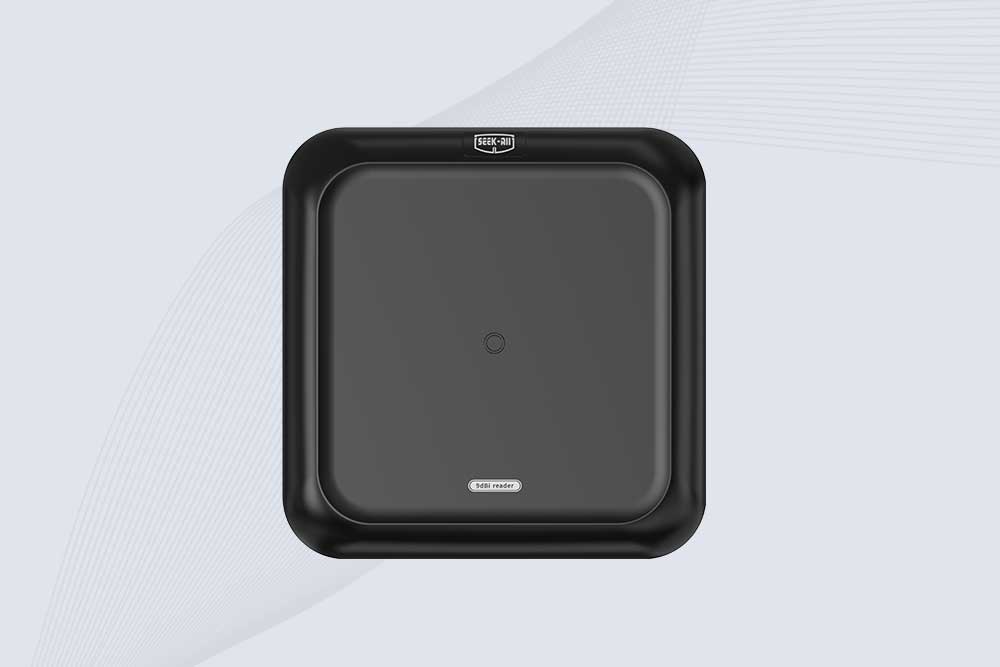
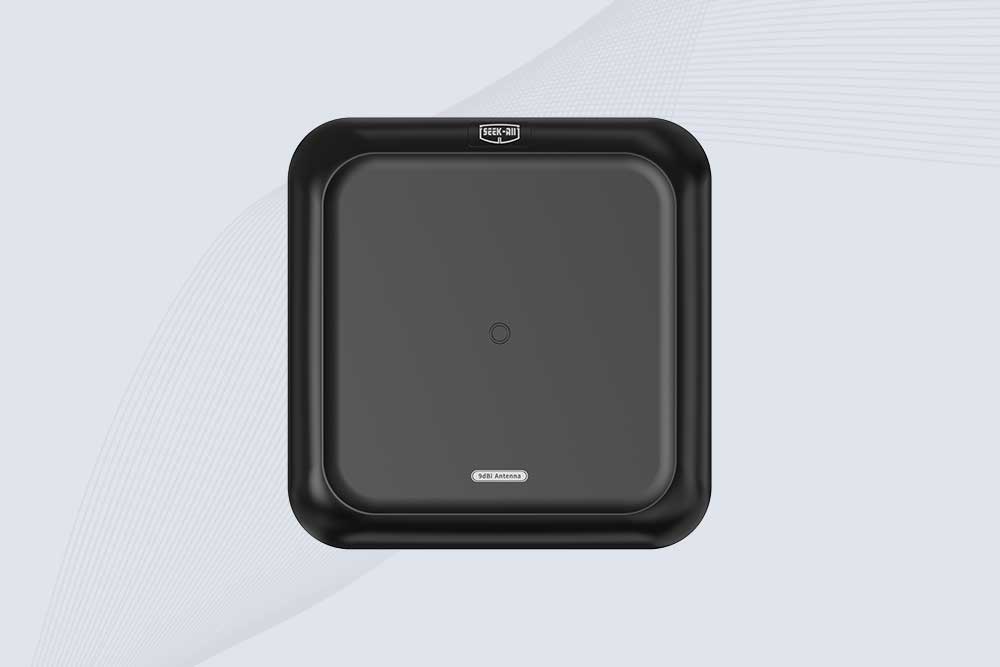
SSD-A06 UHF RFID antenna with circular polarization, adjustable 840–960 MHz frequency, ≥4.5 dBi gain, and a compact directional design for RFID systems.
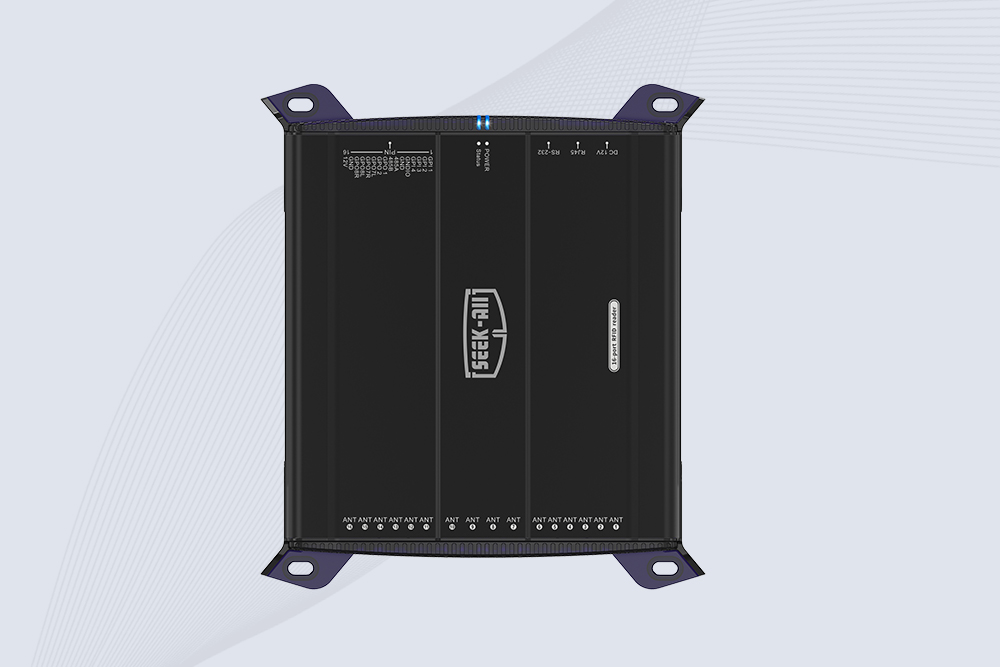
SSD-R16L Multi-Channel RFID Infrastructure for Automated Inventory Management ✔️ 16-Port High-Density RFID Reading Equipped with 16 SMA antenna ports, SSD-R16L supports multi-antenna deployment for warehouses, retail stores, logistics, production lines, and large-area RFID identification. ✔️ High-Speed & Long-Range Performance With up to 33…
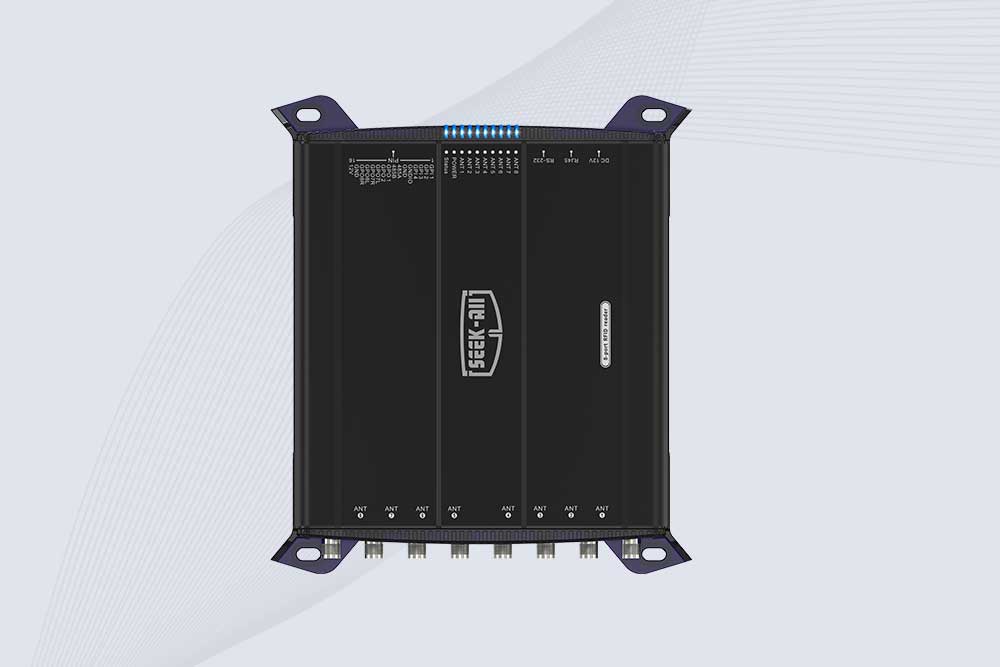
SSD-R8L 8-port UHF RFID reader with 33dBm output, up to 20m reading range and 600+ tags/s recognition. Ideal for warehouse, logistics, retail and asset tracking.
CYKEO Embedded RFID Modules are designed for compact industrial and IoT devices that require stable UHF performance. These UHF RFID Modules support global protocols, flexible power control, and reliable multi-tag reading for smart cabinets, production lines, and asset tracking systems.
CYKEO Embedded RFID Module is built for compact IoT and industrial devices that need stable UHF performance. This UHF module supports global protocols, low power operation, and reliable multi-tag reading for smart lockers, production lines, and always-on RFID systems.
CYKEO CYKEO-M1 drone rfid module is a compact UHF RFID reader module designed for drones and UAV platforms. It supports long-range aerial scanning, fast multi-tag reading, and stable performance in wind, vibration, and outdoor environments.
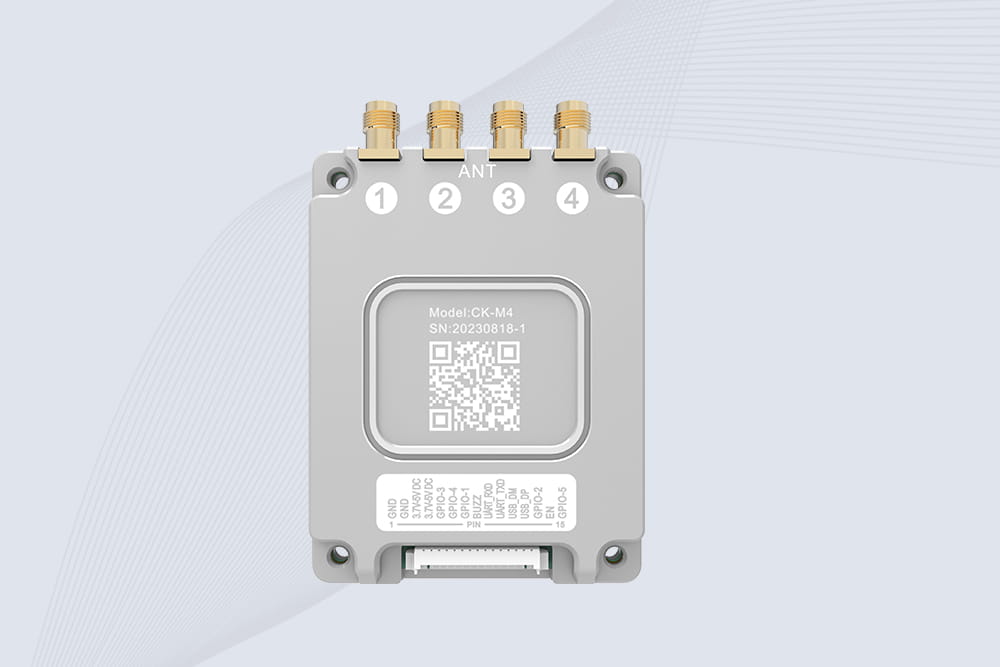
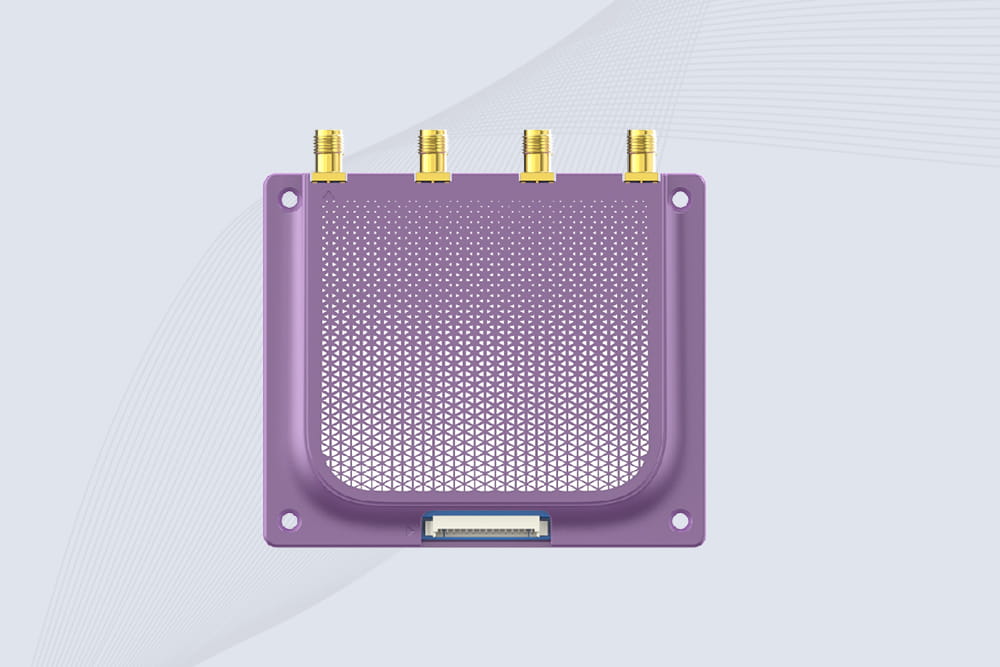
CYKEO CYKEO-M4 RC522 RFID Module is an industrial-grade UHF RFID reader with 4 ports, supporting ISO, EPC, and GB protocols. High-speed, accurate reading for IoT, automation, and warehouse applications.
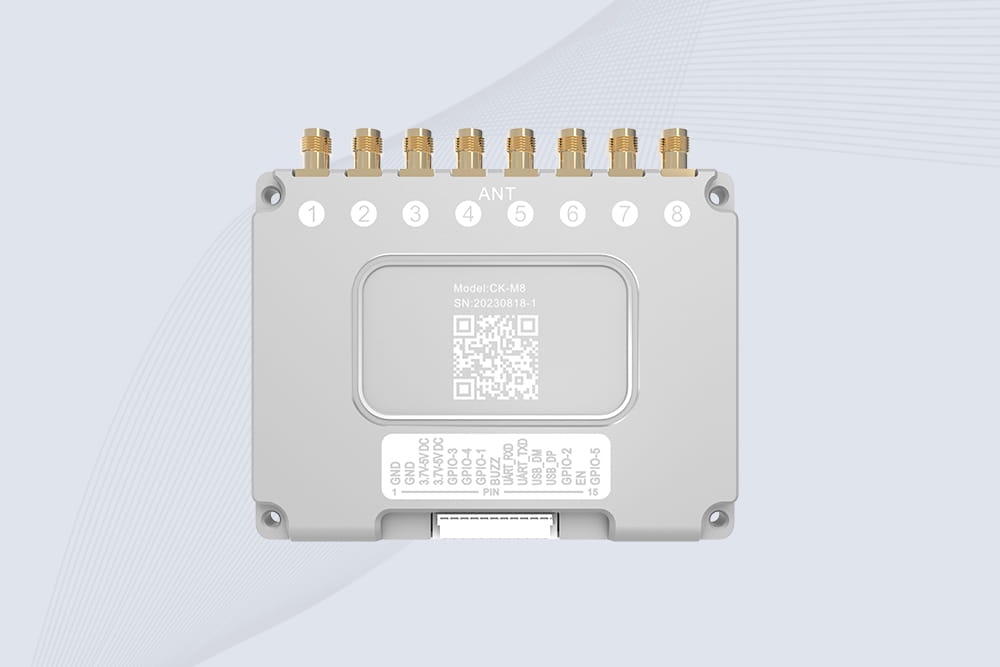
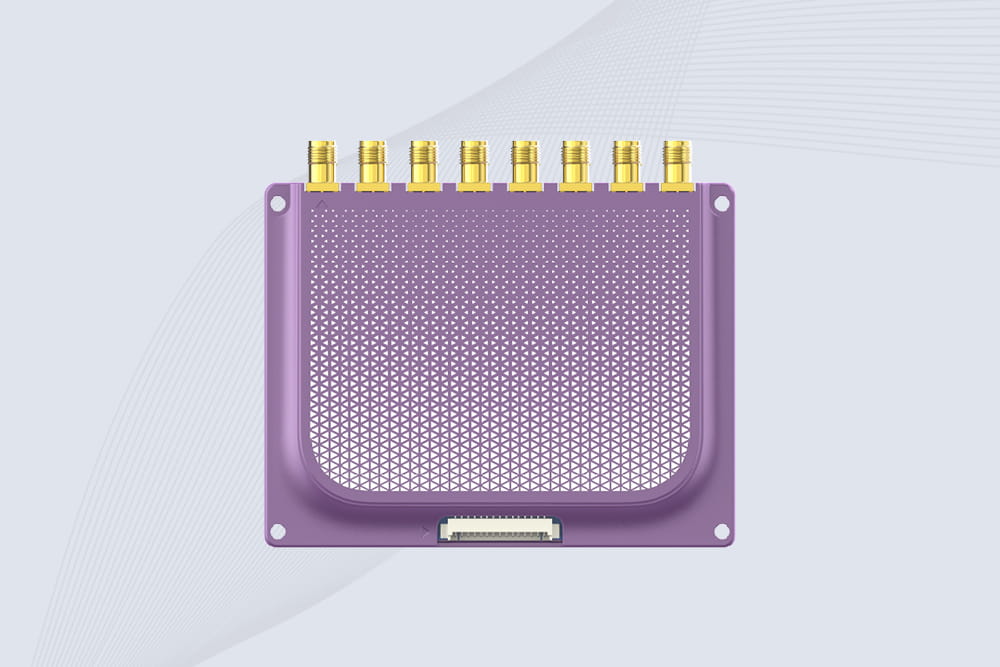
CYKEO CYKEO-M8 Module RFID is an 8-port UHF R2000 RFID Module designed for high-density, multi-tag environments. Stable 33dBm output, ISO & GB protocol support, ideal for warehouses, factories, and automated systems.
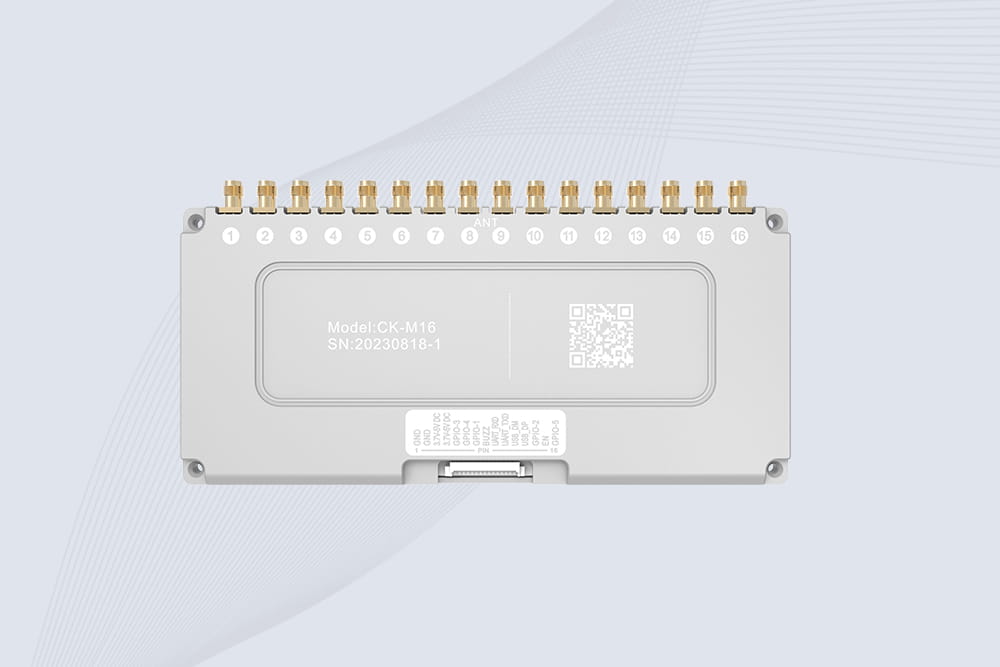
CYKEO CYKEO-M16 RFID Module is a 16-port UHF RFID reader module based on the R2000 chipset. Designed for dense tag environments, it supports ISO and GB standards and delivers stable multi-antenna control for industrial automation.
The CYKEO CYKEO-M16L RFID Reader Module is a 16-channel UHF RFID core designed for dense tag environments. With adjustable 33dBm output, multi-protocol support, and stable multi-antenna control, this RFID Tag Reader Module fits industrial automation, warehouse systems, and large-scale IoT deployments.
CYKEO CYKEO-M8L module RFID is a compact industrial UHF module built for dense tag and multi-antenna environments. With 8 RF ports, adjustable 33 dBm output, and ISO & GB protocol support, it is widely used in factories, warehouses, and automated tracking systems.
CYKEOCYKEO-M4L UHF RFID Module is a compact 4-channel RFID tag reader module designed for dense tag environments. Supporting ISO and GB protocols, it delivers stable reads up to 10 meters for industrial and IoT systems.
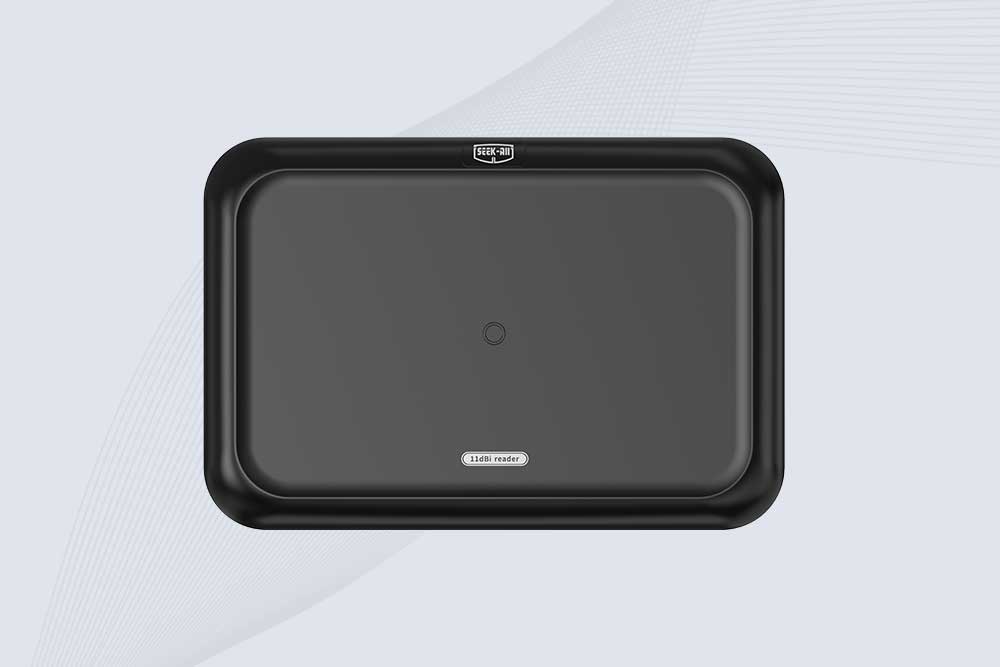
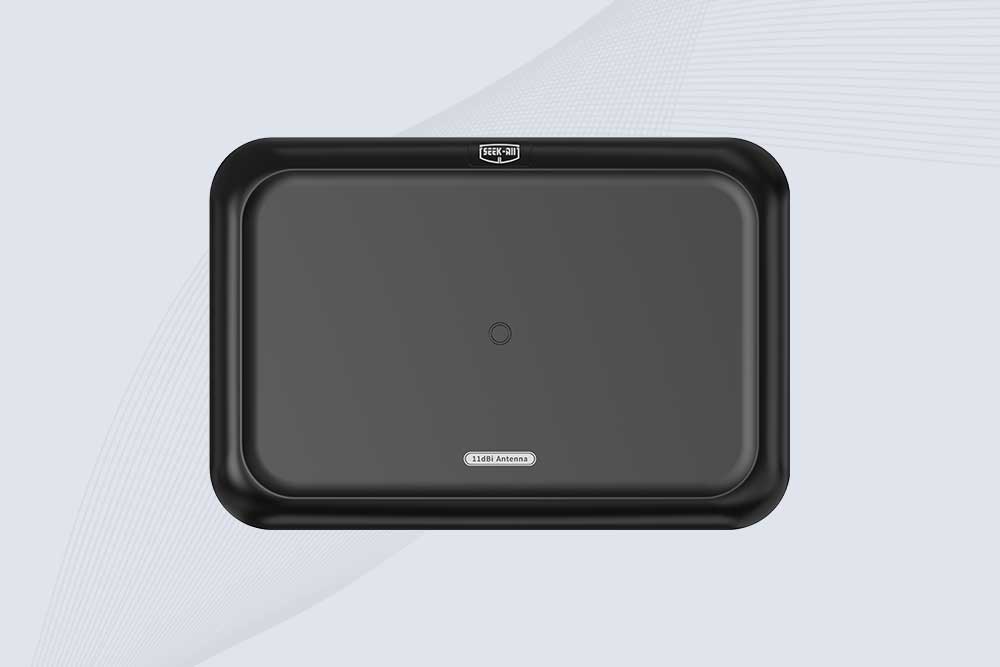
Cykeo CYKEO-A11 UHF RFID reader antenna delivers 11dBi gain, 840-960MHz frequency range, and IP65 ruggedness for retail, logistics, and industrial RFID systems. Features low VSWR and easy installation.
CYKEO Antenna RFID Reader delivers stable long-range UHF performance with a 10.5dBi directional design, built for warehouses, conveyor portals, and industrial RFID systems. This rfid reader antenna provides 20m+ read distance and rugged IP67 protection.
Cykeo CYKEO-A5B industrial Linear RFID Antenna delivers 5dBi gain, ≤1.5:1 VSWR, and IP65 rugged design for warehouse, production line, and logistics UHF systems.
Cykeo’s CYKEO-B12 Long Range RFID Antenna delivers 15m+ read range with 12dBi gain, IP65 rugged design, and global 840-960MHz UHF support. Ideal for warehouse/logistics asset tracking.
Cykeo CYKEO-B10 Long Distance RFID Antenna offers 10dBi gain, 840-960MHz frequency range, IP65 rating, and 20m+ coverage for logistics/warehousing/ETC systems. Low VSWR ensures stable signal transmission.
Cykeo CYKEO-A6 UHF RFID panel antenna features 6dBi gain, 840-960MHz broadband, IP65 metal-ready housing for logistics/smart retail. 18mm ultra-thin design with tool-free mounting.
Cykeo CK-A3 industrial antenna RFID UHF offers 5m+ tag detection, ≤1.3:1 VSWR, IP65 rugged design, and global UHF spectrum compatibility (840-960MHz) for warehouses, factories, and retail.
Cykeo CYKEO-B5 directional RFID antenna provides 5dBi gain with 60° narrow beamwidth for precise inventory tracking. IP65-rated, global UHF frequency support, and low VSWR.
Create your own high-performance DIY RFID antenna! 5dBi gain, 840-960MHz tunable, step-by-step guides. Compatible with Arduino, Raspberry Pi, and commercial UHF readers.
Cykeo CYKEO-A7 Flexible RFID Antenna features 840-960MHz wideband tuning, 7dBi gain, and IP68 rating for medical/retail/industrial curved surface deployments. 98% read accuracy with peel-and-stick installation.
Cykeo CYKEO-B5A industrial Passive RFID Antenna delivers 5dBi gain, 70° beamwidth, and -40°C~55°C operation for warehouses/smart cabinets. Compatible with Zebra/Impinj readers.
Cykeo’s CYKEO-A9B High Gain RFID Antenna delivers 15m+ read range with 9dBi amplification. Features IP54 rugged design, 840-960MHz bandwidth, and 80° beamwidth for warehouse/manufacturing RFID systems.
Cykeo’s enterprise-grade 8dbi Impinj RFID Antenna 10m+ read range with 840-960MHz tuning. Features IP65 housing, 1.4 VSWR, 35° beamwidth for retail/warehouse RFID systems.
Cykeo CYKEO-A9 industrial UHF RFID antenna delivers 9dBi gain, 840-960MHz frequency range, and IP65 protection for warehouse/logistics/retail RFID systems. Features N-type connector and ≤1.3:1 VSWR.
CYKEO UHF RFID Antenna built for long-distance and industrial applications. This antenna rfid uhf delivers strong gain, outdoor durability, and reliable tag performance in warehouses, yards, and vehicle ID systems.
CYKEO Antenna RFID delivers reliable long-range UHF performance in warehouses, retail shelves, and cold-chain environments. This compact uhf rfid antenna provides stable reads with circular polarization and ultra-wide 840–960 MHz support, ideal for industrial tracking, smart shelves, and asset monitoring.
Cykeo’s CYKEO-C8 UHF RFID antennas delivers 8dBi gain, 840-960MHz full-band coverage, and IP65 ruggedness for manufacturing/warehouse RFID systems. Industrial RFID Antennas Features
Cykeo’s 8dBi UHF RFID antenna and reader kit delivers 10m+ range, 840-960MHz broadband, and IP65 ruggedness for factories, warehouses, and logistics. ISO 18000-6C & EPC Gen2 certified.
Cykeo’s CYKEO-A12C UHF Large RFID Antenna delivers 12dBi gain, 840-960MHz global frequency, IP65 ruggedness for logistics/warehousing/automotive. 40° beamwidth ensures stable 15m+ tag reads.
CYKEO Near Field RFID Antenna provides precise 5–30 cm reading for shelves, cabinets, and workstations. This compact rfid shelf antenna delivers stable short-range performance around metal and clutter, ideal for pharmacies, libraries, and electronics sorting.
Cykeo’s industrial long range RFID reader delivers 20-meter scanning, 500+ tags/sec speed, and IP67 waterproof design for automated warehouses, logistics, and harsh environment applications.
Cykeo’s CYKEO-RA6L industrial RFID long range reader features 20m read distance, 500 tags/sec speed, and IP67 protection. Ideal for warehouse automation, manufacturing WIP tracking, and smart logistics. Supports ISO 18000-6C/6B protocols.
CYKEO Long Range RFID Tag Reader built for outdoor and industrial operations. This Outdoor RFID Reader delivers 20m read distance, fast tag processing, and IP67 durability for wide-area tracking.
Cykeo CYKEO-RA12L industrial Long Range RFID Reader delivers 20m read range, 200+ tags/sec scanning, and IP67 protection for manufacturing/logistics applications. Supports ISO 18000-6C/GB protocols.
Cykeo CYKEO-C1 industrial Forklift RFID Reader features 20m read range, 600 tags/sec scanning, Impinj R2000 chipset, and IP67 rugged design. Ideal for warehouse logistics and manufacturing. Supports ISO 18000-6C/6B protocols.
Cykeo CYKEO-R4 industrial UHF RFID Fixed Reader features 4 TNC ports, 400+ tags/sec speed, IP67 housing, and global frequency compliance for vehicle inspection, smart warehouse, and asset management systems.
CYKEO CYKEO-R8L Fixed RFID Reader with 8-port UHF design, Impinj-based RF core and up to 20m read range. An industrial Fixed RFID Reader for vehicle inspection, warehouse portals, smart manufacturing lines and secure access checkpoints.
RFID Industry Writer | IoT & Asset Tracking Analyst
James writes about RFID technology, asset tracking, and the practical challenges of digital transformation across warehousing, retail, manufacturing, and logistics.
His work focuses on how RFID is applied in real-world operations—improving inventory visibility, automating workflows, and helping businesses manage assets with greater accuracy and efficiency.
He regularly covers topics including UHF RFID, smart cabinets, RFID portals, tool tracking, warehouse automation, and industrial IoT trends..
Learn how long range RFID tag readers improve vehicle access control, parking management, and automated gate entry. Discover why long-range RFID systems are widely used in modern RFID parking systems.
The right RFID reader is usually the one that fits the customer's workflow rather than the one with the most impressive specification. For B2B buyers, especi...
A long range RFID scanner helps aerospace manufacturers and MRO teams track aircraft parts, production materials, maintenance tools, reusable containers, and...
 Cykeo RFID IoT Solution Products R&D Manufacturer