 Cykeo RFID IoT Solution Products R&D Manufacturer

Long Range RFID Scanner for Airports: How to Track Baggage and Ground Equipment
53A long range RFID scanner can help airports automatically track baggage, carts, containers, and ground equipment at defined checkpoints. By combining UHF RFI...
MoreAll RFID Product
Shipyards are difficult environments for inventory and asset tracking. A single project may involve thousands of components, tools, material kits, containers, and maintenance items spread across receiving areas, fabrication workshops, assembly zones, dry docks, and outdoor storage yards.
Traditional tracking methods often depend on paper records, barcode scanning, manual updates, or workers searching for equipment. These methods can become inefficient when materials move frequently or when large metal structures block visibility.
A long range RFID scanner can help shipbuilders, marine equipment manufacturers, and ship repair companies identify and track tagged items across larger working areas. With the right RFID tags, antennas, and software integration, teams can improve material visibility without requiring every item to be scanned individually at close range.
A long range RFID scanner helps shipyards track marine components, tools, material kits, containers, equipment, and work-in-progress assets across receiving, fabrication, assembly, outfitting, repair, and dispatch areas. Because shipyards contain large metal structures, outdoor storage zones, and changing work environments, reliable performance depends on rugged readers, suitable tags, antenna placement, and controlled reading zones.
RFID does not automatically provide exact positioning everywhere. It identifies tagged items when they enter a reader’s coverage area. For more precise location information, the system may need multiple reading zones, directional antennas, location logic, or additional positioning technologies.
Shipbuilding is not a simple linear production process. Materials may move between several workshops before reaching the vessel. A pipe section can be fabricated in one area, inspected in another, coated elsewhere, and finally delivered to the assembly zone.
The same issue appears in ship repair and marine maintenance. Tools, spare parts, lifting equipment, inspection devices, and maintenance kits may be moved between workshops, docks, warehouses, and vessels.
Common tracking problems include:
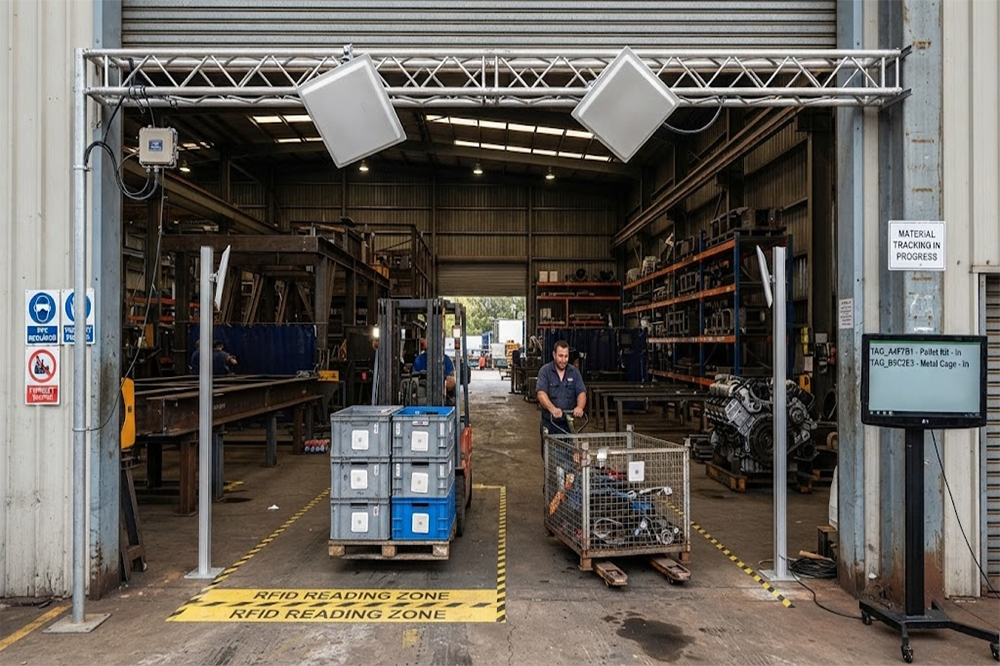
A long range RFID scanner can create automatic identification points at important movement locations. Instead of relying only on manual recording, the system can capture RFID events when tagged items pass through receiving gates, workshop entrances, storage zones, or controlled transfer points.
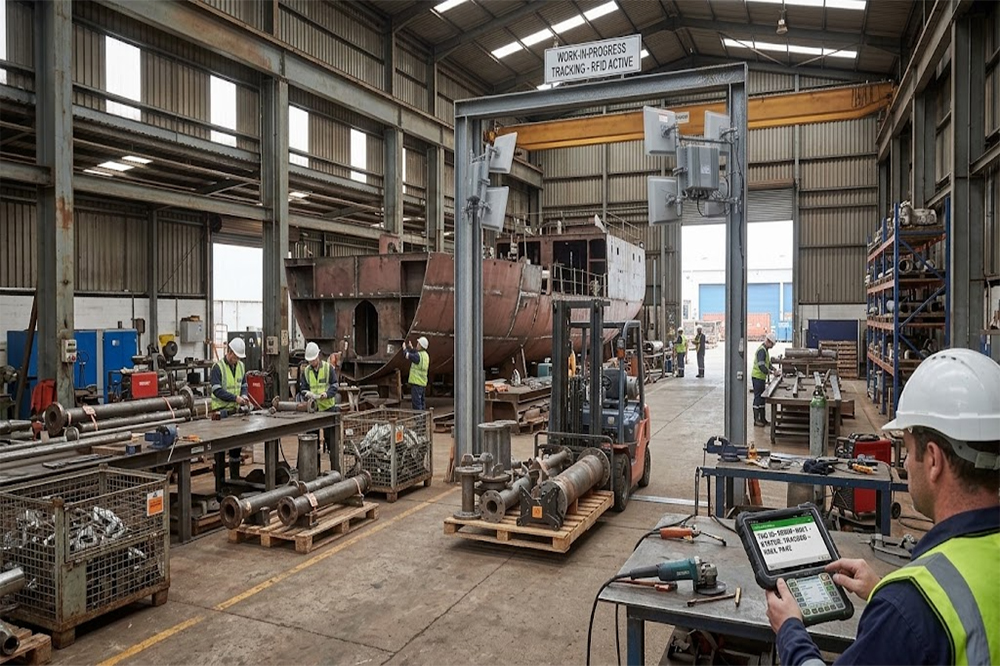
A typical UHF RFID system includes four main elements:
When a tagged item enters the reader’s coverage area, the reader captures its unique identification number. The software can then associate the tag with information such as:
The reader does not need to identify every item from a very long distance in every environment. In practice, a controlled reading zone is usually more reliable than attempting to cover an entire shipyard with one reader.
Shipyards handle many different asset types. RFID tags and readers should be selected according to the material, surface, size, environment, and required reading distance.
RFID can be used to identify and track:
Large metal components may require on-metal RFID tags or specially designed mounting methods. A standard label tag may not perform properly when attached directly to steel, painted metal, or other conductive surfaces.
Shipyards often share tools and equipment between teams. RFID can help track:
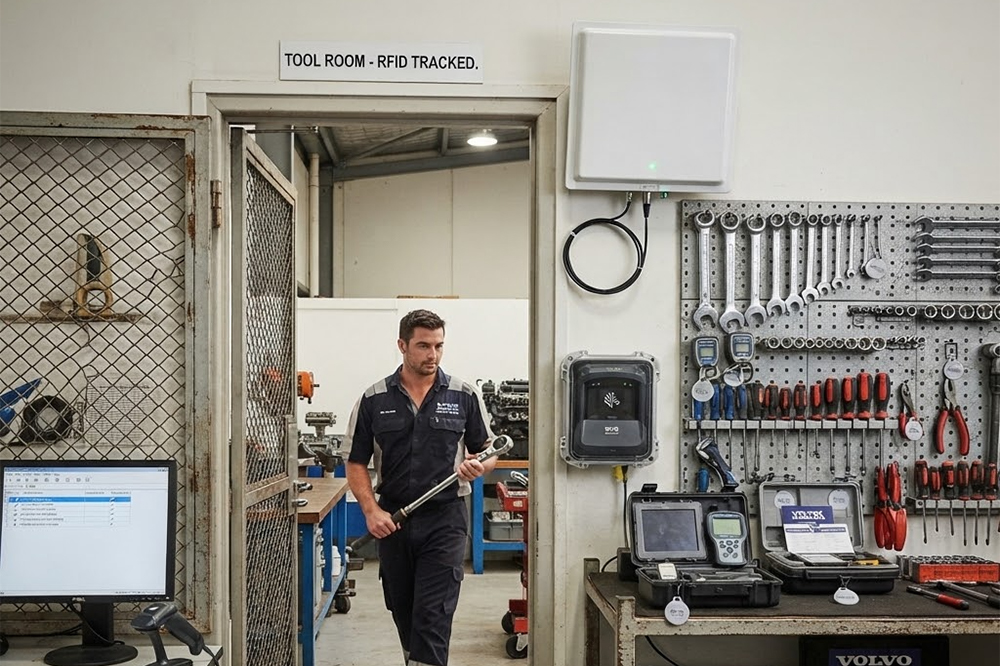
For tool tracking, the RFID system can record when an item enters or leaves a tool room, workshop, or controlled issue-and-return area.
Material kits are frequently prepared for specific production stages. A kit may include pipes, fittings, fasteners, cables, valves, or installation parts.
RFID can identify the kit as a group while allowing the software to retain the list of included items. This can reduce manual checking during movement between warehouses, workshops, and vessel assembly areas.
Reusable containers, transport boxes, pallets, and metal cages can also carry RFID tags. These tags help teams monitor container circulation and reduce losses caused by unrecorded transfers.
The receiving area is one of the most useful locations for RFID deployment.
When materials arrive from suppliers, workers can associate the RFID tag with the purchase order, project number, inspection status, and storage destination. A reader installed near a receiving gate can detect tagged items as they pass through the area.
A typical workflow may include:
This process can help purchasing and production teams understand whether required materials have arrived, whether they are waiting for inspection, and whether they have been transferred to the correct project area.
Shipbuilding includes many fabrication stages. Components may move from cutting and welding to surface treatment, painting, inspection, and assembly.
RFID can provide visibility at these transition points. For example, a tagged pipe assembly can be recorded when it leaves fabrication, enters inspection, and moves to the vessel outfitting area.
The system can support production tracking by connecting RFID events with:
RFID does not replace quality inspection or production documentation. It provides an additional identification layer that helps teams understand where an item was last detected and which process stage it has reached.
During vessel assembly, many components are delivered to specific zones of the ship. These may include pipes, electrical parts, ventilation equipment, pumps, control cabinets, and interior installation materials.
A long range RFID scanner can be installed at selected transfer points around the assembly area. When tagged items move into a controlled zone, the system can record the event and compare it with the planned material list.
This can help answer practical questions:
For large vessels, several reading zones may be needed. Antenna placement should account for steel walls, compartments, doors, cranes, and other structures that can affect radio-frequency behavior.
Ship repair projects often require fast access to tools, spare parts, and replacement components. Delays can occur when a maintenance team cannot find a tool, locate a spare part, or confirm whether a component has already been delivered.
RFID can support repair workflows by tracking:
A maintenance team may use RFID reading points near the tool room, warehouse, dock entrance, or repair workshop. The software can show the last recorded movement of a tagged asset and help staff confirm whether it is available, issued, under repair, or returned.
Metal is one of the main technical challenges in shipyard RFID projects. Ship hulls, steel plates, pipes, machinery, racks, containers, and tools can reflect or absorb radio signals in ways that affect reading performance.
Several measures can improve reliability:
Components attached directly to steel often require on-metal RFID tags. These tags are designed with a structure that separates the RFID antenna from the conductive surface.
The correct tag depends on:
Antennas should not simply be installed wherever there is available space. Their position, angle, height, and orientation influence the reading zone.
Testing is especially important near:
A controlled reading zone reduces the chance of detecting tags from nearby areas. Directional antennas, shielding materials, antenna spacing, and reader power adjustment can help limit unwanted reads.
A tag may perform differently when it faces the antenna directly, turns sideways, or becomes partially blocked by another object. Real production testing should include different orientations and realistic loading conditions.
Shipyards are often exposed to rain, dust, wind, sunlight, salt air, temperature changes, and mechanical impact. Equipment installed outdoors may require rugged housings and suitable ingress protection.
Before selecting a long range RFID scanner, project teams should evaluate:
The RFID reader should be selected according to the actual installation environment. A reader designed for an indoor warehouse may not be appropriate for an exposed dockside gate.
RFID becomes more useful when reading events are connected to the systems already used by the shipyard.
Possible integration targets include:
Common integration methods may include Ethernet, TCP/IP, serial communication, digital inputs and outputs, REST APIs, SDKs, or middleware.
For example, when a tagged material kit enters a staging area, the RFID reader can send the tag ID to the software. The system then matches the ID with the project database and updates the kit’s recorded location or production status.
A system integrator should define the event logic carefully. A single RFID read should not always be treated as proof that an item has reached its final destination. The application may need repeated reads, time filtering, zone confirmation, or workflow validation.
Consider a shipyard preparing installation kits for a vessel project.
Each kit receives an RFID tag linked to:
A long range RFID scanner is installed at the material staging entrance. When the kit enters the area, the system records the event. A second reading point is installed near the outfitting workshop.
The software can then show:
This approach does not require workers to scan each box manually at every movement. It also creates a more consistent record of material transfers between important operational zones.
A shipyard RFID project should begin with a field test rather than relying only on a laboratory reading distance.
The test should include the actual:
The test team should measure more than maximum distance. Important indicators include:
A shorter but stable reading zone is often more useful than a longer zone that captures unrelated tags from neighboring areas.
When purchasing a long range RFID scanner for shipbuilding or marine equipment tracking, consider the following questions:
The reader, antenna, tag, mounting method, and software should be evaluated as one system. Choosing a reader only by its advertised maximum distance may lead to disappointing results in a complex shipyard environment.
Explore long range RFID scanner solutionsLong Range RFID Reader for shipyard receiving gates, fabrication workshops, material staging areas, repair facilities, tool rooms, and controlled equipment transfer points.
A long range RFID scanner can help shipyards and marine maintenance teams improve visibility across material receiving, fabrication, assembly, outfitting, repair, tool management, and equipment transfer.
The strongest results usually come from a carefully planned system rather than a single high-power reader. Suitable tags, controlled reading zones, rugged hardware, antenna placement, software integration, and field testing all influence the final performance.
For shipbuilding and marine equipment projects, RFID can provide a practical identification layer that supports better material control, more reliable asset records, and smoother movement between workshops, warehouses, docks, and vessels.
Yes. Steel components can be tracked with suitable on-metal RFID tags. Standard RFID labels may not perform reliably when attached directly to metal.
One reader normally cannot provide reliable coverage across an entire shipyard. Multiple reading zones, suitable antennas, and location logic are usually required.
Yes. RFID can track tools, spare parts, maintenance kits, inspection instruments, and temporary equipment used during ship repair.
RFID identifies an item when it enters a reader’s coverage area. Exact location requires multiple zones or additional positioning technologies.
Test the reader with the actual tags, metal surfaces, antennas, mounting positions, reading directions, and operating conditions expected in the shipyard.
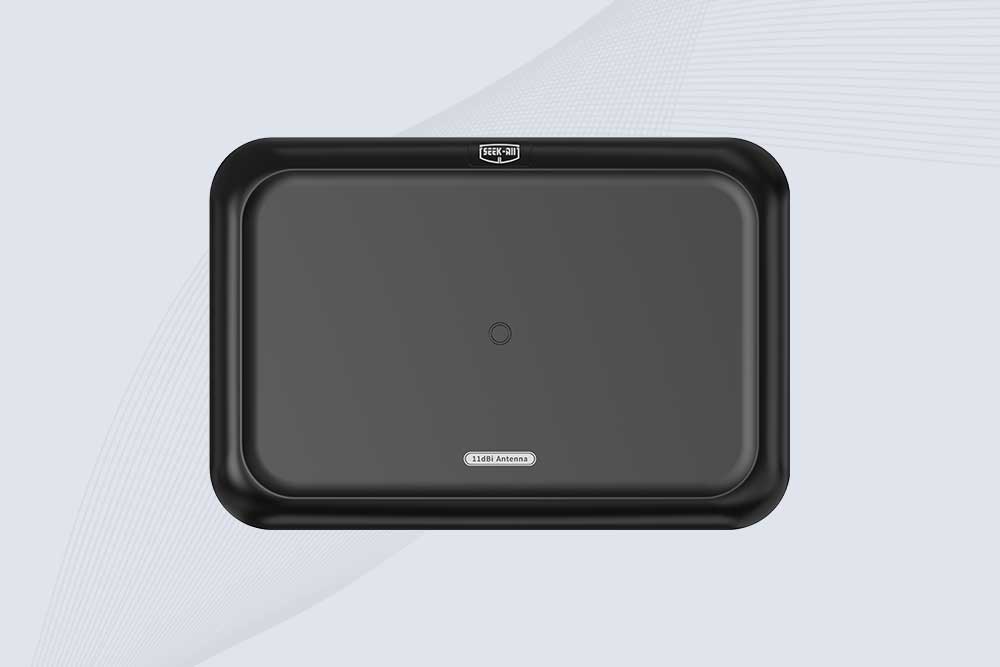
SSD-A11 UHF RFID antenna features 840–960 MHz adjustable frequency, ≥10.5 dBi gain, circular polarization and 50Ω impedance for fixed RFID systems.
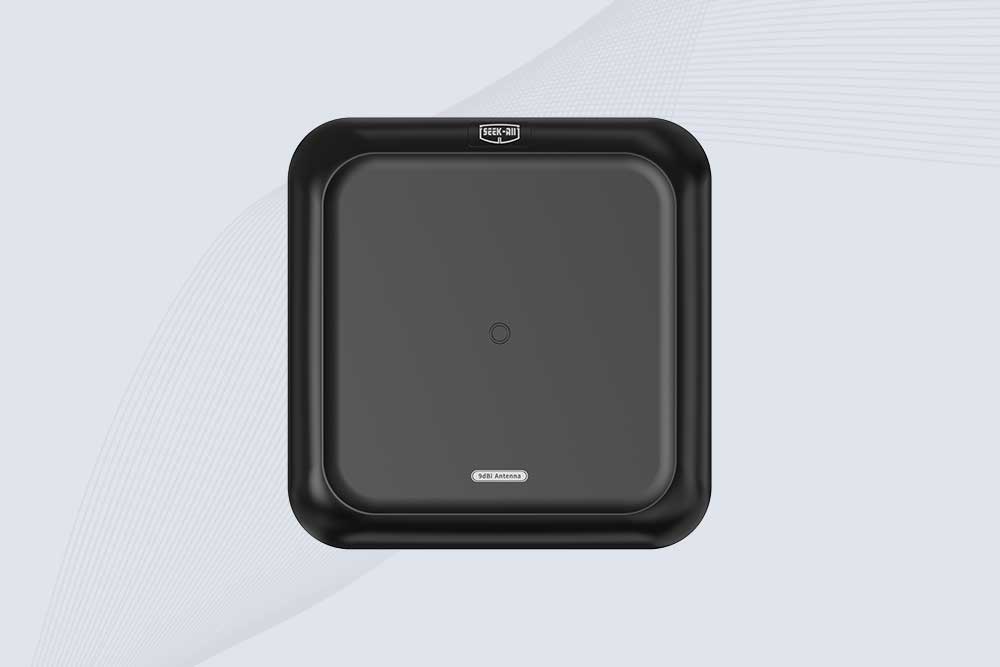
SSD-A09 is a 9 dBi UHF RFID antenna with 840–960 MHz adjustable frequency, circular polarization, 50Ω impedance and directional 60° × 60° coverage.
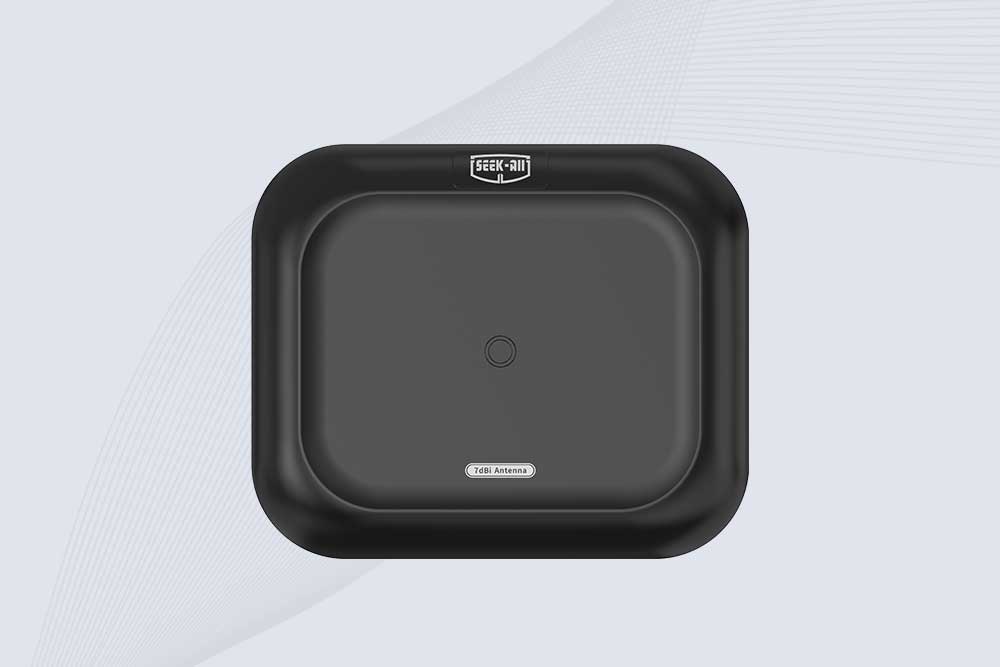
Explore the SSD-A07 UHF RFID antenna with 7 dBi gain, circular polarization, adjustable 840–960 MHz frequency, and 60°/75° beamwidth for stable RFID read/write performance.

SSD-A06 UHF RFID antenna with circular polarization, adjustable 840–960 MHz frequency, ≥4.5 dBi gain, and a compact directional design for RFID systems.

SSD-R16L Multi-Channel RFID Infrastructure for Automated Inventory Management ✔️ 16-Port High-Density RFID Reading Equipped with 16 SMA antenna ports, SSD-R16L supports multi-antenna deployment for warehouses, retail stores, logistics, production lines, and large-area RFID identification. ✔️ High-Speed & Long-Range Performance With up to 33…

SSD-R8L 8-port UHF RFID reader with 33dBm output, up to 20m reading range and 600+ tags/s recognition. Ideal for warehouse, logistics, retail and asset tracking.

SSD-R4L is a 4-port UHF RFID fixed reader with 33dBm output power, up to 20m reading range, EPC C1G2 support and 600+ tags/s reading speed.
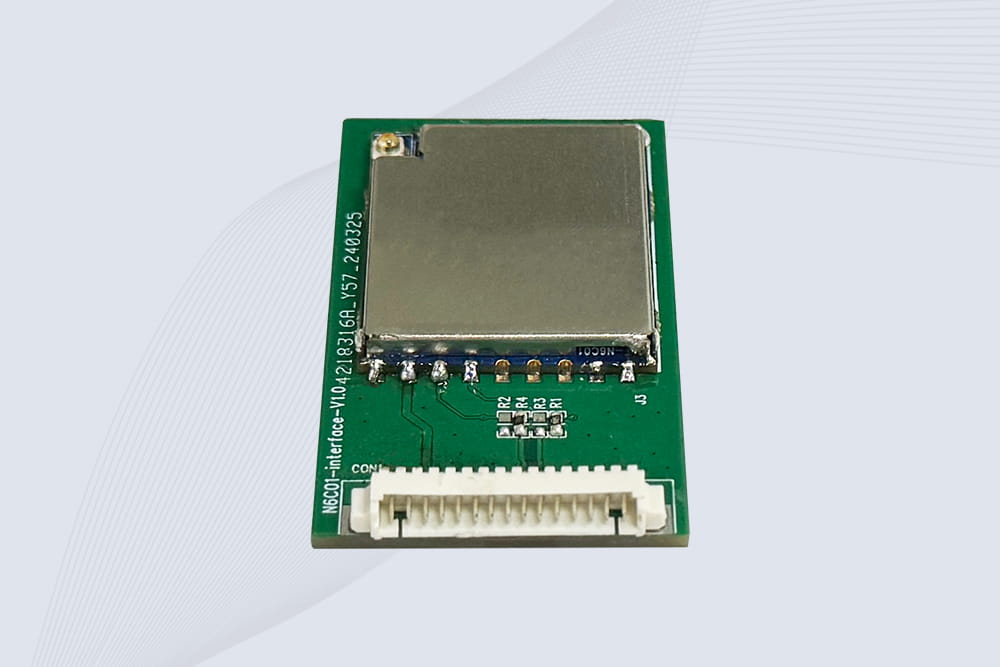
CYKEO Embedded RFID Modules are designed for compact industrial and IoT devices that require stable UHF performance. These UHF RFID Modules support global protocols, flexible power control, and reliable multi-tag reading for smart cabinets, production lines, and asset tracking systems.
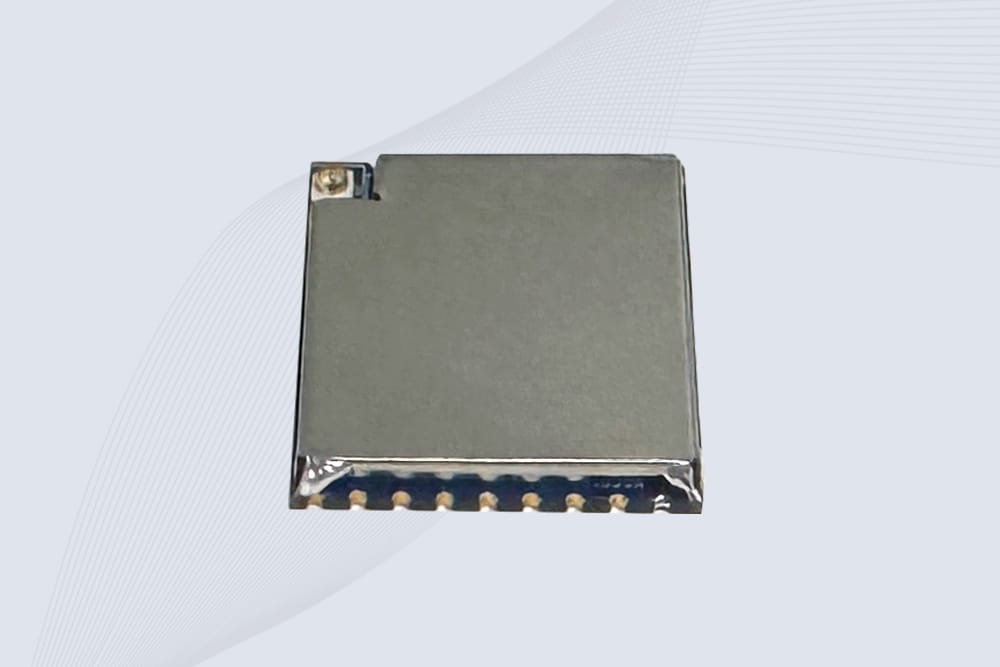
CYKEO Embedded RFID Module is built for compact IoT and industrial devices that need stable UHF performance. This UHF module supports global protocols, low power operation, and reliable multi-tag reading for smart lockers, production lines, and always-on RFID systems.
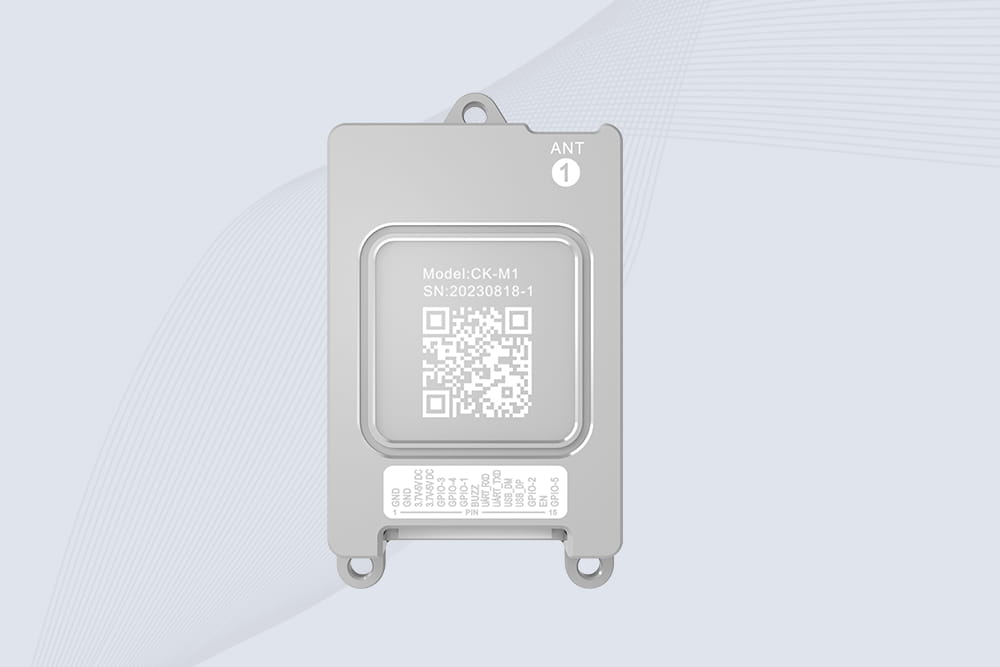
CYKEO CYKEO-M1 drone rfid module is a compact UHF RFID reader module designed for drones and UAV platforms. It supports long-range aerial scanning, fast multi-tag reading, and stable performance in wind, vibration, and outdoor environments.
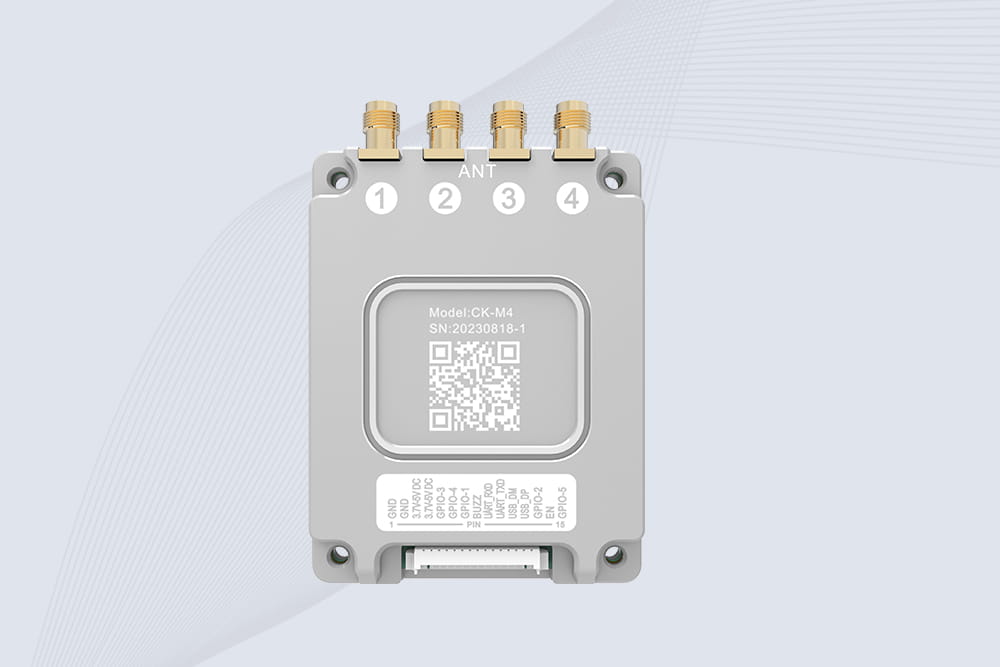
CYKEO CYKEO-M4 RC522 RFID Module is an industrial-grade UHF RFID reader with 4 ports, supporting ISO, EPC, and GB protocols. High-speed, accurate reading for IoT, automation, and warehouse applications.
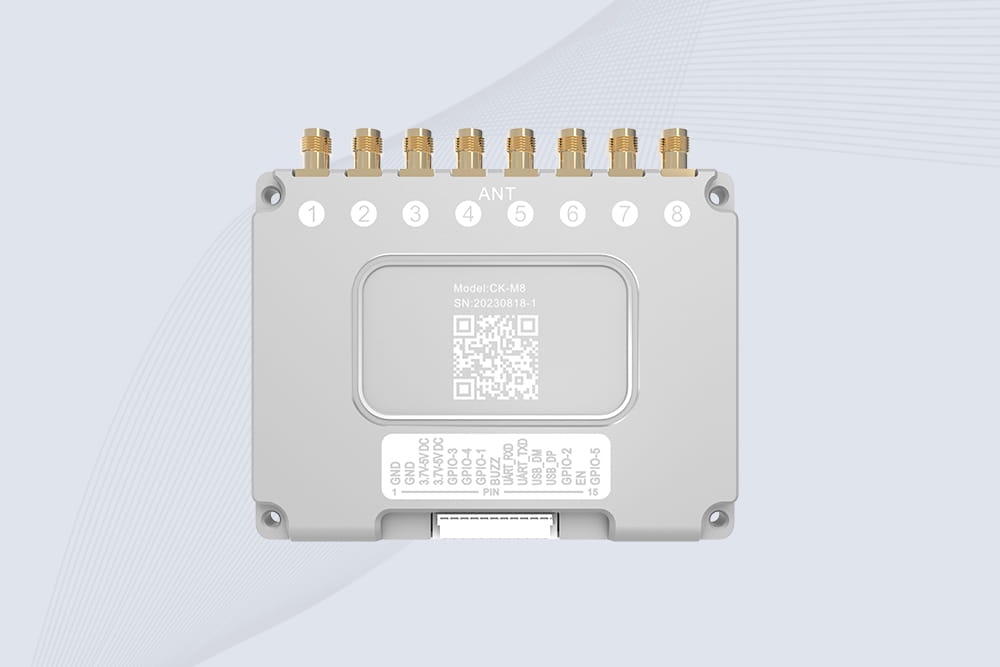
CYKEO CYKEO-M8 Module RFID is an 8-port UHF R2000 RFID Module designed for high-density, multi-tag environments. Stable 33dBm output, ISO & GB protocol support, ideal for warehouses, factories, and automated systems.
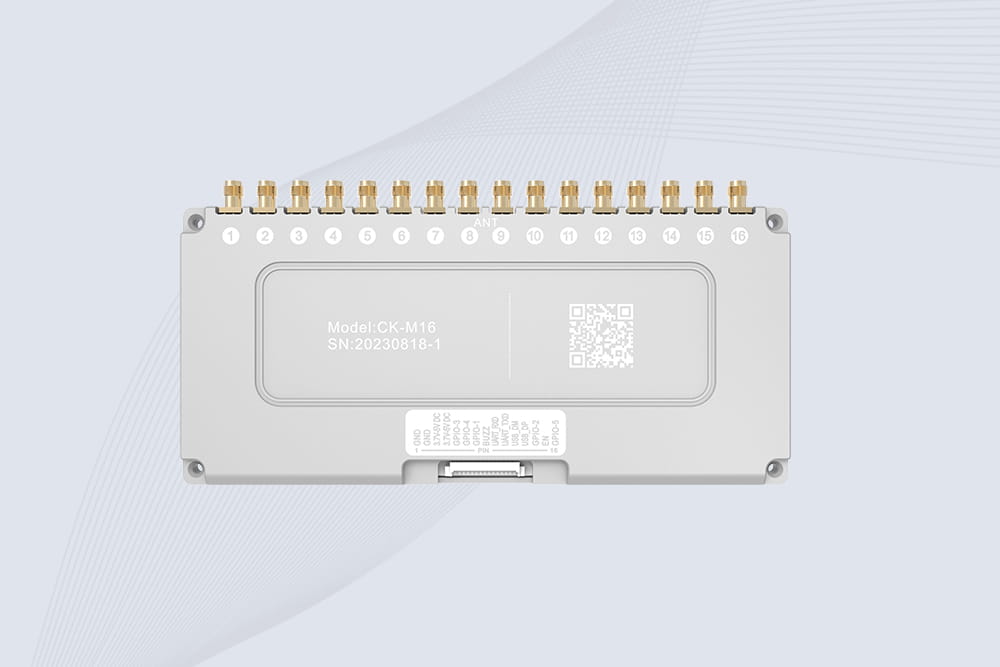
CYKEO CYKEO-M16 RFID Module is a 16-port UHF RFID reader module based on the R2000 chipset. Designed for dense tag environments, it supports ISO and GB standards and delivers stable multi-antenna control for industrial automation.
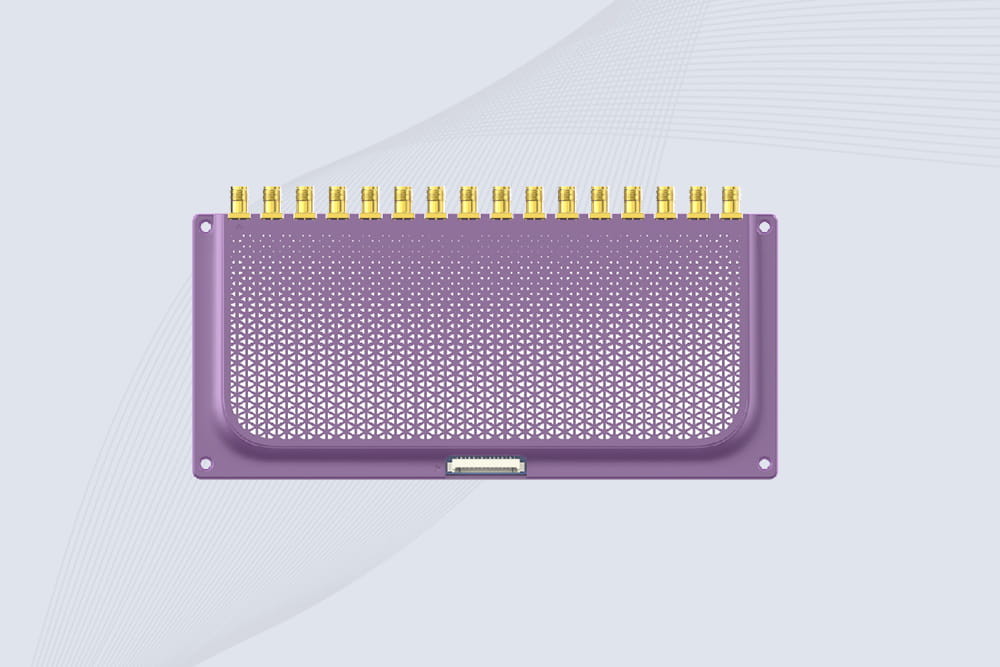
The CYKEO CYKEO-M16L RFID Reader Module is a 16-channel UHF RFID core designed for dense tag environments. With adjustable 33dBm output, multi-protocol support, and stable multi-antenna control, this RFID Tag Reader Module fits industrial automation, warehouse systems, and large-scale IoT deployments.
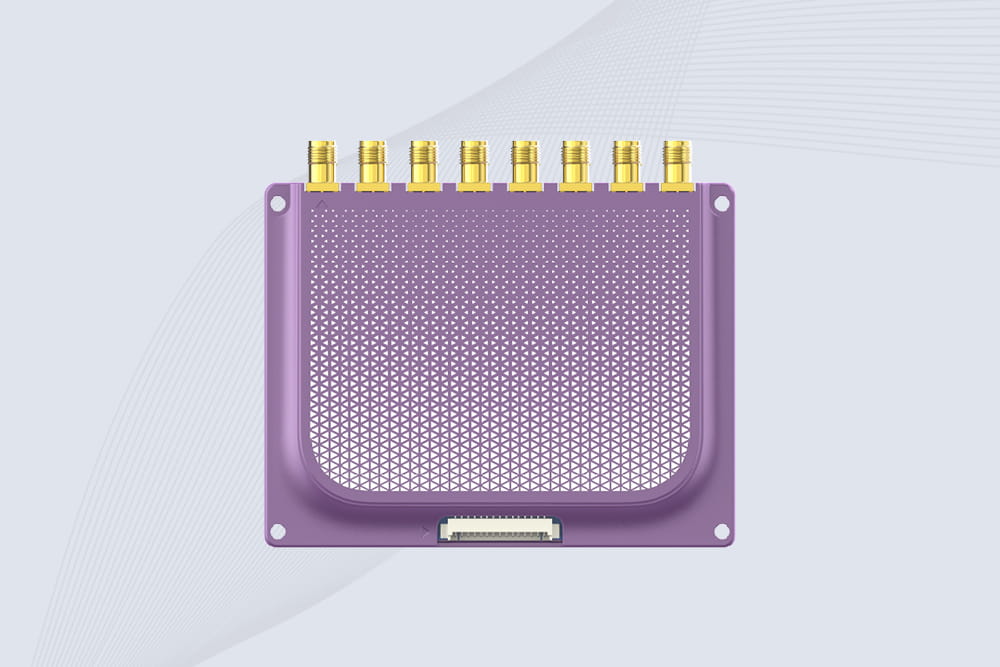
CYKEO CYKEO-M8L module RFID is a compact industrial UHF module built for dense tag and multi-antenna environments. With 8 RF ports, adjustable 33 dBm output, and ISO & GB protocol support, it is widely used in factories, warehouses, and automated tracking systems.
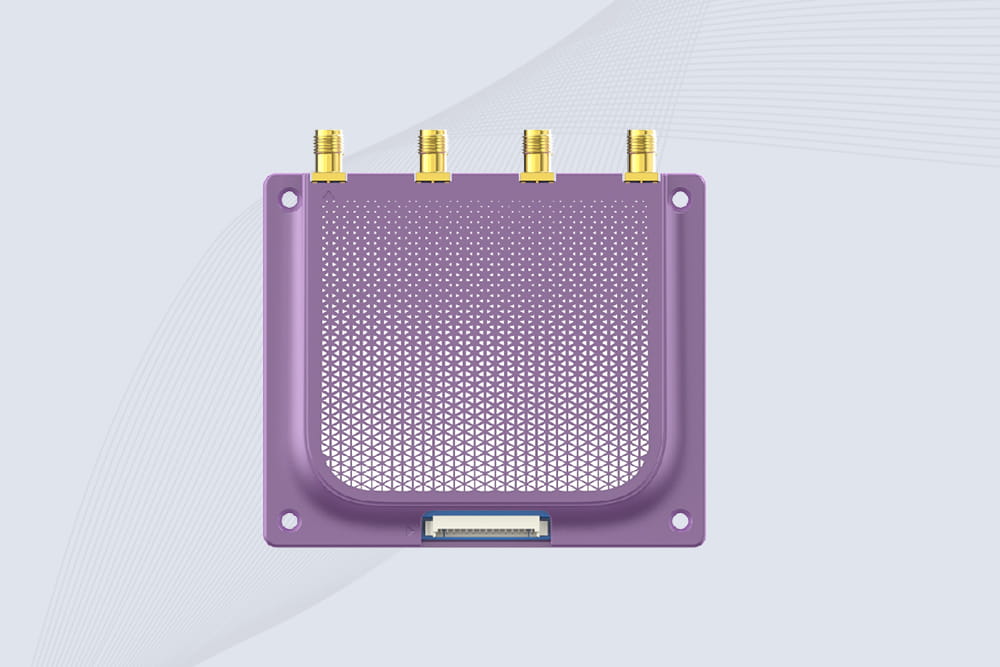
CYKEOCYKEO-M4L UHF RFID Module is a compact 4-channel RFID tag reader module designed for dense tag environments. Supporting ISO and GB protocols, it delivers stable reads up to 10 meters for industrial and IoT systems.
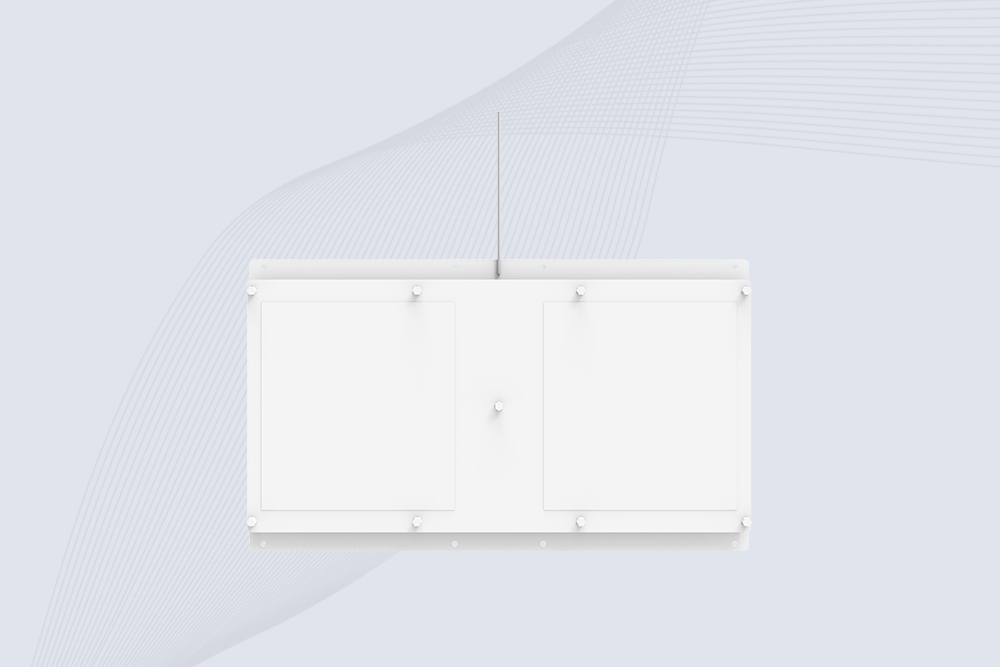
Cykeo CYKEO-A11 UHF RFID reader antenna delivers 11dBi gain, 840-960MHz frequency range, and IP65 ruggedness for retail, logistics, and industrial RFID systems. Features low VSWR and easy installation.

CYKEO Antenna RFID Reader delivers stable long-range UHF performance with a 10.5dBi directional design, built for warehouses, conveyor portals, and industrial RFID systems. This rfid reader antenna provides 20m+ read distance and rugged IP67 protection.

Cykeo CYKEO-PHF3 industrial HF RFID Antenna offers 24-point dynamic tracking, ISO 14443A/15693 protocols, metal-environment stability for archives/libraries/manufacturing.

Cykeo CYKEO-A5B industrial Linear RFID Antenna delivers 5dBi gain, ≤1.5:1 VSWR, and IP65 rugged design for warehouse, production line, and logistics UHF systems.

Cykeo’s CYKEO-B12 Long Range RFID Antenna delivers 15m+ read range with 12dBi gain, IP65 rugged design, and global 840-960MHz UHF support. Ideal for warehouse/logistics asset tracking.
Cykeo CYKEO-B10 Long Distance RFID Antenna offers 10dBi gain, 840-960MHz frequency range, IP65 rating, and 20m+ coverage for logistics/warehousing/ETC systems. Low VSWR ensures stable signal transmission.
Cykeo CYKEO-A6 UHF RFID panel antenna features 6dBi gain, 840-960MHz broadband, IP65 metal-ready housing for logistics/smart retail. 18mm ultra-thin design with tool-free mounting.

Cykeo CK-A3 industrial antenna RFID UHF offers 5m+ tag detection, ≤1.3:1 VSWR, IP65 rugged design, and global UHF spectrum compatibility (840-960MHz) for warehouses, factories, and retail.
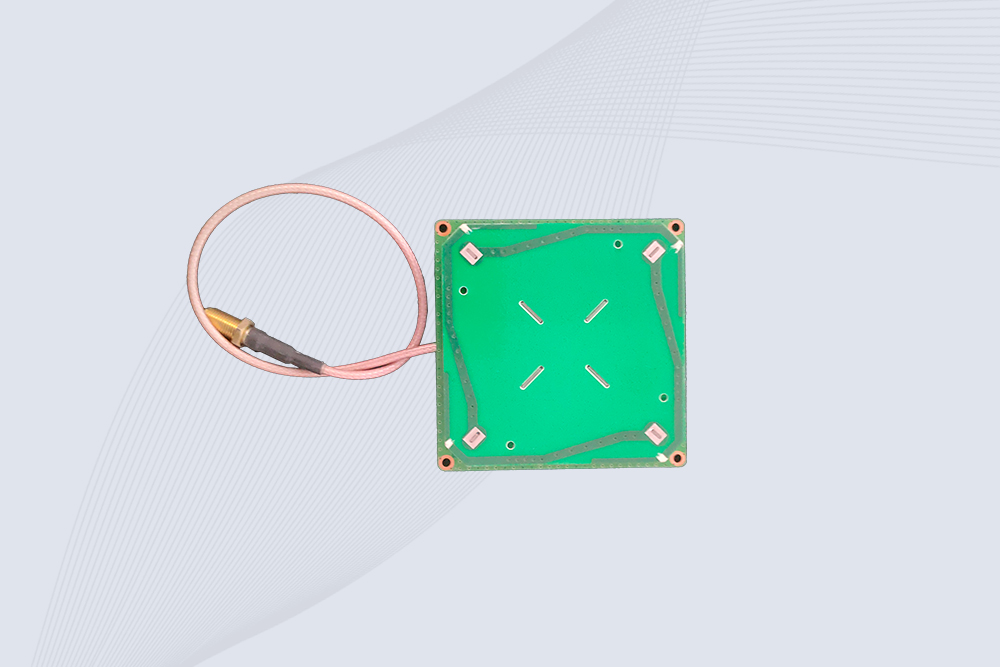
Cykeo CYKEO-B5 directional RFID antenna provides 5dBi gain with 60° narrow beamwidth for precise inventory tracking. IP65-rated, global UHF frequency support, and low VSWR.
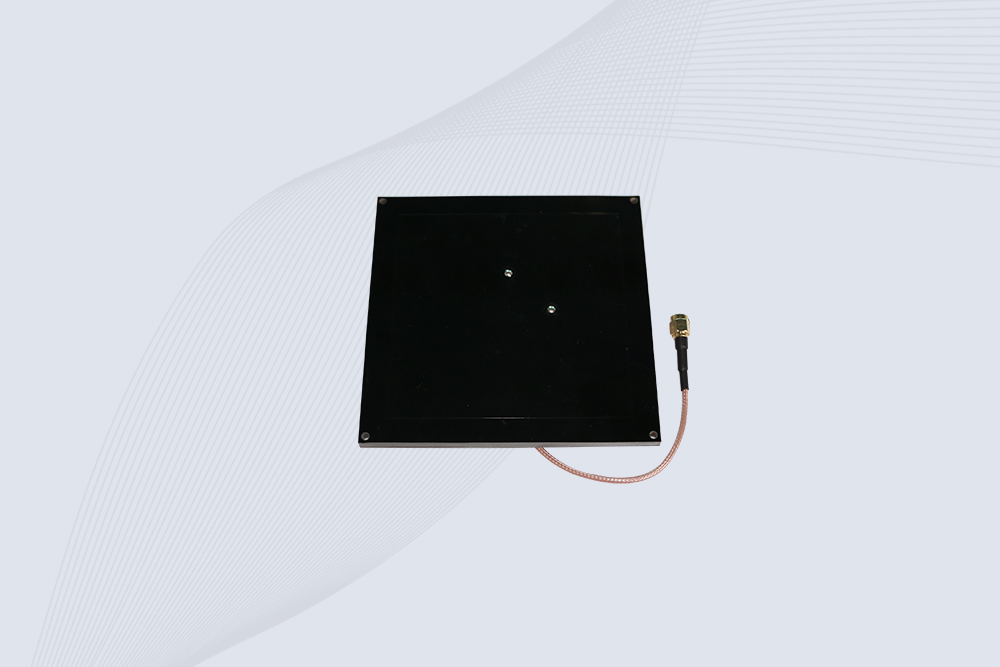
Create your own high-performance DIY RFID antenna! 5dBi gain, 840-960MHz tunable, step-by-step guides. Compatible with Arduino, Raspberry Pi, and commercial UHF readers.
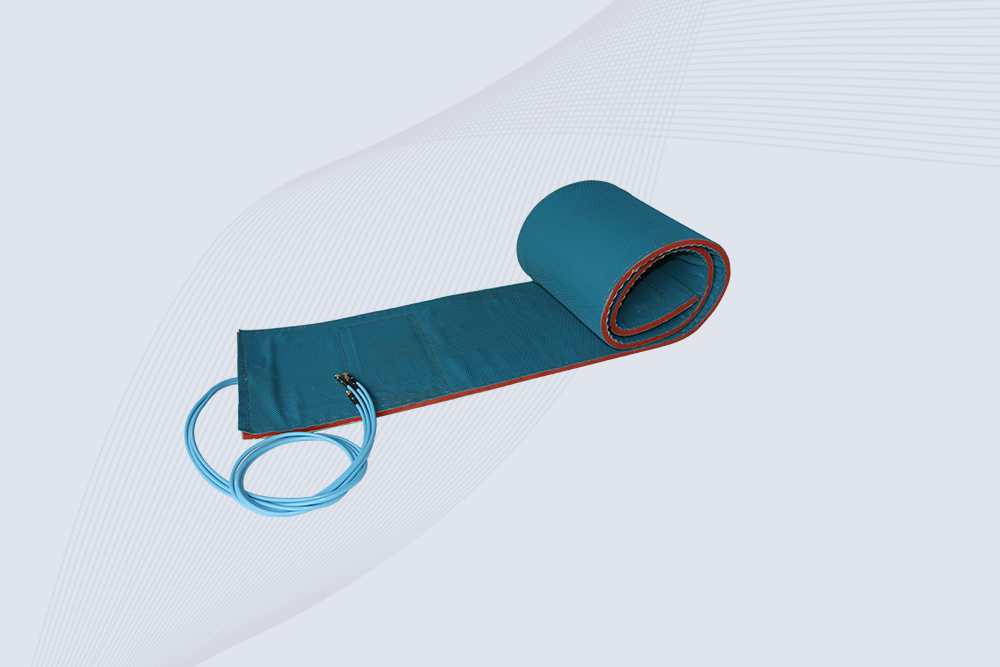
Cykeo CYKEO-A7 Flexible RFID Antenna features 840-960MHz wideband tuning, 7dBi gain, and IP68 rating for medical/retail/industrial curved surface deployments. 98% read accuracy with peel-and-stick installation.

Cykeo CYKEO-B5A industrial Passive RFID Antenna delivers 5dBi gain, 70° beamwidth, and -40°C~55°C operation for warehouses/smart cabinets. Compatible with Zebra/Impinj readers.
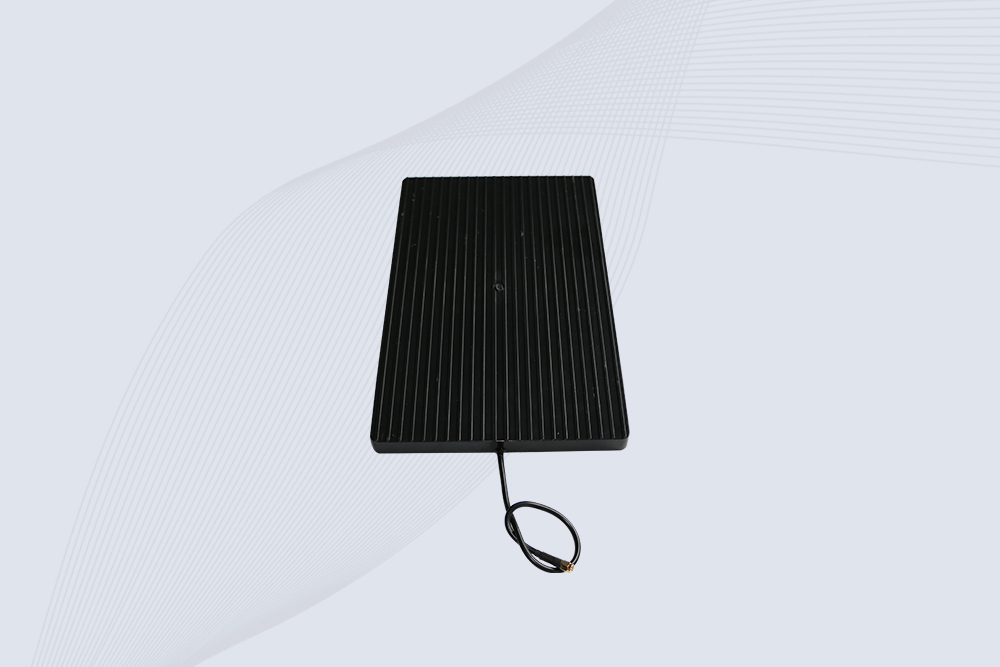
Cykeo’s CYKEO-A9B High Gain RFID Antenna delivers 15m+ read range with 9dBi amplification. Features IP54 rugged design, 840-960MHz bandwidth, and 80° beamwidth for warehouse/manufacturing RFID systems.

Cykeo’s enterprise-grade 8dbi Impinj RFID Antenna 10m+ read range with 840-960MHz tuning. Features IP65 housing, 1.4 VSWR, 35° beamwidth for retail/warehouse RFID systems.
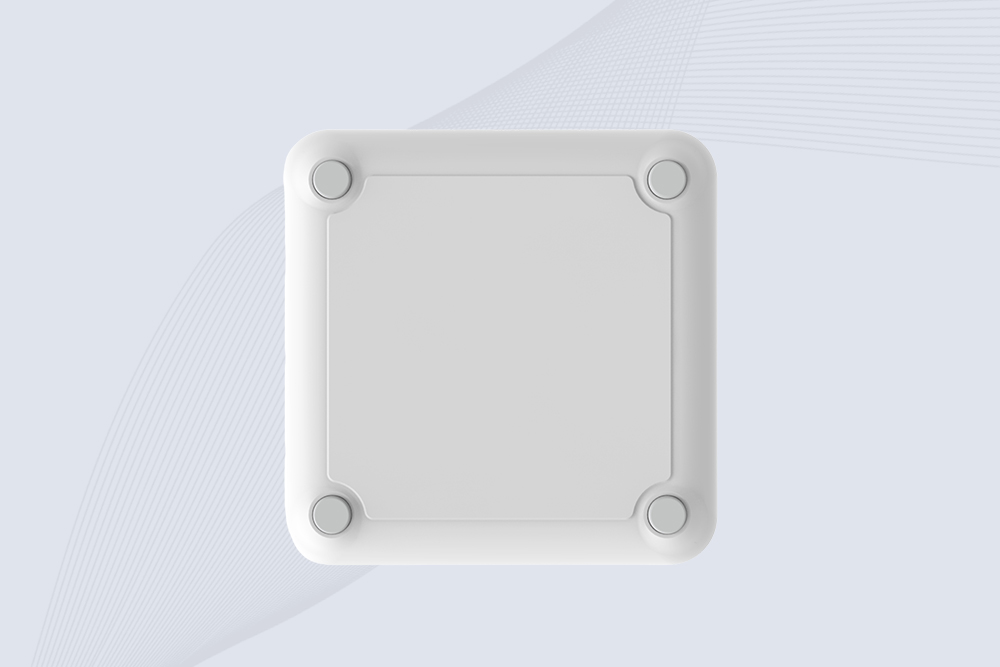
Cykeo CYKEO-A9 industrial UHF RFID antenna delivers 9dBi gain, 840-960MHz frequency range, and IP65 protection for warehouse/logistics/retail RFID systems. Features N-type connector and ≤1.3:1 VSWR.
CYKEO UHF RFID Antenna built for long-distance and industrial applications. This antenna rfid uhf delivers strong gain, outdoor durability, and reliable tag performance in warehouses, yards, and vehicle ID systems.
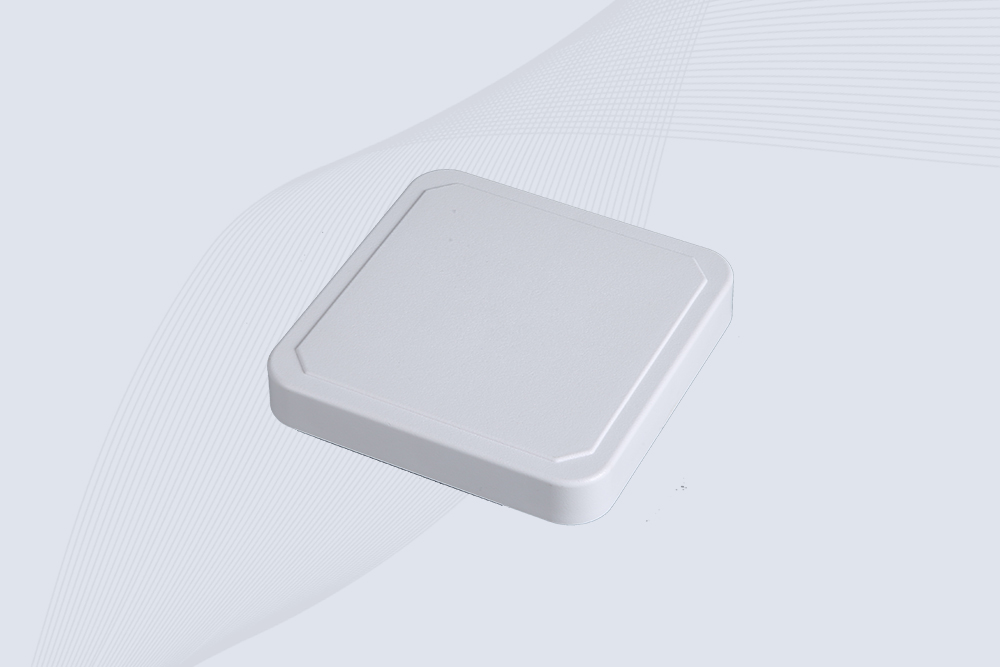
CYKEO Antenna RFID delivers reliable long-range UHF performance in warehouses, retail shelves, and cold-chain environments. This compact uhf rfid antenna provides stable reads with circular polarization and ultra-wide 840–960 MHz support, ideal for industrial tracking, smart shelves, and asset monitoring.
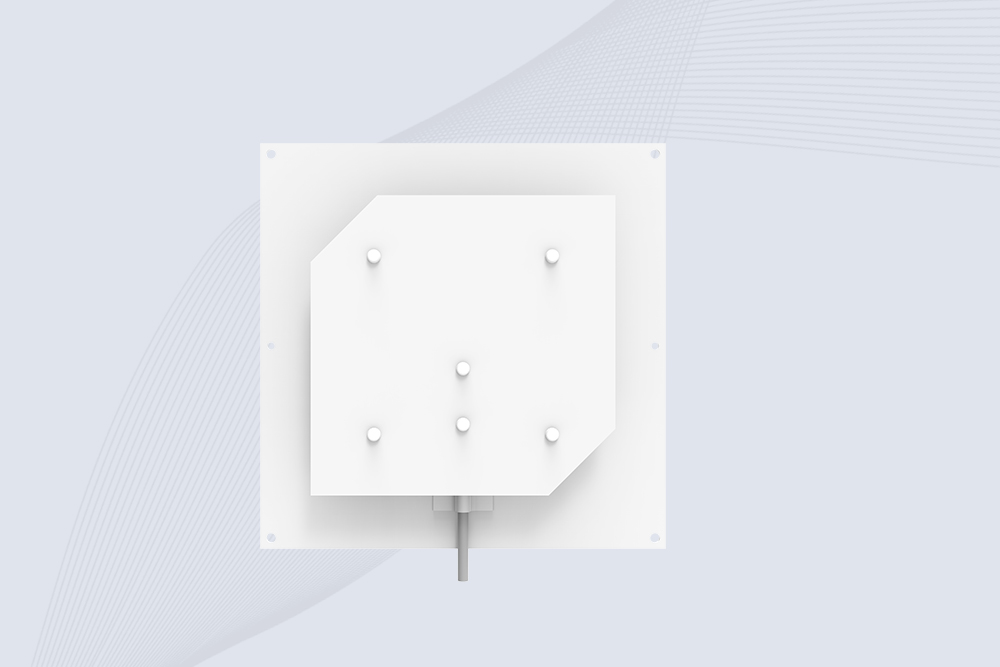
Cykeo’s CYKEO-C8 UHF RFID antennas delivers 8dBi gain, 840-960MHz full-band coverage, and IP65 ruggedness for manufacturing/warehouse RFID systems. Industrial RFID Antennas Features
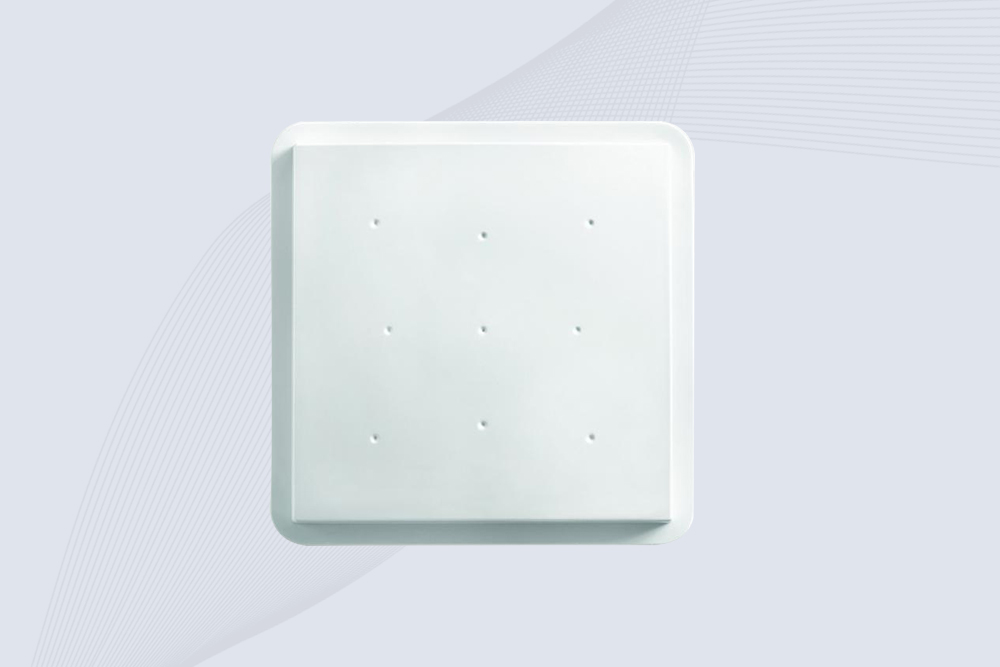
Cykeo’s 8dBi UHF RFID antenna and reader kit delivers 10m+ range, 840-960MHz broadband, and IP65 ruggedness for factories, warehouses, and logistics. ISO 18000-6C & EPC Gen2 certified.
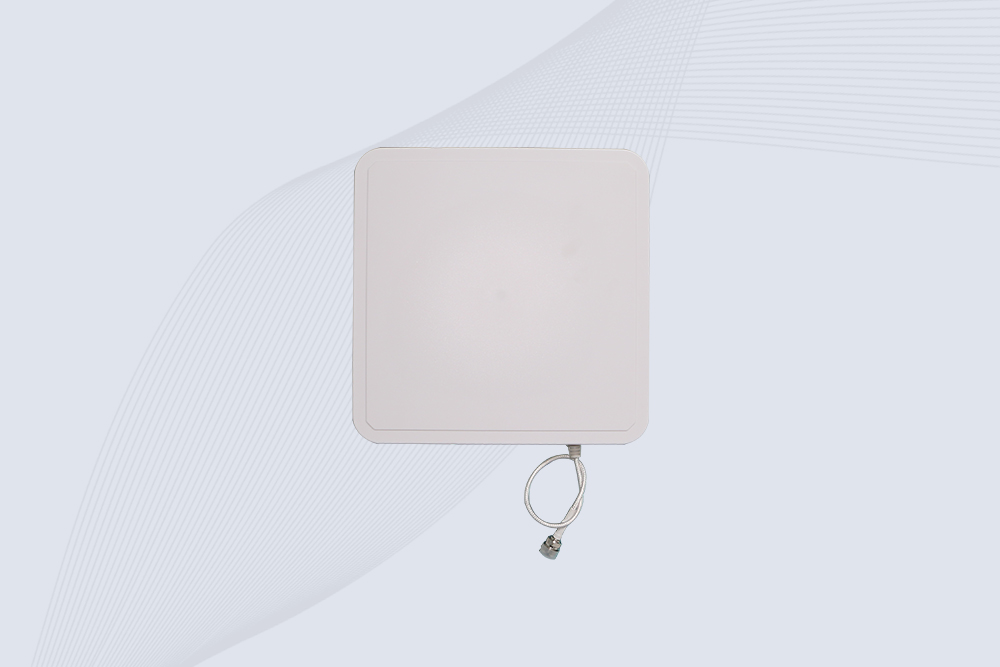
Cykeo CYKEO-A9A industrial UHF RFID reader and antenna kit delivers 10m range, 500 tags/sec, IP65 ruggedness for manufacturing/logistics. Supports EPC Gen2, ISO18000-6C.
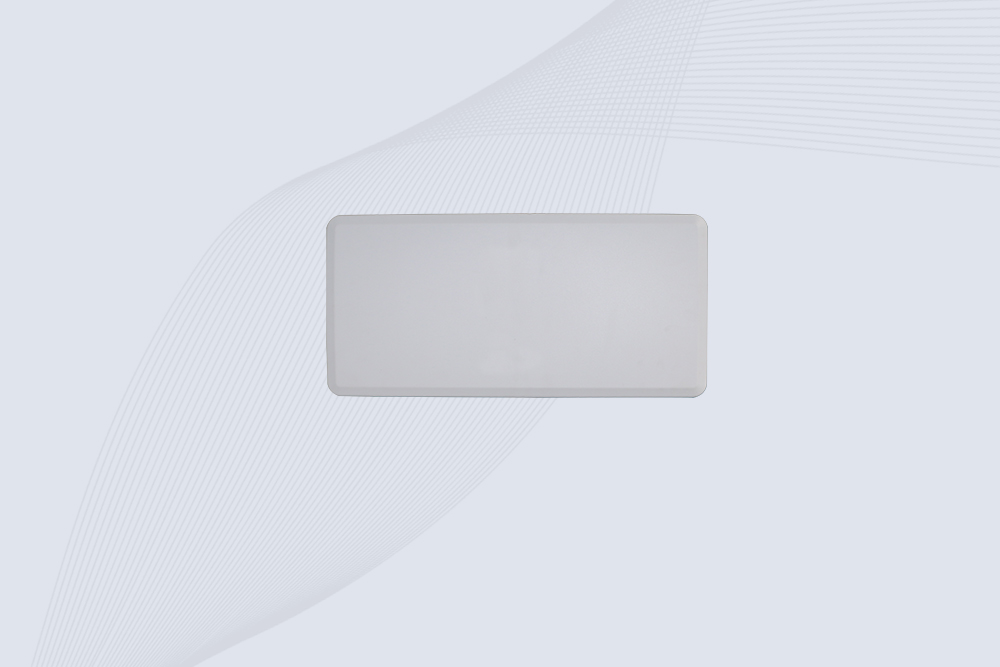
Cykeo’s CYKEO-A12C UHF Large RFID Antenna delivers 12dBi gain, 840-960MHz global frequency, IP65 ruggedness for logistics/warehousing/automotive. 40° beamwidth ensures stable 15m+ tag reads.

CYKEO Near Field RFID Antenna provides precise 5–30 cm reading for shelves, cabinets, and workstations. This compact rfid shelf antenna delivers stable short-range performance around metal and clutter, ideal for pharmacies, libraries, and electronics sorting.
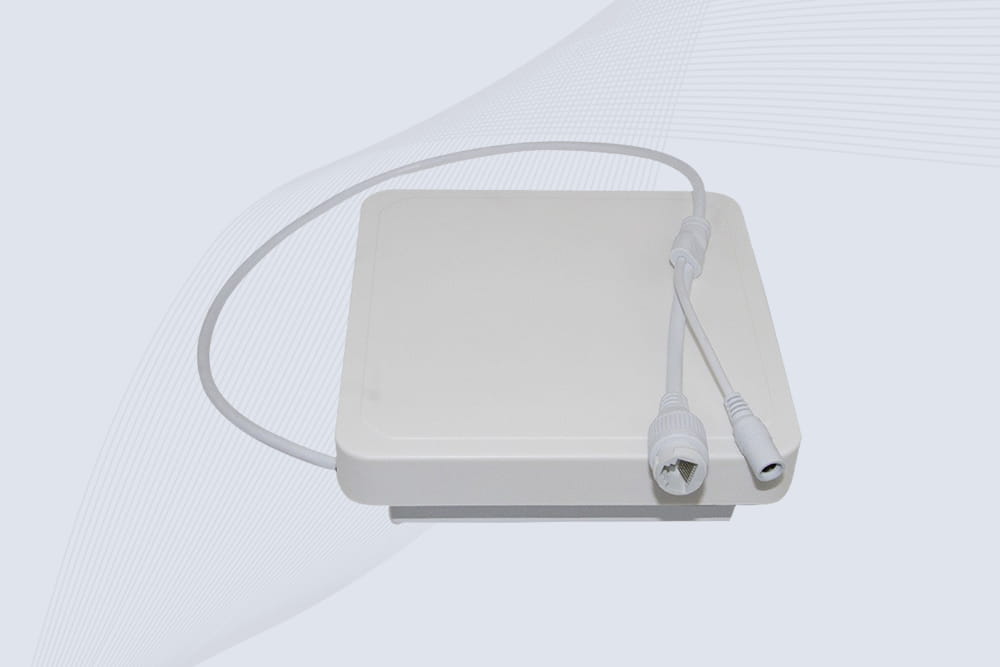
Cykeo’s industrial long range RFID reader delivers 20-meter scanning, 500+ tags/sec speed, and IP67 waterproof design for automated warehouses, logistics, and harsh environment applications.
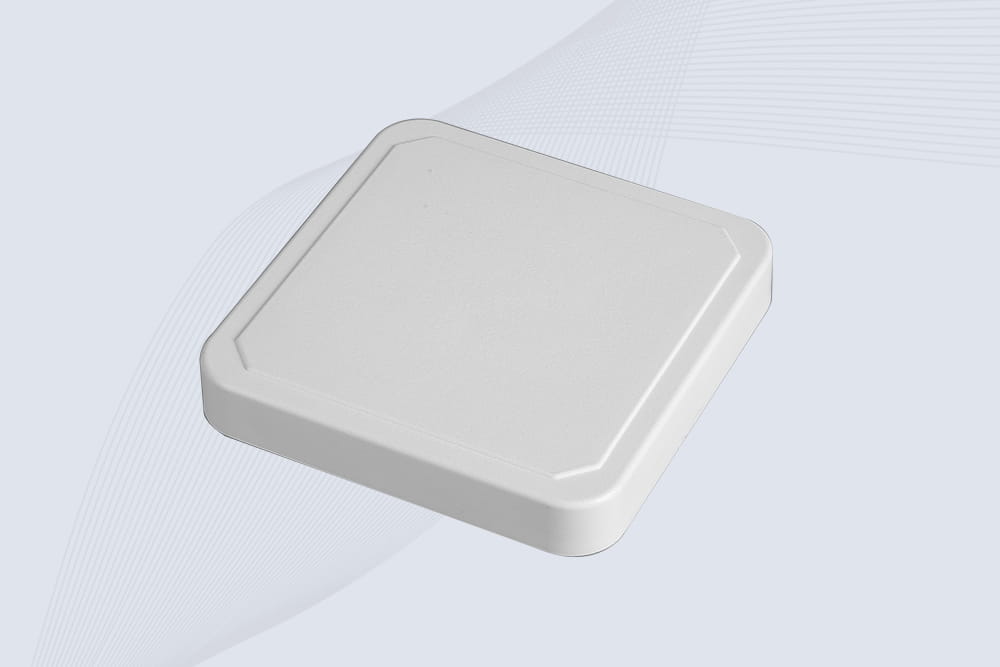
Cykeo’s CYKEO-RA6L industrial RFID long range reader features 20m read distance, 500 tags/sec speed, and IP67 protection. Ideal for warehouse automation, manufacturing WIP tracking, and smart logistics. Supports ISO 18000-6C/6B protocols.
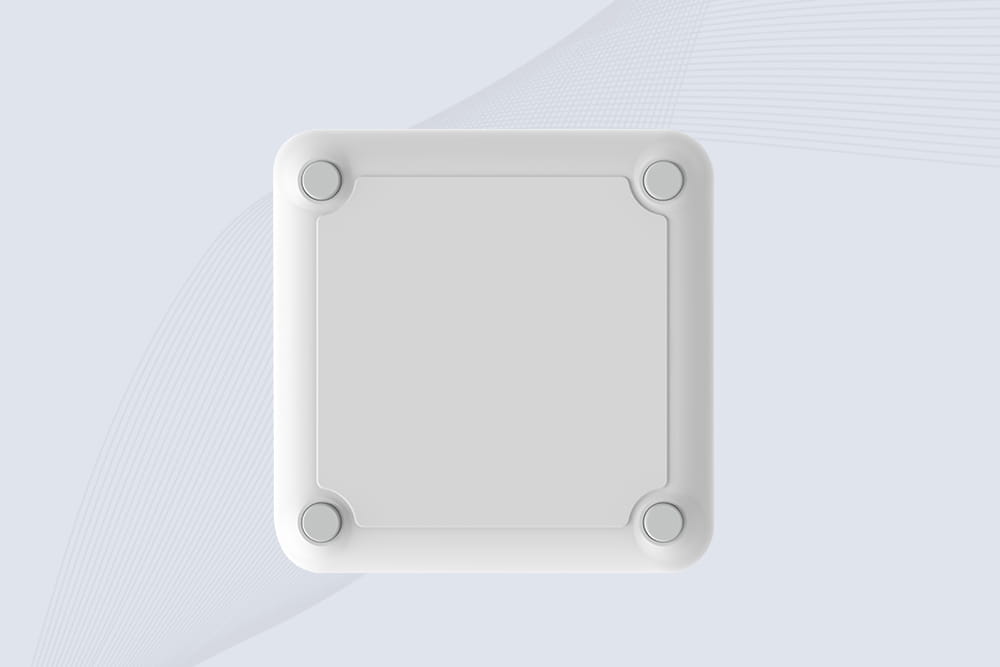
CYKEO Long Range RFID Tag Reader built for outdoor and industrial operations. This Outdoor RFID Reader delivers 20m read distance, fast tag processing, and IP67 durability for wide-area tracking.
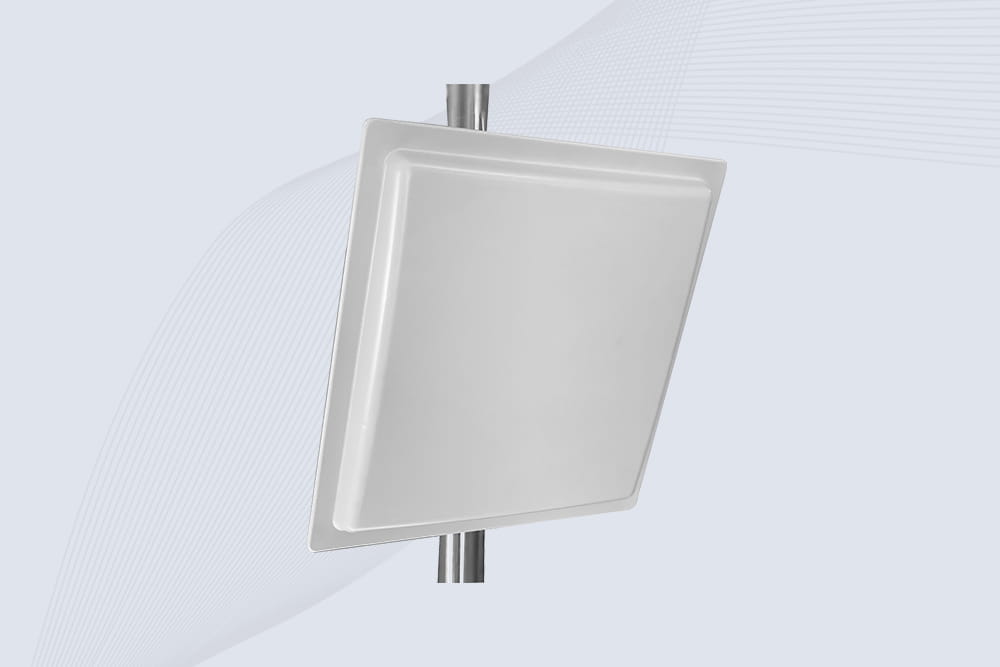
Cykeo CYKEO-RA12L industrial Long Range RFID Reader delivers 20m read range, 200+ tags/sec scanning, and IP67 protection for manufacturing/logistics applications. Supports ISO 18000-6C/GB protocols.

Cykeo CYKEO-C1 industrial Forklift RFID Reader features 20m read range, 600 tags/sec scanning, Impinj R2000 chipset, and IP67 rugged design. Ideal for warehouse logistics and manufacturing. Supports ISO 18000-6C/6B protocols.

Cykeo CYKEO-R4 industrial UHF RFID Fixed Reader features 4 TNC ports, 400+ tags/sec speed, IP67 housing, and global frequency compliance for vehicle inspection, smart warehouse, and asset management systems.
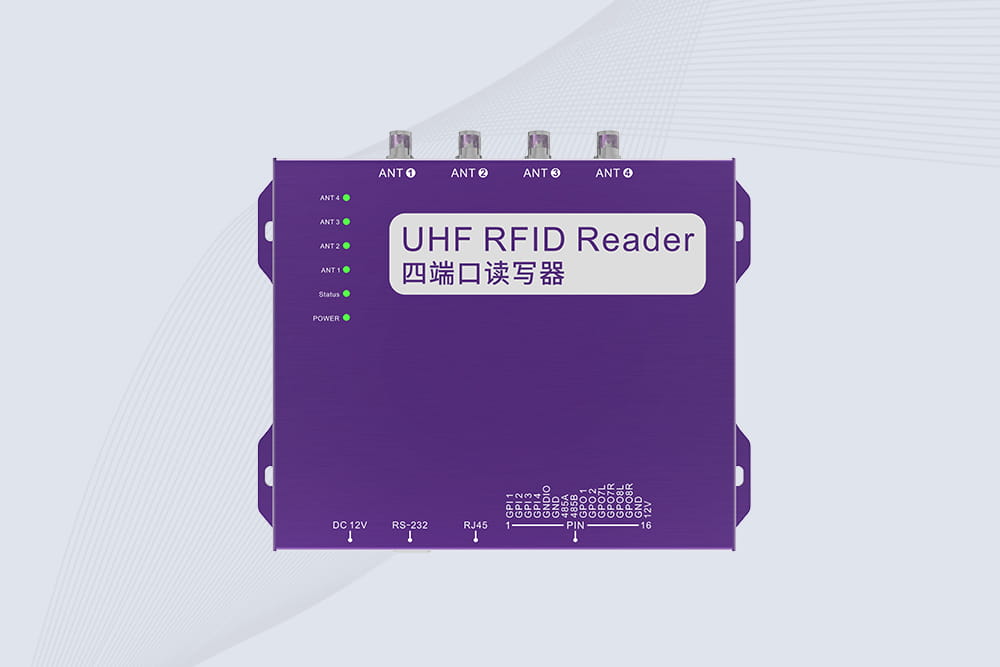
Cykeo’s CYKEO-R4L 4-port Fixed UHF RFID Reader delivers 400 tags/sec scanning, ISO 18000-6C compliance, and IP65 protection. Ideal for warehouse automation, manufacturing WIP tracking, and logistics management.
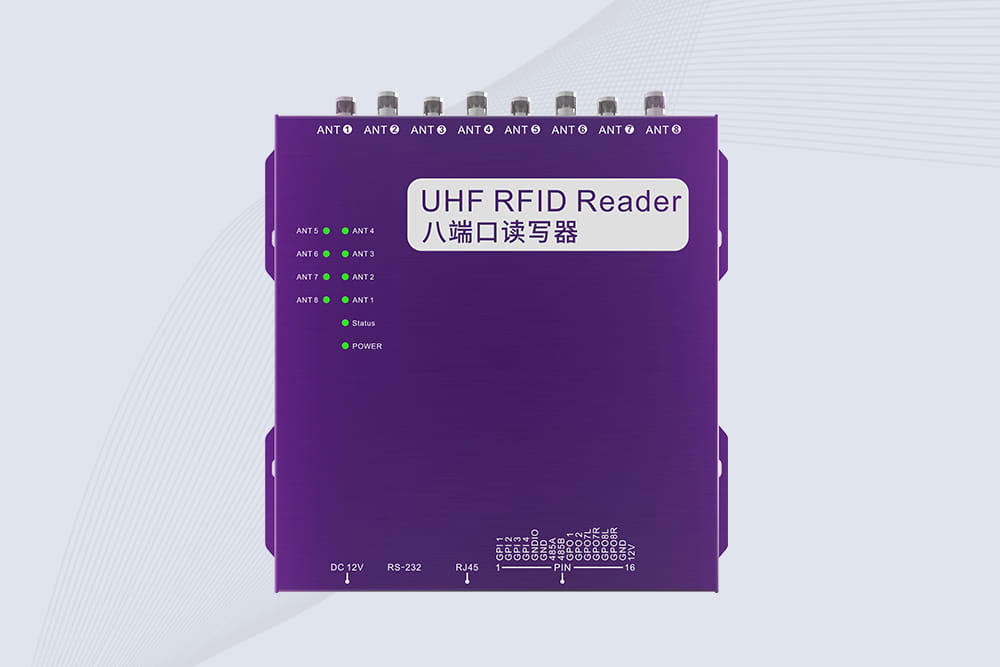
CYKEO CYKEO-R8L Fixed RFID Reader with 8-port UHF design, Impinj-based RF core and up to 20m read range. An industrial Fixed RFID Reader for vehicle inspection, warehouse portals, smart manufacturing lines and secure access checkpoints.
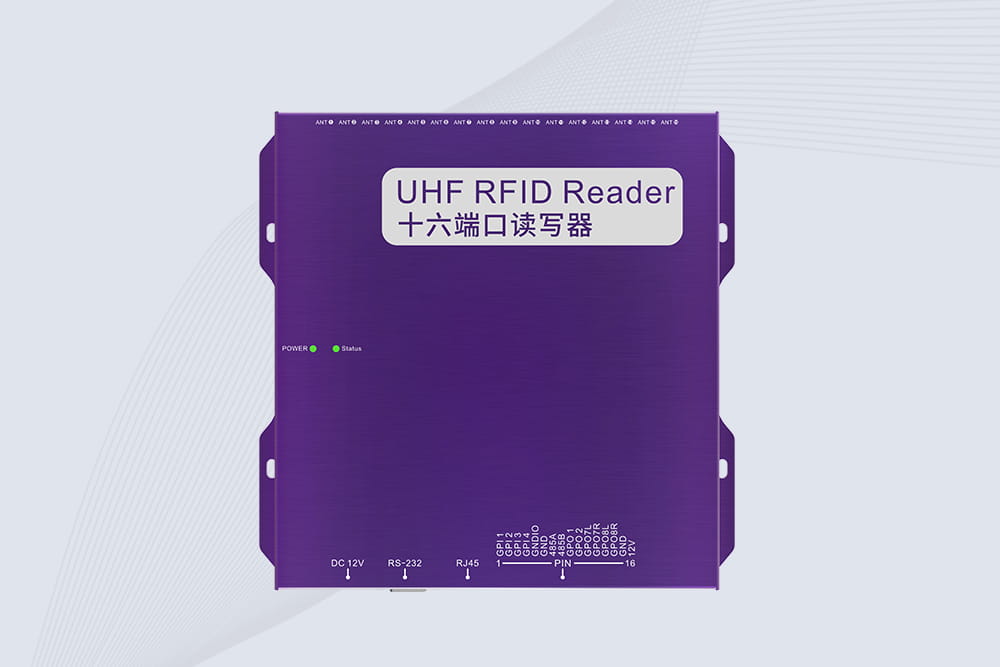
RFID Fixed Reader from CYKEO – the CYKEO-R16L 16-port UHF fixed reader for warehouses, smart cabinets, and production lines. Long-range, multi-tag reading, stable performance for 24/7 industrial use.
RFID Industry Writer | IoT & Asset Tracking Analyst
James writes about RFID technology, asset tracking, and the practical challenges of digital transformation across warehousing, retail, manufacturing, and logistics.
His work focuses on how RFID is applied in real-world operations—improving inventory visibility, automating workflows, and helping businesses manage assets with greater accuracy and efficiency.
He regularly covers topics including UHF RFID, smart cabinets, RFID portals, tool tracking, warehouse automation, and industrial IoT trends..

A long range RFID scanner can help airports automatically track baggage, carts, containers, and ground equipment at defined checkpoints. By combining UHF RFI...
More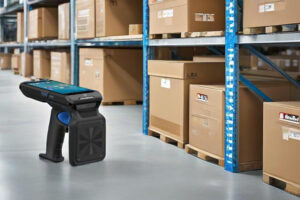
Discover Cykeo CK-B2G, a rugged UHF RFID handheld reader with 20m range, Android 13 OS, 12-hour battery life, and multi-protocol support. Perfect for logistics, warehousing, and retail.
More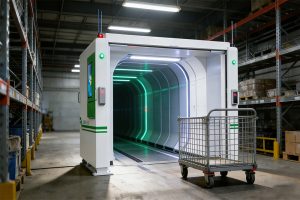
Discover how RFID technology, featuring the CK‑TP4A retractable UHF RFID gate, streamlines warehouse and inventory management. Improve efficiency, accuracy, and real-time tracking for large-scale warehouses and high-volume inventory operations.
More
how to test if rfid blocker works using real RFID readers. Learn accurate testing steps, signal loss benchmarks, and field-proven verification methods with Cykeo devices.
More