 Cykeo RFID IoT Solution Products R&D Manufacturer
how to read an rfid tag
89Learn how to read an RFID tag using professional tools. Discover accurate methods, real-world insights, and high-performance RFID reading techniques.
MoreAll RFID Product
You have a warehouse full of products. You know roughly what is in there, but when someone asks for an exact count, you hesitate. The last inventory took three days. You pulled staff from their regular jobs. And by the time you finished, the numbers were already wrong again.
Here is the thing. When people search rfid inventory tracking system, they are usually looking for a way out of this cycle—a way to know what they have, where it is, and whether it is moving, without manual counting.
Let me explain what an RFID inventory tracking system is, how it works, and how it can transform your operation.
An RFID inventory tracking system is an automated solution that uses radio frequency identification technology to track and manage inventory in real time. It combines RFID tags attached to items, readers that capture tag data, and software that processes and displays inventory information .
Unlike traditional barcode systems that require line-of-sight and one-at-a-time scanning, an RFID inventory system can read hundreds of tags simultaneously without needing to see them. Items can be in boxes, on pallets, behind other items—the system still knows they are there .
The result: inventory counts that take hours instead of days, real-time visibility into stock levels, and data accurate enough to trust for purchasing decisions .
Every RFID inventory system has three essential layers working together :
1. RFID Tags
Tags are attached to the items you want to track. Each tag contains a microchip storing a unique identifier (like an Electronic Product Code or EPC) and sometimes additional data like serial numbers or expiration dates .
For inventory applications, UHF passive rfid tags are the standard. They have no battery, last for decades, and cost pennies in volume . They can be read from 3-12 meters away, through cardboard and plastic.
2. RFID Readers
Readers are the devices that communicate with tags. They come in several forms :
3. RFID Inventory Software
Software is the brain of the system. It collects data from readers, processes it, and presents it as actionable information :
The workflow follows a simple loop :
Tagging: Each item receives an RFID tag with a unique EPC. For retail products, tags may be applied at the factory. For warehouse inventory, tags are applied during receiving .
Reading: As items move through the facility, readers capture tag data automatically. Handheld RFID readers count entire aisles. Fixed readers log items passing through doors. Conveyor readers sort packages .
Processing: Software receives the raw tag reads, filters duplicates, and updates inventory records in real time. Each read event includes the tag ID, location, and timestamp .
Analysis: Inventory dashboards show stock levels, movement patterns, and exceptions. Alerts trigger when items go missing or stock runs low .
Action: Staff use the information to restock, pick orders, or investigate discrepancies. Cycle counts are scheduled based on activity levels .
Barcodes have been the standard for decades. But they have fundamental limitations that RFID overcomes :
| Feature | Barcode System | RFID System |
|---|---|---|
| Scanning | One at a time, line of sight required | Hundreds at once, no line of sight |
| Labor | Manual scanning consumes hours | Automated reading takes minutes |
| Accuracy | Human error in scanning | System captures all tags automatically |
| Visibility | Only when scanned | Real-time, continuous |
| Data | Read-only | Read-write (can update tag data) |
| Environment | Barcodes fail when dirty or damaged | Tags can be ruggedized |
| Cost per unit | Pennies | More than barcodes, but dropping |
The productivity gains are substantial. A barcode count of a 500-item pallet might take 15 minutes of scanning. An RFID handheld reads that same pallet in 3 seconds .
Fixed Portal Systems are installed at dock doors, aisle entrances, or conveyor lines. As pallets pass through, tags are read automatically—no operator needed . These are ideal for high-throughput receiving and shipping operations.
Handheld Cycle Counting Systems use portable readers for inventory verification. Workers walk aisles with a CYKEO CK-B5L, scanning entire shelves in minutes. Systems track which areas have been counted and flag discrepancies for investigation .
Real-Time Location Systems (RTLS) combine fixed rfid readers throughout a facility to track item locations continuously. These are used for high-value assets, tools, and equipment where knowing exact location matters .
Smart Shelf Systems integrate readers directly into shelving. Items placed on the shelf are automatically identified. When items are removed, the system knows instantly. Used in retail, medical cabinets, and tool cribs .
Automated Tunnel Systems are used in distribution centers. Items on conveyors pass through tunnels with multiple readers, capturing every tag from every angle. Common in e-commerce fulfillment where accuracy is critical .
Companies implementing RFID inventory systems report dramatic improvements :
Inventory accuracy increases from 60-70% (typical for manual systems) to 95-99% . This means fewer stockouts, less safety stock, and more reliable order fulfillment .
Labor productivity improves dramatically. One logistics company reported eliminating 20 million manual scans daily after deploying RFID . Cycle counting that took weeks now takes hours .
Shrink reduction comes from better visibility. Items are tracked from receiving to shipment. Theft, misplacement, and process errors are caught early .
Faster receiving happens because pallets are read automatically as they enter the dock. No manual scanning, no paperwork delays. Inventory is available for sale or production minutes after arrival .
Better customer service results from accurate inventory. When the system knows what is in stock, orders are filled reliably. Buy-online-pickup-in-store programs work because store inventory is accurate .
Warehousing and Distribution: RFID systems track every pallet, case, and item from receiving to shipping . Fixed portals log movement through doors. Handheld readers verify cycle counts. Dock doors confirm shipments without stopping trucks .
Retail: Inventory accuracy jumps from 70% to 95%+. Counts that took days now take hours . Out-of-stocks are identified and replenished immediately. Self-checkout becomes truly self-service .
Manufacturing: Work-in-progress is tracked through production lines . Each station reads tags automatically, capturing timestamps and quality data. Raw materials are verified before use. Finished goods are logged as they come off the line .
Healthcare: Hospitals track medical supplies, surgical implants, and expensive equipment . Smart cabinets ensure critical items are always available. Patient safety improves when the right item goes to the right patient .
Implementing an RFID inventory system follows a proven path :
Step 1: Assessment and Pilot
Start with a pilot in a defined area—one aisle, one product category, one process. Tag items, deploy readers, and test. Measure accuracy gains, time savings, and integration requirements .
Step 2: Tag Selection and Application
Choose the right tag for your items. On-metal tags for metal surfaces. High-memory tags for items needing serialized data. Standard inlays for cardboard and plastic . Apply tags consistently. For new items, apply at receiving. For existing inventory, plan a tagging blitz .
Step 3: Reader Deployment
Place fixed readers at key choke points—dock doors, aisle ends, production stations. Deploy handheld readers for cycle counting. Ensure network connectivity and power . For large areas, consider multiple readers or antenna multiplexers .
Step 4: Software Integration
Connect the RFID system to your existing ERP, WMS, or inventory software. Data should flow automatically—no manual entry . Set up dashboards and alerts. Train staff on new workflows .
Step 5: Scaling and Optimization
Once the pilot proves successful, expand to other areas. Optimize reader placement, tag application, and software configuration. Use data from the system to improve processes beyond counting—like layout optimization and demand forecasting .
An RFID inventory tracking system replaces slow, manual counting with automated, real-time visibility. It uses RFID tags on items, readers that capture tag data, and software that turns that data into actionable inventory information .
The result is inventory accuracy above 95%, labor savings that pay for the system in months, and visibility that transforms operations from reactive to proactive .
For warehouses, retail, manufacturing, and healthcare, RFID inventory systems have become not just competitive advantages but operational necessities. The technology is proven. The cost has dropped. The time to implement is now.
CYKEO offers complete RFID inventory solutions—tags for every application, handheld and fixed readers, and software that integrates with your existing systems. Our engineers can help you design, pilot, and scale a system that fits your operation.
When you are ready to stop counting boxes and start knowing where everything is, an RFID inventory system is the answer. CYKEO can help you get there.
Need to implement RFID inventory tracking?
CYKEO offers free system consultations. Tell us about your operation and we will design a solution that works. Contact our team to get started.
User Guide
How to Remove RFID Tags from Clothing Safely (Without Ripping Your Shirt)
The Truth About RFID Signals: Aluminum Foil, Smartphones, and Reading Range Explained
How Security Tag Readers Work: RFID vs. Magnetic Systems – Which Is More Efficient?
How to Deactivate RFID Tags Without Guesswork or Myths?
How to Test RFID Tags with Phone
How to Test RFID Tags with Your Smartphone (No Scanner Needed)
How to Use Android Phone to Emulate RFID Tag: Full Tutorial and Application Guide
Can Your RFID Tags Reader iPhone ? Here’s How It Actually Works
Can You Use an NFC Phone as an RFID Tag?
How to Choose the Right RFID Tag for Clothing? Materials, Packaging & Attachment Explained
Industrial Essentials: 2025 Guide to the Most Durable Rugged RFID Tags
Active RFID Tag Range: The Real Difference Between Active and Passive Tags
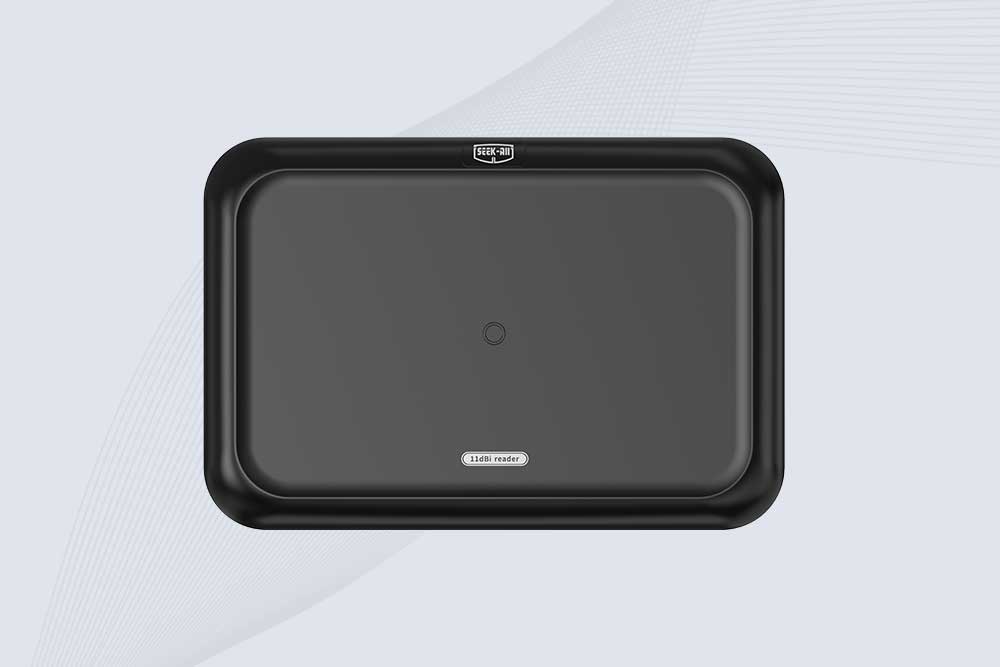
SSD-RA11L is an 11 dBi UHF RFID reader with up to 15m reading distance, 600+ tags/s speed, integrated antenna and flexible connectivity.
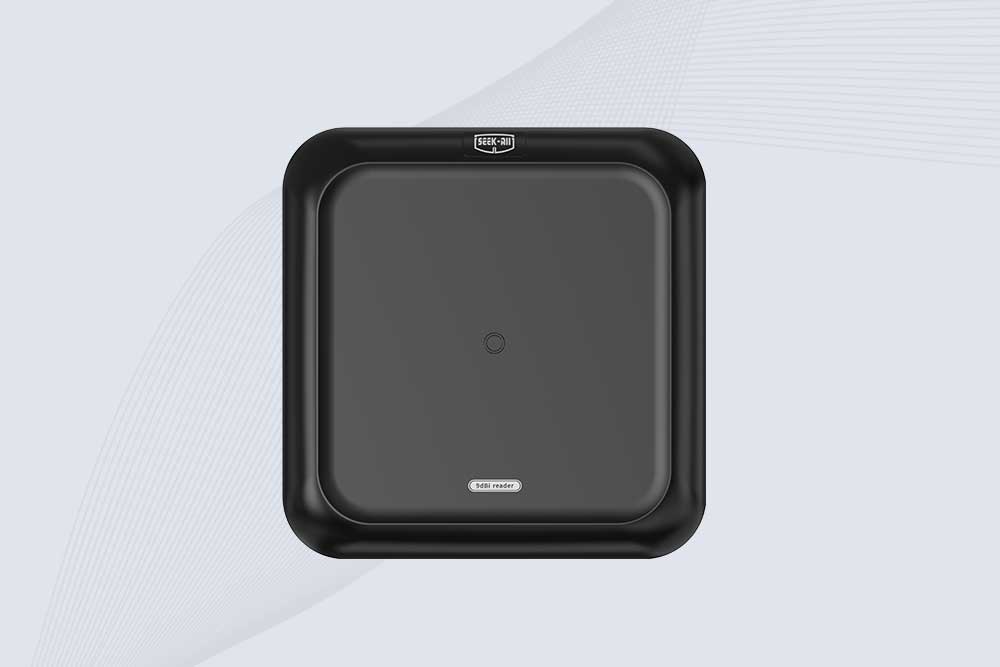
SSD-RA09L is a long range UHF RFID reader with a built-in 9 dBi antenna, 10m reading range, 600+ tags/s speed and flexible interfaces.
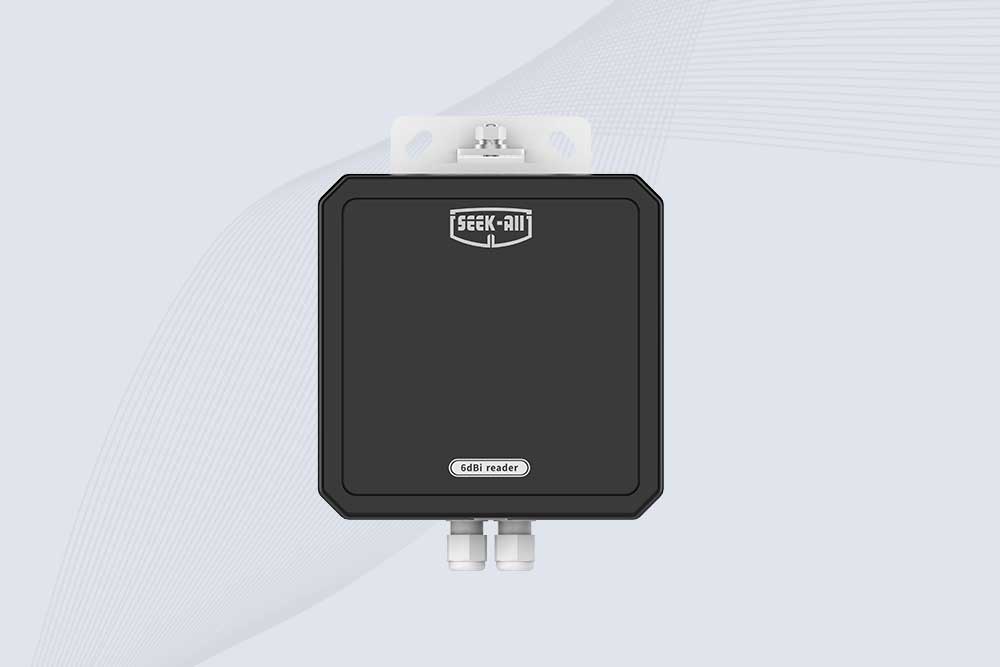
SSD-RA06L is an industrial UHF RFID reader with a built-in 6 dBi antenna, 3 m read range, 600+ tags/s, Ethernet, RS232, and optional Wi-Fi, 4G, and PoE.
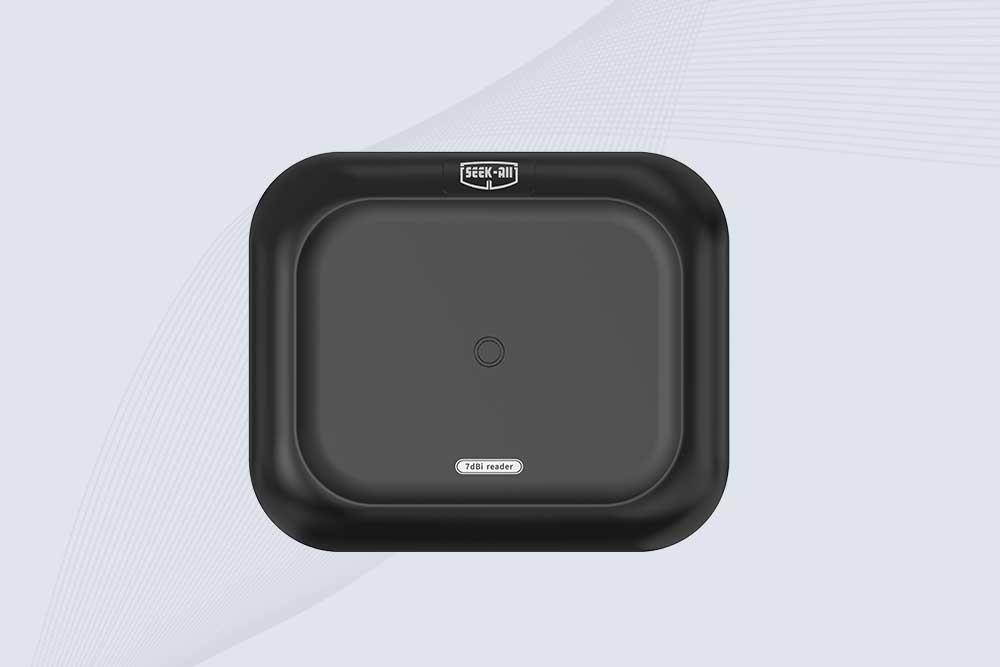
SSD-RA07L industrial UHF RFID reader with integrated 7 dBi antenna, up to 6 m reading distance, over 600 tags/s, Ethernet, RS232, and optional Wi-Fi, 4G, and PoE.
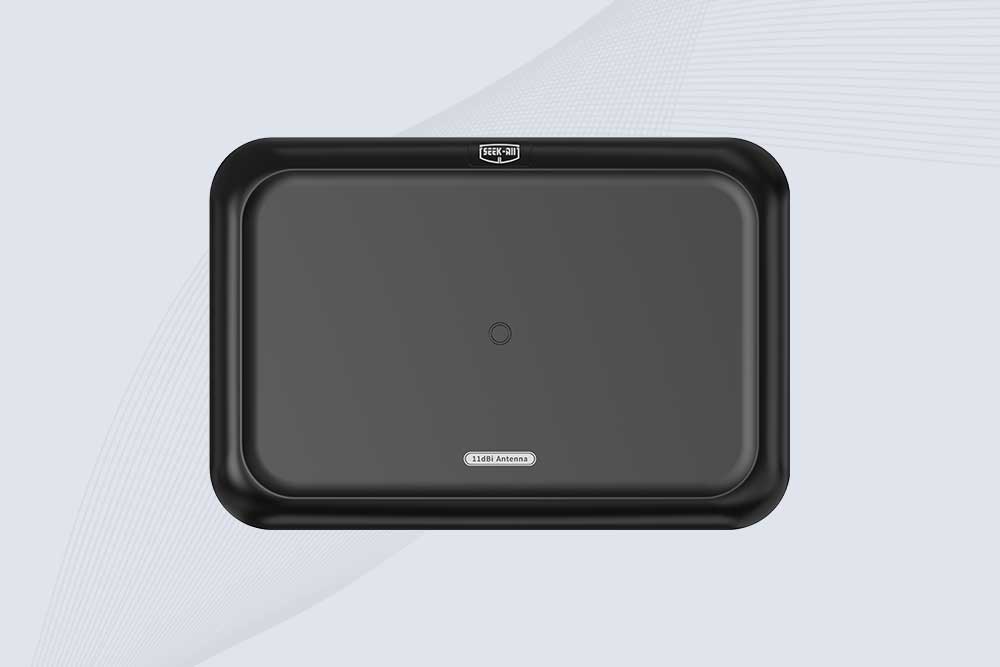
SSD-A11 UHF RFID antenna features 840–960 MHz adjustable frequency, ≥10.5 dBi gain, circular polarization and 50Ω impedance for fixed RFID systems.
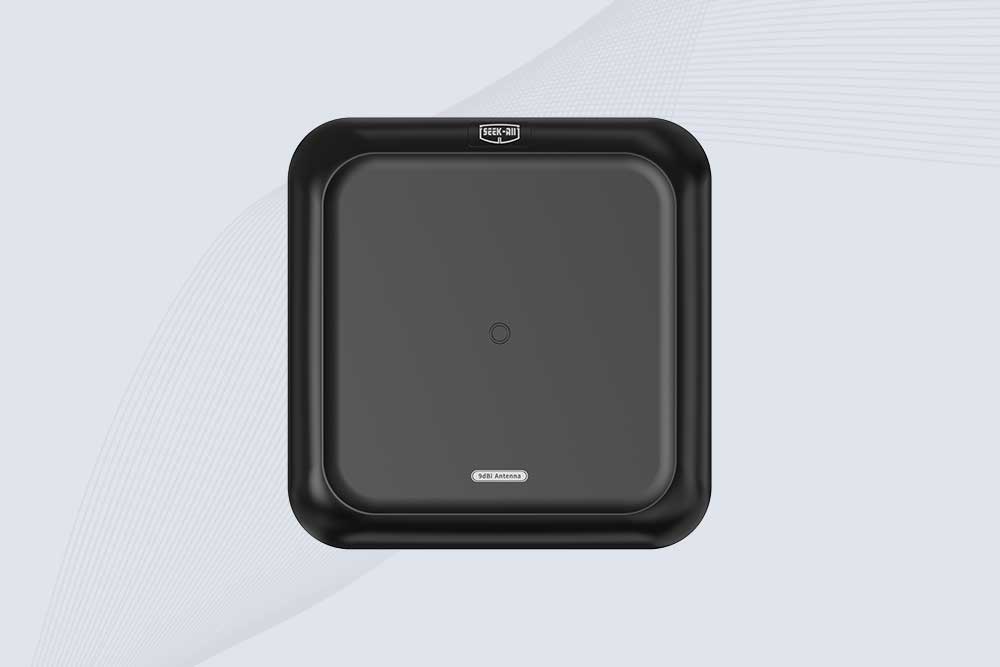
SSD-A09 is a 9 dBi UHF RFID antenna with 840–960 MHz adjustable frequency, circular polarization, 50Ω impedance and directional 60° × 60° coverage.
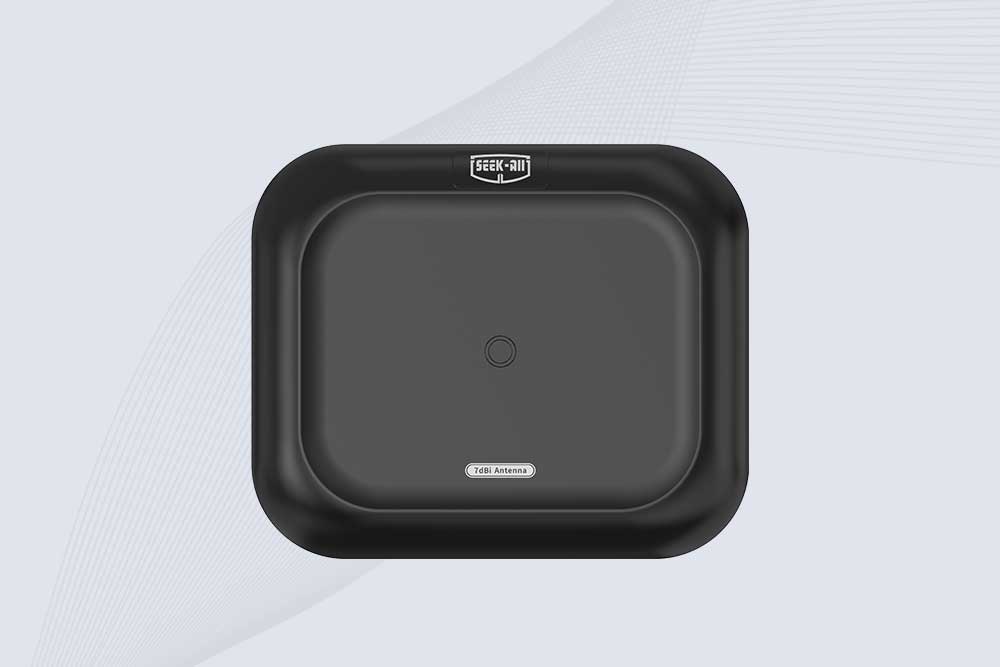
Explore the SSD-A07 UHF RFID antenna with 7 dBi gain, circular polarization, adjustable 840–960 MHz frequency, and 60°/75° beamwidth for stable RFID read/write performance.

SSD-A06 UHF RFID antenna with circular polarization, adjustable 840–960 MHz frequency, ≥4.5 dBi gain, and a compact directional design for RFID systems.
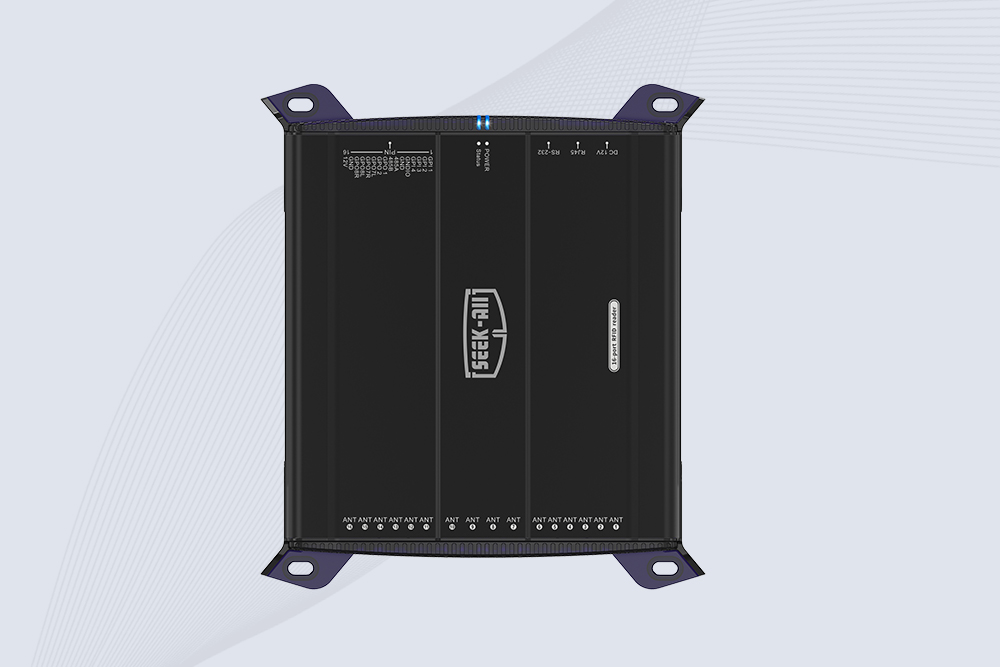
SSD-R16L Multi-Channel RFID Infrastructure for Automated Inventory Management ✔️ 16-Port High-Density RFID Reading Equipped with 16 SMA antenna ports, SSD-R16L supports multi-antenna deployment for warehouses, retail stores, logistics, production lines, and large-area RFID identification. ✔️ High-Speed & Long-Range Performance With up to 33…
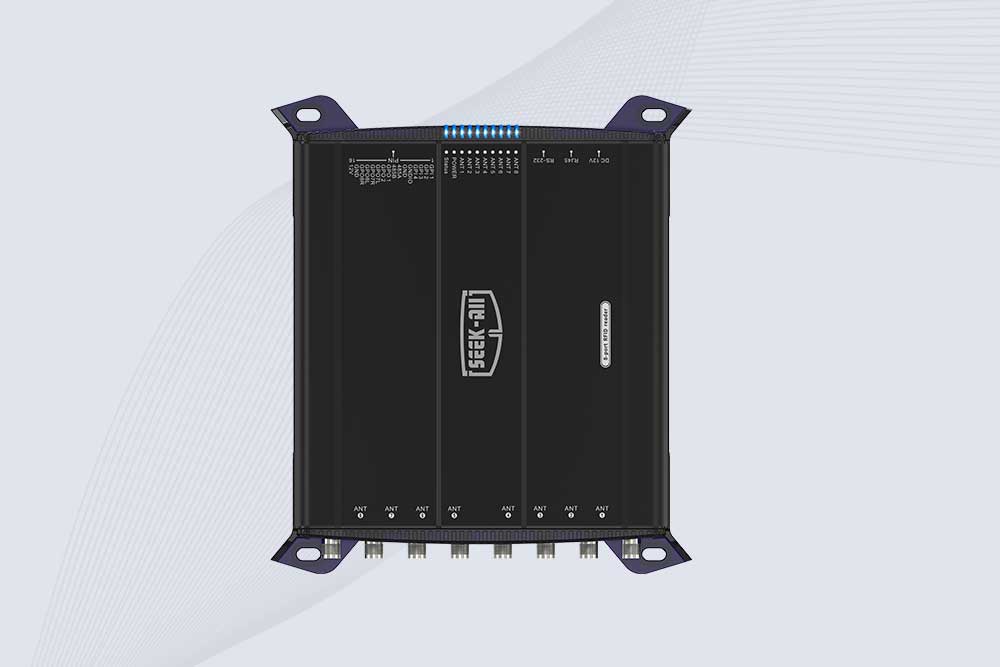
SSD-R8L 8-port UHF RFID reader with 33dBm output, up to 20m reading range and 600+ tags/s recognition. Ideal for warehouse, logistics, retail and asset tracking.
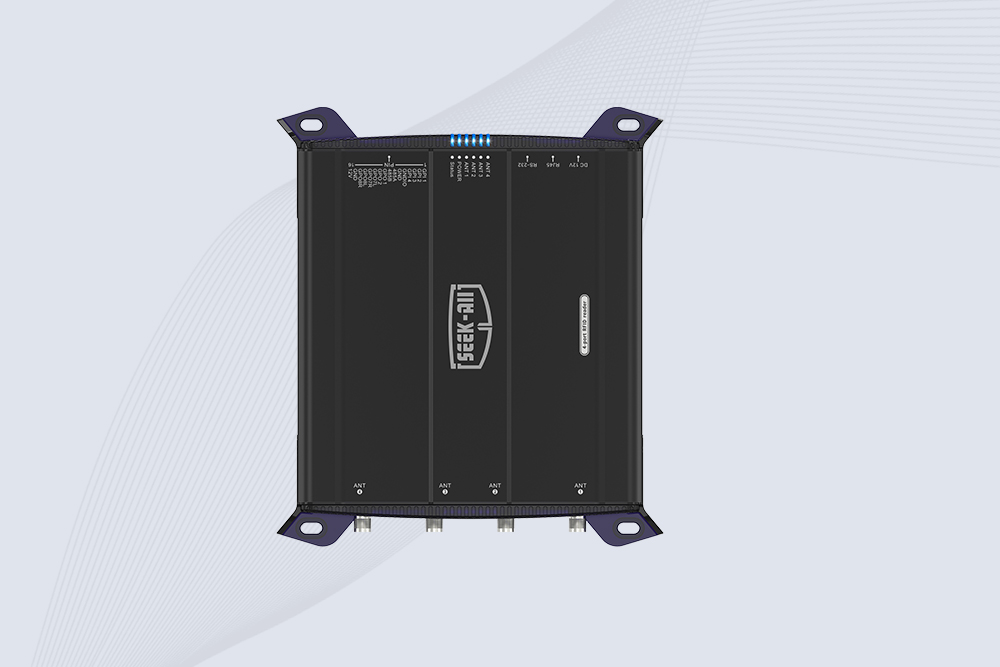
SSD-R4L is a 4-port UHF RFID fixed reader with 33dBm output power, up to 20m reading range, EPC C1G2 support and 600+ tags/s reading speed.
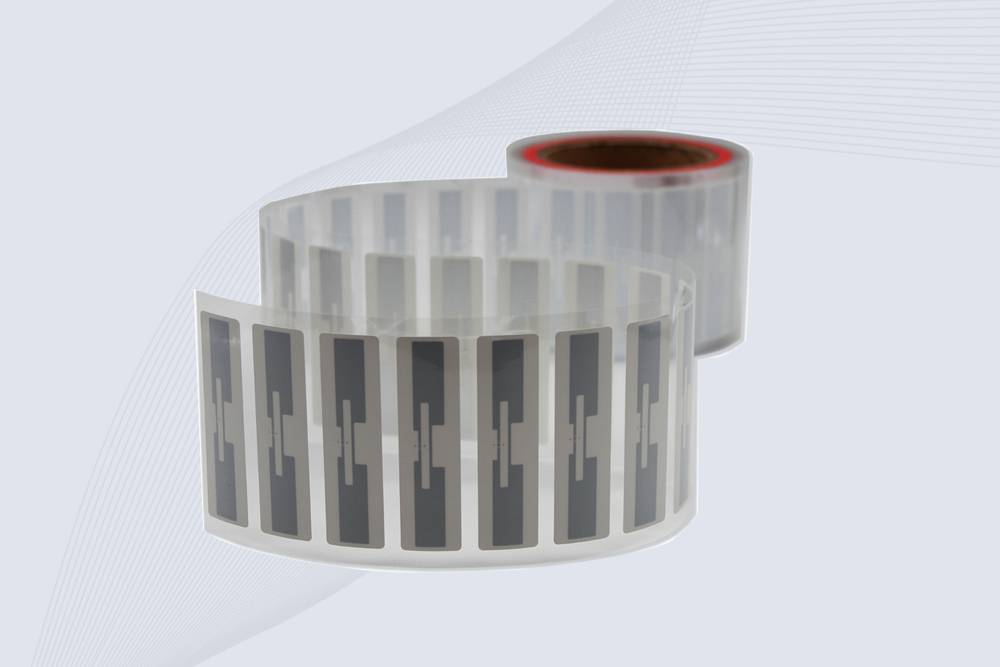
CYKEO Passive RFID Tags are made for wet and high-humidity environments where standard labels do not last. This rfid passive tag is often used around liquids, chemicals and temperature changes, providing stable reading distance and long data life for industrial tracking.
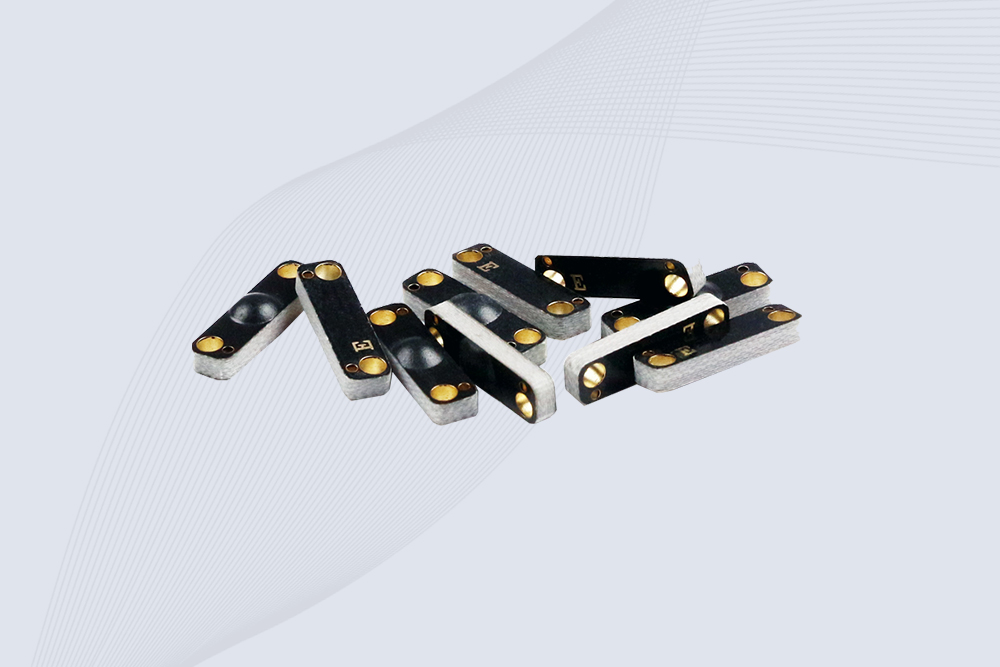
CYKEO CYKEO-PCB1504 Metal RFID Tags is a compact anti-metal UHF RFID solution built for direct mounting on metal surfaces. With stable 8-meter read range, Ucode-8 chip, and long data retention, this rfid metal tag fits tools, containers, automotive parts, and industrial asset tracking.
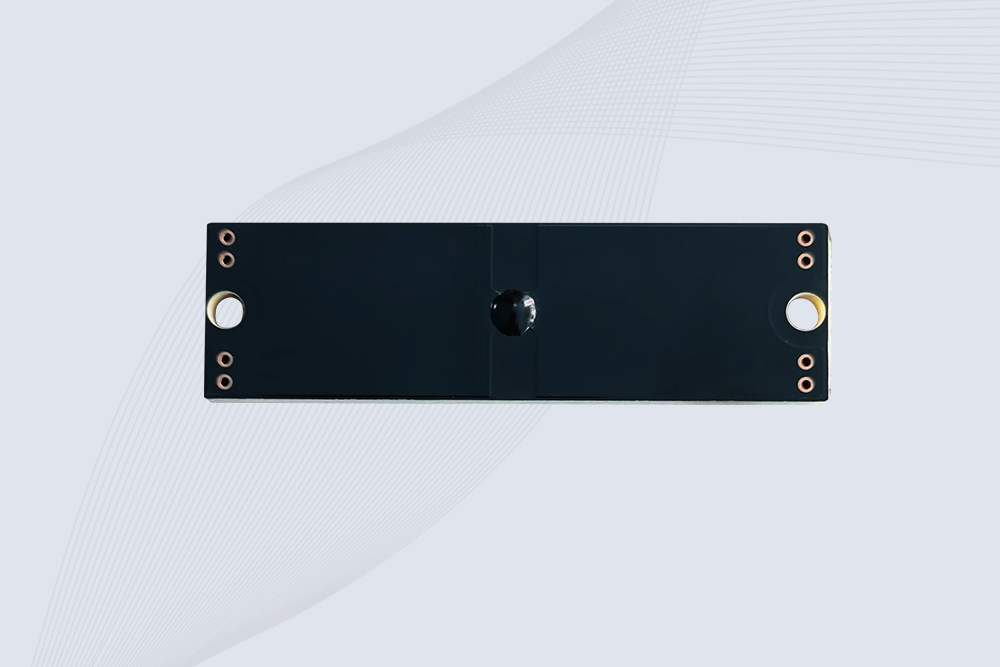
CYKEO CYKEO-PCB7020 On-Metal RFID Tags are designed for reliable tracking on steel and metal surfaces. Built with an FR4 epoxy body and industrial-grade chips, these On-Metal RFID Tags deliver stable performance, long data life, and chemical resistance, making them a dependable RFID anti-metal tag for harsh environments.
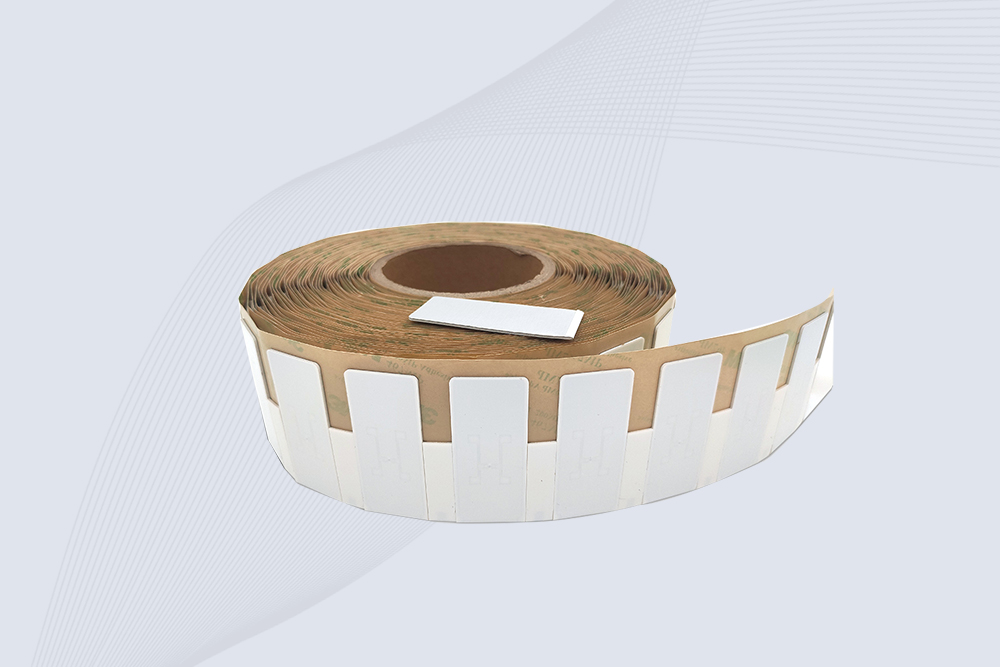
The CYKEO CYKEO-60-25 Anti-Metal RFID Tag is built for metal surfaces where standard tags fail. Designed for long-range performance, harsh environments, and stable data retention, this Anti-Metal RFID Tag is ideal for industrial assets, containers, and equipment tracking using on metal RFID tags.
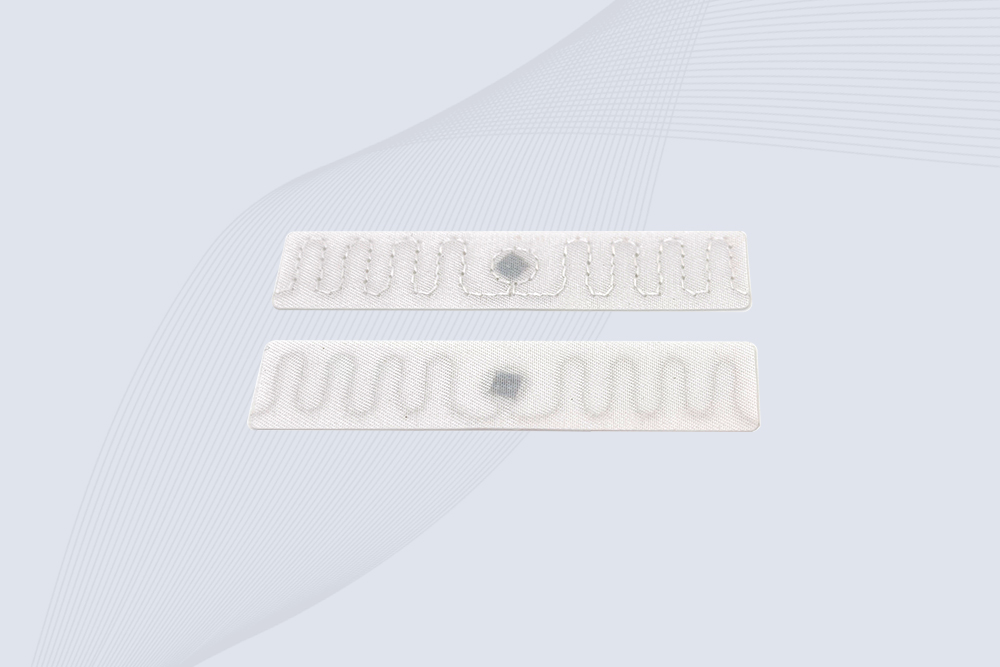
The CYKEO RFID Laundry Tag is designed for long-term textile identification in harsh laundry environments. Built to withstand high heat, chemicals, and repeated washing, this RFID Laundry Tag delivers stable performance for hotels, hospitals, and industrial laundry operations using laundry rfid tags at scale.
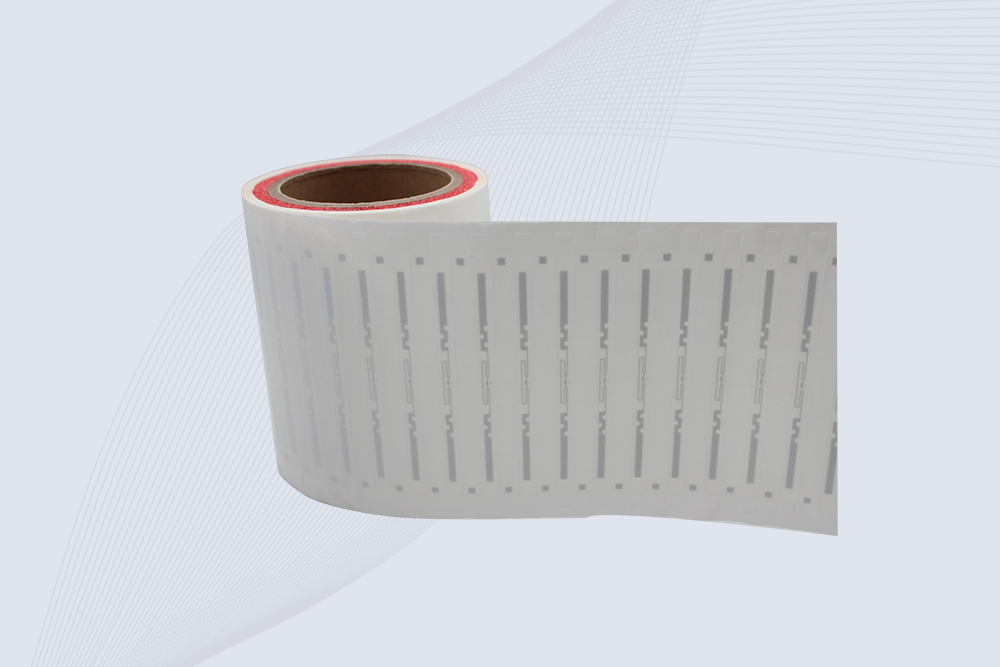
The CYKEO CYKEO-125-7 RFID Book Tag is designed for reliable book and document tracking in libraries and archives. This RFID Book Tag delivers long read range, dense placement support, and stable performance on shelves, making it a practical rfid tag on books for library automation, file management, and archival systems.
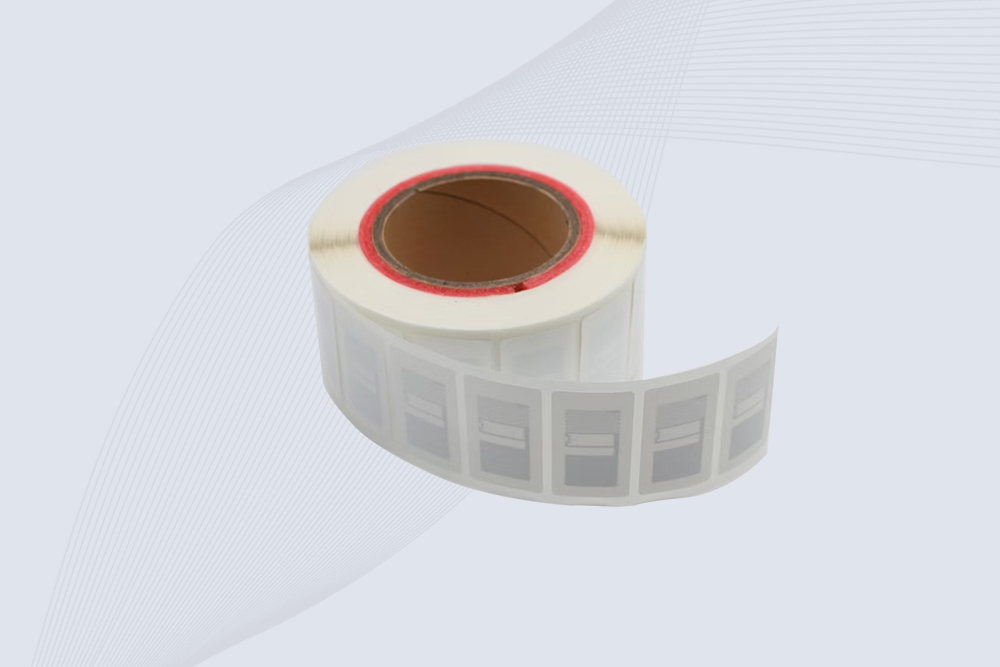
CYKEO RFID tags in hospitals are designed for sterile environments where accuracy matters. These autoclavable RFID tags support long-term tracking of surgical tools, implants, and medications, helping hospitals improve visibility, compliance, and patient safety.

CYKEO RFID Cable Tie Tag is built for reliable identification on metal surfaces. This UHF RFID Cable Tie Tag is widely used in rfid tags for inventory systems, industrial asset management and Hospital RFID Tags, offering stable read performance, long service life and global EPC Gen2 compatibility.
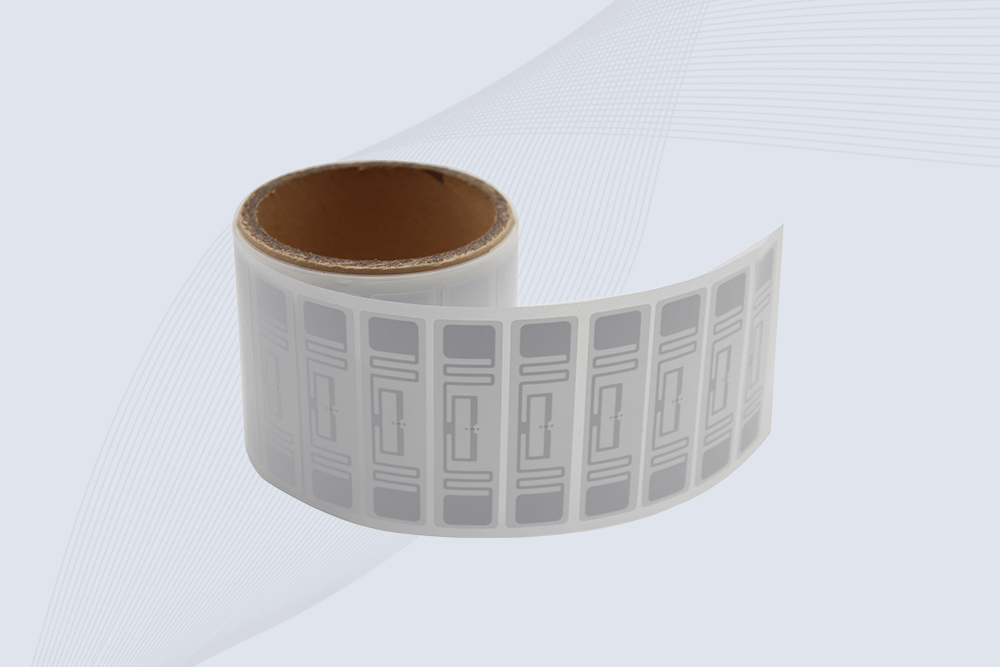
CYKEO RFID Asset Tag is designed for stable identification of metal assets in industrial environments. This UHF RFID Asset Tag is commonly used for rfid tag asset tracking on equipment, tools and containers, providing reliable reads, long service life and ISO/IEC 18000-6C support.

CYKEO UHF RFID Card is designed for fast identification and long-term use in industrial and commercial systems. Supporting ISO 18000-6C, this UHF RFID Card works at 860–960 MHz and is suitable for custom RFID cards used in asset tracking, access control and inventory management.
CYKEO HF RFID Cards are designed for secure and stable access control systems. These 13.56 MHz RFID key cards support ISO 14443-A, reliable rewriting and long service life, making HF RFID Cards suitable for offices, campuses, events and membership management.
CYKEO UHF RFID Tag is designed for reliable tracking of metal jewelry and high-value items. This Jewelry RFID Tag supports long-range reading up to 8 meters, anti-counterfeit protection and stable performance on metal, making it suitable for retail, inventory control and asset management.
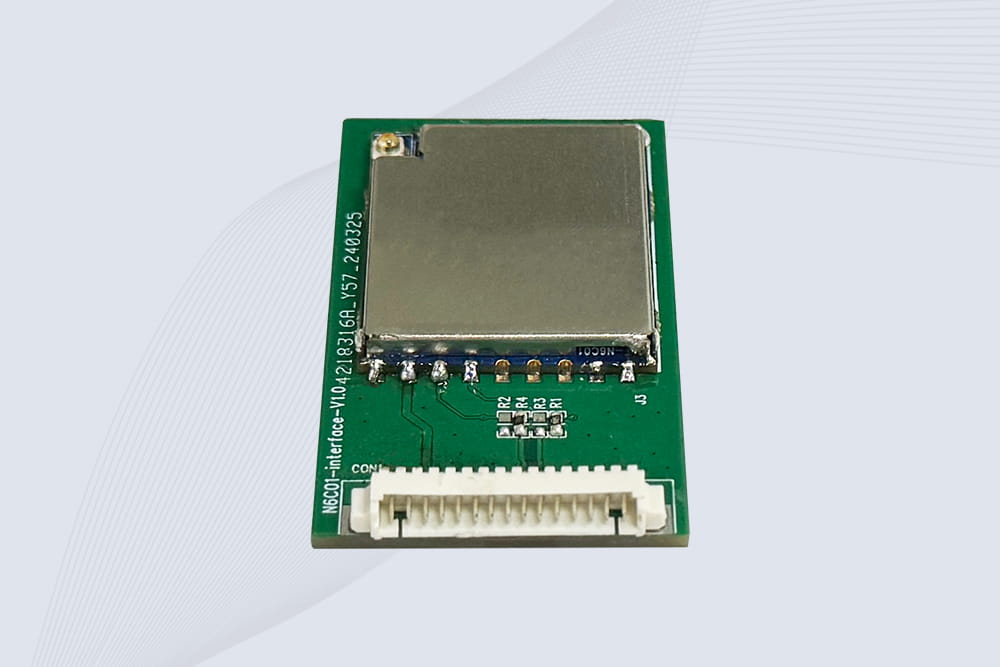
CYKEO Embedded RFID Modules are designed for compact industrial and IoT devices that require stable UHF performance. These UHF RFID Modules support global protocols, flexible power control, and reliable multi-tag reading for smart cabinets, production lines, and asset tracking systems.
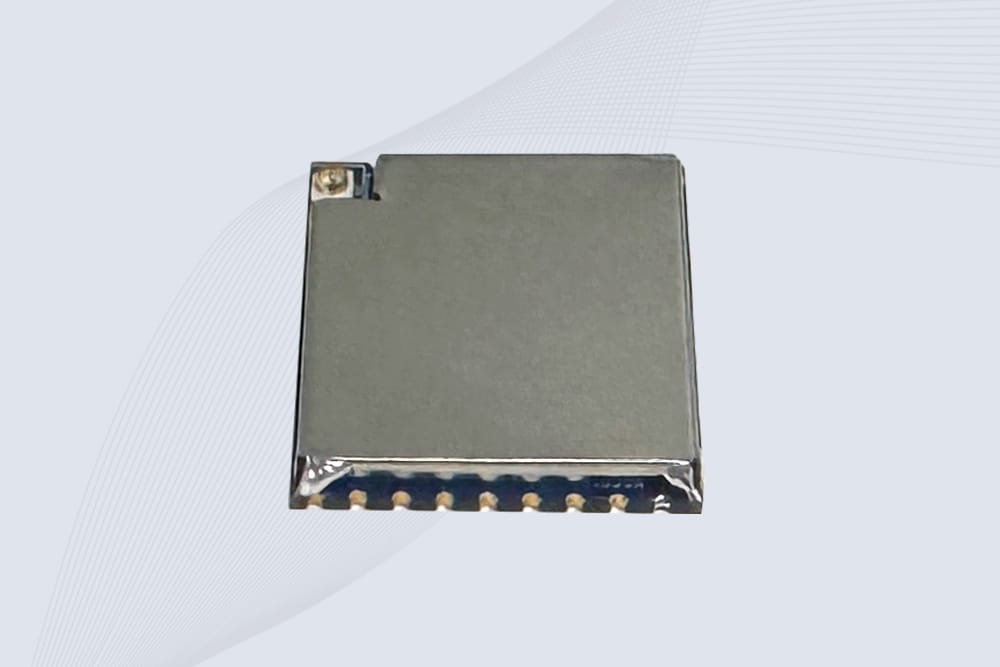
CYKEO Embedded RFID Module is built for compact IoT and industrial devices that need stable UHF performance. This UHF module supports global protocols, low power operation, and reliable multi-tag reading for smart lockers, production lines, and always-on RFID systems.
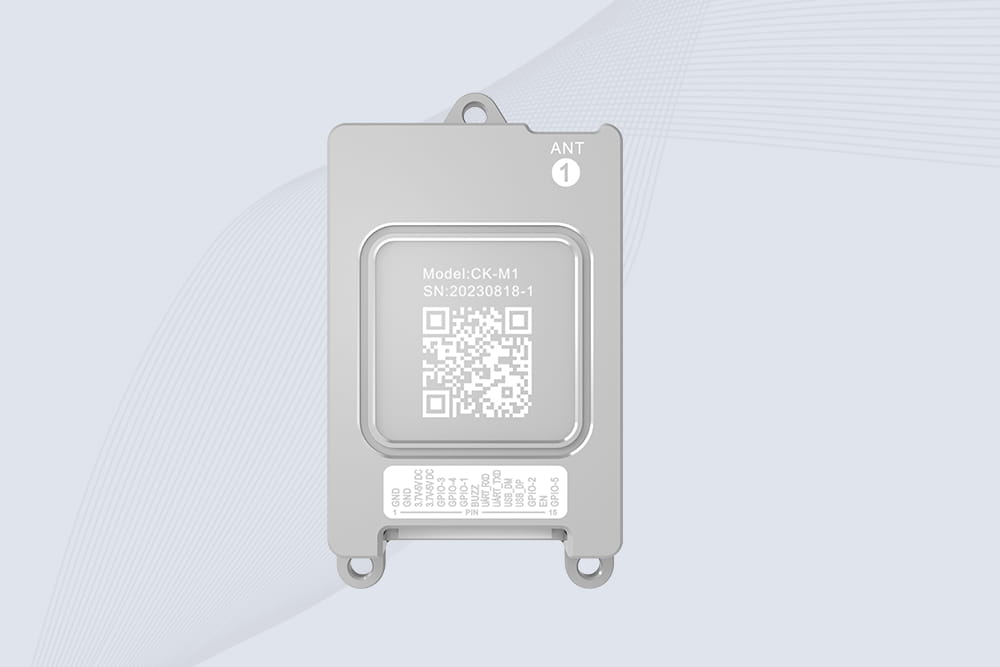
CYKEO CYKEO-M1 drone rfid module is a compact UHF RFID reader module designed for drones and UAV platforms. It supports long-range aerial scanning, fast multi-tag reading, and stable performance in wind, vibration, and outdoor environments.
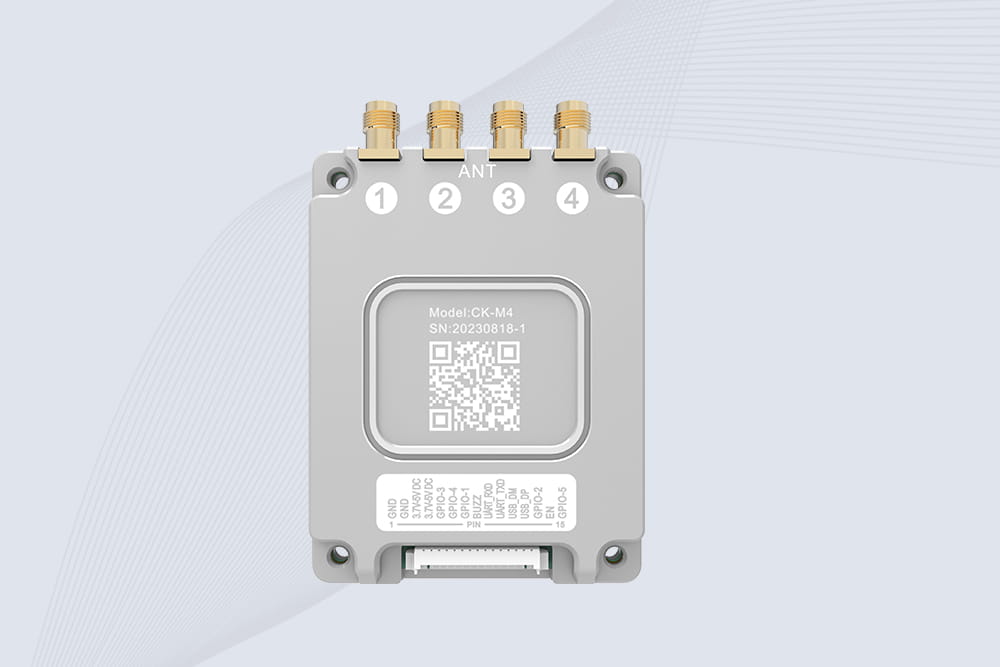
CYKEO CYKEO-M4 RC522 RFID Module is an industrial-grade UHF RFID reader with 4 ports, supporting ISO, EPC, and GB protocols. High-speed, accurate reading for IoT, automation, and warehouse applications.
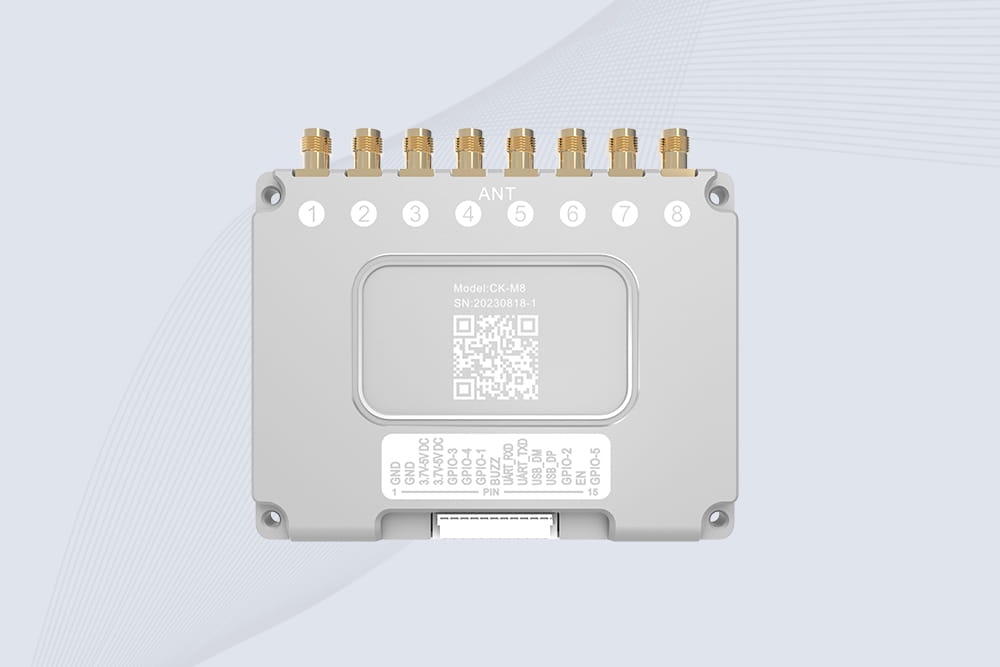
CYKEO CYKEO-M8 Module RFID is an 8-port UHF R2000 RFID Module designed for high-density, multi-tag environments. Stable 33dBm output, ISO & GB protocol support, ideal for warehouses, factories, and automated systems.
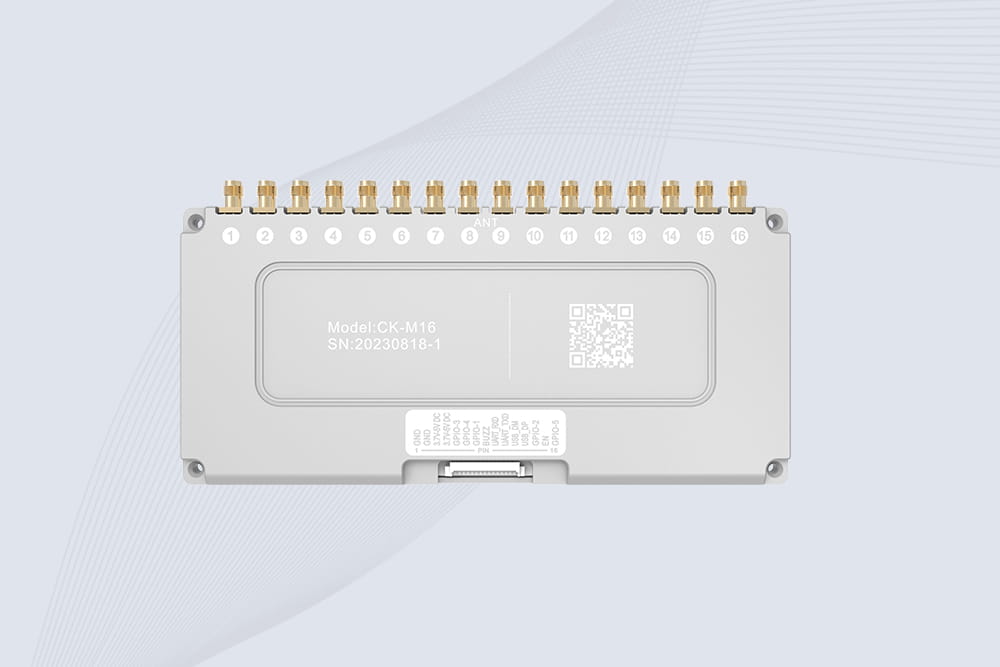
CYKEO CYKEO-M16 RFID Module is a 16-port UHF RFID reader module based on the R2000 chipset. Designed for dense tag environments, it supports ISO and GB standards and delivers stable multi-antenna control for industrial automation.
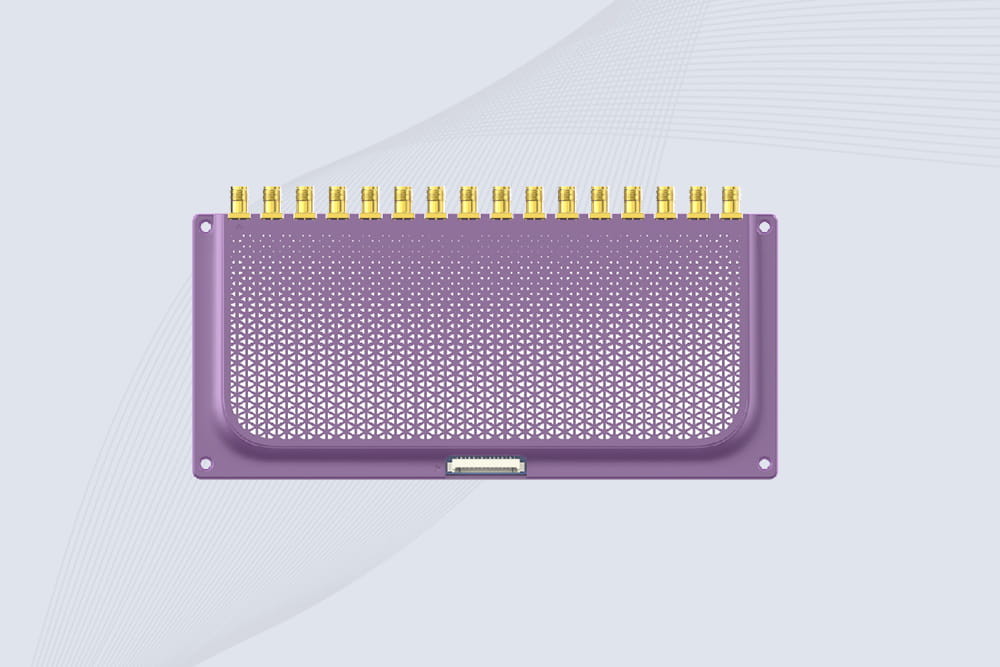
The CYKEO CYKEO-M16L RFID Reader Module is a 16-channel UHF RFID core designed for dense tag environments. With adjustable 33dBm output, multi-protocol support, and stable multi-antenna control, this RFID Tag Reader Module fits industrial automation, warehouse systems, and large-scale IoT deployments.
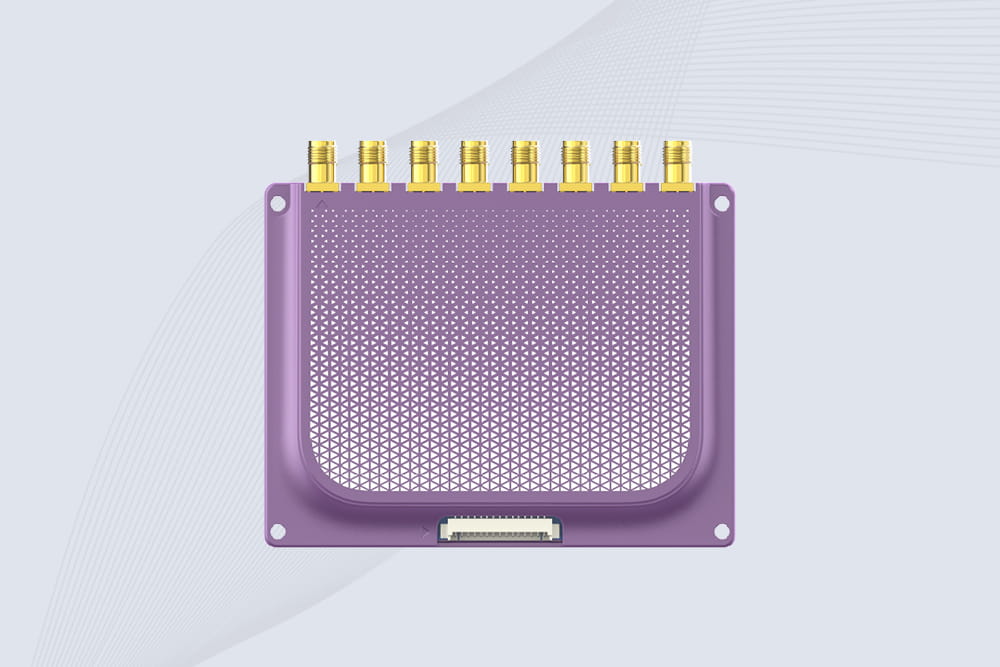
CYKEO CYKEO-M8L module RFID is a compact industrial UHF module built for dense tag and multi-antenna environments. With 8 RF ports, adjustable 33 dBm output, and ISO & GB protocol support, it is widely used in factories, warehouses, and automated tracking systems.
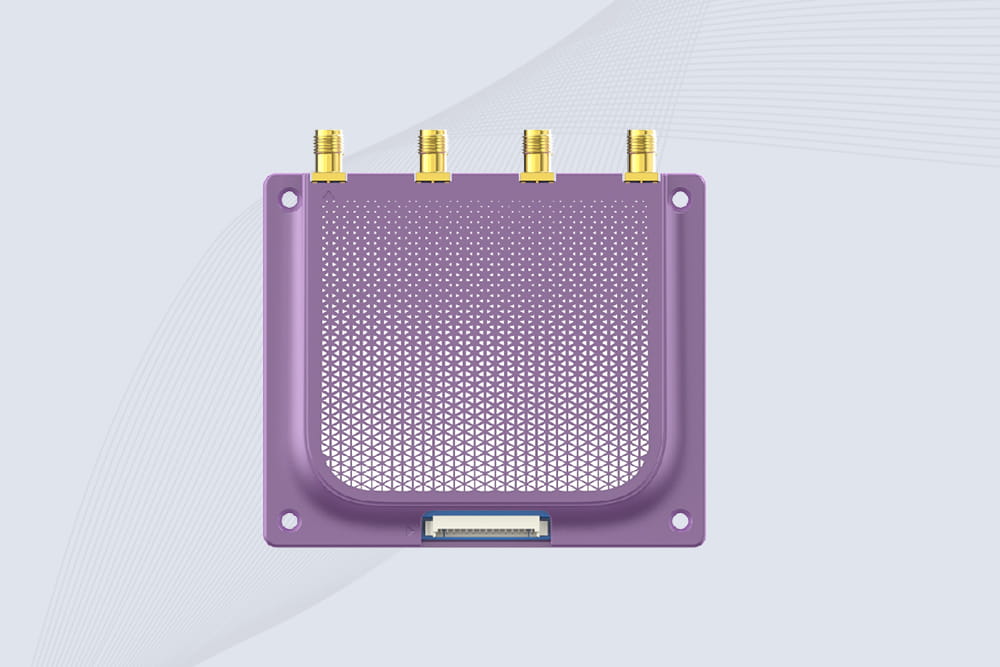
CYKEOCYKEO-M4L UHF RFID Module is a compact 4-channel RFID tag reader module designed for dense tag environments. Supporting ISO and GB protocols, it delivers stable reads up to 10 meters for industrial and IoT systems.
Cykeo CYKEO-A11 UHF RFID reader antenna delivers 11dBi gain, 840-960MHz frequency range, and IP65 ruggedness for retail, logistics, and industrial RFID systems. Features low VSWR and easy installation.

CYKEO Antenna RFID Reader delivers stable long-range UHF performance with a 10.5dBi directional design, built for warehouses, conveyor portals, and industrial RFID systems. This rfid reader antenna provides 20m+ read distance and rugged IP67 protection.

Cykeo CYKEO-PHF3 industrial HF RFID Antenna offers 24-point dynamic tracking, ISO 14443A/15693 protocols, metal-environment stability for archives/libraries/manufacturing.

Cykeo CYKEO-A5B industrial Linear RFID Antenna delivers 5dBi gain, ≤1.5:1 VSWR, and IP65 rugged design for warehouse, production line, and logistics UHF systems.

Cykeo’s CYKEO-B12 Long Range RFID Antenna delivers 15m+ read range with 12dBi gain, IP65 rugged design, and global 840-960MHz UHF support. Ideal for warehouse/logistics asset tracking.
Cykeo CYKEO-B10 Long Distance RFID Antenna offers 10dBi gain, 840-960MHz frequency range, IP65 rating, and 20m+ coverage for logistics/warehousing/ETC systems. Low VSWR ensures stable signal transmission.
Cykeo CYKEO-A6 UHF RFID panel antenna features 6dBi gain, 840-960MHz broadband, IP65 metal-ready housing for logistics/smart retail. 18mm ultra-thin design with tool-free mounting.

Cykeo CK-A3 industrial antenna RFID UHF offers 5m+ tag detection, ≤1.3:1 VSWR, IP65 rugged design, and global UHF spectrum compatibility (840-960MHz) for warehouses, factories, and retail.
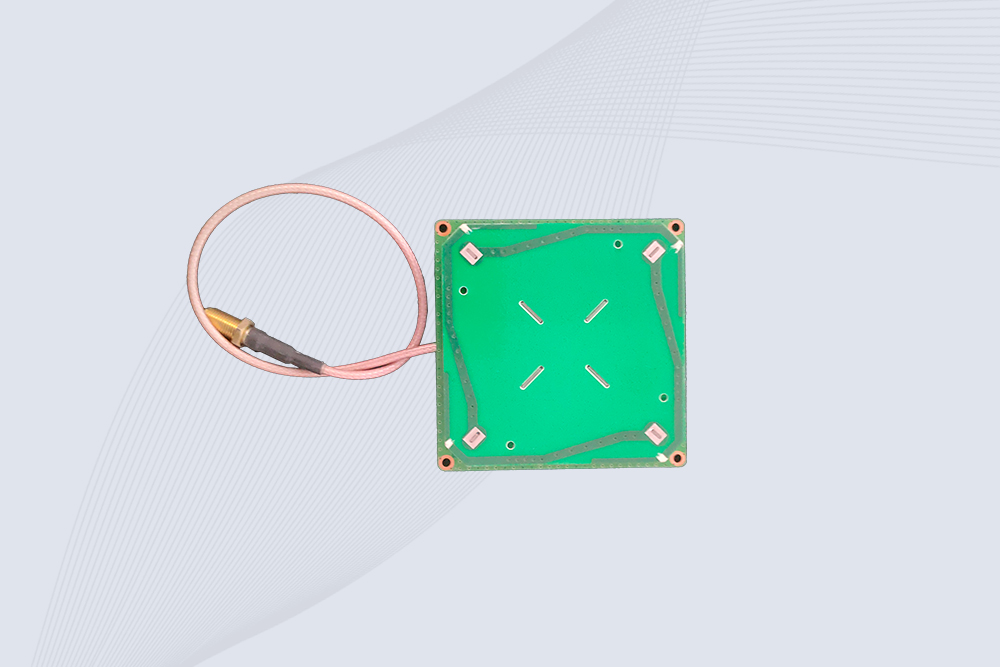
Cykeo CYKEO-B5 directional RFID antenna provides 5dBi gain with 60° narrow beamwidth for precise inventory tracking. IP65-rated, global UHF frequency support, and low VSWR.
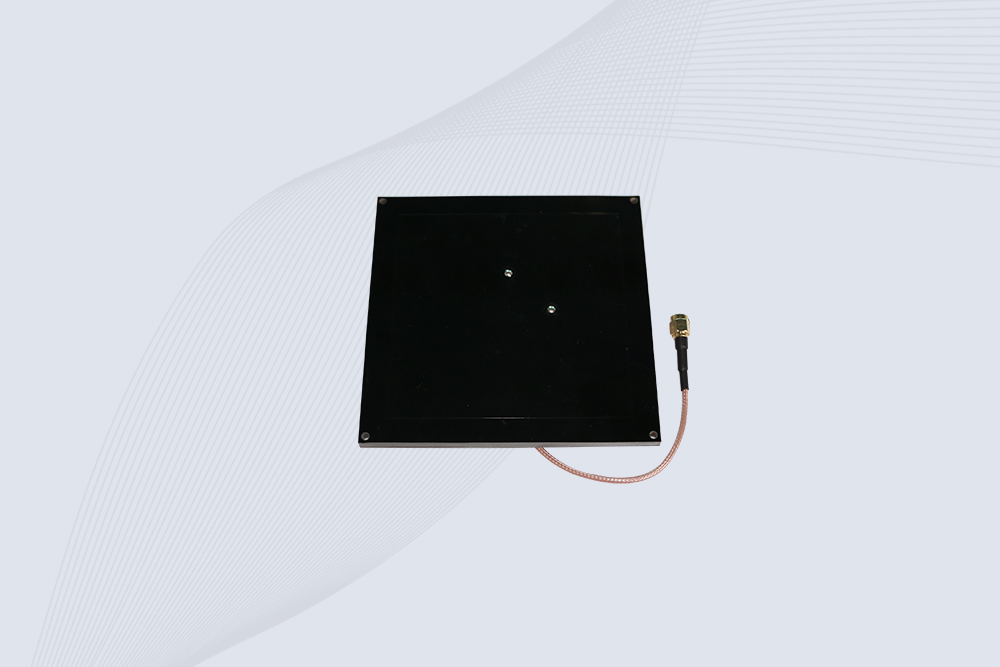
Create your own high-performance DIY RFID antenna! 5dBi gain, 840-960MHz tunable, step-by-step guides. Compatible with Arduino, Raspberry Pi, and commercial UHF readers.
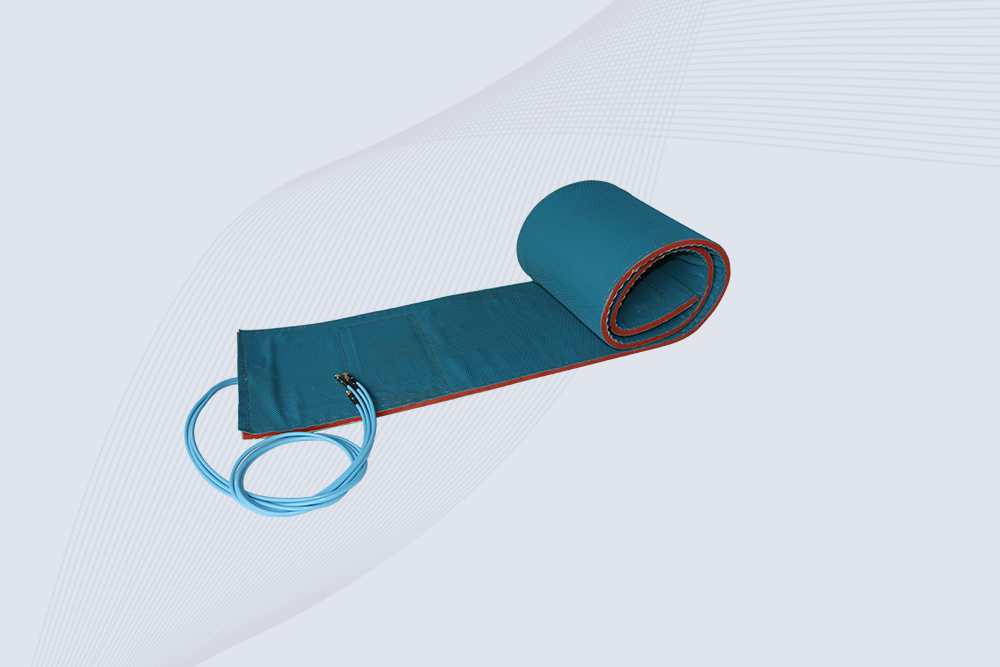
Cykeo CYKEO-A7 Flexible RFID Antenna features 840-960MHz wideband tuning, 7dBi gain, and IP68 rating for medical/retail/industrial curved surface deployments. 98% read accuracy with peel-and-stick installation.

Cykeo CYKEO-B5A industrial Passive RFID Antenna delivers 5dBi gain, 70° beamwidth, and -40°C~55°C operation for warehouses/smart cabinets. Compatible with Zebra/Impinj readers.
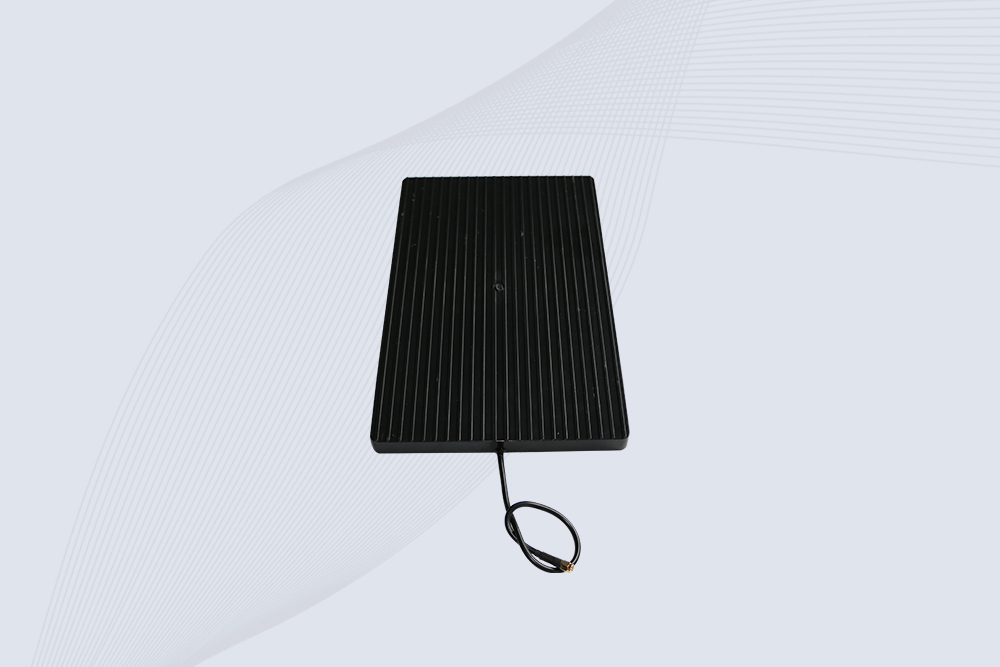
Cykeo’s CYKEO-A9B High Gain RFID Antenna delivers 15m+ read range with 9dBi amplification. Features IP54 rugged design, 840-960MHz bandwidth, and 80° beamwidth for warehouse/manufacturing RFID systems.

Cykeo’s enterprise-grade 8dbi Impinj RFID Antenna 10m+ read range with 840-960MHz tuning. Features IP65 housing, 1.4 VSWR, 35° beamwidth for retail/warehouse RFID systems.
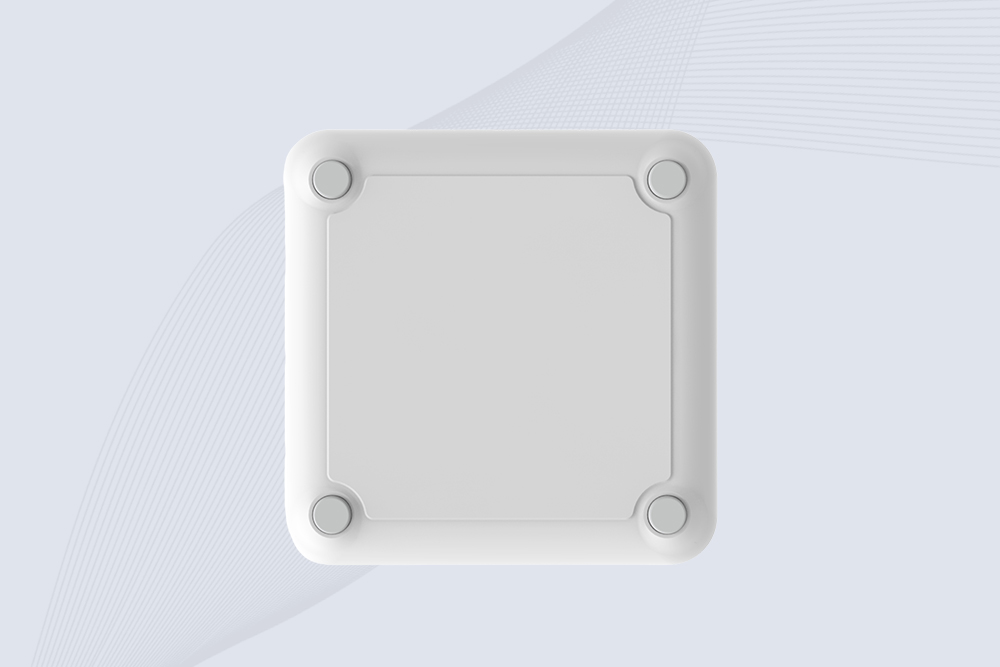
Cykeo CYKEO-A9 industrial UHF RFID antenna delivers 9dBi gain, 840-960MHz frequency range, and IP65 protection for warehouse/logistics/retail RFID systems. Features N-type connector and ≤1.3:1 VSWR.
CYKEO UHF RFID Antenna built for long-distance and industrial applications. This antenna rfid uhf delivers strong gain, outdoor durability, and reliable tag performance in warehouses, yards, and vehicle ID systems.
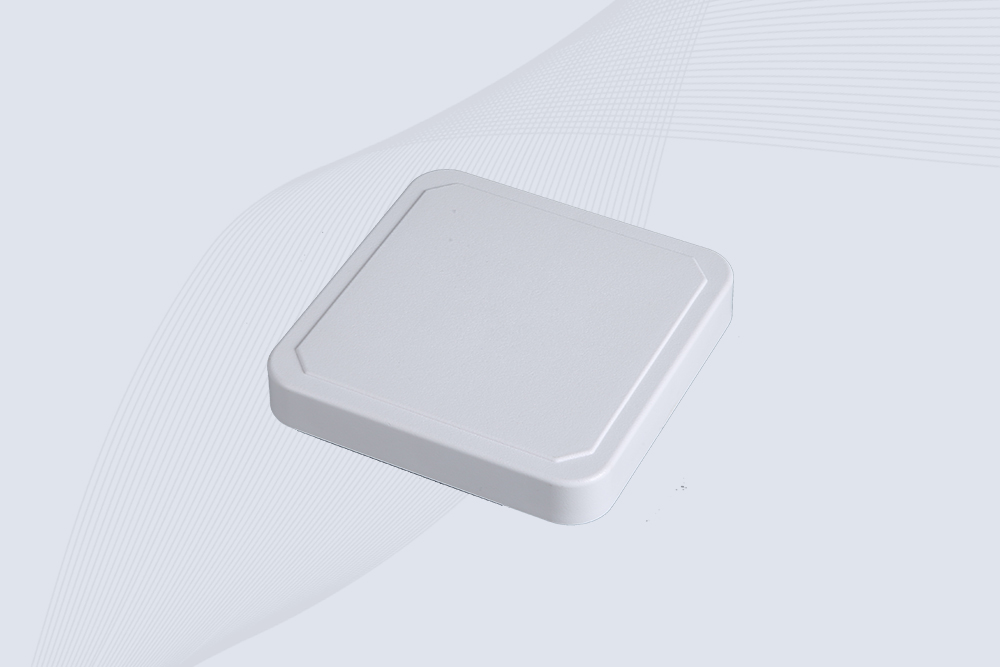
CYKEO Antenna RFID delivers reliable long-range UHF performance in warehouses, retail shelves, and cold-chain environments. This compact uhf rfid antenna provides stable reads with circular polarization and ultra-wide 840–960 MHz support, ideal for industrial tracking, smart shelves, and asset monitoring.
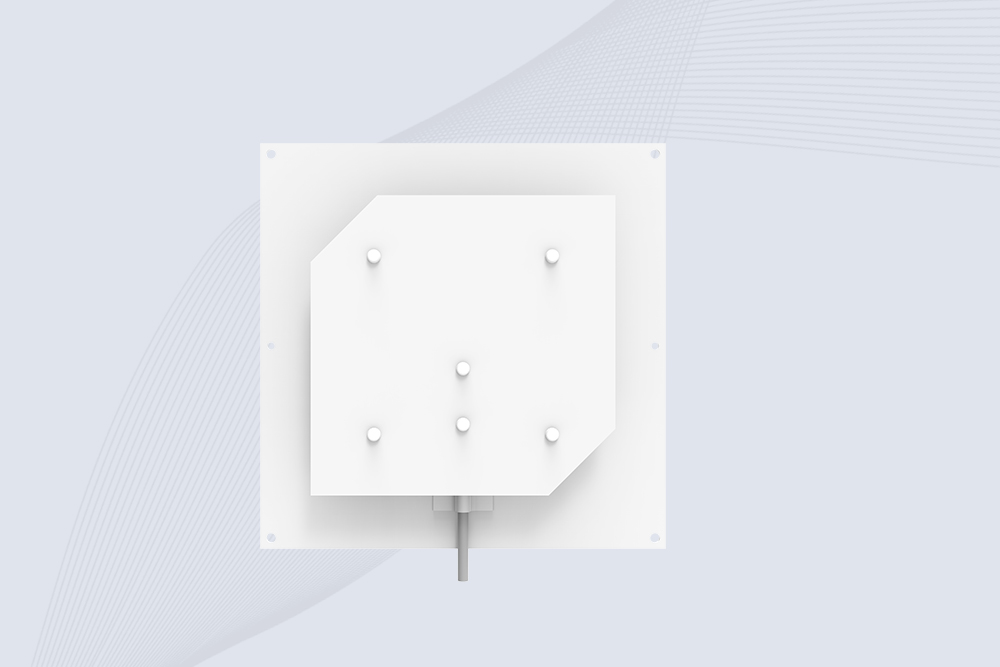
Cykeo’s CYKEO-C8 UHF RFID antennas delivers 8dBi gain, 840-960MHz full-band coverage, and IP65 ruggedness for manufacturing/warehouse RFID systems. Industrial RFID Antennas Features
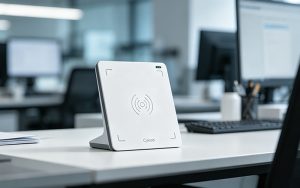
Learn how to read an RFID tag using professional tools. Discover accurate methods, real-world insights, and high-performance RFID reading techniques.
More
Discover affordable USB RFID readers under $100 perfect for small businesses. Compare features like read range, durability, and compatibility with inventory software.
More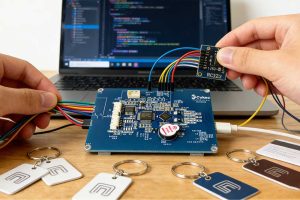
Learn how to use RFID module with Arduino step-by-step. This beginner-friendly CYKEO tutorial covers wiring, coding, and project ideas for RFID-RC522.
More
Learn how RFID tags are reshaping industrial applications — from warehouse tracking to quality control. Practical insights, challenges, and lessons from real-world use cases.
More