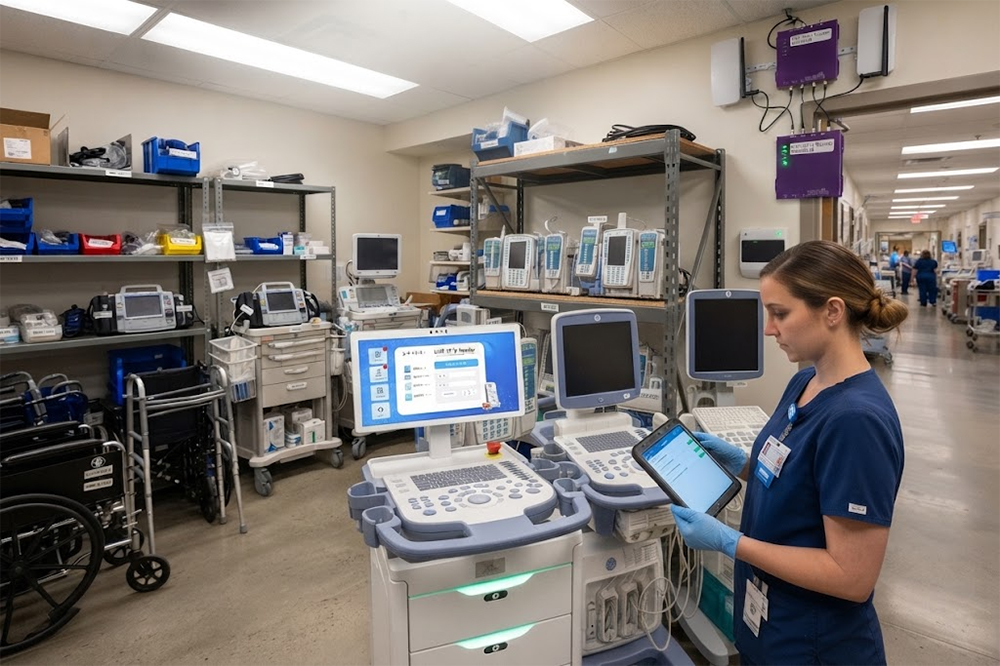
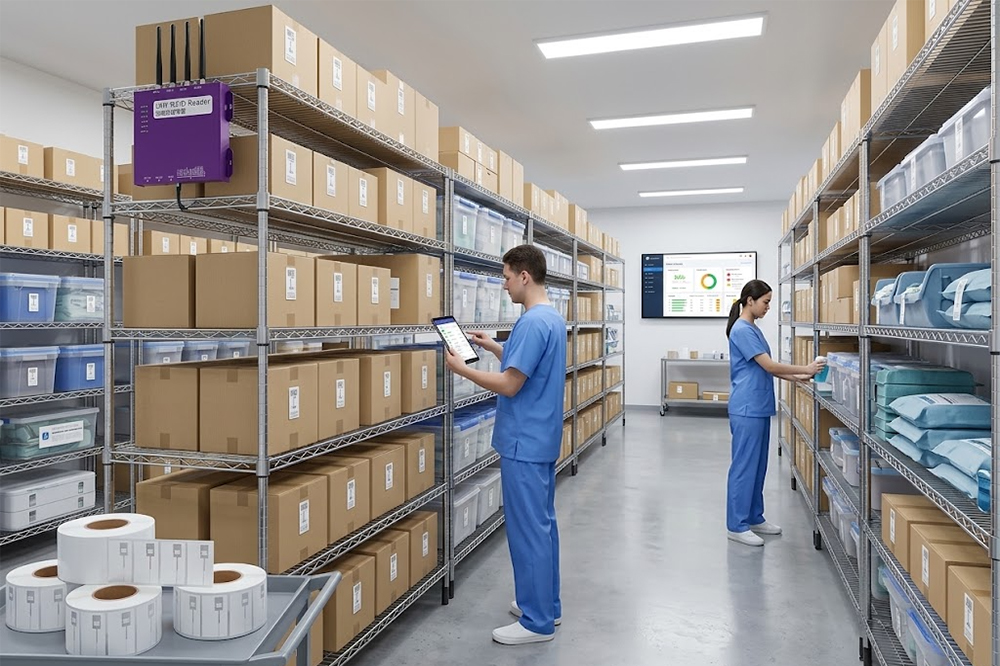
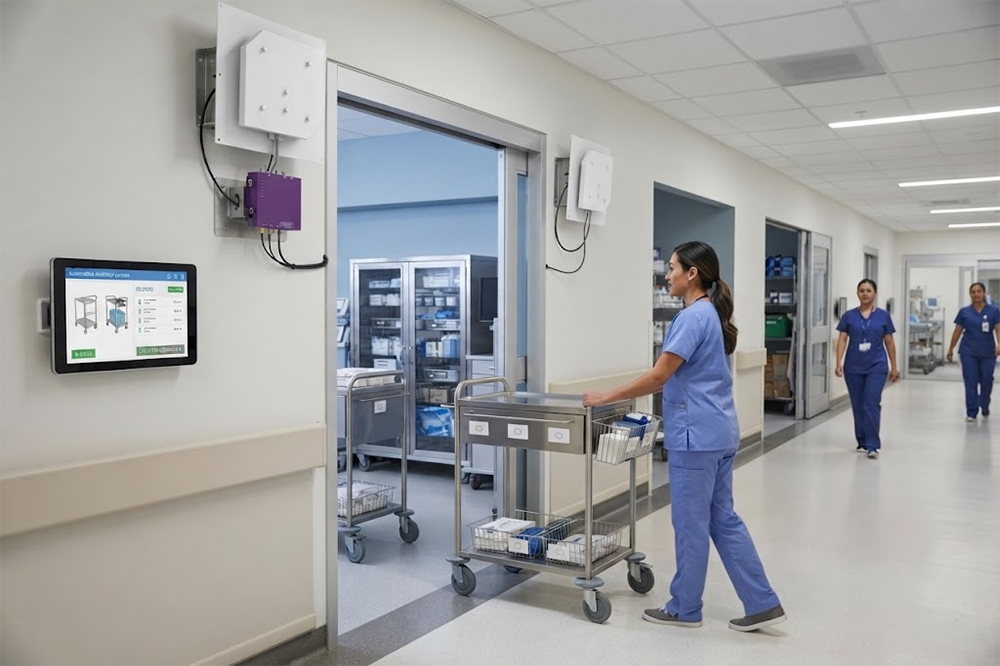
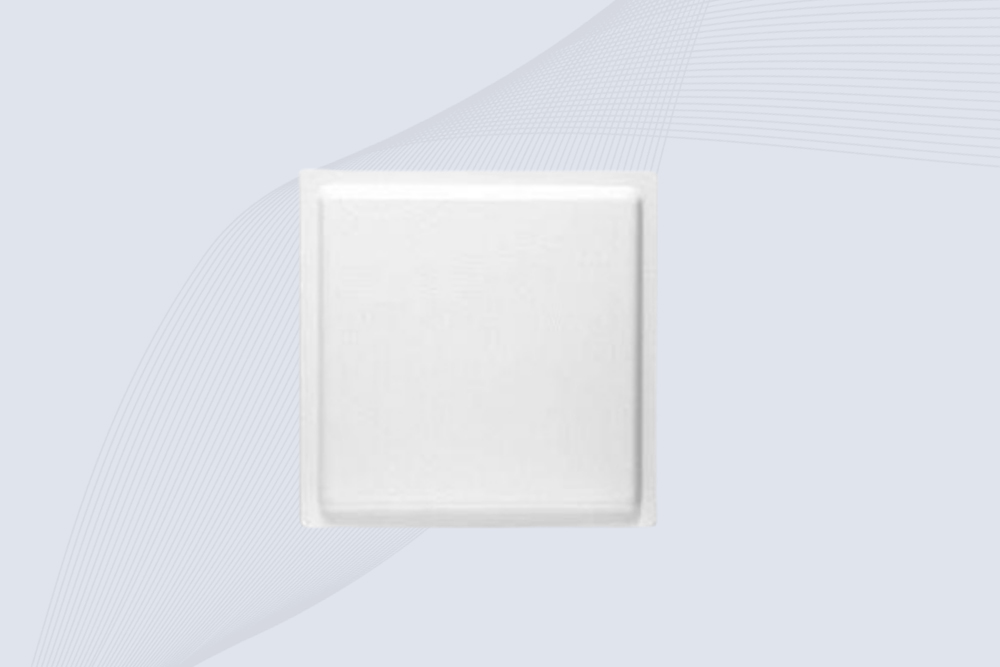
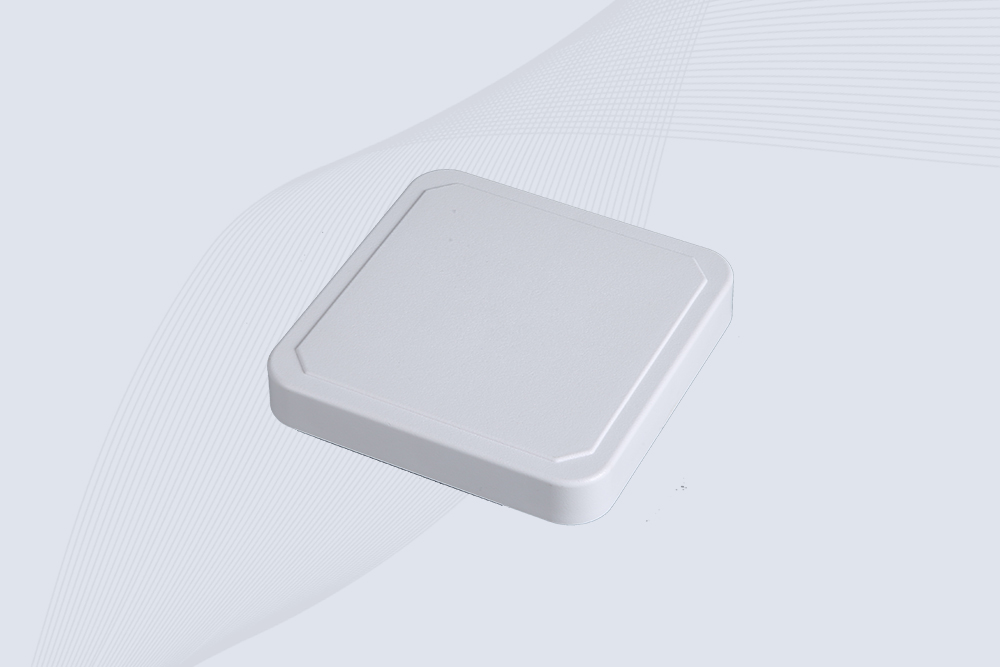
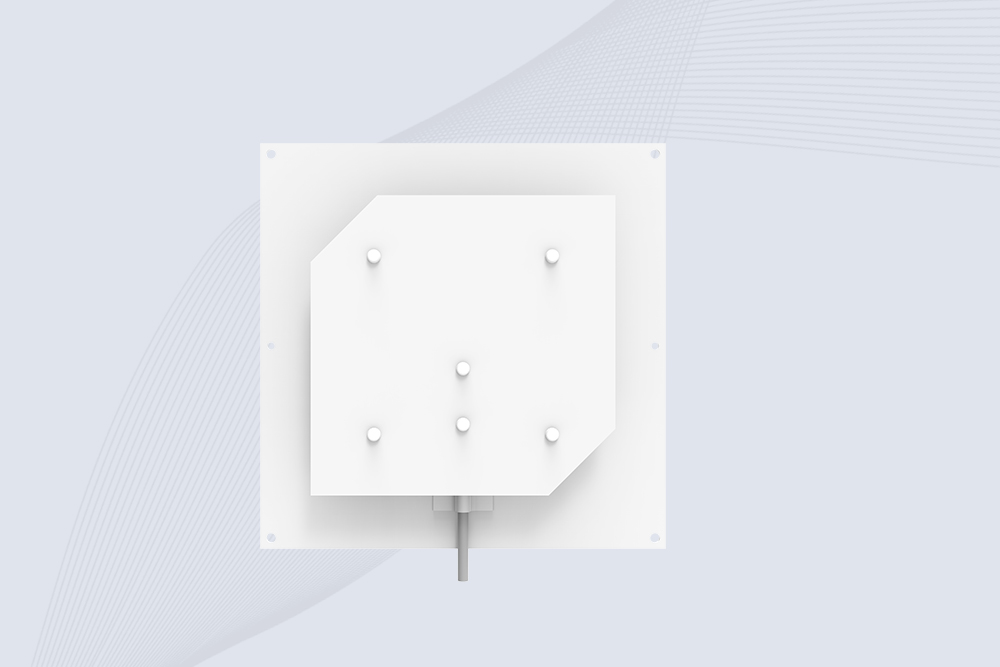
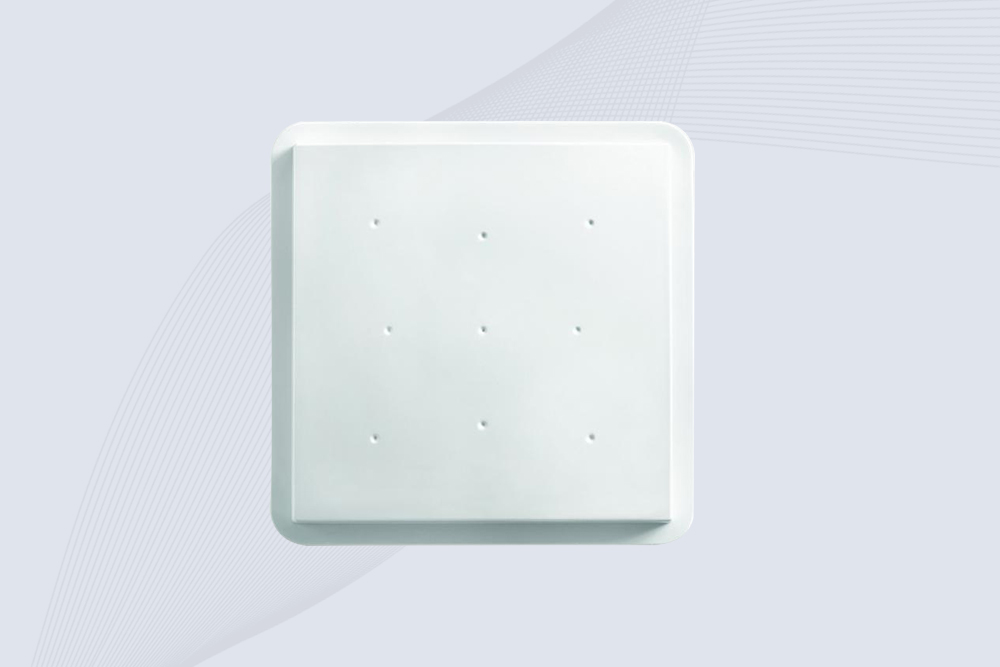
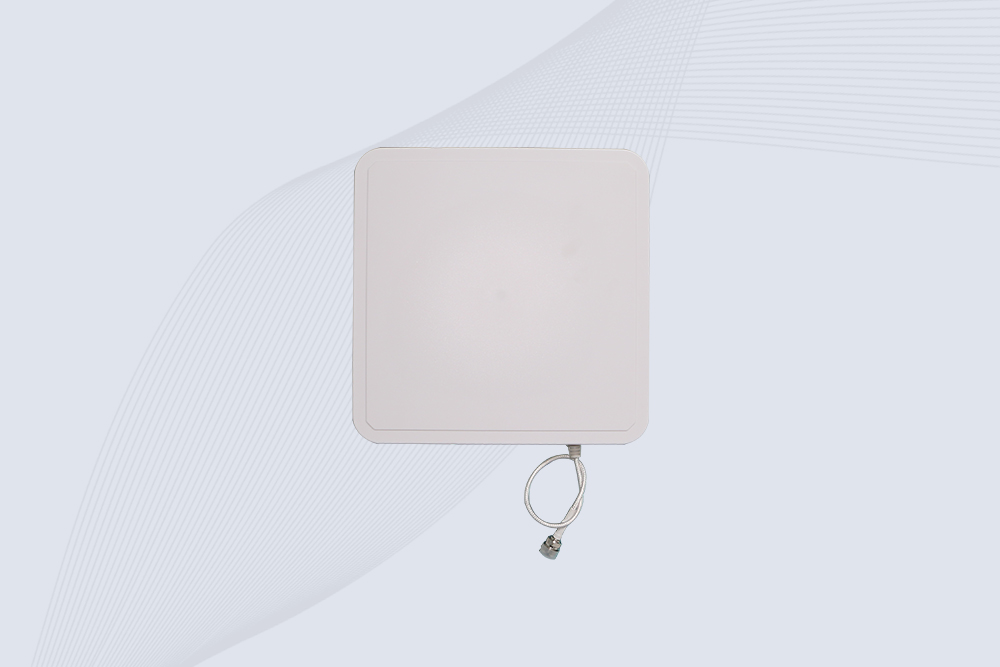
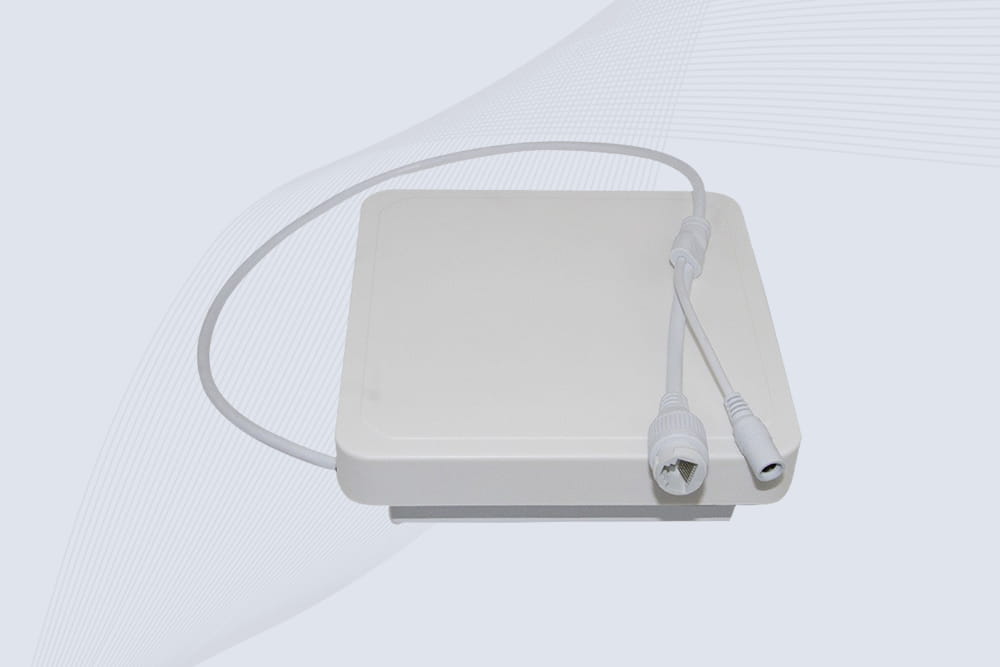
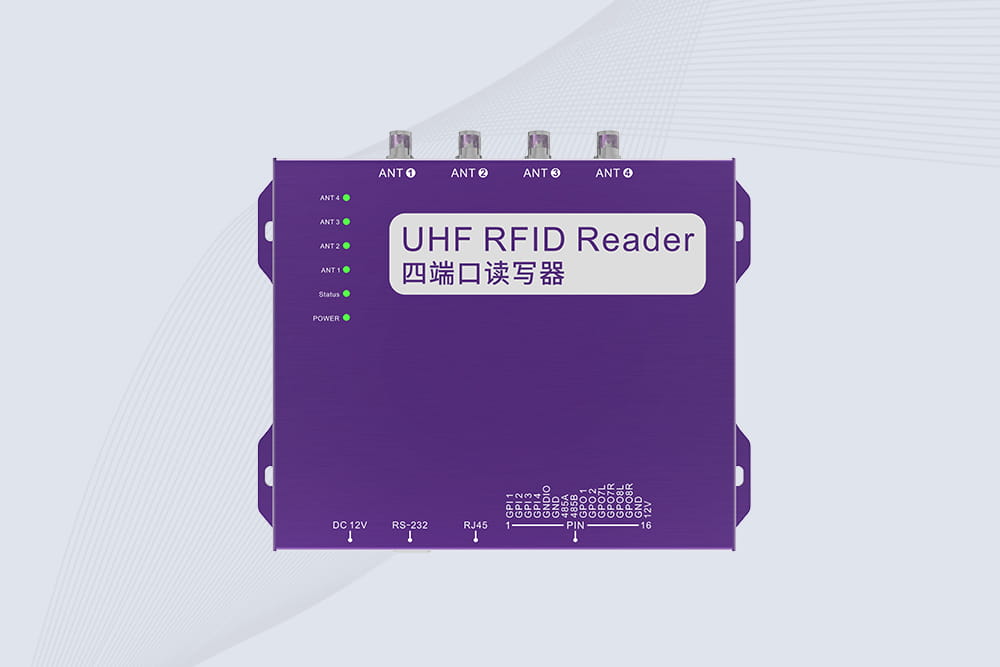
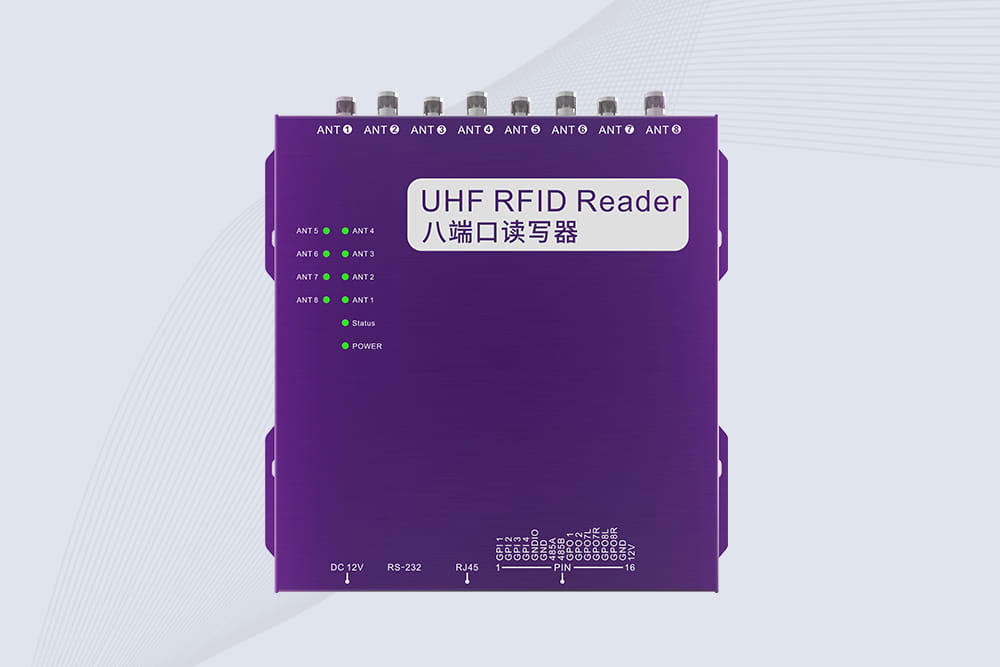
Long range RFID scanner can help hospitals and healthcare facilities automatically identify tagged medical equipment, supply containers, carts, and other assets as they move through controlled areas. RFID can reduce manual inventory checks and provide a more consistent record of where equipment was last detected.
Hospitals have a strange inventory problem.
They can have plenty of equipment and still not have the equipment they need at the right moment.
A wheelchair may be somewhere on another floor. A portable monitor might have been moved to a different department. A medical cart could be sitting in a storage room when someone is looking for it.
The equipment exists.
The problem is finding it.
This is one area where RFID healthcare applications can be useful.
By attaching RFID tags to suitable medical equipment, carts, containers, and supplies, a long range RFID scanner can automatically detect assets when they pass through selected areas.
It doesn’t create a perfect real-time map of the hospital.
Instead, it provides something much more practical: a history of where a tagged asset was detected and when.
What Can RFID Track in a Healthcare Facility?
The possible applications are broader than medical equipment alone.
Depending on the facility and RFID tag design, RFID can be used to track:
Wheelchairs
Medical carts
Portable monitors
Infusion equipment
Diagnostic devices
Maintenance equipment
Reusable containers
Supply bins
Linen containers
Surgical equipment
Laboratory equipment
Medical supply boxes
The RFID tag provides a unique identification number.
When the asset passes through a reading zone, the RFID reader detects that number.
The software then connects it to the asset record.
For example:
Asset: Portable Monitor 018 Location: Emergency Department Last Detection: 09:42
That is already more useful than a spreadsheet saying the hospital owns one portable monitor.
Why Long Range RFID Scanners Make Sense for Moving Equipment
Medical equipment moves constantly.
A nurse may take a device from one department to another.
A technician may move equipment for maintenance.
A cleaning team may move carts between floors.
Staff may return equipment to a central storage area.
If every movement requires manual scanning, the process becomes inconvenient very quickly.
A fixed long range RFID scanner can instead be installed at selected checkpoints.
For example:
Equipment room → RFID checkpoint → Emergency Department → RFID checkpoint → Maintenance → RFID checkpoint
Each detection becomes an event.
The hospital’s software can build an asset movement history from those events.
Don’t Try to Cover the Entire Hospital With One Reader
This is one of the most important design considerations.
A long range RFID reader is not the same thing as a GPS system.
If one reader covers a large area, the system may know that an RFID tag is somewhere within its RF coverage, but that doesn’t necessarily tell you which room the asset is in.
For many healthcare applications, controlled checkpoints are easier to manage.
Readers can be positioned at:
Equipment room entrances
Department entrances
Storage rooms
Service areas
Loading zones
Controlled corridors
Sterilization areas
Each reader represents a known detection location.
The asset management system can then build a logical movement history.
Antenna Placement Controls the Reading Zone
The antenna is often underestimated.
A reader may have excellent specifications, but poor antenna positioning can still produce unwanted reads or missed tags.
Suppose RFID reader is installed outside a storage room.
The goal may be to detect equipment when it crosses the doorway.
If the antenna points too far into the room, it may detect equipment before it actually leaves.
If it points too far outside, it may detect equipment in the corridor.
Neither result is ideal.
A controlled reading zone is generally more useful than maximum theoretical reading distance.
The installation needs to match the physical movement of the equipment.
Medical Equipment Creates Its Own RFID Challenges
Many medical devices contain metal.
Some have batteries.
Others contain electronics, cables, motors, screens, or metal frames.
That can affect RFID performance.
A standard RFID label that works well on cardboard may not behave the same way when attached directly to a metal medical cart.
For metal equipment, a suitable on-metal RFID tag may be necessary.
Tag placement should also be considered.
The tag should ideally be placed where:
It remains attached securely
Staff can still use the equipment normally
It isn’t easily damaged
It has suitable RF conditions
Cleaning procedures won’t remove it
The final tag position should be tested with the actual equipment.
RFID for Medical Supplies Is a Different Use Case
Not every healthcare RFID project involves expensive equipment.
Medical supplies can also benefit from RFID.
For example, a hospital may manage large quantities of:
Supply boxes
Reusable containers
Laboratory items
Medical consumables
Storage bins
Sterile products
The tracking requirements can be different from equipment tracking.
Some items may be disposable.
Others may need batch-level identification.
Some may contain liquids or metal packaging.
This means the RFID tag and reader configuration should be selected according to the specific supply rather than assuming one RFID setup works for everything.
RFID Can Help With Inventory Checks
Manual inventory counting is still common in healthcare environments.
A staff member may walk through a supply room and check shelves one by one.
With RFID, tagged items can potentially be identified in groups.
A handheld RFID reader can be particularly useful for periodic inventory checks.
The employee can focus on discrepancies instead of manually recording every item.
For larger facilities, fixed readers can provide continuous movement information while handheld rfid readers handle periodic audits.
Fixed and Handheld RFID Can Work Together
There is no need to choose one technology for every task.
A hospital could use:
Fixed RFID readers for automatic movement detection.
Handheld RFID readers for inventory auditing and searching.
This combination can be useful.
Imagine a nurse needs a particular piece of equipment.
The asset system shows that it was last detected near Department B.
A technician can then use a handheld RFID reader to search the nearby area.
The fixed reader provides the last known checkpoint.
The handheld reader helps locate the asset more precisely.
RFID Can Improve Equipment Utilization
Asset tracking isn’t only about finding missing equipment.
It can also show how often equipment is actually being used.
Suppose a hospital owns 20 portable devices.
The asset system records movement events over several months.
The data may reveal that some devices move frequently while others rarely leave storage.
That information can support equipment planning.
The hospital may discover that it doesn’t necessarily need more equipment.
It may simply need to redistribute the existing equipment.
RFID doesn’t make that business decision.
It provides the movement data that helps people make it.
Connecting RFID With Hospital Software
A healthcare RFID system becomes much more useful when RFID data connects with existing software.
Depending on the project, this could include:
Asset management software
Inventory systems
ERP
Hospital management systems
Maintenance systems
Warehouse systems
Custom applications
The RFID reader typically reports the tag’s EPC.
The application then converts that EPC into a useful asset record.
For example:
EPC → Asset ID → Equipment type → Department → Last detection → Status
The reader is therefore only one component of the system.
Integration is just as important as RF performance.
What About Multiple Medical Assets?
Healthcare environments often have many tagged assets in the same area.
A storage room could contain dozens of carts and devices.
A supply area may have hundreds of tagged containers.
UHF RFID technology can identify multiple tags within the reading zone.
However, performance depends on tag density, tag orientation, equipment materials, antenna configuration, and reader settings.
This is why a test with one device is not enough.
Try several devices together.
Move them through the doorway.
Change their orientation.
Test the actual storage configuration.
That gives a much better idea of how the system will perform.
A Practical Hospital Example
Imagine a hospital has 200 mobile medical devices distributed across several departments.
Staff frequently spend time looking for equipment.
The hospital installs fixed RFID readers at selected department entrances and equipment storage areas.
Each device receives a suitable RFID tag.
When a device moves through a checkpoint, the system records:
Device ID → Location → Time
After several weeks, the hospital has a movement history.
When a department needs a device, staff can check its latest known location.
If the asset is detected in another department, they know where to start looking.
It doesn’t eliminate every search.
But instead of checking the entire building, staff can start with useful information.
RFID and Healthcare Privacy
Healthcare environments require careful handling of data.
An RFID tag used for equipment tracking generally identifies the asset rather than storing sensitive patient information directly on the tag.
System designers should still consider:
Access control
Data permissions
Network security
User authentication
Data retention
Integration security
RFID should be treated as part of the overall information system, not as an isolated tracking technology.
What Should Healthcare RFID Integrators Test?
Before deploying an RFID healthcare solution, test the actual environment.
At minimum:
Actual medical equipment
Actual RFID tags
Tag mounting position
Metal surfaces
Batteries and electronics
Reader power
Antenna direction
Reading distance
Doorway layout
Multiple assets
Staff movement
Nearby RFID systems
Software integration
Repeatability
Cleaning procedures should also be considered.
A tag that works perfectly on day one is not necessarily a good long-term solution if it becomes detached after repeated cleaning.
What Should Buyers Check Before Bulk Purchasing?
Healthcare RFID projects can require hundreds or thousands of tags and multiple fixed readers.
For distributors and system integrators, check:
Operating frequency
RFID protocol
Reader chipset
Receiver sensitivity
RF output power
Antenna ports
Communication interfaces
Digital I/O
API/SDK
Network connectivity
Firmware
Compatible antennas
Compatible RFID tags
OEM options
Sample availability
MOQ
Lead time
Bulk pricing
Technical support
The ability to provide compatible tags and antennas can be particularly important for healthcare customers.
Test Before Large-Scale Deployment
Healthcare facilities are full of equipment that can behave differently from simple demonstration samples.
A metal cart is different from a plastic container.
A portable monitor is different from a cardboard supply box.
A crowded storage room is different from an empty test bench.
That’s why sample testing matters.
Test the real equipment.
Use the intended RFID tag.
Install the antenna where it will actually be mounted.
Move several assets through the reading zone.
Repeat the test.
Then check whether the resulting RFID events make sense to the software.
If the system can reliably answer “What was detected, where, and when?”, it is much closer to being useful in daily operations.
A long range RFID scanner can support healthcare asset tracking by automatically identifying medical equipment, carts, reusable containers, and supplies as they pass through selected checkpoints. RFID can reduce manual inventory work and provide a record of the last known detection point for mobile equipment.
Reliable healthcare RFID requires more than long reading distance. Medical equipment may contain metal, batteries, and electronics, while hospital environments often have crowded storage areas and complex movement patterns. Proper RFID tag selection, antenna placement, controlled reading zones, software integration, and real-world testing are essential before large-scale deployment.
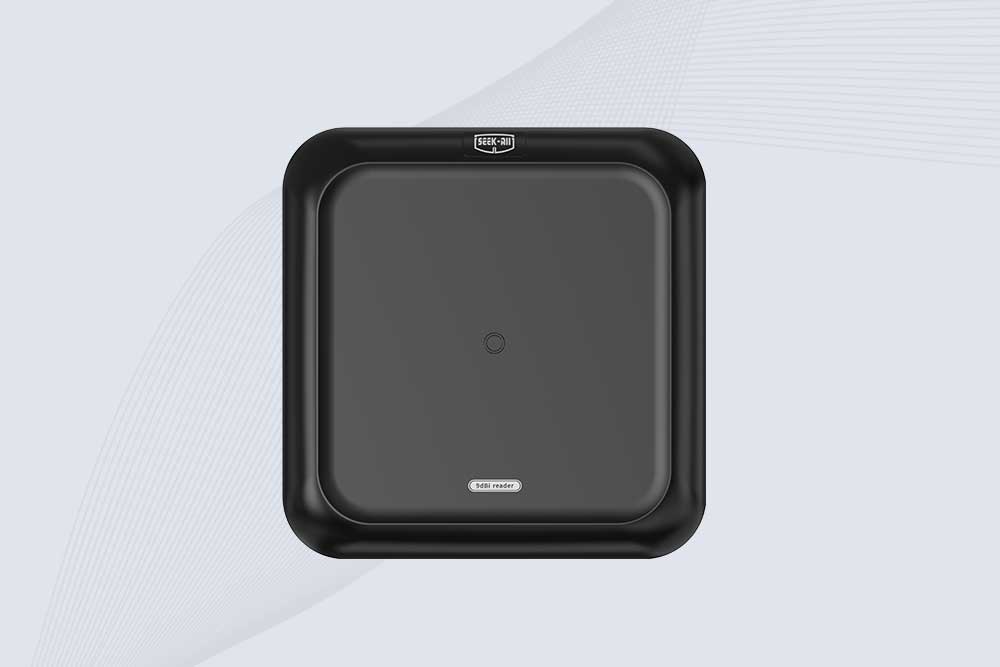
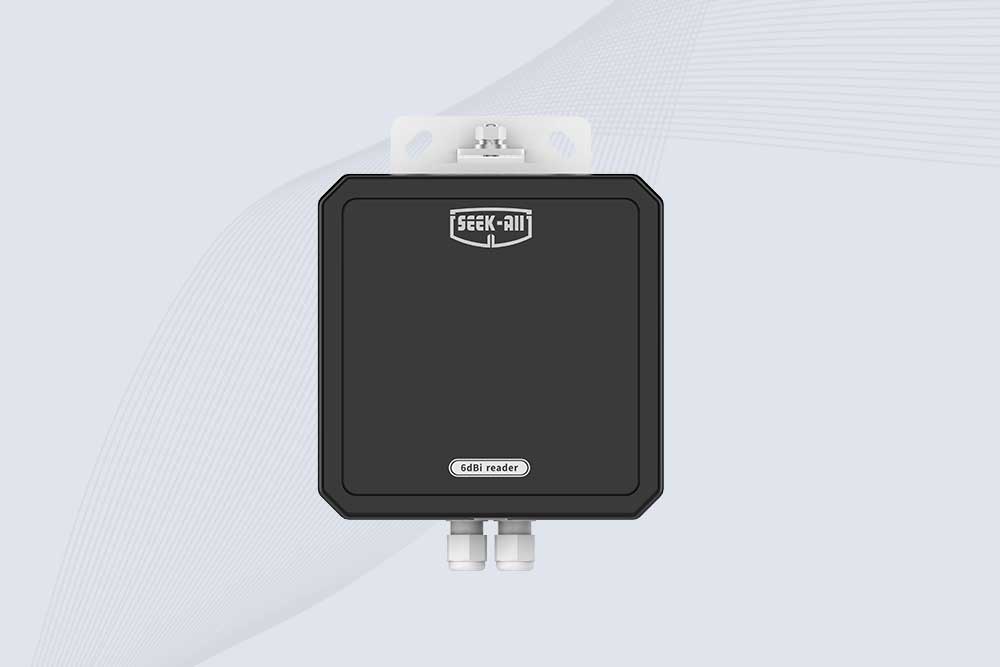
SSD-RA06L is an industrial UHF RFID reader with a built-in 6 dBi antenna, 3 m read range, 600+ tags/s, Ethernet, RS232, and optional Wi-Fi, 4G, and PoE.
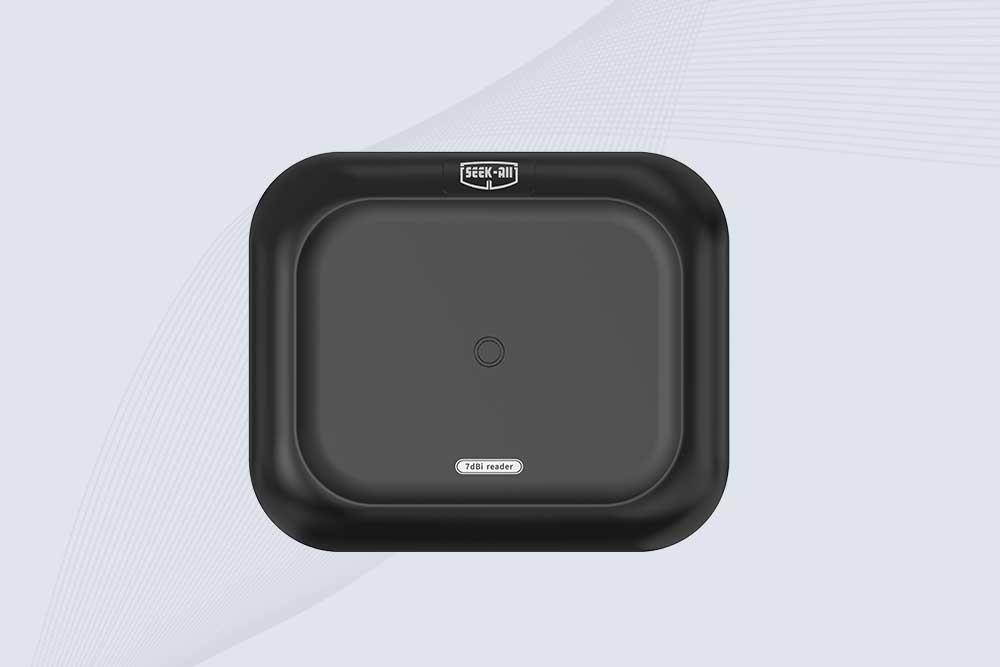
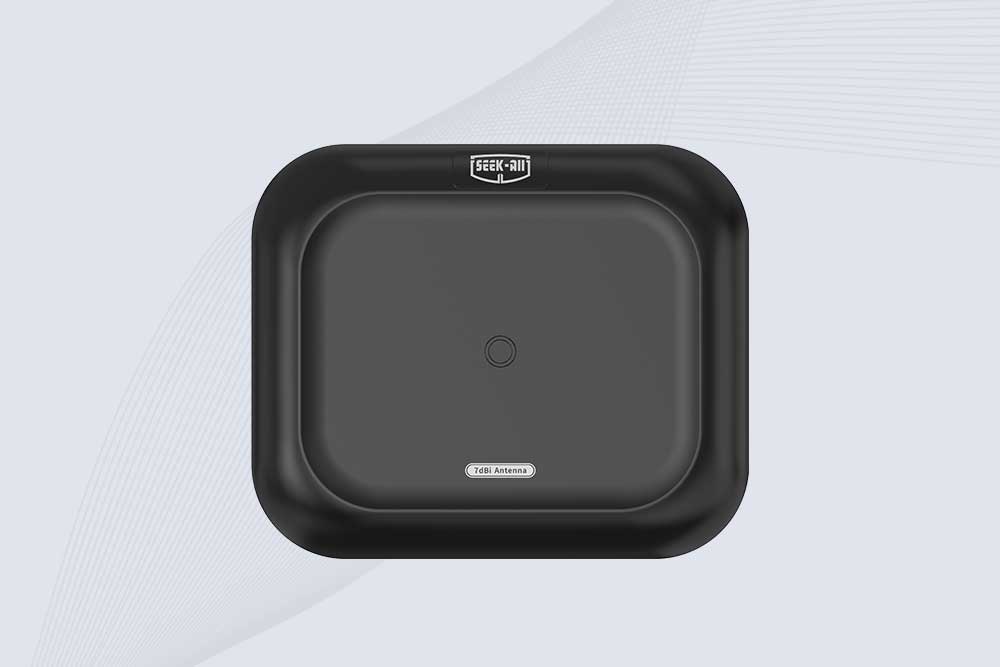
SSD-RA07L industrial UHF RFID reader with integrated 7 dBi antenna, up to 6 m reading distance, over 600 tags/s, Ethernet, RS232, and optional Wi-Fi, 4G, and PoE.
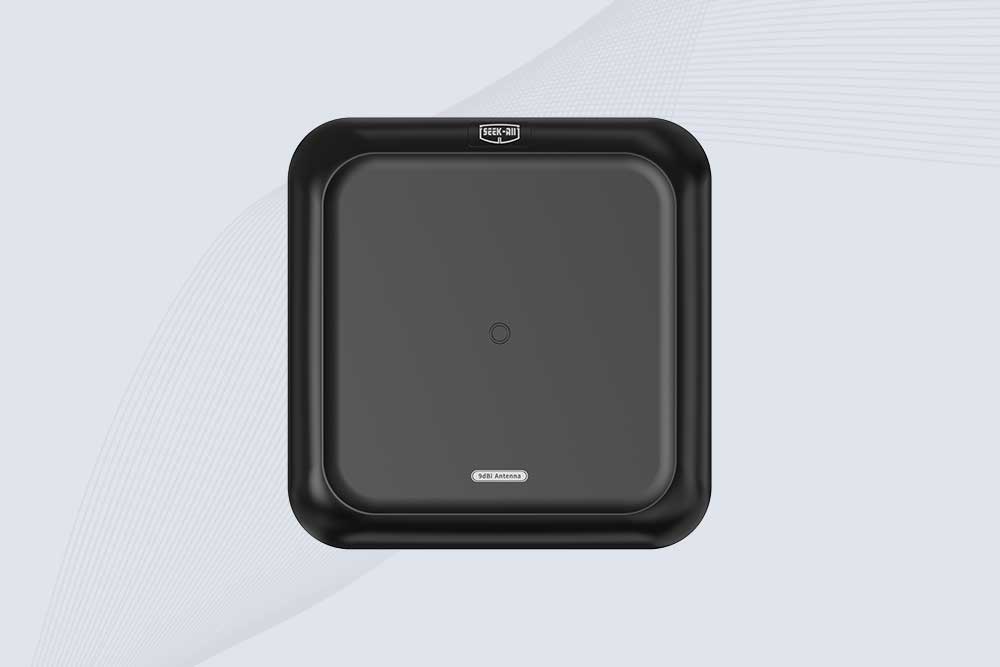
Explore the SSD-A07 UHF RFID antenna with 7 dBi gain, circular polarization, adjustable 840–960 MHz frequency, and 60°/75° beamwidth for stable RFID read/write performance.
SSD-A06 UHF RFID antenna with circular polarization, adjustable 840–960 MHz frequency, ≥4.5 dBi gain, and a compact directional design for RFID systems.
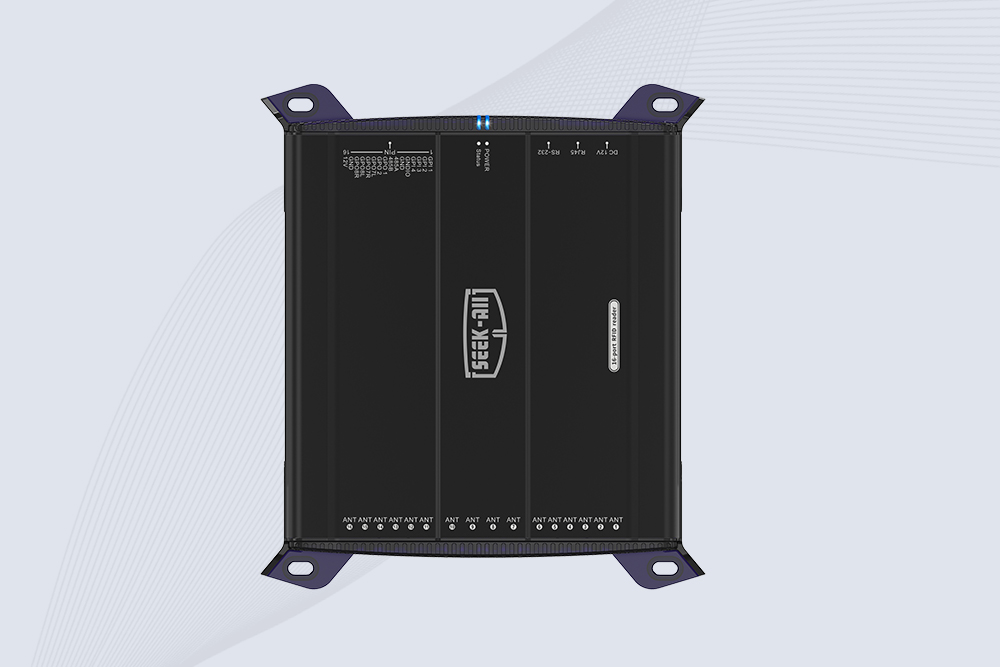
SSD-R16L Multi-Channel RFID Infrastructure for Automated Inventory Management ✔️ 16-Port High-Density RFID Reading Equipped with 16 SMA antenna ports, SSD-R16L supports multi-antenna deployment for warehouses, retail stores, logistics, production lines, and large-area RFID identification. ✔️ High-Speed & Long-Range Performance With up to 33…
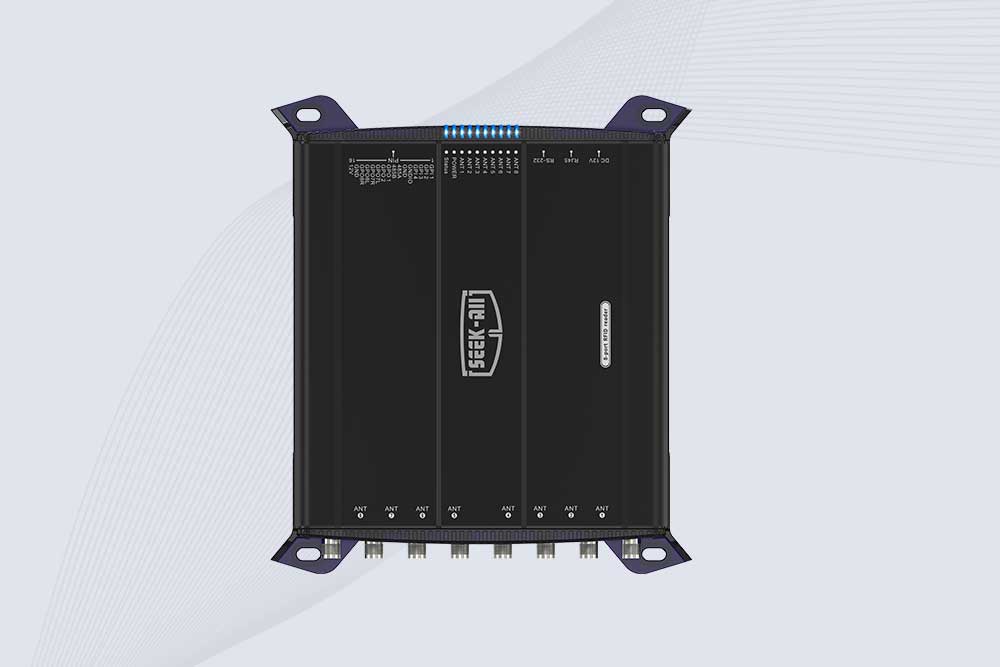
SSD-R8L 8-port UHF RFID reader with 33dBm output, up to 20m reading range and 600+ tags/s recognition. Ideal for warehouse, logistics, retail and asset tracking.
CYKEO Embedded RFID Modules are designed for compact industrial and IoT devices that require stable UHF performance. These UHF RFID Modules support global protocols, flexible power control, and reliable multi-tag reading for smart cabinets, production lines, and asset tracking systems.
CYKEO Embedded RFID Module is built for compact IoT and industrial devices that need stable UHF performance. This UHF module supports global protocols, low power operation, and reliable multi-tag reading for smart lockers, production lines, and always-on RFID systems.
CYKEO CYKEO-M1 drone rfid module is a compact UHF RFID reader module designed for drones and UAV platforms. It supports long-range aerial scanning, fast multi-tag reading, and stable performance in wind, vibration, and outdoor environments.
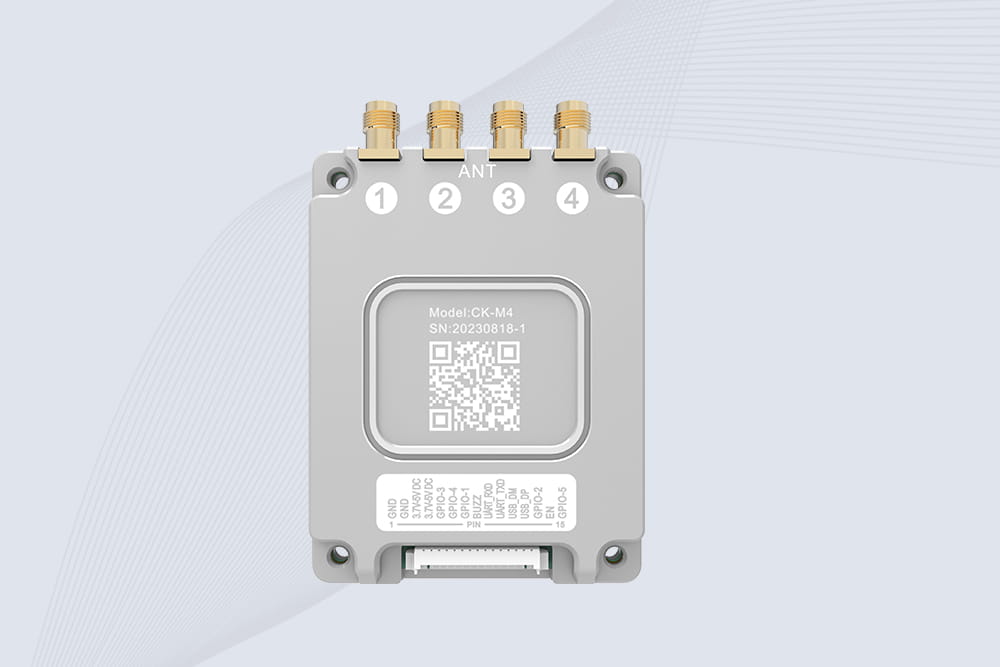
CYKEO CYKEO-M4 RC522 RFID Module is an industrial-grade UHF RFID reader with 4 ports, supporting ISO, EPC, and GB protocols. High-speed, accurate reading for IoT, automation, and warehouse applications.
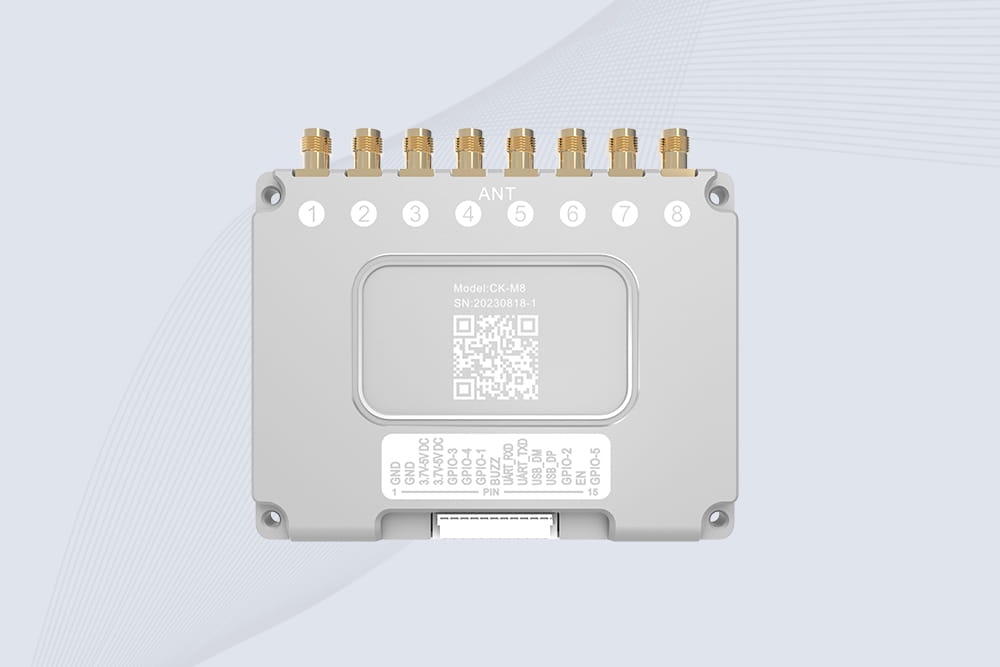
CYKEO CYKEO-M8 Module RFID is an 8-port UHF R2000 RFID Module designed for high-density, multi-tag environments. Stable 33dBm output, ISO & GB protocol support, ideal for warehouses, factories, and automated systems.
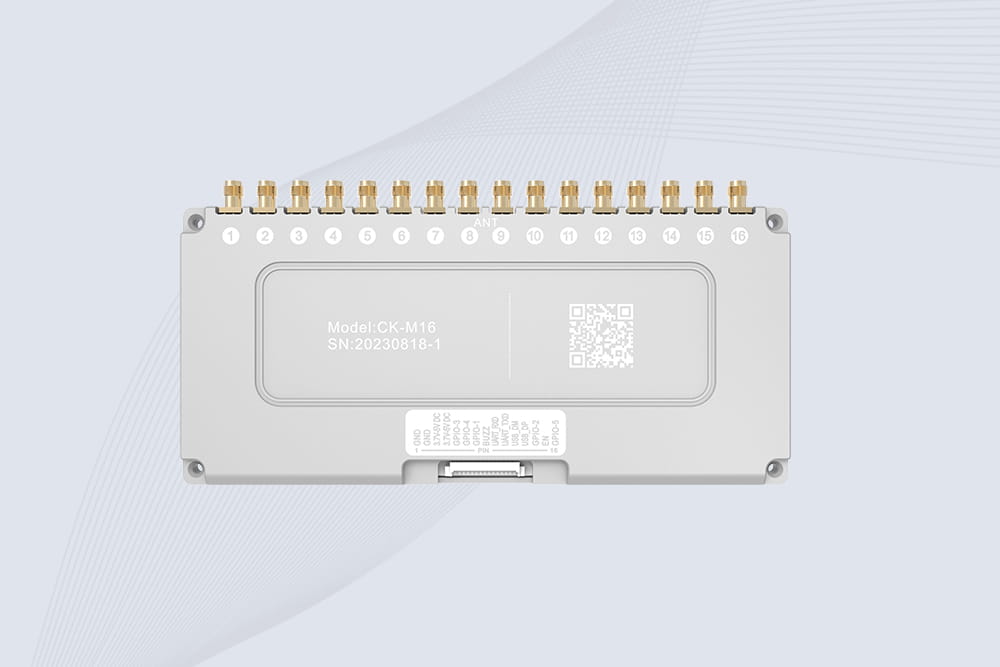
CYKEO CYKEO-M16 RFID Module is a 16-port UHF RFID reader module based on the R2000 chipset. Designed for dense tag environments, it supports ISO and GB standards and delivers stable multi-antenna control for industrial automation.
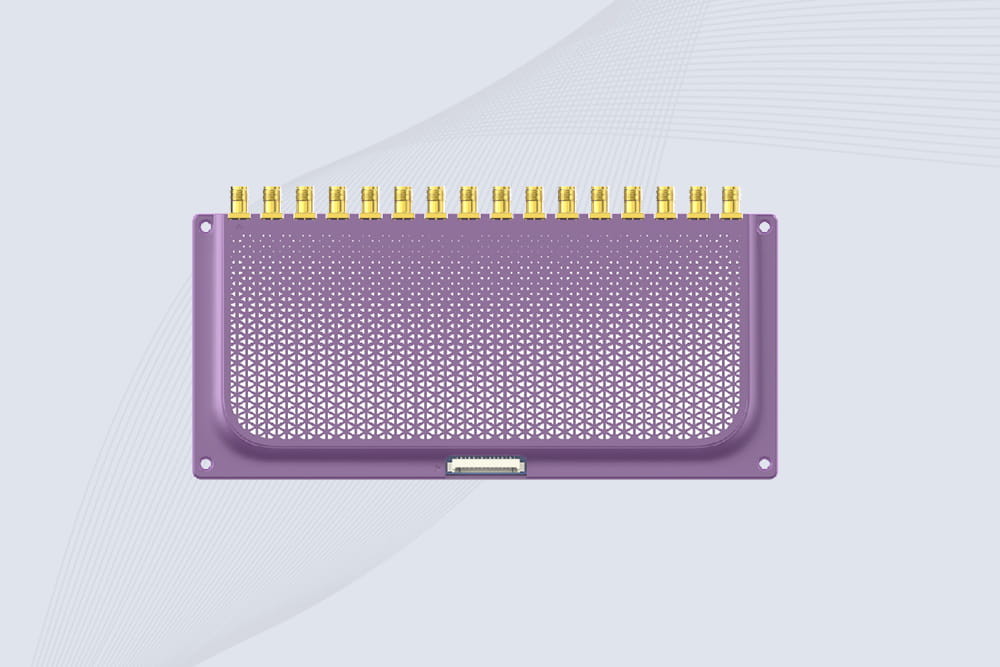
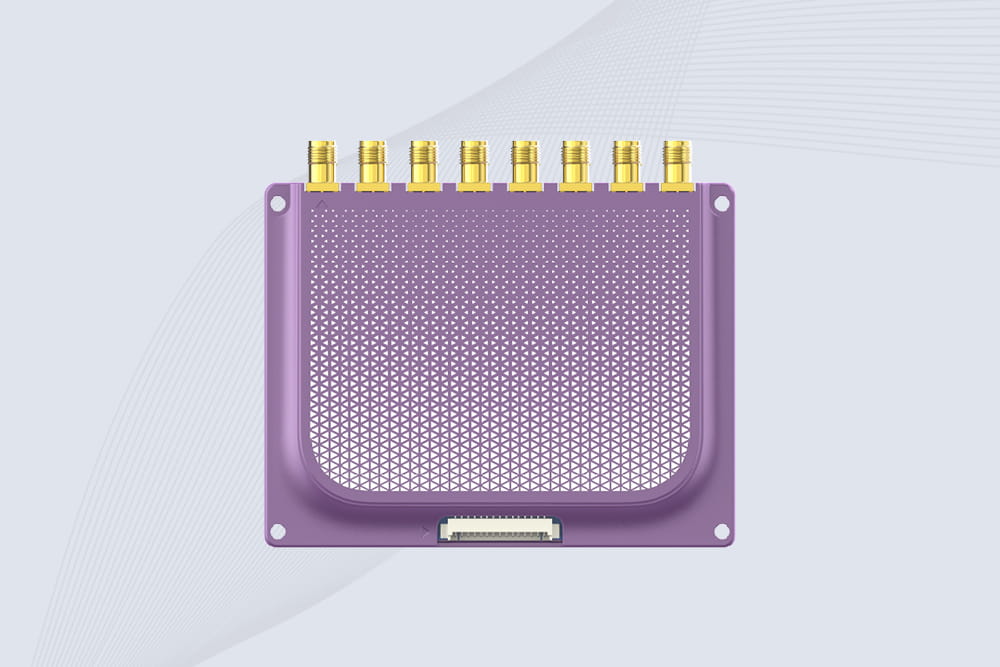
The CYKEO CYKEO-M16L RFID Reader Module is a 16-channel UHF RFID core designed for dense tag environments. With adjustable 33dBm output, multi-protocol support, and stable multi-antenna control, this RFID Tag Reader Module fits industrial automation, warehouse systems, and large-scale IoT deployments.
CYKEO CYKEO-M8L module RFID is a compact industrial UHF module built for dense tag and multi-antenna environments. With 8 RF ports, adjustable 33 dBm output, and ISO & GB protocol support, it is widely used in factories, warehouses, and automated tracking systems.
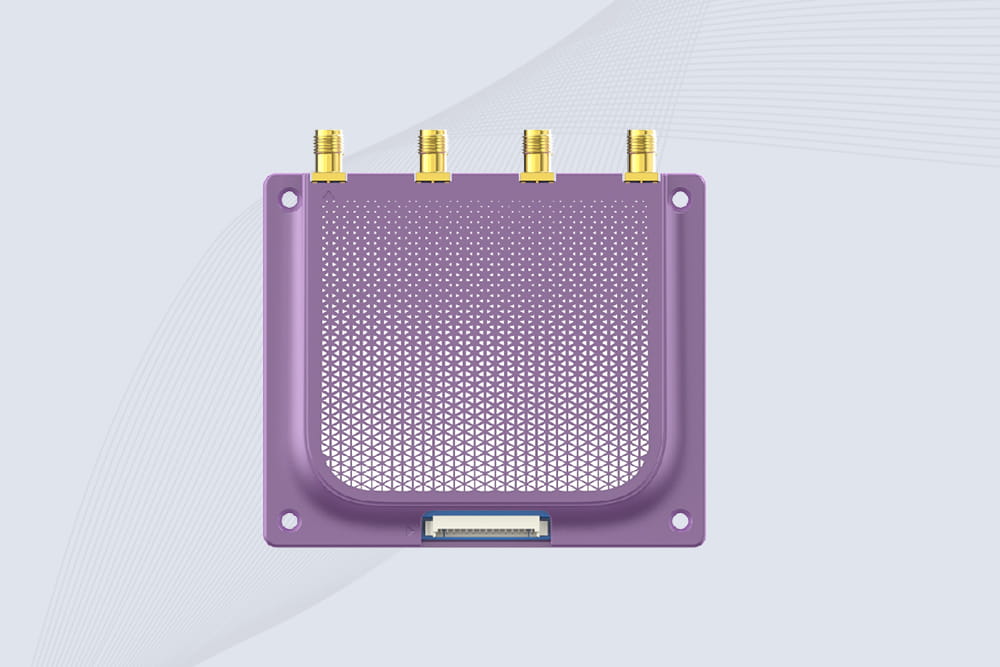
CYKEOCYKEO-M4L UHF RFID Module is a compact 4-channel RFID tag reader module designed for dense tag environments. Supporting ISO and GB protocols, it delivers stable reads up to 10 meters for industrial and IoT systems.
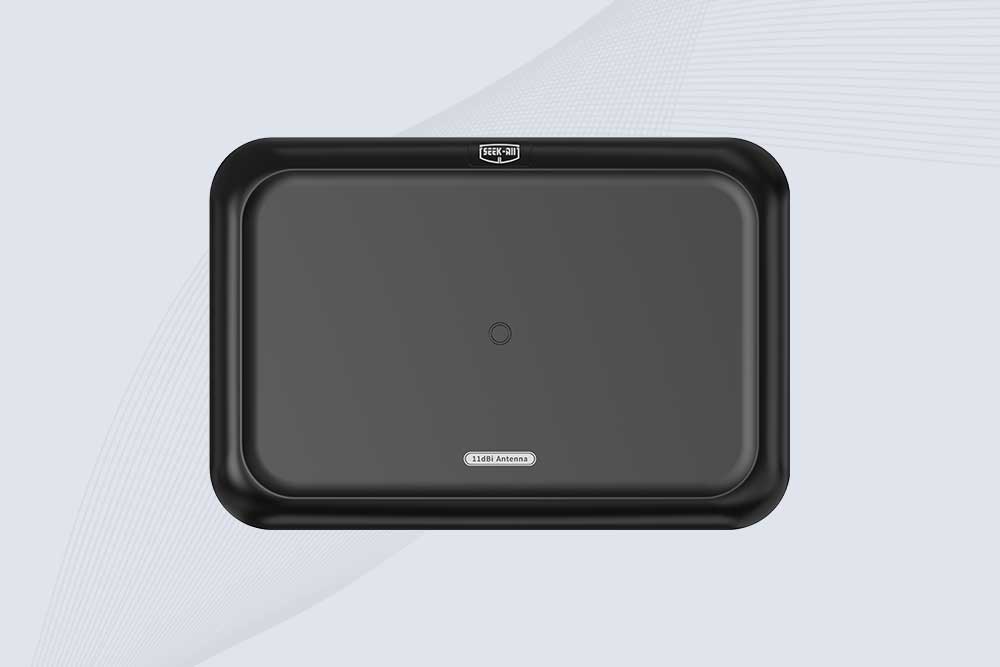
Cykeo CYKEO-A11 UHF RFID reader antenna delivers 11dBi gain, 840-960MHz frequency range, and IP65 ruggedness for retail, logistics, and industrial RFID systems. Features low VSWR and easy installation.
CYKEO Antenna RFID Reader delivers stable long-range UHF performance with a 10.5dBi directional design, built for warehouses, conveyor portals, and industrial RFID systems. This rfid reader antenna provides 20m+ read distance and rugged IP67 protection.
Cykeo CYKEO-A5B industrial Linear RFID Antenna delivers 5dBi gain, ≤1.5:1 VSWR, and IP65 rugged design for warehouse, production line, and logistics UHF systems.
Cykeo’s CYKEO-B12 Long Range RFID Antenna delivers 15m+ read range with 12dBi gain, IP65 rugged design, and global 840-960MHz UHF support. Ideal for warehouse/logistics asset tracking.
Cykeo CYKEO-B10 Long Distance RFID Antenna offers 10dBi gain, 840-960MHz frequency range, IP65 rating, and 20m+ coverage for logistics/warehousing/ETC systems. Low VSWR ensures stable signal transmission.
Cykeo CYKEO-A6 UHF RFID panel antenna features 6dBi gain, 840-960MHz broadband, IP65 metal-ready housing for logistics/smart retail. 18mm ultra-thin design with tool-free mounting.
Cykeo CK-A3 industrial antenna RFID UHF offers 5m+ tag detection, ≤1.3:1 VSWR, IP65 rugged design, and global UHF spectrum compatibility (840-960MHz) for warehouses, factories, and retail.
Cykeo CYKEO-B5 directional RFID antenna provides 5dBi gain with 60° narrow beamwidth for precise inventory tracking. IP65-rated, global UHF frequency support, and low VSWR.
Create your own high-performance DIY RFID antenna! 5dBi gain, 840-960MHz tunable, step-by-step guides. Compatible with Arduino, Raspberry Pi, and commercial UHF readers.
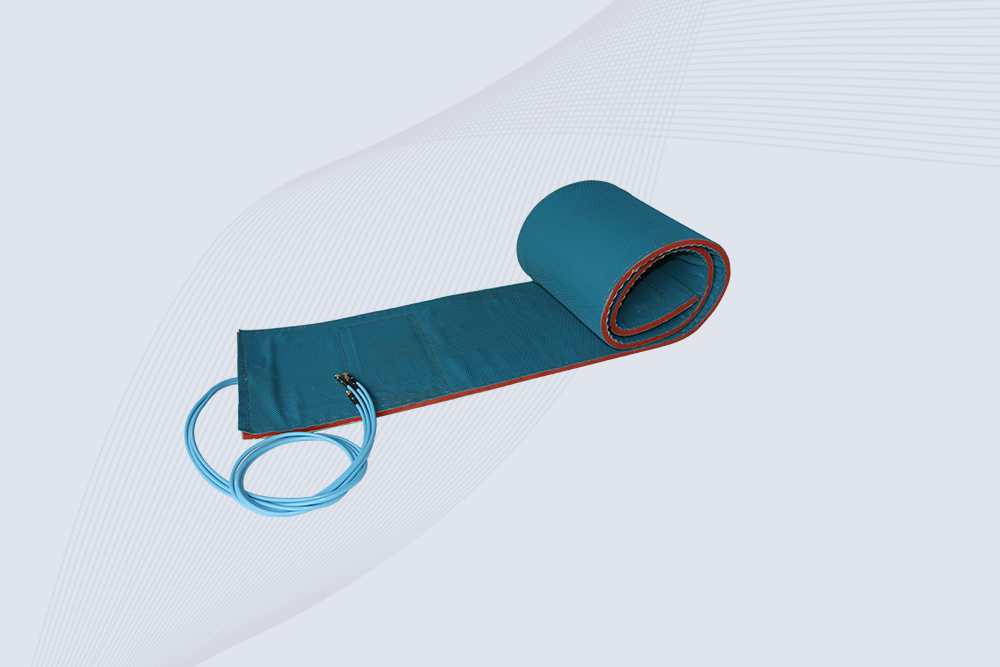
Cykeo CYKEO-A7 Flexible RFID Antenna features 840-960MHz wideband tuning, 7dBi gain, and IP68 rating for medical/retail/industrial curved surface deployments. 98% read accuracy with peel-and-stick installation.
Cykeo CYKEO-B5A industrial Passive RFID Antenna delivers 5dBi gain, 70° beamwidth, and -40°C~55°C operation for warehouses/smart cabinets. Compatible with Zebra/Impinj readers.
Cykeo’s CYKEO-A9B High Gain RFID Antenna delivers 15m+ read range with 9dBi amplification. Features IP54 rugged design, 840-960MHz bandwidth, and 80° beamwidth for warehouse/manufacturing RFID systems.
Cykeo’s enterprise-grade 8dbi Impinj RFID Antenna 10m+ read range with 840-960MHz tuning. Features IP65 housing, 1.4 VSWR, 35° beamwidth for retail/warehouse RFID systems.
Cykeo CYKEO-A9 industrial UHF RFID antenna delivers 9dBi gain, 840-960MHz frequency range, and IP65 protection for warehouse/logistics/retail RFID systems. Features N-type connector and ≤1.3:1 VSWR.
CYKEO UHF RFID Antenna built for long-distance and industrial applications. This antenna rfid uhf delivers strong gain, outdoor durability, and reliable tag performance in warehouses, yards, and vehicle ID systems.
CYKEO Antenna RFID delivers reliable long-range UHF performance in warehouses, retail shelves, and cold-chain environments. This compact uhf rfid antenna provides stable reads with circular polarization and ultra-wide 840–960 MHz support, ideal for industrial tracking, smart shelves, and asset monitoring.
Cykeo’s CYKEO-C8 UHF RFID antennas delivers 8dBi gain, 840-960MHz full-band coverage, and IP65 ruggedness for manufacturing/warehouse RFID systems. Industrial RFID Antennas Features
Cykeo’s 8dBi UHF RFID antenna and reader kit delivers 10m+ range, 840-960MHz broadband, and IP65 ruggedness for factories, warehouses, and logistics. ISO 18000-6C & EPC Gen2 certified.
Cykeo’s CYKEO-A12C UHF Large RFID Antenna delivers 12dBi gain, 840-960MHz global frequency, IP65 ruggedness for logistics/warehousing/automotive. 40° beamwidth ensures stable 15m+ tag reads.
CYKEO Near Field RFID Antenna provides precise 5–30 cm reading for shelves, cabinets, and workstations. This compact rfid shelf antenna delivers stable short-range performance around metal and clutter, ideal for pharmacies, libraries, and electronics sorting.
Cykeo’s industrial long range RFID reader delivers 20-meter scanning, 500+ tags/sec speed, and IP67 waterproof design for automated warehouses, logistics, and harsh environment applications.
Cykeo’s CYKEO-RA6L industrial RFID long range reader features 20m read distance, 500 tags/sec speed, and IP67 protection. Ideal for warehouse automation, manufacturing WIP tracking, and smart logistics. Supports ISO 18000-6C/6B protocols.
CYKEO Long Range RFID Tag Reader built for outdoor and industrial operations. This Outdoor RFID Reader delivers 20m read distance, fast tag processing, and IP67 durability for wide-area tracking.
Cykeo CYKEO-RA12L industrial Long Range RFID Reader delivers 20m read range, 200+ tags/sec scanning, and IP67 protection for manufacturing/logistics applications. Supports ISO 18000-6C/GB protocols.
Cykeo CYKEO-C1 industrial Forklift RFID Reader features 20m read range, 600 tags/sec scanning, Impinj R2000 chipset, and IP67 rugged design. Ideal for warehouse logistics and manufacturing. Supports ISO 18000-6C/6B protocols.
Cykeo CYKEO-R4 industrial UHF RFID Fixed Reader features 4 TNC ports, 400+ tags/sec speed, IP67 housing, and global frequency compliance for vehicle inspection, smart warehouse, and asset management systems.
CYKEO CYKEO-R8L Fixed RFID Reader with 8-port UHF design, Impinj-based RF core and up to 20m read range. An industrial Fixed RFID Reader for vehicle inspection, warehouse portals, smart manufacturing lines and secure access checkpoints.
RFID Industry Writer | IoT & Asset Tracking Analyst
James writes about RFID technology, asset tracking, and the practical challenges of digital transformation across warehousing, retail, manufacturing, and logistics.
His work focuses on how RFID is applied in real-world operations—improving inventory visibility, automating workflows, and helping businesses manage assets with greater accuracy and efficiency.
He regularly covers topics including UHF RFID, smart cabinets, RFID portals, tool tracking, warehouse automation, and industrial IoT trends..
Learn how RFID antennas work, how they communicate with RFID tags, and why antenna selection affects reading distance, accuracy, and system performance. A practical guide for RFID distributors, integrators, and bulk buyers.
Got a single RC522 module? Learn what to do with RC522 RFID module 1pc. We cover real first-step projects like a simple lock or logger to get you started.
 Cykeo RFID IoT Solution Products R&D Manufacturer