 Cykeo RFID IoT Solution Products R&D Manufacturer

rfid tag sticker: What It Is and Why It Works So Well
119Discover how rfid tag sticker solutions enable fast tracking, real-time inventory, and automation across retail, logistics, and asset management.
MoreAll RFID Product
A long range RFID scanner can help libraries automatically identify RFID-tagged books and other items during inventory checks, returns, sorting, and circulation. By combining fixed or handheld UHF RFID readers with RFID tags and library software, staff can process many items without scanning each barcode individually.
A library can have thousands of books and still have a surprisingly simple question that is difficult to answer:
Where is this book?
It may be on a shelf.
It may be in the return area.
It may have been moved to another section.
It could be sitting on a cart waiting for reshelving.
Or, perhaps, it was checked out weeks ago and never returned.
This is why library RFID has become an interesting application for UHF RFID technology.
Instead of requiring staff to scan each barcode one by one, RFID allows tagged books to be identified electronically.
A long range RFID scanner can read multiple RFID tags within its coverage area, while software connects those tag IDs with the library’s catalog and circulation records.
The result is not simply faster scanning.
It can give library staff a clearer picture of physical inventory.
The basic process is simple.
An RFID tag is attached to each book.
The tag contains a unique identification number, usually associated with the book’s record in the library management system.
When an RFID reader detects the tag, the system can identify the corresponding book.
For example:
RFID EPC → Book ID → Title → Author → Shelf/Status
The reader itself doesn’t need to know what the book is called.
It only needs to reliably identify the RFID tag.
The software handles the rest.
This separation between hardware and software is important when designing a larger RFID library system.
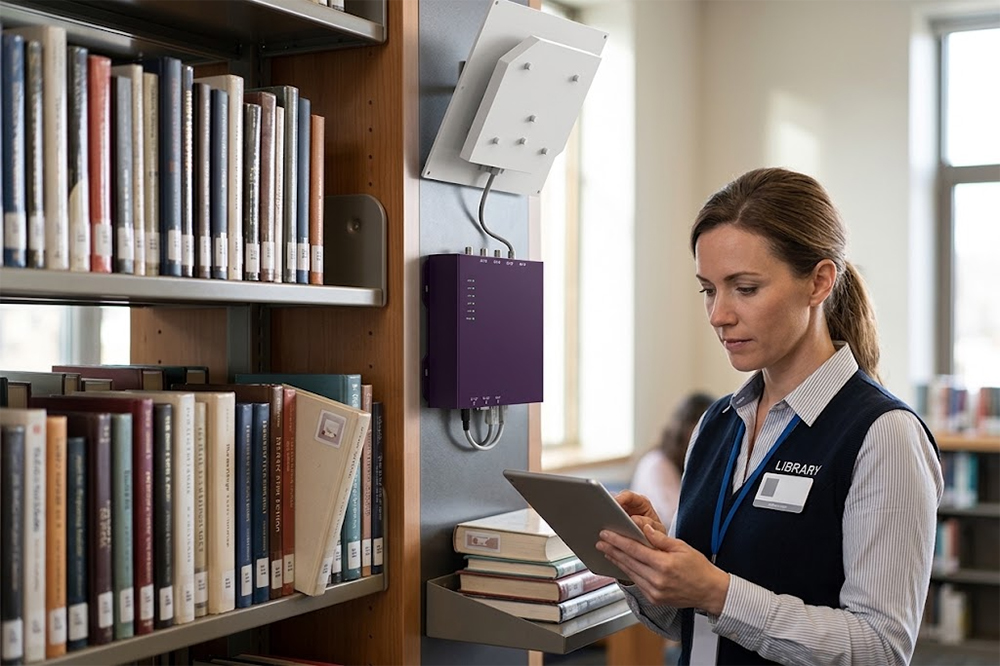
Traditional barcode inventory requires line-of-sight scanning.
The barcode needs to face the scanner sufficiently for the system to read it.
RFID works differently.
A librarian can use a handheld RFID reader to scan along a shelf and potentially identify several books during one pass.
This can make shelf inventory much faster.
Instead of:
Pick up book → find barcode → scan → return book
the workflow can become:
Move RFID reader along shelf → detect multiple tags → compare with database
The exact speed depends on shelf arrangement, book density, tag placement, reader configuration, and the environment.
Still, for libraries with large collections, even reducing the time spent on routine inventory can be valuable.
A long range RFID scanner can be used as part of a fixed installation, while handheld RFID readers are useful for physical inventory work.
These are useful for:
The librarian moves the reader through the collection.
Fixed readers are better suited to controlled locations.
They can be installed near:
The fixed reader automatically detects tagged books as they pass through the reading zone.
Using both types can provide a more complete library RFID solution.
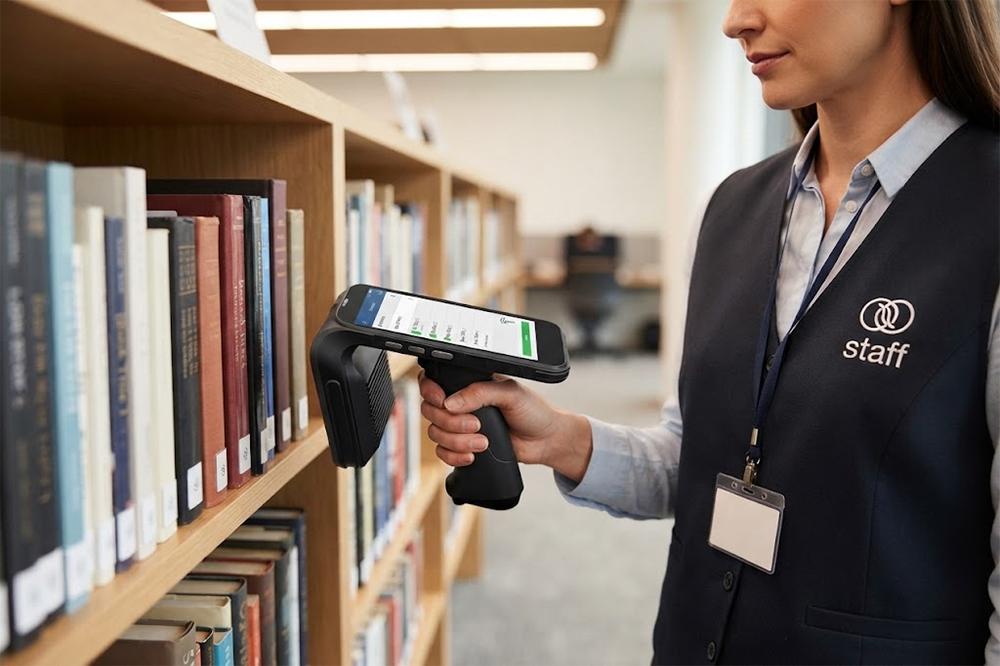
One of the more practical applications is shelf verification.
Imagine a library section that should contain 500 books.
The system knows the expected books.
A librarian scans the shelves with an RFID reader.
The system compares the detected tags with the expected inventory.
It may identify:
The librarian can then focus on the exceptions.
This is different from manually checking every title.
The technology does not eliminate the need for staff.
It changes what staff spend their time doing.
The phrase long range RFID scanner can create the wrong expectation.
A library doesn’t necessarily need to read books from 15 or 20 meters away.
In fact, excessive reading distance can sometimes create problems.
Suppose a librarian is checking Shelf A.
If the reader also detects books from Shelf B several meters away, the inventory results may become confusing.
A controlled reading zone is usually more valuable.
For shelf inventory, the antenna should be positioned so that the reader can identify the intended books while limiting reads from nearby shelves.
For entrances, the reading zone can be configured differently.
The best configuration depends on the physical layout.
Books are relatively RFID-friendly compared with metal equipment, but tag placement still matters.
The RFID tag should be attached consistently.
For example, a library might place the tag:
Consistency makes inventory performance more predictable.
If tags are randomly positioned, the reader may encounter different orientations and RF conditions from book to book.
A standard tagging procedure can make a noticeable difference.
Libraries can have a lot of RFID tags in a small area.
A shelf may contain dozens of books.
A return cart could contain hundreds.
A sorting station may have several books moving through the reading zone simultaneously.
UHF RFID is well suited to multi-tag identification, but there is still a practical limit to every setup.
Tag density, reader sensitivity, antenna configuration, tag orientation, and physical spacing all matter.
A reader that performs well with 20 books should not automatically be assumed to perform identically with 200 books.
Testing at realistic density is important.
Returns are another interesting application.
A fixed RFID reader can be positioned near a return or sorting area.
When books enter the reading zone, the system identifies them.
The software can then check the circulation record.
For example:
Book detected → EPC matched → Loan status checked → Return event recorded
The library can then move the book to the appropriate sorting or reshelving process.
The RFID reader does not need to know whether the book is overdue.
The library software can make that decision using the RFID identification data.
Self-service circulation is another possible use.
A self-service station can use RFID to identify one or multiple tagged books.
This can reduce manual data entry for library staff.
The exact design depends on the circulation workflow and software.
For example:
Book placed on station → RFID tags detected → Books identified → User account checked → Circulation event recorded
RFID therefore becomes part of the larger circulation system rather than operating independently.
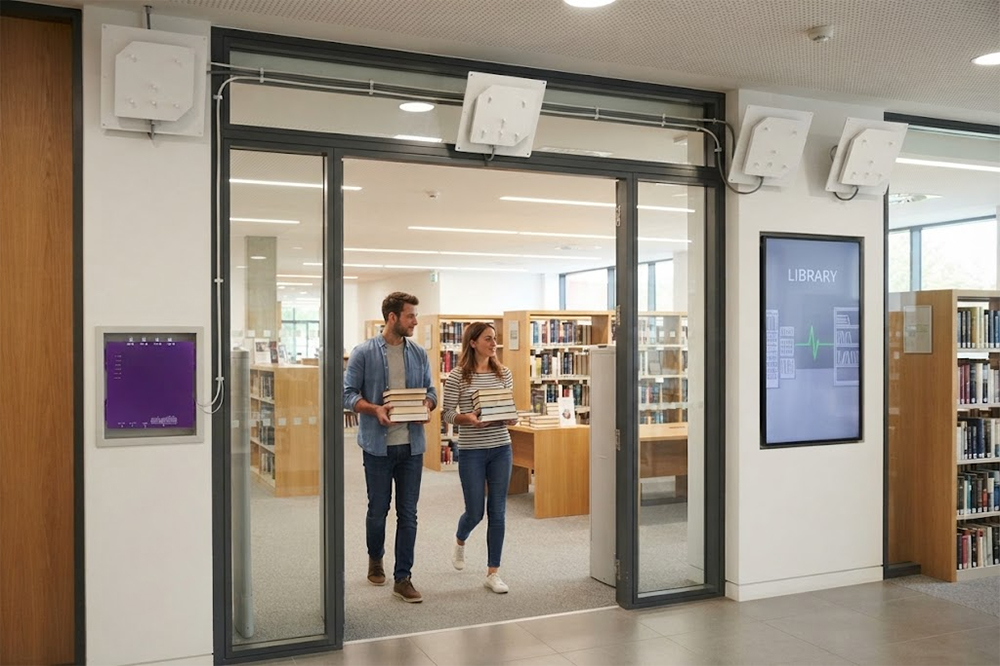
RFID can also support security workflows.
An RFID reader near an exit can detect tagged books moving through a controlled area.
The software can compare the detected book with circulation records.
If the book has not been checked out correctly, the system can generate an alert.
This is not exactly the same as traditional electronic article surveillance.
The RFID system provides identification information that can be used by the library’s software to determine whether an event requires attention.
The actual security design should consider the entrance layout, antenna placement, reader configuration, and local operating procedures.
The RFID reader is only one component.
The software needs to associate each EPC with the correct catalog record.
Depending on the library system, integration may involve:
The communication interface of the RFID reader therefore matters.
Depending on the model, integration may use Ethernet, TCP/IP, serial communication, APIs, SDKs, HTTP, MQTT, or other interfaces.
For system integrators, checking these interfaces early can prevent unnecessary development work later.
Imagine a university library with 200,000 books.
The library wants to conduct regular inventory checks.
Instead of scanning every barcode individually, staff use handheld RFID readers.
One librarian walks along a shelf.
The reader identifies multiple books.
The software compares those EPCs with the expected collection.
The system discovers that several books belong to other sections.
Another group is listed as available but cannot be found.
Staff now have a targeted list to investigate.
At the same time, fixed RFID readers at selected processing areas automatically record books entering and leaving those locations.
The library gets two different types of information:
Inventory information
and
Movement information
Together, they are much more useful.
When selecting an RFID reader for a library project, don’t focus only on reading distance.
Check:
The antenna is equally important.
A good reader with a poorly matched antenna may produce disappointing results.
Before deploying an RFID library system, test real books.
Not just RFID tags.
Try different:
Then test real workflows.
Scan a shelf.
Move a return cart through a reading zone.
Place several books together.
Try books from different sections.
Repeat the process.
This gives a much better understanding of real-world performance.
For RFID distributors and wholesalers, sample testing is especially important.
A customer may need thousands of RFID tags and dozens of readers.
Before placing a large order, verify:
A supplier that can provide readers, antennas, tags, cables, and technical support can make the procurement process easier for system integrators.
The best RFID library test isn’t simply:
“Can the reader read this book?”
A better question is:
“Can the complete system reliably identify the right books at the right location and turn those reads into useful inventory events?”
That means testing the reader, antenna, tag, book, shelf, software, and user workflow together.
If the system works under those conditions, it has a much better chance of working after deployment.
For libraries, the real value of RFID is not just faster scanning.
It is better visibility into the physical collection.
For RFID distributors and system integrators, that also creates opportunities to provide a complete solution rather than selling a reader as a standalone device.
A long range RFID scanner can help libraries automate book identification, inventory counting, returns, sorting, and selected security workflows. UHF RFID allows multiple tagged books to be identified without individually scanning each barcode, which can significantly reduce the time required for shelf inventory.
However, successful library RFID deployment depends on controlled reading zones, consistent tag placement, antenna configuration, multi-tag performance, and software integration. The most reliable approach is to test actual books, shelves, carts, and circulation workflows before purchasing RFID hardware in bulk.
Yes. UHF RFID readers can identify multiple tagged books within their reading zone. Actual performance depends on book density, tag placement, antenna configuration, reader settings, and the surrounding environment.
Yes. A handheld RFID reader can scan shelves and compare detected books with the expected collection or shelf records. This can help identify books that are missing or located in the wrong section.
Not necessarily. Library applications often benefit from a controlled reading zone rather than maximum reading distance. The reader and antenna should be selected according to whether the application involves shelves, doors, return areas, or sorting stations.
Yes, provided the RFID reader and software support compatible interfaces or integration methods. APIs, SDKs, network communication, or other interfaces can be used depending on the system architecture.
Yes. Fixed readers can automatically capture book movements at selected checkpoints, while handheld readers can be used for shelf inventory, audits, and locating specific books.
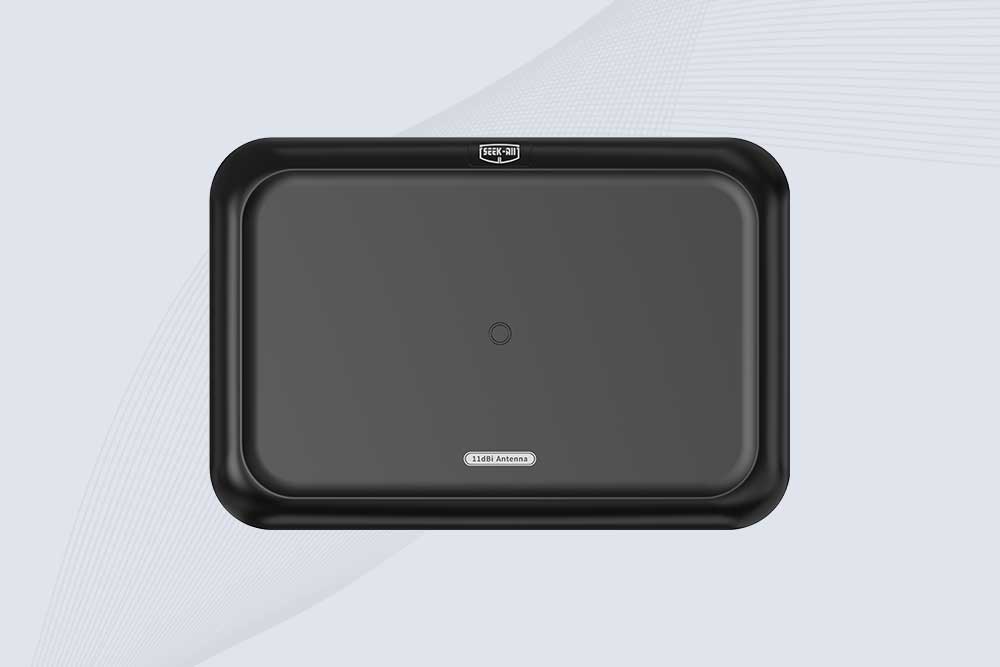
SSD-A11 UHF RFID antenna features 840–960 MHz adjustable frequency, ≥10.5 dBi gain, circular polarization and 50Ω impedance for fixed RFID systems.
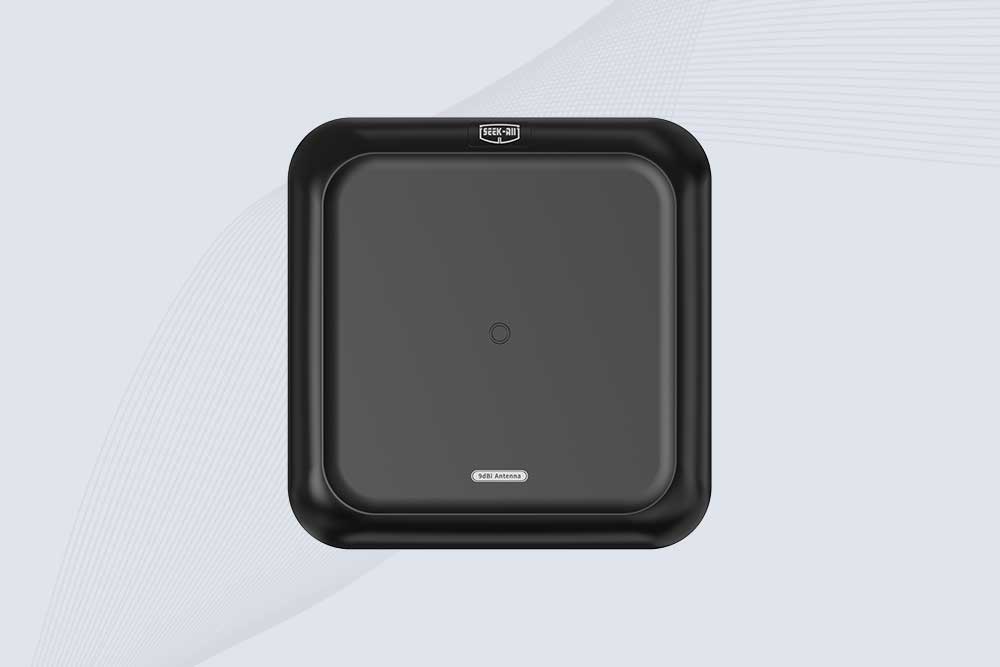
SSD-A09 is a 9 dBi UHF RFID antenna with 840–960 MHz adjustable frequency, circular polarization, 50Ω impedance and directional 60° × 60° coverage.
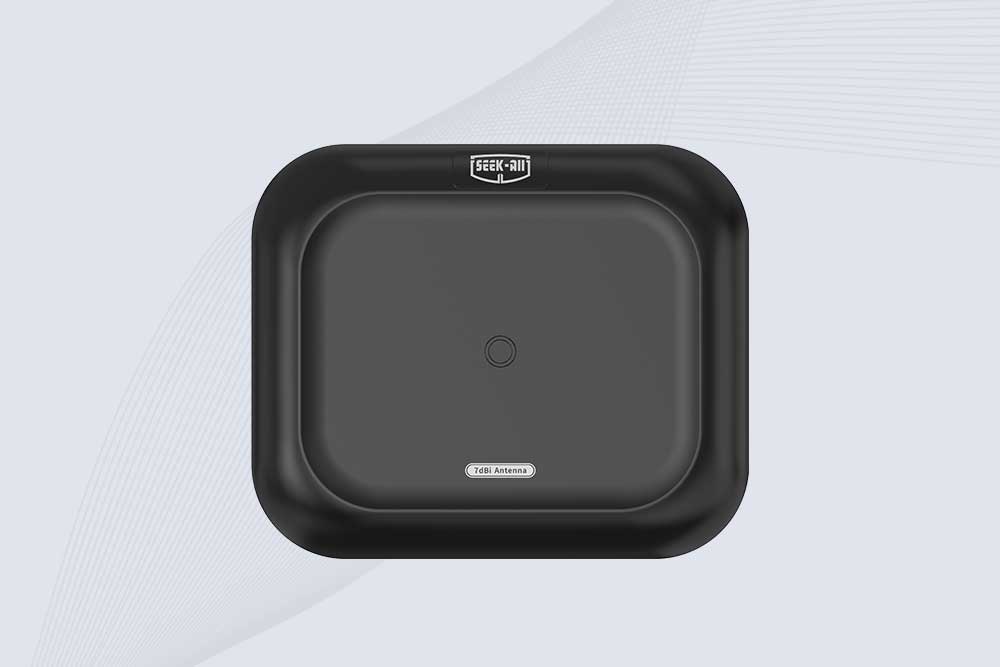
Explore the SSD-A07 UHF RFID antenna with 7 dBi gain, circular polarization, adjustable 840–960 MHz frequency, and 60°/75° beamwidth for stable RFID read/write performance.

SSD-A06 UHF RFID antenna with circular polarization, adjustable 840–960 MHz frequency, ≥4.5 dBi gain, and a compact directional design for RFID systems.

SSD-R16L Multi-Channel RFID Infrastructure for Automated Inventory Management ✔️ 16-Port High-Density RFID Reading Equipped with 16 SMA antenna ports, SSD-R16L supports multi-antenna deployment for warehouses, retail stores, logistics, production lines, and large-area RFID identification. ✔️ High-Speed & Long-Range Performance With up to 33…

SSD-R8L 8-port UHF RFID reader with 33dBm output, up to 20m reading range and 600+ tags/s recognition. Ideal for warehouse, logistics, retail and asset tracking.

SSD-R4L is a 4-port UHF RFID fixed reader with 33dBm output power, up to 20m reading range, EPC C1G2 support and 600+ tags/s reading speed.
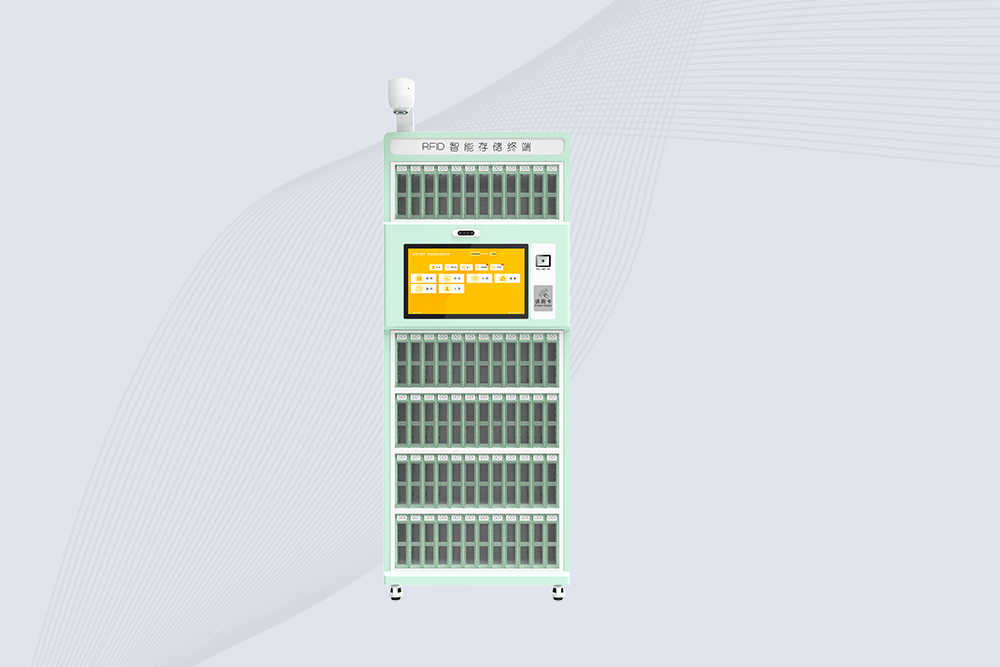
Cykeo’s RFID Library Management Cabinet offers 72-cell precision control for archives/labs/retail. Features dual-band UHF/HF scanning, facial authentication & cloud sync. ISO 18000-6C/15693 certified.
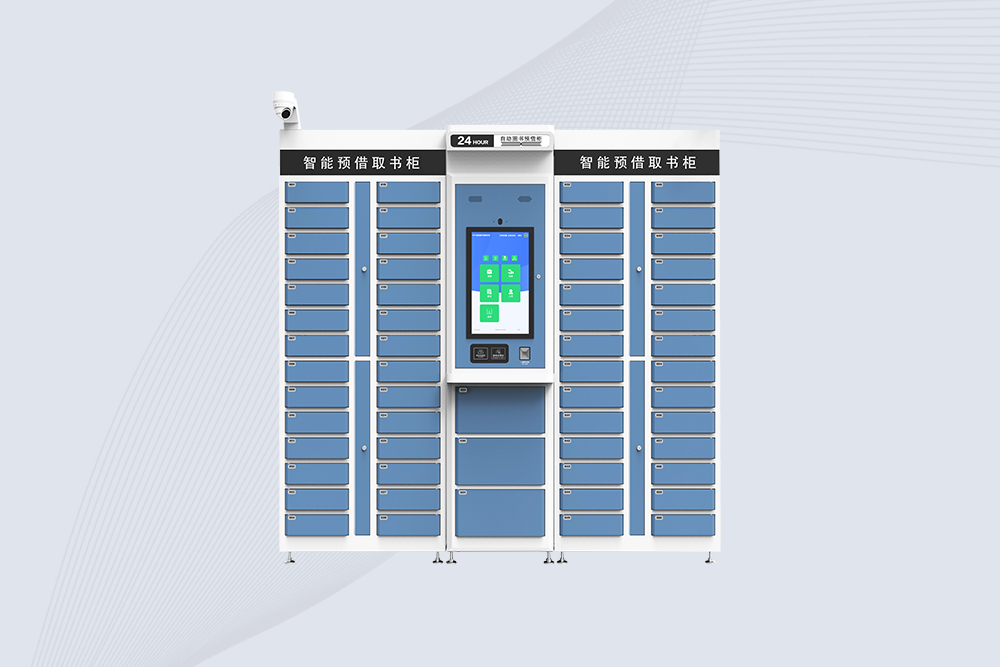
Cykeo’s RFID Smart Library Cabinet enables 24/7 book reservations with 59 compartments, biometric security & cloud sync. Ideal for universities/public libraries. Windows/Android OS.
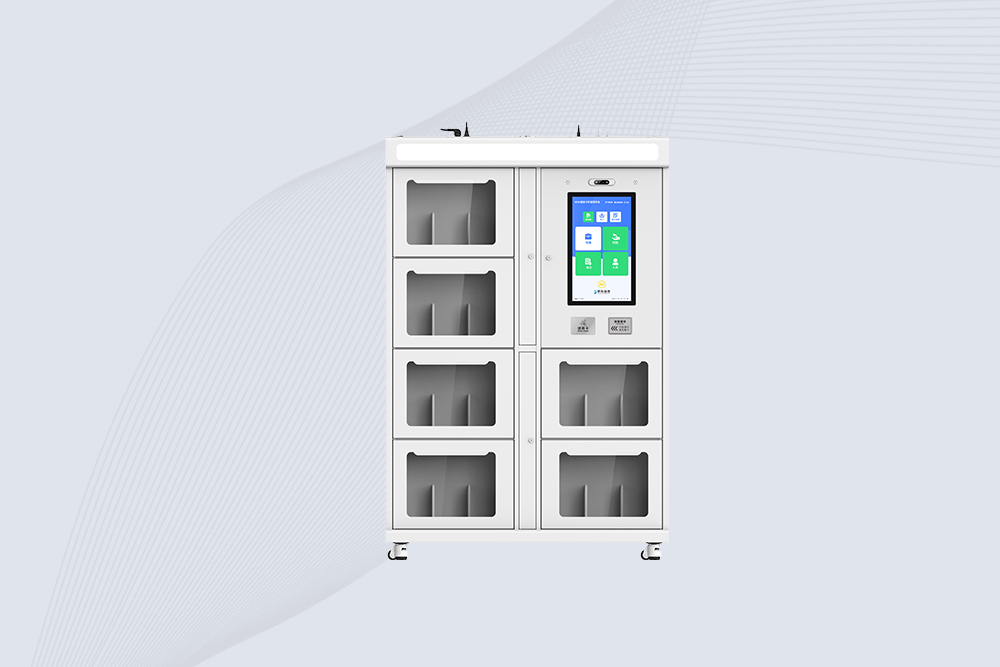
Cykeo’s RFID Book Inventory Cabinet features 7 compartments, Impinj R2000 UHF technology & dual OS for libraries/archives. 99.98% recognition accuracy with solar/cloud options.
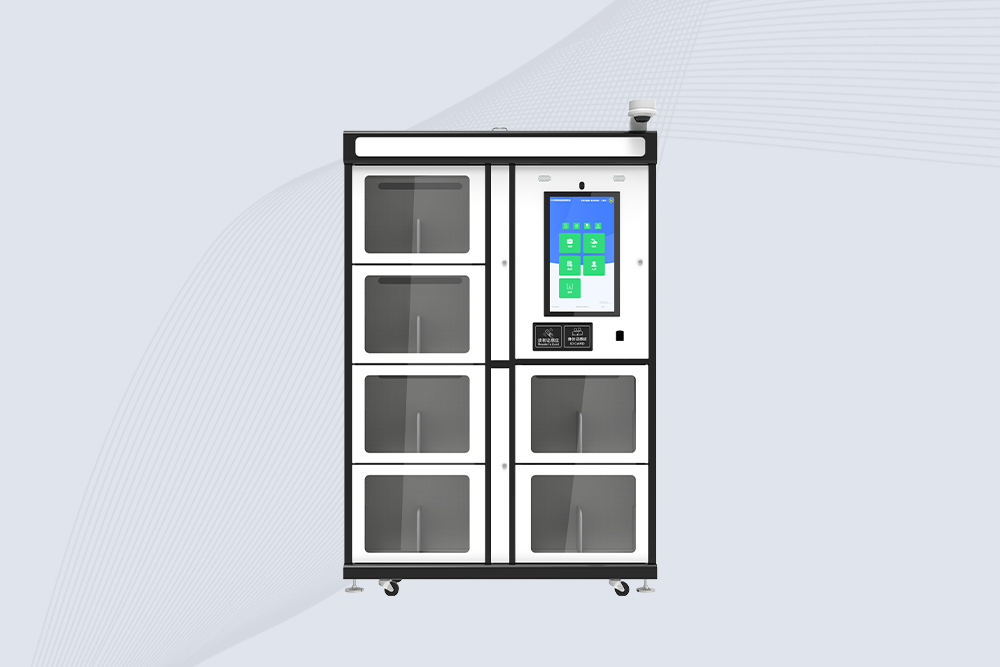
Cykeo’s industrial RFID School Library Cabinet features Impinj R2000 UHF technology, 21.5″ touchscreen & customizable compartments for academic archives, museums and libraries. Dual OS supports Windows/Android.
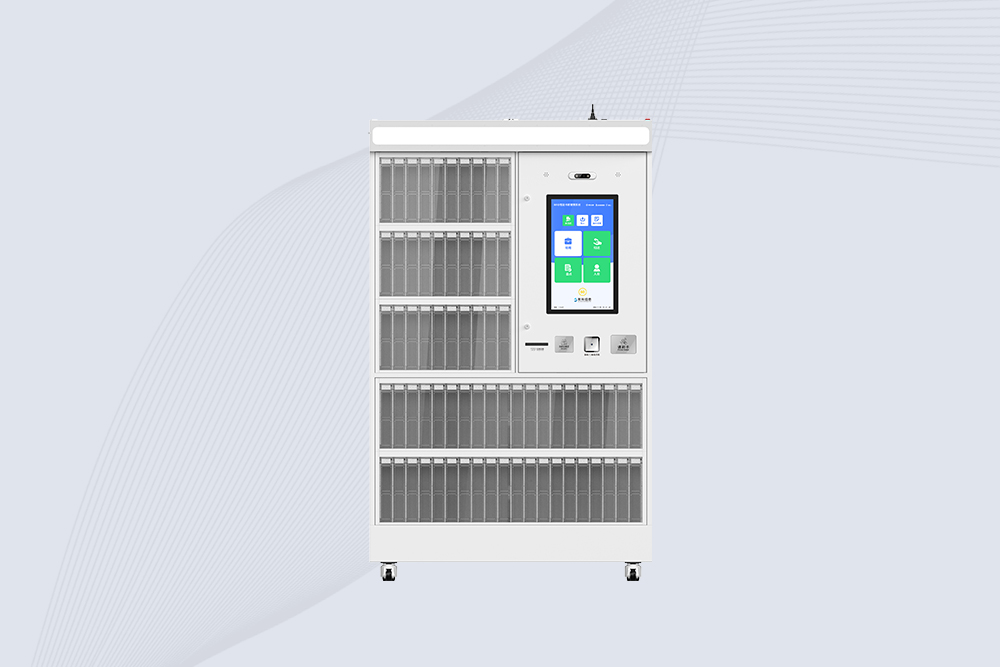
Cykeo’s RFID Mobile Library Cabinet enables 24/7 self-service book lending with 100-tag RFID scanning, facial recognition & solar power. Ideal for schools/communities.
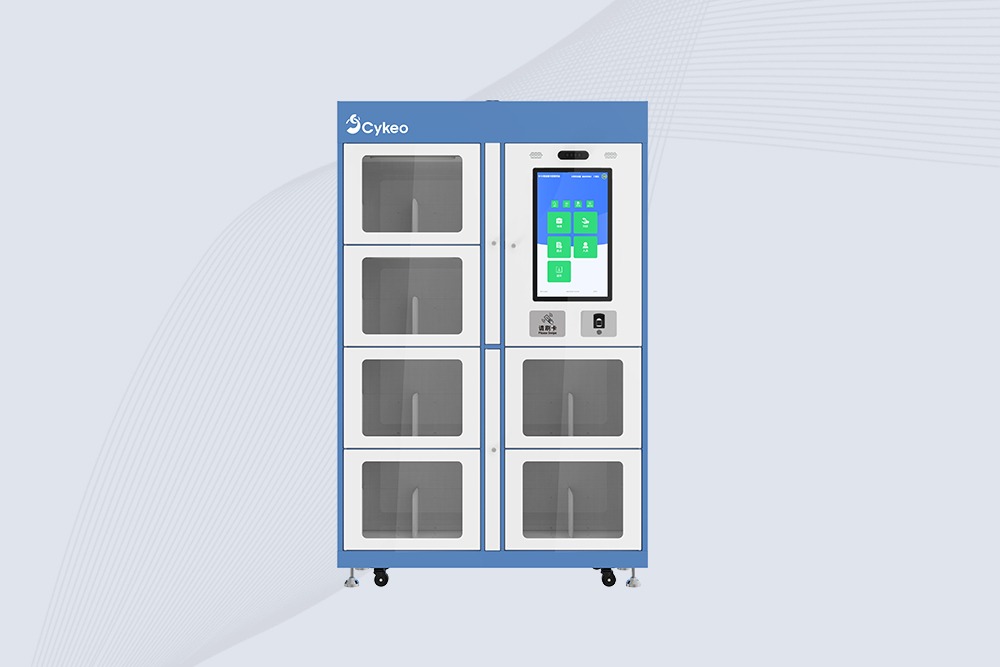
Cykeo CYKEO-G68B RFID smart bookcase features BookEye™ technology, 175-book capacity, and SAP integration for automated library management. Industrial-grade construction for 24/7 unmanned operations.
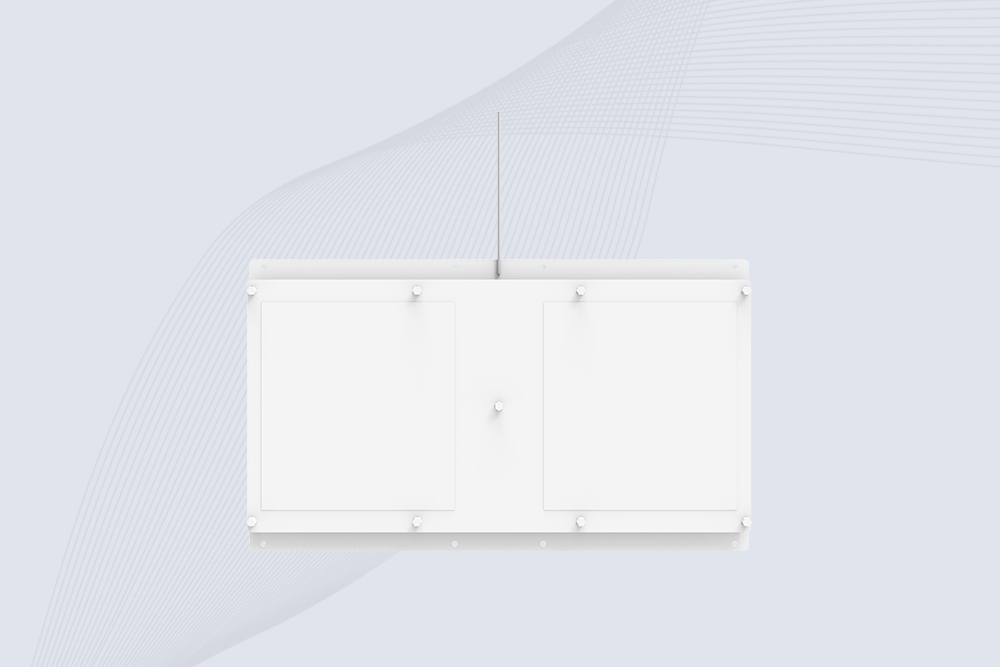
Cykeo CYKEO-A11 UHF RFID reader antenna delivers 11dBi gain, 840-960MHz frequency range, and IP65 ruggedness for retail, logistics, and industrial RFID systems. Features low VSWR and easy installation.
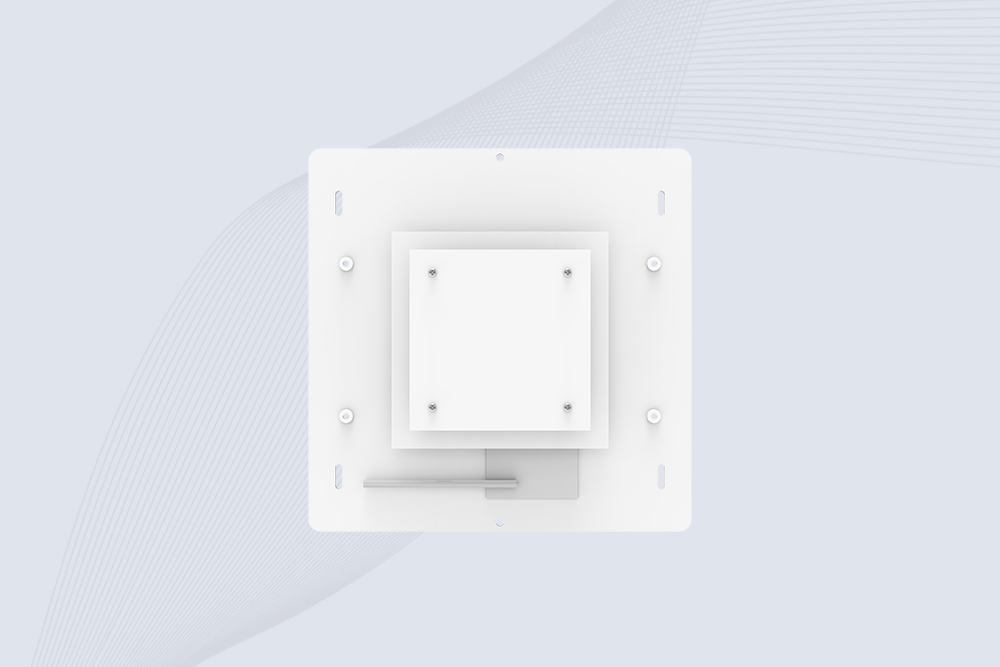
CYKEO Antenna RFID Reader delivers stable long-range UHF performance with a 10.5dBi directional design, built for warehouses, conveyor portals, and industrial RFID systems. This rfid reader antenna provides 20m+ read distance and rugged IP67 protection.

Cykeo CYKEO-PHF3 industrial HF RFID Antenna offers 24-point dynamic tracking, ISO 14443A/15693 protocols, metal-environment stability for archives/libraries/manufacturing.

Cykeo CYKEO-A5B industrial Linear RFID Antenna delivers 5dBi gain, ≤1.5:1 VSWR, and IP65 rugged design for warehouse, production line, and logistics UHF systems.

Cykeo’s CYKEO-B12 Long Range RFID Antenna delivers 15m+ read range with 12dBi gain, IP65 rugged design, and global 840-960MHz UHF support. Ideal for warehouse/logistics asset tracking.
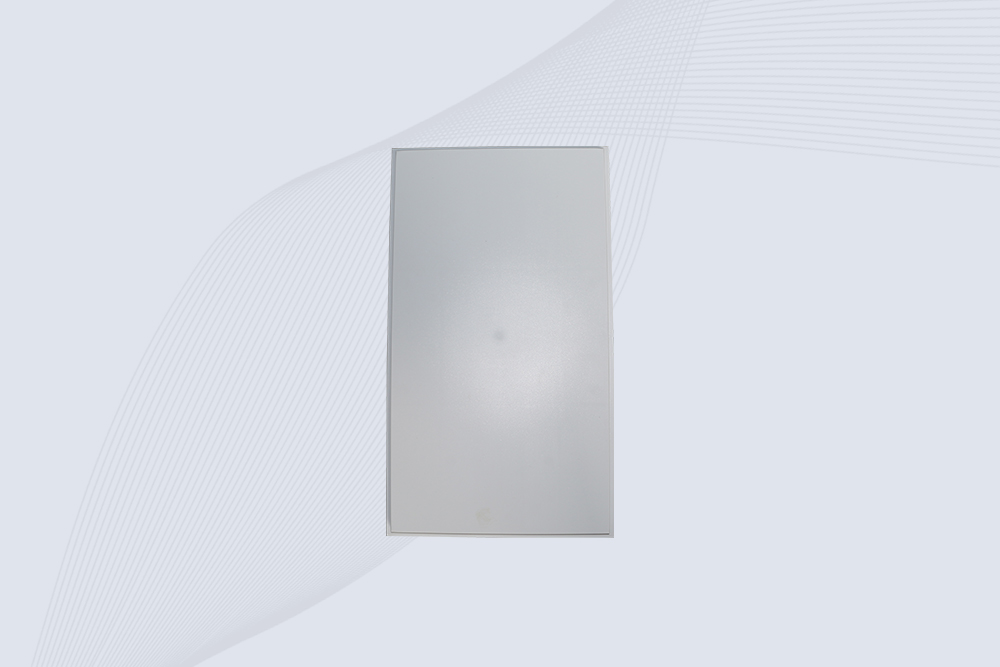
Cykeo CYKEO-B10 Long Distance RFID Antenna offers 10dBi gain, 840-960MHz frequency range, IP65 rating, and 20m+ coverage for logistics/warehousing/ETC systems. Low VSWR ensures stable signal transmission.
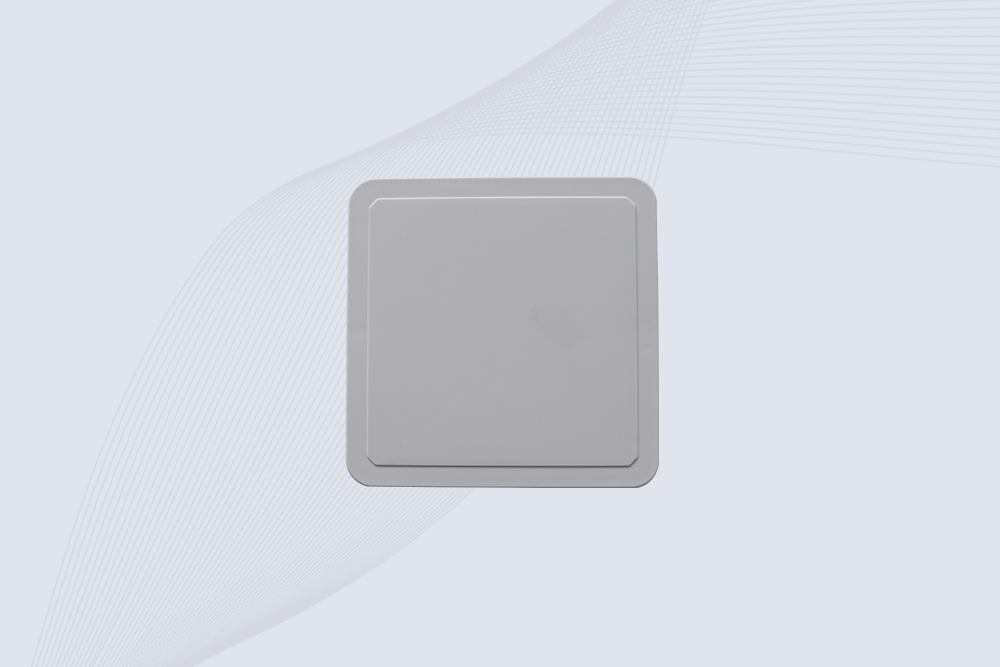
Cykeo CYKEO-A6 UHF RFID panel antenna features 6dBi gain, 840-960MHz broadband, IP65 metal-ready housing for logistics/smart retail. 18mm ultra-thin design with tool-free mounting.

Cykeo CK-A3 industrial antenna RFID UHF offers 5m+ tag detection, ≤1.3:1 VSWR, IP65 rugged design, and global UHF spectrum compatibility (840-960MHz) for warehouses, factories, and retail.
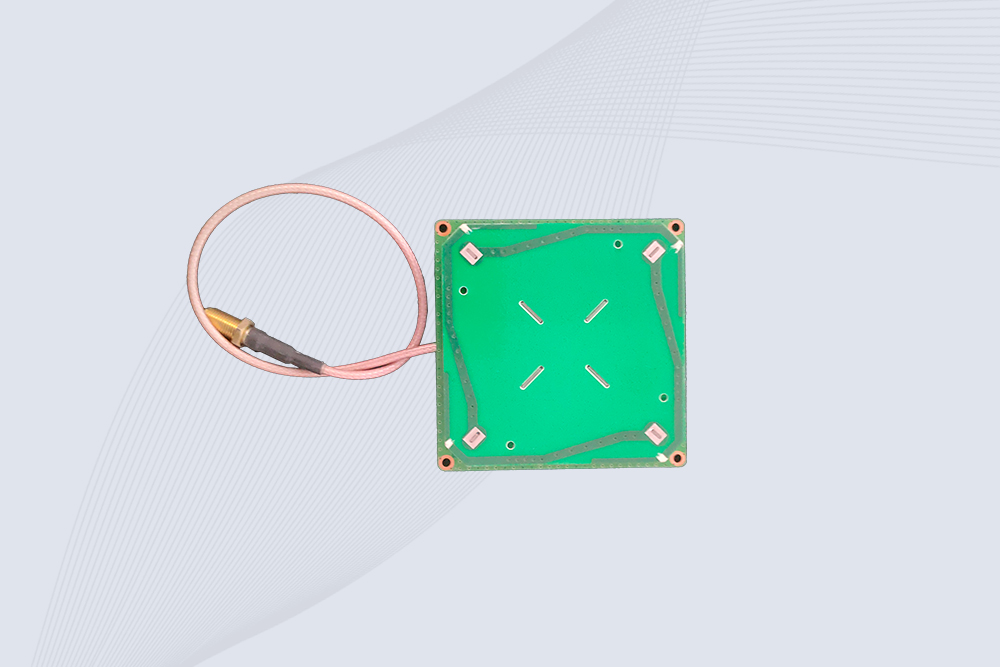
Cykeo CYKEO-B5 directional RFID antenna provides 5dBi gain with 60° narrow beamwidth for precise inventory tracking. IP65-rated, global UHF frequency support, and low VSWR.
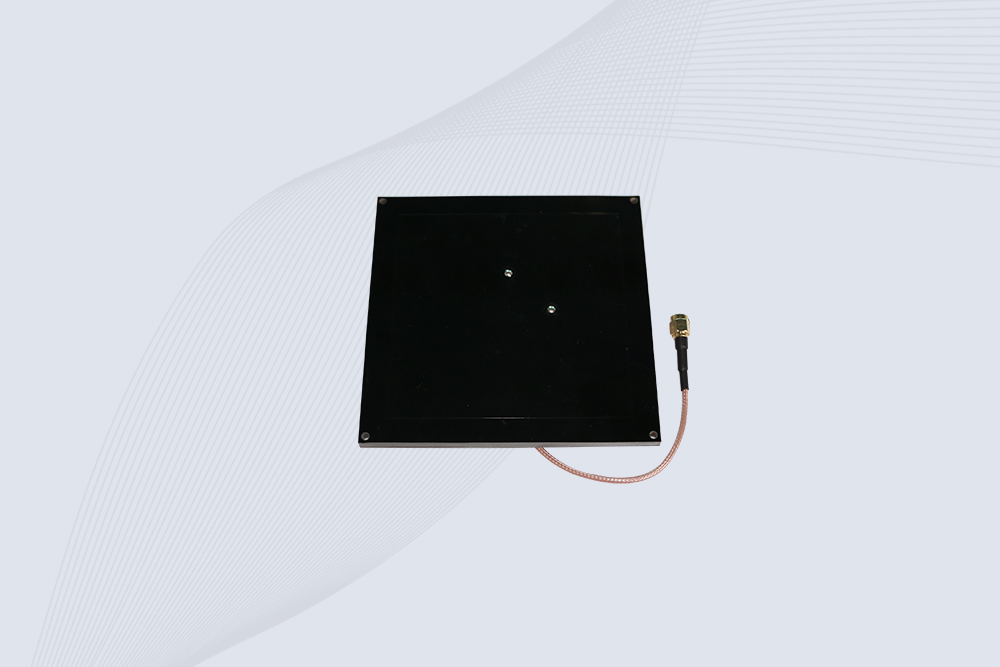
Create your own high-performance DIY RFID antenna! 5dBi gain, 840-960MHz tunable, step-by-step guides. Compatible with Arduino, Raspberry Pi, and commercial UHF readers.
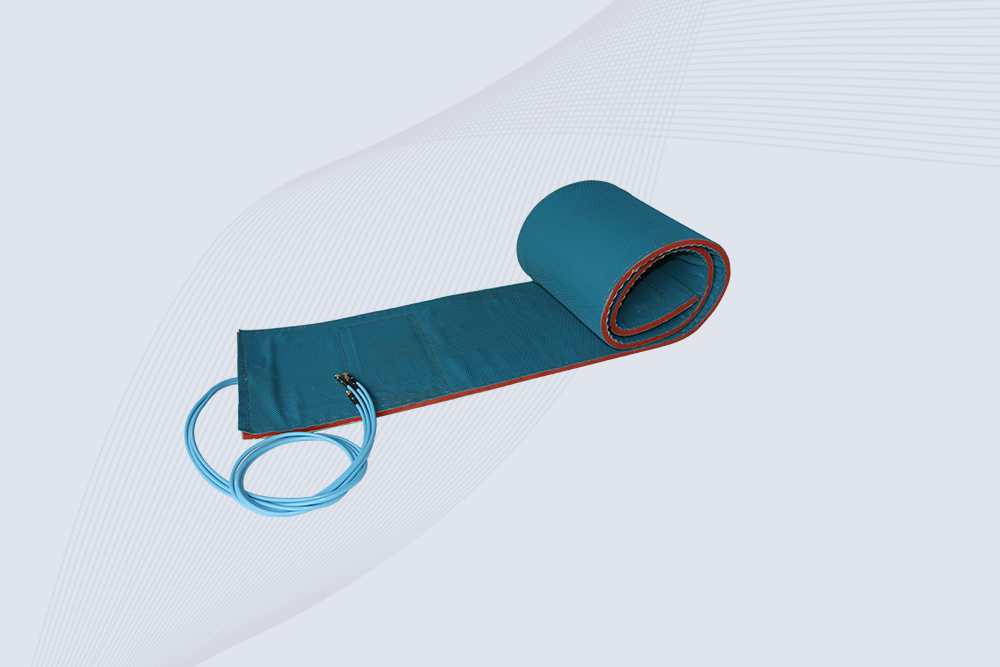
Cykeo CYKEO-A7 Flexible RFID Antenna features 840-960MHz wideband tuning, 7dBi gain, and IP68 rating for medical/retail/industrial curved surface deployments. 98% read accuracy with peel-and-stick installation.
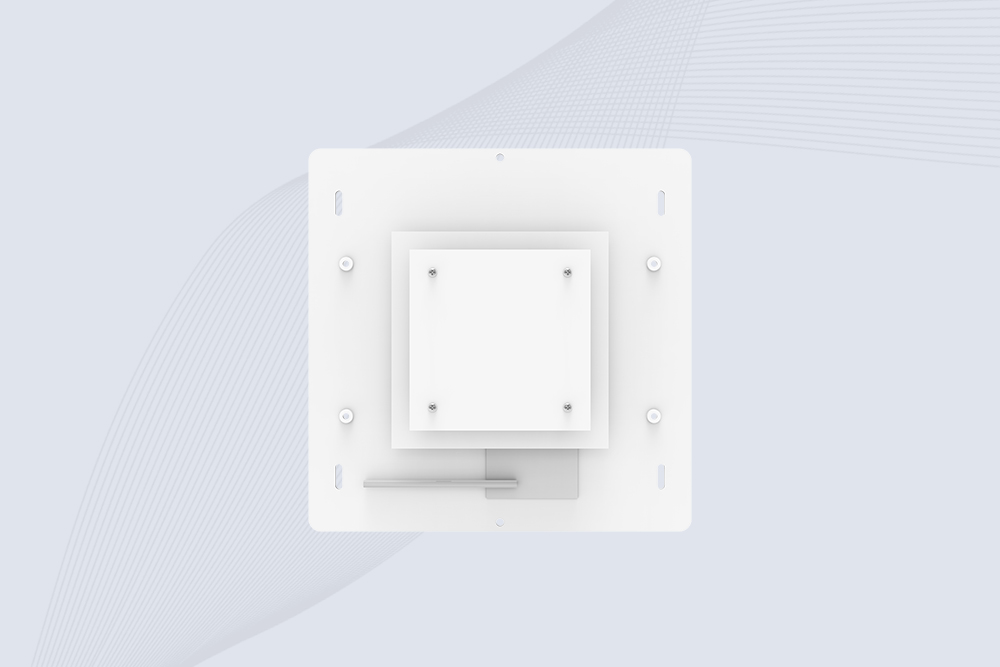
Cykeo CYKEO-B5A industrial Passive RFID Antenna delivers 5dBi gain, 70° beamwidth, and -40°C~55°C operation for warehouses/smart cabinets. Compatible with Zebra/Impinj readers.
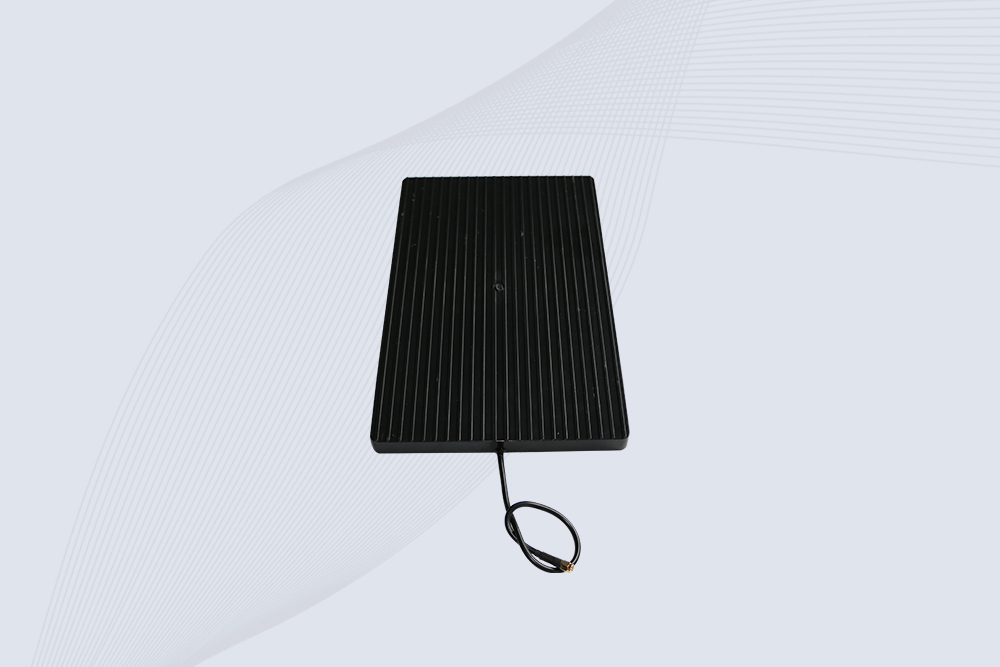
Cykeo’s CYKEO-A9B High Gain RFID Antenna delivers 15m+ read range with 9dBi amplification. Features IP54 rugged design, 840-960MHz bandwidth, and 80° beamwidth for warehouse/manufacturing RFID systems.

Cykeo’s enterprise-grade 8dbi Impinj RFID Antenna 10m+ read range with 840-960MHz tuning. Features IP65 housing, 1.4 VSWR, 35° beamwidth for retail/warehouse RFID systems.
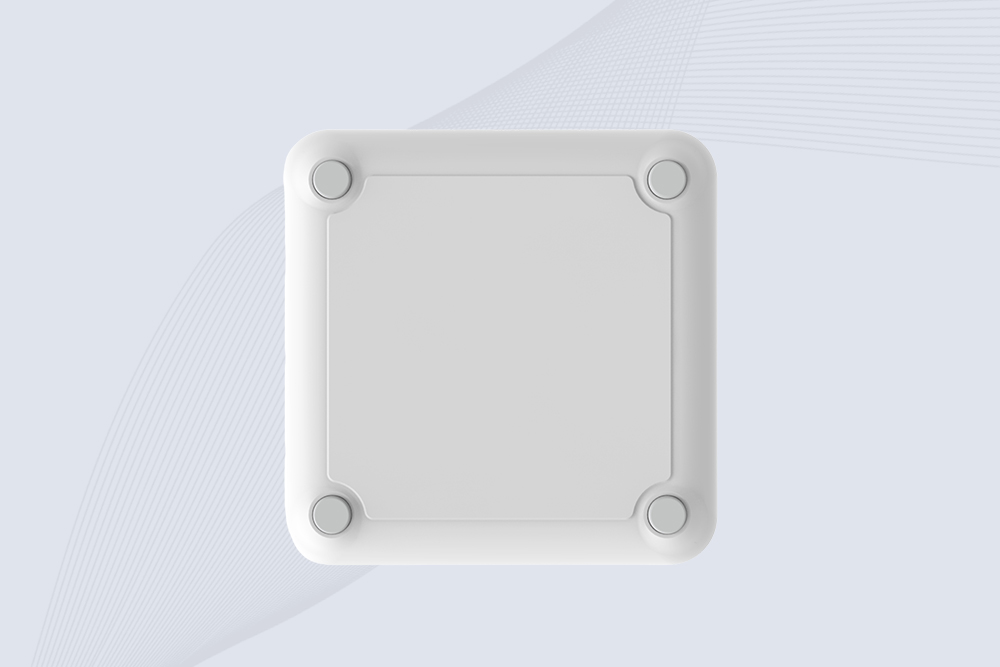
Cykeo CYKEO-A9 industrial UHF RFID antenna delivers 9dBi gain, 840-960MHz frequency range, and IP65 protection for warehouse/logistics/retail RFID systems. Features N-type connector and ≤1.3:1 VSWR.
CYKEO UHF RFID Antenna built for long-distance and industrial applications. This antenna rfid uhf delivers strong gain, outdoor durability, and reliable tag performance in warehouses, yards, and vehicle ID systems.
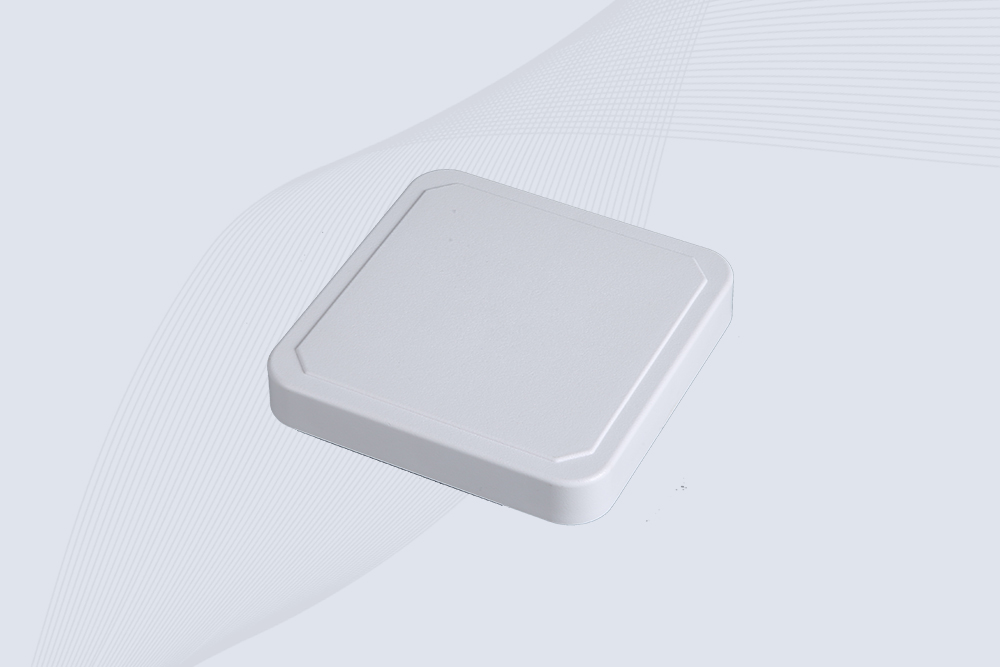
CYKEO Antenna RFID delivers reliable long-range UHF performance in warehouses, retail shelves, and cold-chain environments. This compact uhf rfid antenna provides stable reads with circular polarization and ultra-wide 840–960 MHz support, ideal for industrial tracking, smart shelves, and asset monitoring.
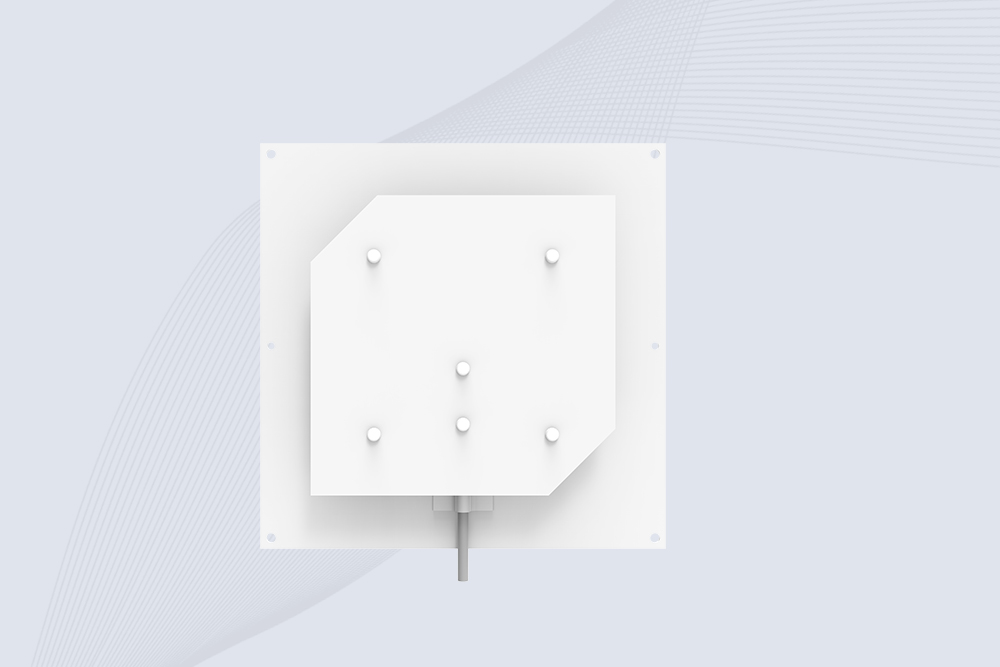
Cykeo’s CYKEO-C8 UHF RFID antennas delivers 8dBi gain, 840-960MHz full-band coverage, and IP65 ruggedness for manufacturing/warehouse RFID systems. Industrial RFID Antennas Features
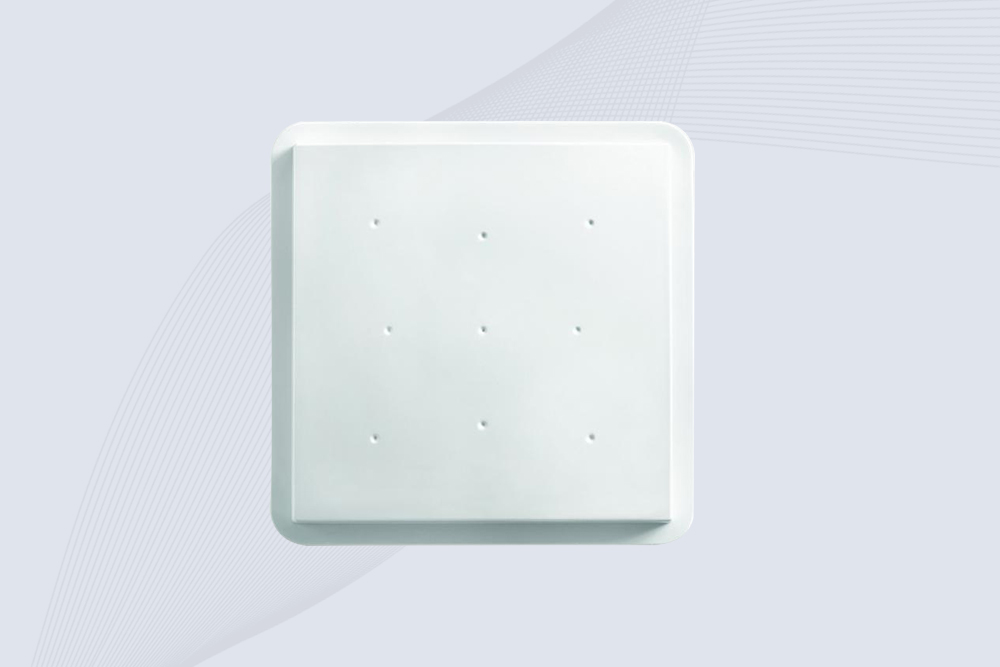
Cykeo’s 8dBi UHF RFID antenna and reader kit delivers 10m+ range, 840-960MHz broadband, and IP65 ruggedness for factories, warehouses, and logistics. ISO 18000-6C & EPC Gen2 certified.
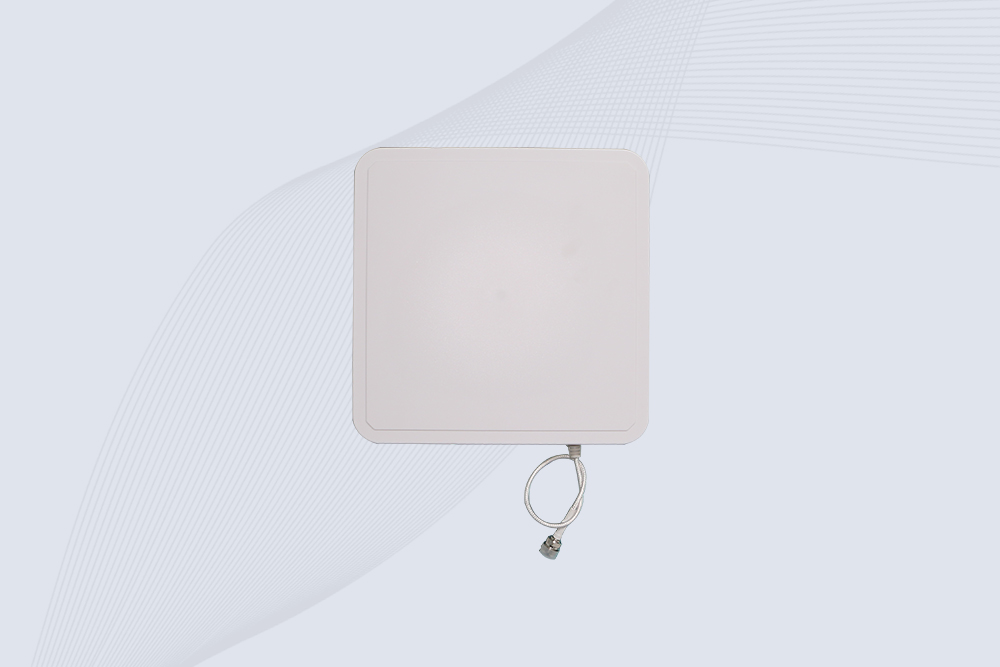
Cykeo CYKEO-A9A industrial UHF RFID reader and antenna kit delivers 10m range, 500 tags/sec, IP65 ruggedness for manufacturing/logistics. Supports EPC Gen2, ISO18000-6C.
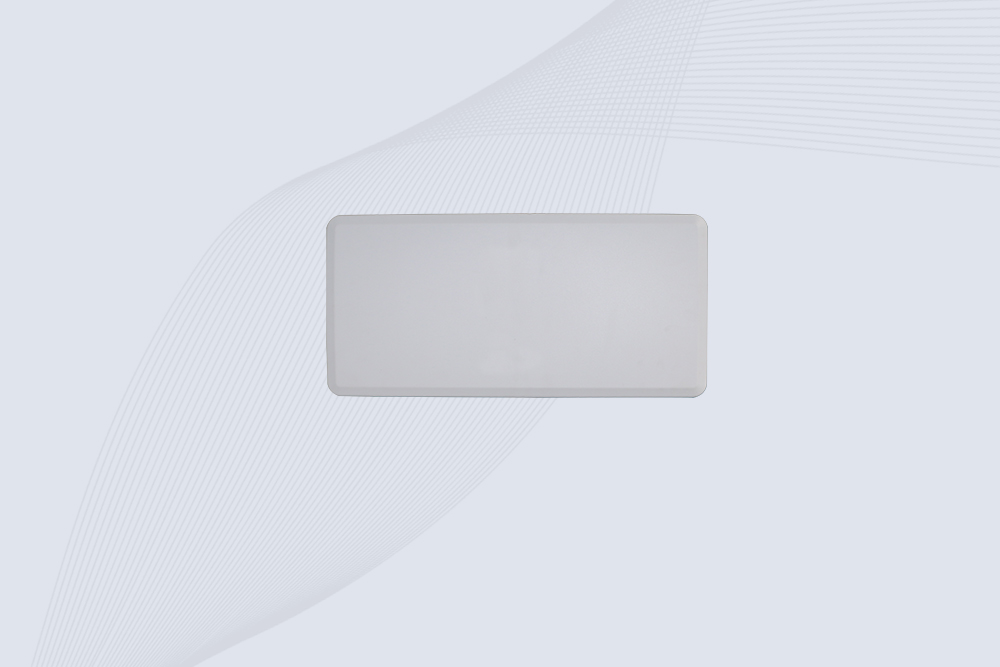
Cykeo’s CYKEO-A12C UHF Large RFID Antenna delivers 12dBi gain, 840-960MHz global frequency, IP65 ruggedness for logistics/warehousing/automotive. 40° beamwidth ensures stable 15m+ tag reads.

CYKEO Near Field RFID Antenna provides precise 5–30 cm reading for shelves, cabinets, and workstations. This compact rfid shelf antenna delivers stable short-range performance around metal and clutter, ideal for pharmacies, libraries, and electronics sorting.

Cykeo CYKEO-C1 industrial Forklift RFID Reader features 20m read range, 600 tags/sec scanning, Impinj R2000 chipset, and IP67 rugged design. Ideal for warehouse logistics and manufacturing. Supports ISO 18000-6C/6B protocols.

Cykeo CYKEO-R4 industrial UHF RFID Fixed Reader features 4 TNC ports, 400+ tags/sec speed, IP67 housing, and global frequency compliance for vehicle inspection, smart warehouse, and asset management systems.
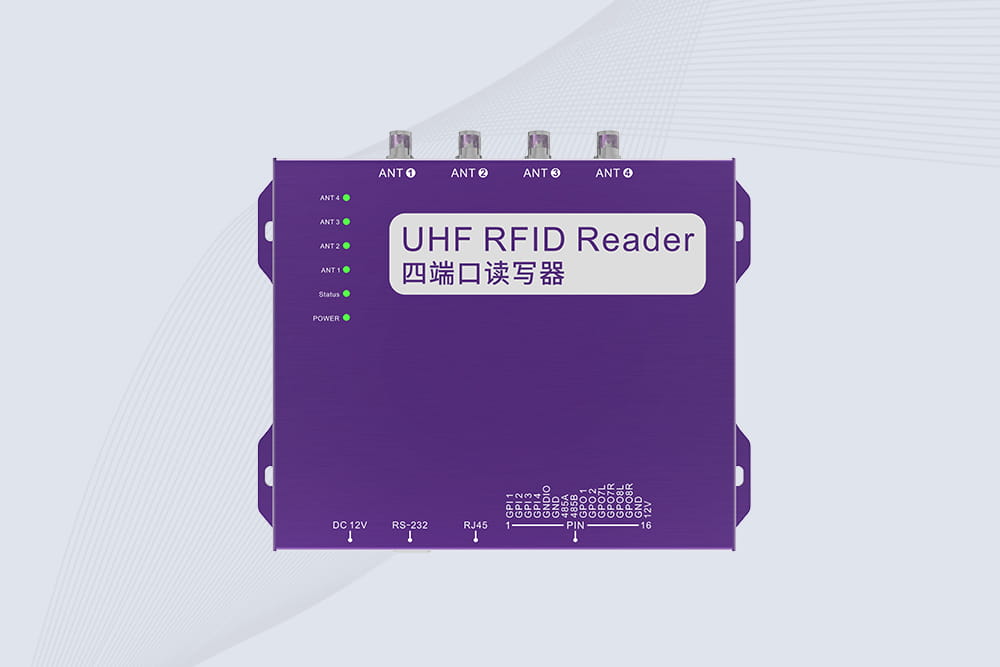
Cykeo’s CYKEO-R4L 4-port Fixed UHF RFID Reader delivers 400 tags/sec scanning, ISO 18000-6C compliance, and IP65 protection. Ideal for warehouse automation, manufacturing WIP tracking, and logistics management.
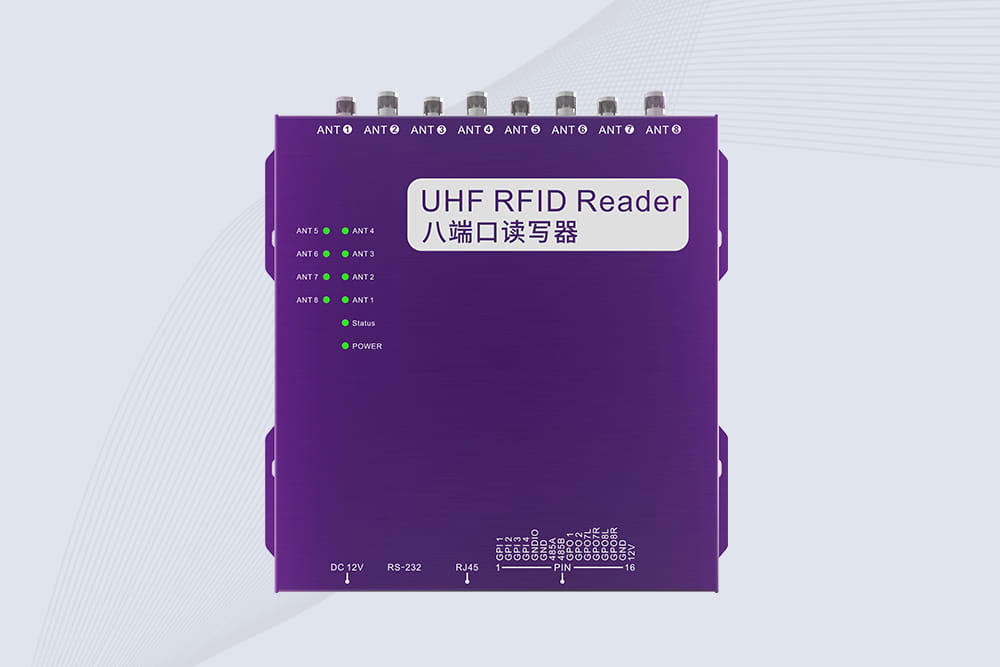
CYKEO CYKEO-R8L Fixed RFID Reader with 8-port UHF design, Impinj-based RF core and up to 20m read range. An industrial Fixed RFID Reader for vehicle inspection, warehouse portals, smart manufacturing lines and secure access checkpoints.
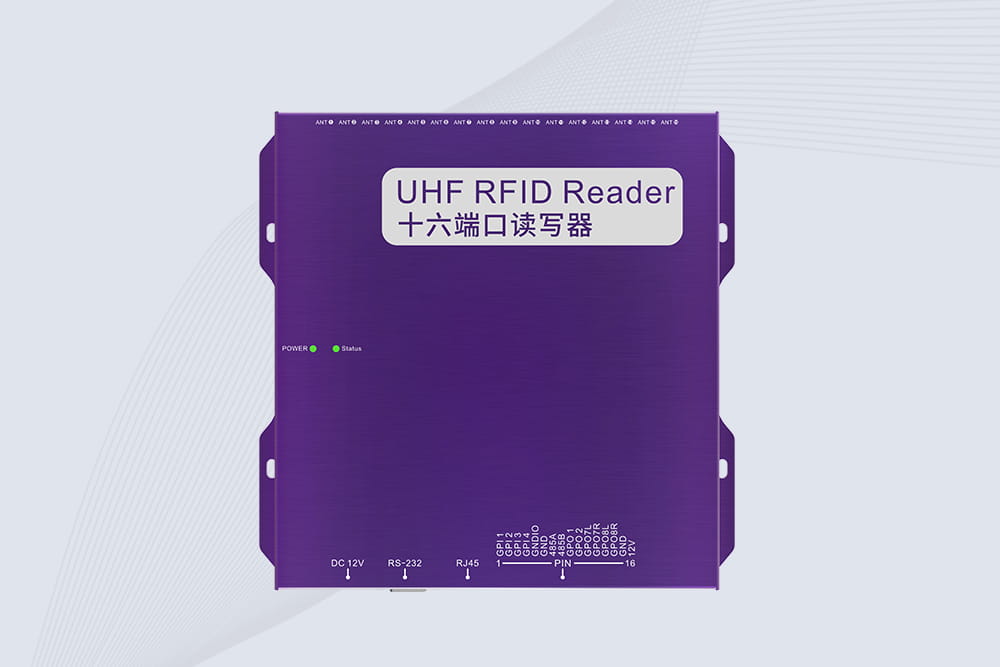
RFID Fixed Reader from CYKEO – the CYKEO-R16L 16-port UHF fixed reader for warehouses, smart cabinets, and production lines. Long-range, multi-tag reading, stable performance for 24/7 industrial use.
RFID Industry Writer | IoT & Asset Tracking Analyst
James writes about RFID technology, asset tracking, and the practical challenges of digital transformation across warehousing, retail, manufacturing, and logistics.
His work focuses on how RFID is applied in real-world operations—improving inventory visibility, automating workflows, and helping businesses manage assets with greater accuracy and efficiency.
He regularly covers topics including UHF RFID, smart cabinets, RFID portals, tool tracking, warehouse automation, and industrial IoT trends..

Discover how rfid tag sticker solutions enable fast tracking, real-time inventory, and automation across retail, logistics, and asset management.
More
Discover expert tips for installing fixed long-range RFID readers in factories. Learn how Cykeo’s solutions ensure accuracy, durability, and seamless integration in industrial settings.
More
Learn how to choose the right RFID access kit for doors, gates, parking lots, and vehicle access control. Explore reader types, credentials, system architecture, integration options, and key factors commercial buyers should consider before purchas...
More
Learn how does rfid scanner work, from RF energy and tag backscatter to multi-tag identification, antenna design, and real-world UHF RFID scanning in warehouses and industry.
More